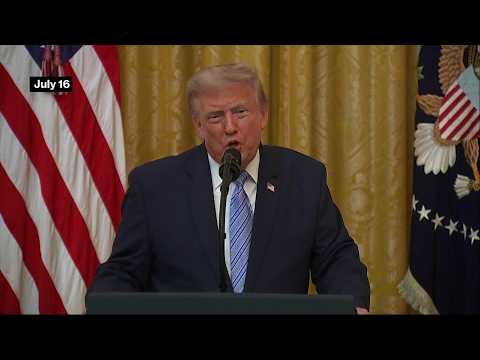
President Donald Trump’s endorsement has a substantial impact on political contests, demonstrably reshaping election dynamics, especially within South Carolina races. His vocal support for a candidate can significantly alter the perceived viability and ultimate success of a campaign, often leading to shifts in voter allegiance and increased media attention.
The Weight of a Presidential Endorsement
An endorsement from a former President, particularly one with a dedicated base like Donald Trump, carries immense weight. It signals to voters that a candidate aligns with the President’s vision and agenda. This signal can be crucial in crowded primary fields where voters seek clear distinctions between contenders.
South Carolina, with its early primary status and conservative electorate, has historically been a critical proving ground for Republican hopefuls. The state’s voters are often attuned to national conservative figures and their recommendations.
The President’s backing can provide instant credibility and a surge of momentum. It can differentiate a candidate from a field of otherwise similar contenders.
South Carolina: A Bellwether State
South Carolina’s political landscape is complex and deeply rooted in its history. The state has played a pivotal role in presidential primaries for decades. Its voters are known for their discernment and often reflect broader conservative trends.
The state’s primary results often predict future national outcomes. This makes South Carolina a highly sought-after battleground for candidates seeking to demonstrate electability and garner national attention.
For President Trump, a strong showing for his endorsed candidates in South Carolina reinforces his kingmaker status within the Republican Party. It demonstrates his continued ability to mobilize voters and influence election results.
The Mechanism of Influence
An endorsement from President Trump is not merely a verbal statement. It often comes with a suite of benefits for the endorsed candidate. These can include social media amplification, appearances at rallies, and access to the President’s extensive donor network.
President Trump’s active presence on platforms like Truth Social allows for direct communication with his supporters. A post or a video message endorsing a candidate can reach millions instantly. This direct line bypasses traditional media filters and speaks directly to the base.
Rallies featuring President Trump are significant events. They draw large crowds and generate considerable media coverage. An endorsed candidate sharing a stage with the President gains invaluable exposure and a powerful visual association.
Fundraising also sees a substantial boost. Donors who are loyal to President Trump often extend their support to candidates he champions. This influx of capital can be critical for campaign operations, advertising, and grassroots organizing.
Case Studies in Endorsement Impact
Historically, numerous races have shown the transformative power of a presidential endorsement. While specific details of the current South Carolina race are developing, past examples provide a template.
In the 2022 midterm elections, several candidates across the country saw their fortunes shift dramatically after receiving President Trump’s endorsement. In some cases, candidates who were trailing in polls surged ahead. In others, lesser-known candidates gained immediate recognition and viability.
These instances underscore a consistent pattern. The Trump endorsement acts as a powerful signal to a specific segment of the electorate. This segment is often highly engaged and motivated to vote.
The Candidate’s Pursuit of Endorsement
Candidates understand the strategic value of President Trump’s backing. Many actively seek his endorsement, engaging in public displays of loyalty and alignment with his policy positions.
This pursuit often involves visits to Mar-a-Lago, public statements of support for the President, and participation in events that signal their conservative bona fides. The competition for an endorsement can be intense, as candidates recognize its potential to be a game-changer.
The process of securing an endorsement can itself become a narrative point in a campaign. It can demonstrate a candidate’s ability to connect with national figures and garner influential support.
Voter Response and Shifting Dynamics
Voters often respond predictably to a presidential endorsement. For supporters of President Trump, his word is a powerful cue. They view his endorsements as a guide to selecting candidates who will best represent their interests and values.
This dynamic can lead to significant shifts in polling data shortly after an endorsement is announced. Candidates who were once considered underdogs can quickly become frontrunners. Conversely, candidates who fail to secure the endorsement, or who are endorsed by an opposing faction, may see their support erode.
The impact is not always uniform across all demographics. However, within the core Republican primary electorate, the influence is often undeniable. It speaks to a deep connection between the President and a significant portion of the party’s base.
The Broader Political Implications
The enduring power of President Trump’s endorsements has broader implications for the Republican Party. It suggests a continued centralization of influence around his figure. This can affect party unity, candidate recruitment, and policy direction.
For the party, navigating this influence is a constant challenge. Balancing the need for unity with the aspirations of individual candidates requires strategic finesse. The President’s role as a kingmaker is a defining feature of the current Republican political landscape.
The South Carolina race, whatever its specific outcome, will serve as another chapter in this ongoing narrative. It will demonstrate the current strength of presidential influence in shaping local and state-level politics.
Challenges and Counter-Strategies
Candidates not endorsed by President Trump face significant challenges. They must find alternative ways to energize their base and differentiate themselves. This often involves emphasizing local issues, building strong grassroots networks, or appealing to different factions within the party.
Some candidates may attempt to downplay the significance of an endorsement, while others may seek endorsements from other prominent conservative figures. The strategic response to a Trump endorsement (or lack thereof) is a critical component of campaign planning.
The political environment is dynamic. The effectiveness of any endorsement can depend on the specific context of the race, the strength of the candidates, and prevailing national sentiments. However, the consistent impact of President Trump’s backing remains a dominant factor.
Candidates campaigned. Volunteers mobilized. Donors contributed. Voters cast their ballots. The President weighed in. South Carolina spoke.