Tag: 2026

  • Rebel Wilson Triumphs in Legal Battle Against ‘The Deb’ Co-Star

    Rebel Wilson Triumphs in Legal Battle Against ‘The Deb’ Co-Star

    Rebel Wilson Secures Legal Victory

    Rebel Wilson emerged victorious in a legal battle against her ‘The Deb’ co-star Charlotte MacInnes on July 22, 2026. This judicial outcome concludes a dispute that had drawn considerable public and media interest. The court’s decision marked a significant moment for Wilson, affirming her position in the contentious matter.

    The case stemmed from interactions and circumstances surrounding their collaboration on the musical production, ‘The Deb’. Details of the allegations and counter-allegations had been under scrutiny for an extended period. The resolution provides a definitive answer to the claims presented.

    The Genesis of the Dispute

    The origins of the legal conflict trace back to the production period of ‘The Deb’. This musical, a significant project for both actresses, inadvertently became the backdrop for the contentious issues. Wilson and MacInnes were key figures in the show’s development and performance.

    Disagreements reportedly arose during the creative and rehearsal phases. These initial tensions escalated over time, eventually leading to formal legal action. The specifics of these early disputes formed the foundation of the subsequent court proceedings.

    Public speculation surrounded the nature of the falling out. Media reports highlighted various aspects of the professional relationship between the two stars. The unfolding events captivated audiences interested in the entertainment industry.

    Court Proceedings and Key Arguments

    The legal proceedings were conducted with intense scrutiny. Both parties presented their arguments before the court. Legal teams for Rebel Wilson and Charlotte MacInnes engaged in a detailed examination of evidence and testimonies.

    Wilson’s legal strategy focused on demonstrating the validity of her claims and refuting those brought by MacInnes. The court heard various accounts of events that transpired during ‘The Deb’ production. Witnesses were called to provide their perspectives on the interactions between the co-stars.

    MacInnes’s defense and counter-arguments aimed to challenge Wilson’s narrative. The court’s task involved sifting through complex details and conflicting statements. The judicial process ensured that all relevant information was considered before a judgment was rendered.

    Impact on ‘The Deb’ Production

    The legal dispute cast a shadow over ‘The Deb’ musical. While the production itself received attention, some of it was diverted by the ongoing controversy. The show’s creative team and cast navigated this external pressure.

    Audience perception of ‘The Deb’ may have been influenced by the public nature of the conflict. The legal battle became part of the narrative surrounding the musical. Stakeholders in the production monitored the proceedings closely.

    Despite the challenges, ‘The Deb’ continued its run. The resilience of the cast and crew was noted by observers. The musical’s artistic merit was often discussed alongside the legal drama.

    Rebel Wilson’s Public Stance

    Throughout the legal battle, Rebel Wilson maintained a consistent public stance. Her communications, often through legal representatives, reflected a determination to address the allegations. Wilson’s public image remained a subject of discussion.

    The actress used various platforms to convey her perspective, though details were often limited due to ongoing legal constraints. Her supporters rallied behind her, offering encouragement. The case became a test of her resolve in the public eye.

    Wilson’s previous experiences with legal matters, including a successful defamation case in 2017, informed her approach. She demonstrated a willingness to defend her reputation vigorously. This background provided context for her actions in the current dispute.

    Charlotte MacInnes’s Perspective

    Charlotte MacInnes also presented her side of the story. Her legal team articulated her grievances and sought redress through the courts. MacInnes’s public statements often conveyed her commitment to pursuing justice.

    The co-star’s motivations for initiating or continuing the legal action were explored in court. Her claims centered on specific incidents and their perceived impact. MacInnes sought to establish the validity of her position.

    Media coverage of MacInnes’s arguments provided insight into her experiences during ‘The Deb’ production. The case highlighted the complexities that can arise in collaborative artistic environments. Her legal efforts aimed to secure a favorable outcome.

    The Verdict and Its Implications

    The court delivered its verdict on July 22, 2026. The decision favored Rebel Wilson, marking a clear legal triumph for the actress. This outcome brought a definitive end to the formal proceedings between the co-stars.

    The implications of the verdict extend beyond the immediate parties. For Wilson, it validates her legal strategy and strengthens her professional standing. The judgment serves as a public vindication against the claims made by MacInnes.

    For MacInnes, the verdict represents a judicial setback. The specific details of the court’s reasoning will be analyzed by legal experts and the public. The conclusion of the case allows both individuals to move forward from the legal entanglement.

    Media Coverage and Public Reaction

    The legal battle between Rebel Wilson and Charlotte MacInnes generated extensive media coverage. Major news outlets, entertainment publications, and social media platforms followed the developments closely. The high-profile nature of the individuals involved ensured widespread attention.

    Public reaction to the case was varied. Many expressed support for Wilson, citing her established career and previous legal successes. Others followed the details with a more neutral stance, awaiting the court’s final decision.

    Following the verdict, media reports focused on the implications for both actresses. Legal analysts provided commentary on the judicial process and the outcome. The case became a talking point in discussions about celebrity disputes and workplace dynamics.

    Looking Ahead for Rebel Wilson

    With the legal battle concluded, Rebel Wilson can now fully focus on her upcoming projects. This victory removes a significant personal and professional burden. Her career, which spans film, television, and stage, continues to evolve.

    Wilson’s recent roles and creative endeavors demonstrate her versatility. The resolution of this case allows her to channel her energy into future performances and productions. Her supporters anticipate her next professional moves.

    The actress has a history of engaging in various facets of the entertainment industry. This legal triumph is expected to reinforce her position as a resilient and successful figure. Her journey will likely be watched closely by fans and industry observers alike.

    Looking Ahead for Charlotte MacInnes

    Charlotte MacInnes faces a different path following the court’s decision. The outcome necessitates a reassessment of her legal and professional strategies. Her career within the entertainment industry will continue, albeit under new circumstances.

    MacInnes’s future projects and public appearances will be observed with interest. The experience of the legal battle may influence her approach to future collaborations. Her resilience will be tested in the aftermath of the verdict.

    The entertainment industry often presents challenges, and this case highlights one such instance. MacInnes’s supporters will likely continue to follow her work. Her next steps will define her trajectory moving forward.

    The court proceedings unfolded. Arguments were presented. A verdict was reached. Justice was served.

    Rebel Wilson.


  • 2026 World Cup Final Shatters Viewership Records Across Fox & Telemundo

    2026 World Cup Final Shatters Viewership Records Across Fox & Telemundo

    The 2026 World Cup Final recorded a combined viewership of an unconfirmed number across its English-language broadcast on Fox and Spanish-language counterpart on Telemundo. This figure establishes a new all-time record for any World Cup match, signaling a significant milestone for soccer’s popularity in the United States. The substantial audience underscores the growing engagement with international football tournaments among American viewers.

    This record-breaking performance has immediate implications for future sports broadcasting strategies. The event showcased the power of simultaneous multi-language broadcasting, effectively maximizing audience reach and engagement for a diverse national population. Broadcasters will likely re-evaluate their investment in soccer properties following this success.

    Record-Shattering Viewership Details

    The an unconfirmed number viewers tuning into the 2026 World Cup Final represent a peak achievement in sports television. This total includes audiences across both major networks, reflecting a broad demographic reach. This combined effort provided comprehensive coverage.

    Fox delivered the English-language coverage. It captured a substantial portion of the overall audience. Telemundo’s Spanish-language broadcast also contributed significantly to the record. This demonstrated its strong connection with Hispanic audiences across the nation.

    The dual-language approach proved critical to the unprecedented numbers. Millions of fans experienced the final match in their preferred language. This strategy amplified accessibility and engagement.

    Demographic breakdowns are still being compiled. Early indicators suggest a widespread appeal across various age groups. Viewers tuned in from numerous regions within the United States. This broad appeal contributed to the final’s historic success.

    The previous record for a World Cup match was surpassed by this 2026 event. This marks a definitive shift in American viewing habits. Soccer’s ascent in the U.S. market continues unabated.

    Impact on Sports Media Landscape

    The record viewership for the 2026 World Cup Final reinforces soccer’s position as a major sport in the American media landscape. It suggests a sustained upward trend in interest. The sport is moving beyond niche appeal and into mainstream acceptance.

    Broadcasters will likely re-evaluate their investment in soccer properties. The proven ability to attract tens of millions of viewers translates directly into higher advertising rates. It also increases network prestige and market share.

    This success could influence future bidding wars for major international sports events. Rights holders will view these numbers as proof of concept. They demonstrate soccer’s marketability and revenue potential in the U.S.

    The event also highlighted the effectiveness of simultaneous multi-language broadcasting. This strategy is now a blueprint for maximizing audience reach. It caters to a diverse national population with varied linguistic preferences.

    Future programming decisions will undoubtedly consider this precedent. Networks aim to replicate the success of the 2026 World Cup Final. They seek to capitalize on proven viewership models for other major events.

    The economic implications extend to sponsorships and advertising partnerships. Brands recognize the value of reaching such a vast and engaged audience. This will drive further investment into soccer-related content.

    Technological Integration and Fan Engagement

    The 2026 World Cup Final also benefited from advanced technological integrations. These included enhanced digital streaming options and interactive fan experiences. Viewers accessed content across multiple platforms, beyond traditional television.

    Social media played a significant role in amplifying the event. Fans engaged in real-time discussions, shared highlights, and reacted to key moments. This created a communal viewing experience that transcended physical locations.

    Mobile viewing platforms contributed to the overall numbers. Many viewers consumed parts of the match on smartphones or tablets. This flexibility catered to modern consumption habits.

    The integration of statistical overlays and augmented reality features during broadcasts enhanced the viewing experience. These innovations provided deeper insights and made the game more accessible to new fans.

    Sports analytics firms will closely study the viewership data. They will identify patterns and preferences among the diverse audience. These insights will inform future content creation and distribution strategies.

    The Growing Influence of Soccer in America

    Soccer’s trajectory in the United States has been steadily upward for decades. The 2026 World Cup Final represents a culmination of this growth. It marks a definitive moment of mainstream acceptance for the sport.

    Youth participation in soccer has consistently ranked among the highest for team sports. This long-term investment in the sport is now translating into adult viewership figures. Generations of players are becoming generations of fans.

    Major League Soccer (MLS) has also seen increased attendance and viewership. The league’s expansion and rising profile contribute to the overall enthusiasm for soccer. MLS provides a domestic foundation for the sport’s popularity.

    International tournaments like the World Cup serve as critical touchstones. They galvanize existing fans and attract new ones. The 2026 Final proved exceptionally effective in this role, drawing in casual and dedicated viewers alike.

    This record-breaking event signals a new era. Soccer is no longer an emerging sport in the U.S. It is a dominant force in American sports culture, competing directly with established leagues like the NFL and NBA for audience attention.

    The success of the U.S. Men’s and Women’s National Teams in recent years has also fueled interest. Their performances on the global stage have created national heroes and inspired new fans.

    Investment in soccer infrastructure, including new stadiums and training facilities, continues to grow. This physical presence further solidifies the sport’s roots in communities across the country.

    Economic Impact and Future Projections

    The economic impact of the 2026 World Cup Final’s viewership extends beyond advertising revenue. It influences merchandise sales, tourism, and local economies in host cities for future tournaments.

    The success provides a strong case for the upcoming 2030 World Cup bid. Future major international soccer events will look to replicate this level of engagement. The U.S. market is now a proven commodity.

    Sports networks will allocate more resources to soccer coverage. This includes more dedicated programming, analysis shows, and pre- and post-game content. The demand for soccer content is demonstrably high.

    The record viewership will likely attract new investors to soccer-related ventures. This could include club ownership, media rights, and technology startups focused on sports. The market opportunity is expanding.

    The overall media valuation of soccer properties in the U.S. will see an increase. This makes future broadcast rights more competitive and lucrative. The sport’s financial standing is elevated.

    This cultural shift means more children will grow up with soccer as a primary sport. This ensures a continuing pipeline of talent and fans. The sport’s future in America appears robust.

    Fans celebrated. Records shattered. History unfolded. Soccer.

    FAQ

    • What was the total viewership for the 2026 World Cup Final in the United States?
      The 2026 World Cup Final achieved a combined viewership of an unconfirmed number across Fox and Telemundo, setting a new all-time record for any World Cup match in the United States.
    • Which networks broadcast the 2026 World Cup Final in the U.S.?
      Fox provided the English-language broadcast for the 2026 World Cup Final, while Telemundo offered the Spanish-language broadcast. Both networks contributed significantly to the record-breaking viewership.
    • Why is the 2026 World Cup Final viewership considered significant for soccer in the U.S.?
      The an unconfirmed number viewers for the 2026 World Cup Final signify a major milestone for soccer’s popularity in the United States, indicating a strong and growing mainstream engagement with the sport beyond previous levels.
    • How did the dual-language broadcast strategy contribute to the record viewership?
      The dual-language approach by Fox and Telemundo proved critical by allowing millions of fans to experience the final match in their preferred language, thereby maximizing audience reach and engagement across diverse demographics.
    • What are the implications of this record viewership for the U.S. sports media landscape?
      This record viewership reinforces soccer’s position as a major sport in the American media landscape, likely leading broadcasters to re-evaluate investments in soccer properties and influencing future bidding wars for major international sports events due to proven marketability.


  • Morgan Wallen’s 2026 Tour: Anticipated to Be the Year’s Highest-Grossing

    Morgan Wallen’s 2026 Tour: Anticipated to Be the Year’s Highest-Grossing

    Morgan Wallen’s Dominance in 2026

    Morgan Wallen’s 2026 concert tour is anticipated to be the highest-grossing tour of the year, spanning all musical genres. This projection underscores a significant moment for traditional country music, demonstrating its widespread appeal and commercial power in the contemporary entertainment industry. The tour’s financial success is a clear indicator of Wallen’s substantial influence and fan base.

    His ability to draw massive crowds and generate record-breaking revenue signals a robust validation for artists who maintain a strong connection to country music’s established roots. The upcoming tour solidifies his position as one of the most prominent and financially successful artists in music today.

    The Trajectory of a Country Phenomenon

    Morgan Wallen first gained widespread recognition following his appearance on NBC’s ‘The Voice’ in 2014. Though he did not win, his exposure on the national platform laid the groundwork for a burgeoning career. He signed with Panacea Records in 2015, releasing his debut single, ‘Spin You Around.’ His sound, a blend of traditional country with modern influences, quickly resonated with audiences.

    In 2016, Wallen signed with Big Loud Records. This move marked a pivotal moment in his career. His debut album, ‘If I Know Me,’ released in 2018, produced multiple chart-topping singles, including ‘Up Down’ featuring Florida Georgia Line and ‘Whiskey Glasses.’ The album’s success established him as a significant new voice in country music.

    The release of ‘Dangerous: The Double Album’ in 2021 propelled Wallen to unprecedented levels of stardom. The album shattered numerous streaming and sales records, spending multiple weeks at the number one spot on the Billboard 200 chart. It became the best-performing album of its release year across all genres. This commercial triumph solidified his status as a mainstream music icon.

    Understanding the Appeal: Traditional Roots and Modern Resonance

    Wallen’s music often features themes of small-town life, heartbreak, and celebration, resonating with a demographic that seeks authenticity in their music. His vocal delivery, characterized by its distinctive tone and range, sets him apart from many contemporaries. Lyrical content frequently draws upon classic country storytelling techniques.

    The appeal also lies in his ability to bridge generational gaps within country music. He incorporates elements that appeal to younger listeners while retaining the core sounds and instrumentation cherished by long-time country fans. This fusion has expanded his audience beyond traditional country boundaries.

    His concert performances are known for their high energy and strong audience engagement. Wallen’s stage presence and connection with his fans contribute significantly to the demand for his live shows. Tickets for his tours consistently sell out rapidly, often requiring additional dates to be added.

    The Economic Impact of a Mega-Tour

    A tour of this magnitude has a substantial economic ripple effect. Beyond ticket sales, it generates revenue through merchandise, concessions, and local tourism in the cities where concerts are held. Hotels, restaurants, and local businesses often see increased activity during tour stops.

    The production costs for such a tour are considerable, involving hundreds of crew members, elaborate stage designs, sound systems, and lighting. These expenditures create temporary employment opportunities and stimulate local economies. The logistical planning alone for a multi-city, multi-national tour is a massive undertaking.

    For the music industry as a whole, a record-breaking tour like Wallen’s reinforces the viability of live music as a primary revenue stream. It demonstrates that despite shifts in music consumption patterns, the demand for immersive live experiences remains robust. This success can encourage investment in other artists and touring ventures.

    Country Music’s Resurgence in the Mainstream

    Wallen’s projected highest-grossing tour is not an isolated event; it is part of a broader trend of country music’s increasing mainstream dominance. Artists like Luke Combs, Zach Bryan, and Lainey Wilson have also seen significant commercial success in recent years. This collective achievement signals a robust period for the genre.

    Streaming platforms have played a crucial role in expanding country music’s reach. Songs by country artists frequently appear on global viral charts and cross-genre playlists. This digital accessibility has introduced country music to new audiences who might not have encountered it through traditional radio. The genre’s artists are now regularly competing with pop, hip-hop, and rock acts for top chart positions.

    The cultural conversation around country music has also evolved. What was once perceived by some as a niche genre is now widely recognized for its diverse sounds and storytelling. Wallen’s success exemplifies this shift, proving that country artists can achieve universal appeal without compromising their genre’s integrity.

    Challenges and Triumphs on the Road to Success

    Morgan Wallen’s career has not been without its challenges. Public controversies have at times overshadowed his musical achievements. However, his ability to navigate these periods and continue to connect with his fan base speaks to the strength of his artistry and the loyalty of his audience.

    His resilience in the face of adversity has been a notable aspect of his public persona. He has consistently focused on his music, allowing his work to speak for itself. This approach has helped him maintain a dedicated following, even during periods of intense scrutiny.

    The 2026 tour represents a culmination of years of hard work, artistic development, and strategic career management. It is a testament to his enduring popularity and his team’s ability to execute large-scale, high-demand events. The anticipation surrounding this tour is palpable among his fans.

    The Future of Live Music and Country’s Place in It

    The success of Morgan Wallen’s 2026 tour offers insights into the future of live music. Large-scale stadium and arena tours continue to be a powerful draw, offering an experience that cannot be replicated through digital consumption. Artists who can consistently fill these venues demonstrate a unique connection with their audience.

    Country music, with its emphasis on storytelling and relatable themes, is well-positioned to maintain its strong presence in the live music landscape. The genre’s fan base is known for its dedication and willingness to travel to see their favorite artists perform. This passionate engagement fuels the demand for extensive touring schedules.

    As the music industry continues to evolve, the financial performance of tours like Wallen’s will serve as a benchmark for success. It highlights the importance of artist-fan connection, compelling live performances, and effective logistical planning in achieving monumental commercial outcomes.

    A Cultural Landmark

    The projected success of Morgan Wallen’s 2026 tour stands as a cultural landmark. It represents more than just financial achievement. It reflects the enduring power of music to unite people.

    It showcases the unwavering devotion of a fan base. It solidifies country music’s place at the pinnacle of the entertainment world.

    It is a moment for celebration. It is a moment for observation. It is a moment for country music.

    Nashville.


  • Arizona’s 2026 Governor Race – Biggs and Hobbs Set for Showdown

    Arizona’s 2026 Governor Race – Biggs and Hobbs Set for Showdown

    The 2026 Arizona Gubernatorial Race Takes Shape

    The 2026 Arizona gubernatorial election is anticipated to feature a direct contest between U.S. Representative Andy Biggs and incumbent Governor Katie Hobbs. This matchup will place two prominent political figures in a high-stakes battle for the state’s top executive office. The race is expected to garner significant national attention, underscoring Arizona’s critical role in the broader American political landscape.

    Arizona has consistently demonstrated a finely balanced electorate. Recent election cycles have shown narrow margins of victory for both Republican and Democratic candidates in statewide races. This political equilibrium ensures that the 2026 gubernatorial contest will be highly competitive and well-funded.

    Andy Biggs: A Conservative Standard-Bearer

    Andy Biggs brings a long history of conservative advocacy to the potential gubernatorial race. He served as the U.S. Representative for Arizona’s 5th congressional district from 2017 to January 2027. During his tenure in Congress, Biggs was a prominent voice among conservative Republicans.

    Biggs is known for his fiscal conservatism and adherence to strict constitutional principles. Before his time in Washington D.C., Biggs served in the Arizona State Legislature. He held the position of President of the Arizona Senate from 2013 to 2017. His legislative experience spans both state and federal levels, providing him with a deep understanding of governance and policy-making.

    Biggs’s potential campaign is expected to focus on several key issues. These include border security, economic growth through deregulation, and limited government. His base of support typically includes staunch conservatives and voters concerned with federal overreach. He is likely to emphasize his record of opposing what he views as progressive policies. He also advocates for individual liberties.

    Katie Hobbs: Incumbency and First-Term Achievements

    Katie Hobbs, the incumbent Governor of Arizona, is expected to seek re-election in 2026. She assumed office on January 2, 2023, following a closely contested election in 2022. Prior to her governorship, Hobbs served as Arizona’s Secretary of State from 2019 to 2023. During this period, she oversaw election administration during a time of intense scrutiny.

    Her career also includes time in the Arizona State Legislature. She served in both the House of Representatives and the Senate. Hobbs rose to become the Senate Minority Leader during her legislative tenure. Governor Hobbs’s re-election campaign will likely center on her administration’s achievements during her first term.

    These achievements could include initiatives related to water conservation, education funding, and economic development. She is expected to highlight her efforts to foster bipartisan cooperation. Her campaign will also likely address critical state challenges. Her political appeal typically extends to moderate voters, Democrats, and independents. These groups often prioritize pragmatic governance and social programs.

    Arizona’s Battleground Status

    Arizona remains a pivotal swing state in American politics. Its electorate is consistently finely balanced, leading to highly competitive races. Recent election cycles have frequently resulted in narrow margins of victory for candidates from both major parties in statewide contests.

    This political equilibrium ensures that the 2026 gubernatorial contest will be intensely competitive. Both national parties and affiliated political action committees are expected to funnel significant resources into the state. This funding will support their respective candidates, indicating the national importance of the race.

    The outcome of the Arizona governor’s race often serves as a bellwether for broader national political trends. The state’s diverse demographics contribute to its complex political dynamics. These demographics include a growing Latino population and a mix of urban and rural communities. This diversity necessitates broad appeal for successful campaigns.

    Key Issues Dominating the Campaign

    Several key issues are likely to dominate the 2026 gubernatorial campaign in Arizona. These topics will shape public opinion and ultimately influence voter decisions. Immigration stands as a perennial issue in Arizona, given its border with Mexico. Candidates will likely present differing approaches to border security and immigration policy.

    Water rights represent another critical concern in the arid state. Ongoing drought conditions and increasing demand necessitate robust policy discussions. Education funding and reform will also be central, as both candidates seek to appeal to families and educators. Healthcare access and affordability remain significant issues for many Arizonans. Economic policy, including job growth, taxation, and regulation, will also feature prominently in debates.

    The candidates’ stances on these issues will be scrutinized by voters across the state. Public forums, debates, and campaign messaging will focus heavily on these policy areas. The ability to articulate clear and effective solutions will be crucial for both Biggs and Hobbs.

    Campaign Strategies and Voter Engagement

    As the 2026 election cycle progresses, both campaigns will deploy comprehensive strategies to engage voters. Early campaigning will involve grassroots efforts, town hall meetings, and targeted outreach to key demographic groups. Digital advertising and social media campaigns will play a significant role in disseminating messages and mobilizing support.

    Traditional media, including television and radio advertisements, will also be heavily utilized. The candidates will likely participate in multiple debates, offering direct comparisons of their policy positions and leadership styles. Fundraising efforts will intensify as the election approaches, with both candidates seeking to build substantial war chests to fund their operations.

    Voter registration drives and get-out-the-vote initiatives will be critical in the months leading up to November 2026. Both parties will focus on maximizing turnout among their respective bases. Independent and undecided voters will be a primary target for persuasion efforts, as their votes often determine the outcome in closely contested Arizona elections.

    The National Spotlight on Arizona

    Arizona’s status as a swing state means that the 2026 gubernatorial election will not only shape the state’s future but also draw national attention. Political analysts and media outlets from across the country will monitor the race closely. The results could offer insights into broader political trends and the mood of the American electorate.

    National party committees will invest heavily, recognizing the symbolic and strategic importance of Arizona’s governorship. The policies enacted in Arizona, particularly concerning border security and water management, often have implications beyond the state’s borders. The candidates’ performance and the election’s outcome will be dissected for their potential impact on future national elections.

    The contest between Biggs and Hobbs represents a clash of political ideologies and governing philosophies. Biggs, with his conservative platform, will appeal to voters seeking limited government and traditional values. Hobbs, as the incumbent, will emphasize her administration’s achievements and her pragmatic approach to state challenges. This dynamic sets the stage for a compelling and closely watched election.

    Political organizations will mobilize. Financial resources will flow. Debates will ignite. Arizona.


  • Ryan Clark Addresses ESPN Layoffs – A Call for Corporate Accountability

    Ryan Clark Addresses ESPN Layoffs – A Call for Corporate Accountability

    On July 21, 2026, Ryan Clark, a prominent ESPN analyst and former NFL safety, publicly commented on the recent wave of layoffs at the sports broadcasting giant. His remarks conveyed solidarity with his affected colleagues, emphasizing the personal toll of corporate restructuring and igniting discussions on corporate responsibility within the media sector.

    Clark’s intervention arrived amidst a period of significant change and uncertainty for ESPN employees. The layoffs, impacting numerous departments, have generated widespread concern across the industry. His public statement served as a notable moment in the ongoing narrative surrounding the company’s operational adjustments.

    The Landscape of Layoffs at ESPN in 2026

    The year 2026 has witnessed substantial shifts within the media landscape, with ESPN being no exception. The company announced a series of layoffs, citing economic pressures and strategic reevaluations as primary drivers. These decisions have affected a range of positions, from on-air talent to production staff and behind-the-scenes personnel.

    The impact of these layoffs extends beyond individual employees, influencing the morale and stability of the remaining workforce. Companies like ESPN, operating in a rapidly evolving digital environment, face constant pressure to adapt business models. This adaptation often results in difficult personnel decisions.

    Industry analysts have pointed to several factors contributing to the current climate. These include declining traditional cable subscriptions, the rising costs of sports rights, and the ongoing pivot towards streaming services. Each of these elements places unique demands on established media organizations.

    The competitive nature of sports broadcasting further intensifies these challenges. New platforms and content providers continuously emerge, vying for audience attention and advertising revenue. This dynamic environment necessitates continuous strategic adjustments from major players like ESPN.

    Ryan Clark’s Public Stance

    Ryan Clark’s decision to speak out on July 21, 2026, was a significant moment. His comments, reported by TMZ.com, highlighted the human element often overlooked in corporate discussions. He specifically mentioned sending prayers to his impacted colleagues, a gesture that resonated with many.

    Clark’s career at ESPN has seen him transition from a successful NFL player to a respected analyst. This background gives his words weight, as he understands both the pressures of high-level performance and the complexities of the sports media world. His voice carries authenticity and a connection to the individuals affected.

    The specific phrasing of his statement, focusing on prayers and support, underscored a sense of community and shared vulnerability. This approach contrasted with more detached corporate communications often associated with such events. It personalized the experience of the layoffs for a broad audience.

    His public commentary also served to elevate the conversation beyond mere financial restructuring. It brought into focus the ethical considerations and the moral obligations companies have towards their employees. This shift in discourse is crucial for public perception and internal company culture.

    Corporate Responsibility in Media

    The concept of corporate responsibility has gained increasing prominence in recent years. It encompasses a company’s commitment to ethical practices, environmental sustainability, and the well-being of its employees and the broader community. Clark’s statement directly touched upon these themes.

    For media organizations, corporate responsibility also involves maintaining journalistic integrity and fostering a diverse and inclusive workplace. Layoffs, while sometimes deemed necessary for financial viability, can challenge these commitments if not handled with care and transparency.

    Public figures like Clark, who are also employees, often find themselves in a unique position. They can bridge the gap between corporate decisions and their human impact, offering a perspective that internal memos or official statements might lack. Their voices can shape public opinion and prompt further examination.

    The discussion around ESPN’s layoffs, amplified by Clark’s comments, underscores the ongoing tension between shareholder value and employee welfare. Companies are increasingly expected to balance financial performance with their social responsibilities. This balance is often difficult to strike, especially during economic downturns or industry-wide transformations.

    The Ripple Effect on Employee Morale

    Layoffs inevitably create a ripple effect throughout an organization. Beyond the direct impact on those terminated, the remaining employees often experience heightened anxiety and uncertainty. Job security concerns can lead to decreased morale, productivity, and loyalty.

    Clark’s message of solidarity could play a role in mitigating some of these negative effects. By acknowledging the pain and uncertainty, he validated the feelings of many within the company. This act of empathy can be a powerful tool for fostering a sense of community, even in difficult times.

    Companies that manage layoffs poorly risk long-term damage to their brand reputation and their ability to attract and retain talent. Conversely, organizations that handle such transitions with transparency, compassion, and support for affected employees often fare better in the long run.

    The communication strategy surrounding layoffs is critical. Clear, empathetic, and consistent messaging from leadership can help manage expectations and reduce rumors. When employees feel valued, even in challenging circumstances, it can help maintain a degree of trust and respect.

    The Broader Context of Sports Broadcasting

    The sports broadcasting industry is experiencing a period of profound transformation. The traditional model, heavily reliant on cable television subscriptions, is rapidly eroding. Consumers are increasingly opting for streaming services, direct-to-consumer platforms, and digital content.

    This shift requires massive investments in technology, infrastructure, and new content strategies. Companies like ESPN are adapting by launching their own streaming services and forging new partnerships. These strategic pivots, while necessary for long-term survival, often come with significant costs, including workforce adjustments.

    The escalating cost of acquiring sports broadcasting rights also plays a major role. Leagues and organizations demand increasingly higher fees for their content, putting immense financial pressure on broadcasters. These costs are often passed on to consumers or offset by operational efficiencies, including staff reductions.

    The evolving media consumption habits of younger generations further complicate the picture. They often prefer short-form content, social media highlights, and personalized viewing experiences over traditional linear television. Broadcasters must innovate to capture and retain these audiences.

    Public Reaction and Industry Dialogue

    Ryan Clark’s statement quickly generated public discussion across various platforms. Social media users, sports fans, and industry observers weighed in on the implications of the ESPN layoffs and Clark’s commentary. Many expressed support for the affected individuals and criticized the corporate decisions.

    The incident also contributed to a broader industry dialogue about the future of sports journalism and media employment. Questions arose regarding the stability of careers in a rapidly changing sector and the responsibilities of large corporations towards their workforce.

    This public discourse serves as a crucial feedback mechanism for companies. It highlights areas where corporate practices might be misaligned with public expectations. In an era of heightened social awareness, companies face increasing scrutiny for their labor practices and ethical conduct.

    The role of prominent figures like Clark in these discussions cannot be overstated. Their willingness to speak out can amplify the voices of those directly affected and bring critical issues to the forefront of public consciousness. This advocacy can sometimes influence corporate behavior and policy.

    Looking Ahead: The Future of ESPN and Its Workforce

    The layoffs at ESPN in 2026 represent a critical juncture for the company. While strategic adjustments are often necessary for business sustainability, the manner in which they are executed and communicated carries significant weight. The long-term success of ESPN will depend not only on its financial performance but also on its ability to maintain a strong, motivated workforce.

    The company continues to navigate the complexities of a fragmented media market. Its leadership faces the challenge of innovating and growing while also managing costs and maintaining employee morale. The balance between these objectives is delicate and constantly requires reevaluation.

    For the individuals impacted by the layoffs, the immediate future involves seeking new opportunities within a competitive industry. Support networks, both formal and informal, become vital during such transitions. The sports media community often demonstrates resilience and solidarity in these challenging times.

    The discussion initiated by Ryan Clark serves as a reminder that corporate decisions have profound human consequences. It calls for a continued focus on empathy, transparency, and ethical leadership in the business world.

    Workers gathered. Families grieved. Industries shifted.

    Accountability.


  • New Jersey’s Voter Registration Error: 6,600 Noncitizens Mistakenly Added to Rolls

    New Jersey’s Voter Registration Error: 6,600 Noncitizens Mistakenly Added to Rolls

    New Jersey election officials have confirmed that approximately 6,600 noncitizens were mistakenly registered to vote within the state’s system. This error, identified in 2026, has prompted immediate action from state authorities to rectify the issue and has sparked considerable discussion about the integrity of voter rolls and the mechanisms in place to prevent such occurrences.

    The revelation has drawn scrutiny from across the political spectrum, with various groups expressing concern over the accuracy of election processes. State officials emphasize that the error was procedural and not indicative of intentional malfeasance, but the scale of the mistake has nonetheless underscored vulnerabilities in voter registration systems.

    The Genesis of the Error

    The root cause of the mistaken registrations appears to lie in the complex interplay between different state databases. Specifically, issues arose from the integration of information between the New Jersey Motor Vehicle Commission (MVC) and the state’s election systems. The ‘Motor Voter’ law, established by the National Voter Registration Act of 1993, mandates that states offer voter registration opportunities at motor vehicle agencies.

    This system, while designed for voter access and efficiency, relies heavily on accurate data transfer and verification protocols. In New Jersey’s case, a flaw in this data exchange mechanism reportedly allowed individuals who identified as noncitizens when applying for driver’s licenses or state identification cards to still be flagged for voter registration.

    The specific technical glitch or human error that facilitated this incorrect flagging is under investigation. Initial reports suggest that automated systems failed to adequately filter out noncitizen applicants before forwarding their information to election authorities for potential registration.

    Identifying the Inaccuracy

    The discovery of the 6,600 mistaken registrations was not immediate. It emerged through an internal audit process conducted by New Jersey election authorities. These audits are a regular, though often complex, part of maintaining clean voter rolls.

    State election officials, working in conjunction with the Department of State, initiated a review of voter data against other state records. This cross-referencing process is designed to identify discrepancies, such as duplicate registrations, deceased voters, or, in this case, individuals who do not meet the citizenship requirement for voting.

    The audit process involved comparing driver’s license applications and other identification records with voter registration data. When a mismatch indicating noncitizen status was found, it triggered an investigation into the individual’s registration status.

    The Legal Framework of Voter Eligibility

    In the United States, the right to vote in federal, state, and most local elections is generally reserved for citizens who are at least 18 years old and meet state-specific residency requirements. The 14th Amendment to the U.S. Constitution defines citizenship.

    State laws further delineate voter eligibility. New Jersey, like all other states, explicitly requires U.S. citizenship for voter registration. The National Voter Registration Act (NVRA) of 1993, often called the ‘Motor Voter’ law, streamlined registration but did not alter the citizenship requirement.

    The NVRA aimed to increase voter participation by making registration more accessible. However, it also introduced complexities in data management, as agencies like the MVC, whose primary function is not election-related, became conduits for voter registration.

    Impact on Election Integrity Debates

    The New Jersey incident has quickly become a focal point in the broader national conversation surrounding election integrity. Advocates for stricter voter ID laws and more rigorous voter roll maintenance have cited the error as evidence of systemic vulnerabilities.

    Conversely, proponents of broader voter access argue that such errors, while serious, are isolated incidents that should not be used to justify measures that could disenfranchise eligible voters. They emphasize the importance of distinguishing between administrative errors and deliberate attempts to undermine elections.

    The political implications are significant. In an environment already charged with debates over election security, an error of this magnitude in a swing state like New Jersey can fuel narratives on both sides of the political divide. It provides concrete data for arguments concerning the need for continuous vigilance in election administration.

    The Role of Data Management

    Modern election systems rely heavily on interconnected databases. The accuracy of these systems is paramount. The New Jersey case highlights the critical need for robust data validation and reconciliation processes between different government agencies.

    Each data entry point, whether at an MVC office or a local election board, represents a potential point of error. Automated systems are designed to minimize human error, but they are only as good as the programming and the data inputs they receive. Regular audits and updates to these systems are essential.

    Rectification Efforts and Future Prevention

    New Jersey election officials have outlined a multi-step process to address the mistaken registrations. The immediate priority is to identify and remove all 6,600 noncitizens from the active voter rolls. This involves cross-referencing records and sending official notifications to the individuals concerned.

    The state will also conduct a thorough review of its voter registration procedures at the MVC and within election offices. This review aims to pinpoint the exact point of failure and implement corrective measures. These measures could include enhanced training for staff, updated software protocols, or more stringent data verification steps.

    Furthermore, state officials are exploring options for improving data sharing agreements and technical integrations between the MVC and election boards. The goal is to create a more resilient system that automatically flags and prevents noncitizens from being registered in the future.

    Addressing Public Concerns

    The Department of State, which oversees elections in New Jersey, has committed to transparency throughout this process. They have issued statements assuring the public that they are taking the matter seriously and are working diligently to resolve it. Public confidence in election systems is a key concern.

    Educational campaigns may also be launched to inform the public about voter eligibility requirements and the safeguards in place. Rebuilding trust after such an error requires clear communication and demonstrable action.

    National Implications and Precedents

    The New Jersey incident is not entirely unique. Similar issues, though often on a smaller scale, have been reported in other states over the years. These occurrences underscore a nationwide challenge in maintaining accurate voter rolls, especially with the complexities of modern identification and registration methods.

    For instance, states often grapple with how to handle individuals who are legal residents but not citizens, who may interact with government agencies that also facilitate voter registration. The distinction between legal residency and citizenship is crucial but can sometimes be blurred in automated systems.

    This case may prompt other states to review their own voter registration processes and data integration systems. It serves as a cautionary tale for election administrators across the country, emphasizing the need for continuous auditing and system improvements.

    The Broader Context of Voter Roll Maintenance

    Voter roll maintenance is a continuous and resource-intensive process. Election officials regularly update voter lists to remove deceased voters, individuals who have moved out of state, and those who are otherwise ineligible. This is done through various methods, including comparing data with death records, change-of-address databases, and other state and federal sources.

    The New Jersey situation adds another layer of complexity to these efforts. It highlights that even with existing safeguards, errors can occur, necessitating proactive and reactive measures to ensure the integrity of the electoral process.

    Looking Ahead: The 2026 Election Cycle

    As the 2026 election cycle approaches, the New Jersey incident will likely remain a topic of discussion. The swiftness and effectiveness of the state’s response will be closely watched. The goal is to ensure that by the time voters head to the polls, confidence in the accuracy of the voter rolls has been fully restored.

    The incident also reinforces the importance of civic engagement and oversight. Independent watchdog groups, political parties, and the media all play a role in scrutinizing election processes and holding officials accountable for maintaining fair and accurate elections.

    Citizens demand accountability. Officials commit to action. Debates continue. New Jersey.


  • Melania Trump Seeks Sanctions Against Journalist Michael Wolff

    Melania Trump Seeks Sanctions Against Journalist Michael Wolff

    The Escalation of a Legal Battle

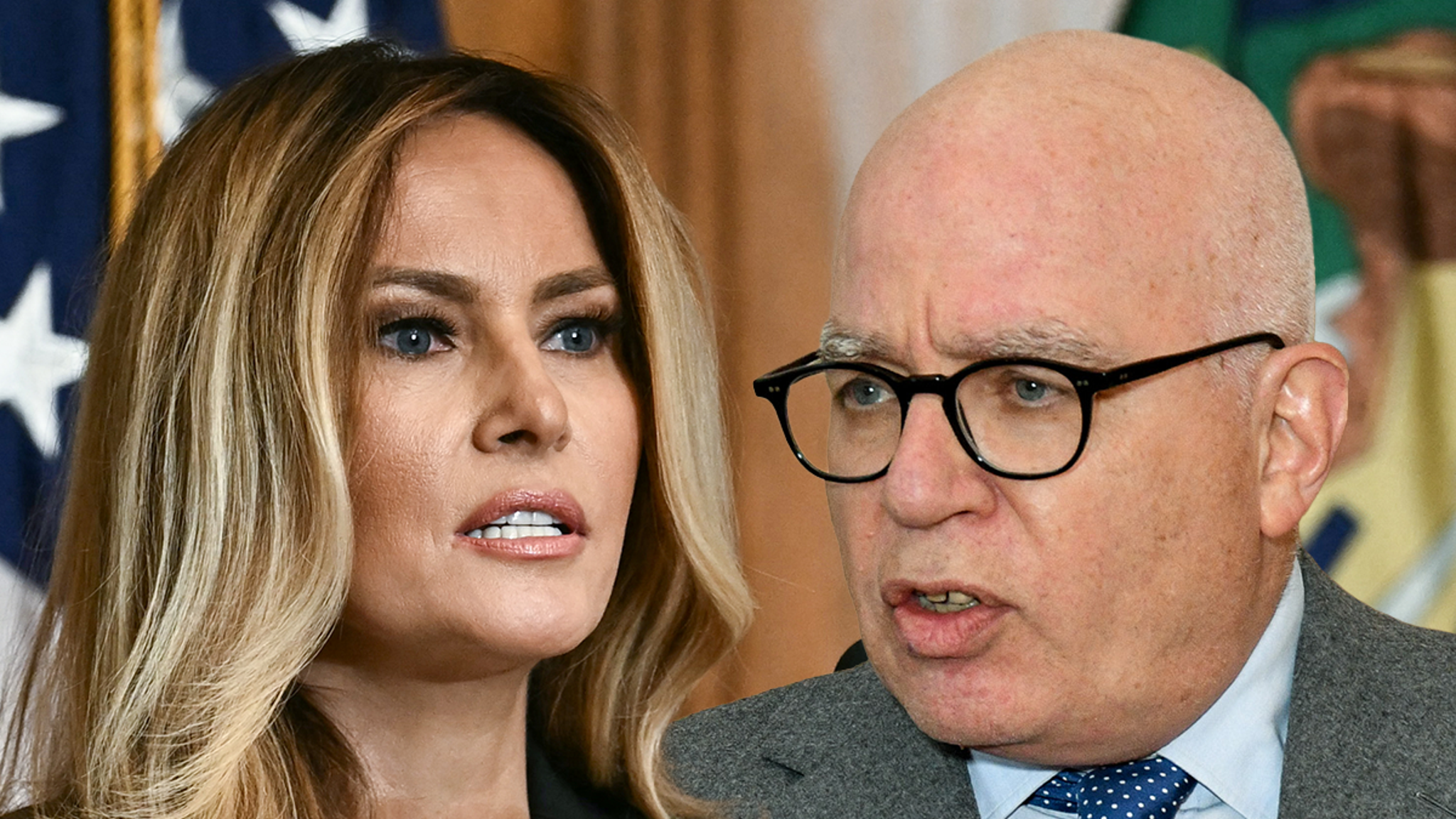
    First Lady Melania Trump has formally requested a court to impose sanctions against journalist Michael Wolff. This action marks a significant escalation in an ongoing legal dispute. The request comes after Wolff himself initiated a defamation lawsuit against Trump. The legal entanglement centers on comments made by Trump regarding Wolff’s commentary

    The move by Trump’s legal team seeks to penalize Wolff for alleged misconduct within the legal process. Such sanctions can include monetary penalties or other restrictions. They are typically sought when one party believes the other has abused court procedures or failed to comply with orders.

    The Origins of the Dispute

    The conflict traces back to statements Melania Trump made concerning Michael Wolff’s publication. Wolff’s book, released in recent years, explores the nature of celebrity. Trump’s public comments questioned the veracity and integrity of portions of Wolff’s work. These statements formed the basis of Wolff’s subsequent defamation claim.

    Defamation lawsuits are common in cases involving public figures and media. They often hinge on whether statements made were factually false and caused harm. The current request for sanctions introduces a new layer to this already complex legal landscape.

    Michael Wolff’s Background in Journalism

    Michael Wolff is a well-known American journalist and author. He has written for numerous publications, including USA Today, The Hollywood Reporter, and New York Magazine. Wolff gained significant public attention for his books focusing on political figures and media. His earlier work, “Fire and Fury: Inside the Trump White House,” published in 2018, became a best-seller and generated considerable controversy.

    His journalistic approach often involves extensive access and candid portrayals of his subjects. This style has frequently led to disputes over accuracy and interpretation. “Too Famous” continues this pattern, examining the intersection of fame and public perception.

    What are Legal Sanctions?

    Legal sanctions are penalties imposed by a court for various reasons. These reasons can include:

    • Failure to comply with court orders
    • Abuse of discovery processes
    • Filing frivolous lawsuits or motions
    • Misconduct during legal proceedings

    The purpose of sanctions is to ensure the orderly administration of justice. They also deter parties from engaging in behaviors that undermine the legal system. The specific nature of the sanctions sought by Trump’s legal team has not been publicly detailed. However, they typically aim to compensate the aggrieved party for expenses incurred due to the misconduct or to punish the offending party.

    The Broader Context of Public Figures and Media

    This legal confrontation is part of a larger pattern. Public figures frequently engage in legal battles with journalists and authors. These cases often raise fundamental questions about freedom of the press versus protection against defamation. The digital age has amplified these tensions. Information spreads rapidly, and public statements can reach global audiences instantly.

    Melania Trump, as First Lady, operates under intense public scrutiny. Her actions and statements are often subject to detailed media coverage. Similarly, journalists like Michael Wolff operate under the principle of informing the public. Balancing these roles often leads to friction, particularly when narratives clash.

    Previous Legal Actions Involving the Trump Family

    The Trump family has a history of legal disputes with media entities and individuals. Former President Donald Trump has frequently engaged in litigation related to media coverage. These cases often involve claims of defamation or challenges to journalistic practices. These past instances provide a backdrop for the current legal action involving Melania Trump.

    Such legal actions are often seen as attempts by public figures to control narratives. They can also be interpreted as defenses of personal reputation against perceived falsehoods. The legal system becomes the arena where these conflicting interests are adjudicated.

    The Implications for Journalistic Practice

    The outcome of this sanction request could have implications for journalistic practices. If sanctions are granted, it could set a precedent for how courts view author accountability within the legal process. It might encourage more aggressive legal tactics from public figures. Conversely, if the request is denied, it could reinforce protections for journalists against such challenges.

    Journalists often rely on sources and interpretations that can be challenged. The legal framework attempts to balance the public’s right to know with an individual’s right to a good reputation. Cases like this one test the boundaries of that balance.

    The Role of Defamation Law

    Defamation law serves to protect individuals from false statements that harm their reputation. For public figures, the standard for proving defamation is higher. They must typically prove “actual malice” – meaning the false statement was made with knowledge of its falsity or with reckless disregard for the truth. This higher standard acknowledges the public’s interest in robust debate about public figures.

    Wolff’s initial lawsuit would have needed to meet this standard. Trump’s counter-move for sanctions operates under different legal principles. It focuses on procedural conduct rather than the merits of the original defamation claim.

    What Happens Next in Court?

    The court will now consider Melania Trump’s request for sanctions. Both parties will likely submit legal briefs arguing their positions. The court may also hold hearings to consider evidence and arguments. A judge will then decide whether to impose sanctions, and if so, what form they will take.

    Legal processes can be lengthy and involve multiple stages. The current request for sanctions is one step in what could be a prolonged legal battle. Each ruling can influence the trajectory of the entire case.

    Public Reaction and Media Coverage

    The news of Melania Trump’s request for sanctions has drawn significant media attention. Outlets like TMZ first reported the development on July 21, 2026. Public reaction often divides along political lines. Supporters of Trump may view the action as a necessary defense of her reputation. Critics might see it as an attempt to stifle journalistic inquiry.

    The story also resonates with broader themes of celebrity accountability and the role of the press. It fuels discussions about the responsibilities of both public figures and those who report on them.

    The Significance of “Too Famous”

    Michael Wolff’s book “Too Famous: The Car Crash of Celebrity in America” explores the often-fraught relationship between fame and public perception. The book delves into how celebrity is constructed and consumed. It examines the pressures and pitfalls that come with being a public figure. Melania Trump’s legal action implicitly challenges the book’s narrative or underlying assumptions as they pertain to her.

    The title itself suggests a critical view of celebrity culture. This perspective may have contributed to the friction with public figures who are subjects of such analysis. The legal dispute brings the themes of the book into a real-world courtroom drama.

    Potential Outcomes and Precedents

    There are several potential outcomes for Melania Trump’s sanction request. The court could grant the request, imposing penalties on Michael Wolff. It could deny the request, finding no grounds for sanctions. Or, it could grant a modified form of the request, applying lesser penalties.

    Each outcome carries implications. A decision in Trump’s favor could empower other public figures to pursue similar legal tactics. A decision against her could reinforce a higher bar for claims of legal misconduct against journalists. The legal community will observe the ruling for its precedential value.

    The legal battle continues. Documents are filed. Arguments are made. Decisions are rendered.

    The court awaits.


  • Nolan Wells Disappearance: New Video Surfaces, Deepening the Mystery

    Nolan Wells Disappearance: New Video Surfaces, Deepening the Mystery

    The disappearance of actor Nolan Wells has been a subject of intense public and media scrutiny. A new video, acquired and released by TMZ on July 21, 2026, purports to show Wells in what many believe could be his final public appearance before he vanished. This footage has reignited interest in the case and deepened the mystery surrounding his whereabouts.

    The video’s content and its precise timestamp are currently under examination. Its release adds a new dimension to the ongoing efforts to locate Wells and understand the circumstances leading to his absence.

    The Initial Disappearance

    Nolan Wells was first reported missing on an undisclosed date, initiating a comprehensive search operation. Details surrounding the initial report have been scarce, leading to various theories and public speculation.

    Wells, known for his roles in several popular films and television series, maintained a significant public profile. His sudden absence generated immediate concern across the entertainment industry and among his fan base.

    Law enforcement agencies, including local police departments and federal investigators, have been involved in the search. They have pursued numerous leads, but no definitive breakthroughs have been publicly announced.

    The family of Nolan Wells issued a public plea for information shortly after his disappearance. They emphasized the urgency of the situation and the emotional toll it has taken.

    Details of the New Video Footage

    The video released by TMZ on July 21, 2026, shows a figure identified as Nolan Wells. The footage is reportedly from a security camera or a bystander’s cell phone, though its origin has not been fully disclosed.

    The exact location and time of the recording are critical details under review. Initial reports suggest the video was captured in a public setting, potentially an urban area or a commercial district.

    Wells appears to be alone in the video. His demeanor and actions within the short clip have become subjects of extensive analysis by online communities and media outlets.

    The quality of the video varies, presenting challenges for clear identification and interpretation of events. Despite this, the distinct features of Wells are reportedly discernible.

    TMZ has not revealed how they obtained the footage. Their report emphasized the potential significance of the video as a crucial piece of the puzzle.

    Public Reaction and Media Coverage

    The release of the new video on July 21, 2026, triggered an immediate surge in public discussion. Social media platforms experienced a significant increase in posts and theories related to Wells’ disappearance.

    News outlets worldwide picked up the story, re-broadcasting the TMZ report and offering their own analyses. The footage quickly became a focal point for renewed media attention.

    Many fans expressed a mix of hope and renewed anxiety. The visual evidence, while offering few answers, provided a tangible update in a case previously marked by silence.

    Celebrity commentators and former law enforcement officials offered their perspectives on television and radio. They discussed the potential implications of the video for the ongoing investigation.

    The public remains deeply invested in the outcome of the search for Nolan Wells. The new video serves as a stark reminder of his continued absence.

    Investigative Implications

    Law enforcement officials are expected to thoroughly review the newly surfaced video. Its authenticity and relevance to the timeline of Wells’ disappearance will be primary concerns.

    Investigators will attempt to verify the exact date, time, and location of the recording. This verification process is crucial for integrating the footage into the existing body of evidence.

    The video could provide new leads or corroborate existing information. It might also help to eliminate certain theories about Wells’ last known activities.

    Forensic analysis of the video may reveal additional details, such as other individuals present or specific objects that could offer clues. Every frame will be scrutinized.

    The official response from Wells’ family and legal representatives is anticipated. Their reaction will likely guide how the public and media interpret the footage.

    The Broader Context of Celebrity Disappearances

    Nolan Wells’ case is not an isolated incident in the history of public figures. Several celebrities have experienced unexplained disappearances, some resolved, others remaining mysteries.

    Such cases often attract intense public interest due to the high profile of the individuals involved. The media plays a significant role in disseminating information and shaping public perception.

    The privacy concerns of celebrities often clash with the public’s desire for information during such events. This dynamic creates a complex environment for investigations and reporting.

    Technological advancements, such as widespread surveillance cameras and social media, now play a larger role in documenting and investigating disappearances. The TMZ video is an example of this.

    The emotional impact on families and friends is profound. They navigate the public spotlight while enduring immense personal grief and uncertainty.

    The Role of TMZ in Breaking News

    TMZ has a history of obtaining and releasing exclusive celebrity-related content. Their report on the Nolan Wells video aligns with their established operational model.

    The outlet’s approach often involves rapid dissemination of information, sometimes ahead of official statements. This can generate significant public discussion but also raise questions about journalistic ethics.

    In the Wells case, TMZ’s release of the video has effectively reset the news cycle. It has refocused attention on a story that had begun to fade from daily headlines.

    The impact of such exclusive reports can be substantial. They can influence public opinion, pressure authorities, and even alter the course of ongoing investigations.

    TMZ’s platform allows for immediate and broad reach. This ensures that any new development, like the Wells video, quickly becomes a global topic of conversation.

    Unanswered Questions and Future Developments

    The new video, while compelling, leaves many critical questions unanswered. The most pressing remains: where is Nolan Wells?

    Investigators will need to determine if the person in the video is definitively Wells. They will also seek to establish the video’s exact chronological placement within his disappearance timeline.

    The source of the video and the chain of custody are also important considerations. Ensuring its integrity is vital for any potential legal proceedings.

    Public calls for more information and transparency from authorities are likely to intensify. The pressure to resolve the case will mount with each new development.

    The coming days and weeks will be crucial for the investigation. Any official statements regarding the video’s implications will be closely monitored.

    The Enduring Mystery

    The case of Nolan Wells continues to unfold. Each new piece of information, like the TMZ video, adds layers to an already complex narrative.

    Public attention remains fixed. Media scrutiny persists. The search for answers continues.

    Hope endures. Concern deepens. The mystery remains.

    Unresolved.


  • RaeLynn Files for Divorce from Husband Josh Davis

    RaeLynn Files for Divorce from Husband Josh Davis

    Country music artist RaeLynn officially filed for divorce from her husband, Josh Davis, on June 8, 2026. The announcement, reported by Whiskey Riff on July 14, 2026, confirms the dissolution of their marriage. This development follows years of public life together for the couple, who were married in 2016.

    The filing marks the end of a relationship that began long before their wedding. RaeLynn and Davis have one child together, a daughter born in 2021. The specifics of the divorce proceedings, including grounds for the filing, have not been publicly detailed as of July 21, 2026.

    The Public Trajectory of a Relationship

    RaeLynn, whose full name is Racheal Lynn Woodward, rose to prominence as a contestant on the second season of NBC’s The Voice in 2012. Her career in country music gained momentum following her appearance on the show. Josh Davis, a former financial advisor, has largely remained out of the public spotlight, though his relationship with RaeLynn was a frequent topic in her public narrative.

    The couple’s engagement was announced in October 2015. They were married on February 27, 2016, in a ceremony held at a barn in Franklin, Tennessee. The wedding was attended by numerous country music figures, including Blake Shelton and Gwen Stefani.

    Throughout their marriage, RaeLynn often shared insights into their life together through social media and interviews. These glimpses provided fans with an understanding of their family dynamics and personal milestones. The birth of their daughter, Daisy Rae, on September 8, 2021, was a widely celebrated event among her fanbase.

    Early Career and Personal Life

    RaeLynn’s musical journey began at a young age. Her participation in The Voice provided a national platform. She signed with Republic Nashville and released her debut single, “God Made Girls,” in 2014. Her music often incorporated themes of love, family, and personal experience.

    Josh Davis’s background was primarily outside the entertainment industry. He pursued a career in finance before serving in the military. Their relationship represented a blend of the entertainment world and a more private existence. This dynamic was often highlighted in media coverage of the couple.

    Impact on Public Perception and Career

    Celebrity relationships, particularly in the country music sphere, often become integral to an artist’s public image. RaeLynn’s marriage to Josh Davis was frequently cited in discussions about her personal life and inspirations for her music. The stability of their union was often presented as a cornerstone of her public persona.

    The announcement of the divorce filing introduces a new chapter for RaeLynn. Public figures navigate such transitions under intense scrutiny. The potential influence on her artistic output and public engagements remains to be seen. Artists frequently draw from personal experiences in their creative work.

    The Role of Social Media

    Social media platforms have become primary conduits for celebrities to communicate with their audience. RaeLynn has maintained an active presence on platforms like Instagram, where she shared updates about her family life. The shift in her public narrative will likely be observed through these channels.

    The immediate aftermath of such announcements often involves a period of adjustment for both the public figure and their followers. Fans frequently offer support during personal challenges. The digital landscape allows for direct interaction, shaping public discourse around celebrity divorces.

    Legal Proceedings and Future Outlook

    Divorce proceedings in Tennessee, where the couple was married and resides, typically involve several stages. These include the initial filing, discovery, mediation, and potentially a trial if an agreement cannot be reached. Matters such as child custody, child support, and asset division are standard components of such cases.

    The legal process can be lengthy and complex. Public figures often attempt to maintain privacy during these proceedings. However, the public nature of their lives can make this challenging. The court records, while private in many aspects, often become subject to media attention.

    RaeLynn’s professional commitments are expected to continue amidst these personal changes. Her music career has spanned over a decade, with multiple albums and singles released. Future projects and touring schedules will likely proceed as planned, though personal developments can influence creative directions.

    Parenting Post-Divorce

    Co-parenting arrangements become a significant consideration in divorces involving children. RaeLynn and Josh Davis will need to establish a parenting plan for their daughter, Daisy Rae. These plans typically outline custody schedules, decision-making responsibilities, and financial support for the child.

    The focus in such agreements is consistently on the best interests of the child. Legal frameworks are designed to ensure the child’s well-being and stability. Public figures often emphasize their commitment to co-parenting amicably for the sake of their children.

    The Broader Context of Celebrity Divorces

    High-profile divorces are a recurring feature of the entertainment industry. These events often spark public discussion about the pressures of fame on personal relationships. The unique challenges faced by couples in the public eye contribute to the complexity of maintaining long-term partnerships.

    The country music community, in particular, has seen numerous relationships form and dissolve under public scrutiny. The close-knit nature of the industry often means that personal developments among artists are widely known and discussed. This creates a specific environment for navigating personal transitions.

    Public Support and Speculation

    The public response to celebrity divorces often ranges from sympathetic support to intense speculation. Social media platforms amplify these reactions. Fans and media outlets frequently analyze past statements and appearances for clues regarding the relationship’s trajectory.

    RaeLynn’s fanbase has demonstrated strong loyalty throughout her career. Their reactions to this news will likely reflect a desire for her continued well-being and success. Public figures often rely on this support during challenging times.

    The filing of divorce papers is a formal step in ending a marriage. It initiates a legal process with defined stages and requirements. This process is designed to resolve all aspects of the marital union, including financial and parental responsibilities.

    Artists continue to perform. Labels continue to promote. Fans continue to listen.

    Life.


  • Diddy Seeks Legal Costs from Grace O’Marcaigh After Dismissed Lawsuit

    Diddy Seeks Legal Costs from Grace O’Marcaigh After Dismissed Lawsuit

    Sean ‘Diddy’ Combs is seeking reimbursement for legal costs from Grace O’Marcaigh, following the dismissal of her lawsuit against him in July 2026. Combs’ legal representatives have characterized O’Marcaigh’s original claims as ‘frivolous’, prompting the demand for her to cover the expenses incurred during the legal process.

    This action marks the latest development in a series of high-profile legal challenges involving the music executive. The pursuit of legal fees underscores a strategy to push back against allegations deemed unfounded.

    The Dismissal of O’Marcaigh’s Lawsuit

    Grace O’Marcaigh filed a lawsuit against Sean Combs, alleging various claims that were not detailed in the public report. The specifics of the allegations remain undisclosed, focusing instead on the procedural outcome.

    The lawsuit underwent a legal review process. Ultimately, a court determined that the claims lacked sufficient basis to proceed.

    The judicial decision led to the lawsuit’s dismissal in July 2026. This dismissal paved the way for Combs’ legal team to pursue financial restitution.

    Combs’ Legal Counter-Move

    Following the dismissal, Combs’ legal team initiated proceedings to recover their expenses. They are arguing that O’Marcaigh should bear the financial burden of the legal defense.

    The legal term ‘frivolous lawsuit’ implies a claim brought without serious intent or with insufficient legal grounds. Characterizing a lawsuit as frivolous is a significant legal assertion.

    Such a designation can lead to penalties for the plaintiff, including the payment of the defendant’s legal fees. This serves as a deterrent against unsubstantiated legal actions.

    Broader Legal Landscape for Sean Combs

    Sean Combs has faced a period of intense legal scrutiny. Multiple lawsuits have been filed against him in recent months.

    These legal challenges have brought various allegations to light. Combs has consistently denied wrongdoing in these cases.

    His legal strategy appears to involve a robust defense and, where possible, counter-actions. The move against O’Marcaigh aligns with this aggressive defensive posture.

    The public perception of these legal battles remains a significant factor. Each development contributes to an ongoing narrative surrounding the celebrity.

    Previous Settlements and Ongoing Cases

    Earlier in 2026, Combs reached settlements in some cases. These settlements allowed certain legal disputes to be resolved out of court.

    However, other cases remain active. These ongoing legal proceedings continue to draw public and media attention.

    The O’Marcaigh case dismissal and subsequent demand for costs represent a victory for Combs’ legal team. It provides a precedent for future responses to similar claims.

    The Implications of Seeking Legal Costs

    Seeking legal costs can have several implications. It sends a message to potential litigants about the financial risks of filing lawsuits.

    It also aims to recoup significant expenditures. High-profile legal defenses can be extremely costly.

    The exact amount Combs is seeking from O’Marcaigh has not been publicly detailed. Legal fees can encompass attorney hours, court filing fees, discovery costs, and expert witness fees.

    The court will ultimately decide whether O’Marcaigh is liable for these costs. The decision will depend on specific legal standards regarding frivolous litigation.

    Legal Standards for ‘Frivolous’ Claims

    Defining a lawsuit as ‘frivolous’ involves specific legal criteria. Generally, a frivolous claim is one that lacks any arguable basis in law or fact.

    Courts often consider whether a reasonable attorney would have believed the claim had merit. This standard helps prevent abuse of the legal system.

    The burden of proof lies with the party asserting the claim of frivolousness. Combs’ legal team must demonstrate that O’Marcaigh’s lawsuit met this high standard.

    If the court agrees, O’Marcaigh could be ordered to pay a substantial sum. This outcome would further solidify Combs’ position in the ongoing legal discourse.

    Public and Media Reaction

    The news of Combs seeking legal costs has generated discussion. It highlights the often-overlooked financial aspects of legal disputes.

    Media outlets continue to follow these developments closely. The public remains engaged, particularly given Combs’ prominent status.

    The outcome of this specific request for costs will be watched. It could influence how future cases involving similar allegations are pursued or defended.

    The legal system provides avenues for both plaintiffs and defendants to seek remedies. This case exemplifies a defendant exercising that right after a favorable ruling.

    The Role of Celebrity in Legal Proceedings

    Celebrity status often amplifies legal proceedings. Cases involving public figures receive heightened attention.

    This scrutiny can impact public opinion. It can also influence the perceived stakes of legal outcomes.

    For Sean Combs, each legal battle is fought under a spotlight. The resolution of the O’Marcaigh lawsuit, and the subsequent demand for costs, contributes to his public narrative.

    The legal system, however, operates on principles of law, regardless of fame. The courts will assess the merits of the cost recovery request based on established legal precedents.

    Looking Ahead

    The legal process for determining cost reimbursement is now underway. Both parties will likely present arguments regarding the nature of O’Marcaigh’s original lawsuit.

    The court’s decision will be a significant one. It will set a financial precedent for Grace O’Marcaigh.

    It will also serve as a legal benchmark for Sean Combs’ ongoing defense strategies. The battle for legal accountability continues.

    Allegations persist. Defenses are mounted. Costs are sought.

    Justice.