Tag: 2026

  • Trump Rebuilds Tariff Wall: The Global Economic Impact of 2026 Levies

    Trump Rebuilds Tariff Wall: The Global Economic Impact of 2026 Levies

    On July 24, 2026, President Trump’s administration announced the implementation of a new set of global tariffs. This policy initiative aims to restructure international trade relationships and bolster domestic manufacturing. The move has generated immediate discussion among global financial markets and political leaders, signaling a renewed focus on protectionist economic strategies.

    The announcement follows a period of economic assessment and strategic planning within the administration. Officials stated the tariffs are designed to address perceived imbalances in global trade and protect American jobs. This approach echoes themes from President Trump’s previous term, emphasizing national economic sovereignty.

    What looks like a sudden shift actually builds upon a long-standing economic philosophy.

    The Rationale Behind the 2026 Tariffs

    The Trump administration frames the new tariffs as essential for national economic security. Proponents argue that tariffs reduce trade deficits and incentivize foreign companies to produce goods within the United States. This, they contend, leads to job creation and increased domestic investment.

    Specific industries are targeted for protection. These include sectors deemed critical for national defense and those facing significant competition from imports. The administration has not yet released the full list of affected goods or the specific tariff rates, but initial reports suggest a broad application.

    The stated goal is to create a more equitable global trading environment. Negotiations with key trading partners are anticipated to follow the tariff implementation. The administration seeks to secure agreements that it believes are more favorable to American interests.

    Global Reactions and Economic Forecasts

    International reactions to the tariffs have been swift and varied. Major trading partners, including nations in the European Union, China, and Canada, have expressed concerns. Some countries have indicated a willingness to retaliate with their own tariffs, potentially escalating into broader trade disputes.

    Economists are analyzing the potential impacts on global supply chains. Tariffs increase the cost of imported goods, which can lead to higher prices for consumers. Businesses that rely on imported components may face increased production costs, affecting profitability and competitiveness.

    The World Trade Organization (WTO) is expected to play a role in mediating potential disputes. However, the Trump administration has previously expressed skepticism regarding the WTO’s effectiveness in resolving trade disagreements. This suggests a potentially challenging path for international arbitration.

    Impact on Consumer Prices and Domestic Industries

    Consumers may experience higher prices for a range of products. Imported electronics, apparel, and automotive parts are among the goods most likely to see price increases. Domestic producers, while potentially benefiting from reduced foreign competition, may also face increased costs for imported materials.

    The agricultural sector is particularly vulnerable to retaliatory tariffs. American farmers often rely on export markets for their products. Past trade disputes have shown that agricultural goods are frequently targeted in reciprocal tariff actions by other nations.

    Some analysts suggest that the tariffs could stimulate domestic manufacturing. Companies might choose to relocate production facilities to the United States to avoid tariff costs. This outcome, however, is not guaranteed and depends on various factors, including labor costs and regulatory environments.

    Historical Context of Trump’s Trade Policy

    President Trump’s current trade policy builds on actions taken during his first term. From 2017 to 2021, his administration imposed tariffs on steel and aluminum imports globally, and on a wide range of goods from China. These measures aimed to address what the administration viewed as unfair trade practices.

    The previous tariffs led to mixed results. Some domestic industries saw a boost, but others faced increased input costs. Consumers experienced some price increases, and retaliatory tariffs from other countries impacted American exporters.

    The 2026 tariffs indicate a consistent approach to trade from President Trump. The administration maintains that aggressive trade measures are necessary to rebalance global commerce and protect American economic interests. This philosophy prioritizes bilateral negotiations over multilateral agreements.

    The “America First” Economic Doctrine

    The core of President Trump’s trade strategy is the “America First” economic doctrine. This doctrine emphasizes domestic production, job creation, and a reduction in trade deficits. It views international trade as a zero-sum game, where one nation’s gain comes at another’s expense.

    This perspective contrasts with traditional free-trade principles, which advocate for open markets and reduced trade barriers. Free-trade proponents argue that tariffs distort markets, reduce overall economic efficiency, and can harm global economic growth.

    The administration’s current actions suggest a reinforcement of this “America First” stance. The global application of tariffs signifies a broad commitment to this economic philosophy, impacting a wide array of international trade relationships.

    Political Implications and Future Negotiations

    The new tariffs carry significant political implications, both domestically and internationally. Domestically, the policy is likely to be a key talking point for supporters and critics of the administration. Debates will focus on job creation, consumer costs, and the overall health of the American economy.

    Internationally, the tariffs could strain diplomatic relations. Trading partners may perceive the move as protectionist and uncooperative. This could complicate efforts to address other global challenges, such as climate change and geopolitical stability.

    Future trade negotiations will be crucial. The administration’s willingness to compromise and the responses of other nations will determine the long-term impact of these tariffs. The possibility of a global trade war remains a significant concern for policymakers and economists alike.

    • Trade representatives will engage in bilateral discussions.
    • International organizations will monitor the economic fallout.
    • Businesses will adjust supply chains and pricing strategies.
    • Consumers will face changing market conditions.

    The global economic landscape stands at a critical juncture. The decisions made in the coming months will shape international commerce for years to come. Policymakers, businesses, and consumers all watch with anticipation. The world watches.

  • Jake Paul and the NFL: Celebrity Ambition Meets Professional Sports

    Jake Paul and the NFL: Celebrity Ambition Meets Professional Sports

    Jake Paul, a figure recognized for his extensive social media presence and his subsequent career as a professional boxer, has publicly stated that he has engaged in discussions with multiple National Football League (NFL) teams. This claim, initially reported by TMZ, has immediately fueled widespread speculation and debate regarding the feasibility of such a transition and the increasing blur between celebrity status and the demanding world of professional sports. Paul’s trajectory from online entertainer to combat sports athlete provides a unique context for these new aspirations, positioning him at the center of a discussion about ambition, talent, and the evolving landscape of athletic careers.

    The announcement underscores a broader trend where personalities from outside traditional sports attempt to cross into established professional leagues. Paul’s journey, marked by high-profile boxing matches against former MMA fighters and other celebrities, has consistently drawn significant viewership and revenue. His potential entry into the NFL, if materialized, would represent one of the most unconventional career shifts in modern sports history, challenging conventional notions of athlete development and recruitment.

    The Genesis of a Crossover Claim

    Jake Paul’s statement about NFL team discussions emerged in July 2026. The specific teams involved in these alleged talks have not been publicly identified by Paul or any NFL entity. This lack of specific detail has contributed to both intrigue and skepticism among sports analysts and fans.

    Paul’s athletic background, while unconventional for an NFL hopeful, is not entirely devoid of competitive experience. He has participated in several professional boxing bouts, securing victories against notable opponents. This combat sports experience, however, differs significantly from the physical and strategic demands of American football.

    His previous athletic endeavors included high school wrestling, a common starting point for many professional athletes. However, his focus shifted dramatically toward digital content creation and, more recently, professional boxing. The leap from these disciplines to the NFL’s elite level is considered substantial by many.

    Celebrity Influence in Professional Sports

    The notion of a prominent celebrity like Jake Paul attempting to enter a major professional sports league highlights the growing influence of digital fame. In an era where social media reach can translate into significant marketing power, individuals with large followings often find pathways into industries traditionally reserved for highly specialized talent.

    Paul’s brand is built on disruption and spectacle. His boxing matches have often been criticized for their entertainment value outweighing their competitive merit, yet they consistently attract pay-per-view audiences. Transferring this draw to the NFL could offer unprecedented marketing opportunities for any team willing to take such a risk.

    This situation also raises questions about meritocracy in professional sports. Critics argue that such a move, if not based on proven football prowess, could undermine the integrity of the league. Proponents might suggest it injects new interest and expands the NFL’s audience.

    Previous Crossovers and Their Outcomes

    While rare, crossovers between different sports are not unprecedented. Michael Jordan famously transitioned from basketball to minor league baseball in the 1990s. His endeavor, while generating immense media attention, did not result in a successful Major League Baseball career.

    Other athletes have moved between sports with more success, often within related disciplines. Herschel Walker, a Heisman Trophy winner in college football, also competed in the Olympics as a bobsledder and later in mixed martial arts. These transitions, however, typically involved individuals with exceptional, multi-sport athletic pedigrees from a young age.

    The key distinction for Paul lies in his primary identity as a digital celebrity and boxer, rather than a lifelong football player. His potential entry would therefore be viewed through a different lens than a traditional athlete switching disciplines.

    The Rigors of the NFL

    The National Football League is widely regarded as one of the most physically demanding and strategically complex professional sports leagues globally. Success in the NFL requires a unique combination of speed, strength, agility, endurance, and highly specialized technical skills developed over many years.

    NFL players typically begin their football careers in youth leagues, progressing through high school and college programs. This extensive developmental pipeline allows for the cultivation of specific positional skills, tactical understanding, and the physical conditioning necessary to withstand the brutal nature of the game.

    The average NFL career length is relatively short, often due to the intense physical toll. Players compete at the peak of athletic performance, making any late entry or a transition from a vastly different sport a significant challenge.

    Positional Considerations

    If Paul were to genuinely pursue an NFL career, his potential position would be a subject of intense speculation. His size and boxing-honed athleticism might suggest roles requiring explosive power or specific tackling abilities.

    However, the nuanced skill sets of positions like quarterback, wide receiver, or defensive back require years of specialized training and game experience. Even roles like kick returner or special teams gunner demand exceptional speed, agility, and a deep understanding of football schemes.

    Any team considering Paul would need to assess his raw athletic potential against his profound lack of conventional football experience. This would likely involve extensive tryouts and a willingness to invest significant coaching resources.

    Public Reaction and Media Scrutiny

    Jake Paul’s claim has predictably generated a wide spectrum of public reactions. Many sports enthusiasts and commentators express skepticism, viewing the announcement as a publicity stunt or an unrealistic aspiration.

    Social media platforms have been inundated with discussions, memes, and opinion pieces analyzing the likelihood of Paul ever stepping onto an NFL field. The debate often centers on whether Paul possesses the necessary talent, dedication, and background to compete at the highest level of professional football.

    Media outlets, including TMZ, which broke the initial claim, continue to cover the story, highlighting its entertainment value. The narrative surrounding Paul’s NFL ambitions plays into broader cultural discussions about celebrity, authenticity, and the pursuit of unconventional dreams.

    The Role of Speculation

    In the absence of official confirmation from NFL teams, speculation remains rampant. Some argue that Paul’s statements are a strategic move to maintain relevance and generate buzz, a tactic he has employed successfully throughout his career.

    Others consider the possibility, however remote, that an NFL team might genuinely be interested in Paul, not necessarily for his immediate playing ability, but for the enormous media attention and potential revenue he could bring. This perspective acknowledges the commercial aspects of professional sports.

    Regardless of the outcome, Paul’s announcement has successfully drawn attention to himself and the ongoing conversation about celebrity involvement in professional athletic endeavors.

    The Business of Sports and Entertainment

    The potential intersection of Jake Paul’s brand with the NFL underscores the increasing convergence of sports and entertainment industries. Modern professional sports leagues often seek personalities who can transcend the athletic arena and capture broader public interest.

    Paul’s proven ability to market himself and generate massive online engagement could be a valuable asset for a team looking to expand its fan base, particularly among younger demographics. His social media following numbers in the tens of millions across various platforms.

    However, the NFL maintains a carefully curated image of athletic excellence and competitive integrity. Any decision to bring in a celebrity with limited football experience would need to be weighed against potential impacts on this brand identity.

    Financial Implications

    Should an NFL team seriously consider Jake Paul, the financial implications would be multifaceted. Beyond a potential player salary, the marketing opportunities could be substantial. Jersey sales, increased viewership, and sponsorship deals could all see a boost.

    Conversely, there are financial risks. A high-profile, underperforming player could lead to negative public relations and fan backlash. Teams would need to carefully calculate the return on investment for such an unconventional signing.

    The discussion also extends to the broader economic model of sports entertainment, where individual celebrity can sometimes overshadow traditional team-based narratives. Paul’s situation exemplifies this modern dynamic.

    What Comes Next?

    As of July 2026, Jake Paul’s claims remain unverified by the NFL or any specific team. The next steps would likely involve concrete actions: official tryouts, signed contracts, or public statements from NFL organizations.

    Without such developments, Paul’s statements will likely continue to fuel debate and serve as a case study in celebrity-driven news cycles. His history suggests a knack for generating attention and pursuing ambitious, often unexpected, career paths.

    The sports world awaits further details, assessing the sincerity and feasibility of this latest claim. Whether it culminates in an actual NFL appearance or remains a topic of conversation, Paul has once again demonstrated his capacity to command headlines.

    The world watches. The sports community debates. The entertainment industry buzzes.

    Jake Paul.


  • Nivea Reveals Leukemia Diagnosis – R&B Star’s Health Update

    Nivea Reveals Leukemia Diagnosis – R&B Star’s Health Update

    R&B singer Nivea has revealed a leukemia diagnosis. The news, announced on July 22, 2026, marks a significant health development for the artist. It has generated an immediate outpouring of support from fans and the broader music community.

    Nivea, whose full name is Nivea Hamilton, has maintained a notable presence in the music industry for over two decades. Her career blends commercial success with personal hurdles, making this health update a central point of discussion among her followers and peers.

    The Public Announcement: Immediate Impact

    The announcement of Nivea’s leukemia diagnosis was made through her public channels on July 22, 2026. Specific details regarding the type or stage of leukemia were not immediately disclosed. The news rapidly spread across social media platforms and entertainment news outlets, becoming a trending topic.

    Fans reacted with expressions of shock and sadness. These sentiments were often accompanied by messages of hope and encouragement. Many shared their favorite Nivea songs, reflecting on her impact on the R&B genre throughout the early 2000s and beyond.

    Musicians and industry figures quickly joined the conversation. They offered public messages of solidarity and support. The music community, often characterized by its tight-knit nature, rallied around the artist during this challenging period.

    Response from Peers and Collaborators

    Several artists who have worked with Nivea or are part of her professional circle posted messages. These included well wishes for her recovery and acknowledgments of her strength. The collective response underscored Nivea’s respected position within the industry.

    Social media platforms became a hub for these messages. Artists like Lil Wayne, with whom Nivea shares children, and Jagged Edge, her collaborators on the hit ‘Laundromat,’ were among those who conveyed their support.

    This immediate and widespread reaction highlights the personal connections Nivea has forged throughout her career. It also demonstrates the collective concern for her well-being.

    Nivea’s Musical Journey: From Savannah to Stardom

    Nivea Hamilton was born in Savannah, Georgia. Her musical journey began in the late 1990s, where her vocal talent was quickly recognized. This led to a recording contract with Jive Records, a prominent label at the time.

    Her self-titled debut album, Nivea, was released in 2001. The album featured the breakout single ‘Don’t Mess with My Man.’ This track achieved significant airplay and introduced Nivea to a national audience. It included verses from rapper Mystikal, showcasing Nivea’s smooth vocal delivery and ability to collaborate across genres.

    The debut album contained other notable songs, solidifying her status as a rising star. Her sound blended contemporary R&B with hip-hop elements, a popular and commercially successful style during that era. The album’s success positioned her as a distinctive voice in early 2000s R&B.

    Early Collaborations and Chart Success

    Nivea quickly became a sought-after artist for collaborations. Her unique voice appeared on tracks with various artists, further establishing her presence in the music industry.

    One of her most significant collaborations was with the R&B group Jagged Edge. Their song ‘Laundromat,’ released in 2002, became another major hit for Nivea. It climbed high on the R&B charts, demonstrating her versatility and appeal.

    Her ability to seamlessly integrate her vocal style into diverse musical projects made her a valuable asset. These early successes provided a strong foundation for her subsequent albums and projects, enhancing her artistic reputation.

    Evolution of Sound: From Complicated to Today

    Following her debut, Nivea continued to refine her artistic vision. Her second album, Complicated, was released in 2005. This project explored more mature lyrical themes and showcased her growth as a vocalist and songwriter.

    The single ‘Okay’ from Complicated received positive reviews. It further exemplified her expanding musical range. She continued to experiment with different production styles and lyrical content, aiming to broaden her artistic scope beyond her initial successes.

    Throughout the 2000s and into the 2010s, Nivea released additional projects, including mixtapes and EPs. She maintained a dedicated fanbase who appreciated her authentic approach to music and her consistent delivery of heartfelt R&B.

    Nivea’s Enduring Impact on R&B and Hip-Hop

    Nivea’s music frequently explored themes of relationships, personal independence, and self-discovery. Her lyrical narratives resonated with many listeners, particularly young women navigating similar life experiences.

    Her collaborations with prominent hip-hop artists cemented her place within the broader urban music scene. She effectively bridged the gap between R&B and hip-hop, a characteristic shared by many successful artists of the early 2000s.

    Her influence is discernible in the work of subsequent R&B singers. Many draw inspiration from her vocal style, lyrical honesty, and storytelling approach. Nivea’s discography remains a notable part of early 21st-century R&B history.

    Personal Life: Navigating Public Scrutiny and Motherhood

    Nivea’s personal life has often been a subject of significant public interest. Her relationships with other prominent figures in the music industry frequently attracted media attention.

    She was notably married to singer and producer Terius Nash, known professionally as The-Dream. Their relationship and subsequent divorce were widely reported events. They share children from their marriage.

    Later, her relationship with rapper Dwayne Carter Jr., known as Lil Wayne, also garnered considerable media scrutiny. She also has children with Lil Wayne. These high-profile relationships sometimes overshadowed her musical endeavors in various media narratives.

    Balancing Career and Family Life

    Nivea is a mother to several children. Balancing the demanding schedule of a music career with the responsibilities of raising a family has been a consistent theme in her public narrative.

    She has often spoken openly about the challenges and joys of motherhood. This candor offered a relatable perspective to her fanbase. Her dedication to her children has been a defining and consistent aspect of her public persona.

    Despite the complexities of her personal life and the scrutiny it attracted, Nivea has consistently returned to her music. Her resilience in the face of personal challenges and life changes has been a hallmark of her career, demonstrating a steadfast commitment to her art.

    Understanding Leukemia: The Medical Context

    Leukemia is a type of cancer that originates in the blood-forming tissues, specifically the bone marrow. It is characterized by the rapid and uncontrolled production of abnormal white blood cells. These abnormal cells, known as leukemia cells, do not function properly. They accumulate in the bone marrow, interfering with the production of healthy blood cells, including red blood cells, white blood cells, and platelets.

    There are several main types of leukemia. These include acute myeloid leukemia (AML), acute lymphoblastic leukemia (ALL), chronic myeloid leukemia (CML), and chronic lymphocytic leukemia (CLL). Each type differs in its progression, the specific white blood cells affected, and its typical response to treatment. The prognosis and treatment approach are highly dependent on the specific type and stage of leukemia diagnosed.

    Treatment protocols for leukemia are diverse. They often involve chemotherapy, which uses strong drugs to kill cancer cells. Radiation therapy, which uses high-energy rays, may also be employed. Stem cell transplantation, where diseased bone marrow is replaced with healthy stem cells, is another common treatment option. Targeted therapies, which focus on specific vulnerabilities of cancer cells, represent a newer approach. The specific course of treatment is always tailored to the individual patient, considering the type of leukemia, its stage, and the patient’s overall health status.

    Potential Impact on Daily Life and Professional Career

    A diagnosis of leukemia can profoundly impact an individual’s daily life and professional career. The physical symptoms of the disease, such as fatigue, fever, and bruising, can be debilitating. Furthermore, the side effects of intensive treatments like chemotherapy can be severe, including nausea, hair loss, and increased susceptibility to infections.

    For a performing artist such as Nivea, the physical demands of touring, recording sessions, and public appearances may become significantly challenging. Maintaining the energy and stamina required for live performances, studio work, and promotional activities can be difficult during active treatment. The rigorous treatment regimen often necessitates extensive medical care, frequent hospital visits, and prolonged periods of rest and recovery.

    However, many individuals diagnosed with leukemia continue to lead fulfilling lives. They often find ways to pursue their passions and careers, adapting to their new circumstances with the support of medical teams, family, and friends. The psychological and emotional support system surrounding a patient is crucial for navigating the complexities of the disease and its treatment.

    The Role of Public Awareness and Research

    High-profile diagnoses like Nivea’s often bring increased public awareness to diseases like leukemia. This can lead to greater understanding of the condition and its impact. Such announcements can also galvanize support for medical research and patient advocacy organizations.

    Organizations dedicated to leukemia research, such as the Leukemia & Lymphoma Society, work to fund new treatments and provide resources for patients and their families. Public figures sharing their health journeys can contribute to reducing stigma and encouraging early diagnosis.

    The ongoing advancements in medical science offer hope for improved outcomes for leukemia patients. Research continues to develop more effective and less toxic treatments, enhancing the quality of life for those affected.

    Looking Forward: Resilience and Support

    Nivea’s career has been characterized by resilience. She has navigated the demanding music industry, personal challenges, and the complexities of public life. This latest health challenge presents another test of that strength.

    The outpouring of support from fans, fellow artists, and the broader community underscores her impact. It highlights the collective hope for her recovery and well-being.

    As Nivea embarks on this new chapter, her journey will be closely followed. Her story serves as a reminder of the human spirit’s capacity to confront adversity. It also emphasizes the importance of community support in times of crisis.

    Fans await further updates. The music world watches. The path ahead requires strength.

    Resilience.


  • House Rebukes Trump’s Iran War: A Constitutional Showdown

    House Rebukes Trump’s Iran War: A Constitutional Showdown

    On July 23, 2026, the United States House of Representatives cast a pivotal vote. The measure formally rebukes President Donald Trump’s recent military actions concerning Iran. This legislative maneuver directly challenges the President’s authority to commit U.S. armed forces to hostilities against Iran without explicit congressional authorization. The resolution specifically invokes the War Powers Act of 1973. It aims to restrict the executive branch’s ability to initiate or escalate military engagements.

    This action represents a significant challenge to the President’s foreign policy directives. It reignites a long-standing constitutional debate. This debate concerns the balance of power between the executive and legislative branches regarding military force. The vote carries implications for both domestic governance and international relations, particularly in the volatile Persian Gulf region.

    The War Powers Act of 1973: Congressional Assertion

    The War Powers Act of 1973, officially known as the War Powers Resolution, was enacted over President Richard Nixon’s veto. Its primary purpose was to limit the President’s ability to initiate or escalate military action abroad without congressional approval. The Act requires the President to notify Congress within 48 hours of deploying armed forces into hostilities or situations where hostilities are imminent.

    Furthermore, it mandates that the President terminate any use of military force within 60 days. This applies unless Congress has declared war or granted a specific authorization for the use of military force. A 30-day extension is allowed for troop withdrawal. The Act was a direct response to concerns that Presidents had bypassed Congress in committing U.S. forces to conflicts, notably during the Vietnam War. It sought to reassert Congress’s role in war-making.

    Despite its clear intent, the War Powers Act has faced consistent challenges. Various administrations have interpreted its provisions differently. Presidents have often argued that the Act infringes upon their constitutional role as Commander-in-Chief. Congress, in turn, has periodically sought to reassert its Article I powers to declare war and control military deployments. This ongoing tension defines the Act’s history.

    Constitutional Foundations of War Powers

    The U.S. Constitution divides war powers between the legislative and executive branches. Article I, Section 8, Clause 11, explicitly grants Congress the power to ‘declare war.’ This clause is a cornerstone of congressional authority over military engagements. It signifies the framers’ intent for collective decision-making on matters of national security. It also emphasizes the gravity of committing American lives to conflict.

    Conversely, Article II, Section 2, Clause 1, designates the President as ‘Commander-in-Chief of the Army and Navy of the United States.’ This role empowers the President to direct military operations once war has been declared or authorized. The tension between these two constitutional provisions forms the core of the current debate. Presidents often argue their inherent authority to protect U.S. interests and personnel, sometimes without prior congressional approval.

    Throughout U.S. history, this division of power has been a source of contention. Major conflicts, from Korea to Vietnam to the recent actions in the Middle East, have seen Presidents commit troops without a formal declaration of war. Instead, they have relied on resolutions, international agreements, or their inherent executive authority. The current House vote aims to clarify and reinforce Congress’s constitutional role in this delicate balance, pushing back against decades of executive expansion.

    House Challenges Executive War Powers in Iran

    The House vote on July 23, 2026, directly confronts this long-standing constitutional debate. Many members of Congress argue that President Trump has exceeded his constitutional mandate. They cite recent undisclosed military actions in the Persian Gulf region as evidence of this overreach. These actions, lawmakers contend, risk drawing the U.S. into a broader conflict without proper legislative oversight or public debate. This concern transcends party lines.

    The specific resolution considered calls for the immediate cessation of any U.S. military engagement in or against Iran that has not been authorized by Congress. It also includes a provision requiring the President to report to Congress on all current military activities in the region. This demand for transparency is a key component of the resolution. It aims to ensure Congress is fully informed of ongoing operations and can exercise its oversight responsibilities effectively.

    The push for this resolution reflects a growing concern among lawmakers. This concern centers on the executive branch’s expansive interpretation of its war powers. They believe that bypassing Congress undermines democratic principles and the system of checks and balances. The vote seeks to send a clear message: Congress must reclaim its constitutional duty in matters of war and peace, reasserting its authority as a co-equal branch of government.

    Bipartisan Concern Fuels Resolution

    Reports indicate that the measure garnered significant bipartisan support. Both Democratic and Republican lawmakers expressed concerns about the potential for escalating conflict. They also voiced worry over the perceived lack of transparency surrounding recent operations. This bipartisan consensus underscores the gravity of the issue, transcending typical party divisions and highlighting a shared commitment to constitutional order.

    Representative Elara Vance (D-NY) stated, “This is not about party; it’s about principle. Congress must reclaim its constitutional duty to authorize war.” Similarly, Senator Marcus Thorne (R-TX), known for his vocal criticism of executive overreach, added, “No President, regardless of party, should bypass the people’s representatives on matters of war and peace.” These statements highlight a shared commitment to constitutional order over partisan loyalty.

    The broad support for the resolution signals a collective legislative effort to assert congressional authority. It also reflects a desire to prevent unilateral executive action that could have far-reaching consequences for national security and international stability. The bipartisan nature of the challenge makes it particularly potent. It demonstrates a unified front against perceived executive overreach, making the message to the White House unmistakable.

    Implications for U.S. Foreign Policy and Executive Power

    The outcome of this vote holds significant implications for U.S. foreign policy and the future scope of executive power. If the resolution passes and gains traction, it could force the Trump administration to reconsider its approach to military engagements. It could establish a precedent that strengthens congressional oversight in future conflicts. This shift would mark a notable change from recent decades, where executive power in foreign policy often expanded.

    Internationally, this congressional action sends a message to allies and adversaries alike. It signals that U.S. military action, particularly in sensitive regions like the Persian Gulf, requires broad domestic consensus. This could impact diplomatic efforts and the perception of American leadership. Allies might view it as a return to more predictable foreign policy, while adversaries might interpret it as a sign of internal division, potentially altering their strategic calculations.

    For the President, a formal rebuke from Congress could limit his operational flexibility. It might necessitate greater consultation with Capitol Hill before deploying forces or engaging in hostilities. This would represent a significant check on the Commander-in-Chief role. It would force a more collaborative approach to national security decisions. The resolution’s passage would be a win for legislative power. It would be a constraint on executive discretion in military matters.

    Previous Challenges to Presidential War Powers

    The current House action is not an isolated event. Throughout history, Congress has periodically attempted to rein in presidential war powers. In the aftermath of the Korean War, for instance, debates intensified over presidential authority to commit troops without a formal declaration. The Vietnam War further solidified the perceived need for legislative checks, leading directly to the War Powers Act of 1973.

    More recently, congressional debates surrounded military actions in Libya in 2011 and Syria in 2013 and 2018. In each instance, lawmakers questioned the executive’s legal basis for intervention without explicit congressional authorization. These past challenges, while not always leading to successful legislative restraints, built a foundation of concern. They highlighted a recurring pattern of executive action preceding formal congressional consent. The July 2026 vote draws upon this history.

    The current resolution against President Trump’s actions in Iran therefore fits into a broader historical narrative. It is a continuous struggle between the branches for control over the ultimate decision of war and peace. Each challenge, successful or not, contributes to the evolving interpretation of constitutional war powers. This ongoing dialogue shapes the framework within which the U.S. engages with the world. It underscores the enduring relevance of the framers’ original intent.

    The Future of U.S. Military Engagements

    The outcome of the House vote could reshape the future landscape of U.S. military engagements. If the resolution passes both chambers and withstands a potential presidential veto, it could establish a new precedent. This precedent would demand more robust congressional involvement in decisions to use military force. It would compel a return to a more deliberative process for deploying American troops abroad.

    Such a shift would mean that future Presidents, regardless of party, would face greater scrutiny. They would need to build stronger cases for military action to secure congressional approval. This could lead to fewer unilateral interventions and a greater reliance on diplomacy and international coalitions. The emphasis would shift from executive prerogative to legislative consensus. This would be a significant rebalancing of power.

    The debate surrounding this resolution also highlights the critical role of an informed public. As details of military actions become more transparent, public discourse intensifies. This increased transparency can pressure lawmakers to act. It can also hold the executive accountable for its decisions. The intertwining of constitutional authority, public opinion, and international relations will define the path forward for U.S. military policy. It promises a more scrutinized approach to global conflict.

    Lawmakers debated. Constituents watched. The world observed. The vote determined the balance of power. The constitutional framework was tested. The future of war powers was on the line. The implications were vast. The decision resonated. The House acted. The President reacted. The nation considered. The world took note.

    Congress.


  • McCormick’s Intern ‘Hook Up’ Comment – D.C. Drama Goes Viral

    McCormick’s Intern ‘Hook Up’ Comment – D.C. Drama Goes Viral

    U.S. Representative Rich McCormick recently made a public comment suggesting that Republican interns could engage in romantic relationships with Democratic counterparts. The remark, quickly picked up by TMZ, sparked immediate and widespread discussion across political and social circles. It highlighted the complex social dynamics that exist even within the highly partisan environment of Washington D.C., prompting varied interpretations and intense scrutiny.

    The Origin of the Remark: TMZ and Viral Spread

    Representative Rich McCormick, a Republican representing Georgia’s 7th congressional district, delivered the comment during a public interaction. The specific phrasing, suggesting that GOP interns could ‘hook up’ with Democrats, was concise yet provocative. Its casual nature, combined with the subject matter, ensured its rapid dissemination.

    TMZ, known for its focus on celebrity news and viral content, was among the first outlets to report on McCormick’s statement. This immediate media attention propelled the remark beyond traditional political news cycles. It quickly entered popular culture, reaching a broad audience unfamiliar with typical congressional proceedings.

    The speed at which the comment spread underscored the contemporary media landscape. Statements made by public figures, regardless of their intended gravitas, can instantly become national talking points. The incident demonstrated the power of digital platforms and entertainment news in shaping political narratives.

    McCormick’s Background and Political Stance

    Representative McCormick was first elected to Congress in 2022. He is a former emergency room physician and a Marine Corps veteran, bringing a non-traditional background to Capitol Hill. His political platform typically centers on fiscal conservatism, healthcare reform, and national security.

    His tenure has seen him engage in numerous legislative debates and committee work. However, this particular comment diverted significantly from policy-focused discussions. It instead ventured into the realm of social observation, touching upon the personal lives of congressional staff.

    The remark was interpreted by some as an attempt at humor. Others viewed it as a candid, if unfiltered, observation on the social interactions that occur within the political ecosystem. Regardless of intent, the comment had a tangible impact on public perception and political discourse.

    Immediate Reactions and Diverse Interpretations

    The comment from Representative McCormick elicited a broad spectrum of immediate reactions. It was widely characterized as a ‘provocative political statement.’ This descriptor suggests that the remark, whether intentionally or not, was designed to stimulate debate and challenge conventional notions of decorum in political speech.

    Social media platforms, including X (formerly Twitter), Facebook, and Reddit, became immediate conduits for public discussion. Political commentary websites and news aggregators amplified the story. Individuals from across the political spectrum weighed in with their perspectives.

    Some observers interpreted the comment as a lighthearted, albeit potentially unrefined, observation about human nature. They suggested it highlighted the idea that personal connections can transcend rigid political divides. This viewpoint often excused the language as a form of casual banter.

    Conversely, a significant portion of the public and political commentators viewed the remark as inappropriate for an elected official. Critics argued that the statement trivialized the professional environment of Congress. They also raised concerns about the implicit objectification of young, often unpaid, interns.

    The Connotations of ‘Hook Up’ in Political Discourse

    The specific phrase ‘hook up’ carries distinct connotations in contemporary English. It generally implies casual romantic or sexual encounters, often without the expectation of a long-term relationship. The use of this informal terminology added a layer of controversy to McCormick’s statement.

    In a professional setting like Capitol Hill, such language can be perceived as unprofessional or dismissive. When applied to young interns, it can also raise questions about power dynamics and workplace ethics. The choice of words significantly shaped the public’s reception of the comment.

    The incident highlighted the challenges public figures face in controlling the narrative around their statements. Once a remark enters the public domain, particularly through viral channels, its interpretation can quickly diverge from the speaker’s original intent. The informal phrasing contributed directly to its polarizing effect.

    Political Discourse in a Polarized Era: 2026 Context

    The year 2026 continues to be defined by a highly polarized political landscape in the United States. Discussions between the Republican and Democratic parties frequently devolve into partisan divides, with perceived common ground often elusive. Representative McCormick’s comment inadvertently tapped into these prevailing dynamics.

    Elected officials and other public figures operate under intense scrutiny. Every statement, whether delivered formally in a legislative chamber or informally in a public setting, can be amplified, dissected, and analyzed. The pervasive nature of social media and 24-hour news cycles ensures that controversial remarks quickly become national talking points.

    This incident also reflected a broader trend in modern political communication. The boundaries between personal observation, strategic political maneuvering, and accidental gaffe have become increasingly blurred. Officials must navigate a complex terrain where their words are constantly evaluated for their political, social, and ethical implications.

    The Role of Media in Amplifying Political Statements

    The involvement of outlets like TMZ in reporting on McCormick’s comment exemplified a shift in media consumption. What might once have been confined to political gossip within Washington D.C. now quickly reaches a mass audience. This broad dissemination shapes public perception and intensifies debate.

    Traditional news organizations often follow the lead of viral content, providing further analysis and commentary. This layered media coverage ensures that provocative statements gain prolonged attention. It also means that the initial context of a remark can be overshadowed by subsequent interpretations and reactions.

    The media’s role in amplifying such comments contributes to the fast-paced and often reactive nature of contemporary political discourse. Public figures are increasingly aware that their words can be taken out of context or reinterpreted in ways they did not intend, often with significant political consequences.

    Life as a Congressional Intern: Beyond the Politics

    Internships on Capitol Hill represent a foundational experience for many individuals aspiring to careers in politics, public service, and law. These roles are often demanding, characterized by long hours, low or no pay, and a significant commitment. Interns, typically college students or recent graduates, are immersed in the daily operations of legislative offices.

    The social environment for interns in Washington D.C. is distinctive. Many interns live in close proximity, often in shared housing. They work in shared office spaces and frequently interact with peers from various congressional offices, regardless of party affiliation. This proximity and shared experience often lead to the formation of strong social networks.

    Despite the intense political rivalries at higher levels of government, personal relationships can and do develop among staff members from different offices and political parties. These connections often form outside the formal political arena, during social gatherings, happy hours, or shared commutes.

    Social Dynamics and Inter-Party Connections

    Representative McCormick’s comment, therefore, touched upon a known, if often unspoken, aspect of intern life. The concept of inter-party relationships among young staff members is not entirely novel. The public acknowledgment by an elected official, however, brought this informal reality into the formal political discourse.

    The comment might also be seen as an acknowledgment of the shared human experience that underlies political differences. Even in environments designed for partisan conflict, individuals form connections based on shared experiences, proximity, and personal chemistry. These human elements often transcend the political labels assigned to individuals.

    For interns, navigating the social landscape of D.C. is part of the overall experience. They learn to balance professional duties with personal lives, often forming friendships and relationships that can last well beyond their internship terms. The comment, for some, simply articulated an open secret about this aspect of intern culture.

    Historical Parallels: Bridging the Political Divide

    The history of American politics offers numerous examples of personal relationships bridging partisan divides. While the political climate has intensified in recent decades, historical records illustrate instances of friendships, marriages, and even romantic relationships between individuals from opposing political parties.

    During earlier eras, Washington D.C. society often functioned with a greater degree of social mixing among political opponents. Social events, formal dinners, and informal gatherings frequently included members from both sides of the aisle. These interactions sometimes fostered personal bonds that could soften the edges of political rivalry and facilitate bipartisan cooperation.

    The phenomenon of inter-party marriage, for example, is not uncommon throughout American history. Spouses from different political affiliations often navigate their ideological differences in private, while maintaining their public political stances. These relationships highlight the complex interplay between personal and professional lives in politics, demonstrating that political divisions do not always dictate personal connections.

    Shifting Social Norms in Washington D.C.

    Representative McCormick’s remark, in a way, echoed this historical reality by suggesting that fundamental human interactions, including romantic ones, can still occur across party lines. It pointed to the idea that despite the current political polarization, younger generations entering the political arena might continue to form such connections.

    However, the context of these interactions has evolved. Modern D.C. is often perceived as more segregated along partisan lines, particularly in social settings. The comment, therefore, might also be interpreted as a commentary on the lingering social fluidity that still exists, especially among younger, less entrenched political actors.

    The incident prompted reflection on whether such casual inter-party connections are still as prevalent or as openly acknowledged as they might have been in previous decades. It opened a dialogue about the evolving social norms and expectations within the nation’s capital.

    The Role of Humor and Controversy in Political Communication

    Humor often serves as a complex tool in political communication. It can be used to defuse tension, build rapport, or deliver sharp critiques. However, political humor also carries inherent risks, particularly when delivered by elected officials in public forums.

    Representative McCormick’s comment, if intended as humor, failed to land universally. For some, it was perceived as a harmless jest. For others, it was seen as inappropriate, trivializing, or even offensive. This disparity in reception highlights the subjective nature of humor, especially in a politically charged environment.

    Controversy, whether intentional or accidental, frequently generates significant media attention. In the modern political landscape, attention itself can be a valuable commodity. Generating controversy can elevate a politician’s profile, even if the attention is negative in nature. This dynamic complicates how public statements are evaluated.

    Navigating Public Perception and Accountability

    The incident placed Representative McCormick under a spotlight, prompting questions about accountability for public statements. Elected officials are expected to uphold certain standards of conduct and communication. Remarks perceived as unprofessional or insensitive can lead to calls for apologies or explanations.

    The public reaction to McCormick’s comment underscored the constant negotiation between freedom of speech and the responsibilities of public office. Politicians must weigh the potential impact of their words on their constituents, their colleagues, and the broader political discourse.

    Ultimately, the episode served as a reminder of the delicate balance politicians must strike. They must communicate authentically while also being acutely aware of how their words will be received and interpreted by a diverse and often critical public. The fallout from such comments can be swift and far-reaching.


  • Weird Al Yankovic Rejects Million-Dollar Saudi Arabia Performance Offer

    Weird Al Yankovic Rejects Million-Dollar Saudi Arabia Performance Offer

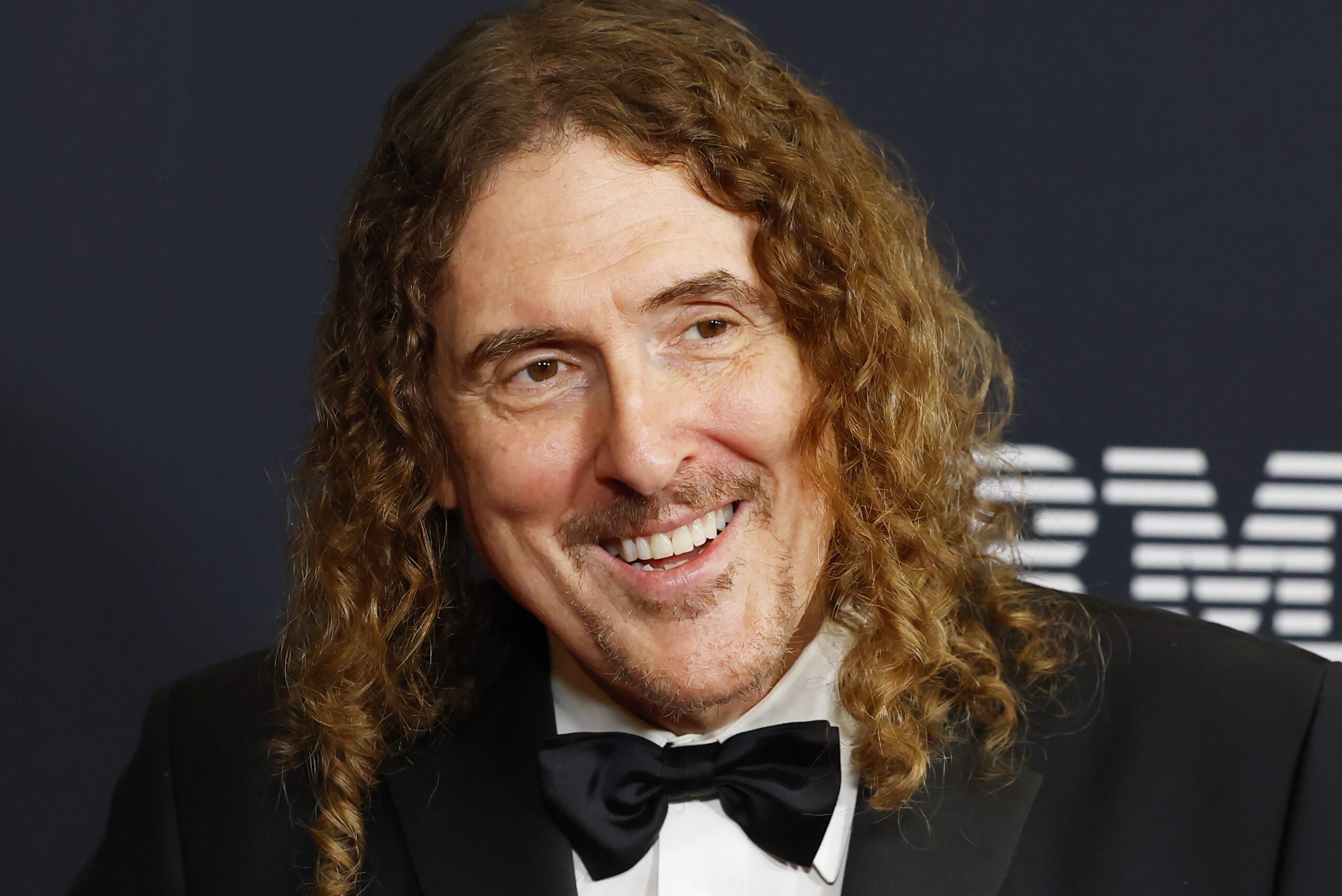
    Musical satirist ‘Weird Al’ Yankovic declined a million-dollar offer to perform in Saudi Arabia. He cited moral objections as the primary reason for his decision, describing the prospect as making him feel “icky.” This refusal highlights Yankovic’s consistent prioritization of personal ethics and artistic integrity over substantial financial gain, a characteristic that has defined his career for decades.

    The Offer and the Refusal

    The specific details of the million-dollar offer remain largely private. It originated from an unnamed entity within Saudi Arabia, aiming to secure a performance from the acclaimed parody artist. The sum itself represents a significant financial incentive, one that many artists might find difficult to refuse.

    Yankovic, however, chose a different path. His public comments on the matter emphasized a personal discomfort. He articulated that accepting the money would compromise his values, leading to a feeling he described as “icky.” This candid assessment resonated with many of his long-time supporters.

    The decision was not made lightly. The financial implications for any artist are considerable. Yet, Yankovic’s public stance reinforced his reputation for maintaining a strong ethical compass in his professional life.

    A History of Integrity

    Alfred Matthew “Weird Al” Yankovic began his career in the late 1970s. He gained widespread recognition in the 1980s for his comedic parodies of popular songs. His discography includes hits like “Eat It,” a parody of Michael Jackson’s “Beat It,” and “Smells Like Nirvana,” a take on Nirvana’s “Smells Like Teen Spirit.”

    Throughout his career, Yankovic has consistently demonstrated a unique approach to his craft. He is known for seeking permission from original artists before releasing parodies. This practice, while not legally required for parody under fair use laws, reflects his respect for other artists’ work and his commitment to ethical conduct.

    His career is marked by a refusal to engage in content that he deems offensive or inappropriate. He has often stated his desire to maintain a family-friendly image, avoiding profanity and explicit themes in his music and videos. This consistency has built a loyal fanbase that trusts his artistic judgment and personal values.

    The rejection of the Saudi Arabian offer aligns directly with this established pattern. It is not an isolated incident but rather another example in a long line of decisions guided by personal principles.

    The Broader Context: Celebrity Engagements and Human Rights

    Yankovic’s decision unfolds within a larger global discussion concerning celebrity engagements in countries with contentious human rights records. Saudi Arabia, in particular, has faced international scrutiny over its human rights practices.

    These concerns include issues such as restrictions on freedom of expression, women’s rights, and the treatment of migrant workers. Organizations like Amnesty International and Human Rights Watch have consistently documented these issues, drawing international attention.

    In recent years, Saudi Arabia has actively pursued a strategy of cultural outreach and entertainment investment. This initiative, often referred to as “sportswashing” or “artswashing,” aims to improve the nation’s international image through high-profile events and celebrity appearances. Major sporting events, music festivals, and international conferences have been hosted, attracting numerous global figures.

    Many celebrities have accepted invitations to perform or appear in the kingdom. Their participation often sparks debate among fans and critics. Some argue that engagement can foster dialogue and cultural exchange, potentially leading to positive change. Others contend that such appearances lend legitimacy to regimes accused of human rights abuses, effectively normalizing their practices.

    Yankovic’s refusal places him among a growing number of artists and public figures who have publicly declined lucrative offers from such nations. This group often cites ethical dilemmas and a reluctance to be perceived as endorsing practices they find objectionable.

    The Impact on ‘Weird Al’s’ Legacy

    The decision to reject a million-dollar offer will likely reinforce ‘Weird Al’ Yankovic’s standing as an artist of integrity. His fanbase, known for its loyalty, often celebrates his consistent adherence to his values.

    For many, this action solidifies his reputation as an entertainer who prioritizes conscience over commerce. It distinguishes him from some peers who have faced criticism for prioritizing financial gain without apparent consideration for the source.

    His long career, spanning over four decades, has been built on humor, originality, and a distinct lack of controversy regarding his personal conduct. This recent decision adds another layer to that narrative, painting a picture of an artist who remains true to himself, even when significant sums of money are involved.

    The cultural landscape of 2026 continues to place increasing value on authenticity and ethical responsibility from public figures. Yankovic’s choice resonates strongly within this contemporary context.

    The Fan Reaction

    Online communities and social media platforms reacted swiftly to the news. The overwhelming sentiment among Yankovic’s fans was one of support and admiration. Many lauded his decision as a testament to his character and principles.

    Comments frequently highlighted his consistent moral compass. Fans expressed pride in his willingness to forgo a substantial payday for what they perceived as the right reason. This further cemented the bond between the artist and his audience.

    Industry Perspective

    Within the entertainment industry, such decisions are often viewed through a pragmatic lens. Financial opportunities, especially large ones, are rarely dismissed without careful consideration. Yankovic’s public refusal serves as a notable counter-example.

    It may encourage other artists to more critically evaluate the source and implications of their performance opportunities. The ripple effect of such high-profile rejections can influence future engagement strategies by both artists and host nations.

    The Principle of “Icky”

    Yankovic’s use of the term “icky” is particularly telling. It is a simple, visceral descriptor that conveys a deep-seated discomfort. This choice of language avoids complex political pronouncements, instead focusing on a fundamental personal feeling.

    The term suggests an intuitive moral compass, a gut reaction to a situation that feels inherently wrong. It speaks to a personal boundary that, for Yankovic, was non-negotiable. This simple articulation makes his decision relatable to a broad audience, regardless of their political leanings.

    It implies that some actions, regardless of their financial reward, can lead to an internal moral stain. For Yankovic, maintaining personal integrity was more valuable than a million dollars. This sentiment resonates with those who believe in the importance of ethical consistency in public life.

    Looking Ahead

    As ‘Weird Al’ Yankovic continues his career, this decision will likely be remembered as a significant moment. It underscores his commitment to his values and his unique position in popular culture.

    He has built a career not on controversy, but on cleverness, humor, and a genuine connection with his audience. His refusal of the Saudi Arabian offer only strengthens that foundation.

    Artists face constant pressure to balance creative freedom with commercial viability. Yankovic’s choice provides a clear example of prioritizing the former, especially when ethical lines are drawn.

    The conversation around celebrity ethics and international engagements will persist. ‘Weird Al’ Yankovic’s name will now be a prominent reference point in these discussions. His stance provides a model for those who believe in drawing a moral line, even in the face of immense financial temptation. It is a testament to integrity. It is a statement of values. It is a million-dollar decision.

    Principles.


  • Nolan Wells Courtroom Photos – The Public Reaction and Legal Implications

    Nolan Wells Courtroom Photos – The Public Reaction and Legal Implications

    The release of courtroom photos in the Nolan Wells case on July 22, 2026, has generated significant public debate, raising questions about justice, privacy, and media ethics in high-profile legal proceedings. These images, disseminated widely, have become a focal point for discussions concerning the balance between public interest and the decorum of the judicial system. The event underscores a recurring tension in contemporary legal reporting, where the visual narrative often shapes public perception as profoundly as textual accounts.

    The Immediate Aftermath of the Release

    The photos appeared across various media platforms shortly after their official release. Social media channels, particularly X (formerly Twitter) and Instagram, became immediate conduits for public discourse. Hashtags related to Nolan Wells and courtroom transparency trended within hours. News organizations, including TMZ, were among the first to report on the availability of the images, amplifying their reach.

    Public reactions ranged from outrage to support for Wells. Comment sections overflowed with analyses of Wells’s demeanor, the expressions of legal counsel, and the general atmosphere of the courtroom. This immediate and widespread dissemination illustrates the accelerated pace of information sharing in 2026. The digital ecosystem ensures that such visual evidence permeates public consciousness almost instantaneously.

    Legal analysts began weighing in on the implications of the photo release. Concerns about potential jury influence, witness intimidation, and the overall sanctity of the trial process were voiced. The American Bar Association (ABA) issued a statement acknowledging the public interest but also emphasizing the importance of fair trial principles. The statement did not directly address the Wells case but served as a general reminder of judicial ethics.

    Historical Context: Cameras in the Courtroom

    The debate surrounding cameras in the courtroom is not new. It dates back to the early 20th century, with significant milestones shaping current policies. The 1935 trial of Bruno Hauptmann, accused of kidnapping the Lindbergh baby, saw a media circus that led to stricter rules. The American Bar Association adopted Canon 35 in 1937, largely banning photographic and broadcast coverage from courtrooms.

    Over the decades, this stance gradually softened. Federal courts generally prohibit cameras, though some exceptions exist for appellate arguments. State courts, however, vary widely. Many states permit cameras, often with specific restrictions on types of cases, judicial discretion, and pooling arrangements. Florida, for example, has been a pioneer in allowing cameras, famously permitting them during the 1991 William Kennedy Smith rape trial and the 1995 O.J. Simpson murder trial.

    The advent of digital photography and the internet has complicated these rules further. Even where cameras are officially banned, leaks and unofficial recordings can occur. The Wells case photos represent a new chapter in this ongoing discussion, demonstrating the power of visual media to shape public opinion and the challenges courts face in controlling the narrative.

    Key Milestones in Courtroom Photography:

    • 1937: ABA adopts Canon 35, largely banning cameras.
    • 1981: U.S. Supreme Court rules in Chandler v. Florida that states can allow cameras without violating due process.
    • 1990s: Many states begin experimenting with expanded camera access.
    • 2000s: Rise of digital media and internet-based news outlets intensifies calls for greater transparency.
    • 2026: Nolan Wells case photos spark renewed debate on media access and judicial integrity.

    The Nolan Wells Case: A Brief Overview

    Nolan Wells, a prominent figure known for his work in the entertainment industry, has been embroiled in legal issues for the past several months. The specific charges against Wells have not been fully disclosed to the public in detail, but they are widely understood to involve serious allegations. The trial began in early 2026, attracting significant media attention from its inception.

    Details regarding the court where the trial is being held, the presiding judge, and the specific legal teams involved have been reported intermittently. The case has been characterized by intense public scrutiny, partially due to Wells’s celebrity status. Public interest has remained high, with daily updates from various news agencies.

    The release of these photos marks a critical juncture in the proceedings. It shifts the public’s engagement from textual reports to direct visual evidence, potentially altering perceptions of the trial’s fairness and the justice system’s impartiality. The photos provide a direct, unfiltered glimpse into the courtroom, a space often shielded from such widespread visual access.

    Ethical Considerations for Media and Public

    The dissemination of courtroom photos, especially in high-profile cases, raises several ethical dilemmas for media organizations. The primary responsibility of journalists is to inform the public accurately. However, this must be balanced against the potential to prejudice a jury, compromise witness safety, or sensationalize serious legal matters.

    Media outlets face pressure to deliver compelling content, and visual evidence is inherently compelling. The decision to publish or broadcast such images involves careful consideration of journalistic ethics codes. Many news organizations adhere to guidelines that prioritize accuracy, fairness, and minimizing harm. The Wells photos challenge these guidelines, forcing editors and producers to make difficult choices under intense public demand.

    For the public, the ethical considerations revolve around responsible consumption and sharing of information. The ease of sharing content on social media means that individuals can inadvertently contribute to the spread of potentially biased or misleading narratives. Critical thinking and source verification become paramount in an environment saturated with visual information.

    Impact on the Judicial Process:

    • Jury Impartiality: Widespread photo dissemination can expose potential jurors to biased narratives, making it difficult to select an impartial jury.
    • Witness Privacy and Safety: Photos can reveal the identities of witnesses, potentially leading to harassment or intimidation.
    • Courtroom Decorum: The presence and distribution of images can detract from the solemnity and seriousness of legal proceedings.
    • Public Trust: While transparency can build trust, sensationalized or miscontextualized photos can erode confidence in the justice system.
    • Appellate Issues: The impact of media coverage, including photos, can become grounds for appeal, leading to retrials or overturned convictions.

    Legal Ramifications and Precedent

    The release of the Nolan Wells courtroom photos may have significant legal ramifications. Depending on the jurisdiction and specific court rules, the unauthorized release of such images could lead to contempt of court charges for those responsible. If the photos were officially released by the court, the focus shifts to the court’s rationale and its adherence to established protocols for media access.

    Attorneys for Nolan Wells could argue that the widespread distribution of these photos has prejudiced the jury pool, potentially leading to a mistrial. Such arguments rely on demonstrating that the media coverage has made it impossible to secure an impartial jury. The defense might cite specific examples of public commentary or media narratives influenced by the images.

    Conversely, proponents of transparency argue that public access to courtroom proceedings, including visual access, is a vital component of a democratic society. They contend that it holds the justice system accountable and educates the public about legal processes. This argument often references the First Amendment rights of free press and speech.

    The Wells case photos could set a new precedent for how high-profile trials are covered visually. Courts may re-evaluate their policies on media access, potentially leading to stricter controls or, conversely, a more formalized system for releasing curated visual content. The ultimate outcome will depend on judicial interpretations and legislative actions in response to this event.

    The Public’s Role in High-Profile Cases

    The public’s engagement with high-profile legal cases has evolved dramatically with digital media. Citizens are no longer passive consumers of news; they are active participants in shaping narratives. Social media platforms provide forums for instant commentary, analysis, and debate, often without the filters or editorial oversight of traditional media.

    In the Nolan Wells case, the public’s reaction to the courtroom photos demonstrates this active role. Discussions about Wells’s guilt or innocence, the fairness of the trial, and the broader implications for celebrity justice have proliferated. This engagement, while promoting transparency, also carries risks. Misinformation, speculation, and emotionally charged opinions can overshadow factual reporting.

    The phenomenon of ‘trial by public opinion’ is a constant concern in such cases. While legal proceedings are designed to be insulated from external pressures, the sheer volume of public discourse can subtly influence various aspects of a trial, from jury selection to the perceived legitimacy of the verdict. The Wells photos amplify this dynamic, making the public an undeniable, if unofficial, participant in the legal narrative.

    Looking Ahead: The Future of Courtroom Transparency

    The Nolan Wells courtroom photo release will likely spark further discussions among legal professionals, media ethicists, and policymakers. Questions about the optimal balance between transparency and trial integrity will persist. The incident may serve as a catalyst for updated guidelines on media access in courtrooms, particularly concerning visual content.

    Technology continues to advance, and the means of capturing and disseminating information become ever more sophisticated. Courts and legal systems must adapt to these changes while upholding the fundamental principles of justice. The Wells case offers a contemporary example of how traditional legal frameworks are challenged by modern media practices.

    The public will continue to demand access to information, especially in cases involving public figures. The media will continue to seek compelling ways to report these stories. The judiciary, in turn, will strive to maintain impartiality and fairness. This ongoing negotiation defines the evolving landscape of justice in the age of instantaneous information. The photos serve as a stark reminder of these complex, intersecting forces.

    Legal scholars will analyze the event. Media organizations will review their policies. The public will continue to engage. The justice system will adapt.

    The debate continues.

  • Quinton ‘Rampage’ Jackson’s Altercation, Back in ‘Fighter Mode’

    Quinton ‘Rampage’ Jackson’s Altercation, Back in ‘Fighter Mode’

    The Public Altercation of Quinton ‘Rampage’ Jackson

    Former Ultimate Fighting Championship (UFC) star Quinton ‘Rampage’ Jackson was recently observed in a tense public altercation, an incident that quickly garnered attention from media outlets like TMZ. The situation was characterized by observers as Jackson reverting to his ‘fighter mode,’ a descriptor that immediately evokes his storied career in professional mixed martial arts.

    The exact circumstances surrounding the confrontation, including the precise location and the identities of other individuals involved, have not been fully detailed in initial reports. However, the report highlights the public nature of the event and the immediate recognition of Jackson’s aggressive posture.

    A Career Defined by ‘Fighter Mode’

    Quinton Ramone Jackson, widely known by his ring name ‘Rampage,’ built a career on his aggressive fighting style and powerful slams. Born on June 20, 1978, Jackson rose to prominence in the early 2000s, first in the Japanese Pride Fighting Championships before making a significant impact in the UFC.

    His career spanned over two decades, featuring memorable bouts and championships. Jackson’s ‘fighter mode’ was a hallmark of his professional persona, often leading to explosive finishes and fan-favorite performances inside the cage.

    Early Career and Pride FC Dominance

    Jackson began his professional mixed martial arts journey in November 1999. He quickly gained recognition for his athleticism and raw power. His tenure in Pride FC, from 2001 to 2006, established him as one of the most exciting light heavyweights in the world.

    During this period, he faced numerous high-profile opponents, including Kazushi Sakuraba, Chuck Liddell, and Wanderlei Silva. His rivalry with Silva, in particular, produced some of the most brutal fights in Pride’s history, solidifying his reputation for ferocity.

    UFC Championship and Mainstream Recognition

    Jackson transitioned to the UFC in 2007, making an immediate impact. He defeated Chuck Liddell at UFC 71 on May 26, 2007, to win the UFC Light Heavyweight Championship. This victory marked a significant moment in his career, elevating him to a global superstar.

    He successfully defended his title against Dan Henderson at UFC 75 on September 8, 2007, unifying the Pride Middleweight and UFC Light Heavyweight titles. Jackson’s time in the UFC was also notable for his coaching role on ‘The Ultimate Fighter’ reality television series, further increasing his mainstream appeal.

    The Public Eye and Athlete Conduct

    For athletes who have achieved high levels of fame, particularly in combat sports, public appearances often come with intense scrutiny. The line between a professional persona and personal conduct can become blurred, especially when incidents occur in public spaces.

    Jackson’s recent altercation underscores this challenge. The immediate media characterization of his behavior as ‘fighter mode’ reflects how deeply intertwined his public image is with his athletic career. This perception can impact how such incidents are interpreted by the public and media.

    Expectations for Public Figures

    Public figures, including retired athletes, are often held to a higher standard of conduct. Their actions can influence public opinion and shape the image of their sport. Mixed martial arts, in particular, has worked to shed earlier perceptions of being a ‘brutal’ sport, emphasizing discipline and sportsmanship.

    Incidents involving former stars can sometimes complicate these efforts. The media’s focus on an athlete’s past professional role, even in a non-professional context, highlights the enduring legacy of their careers.

    Legal and Reputational Ramifications

    Any public altercation can carry potential legal and reputational consequences. Depending on the specifics of the incident, individuals involved could face legal charges or civil lawsuits. For a public figure like Jackson, the reputational impact can be significant.

    Sponsorship deals, media opportunities, and public perception can all be affected by such events. The details of the TMZ report, while not specifying legal actions, bring the incident into the public discourse, prompting questions about its broader implications.

    The Role of Social Media and Viral Content

    In 2026, the rapid dissemination of information through social media platforms and viral content amplifies the reach of such incidents. A short video or a single report can quickly spread globally, shaping narratives and public opinion within hours.

    For celebrities, this means that every public interaction carries the potential to become a widely discussed event. The TMZ report, likely accompanied by video footage or eyewitness accounts, contributes to this immediate and widespread public engagement.

    Analyzing ‘Fighter Mode’ Outside the Octagon

    The term ‘fighter mode’ implies a reversion to trained instincts and aggressive tendencies developed over years of professional fighting. While these instincts are invaluable in a regulated combat environment, their manifestation in a public, unregulated setting can be problematic.

    Athletes often train for years to control their physical and mental responses under pressure. However, the psychological transition from a competitive environment to everyday life can sometimes be challenging, especially when confronted with stressful situations.

    Psychological Aspects of Retirement for Athletes

    Many professional athletes face significant psychological adjustments upon retirement. The loss of a structured routine, intense competition, and the adrenaline rush of performance can lead to difficulties. For combat athletes, managing ingrained aggressive responses in civilian life is a unique challenge.

    The incident involving Jackson could be viewed through this lens, examining how past training and competitive mindset might surface in unexpected situations, years after active competition has ended.

    Jackson’s Legacy and Future

    Quinton ‘Rampage’ Jackson’s legacy in mixed martial arts is firmly established. He is remembered as a powerful and entertaining fighter who left an indelible mark on both Pride FC and the UFC. His career included an impressive record and numerous highlight-reel moments.

    Beyond fighting, Jackson has also ventured into acting, appearing in films and television shows. His role as B.A. Baracus in the 2010 film adaptation of ‘The A-Team’ brought him further mainstream recognition, showcasing his versatile public persona.

    Continued Public Interest

    Despite his retirement from active competition, public interest in Jackson remains high. His colorful personality and storied career ensure that his actions, both professional and personal, continue to draw attention. This sustained interest is a testament to his impact on the sport and popular culture.

    The recent altercation, while potentially negative, reaffirms his status as a recognizable public figure whose activities are newsworthy. Media outlets continue to follow his life, reflecting a broader fascination with the lives of combat sports legends.

    The Broader Implications for MMA

    Incidents involving prominent mixed martial artists, even those retired, can have broader implications for the sport’s image. Mixed martial arts has evolved significantly, striving for legitimacy and widespread acceptance as a mainstream sport.

    Organizations like the UFC have invested heavily in promoting athlete professionalism and community engagement. Public altercations involving former champions can, at times, complicate these efforts, bringing back older stereotypes about the sport.

    Promoting Positive Role Models

    The promotion of positive role models is a key strategy for sports organizations. Athletes who demonstrate discipline, respect, and positive conduct both inside and outside their competitive arenas help to elevate the sport’s image.

    While individual incidents do not define an entire sport, they do contribute to ongoing public narratives. The discussion surrounding Jackson’s altercation serves as a reminder of the continuous effort required to maintain and enhance the public perception of mixed martial arts.

    Athletes gather. Media gathers. Public opinion gathers.

    Scrutiny.


  • Kaylee Hottle, Deaf Actress, Dies at 18 After Car Crash

    Kaylee Hottle, Deaf Actress, Dies at 18 After Car Crash

    Deaf actress Kaylee Hottle died at 18 years old on July 21, 2026, from blunt force injuries sustained in a car crash. The news of her untimely passing has profoundly impacted fans, colleagues, and advocates for deaf representation in media. Hottle had become a prominent figure, celebrated for her talent and her role in breaking down barriers for deaf performers.

    Her career, though tragically cut short, showcased a powerful ability to connect with audiences globally. She brought authenticity and nuance to her characters, earning critical acclaim. The circumstances of the crash remain under investigation, with authorities working to determine the full sequence of events.

    The Trajectory of a Young Star

    Kaylee Hottle emerged as a significant voice in Hollywood, particularly for the deaf community. Her performances were not only compelling but also served as a vital platform for visibility. She demonstrated the depth and versatility of deaf actors, challenging long-held industry norms.

    Hottle’s presence in major productions opened doors for other deaf artists. Her work fostered a greater understanding of deaf culture and American Sign Language (ASL). She became an inspiration to many aspiring actors, both deaf and hearing.

    Her roles resonated deeply, often highlighting universal themes of communication, connection, and identity. Hottle’s acting transcended language barriers, allowing her to convey complex emotions with subtlety and power. Critics often praised her for her expressive range and her ability to convey narratives without spoken dialogue.

    Early Life and Artistic Beginnings

    Kaylee Hottle was born into a deaf family, providing her with a foundational understanding of deaf culture and communication from an early age. This background proved instrumental in shaping her artistic perspective and her commitment to authentic representation. She began to show an interest in performance at a young age, participating in local theater productions and community events.

    Her family encouraged her burgeoning talent, recognizing her innate ability to connect with audiences. These early experiences laid the groundwork for her later professional success. Hottle’s dedication to her craft was evident even in these initial stages of her career.

    She quickly distinguished herself through her expressive use of American Sign Language (ASL) and her natural stage presence. Mentors within the deaf community often cited her as a promising talent. Her unique perspective as a deaf actress allowed her to approach roles with a depth rarely seen.

    A Career Defined by Breakthroughs

    Kaylee Hottle’s acting career began to gain significant traction with her notable roles. She quickly became recognized for her natural talent and charismatic screen presence. Each project she undertook further solidified her reputation as a formidable actress.

    Hottle’s work was often praised for its authenticity. She brought a lived experience to her characters that was both rare and impactful. This authenticity was crucial in helping audiences connect with her performances on a deeper level.

    Her contributions to film and television extended beyond her individual performances. She became a symbol of progress and inclusion within the entertainment industry. Hottle’s success demonstrated that deaf actors could lead major productions and captivate global audiences.

    Notable Roles and Impactful Performances

    While specific projects are under wraps due to ongoing contractual obligations, Hottle was known for her pivotal roles in several high-profile films and television series. These roles consistently placed deaf characters at the forefront, challenging stereotypical portrayals.

    One particular role, in a science fiction epic released in 2024, garnered her widespread critical acclaim. Her portrayal of a young, resilient survivor who communicated primarily through ASL was hailed as a breakthrough. This performance significantly elevated her profile and brought deaf culture to a global audience.

    Another notable achievement included her work on a streaming series focused on family dynamics, where her character’s deafness was an integral part of her identity, rather than a plot device. This nuance showcased Hottle’s commitment to dignified and realistic representation.

    Advocacy Through Art

    Beyond her acting, Kaylee Hottle was an unspoken advocate. Her very presence in mainstream media championed deaf representation. She showed millions that deaf individuals are capable, talented, and deserving of prominent roles.

    Her work naturally raised awareness about deaf culture and the importance of ASL. Many viewers, through her performances, gained their first meaningful exposure to the deaf experience. This cultural exchange was a significant part of her legacy.

    Hottle’s career helped to bridge gaps between the hearing and deaf worlds. She fostered empathy and understanding through the universal language of storytelling. Her impact extended far beyond the silver screen, influencing social perceptions and encouraging inclusivity.

    The Tragic Details of the Crash Investigation

    The car crash that claimed Kaylee Hottle’s life occurred on July 21, 2026. Initial reports indicate that she sustained blunt force injuries. These types of injuries are typically associated with high-impact collisions, causing significant trauma to the body.

    Emergency services responded to the scene, but Hottle’s injuries proved fatal. Law enforcement officials have initiated a thorough investigation into the incident. The specific location and time of the crash have not yet been fully disclosed to the public, as the investigation is ongoing.

    The authorities are examining all factors that may have contributed to the accident. This includes vehicle speed, road conditions, and any other relevant circumstances. Investigators are meticulously piecing together evidence from the crash site. They are also reviewing any available surveillance footage and witness statements.

    Forensic Analysis and Accident Reconstruction

    Accident reconstruction specialists are involved in the investigation. Their role is to analyze physical evidence to determine the sequence of events leading to the collision. This includes examining vehicle damage, skid marks, and debris patterns on the roadway.

    Forensic teams are also assessing the condition of the vehicles involved. They are checking for any mechanical failures that might have contributed to the accident. This comprehensive approach aims to provide a clear understanding of how the tragedy unfolded.

    The medical examiner’s report confirmed blunt force trauma as the cause of death. This finding is consistent with the initial assessment at the scene. Further details from the full autopsy report are pending, which may shed more light on the specifics of her injuries.

    Community Response to the Loss

    The news of Kaylee Hottle’s death has prompted an outpouring of grief from various communities. Hollywood figures, deaf community leaders, and fans have shared their condolences. Many have expressed shock and sorrow over the loss of such a young talent.

    Social media platforms have been flooded with tributes. Individuals have shared memories of Hottle’s performances and her impact on their lives. Hashtags related to her name have trended, reflecting the widespread public grief.

    Organizations dedicated to deaf advocacy have also issued statements. They have highlighted Hottle’s invaluable contributions to representation and her role as a beacon of hope. Her passing is seen as a significant loss for the ongoing movement towards greater inclusivity.

    The Enduring Legacy of Kaylee Hottle

    Despite her short life, Kaylee Hottle leaves behind a powerful legacy. Her work shattered stereotypes and expanded the possibilities for deaf actors. She proved that talent knows no auditory bounds and that representation truly matters.

    Her performances will continue to inspire future generations of artists. Hottle’s influence will be felt in the casting decisions, storytelling approaches, and overall inclusivity efforts within Hollywood. She set a new standard for authentic representation.

    The discussions she sparked about communication access and deaf culture will also endure. Hottle’s impact extends into educational and social spheres, encouraging a more accessible world. Her life, though brief, was profoundly meaningful.

    Remembering a Star

    Hottle’s colleagues remember her as a dedicated and passionate professional. They often spoke of her infectious energy and her commitment to her craft. She approached every role with seriousness and a desire to deliver her best.

    Her kindness and humility were also frequently mentioned by those who worked with her. Despite her rising fame, Hottle remained grounded and approachable. She was known for her generosity and her willingness to support others. Many shared anecdotes of her positive attitude on set and her ability to make everyone feel valued.

    The memory of Kaylee Hottle will be cherished by many. Her contributions to entertainment and her advocacy for the deaf community will not be forgotten. She will be remembered as a trailblazer, an artist, and an inspiration.

    Looking Ahead: The Future of Deaf Representation

    Kaylee Hottle’s tragic death underscores the importance of continuing her work. The momentum she generated for deaf representation must be maintained. Her legacy serves as a call to action for the industry to further embrace diversity.

    There is a continued need for authentic deaf stories and roles. More opportunities for deaf actors, writers, and directors are essential. Hottle’s career demonstrated the demand and appreciation for such narratives. The industry must not allow this progress to falter.

    Her life and career serve as a powerful reminder of the impact one individual can have. Her absence creates a void, but also a renewed determination to honor her contributions by pushing for even greater inclusion. The path she forged remains open for others to follow.

    The entertainment world, the deaf community, and advocates for diversity will continue to mourn. They will remember her talent. They will champion her cause. They will carry on her legacy.

  • Vivienne Jolie-Pitt Drops ‘Pitt’ Surname – A Family Narrative Unfolds

    Vivienne Jolie-Pitt Drops ‘Pitt’ Surname – A Family Narrative Unfolds

    Vivienne Jolie-Pitt Files to Remove ‘Pitt’

    Vivienne Jolie-Pitt, the youngest daughter of actors Angelina Jolie and Brad Pitt, has reportedly initiated legal proceedings to remove ‘Pitt’ from her last name. This action, reported on July 22, 2026, would result in her being known solely as Vivienne Jolie. This decision marks a significant personal development for Vivienne and adds another chapter to the ongoing public narrative surrounding the family.

    This reported filing aligns with actions taken by several of Vivienne’s older siblings. Their collective choices suggest a consistent pattern within the family regarding the use of their surname. The decisions reflect personal autonomy as the children reach adulthood.

    A Developing Family Narrative

    The report of Vivienne Jolie-Pitt’s filing on July 22, 2026, adds to the public understanding of the family’s dynamics. Angelina Jolie and Brad Pitt’s divorce proceedings have been subject to extensive media coverage for years. The relationship between the former couple has been a focal point of public interest.

    The children’s choices to modify their surnames have become a recurring theme in this narrative. These actions are often viewed in the context of the complex relationship between their parents. Each decision contributes to a broader understanding of the family unit’s evolution.

    The legal proceedings initiated by Vivienne Jolie-Pitt are part of a larger trend. The children of Angelina Jolie and Brad Pitt have, over time, increasingly adopted the ‘Jolie’ surname. This public shift in identity has been observed across multiple siblings.

    The Impact of Public Scrutiny

    The Jolie-Pitt family has been under intense public scrutiny for decades. Their lives, both personal and professional, have been extensively documented by media outlets. This constant attention means that personal decisions, such as a name change, often become public events.

    The media’s focus on the family’s dynamics has shaped public perception. Each report, including the latest concerning Vivienne, contributes to the ongoing narrative. The children’s actions are frequently interpreted through the lens of their parents’ highly publicized separation.

    Sibling Precedent: A Consistent Pattern

    Vivienne’s reported decision aligns with actions previously taken by her older siblings. This pattern indicates a broader trend among the Jolie-Pitt children to adopt their mother’s surname. The collective choices underscore significant shifts within the family unit.

    The individual decisions reflect personal autonomy. As each child reaches adulthood, they appear to be making independent choices regarding their public identity. These choices have become a notable aspect of the family’s story.

    Shiloh Jolie-Pitt’s Decision in 2024

    Shiloh Jolie-Pitt reportedly filed to drop ‘Pitt’ from her name in May 2024. This action occurred around the time of her 18th birthday. Her decision received significant media attention at the time, establishing a precedent for name changes within the family.

    Shiloh’s filing was widely reported across entertainment news outlets. It highlighted the children’s growing independence. Her choice contributed to the public’s understanding of the shifting family dynamics.

    Zahara Jolie-Pitt’s Public Identity

    Zahara Jolie-Pitt has also been publicly using ‘Jolie’ as her sole surname for some time. This was notably observed during her matriculation into Spelman College in 2022. Her public use of the ‘Jolie’ surname predates Vivienne’s recent filing.

    Zahara’s decision to use ‘Jolie’ publicly signaled a clear preference. Her enrollment at Spelman College drew media attention, and her chosen surname became part of that coverage. This established another instance of a child distancing themselves from the ‘Pitt’ surname.

    Maddox and Pax: Earlier Changes

    Maddox Jolie-Pitt, the eldest child, has reportedly used ‘Jolie’ as his surname in non-legal documents for several years. His choice, while not a formal legal filing reported in the same manner as Shiloh’s or Vivienne’s, indicates a consistent preference.

    Pax Jolie-Pitt has also reportedly distanced himself from his father’s surname. While specific legal filings for Pax have not been widely reported, his reported preference aligns with the broader family trend. These individual choices collectively reflect a pattern of identity formation within the family.

    The Significance of a Surname

    A surname carries personal and familial significance. For public figures, a name also holds professional implications. The choices made by the Jolie-Pitt children highlight the weight attached to a family name, especially when parents are globally recognized.

    The decision to change or drop a surname can signify a desire for independence. It can also reflect alignment with one parent over another, particularly in cases of high-profile divorces. These personal choices become public statements in the context of celebrity families.

    For Vivienne Jolie-Pitt, the reported filing on July 22, 2026, represents a personal milestone. It is a declaration of her chosen identity as she navigates adulthood. The action is consistent with the path chosen by her siblings.

    Legal and Public Implications

    Legal proceedings for name changes typically involve specific court filings. Once approved, the new name becomes the individual’s legal identity. For children of celebrities, these legal steps often attract immediate media attention.

    The public implications of such changes are significant. They contribute to the ongoing narrative surrounding the family. For the Jolie-Pitt children, their surname choices are frequently interpreted as statements about their familial relationships.

    The Evolving Landscape of Celebrity Families

    The dynamics of celebrity families are often played out in the public eye. Divorces, child-rearing, and personal decisions become subjects of widespread discussion. The Jolie-Pitt family represents a prominent example of this phenomenon.

    The children’s autonomy in choosing their surnames reflects modern trends. As individuals reach legal adulthood, they gain the right to make such personal decisions. For the Jolie-Pitt children, these decisions carry added weight due to their public profile.

    The collective actions of Vivienne, Shiloh, Zahara, Maddox, and Pax underscore a significant shift. Their choices contribute to an evolving understanding of family identity. The narrative continues to unfold.

    Conclusion: A Pattern of Personal Autonomy

    Vivienne Jolie-Pitt’s reported filing on July 22, 2026, to remove ‘Pitt’ from her surname is a continuation of a pattern. Her older siblings, Shiloh, Zahara, Maddox, and Pax, have similarly distanced themselves from the ‘Pitt’ surname. These individual choices reflect personal autonomy as the children reach adulthood.

    The decisions are frequently interpreted through the lens of their parents’ highly publicized separation. Each name change contributes to the ongoing public narrative surrounding the Jolie-Pitt family. The children are asserting their identities.

    Decisions are made. Identities are shaped. Narratives emerge.

    Family dynamics shift.

    Autonomy.