Tag: 2026

  • Alannah Keyser Fired from ‘Love Island USA’ After Racial Slur Controversy

    Alannah Keyser Fired from ‘Love Island USA’ After Racial Slur Controversy

    Alannah Keyser was fired from the reality television series ‘Love Island USA’ in June 2026 after videos showing her using a racial slur resurfaced on social media platforms. The incident led to immediate public condemnation and a swift response from the show’s producers, resulting in her removal from the ongoing season.

    The controversy surrounding Keyser emerged as the current season of ‘Love Island USA’ was underway. Social media users discovered and widely shared old video clips featuring Keyser uttering the offensive term. These videos rapidly gained traction across platforms like X (formerly Twitter) and TikTok.

    The Emergence of the Resurfaced Videos

    The videos featuring Alannah Keyser began circulating online in mid-June 2026. The exact origin point of the clips remains unclear, but they quickly spread across various social media channels. Viewers and fans of ‘Love Island USA’ were among the first to amplify the content, demanding action from the show’s producers.

    The clips showed Keyser in what appeared to be casual settings, using a racial slur during conversations. The context of these videos, including when and where they were filmed, was not immediately detailed in initial reports. However, their content was sufficient to ignite a significant public backlash.

    Public Reaction and Calls for Accountability

    Upon the videos’ widespread dissemination, public reaction was swift and largely negative. Social media users expressed outrage, disappointment, and calls for accountability. Many pointed to the historical and social implications of the language used by Keyser.

    Comment sections and trending topics on platforms like X were flooded with discussions. Users emphasized the responsibility of public figures and reality television contestants to uphold certain standards of conduct. The sentiment was that such language was unacceptable, regardless of when the videos were originally recorded.

    Advocacy groups and cultural commentators also weighed in. They highlighted the broader issue of racial insensitivity and the need for greater awareness, particularly among individuals who gain public platforms through entertainment.

    ‘Love Island USA’ Production Responds

    The producers of ‘Love Island USA’ acknowledged the controversy within hours of the videos gaining significant traction. Public pressure mounted for a decisive response to the situation involving Alannah Keyser. The show, known for its rapid production schedule and responsiveness to public sentiment, acted quickly.

    A statement was released by the show’s official channels, confirming Keyser’s removal from the series. The statement typically cited a commitment to fostering an inclusive and respectful environment. This type of response aligns with previous incidents across various reality television franchises where contestants have been removed due to past controversial behavior or statements.

    Immediate Impact on the Show

    Alannah Keyser’s departure had an immediate impact on the ongoing season of ‘Love Island USA’. Her storyline, which had been developing on screen, was abruptly cut short. The show’s editing team likely had to adjust future episodes to account for her absence, potentially affecting narrative arcs and character interactions.

    The incident also served as a reminder to current and future contestants about the scrutiny that comes with reality television fame. Digital footprints, including past social media posts and videos, are often subject to intense public review once an individual enters the public eye.

    Broader Implications for Reality Television

    The removal of Alannah Keyser from ‘Love Island USA’ is not an isolated incident within the realm of reality television. Over recent years, numerous contestants across various shows have faced similar consequences for past actions or statements that resurfaced during their time in the spotlight.

    This trend underscores a growing expectation from audiences for authenticity and accountability from public figures. Reality television, in particular, often promotes a narrative of relatability, and controversies like Keyser’s challenge that perception when past behavior contradicts presented personas.

    The Role of Social Media in Accountability

    Social media platforms play a critical role in these accountability processes. They serve as archives of personal histories and as powerful tools for collective scrutiny. What might have once remained obscure can now be widely disseminated within minutes, leading to rapid public discourse and demands for consequences.

    For production companies, this means an increased need for thorough vetting processes for contestants. Background checks often extend beyond criminal records to include extensive social media audits. However, as the Keyser incident demonstrates, not all past content is easily discoverable or preventable from resurfacing.

    The power dynamics shift with social media. Audiences, empowered by direct communication channels, can directly influence production decisions. This dynamic creates a more immediate feedback loop between viewers and content creators, often accelerating responses to controversies.

    Previous Incidents on ‘Love Island’ and Other Shows

    The ‘Love Island’ franchise, both in the USA and its international counterparts, has encountered similar issues before. Contestants have been removed or faced criticism for various reasons, including bullying, offensive comments, or problematic past online activity. These precedents establish a clear pattern of zero tolerance for certain behaviors once they come to light.

    Beyond ‘Love Island’, shows like ‘Big Brother’, ‘Vanderpump Rules’, and ‘The Bachelor’ franchise have also seen cast members removed or face significant backlash for similar controversies. These incidents collectively contribute to a broader industry standard regarding contestant conduct and public image.

    Vetting Processes Under Scrutiny

    Following incidents like Keyser’s, the vetting processes employed by reality TV productions often come under renewed scrutiny. Questions arise about the depth of background checks and social media history reviews conducted prior to casting. Producers are tasked with balancing the desire for diverse and compelling personalities with the need to avoid potential public relations crises.

    The challenge lies in the sheer volume of digital content created by individuals over years. Even with sophisticated tools, comprehensive reviews can miss certain elements. Furthermore, what constitutes an ‘acceptable’ past can be a subjective and evolving standard, influenced by cultural shifts and public opinion.

    The Long-Term Impact on Alannah Keyser

    Alannah Keyser’s firing from ‘Love Island USA’ will likely have significant long-term implications for her public career. Reality television often serves as a launchpad for careers in influencing, modeling, or further media appearances. However, controversies of this nature can severely hinder such prospects.

    Brands and public relations firms typically distance themselves from individuals associated with racial controversies. Future opportunities for endorsements, partnerships, or media engagements may be significantly reduced. The incident becomes a permanent part of her public record.

    Navigating Public Perception Post-Controversy

    Navigating public perception after such a controversy requires a carefully managed strategy. Public apologies, genuine displays of remorse, and demonstrable efforts towards education and growth are often expected. However, even with such efforts, rebuilding a public image can be a prolonged and challenging process.

    The court of public opinion, particularly online, can be unforgiving. The immediate consequence of job loss from ‘Love Island USA’ is often just the beginning of a longer period of professional and personal adjustment for individuals involved in such incidents.

    Conclusion

    Alannah Keyser’s removal from ‘Love Island USA’ in June 2026 underscores the immediate and severe consequences that public figures face for past actions, especially when they involve racial slurs. The incident highlights the power of social media in uncovering and amplifying controversial content, leading to swift demands for accountability.

    Production companies continue to navigate the complexities of casting and vetting in an age where digital footprints are extensive and permanent. Audiences expect transparency. Productions deliver consequences. The cycle continues.

    Public figures are held to account. Media companies respond. Social media users demand. Accountability.

  • Karl Stefanovic’s Nine Exit – The ‘Independent’ Aftermath

    Karl Stefanovic’s Nine Exit – The ‘Independent’ Aftermath

    Australian television personality Karl Stefanovic publicly addressed his 2026 exit from Nine Entertainment, describing himself as ‘free’ and ‘truly independent.’ This declaration followed a controversy involving a podcast featuring Tommy Robinson. His departure marked the end of a long tenure with the media conglomerate, initiating a new phase of his career outside traditional network structures.

    Stefanovic’s production company, The Dream Chasers, was involved in the creation of the podcast that featured Robinson. This association generated significant public discussion. It ultimately contributed to the professional separation between Stefanovic and Nine Entertainment. The implications of this split extend beyond individual careers, touching upon broader themes of media independence and content creation.

    The Genesis of the Controversy: A Divisive Podcast

    The controversy originated with a podcast produced by The Dream Chasers, Karl Stefanovic’s independent production company. This podcast featured Tommy Robinson, a figure known for his activism and often divisive public statements. The decision to host Robinson on a platform associated with Stefanovic, a prominent mainstream media figure, quickly drew attention.

    Who is Tommy Robinson?

    Tommy Robinson, whose real name is Stephen Yaxley-Lennon, has been a central figure in various political and social debates. He co-founded the English Defence League. His appearance on a podcast linked to a major Australian media personality sparked immediate public and internal reactions. Media watchdogs and public commentators raised questions about the appropriateness of the platform given Robinson’s history and views.

    Nine Entertainment’s Dilemma

    Nine Entertainment, one of Australia’s largest media companies, found itself in a difficult position. Karl Stefanovic was a high-profile employee, best known for his role on the network’s flagship breakfast program, Today. The association of one of its leading presenters with such content presented a challenge to the network’s public image and editorial policies.

    Internal discussions at Nine Entertainment reportedly commenced soon after the podcast gained traction. The network’s leadership had to weigh its relationship with a star presenter against potential brand damage and public criticism. The situation underscored the evolving landscape of media production and the blurred lines between personal projects and corporate affiliations in the digital age.

    Nine Entertainment’s Stance and Stefanovic’s Departure

    Nine Entertainment maintained a public stance of distance from the controversial podcast. The network emphasized that the podcast was an independent production by The Dream Chasers and not a Nine Entertainment product. This clarification aimed to mitigate the public backlash directed at the network itself.

    Mounting Pressure and Public Scrutiny

    Despite these efforts, the pressure mounted. The public conversation often linked Stefanovic’s actions directly to his employer, given his prominent role. This created an untenable situation for both the presenter and the network. Social media amplified the discussions, drawing widespread attention to the issue.

    Official Confirmation of Departure

    In early 2026, Nine Entertainment officially confirmed Karl Stefanovic’s departure as an employee. The official statements from the network indicated an amicable separation, though the underlying reasons were widely understood to be connected to the Robinson podcast. The network acknowledged Stefanovic’s contributions over many years, including his significant role in the success of the Today show.

    Stefanovic himself remained largely silent during the initial phase of the separation. This period of quiet allowed for speculation to build, further intensifying public interest in the matter. His eventual public comments provided the first direct insight into his perspective on the events.

    The ‘Free’ and ‘Truly Independent’ Declaration

    Following his official exit from Nine Entertainment, Karl Stefanovic chose a public forum to articulate his new professional status. He declared himself ‘free’ and ‘truly independent,’ terms that resonated with many observers of the media industry. These statements marked a clear break from his previous corporate affiliations.

    Breaking from Corporate Constraints

    The declaration suggested a desire to operate without the constraints often associated with large media organizations. For years, Stefanovic had been a fixture of Australian mainstream television, subject to network policies, editorial oversight, and corporate image management. His new position implied a liberation from these structures.

    This sentiment of independence aligns with a broader trend in media. Creators increasingly seek direct engagement with audiences. Podcasts, independent production companies, and direct-to-consumer platforms offer alternatives to traditional broadcasting models. Stefanovic’s move can be seen as an embrace of these new paradigms, favoring direct creator-to-audience relationships.

    Reframing the Narrative

    His comments also hinted at a personal vindication. The controversy and subsequent departure could have been perceived as a professional setback. By framing his new status as one of freedom, Stefanovic reframed the narrative. He presented the outcome as a conscious choice towards greater autonomy rather than a forced exit. This strategic communication shifted public perception of his career trajectory.

    The Dream Chasers: An Independent Venture

    The Dream Chasers, Karl Stefanovic’s production company, played a pivotal role in these events. Established as an independent entity, it provided the vehicle for the controversial podcast. This company represents Stefanovic’s entrepreneurial ambitions outside his network duties.

    Mission and Content Strategy

    The company’s mission, as suggested by its name, appears to be focused on producing content that may not fit within traditional media frameworks. This flexibility allows for exploration of topics and guests that might be deemed too risky or unconventional for mainstream broadcasters. The Dream Chasers aims to push boundaries within the media landscape.

    Blurred Lines: Personal Brand vs. Corporate Brand

    The incident highlighted the complexities when a high-profile employee of a major network also operates an independent production company. The lines between personal brand and corporate brand can become blurred, leading to situations like the one that unfolded with Nine Entertainment. This scenario raises questions about media ethics and corporate responsibility.

    Future of The Dream Chasers

    Moving forward, The Dream Chasers is expected to be the primary platform for Stefanovic’s content creation. His declared independence suggests a focus on developing projects through this entity. These projects will be free from the direct oversight of a media conglomerate. This shift could lead to a more diverse range of content from the presenter, catering to specific niche audiences.

    Implications for the Australian Media Landscape

    Karl Stefanovic’s departure from Nine Entertainment and his subsequent declaration of independence carry broader implications for the Australian media landscape. It underscores the ongoing fragmentation of media consumption and production.

    Rise of Independent Creators

    The incident reflects a growing trend where established media personalities leverage their public profiles to launch independent ventures. These ventures often bypass traditional gatekeepers. This shift is driven by technological advancements, such as podcasting and streaming platforms, which lower the barriers to entry for content creation and distribution.

    Challenges for Traditional Media

    For traditional media organizations like Nine Entertainment, the situation presents a challenge. They must navigate how to retain talent while also managing brand reputation and editorial guidelines in an increasingly complex media environment. The balance between allowing creative freedom and maintaining corporate standards becomes more delicate.

    Audience Engagement and Trust

    The controversy also highlighted the evolving nature of audience engagement and trust. Viewers and listeners are increasingly discerning about their news and entertainment sources. They are often willing to follow personalities to independent platforms, especially if they perceive those platforms as offering more authentic or unfiltered content. The incident with Stefanovic and Robinson illustrated the power of public opinion in shaping media careers.

    The Future of Media Personalities

    The trajectory of Karl Stefanovic’s career post-Nine Entertainment will serve as a case study for other high-profile media personalities contemplating similar independent paths. His success or challenges in this new phase will provide valuable insights into the viability of truly independent media careers in Australia. It will also indicate how audiences respond to content produced outside traditional media structures. The media landscape continues its rapid evolution.

  • Venezuela Earthquake: Tragic Toll Rises Amidst Humanitarian Challenges

    Venezuela Earthquake: Tragic Toll Rises Amidst Humanitarian Challenges

    The Devastation Unfolds

    A catastrophic earthquake struck Venezuela in 2026, resulting in a confirmed death toll of at least 164 individuals. The seismic event has triggered a profound humanitarian crisis, challenging the nation’s capacity for immediate response and long-term recovery. This natural disaster has drawn significant global attention, prompting international aid organizations and several countries to mobilize resources and assistance.

    The earthquake’s magnitude and epicenter details were initially reported by various seismological agencies. The United States Geological Survey (USGS) recorded the tremor at a significant magnitude, with its epicenter located approximately 50 kilometers off the Venezuelan coast, near the city of Cumaná in Sucre state. The depth was estimated at around 70 kilometers, contributing to widespread ground shaking across a large area of northern Venezuela and parts of neighboring countries.

    Initial reports from the Venezuelan National Institute of Seismology (FUNVISIS) confirmed the intensity and broad impact of the quake. The tremor was felt strongly in the capital, Caracas, and in major cities such as Maracaibo, Valencia, and Barquisimeto. Buildings swayed, and widespread panic ensued, with residents evacuating structures and seeking open spaces.

    Rising Casualties and Ongoing Search Efforts

    The death toll of at least 164 individuals represents a preliminary count, with authorities warning that the number is likely to increase as search and rescue operations continue. The most heavily affected areas include coastal towns in Sucre and Miranda states, where many structures, particularly older buildings, collapsed. Landslides were reported in mountainous regions, further complicating access for emergency responders.

    Teams from the Venezuelan Civil Protection and Disaster Management agency, supported by the National Bolivarian Armed Forces (FANB), were immediately deployed. These teams initiated search efforts in collapsed buildings, focusing on areas where residents were believed to be trapped. Specialized equipment, including thermal cameras and canine units, was utilized to detect signs of life beneath the rubble.

    Medical facilities in the affected regions quickly became overwhelmed. Hospitals in Cumaná, Carúpano, and even Caracas reported a surge in patients with injuries ranging from minor cuts and bruises to severe trauma, including fractures and crush injuries. The Ministry of Health rapidly mobilized additional medical personnel and supplies, establishing field hospitals in areas where existing infrastructure was compromised.

    Infrastructure Damage and Displacement

    The earthquake caused extensive damage to critical infrastructure across several states. Residential buildings, particularly those constructed before modern seismic codes were implemented, suffered significant structural failures. Thousands of homes were rendered uninhabitable, leading to a massive displacement of populations.

    Transportation networks were severely disrupted. Major highways experienced cracks and collapses, making it challenging for aid convoys to reach affected communities. Bridges, vital for connecting remote areas, were also compromised. Ports along the Caribbean coast, crucial for both trade and humanitarian aid, reported damage to docking facilities and warehouses, temporarily hindering relief efforts.

    Essential services, including electricity and water, were interrupted in many areas. Power outages affected millions, complicating rescue operations during the night and impacting communication systems. Water supply lines were fractured, raising concerns about sanitation and the potential spread of waterborne diseases in temporary shelters.

    International Response and Humanitarian Aid

    The international community swiftly responded to Venezuela’s appeal for assistance. The United Nations Office for the Coordination of Humanitarian Affairs (OCHA) launched an emergency appeal for funding and resources. Several countries, including Cuba, China, Russia, and neighboring Colombia and Brazil, immediately offered support.

    Cuba dispatched medical brigades, including doctors and nurses, experienced in disaster response. China provided emergency relief supplies, including tents, blankets, and medical equipment. Russia sent specialized rescue teams and heavy machinery for debris removal. The United States, through its Agency for International Development (USAID), also offered humanitarian assistance, emphasizing a focus on non-political aid provision.

    Non-governmental organizations (NGOs) such as the Red Cross and Doctors Without Borders established a presence in the affected zones. These organizations provided immediate medical care, distributed food and water, and set up temporary shelters for the displaced. The coordination of these diverse international efforts became a priority for the Venezuelan government, working closely with UN agencies.

    Challenges in Relief Distribution

    Despite the international outpouring of aid, the distribution of relief supplies faced significant challenges. Damaged infrastructure made logistics difficult, with many roads impassable. Security concerns in certain regions also complicated the movement of aid convoys, requiring military escorts for some deliveries.

    The existing economic situation in Venezuela, marked by hyperinflation and shortages of basic goods, further exacerbated the crisis. Local resources for emergency response were already strained, making international assistance even more critical. Fuel shortages impacted the operation of rescue vehicles and generators, adding another layer of complexity to the relief efforts.

    The Venezuelan government established command centers in the most affected states to coordinate the response. President Nicolás Maduro declared a state of emergency in the impacted regions, authorizing additional resources and military deployment for disaster relief. He called for national unity in the face of the tragedy, urging all sectors of society to contribute to recovery efforts.

    Long-Term Recovery and Resilience Building

    Beyond the immediate emergency response, the earthquake highlighted the need for long-term recovery and resilience-building strategies. Reconstruction efforts are projected to be extensive and costly. Experts from the United Nations Development Programme (UNDP) began assessments for sustainable recovery, focusing on rebuilding infrastructure to be more resilient to future seismic events.

    The event also brought to the forefront discussions about urban planning and building codes in Venezuela. Seismologists and engineers emphasized the importance of adhering to modern construction standards, particularly in a country located in an active seismic zone. Educational campaigns on earthquake preparedness for the public were also identified as a crucial component of future resilience.

    The psychological impact on survivors and emergency responders is also a significant concern. Mental health professionals began offering support services to individuals who experienced trauma, loss, and displacement. The collective effort to rebuild lives and communities will require sustained national and international commitment over the coming years.

    Looking Ahead: A Nation Rebuilds

    The 2026 Venezuela earthquake represents a monumental challenge for the nation. The immediate focus remains on humanitarian aid, search and rescue, and providing shelter and medical care to those affected. The long-term trajectory involves rebuilding homes, restoring livelihoods, and strengthening infrastructure against future natural disasters.

    International cooperation, national resilience, and community solidarity will be paramount in overcoming the devastation. The path to recovery will be arduous, requiring significant resources and coordinated efforts from all stakeholders. The memory of those lost and the determination to rebuild will shape the nation’s future response to similar catastrophes.

    What Caused the Venezuela Earthquake?

    The 2026 Venezuela earthquake was caused by the movement of tectonic plates along the Caribbean Plate boundary. Venezuela is situated in an active seismic zone where the South American Plate subducts beneath the Caribbean Plate. This geological interaction leads to frequent seismic activity, including powerful earthquakes, as stress accumulates and is released along fault lines.

    How Did the Venezuelan Government Respond to the Earthquake?

    The Venezuelan government, led by President Nicolás Maduro, declared a state of emergency in affected regions following the 2026 earthquake. It mobilized the Civil Protection and Disaster Management agency, the National Bolivarian Armed Forces (FANB), and the Ministry of Health for search and rescue operations, medical aid, and relief distribution. Command centers were established to coordinate national and international assistance.

    What International Aid Did Venezuela Receive After the Earthquake?

    Venezuela received significant international aid following the 2026 earthquake. Countries such as Cuba, China, Russia, Colombia, and Brazil provided medical brigades, emergency supplies, rescue teams, and financial assistance. The United Nations Office for the Coordination of Humanitarian Affairs (OCHA) launched an appeal, and NGOs like the Red Cross and Doctors Without Borders offered on-the-ground support.

    Which Regions of Venezuela Were Most Affected by the Earthquake?

    The regions most affected by the 2026 Venezuela earthquake included coastal areas in Sucre and Miranda states, particularly cities like Cumaná and Carúpano, which were close to the epicenter. The capital city of Caracas also experienced strong tremors and damage, as did other major urban centers such as Maracaibo, Valencia, and Barquisimeto, due to the widespread nature of the seismic event.

    What Are the Long-Term Consequences of the Earthquake for Venezuela?

    The long-term consequences of the 2026 Venezuela earthquake include extensive reconstruction needs for damaged infrastructure and housing, significant economic costs for recovery, and potential public health challenges. The event also underscores the necessity for improved urban planning, stricter building codes, and enhanced public preparedness for future seismic activity in the seismically active region.

  • Dutton Ranch Renewed for Season 2 at Paramount+

    Dutton Ranch Renewed for Season 2 at Paramount+

    The Enduring Appeal of the Western Frontier

    Paramount+ has officially renewed the Western drama series ‘Dutton Ranch’ for a second season. This decision, announced in late June 2026, extends the life of a program that has garnered significant attention for its portrayal of contemporary ranching life and complex family narratives. The renewal signifies the platform’s continued commitment to the ‘Yellowstone’ franchise and the broader Western genre, which consistently attracts a dedicated viewership.

    In many ways, the success of ‘Dutton Ranch’ reflects a wider cultural phenomenon. Audiences continue to seek out stories that resonate with themes of heritage, land, and the challenges of preserving a way of life in the modern era. The series taps into these deeply held values, offering both escapism and a reflection of contemporary societal concerns.

    The ‘Yellowstone’ Universe Expands

    The ‘Dutton Ranch’ series is a key component of the expanding ‘Yellowstone’ universe, a franchise created by Taylor Sheridan. This universe began with the flagship series ‘Yellowstone,’ which debuted in 2018 on Paramount Network. Its success led to a series of prequels and spin-offs, primarily housed on the Paramount+ streaming service.

    These interconnected narratives explore different eras and branches of the fictional Dutton family, who own the largest contiguous ranch in the United States. ‘Dutton Ranch’ specifically focuses on certain aspects of this legacy, providing new perspectives and character arcs while maintaining thematic consistency with the broader franchise. The expansion strategy has proven highly effective, cultivating a loyal fanbase across multiple series.

    The Strategy Behind Streaming Success

    Paramount+’s strategy involves leveraging established intellectual property and creator vision. Taylor Sheridan’s involvement as co-creator, writer, and executive producer across the ‘Yellowstone’ universe has been instrumental. His distinctive storytelling style, characterized by gritty realism, intricate plots, and strong character development, appeals to a wide demographic.

    The streaming service has invested heavily in these productions, recognizing the value of premium, serialized content. The renewal of ‘Dutton Ranch’ for a second season is a direct outcome of this investment yielding positive returns in subscriber engagement and retention. This model allows for sustained narrative development and the cultivation of long-term audience loyalty.

    Cultural Resonance and Audience Validation

    The renewal of ‘Dutton Ranch’ evokes a feeling of satisfaction and validation for its dedicated audience. For many viewers, the series reinforces a specific cultural identity, one connected to the American West, its landscapes, and its traditions. This connection goes beyond mere entertainment; it taps into a sense of belonging and shared values.

    The show’s themes often revolve around:

    • The preservation of land and legacy.
    • The complexities of family relationships.
    • The conflict between tradition and modernity.
    • The challenges of rural life.

    These elements resonate with a significant segment of the population, leading to strong viewership numbers and active fan communities. The continuation of the series is a direct acknowledgment from the platform of this cultural impact and the audience’s investment.

    The Western Genre in the 21st Century

    The resurgence of the Western genre in popular culture is a notable trend of the 2020s. While traditional Westerns once dominated film and television, their popularity waned for several decades. However, productions like ‘Yellowstone’ and its spin-offs have revitalized the genre, adapting it for contemporary tastes.

    These modern Westerns often:

    • Feature complex, morally ambiguous characters.
    • Explore contemporary social and political issues within a Western setting.
    • Showcase high production values and cinematic aesthetics.
    • Appeal to diverse demographics, including younger audiences.

    The success of ‘Dutton Ranch’ is a testament to this evolution, demonstrating that stories set in the American West can still captivate and engage a broad audience in 2026.

    Production Details and Future Expectations

    Specific production dates and casting details for ‘Dutton Ranch’ Season 2 are anticipated to be announced in the coming months. Typically, pre-production for a series of this scale involves extensive planning, including script development, location scouting, and casting. Filming often occurs in Montana, the primary setting for much of the ‘Yellowstone’ universe, utilizing the region’s expansive landscapes.

    Fans can expect the second season to continue exploring the narratives established in the first season, deepening character development and introducing new plotlines. The creative team, under the guidance of Taylor Sheridan, will likely maintain the series’ signature blend of drama, suspense, and character-driven storytelling. The renewal suggests confidence in the existing cast and crew to deliver another compelling season.

    Impact on Paramount+ and Streaming Landscape

    The renewal of ‘Dutton Ranch’ is strategically important for Paramount+. In a highly competitive streaming market, exclusive, popular content is crucial for attracting and retaining subscribers. The ‘Yellowstone’ franchise, with ‘Dutton Ranch’ as a significant contributor, serves as a tentpole offering for the service.

    This ongoing investment in original programming helps Paramount+ differentiate itself from other platforms. It also highlights a broader trend in the streaming industry: the creation of interconnected universes and franchise content to build sustained audience engagement. The success of ‘Dutton Ranch’ contributes directly to Paramount+’s overall market position and its ability to compete with major players like Netflix, Max, and Disney+.

    The Legacy of Ranching and the American Dream

    ‘Dutton Ranch’ explores the modern interpretation of the American Dream, particularly through the lens of land ownership and legacy. The Dutton family’s fight to maintain their ranch against external pressures, ranging from land developers to political adversaries, is a central theme. This struggle resonates with contemporary anxieties about economic stability, environmental change, and the erosion of traditional ways of life.

    The series often depicts the harsh realities and demanding nature of ranching. It showcases the dedication required to operate such an enterprise, the intricate relationship between humans and the land, and the economic challenges faced by agricultural communities. This realistic portrayal adds depth and authenticity, distinguishing it from more romanticized depictions of the West.

    What Defines a Modern Western?

    Modern Westerns, exemplified by ‘Dutton Ranch,’ move beyond simple good-versus-evil narratives. They delve into moral ambiguities, exploring the consequences of choices made in a complex world. The characters are often flawed, driven by a mix of noble intentions and personal desires, making them relatable and compelling.

    Key characteristics include:

    • Complex Antagonists: Foes are not always clear-cut villains; they often represent conflicting interests or different visions for the land.
    • Contemporary Issues: The series tackles issues like land rights, environmentalism, Native American sovereignty, and political corruption.
    • Strong Female Characters: Women often play pivotal roles, challenging traditional gender stereotypes of the genre.
    • Ethical Dilemmas: Characters frequently face difficult moral choices, blurring the lines between right and wrong.

    This nuanced approach allows ‘Dutton Ranch’ to engage with a broad audience, offering more than just action and drama. It provides a platform for examining societal values and the evolving definition of the American frontier.

    Looking Ahead: The Future of the Franchise

    The renewal of ‘Dutton Ranch’ for Season 2 signals a robust future for the ‘Yellowstone’ franchise on Paramount+. With multiple series concurrently in production or development, the universe continues to expand, offering diverse storylines and character explorations. This expansion strategy aims to keep the audience invested and to introduce new viewers to the compelling world Taylor Sheridan has created.

    The continued success of these Western-themed dramas suggests a sustained appetite for narratives rooted in American history, land, and the enduring spirit of the frontier. Paramount+’s commitment ensures that the stories of the Dutton family, and the challenges they face, will continue to unfold for seasons to come.

    Audiences watch. Critiques analyze. Streamers invest.

    The West persists.

  • Lionel Richie Falls Ill On Stage – Las Vegas Tour Opener Cut Short

    Lionel Richie Falls Ill On Stage – Las Vegas Tour Opener Cut Short

    Lionel Richie’s Unexpected Stage Illness Halts Tour Opener

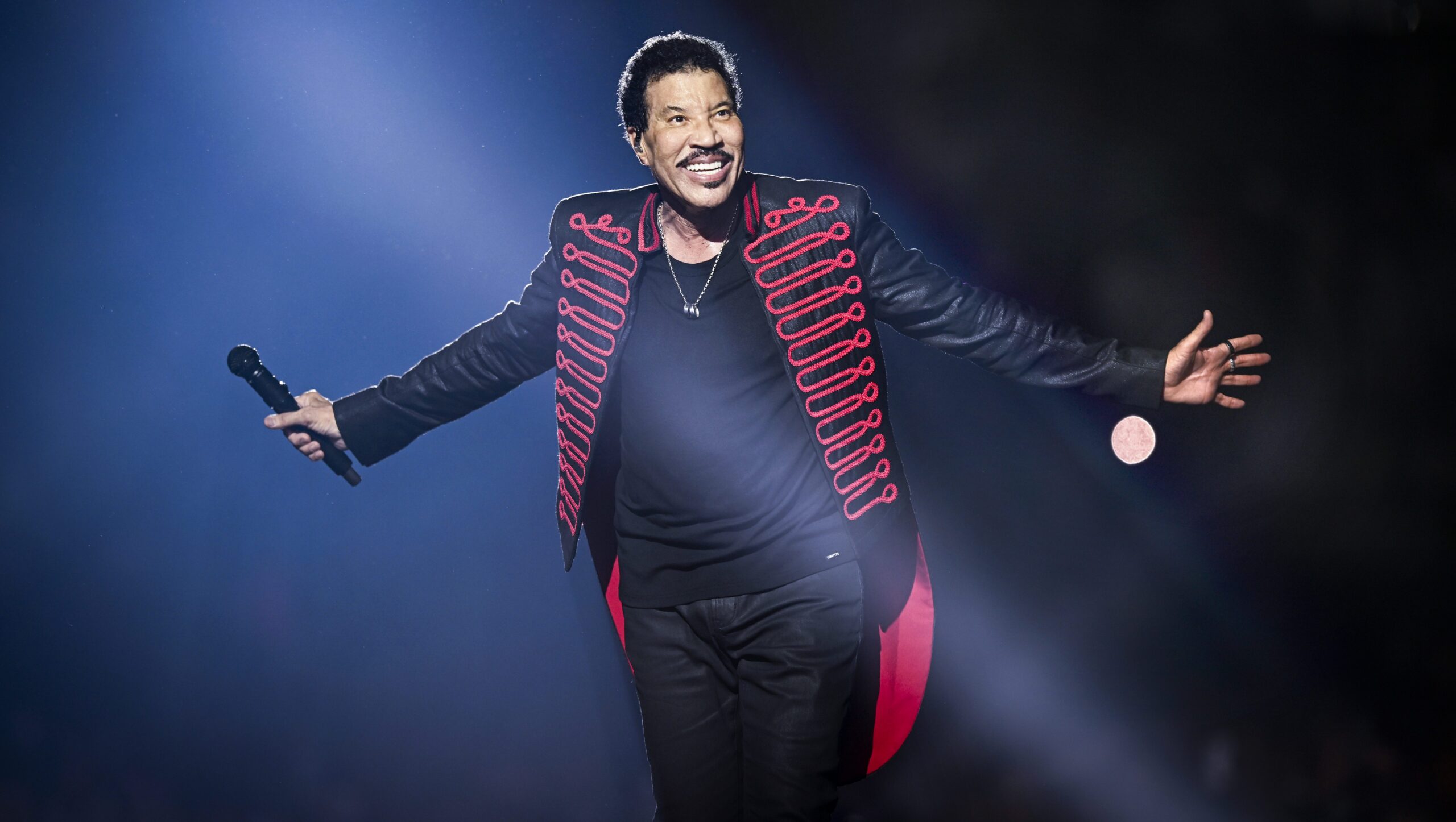
    Lionel Richie, the acclaimed American singer-songwriter, became visibly ill on stage during the opening night of his new tour, forcing the immediate conclusion of the performance. The incident occurred on June 24, 2026, at the Grand Arena in Las Vegas, Nevada. This abrupt end to the highly anticipated ‘Hello Again: The Hits Tour’ prompted significant concern among the thousands of fans in attendance and across social media.

    Richie’s representatives did not immediately disclose the specific nature of his illness. Eyewitness accounts reported that the artist appeared unwell before the show was halted, leading to speculation about his condition. The premature conclusion marked an unusual and concerning start to a tour planned to span multiple cities across North America throughout the summer of 2026.

    The ‘Hello Again: The Hits Tour’ Inaugural Performance

    The ‘Hello Again: The Hits Tour’ was scheduled to commence on June 24, 2026, at the Grand Arena in Las Vegas. This venue, known for hosting major musical acts, has been a frequent stop for high-profile residencies. Richie himself has performed extensively in Las Vegas throughout his career, establishing a strong connection with the city’s entertainment landscape and its audiences.

    Tickets for the opening night had sold out rapidly upon their release in late 2025, underscoring the high demand to see the legendary performer. Fans had traveled from various states, including California, Arizona, and Utah, to witness the launch of the new concert series. The atmosphere before the incident was described as electric, filled with high expectations for a night of classic hits spanning Richie’s extensive catalog.

    Richie’s expected setlist for the tour was designed to include a comprehensive selection of his most beloved songs. These would likely encompass his iconic solo work, such as ‘All Night Long (All Night),’ ‘Hello,’ and ‘Dancing on the Ceiling,’ alongside Commodores-era favorites like ‘Easy,’ ‘Three Times a Lady,’ and ‘Brick House.’ The tour was poised to celebrate his illustrious career, which has spanned over five decades in the music industry.

    High Expectations for a Night of Hits

    The tour’s title, ‘Hello Again: The Hits Tour,’ explicitly promised a journey through Richie’s greatest musical achievements. Promotional materials highlighted his status as a global superstar and his ability to captivate audiences with his soulful voice and engaging stage presence. The Grand Arena, with its state-of-the-art sound and lighting, was prepared to offer an immersive experience for the tour’s debut.

    Pre-Show Buzz and Fan Anticipation

    Social media platforms buzzed with excitement in the days leading up to the concert. Fans shared their travel plans, favorite Richie songs, and memories of past concerts. This collective anticipation underscored the deep connection Richie maintains with his fan base, many of whom have followed his career since his early days with the Commodores in the 1970s.

    Eyewitness Accounts from the Grand Arena Incident

    Attendees at the Grand Arena provided firsthand accounts of the incident that led to the show’s early conclusion. These reports offer insight into the moments leading up to Richie’s departure from the stage.

    Richie’s Performance Prior to Illness

    Sarah Jenkins, a fan from Los Angeles who traveled for the concert, stated that Richie performed several songs before the issue arose. “He seemed a little off during ‘Say You, Say Me,’” Jenkins recounted, “but we just thought it was part of the performance, maybe a vocal warm-up or something. It wasn’t immediately alarming.” Other fans echoed this sentiment, noting a subtle change in his energy.

    The Moment the Show Halted

    Mark Thompson, another concertgoer from Phoenix, Arizona, noted a visible and more pronounced change in Richie’s demeanor during a break between songs. “He paused for a long time between songs, longer than usual, and looked a bit disoriented,” Thompson explained. “Then he just stopped mid-sentence while addressing the crowd and walked off stage. The lights went up shortly after, and an announcement followed.” This sudden departure signaled to many that something was seriously amiss.

    Venue Response and Audience Reaction

    Security personnel and venue staff quickly moved to manage the unfolding situation. Announcements were made over the loudspeaker, informing the audience that the show could not continue due to unforeseen circumstances involving the artist’s health. Attendees were advised to retain their tickets for further information regarding rescheduling or refunds. The crowd dispersed in an orderly fashion, though a palpable sense of disappointment and worry lingered among those leaving the arena. Many fans could be seen checking their phones for news updates about Richie’s condition.

    Impact on Future ‘Hello Again’ Tour Dates

    The immediate consequence of Richie’s illness is the uncertainty surrounding the subsequent dates of the ‘Hello Again: The Hits Tour.’ The tour schedule had planned for performances in major cities such as Chicago, New York, and Atlanta in the coming weeks of July 2026, followed by additional dates into August. These dates are now subject to review and potential alteration pending updates on Richie’s health status and recovery timeline.

    Tour promoters and management teams typically have contingency plans for such unforeseen circumstances. These plans often include options for rescheduling shows, offering full refunds, or, in some cases, canceling entire legs of a tour if an artist’s health prevents them from performing for an extended period. The ultimate decision will likely depend on medical advice from Richie’s physicians and his personal recovery timeline.

    Fans holding tickets for upcoming shows are advised to monitor official channels for the most accurate and timely information. The tour’s official website and Lionel Richie’s social media accounts are expected to provide updates as they become available. Ticketing agencies, such as Ticketmaster and Live Nation, will also communicate any changes directly to ticket holders via email or app notifications.

    Financial and Logistical Considerations

    A tour stoppage carries significant financial and logistical implications. Postponements or cancellations affect not only the artist and their crew but also venue staff, local vendors, and associated travel and hospitality industries. Insurance policies are typically in place to mitigate some of these financial losses, but the disruption remains substantial.

    Artist Well-being Prioritized

    Industry experts emphasize that an artist’s well-being is always the paramount concern in such situations. While the financial impact is considerable, the focus shifts to ensuring the performer’s health and allowing for a full recovery before any return to the stage is considered. This approach protects both the artist and the long-term viability of their career.

    Lionel Richie’s Enduring Musical Legacy and Acclaim

    Lionel Richie’s career began in the late 1960s as a member of the Commodores, where his songwriting prowess and smooth vocal delivery quickly established the group as a major force in R&B and funk music. Hits like ‘Brick House,’ ‘Lady (You Bring Me Up),’ and ‘Easy’ cemented their status and showcased Richie’s evolving talent.

    He launched his solo career in 1982 with the self-titled album ‘Lionel Richie,’ which featured the chart-topping single ‘Truly.’ This marked a pivotal moment, transitioning him from a group frontman to a global solo superstar. His subsequent albums, ‘Can’t Slow Down’ (1983) and ‘Dancing on the Ceiling’ (1986), produced a string of international hits including ‘Hello,’ ‘All Night Long (All Night),’ and ‘Say You, Say Me.’

    Richie has sold over 100 million records worldwide, making him one of the best-selling music artists of all time. His accolades are extensive and include four Grammy Awards, a Golden Globe Award, and an Academy Award for Best Original Song (‘Say You, Say Me’ from the 1985 film White Nights). He was inducted into the Rock and Roll Hall of Fame in 2022, further solidifying his indelible place in music history and culture.

    Philanthropy and Humanitarian Efforts

    Beyond his musical achievements, Richie is widely known for his philanthropic efforts. He has supported numerous charities and causes throughout his career, often using his platform to advocate for social change and humanitarian aid. His participation in USA for Africa’s ‘We Are the World’ in 1985, which he famously co-wrote with Michael Jackson, remains one of the most iconic charity singles ever produced, raising millions for famine relief in Africa.

    Global Impact and Cultural Significance

    Richie’s music transcends generations and geographical boundaries. His songs are frequently covered by other artists, sampled in modern tracks, and remain staples on radio playlists worldwide. His ability to craft enduring melodies and heartfelt lyrics has ensured his continued relevance in a rapidly changing music landscape, making him a beloved figure across diverse demographics.

    The Physical Demands of Extensive Touring

    Touring extensively presents significant physical and mental challenges for artists, especially those with lengthy careers like Lionel Richie. The rigorous schedule often involves frequent travel across different time zones, late-night performances, and exposure to varying climates and environments. Maintaining vocal health, physical stamina, and overall well-being becomes paramount for performers on the road.

    Many artists employ dedicated teams to manage their health and well-being while touring. These teams can include personal trainers, nutritionists, vocal coaches, and medical professionals who travel with the artist to provide immediate support. Despite these comprehensive precautions, the inherent demands of live performance, the constant travel, and the pressure to deliver consistent, high-quality shows can sometimes lead to unexpected health issues.

    The incident with Lionel Richie in Las Vegas underscores the reality that even highly experienced and physically fit performers are susceptible to the stresses of touring. Fans and industry professionals often express admiration for artists who maintain demanding schedules for decades, showcasing incredible resilience. However, such events serve as a sobering reminder of the human element behind the spectacle and the limits of physical endurance, even for global icons.

    The Toll of Constant Performance

    The constant cycle of travel, soundchecks, performances, and media obligations can take a severe toll. Sleep patterns are often disrupted, and the immune system can be compromised, increasing vulnerability to illness. For artists who have been performing for fifty years, these factors are amplified, making recovery times longer and the need for rest more critical.

    Industry Support Systems

    The music industry has developed various support systems for touring artists, including mental health resources and specialized medical care. These systems aim to mitigate the risks associated with the demanding lifestyle, recognizing that the health of its performers is crucial for the industry’s sustained success.

    Fan Reactions and Outpouring of Support

    News of Lionel Richie’s illness quickly spread across social media platforms following the incident at the Grand Arena. Fans from around the world expressed an immediate outpouring of support and concern for the artist’s well-being. Hashtags related to Richie’s health began trending on platforms like X (formerly Twitter), Instagram, and Facebook, reflecting the global reach of his fanbase.

    Messages of well-wishes and prayers came from various parts of the globe, demonstrating the deep emotional connection many feel towards Richie and his music. Many fans shared personal anecdotes about how Richie’s songs had impacted their lives, soundtracking significant moments from first dances to celebratory gatherings. This collective response highlighted the profound bond artists like Richie forge with their audience over decades of performing and creating timeless music.

    Fellow musicians, celebrities, and industry figures also weighed in, sending messages of solidarity and wishing Richie a swift recovery. This widespread show of support underscored his respected position within the entertainment community. The concern was not just for the tour, but for the health of a beloved cultural icon.

    Fans expressed hope for a quick recovery. They also conveyed understanding regarding any necessary postponements, prioritizing Richie’s health over immediate concert plans. The sentiment was clear: get well soon, Lionel.

    A legendary career. A devoted fanbase. A sudden setback. Las Vegas.

  • Trump’s ‘Unified Party’ Claim – Amidst Senate GOP Divisions in 2026

    Trump’s ‘Unified Party’ Claim – Amidst Senate GOP Divisions in 2026

    The Assertion of Unity Amidst Division

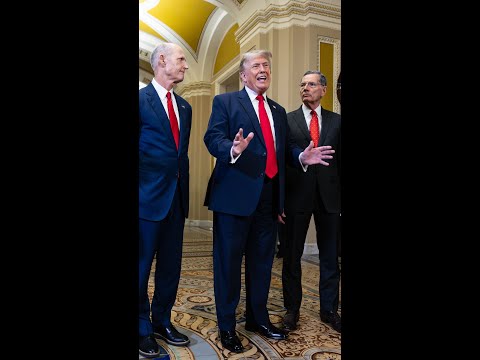
    Former President Donald Trump has consistently characterized the Republican Party as a ‘well-unified party’ during 2026. This characterization has been a staple of his public remarks, aiming to project an image of internal cohesion and strength for the party. However, these statements have been made even as reports of internal disagreements within the party apparatus, specifically involving members of the Senate GOP, have emerged. The perception of unity or disunity often impacts public confidence and electoral performance, particularly in the lead-up to critical midterm elections.

    Political parties frequently face internal debates. These debates can revolve around policy positions, leadership choices, and strategic approaches to national issues. Trump’s emphasis on unity seeks to override narratives of division, presenting a singular front to voters and political adversaries alike. This strategy is common among party leaders seeking to consolidate power and influence public opinion, even when faced with visible internal dissent.

    The Nature of Internal Republican Debates in 2026

    The Republican Party, like all major political organizations, experiences internal ideological and tactical differences. These differences are often highlighted by media outlets and political analysts, representing a natural component of a broad political coalition. In 2026, these debates are particularly salient as the party navigates its post-presidency landscape and prepares for upcoming electoral challenges.

    One common area of divergence involves fiscal policy. Some Republican members advocate for stricter budget austerity and reduced government spending, aligning with traditional conservative principles. Others prioritize investment in specific sectors, such as defense or infrastructure, reflecting varied constituent needs and economic philosophies. These differing approaches can lead to significant legislative battles and public disagreements among party members.

    Foreign policy is another arena for debate within the Republican Party. Traditional interventionist stances, often associated with a strong global presence and alliances, frequently clash with more isolationist or ‘America First’ approaches. These discussions can lead to public disagreements among prominent party figures, influencing the party’s stance on international conflicts, trade agreements, and diplomatic relations. The ongoing geopolitical landscape in 2026 further exacerbates these internal tensions.

    Social issues also contribute to internal Republican discussions. While there is a general conservative alignment, specific legislative approaches or cultural stances can vary among elected officials. These variations reflect the diverse constituencies represented by Republican officeholders, from rural conservatives to suburban moderates. Debates over issues such as abortion access, LGBTQ+ rights, and educational policy continue to create fault lines within the party, making a unified front challenging to maintain.

    Senate GOP Dynamics and Leadership Challenges

    The Senate Republican caucus often presents a distinct set of challenges for party unity. Senators represent entire states, leading to a broader range of regional interests and ideological leanings compared to the House of Representatives. This diversity makes consensus-building a complex and often protracted process, as individual senators must balance national party objectives with the specific demands of their electorates.

    Individual senators often hold significant power due to the Senate’s rules and traditions, such as the filibuster. This can allow a small number of senators to influence or even block legislation, regardless of broader party consensus. This institutional reality can empower dissenting voices and complicate efforts to present a unified legislative agenda, even under strong party leadership.

    Leadership in the Senate GOP, currently held by Senate Minority Leader Mitch McConnell (R-KY), frequently navigates these diverse viewpoints. McConnell’s leadership style has often prioritized legislative strategy and institutional continuity, seeking to manage internal divisions while advancing the party’s broader goals. His role involves extensive negotiation and coalition-building among various factions within the caucus.

    Clashes between former President Trump and certain Senate Republicans have occurred on various issues. These have included legislative priorities, judicial appointments, and the overall direction of the party. These disagreements are sometimes public, leading to significant media attention and fueling narratives of disunity. These tensions often highlight a struggle for influence and ideological direction within the Republican Party, especially concerning the role of the former President.

    For instance, some Senate Republicans have publicly criticized Trump’s rhetoric or actions, while others have remained steadfastly loyal. This spectrum of support and opposition creates a complex dynamic, where party members must weigh their allegiance to the former President against their own political convictions and constituent demands. These internal struggles are keenly observed by both political analysts and the voting public, influencing perceptions of party cohesion.

    Historical Precedents of Party Unity and Division in American Politics

    The concept of a ‘unified party’ is a persistent theme in American political history, yet its reality is often more nuanced. Both major parties, the Democrats and the Republicans, have experienced periods of intense internal division and subsequent efforts to unify. These historical examples provide context for understanding the current dynamics within the Republican Party.

    In the mid-20th century, the Democratic Party faced significant splits over civil rights legislation. The Dixiecrats, a faction of southern Democrats, famously broke away in 1948 in opposition to President Harry S. Truman’s civil rights platform. This demonstrated a profound internal schism that fundamentally reshaped the party’s geographical and ideological alignment over decades. The eventual passage of civil rights legislation, despite these divisions, marked a significant turning point in American politics.

    The Republican Party itself saw significant ideological battles in the 1960s and 1970s. The rise of conservative movements challenged the more moderate establishment wing of the party. Figures like Senator Barry Goldwater (R-AZ) spearheaded a conservative resurgence, advocating for principles that would eventually become central to the modern Republican platform. This period saw a shift from a predominantly moderate party to one increasingly defined by its conservative wing, leading to internal struggles for control and direction.

    More recently, the Tea Party movement emerged within the Republican Party in the late 2000s, gaining prominence after the 2008 financial crisis. This movement pushed for reduced government spending, lower taxes, and a strict interpretation of the Constitution. It often created friction with more established Republican leaders and their legislative agendas, leading to primary challenges and significant internal policy debates. The Tea Party’s influence reshaped the Republican caucus, pushing it further to the right on fiscal issues.

    These historical examples illustrate that claims of party unity often coexist with ongoing internal struggles. The challenge for party leaders is to manage these divisions while projecting a cohesive public image, especially when facing external political pressures or significant electoral cycles. The ability to reconcile diverse viewpoints or at least present a united front is often critical for electoral success and legislative effectiveness.

    The Role of Messaging and Public Perception in 2026

    Public declarations of party unity serve a strategic purpose in political discourse. They aim to reassure voters, discourage opponents, and maintain morale among party activists. Such messaging is particularly important in the lead-up to elections, where a united front can signal strength and stability to the electorate. In 2026, with midterm elections on the horizon, the messaging around Republican unity holds significant weight.

    When a prominent figure like Donald Trump declares the party ‘well-unified,’ it acts as an attempt to shape public perception. This can influence media narratives and voter expectations about the party’s strength and cohesion. Such affirmations can help to rally the base, project confidence, and potentially deter challenges from opposing parties, who might otherwise exploit perceived divisions.

    However, public clashes or dissenting voices can complicate these efforts. When high-profile members of the party express disagreement, it can undermine the message of a unified front. This creates a tension between declared unity and observed reality, which can be challenging for party strategists to manage. The media plays a significant role in how these dynamics are perceived, often highlighting internal party conflicts as newsworthy and indicative of broader political trends, thereby amplifying perceptions of disunity.

    Impact on Electoral Strategy for the 2026 Midterms

    Party unity is often seen as a critical factor in electoral success. A unified party can present a clear platform and a consistent message to voters, making it easier to mobilize support and win elections. When all factions of a party are aligned, resources can be directed efficiently, and campaign messages can resonate more broadly, without being diluted by internal discord.

    Conversely, a party perceived as deeply divided may struggle to attract undecided voters. Internal conflicts can distract from core campaign messages and create a sense of instability, potentially leading to decreased voter confidence. Voters may be less inclined to support a party that appears to be at odds with itself, questioning its ability to govern effectively or implement a coherent agenda.

    For the Republican Party in 2026, the perception of unity could be crucial for upcoming electoral contests. Whether the party can effectively bridge its internal differences will likely influence its performance in congressional races and other elections. The ability to present a cohesive vision for the country, despite internal policy disagreements, will be a key determinant of success.

    Strategic decisions about endorsements, campaign funding, and candidate selection are often influenced by the desire to maintain or restore party unity. Leaders often work to align various factions behind a common goal, making concessions or brokering compromises to ensure that the party can present a united front to the electorate. This delicate balancing act is central to modern political campaigning.

    Policy Divergences and Their Ramifications within the GOP

    The clashes between former President Trump and some Senate GOP members often stem from concrete policy disagreements. These are not merely personality conflicts but often reflect fundamental differences in approach to governance and the role of government. Understanding these policy divergences is key to comprehending the challenges to Republican unity.

    For example, debates over the scope and scale of government intervention in the economy can cause significant friction. Some Republicans favor minimal regulation and free-market principles, advocating for policies that reduce government oversight and promote private sector growth. Others support targeted interventions or protections for specific industries or demographics, recognizing the need for certain governmental roles in a complex economy. These differing economic philosophies can lead to divergent votes on legislation concerning everything from trade to environmental regulations.

    Healthcare policy remains a persistent point of contention. While there is broad agreement on repealing and replacing the Affordable Care Act (ACA), the specifics of an alternative plan have repeatedly divided Republicans. Some advocate for market-based solutions with minimal government involvement, while others recognize the need for a stronger safety net or protections for pre-existing conditions. These internal debates have hampered the party’s ability to present a unified healthcare proposal.

    Immigration policy also reveals deep divisions. While many Republicans advocate for stricter border security, there are differing views on pathways to citizenship, guest worker programs, and the treatment of undocumented immigrants already in the country. Some adopt a hardline stance, while others support more comprehensive reforms that address both enforcement and economic needs. These debates can be highly emotional and politically charged, making consensus difficult to achieve.

    The party’s stance on foreign aid and international alliances is another area of divergence. Some Republicans advocate for a robust international presence and continued support for allies, viewing it as essential for national security and global stability. Others, aligned with more isolationist sentiments, argue for reduced foreign commitments and a greater focus on domestic issues. These differing perspectives influence debates on defense spending, international treaties, and humanitarian aid.

    These policy divergences have significant ramifications. They can lead to legislative stalemates, where internal party disagreements prevent the passage of key bills. They can also create opportunities for the opposing party to exploit weaknesses and form cross-party coalitions. Furthermore, persistent policy disagreements can confuse voters and erode trust in the party’s ability to govern cohesively. The challenge for Republican leaders is to reconcile these diverse policy preferences while maintaining a unified public image and effective legislative strategy.

    The Future of Republican Unity and Influence

    The question of Republican unity in 2026 extends beyond immediate electoral concerns. It touches upon the long-term ideological direction and influence of the party. The ongoing dialogue between former President Trump and various factions within the Senate GOP reflects a broader struggle for the soul of the Republican movement.

    Will the party coalesce around a singular vision, or will it continue to be characterized by its internal debates? The answer will likely shape its ability to attract new voters, maintain its base, and effectively counter the agenda of the Democratic Party. The outcome of this internal negotiation will have profound implications for American politics for years to come.

    Leaders, activists, and voters within the Republican Party are all grappling with these questions. The need to define what it means to be a Republican in the 21st century is paramount. This includes establishing clear policy platforms, articulating a compelling vision for the nation, and selecting leaders who can bridge divides rather than exacerbate them.

    The political landscape is constantly shifting. The Republican Party’s ability to adapt, unify, and present a coherent message will determine its success in navigating these changes. The internal debates, while sometimes contentious, also represent an opportunity for ideological renewal and strategic realignment.

    Farmers gathered. Soldiers gathered. Editors gathered.

    Washington.

  • Zendaya’s Spider-Man T-Shirt: A $35 Statement in Paris – Style and Relatability

    Zendaya’s Spider-Man T-Shirt: A $35 Statement in Paris – Style and Relatability

    On June 25, 2026, actress Zendaya attended a ‘Brand New Day’ fan event in Paris, France, wearing a $35 Spider-Man T-shirt, an attire choice that highlighted the concept that personal style does not always necessitate expensive garments. This decision by the acclaimed performer drew immediate attention, contrasting with the high-fashion expectations often associated with celebrity appearances at public events. The event itself served as a gathering for fans, providing a platform for direct interaction.

    The choice of a modestly priced, commercially available T-shirt by a global fashion icon generated discussion across social media platforms and entertainment news outlets. It underscored a broader conversation regarding celebrity relatability and the perceived authenticity of public figures in an era of heightened scrutiny. This specific instance became a tangible example for audiences to connect with, fostering a sense of shared experience.

    The Paris Event and Zendaya’s Presence

    The ‘Brand New Day’ fan event took place in a central Paris location, drawing a significant crowd of attendees. These events are designed to foster direct engagement between celebrities and their fan bases. Such gatherings often feature question-and-answer sessions, autograph signings, and photo opportunities, creating memorable experiences for those present.

    Zendaya’s attendance was a key draw for the event. Her career, spanning acting and fashion, has cultivated a dedicated global following. Her roles in major film franchises and critically acclaimed television series have established her as a prominent figure in contemporary entertainment. Her fashion choices have consistently been a topic of interest, frequently setting trends and influencing popular culture.

    The event’s atmosphere was described as energetic, with fans eager to interact with the star. Her relaxed yet distinctive outfit choice contributed to an approachable aura, aligning with the informal nature of a fan gathering. This particular ensemble stood out amidst the typically elaborate wardrobes seen at similar celebrity functions.

    The $35 Spider-Man T-Shirt: A Fashion Statement

    The core of the story revolved around the specific garment: a $35 Spider-Man T-shirt. This item, widely accessible to the general public, became a symbol of accessible fashion. The character of Spider-Man holds global recognition, appealing to a broad demographic across various age groups.

    Zendaya has a professional connection to the Spider-Man franchise, having starred in multiple films within the Marvel Cinematic Universe as the character MJ. This connection added another layer of context to her T-shirt choice. It served as a subtle nod to her cinematic work, enhancing the personal relevance of the outfit.

    The price point of the T-shirt was a critical element in the media’s framing of the story. In an industry where designer outfits can cost thousands or even tens of thousands of dollars, a $35 item represents a significant departure from the norm. This affordability made the garment, and by extension, Zendaya’s style, feel more attainable for the average consumer.

    The Power of Accessible Fashion

    Accessible fashion refers to clothing that is affordable and readily available to a wide audience. It stands in contrast to high fashion, which often involves bespoke pieces, limited editions, and luxury brands with prohibitive price tags. Zendaya’s choice exemplified the potential for accessible items to be integrated into high-profile appearances.

    Her decision demonstrated that personal expression and style do not require a substantial financial investment. This message resonates particularly with younger audiences and those who may feel pressured by the perceived need to emulate celebrity lifestyles. It offered a counter-narrative to the prevailing consumer culture that often equates value with cost.

    Stylists and fashion commentators frequently highlight the importance of how an item is worn, rather than its inherent monetary value. Zendaya’s ability to elevate a simple T-shirt through her overall presentation, confidence, and public persona reinforced this perspective. The ensemble was completed with other items, though the T-shirt remained the focal point of discussion.

    Relatability and Public Perception

    The public reaction to Zendaya’s T-shirt was largely positive, emphasizing themes of relatability and authenticity. Celebrities often face a delicate balance between maintaining an aspirational image and appearing grounded. Choices like this can bridge that gap, making them seem more human and less detached from everyday realities.

    This particular fashion moment contributed to a perception of Zendaya as down-to-earth. It suggested a willingness to defy conventional celebrity norms and embrace a more unpretentious approach to public appearances. For many fans, this resonated as a genuine expression of her personality rather than a calculated marketing move.

    The term ‘schadenfreude’ was mentioned in initial analyses, suggesting a potential underlying satisfaction among some observers at seeing a high-earning celebrity embrace frugality. However, the dominant sentiment leaned towards admiration for her confident and unpretentious style. The event became a case study in how celebrity choices can influence public sentiment and discussion.

    Challenging Celebrity Norms

    Celebrity fashion is often characterized by exclusivity, luxury, and elaborate styling. Red carpet events, premieres, and public appearances are typically opportunities for designers to showcase their latest collections and for stars to make grand fashion statements. Zendaya’s T-shirt choice challenged these established norms.

    Her decision suggested a shift in what is considered appropriate or impactful celebrity attire. It highlighted a growing appreciation for individual expression over rigid adherence to industry expectations. This could potentially influence other public figures to consider more diverse and accessible fashion options for their own appearances.

    The impact extended beyond mere fashion, touching upon broader discussions about consumerism and the pressures of celebrity. It prompted questions about the role of clothing in conveying status versus individuality. Zendaya’s T-shirt became a talking point in the ongoing evolution of celebrity culture.

    The Intersection of Pop Culture and Personal Brand

    Zendaya’s choice to wear a Spider-Man T-shirt also represents a strategic alignment with her existing professional brand. As a key actress in the Spider-Man film series, her association with the character is deeply ingrained in popular culture. This makes the T-shirt more than just a casual item; it is a subtle reinforcement of her cinematic identity.

    This intersection of personal style, professional roles, and pop culture iconography creates a multi-layered message. It communicates a sense of self-awareness and comfort with her public persona. The T-shirt functions as both a casual garment and a symbol of her contributions to a beloved franchise.

    For fans of the Spider-Man universe, the T-shirt served as an additional point of connection. It allowed them to celebrate both the actress and the character she portrays. This kind of authentic brand alignment can strengthen fan loyalty and deepen engagement with a celebrity’s work.

    Fashion as Communication

    Fashion serves as a powerful form of non-verbal communication. Every garment choice, whether deliberate or seemingly casual, conveys a message. Zendaya’s Spider-Man T-shirt communicated several ideas simultaneously: accessibility, authenticity, connection to her work, and a confident rejection of ostentatious display.

    This particular instance demonstrated how a single item of clothing can generate significant media coverage and public discourse. It became a focal point for discussing broader societal values related to wealth, status, and personal expression. The simplicity of the T-shirt belied the complexity of the messages it conveyed.

    The long-term impact of such a moment often lies in its ability to influence trends and perceptions. While it may not immediately dismantle the luxury fashion industry, it contributes to a wider acceptance of diverse styles and price points within the public eye. Zendaya’s T-shirt became a memorable example of fashion’s communicative power.

    The Broader Implications for Celebrity Fashion

    The incident contributes to an ongoing shift in celebrity fashion, moving away from an exclusive focus on high-end designer wear towards a more diverse and inclusive approach. Social media platforms have democratized fashion, allowing for a wider range of styles and influences to gain traction. Celebrities now have more avenues to express individuality beyond traditional red-carpet aesthetics.

    This trend reflects a broader cultural movement towards authenticity and transparency. Audiences increasingly value genuine expression over carefully curated, unattainable images. Celebrity endorsements of affordable brands or choices like Zendaya’s T-shirt align with this evolving consumer sentiment.

    The fashion industry itself has begun to adapt, with more collaborations between high-fashion brands and accessible retailers. This blending of categories indicates a recognition that consumers seek both aspirational luxury and practical, affordable options. Zendaya’s choice is a visible manifestation of these larger industry shifts.

    The Role of Media in Amplifying Messages

    Media coverage played a crucial role in amplifying the message behind Zendaya’s T-shirt. Outlets like Variety, among others, highlighted the specific details of her outfit, particularly its cost. This media attention transformed a simple clothing choice into a significant cultural moment.

    The framing of the story, emphasizing the ‘frugal’ aspect, resonated with audiences who are often exposed to celebrity excess. The narrative of ‘style doesn’t always have to cost a fortune’ became a headline, reinforcing the perceived value of her choice. The media’s focus cemented the event’s place in discussions about celebrity and fashion.

    Ultimately, Zendaya’s appearance in a $35 Spider-Man T-shirt at a Paris fan event became more than just a fashion note. It was a statement about accessibility, authenticity, and the evolving nature of celebrity. It showcased how a simple choice can challenge expectations. It fostered relatability. It sparked conversation.

  • Intelligent Animation: Mark Stern and Lloyd Braun Launch New AI Studio

    Intelligent Animation: Mark Stern and Lloyd Braun Launch New AI Studio

    The Dawn of Intelligent Animation

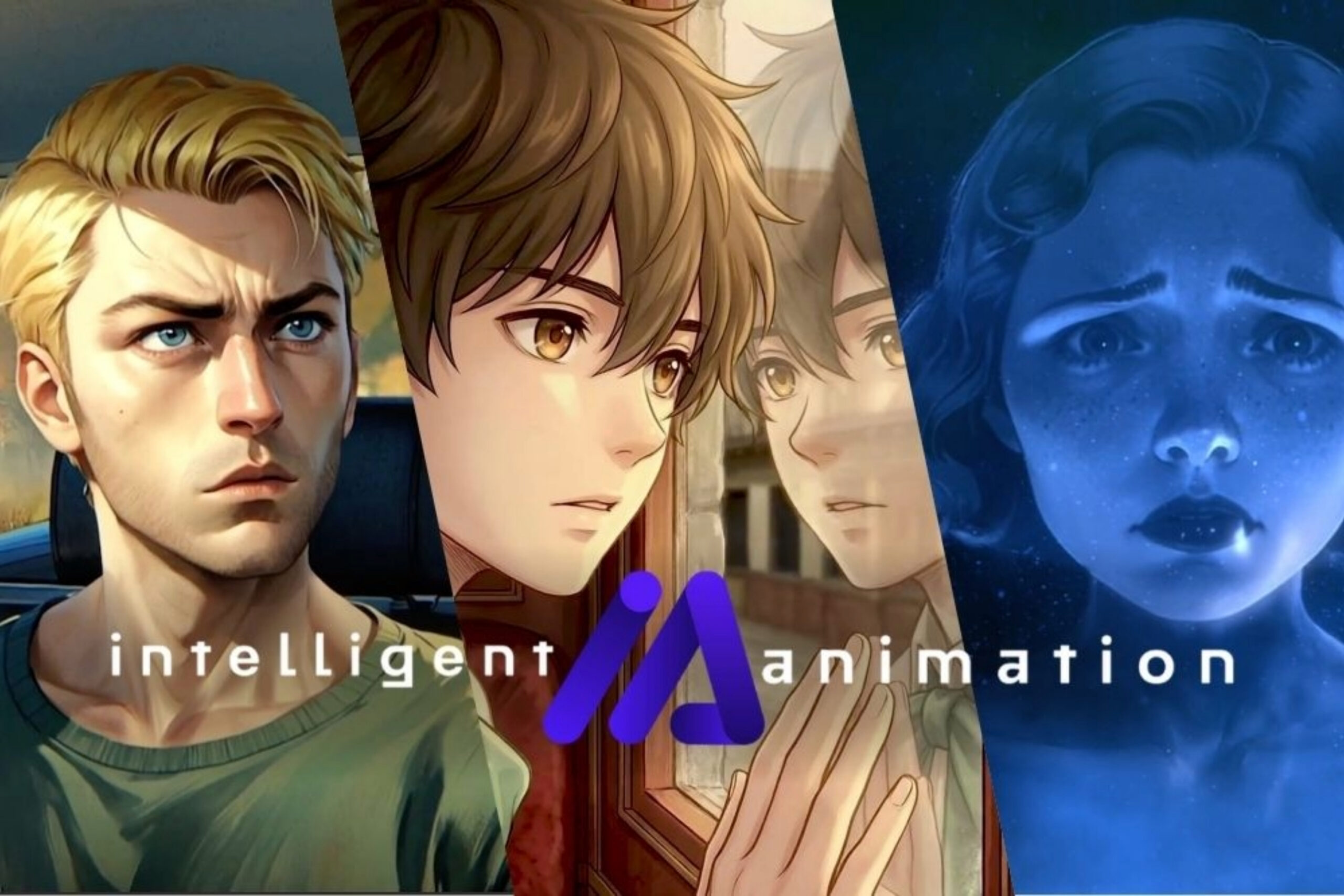
    Intelligent Animation, a new studio dedicated to artificial intelligence-driven animation, has been launched by former Syfy executive Mark Stern and entertainment industry veteran Lloyd Braun. This development signifies a growing trend in the entertainment sector to integrate advanced AI technologies into the creative process, potentially revolutionizing how animated content is conceived, produced, and distributed. The studio’s formation immediately ignites widespread debate about the future of human artists, the definition of creativity, and the economic implications for traditional animation roles across the globe.

    The announcement, made public on 2026-06-25, positions Stern and Braun at the forefront of a technological movement within Hollywood. Their combined experience in television production, network management, and digital media brings substantial industry weight to the new enterprise. Intelligent Animation aims to explore the efficiencies and creative possibilities unlocked by AI, venturing into territory that many traditional animators view with both curiosity and apprehension.

    The Architects Behind the Vision

    Mark Stern brings a significant background in genre entertainment to Intelligent Animation. During his tenure at Syfy, Stern was instrumental in developing and overseeing numerous original series, contributing to the network’s identity as a hub for science fiction and fantasy content. His experience includes working with complex visual effects and innovative storytelling techniques, which now provide a foundation for understanding the potential applications of AI in animation.

    Lloyd Braun is a seasoned executive with a career spanning major networks and digital platforms. Braun’s past roles include leadership positions at ABC Entertainment and Yahoo!, where he navigated evolving media landscapes and spearheaded strategic initiatives. His business acumen and understanding of content distribution and audience engagement are critical assets for a venture like Intelligent Animation, which seeks to innovate not just in production but also in market penetration.

    Their collaboration suggests a strategic alignment of creative vision and business strategy. Both executives have a history of adapting to industry shifts and embracing new technologies. Their decision to focus on AI animation reflects a belief in its transformative power for the entertainment industry.

    The Promise of AI in Animation

    Artificial intelligence offers several potential advantages for animation studios. One primary benefit is the acceleration of production timelines. Traditional animation is notoriously labor-intensive and time-consuming, requiring extensive resources for character design, storyboarding, modeling, rigging, animation, rendering, and post-production.

    AI tools can automate many of these repetitive or data-driven tasks. For instance, AI algorithms can generate background elements, assist with in-betweening frames, or even create initial character models based on prompts. This automation could drastically reduce the time and cost associated with producing animated series and films.

    Another promise of AI lies in its capacity for rapid iteration and exploration. Artists could use AI to quickly generate multiple design variations or animation sequences, allowing for more experimentation in the pre-production phase. This could lead to a broader range of creative options and more refined final products.

    AI also holds potential for personalized content. Algorithms could analyze viewer preferences to create bespoke animated experiences or dynamically alter storylines. This level of customization could open new avenues for interactive entertainment and audience engagement, moving beyond traditional linear storytelling models.

    Concerns and Cultural Defense

    The emergence of studios like Intelligent Animation, however, is not without controversy. A central point of contention is the potential impact on human jobs within the animation industry. Artists, animators, writers, and voice actors express legitimate concerns that AI could displace large segments of the workforce. If AI can perform tasks traditionally done by humans, the demand for human labor may decrease, leading to widespread unemployment in creative fields.

    The concept of ‘cultural defense’ arises from these anxieties. It frames the debate as a need to protect human artistic expression and cultural heritage from technological overreach. Critics argue that relying heavily on AI could lead to a homogenization of artistic styles or a reduction in the unique, human touch that defines compelling animation.

    “The question isn’t just about efficiency; it’s about the soul of the art form,” stated one anonymous animation veteran during a recent industry panel. “Can an algorithm truly capture human emotion or cultural nuance in the same way a human artist can?”

    The debate extends to questions of artistic integrity and originality. If AI generates content, who holds the intellectual property rights? What constitutes authorship when a machine plays a significant role in creation? These are complex legal and philosophical questions that the industry is only beginning to address.

    The Economic and Creative Landscape

    The economic implications of AI in animation are far-reaching. While studios may see cost savings and increased production capacity, the broader economic impact on the creative workforce could be severe. This could lead to a restructuring of the animation industry, favoring those with technical AI skills over traditional artistic talents.

    From a creative standpoint, proponents of AI argue that it can free artists from tedious tasks, allowing them to focus on higher-level creative decisions. AI could become a powerful tool in the artist’s arsenal, rather than a replacement. The success of this integration will depend on how studios like Intelligent Animation choose to implement AI – as a collaborative partner or as a primary creator.

    The current landscape of creative industries is already undergoing significant change due to technological advancements. Streaming wars, global production pipelines, and evolving audience consumption habits have reshaped the business model. AI represents the next frontier in this ongoing transformation, demanding new skills, new ethical considerations, and new business strategies.

    The Road Ahead for Intelligent Animation

    Intelligent Animation faces the challenge of proving that AI can enhance, rather than diminish, the quality and originality of animated content. Their initial projects will be closely scrutinized by both industry insiders and the public. The studio will need to demonstrate not only technical proficiency but also a commitment to artistic excellence and ethical AI practices.

    The reception of their work will likely influence the broader adoption of AI in animation. If Intelligent Animation produces compelling and critically acclaimed content, it could accelerate the integration of AI across the industry. Conversely, if their output is perceived as derivative or soulless, it could reinforce the arguments of cultural defense advocates.

    The partnership of Stern and Braun indicates a serious intent to navigate these complexities. Their experience suggests an understanding of both the creative demands of storytelling and the business realities of content production. Intelligent Animation is poised to be a significant player in the evolving dialogue about AI and the arts.

    Redefining Creativity in the Digital Age

    The discussion around AI in animation extends beyond mere job displacement; it touches upon the very definition of creativity. Can a machine truly be creative, or is it merely executing complex algorithms based on existing data? This philosophical debate has profound implications for how society values artistic output and recognizes genius.

    Some argue that AI, by learning from vast datasets of human-created art, is merely a sophisticated imitator. Others contend that if the output evokes emotion, tells a story, or presents novel ideas, the source of its creation becomes secondary to its impact. This redefinition of creativity is central to the cultural shift that AI is prompting across all creative sectors.

    The role of the human artist may evolve from direct creator to curator, prompt engineer, or ethical overseer of AI-generated content. This shift requires a new set of skills and a different approach to artistic training and collaboration. Educational institutions and industry guilds are beginning to grapple with how to prepare the next generation of creatives for this hybrid human-AI environment.

    As Intelligent Animation begins its work, it will inevitably contribute to this ongoing re-evaluation. Its projects will serve as case studies in the practical application of AI in a commercial creative setting, offering tangible examples for the philosophical and ethical discussions that continue to unfold.

    Executives launched. Debates commenced. Futures considered. Animation.

  • Oracle’s Workforce Transformation: 21,000 Jobs Reduced Amid AI Integration

    Oracle’s Workforce Transformation: 21,000 Jobs Reduced Amid AI Integration

    Oracle Corporation, a prominent entity in enterprise software and cloud computing, executed a substantial workforce reduction over a 12-month period ending in 2026. The company decreased its global employee base by approximately 21,000 positions. This strategic adjustment aligns with Oracle’s intensified integration of artificial intelligence (AI) and automation into its core operations, leading to optimized efficiency and a redefined organizational structure.

    This transformation at Oracle highlights a broader industry trend. Technological advancements, particularly in AI, are reshaping how large corporations manage their human capital and operational workflows. The shifts observed at Oracle serve as a case study for the evolving relationship between technology and employment in the modern economy.

    The Scale of Oracle’s Workforce Adjustment

    The reduction of 21,000 jobs represents a significant demographic shift within Oracle’s global operations. This figure encompasses positions across various departments and geographical locations. The changes were not confined to a single business unit but rather spread throughout the enterprise as automation capabilities expanded.

    The company has been actively investing in AI research and development for several years. These investments have now matured into deployable solutions. These solutions are capable of handling tasks traditionally performed by human employees.

    Oracle’s cloud infrastructure, known as Oracle Cloud Infrastructure (OCI), has been a primary beneficiary of these AI integrations. Automated systems manage server provisioning, network optimization, and routine maintenance tasks. This reduces the need for extensive human oversight in these areas.

    The financial implications of such a large-scale reduction are substantial. Labor costs represent a significant portion of operating expenses for technology companies. Streamlining the workforce through automation can lead to considerable savings, which can then be reinvested into further technological development or returned to shareholders.

    Impact on Specific Roles and Departments

    The job reductions at Oracle were not uniform across all job functions. Roles susceptible to automation were primarily affected. These often included positions in customer support, data entry, quality assurance, and certain administrative functions.

    Customer support, for example, has seen the deployment of advanced chatbots and AI-driven virtual assistants. These tools can resolve common customer queries and provide technical assistance without human intervention. Complex issues are escalated to human agents, but the volume of such escalations has decreased.

    In data management, AI algorithms now perform tasks like data cleansing, migration, and analysis with greater speed and accuracy than manual processes. This has optimized Oracle’s ability to manage its vast databases and provide insights to clients.

    Quality assurance (QA) departments also experienced changes. Automated testing frameworks, powered by machine learning, can identify bugs and performance issues in software code more efficiently. This shifts the focus of human QA professionals towards developing and refining these automated tools, rather than executing repetitive tests.

    Artificial Intelligence: A Catalyst for Change

    Artificial intelligence is not merely a tool for efficiency; it is a transformative force. Oracle’s adoption of AI reflects a strategic decision to embrace this transformation. The company aims to remain competitive in a rapidly evolving technological landscape.

    AI’s role extends beyond simple task automation. It involves predictive analytics, machine learning algorithms, and natural language processing. These capabilities allow systems to learn from data, make informed decisions, and interact with users in more sophisticated ways.

    The development of Oracle’s autonomous database, an AI-powered cloud database that automates patching, tuning, and upgrading, exemplifies this shift. This product reduces the need for human database administrators to perform routine maintenance, freeing them to focus on more strategic tasks.

    Larry Ellison, Oracle’s co-founder and Chairman, has consistently championed the power of automation. His vision for autonomous systems has guided much of Oracle’s product development and internal operational strategies over the past decade.

    The Broader Economic Context of AI Adoption

    Oracle’s workforce adjustments are not isolated incidents. They are part of a larger economic trend. Industries worldwide are grappling with the implications of AI and automation. Many companies are exploring how these technologies can enhance productivity and reduce costs.

    Reports from institutions like the World Economic Forum indicate that AI is expected to displace millions of jobs globally in the coming years. However, these reports also suggest that AI will create new jobs, often requiring different skill sets.

    Economists refer to this phenomenon as job displacement and job creation. The challenge for the workforce and policymakers is to manage this transition. This includes investing in retraining programs and fostering adaptability among workers.

    Governments and educational institutions are increasingly recognizing the need to prepare the labor force for an AI-driven economy. Curricula are being updated to include data science, machine learning, and robotics. This aims to equip future generations with the skills required for new roles.

    Strategic Reorientation at Oracle

    Oracle’s decision to reduce its workforce is a component of a larger strategic reorientation. The company is intensifying its focus on high-growth areas. These areas include cloud computing, AI services, and industry-specific solutions.

    The acquisition of Cerner Corporation for approximately $28.3 billion in June 2022 was a pivotal move in this strategy. Cerner, a leading provider of digital information systems for hospitals and health networks, brought Oracle deeper into the healthcare technology sector. Oracle aims to leverage AI to innovate healthcare solutions.

    Oracle’s cloud business has been a key driver of its recent growth. The company competes directly with Amazon Web Services (AWS) and Microsoft Azure. AI integration is seen as a way to differentiate its cloud offerings and provide superior performance and cost-efficiency.

    The company also continues to expand its enterprise resource planning (ERP) and customer relationship management (CRM) software suites. These platforms are increasingly powered by AI to offer predictive insights and automated workflows to business clients.

    Investment in Emerging Technologies

    Beyond AI, Oracle is investing in other emerging technologies. These include blockchain, the Internet of Things (IoT), and advanced analytics. These investments are designed to complement its AI initiatives and create a comprehensive technology ecosystem.

    Blockchain technology is being explored for secure data management and supply chain transparency. IoT integration allows Oracle’s platforms to collect and process data from a vast network of connected devices. This provides real-time insights.

    These technological advancements require a specialized workforce. Oracle is actively recruiting talent in areas such as machine learning engineering, data science, and cloud architecture. This reflects a shift in demand for specific skills within the company.

    The company’s campus in Austin, Texas, and its headquarters in Austin, Texas, serve as hubs for much of this innovation. These locations attract top technical talent and foster a culture of technological advancement.

    The Human Element: Adaptation and Reskilling

    While automation reduces the need for certain roles, it also creates opportunities for others. The human element in this technological transition involves adaptation and reskilling. Employees whose roles are impacted by AI often face the challenge of acquiring new competencies.

    Oracle has implemented internal programs aimed at reskilling its existing workforce. These programs focus on training employees in areas such as AI development, cloud architecture, and data analytics. The goal is to transition employees into new roles that support the company’s strategic direction.

    However, the scale and speed of technological change can outpace these efforts. Not all employees may be able to transition successfully into new roles. This creates societal challenges related to unemployment and economic disparity.

    The responsibility for managing these transitions often falls on both corporations and individuals. Corporations are expected to provide support and training. Individuals are expected to embrace continuous learning and skill development.

    Future Outlook for the Workforce

    The trend observed at Oracle suggests a future workforce that is increasingly integrated with AI and automation. Human workers will likely focus on tasks that require creativity, critical thinking, emotional intelligence, and complex problem-solving – areas where AI currently has limitations.

    The demand for AI trainers, ethicists, and system designers is expected to grow. These roles involve overseeing and guiding AI systems, ensuring they operate effectively and responsibly.

    The partnership between humans and AI is becoming a central theme in discussions about the future of work. The goal is not necessarily to replace humans entirely but to augment human capabilities with AI, leading to a more productive and innovative workforce.

    Companies like Oracle are at the forefront of this evolution. Their actions provide insights into the challenges and opportunities that lie ahead for the global labor market. The transition is ongoing. The full impact of AI on employment patterns is still unfolding.

    Companies adapt. Technologies evolve. Workforces reshape.

    The future of work.

  • ACM Honors: Kacey Musgraves, Ella Langley, Leslie Fram Receive Top Accolades

    ACM Honors: Kacey Musgraves, Ella Langley, Leslie Fram Receive Top Accolades

    The Academy of Country Music Honors Celebrates Country’s Best

    The Academy of Country Music (ACM) Honors event annually recognizes exceptional achievements and contributions within the country music genre. In 2026, the event is set to celebrate a distinguished group of artists and industry professionals. Kacey Musgraves, Ella Langley, and Leslie Fram are among the notable figures slated to receive special awards, highlighting their significant impact on country music’s landscape.

    This event serves as a crucial platform for acknowledging the genre’s heritage and its future. It brings together a diverse array of talent, from chart-topping artists to influential executives. The ACM Honors ceremony reinforces the community and collaborative spirit inherent in country music.

    Kacey Musgraves: A Modern Country Icon Honored

    Kacey Musgraves has carved a unique path in country music, blending traditional sounds with progressive lyrical themes. Her artistry has earned her critical acclaim and a dedicated global fanbase. The ACM Honors recognizes her innovative approach and profound influence on the genre.

    Musgraves’s career is marked by multiple Grammy Awards and ACM Awards. Her albums, such as Golden Hour and Star-Crossed, have pushed the boundaries of country music. She has consistently challenged conventional narratives, addressing themes of self-discovery, love, and societal expectations.

    Her recognition at the ACM Honors underscores her status as a leading voice in contemporary music. It acknowledges her role in expanding country music’s appeal to broader audiences. Musgraves continues to be a defining artist of her generation.

    Ella Langley: The Ascendant Voice of Country

    Ella Langley represents the exciting new wave of talent emerging in country music. Her distinct sound and relatable songwriting have quickly garnered attention. The ACM Honors marks a significant milestone in her burgeoning career.

    Langley’s rise reflects the dynamic evolution of the genre. Her music often connects with listeners through authentic storytelling and powerful vocals. Industry observers frequently cite her as an artist to watch, predicting a substantial future impact.

    Receiving an ACM Honor at this stage of her career is a testament to her early achievements. It signals a strong endorsement from the country music establishment. Langley’s presence at the event highlights the ACM’s commitment to nurturing new talent.

    Leslie Fram: A Champion for Artists

    Leslie Fram is a revered figure in the country music industry, known for her extensive career in radio and artist advocacy. Her contributions have significantly shaped the careers of numerous artists. The ACM Honors celebrates her enduring impact behind the scenes.

    Fram has held influential positions at major media outlets, including CMT and Cumulus Media. She has been instrumental in breaking new artists and promoting country music on a national scale. Her work has consistently focused on supporting diverse voices within the genre.

    Her award at the ACM Honors acknowledges the vital role of industry executives. It recognizes the dedication required to foster talent and promote music. Fram’s career exemplifies a commitment to the growth and vitality of country music.

    The Broader Impact of ACM Honors

    The ACM Honors event is more than just an awards ceremony; it is a declaration of country music’s values and direction. It highlights the interconnectedness of artists, writers, producers, and executives. The event fosters a sense of community and shared purpose within the industry.

    By recognizing both established and emerging figures, the ACM ensures a continuous narrative of excellence. It provides a platform for celebrating the genre’s past while embracing its future. The Honors event contributes significantly to the cultural dialogue surrounding country music.

    Past Honorees and Their Legacy

    Historically, the ACM Honors has recognized a wide range of talent. Icons like Loretta Lynn, Reba McEntire, and Garth Brooks have received accolades. These recognitions underscore their foundational contributions to country music.

    The event also often honors songwriters, musicians, and producers whose work may not always be in the spotlight. Their behind-the-scenes efforts are crucial to the creation of hit songs and memorable albums. The ACM ensures these vital contributions are acknowledged.

    The Role of Media in Country Music Recognition

    Media outlets play a critical role in amplifying the stories of country music artists. Publications like Variety, which reported on this year’s honorees, help disseminate news about these awards. This coverage increases public awareness and appreciation for the genre.

    Television broadcasts and digital platforms further extend the reach of the ACM Honors. They allow fans worldwide to witness the celebrations and learn about their favorite artists. This broad exposure is essential for the continued growth of country music.

    Other Notable Figures at the 2026 Event

    While Musgraves, Langley, and Fram are prominent honorees, the 2026 ACM Honors will celebrate many other deserving individuals. These awards span various categories, recognizing excellence in songwriting, touring, and humanitarian efforts. The full list of recipients will represent a comprehensive look at country music’s current strengths.

    Each award recipient brings a unique story and set of accomplishments to the stage. Their collective achievements paint a vibrant picture of the genre’s health. The event serves as a benchmark for contemporary country music standards.

    The Importance of Industry Support

    The success of artists like Kacey Musgraves and Ella Langley relies heavily on industry support. Organizations like the ACM provide crucial infrastructure for artist development and recognition. This support includes promotional efforts, networking opportunities, and award programs.

    Industry professionals, such as Leslie Fram, dedicate their careers to fostering this environment. Their work ensures that talented artists have avenues for reaching wider audiences. This ecosystem is vital for maintaining a thriving music scene.

    Looking Ahead: The Future of Country Music

    The 2026 ACM Honors event provides a snapshot of country music’s present and a glimpse into its future. The recognition of both established stars and rising talents indicates a healthy and evolving genre. It suggests a continued willingness to embrace new sounds while respecting tradition.

    The blend of artistic innovation and industry dedication will likely continue to drive country music’s growth. Events like the ACM Honors play a pivotal role in shaping this trajectory. They inspire future generations of artists and professionals.

    Artists continue to innovate. Industry leaders continue to support. Fans continue to engage.

    Country music thrives.

    FAQ Section

    What is the ACM Honors event?
    The ACM Honors is an annual event hosted by the Academy of Country Music that celebrates special award recipients not covered by the ACM Awards telecast. It recognizes artists, musicians, and industry professionals for their outstanding achievements and contributions to country music.

    Who are the main honorees at the 2026 ACM Honors?
    For the 2026 ACM Honors, Kacey Musgraves, Ella Langley, and Leslie Fram are among the key individuals being recognized. Musgraves is honored for her artistic impact, Langley as a rising star, and Fram for her significant industry contributions.

    Why is Kacey Musgraves being honored by the ACM?
    Kacey Musgraves is being honored for her groundbreaking artistry and her ability to expand the boundaries of country music. Her work consistently receives critical acclaim and has influenced a new generation of artists and listeners.

    What role does Leslie Fram play in country music?
    Leslie Fram is a prominent media executive who has dedicated her career to promoting country music and developing artists. Her work in radio and at organizations like CMT has been instrumental in shaping the careers of many country stars.

    How does the ACM Honors event impact the country music industry?
    The ACM Honors event is vital for the country music industry as it provides a platform to acknowledge a wide range of contributions, from artistic excellence to behind-the-scenes influence. It fosters community, celebrates both heritage and innovation, and helps shape the genre’s future direction.