Tag: 2026

  • Bill Lawrence Talks Scrubs, Apple TV+, and His Firing From Friends

    Bill Lawrence Talks Scrubs, Apple TV+, and His Firing From Friends

    Bill Lawrence built a television empire following an early, high-profile career setback. Speaking at the Napa Valley StreamFest in June 2026, the prolific showrunner detailed how being fired from the writing staff of NBC’s Friends during its inaugural 1994 season forced a creative pivot that ultimately led to the creation of Scrubs, Ted Lasso, and his current Apple TV+ Emmy contenders, Shrinking and Rooster. The admission came during a live recording of The Hollywood Reporter’s Awards Chatter podcast. It offered a look at the mechanics of Hollywood career longevity. Success in television requires constant adaptation. For Lawrence, the path was defined by network shifts, writer strikes, and the realization that his voice did not align with the established tone of someone else’s writers’ room.

    The television landscape of 2026 operates differently than the broadcast model of 1994. Yet the fundamental currency of the industry remains unchanged. Writers must generate pages. Showrunners must manage productions. Networks, and now streamers, must capture subscriber attention. Lawrence has navigated multiple iterations of this ecosystem. His appearance in Napa Valley served as both a retrospective of a three-decade career and a strategic push for the upcoming Emmy voting window.

    The Napa Valley StreamFest Appearance

    The Napa Valley StreamFest gathered industry executives, creators, and talent in June 2026 to discuss the economics of digital distribution. Amid panels on algorithmic engagement and subscriber retention, Lawrence spoke extensively about narrative development and production resilience. He sat across from podcast host Scott Feinberg. The venue was packed. The subject matter spanned thirty years of television history, focusing on specific production challenges and network negotiations.

    Lawrence attended the festival to promote his current roster of Apple TV+ comedies. Shrinking continues to anchor the streamer’s comedy block, while Rooster has emerged as a major focus for the platform in the 2026 television season. To explain the development of his current series, Lawrence detailed the moments when his career faced significant obstacles. He pointed directly to early failures as the catalyst for his later structural approach to running a television show.

    Showrunners are often expected to project continuous success. Lawrence detailed his early failures, using them to contextualize the production strategies he employs on his current work. The strategy framed his 2026 Emmy contenders not as inevitable successes, but as the result of decades of learning how to manage writers’ rooms and network expectations, a process that began when he lost his job on the biggest sitcom in the world.

    Leaving Central Perk in 1994

    In the fall of 1994, NBC premiered a multi-camera sitcom about six twenty-somethings living in New York City. Friends became a defining cultural property. Bill Lawrence was on staff for the beginning. He was twenty-six years old. He had previously written for Boy Meets World and The Nanny. He secured a position on the writing staff under creators Marta Kauffman and David Crane.

    The position was highly sought after. However, Lawrence lasted exactly one season. He was fired by the showrunners.

    At the Napa Valley StreamFest, Lawrence discussed the dismissal. He did not blame Kauffman or Crane. He stated that his inability to assimilate into the specific rhythm of the show led to his exit. Friends required a unified comedic voice. Lawrence pitched his own distinct sensibilities. He was writing to his own comedic preferences, rather than matching the established voices of Ross, Rachel, or Chandler.

    The firing forced a career reassessment. In the mid-1990s, being let go from a hit NBC sitcom was a significant setback. Warner Bros. Television, the studio behind the show, maintained its relationship with him. The failure forced Lawrence to evaluate his foundational skills as a writer. Recognizing he could not easily adapt to someone else’s vision, he focused on creating his own material.

    Two years later, he co-created Spin City with Gary David Goldberg. The Michael J. Fox vehicle ran for six seasons on ABC. Lawrence established his ability to run a show. The lessons of the Friends writers’ room influenced his management style. He learned how to manage a staff. He learned how to protect a premise. He learned that a showrunner must shield their writers from network pressure.

    The Long Survival of ‘Scrubs’

    If Spin City proved Lawrence could run a traditional multi-camera sitcom, Scrubs proved he could develop a distinct single-camera format. Premiering on October 2, 2001, the medical comedy abandoned the live studio audience. It abandoned the laugh track. It utilized a single-camera setup, rapid-fire fantasy sequences, and an emotional structure that shifted between slapstick comedy and dramatic medical storylines.

    Lawrence detailed the production history of Scrubs during the Awards Chatter recording. The show was produced by Touchstone Television (now ABC Signature) but aired on NBC. This corporate structure meant Scrubs was frequently facing cancellation. NBC owned its other major comedies, like The Office and Will & Grace, meaning those shows generated more backend revenue for the network. Scrubs was a licensed property. It was perpetually on the bubble.

    The production filmed in an actual abandoned hospital, the North Hollywood Medical Center. The setting isolated the cast and crew from the traditional studio lot. Zach Braff, Donald Faison, Sarah Chalke, and John C. McGinley formed the core ensemble. Lawrence operated as showrunner, negotiating with NBC executives over tone, music licensing budgets, and serialized storylines.

    The 2007 Writers’ Strike and the Network Jump

    A major production challenge arrived during the 2007-2008 Writers Guild of America strike. Scrubs was in its seventh season. The strike halted production entirely. Lawrence supported the WGA and production ceased. The seventh season was truncated. NBC opted not to renew the series for an eighth season, seemingly ending the show.

    Lawrence orchestrated an unusual industry maneuver. Because Scrubs was produced by ABC’s sister studio, Touchstone, he pitched the eighth season directly to ABC. The network picked up the series. The move from NBC to ABC allowed Lawrence to conclude the narrative on his own terms. He negotiated a final season that provided closure for the main characters, culminating in the critically acclaimed season eight finale, “My Finale.”

    The survival of Scrubs demonstrated Lawrence’s ability to navigate corporate media structures. He learned how to leverage studio ownership against network ambivalence. He learned how to maintain cast morale during periods of extreme uncertainty. These skills became the foundation of his later production company, Doozer Productions.

    The Apple TV+ Era: ‘Shrinking’ and ‘Rooster’

    In 2026, Bill Lawrence is one of the primary comedic architects for Apple TV+. Following the massive global success of Ted Lasso, Lawrence secured a highly lucrative overall deal with Warner Bros. Television. This deal allows him to develop projects for various platforms, but his most prominent current work resides on Apple’s streaming service.

    During the Napa Valley StreamFest, Lawrence focused heavily on his two current Emmy contenders. Shrinking, co-created with Brett Goldstein and Jason Segel, stars Segel as a grieving therapist who begins telling his clients exactly what he thinks. The series also stars Harrison Ford in a rare comedic television role. Lawrence discussed the challenge of balancing the show’s exploration of grief with its required comedic beats.

    He also detailed the development of Rooster, his newest Apple TV+ project. While specific plot details remain tightly controlled by Apple, the industry buzz surrounding the series has positioned it as a major contender in the 2026 awards cycle. Lawrence emphasized that both Shrinking and Rooster utilize the same structural DNA he developed on Scrubs: a fast-paced comedic surface masking a deep, often melancholic emotional core.

    The production demands of streaming television differ vastly from the 22-episode broadcast seasons of the early 2000s. Streamers order fewer episodes. Budgets are higher. The production schedules resemble feature films. Yet, Lawrence insists the core requirement remains identical. A showrunner must deliver scripts on time, manage the cast, and protect the original vision from executive interference.

    The Legacy of the Writers’ Room

    Bill Lawrence’s career trajectory maps the evolution of modern television. He started in the multi-camera broadcast era of the 1990s. He pioneered the single-camera comedy boom of the 2000s. He now operates at the highest levels of the premium streaming ecosystem in 2026. Through every transition, his core methodology has remained consistent.

    He hires writers who share his specific tonal sensibilities. He prioritizes cast chemistry over individual star power. He structures his shows to allow for rapid shifts between comedy and drama. And he never forgets the lesson of the Friends writers’ room: a distinct voice is only valuable if it serves the specific needs of the show being produced.

    At the Napa Valley StreamFest, Lawrence did not present himself as a visionary. He presented himself as a survivor. He detailed the mechanics of television production. He explained the economics of network licensing. He discussed the emotional toll of running a writers’ room. He offered a clear, unromanticized view of the industry.

    The audience listened. The executives took notes. The Emmy voters watched. Hollywood respects longevity. Hollywood respects a hit. Hollywood respects Bill Lawrence.
  • The Cost of the Pivot Screen – Why World Cup Visitors Are Confronting American Tipping Culture

    The Cost of the Pivot Screen – Why World Cup Visitors Are Confronting American Tipping Culture

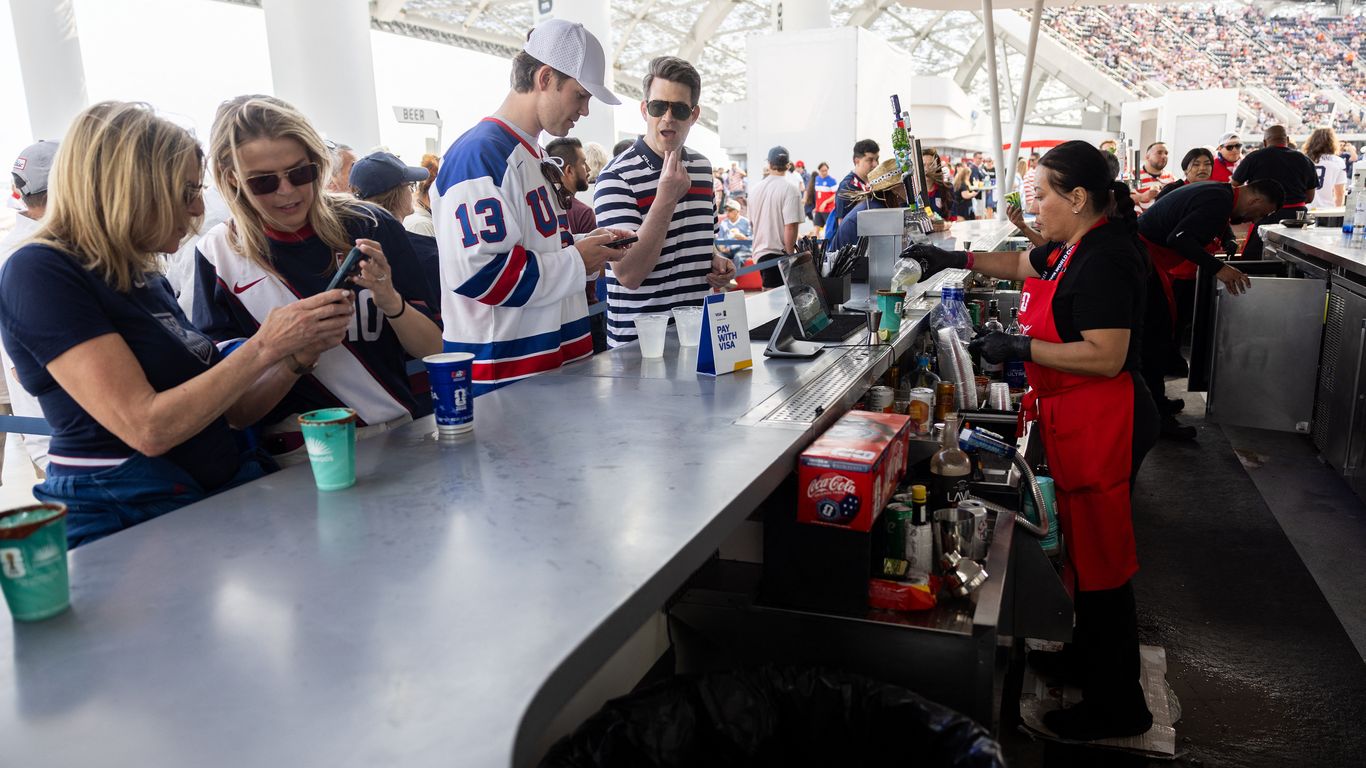
    International visitors arriving in the United States for the 2026 FIFA World Cup are encountering a uniquely American economic reality: a mandatory-feeling tipping culture where 20 percent is the baseline, and digital screens frequently prompt for up to 30 percent on everyday transactions. The tournament spans 11 U.S. host cities this summer. Millions of fans from Europe, South America, and Asia are flooding into American restaurants, bars, and hotels. They are meeting the American service economy. It is a system built on unwritten rules, hidden service fees, and the rigid expectation of a gratuity.

    For a tourist arriving from Madrid, London, or Buenos Aires, the transaction is jarring. In most of the world, the price on the menu is the price paid. Service is baked into the operating model. In the United States, the menu price is merely a starting bid. Taxes are added later. Service is added last. The final bill is often 30 percent higher than the listed numbers.

    This is not a suggestion. It is an economic load-bearing wall. The American hospitality industry does not function without the tip. Millions of visitors are learning this in real time.

    The Culture Shock of the Pivot Screen

    The modern American transaction is defined by a single physical movement. The cashier taps a screen. The cashier pivots the screen. The customer is faced with a choice. This is the point-of-sale terminal, dominated by tech companies like Square, Toast, and Clover. It has changed the psychology of American commerce.

    A decade ago, tipping was largely confined to sit-down restaurants, bartenders, and bellhops. In 2026, the pivot screen is everywhere. It is at the bakery. It is at the coffee shop. It is at the merchandise stands inside MetLife Stadium in New Jersey and SoFi Stadium in Los Angeles. The options are pre-calculated. Eighteen percent. Twenty percent. Twenty-five percent. Sometimes higher.

    For domestic consumers, this phenomenon is known as tipflation. Americans have spent the post-pandemic years wrestling with gratuity fatigue. For international tourists, it is simply baffling. A fan buying a $14 beer at a fan fest in Dallas is suddenly asked to add a $3 tip for a transaction that took four seconds. The pressure is social. The employee is watching. The line is waiting. The button is pressed.

    The data backs up the shift. Point-of-sale providers report that digital nudges significantly increase both the frequency and the size of tips. The friction of calculating math has been removed. The friction of looking a worker in the eye and pressing No Tip has been added. It is a highly engineered behavioral loop.

    The $2.13 Load-Bearing Wall

    To understand the American tipping system, visitors must understand American labor law. The gratuity is not a bonus for exceptional service. It is the worker’s primary wage. This is the fundamental disconnect between the American server and the European tourist.

    Under the Fair Labor Standards Act, the federal tipped minimum wage is $2.13 per hour. It has been frozen at this number since 1991. While some states have eliminated the tip credit, requiring employers to pay the full state minimum wage before tips, the vast majority of the country still operates on the tipped wage model. Employers are legally required to make up the difference if a worker’s tips do not bring them up to the standard minimum wage, but enforcement is notoriously lax.

    When a tourist from Germany leaves a two-euro coin on a fifty-euro dinner bill in Berlin, it is a polite gesture. When that same tourist leaves two dollars on a fifty-dollar bill in Atlanta, it is an economic penalty. The server is often required to tip out the bartender, the busser, and the host based on total sales, not total tips. A server can actively lose money serving a table that does not tip.

    The National Restaurant Association has long defended this model. They argue it keeps menu prices artificially lower and allows skilled servers to earn far more than a standard hourly wage. For the worker, it is a high-risk, high-reward system. During the 2026 World Cup, the risk is magnified. Millions of tables are being occupied by guests who do not know the rules.

    The Frontlines of the Host Cities

    The 2026 World Cup is distributed across 11 U.S. cities. New York, Los Angeles, Dallas, Miami, Atlanta, Philadelphia, Seattle, Houston, San Francisco, Boston, and Kansas City. These are massive, complex hospitality markets. The service workers in these cities are the frontline ambassadors for the tournament.

    In the months leading up to June 2026, the hospitality industry mobilized. Union leaders and restaurant groups issued internal memos. The warning was clear: prepare for a massive influx of non-tipping guests. The language barrier is one hurdle. The cultural barrier is another. The economic barrier is the most immediate.

    Bartenders in Miami are serving fans from Colombia and Brazil. Servers in Philadelphia are waiting on fans from England and France. The interactions are largely positive, driven by the festive atmosphere of the tournament. But the close-out process is fraught. Explaining the concept of a 20 percent tip through Google Translate is a uniquely modern American friction point.

    The Rise of the Automatic Gratuity

    To protect their workforce, many American restaurants have adopted a defensive posture for the duration of the tournament. The automatic gratuity has become the standard mechanism in tourist-heavy zones.

    Historically reserved for large parties of six or more, the automatic 18 or 20 percent service charge is now being applied to individual checks in areas surrounding the stadiums and fan zones. Menus carry fine-print disclaimers. Receipts bear stamped warnings. The strategy is simple: do not leave the worker’s wage up to a cultural misunderstanding.

    This creates a secondary problem. The double-tip. Tourists who are unaware of the automatic gratuity often look at the final total, assume the tip is still required, and add another 20 percent on top of the already inflated bill. When the mistake is realized, disputes follow. Restaurant managers spend hours reversing credit card charges. It is an imperfect solution to a structural problem.

    Hidden Fees and the FTC Crackdown

    The tip is only one piece of the American pricing puzzle. The 2026 World Cup visitor is also navigating an unprecedented era of junk fees. The hospitality industry has fractured its pricing model to maintain the illusion of lower baseline costs.

    A hotel room advertised at $250 a night carries a $45 daily resort fee, a $15 destination fee, and a web of municipal hospitality taxes. A restaurant check includes a 4 percent wellness fee to cover employee healthcare, or a 3 percent kitchen appreciation fee that does not technically qualify as a tip under federal law. These fees are legally distinct from gratuities, meaning they belong to the house, not the worker.

    The Biden administration and the Federal Trade Commission have spent years attempting to crack down on these hidden fees. New rules requiring all-in pricing have been proposed and debated. But in the trenches of the June 2026 hospitality boom, the fees remain prevalent. The regulatory machinery moves slower than the point-of-sale software.

    For the visitor, the distinction between a service fee, a wellness surcharge, and a tip is meaningless. It is all money leaving the wallet. But for the worker, the distinction is everything. A 20 percent service fee kept by the owner does not pay the server’s rent. The burden falls on the consumer to read the fine print and adjust their gratuity accordingly. It is a math test at the end of every meal.

    Beyond the Dining Room

    The web of American gratuity extends far beyond the restaurant. It is a sprawling ecosystem. The World Cup visitor is interacting with it at every turn.

    Rideshare apps like Uber and Lyft prompt for tips at the end of every journey to the stadium. Hotel bellhops expect two to five dollars per bag. Housekeeping staff rely on daily cash tips left on the nightstand. Tour guides in San Francisco and Boston expect a percentage of the ticket price at the end of the excursion. Even self-service kiosks at airports sometimes ask for a tip.

    There is no central authority dictating these rules. There is no guidebook handed out at customs. The system operates entirely on social pressure, historical precedent, and the quiet desperation of the American service worker.

    The Terminal Drop

    The games continue. The stadiums fill. The hospitality engine grinds forward. Millions of transactions are processed every hour. The economic reality of the American service sector is on full global display.

    Tourists landed. The screens pivoted. The bills came due. America.

  • Aubrey Plaza Confirms ‘Kevin’ Cancellation, Seeks New Network Home in 2026

    Aubrey Plaza Confirms ‘Kevin’ Cancellation, Seeks New Network Home in 2026

    On June 20, 2026, actress and executive producer Aubrey Plaza announced that her highly anticipated animated series Kevin had been officially canceled by its original streaming network before completing its intended run. The announcement confirmed weeks of industry speculation regarding the project’s fate. Plaza, operating through her production banner Evil Hag Productions, immediately pivoted the narrative from defeat to defiance. She stated publicly that she hopes the show will find a new owner someday. Her team is currently shopping the intellectual property to alternative networks and streaming platforms.

    The cancellation of Kevin is not just an isolated creative setback. It represents the harsh realities of the 2026 streaming ecosystem. What looks like a simple network pass is actually a symptom of a much larger financial contraction happening across Hollywood.

    The Anatomy of a Friday Cancellation

    The news arrived in the traditional Hollywood format. A quiet Friday afternoon press drop. Networks routinely utilize the end of the business week to bury unfavorable news regarding project terminations. Plaza chose to address the situation directly. Her statement cut through the standard corporate public relations language.

    She did not express gratitude for the journey. She expressed a desire for a new buyer. This approach aligns with Plaza’s established public persona. It also signals a shift in how creators handle network rejections in 2026. Silence is no longer the default strategy.

    Evil Hag Productions, founded by Plaza, has built a reputation for fiercely protecting its creative investments. The company successfully navigated the independent film market with Emily the Criminal in 2022 and expanded its footprint with My Old Ass in 2024. Kevin was intended to be the banner’s flagship entry into adult animation. The project had been in various stages of development for over three years. It featured Plaza’s signature deadpan comedic sensibilities mapped onto a surreal, animated landscape.

    Now, the project sits in legal limbo. The hard drives hold completed animatics, voice recordings, and finalized scripts. The network holds the initial broadcasting rights. Untangling that web requires capital, legal maneuvering, and a willing buyer.

    The 2026 Streaming Contraction

    To understand why Kevin was canceled, one must look at the macroeconomics of the entertainment industry in June 2026. The era of Peak TV is officially over. The industry has entered what financial analysts call Trough TV.

    Between 2019 and 2023, streaming platforms operated on a subscriber-growth model. Networks greenlit niche, creator-driven projects to build massive, diverse libraries. Wall Street rewarded subscriber acquisition above all else. That economic model fractured in late 2023 and completely shattered by 2025. Today, Wall Street demands immediate profitability. The focus has shifted from subscriber acquisition to average revenue per user and strict cost containment.

    Animation is particularly vulnerable to this shift. Animated projects require long lead times. They require significant upfront capital for storyboarding, voice talent, and rendering. When a network needs to balance its Q2 2026 earnings report, unreleased or underperforming animated projects become prime targets for the chopping block.

    The Write-Off Contagion

    The precedent was set in 2022 when Warner Bros. Discovery shelved the completed Batgirl film for a tax write-off. At the time, the industry viewed the move as a shocking anomaly. By 2026, it is standard operating procedure.

    Networks across the board, from Amazon MGM Studios to Netflix to Disney+, routinely cancel projects that do not meet strict algorithmic thresholds. If internal metrics project that a show will not drive a specific number of ad-tier impressions or retain subscribers in its first 72 hours, the project is terminated. The sunk costs are written off as tax losses. The creators are left holding the pieces.

    Kevin appears to be a casualty of this exact mathematical equation. It was a quirky, likely mid-budget animated series. It did not fit the four-quadrant, mass-appeal algorithm required by major streamers in 2026. Therefore, it became a line item on a ledger.

    The Reality of Shopping Canceled IP

    Plaza’s hope that Kevin will find a new owner is not without precedent. The industry has seen several high-profile resurrections in recent years. But the process is fraught with financial hurdles.

    When a production company shops a canceled show, they are not just pitching a creative vision. They are pitching a financial restructuring. The new buyer must typically reimburse the original network for the development costs already incurred. If the original network spent $5 million developing the animation assets, the new network must pay that $5 million just to open the door.

    This creates a massive barrier to entry. Independent platforms often lack the capital to buy out major streamers. Major streamers rarely want to buy hand-me-downs from their direct competitors.

    The Tuca & Bertie Precedent

    The most cited roadmap for Kevin is the animated series Tuca & Bertie. Netflix canceled the critically acclaimed adult animation project in 2019 after a single season. The creator, Lisa Hanawalt, and the production team successfully shopped the intellectual property to Adult Swim, which produced two additional seasons before canceling it again in 2022.

    Similarly, the animated feature Nimona was scrapped by Disney following the acquisition of Blue Sky Studios. Annapurna Pictures rescued the project, partnered with Netflix, and secured an Academy Award nomination in 2024.

    Evil Hag Productions will likely target networks with established adult animation blocks. Adult Swim remains the dominant player in this space under Warner Bros. Discovery. Hulu, despite Disney’s recent budget tightening, maintains a strong pipeline of adult animation. Independent distributors like A24 or Neon, both of which have been aggressively expanding their television footprints in 2025 and 2026, could also view Kevin as a prestige acquisition.

    Plaza’s Leverage in the Current Market

    Despite the broader industry headwinds, Plaza possesses significant individual leverage. Her career trajectory over the past five years has elevated her from a cult-comedy favorite to a mainstream, bankable star.

    Her Emmy-nominated performance in the second season of HBO’s The White Lotus proved her dramatic capabilities. Her involvement in Francis Ford Coppola’s Megalopolis and Marvel’s Agatha All Along demonstrated her viability in major franchise and auteur-driven projects. Networks want to be in business with Aubrey Plaza.

    The question is whether they want to be in business with Kevin. Evil Hag Productions will likely use Plaza’s on-screen availability as leverage. A network might agree to pick up the animated series if it also secures a first-look deal for Plaza’s future live-action projects.

    The Algorithmic Divide

    The cancellation of Kevin highlights the growing divide between creators and distributors. Creators want to build unique, challenging worlds. Distributors want predictable, measurable returns.

    Animation historically served as a safe haven for surreal, experimental storytelling. Shows like BoJack Horseman or Rick and Morty required time to find their audiences. In the 2026 streaming environment, that time no longer exists. If a show does not trend on social media and hit its completion-rate targets by its first Sunday on the platform, it is dead on arrival.

    Plaza’s refusal to let Kevin die quietly is a rejection of this new normal. It is a statement that intellectual property has value beyond its immediate algorithmic utility. It is a demand for creative sustainability.

    The coming months will determine if the industry agrees with her. Evil Hag Productions will compile the pitch decks. The agents at CAA will make the calls. The executives in Culver City and Burbank will run the numbers.

    Networks cut costs. Algorithms dictate the slate. The servers wipe the files. But creators keep the receipts. Plaza waits.

  • The 2019 Benchmark, Why Trump Touts the ‘Best Economy Ever’ on Father’s Day

    The 2019 Benchmark, Why Trump Touts the ‘Best Economy Ever’ on Father’s Day

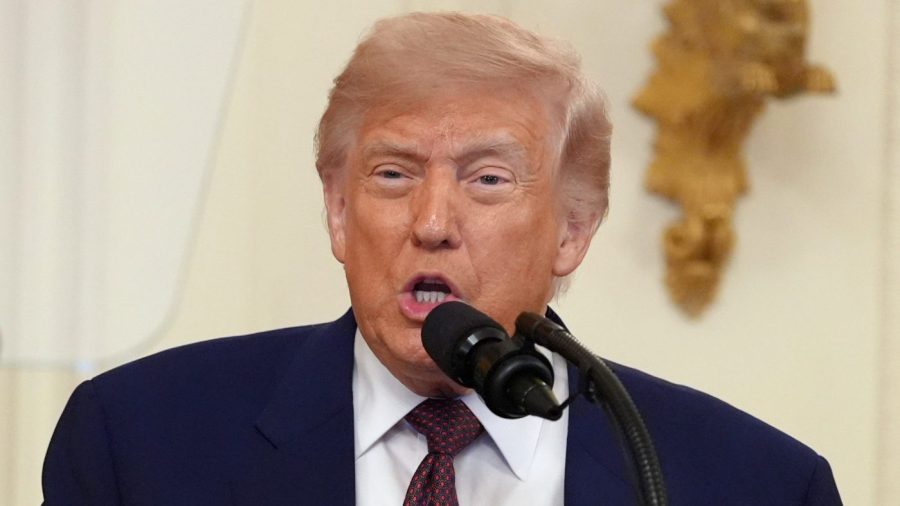
    On June 21, 2026, former President Donald Trump used his annual Father’s Day message to declare his administration built the “BEST ECONOMY EVER.” The statement did not appear in a policy white paper. It appeared on Truth Social. The greeting pivoted a traditional cultural holiday into a sharp political contrast against current inflation and interest rates. The Hill quickly amplified the post. The media cycle engaged. A fifty-word social media update became the defining economic argument of the weekend.

    The strategy is tested. Trump frequently reengineers cultural holidays into political battlegrounds. Thanksgiving brings grievances. Christmas brings warnings. Father’s Day brought an economic thesis.

    But the story does not begin in 2026. The foundation of this specific claim rests entirely on the fourth quarter of 2019. What looks like a simple holiday boast is actually a deeply entrenched political anchor. To understand the message, observers must look at the data points the Trump campaign uses to define success.

    The Architecture of a Holiday Pivot

    Political figures traditionally observe Father’s Day with sterile photographs. They post images of their children. They offer generic platitudes. The messaging is usually handled by junior staff.

    Donald Trump operates differently. His holiday messages are highly personalized. They are capitalized. They are confrontational. They are designed to bypass traditional media filters and speak directly to a specific base of voters.

    The June 21 post followed this exact blueprint. It acknowledged the fathers of America. Then it immediately pivoted to a defensive and aggressive posture regarding his legacy. The “BEST ECONOMY EVER” phrase is not new. It is a recurring motif in the Trump lexicon.

    The delivery mechanism matters. Truth Social serves as the primary megaphone. From there, political aggregation sites capture the text. Outlets like The Hill publish articles contextualizing the post. Cable news networks debate the merits of the claim. Within hours, a localized social media post reaches tens of millions of voters.

    This is the modern political ecosystem. The message is the medium. The outrage or agreement it generates is the fuel.

    Defining the “Best Economy Ever”

    The claim requires context. When Trump supporters point to the “best economy,” they are pointing to a very specific window of time. They are pointing to the months immediately preceding the COVID-19 pandemic.

    The Bureau of Labor Statistics released the numbers. December 2019 told a specific story. The national unemployment rate sat at 3.5 percent. It was a half-century low.

    The demographic breakdowns were historic. Hispanic unemployment reached a record low of 3.9 percent. African American unemployment hit a record low of 5.9 percent. These are the specific data points the Trump campaign anchors its legacy to.

    Wages for the bottom quartile of earners rose. The wealth gap temporarily narrowed. Consumer confidence peaked. The Dow Jones Industrial Average hovered near 29,000. Inflation sat comfortably at 1.8 percent.

    Gasoline was cheap. Mortgages were affordable. The Federal Reserve, operating under Chairman Jerome Powell, maintained an accommodative stance.

    This is the 2019 benchmark. This is the era the Father’s Day post attempts to resurrect in the minds of voters.

    The 2017 Tax Cuts and Jobs Act

    The legislative engine behind this era was the Tax Cuts and Jobs Act of 2017. It remains the signature legislative achievement of the Trump presidency.

    The law fundamentally altered the American tax code. The corporate tax rate dropped from 35 percent to 21 percent. This was a massive reduction. It aimed to make American corporations globally competitive.

    The legislation also altered individual tax brackets. It doubled the standard deduction. It expanded the child tax credit. It repealed the individual mandate of the Affordable Care Act.

    Proponents of the law credit it with spurring capital investment. They point to the repatriation of foreign profits. They argue the tax cuts fueled the low unemployment rates of 2018 and 2019.

    Critics view the law differently. They point to the national debt. The Congressional Budget Office estimated the tax cuts added nearly $2 trillion to the deficit over a decade. They argue the benefits disproportionately favored the wealthy and large corporations through stock buybacks.

    The debate is unresolved. But in the context of a Truth Social post, nuance is discarded. The tax cuts are simply viewed as the catalyst for the “best economy.”

    The Deregulation Push

    Taxes were only half the equation. The Trump administration also executed a sweeping deregulation agenda.

    The Environmental Protection Agency rolled back emission standards. The Department of the Interior opened federal lands to drilling. The energy sector expanded rapidly.

    By 2019, the United States was producing over 12 million barrels of crude oil per day. The nation became a net exporter of energy. This suppressed domestic fuel prices. It lowered the cost of transportation for goods.

    The financial sector also saw deregulation. The administration loosened restrictions imposed by the Dodd-Frank Act following the 2008 financial crisis. Regional banks gained more operational freedom.

    This combination of lower taxes and lighter regulations created a highly favorable environment for business expansion. It is the core of the economic argument Trump presents to voters.

    The 2020 Asterisk

    The “best economy” narrative requires a significant caveat. It requires voters to treat the year 2020 as an anomaly.

    In March 2020, the global economy halted. The COVID-19 pandemic shattered global supply chains. State governments mandated lockdowns. Businesses closed.

    The economic devastation was unprecedented. The unemployment rate skyrocketed to 14.7 percent in April 2020. Over 20 million jobs vanished in a matter of weeks. The stock market crashed.

    The federal government responded with massive stimulus. The CARES Act injected $2.2 trillion into the economy. The Paycheck Protection Program kept businesses afloat. Direct stimulus checks were mailed to citizens.

    By the time Donald Trump left office in January 2021, the economy was in recovery, but it remained deeply bruised. The national debt had surged by $7.8 trillion over four years.

    The Trump campaign frames the 2020 crash as an artificial, non-economic event. They argue the underlying architecture of the economy remained strong. They ask voters to judge the administration on the 2019 numbers, not the 2020 collapse.

    This framing is essential to the Father’s Day message. It is a request for voters to remember the peak, not the valley.

    The 2026 Contrast

    A political message only resonates if the current environment allows it. The Father’s Day post lands heavily in 2026 because of the ongoing economic reality.

    The United States economy in 2026 is complex. The post-pandemic inflation surge of 2022 and 2023 left a permanent mark on price levels. While the rate of inflation has cooled, prices have not returned to 2019 levels.

    A gallon of milk costs significantly more. Ground beef is more expensive. Auto insurance premiums have spiked. The cumulative effect of inflation weighs heavily on consumer sentiment.

    Housing presents the largest friction point. The Federal Reserve raised interest rates aggressively to combat inflation. In 2026, mortgage rates remain elevated. The dream of homeownership is out of reach for many young Americans. The 3 percent mortgages of the late 2010s are a distant memory.

    This is the contrast Trump is exploiting. He is weaponizing economic nostalgia.

    When voters read “BEST ECONOMY EVER,” they are not just thinking about GDP growth. They are thinking about their grocery bills. They are thinking about their rent. They are remembering a time when their paychecks seemed to stretch further.

    The Cultural Resonance of Economic Nostalgia

    Economics is driven by data. Politics is driven by emotion. The Truth Social post bridges the two.

    For many working-class voters, the 2019 economy felt stable. Blue-collar wages were rising. Manufacturing jobs were a focal point of national policy. Trade wars with China, while disruptive to some sectors, signaled a protectionist stance that resonated in the Rust Belt.

    The Father’s Day message taps directly into this sentiment. It is a cultural defense of a specific era. It validates the frustration of voters who feel they have lost purchasing power over the last six years.

    The message also serves as a unifying rallying cry. In a fractured media landscape, a simple, declarative statement provides a focal point for supporters. It gives them a rhetorical weapon to use in their own political arguments.

    The Hill recognized this. That is why they reported on a holiday greeting. The article was not about Father’s Day. It was about the ongoing battle to define the economic narrative of the 2020s.

    The debate will not be settled by economists. It will be settled by voters. They will weigh the 2019 data against the 2020 crash. They will weigh the 2017 tax cuts against the current cost of living.

    Donald Trump framed the argument. The media distributed it. The voters consumed it.

    The holiday passed. The data remained. The ballot waits.

    2026.

  • The Maker Speaks: George Lucas Joins the Cast of ‘Minions & Monsters’

    The Maker Speaks: George Lucas Joins the Cast of ‘Minions & Monsters’

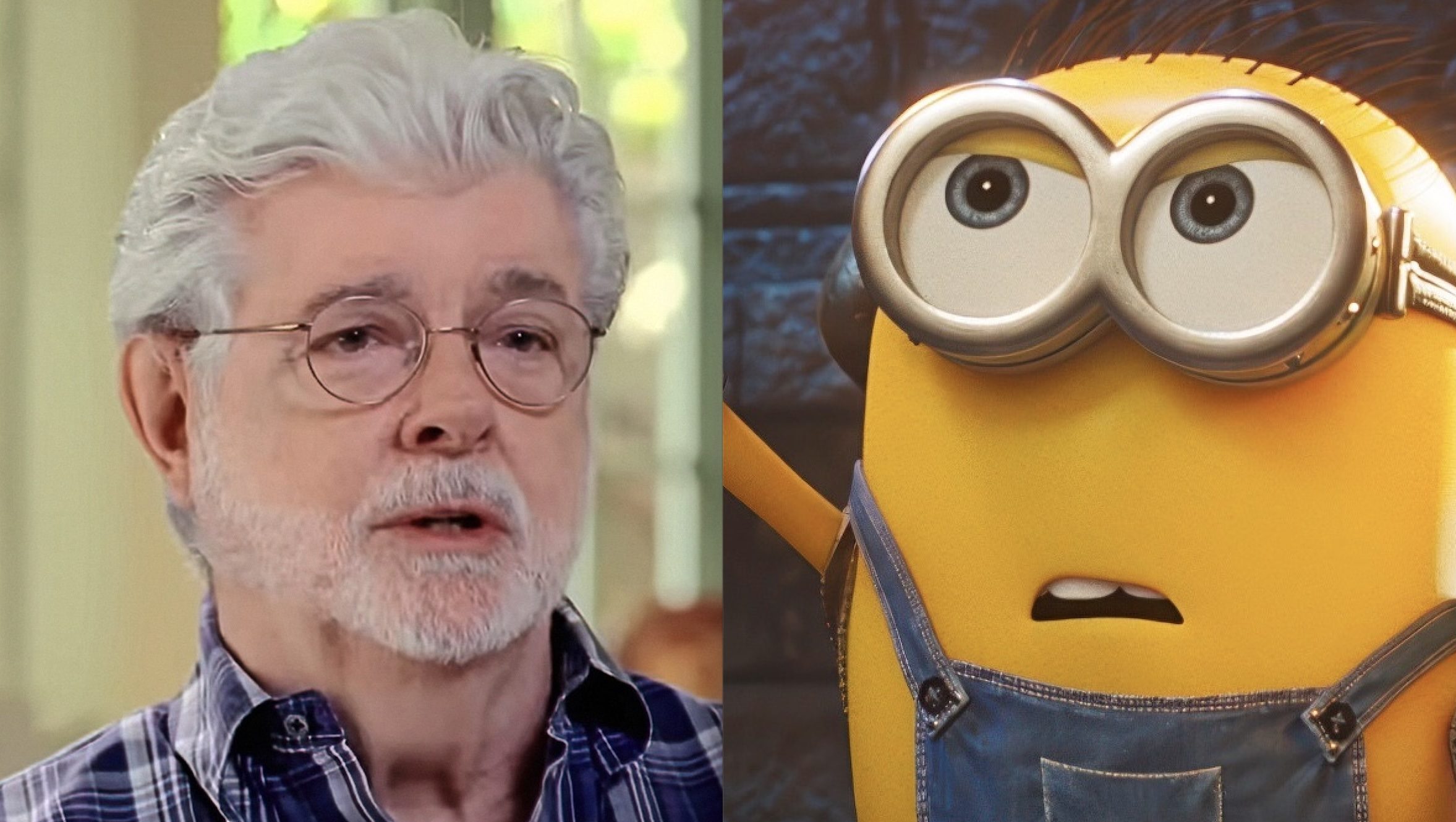
    George Lucas is returning to Hollywood in an unexpected capacity. The 82-year-old creator of Star Wars and Indiana Jones has signed on to provide voice work for the upcoming animated feature Minions & Monsters. Deadline confirmed the casting on June 21, 2026. The announcement marks Lucas’s first official billed role in a major studio project since he sold his empire to The Walt Disney Company in 2012. For a filmmaker who spent his career building cinematic universes from behind the camera, the decision to step into the vocal booth represents a fascinating late-career pivot.

    The implicit question surrounding this news is simple. Why now? Lucas has spent fourteen years entirely divorced from the machinery of the modern blockbuster. He has watched his creations evolve under the stewardship of Bob Iger and Kathleen Kennedy. He has directed his vast fortune toward philanthropy and fine art. Yet, the appeal of a lighthearted, low-stakes animated role has drawn him back into the fold.

    What looks like a simple casting announcement actually reflects a broader trend in 2026 Hollywood. Legacy filmmakers are finding new ways to interact with pop culture. They are bypassing the grueling schedules of live-action production. They are choosing projects that offer maximum cultural resonance with minimal physical strain. Minions & Monsters is the latest beneficiary of this shift.

    A Rare Return to the Studio System

    The timeline of George Lucas’s departure from Hollywood is well-documented. On October 30, 2012, Lucas sold Lucasfilm to Disney for $4.05 billion. The deal included the rights to Star Wars, Indiana Jones, and the revolutionary technology companies Industrial Light & Magic and Skywalker Sound. Lucas stepped away. He handed over his treatments for a sequel trilogy. He retreated to his home in Marin County, California.

    Since that sale, Lucas has maintained a strict distance from the day-to-day operations of the film industry. He has visited the sets of projects like The Mandalorian to offer advice to Jon Favreau and Dave Filoni. He has attended premieres. He has occasionally offered brief, diplomatic reviews of new Star Wars installments. But he has not worked for a major studio. He has not taken a paycheck to perform a service for a Hollywood conglomerate.

    This makes his involvement in Minions & Monsters highly unusual. Universal Pictures and Illumination Entertainment, the studios behind the project, have managed to secure a name that carries immense historical weight. Illumination CEO Chris Meledandri has built a billion-dollar empire on the backs of the Despicable Me franchise and the Minions. Bringing Lucas into that ecosystem bridges the gap between classic cinematic history and modern, hyper-kinetic animation.

    The Scope of Minions & Monsters

    The animation landscape in 2026 is dominated by established intellectual property. Minions & Monsters represents a continuation of Illumination’s core strategy. The studio excels at pairing its globally recognized yellow mascots with new, high-concept scenarios. While plot details remain heavily guarded, the title suggests a classic monster-movie homage filtered through the slapstick lens of the Minions universe.

    Casting Lucas in this specific environment is a masterstroke of four-quadrant marketing. The primary audience for a Minions film is Gen Alpha and younger Gen Z viewers. These demographics engage with the physical comedy and bright visuals. The secondary audience consists of the parents and grandparents buying the tickets. The name George Lucas on a marquee or a poster instantly commands the attention of Gen X and Baby Boomer audiences.

    The specific character Lucas will voice remains undisclosed. Industry analysts speculate he will portray an elder statesman, a mad scientist, or a creator figure within the monster universe. Illumination has a history of tailoring animated avatars to match the real-world personas of their celebrity voice actors. Whatever the role, the studio will likely lean into Lucas’s legacy as a world-builder.

    The Maker on the Mic: A Brief History

    This is not the first time George Lucas has recorded lines for a film. However, his previous vocal performances have been strictly relegated to the realm of Easter eggs. In 2005, Lucas made a brief on-screen cameo in Star Wars: Episode III – Revenge of the Sith. He played Baron Papanoida, a blue-skinned Pantoran dignitary standing outside the Coruscant opera house.

    Five years later, in 2010, the character of Baron Papanoida was expanded in the Star Wars: The Clone Wars animated television series. Lucas briefly provided the voice for the character in the episode “Sphere of Influence.” His performance was heavily modulated, blending into the dense audio mix of the series. He also provided uncredited breathing sounds for General Grievous in Revenge of the Sith.

    Minions & Monsters is different. This is not a hidden cameo in his own universe. This is a contracted, billed performance in a competing studio’s flagship franchise. It requires a different level of public engagement and promotional visibility.

    The $4 Billion Sabbatical

    To understand the weight of this return, one must look at what Lucas has been doing since 2012. He has not been idle. In 2013, he married Mellody Hobson, the co-CEO of Ariel Investments and former chairwoman of DreamWorks Animation. The couple welcomed a daughter later that year. Lucas shifted his focus from running a production company to managing a massive philanthropic portfolio.

    His primary endeavor has been the Lucas Museum of Narrative Art. Funded entirely by a $1 billion endowment from Lucas himself, the museum represents his ultimate legacy project. After facing zoning and political hurdles in San Francisco and Chicago, the museum finally broke ground in Los Angeles’s Exposition Park. The futuristic, Ma Yansong-designed building is dedicated to the history of visual storytelling.

    The museum’s collection houses everything from Norman Rockwell paintings to original cinematic props. It is a serious, academic institution designed to elevate narrative art to the level of fine art. The contrast between this monumental, billion-dollar cultural institution and a voice role in Minions & Monsters is stark. It suggests a man who, having secured his serious legacy, is finally allowing himself to simply have fun.

    The Philosophy of Sound

    Lucas’s pivot to voice acting is less surprising when viewed through the lens of his filmmaking philosophy. Lucas famously stated that sound is fifty percent of the moviegoing experience. He revolutionized cinematic audio in the 1970s. He hired sound designer Ben Burtt to create the organic, lived-in soundscape of the original Star Wars. He founded Skywalker Sound. He pushed the industry standard forward with the creation of the THX certification system.

    For Lucas, the audio booth is just as important as the camera lens. He spent thousands of hours in mixing rooms at Skywalker Ranch in Marin County. He understands the technical requirements of ADR (Automated Dialogue Replacement). He knows how a single vocal inflection can change the emotional trajectory of a scene.

    By stepping into the booth for Minions & Monsters, Lucas is returning to an environment where he has always felt comfortable. He does not have to worry about lighting, blocking, or weather conditions. He only has to focus on the pure delivery of narrative through sound. It is a distillation of the filmmaking process down to its most fundamental auditory elements.

    The Tradition of the Auteur Voice

    Lucas is joining a long and eccentric tradition of legendary directors taking unexpected voice acting roles. The history of animation is dotted with these bizarre, delightful crossovers. Filmmakers who spend their lives dictating the actions of others often find a strange liberation in simply reading lines for someone else.

    In 1986, Orson Welles provided the voice of the planet-eating robot Unicron in The Transformers: The Movie. It was his final film role. In 2004, Martin Scorsese voiced the hyper-active pufferfish Sykes in DreamWorks Animation’s Shark Tale. Werner Herzog, the uncompromising German auteur, has lent his distinctive, chilling cadence to episodes of Rick and Morty and The Simpsons. David Lynch voiced a recurring character on The Cleveland Show.

    Directors make excellent voice actors. They understand the mechanics of a scene. They know what the editor needs. They understand timing, rhythm, and pacing. When Universal Pictures puts George Lucas in a recording booth, they are not just getting a famous name. They are getting a master of cinematic rhythm who knows exactly how to deliver a line to make it cut together perfectly in post-production.

    The Mechanics of Modern Animation Casting

    The practical realities of voice acting in 2026 make it the ideal medium for an 82-year-old billionaire. Live-action filmmaking is a grueling physical endurance test. It requires fourteen-hour days. It demands early morning makeup calls. It involves standing in the harsh desert sun of Tunisia or the freezing snow of Norway. Lucas left that world behind for a reason.

    Voice acting requires none of that. A modern animated performance can be recorded almost anywhere. Universal Pictures can send a high-end recording rig directly to Skywalker Ranch. Lucas can record his lines in a climate-controlled studio over the course of a few afternoons. If the director needs a different read, Lucas can hop on a secure video call and record a pickup line in ten minutes.

    This ease of production is why animation continues to attract high-profile talent who would otherwise decline live-action roles. It offers the cultural impact of a major theatrical release with the time commitment of a minor hobby. For Lucas, it is the perfect balance. He gets to participate in the magic of moviemaking without the crushing responsibility of being the Maker.

    The Nostalgia Economy in 2026

    The Deadline announcement of Lucas joining Minions & Monsters immediately triggered a wave of online discourse. This reaction is the currency of the modern nostalgia economy. Studios know that casting a legacy figure generates free marketing. The news cycle sustains itself on the sheer novelty of the pairing.

    In 2026, the entertainment industry relies heavily on these cross-generational touchstones. The original Star Wars generation is aging. The prequel generation is now in their thirties and forties. To these audiences, George Lucas is more than a director. He is a mythological figure. He is the architect of their childhood imaginations.

    Hearing his voice in a new context provides a sudden, unexpected jolt of recognition. It bridges the gap between the monumental epics of the twentieth century and the fast-paced digital entertainment of the twenty-first. Minions & Monsters will benefit from this collision of eras. The film gains an immediate layer of prestige, simply by association.

    Ultimately, this casting news serves as a reminder of Lucas’s enduring presence in the cultural consciousness. He does not need to direct another film to remain relevant. He does not need to write another script. His legacy is entirely secure, housed in the archives of Lucasfilm and the halls of his Los Angeles museum. This new venture is not about building an empire. It is about enjoying the medium he helped revolutionize.

    The industry shifts. The technology evolves. The audiences change. The cameras stop rolling. The scripts are archived. The museum doors open. The Maker speaks.

  • The Thurrock Shockwave – How a Local Election Sparked a UK Leadership Crisis

    The Thurrock Shockwave – How a Local Election Sparked a UK Leadership Crisis

    On June 18, 2026, the Reform UK party secured a historic local election victory in the Thurrock council by-election, directly sparking a formal leadership challenge within the UK Conservative Party after rebel MPs submitted the required 54 letters of no confidence to the 1922 Committee. What began as a localized dispute over municipal bankruptcy and council tax hikes has rapidly escalated into a constitutional pressure point. The results arrived at 2:14 a.m. on Friday morning. The political fallout began before sunrise. In many ways, the collapse of the Conservative vote in the Thames Estuary was predictable. But the speed of the parliamentary rebellion was not. Westminster now faces a protracted period of internal warfare at a moment when global allies are demanding stability.

    The Thurrock Shockwave

    Thurrock Borough Council sits on the northern bank of the River Thames. For decades, it served as a reliable bellwether for the broader British electorate. The June 2026 by-election was triggered by the resignation of a veteran councilor. It was supposed to be a routine defense for the local Conservative association. Instead, it became a slaughter. The Reform UK candidate captured 44 percent of the vote. The Conservative incumbent share collapsed to a historic low of 17 percent. Labour held a static 32 percent. The remaining ballots fragmented among independent candidates.

    The sheer scale of the defeat sent immediate shockwaves through the House of Commons. Members of Parliament representing similar Red Wall and estuary constituencies realized their own majorities were now mathematically indefensible. Fear is the ultimate catalyst in Westminster. By noon on Friday, parliamentary private secretaries were quietly organizing private messaging groups. By Friday evening, the letters began flowing to the chairman of the 1922 Committee.

    Anatomy of a Local Collapse

    To understand the national crisis, one must examine the local failure. Thurrock is not an ordinary municipality. In 2022, the council effectively declared bankruptcy after amassing a staggering £1.5 billion in debt. The deficit was fueled by a series of disastrous, unregulated investments in solar energy farms across the country. Central government intervention was required to keep basic services running.

    Over the subsequent four years, local residents endured maximum allowable council tax increases. Trash collection schedules were slashed. Street lighting was reduced. Community centers were shuttered. The June 2026 electorate was deeply fatigued and aggressively angry. Reform UK capitalized on this localized fury, weaponizing the municipal bankruptcy as a metaphor for national decline. They spent heavily on targeted digital advertising, bypassing traditional print media entirely. Their campaign headquarters on High Street became a hub for disillusioned voters who felt abandoned by the legacy parties. The strategy worked perfectly.

    The 1922 Committee Awakens

    The Conservative Party operates under a strict, historically entrenched set of rules for removing a leader. The mechanism relies entirely on the 1922 Committee, the parliamentary group of backbench MPs. Sir Bob Blackman, the current chairman of the committee, serves as the sole arbiter of the process. To trigger a formal vote of no confidence, 15 percent of the parliamentary party must submit confidential letters demanding a contest.

    The 1922 Committee rules dictate that a leader who survives a confidence vote is immune from another challenge for twelve months, though political reality often forces a resignation much sooner.

    Given the parliamentary arithmetic in 2026, the magic number is 54 letters. These letters are heavily guarded secrets. MPs can submit them, withdraw them, and resubmit them at will. Blackman keeps them locked in a physical safe in his Westminster office. At 4:00 p.m. on Monday, June 22, 2026, Blackman released a brief, two-sentence statement to the press. The threshold had been breached. A vote of no confidence would be held within 48 hours. The local election had officially consumed the national leadership.

    The Mechanics of a Confidence Vote

    The rules governing a Conservative leadership challenge are brutal and swift. Once the threshold is reached, a secret ballot of all Conservative Members of Parliament is scheduled. The leader must secure a simple majority to survive. If they win, they are theoretically immune from another challenge for a full calendar year. However, historical precedent shows that a narrow victory is often a fatal wound. Theresa May survived her confidence vote in 2018, only to be forced out months later. Boris Johnson survived his in 2022, only to resign weeks later.

    If the leader loses the vote, they are forced to resign immediately, triggering a full leadership contest in which they are barred from standing. The ballot boxes are placed in a designated committee room in the Palace of Westminster. MPs file in, cast their votes on physical paper, and hand over their phones to ensure ballot secrecy. The counting takes less than an hour. The announcement is made to a packed room of journalists and lawmakers.

    The Reform UK Insurgency

    The catalyst for this entire crisis cannot be ignored. Reform UK has systematically dismantled the traditional right-wing voting coalition. Led by Richard Tice and Nigel Farage, the party has evolved from a single-issue Brexit pressure group into a comprehensive populist machine. Their victory in Thurrock was not an anomaly. It was the culmination of a multi-year strategy targeting disaffected working-class voters.

    • Targeted Grievances: Campaigns focused heavily on local taxation, immigration, and net-zero climate policies.
    • Data Analytics: Advanced modeling identified highly specific voter anger in target wards.
    • Hyper-Local Focus: In Thurrock, Reform UK campaigned directly on the £1.5 billion debt rather than broad national ideology.

    By proving they can win local majorities, Reform UK has crossed a critical psychological threshold. They are no longer a protest vote. They are an existential threat to the Conservative electoral map.

    Potential Successors in the Wings

    Nature abhors a vacuum, and Westminster abhors a weak leader. The moment the Thurrock results were announced, the shadow campaigns activated. Several distinct factions within the Conservative Party are preparing to field candidates if the current leader falls. The One Nation group, representing the centrist, moderate wing of the party, is coalescing around recognizable figures who promise a return to pragmatic governance and economic orthodoxy.

    The right-wing factions, including remnants of the European Research Group and the New Conservatives, are demanding a leader who will adopt Reform UK’s talking points to neutralize the insurgent threat. Names like James Cleverly, Kemi Badenoch, and Tom Tugendhat dominate the Sunday political shows. Each potential successor is currently engaged in the delicate dance of expressing absolute loyalty to the current leader while simultaneously raising campaign funds and securing pledges from colleagues. It is a highly choreographed display of political theater.

    Washington Watches Westminster

    The ripples of the Thurrock by-election have crossed the Atlantic. The United States State Department and the Pentagon monitor British political stability with intense scrutiny. The UK remains America’s most critical intelligence and military partner. The AUKUS nuclear submarine pact, the ongoing logistical support for Ukraine, and NATO’s eastern flank strategy all require a predictable, stable government in London.

    When the British opposition party is consumed by internal warfare, the entire parliamentary system becomes sluggish. The current US administration relies on a bipartisan consensus in the House of Commons regarding foreign policy. A leadership challenge introduces friction. Diplomatic channels become clogged as ministers and shadow ministers focus on their own political survival rather than international obligations. Defense contractors and multinational corporations have already begun requesting risk assessments from political consultancies. A destabilized UK is a strategic vulnerability for the broader Western alliance.

    Market Reactions and the Pound Sterling

    Financial markets despise uncertainty. The confirmation of the leadership challenge triggered an immediate, albeit measured, reaction in the City of London. At the opening bell on Tuesday morning, the Pound Sterling dropped 0.4 percent against the US Dollar, trading at $1.26. Gilt yields, the interest rate the UK government pays to borrow money, saw a slight uptick.

    Institutional investors are not panicking, but they are repositioning. The primary concern among bond traders is the potential for a new leader to promise unfunded tax cuts or massive spending increases in a desperate bid to win back voters. The ghost of the 2022 mini-budget still haunts the UK financial sector. Any hint of fiscal irresponsibility from the incoming leadership contenders will be punished severely by the markets. The Bank of England, currently navigating a delicate path of interest rate adjustments, is watching the political chaos with quiet frustration.

    The Role of the Media Ecosystem

    The acceleration of this leadership crisis was heavily influenced by the modern media ecosystem. Historically, a bad local election result would dominate the Sunday newspapers and slowly fade by Wednesday. In 2026, the narrative is driven by algorithmic amplification and rolling news coverage. Bloomberg Television, Sky News, and GB News broadcast continuous, live analysis of the Thurrock fallout.

    Social media platforms served as real-time battlegrounds for competing party factions. Anonymous briefings from MPs were published instantly on digital platforms, creating a feedback loop of panic and momentum. The leadership could not control the narrative because the narrative was moving at the speed of light. Every minor statement was parsed for disloyalty. Every missed television appearance was framed as a crisis. The media did not create the rebellion, but they provided the oxygen that allowed it to engulf the party in less than ninety-six hours.

    The Broader Implications for Local Government

    While Westminster consumes itself with leadership politics, the underlying crisis in local government remains unresolved. Thurrock is not the only council facing financial ruin. Across the United Kingdom, dozens of municipalities are teetering on the edge of bankruptcy. The funding model for local government has been structurally broken for over a decade.

    Councils are legally required to provide statutory services, such as social care for the elderly and child protection, but their ability to raise revenue is strictly capped by central government. Inflation has driven up the cost of delivering these services, while central grants have been systematically reduced. The Thurrock by-election was a symptom of this systemic failure. Until the underlying structural deficit in local government funding is addressed, voters will continue to punish incumbent parties. The next leader of the Conservative Party, whoever that may be, will inherit this exact same explosive dynamic.

    The Historical Precedent of Panic

    The Conservative Party has a long and ruthless history of regicide. They are often described as the most successful political machine in Western history precisely because they prioritize power over personal loyalty. When a leader becomes an electoral liability, the party removes them. Margaret Thatcher was ousted after winning three general elections because her colleagues feared she would lose the fourth. Iain Duncan Smith was removed in opposition before he even faced a general election.

    The current crisis fits perfectly within this historical pattern. The MPs submitting letters to the 1922 Committee are not acting out of malice. They are acting out of a raw, Darwinian instinct for survival. They have looked at the Thurrock results, looked at their own majorities, and calculated that a change in leadership is their only viable path to retaining their seats. It is cold, mathematical, and entirely predictable.

    The Timeline of Chaos

    The next two weeks will define the future of the UK political landscape. The confidence vote will be held immediately. If the leader survives, they will face a fractured party and a hostile media environment. They will be forced to reshuffle their frontbench, rewarding loyalists and punishing rebels. If the leader is defeated, a multi-week leadership contest will commence.

    MPs will vote in a series of rounds to whittle the field down to two final candidates. Those two candidates will then face a postal ballot of the broader Conservative Party membership. This process takes time, during which the party will be effectively paralyzed. Policies will be paused. Strategic decisions will be delayed. The clock is ticking, and every hour of internal debate is an hour not spent addressing the concerns of the voters.

    The Final Calculation

    The ultimate outcome of this leadership challenge will not be decided by ideology. It will be decided by polling data. Conservative MPs are currently obsessively refreshing private polling dashboards, trying to determine which potential successor offers the best chance of reversing the Reform UK surge. They are looking for a communicator who can speak to the voters of Thurrock without alienating the moderate voters of the home counties.

    It is an almost impossible needle to thread. The coalition that delivered the historic 2019 majority is dead. The task now is to build a new coalition from the ashes of the old one. The letters in Sir Bob Blackman’s safe are just the first step in a long and painful process of political reconstruction. The easy part is tearing a leader down. The hard part is building a viable alternative.

    The local ballots were counted. The national shockwave hit. The letters were submitted. The committee acted. Westminster waits.

  • The Trauma of ‘Leviticus’ – How Joe Bird and Stacy Clausen Built 2026’s Most Controversial Horror Film

    The Trauma of ‘Leviticus’ – How Joe Bird and Stacy Clausen Built 2026’s Most Controversial Horror Film

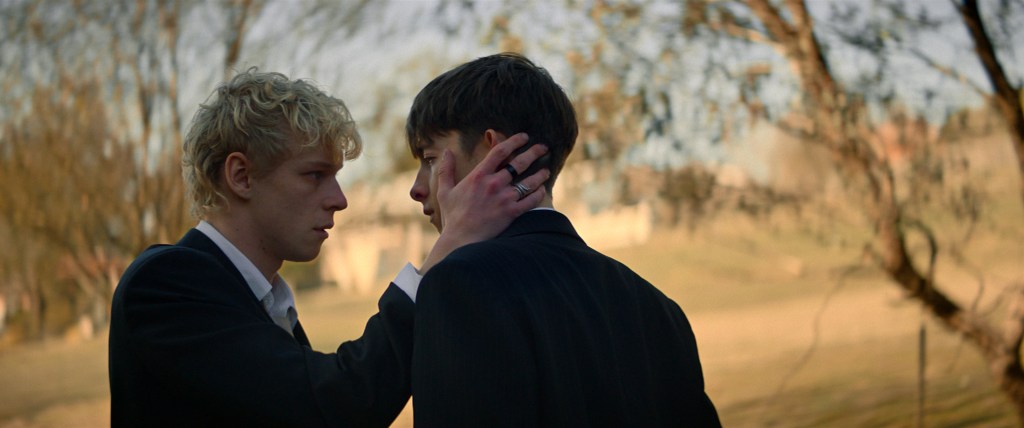
    The 2026 horror film Leviticus answers a difficult cultural question by turning real-world trauma into cinematic terror. Directed by Thomas Vance, the film stars Joe Bird and Stacy Clausen as two closeted teenagers sent to a remote conversion therapy camp that harbors literal demons. The project uses the framework of psychological horror to explore the documented abuses of a practice that remains a flashpoint in American cultural politics.

    But the story of Leviticus does not begin with jump scares. It begins with a fierce cultural debate about who gets to monetize trauma.

    As the film hits theaters in June 2026, audiences are divided. Some view the horror genre as the perfect vehicle to expose the psychological violence of conversion therapy. Others argue that turning real-world suffering into Friday night entertainment crosses an ethical line. The film sits squarely at the center of this cultural defense matrix.

    The Preparation of Joe Bird and Stacy Clausen

    Actors Joe Bird and Stacy Clausen carried the weight of the production. Bird, who gained international recognition following his breakout role in the 2022 horror hit Talk to Me, stepped into the role of David. Clausen, known for her nuanced work in independent Australian cinema, plays Sarah. Both characters are teenagers forced into a secluded wilderness camp by their deeply religious families.

    Preparing for the roles required more than standard line memorization. The actors spent four months working with survivors of actual conversion therapy programs. They partnered with advocacy groups, including The Trevor Project and the Born Perfect campaign. The goal was rigorous factual anchoring.

    Bird and Clausen read psychological evaluations. They watched archival footage from the 1990s and early 2000s, an era when “ex-gay” ministries operated with minimal public oversight. They studied the specific language used by camp counselors in the film. The dialogue in Leviticus relies heavily on real-world manuals published by defunct organizations like Exodus International.

    The actors isolated themselves during the six-week shoot in the Adelaide Hills of South Australia. The production design team transformed a derelict logging camp into “Camp Redemption,” the film’s fictional setting. Bird and Clausen remained on location. They minimized contact with the outside world. They wanted the isolation to bleed into their performances on screen.

    The History of Conversion Therapy in Cinema

    Hollywood has tackled this subject before, but rarely through the lens of horror. In 2018, films like Boy Erased and The Miseducation of Cameron Post approached conversion therapy as prestige drama. They relied on somber realism to convey the emotional devastation of the camps. They earned award nominations and critical acclaim.

    Leviticus abandons prestige drama for visceral terror. Director Thomas Vance argued that traditional dramas often fail to capture the subjective, nightmarish reality experienced by the victims. By utilizing the horror genre, Vance aimed to make the audience physically feel the panic, the claustrophobia, and the existential dread of the teenagers.

    This is not an entirely unprecedented move. The horror genre has a long history of processing societal fears. In the 1950s, giant radioactive monsters represented the dread of the atomic bomb. In the 1970s, films like The Texas Chain Saw Massacre reflected the brutal disillusionment of the Vietnam War era. By 2026, the genre has pivoted inward, focusing on institutional and psychological rot.

    Horror as a Mirror for Real-World Trauma

    Leviticus belongs to a subgenre often labeled “trauma horror.” This category replaces supernatural boogeymen with systemic abuse, mental illness, or religious extremism. The monster in Leviticus is not a vampire or a werewolf. The monster is the institution.

    Vance made a deliberate structural choice. He refused to include traditional supernatural elements until the third act. For the first sixty minutes, the horror is entirely grounded in reality. The sleep deprivation. The forced confessions. The psychological manipulation. The physical exhaustion of manual labor.

    This structural choice forces the audience to sit with the mundane terror of the camp. When the supernatural elements finally erupt, they feel like a psychological manifestation of the teenagers’ fractured minds. The demons are literal, but they are born from the very real abuse inflicted by the camp counselors.

    The Psychological Toll on the Cast

    Shooting a film rooted in deep psychological trauma requires strict on-set protocols. The production employed full-time intimacy coordinators and mental health professionals. The emotional safety of the cast was a primary concern for the producers at Causeway Films.

    Clausen spoke openly about the difficulty of detaching from the character of Sarah at the end of the day. The scenes involving forced group confessions were particularly grueling. These sequences required the actors to tap into profound vulnerability while surrounded by hostile, aggressive adult characters.

    Bird echoed these sentiments. He described the physical toll of the performance, noting that the constant state of hyper-vigilance required by the script left him physically exhausted. The actors relied heavily on each other for support, forming a tight bond that translates directly to the screen.

    The Cultural Defense and the Backlash

    The release of Leviticus in mid-2026 ignited immediate controversy. The film touches a raw nerve in the ongoing culture wars. As of June 2026, the legislative battle over conversion therapy remains active. While 24 states have banned the practice for minors, the remaining states continue to debate its legality.

    Conservative advocacy groups quickly condemned the film. Organizations issued press releases ahead of the movie’s premiere. They accused the filmmakers of demonizing traditional religious beliefs. They argued that the film paints all faith-based counseling with a broad, malicious brush.

    On the other side of the political spectrum, some progressive critics expressed their own reservations. Cultural commentators debated whether the film exploits LGBTQ+ trauma for box office profit. Reviews in major publications questioned the ethics of the horror framing. If real people survived these camps, is it appropriate to turn their nightmares into a popcorn thriller?

    This dual-sided backlash created a massive cultural footprint for the film. Controversy generates curiosity. When Leviticus debuted at the South by Southwest (SXSW) Film Festival in March 2026, the screening sold out in four minutes. The subsequent theatrical rollout by IFC Films capitalized on the intense public discourse.

    The Mechanics of Cinematic Isolation

    The technical execution of Leviticus amplifies its thematic weight. Cinematographer Elena Rostova utilized a claustrophobic visual style. The camera rarely leaves the perspective of David and Sarah. The audience only knows what the teenagers know.

    Rostova shot the film using vintage anamorphic lenses. This choice distorts the edges of the frame. It creates a subconscious feeling of being trapped. The lighting design relies heavily on practical sources. Flickering fluorescent bulbs in the camp’s dining hall. Harsh, blinding flashlights cutting through the dark woods.

    The sound design acts as a secondary antagonist. The camp is surrounded by dense, unyielding forests. The ambient noise of the woods is amplified to an oppressive volume. Crickets sound like sirens. Snapping twigs sound like bone fractures. The soundscape isolates the characters just as much as the physical location.

    The score, composed by Colin Stetson, avoids traditional orchestral swells. Instead, it relies on rhythmic, atonal breathing and distorted brass instruments. The music feels like a panic attack. It builds tension without offering any melodic release.

    The Evolution of the Teen Horror Protagonist

    For decades, teenagers in horror films were disposable. They existed to be chased, slashed, and discarded by masked killers. They were archetypes. The jock. The cheerleader. The nerd.

    Leviticus represents the total abandonment of those tropes. David and Sarah are not archetypes. They are complex, deeply wounded individuals navigating an impossible situation. Their sexuality is not a plot device. It is the very reason they are in danger.

    This shift reflects a broader change in how Hollywood approaches young adult narratives in 2026. Audiences demand authenticity. They reject the shallow characterizations of the past. Bird and Clausen understood this mandate. They refused to play the characters as mere victims. They infused David and Sarah with defiance, resilience, and a quiet, desperate strength.

    The dynamic between the two leads carries the emotional core of the film. They are strangers forced into proximity. They become allies out of necessity. Their shared trauma creates a bond that transcends the horrors of the camp.

    The Legislative Landscape of 2026

    The cultural resonance of Leviticus cannot be separated from the political reality of 2026. The American Psychological Association formally declassified homosexuality as a mental disorder in 1973. Yet, more than fifty years later, the practice of conversion therapy remains a lucrative industry in specific regions.

    The film’s release coincided with a highly publicized Supreme Court petition regarding a state-level conversion therapy ban. This timing amplified the film’s relevance. It transformed a piece of genre entertainment into a talking point on cable news networks.

    Advocacy groups have used the film’s release to organize awareness campaigns. Screenings in major cities are frequently followed by panel discussions featuring survivors and legal experts. The filmmakers have embraced this activism, partnering with local organizations to distribute educational materials in theater lobbies.

    The Financial Reality of Niche Horror

    The economics of the film industry in 2026 favor bold, polarizing concepts. Mid-budget movies often struggle to find an audience in a landscape dominated by massive franchise blockbusters. Horror remains the one reliable exception.

    Leviticus was produced on a modest budget of $4.5 million. By the end of its second weekend in theaters, it had grossed over $18 million domestically. The return on investment validates the studio’s risk.

    The marketing campaign leaned into the controversy. IFC Films released stark, unsettling trailers. They did not hide the film’s subject matter. The promotional materials highlighted the psychological intensity of the conversion camp setting. The tagline was simple and aggressive: “Pray for a way out.”

    This financial success guarantees that Hollywood will continue to mine societal trauma for genre storytelling. When a film like Leviticus turns a profit, it signals to studios that audiences are willing to engage with difficult, uncomfortable themes.

    A New Benchmark for the Genre

    The legacy of Leviticus will likely be debated for years. It is a film that refuses to be ignored. It forces audiences to confront the ugly realities of systemic abuse while delivering the visceral thrills expected of the horror genre.

    The performances of Joe Bird and Stacy Clausen elevate the material. They ground the supernatural terror in recognizable human pain. Their dedication to the roles ensures that David and Sarah feel like real teenagers, not just cinematic constructs.

    The cultural defense mechanisms triggered by the film reveal the ongoing friction in American society. Art is supposed to provoke. It is supposed to challenge. Leviticus does both with brutal efficiency.

    Critics debated. Audiences debated. Lawmakers debated.

    Silence.

  • James Dolan Confirms Knicks Will Visit Trump White House After 2026 NBA Championship

    James Dolan Confirms Knicks Will Visit Trump White House After 2026 NBA Championship

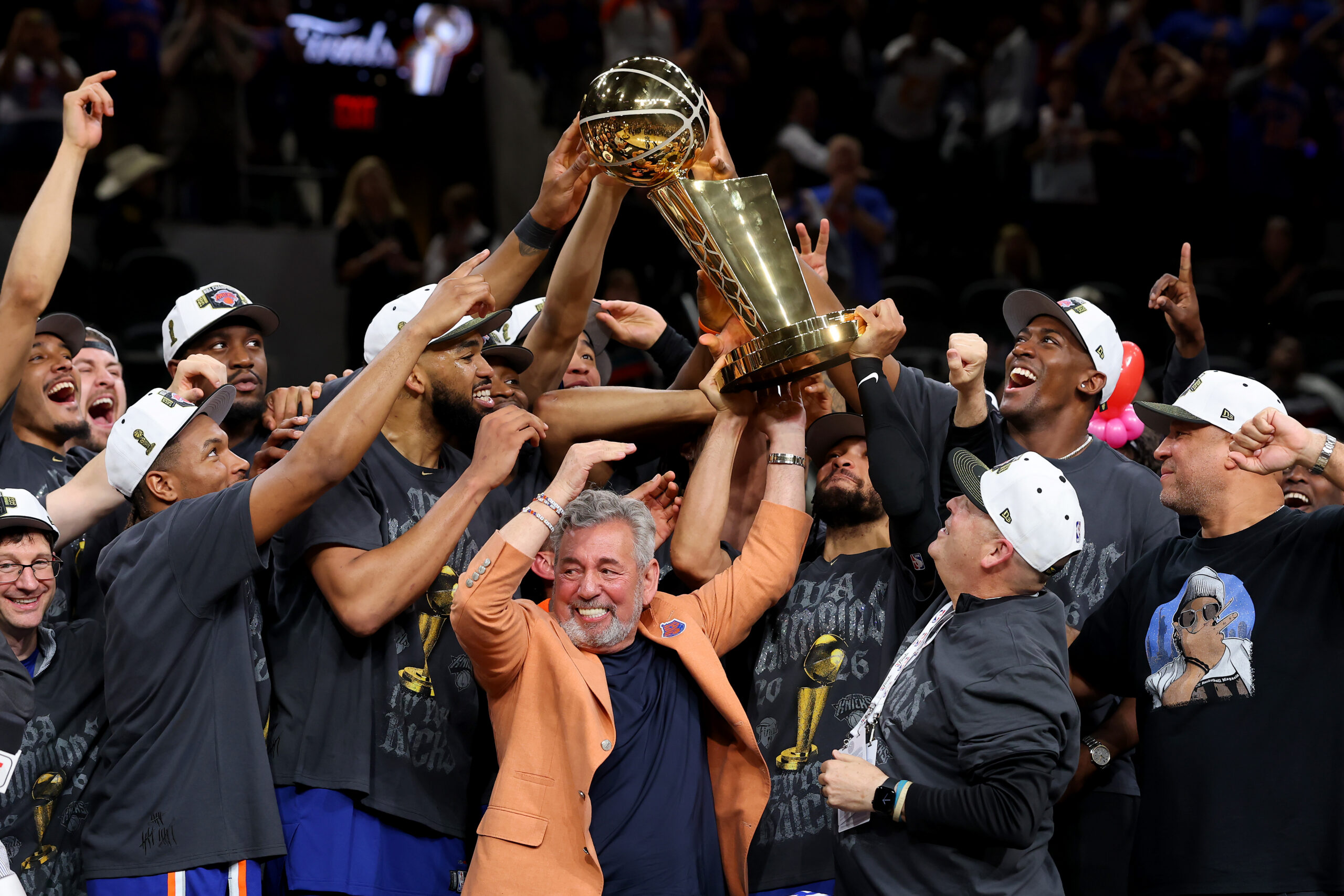
    New York Knicks owner James Dolan confirmed in June 2026 that his NBA Championship-winning team will visit President Donald Trump at the White House. The announcement merges a 53-year sports drought with the modern era of political theater. The decision was immediate. There was no hesitation from the executive suite at Madison Square Garden. The Larry O’Brien trophy was still making its rounds through Manhattan. The confetti had barely been swept from the floorboards above Penn Station. Yet the itinerary for Washington D.C. was already being drafted.

    This is not just a scheduling update. It is a cultural marker. For the better part of a decade, the relationship between the National Basketball Association and Donald Trump has been defined by distance. Teams won titles. Invitations were extended. Invitations were declined. The tradition of champions standing on the South Lawn seemed to be fracturing permanently. James Dolan is rewriting that script. He is bringing the Knicks to 1600 Pennsylvania Avenue.

    Ending the 1973 Drought

    To understand the gravity of the moment, one must understand the wait. The New York Knicks had not won an NBA Championship since 1973. That was a different era of basketball. Red Holzman was the head coach. Willis Reed and Walt Frazier were the undisputed kings of New York. Richard Nixon was sitting in the Oval Office. The world has turned over many times since that banner was raised to the rafters of Madison Square Garden.

    Generations of Knicks fans lived and died without seeing a parade down the Canyon of Heroes. The 1990s brought hope with Patrick Ewing. The 1994 Finals ended in heartbreak against the Houston Rockets. The 1999 Finals ended in defeat against the San Antonio Spurs. The decades that followed were marked by front-office dysfunction, coaching carousels, and lottery picks that failed to launch. The franchise became a punchline. The Mecca of Basketball was often devoid of meaningful spring basketball.

    The 2026 season changed the math. The Knicks built a roster grounded in resilience. Head coach Tom Thibodeau engineered a defense that suffocated the Eastern Conference. Jalen Brunson operated as the undisputed floor general. They survived a grueling 82-game regular season. They battled through a brutal playoff bracket. They brought the championship back to the corner of 33rd Street and 7th Avenue. The victory was absolute. The celebration was historic. And James Dolan wanted the traditional capstone to follow.

    The Politics of the Podium

    The tradition of sports teams visiting the White House is older than most realize. It began informally in August 1865 when President Andrew Johnson welcomed the Brooklyn Atlantics and the Washington Nationals amateur baseball teams. In 1963, President John F. Kennedy welcomed the Boston Celtics. But it was President Ronald Reagan in the 1980s who turned the championship visit into a highly produced television event. Reagan understood the visual power of standing shoulder-to-shoulder with champions. Every president since has maintained the practice.

    Then came 2017. The intersection of sports and politics became a collision. Donald Trump took office. The Golden State Warriors won the NBA Championship. Star guard Stephen Curry expressed hesitation about attending a White House ceremony. President Trump subsequently withdrew the invitation via social media. The precedent was set. Throughout Trump’s first term, the NBA largely boycotted the White House. The Toronto Raptors did not attend in 2019. The Los Angeles Lakers did not attend following the 2020 bubble championship.

    The cultural divide was stark. The NFL and MLB saw mixed attendance, but the NBA was unified in its absence. The league’s player base, highly active in social justice movements, viewed the White House visits during that era as an endorsement rather than a tradition. The ceremonial presentation of a customized team jersey felt politically charged. The podium became a battleground of optics.

    James Dolan and the Business of Neutrality

    James Dolan operates on his own frequency. The Executive Chairman and CEO of MSG Sports and MSG Entertainment has never been swayed by popular consensus. He manages the Knicks and the NHL’s New York Rangers. He oversees the Sphere in Las Vegas. He is a businessman who views his properties as premier entertainment entities. For Dolan, the brand is paramount.

    Dolan’s political leanings have occasionally surfaced in the form of campaign contributions, but his corporate philosophy is rooted in institutional respect. When he announced the White House visit, the messaging was calculated. It was not framed as a political endorsement. It was framed as a restoration of order. You win the championship. You go to the White House. You shake the hand of the Commander-in-Chief. The mechanics of the tradition matter to him.

    By accepting the invitation from President Trump in 2026, Dolan is asserting control over the narrative. He is decoupling the team’s achievement from the partisan noise. He is drawing a line between the office of the presidency and the occupant of the office. It is a nuanced needle to thread in a hyper-polarized media environment, but Dolan has never shied away from controversy. He owns the building. He owns the team. He signs the checks. He sets the itinerary.

    The Player Perspective in 2026

    The announcement immediately shifts the spotlight to the locker room. A basketball team is a collective of individuals. The Knicks roster is composed of multi-millionaire athletes with their own platforms, their own brands, and their own political beliefs. In 2017, the player voice dictated the outcome. In 2026, the dynamic is being tested again.

    Modern athletes are acutely aware of their public image. A photo in the Rose Garden will be analyzed, dissected, and debated across every social media platform. Some players may view the visit as the ultimate validation of their hard work. Standing in the White House is a rare, historic privilege. Others may feel profound discomfort given the political climate. The tension is inevitable.

    The NBA Players Association has historically supported the right of individual players to make their own choices regarding these visits. It remains to be seen if the 2026 Knicks will attend as a unified front, or if certain players will quietly opt out due to personal or political reasons. Tom Thibodeau, a coach singularly focused on basketball, will likely defer to his players on matters of personal conscience. But the team plane will leave the tarmac. The franchise, officially, will be represented.

    The Inevitable Media Collision

    The media ecosystem of 2026 thrives on friction. The convergence of sports media and political media creates a lucrative feedback loop. Cable news networks that rarely cover the NBA will lead their broadcasts with the Knicks’ decision. Sports talk radio in New York, traditionally focused on pick-and-roll defense and salary cap space, will pivot to debates about civic duty and political protest.

    Opinion columnists will frame Dolan’s decision in binary terms. Some will laud him for bringing normalcy back to the championship tradition. They will argue that sports should serve as a unifying force, transcending the partisan divide. Others will criticize him for forcing his players into a politically compromising position. They will argue that in the modern era, neutrality is a myth, and every photo opportunity is an endorsement.

    The Natural Observer notes the mechanics of the outrage cycle. It is predictable. It is profitable. The commentators will argue. The politicians will fundraise off the event. The social media algorithms will push the most polarizing takes to the top of the feed. But beneath the noise, the foundational facts remain unchanged. The Knicks won. The President called. The owner answered.

    The Mechanics of a Rose Garden Ceremony

    When the day arrives, the logistics will follow a strict, historical choreography. The team buses will clear security at the White House gates. The players, dressed in tailored suits rather than warm-up gear, will be escorted through the West Wing. They will likely tour the historical rooms. They will stand beneath the portraits of past presidents.

    The main event will take place either in the Rose Garden or the East Room, depending on the weather. The Marine Band will play. President Trump will take the podium. He will deliver remarks tailored to the occasion. He will mention the 53-year drought. He will praise the grit of the New York roster. He will likely single out key players by name. He will lean into the New York connection, referencing his own long history with the city and Madison Square Garden.

    Then comes the visual anchor of the event. James Dolan, Tom Thibodeau, and the team captains will present the President with a customized New York Knicks jersey. Usually, the jersey features the number 47, representing his place in the presidential sequence, or the number 1. The cameras will flash. Handshakes will be exchanged. The trophy will gleam under the lights. The image will be captured for the historical record, filed in the National Archives alongside Kennedy’s Celtics and Reagan’s Giants.

    The Broader Impact on the League

    Dolan’s move may create a ripple effect across the NBA. If the Knicks successfully navigate the visit without internal fracture, other franchises may follow suit in subsequent years. The unofficial boycott of the Trump White House by NBA teams was a defining characteristic of his first term. The 2026 Knicks are breaking that precedent. They are establishing a new baseline for how the league interacts with the executive branch.

    NBA Commissioner Adam Silver has consistently advocated for engagement over isolation. Silver has often stated that he prefers his players and owners to have a seat at the table, rather than protesting from the outside. While Silver does not dictate whether a team attends a White House ceremony, the league office will undoubtedly monitor the optics and the fallout of the Knicks’ visit. If it goes smoothly, it provides cover for future champions to return to the tradition.

    A Moment in Time

    Ultimately, the White House visit is a single day in the life of a championship franchise. It does not change the outcome of the NBA Finals. It does not alter the legacy of the players who ended the 53-year drought. The banner will hang in Madison Square Garden regardless of who stands at the podium in Washington.

    But symbols matter. The intersection of sports and state is one of the oldest traditions in American public life. It is a space where the heroes of the hardwood meet the power brokers of the capital. It is always complicated. It is always scrutinized. And in 2026, it is happening again.

    Fans argued. Pundits debated. Politicians maneuvered. Washington.

  • Chris Pratt and Doris Kearns Goodwin Team Up for America 250 Comedy Series

    Chris Pratt and Doris Kearns Goodwin Team Up for America 250 Comedy Series

    Actor Chris Pratt and Pulitzer Prize-winning historian Doris Kearns Goodwin are set to star in a U.S. government-funded series of comedy shorts celebrating America’s 250th anniversary. The project, produced by the media company ATTN:, is a key component of the America250 initiative leading up to the nation’s semiquincentennial on July 4, 2026. This unexpected pairing aims to blend Pratt’s comedic appeal with Goodwin’s historical expertise to educate and entertain a broad audience about the founding of the United States.

    The America 250 Initiative Takes Shape

    The United States is preparing for a monumental milestone. July 4, 2026, marks the 250th anniversary of the signing of the Declaration of Independence. The U.S. Semiquincentennial Commission, established by Congress in 2016, is tasked with organizing the national observance. The nonpartisan initiative, known as America250, aims to engage all Americans in a multi-year commemoration of the nation’s history and its future.

    Funding for these projects comes from a mix of public and private sources. The federal government has allocated significant resources to ensure the celebration reaches every corner of the country. The strategy involves a diverse array of programs, from local community events to high-profile media campaigns. The goal is to foster a sense of shared identity and civic pride.

    The commission recognized early on that traditional historical documentaries might not capture the attention of younger demographics. They needed a fresh approach. They needed a bridge between rigorous historical scholarship and accessible, engaging content. This realization paved the way for innovative partnerships and creative storytelling formats.

    Enter ATTN: and the Strategy of Comedy

    ATTN:, a media company known for producing purpose-driven content, was selected to spearhead this particular project. Founded by Matthew Segal and Jarrett Moreno in 2014, ATTN: has built a reputation for breaking down complex issues into easily digestible, highly shareable videos. Their expertise in digital storytelling made them an ideal partner for the America250 commission.

    The decision to use comedy as a vehicle for historical education is strategic. Humor disarms viewers. It makes dense historical facts more palatable. It encourages sharing on social media platforms, amplifying the reach of the message. The shorts format is specifically designed for the attention spans of modern audiences, optimized for platforms like TikTok, Instagram Reels, and YouTube Shorts.

    ATTN:’s approach involves taking well-known historical events and figures and presenting them through a contemporary, comedic lens. The challenge is maintaining historical accuracy while delivering punchlines. This requires a delicate balance, ensuring the comedy enhances rather than undermines the educational value of the content.

    The Unlikely Duo: Pratt and Goodwin

    The casting of Chris Pratt and Doris Kearns Goodwin is the centerpiece of the series. Chris Pratt, known for his roles in “Parks and Recreation,” “Guardians of the Galaxy,” and “Jurassic World,” brings immense star power and a proven track record in comedy. His everyman persona and relatable humor make him an effective conduit for reaching a mass audience.

    Doris Kearns Goodwin provides the intellectual anchor. A former White House fellow and author of seminal works like “Team of Rivals” and “The Bully Pulpit,” Goodwin is one of the most respected historians in the country. Her presence lends credibility and gravitas to the project. She ensures the historical narratives presented in the comedy shorts are rooted in fact.

    The dynamic between the two is expected to drive the narrative. Pratt will likely play the role of the enthusiastic but perhaps misguided learner, while Goodwin will serve as the knowledgeable guide, correcting misconceptions and providing historical context. This classic comedic structure, the straight man and the foil, is a proven formula for engaging storytelling.

    The Mechanics of the Comedy Shorts

    The series will consist of multiple short-form videos. Each episode will tackle a specific theme or event from American history. The topics will range from the drafting of the Constitution to lesser-known anecdotes about the Founding Fathers. The production values are expected to be high, reflecting the significance of the America250 initiative.

    The shorts will be distributed across various digital platforms. The strategy is to meet audiences where they are. Rather than requiring viewers to tune into a specific television network at a specific time, the content will be pushed directly to their social media feeds. This decentralized distribution model is essential for maximizing reach and impact.

    The scripts are being developed by a team of comedy writers in consultation with historical experts. This collaborative process ensures the jokes land without sacrificing historical accuracy. The writers must navigate the complexities of American history, addressing both the triumphs and the contradictions of the nation’s founding.

    The Role of Government Funding in Media

    The U.S. government’s funding of this project highlights a growing recognition of the power of media in shaping public perception and civic engagement. While government-funded media is not a new concept, the Corporation for Public Broadcasting has been a staple since 1967, the direct involvement in a digital-first, celebrity-driven comedy series represents a shift in strategy.

    The investment reflects an understanding that traditional methods of civic education are no longer sufficient. To engage a modern, fragmented audience, the government must utilize the tools and platforms of contemporary media. This involves partnering with private companies like ATTN: and leveraging the influence of celebrities like Chris Pratt.

    The funding of the America250 initiative has drawn scrutiny, as is typical with public expenditures. However, proponents argue that the investment is necessary to ensure a meaningful and inclusive national celebration. They view the project as an essential effort to foster national unity and promote a shared understanding of American history.

    The Cultural Impact of Celebrity Endorsement

    Chris Pratt’s involvement in the America250 project is significant. Celebrity endorsements have long been used to promote causes and initiatives. However, Pratt’s specific brand of patriotism and his appeal to a broad cross-section of Americans make him a particularly effective spokesperson for this endeavor.

    Pratt has frequently expressed his appreciation for the military and his pride in American values. His public persona aligns well with the goals of the America250 commission. By lending his name and face to the project, he brings visibility and mainstream appeal to an initiative that might otherwise struggle to capture public attention.

    The pairing with Doris Kearns Goodwin further elevates the project. It signals that the series is not just a superficial celebrity vanity project, but a serious effort to educate and inform. The combination of star power and intellectual rigor is designed to maximize both reach and impact.

    Looking Ahead to 2026

    As the nation approaches its 250th anniversary, the America250 initiative will continue to roll out new programs and partnerships. The comedy shorts series starring Chris Pratt and Doris Kearns Goodwin is just one piece of a much larger puzzle. It represents an innovative approach to historical education, utilizing humor, star power, and digital distribution to engage a modern audience.

    The success of the project will be measured not just by view counts, but by its ability to spark conversations about American history and civic identity. The goal is to inspire a deeper understanding of the nation’s founding principles and the ongoing work of building a more perfect union. The legacy of the America250 celebration will depend on its ability to connect with Americans from all walks of life.

    The effort continues. The scripts are written. The cameras roll. The history is framed. The punchlines are delivered. The nation prepares.

    America250.

  • Armie Hammer’s ‘Citizen Vigilante’, Uwe Boll’s Morally Bankrupt Thriller Reviewed

    Armie Hammer’s ‘Citizen Vigilante’, Uwe Boll’s Morally Bankrupt Thriller Reviewed

    Uwe Boll’s 2026 film, ‘Citizen Vigilante,’ featuring Armie Hammer, has been critically panned, with a prominent Variety review published in 2026 describing it as ‘morally bankrupt.’ This assessment has intensified public discourse regarding celebrity accountability and the role of cultural defense in evaluating artistic works involving controversial figures.

    The Premise of ‘Citizen Vigilante’

    The film ‘Citizen Vigilante’ is directed by Uwe Boll, a German filmmaker known for his often controversial and critically divisive projects. Boll has a history of adapting video games into films, but ‘Citizen Vigilante’ represents a departure, delving into a gritty, contemporary thriller narrative.

    The plot centers on a protagonist, portrayed by Armie Hammer, who takes justice into his own hands after a personal tragedy. Details regarding the specific nature of the vigilante acts and the moral ambiguities explored remain central to the film’s controversial reception.

    Hammer’s casting in a leading role, particularly one with ethically challenging dimensions, drew immediate attention upon the film’s announcement. His involvement was a significant talking point even before the film’s release in 2026.

    Variety’s Critical Assessment

    Variety, a leading entertainment industry publication, issued a scathing review of ‘Citizen Vigilante’ in 2026. The review’s use of the phrase ‘morally bankrupt’ stood out, signaling a profound disapproval not just of the film’s execution but its thematic core.

    Film critics often employ strong language to convey their assessments. In this instance, ‘morally bankrupt’ suggests a perceived failure of the film to engage with its subject matter responsibly or ethically.

    The specific criticisms detailed in the Variety review likely touched upon the film’s narrative choices, character development, and overall message. Such strong condemnations can significantly impact a film’s commercial performance and its place in critical discourse.

    The ‘Morally Bankrupt’ Label

    The term ‘morally bankrupt’ is a potent descriptor. It implies a lack of ethical substance or a promotion of objectionable values within the film’s narrative.

    For ‘Citizen Vigilante,’ this label suggests that the film may glorify violence, simplify complex moral dilemmas, or present a worldview deemed irresponsible by critics.

    This type of criticism moves beyond technical filmmaking aspects, directly addressing the cultural and ethical implications of the cinematic product. It challenges the film’s very foundation.

    Armie Hammer’s Resurfacing in the Public Eye

    Armie Hammer’s career has been subject to intense public scrutiny following a series of allegations that emerged in early 2021. These allegations, which included claims of abuse and disturbing sexual fantasies, led to his withdrawal from several projects and a significant downturn in his public profile.

    His casting in ‘Citizen Vigilante,’ announced prior to the film’s 2026 release, marked one of his first major roles since the controversies. This return to a prominent acting position brought his past into renewed focus.

    The public’s reaction to Hammer’s continued presence in film projects remains divided. Some argue for a separation of art from artist, while others believe that accountability for past actions should impact professional opportunities.

    Impact on Film Reception

    Hammer’s involvement undoubtedly influenced the reception of ‘Citizen Vigilante.’ For many viewers and critics, his personal history became an inseparable part of the film’s context.

    The ‘morally bankrupt’ label from Variety could be interpreted through this lens. Critics might view a film starring a controversial actor, particularly in a morally ambiguous role, with heightened scrutiny.

    This intertwining of actor and film creates a complex dynamic for audiences. It forces a consideration of how personal conduct affects artistic interpretation and public perception.

    Celebrity Accountability and Cultural Defense

    The case of ‘Citizen Vigilante’ and Armie Hammer exemplifies the ongoing debate surrounding celebrity accountability. In the 2020s, public figures face increasing pressure to uphold ethical standards, and past actions often have lasting professional consequences.

    The concept of cultural defense emerges here. This involves the public, critics, and media actively scrutinizing cultural products for their ethical implications and their alignment with societal values.

    When a film like ‘Citizen Vigilante’ receives such a strong moral condemnation, it becomes a flashpoint for these broader discussions. It prompts questions about what messages art should convey and who should be given a platform.

    The Role of the Audience

    Audiences play a crucial role in these discussions. Through their viewership, social media engagement, and purchasing decisions, they contribute to the narrative around celebrity accountability.

    The desire for ‘cultural defense’ reflects a societal shift where consumers expect more than just entertainment from their media. They demand ethical considerations and responsible storytelling.

    This dynamic places pressure on filmmakers, studios, and actors to consider the broader social impact of their work and their public personas.

    Uwe Boll’s Filmmaking Ethos

    Uwe Boll has cultivated a reputation for provocative filmmaking. His approach often involves confrontational themes and a disregard for conventional critical acclaim.

    His previous works, such as ‘House of the Dead’ (2003) and ‘Postal’ (2007), have frequently been met with negative reviews and cult status. Boll’s willingness to tackle controversial subjects, often with graphic content, is a hallmark of his style.

    The ‘morally bankrupt’ label for ‘Citizen Vigilante’ aligns with a pattern of Boll’s films challenging audience expectations and critical sensibilities. He often embraces the role of an industry outsider.

    Filmmaker Intent vs. Public Perception

    A key aspect of the ‘Citizen Vigilante’ controversy lies in the divergence between filmmaker intent and public perception. Boll may have intended to create a challenging, thought-provoking film about vigilante justice.

    However, the critical reception, particularly Variety’s strong condemnation, indicates that the execution failed to resonate positively. The film’s message, as interpreted by critics, was seen as problematic rather than profound.

    This gap highlights the subjective nature of art and the complex interplay between a creator’s vision and an audience’s interpretation, especially when sensitive themes and controversial figures are involved.

    The Future of Celebrity Accountability

    The ‘Citizen Vigilante’ review and the discussions it sparked contribute to an ongoing evolution in how celebrity accountability is understood and enforced in the entertainment industry.

    Moving forward, casting decisions for major productions will likely face even greater scrutiny. Studios and producers must weigh artistic merit against public perception and ethical concerns.

    The demand for cultural defense will continue to shape media consumption. Audiences are increasingly vocal about the values they expect from their entertainment and the individuals who create it.

    Filmmakers will navigate a landscape where social responsibility is as critical as artistic vision. The implications for careers, film financing, and creative freedom remain significant.

    Industry Reactions and Broader Implications

    The film industry’s reaction to the ‘Citizen Vigilante’ review and its associated controversies has been varied. Some industry insiders may view it as another example of Boll’s controversial style, while others might see it as a cautionary tale regarding casting decisions.

    The debate extends beyond this single film, touching on the broader question of rehabilitation versus permanent professional exile for public figures accused of misconduct. There is no universally agreed-upon standard.

    For actors like Armie Hammer, securing roles in major productions post-controversy becomes a complex challenge. The perceived risk to a film’s reputation or commercial viability is a significant factor for studios.

    The conversation around ‘Citizen Vigilante’ will likely endure as an example of how artistic endeavors intersect with ethical considerations and public memory.

    Cultural Impact Beyond the Box Office

    While box office numbers and critical reviews are immediate measures of a film’s success, the cultural impact often extends far beyond these metrics. ‘Citizen Vigilante,’ despite its negative reception, has undeniably generated significant discussion.

    This discussion contributes to ongoing societal dialogues about justice, morality, and the boundaries of artistic expression. It forces a re-examination of vigilante narratives in an era of heightened social awareness.

    The film serves as a cultural artifact, reflecting contemporary anxieties and moral debates. Its legacy may not be one of critical acclaim, but of its role in a larger cultural conversation.

    Critics debated. Audiences considered. Industry figures watched.

    Hollywood.