Tag: 2026

  • White House Cancels Housing Bill Signing – A Legislative Curveball in 2026

    White House Cancels Housing Bill Signing – A Legislative Curveball in 2026

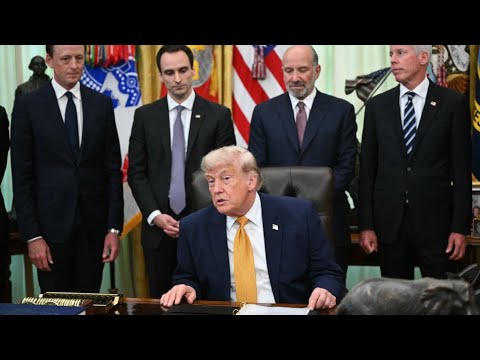
    The Biden administration unexpectedly canceled the planned signing of a bipartisan housing bill in June 2026, a move that left many lawmakers in Washington D.C. reeling and sparked immediate speculation about the underlying political motivations. This decision came just days before the scheduled ceremony, surprising advocates and legislators who had worked for months on the compromise legislation.

    The decision to cancel the signing ceremony, which had been anticipated by both sides of the aisle, was made without a comprehensive public explanation. This sudden reversal has drawn significant attention to the complex dynamics of legislative processes and executive actions in the current political climate, particularly concerning a bill that had achieved broad consensus.

    The Genesis of the Housing Bill

    The housing bill, a product of extensive negotiations, was designed to address several pressing issues within the national housing sector. These issues included affordability, supply shortages, and regulatory hurdles impacting housing development across various states. The rising cost of housing, particularly in urban and suburban areas, had become a significant concern for American families and a focal point for both major political parties.

    Discussions began in late 2025, involving key figures from both the Democratic and Republican parties. Senator Maria Rodriguez (D-California) and Representative Thomas Chen (R-Texas) were among the primary architects of the legislation, working to bridge ideological divides. Their efforts focused on identifying common ground to tackle the multifaceted housing crisis.

    The bill proposed a series of federal incentives for developers to construct affordable housing units. These incentives included tax credits for projects meeting specific affordability criteria and grants for states implementing innovative housing solutions. It also included provisions for streamlining local permitting processes, often cited as a major bottleneck in housing construction, and expanding access to down payment assistance programs for first-time homebuyers through federal loan guarantees.

    Early drafts of the legislation faced opposition from various interest groups, including environmental advocates concerned about development impacts on natural habitats and some fiscal conservatives questioning the extent of federal intervention in local markets. Compromises were eventually reached, such as specific environmental review clauses and a tiered incentive structure, leading to a version that secured broader support across the political spectrum.

    Bipartisan Support and Legislative Pathway

    The housing bill successfully navigated both chambers of Congress. It passed the House of Representatives on March 10, 2026, with a vote of 280-155, indicating significant bipartisan backing. Fifty-five Republican representatives joined 225 Democratic representatives in favor of the bill, demonstrating a rare cross-party consensus on a major domestic issue.

    The Senate followed suit, passing the legislation on April 2, 2026, by a margin of 68-32. This included 18 Republican senators who crossed party lines to support the measure, alongside all 50 Democratic senators. This level of bipartisan agreement was a notable achievement in a Congress often characterized by partisan gridlock, especially in an operating year like 2026, which precedes a major presidential election cycle.

    The passage was hailed by many as a rare instance of legislative cooperation in a deeply divided Congress. Advocates pointed to the urgency of the housing crisis as a unifying factor, arguing that the economic and social impacts of unaffordable housing transcended partisan politics. Housing groups like the National Housing Coalition and the Affordable Housing Alliance publicly praised the bill’s passage, emphasizing its potential to alleviate widespread housing insecurity.

    President Joe Biden, then in office, had signaled his support for the bill’s objectives throughout its legislative journey. His administration’s full endorsement was contingent on the final legislative language, which had undergone several rounds of revisions to accommodate various concerns. The bill was sent to the White House for presidential assent, a process typically seen as a formality for broadly supported legislation that aligns with administration priorities.

    The Unexpected Cancellation

    The signing ceremony for the housing bill was initially scheduled for June 15, 2026, at the White House Rose Garden. Invitations had been extended to congressional leaders, housing advocates, industry representatives, and local community organizers. Preparations were underway, with White House staff coordinating logistics for a high-profile event designed to showcase a legislative victory.

    However, on June 14, 2026, less than 24 hours before the scheduled event, the White House announced its cancellation. The official statement released by Press Secretary Karine Jean-Pierre cited unspecified scheduling conflicts, a common but often vague explanation in political circles. The brevity of the statement and the lack of detail immediately raised questions among journalists and political observers.

    This initial explanation quickly gave way to widespread speculation, particularly after no immediate rescheduling was announced. The lack of a clear alternative date or a more detailed reason intensified concerns among lawmakers and the public, leading to a flurry of inquiries directed at White House officials. The unusual nature of canceling a signing ceremony for a bipartisan bill, especially one that had progressed so far, suggested deeper issues.

    Lawmakers React to the Decision

    The abrupt cancellation triggered a wave of reactions across the political spectrum. Representative Chen, a co-sponsor, expressed his disappointment during a press conference on Capitol Hill. He stated, "This bill represented months of hard work and compromise from both sides. To see it halted at the eleventh hour is profoundly disheartening for everyone involved, especially the American families it was designed to help." Chen emphasized the legislative effort invested by dozens of members of Congress.

    Senator Rodriguez echoed these sentiments in a separate statement, emphasizing the bipartisan nature of the effort. "We came together to solve a real problem for the American people. The sudden pause raises serious questions about the stability of legislative agreements and the commitment to addressing critical national needs, particularly when a broad consensus had been achieved." She called for immediate clarification from the White House.

    Some Republican lawmakers who had supported the bill also voiced their frustration. Senator David Lee (R-Florida), a key proponent of the bill’s market-based incentives, commented during an interview on Fox News, "We had a deal. This kind of uncertainty erodes trust and makes future bipartisan efforts even more challenging, especially on issues as vital as housing." Lee’s comments reflected a broader sentiment of exasperation among those who had invested political capital in the bill’s passage.

    Conversely, some political analysts suggested the cancellation might be a strategic maneuver, possibly related to ongoing negotiations on other legislative priorities or a shift in executive policy. These theories, however, remained unconfirmed by official sources, adding to the atmosphere of uncertainty surrounding the bill’s fate. Pundits on cable news debated potential reasons, ranging from internal administration disagreements to external political pressures.

    Unconfirmed Reports and Speculation

    While the White House maintained its official stance of unspecified scheduling conflicts, unconfirmed reports began to circulate regarding the true reasons behind the cancellation. Sources close to the administration, who requested anonymity due to the sensitive nature of the discussions, suggested that last-minute concerns had emerged from within the Executive Office of the President.

    One theory posited that senior economic advisors had raised new concerns about the bill’s potential inflationary impact. With the national economy navigating fluctuating interest rates and persistent inflation in 2026, any legislation perceived as potentially exacerbating these issues would be subject to intense scrutiny. This concern, if true, would represent a significant shift from earlier assessments during the bill’s legislative development.

    Another line of speculation focused on potential opposition from key political allies or influential donor groups. In an election year, presidential administrations often weigh legislative actions against their potential political ramifications. A last-minute pushback from a significant constituency, even if previously supportive, could prompt a re-evaluation of a bill’s signing. This could involve environmental groups expressing renewed concerns about specific development clauses or labor unions seeking stronger prevailing wage provisions.

    Some reports also indicated that former President Donald Trump, while out of office, had made public statements critical of federal spending and perceived government overreach, which may have indirectly influenced some Republican lawmakers to reconsider their support. While not a direct cause, the broader political climate and ongoing debates about government intervention could have played a role in the administration’s final decision-making process, especially if the White House feared a loss of key Republican votes for future legislative priorities.

    The Path Forward for Housing Legislation

    The cancellation of the signing ceremony leaves the bipartisan housing bill in a state of limbo. Without the President’s signature, the legislation cannot become law. This situation presents a significant challenge for lawmakers who invested considerable time and effort in crafting the compromise bill. The immediate next steps remain unclear, with options ranging from renegotiation to an attempt to reintroduce the bill in a modified form.

    One possible outcome is that the White House may seek to reopen negotiations with congressional leaders to address the undisclosed concerns. This would involve potentially revising specific sections of the bill, such as the scope of federal incentives or the regulatory streamlining provisions. Any such renegotiation would require renewed bipartisan consensus, which could prove difficult to achieve after the initial legislative triumph.

    Alternatively, proponents of the bill might attempt to pressure the administration to proceed with the signing, arguing that the broad bipartisan support and the urgent need for housing reform outweigh any last-minute reservations. This approach would likely involve public campaigns and direct appeals from congressional leaders and housing advocacy groups to the President.

    The delay also carries implications for the national housing market. The uncertainty surrounding federal policy could impact developer confidence, investment decisions, and the overall trajectory of housing affordability. Many in the industry had anticipated the bill’s passage as a positive signal for future growth and stability. The ongoing political discussions surrounding the bill will continue to shape the national discourse on housing policy throughout 2026.

    Lawmakers expressed frustration. Advocates expressed disappointment. The White House remained silent on specifics. The future of bipartisan housing reform in 2026 hung in the balance. Washington.
  • Larry David Praises Obama, Blasts Trump’s White House UFC Idea

    Larry David Praises Obama, Blasts Trump’s White House UFC Idea

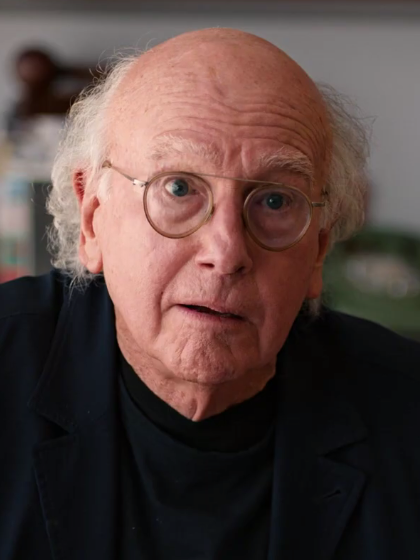
    Comedian Larry David recently offered strong opinions on former Presidents Barack Obama and Donald Trump. David lauded Obama’s comedic timing as ‘perfect’ in a new HBO series. He simultaneously expressed profound embarrassment regarding reports of Trump’s suggestion for a UFC fight at the White House. These comments, published by Variety in 2026, quickly became a focal point of public discussion.

    David’s remarks highlight a celebrity’s politically charged observations on public figures. They also underscore the increasing integration of entertainment and political commentary in contemporary media.

    Larry David’s Candor on Presidential Figures

    Larry David’s commentary on two recent U.S. Presidents, Barack Obama and Donald Trump, reflects his signature unfiltered style. Known for his roles in ‘Seinfeld’ and ‘Curb Your Enthusiasm,’ David’s public statements often carry significant weight. His observations provide a celebrity viewpoint that resonates with various segments of the public.

    The comedian’s willingness to engage with politically charged topics is well-documented. His recent statements, as reported by Variety, continue this trend. They draw a clear distinction between the two former presidents, framing one through the lens of entertainment and the other through political criticism.

    Obama’s ‘Perfect’ Timing on a New HBO Series

    Larry David’s praise for Barack Obama centered on the former president’s performance in an undisclosed new HBO show. David specifically highlighted Obama’s ‘perfect’ comedic timing. This endorsement from a renowned comedian like David carries considerable weight within the entertainment industry and among audiences.

    The specific context of Obama’s appearance on HBO was not fully detailed in the Variety report. However, David’s comments suggest an appreciation for Obama’s natural aptitude for humor and delivery within a scripted or semi-scripted format. This indicates a perceived ease and effectiveness in Obama’s on-screen presence.

    This is not the first instance of public figures, particularly former presidents, crossing over into entertainment. Many political leaders have made cameos, hosted shows, or participated in documentary projects. These appearances often showcase a different side of their public persona, moving beyond the traditional political sphere.

    David’s assessment, however, focused directly on the quality of the comedic performance itself. It was not merely an acknowledgment of Obama’s presence. It was a critical evaluation of his skill in a comedic role, a rare and significant compliment from a master of the craft.

    The Trump White House UFC Fight Proposal: A Source of Embarrassment

    In stark contrast to his remarks about Obama, Larry David voiced strong disapproval concerning reports of Donald Trump’s alleged proposal for a UFC fight at the White House. David stated that the idea made him ’embarrassed to be an American.’ This sentiment reflects a significant level of discomfort and national shame with the reported concept.

    The notion of hosting a professional fighting event within the historic confines of the White House drew considerable public debate when it was first reported. Critics argued that such an event would detract from the dignity and solemnity associated with the presidential residence. It was seen by many as an inappropriate use of a revered national symbol.

    David’s reaction aligns with those who viewed the proposal as incongruous with the office of the President. His statement encapsulates a feeling of national embarrassment, a strong emotional response to the perceived lowering of presidential decorum and the sanctity of the institution. This strong reaction highlights the cultural significance attributed to the White House as a symbol of national governance and tradition.

    The Blurring Lines: Politics, Entertainment, and Public Discourse

    Larry David’s commentary highlights the increasingly blurred lines between politics and entertainment in the 21st century. Public figures, regardless of their primary profession, often find themselves commenting on or participating in both spheres. This intersection significantly shapes public perception and discourse.

    Celebrities frequently use their platforms to express political opinions, endorse candidates, or critique policies. These expressions can influence public sentiment and contribute to ongoing political conversations. David, known for his acerbic wit and observational humor, is a prominent example of this trend. His public statements often reflect broader societal anxieties or admirations.

    The public consumes political news and commentary through various channels, including traditional news outlets, social media, and increasingly, entertainment media. This integration means that a comedian’s take on a political event or figure can become a significant part of the broader narrative, reaching audiences who might not engage with traditional political news.

    Media Amplification and Public Reaction

    Variety’s report on Larry David’s statements generated immediate public reaction and widespread media coverage. Media outlets often amplify such celebrity comments, recognizing their potential to spark debate and engagement. The contrasting nature of David’s remarks about Obama and Trump ensured wide coverage across different news and entertainment platforms.

    Social media platforms became a primary venue for both support and criticism of David’s views. Supporters praised his honesty and sharp critique, often echoing his sentiments of admiration or embarrassment. Detractors, however, accused him of political bias, questioning the appropriateness of a comedian’s political commentary. This polarization is a common outcome when celebrities weigh in on political matters, reflecting deep societal divisions.

    The article serves as a reminder that celebrity opinions, particularly from well-known figures like Larry David, continue to hold sway in public discourse. Their words can validate existing viewpoints, provoke strong disagreement, or introduce new perspectives into the national conversation. This influence underscores the power of celebrity in shaping contemporary political and cultural landscapes.

    The Enduring Legacy of Presidential Figures

    Both Barack Obama and Donald Trump continue to be subjects of intense public interest years after their presidencies. Their actions, statements, and even their post-presidency activities remain under constant scrutiny and discussion. David’s comments contribute to this ongoing assessment, adding another layer to their public personas.

    Obama’s post-presidency has included various media projects, including documentary production, podcast appearances, and now, reportedly, roles in entertainment. These activities maintain his public profile and allow for different interpretations of his persona, showcasing his adaptability beyond the political arena.

    Trump’s post-presidency has also been characterized by continued public engagement, often through media appearances, political rallies, and social media. Reports about his past proposals, like the White House UFC fight, resurface periodically, prompting renewed discussion and re-evaluation of his time in office.

    Larry David’s commentary underscores how the legacies of these political leaders are continuously shaped and reshaped by public perception, media narratives, and celebrity input. Their public images are dynamic, evolving with each new comment or appearance.

    The Comedian’s Role in Modern Political Discourse

    Comedians like Larry David often serve as cultural commentators, using humor to critique society and politics. Their observations, while sometimes delivered for comedic effect, can carry serious undertones and reflect broader societal sentiments. They often act as a barometer for public mood.

    The role of satire and political humor has a long and distinguished history. From ancient Greek theater to modern late-night shows and stand-up specials, comedians have challenged authority and offered alternative, often critical, perspectives. David’s remarks fit squarely within this tradition, employing his unique brand of observational humor to comment on significant national figures.

    His ability to articulate a sense of collective embarrassment or admiration through a concise statement demonstrates the power of comedic commentary. It allows for a direct, unfiltered expression that can cut through complex political rhetoric, often resonating more deeply with audiences than traditional political analysis. Comedians frequently highlight absurdities that might otherwise be overlooked.

    HBO’s Enduring Influence on Culture

    The mention of a new HBO show featuring Barack Obama highlights the continued influence of premium cable and streaming platforms in shaping cultural narratives. HBO has a long history of producing critically acclaimed content that attracts high-profile individuals, from actors to former world leaders.

    The platform provides an avenue for diverse storytelling, including projects that might feature former political leaders in unexpected roles. This expands the reach of public figures beyond traditional news and political channels. It allows them to engage with audiences in new, often more personal or entertaining, ways.

    Larry David himself has a longstanding relationship with HBO through his hit series, ‘Curb Your Enthusiasm,’ which has run for multiple seasons. This connection further legitimizes his commentary within the HBO ecosystem. It also reinforces the network’s role as a platform for influential voices and cultural commentary. The network continues to be a significant player in the entertainment landscape.

    The intersection of a former president, a legendary comedian, and a premium network underscores the complex and interwoven nature of modern media. It shows how political figures can seamlessly transition into entertainment roles. It also demonstrates how entertainment figures can profoundly impact political discourse.

    The comments. The reactions. The debate.

    The intersection.

    Society.

  • JD Vance on The View – How the June 2026 Episode Hit 3.3M Viewers

    JD Vance on The View – How the June 2026 Episode Hit 3.3M Viewers

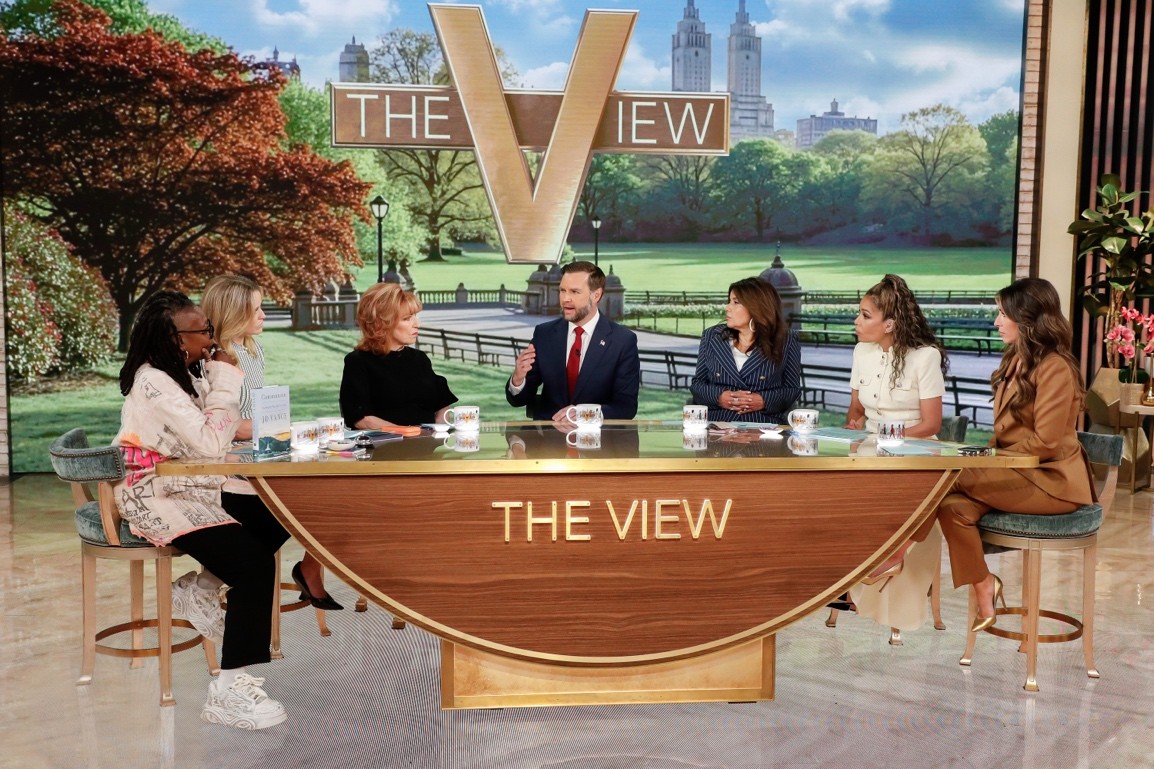
    On June 18, 2026, Ohio Senator JD Vance appeared on ABC’s The View, drawing 3.3 million total viewers to the daytime broadcast. Nielsen Media Research data confirmed this as the talk show’s highest-rated episode since the 2024 presidential election cycle. The broadcast generated massive engagement in the key 25-54 demographic, proving that high-profile political interviews still command linear television audiences despite industry-wide streaming migration. But the story of this ratings spike extends beyond simple viewership metrics.

    The television landscape in 2026 remains highly fragmented. Audiences routinely bypass live television for on-demand platforms. Yet, the established broadcast infrastructure of ABC News retains the ability to consolidate national attention. The 3.3 million figure represents a statistical anomaly for a Thursday morning broadcast. It underscores a specific media strategy utilized by political figures seeking mass audience penetration.

    Networks track these anomalies closely. Politicians analyze the demographic data. The viewers provide the baseline metric for advertising rates and campaign reach. The June 2026 broadcast operated as a highly coordinated media event.

    The Nielsen Data and Demographic Breakdown

    Nielsen Media Research serves as the undisputed arbiter of television viewership. Their overnight data for the June 18 broadcast revealed a distinct viewing pattern. Audiences did not simply drift into the program following Good Morning America. They actively tuned in at 11:00 AM Eastern Standard Time specifically for the interview segment.

    The 11:00 AM timeslot traditionally struggles to retain viewers moving from morning news programs into daytime syndication. Network executives refer to this as the mid-morning audience bleed. The June 18 broadcast reversed this trend entirely. Instead of losing viewers at the top of the hour, ABC News captured an influx of new viewers migrating from rival networks and cable news channels. This specific acquisition metric demonstrates the pull of a high-stakes political interview.

    The 3.3 million total viewer count pushed the show significantly above its 2026 daily average of 2.4 million. The demographic breakdown offered deeper insights for ABC executives. The broadcast saw a 42 percent spike in the critical 25-54 demographic compared to the previous week. This specific age bracket dictates daytime television advertising rates. It also represents the exact voting bloc political campaigns spend millions of dollars to reach.

    Hitting three million viewers on daytime television in 2026 requires an event-level catalyst. Legacy soap operas like General Hospital currently average under two million viewers. Standard celebrity promotional interviews rarely move the needle past the established baseline. Political figures engaging with adversarial panels remain one of the few reliable magnets for live, synchronous viewership.

    The geographic distribution of the audience highlighted key political battlegrounds. Nielsen data indicated outsized viewership in major suburban television markets. Atlanta, Philadelphia, Phoenix, and Detroit registered the highest localized ratings spikes. These regions heavily influence national electoral outcomes, making the broadcast highly relevant for political strategists.

    Regional data provided by Nielsen further illuminated the demographic shift. While coastal markets like New York and Los Angeles maintained their standard high viewership levels, the true growth occurred in the Midwest. Television markets in Ohio, Pennsylvania, and Michigan saw viewership increases of over 50 percent compared to the show’s 2026 baseline. This regional spike aligns perfectly with JD Vance’s political base and the targeted messaging deployed during the broadcast.

    Minute-by-minute retention metrics further validated the draw of the appearance. Viewership steadily climbed during the first ten minutes of the broadcast. The audience peaked at the 11:30 AM mark, precisely when the panel discussion shifted to domestic economic policy and manufacturing initiatives in the Rust Belt. Viewers stayed through the commercial breaks, an increasingly rare behavior in modern television consumption.

    The Economics of Attention at ABC News

    Audience volume translates directly to network revenue. ABC News operates within a highly competitive daytime advertising market. A broadcast guaranteeing over three million viewers fundamentally alters the daily ad-rate calculus.

    Standard daytime advertising rates remain a fraction of primetime costs. However, event-television dynamics shift the pricing model. When a network schedules a high-profile political interview, commercial inventory becomes highly sought after. Brands operating in the 2026 consumer market must weigh the benefits of massive exposure against the context of political debate. Major pharmaceutical companies, household goods manufacturers, and automotive brands heavily populated the commercial breaks during the Vance interview.

    • Thirty-second ad spots command a 15 to 20 percent premium during highly anticipated political broadcasts.
    • Live viewership minimizes commercial skipping, a persistent challenge for modern television networks.
    • Post-broadcast digital syndication on platforms like YouTube adds a secondary, highly monetizable revenue stream.

    The financial implications of a 3.3 million viewer broadcast extend into the broader Disney corporate ecosystem. ABC News leverages these high-performing episodes to cross-promote other network properties. During the June 18 broadcast, premium commercial inventory was allocated to promote upcoming primetime investigative specials and the network’s evening news flagship, World News Tonight. This internal synergy maximizes the financial utility of the daytime ratings spike.

    Advertisers recognize the unique value proposition of live political television. Unlike scripted dramas or reality programming, political interviews generate immediate, emotional engagement. Viewers are less likely to utilize dual-screen behaviors when watching a tense exchange between a politician and a hostile panel. This undivided attention translates to higher ad recall metrics, allowing ABC to justify premium pricing for the 11:00 AM hour.

    The economic model of The View relies on maintaining a steady baseline while capitalizing on periodic viewership surges. A daily audience of 2.4 million sustains the production budget. A spike to 3.3 million generates surplus revenue. JD Vance provided ABC News with a highly lucrative hour of television programming. In exchange, the network provided the Senator with unfiltered access to a massive daytime audience.

    Media buyers closely monitor these spikes. The cost per thousand impressions, known as CPM, fluctuates based on guaranteed live viewership. ABC’s sales division leverages these high-performing episodes to negotiate favorable rates for future quarters. The June 18 broadcast serves as a critical data point for the network’s upcoming upfront presentations to major advertisers.

    The Architecture of the Table

    The physical and conversational setup of The View is highly intentional. Broadcast pioneer Barbara Walters designed the format in 1997 to foster intimate, multi-generational debate. In 2026, that same curved table operates as a structured environment for political interrogation.

    The current panel of hosts, including veterans Whoopi Goldberg and Joy Behar alongside Alyssa Farah Griffin and Sunny Hostin, hold established authority within the studio. They dictate the pacing of the conversation. They control the transitions to commercial breaks. A political guest entering this space operates at a structural disadvantage. The set is not a neutral news desk in Washington D.C. It is a daytime entertainment environment located in New York City.

    The structural design of daytime television relies on emotional resonance. When political figures enter that space, the format amplifies the intensity of the exchange.

    The physical proximity of the hosts to the guest creates an inherent visual tension. The curved table measures exactly eight feet across, forcing a conversational intimacy that standard news desks intentionally avoid. When a host leans forward to interject, the camera captures the physical encroachment. This design choice strips away the formal distance usually afforded to sitting U.S. Senators, placing them on equal visual footing with daytime entertainers.

    Audio engineering plays a crucial role in this architecture. The studio is mic’d to capture not just the primary speakers, but the ambient reactions of the panel and the live studio audience. A sharp intake of breath, a whispered aside, or a sudden burst of applause are all integrated into the final audio mix. This sensory density makes the broadcast feel urgent and unpredictable, directly contributing to the high viewer retention rates recorded by Nielsen.

    JD Vance navigated this specific broadcast architecture. The dynamic was firmly established before the first segment began. The audience at home understood the assigned roles. The conservative Senator from Ohio sat opposite a predominantly liberal-leaning panel. The live studio audience provided real-time auditory feedback. The production values mirrored a theatrical event anchored in real-world political stakes.

    This established architecture explains the ratings success. Traditional Sunday morning political shows like Meet the Press or Face the Nation offer structured, policy-driven interviews. The View offers visceral, unscripted reactions. The 3.3 million viewers tuned in specifically for the unvarnished exchange of opposing viewpoints.

    The set design itself reinforces this dynamic. The hosts are positioned closely together, presenting a unified visual front. The guest sits on the periphery of the curve. The lighting is bright and unforgiving. Every element of the studio is engineered to maximize the visual and emotional impact of the conversation.

    The Strategic Deployment of the Hostile Interview

    Political media strategy in 2026 demands calculated risks. The era of politicians exclusively utilizing friendly media platforms yields diminishing returns. Echo chambers solidify existing support but fail to expand audience reach. Politicians who step into adversarial broadcast environments generate immediate earned media.

    The decision-making process behind these appearances involves extensive risk assessment. Political communication directors analyze the historical performance of previous guests on The View. They map out potential lines of questioning regarding controversial legislation, past voting records, and current campaign rhetoric. JD Vance’s team recognized that the inherent hostility of the panel could be weaponized to highlight ideological contrasts.

    This strategy also serves to bypass the traditional political press corps. White House correspondents and Capitol Hill reporters operate with a specific set of journalistic norms. The hosts of The View operate as opinion commentators. By engaging with commentators rather than traditional journalists, politicians can pivot away from granular policy details and focus entirely on broad cultural narratives. This pivot is highly effective for reaching voters who consume politics through an emotional rather than technical lens.

    JD Vance’s appearance on The View represents a strategic deployment of the hostile interview tactic. The objective is rarely to persuade the panel of hosts. The objective is to demonstrate rhetorical resilience to the viewers watching at home.

    For a conservative figure, facing a panel of liberal hosts offers distinct strategic advantages. If the interview becomes overly combative, the political base rallies around narratives of media bias. If the politician effectively counters the hosts’ arguments, they project strength under pressure. Both outcomes serve broader political communication goals heading into the 2026 midterm elections.

    Suburban women constitute a massive portion of The View’s daily audience. This specific demographic remains one of the most fiercely contested voting blocs in the United States. Reaching them directly, without the intermediate filter of a primetime news anchor or a social media algorithm, holds immense strategic value. An adversarial interview ensures the politician’s message is delivered directly to this critical demographic.

    Campaign strategists recognize the efficiency of this approach. A single appearance on a highly rated daytime show can generate more national conversation than weeks of localized campaign rallies. The risk of a negative soundbite is outweighed by the guarantee of a massive, attentive audience.

    The 2024 Benchmark and Historical Context

    The specific metric utilized by Nielsen matters. The designation “highest-rated since 2024” anchors the June 2026 broadcast in recent television history.

    The 2024 presidential election cycle represented a high-water mark for political media consumption. The intense national focus drove record ratings across all broadcast and cable networks. The View routinely crossed the three-million viewer threshold during the final months of that campaign, peaking during the weeks immediately preceding the November election. Audiences were highly attuned to daily shifts in the political landscape.

    Following the 2024 election, viewership across daytime and primetime political programming experienced a predictable normalization. The baseline audience returned to standard levels. Hitting 3.3 million viewers in a non-presidential election year signals a resurgence of intense political interest.

    The View has a long history of hosting high-profile political figures. Barack Obama made history as the first sitting president to appear on the show in 2010. Donald Trump frequently called into the program prior to his political career. The June 2026 appearance by JD Vance joins a long lineage of politicians utilizing the daytime platform to bypass traditional news structures.

    Comparing 2026 to the 2022 midterm cycle reveals a distinct shift. During the 2022 midterms, daytime talk shows struggled to capture the political zeitgeist. The success of the Vance broadcast suggests that political polarization has re-established itself as a dominant driver of daytime television viewership.

    The Secondary Market of Viral Syndication

    Live television ratings only tell half the story in 2026. The true reach of the June 18 broadcast extends far beyond the initial 3.3 million viewers. Modern media consumption relies heavily on the secondary market of social media syndication.

    Within minutes of the live broadcast concluding, isolated clips flooded platforms like X, TikTok, and Instagram. Political action committees, news aggregators, and individual users clipped specific exchanges between Vance and the hosts. These micro-videos generated tens of millions of secondary impressions over the following 48 hours.

    The digital afterlife of the broadcast is meticulously tracked by both the network and the political campaign. Social media managers utilize advanced analytics to monitor which specific clips generate the highest engagement velocities. A 15-second exchange regarding inflation metrics might generate minimal traction, while a terse back-and-forth about cultural values can amass millions of views within an hour. This real-time feedback loop informs future media strategies for both the politician and the network.

    This secondary syndication is highly curated. Conservative accounts isolated moments where Vance successfully challenged the hosts on economic policy. Liberal accounts isolated moments where the hosts pushed back on Vance’s assertions regarding federal legislation. The single 45-minute broadcast provided enough raw material to fuel digital discourse for an entire news cycle.

    The monetization of this secondary market represents a massive shift in television economics. While ABC News captures the primary ad revenue during the live 11:00 AM broadcast, the network also monetizes the digital syndication through pre-roll advertising on YouTube and sponsored content on Facebook. The 3.3 million live viewers serve as the catalyst, but the tens of millions of digital impressions represent the long-tail financial value of the JD Vance interview.

    ABC News actively participates in this secondary market. The network uploads full segments to its official YouTube channel. These official uploads generate millions of additional views, capturing audiences who were at work or school during the live 11:00 AM broadcast. The combination of linear television ratings and digital syndication makes The View one of the most potent media properties in the Disney corporate portfolio.

    The algorithms that govern platforms like TikTok and X in 2026 heavily prioritize high-engagement political conflict. A heated exchange on a daytime talk show perfectly aligns with these algorithmic preferences. The broadcast effectively transitions from a linear television event into a decentralized digital phenomenon.

    The media landscape fragmented. The streaming platforms dominated. The algorithms isolated.

    Television.

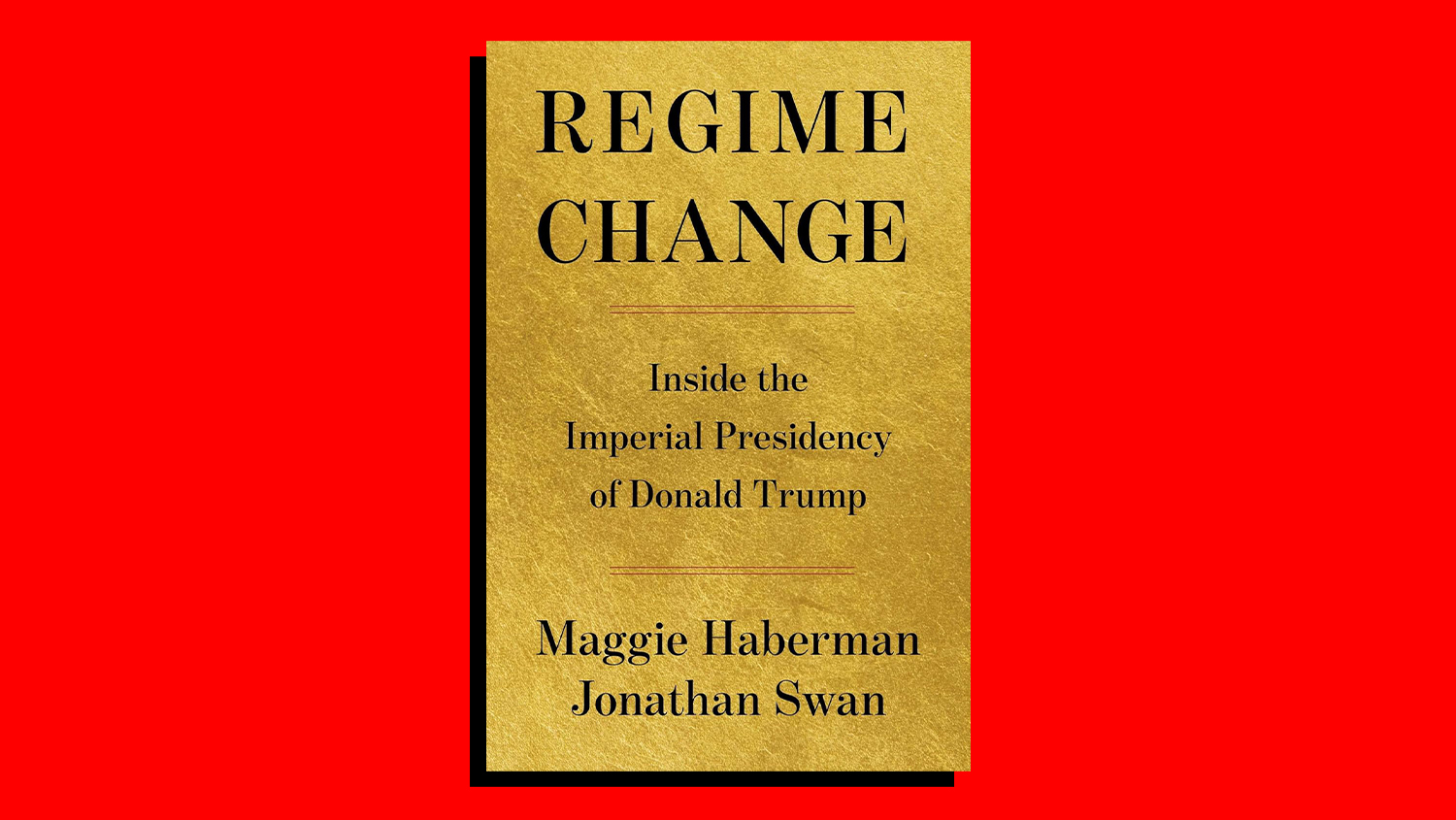
  • Regime Change: Unpacking Five Key Takeaways from the Trump Era Analysis

    Regime Change: Unpacking Five Key Takeaways from the Trump Era Analysis

    The book ‘Regime Change,’ a recent publication, dissects the presidency of Donald Trump, identifying five core areas of significant impact. These include the reconfiguration of political norms, the surge of populism, the assertive use of executive power, the weaponization of the media landscape, and the fundamental reshaping of the Republican Party. The book aims to provide a definitive account of these transformations, drawing on extensive research and analysis of the 2017-2021 period and its aftermath.

    The Reconfiguration of Political Norms

    One primary takeaway from ‘Regime Change’ is its detailed exploration of how Donald Trump’s presidency fundamentally reconfigured established political norms. This involved a direct challenge to traditional communication protocols, media relationships, and diplomatic practices. The book documents specific instances, such as the frequent use of Twitter for official announcements and policy declarations, bypassing traditional press conferences and official statements. This approach redefined the expected channels of presidential communication.

    The relationship between the executive branch and the press underwent significant strain. ‘Regime Change’ details the consistent labeling of critical news outlets as ‘fake news’ and ‘enemies of the people.’ This rhetoric eroded public trust in institutional media, fostering an environment where information accuracy was frequently contested. Diplomatic norms were also challenged through direct engagements with foreign leaders, often outside conventional State Department channels, and a transactional approach to international alliances.

    Redefining Communication and Media Engagement

    The book elaborates on the strategic shift in presidential communication. Donald Trump’s direct appeals to his base through rallies and social media platforms, particularly Twitter, became a hallmark of his administration. This allowed for immediate dissemination of messages without traditional journalistic filters. ‘Regime Change’ provides examples such as the announcement of policy decisions via tweet, often catching even White House staff by surprise.

    This direct communication strategy effectively bypassed traditional gatekeepers. It established a new model for how a president could interact with the public. The book analyzes the long-term implications of this shift, including increased polarization and the diminished role of the traditional press corps in shaping national narratives. The 2020 presidential election saw these communication methods refined further, solidifying their place in modern political campaigning.

    The Surge of Populism

    A second key takeaway from ‘Regime Change’ centers on the book’s comprehensive examination of populism as a driving force during the Trump era. Donald Trump’s political rise and sustained support are largely attributed to a robust populist movement. The book dissects the components of this populism, including its appeal to specific demographics, its anti-establishment rhetoric, and its focus on nationalistic sentiments. It highlights how economic anxieties, cultural grievances, and a distrust of political elites fueled this movement.

    ‘Regime Change’ details the methods through which populist sentiments were mobilized and sustained. This included large-scale rallies, which served as both campaign events and direct communication channels with supporters. The book also analyzes the role of digital platforms and alternative media in amplifying populist messages, often bypassing mainstream media narratives. This analysis is crucial for understanding not only the Trump presidency but also similar movements globally in the mid-2020s.

    Grassroots Mobilization and Digital Campaigning

    The discussion of populism in ‘Regime Change’ extends to the intricate details of grassroots mobilization efforts. The book highlights the critical role of highly attended rallies, often drawing tens of thousands of supporters, as central to Trump’s political strategy. These events were not merely campaign stops but served as powerful affirmations of a shared political identity and grievances. The book cites specific rally locations and dates, illustrating their geographic and demographic reach.

    Furthermore, ‘Regime Change’ offers insights into the sophisticated digital strategies employed. This includes the use of micro-targeting and data analytics to reach specific voter segments with tailored messages. The book details how campaigns leveraged platforms like Facebook and Twitter to disseminate content, organize supporters, and counter opposing narratives. These modern campaigning techniques are presented as central to the success of the populist movement, fundamentally altering the landscape of political outreach.

    Assertive Use of Executive Power

    The third takeaway focuses on ‘Regime Change’s’ insights into executive power and the scope of presidential authority under Donald Trump. His administration was marked by a robust assertion of presidential prerogatives, often pushing the boundaries of traditional executive action. The book meticulously documents instances where executive orders were used extensively, sometimes to implement policies that faced legislative resistance or to reverse previous administrative directives. Examples include executive actions on immigration, environmental regulations, and trade policies, often issued with minimal congressional consultation.

    ‘Regime Change’ analyzes the legal and constitutional arguments surrounding these actions. It details the frequent challenges mounted by Congress and the judiciary, leading to numerous court battles that tested the separation of powers. The book provides a critical perspective on the checks and balances within the American political system, illustrating how Trump’s approach strained these traditional safeguards. The administrative state, including federal agencies and their leadership, also experienced significant shifts as presidential appointees sought to implement the administration’s agenda.

    Institutional Challenges and Legal Battles

    The book details specific challenges to institutional norms and the resulting legal battles. ‘Regime Change’ chronicles the administration’s relationships with various federal agencies, often characterized by efforts to redirect their priorities or personnel. The appointment process for key positions, from cabinet secretaries to federal judges, is also examined, highlighting the emphasis on loyalty and ideological alignment. The book cites specific legal cases, such as those concerning travel bans or the border wall, to illustrate the judicial branch’s role in adjudicating presidential authority.

    These discussions are vital for understanding the resilience and adaptability of democratic institutions in the face of executive assertiveness. ‘Regime Change’ provides a comprehensive account of these tensions, offering a historical record for future analysis of presidential power. The book concludes that Trump’s tenure set precedents for the exercise of executive authority, influencing subsequent administrations and legislative responses.

    The Weaponization of the Media Landscape

    The fourth takeaway from ‘Regime Change’ addresses the evolving media landscape and the concept of information warfare during the Trump presidency. Donald Trump frequently criticized mainstream media outlets, labeling some as ‘fake news’ or purveyors of biased reporting. The book explores the implications of this rhetoric for public trust in journalism, documenting a significant decline in confidence among certain segments of the population. This constant critique created an environment where distinguishing verified information from opinion or disinformation became increasingly challenging for the public.

    ‘Regime Change’ also examines the proliferation of disinformation and misinformation, particularly through social media platforms. It details how unverified content, often politically motivated, gained widespread traction. The book analyzes strategies used to counter or amplify specific narratives, including the use of rapid-response teams and social media influencers. This section underscores how the digital age transformed political communication into a battleground for narrative control, often blurring the lines between news and propaganda.

    The Battle for Narrative Control and Public Trust

    The book delves deeply into the battle for narrative control that characterized the Trump years. ‘Regime Change’ illustrates how political figures and their allies actively sought to shape public perception, often by directly challenging established media narratives. This included the strategic use of alternative media outlets and online personalities to bypass traditional journalistic scrutiny. The book cites specific examples where the administration’s messaging directly contradicted reports from major news organizations, creating parallel information universes for different audiences.

    Understanding these dynamics is crucial in an era of rapid information dissemination and fragmented media consumption. ‘Regime Change’ offers a case study in how information can be weaponized in political contests, highlighting the profound challenges for informed public discourse. The book concludes that the erosion of trust in traditional media and the rise of partisan information ecosystems represent a lasting legacy of this period, impacting how citizens engage with political news and form their opinions in 2026 and beyond.

    Reshaping the Republican Party

    The fifth and final key takeaway from ‘Regime Change’ concerns its analysis of the profound reshaping of the Republican Party under Donald Trump’s influence. The book argues that Trump’s leadership fundamentally altered the party’s platform, leadership, and voter base. Traditional conservative principles, such as fiscal conservatism and interventionist foreign policy, were often subordinated to a new populist nationalism. This shift saw the party embrace a more protectionist trade stance and a non-interventionist foreign policy, departing from decades of Republican orthodoxy.

    ‘Regime Change’ documents the transformation of the party’s leadership, noting the ascendancy of figures aligned with Trump’s vision and the marginalization of traditional Republican voices. The book also details how the party’s voter base diversified, attracting working-class voters in Rust Belt states while potentially alienating suburban and college-educated demographics. This reorientation of the Republican Party’s identity and electoral strategy is presented as one of the most significant and enduring legacies of the Trump presidency, with implications for national elections in 2024 and beyond.

    Evolving Ideologies and Electoral Strategies

    The book provides a detailed account of the evolving ideologies within the Republican Party. ‘Regime Change’ illustrates how specific policy positions, such as those on immigration and trade, became central tenets of the new Republican platform. It analyzes the internal struggles and debates within the party as it grappled with these changes, citing examples of prominent Republicans who either embraced or resisted the new direction. The book also examines the role of conservative media and grassroots organizations in solidifying this ideological shift.

    Furthermore, ‘Regime Change’ explores the new electoral strategies adopted by the Republican Party. This includes a continued emphasis on engaging the populist base through rallies and direct appeals, as well as efforts to expand support among specific demographic groups. The book concludes that Trump’s influence has created a new political alignment, forcing both Republicans and Democrats to adapt their strategies for future elections. This transformation represents a significant and ongoing development in American political history.

    Political norms reconfigured. Populism surged. Executive power asserted. Media weaponized. The Republican Party transformed.

    American politics altered.

  • The Ticking Clock on the 2026 Border Wall Expansion

    The Ticking Clock on the 2026 Border Wall Expansion

    As of June 21, 2026, construction on Donald Trump’s border wall faces a critical deadline, with the administration racing to finalize contracts and secure funding ahead of the November midterm elections. The current phase targets strategic gaps in the Rio Grande Valley and Yuma sectors, utilizing a mix of newly appropriated funds and redirected military budgets to plant 30-foot steel bollards before congressional control potentially shifts. The Department of Homeland Security and the Army Corps of Engineers are operating under an accelerated mandate.

    The urgency is palpable across the southern frontier. Heavy machinery is moving into staging areas in Eagle Pass, Texas, and San Diego, California. Logistics networks are routing tons of steel and concrete southward.

    Political capital is finite. Legislative windows close. The administration understands that the physical reality of the wall outlasts the political cycles that fund it.

    But the story does not begin with the current rush. What looks like a sudden 2026 mobilization is actually the reactivation of a massive, dormant logistical machine.

    The 2026 Mandate and the Midterm Clock

    The calendar is the primary adversary for the Department of Homeland Security. November 2026 brings the midterm elections. Historically, midterms serve as a referendum on the sitting president. A shift in control of the House of Representatives or the Senate could freeze future appropriations for border infrastructure.

    To counter this risk, the administration is moving aggressively to obligate funds. In federal contracting, an obligated dollar is a protected dollar. Once a contract is signed and the money is committed to a private construction firm, it becomes exceptionally difficult for a future Congress to claw it back without incurring massive financial penalties.

    Lawmakers aligned with the administration’s border security goals are acutely aware of this timeline. Figures like Senator Markwayne Mullin have emphasized the necessity of rapid deployment. The strategy relies on locking in multi-year construction agreements before the end of the fiscal year.

    The Army Corps of Engineers is working overtime to review bids. Environmental waivers are being issued at an unprecedented rate. The goal is to turn appropriated dollars into poured concrete before the autumn leaves turn.

    The Engineering of the Barrier

    The physical structure being erected in 2026 is not a monolithic concrete wall. It is a highly engineered, multi-component barrier system. The core of the design remains the 30-foot, concrete-filled steel bollard.

    These steel tubes are spaced precisely four inches apart. This spacing is intentional. It prevents a human from passing through while allowing border patrol agents to see through the barrier to assess threats on the Mexican side. Visibility is a critical component of modern border enforcement.

    The bollards are topped with flat, anti-climb steel plates. They are anchored deep into the earth in a continuous concrete trench. This subterranean foundation is designed to thwart tunneling efforts, a common tactic used by cartels to bypass above-ground structures.

    But the steel is only the first layer. The 2026 border wall is a technological network. The barrier system includes high-intensity lighting, all-weather patrol roads running parallel to the wall, and an array of ground sensors. Fiber-optic cables are buried alongside the concrete footings to detect the vibrations of approaching footsteps or digging equipment.

    It is an integrated defense system. The physical wall buys time. The sensors provide data. The patrol roads allow rapid response by Customs and Border Protection (CBP) tactical units.

    Following the Money

    Funding the wall has always been an exercise in legislative maneuvering. The 2026 push is no different. The financial machinery driving the current construction is a complex blend of direct appropriations and executive authority.

    Direct funding from Congress remains the most stable source of capital. However, securing billions of dollars through the standard budget process requires navigating intense partisan gridlock. When direct appropriations fall short of the administration’s targets, alternative funding streams are activated.

    The use of military construction funds has been a hallmark of the project since its inception. By declaring the southern border a national security priority, the administration can legally redirect funds originally intended for Department of Defense infrastructure projects. This mechanism allows the executive branch to bypass congressional bottlenecks, though it frequently triggers legal challenges from states and advocacy groups.

    Treasury forfeiture funds also play a role. Money seized from criminal organizations and drug cartels is occasionally routed into the border security budget. This creates a cyclical financial model where illicit funds are used to build the infrastructure designed to stop illicit activity.

    Managing these disparate funding streams requires a massive accounting effort. The Office of Management and Budget (OMB) works closely with the Department of Homeland Security to ensure that every diverted dollar is legally defensible and rapidly deployed.

    The Texas Problem: Eminent Domain

    Building the wall in Arizona or New Mexico is primarily an engineering challenge. Much of the land along the border in those states is owned by the federal government. The Bureau of Land Management or the Department of Defense controls the territory. The government can simply grant itself permission to build.

    Texas presents a fundamentally different reality. The border in Texas is defined by the winding path of the Rio Grande. Almost all the land abutting the river is privately owned. It belongs to ranchers, farmers, and local municipalities. Some families have held the deeds to these riverfront tracts since the Spanish land grants of the 1700s.

    To build the wall in Texas, the federal government must acquire the land. When landowners refuse to sell, the Department of Justice initiates eminent domain proceedings. The government exercises its sovereign right to seize private property for public use, provided it offers fair market compensation.

    These legal battles are slow. Landowners contest the valuation of their property. They argue that the wall will cut them off from the river, destroying their agricultural operations. They hire attorneys to drag the process out in federal court.

    The ticking clock of the 2026 midterms amplifies the tension in Texas. The Department of Justice is filing condemnation lawsuits at an accelerated pace. The government often utilizes “quick-take” provisions, which allow them to seize the land and begin construction immediately, leaving the final financial settlement to be determined by a judge years later.

    Arizona and the Federal Lands

    While Texas is bogged down in courtrooms, Arizona is a construction zone. The federal control of the land allows the Army Corps of Engineers to move with ruthless efficiency.

    In sectors like Yuma and Tucson, the primary obstacles are topographical and environmental. The wall must cut through rugged mountain ranges and cross deep desert washes subject to violent flash floods during the monsoon season.

    To navigate these challenges, the administration frequently utilizes the REAL ID Act of 2005. This legislation grants the Secretary of Homeland Security the authority to waive dozens of federal laws, including the Endangered Species Act, the Clean Water Act, and the National Environmental Policy Act, to expedite the construction of border barriers.

    By issuing these waivers, the government bypasses years of environmental impact studies. Bulldozers tear through protected habitats. Contractors blast through solid rock. The speed of construction in the Arizona desert is a direct result of this sweeping executive authority.

    Environmental groups routinely file lawsuits attempting to halt the destruction of delicate ecosystems. However, federal courts have consistently upheld the Secretary’s waiver authority, leaving opponents with few legal avenues to stop the steel from going up.

    The Role of Key Lawmakers

    The executive branch cannot operate in a vacuum. The border wall requires constant legislative defense and advocacy. In 2026, a coalition of lawmakers is working to ensure the project remains a top priority.

    Senator Markwayne Mullin and other defense-oriented legislators view the wall not merely as an immigration enforcement tool, but as a critical component of national security. They argue that the porous border allows for the unchecked flow of fentanyl and provides a potential entry point for transnational threats.

    These lawmakers serve a dual purpose. They fight for direct appropriations during budget negotiations, and they provide political cover when the administration utilizes controversial funding mechanisms like military diversions.

    Their rhetoric emphasizes the ticking clock. They hold press conferences at construction sites in Eagle Pass and Yuma. They demand updates from CBP leadership. They ensure that the border wall remains at the forefront of the national conversation as the midterms approach.

    What Happens After November?

    The future of the border wall hinges on the outcome of the 2026 elections. If the administration retains a favorable Congress, the project will likely continue its march across the southern frontier, fueled by fresh appropriations and continued executive support.

    If control shifts, the landscape changes immediately. A hostile Congress will refuse to appropriate new funds. They will launch investigations into the use of military budgets. They will attempt to pass legislation restricting the use of eminent domain.

    Even if the money is cut off, the administration will likely continue building using previously obligated funds and whatever executive workarounds remain available. The wall is not just a policy; it is a symbol. It is the physical manifestation of a specific vision of American sovereignty.

    Until the votes are counted, the mandate is clear. Move the steel. Pour the concrete. Secure the land.

    The contractors bid. The lawyers file. The bulldozers idle.

    Time.

  • Trump Cites Vandalism in Lincoln Memorial Pool Damage

    Trump Cites Vandalism in Lincoln Memorial Pool Damage

    Former President Donald Trump explicitly attributes recent operational problems at the Lincoln Memorial Reflecting Pool to intentional vandalism rather than routine infrastructural decay. The statement, broadcast by Bloomberg Television on June 22, 2026, positions the degradation of the Washington D.C. landmark as a deliberate act of destruction. This framing bypasses standard administrative explanations regarding municipal maintenance. It targets a specific record of public property damage. The commentary centers entirely on the 2,029-foot-long basin located at the western end of the National Mall.

    The Core Assertion: Vandalism Over Decay

    Trump’s commentary zeroes in on the physical state of the National Mall. He rejects the premise that aging infrastructure or environmental factors are the primary culprits for the pool’s operational failures. Instead, he points to human interference. He cites deliberate vandalism. The statements align with his established record on federal property protection. During his tenure, his administration prioritized aggressive federal responses to monument defacement.

    Bloomberg Television amplified the statement on Monday morning. The network placed the commentary within its broader coverage of federal spending and urban infrastructure. The broadcast captured the intersection of infrastructure management and federal law enforcement. It demonstrated how a single broken grate or defaced stone can be leveraged into a national talking point during an election year.

    The Architecture of an American Mirror

    To understand the vulnerability of the site, one must understand its construction. The Lincoln Memorial Reflecting Pool is not a natural body of water. It is a highly engineered, shallow basin designed by architect Henry Bacon. Construction concluded in 1922. The pool was designed to visually connect the Lincoln Memorial to the Washington Monument.

    The dimensions are massive. The pool stretches 2,029 feet in length. It measures 167 feet wide. It holds approximately 6.75 million gallons of water. Yet, it is remarkably shallow. The water depth is only 18 inches at the outer edges. It dips to a maximum of 30 inches in the center.

    This shallow profile creates the perfect mirror effect for the surrounding monuments. It also makes the pool highly susceptible to external disruption. Any heavy object thrown into the water immediately impacts the concrete floor. The margin for error in its operation is incredibly thin.

    The 1914 Authorization

    Congress authorized the construction of the Lincoln Memorial in 1914. The Reflecting Pool was an integral part of the initial landscape design. The McMillan Commission, tasked with updating the National Mall, envisioned a grand European-style water feature. World War I delayed the construction process. Work on the pool did not begin in earnest until 1920. The resulting structure was an architectural triumph built on highly unstable ground.

    Engineering on a Swamp

    The site sits on reclaimed land. Before the Army Corps of Engineers dredged the Potomac River in the late 19th century, the area was a tidal marsh. Bacon’s design required extensive foundational support to prevent the massive pool from sinking into the mud.

    Builders drove 3,149 timber piles deep into the earth. These wooden pillars support the concrete basin above. Over the decades, the surrounding ground has settled, but the pool itself remains anchored. This rigid structure means that any damage to the concrete or the internal plumbing requires heavy excavation. Repairs are never simple. They are always structural.

    The 2012 Infrastructure Overhaul

    Fourteen years ago, the pool underwent a critical transformation. In 2012, the National Park Service completed a $34 million reconstruction project. The funding originated primarily from the American Recovery and Reinvestment Act. Prior to this overhaul, the pool was filled using potable water from the Washington D.C. municipal supply. It functioned as a stagnant, concrete bathtub.

    The 2012 project fundamentally changed the hydrology of the site. The system now draws water directly from the nearby Tidal Basin. The water is filtered, circulated, and treated with ozone gas before entering the Reflecting Pool.

    This modern circulation system requires clear intake and outtake grates. It requires unimpeded flow to maintain water quality. When debris enters the water, the filtration system chokes. The mirror effect shatters.

    The Mechanics of Monument Maintenance

    The National Park Service bears the responsibility of maintaining the site. Specifically, the National Mall and Memorial Parks division handles daily operations. It presents a relentless logistical challenge. The division must manage millions of annual visitors while preserving century-old masonry.

    Even without human interference, the pool faces severe environmental threats. Algae blooms are common during the sweltering Washington summers. Waterfowl introduce parasites into the shallow water. In 2017, an outbreak of a parasite that causes swimmer’s itch forced the NPS to take drastic action.

    Crews had to completely drain the 6.75 million gallons. They scrubbed the concrete floor for days. They treated the entire system with chemicals before refilling it. The baseline maintenance requires constant vigilance.

    The Threat of Debris and Defacement

    Vandalism accelerates this already demanding maintenance cycle. When individuals throw trash, glass, or heavy objects into the shallow water, the ozone filtration system is immediately compromised. Broken grates require custom fabrication to replace. Standard hardware store components do not fit 1922 architectural specifications.

    Defacement of the surrounding stone coping is another frequent issue. Removing spray paint or chemical agents from historic, porous stone requires specialized conservation techniques. Crews cannot simply power-wash the marble. High-pressure water destroys the surface integrity of the stone.

    Remediation requires specific chemical poultices. It requires time. It requires federal funding. Trump’s remarks highlight this specific friction point between federal budgets and public access. He frames the repair costs as an unnecessary burden caused by criminal behavior.

    Custom Fabrication Challenges

    The 2012 renovation utilized specialized architectural components. The drainage grates and intake valves were custom-cast to blend seamlessly with the historic aesthetic. When vandalism destroys these components, the National Park Service cannot order replacements from standard industrial catalogs. The parts must be recast. This custom fabrication process delays repairs by months. It leaves sections of the pool vulnerable to further damage while awaiting specialized parts.

    A History of Monumental Defense

    Trump’s focus on the Reflecting Pool is not an isolated talking point. It is a continuation of a specific policy posture. He has consistently positioned his political brand around the physical defense of American historical sites.

    The rhetoric dates heavily to the summer of 2020. During widespread protests, numerous statues and monuments across the country were targeted or defaced. The National Mall saw its share of graffiti and property damage. The World War II Memorial and the Lincoln Memorial both required emergency cleaning during that period.

    Trump utilized these events to build a narrative of cultural defense. He argued that the destruction of physical monuments represented a broader attack on American history. The condition of federal property became a central theme of his administration’s law enforcement agenda.

    The 2020 Executive Order Precedent

    In response to the 2020 unrest, Trump signed a sweeping executive order on June 26 of that year. The document was titled ‘Protecting American Monuments, Memorials, and Statues and Combating Recent Criminal Violence.’ The order directed federal law enforcement to prosecute individuals who damaged federal property to the fullest extent of the law.

    The directive specifically invoked the Veterans’ Memorial Preservation Act. It carried the threat of ten-year prison sentences for the vandalism of statues and monuments. The order also threatened to withhold federal funding from state and local law enforcement agencies that failed to protect monuments within their jurisdictions.

    By invoking vandalism today, Trump activates the exact same political framework. He reminds his audience of that specific executive order. He frames the current administration as negligent in its custodial duties over federal lands.

    The Lafayette Square Context

    The aggressive defense of federal property defined the later months of Trump’s presidency. The clearing of Lafayette Square near the White House in June 2020 remains a stark example. Federal law enforcement, including the U.S. Park Police, forcefully cleared the area following fires and vandalism near St. John’s Episcopal Church.

    Trump views the physical control of federal space in Washington D.C. as a paramount executive duty. The Reflecting Pool falls squarely within this geographic and ideological territory. It is not merely a park feature. It is a federal asset that demands federal protection.

    The Bloomberg Television Amplification

    The venue for this June 2026 message matters heavily. Bloomberg Television typically focuses on global finance, market trends, and corporate policy. By broadcasting a narrative about monument vandalism on a financial network, the argument reaches a specific demographic.

    It reaches institutional investors. It reaches corporate executives. It reaches voters who prioritize economic stability over cultural debates. Trump ties the concept of physical security directly to economic viability.

    The aesthetic degradation of the National Mall is presented as an economic indicator. It signals a broader breakdown in municipal control. A city that cannot protect its most famous reflecting pool, the implicit argument goes, is a city that cannot protect capital investment. This framing aligns perfectly with conservative critiques of urban management in the current election cycle.

    The Jurisdiction of the National Mall

    Securing the space is a jurisdictional labyrinth. The National Mall is not governed by the local Washington D.C. government. It is federal property. The United States Park Police hold primary jurisdiction over the monuments and the Reflecting Pool.

    The Metropolitan Police Department handles the surrounding city streets. The United States Capitol Police monitor the eastern end of the Mall. The Secret Service manages the perimeter of the nearby White House. This overlapping authority creates complex operational protocols.

    When vandalism occurs, the response depends entirely on where the perpetrator is standing. If a rock is thrown from Constitution Avenue into the pool, two different law enforcement agencies must coordinate the response. Trump’s commentary cuts through this bureaucratic complexity. He demands a unified, aggressive federal posture.

    Funding the Federal City

    Congress controls the budget for the National Park Service. The maintenance backlog for the National Mall alone routinely runs into the hundreds of millions of dollars. The 2012 renovation of the Reflecting Pool was funded through emergency stimulus money. Current repairs rely on annual congressional appropriations.

    When Trump points to vandalism, he is also pointing at the federal budget. He highlights the cost of repairing intentional damage in an era of fiscal restraint. Every dollar spent removing spray paint is a dollar diverted from structural preservation. He positions vandalism as a direct theft of taxpayer resources.

    The Cultural Weight of the Reflecting Pool

    The Reflecting Pool is not just infrastructure. It is the primary stage for American civic demonstration. The history of the site amplifies the impact of any damage.

    In 1939, Marian Anderson sang at the Lincoln Memorial after being barred from Constitution Hall. In 1963, Martin Luther King Jr. delivered his ‘I Have a Dream’ speech while looking out over the water. In 2021, the pool was illuminated with 400 lanterns to honor lives lost to the COVID-19 pandemic.

    The space holds immense cultural weight. Damage to the site registers differently than damage to a standard municipal park. It strikes at the visual identity of the federal government. Trump understands this symbolic power. He leverages the historical reverence for the site to amplify his arguments about law and order.

    The Security Paradox

    Modernizing security around the pool remains incredibly difficult. The National Park Service must balance public access with physical protection. The 1922 design did not anticipate modern security threats.

    Adding permanent fencing or visible security barriers would destroy the aesthetic intent of the space. The open sightlines between the Lincoln Memorial and the Washington Monument must remain clear. That is the entire architectural purpose of the National Mall.

    Consequently, the site relies heavily on foot patrols and surveillance cameras. These measures deter some activity, but they cannot stop a determined individual from throwing debris into the water. The architecture demands openness. The politics demand security. The two forces are constantly at odds.

    Political Utility in 2026

    The 2026 election cycle places intense scrutiny on urban crime and public order. Trump utilizes the Reflecting Pool as a tangible example of these themes. The water is visible. The damage is verifiable. The repair costs are public record.

    This removes the argument from abstract policy debates. It grounds the rhetoric in physical reality. A broken grate in a national monument is a highly effective political prop. It requires no complex explanation. It simply requires an audience.

    By bringing this issue to Bloomberg Television, Trump ensures the image of the damaged pool circulates through financial and political channels simultaneously. He controls the narrative framing. He forces the current administration to defend its custodial record over America’s most famous front yard.

    The Terminal Drop

    The National Park Service continues its daily maintenance schedule. Park Police continue their patrols. Tourists continue to gather along the stone coping. The water continues to circulate through the ozone filters. The debate over federal property protection continues to escalate. Politicians speak. Cameras roll. The water reflects. Washington.

  • Karlovy Vary 2026, Hoffman, Binoche, and Wright Take Top Honors

    Karlovy Vary 2026, Hoffman, Binoche, and Wright Take Top Honors

    On June 23, 2026, the Karlovy Vary International Film Festival announced Dustin Hoffman, Juliette Binoche, and Jeffrey Wright as its primary honorees for the upcoming season. The prestigious European festival will recognize the trio for their extensive, decades-long contributions to global cinema. The move signals a deliberate focus on international legacy. It bridges the history of American studio filmmaking with European arthouse excellence.

    The announcement immediately set the tone for the 2026 festival. Festival organizers confirmed the core honorees in a morning press release. Specific details regarding which exact awards each actor will receive remain under embargo. Historically, the festival honors its primary guests with the Crystal Globe for Outstanding Artistic Contribution to World Cinema or the Festival President’s Award.

    Dustin Hoffman and the New Hollywood Legacy

    Dustin Hoffman represents the foundational shift of 1970s American cinema. His career spans over five decades. He altered the definition of the Hollywood leading man. His breakout role in the 1967 film The Graduate earned him his first Academy Award nomination. He followed this with a defining performance in the 1969 film Midnight Cowboy.

    Hoffman secured two Academy Awards for Best Actor. The first came for his work in the 1979 domestic drama Kramer vs. Kramer. The second arrived for his portrayal of Raymond Babbitt in the 1988 film Rain Man. His filmography serves as a map of modern American filmmaking.

    The actor worked alongside legendary directors throughout his career. He collaborated with Mike Nichols, John Schlesinger, and Barry Levinson. His presence at Karlovy Vary brings a direct link to the New Hollywood era. He remains a crucial figure in the transition from studio-system gloss to gritty, character-driven realism.

    Hoffman has rarely slowed his output. He transitioned into directing with the 2012 film Quartet. He continued taking supporting roles in independent features throughout the 2010s and 2020s. His honor at Karlovy Vary acknowledges both his peak commercial success and his sustained dedication to the craft.

    Juliette Binoche Bridges Continents

    Juliette Binoche stands as one of the most decorated actors in European history. She is the first actress to win the European Triple Crown of Best Actress awards. She secured victories at the Berlin, Cannes, and Venice film festivals. Her career moves seamlessly between French cinema and international co-productions.

    Binoche gained global recognition for her role in the 1996 film The English Patient. The performance earned her an Academy Award for Best Supporting Actress. She secured another nomination for the 2000 film Chocolat. Her work consistently anchors complex, emotionally demanding narratives.

    Her collaborations define the peak of international arthouse cinema. She worked with Krzysztof Kieślowski on the 1993 film Three Colors: Blue. She partnered with Abbas Kiarostami for the 2010 film Certified Copy. She collaborated with Claire Denis on the 2017 film Let the Sunshine In.

    Binoche brings a distinct European prestige to the 2026 festival. Her presence validates Karlovy Vary’s position as a premier destination for global cinema. She remains a working force in the industry. Her recent television work in the 2024 series The New Look demonstrated her ongoing versatility.

    Jeffrey Wright Masters the Character Arc

    Jeffrey Wright anchors the 2026 trio with a career built on profound character work. He commands the same respect as traditional leading men. His path to international recognition began on the stage. He won a Tony Award in 1994 for his role in Angels in America. He later won an Emmy Award for the 2003 television adaptation of the same work.

    Wright transitioned into film with a commanding portrayal of Jean-Michel Basquiat in the 1996 biographical drama Basquiat. He became a fixture in major franchise filmmaking. He played Felix Leiter in the James Bond series. He portrayed Beetee in The Hunger Games franchise. He stepped into the role of Commissioner Gordon in the 2022 film The Batman.

    His independent film work remains equally robust. He collaborated extensively with Wes Anderson. He delivered a critically acclaimed leading performance in the 2023 film American Fiction. That role earned him an Academy Award nomination for Best Actor. He proved his ability to carry a theatrical feature both critically and commercially.

    Wright’s inclusion in the Karlovy Vary lineup reflects a modern cinematic reality. The line between character actor and leading man has dissolved. Wright helped dissolve it. His body of work spans independent theater, premium television, and global blockbusters.

    The Cultural Weight of Karlovy Vary

    The Karlovy Vary International Film Festival remains one of Europe’s most significant cultural events. The festival takes place annually in the spa town of Karlovy Vary in the Czech Republic. It was founded in 1946. It stands alongside Cannes, Venice, and Berlin as an A-list competitive festival recognized by the FIAPF.

    The event serves a unique geographic and cultural purpose. It historically bridged the gap between Eastern and Western European cinema during the Cold War. Today, it operates as a massive public gathering. Thousands of students and cinephiles camp in the town to secure screening tickets.

    Festival President Jiří Bartoška has guided the event since 1994. He transformed it from a struggling post-Soviet enterprise into a thriving modern festival. The decision to honor Hoffman, Binoche, and Wright aligns with his long-term programming strategy. The festival balances emerging Eastern European talent with established global icons.

    The Legacy of the Crystal Globe

    The Crystal Globe serves as the ultimate symbol of the Karlovy Vary Film Festival. The physical award features a bronze figure lifting a massive crystal orb. It weighs roughly eleven pounds. Local Czech artisans craft each trophy by hand at the Moser glassworks facility.

    Receiving an honorary Crystal Globe places actors in an exclusive lineage. Past recipients include Robert De Niro, Julianne Moore, Richard Gere, and Helen Mirren. The award recognizes a lifetime of artistic risk and sustained excellence. It is not tied to a single performance or a specific promotional campaign.

    The 2026 honorees fit perfectly into this tradition. They share a common trait of artistic endurance. Hoffman redefined the 1970s. Binoche conquered the 1990s international market. Wright continues to dominate the 2020s landscape. The Crystal Globe acknowledges this kind of permanent industry footprint.

    Masterclasses and Public Engagement

    Karlovy Vary distinguishes itself through public accessibility. Unlike Cannes, which remains strictly limited to industry professionals, Karlovy Vary welcomes the general public. Thousands of backpackers and students travel to the Czech Republic every July. They line up for hours to secure tickets to premium screenings.

    The presence of Hoffman, Binoche, and Wright will heavily impact the public programming. Honorees traditionally participate in extensive masterclasses. These public interviews allow actors to discuss their craft, their failures, and their creative processes in front of a live audience.

    These sessions often yield significant historical anecdotes. Wright is expected to discuss his transition from Broadway to blockbuster franchises. Binoche will likely detail her intense collaborations with auteur directors. Hoffman’s masterclass could provide a definitive oral history of the New Hollywood movement. The festival has not yet announced the dates for these specific conversations.

    What to Expect in July 2026

    This remains a developing story regarding specific logistical details. Festival organizers have confirmed the core honorees as of June 23, 2026. The specific schedules for masterclasses, retrospective screenings, and red-carpet appearances are currently pending release.

    Attendees anticipate a slate of retrospective screenings. The festival traditionally pairs lifetime achievement honors with public showings of the actors’ defining works. It is highly likely that 35mm or 4K restorations of films like Midnight Cowboy or Three Colors: Blue will feature in the Grand Hall.

    Updates will be published directly to this page. The Karlovy Vary organizing committee will release the official 2026 festival itinerary in the coming weeks. The industry will watch closely as the final schedule solidifies.

    The projectors thread the film. The theaters open their doors. The audiences take their seats. Karlovy Vary.

    Frequently Asked Questions

    Who is being honored at the 2026 Karlovy Vary Film Festival?

    On June 23, 2026, the festival announced Dustin Hoffman, Juliette Binoche, and Jeffrey Wright as its primary honorees. They are being recognized for their lifetime contributions to global cinema across decades of acclaimed work.

    Where is the Karlovy Vary Film Festival held?

    The Karlovy Vary International Film Festival is held annually in the spa town of Karlovy Vary, located in the Czech Republic. Founded in 1946, it is one of the oldest and most prestigious film festivals in Europe.

    What specific awards will the 2026 honorees receive?

    As of late June 2026, the specific names of the awards the actors will receive have not been officially detailed. The festival traditionally awards the Crystal Globe for Outstanding Artistic Contribution to World Cinema or the Festival President’s Award to its primary guests.

  • The Rhetoric of Division – Why Senator Warnock Called the GOP a Cult

    The Rhetoric of Division – Why Senator Warnock Called the GOP a Cult

    During a June 2026 interview on Bloomberg Television, Georgia Democratic Senator Raphael Warnock explicitly labeled the modern Republican Party a cult, citing an inability to govern due to internal ideological demands. The statement immediately shifted the national political conversation. The anchor had asked a routine question about congressional gridlock. Warnock did not offer a routine answer. He bypassed standard political complaints about partisanship and delivered a clinical, terminal diagnosis of his opposition.

    Warnock delivered the remark calmly. He did not raise his voice. The setting was a standard financial and political policy discussion broadcast from a bright Washington D.C. studio. The word choice caught the anchor off guard. It caught Washington off guard.

    But the story does not begin with a single television segment. What looks like a sudden escalation in partisan rhetoric actually reveals a calculated shift in how Democratic leadership plans to frame the 2026 election cycle. The era of the high road is over. The era of blunt force categorization has arrived.

    The Bloomberg Television Interview

    The morning of the interview began with standard economic fare. Bloomberg Television caters to markets, investors, and policy analysts. The discussion centered on inflation metrics, Federal Reserve interest rates, and the stalled 2026 infrastructure appropriations bill. Warnock sat in the guest chair to discuss Georgia’s growing manufacturing sector.

    The pivot occurred halfway through the segment. The anchor asked about the mechanics of negotiating with the Republican-controlled House of Representatives. The 119th Congress had been paralyzed by internal GOP leadership battles. Passing routine spending bills required weeks of brinkmanship. The anchor wanted to know how the Senate planned to bridge the divide.

    Warnock leaned forward. He stated that negotiation requires two rational actors operating in good faith. He then stated that the Democratic Party was currently trying to negotiate with a cult. The sentence hung in the air. The anchor pressed for clarification. Warnock did not retreat. He doubled down, describing a political apparatus entirely captured by personality and ideological purity tests, incapable of basic legislative function.

    The clip hit social media before the broadcast ended. Within an hour, it was the top trending topic on X. Within two hours, it was leading the afternoon coverage on Fox News and MSNBC. A single word transformed a dry policy interview into the defining political moment of the week.

    A Departure from the Pulpit

    To understand the shockwave, one must understand the source. Raphael Warnock is not a backbench provocateur. He is the Senior Pastor of Ebenezer Baptist Church in Atlanta. He preaches from the same pulpit once held by Martin Luther King Jr. His entire political brand is built on pastoral grace and moral elevation.

    During his grueling 2021 runoff campaign against Kelly Loeffler, Warnock absorbed millions of dollars in negative advertising without returning fire in kind. He spoke of unity. He spoke of a shared American destiny. During his 2022 runoff victory over Herschel Walker, he maintained the same disciplined, unifying tone. His campaign slogan reminded voters that Americans are all in the same boat.

    Using the word cult is a secular, clinical, and combative choice. It is a psychological diagnosis weaponized for political combat. It strips the opposition of their legitimacy. A political party is an organization you can compromise with. A cult is an organization you must defeat.

    This rhetorical shift from the pulpit to the trenches was not an accident. Warnock is a highly disciplined communicator. When a disciplined communicator changes their vocabulary on national television, it signals a broader strategic directive.

    The Anatomy of a Political Label

    The word cult carries specific historical and cultural weight. In the American lexicon, it invokes images of compound sieges, charismatic manipulation, and a total detachment from objective reality. Injecting this word into mainstream political discourse is a deliberate escalation.

    For years, progressive commentators and left-leaning media figures have used the term to describe the MAGA movement’s devotion to Donald Trump. But elected Democratic officials usually danced around the word. They preferred terms like extreme, radical, or misguided. Those words leave room for eventual reconciliation. The word cult burns the bridge entirely.

    By June 2026, the political landscape had hardened. The Republican Party had spent years purging its moderate wing. Primary elections punished any incumbent who deviated from the core ideological line. Democratic strategists watched this internal consolidation and realized that appealing to a shared sense of bipartisanship was no longer yielding electoral dividends.

    Warnock put the label on the record. He gave permission to the rest of the Democratic caucus to stop treating the opposition as a traditional political party. The label reframes the 2026 midterms. It is no longer a choice between two competing tax policies. It is framed as a choice between democratic governance and authoritarian devotion.

    Gridlock in the 119th Congress

    The context of Warnock’s frustration is rooted in the legislative reality of 2026. The 119th Congress has been defined by historically low output. Major bipartisan initiatives on border security, artificial intelligence regulation, and defense spending have died in committee.

    Senate Democrats point to the House of Representatives as the bottleneck. The Republican majority, operating with a razor-thin margin, remains beholden to its most aggressive members. Any compromise with the Senate or the White House triggers threats of leadership removal. The incentive structure rewards obstruction over legislation.

    Warnock’s state of Georgia relies heavily on federal infrastructure grants and agricultural subsidies. Delays in Washington translate to stalled projects in Atlanta, Savannah, and Macon. The Senator’s frustration on Bloomberg Television was not merely abstract. It was tied to millions of dollars in delayed federal investment.

    By labeling the obstructionist faction a cult, Warnock attempted to explain the gridlock to the American public. He argued that the failure to pass laws was not a failure of the system, but a failure of the opposition’s psychological capacity to govern.

    The Outrage Economy and Fundraising

    Modern politics is fueled by outrage. Outrage drives engagement. Engagement drives donations. Warnock’s comment fed perfectly into the digital fundraising machine.

    The Republican National Committee moved instantly. Within three hours of the Bloomberg interview, fundraising emails hit millions of inboxes. The subject lines were variations of the same theme: They Hate You. The emails argued that Warnock’s comment was not just an attack on politicians, but an attack on everyday conservative voters.

    Conservative political action committees capitalized on the moment. WinRed servers processed a massive influx of small-dollar donations. Reports indicated that GOP-aligned groups raised over $3.2 million in the 48 hours following the interview. The outrage was monetized immediately.

    But the outrage economy works both ways. Democratic fundraising platforms also saw a spike. ActBlue processed millions from progressive donors who were thrilled to finally hear a prominent Democrat take the gloves off. For years, the Democratic base had begged its leaders to stop bringing policy papers to a knife fight. Warnock delivered the rhetorical strike they had been waiting for.

    The Suburban Voter Calculation

    Elections in 2026 will not be decided by the deep red rural counties or the deep blue urban centers. They will be decided in the sprawling, affluent suburbs. Places like Cobb County in Georgia, Maricopa County in Arizona, and Bucks County in Pennsylvania hold the keys to the Senate and the House.

    Suburban swing voters are typically exhausted by political chaos. They prioritize economic stability, good schools, and functional government. Warnock’s strategists understand this demographic intimately. Georgia’s suburbs delivered his previous victories.

    Calling the GOP a cult is a calculated play for these voters. It is an attempt to isolate the Republican base from the moderate middle. The message to the suburban voter is clear: You may not agree with every Democratic policy, but the alternative is institutional madness. You cannot trust a cult with your 401k. You cannot trust a cult with your child’s education.

    It is a high-risk, high-reward strategy. It risks alienating moderate conservatives who might feel insulted by the broad brush. But it rewards Democrats by keeping the focus entirely on Republican dysfunction rather than incumbent fatigue.

    The Media Ecosystem Reacts

    The fragmentation of the American media ecosystem ensured that Warnock’s comment was consumed in entirely different ways depending on the channel. Fox News dedicated its prime-time lineup to dissecting the arrogance of the coastal elite, despite Warnock’s deep southern roots. Pundits demanded apologies. They drew parallels to Hillary Clinton’s infamous basket of deplorables comment from 2016.

    On MSNBC and CNN, the reaction was analytical and largely supportive. Commentators praised Warnock for his blunt honesty. They hosted panels of psychologists and political scientists to debate the academic definition of a cult, ultimately concluding that the Senator’s assessment was factually defensible.

    On YouTube and TikTok, the clip lived a different life. It was remixed, reaction-streamed, and spliced into thousands of short-form videos. The algorithmic reward for polarized content pushed the clip onto millions of screens. Warnock, a 56-year-old pastor, briefly became the most viral figure on the internet.

    The Long-Term Impact on Political Discourse

    The normalization of extreme rhetoric is a one-way street. Once a taboo is broken, it rarely returns. By elevating the word cult to the level of a Sunday morning television interview, Warnock shifted the Overton window of acceptable political combat.

    Future campaigns will look back at the 2026 cycle as a turning point. The language of diplomacy has been replaced by the language of existential threat. If the opposition is a cult, then every election is a battle for the survival of reality itself. There is no room for a loyal opposition.

    The immediate political benefits for Warnock and the Democrats are clear. They fired up the base. They framed the narrative. They forced the Republicans to defend their internal dynamics. But the long-term cost to American civic life remains uncalculated. When both sides view the other not as fellow citizens, but as brainwashed adversaries, the mechanics of a republic begin to fracture.

    The interview ended. The cameras turned off. The clip lived forever. Pundits debated the decorum. Strategists calculated the polling. Donors opened their wallets. Washington.

  • The Establishment Lane, Why Gavin Newsom is Embracing Joe Biden for 2028

    The Establishment Lane, Why Gavin Newsom is Embracing Joe Biden for 2028

    California Governor Gavin Newsom has officially tethered his 2028 presidential ambitions to the legacy of President Joe Biden, signaling a strategic pivot to capture the Democratic establishment lane ahead of an expected open primary. By loudly embracing the Biden administration’s record in June 2026, Newsom aims to lock down institutional donors, secure the loyalty of the Democratic National Committee, and preemptively box out centrist rivals. The strategy is straightforward. Run as the ultimate defender of the incumbent. Inherit the political apparatus. Leave the outsider lanes to others.

    The invisible primary for 2028 is no longer invisible. It is playing out in the fundraising circuits of Silicon Valley, the cable news green rooms of Manhattan, and the early primary battlegrounds of South Carolina and Nevada. Newsom, whose second and final term as governor concludes in January 2027, is utilizing his remaining months in Sacramento to position himself not as a California renegade, but as the national standard-bearer for the Biden-era Democratic Party.

    This is a calculated risk. Tying a future campaign to a sitting president means owning the administration’s economic baggage, geopolitical challenges, and approval ratings. But the California governor has done the math. In a fractured media environment, institutional backing remains the most reliable currency in a Democratic primary.

    The Strategy of Proximity

    Political distance is often the default setting for ambitious governors. They typically run by contrasting their state-level agility with Washington gridlock. Newsom is doing the exact opposite. He is running as the ultimate insider.

    Throughout the spring of 2026, Newsom has deployed his Campaign for Democracy PAC as a shadow defense mechanism for the White House. He has appeared on conservative networks, including Fox News, specifically to litigate the Biden administration’s achievements. He recites job creation metrics, infrastructure spending totals, and manufacturing investments with the precision of a White House press secretary.

    This proximity serves two immediate purposes. First, it endears him to the Biden-loyal donor class. Major bundlers in New York and Los Angeles value loyalty. By acting as the administration’s most aggressive attack dog, Newsom earns chits that can be cashed in when the 2028 fundraising quarter begins. Second, it starves his potential rivals of oxygen. If Newsom occupies the space of “the president’s most effective surrogate,” other ambitious Democrats are forced to either echo him or critique the administration. Critiquing a Democratic incumbent is a historically fatal move in a primary.

    The White House has quietly welcomed the cover. With the 2026 midterms looming, having a high-profile governor relentlessly hammering Republican talking points provides necessary air support for congressional Democrats. Newsom gets the national spotlight. The administration gets a polished defender. The transaction is seamless.

    The Infrastructure Playbook

    The ideological bridge between Sacramento and Washington D.C. is built on concrete and silicon. Newsom has aggressively branded California’s recent economic projects as direct extensions of Biden’s signature legislative victories: the Bipartisan Infrastructure Law, the CHIPS and Science Act, and the Inflation Reduction Act.

    When ground is broken on a high-speed rail segment in the Central Valley, Newsom explicitly credits federal partnerships. When a new semiconductor facility opens in Santa Clara County, the governor frames it as a victory for the national industrial policy championed by the Oval Office. He is translating federal policy into state-level ribbon cuttings.

    This is not merely good governance. It is a messaging architecture. By the time the 2028 debates begin, Newsom intends to present himself as the executive who actually implemented the Biden agenda. He wants to be the physical manifestation of the administration’s legislative text.

    This tactic also blunts a persistent vulnerability. California is frequently caricatured by conservative media as a dystopian landscape of high taxes and urban decay. By anchoring his narrative to federal infrastructure and manufacturing, Newsom reframes his state as the engine of American industrial resurgence. He shifts the conversation from San Francisco street conditions to billion-dollar manufacturing plants.

    The Kamala Harris Complication

    No discussion of the 2028 Democratic primary can ignore the geographic and political overlap between Gavin Newsom and Vice President Kamala Harris. Both forged their careers in the crucible of San Francisco politics. Both share a network of early California donors. Both are inextricably linked to the current administration.

    Newsom’s embrace of Biden complicates the landscape for Harris. Traditionally, the sitting Vice President is the undisputed heir to the establishment lane. They inherit the infrastructure by default. By aggressively defending the president’s record, Newsom is subtly auditioning for the role of heir apparent.

    He never critiques Harris. The Natural Observer notes that his rhetoric regarding the Vice President is always impeccably respectful, filled with praise for her leadership on reproductive rights and voting access. But the subtext of his omnipresence on cable news is unavoidable. He is demonstrating a combative media proficiency that some Democratic operatives privately wish the Vice President possessed.

    The donor class is watching this dynamic closely. Silicon Valley venture capitalists and Hollywood executives who have funded both politicians for two decades will eventually have to choose. By hugging Biden tightly, Newsom is signaling to these donors that he, too, is a safe, institutional investment.

    Boxing Out the Midwestern Firewall

    The 2028 Democratic field is expected to feature a formidable Midwestern contingent. Michigan Governor Gretchen Whitmer, Pennsylvania Governor Josh Shapiro, and Transportation Secretary Pete Buttigieg all represent a pragmatic, Rust Belt-adjacent brand of politics. They offer the party a proven ability to win swing voters in battleground states.

    Newsom lacks that specific geographic advantage. California is not a swing state. To counter the Midwestern appeal, Newsom must dominate the national narrative. He cannot win an argument about who understands the Rust Belt better than Whitmer or Shapiro. Instead, he must make the primary about who can prosecute the case against the Republican nominee most effectively on a national stage.

    This is where the Biden embrace becomes a weapon. If Whitmer or Shapiro attempt to distance themselves from unpopular federal policies to maintain their swing-state appeal, Newsom will be positioned to accuse them of disloyalty. He will own the party base. He will point to his unwavering defense of the administration when times were tough.

    It is a strategy designed to consolidate the progressive and establishment wings of the party. By defending the administration’s climate investments, he appeals to the left. By defending its economic record, he appeals to the center. The Midwestern governors are left to navigate the tricky terrain in between.

    The Shadow Primary of 2026

    The midterm elections of 2026 will serve as the proving ground for this strategy. Newsom is expected to deploy his PAC heavily in key congressional races across the country. He will travel to Ohio, Wisconsin, Arizona, and Georgia. He will not be on the ballot, but his political brand will be tested in every district he visits.

    Every rally, every fundraiser, and every television appearance will be a data point for the 2028 campaign. He will be building a national voter file. He will be collecting IOUs from vulnerable House members and ambitious Senate candidates. He will be constructing the architecture of a presidential campaign under the guise of midterm surrogate work.

    The embrace of Biden provides the perfect cover for this national tour. He is not traveling to build his own profile; he is traveling to defend the president. It is an unassailable alibi for a politician with obvious national ambitions.

    The Republican Governors Association has already recognized the threat. Figures like Florida Governor Ron DeSantis and Texas Governor Greg Abbott frequently use Newsom as a foil. They elevate him because he represents the coastal liberalism they despise. Newsom welcomes the attacks. Every time a Republican governor mentions his name, his stock rises within the Democratic base.

    The Final Pivot to 2027

    When Newsom leaves the governor’s mansion in January 2027, he will face a critical transition. He will no longer have the formal power of the California executive branch. He will be a private citizen for the first time in decades.

    This is the moment when the strategy of proximity must pay off. Without a formal office, he will rely entirely on the networks, alliances, and media presence he built during his final years in Sacramento. The narrative he is constructing now, the loyal soldier, the effective surrogate, the heir to the Biden legacy, must be strong enough to sustain him through the wilderness year of 2027.

    The political graveyard is filled with former governors who faded from memory the moment they lost their state police detail. Newsom is determined to avoid that fate. He is building a national political machine that does not require a government title to operate.

    The strategy is set. The alliances are forming. The money is moving. California’s governor is not waiting for permission. He is taking the establishment lane by force.

    Donors aligned. Surrogates deployed. The primary begins.

    Washington.

  • Why Donald Trump Refuses the Herbert Hoover Economic Legacy

    Why Donald Trump Refuses the Herbert Hoover Economic Legacy

    Donald Trump explicitly stated he does not want to inherit an economic collapse, comparing the scenario directly to the presidency of Herbert Hoover. The former president made the historical comparison during an appearance on Bloomberg Television, stating his preference that any impending market crash occur before he potentially assumes office. This statement frames the 2026 economic debate around Federal Reserve policy, the lag effect of interest rates, and the historical precedent of first-term recessions. Presidents do not control the business cycle, but they absorb the political consequences. Trump’s invocation of the 31st president relies on this exact dynamic. Herbert Hoover took office in March 1929. Seven months later, the stock market crashed, permanently defining his legacy.

    The Bloomberg interview clip circulated immediately across financial terminals and social media platforms. Within two hours, it generated millions of impressions on X and LinkedIn, drawing formal responses from macroeconomic analysts at JPMorgan Chase and Morgan Stanley. The reaction underscored the heightened anxiety surrounding the U.S. economy in June 2026.

    The Bloomberg Television Interview Strategy

    Institutional Audience Context

    Bloomberg Television operates as a primary information network for institutional investors, fund managers, and central bank policymakers. The broadcast reaches trading floors in Manhattan, London, and Tokyo. The platform demands a specific rhetorical approach, separated from traditional campaign trail messaging. When Trump invoked Herbert Hoover on this network, he spoke directly to market makers. These professionals track the M2 money supply, the inverted yield curve, and corporate default rates. They understand the structural risks embedded in the post-pandemic economy.

    The U.S. national debt surpassed $34 trillion in early 2024 and continued its upward trajectory into 2026. Debt servicing costs now consume a historic percentage of federal tax revenue. By addressing these realities on Bloomberg, Trump signaled an awareness of the metrics driving institutional capital allocation.

    The Rhetoric of Macroeconomics

    “I don’t want to be Herbert Hoover.”

    The declaration removes the standard political promise of universal economic control. Most political candidates insist their policies will immediately trigger prosperity. Trump pointed to the structural danger of entering office at the peak of a market cycle. He acknowledged that taking the oath of office right before a speculative bubble bursts guarantees political ruin. The statement functions as expectation management. It forces financial journalists and economic historians to acknowledge the preexisting conditions of the 2026 economy. If a recession occurs, the narrative framework is already established on the record.

    The Herbert Hoover Precedent of 1929

    The 1928 Election and Economic Optimism

    Herbert Hoover entered the White House with an impeccable administrative resume. He served as Secretary of Commerce under Presidents Warren G. Harding and Calvin Coolidge. He orchestrated massive European relief efforts during World War I. He won the 1928 presidential election in a landslide, securing 444 electoral votes against Democrat Al Smith’s 87.

    Hoover took the oath of office on March 4, 1929. The American economy appeared invincible. The Dow Jones Industrial Average had climbed steadily throughout the 1920s, driven by mass production and consumer credit. Retail investors borrowed heavily to buy equities, focusing on high-growth companies like Radio Corporation of America (RCA) and General Motors. Margin trading became a national phenomenon. The Federal Reserve maintained loose credit conditions throughout the decade before attempting to tighten policy in 1928.

    Black Tuesday and the Margin Crisis

    The stock market peaked on September 3, 1929, with the Dow Jones closing at 381.17. The collapse began in late October. Black Thursday on October 24 triggered mass panic. Black Tuesday on October 29 wiped out billions of dollars in paper wealth. Banks called in margin loans. Investors defaulted en masse. The banking system froze as depositors rushed to withdraw funds.

    The Great Depression began exactly 239 days after Hoover’s inauguration. The Dow Jones eventually bottomed out at 41.22 in July 1932, representing an 89 percent decline from its peak.

    The Policy Failures and the Smoot-Hawley Tariff

    Hoover did not engineer the speculative bubble. The macroeconomic conditions formed under the Coolidge administration. Yet, Hoover occupied the Oval Office when the collapse occurred. His subsequent policy decisions compounded the disaster. He signed the Smoot-Hawley Tariff Act in June 1930, raising import duties on over 20,000 foreign goods to protect domestic farmers. The legislation triggered retaliatory tariffs from international trading partners, crushing global trade.

    The American public assigned him full responsibility for the domestic suffering. Homeless encampments became known as “Hoovervilles.” Newspapers used for warmth were labeled “Hoover blankets.” Franklin D. Roosevelt defeated Hoover in the 1932 election by a massive margin of 472 to 59 electoral votes.

    The Post-Pandemic Inflation Spike

    Fiscal Stimulus and the M2 Money Supply

    The structural vulnerabilities of the 2026 economy originated in the fiscal response to the 2020 global pandemic. The federal government injected trillions of dollars directly into the economy through the CARES Act and the American Rescue Plan. The M2 money supply expanded at a historically unprecedented rate. This massive influx of liquidity preserved consumer spending during global lockdowns, but it fundamentally distorted the valuation of equities, real estate, and consumer goods.

    The Peak of the Consumer Price Index

    Inflation began accelerating in early 2021. The Consumer Price Index peaked at 9.1 percent in June 2022, the highest level recorded since November 1981. The cost of shelter, food, and energy outpaced wage growth. The Federal Reserve initially labeled the inflation as “transitory,” attributing the price increases to temporary supply chain bottlenecks. When the inflation proved structural, the central bank was forced into the aggressive tightening cycle that defines the current economic landscape. Trump’s Hoover comparison directly targets the delayed consequences of this specific inflationary period.

    The Mechanics of a Modern Market Crash

    Algorithmic Trading and Circuit Breakers

    A market crash in 2026 operates on entirely different mechanics than the 1929 collapse. Modern equity markets rely on high-frequency trading algorithms. These computer models execute millions of trades per second based on quantitative signals. When support levels break, algorithms automatically trigger sell orders, accelerating the downward momentum.

    The Securities and Exchange Commission utilizes market-wide circuit breakers to prevent a total freefall. If the S&P 500 drops 7 percent, trading halts for 15 minutes. A 20 percent drop halts trading for the remainder of the day. These mechanisms prevent a modern equivalent of Black Tuesday, but they do not stop a prolonged bear market.

    Federal Reserve Liquidity Facilities

    The modern Federal Reserve possesses tools unavailable to the central bank in 1929. During the March 2023 regional banking crisis, the Federal Reserve established the Bank Term Funding Program (BTFP). This facility allowed banks to pledge U.S. Treasuries at par value in exchange for immediate liquidity. These interventions prevent systemic bank runs. However, they also expand the central bank’s balance sheet and complicate the fight against inflation. A president inheriting an economic crisis in 2026 must navigate this complex relationship with the Federal Reserve. The executive branch cannot unilaterally inject liquidity into the banking sector.

    The Speed of Panic in the Digital Era

    The 1929 Physical Bank Run

    When panic struck in 1929, the mechanics of a bank run were physical and slow. Depositors lined up outside financial institutions on Wall Street and Main Street. They demanded physical currency. The speed of the collapse was limited by the physical constraints of geography, transportation, and human teller operations. News traveled through newspapers, radio broadcasts, and telegraph wires.

    The 2026 Digital Bank Run

    The modern financial system operates at the speed of fiber-optic cables. The collapse of Silicon Valley Bank in March 2023 demonstrated the mechanics of a digital bank run. Venture capitalists and institutional depositors coordinated withdrawals via group chats on WhatsApp and public posts on X. They moved $42 billion out of the bank in a single day using digital wire transfers. A president facing an economic crisis in 2026 must manage panic that compounds exponentially on social media. The traditional tools of presidential communication move too slowly to intercept a digital liquidity crisis.

    The 2026 Macroeconomic Landscape

    Interest Rate Lags and Jerome Powell

    The current economic environment mirrors the late 1920s in specific structural ways. The Federal Reserve, operating under Chairman Jerome Powell, spent 2022 and 2023 executing the fastest series of interest rate hikes in four decades. The federal funds rate moved from near zero to a target range of 5.25% to 5.50%, holding steady through 2024 and 2025.

    Monetary policy operates with a widely documented lag effect. The impact of a rate hike takes between 12 and 24 months to fully restrict corporate borrowing and consumer spending. By June 2026, the cumulative weight of these hikes continues to pressure the financial system.

    Commercial Real Estate and Regional Banks

    Regional banks face ongoing stress from commercial real estate portfolios. The shift to remote work permanently altered office occupancy rates in major metropolitan areas like San Francisco, Chicago, and New York. Trillions of dollars in commercial real estate debt mature between 2024 and 2027. Property owners must refinance these loans at significantly higher interest rates while generating lower rental income. This dynamic threatens the balance sheets of mid-sized regional banks, which hold the majority of commercial real estate loans in the United States.

    Consumer Debt and Treasury Yields

    Consumer data in mid-2026 shows distinct signs of strain. Total credit card debt exceeds $1.1 trillion. Auto loan delinquencies have surpassed pre-pandemic levels. The yield curve on U.S. Treasuries experienced a prolonged inversion, with short-term rates exceeding long-term rates. An inverted yield curve serves as a traditional leading indicator of a recession. The stock market’s performance, heavily concentrated in a few mega-cap technology and artificial intelligence companies like Nvidia and Microsoft, masks broader economic weakness. Trump’s reference to Hoover signals an awareness of these specific vulnerabilities.

    Presidential Control vs. Economic Reality

    Inheriting the Previous Administration’s Baseline

    The American electorate routinely holds the executive branch responsible for global macroeconomic shifts. This dynamic forces political campaigns to navigate events entirely outside their jurisdiction. Supply chain disruptions, international conflicts, and global energy market fluctuations dictate domestic pricing.

    Every president inherits a baseline. Barack Obama inherited the 2008 financial crisis from George W. Bush. Ronald Reagan inherited double-digit inflation from Jimmy Carter. The timing of an economic downturn determines the political narrative.

    Historical Examples of First-Term Recessions

    If a recession begins in the fourth year of a term, the incumbent faces the backlash. If it begins in the first year, the new president risks the Hoover designation. George H.W. Bush faced a mild recession in 1990, midway through his term. It contributed heavily to his 1992 defeat by Bill Clinton. Jimmy Carter dealt with an energy crisis and stagflation, leading to his 1980 loss. The historical data confirms Trump’s underlying premise. Economic contractions destroy presidencies.

    The Electoral Calculus of Preemptive Blame

    Catching a Falling Knife

    Wall Street uses the phrase “catching a falling knife” to describe the act of buying an asset while its price is rapidly declining. Taking the presidency during a market correction presents the exact same risk. The executive branch must deploy political capital to pass stimulus measures. They must navigate rising unemployment. They must manage public panic. By stating his preference that a crash happen before he takes office, Trump acknowledges the impossibility of catching the knife without bleeding.

    Setting the 2026 Narrative

    The strategy relies on preemptive narrative construction. If the market crashes shortly after the next inauguration, the incoming administration has already placed the warning on the record. The blame is shifted backward to the monetary policy of the preceding four years. This approach abandons the traditional political optimism that defined campaigns in the late 20th century. It replaces it with a stark macroeconomic realism tailored for an electorate conditioned by inflation and market volatility.

    The macroeconomic data points remain fixed. The Federal Reserve sets the rates. The bond market dictates the yields. The consumer holds the debt. The historical precedent stands unchallenged. Candidates make the promises. Presidents take the oath. Presidents take the fall. Hoover.