Tag: 2026

  • Scott Pelley Joins CAA: What’s Next for the Veteran CBS Journalist?

    Scott Pelley Joins CAA: What’s Next for the Veteran CBS Journalist?

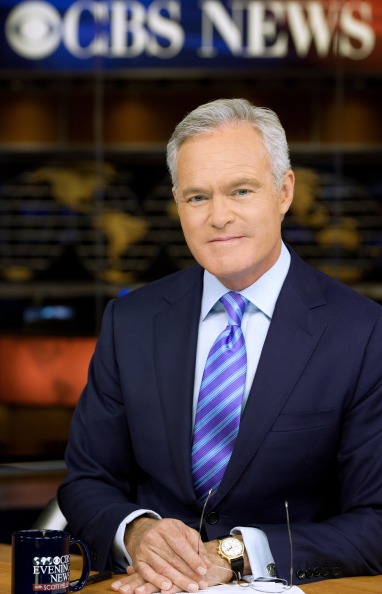
    Veteran journalist Scott Pelley, a prominent figure known for his extensive career at CBS News and his tenure as anchor for ’60 Minutes’, signed with Creative Artists Agency (CAA) in 2026 to explore new opportunities in the media landscape. This strategic move positions Pelley for future projects in documentaries, special reports, and other significant journalistic endeavors, signaling his continued commitment to the field after departing the ’60 Minutes’ primary anchor desk.

    The decision to join a major talent agency like CAA often precedes the announcement of new ventures. These could include long-form investigative series for streaming platforms, independent documentary productions, or high-profile speaking engagements. Pelley’s decades of experience and his established public profile make him a valuable asset in the competitive media environment.

    Pelley’s Distinguished Career at CBS News

    Scott Pelley’s career at CBS News spanned over three decades, establishing him as one of the network’s most recognized and respected journalists. He began his tenure in 1989 as a reporter based in New York, quickly gaining recognition for his coverage of major global events.

    His early assignments included comprehensive reporting on the Persian Gulf War in 1990. He also played a key role in covering the 1992 U.S. presidential campaign, demonstrating his versatility across hard news and political reporting.

    Rising Through the Ranks: From Reporter to Correspondent

    Pelley’s reporting assignments frequently took him to the front lines of significant international events. He covered conflicts in Iraq and Afghanistan, reported on natural disasters across the globe, and documented critical political developments from Washington D.C. to various world capitals. This extensive field experience solidified his reputation as a tenacious and thorough journalist.

    In 1997, Pelley achieved a significant career milestone by becoming a correspondent for ’60 Minutes’. This role placed him on one of television’s most iconic and prestigious news programs. His segments for ’60 Minutes’ consistently earned critical acclaim and garnered him multiple Emmy Awards, recognizing his impactful storytelling and investigative prowess.

    Anchoring the ‘CBS Evening News’

    Scott Pelley’s prominence at CBS News culminated in his appointment as anchor of the ‘CBS Evening News’ in 2011. He also served as the managing editor for the broadcast, a dual role that placed him at the forefront of daily network news operations. His leadership during this period was marked by a commitment to in-depth reporting and contextual analysis.

    During his time as the ‘CBS Evening News’ anchor, Pelley reported on a vast array of national and international stories. These included major U.S. presidential elections, significant economic shifts, and pivotal social movements. He frequently anchored the broadcast from various locations, often reporting directly from the scene of breaking news events, providing live updates and expert analysis.

    Transitioning from ’60 Minutes’

    Pelley’s primary anchor role on ’60 Minutes’ concluded in 2017. He stepped down from the ‘CBS Evening News’ to return to ’60 Minutes’ full-time as a correspondent, a transition he described as a desire to focus exclusively on long-form investigative journalism. This move allowed him to dedicate more time to the in-depth reporting that defines the program.

    His eventual departure from the ’60 Minutes’ correspondent roster marked a significant moment in broadcast journalism. The specifics of his exit were a subject of media discussion at the time, as is common for long-serving, high-profile personalities in network news. Such transitions reflect the evolving dynamics within major news organizations and the careers of veteran journalists.

    The Evolving Landscape of Broadcast Journalism

    The broadcast news industry has experienced profound transformations in recent years. The rise of digital platforms, shifts in audience consumption habits, and economic pressures have all reshaped traditional news operations. Veteran journalists like Pelley navigate this dynamic environment, seeking new avenues for their expertise.

    Many experienced broadcasters are transitioning to new roles or platforms outside of traditional network structures. Some pursue independent documentary work, leveraging their storytelling skills. Others engage in commentary, launch podcasts, or provide consulting services. The move to a talent agency like CAA often facilitates these new directions, connecting journalists with emerging opportunities.

    Creative Artists Agency (CAA): A Strategic Partnership

    Creative Artists Agency (CAA) stands as one of the world’s leading talent and sports agencies. Established in 1975, CAA boasts an expansive roster of clients across film, television, music, sports, and digital media. The agency’s global reach includes offices in major cities worldwide, providing unparalleled access to various industries.

    CAA’s services extend beyond simple representation. They encompass comprehensive career management, strategic marketing, and robust business development for their clients. The agency negotiates complex contracts, secures lucrative endorsements, and identifies innovative new opportunities. For a journalist of Pelley’s stature, CAA can open doors to diverse projects that transcend traditional network news roles.

    The Crucial Role of Talent Agencies in Modern Media

    Talent agencies play an increasingly crucial role in shaping modern media careers. They function as essential intermediaries between talent and production companies, broadcast networks, streaming services, and other content creators. Their expertise in contract negotiation, intellectual property rights, and industry trends is invaluable for high-profile individuals.

    For journalists, an agency can be instrumental in securing book deals, arranging high-profile speaking engagements, and facilitating roles in streaming documentaries or limited series. They also assist in developing personal brands and expanding influence across multiple digital and broadcast platforms. Pelley’s decision to join CAA aligns with this broader industry trend, positioning him strategically for future endeavors.

    Anticipated Future Endeavors for Scott Pelley

    The signing with CAA strongly suggests that Scott Pelley intends to remain a prominent voice in journalism and media. While specific projects have not yet been announced, his distinguished background and past work point to several likely paths. He could contribute to original content for major streaming services, which increasingly invest in high-quality news and documentary programming.

    Independent production companies specializing in non-fiction storytelling represent another probable avenue. Pelley’s extensive experience with in-depth reporting and long-form narratives for ’60 Minutes’ aligns perfectly with the demands of documentary filmmaking. He might also engage in special investigative series for various platforms, or pursue public speaking events that draw on his vast experience.

    Impact on the Broader Media Landscape

    Scott Pelley’s next steps will be closely observed by those tracking the future of broadcast journalism. His career has mirrored many of the significant shifts within the industry over the past three decades. His continued presence, now facilitated by CAA, will contribute to the evolving narrative of how news is produced, distributed, and consumed in the 21st century.

    The media ecosystem continues its rapid diversification. Established journalists are finding new platforms and connecting with new audiences beyond traditional networks. The move to CAA is a strategic and forward-thinking choice in this environment, effectively positioning Pelley for continued relevance and significant impact in the years to come.

    Journalists adapt. Agencies facilitate. Careers evolve.

    The landscape changes.

    Pelley moves forward.

    The Enduring Legacy of ’60 Minutes’

    ’60 Minutes’ remains a foundational pillar of American broadcast journalism. The program, which first debuted in 1968, possesses a long and storied history of impactful, agenda-setting reporting. It has featured numerous legendary correspondents and anchors who have shaped public discourse.

    Pelley’s contributions to the program are an integral part of this enduring legacy. His segments frequently tackled complex and difficult subjects with unwavering journalistic rigor and a commitment to factual accuracy. The show’s unique format, emphasizing in-depth investigations and long-form interviews, provided an ideal platform for his distinctive reporting style.

    ’60 Minutes’ and Its Continuing Influence

    The influence of ’60 Minutes’ extends far beyond its weekly broadcast. Its investigative reports have frequently led to policy changes, legal actions, and heightened public awareness of critical issues. The program has consistently set a high standard for broadcast journalism, influencing generations of reporters and news consumers.

    Pelley’s work on the program upheld this tradition, earning him accolades and solidifying his place in its history. Even as he embarks on new ventures, his contributions to ’60 Minutes’ will remain a significant part of his professional identity. The program continues to be a benchmark for quality in an increasingly fragmented media world.

  • James Carville’s ‘Stark Warning’ to Democrats: Navigating the Culture Wars

    James Carville’s ‘Stark Warning’ to Democrats: Navigating the Culture Wars

    James Carville’s Direct Message to the Democratic Party

    Veteran Democratic strategist James Carville recently delivered a ‘stark warning’ to the Democratic Party. His message centered on the party’s engagement with contemporary cultural issues. Carville asserted that certain progressive stances on these topics risk alienating a significant portion of the American electorate. He used the phrase ‘a bridge too far’ to describe these specific positions.

    Carville’s commentary, which circulated widely across political news outlets in 2026, highlighted a persistent strategic tension within the Democratic coalition. This tension involves balancing the pursuit of progressive ideals with the necessity of achieving broader electoral appeal. His intervention reignited discussions about the party’s messaging and its perceived distance from the concerns of everyday voters.

    The Context of Carville’s Warning

    James Carville has a long history of advising Democratic leaders. He is known for his direct communication style and his focus on electoral pragmatism. His career includes a prominent role in Bill Clinton’s 1992 presidential campaign. Carville has often advocated for a more centrist approach to win elections.

    His 2026 warning was not an isolated incident. Carville has previously voiced concerns about the Democratic Party’s messaging on various issues. These concerns frequently revolve around the party’s ability to connect with working-class voters and those outside of urban progressive enclaves. His consistent message urges a focus on economic issues over what he perceives as niche cultural debates.

    Defining ‘A Bridge Too Far’

    Carville’s specific examples of ‘a bridge too far’ were not explicitly detailed in all initial reports. However, his past critiques and the general tenor of political discourse in 2026 suggest certain areas. These likely include debates surrounding identity politics, specific language used in discussions of gender, and certain proposals related to social justice that are perceived as extreme by moderate voters.

    The term itself, ‘a bridge too far,’ originates from a military context. It signifies an objective that, while desirable, is strategically unattainable or comes with an unacceptable cost. In Carville’s political lexicon, this means pursuing policies or rhetoric that, despite appealing to a progressive base, severely hinder the party’s ability to win national or statewide elections.

    The Democratic Party’s Internal Debate

    Carville’s warning reflects a broader, ongoing debate within the Democratic Party. This debate pits the party’s progressive wing against its more moderate, pragmatic faction. The progressive wing often prioritizes advancing social justice causes and enacting transformative policy changes. The moderate wing typically emphasizes economic populism and broad-based appeals to a diverse electorate.

    This internal tension is not new. It has characterized the Democratic Party for decades, particularly since the 1960s. Figures like Carville often represent the faction that believes electoral success requires compromises on certain cultural fronts. They argue that focusing too heavily on issues that divide rather than unite can lead to electoral losses, as seen in various elections over the past decade.

    Electoral Implications of Cultural Messaging

    The strategic implication of Carville’s warning is electoral. He suggests that missteps in cultural messaging can cost Democrats votes, particularly in crucial swing states and districts. These are often areas where voters prioritize economic stability, healthcare access, and education over what they perceive as abstract cultural arguments.

    Polls and election results from recent cycles, including the 2024 general election, have sometimes indicated a disconnect between Democratic messaging and the concerns of some key demographic groups. Carville’s intervention seeks to rectify this by urging a recalibration of priorities. He advocates for a return to kitchen-table issues that resonate across a wider spectrum of the American populace.

    Historical Precedents and Similar Warnings

    Carville is not the first prominent Democrat to issue such a warning. Many strategists and former elected officials have, at various points, cautioned the party against perceived ideological overreach. This pattern often emerges after significant electoral defeats or during periods of internal party reflection.

    For example, after the 2004 presidential election, there was significant debate within the Democratic Party about its appeal to religious voters and rural communities. Similar discussions occurred after the 2016 election, focusing on the party’s connection with the white working class. Carville’s 2026 warning fits into this historical tradition of self-critique and strategic re-evaluation.

    The Role of Media in Amplifying Carville’s Message

    Carville’s warning gained significant traction through various media channels. News organizations, including Fox News, widely reported on his comments. This amplification meant his message reached a broad audience, including both Democratic and Republican voters, as well as independent observers.

    The nature of modern media, with its emphasis on political commentary and debate, ensures that such ‘stark warnings’ receive considerable attention. This can sometimes lead to a heightened sense of internal party division, even if the underlying strategic concerns are shared by many within the party.

    Potential Receptivity Within the Democratic Party

    The Democratic Party’s receptivity to Carville’s warning is varied. Some within the party, particularly those in competitive electoral districts, may find his message resonant. They often face the challenge of appealing to a diverse voter base that includes both staunch progressives and more conservative-leaning independents.

    Others within the party, especially those focused on mobilizing the progressive base, may view Carville’s comments as an attempt to dilute core values. They might argue that abandoning progressive stances would demoralize activists and fail to address systemic inequalities. This internal tension is a defining characteristic of the contemporary Democratic Party.

    Looking Ahead: The 2026 Midterm Elections and Beyond

    Carville’s warning carries particular weight in the lead-up to the 2026 midterm elections. These elections will be critical in determining control of the U.S. Congress and various state-level offices. How the Democratic Party navigates cultural issues and frames its message will likely impact its electoral performance.

    The strategist’s commentary serves as a call for strategic introspection. It encourages party leaders and candidates to carefully consider how their public statements and policy positions are perceived by the broader electorate. The challenge for Democrats will be to find a balance that energizes their base while also attracting swing voters necessary for victory.

    Strategists gathered. Commentators gathered. Voters gathered.

    Anticipation.

  • Deepfake Political Ads: A Growing Concern for the 2026 Midterm Elections

    Deepfake Political Ads: A Growing Concern for the 2026 Midterm Elections

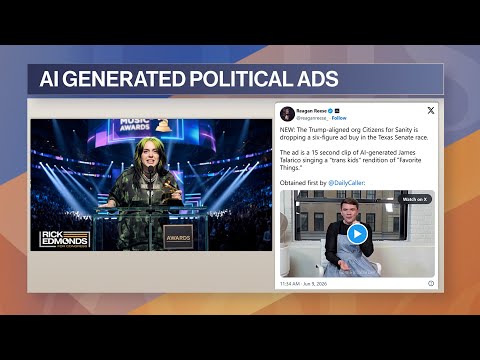
    The integrity of the 2026 midterm elections faces a significant challenge from the rise of AI-generated deepfake political advertisements. These sophisticated synthetic media pieces can manipulate public perception by presenting fabricated scenarios, statements, and endorsements, thereby undermining voter confidence and the democratic process.

    The technology allows for the creation of highly realistic audio and video content. This content can depict political figures saying or doing things they never did. The speed of dissemination through social media platforms exacerbates the problem.

    The Emergence of Deepfake Technology in Politics

    Deepfake technology, initially a niche concern, has rapidly evolved. Its origins trace back to academic research in generative artificial intelligence. Early iterations emerged in the late 2010s, primarily in entertainment and non-political contexts.

    The term “deepfake” combines “deep learning” with “fake.” This refers to the neural network architectures used to create the synthetic media. These networks are trained on vast datasets of images and audio. They learn to generate new content that closely resembles the original.

    By 2020, rudimentary political deepfakes began to appear. These early examples often featured noticeable glitches or inconsistencies. Public awareness of the technology grew. Its potential for misuse in political campaigns became a topic of discussion.

    The sophistication of deepfake algorithms has increased dramatically since then. Current AI models can produce highly convincing fakes. These are often indistinguishable from genuine media to the untrained eye.

    Impact on the 2026 Midterm Election Cycle

    The 2026 midterm elections represent a critical juncture for the deployment of deepfake technology. Campaigns are increasingly reliant on digital advertising. Social media platforms serve as primary conduits for political messaging.

    Deepfakes can be used to create attack ads that falsely portray opponents. They can also generate fake endorsements from prominent figures. This creates confusion among the electorate. It forces campaigns to spend resources debunking false narratives.

    One major concern is the potential for “October Surprises.” These are last-minute deepfakes released just before an election. They leave little time for factual corrections. This can sway undecided voters based on fabricated information.

    The rapid sharing capabilities of social media platforms amplify this risk. A deepfake can go viral within hours. Its impact can be irreversible even if later debunked.

    Voter Trust and Misinformation

    The spread of deepfake political ads directly impacts voter trust. When voters cannot reliably determine the authenticity of political content, cynicism increases. This erosion of trust can lead to decreased civic engagement.

    Misinformation campaigns leveraging deepfakes can target specific demographics. They can exploit existing societal divisions. This further polarizes the electorate. It makes reasoned political discourse more challenging.

    Fact-checking organizations face an uphill battle. The sheer volume of content makes verification difficult. The advanced nature of deepfakes makes detection complex. New tools are constantly needed to keep pace with the technology’s evolution.

    Legislative and Regulatory Responses

    Governments and regulatory bodies have begun to address the deepfake challenge. Several countries have enacted or proposed legislation. These measures aim to criminalize the creation or dissemination of malicious deepfakes.

    In the United States, some states have passed laws specifically targeting deepfakes in political campaigns. California’s AB 730, enacted in 2019, prohibits the distribution of deepfake videos of political candidates within 60 days of an election. Texas also passed a similar law, HB 3479, in the same year.

    At the federal level, discussions continue regarding comprehensive legislation. The DEEPFAKES Accountability Act and the Malicious Deepfake Prohibition Act have been introduced in Congress. These bills aim to establish federal standards and penalties. However, progress has been slow due to concerns about free speech and technical implementation.

    The European Union has taken a different approach. Its Digital Services Act (DSA), fully in effect as of February 2024, mandates platforms to take down illegal content, including certain types of deepfakes. It also requires transparency regarding AI-generated content.

    Challenges in Enforcement

    Enforcement of deepfake regulations faces significant hurdles. One challenge is the global nature of the internet. Deepfakes created in one country can easily spread across borders. This complicates jurisdiction and prosecution.

    Another issue is the technical difficulty of detection. AI models are constantly improving. Detection tools must evolve at an even faster pace. Watermarking and digital provenance technologies are being explored as potential solutions.

    The debate over intent also complicates legal action. Proving malicious intent behind a deepfake can be difficult. Distinguishing satire from deceptive content is another legal gray area.

    The Role of Technology Companies

    Technology companies, particularly social media platforms, play a crucial role. They are the primary distributors of political content. Their policies and actions directly influence the spread of deepfakes.

    Many platforms have updated their content policies. Meta, for example, prohibits misleading manipulated media. YouTube has similar policies against technically manipulated content that misleads users. X (formerly Twitter) also has rules against synthetic and manipulated media.

    These platforms employ AI-powered detection systems. They also rely on user reporting and third-party fact-checkers. However, the sheer volume of content makes complete moderation impossible.

    Calls for greater transparency are increasing. Advocates suggest platforms should label AI-generated content clearly. This would inform users about the synthetic nature of the media. It would empower them to make informed judgments.

    Developing Detection Tools

    Research into deepfake detection tools is ongoing. Several academic institutions and private companies are developing new algorithms. These tools analyze various digital artifacts. They look for inconsistencies in lighting, facial movements, and audio patterns.

    The Deepfake Detection Challenge, organized by Meta and other partners, spurred significant advancements. It encouraged researchers to develop robust detection methods. Progress has been made, but no perfect solution exists.

    The arms race between deepfake generators and detectors continues. As deepfake technology becomes more accessible, the need for effective detection becomes even more urgent.

    Ethical Considerations and Future Outlook

    The rise of deepfake political ads raises profound ethical questions. What constitutes acceptable political speech? How should society balance free expression with the need for factual accuracy?

    The potential for democratic subversion is clear. Deepfakes can be used to silence dissent. They can be employed to discredit legitimate journalists. This undermines the foundations of informed public discourse.

    Educating the public is a vital component of the response. Media literacy initiatives can help voters identify manipulated content. Critical thinking skills are essential in an era of abundant synthetic media.

    Looking ahead to the 2026 midterms and beyond, the deepfake challenge will intensify. Technological advancements will continue. The political landscape will remain contentious. A multi-faceted approach involving legislation, technology, and public education will be necessary.

    Policymakers debated. Technologists innovated. Citizens watched.

    Democracy.

    FAQ Section

    • What are AI deepfake political ads?
      AI deepfake political ads are synthetic media created using artificial intelligence that manipulate audio and video to depict political figures saying or doing things they never did. These ads are designed to mislead voters and spread misinformation during election campaigns.
    • Why are deepfakes a concern for the 2026 midterm elections?
      Deepfakes are a concern for the 2026 midterm elections because they can rapidly spread false information, manipulate voter perception, and erode public trust in political processes. Their high realism makes them difficult to distinguish from authentic content, posing a threat to electoral integrity.
    • How do deepfakes impact voter trust?
      Deepfakes impact voter trust by making it difficult for individuals to discern truth from falsehood in political communications. This uncertainty can lead to increased cynicism towards political figures and institutions, potentially reducing voter engagement and confidence in election outcomes.
    • What measures are being taken to combat deepfake political ads?
      Measures to combat deepfake political ads include legislative efforts at state and federal levels to criminalize malicious deepfakes, updated content policies by social media platforms, and ongoing research into advanced deepfake detection technologies. Public education on media literacy is also a crucial preventative measure.
    • Can deepfakes be reliably detected?
      While significant progress has been made in deepfake detection, no method is perfectly reliable. The technology for creating deepfakes is constantly evolving, leading to an ongoing “arms race” between creators and detectors. Researchers are developing new tools, but complete and instant detection remains a challenge.

  • Box Office: Toy Story 5 Soars, Supergirl Stumbles with $40M Debut

    Box Office: Toy Story 5 Soars, Supergirl Stumbles with $40M Debut

    “Toy Story 5” secured the top position at the U.S. box office this past weekend, earning an estimated $75 million. This strong showing marks its second week at number one. In contrast, the new DC Universe release, “Supergirl: Woman of Tomorrow,” debuted with an estimated $40 million. This figure is reportedly below initial industry expectations for a major superhero film, prompting immediate analysis of its performance.

    The contrasting results highlight current trends in the cinematic landscape. Established franchises continue to draw significant audiences, while new adaptations face increased scrutiny. The data, as of 2026-06-27, reflects preliminary estimates from box office trackers.

    Toy Story 5 Maintains Dominance

    The animated feature “Toy Story 5” demonstrated consistent audience appeal. Its estimated $75 million weekend gross brings its domestic total to over $250 million. This performance underscores the enduring popularity and brand loyalty associated with the Pixar franchise. The film’s critical reception has been largely positive, contributing to its sustained success.

    Analysts point to strong family turnout and repeat viewings as key drivers. The film was released across 4,200 theaters nationwide. Its second-weekend hold suggests positive word-of-mouth among moviegoers.

    Supergirl: Woman of Tomorrow’s Opening Weekend

    “Supergirl: Woman of Tomorrow” launched in approximately 3,800 domestic theaters. Its estimated $40 million opening weekend places it significantly behind earlier projections. Industry forecasts had anticipated an opening closer to $60-70 million for the new DC Universe installment. The film features Milly Alcock as Kara Zor-El, with James Gunn and Peter Safran serving as co-CEOs of DC Studios.

    This debut marks a critical point for the nascent DC Universe under its new leadership. The film’s budget has not been publicly disclosed, but superhero films typically carry substantial production and marketing costs. Comparisons are being drawn to other recent superhero releases, some of which also faced box office challenges.

    Factors Influencing Supergirl’s Performance

    Several factors are being considered in the assessment of “Supergirl: Woman of Tomorrow’s” box office. These include market saturation for superhero content, the film’s marketing campaign, and initial audience reactions. Social media sentiment and early critical reviews are also under examination.

    The film’s performance will be crucial for its long-term financial viability and the strategic planning of future DC projects. A strong second-weekend hold would indicate positive audience reception, potentially mitigating the softer opening. Conversely, a steep drop could signal deeper issues.

    The Broader Cinematic Landscape

    The disparity in performance between “Toy Story 5” and “Supergirl: Woman of Tomorrow” reflects a dynamic period for the film industry. Audiences are increasingly selective, gravitating towards established brands or critically acclaimed original content. The summer movie season of 2026 continues to unfold with varying degrees of success for major studio releases.

    Further financial breakdowns and studio responses are anticipated in the coming days. These will provide a more comprehensive picture of the economic impact of these films. The implications for franchise development and future release strategies are significant.

    Audiences chose. Studios observed. The market reacted.

    The box office.

  • Trump: Iran Violated Persian Gulf Ceasefire – Regional Tensions Rise

    Trump: Iran Violated Persian Gulf Ceasefire – Regional Tensions Rise

    On June 26, 2026, former President Donald Trump stated that Iran had violated a specific maritime ceasefire agreement in the Persian Gulf, a declaration that immediately intensified political interest and national security concerns regarding the Middle East.

    This assertion, made public on Friday, June 26, 2026, through a press release from his political action committee, Save America, highlights persistent instability in a region already grappling with multifaceted conflicts.

    The ceasefire referenced by Trump pertained to naval activities and vessel movements in the strategic waters of the Persian Gulf, near the critical Strait of Hormuz.

    Such pronouncements from a former U.S. President carry significant weight on the international stage, often influencing public opinion and diplomatic strategies.

    What looks like a sudden declaration is often part of a long-standing, complex narrative of regional power struggles and international maritime security.

    The Immediate Aftermath of the Statement

    The statement by Donald Trump quickly circulated through political and media channels. It prompted immediate reactions from analysts and policymakers.

    Concerns focused on the potential for escalation in an already volatile region. The precise nature of the alleged violation remained a subject of intense speculation.

    Governments and international bodies often respond cautiously to such claims. They typically seek independent verification before issuing official condemnations or actions.

    The lack of immediate, detailed specifics about the alleged violation, beyond its general location and nature, left room for various interpretations and calls for clarity from the United Nations and regional naval commands.

    Calls for Verification and Clarification

    Following Trump’s statement, several international bodies and allied nations called for immediate verification. A spokesperson for the United Nations Secretary-General, António Guterres, indicated that the UN was monitoring the situation closely and urged all parties to exercise restraint.

    The U.S. Fifth Fleet, based in Bahrain, which oversees naval operations in the Persian Gulf, did not immediately comment on the specifics of the alleged violation. However, it reiterated its commitment to ensuring freedom of navigation.

    Analysts from the International Crisis Group noted that any verifiable breach of a maritime ceasefire in this area could significantly impact oil prices and global trade routes, highlighting the economic stakes involved.

    Historical Context of Iran’s Ceasefire Engagements

    Iran has been a signatory or party to numerous agreements and understandings throughout its modern history. These range from formal treaties to informal ceasefires.

    Many of these agreements aim to de-escalate conflicts in the Middle East. They often involve proxies or regional allies.

    Landmark Ceasefires and Agreements

    One notable historical instance includes the 1988 ceasefire that ended the Iran-Iraq War. This was brokered by the United Nations Security Council Resolution 598, marking a significant de-escalation after years of conflict.

    More recently, Iran has been involved in various discussions and agreements concerning the Syrian Civil War and conflicts in Yemen. These often involve Russia, Turkey, and other regional actors, demonstrating Iran’s multifaceted engagement in regional security.

    The Joint Comprehensive Plan of Action (JCPOA), signed in 2015, was a landmark diplomatic agreement. It addressed Iran’s nuclear program in exchange for sanctions relief, although not a ceasefire, it aimed to reduce regional tensions by limiting a potential flashpoint. The United States withdrew from the JCPOA in 2018 under the Trump administration, impacting its long-term stability.

    Maritime Security and the Strait of Hormuz

    The Persian Gulf, and especially the Strait of Hormuz, is a critical choke point for global oil shipments. Approximately 20% of the world’s petroleum passes through this strait daily.

    Incidents involving Iranian Revolutionary Guard Corps (IRGC) vessels and international shipping, particularly U.S. Navy ships, have occurred repeatedly over the past decades. These have often led to heightened tensions and calls for de-escalation.

    Past informal agreements or understandings have sometimes been established to prevent accidental escalation, particularly during periods of increased naval exercises or geopolitical friction. The alleged ceasefire violation by Iran would fall into this sensitive category of maritime security.

    The Role of Former Presidents in Foreign Policy

    Former U.S. Presidents retain a unique platform on the global stage. Their statements can influence public discourse and international relations.

    Donald Trump, in particular, continues to be a prominent figure in American politics. His views on foreign policy are closely watched, especially given his past presidency and potential future political ambitions.

    Impact on Current Diplomacy

    Statements from former leaders can sometimes complicate current diplomatic efforts. They can also signal potential future policy directions if that individual were to return to office.

    This is especially true in sensitive regions like the Middle East. Here, every public utterance is scrutinized for its implications by both allies and adversaries.

    The current U.S. administration, led by President Joe Biden, has pursued a different diplomatic approach to Iran, including efforts to revive the JCPOA. A statement from a former president, particularly one critical of Iran, could potentially undermine these ongoing diplomatic overtures.

    Middle East Stability: A Continuous Challenge

    The Middle East remains a region of significant geopolitical complexity. Conflicts involve a multitude of state and non-state actors.

    Key players include Iran, Saudi Arabia, Israel, Turkey, and various militant groups. Each has its own interests and alliances, often leading to proxy conflicts across the region.

    Fragility of Ceasefire Agreements

    Ceasefire agreements are frequently negotiated in an attempt to halt hostilities. However, adherence to these agreements is often tenuous, particularly when underlying political grievances remain unresolved.

    Violations, whether alleged or confirmed, can quickly reignite conflicts. They can also undermine trust between negotiating parties, making future diplomatic breakthroughs more challenging.

    International organizations, such as the United Nations, often play a critical role in monitoring ceasefires. They also facilitate dialogue between adversaries, acting as neutral arbiters in complex disputes.

    Potential Ramifications of Trump’s Claim

    The assertion by Donald Trump could have several immediate and long-term effects on regional dynamics and international relations.

    Geopolitical Consequences

    Firstly, it could embolden regional adversaries of Iran, such as Saudi Arabia and Israel. They might interpret the statement as support for a harder line against Tehran’s regional influence and maritime activities.

    Secondly, it could complicate ongoing diplomatic efforts by the Biden administration. These efforts often seek to de-escalate tensions and find peaceful resolutions through multilateral engagement.

    Thirdly, it may influence public opinion in the United States and abroad. It could shape perceptions of Iran’s reliability as a negotiating partner, particularly concerning its adherence to international maritime law.

    Finally, it could set the stage for future policy debates. These debates might focus on military options or renewed sanctions against Iran, especially concerning its naval posture in the Persian Gulf.

    Iran’s Regional Activities and International Scrutiny

    Iran’s foreign policy is characterized by its support for various regional groups. These include Hezbollah in Lebanon, Houthi rebels in Yemen, and various militias in Iraq and Syria.

    These actions are often viewed by the U.S. and its allies as destabilizing. They are frequently cited as reasons for international sanctions and diplomatic pressure, particularly related to Iran’s ballistic missile program and alleged transfers of advanced weaponry.

    Iran maintains that its regional involvement is defensive. It also states that it aims to counter external threats and support its allies in the face of perceived Western and regional aggression.

    The alleged ceasefire violation in the Persian Gulf would be viewed within this broader context of Iran’s regional footprint. It would be seen as a continuation of its assertive foreign policy aimed at projecting power in its immediate maritime neighborhood.

    The Role of International Monitoring Bodies

    When ceasefires are established, international monitoring bodies are often deployed. These bodies assess compliance and report violations to the international community.

    Verification Mechanisms

    Organizations like the United Nations Truce Supervision Organization (UNTSO) have long histories in the region. They provide impartial observation and reporting on compliance with various agreements.

    The specific maritime ceasefire mentioned by Trump would likely involve monitoring by international naval forces or specialized UN missions. This would allow for independent verification of any alleged breaches through radar, satellite imagery, and on-site inspections if permitted.

    The credibility of such claims often hinges on the reports from these monitoring groups. Their findings can either corroborate or contradict political statements, providing crucial evidence for diplomatic responses or punitive actions.

    Geopolitical Alignments and Shifting Power Dynamics

    The Middle East is currently experiencing significant shifts in geopolitical alignments. The Abraham Accords, for example, normalized relations between Israel and several Arab nations, creating new regional alliances that often view Iran as a primary threat.

    Regional Rivalries and Alliances

    The ongoing rivalry between Iran and Saudi Arabia continues to shape regional politics. Both nations compete for influence across the Gulf, often through proxy conflicts and economic leverage.

    The presence of international naval forces, particularly from the United States and its allies, adds another layer of complexity to the Persian Gulf’s security landscape. These forces often conduct joint exercises to deter aggression and ensure maritime freedom.

    Any confirmed violation of a ceasefire by Iran would undoubtedly be interpreted through the lens of these complex geopolitical alignments. It would likely lead to increased calls for a stronger international presence and more robust enforcement mechanisms in the region.

    The stability of global energy markets depends heavily on the security of the Persian Gulf. Any disruption, real or perceived, has far-reaching economic implications.

    Diplomats gathered. Naval commanders gathered. Energy traders gathered.

    Anticipation.

  • Teletubbies at Cannes: The Brand Activism Debate

    Teletubbies at Cannes: The Brand Activism Debate

    The Teletubbies, globally recognized children’s characters, appeared at the 2026 Cannes Lions International Festival of Creativity’s Canva Beach Pride Party. They danced in support of LGBTQ+ rights. This event, occurring on June 20, 2026, generated immediate and widespread discussion across social media, news outlets, and cultural commentary.

    Their participation marked a notable moment in the ongoing intersection of popular culture, brand marketing, and social advocacy. The decision to feature the characters in this context was made by WildBrain, the company that owns and manages the Teletubbies franchise. WildBrain aimed to position the brand as inclusive and aligned with contemporary social values.

    The Setting: Cannes Lions 2026

    Cannes Lions is an annual event held in Cannes, France. It is renowned as the world’s largest gathering for the creative and marketing communications industry. The festival attracts advertising executives, brand managers, and media professionals from around the globe.

    The 2026 iteration of the festival took place from June 17 to June 21, with various associated events and parties extending beyond the official dates. The Canva Beach Pride Party was one such ancillary event, hosted by the Australian graphic design platform Canva. These events often serve as networking opportunities and showcases for sponsoring brands.

    Beach parties are a common feature of Cannes Lions. They frequently combine entertainment with brand promotion and, increasingly, social messaging. Brands leverage these platforms to communicate their values and connect with diverse audiences.

    Canva’s Presence at Cannes

    Canva, a graphic design platform, maintained a significant presence at the 2026 Cannes Lions festival. The company hosted multiple events, including the Beach Pride Party. This particular event was designed to highlight Canva’s commitment to diversity, equity, and inclusion.

    Canva’s marketing team, led by Chief Marketing Officer Zach Kitschke, emphasized the importance of authentic brand representation. The company utilized its platform at Cannes to showcase its corporate values, aiming to resonate with a global creative audience. The Beach Pride Party served as a high-profile demonstration of these commitments.

    The Teletubbies’ Evolving Role in Culture

    The Teletubbies characters, Tinky Winky, Dipsy, Laa-Laa, and Po, first debuted in 1997. They were created by Anne Wood and Andrew Davenport for the BBC. The show quickly gained international popularity for its distinctive visual style and child-friendly content, broadcast in over 120 countries.

    Over the decades, the franchise has been owned by various entities. WildBrain acquired the Teletubbies brand in 2019. The company has since sought to revitalize the property for new generations and expand its reach through various media, including a 2022 Netflix series. This expansion included exploring new avenues for brand engagement.

    The characters have historically been associated with themes of inclusivity and acceptance, albeit often interpreted through a lens of childhood innocence. Their appearance at the Canva Beach Pride Party represents a more explicit alignment with a specific social movement. This move signals a deliberate strategy by WildBrain to broaden the brand’s cultural relevance beyond its traditional preschool audience.

    WildBrain’s Strategic Direction

    WildBrain, headquartered in Halifax, Nova Scotia, manages a vast portfolio of children’s content. Their strategy for the Teletubbies in 2026 involved repositioning the brand for a contemporary audience. This included leveraging the characters’ inherent association with joy and acceptance in new contexts.

    The decision to participate in the Cannes Lions Pride event was part of a broader marketing push. WildBrain aimed to demonstrate the Teletubbies’ enduring appeal and their capacity to represent modern values. CEO Eric Ellenbogen previously articulated a vision for WildBrain properties to be ‘evergreen and ever-relevant.’ The Cannes appearance was a manifestation of this vision.

    Canva’s Engagement with Pride

    Canva, a company valued at over $26 billion as of 2023, has a history of supporting LGBTQ+ initiatives. The platform offers numerous templates and resources for Pride-related content creation. Its presence at Cannes Lions often includes events designed to promote its brand values and engage with the creative community.

    The Canva Beach Pride Party was organized as part of the festival’s broader efforts to promote diversity and inclusion. Many companies at Cannes Lions leverage their platforms to engage with social causes, seeking to connect with audiences on a deeper, values-driven level. This approach is increasingly common among technology and creative brands.

    Sponsorships and events like these are part of a larger corporate strategy known as purpose-driven marketing. Brands aim to demonstrate their commitment to social issues, often appealing to younger demographics who prioritize corporate social responsibility. Canva’s participation aligns with its publicly stated commitment to fostering an inclusive global community.

    The Role of Purpose-Driven Marketing

    Purpose-driven marketing has become a cornerstone of many corporate strategies in 2026. Consumers, particularly Gen Z and Millennials, increasingly expect brands to take stances on social issues. Companies like Canva invest in these initiatives not just for public relations, but to build deeper connections with their customer base and attract talent.

    The Cannes Lions festival itself has evolved to reflect this trend. Sessions and awards increasingly focus on campaigns that demonstrate social impact alongside creative excellence. The Teletubbies’ appearance at the Canva event was a high-profile example of this convergence, drawing attention to both the brand’s message and the marketing strategy behind it.

    The Performance and Public Reaction

    During the party, performers dressed as the Teletubbies danced on stage and interacted with attendees. Visuals shared online showed the characters in a festive, celebratory atmosphere, consistent with a Pride event. The specific choreography and messaging were designed to be overtly supportive of LGBTQ+ rights, featuring rainbow colors and inclusive gestures.

    Initial reactions were polarized. Supporters praised WildBrain and Canva for using a beloved children’s brand to promote messages of inclusion and acceptance. They viewed it as a positive step towards normalizing LGBTQ+ identities for a wider audience. Advocates like Sarah Kate Ellis, CEO of GLAAD, commended the brands for their visible allyship.

    Critics, however, expressed concern about what they perceived as the politicization of children’s characters. Some argued that such explicit advocacy was inappropriate for a brand primarily associated with preschool entertainment. This perspective often centered on the idea that children’s content should remain neutral on social issues. Conservative commentators, such as Ben Shapiro, voiced strong opposition to the move, sparking widespread debate on social media platforms like X (formerly Twitter).

    The Culture War Context of 2026

    The event occurred amidst a broader cultural environment marked by ongoing debates about LGBTQ+ rights and representation. In 2026, discussions around gender identity, sexual orientation, and their portrayal in media remain prominent. These discussions often involve intense scrutiny of corporate involvement.

    The Teletubbies’ involvement at Cannes Lions became a flashpoint in these discussions. It highlighted the tension between brands seeking to align with progressive values and segments of the public who resist such alignments, particularly when children’s media is involved. This tension is not new; other brands and public figures have faced similar backlashes and endorsements when engaging with LGBTQ+ themes. The Teletubbies’ established global recognition amplified the reach and intensity of this particular debate, making it a prominent example of brand activism in action.

    Brand Strategy and Audience Engagement

    From a brand strategy perspective, the Teletubbies’ appearance at Cannes Lions was a calculated move. It aimed to generate significant media attention and position the brand as forward-thinking and inclusive. WildBrain understood the potential for both positive and negative reactions, but prioritized visibility and alignment with progressive values.

    For WildBrain, this could attract new audiences and reinforce existing connections with consumers who value social advocacy. The visibility gained at an event like Cannes Lions can translate into increased brand relevance and commercial success, despite potential controversy. The company’s internal analysis likely weighed these factors, concluding that the benefits of increased brand salience outweighed the risks of alienating a segment of the audience.

    However, the strategy also carries risks. Alienating a segment of the audience, particularly parents, could have long-term consequences for a children’s brand. The balance between social messaging and broad appeal is a constant challenge for marketers in the current climate. This incident served as a reminder that brand activism, while potentially rewarding, requires careful navigation of public sentiment and cultural divides.

    Measuring the Impact

    Measuring the true impact of such an event involves analyzing various metrics. These include social media engagement, media mentions, brand sentiment analysis, and ultimately, consumer purchasing behavior. For WildBrain and Canva, the immediate goal was likely to generate buzz and reinforce their brand identities.

    Long-term effects would involve tracking brand loyalty and market share among target demographics. The debate surrounding the Teletubbies’ appearance contributed to a broader conversation about corporate responsibility and the changing expectations of consumers. This ongoing discussion shapes future marketing strategies across industries.

    The Broader Implications for Media and Culture

    The incident at Cannes Lions contributes to a larger conversation about the role of media and entertainment in shaping cultural norms. It asks whether children’s characters should remain apolitical or actively participate in social movements. This question resonates deeply within educational and parenting communities.

    The event also underscores the power of cultural icons to convey messages beyond their original intent. The Teletubbies, originally designed for early childhood development, now find themselves at the center of adult-driven cultural debates. Their presence at a global advertising festival signifies a shift in how beloved characters are utilized in modern marketing.

    Ultimately, the 2026 Teletubbies appearance at the Canva Beach Pride Party at Cannes Lions serves as a case study. It illustrates the complexities of brand activism. It highlights the shifting landscape of corporate social responsibility. It demonstrates the enduring power of popular culture to spark dialogue. It reveals the ongoing tension between universal appeal and targeted messaging. It showcases the evolving role of children’s brands in a politically charged world.

    Brands must navigate. Consumers must choose. Culture must adapt. Debate must continue.

    The Teletubbies danced.

  • We Can’t Stay Here: Documenting ‘Gender Refugees’ in ‘Anti-Trans America’

    We Can’t Stay Here: Documenting ‘Gender Refugees’ in ‘Anti-Trans America’

    The documentary film We Can’t Stay Here, produced by Wrong Turn Productions in 2026, examines the experiences of individuals whom the filmmakers designate as ‘gender refugees’ within the contemporary United States. This film frames the national environment as ‘Anti-Trans America,’ detailing the pressures that compel transgender and gender non-conforming individuals to either resist, relocate, or conceal their identities. It delves into the personal narratives behind these difficult decisions, offering a focused look at the societal and legislative forces at play in 2026.

    This production aims to engage audiences by presenting a narrative centered on cultural defense. It seeks to provoke reflection on current societal values and the tangible effects of legislative policies on gender identity. The term ‘gender refugees’ itself, as used by the documentary, underscores a perceived urgency and severity of the challenges faced by this community.

    The Concept of ‘Gender Refugees’ in the Film

    The term ‘gender refugees’ is central to the documentary’s premise. Wrong Turn Productions uses this term to suggest that certain individuals are displaced or forced into difficult circumstances within their own country due to their gender identity. This displacement, as depicted in the film, can be physical. It involves relocation to states or cities perceived as more accepting. It can also be social, leading to a withdrawal from public life or a concealment of identity.

    The documentary explores how legislative actions across various U.S. states contribute to this phenomenon. These actions, as highlighted in the film, include restrictions on gender-affirming care, limitations on public restroom access, and prohibitions on discussing gender identity in schools. Such laws are presented as creating hostile environments that necessitate difficult choices for affected individuals and their families.

    Legislative Landscapes and Their Impact on Transgender Rights

    By 2026, numerous states have enacted legislation impacting transgender rights. These laws vary significantly in scope and severity across the United States. Some states have passed outright bans on gender-affirming care for minors. Other jurisdictions have introduced bills that restrict transgender adults’ access to healthcare or public facilities. These legislative trends form a critical backdrop for the experiences documented in We Can’t Stay Here.

    Restrictions on Gender-Affirming Care

    A significant focus of the film is on laws restricting gender-affirming care. As of 2026, over twenty states have enacted laws that ban or severely limit access to gender-affirming care for minors. These legislative efforts often cite concerns about irreversible medical procedures and the age of consent. Medical organizations such as the American Academy of Pediatrics and the Endocrine Society generally support access to age-appropriate gender-affirming care. The documentary explores the conflict between these medical guidelines and state-level prohibitions.

    Public Accommodations and Identity Documentation

    Beyond healthcare, the film addresses legislation impacting public accommodations. Several states have introduced or passed laws that restrict bathroom access for transgender individuals, mandating use of facilities corresponding to assigned sex at birth. Other legislative proposals, also explored in the documentary, concern the ability of transgender individuals to update identity documents, such as birth certificates and driver’s licenses, to reflect their affirmed gender. These restrictions, according to the film, contribute to the sense of displacement experienced by ‘gender refugees’.

    Educational Policies and Speech Restrictions

    The documentary also examines policies within educational settings. Laws in some states prohibit the discussion of gender identity in classrooms or require school staff to inform parents if a student expresses a different gender identity. These policies, as presented by Wrong Turn Productions, create environments where transgender and gender non-conforming students may feel unsafe or unsupported. The film likely features interviews with students, parents, and educators navigating these complex and often contentious regulations.

    The documentary likely features interviews with individuals directly affected by these laws. These personal accounts illustrate the daily challenges, the emotional toll, and the practical implications of living under such restrictions. The film positions these individuals not merely as subjects, but as testaments to resilience in the face of adversity.

    Wrong Turn Productions’ Vision for the Documentary

    Wrong Turn Productions has undertaken this project with a stated aim to highlight a specific social issue. Their choice of the title, We Can’t Stay Here, conveys a sense of urgency and desperation. The production company’s focus on ‘cultural defense sensibilities’ indicates an intention to engage viewers on an emotional and values-based level. It suggests a call to examine and potentially defend certain social norms or, conversely, to advocate for change.

    The documentary aligns with a broader trend in independent filmmaking that addresses contemporary social justice issues. Such films often serve as a platform for marginalized voices. They aim to inform the public and influence public discourse. Wrong Turn Productions is contributing to this ongoing conversation with their latest work. The company has previously produced documentaries on environmental justice and indigenous rights, indicating a consistent focus on social impact storytelling.

    The Narrative Arc: Fight, Flee, or Go Underground

    The film’s central thesis posits three primary responses for ‘gender refugees’ in ‘Anti-Trans America’: to fight, to flee, or to go underground. Each of these paths represents a distinct strategy for survival and self-preservation in a perceived hostile environment.

    • Fighting: This involves activism, legal challenges, and public advocacy. Individuals might join advocacy groups such as the Human Rights Campaign or the ACLU, participate in protests, or contribute to lawsuits challenging discriminatory laws. This path emphasizes direct confrontation and resistance against perceived injustices, aiming for systemic change.
    • Fleeing: This refers to geographic relocation. Individuals and families might move from states with restrictive laws to those with more protective or inclusive policies. Examples include families relocating from states like Florida or Texas to states like California or Massachusetts, which have enacted explicit protections for transgender rights. This often entails significant personal and financial sacrifice, disrupting established lives and communities.
    • Going Underground: This describes the act of concealing one’s gender identity or disengaging from public life to avoid discrimination or harm. This can involve ceasing gender-affirming practices, adopting a more discreet presentation, or withdrawing from social interactions that might reveal one’s identity. This path prioritizes personal safety and privacy over public expression, often leading to isolation and mental health challenges.

    Each of these responses carries its own set of challenges and implications. The documentary likely explores the nuances of each choice, presenting the motivations and consequences through personal stories. These narratives provide a human face to the broader legislative and social trends.

    Resonating with Diverse Audiences

    The documentary’s subject matter is designed to resonate with specific audience segments. Those concerned with civil liberties and human rights will likely find the film compelling. Individuals who identify as allies of the LGBTQ+ community will also be a key demographic. The film aims to foster empathy and understanding for the experiences of transgender and gender non-conforming individuals.

    The concept of ‘cultural defense’ in the context of this film suggests an appeal to shared values. It asks audiences to consider what kind of society they wish to inhabit and what protections should be afforded to all individuals, regardless of gender identity. The film is positioned to contribute to ongoing public debates about identity, rights, and societal acceptance. It also seeks to engage those who may not be directly affected but are interested in social justice narratives.

    The Broader Context of Anti-Trans Sentiment in 2026

    The phrase ‘Anti-Trans America’ used by the documentary reflects a perspective on the current socio-political climate. This perspective argues that there is a significant and growing opposition to transgender rights and visibility in the United States. This opposition manifests in various forms, from legislative efforts to social rhetoric and discrimination. The film aims to document and contextualize these manifestations.

    Political Polarization and Transgender Issues

    Transgender rights have become a highly polarized political issue in the United States by 2026. Political campaigns frequently incorporate stances on gender-affirming care, sports participation for transgender athletes, and parental rights concerning gender identity. The documentary likely explores how this political polarization contributes to the challenges faced by transgender individuals and their families. It may feature analysis from political scientists or legal experts on the origins and impacts of this division.

    Media Representation and Public Perception

    The film also touches upon the role of media in shaping public perception of transgender people. Negative or misinformed media representations can fuel prejudice and contribute to a hostile environment. Conversely, positive and accurate portrayals can foster understanding and acceptance. We Can’t Stay Here likely examines how media narratives influence the ‘Anti-Trans America’ landscape it describes, and how these narratives impact the lives of those featured in the film.

    Impact on Mental Health and Well-being

    Living in an environment perceived as ‘Anti-Trans America’ has documented consequences for mental health. Studies from organizations like The Trevor Project consistently report higher rates of anxiety, depression, and suicidal ideation among transgender youth, particularly in states with restrictive policies. The documentary aims to highlight these human costs, connecting legislative actions and social sentiment directly to individual well-being. It seeks to underscore the urgency of creating more supportive and inclusive environments.

    The film does not merely present a problem. It aims to provoke thought. It offers a narrative from the perspective of those directly affected. It challenges viewers to consider the implications of current trends. It seeks to inspire dialogue. It presents a stark reality. It asks what comes next.

    Understanding. Compassion. Action.

  • Ebola in 2026: ‘America First’ Challenges Global Health Security

    Ebola in 2026: ‘America First’ Challenges Global Health Security

    The 2026 Ebola outbreak in Africa has reignited the global debate surrounding the ‘America First’ health strategy. This policy framework prioritizes domestic interests and national sovereignty in the face of international health crises. The approach gained prominence during the 2017-2021 Trump administration. It emphasizes securing U.S. borders and resources while often scaling back engagement with multilateral health organizations and foreign aid. The current Ebola crisis provides a significant real-world test for the effectiveness and implications of such a nationalistic stance on global public health.

    Public health officials and policymakers have been prompted to re-evaluate the balance between national security and international collaboration in pandemic preparedness. The ‘America First’ doctrine posits that a strong domestic health infrastructure and secure borders are the primary defense against global health threats. This perspective often translates into a focus on internal resource allocation rather than extensive contributions to international disease surveillance and response mechanisms.

    The current Ebola situation in Africa underscores the interconnectedness of global health. No nation, including the United States, can remain entirely insulated from infectious disease outbreaks originating elsewhere. The policy debate now centers on whether a unilateral ‘America First’ approach adequately protects U.S. citizens in a globally integrated world.

    Origins of “America First” in Health Policy

    The ‘America First’ health strategy emerged as a distinct policy during the 2017-2021 Trump administration. Its core tenets involved a re-evaluation of the United States’ role in global institutions, including those dedicated to public health. The administration advocated for a reduction in financial contributions to organizations like the World Health Organization (WHO).

    This shift was often framed as an effort to ensure U.S. taxpayer dollars were spent more efficiently and directly on American citizens. The underlying philosophy suggested that other nations should bear a greater share of the burden for global health initiatives. This approach marked a departure from decades of U.S. leadership in international health diplomacy and funding.

    Key policy actions included proposed budget cuts to the Centers for Disease Control and Prevention (CDC) global health programs and a general skepticism towards international treaties and agreements. The administration’s rhetoric frequently highlighted the importance of national sovereignty in health decision-making. This included decisions regarding vaccine development, pharmaceutical supply chains, and border health controls. The administration also initiated the withdrawal of the United States from the WHO in July 2020, though this decision was later reversed by the Biden administration in January 2021.

    Defining “America First” Health Principles

    The ‘America First’ health strategy was characterized by several key principles. These included prioritizing domestic public health infrastructure, securing national borders against disease transmission, and re-evaluating the financial contributions to international health bodies.

    Another principle was the emphasis on bilateral agreements over multilateral ones, allowing the U.S. to negotiate terms directly with individual nations. This approach aimed to maximize perceived national benefit and control over health aid distribution. The focus remained on what was deemed immediately beneficial to U.S. health and economic interests.

    The strategy also promoted U.S. pharmaceutical innovation and domestic manufacturing capabilities. This was intended to reduce reliance on foreign supply chains for essential medicines and medical equipment. The goal was to ensure American access to critical health resources, especially during a global crisis.

    The Ebola Threat: A 2026 Perspective

    The 2026 Ebola outbreak, centered in a specific region of Africa, presents a critical challenge to global health systems. Ebola virus disease, known for its high fatality rate and rapid spread, requires swift and coordinated international action to contain. The current strain has shown characteristics that necessitate a robust, multi-national response.

    Epidemiologists and infectious disease specialists have underscored the need for rapid diagnostic deployment, contact tracing, and vaccine distribution. The geographical location of the outbreak, coupled with existing healthcare infrastructure challenges in affected areas, complicates containment efforts. International aid organizations and national health agencies are mobilizing resources.

    The World Health Organization has issued urgent calls for global solidarity and financial support. These calls are directed at member states to bolster their contributions to the global response fund. The outbreak’s trajectory remains a subject of intense monitoring by health authorities worldwide.

    Specifics of the 2026 Outbreak

    The 2026 Ebola outbreak was first identified in the Democratic Republic of Congo in March 2026. Initial cases were confirmed in the North Kivu province, a region with a history of Ebola outbreaks and ongoing humanitarian challenges. The specific variant of the Ebola virus detected is still under analysis, but early reports indicate a high transmissibility rate.

    As of June 2026, the outbreak has resulted in over 300 confirmed cases and 150 reported fatalities. Efforts to vaccinate at-risk populations are underway, utilizing the rVSV-ZEBOV vaccine, which has proven effective in previous outbreaks. However, logistical challenges, including cold chain maintenance and community engagement, persist.

    Neighboring countries, including Uganda and Rwanda, have increased border surveillance and preparedness measures. The African Centres for Disease Control and Prevention (Africa CDC) is coordinating regional response efforts, emphasizing cross-border collaboration and data sharing. The international community’s response capacity is being tested by this rapidly evolving situation.

    Impact on Global Health Initiatives

    The ‘America First’ health strategy has demonstrably altered the landscape of global health initiatives. Reduced U.S. financial contributions and diplomatic engagement have created funding gaps for various programs. These programs include disease surveillance, vaccine research, and healthcare infrastructure development in vulnerable nations.

    Organizations dependent on U.S. funding have been forced to seek alternative sources or scale back operations. This has impacted efforts to combat diseases such as HIV/AIDS, tuberculosis, and malaria, in addition to emerging infectious threats. The strategy has also fostered an environment where other nations may be less inclined to commit significant resources, perceiving a retreat from shared responsibility.

    Critics argue that a weakened global health infrastructure ultimately poses a risk to the United States itself. Pathogens do not respect national borders. A robust international surveillance and response system is considered essential for early detection and containment, preventing diseases from reaching American shores. This interconnectedness forms the basis of arguments for sustained U.S. leadership in global health.

    Funding Reductions and Their Consequences

    Specific examples of funding reductions under the ‘America First’ framework included proposed cuts to the President’s Emergency Plan for AIDS Relief (PEPFAR) during the 2017-2021 period. Reduced allocations to the Global Fund to Fight AIDS, Tuberculosis and Malaria were also considered. While some cuts were mitigated by congressional action, the intent to reduce international health spending was clear.

    These reductions have direct consequences for frontline health workers and vulnerable populations. Essential medicines, diagnostic tests, and public health campaigns become harder to sustain. The capacity of local health systems to respond to routine health challenges, let alone an Ebola outbreak, is diminished.

    The long-term effects of such disinvestment can include a resurgence of preventable diseases and a decreased ability to train and retain skilled health professionals in low-income countries. This creates a cycle of vulnerability that is difficult to break. For example, a 2018 report by the Kaiser Family Foundation noted that proposed cuts could impact over 14 million people receiving HIV treatment through PEPFAR.

    “America First” vs. Global Health Security

    The fundamental tension lies between the ‘America First’ emphasis on national health security and the concept of global health security. National health security prioritizes the protection of a nation’s own population through domestic measures. This includes robust healthcare systems, biodefense capabilities, and strict border controls.

    Global health security, conversely, posits that no nation is truly secure from health threats unless all nations are secure. It advocates for cooperative international efforts to prevent, detect, and respond to infectious diseases wherever they emerge. This approach views global health as a shared responsibility requiring coordinated investment and collaboration.

    The debate is not merely philosophical. It has practical implications for how resources are allocated, how international partnerships are formed, and how quickly the world can react to novel pathogens. The 2026 Ebola outbreak serves as a stark reminder of these divergent philosophies in action.

    The Argument for Global Health Security

    Proponents of global health security emphasize that infectious diseases do not recognize national borders. An outbreak in one part of the world can quickly become a threat to another, as demonstrated by the COVID-19 pandemic. Investing in global health initiatives is seen as a proactive measure to protect domestic populations.

    This perspective argues that strong surveillance systems in developing countries can act as an early warning system for new pathogens. Funding for research and development of vaccines and treatments benefits everyone, regardless of where the research takes place. Collaborative efforts also build trust and diplomatic ties, which are crucial during international crises.

    Organizations like the World Health Organization and the Global Fund are critical components of this global health security architecture. Their work involves coordinating responses, setting international health standards, and providing technical assistance to low-resource settings. Reduced engagement with these bodies can create dangerous gaps in the global defense against disease.

    The Argument for “America First” Health Security

    Advocates for the ‘America First’ approach argue that a nation’s primary responsibility is to its own citizens. They contend that domestic investments in healthcare, border security, and biodefense are the most direct and effective ways to protect national health. This strategy aims to ensure self-sufficiency and reduce reliance on potentially unreliable international partners.

    This perspective often highlights concerns about the efficiency and accountability of international organizations. It suggests that funds allocated to global health initiatives might be better spent strengthening U.S. hospitals, laboratories, and emergency response systems. The focus is on building a resilient national capacity that can withstand external shocks.

    Furthermore, proponents argue that a strong U.S. economy, fostered by prioritizing domestic interests, ultimately provides more resources for health security. They believe that by leading through example and focusing on national strength, the U.S. can still contribute to global health indirectly, without extensive financial outlays to multilateral bodies. They emphasize the importance of national sovereignty in making health decisions, especially during times of crisis.

    Future Implications for U.S. Policy

    The 2026 Ebola outbreak will likely continue to shape U.S. health policy debates. The ongoing crisis provides real-time data on the efficacy of various response strategies. Policymakers will be forced to confront the consequences of past decisions regarding international engagement and funding.

    The balance between national interest and global responsibility remains a central theme. Future administrations will need to articulate a clear vision for the U.S. role in global health. This vision will either reaffirm an ‘America First’ stance or pivot towards a more internationally collaborative approach.

    Decisions made today will determine the world’s ability to prevent and respond to future pandemics. The Ebola outbreak serves as a critical case study for these ongoing policy deliberations. The health of the nation, and indeed the world, hangs in the balance.

    Epidemiologists warn. Public health officials collaborate. Governments convene. The world watches.

    Ebola.

  • Daryl Hall Undergoes Kidney Transplant – A Return to Health and Performance

    Daryl Hall Undergoes Kidney Transplant – A Return to Health and Performance

    Daryl Hall, a pivotal figure in American music as one half of the duo Hall & Oates, recently confirmed that he received a kidney transplant and is currently in recovery. This medical procedure is expected to facilitate his return to full health and performance capabilities within a few months of the public announcement in June 2026.

    The news came directly from Hall, indicating a period of convalescence. His statement conveyed a sense of optimism regarding his health trajectory. The transplant marks a significant milestone in his personal well-being.

    The Announcement and Recovery Timeline

    The information regarding Daryl Hall’s kidney transplant was released publicly in June 2026. This announcement provided an update on his health status and future plans. Hall communicated that he was already experiencing improvements in his condition.

    His statement included an expectation of returning to his usual activities. This return is projected to occur within a span of a few months. The timeline suggests a recovery period extending through late 2026.

    Medical professionals generally outline specific recovery protocols for organ transplant recipients. These protocols often include periods of rest, medication regimens, and gradual reintroduction to physical activities. The goal is to ensure the body accepts the new organ and the patient regains strength.

    Daryl Hall’s public disclosure offered a glimpse into his personal health journey. It also set expectations for his future engagements. Fans and industry observers are closely monitoring his progress.

    Impact on Touring and Performances

    Daryl Hall maintains an active touring schedule, both as a solo artist and with John Oates. The kidney transplant introduces a temporary pause in these activities. Future tour dates and performances will likely be scheduled around his recovery timeline.

    Historically, Hall & Oates have been known for their consistent live performances. Their tours often span multiple continents and involve extensive travel. This medical event necessitates adjustments to their professional commitments.

    Promoters and venues typically work closely with artists during such health-related interruptions. Rescheduling options are often explored to accommodate recovery periods. The aim is to ensure the artist’s well-being while fulfilling contractual obligations.

    Hall’s personal health is a primary consideration. His return to the stage will be contingent upon medical clearance. The music community awaits his full recovery and eventual return to live music.

    Daryl Hall’s Musical Legacy

    Daryl Hall’s career spans several decades, beginning in the late 1960s. He is most widely recognized as the lead vocalist and co-founder of Hall & Oates. The duo achieved significant commercial success throughout the 1970s and 1980s.

    Hall & Oates are the best-selling music duo of all time. Their discography includes six multi-platinum albums. They have had numerous singles reach the top of the Billboard Hot 100 chart.

    • "Rich Girl" (1977)
    • "Kiss on My List" (1981)
    • "Private Eyes" (1981)
    • "Maneater" (1982)
    • "Out of Touch" (1984)

    These songs exemplify their unique blend of pop, rock, and rhythm and blues. Their sound has influenced countless artists across various genres. The duo was inducted into the Rock and Roll Hall of Fame in 2014.

    Solo Career and "Live from Daryl’s House"

    Beyond his work with John Oates, Daryl Hall has maintained a notable solo career. He released several solo albums, showcasing his individual artistic vision. His solo work often explored different musical directions and collaborations.

    One of his most significant ventures is "Live from Daryl’s House." This web series, which later transitioned to television, features Hall performing with various guest musicians. The show began in 2007 and gained widespread acclaim.

    Artists from diverse backgrounds have appeared on "Live from Daryl’s House." These include Smokey Robinson, CeeLo Green, Joe Walsh, and Sammy Hagar. The program highlights Hall’s versatility and his collaborative spirit.

    "Live from Daryl’s House" has been praised for its authentic musical performances. It has also been recognized for its role in showcasing musical talent. The series continues to be a platform for musical exchange and creativity.

    Understanding Kidney Transplants

    A kidney transplant is a surgical procedure to place a healthy kidney from a deceased or living donor into a person whose kidneys no longer function properly. This procedure is a treatment for end-stage renal disease (ESRD).

    ESRD occurs when the kidneys lose their ability to filter waste products from the blood. This condition can be caused by various factors. Common causes include diabetes, high blood pressure, and polycystic kidney disease.

    The process of receiving a transplant involves several stages. Patients undergo extensive evaluation to determine their suitability for the procedure. Once deemed eligible, they are placed on a waiting list for a donor organ.

    Living donor transplants offer advantages, including shorter waiting times. Deceased donor transplants rely on the availability of organs from individuals who have consented to organ donation. The matching process is critical to minimize rejection.

    The Surgical Procedure and Post-Operative Care

    The kidney transplant surgery typically lasts several hours. The new kidney is usually placed in the lower abdomen. The diseased kidneys are often left in place unless they cause complications.

    Post-operative care is crucial for the success of the transplant. Patients receive immunosuppressant medications. These drugs prevent the immune system from attacking and rejecting the new kidney.

    Immunosuppressants must be taken for the rest of the patient’s life. Regular follow-up appointments are necessary to monitor kidney function and adjust medication dosages. Lifestyle modifications, such as diet and exercise, are also recommended.

    The recovery period varies for each individual. Initial recovery in the hospital typically lasts several days to a week. Full recovery and return to normal activities can take several months, as indicated by Daryl Hall’s statement.

    The success rates for kidney transplants are generally high. Many recipients experience improved quality of life and increased life expectancy. However, the procedure carries risks, including infection and organ rejection.

    Public Reaction and Support

    The announcement of Daryl Hall’s kidney transplant generated significant public interest. Fans and fellow musicians expressed their support and well wishes. Social media platforms became a space for messages of encouragement.

    The music industry often rallies around its members during times of health challenges. This collective support highlights the camaraderie within the artistic community. Public figures sharing their health journeys can also raise awareness for various medical conditions.

    Hall’s decision to disclose his transplant provides transparency. It also allows his audience to understand any temporary changes to his schedule. This open communication fosters a stronger connection between the artist and his fan base.

    His statement about "already starting to feel better" offered reassurance. It indicated a positive outlook on his recovery. The anticipation for his return to performance remains high.

    The focus now shifts to his continued healing. The music world awaits the full recovery of one of its most distinctive voices. His journey exemplifies resilience.

    The Road Ahead for Daryl Hall

    Daryl Hall’s recovery from his kidney transplant is a multi-stage process. The initial phase involves careful medical monitoring and adherence to prescribed treatments. This period is critical for the new organ’s integration.

    Subsequent phases will involve a gradual increase in physical activity. This will include rehabilitation exercises. The goal is to restore his stamina and strength for performing.

    The artist’s team will likely coordinate future engagements with his medical advisors. This ensures that his return to touring is both safe and sustainable. Health remains the paramount concern.

    Hall’s commitment to his music and his audience is well-documented. His history of consistent performance underscores his dedication. This medical interlude is a necessary step for his long-term well-being.

    His return to the stage will be a moment of celebration. It will signify not only his personal triumph over health challenges but also the enduring power of his musical contributions. The journey continues.

    Artists face unique pressures. They navigate public expectations alongside personal health. Hall’s transparency provides an example of managing these demands with grace.

    The coming months will be a period of healing. They will also be a period of preparation. The music community looks forward to Daryl Hall’s full return.

    Fans gathered. Colleagues gathered. The industry gathered.

    Hope.

  • Taylor Swift and Lainey Wilson Perform ‘Love Story’ at Tight End University

    Taylor Swift and Lainey Wilson Perform ‘Love Story’ at Tight End University

    Taylor Swift and Lainey Wilson performed a surprise duet of Swift’s 2008 hit song ‘Love Story’ at Travis Kelce’s Tight End University on June 25, 2026. This unexpected collaboration brought together one of pop music’s biggest stars with a prominent rising figure in traditionalist country music, creating a notable moment for both artists and their respective fan bases. The performance garnered widespread attention, particularly for Wilson, who saw her mainstream recognition significantly amplified.

    The Unexpected Collaboration

    The performance took place during the annual Tight End University, an event founded by NFL tight ends Travis Kelce, George Kittle, and Greg Olsen. The university hosts professional football tight ends for a multi-day summit focused on skill development, networking, and camaraderie. The presence of Taylor Swift, a Grammy Award-winning artist, was already a significant draw, given her public relationship with Kelce.

    Lainey Wilson’s appearance alongside Swift added another layer of intrigue. Wilson, known for her ‘bell bottom country’ style and authentic sound, has steadily risen through the ranks of country music. Her involvement signaled a potential bridge between her traditional country roots and a broader pop audience.

    The song choice, ‘Love Story,’ holds particular significance. Released in 2008 on Swift’s ‘Fearless’ album, it is one of her most iconic tracks, blending country storytelling with pop sensibilities. The duet allowed Wilson to showcase her vocal talent and stage presence to an audience that might not typically follow country music.

    Tight End University: A Growing Phenomenon

    Tight End University (TEU) was established in 2021. Travis Kelce of the Kansas City Chiefs, George Kittle of the San Francisco 49ers, and Greg Olsen, a former NFL tight end and current broadcaster, co-founded the event. Its primary goal is to provide a unique learning environment for NFL tight ends, fostering a community where players can share knowledge and improve their game.

    The inaugural TEU took place in Nashville, Tennessee, attracting over 40 NFL tight ends. Subsequent events have continued to grow in scale and participation, establishing TEU as a premier off-season gathering for the position. The 2026 iteration, held in June, maintained this tradition of drawing top talent from across the league.

    Beyond on-field drills and film study, TEU often features guest speakers, networking opportunities, and social events. The surprise musical performance by Swift and Wilson added a high-profile entertainment component to the 2026 schedule, drawing media attention beyond the sports world.

    The Founders’ Vision

    Travis Kelce, a two-time Super Bowl champion and nine-time Pro Bowl selection, has been a driving force behind TEU. His vision, shared with Kittle and Olsen, was to create a brotherhood among tight ends. This vision extended to inviting experts from various fields to speak to the athletes, ranging from financial advisors to mental health professionals.

    George Kittle, a Super Bowl LIV participant and four-time Pro Bowl selection, brings a high-energy approach to TEU. His commitment to the tight end position and his engaging personality have helped shape the event’s unique culture. Greg Olsen, a three-time Pro Bowl selection during his career with the Carolina Panthers and Chicago Bears, provides veteran insight and organizational expertise.

    Lainey Wilson’s Ascendancy in Country Music

    Lainey Wilson, a native of Baskin, Louisiana, has rapidly become one of country music’s most celebrated artists. Her career gained significant momentum in the early 2020s, marked by critical acclaim and commercial success. Wilson’s music is characterized by its blend of traditional country instrumentation with contemporary themes, often dubbed ‘bell bottom country.’

    Her 2021 album, ‘Sayin’ What I’m Thinkin’,’ earned widespread praise and featured the hit single ‘Things a Man Oughta Know.’ This track reached number one on the Billboard Country Airplay chart, solidifying her position in the genre. Wilson’s subsequent album, ‘Bell Bottom Country’ (2022), further cemented her status, earning her a Grammy Award for Best Country Album at the 66th Annual Grammy Awards in February 2024.

    Wilson’s rise has been recognized with numerous accolades. In 2022, she won Female Vocalist of the Year and New Artist of the Year at the Country Music Association Awards. The Academy of Country Music Awards also honored her with Female Artist of the Year in 2023. These awards underscore her impact and growing influence within the country music landscape.

    The Impact of Mainstream Exposure

    The performance with Taylor Swift at Tight End University provided Wilson with an unparalleled platform. Swift’s global fan base, often referred to as ‘Swifties,’ is one of the largest and most dedicated in music. Exposure to this audience could significantly expand Wilson’s reach beyond traditional country music listeners.

    Crossover collaborations have historically been pivotal moments for country artists. Dolly Parton’s collaborations with pop artists, Garth Brooks’ stadium tours, and Shania Twain’s pop-country fusion all demonstrate the power of reaching wider audiences. For Wilson, sharing a stage with Swift represents a similar opportunity to broaden her appeal and introduce her distinct sound to millions.

    Taylor Swift’s Enduring Influence

    Taylor Swift’s career, spanning over two decades, has been defined by continuous evolution and unprecedented success. From her early days as a country music prodigy to her current status as a global pop icon, Swift has consistently broken records and shaped cultural conversations. Her ‘Eras Tour,’ which began in March 2023, continued to be a global phenomenon throughout 2024, 2025, and into 2026, generating billions in revenue and further cementing her legacy.

    Swift’s transition from country to pop was largely complete by the release of her 2014 album ‘1989.’ However, her country roots remain an integral part of her artistic identity. ‘Love Story,’ a re-recorded version of which was released as ‘Love Story (Taylor’s Version)’ in February 2021, serves as a reminder of her early country sound and lyrical prowess.

    Her relationship with Travis Kelce, which became public in late 2023, has further amplified her presence across sports and entertainment. This relationship has brought new attention to the NFL and to events like Tight End University, demonstrating Swift’s ability to influence various cultural spheres.

    The Power of a Duet

    Duets often create memorable moments in music history. They can introduce artists to new audiences, showcase unexpected vocal harmonies, and symbolize artistic camaraderie. The Swift-Wilson collaboration at TEU is no exception, creating a synergistic effect where both artists benefit from the shared stage.

    For Swift, it offered a chance to revisit her country past with a contemporary country voice. For Wilson, it was an invaluable opportunity to stand beside a superstar, amplifying her brand and music to a massive, diverse audience. The spontaneous nature of the performance added to its appeal, making it feel organic and special for those in attendance and watching online.

    The Broader Implications for Music and Culture

    The event on June 25, 2026, highlights several trends in the entertainment industry. The increasing fluidity between genres, particularly between pop and country, is evident. Artists are less confined by traditional genre boundaries, leading to more diverse collaborations and musical expressions.

    The role of celebrity relationships in public discourse also plays a part. Travis Kelce’s profile, already high as an NFL star, has been significantly boosted by his relationship with Taylor Swift. This, in turn, brings more attention to his endeavors, such as Tight End University. The intersection of sports, music, and celebrity culture continues to create unique and impactful events.

    Furthermore, the surprise element of the performance underscored the power of live events and social media. News of the duet spread rapidly across platforms, generating significant buzz and commentary. This instant dissemination of information allows for moments like these to become cultural touchstones almost immediately.

    Fans of both artists expressed excitement and surprise. Music critics noted the vocal blend and the symbolic significance of the performance. Social media posts, news articles, and fan videos quickly proliferated, ensuring the moment reached millions who were not present at the event.

    The collaboration between Taylor Swift and Lainey Wilson at Tight End University on June 25, 2026, stands as a testament to the evolving landscape of music and celebrity. It showcased the enduring appeal of a classic song, the rising star power of a traditionalist artist, and the magnetic pull of pop culture’s biggest names.

    Artists gathered. Athletes gathered. Fans gathered.

    Music.