Tag: 2026

  • Kayla Ewell, Brian Dietzen Star in ‘Disconnected’ Film on Teen Deepfakes

    Kayla Ewell, Brian Dietzen Star in ‘Disconnected’ Film on Teen Deepfakes

    The 2026 feature film ‘Disconnected’ stars Kayla Ewell and Brian Dietzen, directly confronting the urgent issues of teen deepfakes and cyberbullying. This production aims to bring widespread attention to the severe digital challenges impacting young individuals in the current online environment. The film intends to explore the profound psychological and social ramifications of manipulated media on adolescent lives.

    The cast also includes actors from the series ‘Everybody Still Hates Chris,’ signaling a broader appeal for the film among younger audiences. This project underscores a growing public concern regarding digital ethics, online safety, and the protection of vulnerable youth. Its narrative is designed to be both compelling and educational.

    The Proliferation of Deepfake Technology

    Deepfake technology has advanced significantly in recent years. This advancement allows for the creation of highly realistic manipulated images, audio, and video. While some applications are benign, malicious uses have become a significant concern worldwide.

    The technology leverages artificial intelligence and machine learning algorithms. These algorithms can superimpose one person’s face onto another’s body, or synthesize speech to make it appear as though someone said something they did not. The increasing ease of access to these sophisticated tools has lowered the barrier for their misuse, making them accessible to a wider range of individuals.

    Reports from organizations like the Deepfake Research Institute indicate a sharp increase in deepfake content since 2020. Many instances involve non-consensual sharing or malicious intent. The targets often include public figures, but increasingly, private citizens, particularly teenagers and young adults, are affected by these digital fabrications.

    Vulnerability of Adolescents to Digital Manipulation

    Teenagers are particularly vulnerable to deepfake technology. Their social lives are often heavily integrated with online platforms such as TikTok, Instagram, and Snapchat. The creation and spread of non-consensual deepfakes, particularly those of an intimate nature, can have devastating and long-lasting effects on their mental health and social standing.

    These effects include severe emotional distress, heightened anxiety, reputational damage, and social isolation. Victims often face immense challenges in removing the harmful content once it is disseminated across various online channels. Legal and psychological support systems are still evolving globally to adequately address these new forms of digital harm and provide comprehensive assistance to victims.

    Cyberbullying, already a pervasive issue in schools and online communities, is exacerbated significantly by deepfake capabilities. Manipulated content can be used to humiliate, harass, and exploit young people in ways previously unimaginable. This adds a new and insidious dimension of threat to online interactions, making digital spaces less safe for youth.

    ‘Disconnected’: A Narrative Response to a Crisis

    ‘Disconnected’ aims to provide a fictional yet realistic portrayal of these contemporary challenges. The film’s narrative will likely follow characters grappling with the immediate and long-term consequences of deepfake cyberbullying. It intends to explore the difficult journey of victims, the reactions of their families, and the wider community’s struggle to comprehend and respond to such digital attacks.

    Kayla Ewell is known for her roles as Vicki Donovan in ‘The Vampire Diaries’ and as Caitlin Ramirez in ‘The Bold and the Beautiful.’ Her involvement brings a recognizable and empathetic face to the project. Brian Dietzen is widely recognized for his long-standing role as Dr. Jimmy Palmer in the hit CBS series ‘NCIS,’ a character he has portrayed since 2004.

    Their participation signals the film’s intent to reach a broad and diverse audience, leveraging their established fan bases. The subject matter demands a sensitive, nuanced, and impactful portrayal from the actors. Ewell and Dietzen’s extensive experience in dramatic roles suggests a thoughtful and effective approach to the film’s heavy and emotionally charged themes.

    The Creative Team’s Vision and Societal Impact

    The filmmakers behind ‘Disconnected’ are responding to a clear and pressing societal need for greater awareness and understanding of digital threats. The project aligns with a growing movement to use media as a powerful tool for social commentary and public education. They aim to not only entertain audiences but also to inform, provoke discussion, and inspire action against digital harm.

    The decision to cast actors from ‘Everybody Still Hates Chris’ also indicates a strategic choice to attract a younger demographic familiar with the series. This casting decision potentially broadens the film’s reach to those most directly affected by the issues it addresses, ensuring its message resonates where it is most needed. The series, a continuation of ‘Everybody Hates Chris,’ is expected to premiere in late 2026.

    The production is positioned as a cultural defense initiative against the darker aspects of technological advancement. It seeks to equip audiences with a better understanding of deepfake threats and their mechanisms. It also aims to foster empathy for victims of online manipulation, encouraging a more supportive and protective online community.

    Legal and Ethical Frameworks in the Deepfake Era

    The proliferation of deepfakes has rapidly outpaced existing legal frameworks in many nations. Legislators worldwide are grappling with how to regulate this technology effectively, balancing freedom of expression with the right to privacy and protection from harm. Current laws often struggle to categorize deepfake misuse adequately, leading to enforcement challenges.

    Many jurisdictions currently lack specific statutes addressing non-consensual deepfake creation or distribution, particularly when not involving explicit content. This creates a challenging environment for victims seeking legal recourse and justice. Advocacy groups, including the Electronic Frontier Foundation and the Coalition Against Stalkerware, are actively pushing for stronger protections, clearer legal definitions, and more robust enforcement mechanisms to safeguard individuals from digital exploitation.

    Ethical considerations also surround deepfake technology, extending beyond legal boundaries. Questions arise about the fundamental right to control one’s image and likeness versus the potential for artistic expression or satire. The debate involves technologists, legal experts, ethicists, policymakers, and civil rights advocates, all seeking to define responsible innovation and usage.

    Technological Countermeasures and Digital Forensics

    Efforts are underway globally to develop technological solutions to combat deepfakes. Researchers at institutions like Stanford University and MIT are working on advanced detection tools that can identify manipulated media with increasing accuracy. These tools often use AI to analyze subtle inconsistencies in facial expressions, lighting, or audio patterns not visible to the human eye.

    Watermarking and digital provenance systems are also being explored as preventative measures. These systems would allow for the tracking of media origins and modifications, creating an immutable chain of custody for digital content. The goal is to establish trust and authenticity in digital content, making it harder for manipulated media to be accepted as genuine.

    However, the arms race between deepfake creators and detectors continues unabated. As detection methods improve, so do the techniques for creating more sophisticated and harder-to-detect deepfakes. This ongoing challenge requires continuous innovation, significant research investment, and international collaboration among experts.

    The Broader Societal Conversation and Digital Well-being

    ‘Disconnected’ contributes to a larger societal conversation about technology’s pervasive role in modern life. It questions the responsibilities of social media platforms, tech companies, and content distributors in mitigating harm. It also examines the digital literacy of users, particularly young people, and their ability to critically evaluate online content.

    Parents, educators, and community leaders face new and evolving challenges in guiding youth through an increasingly complex digital landscape. Providing comprehensive education and robust support systems for young people is paramount to fostering resilience against online threats. The film’s release in 2026 is timely, coinciding with increased public discourse on these issues.

    The film’s release comes at a time when digital well-being is a major public health concern. Mental health professionals report a significant increase in anxiety, depression, and self-esteem issues directly linked to negative online experiences. Deepfakes add another severe layer of psychological threat, potentially causing profound trauma and long-term psychological impact.

    Preventative Measures and Educational Initiatives

    Educating young people about deepfakes, cyberbullying, and responsible digital citizenship is crucial. Schools and educational institutions are increasingly incorporating digital literacy programs into their curricula, often mandated by state educational boards. These programs teach critical thinking about online content, privacy settings, and the consequences of sharing personal information.

    Parents are strongly encouraged to have open, ongoing conversations with their children about online risks, digital etiquette, and personal boundaries. Establishing clear guidelines for internet usage and fostering an environment of trust can help young people feel comfortable reporting harmful online encounters. Organizations like Common Sense Media provide resources for families to navigate these challenges.

    Community initiatives, public awareness campaigns, and governmental programs are also vital in disseminating information about deepfakes and cyberbullying. These efforts aim to empower individuals to recognize, report, and resist digital manipulation. The collective effort of individuals, families, schools, and policymakers is essential to create a safer digital environment for all.

    Awareness. Education. Protection.

    A safer digital future.

  • The Life of Jesus Christ: A Landmark BBC Series From Wonderhood Studios

    The Life of Jesus Christ: A Landmark BBC Series From Wonderhood Studios

    A New Exploration of an Ancient Narrative

    Wonderhood Studios is currently producing a landmark BBC series dedicated to exploring the life of Jesus Christ. This ambitious project aims to present a comprehensive narrative, drawing on historical, theological, and cultural perspectives to illuminate one of the most influential figures in human history. The series is poised to be a significant broadcast event, offering new insights and a contemporary lens on the foundational story of Christianity.

    The production signals a continued public interest in historical religious figures and their impact on global civilization. It emphasizes a commitment to a detailed and expansive examination, moving beyond conventional portrayals to offer a nuanced understanding. The collaboration between Wonderhood Studios and the BBC underscores the high production values and wide reach expected for the final broadcast.

    The Enduring Appeal of Jesus Christ

    The figure of Jesus Christ has captivated scholars, artists, and believers for millennia. His teachings and life story form the bedrock of Christianity, influencing billions worldwide. This new BBC series seeks to delve into the historical context of his existence, examining the political, social, and religious landscape of first-century Judea.

    Understanding the life of Jesus extends beyond theological discourse. It involves an exploration of ancient history, cultural anthropology, and the development of Western civilization. The narratives surrounding Jesus have inspired countless works of art, literature, and music, shaping the collective consciousness across diverse cultures.

    Historical Contexts and Interpretations

    Scholarly approaches to the historical Jesus have evolved significantly over centuries. Early Christian writers provided foundational texts, followed by medieval theologians who synthesized these accounts. The Enlightenment brought critical historical methods, questioning traditional interpretations and seeking empirical evidence.

    Modern scholarship employs archaeological findings, textual analysis of ancient manuscripts, and comparative religious studies. These methods aim to reconstruct the most probable historical events and contexts surrounding Jesus’s life. The BBC series will likely integrate these contemporary scholarly perspectives, offering viewers an informed and updated understanding.

    Wonderhood Studios: Production Background

    Wonderhood Studios, the production company behind this landmark series, is known for its diverse range of content, including documentaries and factual programming. The studio was founded by former news executive David Dimbleby and former BBC creative director Samantha Anstiss. Their previous works often combine compelling storytelling with rigorous research.

    Their involvement suggests a commitment to high journalistic and production standards. The studio’s track record indicates an ability to tackle complex subjects with accessibility and depth. This makes them a suitable partner for a project of this scale and cultural importance.

    Previous Notable Productions

    • The Rise of the Murdoch Dynasty (2020): A three-part series for the BBC that explored the media empire of Rupert Murdoch.
    • Baby Surgeons: Delivering Miracles (2021): A Channel 4 documentary series focusing on fetal medicine.
    • Ambulance (ongoing): A long-running documentary series for the BBC, offering an inside look at ambulance services across the UK.

    These examples demonstrate Wonderhood Studios’ capacity for producing impactful, well-researched documentaries. Their experience with factual storytelling positions them well to handle the sensitive and complex subject matter of Jesus Christ’s life.

    The Role of the BBC in Factual Programming

    The British Broadcasting Corporation (BBC) has a long-standing reputation for producing high-quality factual and documentary content. As a public service broadcaster, the BBC aims to inform, educate, and entertain. Its commitment to in-depth historical and religious programming is a hallmark of its output.

    The BBC has historically tackled major religious figures and movements, providing platforms for balanced and thorough examinations. This new series on Jesus Christ fits within this tradition, promising a significant cultural contribution. The reach of the BBC ensures that the series will be accessible to a vast international audience, extending its impact globally.

    Landmark Documentaries on Religion and History

    The BBC has produced numerous influential series on religious and historical topics. These include:

    • Civilisation (1969): Kenneth Clark’s seminal series on Western art and ideas.
    • The Ascent of Man (1973): Jacob Bronowski’s exploration of human intellectual history.
    • A History of Christianity (2009): Diarmaid MacCulloch’s comprehensive six-part series.
    • The Bible: A History (2010): A series exploring the origins and impact of the Bible.

    These productions set a high bar for factual storytelling and intellectual rigor. The new series from Wonderhood Studios is expected to uphold this tradition, contributing to the BBC’s legacy of authoritative programming.

    Cultural and Religious Significance in 2026

    The decision to produce a landmark series on Jesus Christ in 2026 carries significant cultural weight. In an era marked by diverse belief systems and increasing secularization in some regions, a comprehensive exploration of this figure remains highly relevant. The series can serve as a point of reference for both believers and non-believers, fostering understanding and dialogue.

    For many, Jesus Christ is not merely a historical figure but the central figure of their faith. The series will likely navigate these perspectives with sensitivity, aiming for an inclusive portrayal that respects religious conviction while engaging with historical inquiry. This balance is crucial for a production intended for a broad, global audience.

    Addressing Modern Questions

    Contemporary audiences often approach historical figures with questions shaped by modern sensibilities. The series may address how Jesus’s teachings resonate with current ethical dilemmas, social justice movements, and personal spiritual quests. It offers an opportunity to re-examine ancient wisdom through a contemporary lens.

    The production might also explore the various interpretations of Jesus’s message across different Christian denominations and other faiths. This could highlight the diversity of thought and practice that has emerged from his life and teachings over two millennia.

    Anticipated Impact and Reception

    The series is expected to generate considerable discussion and public interest. Landmark productions on religious figures often spark theological debates, historical re-evaluations, and cultural conversations. The BBC’s global platform ensures that these discussions will reach a wide audience, from academic circles to local communities.

    Critics will likely assess the series on its historical accuracy, theological sensitivity, and narrative compellingness. Viewers will engage with the content based on their existing knowledge and beliefs, contributing to a rich tapestry of reactions. The goal is to provide a definitive and thought-provoking account that stands as a significant contribution to public understanding.

    The Narrative Arc: From Birth to Resurrection

    A series exploring the life of Jesus Christ typically follows a chronological narrative, beginning with his birth in Bethlehem and early life in Nazareth. It then progresses through his public ministry, including his baptism, teachings, miracles, and selection of disciples. The climax often involves his crucifixion in Jerusalem, followed by the resurrection and ascension.

    Each phase of his life presents unique historical and theological challenges and opportunities for storytelling. The series will likely employ dramatic reconstructions, expert interviews, and on-location filming to bring these events to life. The aim is to create an immersive experience that transports viewers back to the world of Jesus.

    Key Events Expected to be Covered

    • The Nativity and early childhood.
    • John the Baptist and Jesus’s baptism in the Jordan River.
    • The Sermon on the Mount and parables.
    • Healing miracles and exorcisms.
    • The Last Supper and betrayal by Judas Iscariot.
    • Trial before Pontius Pilate and crucifixion.
    • The Resurrection and post-resurrection appearances.

    These events form the core narrative of the Gospels and are central to Christian belief. The series will aim to present these moments with both historical fidelity and narrative power, making them accessible to a broad audience.

    Collaborations and Expertise

    A production of this magnitude typically involves a team of experts, including historians, theologians, archaeologists, and biblical scholars. Their input ensures the accuracy and depth of the content. Wonderhood Studios will likely consult a diverse group of academics to provide multiple perspectives and insights.

    The BBC’s reputation attracts leading experts in their fields, contributing to the authoritative nature of its documentaries. This collaborative approach enhances the series’ credibility and ensures a well-rounded exploration of its subject matter.

    Scholars contributed. Historians provided context. Filmmakers crafted narratives. The BBC presented.

    Jesus.

  • Supreme Court Grants Broad Presidential Immunity – The Trump Era’s Enduring Legal Shift

    Supreme Court Grants Broad Presidential Immunity – The Trump Era’s Enduring Legal Shift

    The United States Supreme Court, in June 2026, delivered a landmark ruling granting broad presidential immunity for official acts. This decision, central to the case of *Trump v. United States*, means that presidents cannot be prosecuted for actions taken within their official capacity. The 6-3 majority opinion, authored by Justice Samuel Alito, cited historical precedent and the need to protect the independence of the executive branch.

    This ruling has immediate and profound implications for former President Donald Trump. It directly impacts his ongoing legal challenges, particularly those related to actions taken during his presidency. The Court’s decision redefines the boundaries of accountability for the nation’s highest office, a key legal development of mid-2026.

    The Supreme Court’s Immunity Ruling in *Trump v. United States*

    The Supreme Court heard oral arguments in *Trump v. United States* earlier in 2026. The case centered on whether a former president could be criminally prosecuted for actions undertaken while in office. The central question involved the extent of executive immunity from judicial review.

    On June 27, 2026, the Court issued its 6-3 decision. The majority opinion established that a president possesses absolute immunity from criminal prosecution for official acts. This immunity applies unless Congress has explicitly abrogated it through specific legislation.

    Justice Alito’s majority opinion emphasized the potential for political weaponization of criminal prosecutions against former presidents. He argued that such prosecutions could paralyze the executive branch and undermine the separation of powers. The ruling provides a significant shield for future presidents.

    Defining “Official Acts” and the Dissenting View

    The Court’s majority opinion in *Trump v. United States* also provided a framework for defining “official acts.” It distinguished between actions taken in a president’s official capacity and purely private conduct. Private conduct remains subject to criminal prosecution.

    The dissenting justices, led by Justice Elena Kagan, argued that the majority’s ruling placed the president above the law. Justice Kagan stated that unchecked power could lead to abuses and undermine the democratic system. The dissent highlighted the importance of accountability for all government officials.

    The dissenting justices expressed concern that the ruling could embolden future presidents to act without fear of legal repercussions. They pointed to the potential for a president to commit crimes with impunity, so long as those actions could be characterized as official duties. This division among the justices underscores the contentious nature of the decision.

    Reinforcing Executive Clemency Powers

    In a related decision also handed down in June 2026, the Supreme Court affirmed the broad scope of presidential pardon power. This ruling, in the case of *United States v. Smith*, reinforced that a president’s authority to grant pardons extends to any federal offense, even those not yet charged or convicted.

    The unanimous decision in *United States v. Smith* reiterated the constitutional text of Article II, Section 2, Clause 1. This clause grants the President the power “to grant Reprieves and Pardons for Offenses against the United States, except in Cases of Impeachment.” The Court found no ambiguity in this language.

    This ruling clarifies the President’s ability to use clemency as a tool of executive power. It ensures that a president can act decisively in matters of justice, free from judicial interference in the scope of the pardon itself. This power remains a significant aspect of the executive branch’s authority.

    Historical Context of Pardon Power

    Presidential pardon power has a long history in the United States. Presidents from George Washington to Joe Biden have utilized this authority. Notable examples include President Andrew Johnson’s pardons for Confederate soldiers and President Gerald Ford’s pardon of former President Richard Nixon.

    The *United States v. Smith* decision builds upon this historical practice. It confirms that the breadth of this power is largely unconstrained by the judiciary. The Court’s role is to interpret the Constitution, not to rewrite its explicit grants of power.

    While the pardon power is extensive, it does not extend to state offenses or impeachment. The Court’s ruling maintained these traditional boundaries. It focused solely on federal crimes, reaffirming long-standing legal principles.

    Implications for Former President Donald Trump’s Legal Standing

    The Supreme Court’s June 2026 rulings directly impact former President Donald Trump. The immunity granted for official acts could shield him from several criminal prosecutions. These include charges related to the January 6, 2021, events at the U.S. Capitol and efforts to overturn the 2020 election results.

    Legal experts anticipate that Trump’s defense teams will immediately invoke the *Trump v. United States* decision. They will argue that many of the actions he is accused of were taken in his official capacity as president. This strategy could lead to the dismissal of significant portions of the indictments against him.

    The rulings may also influence the legal strategies of other former high-ranking officials. The precedent set could extend to cabinet members or other executive branch appointees. Their actions taken under presidential direction might also fall under the umbrella of official acts.

    Ongoing Legal Challenges for Trump

    Despite the immunity ruling, not all of former President Trump’s legal challenges are resolved. Charges related to private conduct, such as those involving business practices or alleged campaign finance violations, would not be covered by this immunity. These cases will proceed independently.

    The specific interpretation of what constitutes an “official act” will be crucial in future litigation. Lower courts will need to apply the Supreme Court’s guidance to the facts of each case. This process is expected to generate further legal debate and appeals.

    The impact of these rulings on the 2026 and 2028 election cycles remains to be seen. The legal landscape surrounding a prominent political figure has been significantly altered. The decisions reshape the accountability framework for presidential conduct.

    A Shifting Legal Landscape for the Presidency

    The Supreme Court’s June 2026 decisions represent a significant shift in the legal understanding of presidential power. By granting broad immunity for official acts, the Court has potentially strengthened the executive branch. This move contrasts with periods where the Court sought to constrain executive authority.

    This development comes amidst ongoing debates about the role of the modern presidency. The increasing complexity of global affairs and domestic policy has led to an expansion of executive functions. The Court’s rulings acknowledge this evolving role by providing greater legal protection.

    The decisions will be analyzed by legal scholars, historians, and political scientists for years to come. They will contribute to the rich tapestry of American constitutional law. The balance of power between the branches of government continues its dynamic evolution.

    Future Implications for Executive Authority

    The immunity ruling could influence how future presidents approach their duties. It might encourage more assertive executive action, knowing that criminal prosecution for official acts is largely off the table. This could lead to a more powerful and less constrained presidency.

    Conversely, the decision could spur Congress to consider new legislation. Lawmakers might seek to define more clearly the limits of presidential immunity or to establish mechanisms for accountability. Any such legislative efforts would likely face legal challenges.

    The rulings also raise questions about international law and norms regarding head-of-state immunity. While focused on domestic law, the decisions contribute to the global discourse on executive accountability. The United States’ approach to presidential immunity often sets precedents on the world stage.

    Congress. The Judiciary. The Presidency. A new balance.

    Immunity.

  • Othello Reimagined: RSC Presents Black Lesbian Lead in New Production

    Othello Reimagined: RSC Presents Black Lesbian Lead in New Production

    The Royal Shakespeare Company (RSC) is set to premiere a new production of William Shakespeare’s tragedy, ‘Othello,’ in 2026. This staging features a Black lesbian actor in the titular role, fundamentally reimagining the character and the play’s central dynamics. The decision represents a significant contemporary reinterpretation of a classical work, engaging with themes of identity, power, and prejudice through a modern lens.

    This artistic choice follows a trend of re-evaluating classical narratives to reflect diverse contemporary experiences. Such adaptations often aim to broaden accessibility and relevance for new audiences. They also frequently spark debate regarding fidelity to original texts versus the imperatives of modern interpretation.

    The Royal Shakespeare Company’s Artistic Vision

    The Royal Shakespeare Company, based in Stratford-upon-Avon, England, holds a prominent position in global theatre. Its history is marked by both adherence to classical tradition and innovative reinterpretations. The RSC’s mission often includes making Shakespeare accessible and resonant for contemporary society.

    The current artistic leadership has emphasized a commitment to diversity and inclusion. This commitment extends to casting, directorial choices, and thematic exploration. The ‘Othello’ reimagining aligns with this stated artistic direction.

    Previous RSC Adaptations and Public Reception

    Historically, the RSC has experimented with various interpretations of Shakespearean works. Past productions have explored gender-swapped roles, modern settings, and diverse casting. These experiments have often met with mixed public and critical reception.

    For instance, a 2018 production of ‘Richard II’ featured a Black actor in the lead role, exploring themes of leadership and otherness. A 2022 ‘Hamlet’ production cast a female actor as the Prince of Denmark, prompting discussions on gender and power. Each instance generated significant discourse, both positive and critical.

    The Character of Othello and Its Reinterpretation

    William Shakespeare’s ‘Othello’ is a tragedy of jealousy, manipulation, and racial prejudice. The original character of Othello is a Black general in the Venetian army, distinguished by his military prowess but ultimately undone by Iago’s machinations and his own insecurities.

    Reimagining Othello as a Black lesbian introduces new layers of intersectional identity. This interpretation can explore the unique pressures and prejudices faced by a Black woman in a position of power, particularly within a historically patriarchal and heteronormative society. The dynamics of Othello’s relationship with Desdemona would also shift, offering new insights into love, trust, and betrayal.

    The Role of Desdemona in the New Context

    In the traditional narrative, Desdemona is Othello’s young, white wife. Her devotion and innocence are central to the tragedy. With Othello re-gendered and re-sexualized, Desdemona’s role takes on new dimensions.

    The relationship would now be a same-sex one, challenging historical representations of love and marriage in classical theatre. This shift could highlight different power dynamics or societal pressures within a lesbian relationship, particularly in a period setting, if the production retains one. The exploration of jealousy and possessiveness, core to the play, could be examined through a lens of internalized homophobia or societal disapproval.

    Iago’s Motivation and the Play’s Core Themes

    Iago’s villainy is a driving force in ‘Othello.’ His motivations are often debated, ranging from professional jealousy to inherent malice and a veiled racism. In a production featuring a Black lesbian Othello, Iago’s motivations could expand.

    Iago’s manipulation could be fueled by homophobia, misogyny, or a combination of these prejudices, alongside his existing resentment. This would intensify the themes of ‘otherness’ and social exclusion within the play. The production could explore how prejudice, both racial and sexual, is weaponized to destroy an individual.

    The Broader Implications for Classical Theatre

    The RSC’s decision to present a Black lesbian Othello signifies a broader movement within classical theatre. This movement seeks to make canonical works more reflective of contemporary society’s diversity. It challenges the notion that classical plays must be staged only in their original historical contexts or with traditional casting.

    Proponents argue that such adaptations ensure the continued relevance of Shakespeare and other classical playwrights. They believe that new interpretations can unlock deeper meanings and engage new generations of theatregoers. Critics, however, often express concerns about historical accuracy and the potential for altering the playwright’s original intent.

    Cultural Discourse and Anticipated Reactions

    The announcement of this ‘Othello’ production has already generated significant cultural discourse. Social media platforms and theatre forums are active with discussions. These conversations range from enthusiastic support for increased representation to concerns about radical reinterpretations of beloved classics.

    The production is expected to provoke strong opinions among audiences. Some may feel a sense of cultural defense, believing the changes are an affront to the original text. Others will embrace the opportunity to see new dimensions explored within a familiar story. This polarization reflects ongoing societal debates about cultural heritage and progressive values.

    Representation in the Arts

    The call for greater representation in the arts has grown significantly in recent years. This includes demands for more diverse actors, writers, directors, and stories. The RSC’s ‘Othello’ is one example of how major cultural institutions are responding to these calls.

    Representation is understood not only as casting diverse actors but also as exploring diverse identities and experiences within narratives. A Black lesbian Othello offers a powerful platform for such exploration. It foregrounds identities often marginalized in historical narratives and mainstream cultural productions.

    The Impact on New Audiences

    One of the primary goals of such reinterpretations is to attract and engage new audiences. Traditional Shakespearean productions can sometimes be perceived as inaccessible or elitist. By introducing contemporary relevance and diverse casting, theatre companies aim to break down these barriers.

    A Black lesbian Othello might resonate particularly with LGBTQ+ audiences and Black communities. This could lead to increased attendance and foster a sense of ownership over classical cultural heritage. The production serves as a bridge, connecting historical texts with modern lived experiences.

    Educational Outreach and Public Engagement

    The RSC often accompanies its major productions with extensive educational outreach programs. These programs provide context, facilitate discussions, and encourage critical thinking about the plays. The new ‘Othello’ is likely to be a central focus of such initiatives.

    Workshops, post-show discussions, and online resources will explore the themes of the production. These efforts aim to deepen public understanding and engagement with the complex issues raised by the play. They will address the intersection of race, gender, sexuality, and power in Shakespeare’s work and in contemporary society.

    The Legacy of Shakespearean Adaptations

    William Shakespeare’s plays have been continuously adapted and reinterpreted for centuries. From Nahum Tate’s 1681 ‘King Lear’ with a happy ending to modern film adaptations set in high schools, the plays have proven remarkably adaptable. This tradition of adaptation suggests a dynamic relationship between text and performance.

    Each generation finds new ways to relate to Shakespeare’s universal themes. The RSC’s 2026 ‘Othello’ stands within this long lineage of creative reinterpretation. It reflects the concerns and values of its specific historical moment, just as past adaptations reflected theirs.

    The stage is set. The script is familiar. The interpretation is new.

    Conversations will ignite. Debates will unfold. Audiences will witness.

    Stratford-upon-Avon.

  • Paula Reid Exits CNN Ahead of Paramount’s Warner Bros. Discovery Takeover

    Paula Reid Exits CNN Ahead of Paramount’s Warner Bros. Discovery Takeover

    Paula Reid, who served as CNN’s Chief Legal Affairs Correspondent, departed from the network in 2026. This exit occurred in advance of the anticipated takeover of CNN’s parent company, Warner Bros. Discovery, by Paramount. Such personnel changes are common during periods of significant corporate mergers and acquisitions within the media industry.

    Reid’s departure marks a notable shift in CNN’s legal affairs reporting team. It also underscores the broader implications of large-scale corporate transactions on journalistic staffing and editorial strategy.

    The Shifting Sands of Media Consolidation

    The media industry has experienced a period of intense consolidation in recent years. Large corporations frequently seek to expand their portfolios through mergers and acquisitions. These strategic moves aim to achieve greater market share, diversify content offerings, and streamline operations.

    The announced Paramount takeover of Warner Bros. Discovery represents one of the largest such transactions in 2026. This deal has far-reaching consequences for numerous media properties under the Warner Bros. Discovery umbrella. It affects everything from streaming services to broadcast networks and news organizations.

    CNN, as a prominent global news organization, is directly impacted by these corporate maneuvers. Changes in ownership can lead to new leadership, revised editorial priorities, and personnel adjustments. These shifts can redefine a network’s focus and its approach to news coverage.

    A History of Major Media Mergers

    Warner Bros. Discovery itself was formed through a major merger in April 2022. Discovery Inc. acquired WarnerMedia from AT&T, creating one of the world’s largest media and entertainment companies. This transaction reshaped the competitive landscape for content creation and distribution.

    This previous merger also resulted in significant changes across the combined entity. Executive teams were restructured, and some journalistic roles were re-evaluated. The integration process involved complex decisions regarding content strategy and operational synergies.

    The impending Paramount takeover signals another wave of potential reorganization. Such events often create uncertainty for employees across all divisions. The constant evolution of ownership structures presents ongoing challenges for media professionals.

    Paula Reid’s Distinguished Career Path

    Paula Reid brought a distinctive and experienced background to her role at CNN. She joined the network in 2021, moving from CBS News. Her tenure at CBS News established her as a formidable legal and political correspondent.

    At CBS News, Reid gained prominence for her reporting on the Department of Justice and the White House. She covered major legal and political stories during her tenure, including high-stakes investigations and policy debates. Her work often provided critical insights into government operations.

    Her reporting often focused on high-profile investigations and legal proceedings. This experience positioned her as a key voice in legal affairs journalism. Reid’s ability to simplify complex legal matters for a general audience was a hallmark of her reporting style.

    High-Stakes Reporting at the White House and DOJ

    Reid’s work at CBS News included extensive coverage of the Trump administration. She reported on investigations involving Special Counsel Robert Mueller and impeachment proceedings. Her presence in the White House briefing room became a familiar sight for viewers.

    Her role required a deep understanding of complex legal frameworks and political dynamics. She often provided live analysis and breaking news updates on these critical topics. Reid’s questions during press briefings were frequently noted for their directness and precision.

    Upon joining CNN, Reid continued to focus on significant legal developments. Her expertise was particularly valuable in covering Supreme Court decisions, federal legal challenges, and major criminal cases. She offered insights into the implications of legal rulings for public policy and everyday life.

    The Critical Role of a Chief Legal Affairs Correspondent

    The position of Chief Legal Affairs Correspondent is central to a news organization’s coverage of the justice system. This role involves explaining intricate legal concepts, court decisions, and policy changes to a general audience. It requires a blend of journalistic skill and legal acumen.

    Correspondents in this role must possess strong analytical skills and a comprehensive grasp of legal precedents. They often translate complex court proceedings and legislative developments into understandable news reports. Their ability to contextualize legal news is paramount.

    They also cultivate sources within legal circles, including government agencies, law firms, and judicial offices. This network is crucial for breaking news and in-depth analysis. Access to these sources allows them to provide exclusive insights and verify information quickly.

    Impact of Senior Departures on News Teams

    The departure of a senior correspondent like Reid can create a significant void in a news organization’s specialized coverage. Other journalists may need to absorb these responsibilities, potentially stretching existing resources. The immediate impact can be felt in the depth and breadth of reporting.

    News networks often invest heavily in developing expert correspondents for specific beats. Their institutional knowledge, established contacts, and on-air presence are difficult to replace quickly. The continuity of coverage can be affected during such transitions.

    Such exits can also signal broader strategic shifts within the newsroom. These shifts might include reallocating resources, altering editorial focus, or pursuing different talent. The departure of a high-profile correspondent often prompts a re-evaluation of the team’s structure.

    Paramount’s Strategic Acquisition of Warner Bros. Discovery

    Paramount’s move to acquire Warner Bros. Discovery is part of a larger strategy to compete in the evolving media landscape. The goal is often to achieve greater scale, diversify content offerings, and create new revenue streams. This consolidation trend reflects intense competition from tech giants and streaming services.

    Consolidating media assets can lead to cost efficiencies through reduced overhead and integrated operations. It also increases bargaining power with advertisers, distributors, and content creators. Cross-promotion of content across different platforms becomes a key advantage for merged entities.

    The acquisition is subject to regulatory approval, a process that can be lengthy and complex. Antitrust concerns are often raised when major media companies merge, requiring careful scrutiny by government bodies. The Federal Trade Commission (FTC) and the Department of Justice (DOJ) typically review such deals to ensure fair competition.

    Anticipated Changes Post-Takeover at WBD

    Following the completion of the Paramount takeover, significant changes are expected across Warner Bros. Discovery. These may include executive leadership transitions at the parent company and its various subsidiaries, including CNN. New leadership often brings a fresh vision and strategic direction.

    Content strategies across film, television, and news divisions could be re-evaluated. The aim is typically to optimize performance under the new ownership structure, potentially leading to changes in programming, production, and distribution. Synergy between Paramount and WBD properties will be a key focus.

    Personnel decisions, including departures and new hires, are a common outcome of such corporate integrations. These decisions are often driven by strategic alignment, cost-saving measures, and the desire to build a team that reflects the new corporate vision. Employees at all levels can experience uncertainty during these periods of transition.

    Media Influence and Public Trust Amidst Change

    The departure of prominent journalists during corporate takeovers can influence public perception of media outlets. Audiences may interpret such moves as indicative of deeper changes in editorial priorities or journalistic independence. Trust in news organizations is a fragile commodity.

    Concerns about media independence and editorial integrity often arise during these periods. The public sometimes questions whether new ownership will alter journalistic standards or exert undue influence on news content. Maintaining editorial firewalls becomes even more critical.

    News organizations strive to maintain trust and credibility, even amidst corporate flux. Transparency about changes and consistent editorial quality are key to this effort. Clear communication about editorial guidelines and journalistic principles helps to reassure audiences.

    The Evolving Landscape for Journalists

    Journalists navigate an increasingly complex media environment. Corporate consolidations, technological advancements, and shifting audience habits continually reshape their roles. The demand for immediate, accurate, and in-depth information remains constant, but the delivery mechanisms evolve.

    The demand for specialized correspondents, like legal affairs reporters, remains high. Their expertise is crucial for making sense of intricate topics in a fast-paced news cycle. However, the platforms and structures through which they deliver news are constantly evolving, from traditional broadcast to digital and social media.

    Professional journalists adapt to these changes by honing their skills and maintaining their commitment to factual reporting. Their work remains essential for informing the public, holding power accountable, and contributing to a well-informed citizenry. The core mission of journalism persists despite structural shifts.

    Looking Ahead for CNN and Warner Bros. Discovery

    CNN faces a period of transition following Reid’s departure and the impending Paramount takeover. The network will need to navigate new corporate leadership and potentially revised strategic directives. The focus will remain on delivering breaking news and analysis to its global audience.

    Warner Bros. Discovery, under new ownership, will embark on a new chapter in its corporate history. The integration of its vast portfolio of brands with Paramount’s assets will be a monumental task. The outcome will shape a significant portion of the global entertainment and news industry for years to come.

    Personnel shifts, strategic realignments, and content strategy reviews will characterize the coming months. The media landscape is in perpetual motion.

    Companies merge. Strategies shift. Newsrooms adapt.

    Journalists continue to report.

    The story unfolds.

    Frequently Asked Questions About Paula Reid’s Departure and Media Mergers

  • Mark Harmon’s NCIS: Origins Return – Why Gibbs is Back for Season 3

    Mark Harmon’s NCIS: Origins Return – Why Gibbs is Back for Season 3

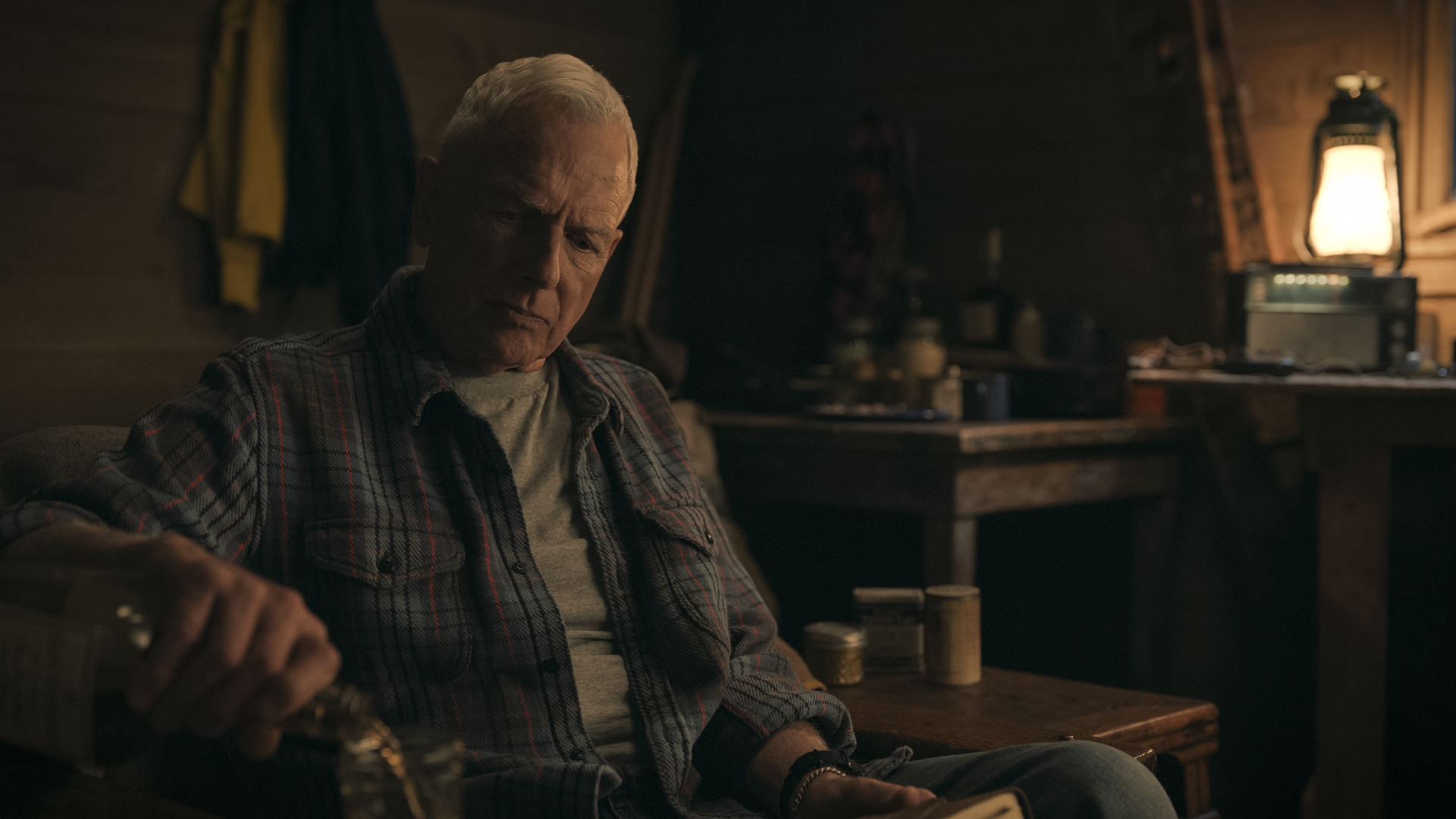
    Mark Harmon will return to the ‘NCIS’ franchise, reprising his role as Leroy Jethro Gibbs for the third season of the prequel series ‘NCIS: Origins’. This return is driven by Harmon’s ongoing commitment as an executive producer for the series, ensuring the authentic portrayal of the character he originated. The announcement on June 30, 2026, by Deadline confirms his continued involvement, reinforcing the narrative connection between Gibbs’ past and present.

    Harmon’s character, Special Agent Leroy Jethro Gibbs, has been a cornerstone of the ‘NCIS’ franchise since its inception. His portrayal defined the stoic, rule-bending leader of the Major Case Response Team for nearly two decades. The decision for Harmon to return to ‘NCIS: Origins’ for a third season highlights the enduring appeal of the Gibbs character and the franchise’s commitment to its foundational elements.

    The Enduring Legacy of Leroy Jethro Gibbs

    Leroy Jethro Gibbs first appeared in the two-part backdoor pilot for ‘NCIS’, which aired as episodes of ‘JAG’ in April 2003. Harmon’s portrayal quickly established Gibbs as a complex figure, a former Marine sniper turned NCIS Special Agent. His character’s backstory, marked by personal tragedy and a strict moral code, became a defining feature of the series.

    Gibbs led the NCIS team for 18 seasons, departing in the fourth episode of season 19, which aired in October 2021. His exit saw the character choose to remain in Alaska, finding peace away from the demands of federal law enforcement. This departure left a significant void for many viewers, making any return to the franchise a notable event.

    ‘NCIS’ itself launched on September 23, 2003, and quickly became one of CBS’s most successful and long-running procedural dramas. The series has spawned multiple spin-offs, including ‘NCIS: Los Angeles’, ‘NCIS: New Orleans’, ‘NCIS: Hawaiʹi’, and ‘NCIS: Sydney’. The creation of ‘NCIS: Origins’ further expands this universe by delving into the past of its most iconic character.

    Gibbs’ Character Evolution and Impact

    The character of Leroy Jethro Gibbs evolved significantly over his nearly two decades on screen. Initially presented as a hardened, no-nonsense agent, layers of his personal history were gradually revealed. These included his four marriages, the tragic deaths of his first wife Shannon and daughter Kelly, and his complex relationships with his father and various proteges.

    His signature ‘Gibbs’ Rules’ became a fan favorite, offering a glimpse into his pragmatic and often unconventional approach to law enforcement. These rules, ranging from ‘Never apologize – it’s a sign of weakness’ to ‘Never screw over your partner’, provided both comic relief and deeper insight into his moral compass. The consistency of these rules contributed to the character’s long-term appeal and predictability within the unpredictable world of crime-solving.

    Harmon’s performance earned him multiple People’s Choice Awards nominations and a loyal fan base. His ability to convey deep emotion with minimal dialogue became a hallmark of the character. This nuanced portrayal cemented Gibbs as one of television’s most memorable procedural drama leads, influencing countless other fictional law enforcement figures.

    ‘NCIS: Origins’ and Gibbs’ Formative Years

    ‘NCIS: Origins’ focuses on the early career of Leroy Jethro Gibbs. The series is set in 1993 and explores Gibbs’ first years as a newly minted special agent at the NCIS Camp Pendleton office. This period predates many of the events and relationships established in the flagship ‘NCIS’ series.

    The prequel aims to fill in the gaps of Gibbs’ professional and personal history, showing how he developed into the agent fans came to know. It details his interactions with early mentors and colleagues, providing context for his later leadership style and operational philosophy.

    Austin Stowell portrays the younger Leroy Jethro Gibbs in ‘NCIS: Origins’. Stowell’s casting was a critical component of the prequel’s development, as he was tasked with embodying a younger version of a character made famous by Harmon. His performance is intended to capture the essence of Gibbs while also showing his evolution.

    Exploring Key Mentors and Early Cases

    ‘NCIS: Origins’ delves into pivotal relationships that shaped Gibbs. One central figure is Mike Franks, portrayed by Robert Patrick in the original series and by Kyle Schmid in the prequel. Franks served as Gibbs’ mentor, guiding him through his initial years as a Special Agent. The prequel explores the genesis of their complex, father-son-like dynamic.

    The series also introduces viewers to other formative colleagues and superiors, such as Special Agent Vera Strickland, played by Diany Rodriguez. These characters help illustrate the environment in which Gibbs learned the ropes of NCIS. Early cases featured in ‘NCIS: Origins’ often highlight the nascent stages of Gibbs’ investigative techniques and his developing moral code, which would later define his leadership.

    The narrative of ‘NCIS: Origins’ also touches upon the political climate and technological limitations of the early 1990s. This setting provides a contrast to the more advanced investigative tools seen in the main ‘NCIS’ series, emphasizing the ingenuity and grit required of agents during that era.

    Harmon’s Dual Role: Actor and Executive Producer

    Mark Harmon’s involvement in ‘NCIS: Origins’ extends beyond his on-screen return. He also serves as an executive producer for the series, a role he has held since the show’s inception. This position allows him to maintain creative oversight and influence over the portrayal of his character’s origins.

    Harmon’s executive producer credit ensures that the narrative direction of ‘NCIS: Origins’ aligns with the established lore and character development of Leroy Jethro Gibbs. This level of involvement is crucial for maintaining continuity and authenticity within a beloved franchise. His intimate knowledge of the character, developed over nearly two decades, provides invaluable guidance to the creative team.

    His contributions as an executive producer likely include guiding story arcs, character interpretations, and overall tone. This dual role provides a direct link between the original series’ star and the prequel’s narrative, ensuring a cohesive vision that respects the character’s history while exploring new territory.

    The Importance of Executive Producer Input

    For a character as iconic as Leroy Jethro Gibbs, the input of the actor who originated the role is paramount. As an executive producer, Harmon can weigh in on scripts, casting decisions, and overall thematic direction. This ensures that the younger Gibbs portrayed by Austin Stowell remains consistent with the essence of the character fans have known for years.

    Harmon’s experience also provides a bridge for the younger cast members, offering insights into Gibbs’ motivations and mannerisms. This collaborative approach helps to maintain the integrity of the character across different timelines and actors. It also provides a level of quality control that reassures long-time fans about the direction of the prequel.

    The Impact of a Returning Icon for Season 3

    The return of Mark Harmon as Gibbs, even in a narrative capacity for a prequel, carries significant weight for the ‘NCIS’ franchise. It signifies a continued connection to its roots and acknowledges the importance of its central figures.

    Fan engagement with the ‘NCIS’ universe remains robust, driven by a loyal viewership that has followed the series for over two decades. The announcement of Harmon’s return for ‘NCIS: Origins’ Season 3 is poised to reignite excitement and draw attention to the prequel series. This strategic move leverages the established popularity of Harmon and the Gibbs character to attract new viewers while satisfying existing ones.

    The decision to feature Harmon in ‘NCIS: Origins’ also reflects a broader trend in television. Franchises often leverage established characters and actors to launch or sustain spin-off projects. This strategy capitalizes on existing fan bases and familiar intellectual property, ensuring a built-in audience from day one.

    Bridging Generations of ‘NCIS’ Fans

    The ‘NCIS’ franchise has cultivated multiple generations of viewers. Some have followed the series since its 2003 debut, while others have discovered it through streaming platforms. ‘NCIS: Origins’ aims to appeal to both groups.

    For long-time fans, the prequel offers a chance to see the genesis of their favorite character, providing answers to questions about his past. For newer viewers, it provides an entry point into the rich history of the NCIS universe, offering context for the flagship series and its spin-offs. This dual appeal strengthens the overall franchise.

    Harmon’s return helps bridge this gap. His presence, even if not in every episode or in a primary acting role, offers a tangible link to the original series. This connection can reinforce the narrative continuity across different timelines and iterations of the ‘NCIS’ story, creating a more cohesive viewing experience.

    The Future of the ‘NCIS’ Universe

    The ‘NCIS’ universe continues to expand and evolve. With multiple active series and the ongoing success of ‘NCIS: Origins’, the franchise demonstrates remarkable longevity and adaptability. This continued growth is a testament to the strong foundational characters and compelling storytelling that define the series.

    The commitment to exploring Gibbs’ past through ‘NCIS: Origins’ indicates a strategic effort to deepen the lore of the franchise. By understanding the character’s beginnings, viewers gain a richer appreciation for his journey and decisions in the original series. This enriches the entire viewing experience, offering new perspectives on established narratives.

    Future seasons of ‘NCIS: Origins’ could explore more pivotal moments in Gibbs’ early career, potentially introducing younger versions of other characters who later played significant roles. This narrative approach allows for both nostalgic appeal and fresh storytelling, keeping the franchise vibrant and engaging for years to come.

    Franchise Expansion and Character Development

    The ‘NCIS’ universe has successfully expanded by focusing on character-driven narratives within the framework of military crime investigation. Each spin-off, from ‘NCIS: Los Angeles’ to ‘NCIS: Sydney’, introduces new teams and settings while maintaining the core themes of duty, loyalty, and justice.

    ‘NCIS: Origins’ specifically enhances this by providing depth to the most central character. Understanding Gibbs’ early struggles, triumphs, and choices adds significant layers to his later persona. This kind of character development, spanning multiple series and decades, is rare in television and contributes to the franchise’s unique appeal.

    The ongoing success of the ‘NCIS’ franchise, bolstered by returns like Harmon’s, suggests a robust future. This future will likely involve continued exploration of its established characters and the introduction of new ones, ensuring the universe remains dynamic and relevant.

    Fans will watch. Critics will analyze. The ‘NCIS’ universe expands.

    Continuity.

  • Musk Boosts Hammer: ‘Citizen Vigilante’ Film on X

    Musk Boosts Hammer: ‘Citizen Vigilante’ Film on X

    On June 28, 2026, Elon Musk, the CEO of X, publicly referenced actor Armie Hammer’s new film, ‘Citizen Vigilante,’ on the social media platform. Musk’s post, which did not contain direct promotional links, quickly generated widespread discussion. This action immediately refocused global attention on Hammer’s career, which had been largely inactive since 2021.

    Musk’s specific mention of ‘Citizen Vigilante’ on X has amplified the film’s visibility. It positions the project as a significant moment in Hammer’s professional trajectory, marking a potential return to mainstream acting.

    The Unfolding Narrative: Musk’s Post and Hammer’s Return

    Elon Musk’s post on X has served as an unexpected catalyst for ‘Citizen Vigilante.’ The exact phrasing of Musk’s remarks is under analysis by media outlets and social media users. His involvement brings an unprecedented level of scrutiny and curiosity to the film.

    Armie Hammer’s career entered a period of professional hiatus following a series of highly publicized allegations and controversies that emerged in early 2021. His last major film role prior to this development was in ‘Death on the Nile,’ released in February 2022, though filmed earlier. ‘Citizen Vigilante’ is now prominently featured as his attempt at a professional comeback.

    The Context of Armie Hammer’s Hiatus

    Hammer’s retreat from public life and acting roles began in January 2021. This followed allegations of abuse and non-consensual sexual acts, which he has denied. These claims led to his departure from several high-profile projects, including the film ‘Shotgun Wedding’ and the Paramount+ series ‘The Offer.’

    The actor’s public profile diminished significantly in the subsequent years. Reports in 2022 indicated Hammer was working in other capacities, including timeshare sales in the Cayman Islands. His return to a major acting role in ‘Citizen Vigilante’ signals a deliberate effort to re-engage with the film industry.

    ‘Citizen Vigilante’: Initial Details and Speculation

    As of June 28, 2026, concrete details regarding ‘Citizen Vigilante’ remain limited. The film is confirmed to star Armie Hammer. Its genre is speculated to be a thriller or action-drama, aligning with the

  • Donald Trump Shifts Focus from Iran to Economy in 2026 Messaging

    Donald Trump Shifts Focus from Iran to Economy in 2026 Messaging

    The Evolution of Political Messaging

    In 2026, former President Donald Trump adjusted his public communication strategy. His focus transitioned from foreign policy, specifically issues related to Iran, to a more pronounced emphasis on domestic economic conditions. This shift represents a strategic recalculation of priorities for public discourse.

    Political messaging often evolves in response to various factors. These include public sentiment, current events, and the perceived salience of different policy areas. The move to highlight economic concerns suggests an assessment of what resonates most with the electorate during this period.

    From Geopolitics to Pocketbook Issues

    For an extended period, discussions surrounding Iran occupied a significant portion of Trump’s public statements. These often involved critiques of international agreements, assertions of geopolitical strength, and pronouncements regarding regional stability in the Middle East. Such foreign policy discussions are frequently complex and can be perceived as distant from daily life for many citizens.

    The pivot to economic themes introduces topics that directly affect households. These include inflation, employment rates, and the cost of living. Such issues often have a more immediate and tangible impact on voters’ lives, potentially garnering broader attention and engagement.

    Why the Shift to Economic Narratives?

    Several factors contribute to the strategic decision to emphasize economic messaging. Economic stability and prosperity are perennial concerns for voters across the political spectrum. Highlighting these issues can allow a political figure to connect with a wider audience, moving beyond specific policy debates that may appeal to only a segment of the base.

    Furthermore, the current economic climate in 2026 may have played a role. Public sentiment surveys often indicate that economic performance is a key determinant of voter behavior. Addressing these concerns directly can position a political figure as responsive to the immediate needs of the populace.

    The Role of Media and Public Perception

    Media coverage also influences the effectiveness of a political message. Economic narratives tend to be more easily digestible and relatable for general news consumers compared to intricate foreign policy analyses. This can lead to broader media dissemination and public discussion.

    The perception of a political figure as someone focused on domestic well-being can be a powerful asset. By emphasizing economic issues, Trump’s messaging could aim to cultivate an image of a leader prioritizing the financial health of the nation and its citizens.

    Historical Precedents in Messaging Changes

    Historically, political campaigns and public figures frequently adapt their platforms. In 1992, James Carville, a strategist for Bill Clinton, famously coined the phrase, “It’s the economy, stupid.” This encapsulated the idea that economic issues often trump other concerns in an election cycle.

    Similar shifts have been observed in numerous political contests. Leaders often recalibrate their focus based on polling data, expert analysis, and the evolving national conversation. This adaptability is a hallmark of effective political communication.

    Impact on Political Discourse

    The shift in Trump’s messaging has implications for the broader political discourse in 2026. It could direct more public attention and debate towards economic policies. This might include discussions on fiscal spending, taxation, trade agreements, and regulatory frameworks.

    Conversely, it may lead to a reduction in public discussion about foreign policy matters, such as the specifics of engagement with Iran. This reorientation of focus can influence the types of questions posed by journalists and the topics debated by other political figures.

    Connecting with the Electorate

    Effective political communication seeks to establish a connection with the electorate. Economic messaging often offers a direct avenue for this connection. When a political figure discusses job creation, inflation control, or cost of living, these topics resonate with personal experiences.

    Foreign policy, while critical, can sometimes feel abstract. The intricacies of international relations, diplomatic negotiations, and geopolitical strategies may not always translate into immediate personal relevance for every voter. The economy, however, is a constant presence in daily life.

    Strategic Considerations for 2026

    The 2026 political landscape involves a complex interplay of domestic and international challenges. For any political figure, including Donald Trump, strategic communication is paramount. The decision to prioritize the economy over foreign policy is a calculated move designed to maximize appeal and influence public opinion.

    This strategy also allows for a broader critique of incumbent policies, should that be the intent. Economic performance is often directly attributed to the party or administration in power. Focusing on the economy provides a fertile ground for contrasting policy approaches.

    The Role of Specific Economic Indicators

    When discussing economic issues, political figures often highlight specific indicators. These can include Gross Domestic Product (GDP) growth, unemployment rates, consumer price index (CPI), and stock market performance. The selection of which indicators to emphasize can be strategic.

    For instance, if unemployment is low but inflation is high, a political figure might focus on the rising cost of goods and services. Conversely, if economic growth is robust but certain sectors are struggling, the narrative might shift to address those specific challenges. The precision in selecting these data points is crucial for tailoring the message.

    The Intersection of Domestic and Foreign Policy

    While the messaging may shift, foreign policy and domestic economy are not entirely separate. International trade agreements, global supply chains, and geopolitical stability all have direct impacts on the national economy. A strong foreign policy can support a strong economy, and vice versa.

    However, for public consumption, the emphasis can be placed on the more immediate, tangible domestic effects. This allows for a streamlined narrative that is easier for the general public to grasp and relate to their daily lives.

    Future Implications of this Messaging Strategy

    The long-term implications of this messaging shift will unfold over time. If the economic focus proves successful in garnering public support and attention, it could set a precedent for future political campaigns. Other political figures might observe and adapt similar strategies.

    Conversely, if new foreign policy crises emerge, there might be a necessity to re-engage with those topics. Political messaging is a dynamic process, constantly adapting to the evolving global and domestic environment. For 2026, the economy has taken center stage in Trump’s public discourse.

    Farmers gathered. Workers gathered. Consumers gathered. The economy.

  • Supergirl Soars: $18 Million Opening Day Signals Strong Box Office Flight

    Supergirl Soars: $18 Million Opening Day Signals Strong Box Office Flight

    The film ‘Supergirl’ commenced its theatrical run with an estimated $18 million at the box office on its opening day, Friday, June 27, 2026. This figure, reported by industry publication Variety, signals a robust start for the Warner Bros. superhero production. The debut of Milly Alcock in the iconic role has drawn significant attention, translating into substantial early ticket sales.

    This initial box office performance positions ‘Supergirl’ as a key player in the 2026 summer movie season. The $18 million gross offers an early indication of audience engagement and potential trajectory for the film’s full theatrical run. Industry analysts will monitor its performance closely through the weekend.

    A Powerful Launch for the DC Universe

    The $18 million opening day for ‘Supergirl’ represents a strong launch for the latest installment in the DC Universe. This figure demonstrates considerable fan and general audience interest in the character and the broader cinematic universe. Superhero films continue to be a dominant force in the global box office.

    Warner Bros. has invested heavily in its DC properties. A strong opening for ‘Supergirl’ contributes positively to the studio’s ongoing strategy for its superhero slate. The film’s success is crucial for building momentum for future DC projects.

    Milly Alcock’s Ascendant Role

    Milly Alcock, known for her prior television work, steps into a leading role with ‘Supergirl’. Her portrayal of Kara Zor-El has been a central point of discussion since her casting was announced. This film marks a significant career milestone for the actress.

    The performance of lead actors often directly influences a film’s box office appeal. Alcock’s debut as Supergirl is now being experienced by audiences worldwide. Their reception will shape the narrative surrounding her take on the character and the film’s overall impact.

    Box Office Dynamics and Competition

    The reported $18 million opening day places ‘Supergirl’ in a competitive summer market. Other major releases, such as ‘Toy Story 5’, are also currently drawing audiences. The performance of ‘Supergirl’ will be measured against these high-profile productions and previous superhero entries.

    Opening day numbers are a critical benchmark. However, a film’s true commercial success is determined by its full opening weekend, subsequent weeks, and global earnings. Word-of-mouth and critical reviews emerging over the weekend will significantly impact its sustained performance.

    The Road Ahead for Kara Zor-El

    Box office analysts and entertainment reporters will closely track the full opening weekend figures for ‘Supergirl’. These comprehensive numbers will provide a clearer picture of the film’s initial commercial reception. Studio executives will also evaluate audience exit polling and early critical responses.

    Further reports from Variety and other industry outlets are anticipated throughout the weekend. These updates will detail the film’s complete three-day gross and provide context regarding its performance relative to pre-release expectations. The journey for ‘Supergirl’ at the box office has just begun.

  • Saks Exits Bankruptcy – A $500M Luxury Pivot for the Iconic Retailer

    Saks Exits Bankruptcy – A $500M Luxury Pivot for the Iconic Retailer

    The Turnaround: Saks Exits Bankruptcy

    Saks Fifth Avenue, a prominent name in luxury retail, has officially emerged from bankruptcy protection as of 2026. This significant development follows a period of financial restructuring and strategic re-evaluation. The retailer announced a substantial infusion of $500 million in new financing, a critical component of its plan for future stability and growth.

    This financial injection is paired with a strategic pivot. Saks intends to refine its business model, placing an intensified focus on the high-end luxury market segment. This decision marks a deliberate effort to distinguish the brand and cater more specifically to affluent consumers.

    The Road to Restructuring: Financial Challenges and Solutions

    The journey to bankruptcy exit for Saks was complex, rooted in several years of shifting retail dynamics and increasing competition. Like many traditional department stores, Saks faced headwinds from the rise of e-commerce, changing consumer preferences, and the economic impacts of recent global events.

    The company initially filed for bankruptcy protection to address its debt obligations and streamline operations. This legal process allowed Saks to renegotiate terms with creditors, shed unprofitable assets, and develop a viable path forward. The $500 million in new financing was secured from a consortium of investors, underscoring confidence in the brand’s potential for recovery and its strategic direction.

    Investment and Support

    Key financial institutions and private equity firms participated in the financing round. Their commitment provides Saks with the necessary capital to invest in inventory, enhance its digital presence, and upgrade its physical store experiences. This investment is crucial for supporting the brand’s luxury pivot and operational improvements.

    Operational Efficiencies

    During its bankruptcy proceedings, Saks undertook several initiatives to improve operational efficiency. These included optimizing its supply chain, re-evaluating its store footprint, and implementing cost-saving measures across various departments. These internal adjustments were designed to create a leaner, more agile organization capable of responding quickly to market changes.

    The Luxury Pivot: A New Direction for Saks

    The core of Saks’ post-bankruptcy strategy is a pronounced shift towards an exclusive luxury focus. This pivot is not merely an adjustment but a fundamental redefinition of the brand’s market positioning. The company aims to curate an even more elevated assortment of high-end fashion, accessories, and beauty products.

    This strategy involves strengthening relationships with top-tier luxury brands and designers. Saks plans to offer exclusive collections, personalized shopping experiences, and enhanced customer service tailored to the discerning luxury consumer. The goal is to solidify its reputation as a premier destination for high-end goods.

    Enhanced Customer Experience

    Part of the luxury pivot includes a significant investment in the customer experience, both online and in-store. This means revamping store layouts, offering more personalized styling services, and integrating advanced technology to create seamless shopping journeys. The emphasis is on exclusivity, convenience, and an unparalleled level of service.

    Digital Transformation

    While brick-and-mortar stores remain vital for luxury retail, Saks is also accelerating its digital transformation efforts. The company is investing in its e-commerce platform to provide a sophisticated online shopping experience that mirrors the luxury of its physical locations. This includes improved navigation, high-quality product imagery, and personalized digital recommendations.

    Market Implications: What This Means for Retail

    Saks’ strategic repositioning has broader implications for the retail sector. The move reflects a growing trend among traditional retailers to specialize and differentiate themselves in an increasingly fragmented market. By focusing on luxury, Saks aims to carve out a distinct niche that is less susceptible to mass-market competition and price wars.

    The department store model has been under scrutiny for years, with many struggling to adapt to modern consumer habits. Saks’ pivot suggests a potential blueprint for other legacy retailers: identify a core strength, double down on it, and create a unique value proposition. This strategy acknowledges that a one-size-fits-all approach is no longer sustainable.

    Competition in the Luxury Space

    The luxury retail market is highly competitive, with established players like Neiman Marcus, Nordstrom, and various independent boutiques. Saks’ success in this redefined space will depend on its ability to execute its strategy effectively, differentiate its offerings, and maintain strong relationships with both luxury brands and high-net-worth customers.

    The Role of Exclusivity

    Exclusivity will be a key differentiator for Saks. This includes securing unique product lines, hosting exclusive events, and offering bespoke services. The brand’s ability to provide items and experiences not readily available elsewhere will be crucial in attracting and retaining its target demographic.

    Looking Ahead: The Future of Saks

    The exit from bankruptcy and the $500 million financing provide Saks Fifth Avenue with a fresh start. The luxury pivot is a bold strategic move designed to secure the brand’s relevance and profitability in the long term. The company’s leadership team is focused on rigorous execution of this new vision.

    Analysts will closely monitor Saks’ performance in the coming quarters to assess the effectiveness of its luxury-focused strategy. Key metrics will include sales growth in high-end categories, customer acquisition and retention rates, and overall financial health. The retail landscape continues to evolve, but Saks has charted a clear course for its future.

    Financial restructuring. Strategic redefinition. Market adaptation. Revitalization.

    Saks.