Tag: 2026

  • Trump Allies Push to Reshape Federal Reserve, Aims for Policy Influence

    Trump Allies Push to Reshape Federal Reserve, Aims for Policy Influence

    The Push to Redefine Central Bank Independence

    In 2026, allies of President Donald Trump are actively engaged in efforts to reshape the Federal Reserve’s policy direction. This initiative aims to reduce the central bank’s traditional independence, seeking instead to align its economic policies more directly with the goals of the executive branch. The movement reflects a sustained interest in reforming foundational federal institutions.

    The Federal Reserve, established in 1913, has historically operated with a degree of autonomy from political influence. This independence is often cited as crucial for long-term economic stability, allowing the central bank to make decisions free from short-term political pressures. The current discussions challenge this established norm.

    Historical Context of Federal Reserve Independence

    The concept of central bank independence gained significant traction after World War II. Economists and policymakers argued that insulating monetary policy from immediate political cycles could prevent inflationary spirals and ensure more stable economic growth. The Federal Reserve Act of 1913, while establishing the system, left room for evolving interpretations of this independence.

    During various administrations, presidents have sought to influence Federal Reserve decisions. However, direct attempts to fundamentally restructure its operational independence have been less common. The current discussions represent a more explicit challenge to the existing framework.

    Key Figures and Their Arguments

    Specific individuals within the orbit of former President Trump are central to this renewed push. While names are not always publicly disclosed in immediate policy discussions, their arguments often center on the idea that the Federal Reserve has become too powerful or unresponsive to the needs of the American public. They contend that its independence has allowed it to pursue policies that do not always align with the priorities of elected officials.

    Proponents of greater executive influence argue that economic policy, including monetary policy, should ultimately be accountable to the people through their elected representatives. They suggest that a more coordinated approach between the White House and the Federal Reserve could lead to more effective economic outcomes, particularly in times of crisis.

    Proposed Policy Shifts and Structural Changes

    The efforts to reshape the Federal Reserve extend beyond mere policy suggestions. They involve advocating for specific structural changes and appointments that would facilitate a new direction. These proposals touch upon the composition of the Federal Open Market Committee (FOMC) and the criteria for selecting its members.

    Appointments and Leadership

    A primary avenue for influencing the Federal Reserve is through presidential appointments to its Board of Governors. The seven members of the Board of Governors, including the Chair and Vice Chair, are appointed by the President and confirmed by the Senate. These appointments are for 14-year terms, designed to span multiple presidential administrations and foster independence.

    The current strategy involves advocating for individuals who share a particular economic philosophy. This philosophy often emphasizes lower interest rates, less stringent financial regulations, and a more direct approach to economic stimulus, rather than the inflation-targeting or employment-focused mandates historically pursued by the Fed.

    Monetary Policy Directives

    Beyond personnel, the focus includes specific monetary policy directives. Discussions revolve around altering the Federal Reserve’s dual mandate of maximum employment and price stability. Some allies suggest a re-evaluation of how these mandates are prioritized or even proposing additional mandates that align with specific political agendas, such as promoting certain industrial sectors or addressing trade imbalances.

    The debate includes questions about the appropriate level of inflation, the use of quantitative easing, and the Federal Reserve’s role in addressing broader economic inequalities. These are complex issues with long-standing academic and political divisions.

    The Debate Over Federal Reserve Independence

    The push to reshape the Federal Reserve reignites a long-standing debate about the proper balance between central bank independence and democratic accountability. Advocates for independence argue it is essential for credibility and long-term stability.

    Arguments for Independence

    Those who defend the Federal Reserve’s independence often cite several key benefits. An independent central bank can make unpopular but necessary decisions, such as raising interest rates to combat inflation, without fear of political backlash. This insulation allows for a focus on long-term economic health rather than short-term political cycles.

    Furthermore, independence is believed to enhance the central bank’s credibility in financial markets. Investors and businesses trust that monetary policy will be guided by economic data and expertise, rather than partisan interests. This trust can lead to greater market stability and more predictable economic conditions.

    Arguments for Greater Accountability

    Conversely, critics of absolute central bank independence argue that it creates an unelected body with immense power over the economy. They contend that in a democracy, such power should ultimately reside with elected officials who are accountable to the voters.

    Proponents of greater accountability often point to instances where they believe Federal Reserve policies have either failed to address economic problems effectively or have exacerbated them. They suggest that closer coordination with the executive branch could lead to a more unified and responsive economic policy framework, especially during periods of national economic distress.

    Implications for the U.S. and Global Economy

    The outcome of these efforts to reshape the Federal Reserve could have profound implications. Both the U.S. domestic economy and its standing in the global financial system could be affected by a significant shift in central bank operations and independence.

    Domestic Economic Impact

    A less independent Federal Reserve might lead to more volatile monetary policy. Decisions could become more susceptible to political pressures, potentially resulting in stop-and-go economic cycles driven by electoral considerations rather than long-term economic fundamentals. This could manifest as increased inflation, unpredictable interest rate changes, or policies designed for short-term gains at the expense of long-term stability.

    The housing market, stock market, and employment rates are all highly sensitive to Federal Reserve actions. Changes in its operational philosophy could introduce new levels of uncertainty for businesses and consumers across the United States.

    International Repercussions

    The U.S. dollar’s role as the world’s primary reserve currency is partly underpinned by the perceived stability and independence of American institutions, including the Federal Reserve. A perceived politicization of the Fed could erode international confidence in the dollar.

    Such a shift might lead to increased global financial instability, as other countries and international investors re-evaluate their reliance on U.S. markets and currency. It could also influence the behavior of other central banks worldwide, potentially encouraging similar moves towards greater political control over monetary policy in other nations.

    The Ongoing Political Landscape in 2026

    The discussions surrounding the Federal Reserve are taking place within a dynamic political environment in 2026. The upcoming election cycles and the broader political climate continue to influence policy debates across all sectors of government.

    Electoral Considerations

    With future presidential elections on the horizon, the economy remains a paramount concern for voters. The performance of the economy, including inflation rates, employment figures, and interest rates, directly impacts public sentiment. Therefore, control over the institutions that shape these outcomes becomes a significant political prize.

    The debate over the Federal Reserve’s role is thus intertwined with broader electoral strategies and attempts to demonstrate effective economic stewardship. Political parties and candidates often seek to frame economic issues in ways that benefit their campaigns.

    Broader Institutional Reforms

    The efforts to reshape the Federal Reserve are part of a larger conversation about the role and structure of various federal agencies. Discussions about the administrative state, regulatory oversight, and the power of unelected officials are prominent in contemporary political discourse. The Federal Reserve, as a powerful and influential independent agency, naturally becomes a focal point in these broader debates.

    This reflects a desire among some political factions to reassert executive and legislative control over institutions that they believe have become too autonomous. The aim is to ensure that all branches of government and their associated agencies are more directly responsive to the will of the people, as expressed through their elected representatives.

    Policy proposals emerge. Debates intensify. Institutions are scrutinized.

    The Federal Reserve.
  • Donald Trump’s AI Video Targets Celebrities with ‘Trump Derangement Syndrome’

    Donald Trump’s AI Video Targets Celebrities with ‘Trump Derangement Syndrome’

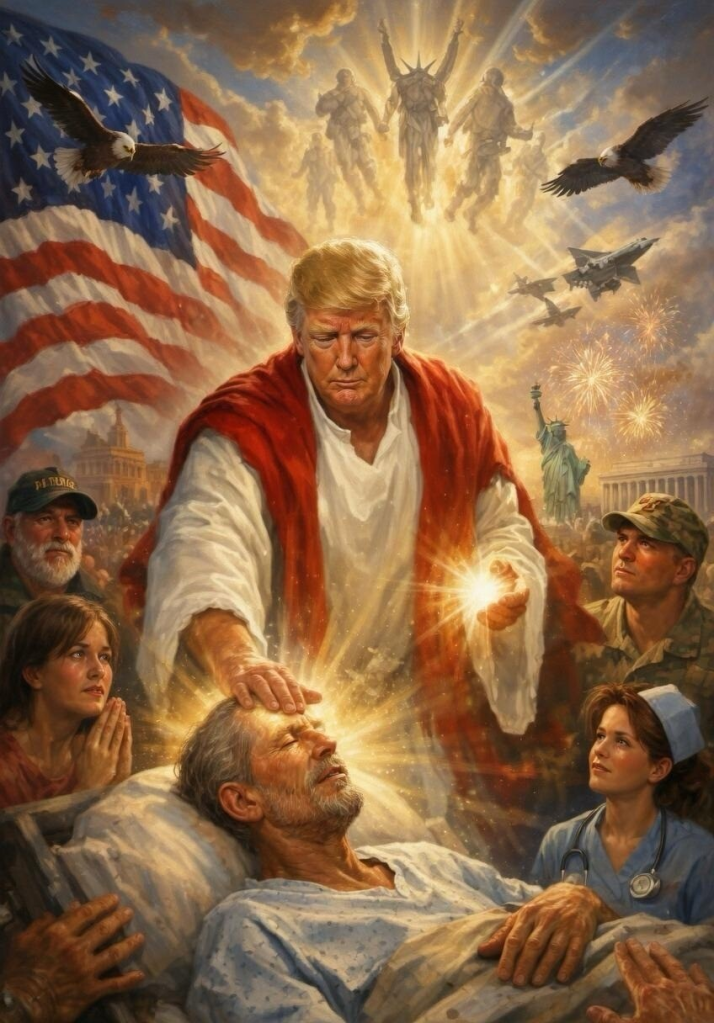
    Donald Trump posted an AI-generated video in 2026 that portrayed him as a ‘doctor’ diagnosing celebrities such as Rosie O’Donnell, Whoopi Goldberg, and Robert De Niro with ‘Trump Derangement Syndrome.’ This digital content, shared on his Truth Social platform, utilized artificial intelligence to create a satirical narrative around the political polarization often associated with his public persona.

    The video quickly became a point of discussion across various media outlets and social platforms. Its release highlighted the increasing intersection of political commentary, celebrity culture, and advanced AI technology. The term ‘Trump Derangement Syndrome’ has been used by Trump and his supporters to describe what they perceive as an irrational obsession or animosity towards him by political opponents and critics.

    The Emergence of AI in Political Satire

    The use of artificial intelligence to generate political content marks a significant shift in communication strategies. This particular video leveraged AI to create a visual and auditory representation of Donald Trump in a fictional role. The technology allowed for the manipulation of images and voices, crafting a narrative that would have been complex and costly to produce through traditional means.

    AI tools, capable of deepfakes and synthetic media, have become more accessible. Their application extends beyond entertainment, entering the realm of political messaging and satire. The video served as a demonstration of how these technologies can be employed to create engaging, albeit controversial, content.

    The production quality and rapid dissemination of such content raise questions about authenticity and intent. Audiences are increasingly exposed to media that blurs the lines between reality and digital fabrication. This particular video was clearly presented as satire, but its underlying technology has broader implications.

    The ‘Doctor’ Persona and Its Message

    In the video, Donald Trump assumed the persona of a medical professional, complete with a white lab coat and stethoscope. This ‘doctor’ character then proceeded to diagnose several well-known figures. The satirical nature of the portrayal aimed to mock the perceived reactions of these celebrities to Trump’s political career.

    The specific diagnosis, ‘Trump Derangement Syndrome,’ is a phrase that has circulated widely within conservative media and among Trump’s supporters. It suggests that critics of Trump are not motivated by legitimate policy disagreements, but by an emotional or psychological affliction. The video amplified this narrative, presenting it in a visually striking and humorous format.

    The targets of the video, Rosie O’Donnell, Whoopi Goldberg, and Robert De Niro, are all public figures who have been vocal critics of Donald Trump. Their inclusion was a deliberate choice, intended to resonate with an audience familiar with their past statements and public profiles. The video positioned Trump as an observer of their ‘condition,’ rather than the subject of their criticism.

    Celebrity Reactions and Public Discourse

    The release of the AI video prompted varied reactions from the public and the celebrities named. While some of Trump’s supporters found the video amusing and validating, others viewed it as divisive and an inappropriate use of advanced technology for political attacks.

    Rosie O’Donnell, a long-standing public adversary of Trump, has frequently engaged in public spats with him since the mid-2000s. Her inclusion in the video continued this established dynamic. Whoopi Goldberg, a co-host on the television program The View, has also been an outspoken critic of Trump’s policies and rhetoric. Robert De Niro, an acclaimed actor, has publicly expressed strong disapproval of Trump on multiple occasions.

    The video fueled existing debates about the role of celebrities in politics. Some argue that public figures have a right to express their political opinions, while others believe their influence should be limited. The ‘Trump Derangement Syndrome’ narrative attempts to delegitimize celebrity criticism by framing it as an emotional rather than rational response.

    The Broader Impact of ‘Trump Derangement Syndrome’

    The concept of ‘Trump Derangement Syndrome’ extends beyond individual celebrities. It has become a shorthand for describing a perceived irrational opposition to Donald Trump. This term is frequently employed in political discourse to dismiss criticism as biased or emotionally charged, rather than substantive.

    The video’s use of this term served to reinforce a particular ideological viewpoint among Trump’s base. It provided a visual and narrative tool to categorize and understand their political adversaries. The satire aimed to create a sense of shared understanding and solidarity among those who feel that anti-Trump sentiment is excessive or unfounded.

    Critics of the term argue that it unfairly dismisses legitimate concerns and criticisms of Trump’s actions and policies. They contend that it is a rhetorical device designed to shut down debate and demonize opposition. The AI video, by visually enacting this diagnosis, brought the concept to a new level of public visibility.

    The Platform: Truth Social and Digital Dissemination

    Donald Trump posted the AI video on Truth Social, his social media platform launched in 2022. This platform has served as a primary conduit for Trump’s direct communication with his supporters since his departure from other major social media sites. The choice of Truth Social for the video’s release was strategic.

    Truth Social provides an environment where Trump’s content can be shared widely among his dedicated followers, often without the same level of moderation or content flagging seen on other platforms. This allows for the direct dissemination of messages that might be controversial elsewhere. The platform’s design facilitates rapid sharing and engagement within its user base.

    The video’s reach, however, extended beyond Truth Social. News organizations and individual users frequently share content from Truth Social across other platforms, amplifying its visibility. This cross-platform dissemination ensures that Trump’s messages, even those initially posted on a niche platform, can achieve broad public awareness.

    AI Ethics and Political Communication

    The deployment of AI in political messaging, as seen with this video, raises important ethical considerations. The ability to create highly realistic synthetic media, including audio and video, has implications for truth and trust in public discourse. While this video was satirical, the underlying technology can be used for more deceptive purposes.

    Concerns about deepfakes and their potential to spread misinformation are growing. The ease with which convincing, yet fabricated, content can be produced poses challenges for identifying and combating false narratives. The video serves as a reminder of the evolving landscape of digital communication and the need for media literacy.

    The ethical debate centers on the responsibility of creators and platforms in managing AI-generated content. Guidelines and regulations for the use of synthetic media in political campaigns and public statements are still developing. This incident contributes to the ongoing conversation about how society will navigate the complexities introduced by advanced AI.

    The Intersection of Culture and Politics

    The ‘Doctor’ Trump AI video highlights the deep entanglement of culture and politics in contemporary society. Celebrities, often seen as cultural figures, are frequently drawn into political debates, and their opinions can significantly influence public perception. Conversely, political figures often leverage cultural references and celebrity associations in their messaging.

    The video effectively used popular culture figures to advance a political point. By targeting well-known entertainers, Trump’s campaign aimed to connect with audiences who consume both political and entertainment news. This strategy is not new, but the AI component adds a novel layer to its execution.

    The ongoing cultural wars often manifest in these types of exchanges. The video played into existing divisions, reinforcing the idea that certain cultural icons are aligned against a particular political viewpoint. This reinforces a ‘us vs. them’ mentality that characterizes much of modern political discourse.

    Future Implications of AI in Campaigns

    The 2026 AI video is likely a precursor to more sophisticated uses of artificial intelligence in future political campaigns. As AI technology continues to advance, its capabilities for content creation, audience targeting, and narrative shaping will grow. Political strategists will explore new ways to harness these tools.

    Future applications could include personalized political ads generated by AI, AI-powered chatbots for voter engagement, or even entire campaign speeches delivered by AI-generated avatars. The speed and cost-effectiveness of AI content creation make it an attractive option for campaigns operating on tight budgets or deadlines.

    The challenge for voters and media organizations will be to discern authentic human-generated content from AI-generated content, especially as the technology becomes more seamless. Education and critical thinking skills will become increasingly vital in an environment saturated with digitally synthesized information. The ‘Doctor’ Trump video serves as an early, albeit rudimentary, example of this evolving landscape.

    The Legacy of Political Satire

    Political satire has a long and storied history, serving as a tool for commentary, criticism, and humor. From ancient Greek comedies to modern-day late-night shows, satire often reflects and shapes public opinion. The ‘Doctor’ Trump AI video fits within this tradition, albeit with a modern technological twist.

    The video’s satirical intent was clear: to poke fun at perceived political opponents and to rally a base. It employed exaggeration and caricature, common elements of satire, to deliver its message. The use of AI did not fundamentally change the purpose of the satire, but it did alter its production method and potential impact.

    The effectiveness of political satire often lies in its ability to provoke thought and conversation. Whether this particular video achieved that beyond its immediate audience is a subject of ongoing debate. However, its existence demonstrates the adaptability of satire to new technological mediums.

    Political figures will continue to use humor and satire. Digital tools will continue to evolve. The public will continue to react. The political landscape changes. The digital landscape changes. The conversation continues.

    America.

  • Taylor Swift Wedding: Rehearsal Dinner, Large Party Revealed in NYPD Memo

    Taylor Swift Wedding: Rehearsal Dinner, Large Party Revealed in NYPD Memo

    A New York Police Department (NYPD) memo, dated July 2, 2026, has confirmed specific details regarding Taylor Swift’s wedding preparations. The internal document outlines arrangements for a rehearsal dinner and a subsequent large party. These revelations indicate that significant event planning is underway for the internationally recognized artist, necessitating extensive security and logistical coordination.

    The memo specifically references upcoming events associated with Swift. It details security and traffic management protocols that would typically accompany high-profile gatherings in New York City. The involvement of the NYPD suggests a need for coordinated efforts to manage public interest and ensure safety across multiple venues.

    NYPD Memo Confirms Event Scale and Security Needs

    The NYPD memo provides a clear indication of the anticipated scale of the planned celebrations. While a specific wedding date or venue is not explicitly stated, the mention of a rehearsal dinner points to a multi-day event. The term “large party” implies a substantial guest list and considerable logistical footprint across New York City. This suggests a significant impact on local resources and public spaces.

    Public interest in Taylor Swift’s personal life consistently generates considerable media attention. Previous engagements, such as her Eras Tour concerts, have required extensive coordination with local authorities for crowd control and infrastructure management. This wedding event appears to be following a similar pattern of meticulous planning, demanding a proactive approach from law enforcement.

    Logistical Considerations for a High-Profile Event

    The internal police document focuses on the operational aspects of managing such a high-visibility occasion. It covers potential road closures, crowd management strategies, and VIP security details. The planning extends to multiple potential locations across Manhattan and possibly other boroughs, reflecting the dynamic nature of large-scale celebrity events in a major metropolitan area.

    The memo’s existence confirms that authorities are actively preparing for the event’s impact. This proactive stance aims to minimize disruption while ensuring the safety of all attendees and the general public. These preparations are standard for figures of Swift’s global stature, whose movements and celebrations often attract significant public gatherings.

    Taylor Swift’s Enduring Public Profile

    Taylor Swift maintains a highly visible public profile, with her activities frequently becoming global news. Her relationship with Travis Kelce, an American football tight end for the Kansas City Chiefs, has been a subject of widespread media coverage since late 2023. Their public appearances together have consistently drawn large audiences and fan enthusiasm, contributing to the need for stringent event planning.

    Swift’s career milestones, including numerous Grammy Awards and record-breaking concert tours, contribute to her immense public following. Any significant personal event, such as a wedding, naturally becomes a focal point for both her fanbase and the broader entertainment industry. This level of scrutiny necessitates proactive security and operational planning, as evidenced by the NYPD’s early involvement.

    The Impact of Celebrity Events on Urban Infrastructure

    Major celebrity events in New York City often require extensive coordination between private security, city services, and law enforcement. The NYPD’s early involvement suggests a recognition of the potential impact on public spaces and resources, including traffic flow, pedestrian movement, and emergency services. This proactive approach is standard for events involving figures of Swift’s stature.

    Details will likely be updated as event dates solidify and official announcements are made. The release of this memo serves as an early indicator of the comprehensive planning efforts underway for what is expected to be one of the most talked-about social events of 2026. The city prepares for a significant influx of media and fans, requiring a coordinated response to maintain order and safety.

  • Liz McGraw Exits ‘The Real Housewives Of Rhode Island’ After One Season

    Liz McGraw Exits ‘The Real Housewives Of Rhode Island’ After One Season

    Liz McGraw has exited the cast of ‘The Real Housewives Of Rhode Island’ after only one season, a development confirmed on July 1, 2026. This departure marks a significant change for the Bravo reality television franchise, impacting its future direction after its recent premiere.

    The announcement has generated considerable discussion among fans and media outlets. Such cast changes are common within the ‘Real Housewives’ universe, often signaling evolving production strategies or individual participant decisions.

    The Launch of ‘The Real Housewives Of Rhode Island’

    ‘The Real Housewives Of Rhode Island’ premiered earlier in 2026, introducing a new group of women to the long-running Bravo franchise. The show aimed to capture the unique social dynamics and affluent lifestyles prevalent in various parts of Rhode Island.

    Liz McGraw was presented as one of the central figures in this new ensemble. Her initial casting was met with anticipation, as is typical for any new ‘Real Housewives’ series.

    The inaugural season focused on establishing the core relationships and conflicts among the cast members. Viewers were introduced to the personal lives, professional endeavors, and social circles of the Rhode Island women.

    McGraw’s Role in the Inaugural Season

    During her single season on ‘The Real Housewives Of Rhode Island,’ Liz McGraw featured prominently in several storylines. Her interactions with other cast members contributed to the season’s narrative arc.

    Reality television often thrives on interpersonal drama and conflict. McGraw’s presence was part of this dynamic, engaging in both alliances and disagreements with her co-stars.

    The show’s production team works to curate specific narratives for each season. McGraw’s contributions were integrated into the broader story that unfolded for viewers throughout the initial episodes.

    Factors Influencing Cast Departures

    Departures from ‘The Real Housewives’ franchise can stem from a variety of reasons. These include personal choices by cast members, decisions made by the network or production company, or a combination of both.

    Sometimes, a cast member may find the demands of reality television incompatible with their personal life or other commitments. The intense scrutiny and public exposure can be challenging.

    Network and production decisions are often based on audience reception, storyline potential, and the overall chemistry of the cast. Ratings performance and social media engagement also play a role.

    Audience Reception and Narrative Impact

    The reception of a new cast member by the audience is a crucial factor. Viewers often form strong opinions about individuals on these shows, influencing their popularity and perceived value to the franchise.

    Producers also evaluate how each cast member contributes to the overall narrative. A lack of compelling storylines or an inability to integrate into the group dynamic can lead to a cast change.

    Social media platforms provide immediate feedback on audience sentiment. This data can inform future casting decisions, although it is not the sole determinant.

    The Trajectory of ‘The Real Housewives’ Franchise

    The ‘Real Housewives’ franchise, created by Scott Dunlop and produced by Bravo, began with ‘The Real Housewives of Orange County’ in 2006. It has since expanded to numerous cities across the United States and internationally.

    Over its nearly two-decade history, the franchise has seen countless cast member changes. This constant evolution is a hallmark of its longevity and ability to adapt.

    Each iteration of the show aims to capture a specific regional flavor and social milieu. ‘The Real Housewives Of Rhode Island’ was the latest expansion in this successful formula.

    Notable Departures in Franchise History

    Many prominent figures have left ‘The Real Housewives’ shows after varying periods. Some have departed after one season, while others have remained for many years.

    These exits often generate significant media coverage and fan speculation. They become part of the ongoing narrative of the franchise itself.

    The reasons for these departures are diverse, ranging from contract disputes to personal scandals to a desire for a different career path. Each situation is unique.

    Impact on ‘The Real Housewives Of Rhode Island’ Future

    Liz McGraw’s departure will necessitate adjustments for the second season of ‘The Real Housewives Of Rhode Island,’ assuming its renewal. Production will likely seek a new cast member to fill the vacancy.

    The addition of a new personality can significantly alter the group dynamic and introduce fresh storylines. This is a common strategy to maintain audience interest.

    The remaining cast members will also need to adapt to the absence of McGraw. Their relationships and alliances may shift as a result of this change.

    The Reality Television Landscape in 2026

    In 2026, reality television continues to be a dominant force in entertainment. Shows like ‘The Real Housewives’ maintain strong viewership and cultural relevance.

    The genre constantly evolves, with new formats and franchises emerging regularly. However, established brands like Bravo’s ‘Real Housewives’ continue to be foundational.

    Audience expectations for authenticity and drama remain high. Producers strive to deliver compelling content that resonates with their target demographics.

    Behind-the-Scenes Decisions

    The decisions regarding cast members are complex and involve multiple stakeholders. Network executives, showrunners, and production companies all play a role.

    Contract negotiations are a significant component of this process. These agreements outline the terms of participation, including compensation and duration.

    The creative vision for upcoming seasons also influences casting. Producers seek individuals who can contribute to specific narrative arcs or bring new energy to the show.

    The Viewer’s Perspective on Cast Changes

    Viewers often develop strong attachments to specific cast members. News of a departure can evoke a range of reactions, from disappointment to excitement for new additions.

    Online fan communities actively discuss and speculate about cast changes. These discussions contribute to the show’s ongoing publicity and engagement.

    The ability of a show to successfully integrate new cast members is crucial for its long-term viability. A smooth transition helps maintain audience loyalty.

    The Business of Reality Television

    Reality television is a multi-billion dollar industry. Franchises like ‘The Real Housewives’ generate substantial revenue through advertising, syndication, and streaming rights.

    Casting decisions are directly linked to the financial success of these programs. A compelling cast can drive ratings and attract advertisers.

    The strategic management of talent, both in front of and behind the camera, is essential for maintaining a profitable reality television enterprise.

    Bravo, as the network behind ‘The Real Housewives,’ invests significantly in these productions. The network’s portfolio of reality shows forms a core part of its programming strategy.

    The departure of a cast member like Liz McGraw is an operational decision within this larger business framework. It reflects the ongoing effort to optimize the show’s appeal and commercial viability.

    Contractual obligations. Production demands. Viewer expectations. Network strategy. McGraw.

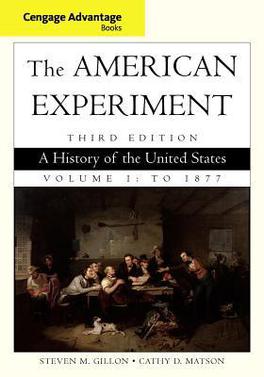
  • The American Experiment Review: Netflix Doc Inspires and Irritates Viewers

    The American Experiment Review: Netflix Doc Inspires and Irritates Viewers

    Netflix’s documentary, ‘The American Experiment,’ produced by actor Tom Hanks, has elicited a divided response from audiences and critics. The film, which features interviews with former Secretary of State Hillary Clinton and former Vice President Mike Pence, explores various facets of American political life and governance. Its reception highlights the deep partisan divides within contemporary society.

    The Hollywood Reporter noted that the documentary is likely to provoke strong opinions. This reaction stems directly from the inclusion of two highly recognizable and often polarizing political figures. The film’s objective appears to be a broad examination of the American democratic process.

    The Production Team Behind ‘The American Experiment’

    Tom Hanks serves as a producer for ‘The American Experiment.’ His involvement brings a significant level of visibility to the project. Hanks is known for his work in historical and patriotic-themed productions, often lending a gravitas to his projects.

    The specific production company and directorial credits associated with the documentary contribute to its overall narrative framing. Details regarding the full creative team often influence the perceived objectivity and thematic emphasis of such a project. These elements shape how the content is presented to a global audience via Netflix.

    Tom Hanks’ Role in Documentary Production

    Hanks’ role as a producer typically involves oversight of creative direction and securing resources. His name often signifies a certain quality and mainstream appeal for a film. This association can draw in a wider audience than a politically focused documentary might otherwise attract.

    His previous producing credits span a variety of genres, including historical dramas and explorations of American life. This background provides context for his decision to back ‘The American Experiment.’ The project aligns with a perceived interest in national identity and historical reflection.

    Featured Political Figures: Hillary Clinton and Mike Pence

    The documentary prominently features Hillary Clinton and Mike Pence. Both individuals have held significant positions within the United States government. Their inclusion is a central factor in the film’s polarizing reception.

    Clinton served as the First Lady, a U.S. Senator representing New York, and the 67th United States Secretary of State. She was also the Democratic Party’s nominee for President in 2016.

    Pence served as the 50th Governor of Indiana and later as the 48th Vice President of the United States under President Donald Trump. His political career has been marked by strong conservative stances.

    Hillary Clinton’s Perspective in the Film

    Hillary Clinton’s participation offers a perspective shaped by decades in public service. Her insights likely touch upon themes of political polarization, challenges to democratic institutions, and the role of women in leadership. Her narrative often reflects the complexities of national political campaigns.

    Her segments within ‘The American Experiment’ likely draw from her experiences across multiple administrations and her own presidential bid. This provides a unique lens through which to view the evolution of American politics over the last quarter-century.

    Mike Pence’s Contribution to the Dialogue

    Mike Pence’s contributions to the documentary provide a conservative viewpoint. His commentary likely addresses issues such as faith in public life, constitutional principles, and the state of the Republican Party. His tenure as Vice President offers direct experience with executive power and inter-party dynamics.

    Pence’s interviews probably reflect his concerns regarding American values and the future trajectory of the nation. His presence ensures a representation of conservative thought within the documentary’s broader discussion of the American experiment.

    Thematic Exploration: American Democracy and Its Challenges

    ‘The American Experiment’ aims to delve into the foundational principles of American democracy. It explores how these principles are tested by contemporary political realities. The documentary likely examines issues such as:

    • Political polarization and partisan gridlock
    • The impact of social media on civic discourse
    • Challenges to electoral integrity
    • The role of media in shaping public opinion
    • The future of democratic institutions

    The film’s title itself suggests an inquiry into the ongoing nature of the United States as a political and social entity. It frames the nation’s history and present as an evolving process, subject to constant re-evaluation.

    Bipartisan Dialogue in a Divided Nation

    A key aspect of the documentary appears to be its attempt at fostering bipartisan dialogue. The inclusion of figures like Clinton and Pence, who represent different ends of the political spectrum, suggests this intention. The success of this endeavor is a point of contention among reviewers.

    Some critics may praise the effort to bring opposing voices together. Others might argue that the film either fails to achieve true balance or inadvertently reinforces existing divides. The nature of political discourse in 2026 often makes genuine bipartisan consensus difficult to portray or achieve in media.

    Reception and Review: Inspiring and Irritating

    The Hollywood Reporter’s review indicates a dual effect: the documentary inspires some viewers and irritates others. This outcome is predictable given the subject matter and the featured personalities. Political documentaries frequently elicit strong emotional responses.

    Inspiration may come from segments that highlight democratic ideals, civic engagement, or moments of national unity. Irritation might stem from perceived biases, the revisiting of contentious political moments, or the viewpoints expressed by certain participants.

    Critical Perspectives from The Hollywood Reporter

    The Hollywood Reporter’s analysis likely focuses on the film’s narrative structure, its editorial choices, and the effectiveness of its arguments. Reviews often comment on the documentary’s ability to engage, inform, or persuade its audience.

    The review’s title suggests that the film navigates a fine line between providing thoughtful insight and provoking partisan reactions. This balance is crucial for any project attempting to address deeply entrenched political issues.

    Netflix’s Role in Distributing Political Content

    Netflix, as a global streaming platform, plays a significant role in the distribution of political and social commentary. Its reach allows documentaries like ‘The American Experiment’ to access a vast international audience. This broad distribution can amplify the film’s impact and its potential for debate.

    The platform’s algorithms often recommend content based on viewing habits, which can either broaden or narrow a viewer’s exposure to diverse perspectives. This dynamic influences how widely and how critically a film like this is received.

    The Impact of Streaming on Political Discourse

    Streaming services have transformed how political content is consumed. They offer an alternative to traditional broadcast news and cable documentaries. This shift allows for more niche and in-depth explorations of topics, but also raises questions about echo chambers and content moderation.

    For ‘The American Experiment,’ Netflix provides a prominent stage. This stage ensures that the film’s discussion of American democracy reaches millions, potentially influencing public opinion or at least sparking conversation across various demographics.

    The Broader Context of American Political Documentaries

    ‘The American Experiment’ joins a long tradition of documentaries exploring the United States’ political landscape. These films often serve as historical records, social critiques, or calls to action. They reflect the prevailing anxieties and hopes of their respective eras.

    Previous documentaries have tackled topics ranging from presidential campaigns to civil rights movements. Each contributes to the ongoing national dialogue about identity, governance, and the pursuit of collective ideals.

    Historical Precedents and Contemporary Relevance

    The film’s themes resonate with historical precedents of national self-reflection. From Alexis de Tocqueville’s ‘Democracy in America’ to modern political analyses, the concept of the ‘American experiment’ has been a recurring motif. The documentary seeks to place current challenges within this enduring framework.

    In 2026, with ongoing debates about national unity and global leadership, a film addressing the state of American democracy holds particular relevance. It provides a platform for reflection on the nation’s past, present, and potential future.

    Filmmakers gathered. Politicians spoke. Audiences reacted. Discussion continued.

    America.

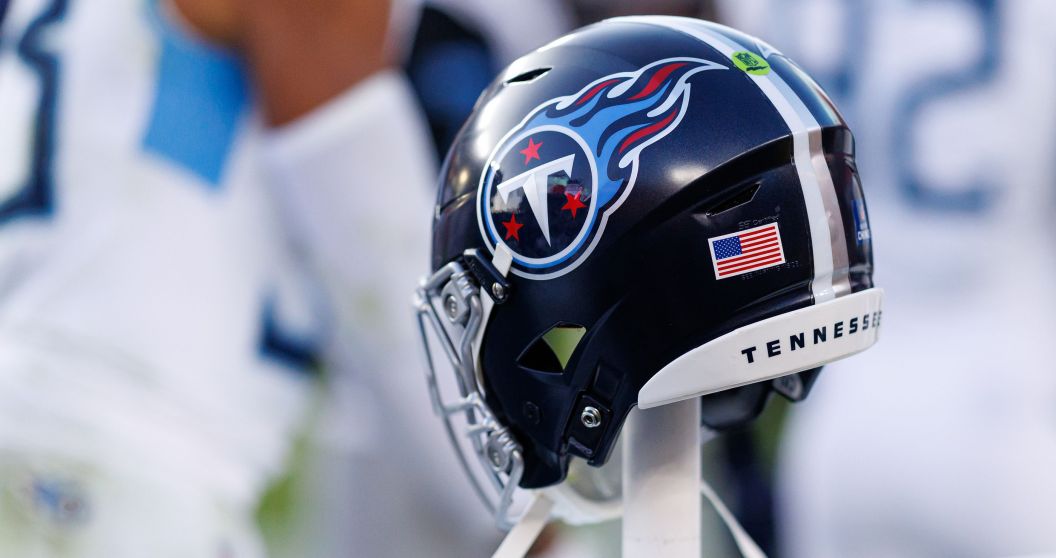
  • Former Titans Scout Guilty of Girlfriend’s Murder – Life Sentence Handed Down

    Former Titans Scout Guilty of Girlfriend’s Murder – Life Sentence Handed Down

    Luke Steckel, a former scouting assistant for the Tennessee Titans, has been found guilty of the murder of his girlfriend, Melanie Steckel. The verdict, delivered in Davidson County Criminal Court, concludes a high-profile case that garnered national attention. Steckel was subsequently sentenced to life imprisonment.

    This outcome follows months of legal proceedings and public scrutiny. The case became a focal point for discussions surrounding domestic violence and its consequences, particularly within the context of professional sports.

    The Incident and Initial Investigation Unfold

    The incident that led to the charges occurred on October 27, 2025, at the couple’s shared residence on Elm Hill Pike in Nashville, Tennessee. Metropolitan Nashville Police Department (MNPD) officers responded to a 911 call reporting a domestic disturbance. Upon arrival, they discovered Melanie Steckel, 32, deceased from apparent injuries.

    Luke Steckel, 35, was present at the scene when authorities arrived. He was immediately identified as a primary person of interest. MNPD detectives began to gather evidence and conduct interviews, securing the residence as a crime scene.

    The initial investigation involved forensic teams processing the site for physical evidence. An autopsy performed by the Davidson County Medical Examiner’s Office later confirmed the cause of death as blunt force trauma. Detectives worked to establish a detailed timeline of events leading up to the tragedy, interviewing neighbors and reviewing security footage from the vicinity.

    Arrest and Formal Charges Filed

    Following a preliminary investigation that spanned less than 24 hours, Luke Steckel was arrested on October 28, 2025. He was formally charged with the murder of Melanie Steckel. The charges were filed in Davidson County, Tennessee, reflecting the jurisdiction of the crime.

    The arrest sent immediate shockwaves through the Nashville community and the broader NFL landscape. The connection to the Tennessee Titans, a prominent NFL franchise, amplified public interest. The Tennessee Titans organization quickly issued a statement regarding the situation.

    The statement confirmed that Luke Steckel was no longer employed by the team, effective immediately upon his arrest. The organization emphasized its commitment to upholding ethical standards and reiterated its condemnation of domestic violence. Steckel had served as a scouting assistant for two years before his termination.

    Pre-Trial Proceedings and Legal Strategies

    The legal process commenced with a series of pre-trial hearings in Nashville’s General Sessions Court. These proceedings involved various motions, evidence disclosures, and scheduling conferences. Both the prosecution, led by Assistant District Attorney Jessica Miller, and the defense team, headed by prominent local attorney Robert Hayes, prepared their strategies.

    The prosecution aimed to demonstrate premeditation and intent, presenting a narrative of escalating domestic conflict. They presented evidence gathered from the crime scene, witness accounts from friends and family, and digital forensics, including text messages and call logs between the couple. These communications reportedly indicated a troubled relationship.

    The defense, conversely, sought to challenge the prosecution’s narrative. They filed motions to suppress certain evidence and questioned the chain of custody for some forensic samples. Key legal arguments centered on the nature of the relationship between Luke and Melanie Steckel, with the defense exploring alternative theories regarding Melanie’s death, including accidental injury during a physical altercation.

    Bail Hearings and Public Reaction Intensify

    Bail was set at a significant amount, initially $1.5 million, reflecting the severity of the murder charge. Luke Steckel remained in custody at the Davidson County Criminal Justice Center throughout most of the pre-trial phase, unable to post the bond. Public opinion varied, with many following the case closely through local media outlets such as The Tennessean and national news broadcasts.

    Advocacy groups for domestic violence victims, including the Tennessee Coalition to End Domestic and Sexual Violence, paid close attention to the proceedings. They highlighted the case as an example of the critical need for increased awareness, intervention, and support services for victims. The extensive media coverage contributed to a broader conversation about violence in intimate relationships, particularly when involving individuals connected to high-profile organizations.

    The High-Profile Trial Begins

    The trial began on March 15, 2026, in Davidson County Criminal Court, presided over by Judge Eleanor Vance. The courtroom was frequently at capacity, with media representatives, family members of both the victim and the defendant, and concerned citizens present. Jury selection took over a week, underscoring the case’s public profile.

    The prosecution presented a compelling case over three weeks. They called several key witnesses, including the MNPD first responders who arrived at the scene, forensic experts from the Tennessee Bureau of Investigation (TBI) who testified about blood spatter patterns and DNA evidence, and the medical examiner who detailed Melanie Steckel’s injuries. Individuals who knew both Melanie and Luke Steckel also testified, painting a picture of a volatile and increasingly strained relationship.

    Expert witnesses detailed the nature of Melanie Steckel’s extensive blunt force trauma. They explained how these injuries were consistent with the prosecution’s account of a violent assault. Digital evidence, such as text messages and call logs, also played a crucial role, showing a pattern of contentious communication leading up to the murder.

    Defense Strategy and Arguments Presented

    The defense team mounted a vigorous challenge to the prosecution’s case. Attorney Robert Hayes cross-examined prosecution witnesses extensively, attempting to cast doubt on their findings and testimonies. They also presented their own expert witnesses, including a forensic pathologist who offered alternative interpretations of the medical evidence, suggesting that some injuries could have been accidental or self-inflicted during a struggle.

    The defense argued that the evidence did not conclusively prove that Luke Steckel intended to murder Melanie. They suggested the possibility of a tragic accident that escalated out of control during a heated argument. They also attempted to portray Luke Steckel as a man under extreme emotional duress, struggling with personal issues unrelated to the relationship.

    During the trial, Luke Steckel did not take the stand, exercising his Fifth Amendment right. This is a common legal strategy, as it prevents cross-examination by the prosecution and avoids potential self-incrimination. The defense rested its case after presenting its witnesses and arguments, maintaining that the prosecution had not met the burden of proof for murder.

    The Verdict and Sentencing Handed Down

    After four days of deliberation, the jury returned a guilty verdict on June 28, 2026. Luke Steckel was found guilty of the murder of Melanie Steckel. The announcement of the verdict was met with a mix of solemnity and visible relief from Melanie Steckel’s family in the courtroom, while Luke Steckel remained stoic.

    The conviction carries a mandatory sentence of life imprisonment under Tennessee law. At a separate sentencing hearing held on July 1, 2026, Judge Vance formally sentenced Luke Steckel to life in prison. Under current state statutes, Steckel will be eligible for parole consideration after serving 51 years of his sentence, meaning he will be 86 years old at the earliest opportunity for release.

    Melanie Steckel’s family expressed profound gratitude for the verdict and sentencing. They issued a statement through their attorney, acknowledging the justice served and hoping it would bring some measure of peace. They also spoke movingly about the enduring pain of their loss and the lasting impact of domestic violence.

    Broader Implications and Accountability in Sports

    The case of Luke Steckel and Melanie Steckel extends beyond the courtroom, prompting renewed discussions about domestic violence and accountability. Organizations like the National Coalition Against Domestic Violence and local groups such as Renewal House have cited similar cases to highlight ongoing issues and the need for systemic change.

    The National Football League (NFL) and its associated teams face scrutiny regarding employee conduct, both on and off the field. This includes conduct outside of official duties. The league has policies in place concerning domestic violence, but individual cases often spark debate about their effectiveness and the responsibility of organizations to vet and monitor their personnel.

    This conviction underscores the legal system’s commitment to holding individuals accountable for violent acts. It reinforces the message that violence, particularly against intimate partners, will not be tolerated. The outcome serves as a stark reminder of the devastating consequences of such acts, impacting victims, families, and communities.

    Melanie’s memory honored. Justice served. Accountability enforced.

    Imprisonment.

  • Bryan Adams’ “51st State”: A Canada Day Protest Anthem

    Bryan Adams’ “51st State”: A Canada Day Protest Anthem

    On Canada Day, July 1, 2026, Canadian rock icon Bryan Adams released a new song titled “51st State,” a direct protest against former United States President Donald Trump. The track’s release on Canada’s national holiday has amplified its message, sparking widespread discussion about political expression in music.

    Adams, known for his mainstream rock anthems, has historically maintained a less overtly political public persona. This new release marks a notable shift in his artistic output.

    The Genesis of “51st State”

    The concept for “51st State” reportedly began to form in late 2025. Adams had expressed growing concerns over the political climate south of the Canadian border. These concerns culminated in the songwriting process that led to the single.

    The song’s title itself, “51st State,” refers to a long-standing, often jocular, sometimes anxious, Canadian cultural trope. This trope suggests Canada’s potential absorption into the United States, becoming its 51st state.

    The metaphor gains new weight in the context of specific political figures. Adams’ lyrical content directly criticizes the policies and rhetoric associated with Donald Trump’s political career.

    Lyrical Themes and Imagery

    The lyrics of “51st State” weave together themes of national sovereignty, cultural identity, and political dissent. They touch upon anxieties related to economic influence and border policies.

    Specific lines within the song allude to protectionist trade measures and diplomatic tensions. These elements were characteristic of the Trump administration’s approach to international relations.

    Adams employs vivid imagery to convey a sense of a Canadian identity under perceived threat. This includes references to natural landscapes and distinct cultural markers.

    Canada Day Release: A Strategic Choice

    The decision to release “51st State” on Canada Day was a deliberate and impactful one. July 1, 2026, provided a national platform for Adams’ message.

    Canada Day commemorates the formation of Canada as a dominion in 1867. It is a day of national pride and reflection on Canadian independence.

    By aligning the song’s release with this holiday, Adams underscored the patriotic dimension of his protest. He framed his criticism of Trump as a defense of Canadian values and autonomy.

    The timing ensured maximum media attention and public engagement across Canada. It also resonated with international audiences observing Canadian national celebrations.

    Historical Context of Political Music

    Bryan Adams’ “51st State” joins a long tradition of protest songs in popular music. Artists have historically used their platforms to comment on political events and social issues.

    In the 1960s, folk musicians like Bob Dylan and Joan Baez became synonymous with anti-war and civil rights movements. Their songs shaped public opinion and galvanized activists.

    The punk rock era of the 1970s and 1980s saw bands like The Clash and Dead Kennedys railing against government policies and societal norms. Their music was often raw and confrontational.

    More recently, artists across various genres have addressed issues such as climate change, racial injustice, and economic inequality. These include musicians like John Legend, Billie Eilish, and Kendrick Lamar.

    Adams’ contribution fits within this lineage. It uses the power of popular music to articulate political discontent.

    Public and Critical Reception

    The release of “51st State” has elicited a polarized response from the public and critics alike. Supporters praise Adams for his courage and conviction.

    Many Canadians have expressed solidarity with the song’s message, viewing it as an articulation of their own concerns. They see Adams as using his platform responsibly.

    Conversely, some critics and listeners have accused Adams of politicizing his music unnecessarily. They argue that entertainment should remain separate from partisan politics.

    The debate mirrors broader societal divisions regarding political engagement from celebrities. It highlights the tension between artistic freedom and audience expectations.

    Impact on Adams’ Career

    The release of “51st State” represents a potential turning point in Bryan Adams’ career trajectory. It positions him as a more overtly political artist.

    His previous work, while sometimes touching on universal themes, rarely delved into specific political figures or policies. This new direction could alienate some long-time fans.

    However, it may also attract new listeners who appreciate his willingness to take a stand. The song has undeniably generated significant buzz and media coverage.

    Adams’ decision could influence other artists to be more vocal about their political views. It demonstrates that established musicians can still make bold statements.

    The Broader Political Landscape

    The context for “51st State” is the ongoing political discourse surrounding Donald Trump. Trump, a former U.S. President, continues to be a prominent figure in global politics.

    His policies and rhetoric during his presidency (2017-2021) often generated international reactions. These reactions ranged from support to strong opposition.

    Canada, as a direct neighbor and major trading partner, was particularly affected by U.S. policies. Issues like trade agreements, environmental regulations, and border security were frequently points of contention.

    Adams’ song taps into these historical tensions and current anxieties. It reflects a sentiment present in certain segments of the Canadian population.

    Music as a Form of Diplomacy and Dissent

    Music often serves as a unique form of cultural diplomacy or dissent. It can transcend language barriers and communicate complex emotions and ideas.

    “51st State” functions as a cultural artifact reflecting contemporary Canadian sentiments towards its southern neighbor. It is a musical expression of national self-assertion.

    The song contributes to the ongoing global conversation about nationalism, international relations, and the influence of powerful political figures. It adds an artistic voice to these discussions.

    It also raises questions about the responsibility of artists in a globally interconnected world. Should they merely entertain, or do they have a duty to comment on political realities?

    The Future of Political Music

    Bryan Adams’ “51st State” suggests a continued trend of political engagement in music. As global events intensify, artists may increasingly feel compelled to respond.

    The digital age allows for rapid dissemination of such messages. Songs can quickly reach a global audience, amplifying their impact.

    This means that protest music can play a more immediate role in public discourse. It can react to events in real-time, influencing public opinion and political narratives.

    Artists like Adams demonstrate that even established figures can adapt their artistic output to address pressing contemporary issues. The conversation sparked by “51st State” will likely continue.

    Musicians speak. Audiences listen. Debates ignite.

    Canada.

  • Mel Gibson’s ‘Passion of the Christ’ Returns, ‘Resurrection’ Sneak Peek Included

    Mel Gibson’s ‘Passion of the Christ’ Returns, ‘Resurrection’ Sneak Peek Included

    The Return of ‘The Passion of the Christ’

    Mel Gibson’s 2004 biblical epic, The Passion of the Christ, is slated for a theatrical re-release in 2026. This limited engagement will include an exclusive preview of its long-anticipated sequel, currently referred to as The Resurrection of the Christ. The re-release serves to re-engage the original film’s audience and generate momentum for the upcoming continuation of the narrative.

    The original film, released on February 25, 2004, depicted the final 12 hours of Jesus of Nazareth’s life. It was notable for its use of Aramaic, Latin, and Hebrew dialogue, with subtitles. The film garnered significant box office success and generated considerable discussion upon its initial release.

    A Legacy of Box Office Success and Controversy

    The Passion of the Christ achieved remarkable financial success. It earned over $612 million worldwide against a production budget of approximately $30 million. This made it one of the highest-grossing R-rated films of its time and the highest-grossing non-English language film in U.S. box office history.

    The film’s graphic depiction of the crucifixion and its portrayal of Jewish leaders sparked widespread debate. Critics and religious scholars offered varied perspectives on its historical accuracy and potential for anti-Semitic interpretations. Mel Gibson, who directed, produced, and co-wrote the film, defended its theological and historical basis.

    Despite the controversies, the film resonated deeply with a significant segment of the global audience. Its impact on religious cinema and independent filmmaking was undeniable. The film received three Academy Award nominations, including Best Cinematography, Best Original Score, and Best Makeup.

    The Long Road to ‘The Resurrection of the Christ’

    Discussions about a sequel to The Passion of the Christ have circulated for over a decade. Mel Gibson first confirmed plans for a follow-up in 2016. The sequel is intended to focus on the events surrounding the resurrection of Jesus, moving beyond the crucifixion depicted in the first film.

    Jim Caviezel, who portrayed Jesus in the original movie, has expressed his intention to reprise the role. He has spoken publicly about the script and the direction of the new project. Joe Eszterhas was initially involved in writing a screenplay, but Bill Mechanic and Randall Wallace have also been credited with script development over the years.

    Randall Wallace, who co-wrote Braveheart with Gibson, confirmed his involvement in the sequel’s scriptwriting process in 2016. He indicated that the story would delve into the three days between Jesus’ death and resurrection. The project has faced various delays, including script refinement and securing funding and distribution.

    Anticipation Builds for the Sequel

    The announcement of the theatrical re-release and the sneak peek has reignited interest in the long-awaited sequel. Audiences who found spiritual resonance in the original film are expected to anticipate the continuation of the story. The re-release provides a strategic platform to bridge the gap between the two films.

    The sneak peek is expected to offer early glimpses into the sequel’s production. It may feature concept art, behind-the-scenes footage, or early trailers. This marketing strategy aims to generate buzz and pre-release excitement for The Resurrection of the Christ.

    Impact on Religious Cinema

    The Passion of the Christ significantly influenced the landscape of religious-themed cinema. Its commercial success demonstrated a viable market for films directly addressing biblical narratives. This re-release and sequel further solidify Gibson’s commitment to this genre.

    Other biblical films and television series have emerged in the years since the original film’s release. Many have attempted to capture a similar audience. However, few have matched the cultural impact or financial performance of Gibson’s 2004 production.

    The sequel’s release will be closely watched by industry analysts and religious communities alike. Its reception could further shape future investments in faith-based entertainment. The original film’s legacy continues to be a point of reference for discussions on religious representation in media.

    The Road Ahead for ‘The Resurrection’

    Specific details regarding the production timeline and official release date for The Resurrection of the Christ remain fluid. The sneak peek in 2026 is the most concrete development in the film’s long production history. Fans and critics await further announcements from Gibson and his production team.

    The film’s narrative challenges are significant. Portraying the resurrection event in a cinematic context requires a delicate balance of theological interpretation and visual storytelling. The creative team faces the task of crafting a compelling and respectful depiction of a foundational event in Christian theology.

    The original film’s cast, including Maia Morgenstern as Mary and Monica Bellucci as Mary Magdalene, may also return. However, official casting confirmations for roles beyond Jesus have not been broadly publicized. The scale and scope of the sequel are expected to be substantial, mirroring the ambition of its predecessor.

    What the Re-Release Offers

    For many, the re-release is an opportunity to revisit a film that left a lasting impression. It allows for a communal viewing experience that may have been missed by younger audiences. The 2026 theatrical run brings The Passion of the Christ back to the big screen, where its visual intensity was originally intended to be experienced.

    The added value of the sneak peek acts as a direct incentive for attendance. It connects the past with the future, offering a continuous narrative arc for dedicated viewers. This strategy leverages nostalgia while building anticipation for new content.

    “It will be the biggest film in history. It’s that good.” – Jim Caviezel on ‘The Resurrection of the Christ’ in 2020.

    This statement from Caviezel reflects the high expectations surrounding the sequel. The re-release and sneak peek are critical steps in fulfilling those expectations. They aim to prepare the global audience for a cinematic event of similar magnitude to the original.

    The 2004 film broke ground in its unflinching portrayal and its financial model, largely funded independently. The sequel is expected to follow a similar independent production path. This approach grants Gibson greater creative control over the sensitive subject matter.

    Conversations about faith, film, and artistic interpretation will undoubtedly resurface. The re-release serves as a prelude to these discussions, setting the stage for The Resurrection of the Christ. It brings a powerful and polarizing work back into the public consciousness.

    Audiences will gather. Discussions will ignite. Anticipation will mount. The Resurrection.

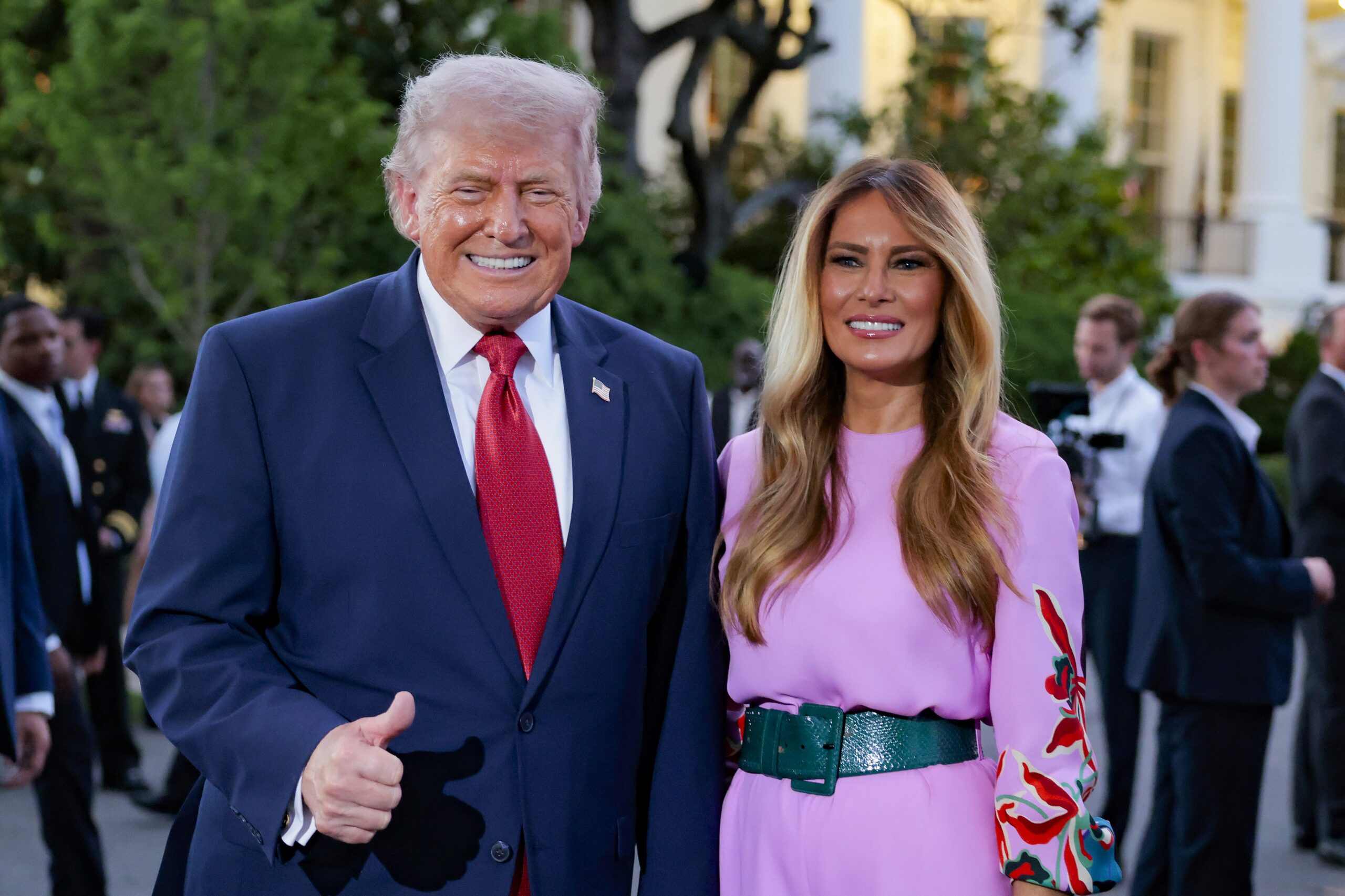
  • Donald Trump Received $10.7 Million for Amazon’s ‘Melania’ Documentary

    Donald Trump Received $10.7 Million for Amazon’s ‘Melania’ Documentary

    Donald Trump received a $10.7 million fee from Amazon for a documentary centered on his wife, Melania Trump, according to reports in 2026. This significant financial transaction links a former U.S. President directly with a major streaming platform, Amazon, for a content production.

    The documentary, titled ‘Melania,’ focuses on the life and public role of the former First Lady. The reported fee underscores the commercial value placed on narratives involving high-profile political personalities in the contemporary media landscape.

    The ‘Melania’ Documentary Project

    The project, named simply ‘Melania,’ aims to explore various facets of Melania Trump’s life. This includes her journey from Slovenia to the United States, her career as a model, and her tenure as First Lady. The documentary is part of Amazon’s broader strategy to expand its exclusive content offerings.

    Amazon has invested heavily in original programming for its Prime Video service. The acquisition of content featuring globally recognized figures aligns with this strategy. Such productions often attract a wide audience, driven by both political interest and curiosity about public lives.

    Details regarding the documentary’s production timeline and expected release date remain under wraps. However, the reported fee suggests a substantial production budget beyond just the payment to Donald Trump.

    Donald Trump’s Financial Engagement with Amazon

    The $10.7 million payment to Donald Trump for the ‘Melania’ documentary represents a direct financial agreement between the former President and Amazon. This type of arrangement is not unprecedented among former heads of state who often pursue post-presidency careers in media, publishing, or public speaking.

    Previous U.S. presidents have engaged in lucrative book deals, speaking tours, and documentary appearances. The scale of this particular payment for a documentary, however, draws specific attention due to its magnitude and the political climate of 2026.

    Financial disclosures related to Donald Trump’s assets and income have often been subjects of public scrutiny. This new income stream from Amazon adds a new dimension to his post-presidency financial activities.

    What Precedents Exist for Such Payments?

    High-profile political figures frequently monetize their experiences after leaving office. Former President Barack Obama and former First Lady Michelle Obama signed a multi-year production deal with Netflix in 2018. This deal included documentaries, films, and series.

    Similarly, former President Bill Clinton and former Secretary of State Hillary Clinton have also engaged in various media projects. These often include book deals and speaking engagements that command significant fees.

    The specific nature of the ‘Melania’ documentary, focusing on the former First Lady while the payment goes to the former President, adds a unique element to these precedents. It highlights the intertwined personal and public brands of political families.

    The Broader Context of Political Figures in Entertainment

    The involvement of Donald Trump and Melania Trump in a major streaming documentary reflects a growing trend. Political figures are increasingly seen as valuable commodities in the entertainment industry. Their stories and perspectives attract significant viewership across diverse demographics.

    Streaming platforms, in their quest for unique and compelling content, often turn to personalities with established public recognition. This strategy can lead to substantial financial benefits for the individuals involved. It also generates considerable buzz for the platforms.

    The intersection of politics and entertainment has become more pronounced in the 21st century. Documentaries, docuseries, and memoirs by political figures are now common. They serve both as historical records and as commercial products.

    Public Reaction and Political Implications

    The news of the $10.7 million payment sparked immediate public discussion. Reactions vary widely, often aligning with existing political viewpoints. Supporters of Donald Trump may view the payment as a recognition of his and Melania Trump’s enduring public interest.

    Critics, however, may question the ethics or appropriateness of such a large payment. Concerns might include the potential for bias in the documentary’s narrative or the use of public office for private financial gain. These discussions are characteristic of the highly polarized political environment in 2026.

    Media analysts also weigh in on the implications for Amazon. Partnering with such a divisive figure can bring both increased subscriptions and potential backlash. The company navigates these complexities in its content acquisition decisions.

    Amazon’s Content Strategy and Investment

    Amazon’s decision to fund the ‘Melania’ documentary and pay a substantial fee to Donald Trump fits into its aggressive content strategy. The company aims to differentiate Prime Video from competitors like Netflix, Disney+, and HBO Max. Exclusive content featuring globally recognized individuals is a key component of this strategy.

    The investment signifies Amazon’s belief in the commercial viability of a documentary about Melania Trump. The platform likely anticipates that the film will attract a significant audience, potentially driving new Prime subscriptions or retaining existing ones.

    Amazon’s content budget has grown exponentially over the past decade. The company continues to seek out projects that generate significant media attention and subscriber engagement. The ‘Melania’ documentary is positioned to achieve both objectives.

    The Role of Documentaries in Shaping Public Perception

    Documentaries often play a crucial role in shaping public perception of historical events and individuals. The ‘Melania’ documentary has the potential to offer a curated narrative of the former First Lady’s life. This narrative could influence how audiences view her and the Trump administration.

    The creative control and editorial independence of such projects are often debated. The extent of involvement from Donald Trump and Melania Trump in the documentary’s production will be a point of interest for viewers and critics alike. The payment structure itself suggests a level of buy-in or cooperation.

    These productions can serve to humanize political figures or to reinforce existing public images. The impact of ‘Melania’ on public discourse will depend heavily on its content, tone, and reception upon release.

    The Future of Political Personalities in Media

    The $10.7 million payment for the ‘Melania’ documentary signals a continuing trend. Political personalities will increasingly leverage their fame for media ventures. This includes documentaries, podcasts, and streaming series. The digital age offers numerous platforms for such content.

    This trend blurs the lines between politics, entertainment, and celebrity culture. Public figures often transition seamlessly between these domains. Their personal stories become valuable assets in the content economy.

    The financial scale of these deals also reflects the competitive nature of the streaming wars. Platforms are willing to pay top dollar for content that guarantees an audience. Political figures, with their built-in fan bases and detractors, offer exactly that.

    The landscape of media consumption continues to evolve. Audiences seek diverse forms of storytelling. Documentaries about prominent political figures satisfy a demand for both information and entertainment. The ‘Melania’ project is a prominent example of this ongoing evolution.

    Political figures will continue to explore new avenues for storytelling and engagement. Streaming platforms will continue to seek out compelling narratives. The financial arrangements will likely grow in scale and complexity.

    Negotiations. Contracts. Content.

    Amazon.

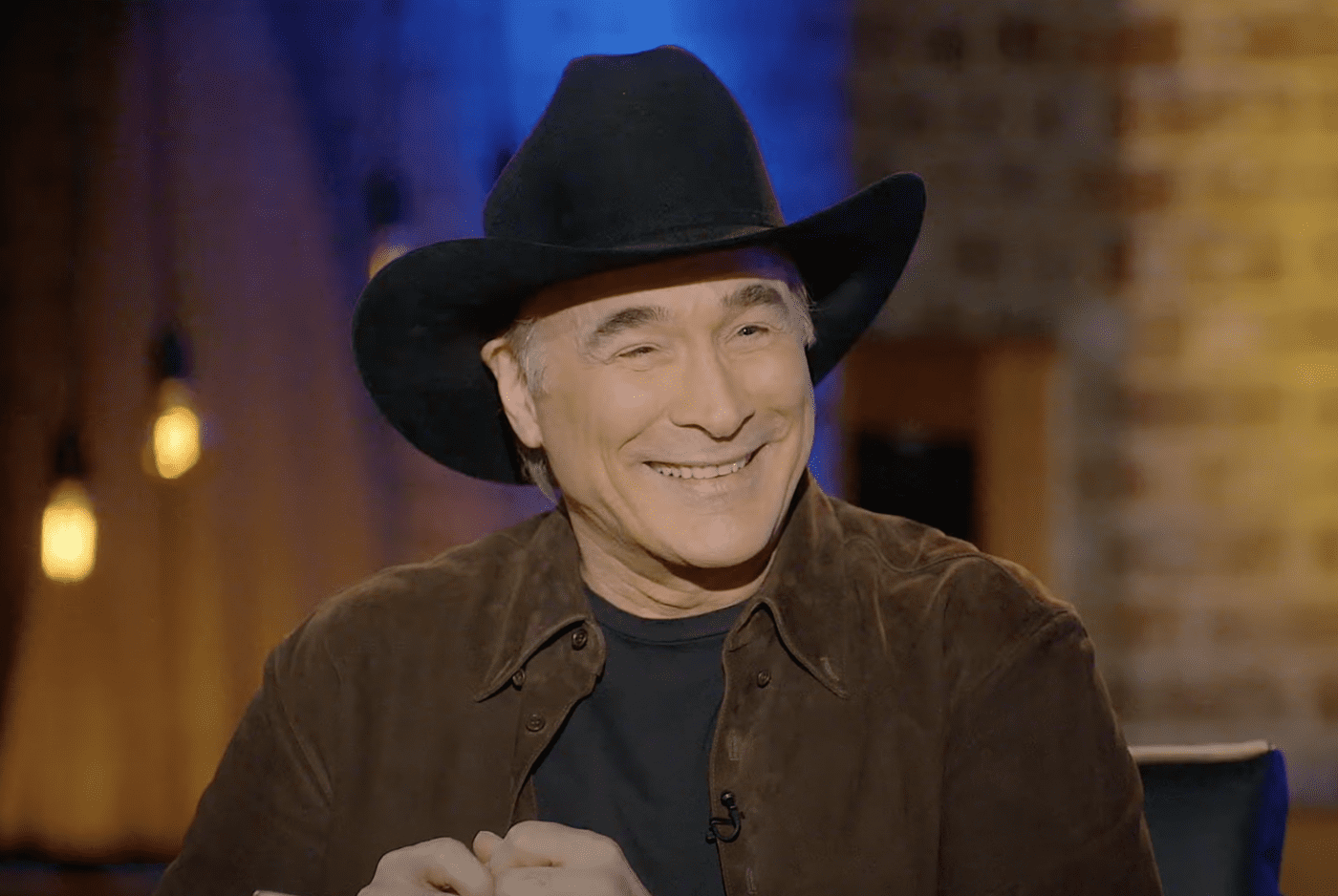
  • Clint Black Hospitalized with Serious Infection – July 3rd Concert Canceled

    Clint Black Hospitalized with Serious Infection – July 3rd Concert Canceled

    Country music legend Clint Black was hospitalized with a serious infection, leading to the cancellation of his scheduled July 3, 2026, concert. The news, confirmed by his management, sparked immediate concern among his dedicated fanbase and the broader country music community. Details surrounding the nature of the infection and Black’s current prognosis remain private as of July 2, 2026.

    The announcement arrived on July 1, 2026, just two days before his anticipated performance. This unexpected health development has placed a spotlight on the fragility of even the most seasoned performers’ careers.

    The Immediate Impact: Concert Cancellation and Fan Reaction

    Clint Black’s July 3, 2026, concert was scheduled to take place at a prominent venue. The cancellation, communicated via official channels, cited his hospitalization as the direct cause. Ticketholders received notifications regarding refunds or rescheduling options.

    The news quickly disseminated across social media platforms. Fans expressed an outpouring of support for the singer. Many shared well wishes and prayers for his swift recovery.

    This sentiment reflects Black’s enduring appeal and the personal connection many listeners feel with his music. His career spans decades, marked by numerous chart-topping hits and a consistent touring schedule.

    A Career Defined by Consistency and Authenticity

    Clint Black rose to prominence in 1989 with the release of his debut album, Killin’ Time. This album produced four number-one singles on the Billboard Hot Country Singles & Tracks chart. These hits included the title track, “A Better Man,” “Nobody’s Home,” and “Walkin’ Away.”

    His sound was characterized by a blend of traditional country sensibilities with a contemporary edge. This approach helped define the new traditionalist movement of the late 1980s and early 1990s. He quickly became one of country music’s most bankable stars.

    Throughout the 1990s, Black continued to release successful albums and singles. His discography includes more than a dozen studio albums. He has sold over 20 million albums worldwide.

    Black’s songwriting often features introspective lyrics and memorable melodies. He has penned or co-penned the vast majority of his recorded material. This commitment to artistic control has earned him respect within the industry.

    Major Milestones in Black’s Career

    • 1989: Releases debut album Killin’ Time, achieving instant stardom.
    • 1990: Wins the Country Music Association’s Horizon Award (now New Artist of the Year).
    • 1991: Marries actress Lisa Hartman Black.
    • 1993: Releases No Time to Kill, featuring more chart-topping hits.
    • 1996: Inducted into the Grand Ole Opry.
    • 1999: Celebrates 10 years in country music with a greatest hits album.
    • 2001: Welcomes daughter Lily Pearl Black.
    • 2004: Stars in the film Flicka.
    • 2015: Releases On Purpose, his first album of new material in a decade.
    • 2020: Releases Out of Sane, continuing his prolific output.

    These milestones illustrate a career marked by sustained success and critical acclaim. Black has remained a relevant figure in country music for over three decades.

    The Nature of Infections: A General Overview

    The specific type of infection Clint Black is battling has not been disclosed. However, serious infections can manifest in various forms. They can range from bacterial to viral or fungal in origin.

    Bacterial infections, such as pneumonia or sepsis, often require aggressive antibiotic treatment. Viral infections, like severe influenza or certain gastrointestinal viruses, are typically managed with supportive care.

    Fungal infections are less common but can be severe, especially in immunocompromised individuals. Hospitalization is usually reserved for cases where an infection poses a significant threat to a patient’s vital functions or requires intensive medical intervention.

    Symptoms of serious infections can include high fever, severe pain, organ dysfunction, and general malaise. Rapid diagnosis and treatment are crucial for positive outcomes.

    The Demands of Touring and Performer Health

    The life of a touring musician is physically demanding. Long travel days, irregular sleep schedules, and constant exposure to new environments can take a toll on an artist’s immune system.

    Performing live requires immense stamina and vocal prowess. Even a minor illness can significantly impact a show. A serious infection can halt a tour entirely.

    Many artists maintain rigorous health routines to counteract these pressures. However, even the most disciplined individuals can fall victim to unforeseen health crises.

    Clint Black has maintained a consistent touring schedule for many years. His commitment to live performances is a hallmark of his career. This recent hospitalization underscores the inherent risks associated with such a lifestyle.

    The Broader Impact on the Country Music Community

    News of Clint Black’s hospitalization reverberated throughout the country music industry. Fellow artists, producers, and executives offered their well wishes. Many acknowledged Black’s significant contributions to the genre.

    The incident serves as a reminder of the human element behind the music. Artists, despite their public personas, are susceptible to health challenges like anyone else.

    Concert cancellations due to illness are not uncommon in the music world. However, they always carry a sense of disappointment for fans and financial implications for promoters and venues.

    The well-being of performers is a paramount concern for their teams and the industry at large. Ensuring adequate rest and medical care is an ongoing challenge in the fast-paced entertainment business.

    Looking Ahead: Black’s Road to Recovery

    As of July 2, 2026, no official timeline for Clint Black’s recovery has been released. The focus remains on his immediate health and treatment. His management team has requested privacy during this time.

    Fans will eagerly await updates regarding his condition. The hope is for a full and speedy recovery. His return to the stage will be a moment of celebration for many.

    The country music community stands united in support of one of its most respected figures. Black’s legacy is secure, and his health is currently the primary concern.

    Musicians often draw strength from their audience. In this instance, the flow of support is directed back to the artist. The outpouring of care for Clint Black is palpable.

    Hit songs echoed. Fans expressed concern. A legend faced a challenge. Recovery.