Tag: 2026

  • Dustin Hoffman on American Division – Comparing Today to the Vietnam War Era

    Dustin Hoffman on American Division – Comparing Today to the Vietnam War Era

    Dustin Hoffman’s Assessment of American Division

    In 2026, actor Dustin Hoffman observed that the United States is experiencing a level of societal division comparable to the period of the Vietnam War. This statement draws a direct historical parallel, suggesting a contemporary fragmentation within American society that echoes one of its most contentious eras. Hoffman’s comments contribute to an ongoing public discourse regarding national unity and political polarization.

    His remarks were made in a public forum, reflecting a sentiment shared by many observers of the current social and political landscape. The comparison to the Vietnam War era is significant, as that period is widely remembered for its profound domestic unrest and ideological schisms.

    The Vietnam War Era: A Time of Intense Division

    The Vietnam War, which officially spanned from 1955 to 1975, became a major point of contention within the United States, particularly from the mid-1960s through the early 1970s. The conflict deeply polarized American society, dividing citizens along lines of politics, generation, class, and race. Protests against the war grew in frequency and intensity, often clashing with government policies and public support for military involvement.

    Key events such as the Tet Offensive in 1968, the Kent State shootings in 1970, and the publication of the Pentagon Papers in 1971 fueled anti-war sentiment. These events exposed deep rifts between different segments of the American population. The war’s impact extended beyond policy, affecting cultural norms, family dynamics, and individual identities across the nation.

    Social and Political Polarization

    The division during the Vietnam War was multifaceted. There were strong generational divides, with many young people actively opposing the war while older generations often supported the government’s stance. Economic disparities also played a role, as the draft disproportionately affected lower-income individuals. The Civil Rights Movement, occurring concurrently, further complicated the social fabric, linking issues of racial injustice with opposition to the war.

    Political leaders faced immense pressure from both pro-war and anti-war factions. Presidents Lyndon B. Johnson and Richard Nixon both saw their administrations heavily impacted by the conflict and the domestic unrest it generated. The credibility gap, referring to public skepticism about government statements and policies, became a prominent feature of the era.

    Contemporary Echoes of Historical Disunity

    Hoffman’s comparison suggests that many of the underlying causes and manifestations of division from the Vietnam War era are visible in 2026. Modern society grapples with its own set of polarizing issues. These include political ideology, economic inequality, social justice movements, and debates over national identity. The rise of digital media and fragmented information ecosystems has also been cited as a factor in exacerbating contemporary divisions.

    Discussions around these issues often become highly charged, mirroring the passionate debates of the 1960s and 1970s. Public discourse frequently reflects a lack of consensus on fundamental societal values and national direction. This can lead to increased social tension and a perception of a fractured populace.

    Impact of Social Media and Information Silos

    Unlike the Vietnam War era, the contemporary landscape is heavily influenced by social media platforms. These platforms can amplify differing viewpoints but also contribute to the formation of echo chambers and filter bubbles. Individuals may primarily encounter information that reinforces their existing beliefs, leading to deeper ideological divides and reduced empathy for opposing perspectives.

    Misinformation and disinformation campaigns, often spread rapidly through digital channels, further complicate efforts to foster common understanding. This environment can make it challenging to build consensus or engage in constructive dialogue across ideological lines. The speed and reach of modern communication differ significantly from the media landscape of the mid-20th century.

    Dustin Hoffman’s Career and Public Stance

    Dustin Hoffman is a celebrated American actor, known for his roles in iconic films such as The Graduate (1967), Midnight Cowboy (1969), and All the President’s Men (1976). His career has spanned several decades, placing him in a unique position to observe shifts in American society over time. Many of his early films were released during or immediately after the peak of the Vietnam War, making him a contemporary witness to that period of division.

    Hoffman’s public statements have occasionally touched on social and political issues. His recent comments on national division are consistent with a history of actors using their platforms to express observations on societal trends. His perspective, informed by a long career and personal experience, carries weight in public discourse.

    A Lifelong Search for Identity

    In addition to his observations on national division, Hoffman reportedly made a lighthearted comment about still trying to figure out who he is. This personal reflection adds a layer of introspection to his public remarks. It suggests a continuous process of self-discovery, even for individuals with established careers and public identities.

    The concept of identity, both personal and national, is often intertwined with periods of social change and upheaval. Hoffman’s joke may subtly hint at the broader human experience of navigating an evolving world. It can also be seen as an acknowledgment that understanding oneself is a lifelong journey, regardless of external circumstances or professional achievements.

    Historical Parallels and Future Trajectories

    Comparing current societal divisions to the Vietnam War era invites a deeper examination of historical patterns. While specific issues and contexts differ, the underlying dynamics of polarization, dissent, and a search for national cohesion can show similarities. Understanding these parallels can offer insights into navigating contemporary challenges.

    The Vietnam War ultimately concluded, and American society eventually began a process of healing and re-evaluation. However, the scars of that division remained. Whether current divisions will follow a similar trajectory, or manifest in entirely new ways, remains a subject of ongoing debate and observation. Dustin Hoffman’s comments serve as a prompt for this reflection.

    The Role of Cultural Figures in Social Commentary

    Public figures, including actors like Dustin Hoffman, often play a role in shaping or reflecting public opinion. Their statements can initiate conversations, draw attention to significant issues, and offer different perspectives on complex problems. This can be particularly true when they speak from a position of historical experience.

    Hoffman’s remarks exemplify how cultural figures can engage with broader societal concerns, leveraging their visibility to articulate sentiments that resonate with a wider audience. Such commentary often sparks further discussion among citizens and media outlets. This contributes to the ongoing dialogue about the state of the nation.

    Public figures offer observations. Journalists report. Citizens reflect.

    Society.

  • President Trump’s Fourth of July Address: Faith, Freedom, and National Identity

    President Trump’s Fourth of July Address: Faith, Freedom, and National Identity

    President Trump’s 2026 Fourth of July Address

    President Donald Trump delivered a pivotal speech on July 4, 2026, articulating a vision for the United States rooted in specific foundational principles. The address, delivered on the nation’s 250th anniversary of independence, centered on themes of faith, the Second Amendment, and a resolute opposition to communism. This message aimed to reinforce national pride and align with the sentiments of a significant portion of the American populace.

    The President’s remarks were delivered during a national celebration, a traditional moment for presidential addresses. This setting amplified the themes he chose to emphasize. His words were broadcast nationally, reaching a broad audience across various demographics.

    The Core Message: God, Guns, and Anti-Communism

    The central tenets of President Trump’s Fourth of July speech revolved around what he termed the essential pillars of American strength. These included a strong affirmation of religious faith, a defense of Second Amendment rights, and a clear denunciation of communist ideologies.

    The emphasis on ‘God’ highlighted the role of religious belief in the nation’s history and ongoing identity. President Trump frequently connects national prosperity and moral strength with spiritual foundations. This connection resonates with many conservative voters and religious communities across the country.

    Discussions of ‘guns’ directly addressed the right to bear arms, a constitutional liberty often championed by the President. This aspect of the speech reinforced his commitment to gun rights, a consistent theme throughout his political career. It served to reassure supporters who prioritize this freedom.

    The strong anti-communist message positioned the United States as a global bulwark against authoritarian systems. This stance echoes historical American foreign policy positions and appeals to a segment of the population concerned about international influence and geopolitical stability. President Trump has consistently articulated a view of American exceptionalism in contrast to such systems.

    Reinforcing National Pride and Identity

    A primary objective of the 2026 Fourth of July address was to cultivate a heightened sense of national pride. President Trump’s rhetoric consistently frames American history and identity in terms of strength, resilience, and unique global leadership. The holiday provided an ideal backdrop for this narrative.

    The speech invoked historical references and symbols of American independence. These elements are designed to connect contemporary political messages with the nation’s founding ideals. Such connections are crucial for building a cohesive national identity in a diverse society.

    The President’s words sought to unify citizens around shared values, even amidst political divisions. He presented a vision of America that prioritizes internal strength and external respect. This vision often includes calls for border security, economic nationalism, and a robust military.

    The Audience and Reception

    The address was anticipated by both supporters and critics. Supporters generally found the speech to be an affirmation of their values and a reaffirmation of the President’s leadership. They viewed the themes of faith, freedom, and anti-communism as essential to the nation’s well-being.

    Media coverage preceding and following the speech highlighted the specific themes chosen by President Trump. Analysts debated the implications of his focus on these particular issues. The discourse often centered on the current political climate and the direction of the country.

    Public opinion polls following such addresses often reflect partisan divides. Those who identify with the President’s political movement typically express strong approval. Others may view the speech through a critical lens, questioning its inclusivity or specific policy implications.

    Historical Context of Presidential Fourth of July Addresses

    Presidential addresses on the Fourth of July are a long-standing tradition in American politics. These speeches often serve as opportunities for leaders to reflect on the nation’s past, celebrate its present, and articulate a vision for its future. George Washington celebrated the Fourth of July in 1778, but his only documented public Fourth of July address was in 1791.

    Throughout history, presidents have used this platform to address pressing national issues. Abraham Lincoln, for example, used the occasion during the Civil War to speak on the preservation of the Union. Franklin D. Roosevelt spoke during World War II, emphasizing the fight for freedom.

    These addresses are not merely ceremonial; they are strategic communications designed to shape public discourse and rally national support. They contribute to the ongoing narrative of American identity and purpose. Each president leaves their own imprint on this tradition.

    The Role of Faith in National Discourse

    President Trump’s emphasis on ‘God’ in his 2026 speech aligns with a segment of American political thought that views religious faith as integral to national character. This perspective suggests that moral order and societal strength are derived from spiritual principles.

    Historically, religious references have been common in American political rhetoric. Figures like Thomas Jefferson and John Adams, though differing in their personal beliefs, acknowledged the role of morality and virtue in a republic. Modern presidents continue this tradition, often appealing to broad religious sentiments.

    The inclusion of faith-based language often seeks to bridge cultural divides and invoke a sense of shared heritage. It can be a powerful tool for mobilization and for reinforcing a specific moral framework for governance. This approach resonates deeply with religious conservatives.

    Defending the Second Amendment

    The mention of ‘guns’ in the President’s speech directly references the Second Amendment to the United States Constitution. This amendment protects the right of the people to keep and bear arms. It is a highly debated topic in American politics.

    President Trump has consistently positioned himself as a staunch defender of this right. His administration has often opposed stricter gun control measures, aligning with organizations like the National Rifle Association. This stance is a cornerstone of his appeal to many voters.

    Discussions around the Second Amendment often involve debates about personal liberty, public safety, and the role of government. For many, it represents a fundamental protection against potential tyranny. The President’s remarks underscored this perspective.

    Standing Against Communism

    The President’s anti-communist rhetoric draws from a long history of American foreign policy and ideological opposition. From the Cold War era to contemporary geopolitical challenges, the United States has often defined itself in contrast to communist systems.

    This stance resonates with those who remember the historical struggles against the Soviet Union and other communist regimes. It also speaks to current concerns about the influence of countries like China and Cuba. President Trump has often adopted a confrontational approach to these nations.

    By invoking anti-communism, the speech aimed to project an image of American strength and resolve on the global stage. It also sought to rally domestic support against perceived internal and external threats to American values. This theme reinforces a sense of national purpose.

    The Path Forward: Unity and Purpose

    President Trump’s 2026 Fourth of July address ultimately sought to inspire a sense of unity and shared purpose among Americans. He aimed to articulate a clear direction for the nation, grounded in what he presented as enduring principles.

    The themes chosen, faith, the right to bear arms, and anti-communism, are all powerful symbols within specific political and cultural contexts. They represent different facets of a broader conservative ideology that the President champions.

    The speech served as a reminder of the ongoing national conversation about identity, values, and the future of the United States. It provided a moment for reflection on the nation’s journey since 1776. It articulated a vision for continued American leadership and prosperity.

    Citizens reflected. Leaders debated. The nation absorbed.

    America.

  • Bill Clinton Slams Trump’s Economic Vision: ‘Socialism for the Super-Rich’

    Bill Clinton Slams Trump’s Economic Vision: ‘Socialism for the Super-Rich’

    Former President Bill Clinton utilized his platform during the America 250 celebrations to launch a direct criticism of Donald Trump’s economic proposals. Trump’s economic vision, as implemented during his presidency and outlined for future endeavors, often centers on significant tax cuts for corporations and high-income earners, alongside broad deregulation across various sectors. Clinton characterized this approach as ‘socialism for the super-rich,’ directly challenging the former president’s economic philosophy. His comments were delivered as part of a national reflection on 250 years of American independence and its future trajectory.

    Clinton’s address positioned Trump’s economic agenda as fundamentally divergent from policies aimed at broader societal benefit. He argued that such proposals would disproportionately favor the wealthy, leading to an unequal distribution of resources and opportunities. This critique resonated with long-standing Democratic arguments regarding wealth inequality and corporate influence, particularly pertinent in the political landscape of 2026.

    The America 250 Context: A National Reflection

    The America 250 initiative commemorates the 250th anniversary of the United States’ founding in 1776. This significant national observance spans several years, leading up to the climactic year of 2026. It encompasses a wide array of events, public discussions, and reflective programs focused on American history, foundational values, and its future trajectory.

    Leaders from across the political spectrum have actively participated in these commemorative events. Their speeches frequently address the nation’s past achievements while confronting its present challenges. The platform provided by America 250 offers a unique opportunity for prominent figures to articulate their distinct visions for the country’s path forward.

    Bill Clinton’s participation positioned him as a key voice reflecting on the nation’s historical journey. His remarks were delivered within this profound historical and forward-looking context. He deliberately connected contemporary economic debates to the enduring foundational principles of American democracy and its promise of opportunity for all citizens.

    The Role of Historical Anniversaries in Political Discourse

    Major anniversaries, such as America 250, often serve as catalysts for national introspection. They provide a stage for leaders to reflect on the nation’s progress and its unfulfilled aspirations. Such occasions allow for a re-evaluation of core principles in light of current societal conditions.

    Political figures frequently leverage these platforms to advance their policy agendas. They frame their arguments within a historical narrative, linking present-day challenges to past struggles and triumphs. This rhetorical strategy aims to imbue contemporary debates with a sense of historical significance and national purpose.

    Clinton’s speech exemplifies this approach. He used the solemnity of the America 250 observance to elevate his critique of Trump’s economic policies. He presented his arguments not merely as partisan attacks, but as essential considerations for the nation’s future well-being and adherence to its founding ideals.

    Clinton’s Core Critique: ‘Socialism for the Super-Rich’

    The central point of Clinton’s criticism revolved around his interpretation of Donald Trump’s economic plans. He employed the vivid and provocative phrase ‘socialism for the super-rich’ to encapsulate his argument. This phrase suggests that while Trump’s policies are often presented as broadly beneficial, their primary effect is to serve the interests of the wealthiest segment of the population.

    This framing represents a sharp rhetorical contrast with traditional definitions of socialism. Socialism typically advocates for collective or governmental ownership and control of the means of production and distribution. Its core goal is often to reduce economic inequality and ensure a more equitable distribution of wealth and resources among all citizens.

    Clinton’s use of the term was therefore rhetorical and deliberately ironic. It aimed to highlight what he perceived as a perverse and contradictory outcome of Trump’s policies. He implied that policies designed to ostensibly boost the economy would, in practice, create a system that concentrates wealth at the top, rather than distributing it more broadly.

    Dissecting the ‘Socialism’ Label

    The term ‘socialism’ carries significant historical and political baggage in American discourse. It is often used by conservatives to criticize any form of extensive government intervention or wealth redistribution. Clinton’s inversion of the term aimed to turn this rhetorical weapon against its usual proponents.

    By attaching ‘socialism’ to the ‘super-rich,’ Clinton sought to expose what he viewed as hypocrisy. He suggested that policies favoring the wealthy were, in their own way, a form of government intervention. This intervention, he argued, was designed to benefit a select few, rather than the collective good.

    This rhetorical maneuver forced listeners to reconsider their assumptions about who benefits from government action. It challenged the notion that policies favoring the wealthy are inherently ‘free-market’ while those benefiting the poor or middle class are ‘socialist.’ Clinton aimed to reframe the debate around equity and who truly benefits from economic policy decisions.

    Economic Policy Divides: Democratic vs. Republican Approaches

    The debate over economic policy has been a persistent and defining theme in American politics for decades. Democrats and Republicans often present fundamentally different philosophies regarding the role of government in the economy and the optimal path to prosperity and equity.

    Democrats frequently advocate for policies such as progressive taxation, where higher earners pay a larger percentage of their income in taxes. They champion robust social safety nets, including programs like Social Security and Medicare, and support government investment in public services like education, infrastructure, and healthcare. They argue these policies promote economic equality, enhance social mobility, and create opportunities for all citizens, not just a privileged few.

    Republicans, conversely, typically champion lower overall tax rates, particularly for corporations and high-income individuals. They advocate for deregulation across various industries, believing it stimulates economic growth and innovation by reducing burdens on businesses. They also generally favor reduced government spending and less government intervention in the market. Republicans contend that these measures foster individual prosperity, create jobs, and ultimately benefit the entire economy through trickle-down effects.

    Clinton’s remarks highlighted this fundamental ideological divide. He positioned Trump’s approach firmly within the conservative economic tradition, characterized by tax cuts and deregulation. He then offered a pointed criticism of its potential consequences, arguing it would primarily benefit the wealthy and exacerbate existing inequalities for the majority of Americans.

    Historical Precedents for Economic Disparity Debates

    Discussions about economic disparity and the role of government are not new to American history. The Gilded Age of the late 19th century saw immense wealth accumulation alongside widespread poverty and labor unrest. This era led to the rise of progressive movements advocating for economic reforms.

    The New Deal era in the 1930s, under President Franklin D. Roosevelt, represented a significant expansion of government intervention in the economy. Programs like Social Security, unemployment insurance, and public works aimed to address the Great Depression and create a more equitable society. These policies laid the groundwork for many of the social safety nets that Democrats continue to defend and expand.

    More recently, debates intensified after the 2008 financial crisis, which exposed vulnerabilities in the financial system and led to renewed calls for regulation and wealth redistribution. The Occupy Wall Street movement, for instance, brought attention to the vast disparities between the wealthiest 1% and the remaining 99% of the population.

    Clinton’s ‘socialism for the super-rich’ rhetoric taps into this long history of economic debate. He frames Trump’s policies as a continuation of historical trends that exacerbate inequality, rather than alleviating it. This historical context lends weight to his argument, connecting current policy choices to enduring questions of fairness and economic justice in America.

    The Legacy of Donald Trump’s Economic Policies

    Donald Trump’s presidency, from 2017 to 2021, was marked by the implementation of several significant economic policies. The Tax Cuts and Jobs Act of 2017 stands as a centerpiece of his economic agenda. This legislation substantially reduced the corporate tax rate from 35% to 21% and offered various tax cuts for individuals, with a demonstrably greater share of the benefits accruing to higher-income earners and large corporations.

    Supporters of the 2017 tax cuts argued vigorously that they would stimulate business investment, encourage companies to repatriate overseas profits, and ultimately lead to robust job creation and wage growth for all Americans. Critics, however, maintained that these cuts primarily exacerbated wealth inequality, disproportionately benefiting the wealthy, and added trillions to the national debt without yielding the promised widespread economic benefits. The long-term effects of these policies continue to be a subject of intense economic analysis and political debate in 2026.

    Beyond tax reform, the Trump administration also pursued an aggressive agenda of deregulation across numerous sectors. This included rollbacks of environmental protections, loosening of financial regulations, and reduced oversight in areas such as labor and consumer safety. The stated goal was to reduce perceived burdens on businesses, thereby fostering greater economic activity and competitiveness. Opponents, conversely, argued that these actions could lead to significant harm to public health, environmental quality, and financial stability, potentially paving the way for future crises.

    Trade policy underwent a dramatic transformation under Trump’s leadership. His administration imposed tariffs on a wide range of imported goods, notably from China, but also from allies such as Canada and the European Union. These actions were aimed at protecting American industries, bringing manufacturing jobs back to the United States, and renegotiating what he deemed unfair trade agreements. While some domestic industries saw benefits, these tariffs also sparked retaliatory measures from other countries, leading to trade disputes and raising concerns about global economic stability and increased costs for American consumers.

    Clinton’s ‘socialism for the super-rich’ label directly addressed these foundational policy choices. He implied that the benefits generated by such policies were overwhelmingly concentrated at the very top of the economic ladder. This concentration, in his view, stood in direct contradiction to the principles of a fair, equitable, and broadly prosperous American economy, which he argued should be the goal of any responsible government.

    The Broader Political Landscape in 2026

    The year 2026 finds the United States immersed in a period of significant political and social contention. Debates over economic justice, social equity, the future of democracy, and the appropriate role of government continue to dominate public discourse. The upcoming national elections are anticipated to be among the most highly competitive and consequential in recent memory, with deep divisions evident across the electorate.

    Former President Trump remains an exceptionally prominent and influential figure within the Republican Party. His continued presence and robust public engagement mean that his past policies and future proposals continue to shape the party’s platform and messaging. His economic proposals, whether explicitly stated or implied through his previous actions and public statements, remain a key point of discussion and critique for political opponents and analysts alike.

    The Democratic Party, meanwhile, continues to advocate for a distinct set of policies aimed at strengthening the middle class, reducing income disparities, and expanding access to healthcare and education. Figures like Bill Clinton often articulate these positions, drawing on their extensive past experiences, the party’s established platforms, and their deep understanding of economic theory and policy. They seek to present a clear alternative vision for the nation’s economic future.

    The America 250 celebrations provide a unique and highly visible stage for these critical discussions. They allow political figures to frame their arguments within the grand context of the nation’s historical journey, its founding ideals, and its ongoing evolution. The speeches delivered during these observances become integral components of the ongoing narrative of American identity, purpose, and the fundamental choices facing its citizens.

    Clinton’s Rhetorical Strategy: Crafting a Memorable Message

    Bill Clinton is widely recognized for his exceptional rhetorical skill and his ability to connect with audiences. His speeches frequently employ vivid language, compelling narratives, and accessible analogies that resonate with a broad public. The phrase ‘socialism for the super-rich’ exemplifies this approach; it is designed to be both memorable and provocative, instantly capturing attention and sparking debate.

    The term ‘socialism’ carries specific and often negative connotations within American political discourse. It is frequently deployed by conservative politicians and commentators to criticize government intervention, wealth redistribution, or any policies that expand the public sector. By strategically inverting this term and attaching it to the ‘super-rich,’ Clinton aimed to disarm his political opponents and reframe the debate on his own terms. He used a word typically associated with government overreach for the many, to describe what he perceived as government overreach for the few.

    This rhetorical inversion served several purposes. Firstly, it created a memorable soundbite that could easily be disseminated and remembered by the public and media. Secondly, it challenged the conventional understanding of economic policy, forcing listeners to consider whether policies that disproportionately benefit the wealthy could also be seen as a form of government favoritism or intervention. Thirdly, it tapped into existing public anxieties about wealth inequality and corporate power, aligning his critique with broader societal concerns.

    The Power of Language in Political Discourse

    The careful selection of words and phrases is a cornerstone of effective political communication. Rhetorical devices like metaphors, irony, and alliteration can significantly amplify a message’s impact. A well-crafted phrase can distill complex policy arguments into an easily digestible and emotionally resonant statement.

    Clinton’s choice of ‘socialism for the super-rich’ is a prime example of such a device. It is a concise and potent phrase that immediately conveys a sense of injustice and hypocrisy. It implies that while some policies are labeled ‘socialist’ to demonize them, others, which benefit the wealthy, are allowed to pass without similar scrutiny, despite arguably representing a form of state-sponsored favoritism.

    This strategic use of language allowed Clinton to succinctly summarize his critique of Trump’s economic philosophy. It enabled him to frame the debate not just as a difference in policy, but as a fundamental divergence in values and priorities. The phrase aimed to expose what he viewed as the underlying unfairness of an economic system that he believed disproportionately rewarded those at the top.

    Bill Clinton’s address at the America 250 celebrations served as a powerful reminder of the enduring ideological battles that shape American economic policy. His sharp critique of Donald Trump’s economic vision, encapsulated in the phrase ‘socialism for the super-rich,’ resonated across the political spectrum. It sparked renewed discussions about wealth distribution, government’s role, and the future direction of the nation.

    The speech highlighted the deep chasm between Democratic and Republican approaches to economic governance. It underscored the ongoing struggle to define what constitutes a fair and prosperous society. It reminded Americans that the principles of equity and opportunity remain central to the national dialogue.

    Leaders gathered. Citizens listened. Debates continued.

    America.

  • Russell T. Davies Praises Starz for ‘Tip Toe’ Pick-Up Amid Political Climate

    Russell T. Davies Praises Starz for ‘Tip Toe’ Pick-Up Amid Political Climate

    Russell T. Davies, the prominent British screenwriter and producer, recently expressed appreciation for the cable network Starz. He publicly commended Starz for its courage in acquiring the U.S. distribution rights for his new LGBTQ+ themed series, ‘Tip Toe’. Davies framed the network’s decision as a significant cultural statement, directly contrasting it with the prevailing political sentiment he observed in the United States.

    His remarks specifically referenced the political landscape during President Trump’s second term. Davies drew a clear distinction between Starz’s programming choices and what he described as a prevailing atmosphere of “hatred, bile & anger” attributed to the Trump administration. This commentary positioned the series acquisition as an act of defiance or support for LGBTQ+ narratives against perceived opposition.

    The Significance of ‘Tip Toe’ and Davies’ Vision

    ‘Tip Toe’ is the latest project from Davies, a writer celebrated for his groundbreaking work in LGBTQ+ television. His previous credits include the critically acclaimed series ‘It’s a Sin’ and the original British ‘Queer as Folk’. These productions have consistently explored themes of identity, community, and struggle within the LGBTQ+ experience, often pushing boundaries and fostering dialogue.

    The series’ acquisition by Starz ensures its availability to American audiences. This move underscores Starz’s strategy to offer diverse and often provocative content. The network has previously featured programming that aims to appeal to a broad spectrum of viewers, including those interested in underrepresented narratives and voices.

    Davies’ public statements often accompany his work. He frequently uses platforms to advocate for LGBTQ+ rights and visibility, viewing his creative endeavors as integral to social progress. His commentary on ‘Tip Toe’ and Starz aligns with his established pattern of engaging with the broader cultural and political implications of his television projects, making his art a form of activism.

    Political Context and Cultural Production in the Trump Era

    The reference to President Trump’s administration highlights a recurring tension. This tension exists between certain segments of the entertainment industry and conservative political viewpoints. Hollywood figures and creators often use their platforms to express political opinions, seeing their work as a reflection of or response to societal shifts.

    President Trump’s political rhetoric and policies have frequently been subjects of intense debate within cultural circles. His administration’s stance on various social issues has led to strong reactions from artists and media personalities. Davies’ comments reflect this ongoing dialogue, positioning ‘Tip Toe’ as a counter-narrative within a polarized cultural environment.

    The media landscape increasingly features content that directly or indirectly engages with contemporary political divisions. Series like ‘Tip Toe’ become part of this broader cultural conversation. They contribute to discussions about representation, freedom of expression, and societal values, often challenging mainstream norms and advocating for marginalized communities.

    Industry Reactions and Starz’s Strategic Positioning

    Starz, a Lionsgate company, operates in a competitive streaming and cable environment. Networks often seek to differentiate themselves through unique content offerings. Acquiring a series from a renowned creator like Russell T. Davies provides a certain prestige and signals a commitment to quality, often controversial, storytelling.

    The decision to pick up ‘Tip Toe’ can be viewed as a strategic move to attract and retain subscribers. It allows Starz to cater to a specific demographic interested in LGBTQ+ stories and creators. It also reinforces the network’s brand as a platform for diverse and inclusive storytelling, a valuable asset in today’s media market.

    Other networks and streaming services have also invested heavily in LGBTQ+ themed content. This trend reflects a growing recognition of the audience demand for such narratives. It also signifies a broader industry shift towards more inclusive representation, driven by both creative imperatives and market opportunities.

    Davies’ praise for Starz is not merely a promotional gesture. It is also an endorsement of the network’s willingness to support content that might be deemed controversial by some. This support is particularly valued by creators working on marginalized narratives, who often struggle to find platforms for their stories.

    The Creator’s Perspective: Russell T. Davies’ Enduring Legacy

    Russell T. Davies has a long history of creating impactful television. His work is often characterized by its emotional depth, sharp writing, and unflinching portrayal of LGBTQ+ lives. ‘Queer as Folk’, which first aired in 1999, was a landmark series for its candid depiction of gay men in Manchester, breaking new ground for representation.

    ‘It’s a Sin’, released in 2021, garnered widespread critical acclaim for its poignant exploration of the AIDS epidemic in 1980s London. These series have not only entertained but also educated and provoked discussion, influencing public perception and policy. Davies’ approach often combines personal narratives with broader social and political commentary, making his work both intimate and expansive.

    The development of ‘Tip Toe’ follows this trajectory. The series is expected to continue Davies’ tradition of bringing authentic and compelling LGBTQ+ stories to the screen. His reputation as a creator ensures a certain level of anticipation and scrutiny for his new work, as audiences and critics alike expect a continuation of his distinctive style and thematic concerns.

    Davies’ vocal stance on political issues is an integral part of his public persona. He views his work not just as entertainment but as a form of social engagement and advocacy. His comments about President Trump and Starz are consistent with this worldview, demonstrating his commitment to using his platform for social good.

    Audience Reception and the Cultural Impact of Representation

    The reception of ‘Tip Toe’ in the U.S. will be a key indicator of its cultural impact. Audiences for LGBTQ+ content have grown significantly. This growth is driven by increased visibility and broader societal acceptance in many regions, though progress remains uneven across different demographics and geographies.

    However, cultural and political divides still exist, particularly in the United States. The series may face different reactions across various demographics, reflecting the ongoing culture wars. Its success will be measured not only by viewership but also by its ability to foster dialogue and understanding, challenging preconceived notions and promoting empathy.

    The controversy surrounding Davies’ comments could also draw more attention to ‘Tip Toe’. Public statements by creators often generate buzz and debate, polarizing audiences but also attracting curious viewers. This can sometimes translate into increased viewership, as audiences seek to engage with the discussed themes and the creator’s perspective.

    The role of entertainment in shaping public opinion remains significant. Television series can challenge perceptions, humanize experiences, and contribute to social change. ‘Tip Toe’ aims to be part of this tradition, using the power of storytelling to reflect and influence society.

    The Broader Political and Media Landscape in 2026

    The political climate in 2026 continues to influence various sectors, including media and entertainment. President Trump’s second term, which began on January 20, 2025, has seen continued debates over cultural values and social policies. These debates often manifest in public discourse and artistic expression, with creators using their art to comment on the state of the nation.

    The entertainment industry, often perceived as more liberal, frequently finds itself at odds with conservative political movements. This dynamic shapes funding decisions, content creation, and distribution strategies. Networks like Starz navigate this landscape by making calculated decisions about the content they choose to champion.

    The push for diversity and inclusion in media is not a new phenomenon. However, it has gained renewed urgency in recent years, particularly in response to political shifts and social movements. Creators like Davies are at the forefront of this movement, using their influence to advocate for stories that reflect the full spectrum of human experience.

    The decision by Starz to acquire ‘Tip Toe’ can be seen as an affirmation of these values. It signals to both creators and audiences that there is a market and a platform for stories that challenge the status quo. This commitment is particularly salient in an era where cultural products are increasingly viewed through a political lens.

    Creators speak. Networks listen. Audiences watch. Culture shifts.

  • Washington D.C. Fourth of July Parade Canceled Due to Extreme Heat

    Washington D.C. Fourth of July Parade Canceled Due to Extreme Heat

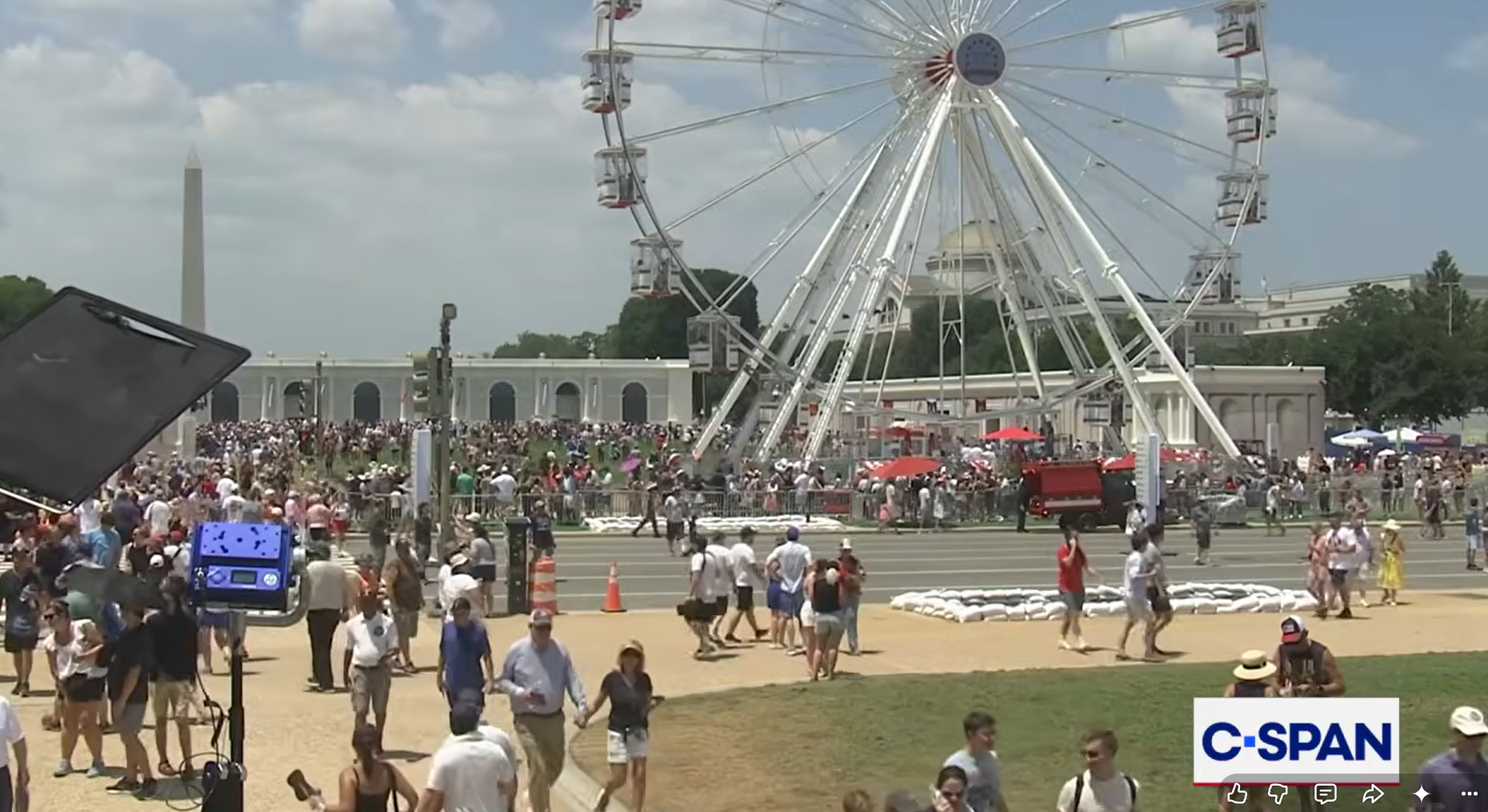
    The annual Fourth of July parade in Washington D.C. was canceled on July 4, 2026. This decision was made in response to severe weather forecasts indicating extreme heat conditions for the day. Public safety concerns for participants, staff, and spectators were paramount in the cancellation.

    The cancellation represented a significant alteration to the nation’s capital’s Independence Day observances. The parade is a long-standing tradition, drawing thousands of attendees to the National Mall area.

    The Decision to Cancel

    Officials announced the cancellation of the Washington D.C. Fourth of July parade on July 3, 2026. The announcement came after consultations with meteorologists and public health experts. The National Weather Service had issued an excessive heat warning for the D.C. metropolitan area.

    Temperatures were projected to reach well over 100 degrees Fahrenheit, with heat index values potentially even higher. Such conditions present substantial risks, including heatstroke, dehydration, and other heat-related illnesses. Vulnerable populations, including the elderly and young children, were particularly at risk.

    The decision was not made lightly. The Fourth of July parade is a cornerstone of the city’s annual events. It typically features marching bands, military units, and patriotic floats.

    Public Safety as a Priority

    The primary justification for the cancellation was the protection of public health. Organizing a large-scale outdoor event in extreme heat conditions carries inherent dangers. Emergency services could be overwhelmed by heat-related incidents.

    Participants in the parade, many of whom wear heavy uniforms or costumes, face heightened risks. Marching for extended periods in direct sunlight under high temperatures can lead to rapid onset of severe symptoms. Spectators, often standing for hours without adequate shade or access to water, are also vulnerable.

    City officials emphasized that the safety of residents and visitors was their highest priority. They advised individuals to remain indoors, stay hydrated, and avoid strenuous outdoor activities during the heat wave.

    Impact on Independence Day Celebrations

    The cancellation of the parade altered the traditional Fourth of July experience in Washington D.C. Many visitors plan their trips specifically to witness the parade and other festivities. Local businesses, particularly those catering to tourists, experienced an impact.

    Despite the parade’s cancellation, other Independence Day events were still scheduled, albeit with modifications. The fireworks display over the National Mall was expected to proceed as planned, though organizers advised attendees to take extreme precautions against the heat.

    Museums and indoor attractions remained open, offering cooler alternatives for celebration. Various public and private organizations offered virtual events and online programming to commemorate the holiday safely.

    Economic and Cultural Repercussions

    The economic impact of the cancellation was felt by vendors, performers, and local businesses. Hotels, restaurants, and retail establishments often experience a surge in activity during the Fourth of July weekend. Reduced foot traffic from the parade area meant a decrease in anticipated revenue for some.

    Culturally, the absence of the parade was noted by many. The event serves as a symbol of national unity and celebration. Its cancellation, while necessary for safety, highlighted the disruptions that extreme weather events can cause to significant cultural traditions.

    Discussions emerged regarding future planning for large outdoor events in the face of increasingly unpredictable weather patterns. Event organizers across the country are grappling with similar challenges.

    Historical Context of Cancellations

    Cancellations of major events in Washington D.C. are infrequent but not unprecedented. Historically, events have been called off due to severe weather, national security concerns, or public health crises. Each instance typically generates considerable public discussion.

    For example, during significant snowstorms, government operations and public events have been curtailed. Security threats have also led to the postponement or cancellation of various gatherings. The COVID-19 pandemic, beginning in 2020, resulted in widespread cancellations of public events for an extended period.

    The 2026 Fourth of July parade cancellation due to heat adds to this history. It underscores the growing influence of environmental factors on public life and civic celebrations.

    Previous Weather-Related Interruptions

    Washington D.C. has experienced other weather-related interruptions to its major events. Thunderstorms and heavy rain have occasionally led to delays or shortenings of outdoor concerts and festivals. High winds have sometimes affected balloon displays or outdoor stage setups.

    However, a full cancellation of the Fourth of July parade specifically due to extreme heat is less common. This particular event, with its large scale and patriotic significance, draws particular attention when disrupted. The decision reflects a heightened awareness of climate-related health risks.

    Event planners globally are adapting strategies to mitigate risks associated with extreme weather. This includes developing contingency plans for heat waves, floods, and other natural phenomena. The 2026 cancellation serves as a case study for such adaptations.

    Community Response and Future Considerations

    The public response to the parade’s cancellation was mixed. Many residents and visitors expressed understanding and support for the safety-driven decision. Others voiced disappointment at the disruption of a cherished holiday tradition.

    Social media platforms saw discussions about the implications of climate change on public events. There were calls for increased infrastructure to support outdoor gatherings in extreme conditions, such as more shaded areas or cooling stations.

    For future Independence Day celebrations, organizers will likely review their protocols for extreme weather. This may involve earlier decision-making processes or alternative formats for portions of the celebration. The goal remains to balance tradition with public well-being.

    Looking Ahead: Adapting to New Realities

    The 2026 cancellation of the Fourth of July parade in Washington D.C. highlights a broader trend. Cities worldwide are confronting the challenges posed by a changing climate. Extreme weather events are becoming more frequent and intense.

    Adaptation strategies for urban environments are crucial. These include improvements in early warning systems, urban planning that incorporates green spaces for cooling, and public health campaigns to educate citizens about heat safety. Events, both large and small, must evolve.

    The experience of July 4, 2026, will inform future planning. It will contribute to a growing body of knowledge on how to maintain public life and cultural traditions in the face of environmental shifts. The goal is resilience.

    Officials planned. Citizens adjusted. Washington.

  • National Mall Evacuated for President Trump Speech Due to Severe Weather

    National Mall Evacuated for President Trump Speech Due to Severe Weather

    National Mall Evacuated Due to Severe Weather on Independence Day

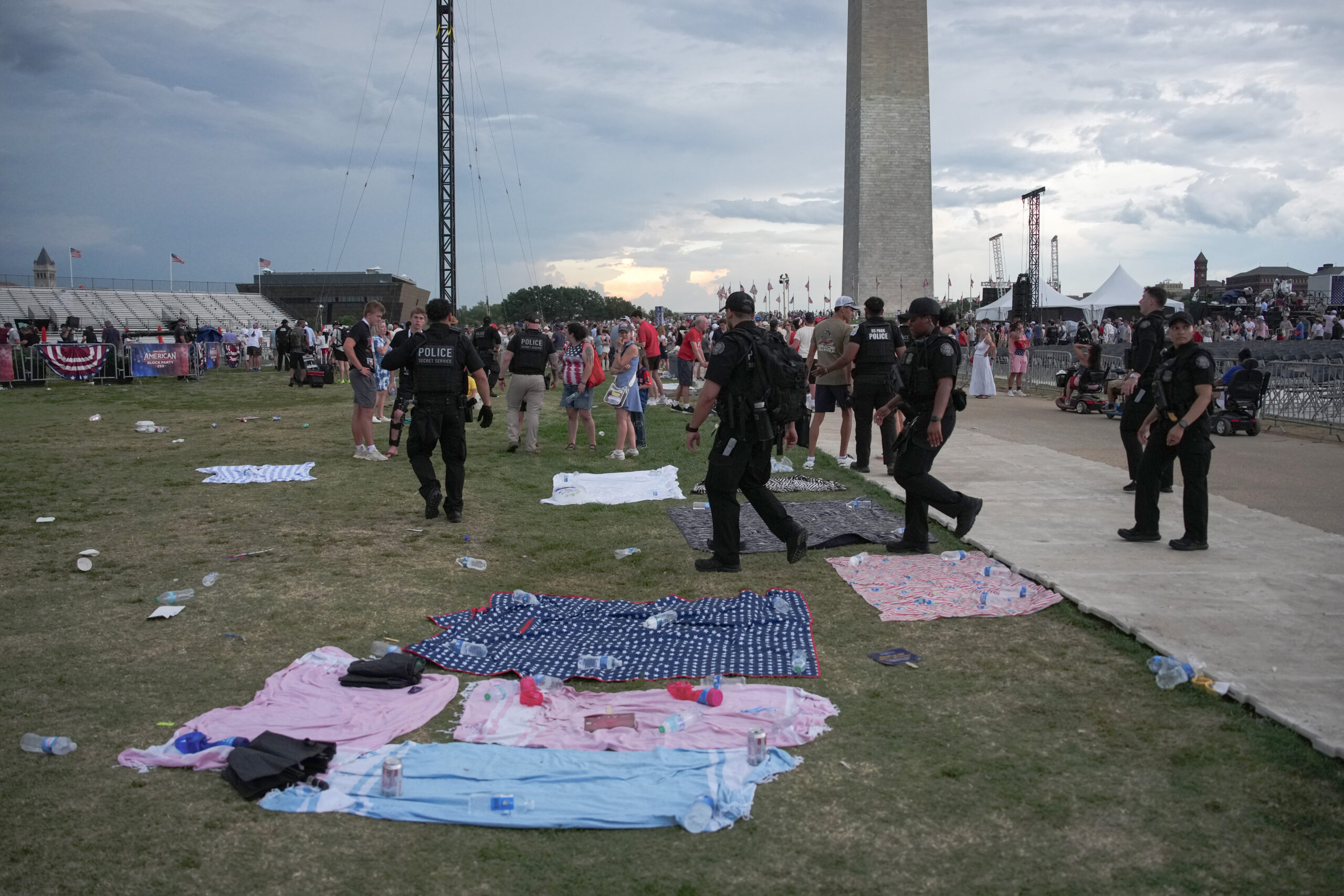
    On July 4, 2026, the National Mall in Washington D.C. experienced an evacuation due to severe weather conditions. This action occurred just prior to a scheduled speech by President Donald Trump. The sudden onset of thunderstorms and high winds prompted authorities to prioritize public safety, leading to the dispersal of thousands of attendees who had gathered for the Independence Day celebrations.

    The event underscored the challenges of outdoor mass gatherings when faced with unpredictable weather phenomena. Emergency protocols were activated swiftly. Public address systems and digital alerts informed the crowd of the impending danger and the need to seek shelter.

    The Independence Day Gathering

    Annually, the National Mall serves as a central hub for Independence Day festivities. Families, tourists, and citizens from across the nation converge on the iconic green space. They come to witness the fireworks display and participate in various commemorative events.

    For 2026, the expectation was no different. Preparations had been underway for weeks. Security perimeters were established. Stages were erected for speakers and performers. Vendors prepared for large crowds.

    President Trump was slated to deliver remarks as part of the official program. His presence historically draws significant attention. This year’s speech was anticipated to address themes of national unity and American exceptionalism.

    Weather Forecasts and Rapid Deterioration

    Early weather forecasts for July 4, 2026, had indicated a possibility of afternoon showers. However, the severity and speed of the approaching weather front surprised many. Meteorological reports from the National Weather Service began to escalate throughout the day.

    By mid-afternoon, radar imagery showed a strong line of thunderstorms moving eastward. These storms carried significant lightning potential and gusting winds. The National Mall, an open expanse, offers little natural protection against such elements.

    Officials monitored the situation closely. Decisions regarding public safety are made in conjunction with weather experts and emergency management agencies. The threshold for evacuation is typically met when there is an imminent threat to life and limb.

    The Evacuation Protocol

    The order to evacuate the National Mall was issued by relevant authorities in the late afternoon. This decision was not made lightly. It involved coordinating multiple agencies, including the National Park Service, U.S. Park Police, and local D.C. emergency services.

    Thousands of people were already present, having secured prime viewing spots. The process of safely directing such a large crowd requires clear communication and organized pathways. Law enforcement personnel were deployed to guide individuals away from exposed areas.

    Attendees were advised to move to nearby metro stations or seek shelter in sturdy buildings. The Smithsonian museums, located along the Mall, often serve as temporary havens during such weather events. However, even these facilities have capacity limits.

    Impact on President Trump’s Address

    President Trump’s appearance was a highly anticipated component of the Independence Day programming. His speech was expected to draw a substantial audience, both in person and via national broadcasts. The evacuation directly impacted these plans.

    Details regarding the exact timing of the cancellation or postponement emerged shortly after the evacuation began. Official channels confirmed that the President would not be delivering his remarks as scheduled on the National Mall. The safety of the public and personnel was cited as the paramount concern.

    Alternative arrangements, if any, were not immediately announced. The focus remained on the immediate safety of the public. This disruption marked a significant alteration to the nation’s primary Independence Day commemoration.

    Logistical Challenges of Mass Evacuation

    Evacuating an area as vast and densely populated as the National Mall presents immense logistical challenges. The sheer number of people, combined with the urgency of a severe weather threat, demands precision and speed.

    Emergency responders utilize pre-established plans for such scenarios. These plans include designated evacuation routes, communication strategies, and coordination points. The goal is to prevent panic and ensure an orderly departure.

    Traffic management around the National Mall also becomes critical. Roads are often closed or rerouted to facilitate emergency vehicle access and public transport. The D.C. Metro system plays a vital role in moving large numbers of people efficiently.

    Public Reaction and Safety Measures

    Public reaction to the evacuation was largely one of understanding and cooperation. While disappointment was evident among those who had traveled to attend, the overriding sentiment was a recognition of the need for safety. Social media platforms reflected both frustration at the disruption and appreciation for the authorities’ proactive measures.

    Safety remains the highest priority for event organizers and government agencies. The decision to evacuate is always a last resort, taken only when the risks associated with continuing an event outweigh the benefits. These decisions are informed by real-time data and expert assessment.

    The incident served as a reminder of the power of natural forces. It also highlighted the extensive planning and coordination required to manage large-scale public events in the nation’s capital. The collective effort to ensure public welfare during unexpected crises is a hallmark of effective emergency management.

    The fireworks display, the culminating event of the evening, was also subject to review. Decisions regarding pyrotechnic shows are heavily dependent on wind conditions and visibility. The ultimate fate of the fireworks was contingent on the weather system’s progression and clearance by safety officials.

    Thousands had gathered. Families had planned. President Trump was ready to speak. The skies opened. The Mall cleared. Washington D.C.

  • Hollywood & America: Is the Silver Screen Still Reflecting the Nation?

    Hollywood & America: Is the Silver Screen Still Reflecting the Nation?

    On July 4, 2026, as the United States celebrates its 250th anniversary, the question of whether Hollywood movies continue to embody and reflect American values has become a central point of cultural discussion. Historically, the American film industry has often depicted narratives that reinforce national identity, patriotism, and widely held societal principles, but recent trends suggest a potential shift in this long-standing tradition.

    This discussion emerges from a broader cultural conversation about the perceived erosion of traditional American values within mainstream media. The film industry, a powerful cultural force, frequently finds itself at the heart of these debates. Its productions reach global audiences, influencing perceptions of America both domestically and internationally.

    The Golden Age and National Identity

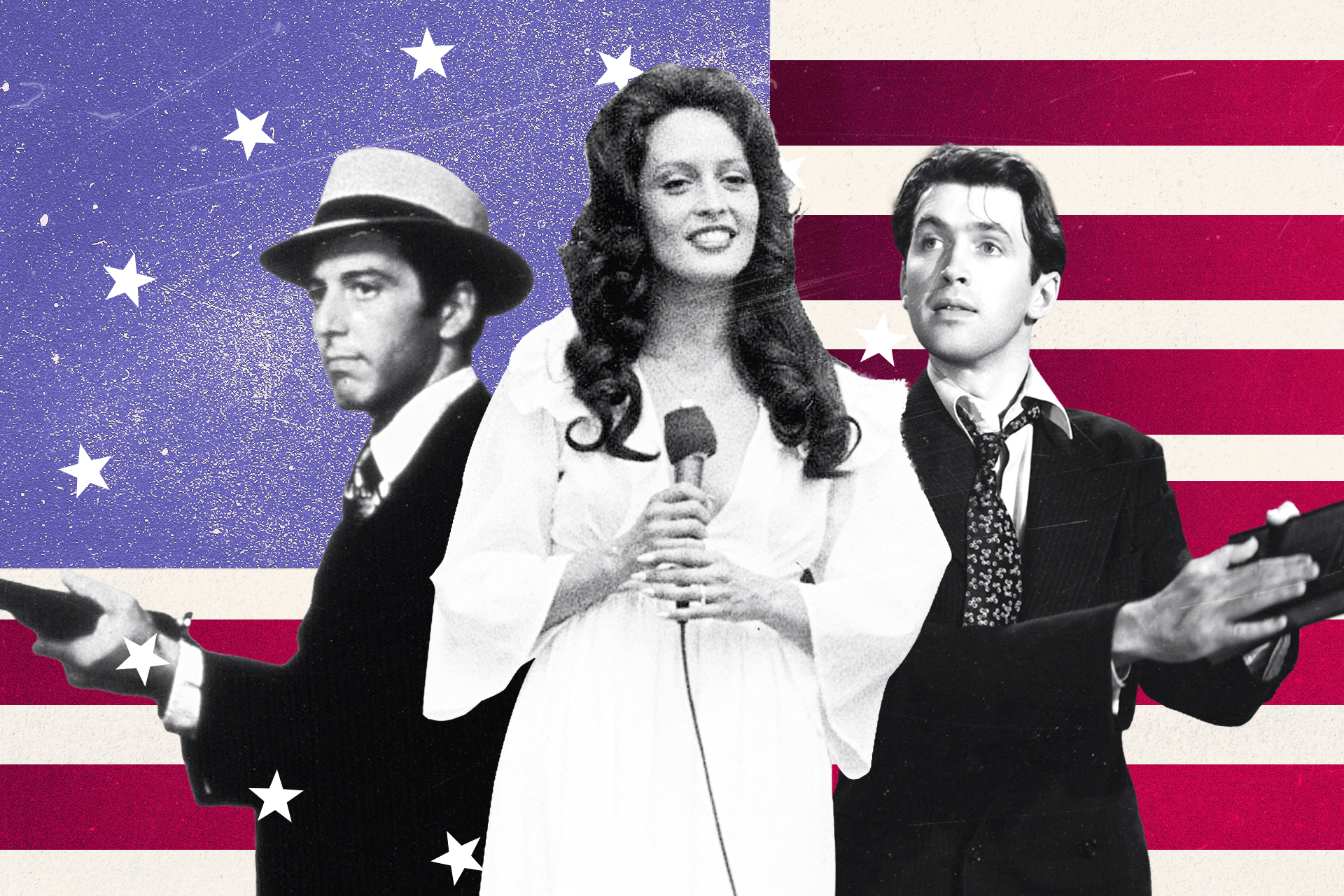
    From the early 20th century, Hollywood quickly established itself as a primary shaper of American mythology. Films like Mr. Smith Goes to Washington (1939) and Casablanca (1942) presented clear-cut heroes and villains. They often championed themes of democracy, freedom, and individual perseverance.

    During World War II, the film industry actively participated in the war effort. Movies like Sergeant York (1941) and Yankee Doodle Dandy (1942) boosted morale and solidified national unity. These films were not merely entertainment; they were instruments of national purpose.

    Post-war, the 1950s saw a continuation of this trend, albeit with emerging anxieties. Westerns, sci-fi, and family dramas often subtly or overtly explored American ideals. They depicted the promise of the American Dream and the challenges of a rapidly changing world.

    Cold War Narratives and Ideological Battlegrounds

    The Cold War era intensified Hollywood’s role in ideological warfare. Anti-communist films, sometimes produced under the shadow of McCarthyism, became prevalent. They served to define what America was by contrasting it with its perceived enemies.

    Even as the counter-culture movement began to question established norms in the late 1960s, many films retained a core American sensibility. They might critique the government or societal structures, but often from a perspective rooted in American ideals of justice and liberty.

    Shifting Sands: The Late 20th Century

    The 1970s marked a significant turning point. Films like Chinatown (1974) and Nashville (1975) offered more cynical, complex, and often critical portrayals of American institutions and history. This era reflected a national mood shaped by the Vietnam War and the Watergate scandal.

    However, blockbusters of the late 1970s and 1980s, such as Star Wars (1977) and Top Gun (1986), often returned to more traditional heroic narratives. These films resonated with audiences seeking escapism and a reaffirmation of American exceptionalism.

    The 1990s brought a mix of independent cinema’s introspection and mainstream Hollywood’s global expansion. While some films explored diverse American experiences, others focused on universal themes that transcended national boundaries.

    The 21st Century and Globalized Storytelling

    The events of September 11, 2001, led to a brief resurgence of overtly patriotic films. Movies like United 93 (2006) and American Sniper (2014) addressed national trauma and military heroism. Yet, this trend was not universal or long-lasting.

    The rise of streaming services and the increasing importance of international box office revenue have altered Hollywood’s calculus. Films are now often designed for global appeal, which can sometimes dilute specific American cultural references or themes.

    Diversity and Representation

    Contemporary Hollywood has also placed a greater emphasis on diversity and inclusion. This has led to a wider range of stories being told, reflecting a more complex and multicultural America. Films now explore experiences that were historically marginalized or ignored.

    This shift is seen by some as a necessary evolution, making Hollywood more representative of the actual American population. Others view it as a departure from a unified national narrative, potentially undermining traditional values.

    The 250th Anniversary: A Moment of Reflection

    As the nation observes its 250th birthday, the question of Hollywood’s reflection of America becomes particularly poignant. The film industry is a powerful cultural mirror, and its current reflections are subject to intense scrutiny.

    The debate is not whether Hollywood should only produce patriotic films. It is about the balance between critical examination, global appeal, and the portrayal of a shared national identity. The industry navigates a complex landscape of commercial pressures, artistic ambition, and societal expectations.

    “The erosion of traditional American values in Hollywood is a concern for many viewers,” noted a recent cultural analyst. “It prompts a feeling of cultural defense and defiance.”

    This sentiment highlights a tension between different visions of America. Hollywood’s role in this ongoing dialogue is undeniable. Its choices in storytelling, character development, and thematic focus contribute significantly to how America sees itself and how the world sees America.

    The Future of American Cinema

    The future of Hollywood’s relationship with American values remains uncertain. Will the industry gravitate towards narratives that reinforce traditional ideals, or will it continue to push boundaries and explore new interpretations of American identity?

    The economic realities of filmmaking, coupled with evolving social norms, will continue to shape these decisions. Audiences, through their viewership and engagement, also play a role in determining what kinds of stories get told and celebrated.

    The 250th July 4th serves as a critical juncture. It invites both celebration and introspection. It prompts a re-evaluation of the cultural institutions that define the nation.

    Filmmakers continue to tell stories. Audiences continue to watch. Critics continue to analyze. The dialogue about Hollywood and America continues.

    Defining American Values on Screen

    What constitutes “American values” is itself a dynamic and contested concept. For some, it refers to a set of foundational principles like liberty, individualism, and free-market capitalism. For others, it includes ideals of equality, social justice, and collective responsibility.

    Hollywood’s challenge lies in navigating these diverse interpretations. A film that resonates deeply with one segment of the American population might alienate another. This complexity is inherent in a large, diverse nation.

    The industry’s output often mirrors these internal national conversations. It can both initiate and respond to cultural shifts. The stories on screen are never entirely separate from the stories being lived across the country.

    The debate is as old as Hollywood itself. It will likely continue for another 250 years. The medium of film remains a powerful tool for cultural expression and national self-definition.

    Conclusion: A Continuous Dialogue

    The historical ties between Hollywood and American identity are deep. The industry has long served as a cultural ambassador. It has celebrated national triumphs. It has grappled with national failings.

    On this 250th anniversary, the conversation intensifies. The silver screen’s reflection of America is still evolving. The values portrayed are still being debated. The stories told are still being consumed.

    Audiences seek connection. Filmmakers seek expression. The nation seeks understanding.

    Hollywood.

  • Adam Aron’s Deleted Swift-Kelce Wedding Post – A Social Media Firestorm

    Adam Aron’s Deleted Swift-Kelce Wedding Post – A Social Media Firestorm

    The Swift Deletion: Adam Aron and the Celebrity Wedding

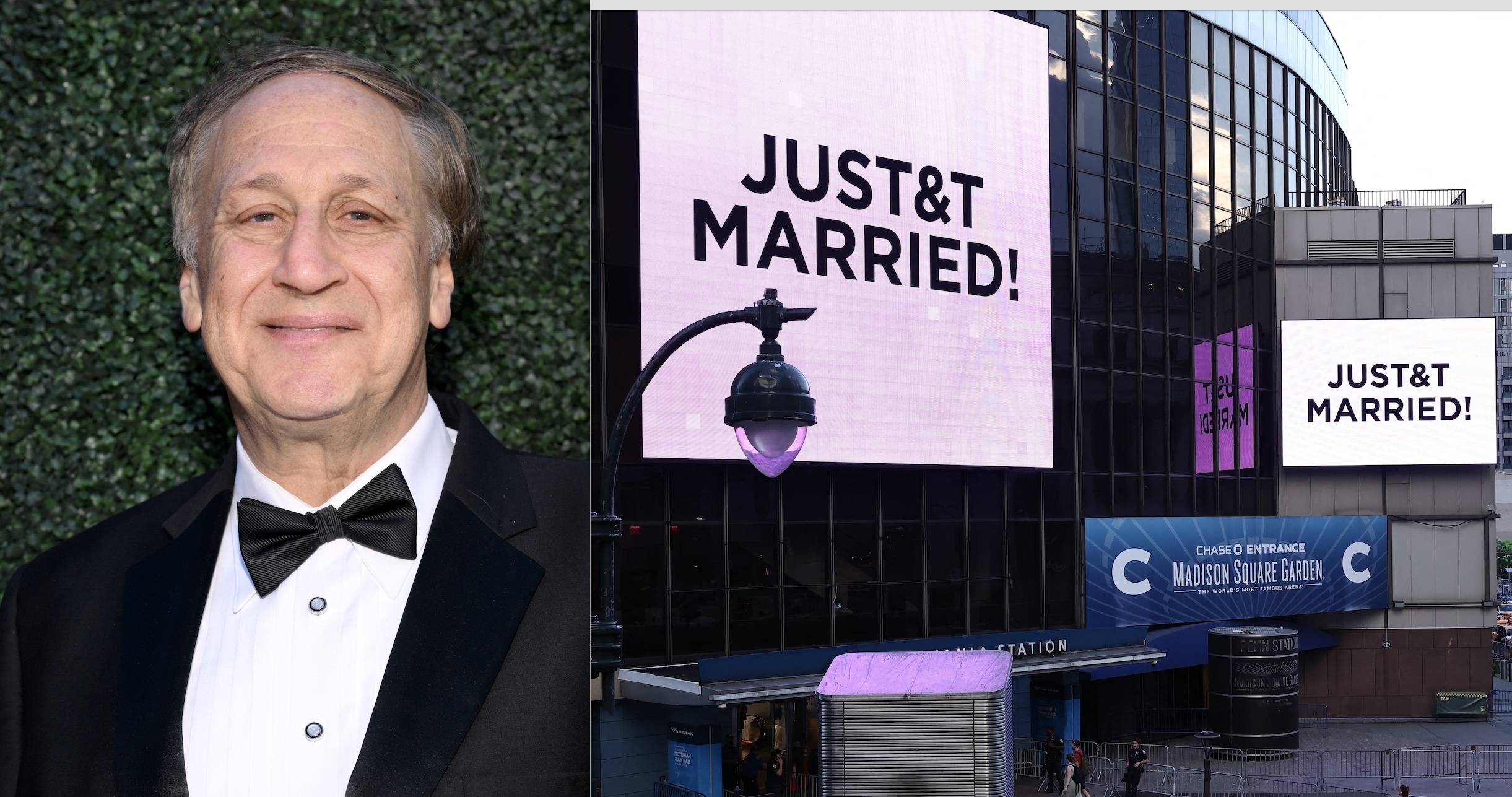
    On July 3, 2026, Adam Aron, the Chief Executive Officer of AMC Entertainment, posted a detailed, insider account of the wedding ceremony between global pop sensation Taylor Swift and National Football League tight end Travis Kelce. This public sharing of a private event, which quickly went viral, was deleted from Aron’s official social media account shortly after its appearance. The swift removal of the post, rather than its initial content, became the primary driver of public discussion and media analysis.

    The deletion immediately fueled intense speculation across social media platforms. Screenshots and discussions of the original message proliferated, ensuring its content remained accessible despite its official removal. This incident quickly became a focal point for debates regarding celebrity privacy, the responsibilities of corporate executives on social media, and the enduring power of digital footprints.

    The Nuptials of Swift and Kelce: A Private Affair

    Taylor Swift and Travis Kelce’s relationship had been a subject of extensive public and media fascination since its emergence in late 2023. Their high-profile romance captivated audiences globally, generating significant media coverage and fan engagement. The couple’s decision to marry was met with widespread public interest, though details remained closely guarded.

    The wedding ceremony itself was understood to be a highly private affair. Leading up to the event, details were scarce, and both Swift and Kelce maintained a deliberate silence regarding their plans. This commitment to privacy amplified the impact of Aron’s unexpected social media disclosure, offering what appeared to be an unauthorized, firsthand account of the proceedings.

    The Public’s Fascination with Celebrity Unions

    Celebrity weddings consistently draw immense public attention. From royal ceremonies to Hollywood unions, these events often become cultural touchstones. The desire for intimate details, however, frequently clashes with the couple’s desire for personal space.

    The Swift-Kelce nuptials were no exception. As two of the most recognizable figures in their respective fields, their union represented a significant moment in popular culture. The public’s appetite for information about their wedding was substantial, creating a high-pressure environment for any potential leaks or disclosures.

    Adam Aron’s Digital Persona: A CEO on Social Media

    Adam Aron is widely recognized for his active and often direct engagement on social media platforms. As the CEO of AMC Entertainment, Aron has frequently utilized these channels to communicate with shareholders, fans of the cinema chain, and the broader public. His social media presence is characterized by a conversational tone and a willingness to share insights and opinions.

    This established pattern of direct digital communication forms the backdrop for the July 3, 2026, incident. Aron’s previous posts have covered topics ranging from AMC’s financial performance to personal observations and interactions with the company’s retail investor base, often referred to as “Apes.” His use of social media has been a distinctive aspect of his leadership style at AMC, fostering a direct line of communication with stakeholders.

    Navigating the Public Eye as a Corporate Leader

    For corporate leaders like Aron, social media presents a double-edged sword. It offers unparalleled opportunities for direct engagement and brand building. However, it also carries significant risks, as personal and professional boundaries can easily blur. Every post, even those intended as personal, can reflect upon the company they lead.

    Aron’s active presence has made him a unique figure among Fortune 500 CEOs. His willingness to engage directly, sometimes controversially, has garnered both praise and criticism. This history of outspokenness set the stage for the intense reaction to his wedding post.

    The Content of the Deleted Message: An Intimate Glimpse

    While the exact wording of Aron’s deleted post has been widely circulated through screenshots, its essence conveyed an intimate perspective on the Swift-Kelce wedding. The post reportedly included the phrase, “I Wish You All Could Have Been There With Me.” This particular sentiment suggested a personal presence at the event and a desire to share the experience with his followers, implying a close relationship with the newlyweds.

    The detailed nature of the account, combined with the personal tone, led many to believe Aron was indeed an invited guest. The content provided specific observations about the ceremony’s atmosphere, the couple’s demeanor, and other elements typically reserved for close friends and family. This level of detail contributed significantly to the post’s rapid dissemination and the subsequent public reaction, as it offered a rare peek behind the carefully constructed curtain of celebrity privacy.

    The Power of Unofficial Information

    In an age where official channels are meticulously managed, unofficial disclosures often carry significant weight. Aron’s post, despite its brevity, provided a narrative that felt authentic and unvarnished, precisely because it was not part of a planned media release. This perceived authenticity magnified its impact, even as its legitimacy was questioned by some.

    The post’s content, detailing specific moments and emotions, painted a vivid picture for those who had eagerly awaited news of the wedding. This vividness, however, also raised concerns about the appropriateness of sharing such private moments without explicit consent from the individuals involved.

    Why the Deletion? Unraveling the Motives

    The swift removal of Aron’s post immediately raised questions about the reasons behind the action. Speculation ranged from a direct request by the newlyweds or their representatives to a self-correction by Aron or his social media team after realizing the breach of privacy. The private nature of the wedding strongly suggests that any public disclosure, especially one with such specific details, would be contrary to the couple’s wishes.

    Public relations experts and social media strategists often advise caution when high-profile individuals share information about private events without explicit consent. The potential for reputational damage or a breach of trust is significant. The deletion indicated an acknowledgment, either internal or external, that the post had overstepped boundaries or was otherwise inappropriate for public consumption.

    The Ethics of Disclosure and Celebrity Privacy

    The incident sparked a broader conversation about the ethics of disclosure. When an individual, even a public figure, shares details about another person’s private event, it raises questions about consent, trust, and the boundaries of personal relationships in the public sphere. The act of deletion, in this context, can be interpreted as an attempt to rectify an ethical misstep.

    The pressure on public figures to maintain a curated image is immense. Any deviation from this, especially by an associate, can have far-reaching consequences. The quick removal of the post suggests an understanding of these dynamics, whether proactively or reactively.

    Celebrity Privacy in the Digital Age: A Constant Battle

    The incident involving Aron’s post highlights the persistent challenges of maintaining privacy for celebrities in an era of ubiquitous digital communication. Public figures like Taylor Swift and Travis Kelce navigate a landscape where every interaction, every event, and every personal moment holds potential for public exposure. Social media platforms, while offering direct connection with fans, also present avenues for unintended or unauthorized disclosures, making privacy a constant battle.

    The expectation of privacy for personal events, even for global icons, remains a complex issue. While fans often crave details about their favorite celebrities’ lives, there is a recognized boundary around private milestones such as weddings. Aron’s post inadvertently breached this boundary, triggering a broader conversation about digital etiquette and the responsibilities of those with large public platforms.

    The Impact of Screenshots and Viral Content

    The speed at which Aron’s post was screenshotted and shared demonstrates the irreversible nature of digital information. Once something is posted online, even for a moment, it can be captured and disseminated indefinitely. This reality makes managing one’s digital footprint, especially for public figures, an increasingly difficult task.

    The viral spread of the content, despite its deletion, underscores a fundamental truth of the internet: deletion does not equate to erasure. This permanence adds another layer of complexity to social media engagement for anyone in the public eye.

    The Role of Corporate Leadership in Social Media: A Case Study

    Adam Aron’s position as a prominent CEO adds another layer to this discussion. Corporate leaders are increasingly expected to have a public presence, often leveraging social media for branding, investor relations, and direct engagement. However, this visibility comes with inherent risks, particularly when personal and professional boundaries blur, as demonstrated by the Swift-Kelce wedding post.

    The incident serves as a significant case study for corporate communication in the digital age. It underscores the need for clear guidelines and careful consideration when executives engage on platforms where their personal opinions or shared experiences can quickly impact public perception of their company. Aron’s post, while personal in nature, was made by an individual inextricably linked to a major public corporation, making the distinction between personal and professional difficult for the public to discern.

    Establishing Boundaries in Executive Communications

    The event prompted many organizations to re-evaluate their social media policies for executives. The line between sharing personal experiences and maintaining corporate decorum is fine. An executive’s personal posts can easily be misinterpreted or seen as reflecting the company’s stance or values.

    This incident highlighted the importance of anticipating public reaction and understanding the potential ripple effects of seemingly innocuous posts. For CEOs, every public statement carries weight, whether it’s about business strategy or a celebrity wedding.

    Public Reaction and Media Fallout: A Trending Topic

    The public reaction to Aron’s deleted post was immediate and varied. Many social media users expressed surprise at the disclosure, while others criticized what they perceived as a breach of privacy. The incident generated numerous memes, discussions, and news articles across entertainment and business media outlets. The story quickly trended, demonstrating the immense public interest in the lives of Swift and Kelce and the controversy surrounding the post.

    Media outlets covered the story extensively, analyzing the implications for celebrity privacy and the conduct of corporate executives on social media. The brief, unauthorized glimpse into the wedding became a talking point, overshadowing other news of the day and dominating online conversations. The rapid dissemination of the story illustrated the power of social media to amplify even fleeting moments into major news events.

    The Aftermath: Lingering Questions and Lessons Learned

    The fallout from the deleted post continued for days, with commentators dissecting every aspect of the incident. Questions arose about who requested the deletion, whether Aron faced any repercussions, and what lessons could be drawn by other public figures and corporate leaders.

    Ultimately, the incident served as a potent reminder of the complexities of operating in a hyper-connected world, where privacy is increasingly elusive and digital actions have lasting consequences. The wedding, intended as a private celebration, became a public spectacle, not through its own design, but through an unexpected social media misstep.

    The post was shared. The details were read. The post was deleted. The conversation continued. The digital age leaves no room for true secrets.

  • President Trump’s America 250 Speech: Saluting Heroes, Challenging Communism

    President Trump’s America 250 Speech: Saluting Heroes, Challenging Communism

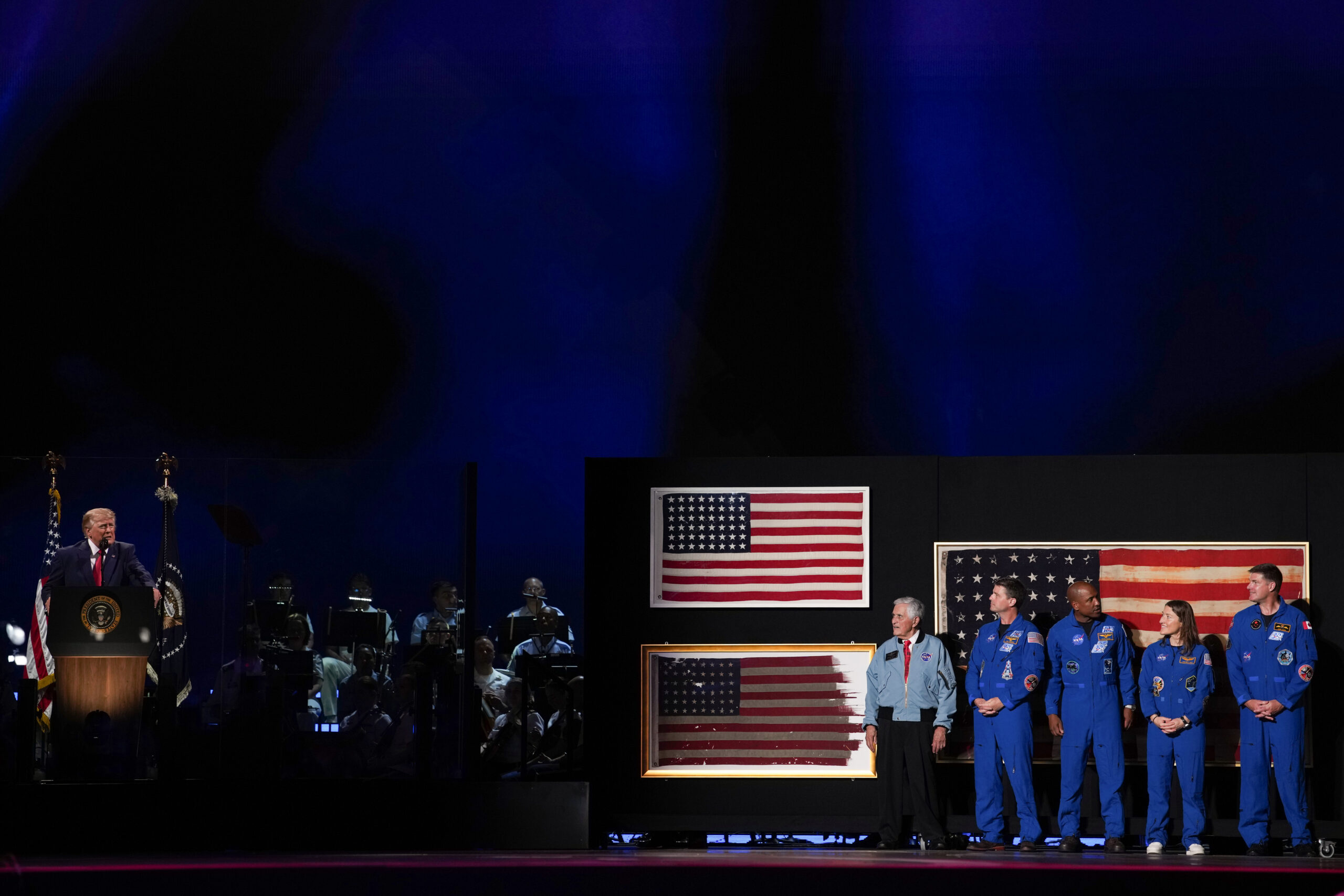
    On July 4, 2026, President Donald Trump delivered his “America 250” speech, an address that simultaneously honored American heroes and articulated a firm stance against communism. The speech, given on Independence Day, served as a prelude to the nation’s semiquincentennial, emphasizing themes of national heritage and resilience.

    The President’s remarks touched upon the foundational principles of the United States, drawing a clear line between American ideals and opposing political systems. This dual focus aimed to unify supporters around a shared vision of American strength and purpose.

    The America 250 Commemoration

    The “America 250” initiative frames a period of national reflection and celebration leading up to the 250th anniversary of the Declaration of Independence in 2026. President Trump’s speech on July 4, 2026, was a pivotal event within this commemorative framework. It sought to galvanize patriotic sentiment across the country.

    The Independence Day address was designed to highlight the historical journey of the United States. It acknowledged the struggles and triumphs that have shaped the nation over two and a half centuries. The President positioned the event as a moment to reaffirm core American values.

    Honoring Military Veterans

    A significant portion of President Trump’s speech was dedicated to honoring American military veterans. He acknowledged their sacrifices in defending the nation’s freedoms and democratic principles. The President spoke of the bravery and dedication exhibited by service members throughout history.

    He emphasized the profound debt of gratitude owed to those who have served in the armed forces. This tribute resonated with a long-standing tradition of presidential recognition for military personnel. It connected the present generation of Americans to their historical defenders.

    The President’s remarks underscored the role of the military in safeguarding the nation’s sovereignty. He highlighted the importance of supporting veterans in their post-service lives. This segment of the speech aimed to foster national unity through shared respect for military service.

    Celebrating Astronauts and Space Exploration

    President Trump also extended his commendations to American astronauts, celebrating their contributions to science, exploration, and national prestige. He recognized the spirit of innovation and daring that defines the U.S. space program. The President linked space achievements to American exceptionalism.

    He spoke of the pioneering spirit that led to milestones such as the moon landing. These achievements, he noted, inspire future generations and demonstrate American ingenuity. The President emphasized the ongoing importance of leadership in space exploration.

    The inclusion of astronauts in the speech highlighted a different facet of American heroism. It showcased the nation’s capacity for scientific advancement and its ambition to push the boundaries of human knowledge. This recognition aimed to inspire a renewed sense of national purpose.

    A Strong Stance Against Communism

    A central theme of President Trump’s “America 250” speech was a strong and unequivocal condemnation of communism. He characterized communism as an ideology fundamentally opposed to American values of freedom, individual liberty, and free enterprise. The President articulated the dangers he perceives in communist systems.

    He drew historical parallels, referencing the Cold War era and the struggles against totalitarian regimes. The President emphasized that American principles stand in direct contrast to the collectivist nature of communism. He warned against its potential influence.

    Historical Context and Ideological Conflict

    President Trump’s remarks on communism invoked a long history of ideological conflict between the United States and communist states. He recalled the sacrifices made to counter communist expansionism globally. The speech positioned America as a bulwark against such ideologies.

    He spoke of the economic failures and human rights abuses often associated with communist governance. The President asserted that these outcomes are antithetical to the pursuit of happiness and prosperity. His message aimed to reinforce American resolve.

    The President reiterated the importance of vigilance against any resurgence of communist thought. He urged citizens to understand the distinctions between American democracy and authoritarian systems. This part of the speech was a call to ideological clarity.

    Defending American Principles

    The condemnation of communism served to underscore President Trump’s commitment to American principles. He highlighted individual freedom, limited government, and the rule of law as cornerstones of the nation’s identity. The President presented these values as universal aspirations.

    He argued that these principles have enabled American prosperity and innovation. The speech framed the defense of these values as a continuous struggle. It encouraged citizens to actively uphold them.

    The President’s address sought to instill a sense of pride in the American system. It contrasted this system with the perceived failures of communism. This rhetorical approach aimed to solidify support for his vision of national strength.

    The Wider Political Landscape

    President Trump’s “America 250” speech on July 4, 2026, occurred within a dynamic political environment. His administration continued to focus on national sovereignty and economic nationalism. The speech reinforced these established themes.

    The address served as a reaffirmation of his political base’s core beliefs. It provided a clear statement on issues of national identity and global ideology. The President’s remarks aimed to resonate deeply with his supporters.

    Resonance with the Base

    The speech’s emphasis on veterans, astronauts, and anti-communism directly appealed to key segments of President Trump’s support. These themes are often central to conservative political discourse. They evoke a sense of traditional American values.

    The President’s strong language against communism has historically been a unifying force for many conservatives. It taps into a legacy of American foreign policy. The address aimed to energize his political base.

    His celebration of American achievement and warnings against external ideologies reinforced a message of national self-reliance. This approach has consistently defined his public communication. It strengthens his connection with voters.

    Cultural Identity and National Pride

    President Trump’s speech tapped into broader questions of cultural identity and national pride. He presented a narrative of American exceptionalism, rooted in historical achievements and shared values. The address aimed to foster a collective sense of purpose.

    He encouraged citizens to embrace their American heritage with confidence. The President’s message sought to counter perceived challenges to traditional American culture. It promoted a vision of a strong and unified nation.

    The “America 250” platform provided an ideal stage for these discussions. It allowed for a blend of historical commemoration and contemporary political messaging. The speech was a strategic move within the ongoing cultural dialogue.

    Reactions and Impact

    The “America 250” speech garnered significant attention, prompting varied reactions across the political spectrum. Supporters lauded President Trump’s strong stance and patriotic message. They viewed it as a necessary articulation of American values.

    Critics, however, questioned the political framing of a national holiday. They debated the efficacy and appropriateness of such direct ideological condemnations. The speech became a point of discussion in media outlets.

    Media Coverage and Public Discourse

    Media coverage of the speech highlighted its dual focus on national heroes and ideological critique. News organizations analyzed the President’s rhetoric and its potential implications. Public discourse centered on the balance between celebration and political messaging.

    Commentators discussed how the speech fit into the broader narrative of the Trump presidency. They examined its potential impact on upcoming political debates. The address contributed to the national conversation.

    Social media platforms reflected a wide range of opinions. Online discussions debated the historical accuracy and contemporary relevance of the President’s claims. The speech generated considerable engagement.

    Long-Term Significance

    The “America 250” speech on July 4, 2026, is likely to be remembered as a significant address in President Trump’s second term. It combined historical commemoration with a clear articulation of his administration’s ideological stance. The speech aimed to leave a lasting impression.

    Its themes of national pride, military honor, scientific achievement, and anti-communism are central to his political identity. The address served as a benchmark for his vision of America. It will be referenced in future discussions about his legacy.

    The event also set a tone for the ongoing “America 250” celebrations. It shaped how many Americans perceive the nation’s journey and future direction. The speech was a powerful statement.

    Veterans stood. Astronauts soared. Freedom rang.

    America.

  • Great American State Fair Postponed – Extreme Heat Forces Delay in D.C.

    Great American State Fair Postponed – Extreme Heat Forces Delay in D.C.

    The 2026 Great American State Fair Postponement

    The 2026 Great American State Fair, a prominent cultural event historically held in Washington D.C. during the summer months, has been postponed. This decision was announced on July 3, 2026, citing an extreme heatwave forecast for the nation’s capital. The Fair, known for its celebration of American agriculture, industry, and entertainment, will not proceed as originally scheduled.

    Organizers released a statement detailing the safety concerns for attendees, vendors, and livestock. The projected temperatures and heat index values were deemed too hazardous for a large-scale outdoor event. This marks a rare disruption for an institution that has drawn millions of visitors over its history.

    Impact of Extreme Weather on Public Gatherings

    The postponement of the Great American State Fair underscores a growing trend. Extreme weather events, including heatwaves, wildfires, and severe storms, increasingly force the cancellation or rescheduling of major public gatherings. Cities and event organizers face new challenges in ensuring public safety amidst changing climate patterns.

    Washington D.C. has experienced several periods of elevated temperatures in recent years. However, the current forecast indicated conditions that exceeded established safety thresholds for prolonged outdoor exposure. Public health officials supported the decision, prioritizing the well-being of all participants.

    Historical Context of the Great American State Fair

    The Great American State Fair has roots stretching back to the early 20th century. It began as a regional agricultural showcase, evolving into a nationwide celebration. Its location in Washington D.C. often provided a unique backdrop, blending national symbols with local traditions.

    Over decades, the Fair became a symbol of American ingenuity and community spirit. It featured livestock competitions, craft exhibits, carnival rides, and musical performances. Families from across the country planned summer vacations around its dates, making its postponement particularly impactful.

    Economic Repercussions for Vendors and Local Businesses

    The postponement carries significant economic implications. Hundreds of vendors, many of them small businesses, rely on the Fair for a substantial portion of their annual revenue. These vendors invest heavily in inventory, staffing, and travel in anticipation of the event.

    Local businesses in the D.C. metropolitan area, including hotels, restaurants, and transportation services, also anticipate a surge in activity during the Fair. The sudden change disrupts these projections, potentially leading to financial losses. Event organizers are working to mitigate these impacts, though specific measures have not yet been detailed.

    The Science Behind the Heatwave

    Meteorological data indicates an intense high-pressure system positioned over the Mid-Atlantic region. This system traps warm air, preventing it from dissipating and leading to a sustained period of high temperatures and humidity. The National Weather Service issued excessive heat warnings for the entire D.C. area.

    Temperatures are projected to reach well into the triple digits Fahrenheit, with heat index values exceeding 110 degrees Fahrenheit (43 degrees Celsius). Such conditions can lead to heat stroke, exhaustion, and other severe health complications, particularly for vulnerable populations and those engaged in strenuous outdoor activity.

    Public Health Advisories Issued

    In response to the forecast, local health authorities issued comprehensive public health advisories. Residents were urged to remain indoors, stay hydrated, and limit outdoor activities, especially during peak daytime hours. Cooling centers were designated across the city to provide refuge for those without air conditioning.

    The advisories highlighted specific risks for children, the elderly, and individuals with pre-existing health conditions. The decision to postpone the Fair aligns with these public health recommendations, prioritizing community safety above all else.

    Previous Instances of Event Disruptions Due to Weather

    While a full postponement of the Great American State Fair is rare, other major events have faced similar challenges. In 2023, several music festivals in the Southern United States adjusted schedules due to extreme thunderstorms. The 2020 Tokyo Olympics faced significant heat concerns, leading to schedule changes for outdoor events.

    These instances illustrate a broader pattern. Event planners globally are increasingly incorporating climate resilience into their operational strategies. This includes contingency planning for extreme temperatures, heavy precipitation, and other unpredictable weather phenomena.

    Adaptation Strategies for Future Events

    The organizers of the Great American State Fair will likely review their protocols in light of this postponement. Future planning may include earlier assessments of long-range weather forecasts, the development of indoor alternatives, or the exploration of different seasonal timings for the event. The goal remains to preserve the Fair’s tradition while ensuring attendee safety.

    Discussions around climate change and its effect on daily life continue to gain prominence. The postponement of a beloved national event serves as a tangible example of these shifts. It prompts a reevaluation of how traditional gatherings can adapt to a changing environment.

    Community Reaction and Future Outlook

    The public reaction to the postponement has been a mix of disappointment and understanding. Many expressed sadness over missing a cherished annual tradition. However, the overwhelming sentiment recognized the necessity of the decision for public safety.

    Social media platforms saw an outpouring of comments from individuals who had planned to attend. Families shared memories of past Fairs, expressing hope for a rescheduled event. The shared experience of disappointment also fostered a sense of collective understanding regarding the seriousness of the heatwave.

    Uncertainty Regarding Rescheduling

    As of July 3, 2026, no new dates for the Great American State Fair have been announced. Organizers stated that they would assess potential options, but acknowledged the complexities involved in rescheduling such a large-scale event. Factors such as venue availability, vendor commitments, and long-term weather forecasts will all play a role in any future decisions.

    The uncertainty leaves many awaiting further updates. The Fair’s future dates remain a subject of considerable public interest. The event’s place in the national calendar feels temporarily suspended.

    Anticipation built. Preparations ceased. The heat descended. The Fair waited.

    Postponed.