Tag: 2026

  • President Trump’s Donor Network: Funding His Accounts

    President Trump’s Donor Network: Funding His Accounts

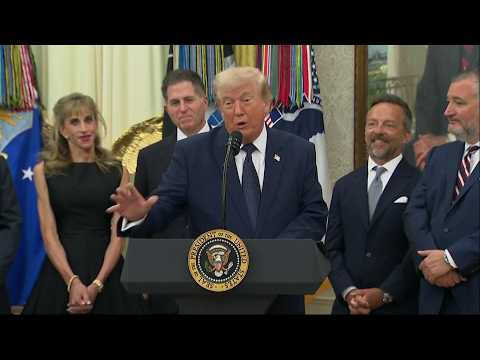
    President Donald Trump has confirmed that his various accounts receive financial contributions from generous donors. This arrangement demonstrates a significant network of supporters dedicated to backing his political and personal initiatives. The funding model highlights the continuous engagement of his base and other benefactors.

    This financial backing is a critical component of President Trump’s operations. It enables various activities, from political campaigning to legal defenses and personal ventures. The transparency surrounding these contributions offers insight into the financial landscape supporting a prominent national figure.

    The Role of Donor Contributions

    Donor contributions form a foundational aspect of many public figures’ financial strategies. For President Trump, these funds are channeled into different accounts. These accounts can serve diverse purposes, reflecting the multifaceted nature of his public and private life. The inflow of funds from supporters underscores their commitment.

    These contributions are not uncommon in the political sphere. Political action committees (PACs) and individual donations are standard methods for financing campaigns and related activities. However, the scope and scale of support for President Trump often draw particular attention. The sustained nature of this support is notable.

    Understanding the Funding Mechanisms

    The mechanisms through which donors contribute to President Trump’s accounts are varied. They can include direct donations to campaign committees. Legal defense funds represent another channel. Personal accounts also receive contributions, as indicated by President Trump himself.

    Each type of account operates under specific regulations. Campaign finance laws govern political contributions. These laws mandate disclosure of donors and amounts. Personal gifts, however, may fall under different legal frameworks. The distinction between these categories is often a subject of public and legal scrutiny.

    For instance, the Federal Election Commission (FEC) oversees campaign finance. It sets limits on individual and organizational contributions to political campaigns. These limits are designed to prevent undue influence. They also aim to ensure transparency in political funding.

    Who Are the Generous Donors?

    The identity of these generous donors spans a wide spectrum. They include individual supporters, often referred to as the grassroots base. Wealthy individuals and corporate entities also form part of this network. Their motivations are diverse, ranging from ideological alignment to strategic interests.

    Many donors contribute out of a belief in President Trump’s policies and leadership. Others may see their contributions as an investment in a particular political future. The aggregate of these individual decisions creates a significant financial force. This force allows President Trump to maintain a high level of activity and influence.

    Impact on Political Landscape

    The continuous flow of donor funds significantly impacts the political landscape. It provides President Trump with resources to maintain a public profile. It also supports his ability to influence political discourse. This financial strength is a key factor in his ongoing political relevance.

    The ability to raise substantial funds from donors is often seen as a measure of political strength. It indicates a candidate’s or figure’s ability to mobilize resources. This mobilization can be crucial for future electoral contests. It also supports post-presidency activities and influence.

    Financial Independence and Influence

    Financial independence, bolstered by donor contributions, allows President Trump a degree of autonomy. This autonomy can be crucial in navigating political challenges. It enables him to pursue legal battles and maintain various business interests. The funding underpins his operational capabilities.

    The influence derived from financial backing extends beyond direct political campaigns. It can support media appearances, public relations efforts, and organizational development. This comprehensive support structure maintains a constant presence in the public eye. It also reinforces his base of support.

    Public Perception and Scrutiny

    The funding of prominent political figures’ accounts often attracts public perception and scrutiny. Transparency is a key concern for many. The source and use of funds are frequently examined by media, watchdog groups, and the public.

    Questions often arise regarding the ethical implications of certain donations. Potential conflicts of interest are another area of focus. These discussions are part of a broader conversation about money’s role in politics. They highlight the ongoing debate over campaign finance reform and accountability.

    Transparency and Accountability

    Transparency in financial dealings is crucial for public trust. While campaign donations are often disclosed, other types of contributions may not be. This can lead to calls for greater accountability. The public often seeks clarity on how funds are raised and expended.

    Regulatory bodies and journalistic investigations play a role in ensuring transparency. They examine financial records and question practices. This scrutiny helps to uphold ethical standards. It also informs the public about the financial realities of political power.

    Historical Context of Political Funding

    The practice of political figures raising funds from donors has a long history. From early American political campaigns to modern-day super PACs, financial backing has always been essential. The methods and regulations have evolved over time. However, the fundamental need for resources remains constant.

    In the past, political funding was often less regulated. This led to various abuses and calls for reform. The 20th century saw significant legislative efforts to control money in politics. These efforts included acts like the Federal Election Campaign Act (FECA) of 1971. FECA introduced stricter disclosure requirements.

    Modern Campaign Finance Laws

    Modern campaign finance laws continue to be debated and refined. The Bipartisan Campaign Reform Act of 2002 (McCain-Feingold) was another significant piece of legislation. It aimed to reduce the influence of “soft money” in federal campaigns. However, Supreme Court decisions, like Citizens United v. FEC (2010), have altered the landscape. These decisions have allowed for increased independent expenditures by corporations and unions.

    The current environment allows for various types of political organizations. Super PACs can raise and spend unlimited amounts of money. They cannot coordinate directly with campaigns. These groups play a significant role in modern elections. They also contribute to the complex web of political financing.

    Future of Donor Support

    The future of donor support for President Trump and other political figures will likely continue to evolve. Digital fundraising has become increasingly important. Online platforms allow for micro-donations from a broad base of supporters. This trend may shift the dynamics of political financing.

    The role of large donors will also remain significant. Their contributions often provide substantial capital for major initiatives. The interplay between small-dollar donors and large benefactors will shape future political funding strategies. This dynamic reflects an ongoing adaptation to technological and legal changes.

    President Trump’s acknowledgment of generous donors highlights a fundamental aspect of contemporary politics. Financial support underpins political activity. It enables public engagement. It funds legal and personal endeavors.

    Donors contribute for varied reasons. Regulations attempt to ensure transparency. Public scrutiny remains constant.

    Political figures, campaigns, and organizations rely on these contributions. The system evolves with technology. The debate continues. The funding mechanisms persist.

    Support.
  • NATO Summit 2026: Washington’s Urgent Agenda – Deterrence, Ukraine, & China

    NATO Summit 2026: Washington’s Urgent Agenda – Deterrence, Ukraine, & China

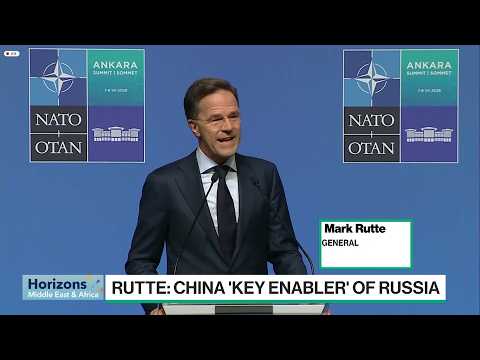
    The North Atlantic Treaty Organization (NATO) is preparing for its 2026 Summit in Ankara, Turkey, a critical meeting set to define the alliance’s response to an array of global security challenges. The primary agenda items include solidifying deterrence in Eastern Europe, reaffirming unwavering support for Ukraine, and formulating a unified strategy regarding China’s expanding influence. This gathering will bring together heads of state and government from across the transatlantic alliance to make decisive policy choices.

    This summit represents a pivotal moment for NATO, returning to its founding city for a major assembly. The discussions will aim to strengthen collective defense, adapt to emerging threats, and ensure the alliance’s continued relevance in a complex international environment. Specific decisions on military posture, resource allocation, and strategic partnerships are anticipated.

    Deterrence and Defense in Eastern Europe

    A central pillar of the 2026 NATO Summit agenda will be the enhancement of deterrence and defense capabilities in Eastern Europe. Member states will assess the current security landscape, particularly in light of ongoing Russian aggression and its implications for alliance members. Discussions will focus on reinforcing NATO’s eastern flank.

    Leaders are expected to review the deployment of forces, pre-positioned equipment, and military exercises designed to demonstrate NATO’s readiness and resolve. The goal is to send an unequivocal message of collective defense, ensuring that any threat to a member state is met with a unified and robust response. Decisions on increasing defense spending commitments may also be on the table.

    Sustained Support for Ukraine

    The long-term commitment to Ukraine’s sovereignty and territorial integrity will form another critical component of the summit’s discussions. NATO members will debate the most effective mechanisms for providing sustained military, financial, and humanitarian aid to Ukraine. This includes the provision of advanced weaponry, training programs, and reconstruction assistance.

    Consideration will also be given to Ukraine’s future relationship with NATO, including potential pathways for deeper integration and eventual membership. The alliance seeks to ensure Ukraine’s resilience and capacity to defend itself against future aggression, recognizing the broader implications for European security.

    Addressing China’s Strategic Challenge

    For the first time, NATO’s strategic approach to China’s rise will feature prominently on the summit agenda. Leaders will analyze China’s military modernization, its expanding global economic and political influence, and its implications for transatlantic security. The alliance aims to develop a coordinated response to challenges posed by China’s actions.

    Discussions will cover areas such as China’s activities in the Indo-Pacific, its technological advancements with dual-use capabilities, and its stance on international norms and laws. NATO seeks to identify areas for cooperation where possible, while also safeguarding its values and security interests against potential adversarial actions.

    Emerging Threats and Technological Adaptation

    The summit will also dedicate significant attention to emerging threats that transcend traditional warfare. This includes a comprehensive review of cyber defense strategies, given the increasing frequency and sophistication of state-sponsored cyberattacks. NATO’s ability to protect critical infrastructure and respond to digital aggression will be assessed.

    Hybrid warfare tactics, which blend conventional and unconventional methods, will also be a key discussion point. Furthermore, the implications of new and disruptive technologies, such as artificial intelligence, quantum computing, and hypersonic weapons, for future defense doctrines will be explored. Member states will aim to foster innovation and maintain a technological edge.

    Burden-Sharing and Alliance Cohesion

    Ensuring equitable burden-sharing among member nations remains a perennial topic that will be revisited at the 2026 Summit. Leaders will review progress towards the agreed-upon defense spending targets, aiming for all members to allocate at least 2% of their GDP to defense. The United States, under President Trump, has consistently emphasized the importance of these commitments.

    Maintaining alliance cohesion in the face of diverse national interests and global pressures will also be a priority. The summit provides an opportunity for leaders to reaffirm their collective commitment to Article 5 of the NATO treaty, which mandates mutual defense in the event of an attack on any member. Diplomacy and consensus-building will be critical.

    Washington D.C.: A Symbolic Setting

    The choice of Washington D.C. as the host city for the 2026 summit carries significant symbolic weight. It marks a return to the city where the North Atlantic Treaty was signed in 1949, establishing the alliance. This location underscores the enduring transatlantic bond and the United States’ role as a foundational member.

    The summit will offer an opportunity to reflect on NATO’s 77-year history and its evolution from a Cold War defensive pact to a modern security organization. The host nation will play a crucial role in facilitating discussions and shaping the overall tone of the proceedings.

    Leaders will arrive. Delegates will convene. Decisions will be made. Washington.

  • Taylor Swift’s Wedding Day Loss – A Look at Public Reaction and Empathy

    Taylor Swift’s Wedding Day Loss – A Look at Public Reaction and Empathy

    The Unforeseen Shadow on a Celebrated Day

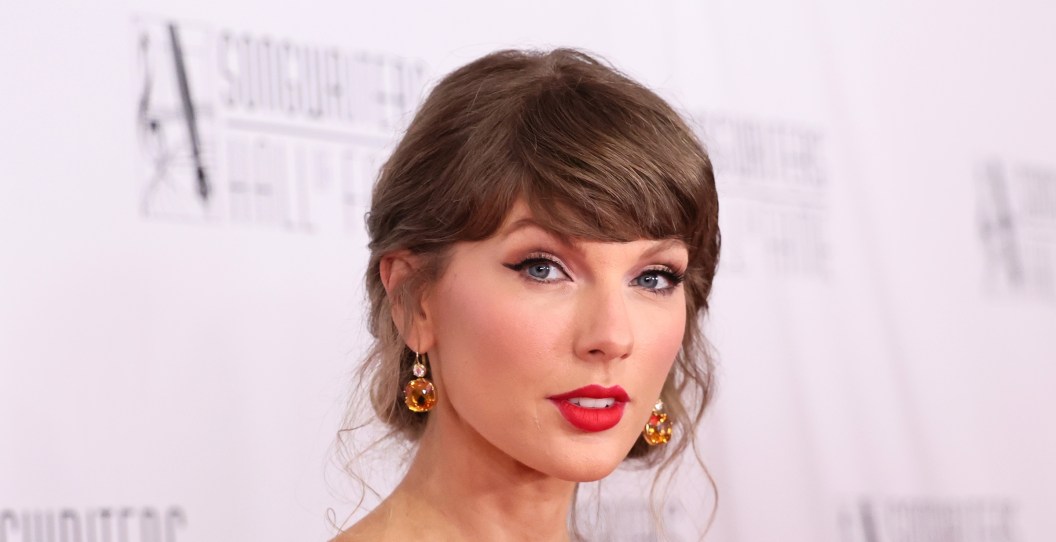
    Taylor Swift reportedly experienced a tragic personal loss on her wedding day, an event that deeply affected her and garnered significant public attention. This news, initially reported by Wide Open Country, quickly spread across various media platforms, prompting an outpouring of emotional responses from her global fanbase. The incident highlights the complex relationship between celebrity life, personal tragedy, and public empathy.

    What looks modern actually started with the long-standing public fascination with the private lives of prominent figures. This event specifically showcased the emotional investment millions have in Swift’s personal milestones, even those shrouded in sorrow.

    Initial Reports and Public Reaction

    The initial report from Wide Open Country detailed the alleged tragic loss. The article itself, while brief, suggested a profound emotional impact on Swift’s highly anticipated wedding day. The exact nature of the loss was not explicitly detailed, leading to public speculation and concern.

    Social media platforms became immediate conduits for fan reactions. Hashtags related to Taylor Swift and expressions of sympathy trended globally. Fans shared messages of support, personal anecdotes of loss, and calls for privacy for the singer.

    This collective response underscored the unique bond Swift has cultivated with her audience over nearly two decades. Her career, spanning from country music roots to global pop superstardom, has been marked by a transparent, often autobiographical, approach to songwriting that fosters deep connections.

    The Anatomy of Celebrity Grief

    Public figures, despite their fame and fortune, are not immune to personal tragedy. When such events occur, especially on days typically associated with immense joy, the contrast can be particularly stark for both the individual and their admirers. The reported loss on Swift’s wedding day presented such a paradox.

    The public’s reaction to celebrity grief often mirrors their own experiences with loss. Fans project their empathy, offering virtual condolences and sharing their own stories of hardship. This phenomenon transforms a private sorrow into a shared, albeit distant, communal experience.

    Psychological studies often discuss parasocial relationships, where individuals develop one-sided bonds with media figures. These relationships, while not reciprocal in a traditional sense, can generate genuine feelings of attachment and concern, explaining the intensity of public reaction to events like Swift’s reported loss.

    Media Scrutiny and Ethical Considerations

    The reporting of personal tragedies involving celebrities raises important ethical questions for media outlets. The balance between informing the public and respecting an individual’s right to privacy becomes a critical consideration. Wide Open Country’s initial report, while brief, initiated a cascade of further coverage.

    Journalists often navigate the tension between public interest and personal sensitivity. The decision to publish details, even vague ones, about a celebrity’s private sorrow is rarely straightforward. The potential for sensationalism always exists, alongside the genuine desire to report significant news.

    In this instance, the lack of explicit detail in the initial report left room for interpretation and speculation. This ambiguity, while perhaps intended to protect privacy, can sometimes fuel rumor mills. Responsible reporting aims to provide factual information without exploiting vulnerable moments.

    Fan Engagement in Times of Crisis

    Taylor Swift’s fanbase, often referred to as ‘Swifties,’ is known for its passionate and organized nature. In moments of perceived crisis or personal difficulty for the artist, this community frequently mobilizes to offer support and defend her privacy.

    During the period following the report, online fan communities became hubs for discussion. Many fans advocated for giving Swift space and time to process her grief privately. Others expressed concern over the emotional toll such events might take on her.

    This level of fan engagement demonstrates the evolution of celebrity-fan dynamics in the digital age. Social media allows for direct, albeit one-sided, communication and immediate collective action, whether in celebration or in mourning.

    The Broader Impact on Public Figures

    Events like a reported tragic loss on a wedding day can have lasting impacts on public figures. The intense scrutiny and emotional outpouring, while often well-intentioned, can add another layer of complexity to the grieving process. Celebrities often find themselves mourning in the public eye.

    This constant visibility can make personal healing more challenging. Every public appearance, every social media post, becomes subject to interpretation and analysis. The expectation to maintain a composed public persona can conflict with the natural need for private sorrow.

    Many public figures choose to address personal tragedies on their own terms, if at all. This control over their narrative is one way to manage the intense public interest. Swift herself has historically used her art as a primary means of expressing personal experiences, a method that allows for reflection and creative processing.

    The Role of Empathy in Modern Culture

    The widespread empathetic response to Taylor Swift’s reported loss reflects a broader cultural trend. In an increasingly interconnected world, shared emotional experiences, even those mediated through screens, play a significant role in fostering a sense of community.

    Empathy, the ability to understand and share the feelings of another, is a fundamental human trait. When directed towards public figures, it can create powerful collective moments of solidarity. These moments, however fleeting, remind individuals of their shared humanity.

    The entertainment industry often thrives on creating emotional connections. Artists like Swift excel at forging these bonds, making their personal joys and sorrows resonate deeply with their audience. The reported wedding day tragedy became a poignant example of this phenomenon.

    Looking Ahead: Privacy and Public Life

    As of July 6, 2026, the specific details surrounding Taylor Swift’s reported wedding day loss remain largely private. This discretion, whether by choice or circumstance, highlights the ongoing tension between a celebrity’s public image and their private life.

    The incident serves as a reminder that even the most celebrated individuals face personal struggles. It also reinforces the idea that while fans may feel a deep connection, ultimately, privacy in moments of grief is a fundamental human need.

    The public will continue to follow Swift’s career and personal journey with interest. The empathy shown during this reported difficult time underscores the enduring power of human connection, even across the divide of fame.

    Reporters gathered. Fans gathered. Sympathies gathered.

    Silence.

  • Balogun USMNT Eligibility Upheld – Trump Intervenes in FIFA Decision

    Balogun USMNT Eligibility Upheld – Trump Intervenes in FIFA Decision

    Folarin Balogun’s eligibility to represent the United States Men’s National Team (USMNT) has been definitively upheld. FIFA, the international governing body for football, denied an appeal filed by Belgium, which had sought to challenge Balogun’s status. This ruling confirms Balogun’s continued role as a key player for the USMNT and resolves a significant dispute for international football.

    The controversy stemmed from a red card incident involving Balogun during a match against Bosnia and Herzegovina. Belgium’s appeal contended that the circumstances surrounding this red card should have impacted Balogun’s eligibility or the validity of previous match outcomes. President Donald Trump unexpectedly weighed in on the matter, confirming a direct phone call with FIFA leadership to express his views on the incident.

    The Appeal and Its Basis

    Belgium initiated the appeal process following a specific match where Folarin Balogun received a red card. The precise details of this match, including the date and the specific foul committed, were central to Belgium’s case. Their argument posited that the nature of the infraction and the subsequent disciplinary action should have broader implications for Balogun’s international eligibility.

    International football regulations are intricate, particularly concerning player conduct, disciplinary measures, and the criteria for national team representation. Belgium’s legal team likely scrutinized these rules to identify any potential procedural irregularities or interpretations that could favor their position. The appeal highlighted the complexities inherent in adjudicating disputes within global sports.

    The appeal questioned not only Balogun’s future availability but potentially the outcomes of past matches where he participated. Such challenges are rare but can arise when a national federation perceives a significant competitive disadvantage or a breach of established protocols. FIFA’s denial means these arguments were ultimately unconvincing to the review panel.

    President Trump’s Direct Intervention

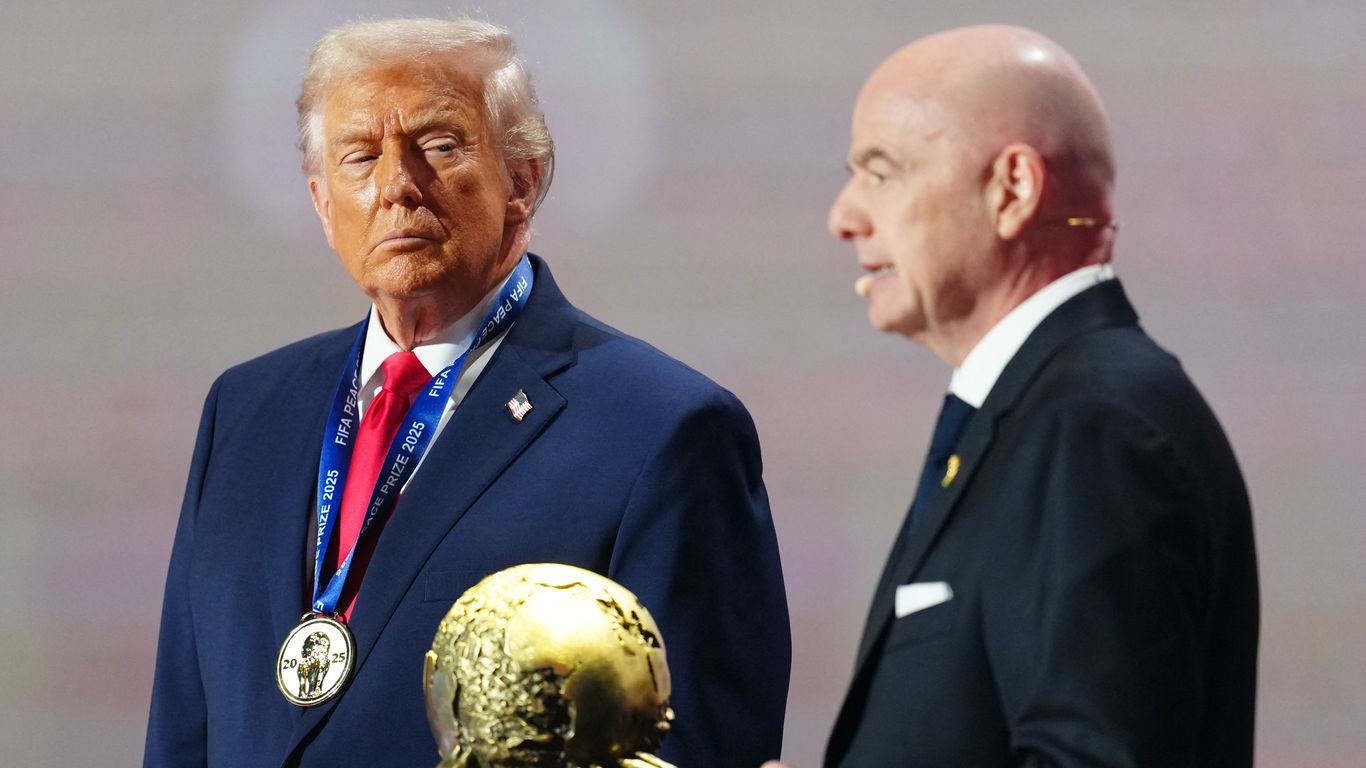
    President Donald Trump confirmed his direct involvement in the Folarin Balogun eligibility dispute. He stated that he personally engaged in a phone call with FIFA, the international governing body of association football. President Trump’s public statement was, “Thank you to FIFA for doing what was right, and reversing a great injustice!” indicated his personal assessment of the controversial red card incident at the heart of the appeal.

    Presidential intervention in international sports matters is an infrequent occurrence. However, President Trump has a documented history of engaging directly on issues perceived to be of national interest, including those with cultural or sporting significance. His remarks underscored a perceived national pride in the USMNT and its players, signaling the importance the United States places on its athletic representation on the global stage.

    The confirmation of a direct phone call with FIFA leadership suggests a high-level diplomatic engagement. While such calls do not typically overturn judicial decisions made by independent sporting bodies, they can carry significant political weight. They serve to communicate a nation’s interest and concern regarding specific international sporting outcomes.

    The Scope of Presidential Involvement

    President Trump’s administration has shown a willingness to engage with international organizations across various sectors, including sports. This approach reflects a broader foreign policy strategy that often prioritizes direct communication and personal diplomacy. The Balogun case serves as another example of this pattern.

    The President’s statement, delivered publicly, aimed to influence the perception of the incident and potentially the broader decision-making process. While FIFA maintains its independence, the direct commentary from a head of state adds an unusual layer of political scrutiny to a sporting judgment. It elevates the profile of the dispute beyond typical footballing circles.

    FIFA’s Adjudication Process

    FIFA functions as the ultimate authority for international football, overseeing everything from player transfers and disciplinary actions to the resolution of disputes between national federations. The appeal process, particularly for decisions originating from continental confederations like UEFA, ultimately falls under FIFA’s direct purview.

    Upon receiving an appeal, a specialized committee within FIFA undertakes a comprehensive review. This review involves scrutinizing all relevant documentation. This includes official match reports from the game in question, any available video evidence of the incident, and detailed legal arguments presented by the appealing party, in this case, Belgium.

    The primary objective of this rigorous process is to ensure fairness, adherence to established football regulations, and consistency in the application of disciplinary codes. The committee assesses whether the initial ruling was made correctly and if there are sufficient grounds to overturn or modify it based on the evidence provided.

    Why Appeals Are Denied

    The denial of Belgium’s appeal signifies that FIFA’s review committee found insufficient grounds to overturn the original decision concerning Balogun’s eligibility or the specific red card incident. This outcome reinforces the authority and independence of FIFA’s internal judicial mechanisms. It demonstrates that these bodies operate based on their statutes and evidence, even in the presence of external pressure or high-profile commentary from political figures.

    Appeals are often denied when the appealing party fails to present new, compelling evidence that was not considered in the initial ruling. They can also be denied if the arguments presented are deemed to misinterpret existing regulations or if the original decision is found to be consistent with established disciplinary guidelines. In Balogun’s case, FIFA evidently determined that the initial judgments regarding his red card and subsequent eligibility were sound.

    Implications for the USMNT and Balogun

    For the United States Men’s National Team, the denial of Belgium’s appeal is a significantly positive development. Folarin Balogun is considered a vital component of the team’s attacking strategy and overall roster. His confirmed eligibility means he will be available for all upcoming international fixtures, including critical tournaments and qualification matches.

    Balogun’s talent, goal-scoring ability, and on-field contributions have been a source of considerable optimism for USMNT fans and coaching staff. His continued presence strengthens the team’s competitive standing on the global stage, allowing them to field their strongest possible squad. The resolution of this eligibility dispute removes a significant off-field distraction, enabling the team to focus entirely on sporting performance and tactical preparation.

    Balogun’s Future with the National Team

    This ruling solidifies Folarin Balogun’s position within the USMNT program for the foreseeable future. It provides clarity for both the player and the national team management regarding his availability. This certainty is crucial for long-term planning, including roster selections for major competitions like the FIFA World Cup.

    The case also inadvertently highlights the growing international profile of American soccer players. As more USMNT athletes compete at elite levels globally, similar eligibility questions, nationality switches, and disciplinary disputes may become more frequent. The precedent set by this case could influence how future disagreements are handled by international sporting bodies, particularly when high-profile players are involved.

    The Broader Context of Sporting Diplomacy

    The intersection of sports, politics, and international relations is a recurring and increasingly prominent theme in global affairs. Major sporting events and the careers of high-profile athletes often serve as platforms for national identity, soft power, and diplomatic engagement. The involvement of a head of state, such as President Trump, in a player eligibility dispute, explicitly underscores this deep connection.

    Sporting diplomacy encompasses a wide range of interactions, from official state visits tied to major tournaments to informal discussions between leaders on sporting matters. These engagements, while not always directly impacting on-field results, contribute to the broader narrative of international cooperation or competition between nations.

    The significant attention garnered by Balogun’s case, amplified by presidential commentary, demonstrates how individual athletic careers can become intertwined with national pride, political discourse, and international relations. It reflects the immense cultural and political impact of football on a global scale, where even seemingly minor disputes can attract high-level attention.

    The Role of National Interest in Sports

    Governments often view success in international sports as a reflection of national strength and prestige. Therefore, protecting the interests of national athletes and teams can become a matter of state policy. President Trump’s intervention, regardless of its direct impact on FIFA’s decision, communicated the United States’ keen interest in the matter to an international audience.

    This incident also illustrates the evolving landscape of international sports governance. While sporting bodies like FIFA strive for autonomy, they operate within a complex ecosystem that includes national governments, powerful federations, and global media. The interplay between these entities shapes the outcomes of disputes and the broader direction of international sports.

    The resolution of the Balogun case reinforces the integrity of FIFA’s decision-making process while simultaneously showcasing the enduring influence of political figures on public discourse surrounding international athletic competition.

    Players gathered. Coaches gathered. Fans gathered. Officials gathered. The President gathered. The world gathered.

    Football.

  • Sky to Acquire ITV’s Media & Entertainment Division for approximately $2.1 Billion, Reshaping British Television

    Sky to Acquire ITV’s Media & Entertainment Division for approximately $2.1 Billion, Reshaping British Television

    Sky has reportedly begun the process of acquiring ITV’s Media & Entertainment division in a deal valued at approximately $2.1 billion. This significant transaction, announced today, July 6, 2026, is poised to dramatically alter the structure of British television. The takeover would bring a vast array of ITV’s popular programming and broadcasting assets under the Sky umbrella.

    This breaking news indicates a major consolidation within the UK media sector. ITV operates several free-to-air channels and holds a strong position in content production, including globally recognized formats.

    The Scope of the Acquisition

    The reported $2.1 billion valuation underscores the scale of this potential acquisition. ITV’s portfolio includes popular entertainment, drama, and news programming. Its reach extends across various demographics in the United Kingdom.

    Key ITV properties, such as the hit reality series ‘Love Island,’ would become part of Sky’s extensive content library. This integration could lead to new distribution strategies and content synergies between the two entities.

    Impact on British Television

    The proposed takeover by Sky, a major pay-TV broadcaster and content producer, could significantly reshape competition in the British television market. Sky already holds a dominant position in satellite broadcasting and streaming services.

    The acquisition of ITV would strengthen Sky’s hold on both content creation and delivery. This could influence advertising markets, content commissioning, and consumer viewing habits across the UK.

    Developing Details

    Details surrounding the full terms of the deal, regulatory approvals, and the timeline for completion are still emerging. Such a large-scale merger typically undergoes scrutiny from competition authorities.

    The announcement has already generated considerable discussion within the media industry. Analysts are beginning to assess the potential long-term effects on employment, content diversity, and consumer pricing.

    This is a developing story. Further information is expected to be released as negotiations proceed and official statements are made.

  • The Supreme Court’s Reagan-Era Echoes: Judicial Philosophy in 2026

    The Supreme Court’s Reagan-Era Echoes: Judicial Philosophy in 2026

    The current Supreme Court term reflects judicial philosophies rooted in the Reagan era, emphasizing originalism and limited government intervention, rather than priorities associated with more recent administrations. This ideological consistency is a product of decades of judicial appointments and the enduring influence of conservative legal thought that began to coalesce in the 1980s.

    This philosophical grounding shapes the Court’s approach to a wide array of cases, from regulatory challenges to constitutional interpretation. The decisions handed down often demonstrate a commitment to principles articulated by legal scholars and jurists who rose to prominence during the administration of President Ronald Reagan.

    The Reagan Revolution and Judicial Philosophy

    President Ronald Reagan, who served from 1981 to 1989, sought to reshape the federal judiciary. His administration appointed judges who adhered to a judicial philosophy emphasizing original intent and strict constructionism. This approach contrasted sharply with what many conservatives viewed as judicial activism prevalent in earlier eras.

    Reagan’s appointments included Justice Antonin Scalia, confirmed in 1986. Scalia became a leading proponent of originalism, arguing that the Constitution should be interpreted according to its meaning at the time it was adopted. His influence extended far beyond his tenure on the Court, shaping generations of legal thinkers and future judicial nominees.

    The Federalist Society, founded in 1982, emerged during this period as a significant force. It provided a platform for conservative and libertarian legal scholars to discuss and promote these judicial philosophies. This organization has since played a crucial role in identifying and promoting judicial candidates who align with these principles.

    Originalism and Textualism in Practice

    Originalism, a cornerstone of Reagan-era judicial thought, posits that the Constitution’s meaning is fixed at the time of its adoption. Judges, under this philosophy, should not interpret the Constitution as a ‘living document’ that evolves with societal changes. Instead, their role is to apply the original understanding of the text.

    Textualism is a related interpretive theory, primarily applied to statutes. It holds that the law should be interpreted based on the ordinary meaning of the legal text, rather than considering legislative intent or societal consequences. Justice Scalia was also a prominent advocate for textualism.

    These methodologies often lead to conclusions that limit federal power. They tend to favor states’ rights and restrict the scope of federal agencies. This aligns with a broader conservative political agenda seeking to reduce government intervention in various aspects of life.

    Key Appointments and Their Lasting Impact

    The long-term impact of presidential appointments on the Supreme Court is profound. Justices serve for life, meaning their judicial philosophies can influence American law for decades. President Reagan appointed four justices during his two terms: Sandra Day O’Connor (1981), Antonin Scalia (1986), William Rehnquist (elevated to Chief Justice in 1986), and Anthony Kennedy (1988).

    While not all of Reagan’s appointees strictly adhered to the most rigid forms of originalism or textualism throughout their careers, their appointments signaled a clear shift. They began to tilt the Court’s ideological balance towards a more conservative interpretation of the law. This trend continued with subsequent Republican administrations.

    Presidents George H.W. Bush, George W. Bush, and Donald Trump all made appointments that largely reinforced this conservative judicial trajectory. These appointments built upon the foundation laid during the Reagan years, solidifying a majority on the Court that often prioritizes these interpretive methodologies.

    The Evolution of Conservative Legal Thought

    Conservative legal thought did not remain static after the Reagan administration. It continued to develop and refine its arguments. Scholars like Robert Bork, who was nominated to the Supreme Court by Reagan in 1987 but not confirmed, significantly contributed to the intellectual framework of originalism.

    The emphasis on judicial restraint, a concept that urges judges to defer to elected branches of government, also gained prominence. This principle suggests that courts should avoid striking down laws unless they are clearly unconstitutional, rather than using judicial power to advance policy goals.

    These ideas were disseminated through legal journals, academic conferences, and law school curricula. They influenced a generation of lawyers and judges, many of whom now sit on federal courts across the country, including the Supreme Court.

    Current Court’s Decisions and Reagan-Era Echoes

    The recently concluded Supreme Court term, in 2026, has seen several decisions that illustrate these Reagan-era judicial priorities. Rulings related to administrative law, for instance, frequently scrutinize the power of federal agencies. The ‘Chevron deference,’ a doctrine that previously gave federal agencies broad latitude in interpreting ambiguous statutes, has been significantly curtailed or questioned.

    Decisions concerning environmental regulations, property rights, and commercial law often reflect a skepticism towards expansive federal authority. The Court frequently emphasizes the Tenth Amendment, which reserves powers not delegated to the federal government to the states or the people.

    In cases involving individual liberties, the Court often focuses on historical understandings of rights. This approach can lead to different outcomes than an interpretation that considers evolving societal norms or international legal standards. The emphasis is on what the framers of the Constitution intended or understood.

    The Role of Stare Decisis

    The principle of stare decisis, which means to stand by things decided, is central to legal stability. It dictates that courts should generally adhere to precedent. However, conservative legal thought, while respecting precedent, also allows for the re-evaluation of past decisions deemed inconsistent with originalist principles.

    This nuanced approach to stare decisis means that while the Court generally respects established law, it is not entirely bound by precedents that it believes were wrongly decided or departed from the Constitution’s original meaning. This can lead to significant shifts in legal interpretation over time.

    The ability to revisit and potentially overturn long-standing precedents is a powerful tool. It allows a Court with a consistent philosophical outlook to gradually realign American jurisprudence with its preferred interpretive methodologies.

    Broader Political and Cultural Context

    The alignment of the Supreme Court with Reagan-era priorities is not merely a legal phenomenon; it is deeply intertwined with broader political and cultural shifts in the United States. The conservative movement that gained momentum in the 1980s sought to reverse what it perceived as an overreach of government and a decline in traditional values.

    Judicial appointments became a critical battleground in this broader ideological struggle. Presidents understood that lifetime appointments offered a way to leave a lasting legacy that could endure long after their time in office. This understanding has intensified in recent decades, making Supreme Court nominations highly contentious.

    Public discourse surrounding the Court often reflects these ideological divisions. Those who champion the Court’s current direction see it as a return to constitutional principles. Others view it with concern, arguing that it undermines established rights or fails to address modern societal challenges.

    The concept of judicial philosophy itself has become a central point of debate. Voters and politicians alike now pay close attention to a nominee’s interpretive approach to the Constitution. This scrutiny ensures that the Court’s composition remains a reflection of these deeply held, and often competing, visions for American law.

    The Court’s current term stands as a testament to the enduring influence of a specific judicial philosophy. It is a philosophy forged in the late 20th century, championed by a conservative political movement, and meticulously advanced through successive judicial appointments.

    Legal scholars analyze the decisions. Journalists report on the implications. Citizens debate the outcomes. The legacy of a judicial revolution continues to unfold.

  • Trump Official Intervenes in FIFA World Cup Red Card Decision

    Trump Official Intervenes in FIFA World Cup Red Card Decision

    Political Intervention in Sports Governance

    A high-ranking official from President Donald Trump’s administration initiated a formal request to FIFA, the global governing body for association football, concerning a red card issued to American forward Folarin Balogun during the 2026 FIFA World Cup. This direct appeal from a political office to an independent sports organization marks an unusual intersection of governmental authority and athletic adjudication.

    The request, made on July 4, 2026, sought a comprehensive review of the decision to eject Balogun from a critical group stage match. Such interventions typically fall outside the established protocols for challenging on-field rulings, which are generally handled through national football federations and FIFA’s internal disciplinary mechanisms.

    The Incident: Folarin Balogun’s Red Card

    The controversy stems from a match played on July 3, 2026, where Folarin Balogun, a key player for the United States men’s national team, received a straight red card. The incident occurred in the 68th minute of a fiercely contested group stage fixture against a European opponent. The specific nature of the foul, described by the referee as ‘serious foul play,’ led to Balogun’s immediate dismissal.

    Replays of the incident were widely circulated and analyzed by sports commentators. Some argued the decision was harsh, suggesting a yellow card might have sufficed. Others supported the referee’s judgment, citing FIFA’s guidelines on player safety and aggressive challenges. Balogun’s absence significantly impacted the U.S. team’s performance for the remainder of the match and jeopardized his availability for subsequent games.

    The Official’s Rationale and Diplomatic Channels

    The Trump administration official, whose name has not been publicly released, reportedly cited concerns over the fairness of the officiating and the potential impact on the United States’ progression in the tournament. The official’s communication with FIFA was reportedly channeled through diplomatic avenues, bypassing standard sports administrative procedures.

    Sources close to the administration indicated the move was driven by a perceived injustice and a desire to protect American interests on the global stage. The official’s actions were framed internally as a defense of a prominent American athlete and a challenge to what was viewed as a potentially biased ruling.

    FIFA’s Autonomy and Disciplinary Process

    FIFA maintains strict autonomy over its disciplinary processes. Its regulations explicitly state that match decisions are final and subject only to appeal through specific, established channels. These channels typically involve the national football association submitting a formal appeal to FIFA’s Disciplinary Committee, which then reviews evidence, including referee reports and video footage.

    Political interference in these processes is generally frowned upon and can lead to sanctions against national federations if deemed to compromise FIFA’s independence. The organization’s statutes emphasize that national associations must manage their affairs independently and without undue influence from third parties, including governments.

    Historical Context of Political Influence in Sports

    While direct governmental intervention in a specific match decision is rare, the intersection of politics and international sports has a long history. Governments often use major sporting events for diplomatic purposes, to project national image, or to exert soft power.

    The Cold War Era

    During the Cold War, the Olympic Games and World Cups became arenas for ideological competition. Boycotts, such as the U.S. boycott of the 1980 Moscow Olympics, demonstrated how political tensions could directly impact sporting events. These actions were government-led decisions affecting entire national teams, rather than interventions on individual match calls.

    Modern Sports Diplomacy

    In contemporary times, sports diplomacy is a recognized tool in international relations. Hosting major events, engaging in cultural exchanges through sports, and leveraging the popularity of athletes for goodwill are common practices. However, these efforts typically operate at a macro level, focusing on broad policy or cultural exchange, not specific on-field rulings.

    Reactions from the Sports World

    The news of the Trump official’s request elicited a range of reactions from the global sports community. Many sports analysts and former players expressed surprise and concern over the precedent such an action might set.

    Concerns Over Integrity

    Several prominent figures in international football voiced worries about the integrity of the game. They argued that allowing political bodies to challenge referee decisions could undermine the authority of officials and compromise the impartiality of competitions.

    “The beauty of football lies in its universal rules and independent arbitration. Any attempt by external political forces to influence match outcomes erodes the very foundation of fair play,” commented a former FIFA executive.

    Support for American Interests

    Conversely, some American sports commentators and fans viewed the intervention as a strong stance in defense of a national team player. They argued that if a decision was perceived as unjust, all available avenues should be explored to rectify it, even if unconventional.

    The Role of the U.S. Soccer Federation

    The U.S. Soccer Federation (USSF) is the official body responsible for governing soccer in the United States and its relationship with FIFA. Typically, any appeal regarding a match decision involving an American player would originate from the USSF.

    It remains unclear whether the Trump administration official’s request was coordinated with the USSF or if it was an independent initiative. The USSF had already indicated its intention to review the incident and consider an appeal through standard FIFA channels, suggesting a potential parallel or overlapping effort.

    Implications for Future International Competitions

    This incident could have significant implications for the future conduct of international sporting events. It raises questions about the boundaries of governmental involvement in sports and the potential for political pressure to influence outcomes.

    Precedent for Other Nations

    If such a request were to be seriously considered by FIFA, it could open the door for other nations to make similar appeals, potentially leading to a politicization of every controversial decision in major tournaments. This could create a complex and contentious environment for match officials and disciplinary committees.

    Strengthening FIFA’s Stance

    Alternatively, FIFA might use this opportunity to reaffirm its independence and reinforce its existing protocols for handling appeals. A strong stance against external political pressure could serve to protect the integrity of its competitions moving forward.

    The 2026 FIFA World Cup Context

    The 2026 FIFA World Cup is a landmark event, co-hosted by the United States, Canada, and Mexico. The tournament holds immense national pride and economic significance for the host nations. The performance of the United States men’s national team is under intense scrutiny, with high expectations from fans and media.

    Balogun’s red card and the subsequent political intervention occurred at a moment of heightened national attention, amplifying the visibility and discussion surrounding the incident. The U.S. team’s trajectory in the tournament, and by extension, the perception of the co-hosts, is closely tied to these on-field events.

    The Path Forward for FIFA and the U.S. Team

    FIFA’s Disciplinary Committee will ultimately determine the outcome of any official appeal, whether initiated by the USSF or influenced by the political request. The committee’s decision will be crucial in setting a precedent for how such external pressures are handled in the future.

    For the U.S. team, the focus remains on navigating the remainder of the World Cup. Whether Balogun’s red card is rescinded or upheld, the team must adapt to the circumstances and continue its campaign. The incident serves as a stark reminder of the global stage upon which these sporting dramas unfold, where national pride and political interests can converge.

    Governments observed. Federations conferred. Fans debated. FIFA deliberated.

    The red card remained.

  • Bruce Springsteen Defines ‘Critical Patriotism’ in Response to President Trump

    Bruce Springsteen Defines ‘Critical Patriotism’ in Response to President Trump

    Defining Patriotism in the Modern Era

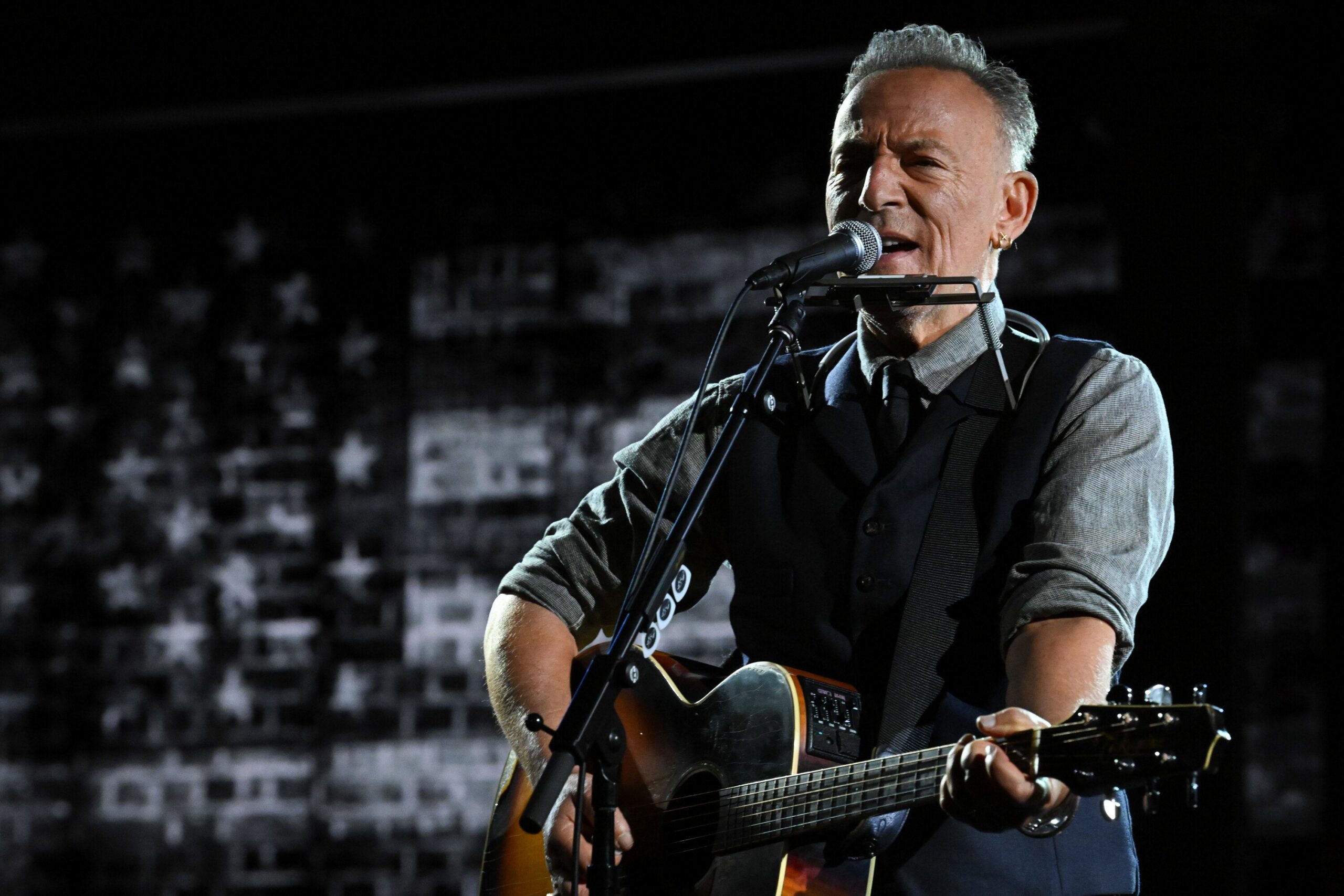
    Bruce Springsteen recently articulated his perspective on patriotism, defining himself as a ‘patriot’ who practices ‘critical patriotism’. This concept, as expressed by Springsteen, involves a commitment to one’s country coupled with the willingness to challenge its leadership and policies when necessary. He specifically mentioned his stance regarding President Donald Trump as an example of this critical engagement.

    Springsteen’s comments emerged from an interview reported by Variety. The remarks contribute to ongoing public discourse about national identity and civic responsibility in the current political climate. His words resonate with varying interpretations of what it means to be a patriot in the 21st century.

    The Evolution of a Public Figure’s Stance

    Bruce Springsteen has maintained a visible public profile for decades. His career spans from the 1970s through 2026, encompassing numerous albums, tours, and public statements. Throughout this time, Springsteen has often addressed social and political themes in his music and interviews.

    His early work often explored the struggles of the American working class. Songs like ‘Born in the U.S.A.’ (1984) became anthems, though their meanings were sometimes misinterpreted. This particular song, for instance, is often seen as a celebration of American exceptionalism, but it also contains verses detailing the plight of Vietnam War veterans.

    Over time, Springsteen’s political engagement became more explicit. He has publicly supported various political candidates and causes. His involvement has often aligned with progressive viewpoints, advocating for social justice and economic equality.

    ‘Critical Patriotism’ as a Concept

    The term ‘critical patriotism’ suggests a nuanced form of national loyalty. It implies that genuine love for one’s country does not equate to unquestioning support of its government or its leaders. Instead, it posits that a patriot has a duty to hold their nation and its representatives accountable.

    This perspective contrasts with definitions of patriotism that emphasize unconditional allegiance. Proponents of critical patriotism argue that constructive criticism and dissent are essential for a healthy democracy. They believe that addressing national shortcomings is a fundamental aspect of working towards a ‘more perfect union’.

    Historically, figures throughout American history have embodied elements of critical patriotism. Abolitionists, civil rights leaders, and social reformers often critiqued the existing systems of their time while simultaneously expressing a deep commitment to the nation’s founding ideals. Their actions were often driven by a belief that the country could and should live up to its stated principles.

    Springsteen’s Relationship with President Trump

    Bruce Springsteen has been an outspoken critic of President Donald Trump’s policies and rhetoric. His opposition has been consistent since President Trump’s first election in 2016 and continued through his second term, which began on January 20, 2025.

    Springsteen has used various platforms to voice his concerns. These have included interviews, public appearances, and sometimes subtle allusions within his musical performances. He has expressed worries about the direction of the country under President Trump’s leadership.

    His recent comments, as reported by Variety, directly link his ‘critical patriotism’ to his willingness to ‘stand up to Trump’. This indicates a direct application of his philosophical stance to current political realities. It frames his criticism not as opposition to the nation, but as a commitment to its betterment.

    Public Reaction and Broader Discourse

    Springsteen’s remarks have generated significant public discussion. Supporters of his viewpoint often commend his courage and consistency. They view his stance as an example of an artist using their platform to advocate for their beliefs.

    Conversely, some individuals disagree with his interpretation of patriotism. Critics sometimes argue that public figures should refrain from political commentary. Others may interpret his criticism of President Trump as unpatriotic or divisive.

    The conversation surrounding Springsteen’s statements reflects broader societal debates. These debates often center on the role of celebrities in politics, the boundaries of free speech, and the evolving definition of national identity in a polarized society. The discourse highlights the differing ways Americans perceive their country and its leadership.

    The Artist’s Role in Political Commentary

    The role of artists in political commentary has long been a subject of debate. Throughout history, musicians, writers, and visual artists have used their work to reflect on, critique, and influence societal norms and political actions.

    From protest songs of the civil rights era to contemporary political satire, artistic expression often serves as a mirror or a megaphone for public sentiment. Artists like Springsteen, with established careers and dedicated fan bases, possess a unique ability to reach and influence a wide audience.

    Their statements, whether direct or indirect, often spark conversations that might not otherwise occur. This capacity can be seen as both a privilege and a responsibility. Springsteen’s recent comments exemplify an artist embracing this role, directly engaging with a contentious political figure and a complex national ideal.

    The discussion around his comments underscores the enduring power of cultural figures to shape public thought. It demonstrates how art and artists remain integral to the ongoing dialogue about national values and political direction.

    Legacy of Political Engagement

    Bruce Springsteen’s political engagement is not an isolated event. It is part of a long tradition of artists using their platforms for social and political commentary. His legacy includes not only his music but also his consistent willingness to speak out on issues he deems important.

    His actions align with a lineage of musicians who have challenged authority and advocated for change. Figures such as Woody Guthrie, Joan Baez, and Bob Dylan used their art to articulate political dissent and inspire social movements. Springsteen continues this tradition, adapting it to the contemporary political landscape.

    His definition of ‘critical patriotism’ provides a framework for understanding his past and present actions. It suggests a deeply held belief that true loyalty to one’s country involves a commitment to its ideals, even when those ideals appear to be undermined by current leadership.

    This perspective solidifies his position not just as a musician, but as a public intellectual engaged with the fundamental questions of American identity and governance. His voice adds to the chorus of those who believe that patriotism requires vigilance and an unwavering commitment to justice.

    Artists spoke. Musicians spoke. Citizens spoke.

    Springsteen.

  • Taylor Swift’s 20 Years, America’s 250th: July 2026 Milestones

    Taylor Swift’s 20 Years, America’s 250th: July 2026 Milestones

    The first week of July 2026 presented a unique confluence of major anniversaries. The United States celebrated its 250th year of independence. This national milestone coincided with a significant cultural anniversary for recording artist Taylor Swift, who marked two decades since the beginning of her professional music career. President Donald Trump played a visible role in the national commemorations, underscoring the political dimension of the Semiquincentennial events. The convergence of these observances created a distinct moment in the public consciousness, blending celebrity culture with national history.

    Taylor Swift: Two Decades of Global Impact

    Taylor Swift’s professional music career officially began in 2006. Her self-titled debut album, Taylor Swift, was released that year. This marked the formal launch of a journey that would transform her from a country music prodigy into a global pop icon. The 20-year span has been characterized by consistent artistic evolution and unprecedented commercial success.

    Her extensive discography includes numerous chart-topping albums. These include critical and commercial juggernauts such as Fearless, 1989, and Midnights. Swift has garnered widespread acclaim for her songwriting and performance. Her concert tours, most notably The Eras Tour, have set new benchmarks for attendance and revenue worldwide, demonstrating her immense global appeal.

    Swift’s influence extends significantly beyond the music industry. She has made substantial impacts on popular culture, economic trends, and even political discourse. Her career trajectory is frequently cited as a prime example of modern artistry, strategic brand management, and direct fan engagement. The two-decade mark represents a monumental achievement in contemporary entertainment, solidifying her status as one of the most influential figures of her generation.

    Evolution of Swift’s Musical Style

    Swift’s career can be clearly segmented into distinct musical eras. Each period is defined by a specific genre, sonic aesthetic, and public persona. Her early work firmly established her roots in country music, earning her a dedicated fanbase and critical recognition within the genre. Subsequent albums saw her boldly explore and successfully transition into pop, alternative, and folk genres, demonstrating her versatility as an artist.

    A notable undertaking in her recent career has been the re-recording of her first six studio albums. This ambitious project, collectively known as “Taylor’s Version,” commenced in 2021. The primary aim was to regain ownership of her master recordings, a move that resonated deeply within the music industry and with her fanbase. This initiative has proven to be both a significant commercial success and an artistic triumph, empowering artists to control their creative legacy.

    A consistent element across all of Swift’s musical eras is her exceptional songwriting prowess. She is renowned for her narrative lyrics, which often draw from personal experiences and observational storytelling. This deeply personal and relatable approach has cultivated an extraordinarily loyal and vast global fanbase. The 20-year anniversary served to highlight her enduring artistic impact and her ability to connect with diverse audiences worldwide.

    Economic and Cultural Impact

    Taylor Swift’s influence extends into significant economic and cultural spheres. Her tours have generated billions in revenue, boosting local economies in every city they visit through increased tourism, hospitality, and retail spending. Economists have coined the term “Swiftonomics” to describe the measurable financial impact associated with her activities.

    Culturally, Swift has become a powerful voice for artist rights and intellectual property. Her re-recording project sparked industry-wide conversations about ownership and control for musicians. She has also been a prominent figure in discussions surrounding fan engagement, utilizing social media and direct communication to foster an unparalleled connection with her audience.

    Her public statements and endorsements, particularly concerning political participation, have demonstrated her capacity to mobilize large segments of the population. This level of influence makes her a unique figure, capable of shaping conversations beyond entertainment. The two-decade milestone reinforces her status as a cultural phenomenon with far-reaching implications.

    America’s Semiquincentennial: 250 Years of Nationhood

    July 4, 2026, marked the 250th anniversary of the signing of the Declaration of Independence. This pivotal document formally declared the American colonies’ separation from Great Britain. The act in 1776 laid the fundamental groundwork for the establishment of the United States as a sovereign and independent nation. This milestone is often referred to as the Semiquincentennial.

    The Semiquincentennial represents a rare national observance, occurring only once every quarter-millennium. Such an occasion inherently prompts widespread reflection on the nation’s past achievements, its current challenges, and its future aspirations. Commemorations held across the country consistently focused on pivotal historical events, the enduring principles of democratic governance, and the continuous pursuit of societal progress.

    Extensive planning for the 250th anniversary began many years prior to 2026. Various federal and state commissions were established to coordinate efforts. Their primary objective was to organize a diverse range of events designed to engage the public at large. These events included meticulously planned historical reenactments, comprehensive educational programs, and widespread public celebrations in communities nationwide.

    The Founding Ideals of 1776

    The year 1776 holds a central and foundational place in American identity. The Declaration of Independence articulated a set of revolutionary ideals that continue to define the nation. These core tenets include liberty, equality, and the right to self-governance. Thomas Jefferson drafted the seminal document, which was subsequently approved by the Continental Congress in Philadelphia, Pennsylvania.

    The signing of the Declaration of Independence served as the formal catalyst for the American Revolutionary War. This protracted conflict lasted until 1783, eventually securing the nation’s hard-won independence from British rule. The principles first outlined in 1776 have profoundly shaped American political thought, legal frameworks, and institutional structures throughout history.

    The 250th anniversary provided a significant opportunity for renewed historical scholarship and public discourse. New perspectives on the American Revolution and its complex aftermath emerged from academic and public forums. Public discussions often centered on the evolving interpretation of American history, including its successes and its shortcomings. The observances were designed to both inform citizens and foster a sense of national unity.

    Commemorations Across the Nation

    Celebrations for the Semiquincentennial were diverse and widespread. Cities and towns across all 50 states hosted events ranging from parades and fireworks displays to historical lectures and community gatherings. Major national institutions, such as the Smithsonian museums and the National Archives, organized special exhibits and educational programs.

    State-level commissions focused on local histories and contributions to the founding of the nation. These regional events highlighted the diverse experiences and sacrifices made by different communities during the Revolutionary period and in the subsequent development of the United States. The goal was to ensure that the anniversary felt personally relevant to all Americans.

    Educational initiatives were a key component, with schools and universities developing curricula focused on the Declaration of Independence, the Constitution, and the development of American democracy. These efforts aimed to instill a deeper understanding of civic responsibility and national heritage in younger generations. The nationwide commemorations fostered both celebration and critical reflection.

    President Trump’s Engagement in National Celebrations

    President Donald Trump actively participated in the nation’s 250th anniversary events. His involvement included numerous public appearances, formal addresses, and ceremonial duties. These engagements consistently highlighted his administration’s emphasis on national pride, historical recognition, and the reinforcement of traditional American values.

    President Trump’s presence at commemorative events garnered significant media attention. His speeches frequently emphasized themes of American strength, exceptionalism, and a call for renewed national unity. The administration strategically utilized the anniversary to reinforce its patriotic agenda, aligning with his consistent political messaging and overarching vision for the country.

    President Trump’s visible engagement in the Semiquincentennial events was a prominent feature of the July 2026 celebrations. His remarks often drew direct connections between historical narratives and contemporary policy goals, framing current challenges within the context of past American triumphs. This integration of past and present was a hallmark of his public addresses throughout the anniversary period.

    Presidential Rhetoric and Public Response

    Presidential involvement in national anniversaries is a deeply ingrained tradition in American politics. Such occasions are frequently used as opportunities to address the nation, providing a platform for presidents to articulate their vision and priorities for the country. President Trump’s approach to the Semiquincentennial was no exception.

    President Trump’s participation and rhetoric generated diverse public reactions. Supporters praised his robust emphasis on national heritage and his calls for patriotism. Critics, however, debated the political framing of the anniversary and the specific interpretations of American history presented. These discussions reflected broader ideological divisions within the American populace regarding national identity and historical legacy.

    The Semiquincentennial became a significant stage for both expressions of national unity and vigorous public debate. The President’s prominent role ensured that the celebrations remained a topic of widespread interest and commentary. His addresses and public appearances were extensively covered by news outlets, generating considerable analysis and discussion across various media platforms.

    Intersections of Culture and Politics in July 2026

    The convergence of Taylor Swift’s 20th anniversary and America’s 250th created a unique cultural and political moment. Both events commanded significant public attention, albeit for distinct reasons. They represent different, yet sometimes overlapping, facets of American life and global influence, showcasing the nation’s cultural dynamism alongside its historical depth.

    Swift’s career has consistently demonstrated the profound power of popular culture to shape narratives, influence public opinion, and even drive economic activity. Her artistic journey mirrors broader shifts and innovations within media, entertainment, and digital engagement. The sheer scale of her impact is a testament to her enduring appeal, strategic acumen, and ability to connect with a vast, diverse audience.

    The national anniversary, concurrently, served as a crucial focal point for civic engagement and historical reflection. It encouraged a widespread re-examination of American values, foundational principles, and historical trajectories, prompting citizens to consider the nation’s past and its path forward. The active participation of political leadership, including President Trump, further amplified these discussions, bringing historical context into contemporary political discourse.

    The Blending of National and Pop Culture Narratives

    The simultaneous observation of these two milestones highlighted how national identity can be expressed through both traditional civic ceremonies and contemporary pop culture phenomena. While seemingly disparate, both events contributed to the ongoing narrative of what it means to be American in the 21st century. One celebrated a foundational past, the other, a vibrant present and future of cultural influence.

    Public discourse often drew parallels between Swift’s impact on her industry and the broader American spirit of innovation and self-determination. Her story of independent success and artistic control resonated with themes of individual liberty and the pursuit of dreams, concepts deeply embedded in the American ethos. This blending of narratives allowed for a richer, more multifaceted understanding of national celebration.

    The media landscape of July 2026 reflected this dual focus. News channels covered presidential speeches and historical reenactments. Entertainment outlets documented Swift’s career retrospectives and fan celebrations. This dual coverage underscored the capacity of American society to hold multiple, significant narratives simultaneously, each contributing to the collective public consciousness.

    Looking Forward: Legacies and Future Narratives

    The 20-year mark for Taylor Swift ensures her legacy will continue to be evaluated within the context of music history and cultural impact. Her consistent innovation and ability to adapt to changing industry landscapes suggest continued relevance. Future analyses will likely focus on her sustained influence on artist rights and direct-to-fan engagement models.

    America’s 250th anniversary provided a moment for collective introspection. It prompted questions about national purpose and the challenges of a diverse democracy. The discussions initiated during the Semiquincentennial will likely shape future policy debates and educational priorities. The emphasis on historical understanding and civic responsibility will continue to be relevant.

    The confluence of these anniversaries in July 2026 offered a snapshot of American life. It showcased a nation grappling with its history while celebrating its cultural icons. The events provided platforms for both celebration and critical dialogue. These discussions will continue to shape the ongoing narratives of American identity and influence.

    Performers gathered. Historians gathered. Citizens gathered. America.

  • Macy’s Fourth of July Fireworks Viewership Climbs – A 250th Birthday Celebration

    Macy’s Fourth of July Fireworks Viewership Climbs – A 250th Birthday Celebration

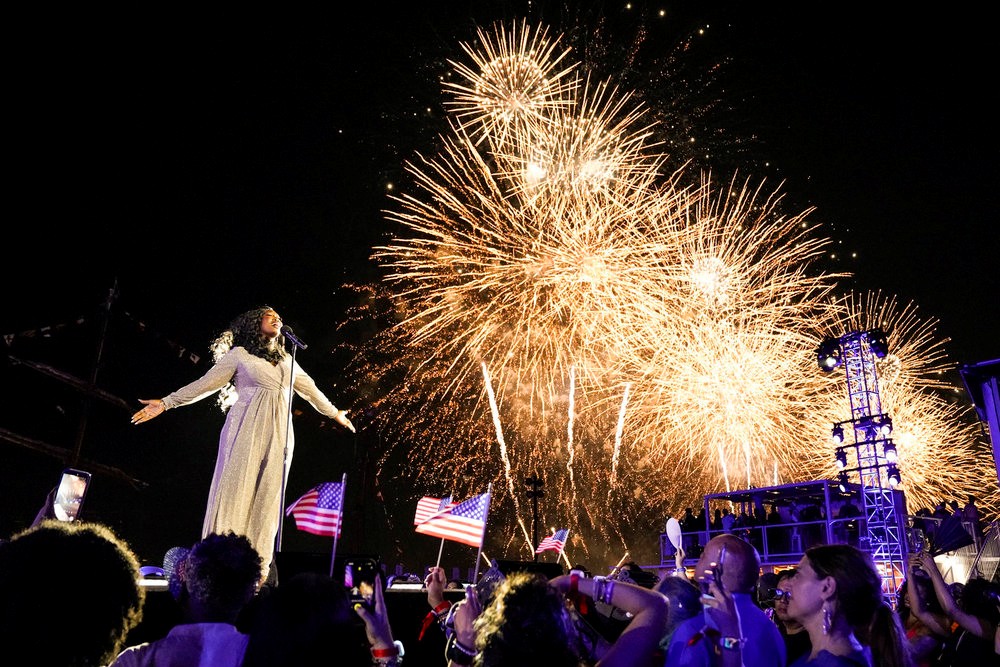
    The Macy’s Fourth of July Fireworks show experienced a significant increase in viewership during 2026. This heightened interest occurred as the United States commemorated its 250th birthday. The broadcast also marked a half-century milestone for NBC’s involvement with the annual celebration.

    Millions tuned in to witness the pyrotechnic display. The event served as a focal point for national celebrations across the country. It highlighted a continued appreciation for American traditions and historical milestones.

    A Quarter Millennium of American Independence

    July 4, 2026, marked the 250th anniversary of the signing of the Declaration of Independence. This quarter-millennium milestone resonated across the United States. Celebrations were held in communities from coast to coast.

    The Macy’s Fourth of July Fireworks in New York City became a central televised event for this national commemoration. The display traditionally launches over the East River. It features thousands of pyrotechnic shells.

    The scale of the 2026 celebration was enhanced by this significant historical context. Public interest in national heritage events often peaks during such anniversaries. This contributed to the increased viewership figures.

    NBC’s Golden Anniversary Broadcast

    The 2026 broadcast of the Macy’s Fourth of July Fireworks also represented a golden anniversary for NBC. NBC became the exclusive national television home for the event in 2000.

    NBC’s coverage includes live performances by musical artists. It features behind-the-scenes segments. The broadcast provides a comprehensive viewing experience for those unable to attend in person.

    The 50-year commitment underscores the event’s cultural significance. It also reflects the enduring appeal of traditional American celebrations. This consistent broadcast history has made NBC’s presentation an integral part of the Fourth of July experience for many households.

    Evolution of the Macy’s Fireworks

    The Macy’s Fourth of July Fireworks tradition began well before NBC’s involvement. Macy’s, the department store chain, first sponsored a fireworks display in 1958. This initial event took place over the Hudson River.

    The location of the fireworks has shifted over the decades. It moved to the East River in 1983. This change allowed for a larger viewing audience from Manhattan, Brooklyn, and Queens.

    Technological advancements have also transformed the show. Modern pyrotechnics allow for more intricate designs and vibrant colors. Computer synchronization ensures precise timing with the musical score.

    The event has grown from a local New York City celebration into a national spectacle. Its broadcast reach expanded its influence. The fireworks now symbolize national unity and celebration for millions across the United States.

    The Role of Streaming Services

    In 2026, the Macy’s Fourth of July Fireworks were accessible beyond traditional television. The event was simultaneously streamed on Peacock, NBCUniversal’s streaming service. This dual-platform approach expanded its reach.

    Streaming platforms have become increasingly vital for major live events. They cater to evolving viewing habits. Younger demographics, in particular, often prefer on-demand or live-streamed content.

    The availability on Peacock likely contributed to the overall viewership increase. It provided flexibility for viewers without cable television. This strategy ensures the event remains relevant in a diversifying media landscape.

    National Pride and Collective Experience

    The Fourth of July celebrations evoke a strong sense of national pride. The Macy’s Fireworks act as a collective experience. Families and friends gather to watch the display, either in person or on screen.

    The 250th anniversary amplified this sentiment. It provided an opportunity for reflection on American history and values. Public discourse often centers on unity and shared heritage during such milestones.

    These events foster a sense of community. They reinforce cultural identity. The increased viewership suggests a strong public desire to participate in these large-scale national affirmations.

    Economic and Cultural Impact

    The Macy’s Fourth of July Fireworks generate significant economic activity for New York City. Tourism increases around the holiday. Hotels, restaurants, and local businesses benefit from the influx of visitors.

    The event also has a substantial cultural impact. It is featured in various forms of media. It is referenced in popular culture. The fireworks display has become an iconic representation of American independence celebrations.

    Macy’s itself benefits from the association. The event reinforces its brand as a historic American institution. It connects the department store with patriotism and national festivity.

    The broadcast’s commercial success further underscores its value. Advertising revenue and sponsorship deals support the production. This financial ecosystem ensures the continuation of the tradition.

    The Enduring Appeal of Pyrotechnics

    Fireworks have been a part of celebrations for centuries. Their visual spectacle and auditory impact create a powerful experience. The Macy’s display leverages this inherent appeal on a grand scale.

    The synchronized music adds another layer of engagement. It transforms the show into a choreographed performance. This artistic element elevates it beyond a simple series of explosions.

    The sense of wonder created by fireworks transcends age. It appeals to both children and adults. This universal appeal contributes to its consistent popularity and viewership.

    The 2026 event reaffirmed the enduring power of such spectacles. It demonstrated their capacity to unite a nation in celebration. The sky lit up. The nation watched. The tradition continued. Fireworks exploded. Crowds cheered. A nation celebrated.

    America.