Tag: 2026

  • Trevor Donovan Cast as Time-Traveling Cowboy in ‘The Devil’s Train’

    Trevor Donovan Cast as Time-Traveling Cowboy in ‘The Devil’s Train’

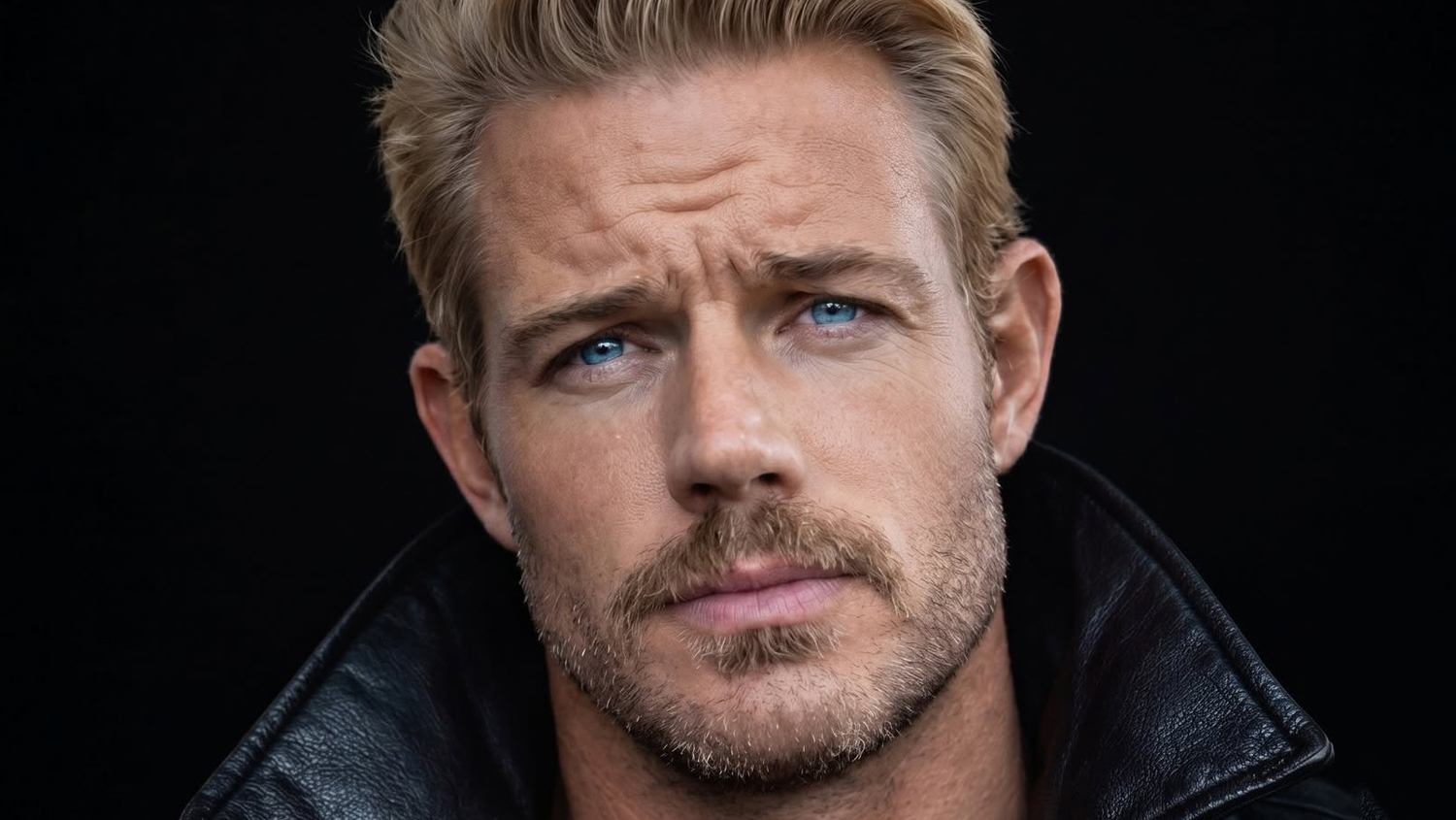
    Trevor Donovan has been cast as a time-traveling cowboy in the upcoming film ‘The Devil’s Train.’ The project, announced by Deadline on June 11, 2026, will see Donovan navigate a narrative that fuses classic Western aesthetics with the complex mechanics of temporal displacement. This unique premise aims to deliver a fresh take on established genres, appealing to viewers who value both tradition and imaginative storytelling.

    The film’s core concept involves a cowboy from a bygone era transported to an unfamiliar time. This displacement creates dramatic tension and opportunities for exploring cultural clashes and enduring human values. Donovan’s involvement signals a production keen on connecting with audiences who appreciate a blend of historical context and speculative adventure.

    Donovan Embodies the Frontier Spirit

    Trevor Donovan has built a career portraying characters often defined by integrity and a strong moral compass. His roles across various film and television projects have frequently showcased an earnest and principled demeanor, resonating with a demographic that values traditional heroic archetypes.

    His selection for ‘The Devil’s Train’ aligns with this established public persona. The cowboy figure, iconic in American mythology, embodies independence, resilience, and a straightforward sense of justice. Donovan’s casting leverages his ability to convey these qualities authentically.

    This role offers Donovan a unique opportunity to expand his artistic range. He will interpret a character rooted in historical ideals, yet forced to confront the challenges of an anachronistic setting. The physical and emotional demands of such a performance are substantial, requiring both grit and adaptability.

    The Western genre itself has experienced consistent periods of cultural relevance. These revivals often reflect a societal yearning for foundational narratives and clear-cut moral frameworks. Donovan’s participation positions him at the forefront of this enduring cinematic tradition, infused with a modern twist.

    The Allure of Time Travel Narratives

    Time travel serves as a powerful narrative device, offering filmmakers extensive creative freedom. It allows for compelling juxtapositions of past and present, generating both humor and profound commentary on societal evolution.

    When combined with the Western genre, time travel introduces a wealth of storytelling possibilities. A cowboy displaced through time could encounter advanced technology, grapple with altered social norms, or bring his unique skillset to a future in need of his particular brand of justice.

    This narrative fusion can explore themes of identity, belonging, and the impact of progress. It allows for an examination of how core human values endure or transform across different historical epochs. The dramatic potential arises from the character’s struggle to adapt while remaining true to their origins.

    Audiences are consistently drawn to stories that bend the rules of reality. Time travel narratives provide an imaginative escape, grounding fantastical elements in relatable human experiences and emotional stakes. ‘The Devil’s Train’ capitalizes on this inherent appeal, promising a journey across time and cultural divides.

    ‘The Devil’s Train’: A Bold Genre Fusion

    The title ‘The Devil’s Train’ itself evokes a potent blend of traditional and supernatural elements. ‘The Devil’ suggests a force of chaos, temptation, or perhaps a malevolent entity driving the narrative. ‘Train’ conjures images of classic Western travel, industrial advancement, and relentless forward momentum.

    This combination hints at a story that is both grounded in historical imagery and propelled by a fantastical, perhaps even sinister, mechanism. The train could be a literal vehicle for temporal displacement, or a metaphorical journey through a landscape fraught with peril and moral ambiguity.

    While specific plot details remain closely guarded, the core concept promises a high-stakes adventure. The time-traveling cowboy must navigate an unfamiliar world, relying on his inherent character and frontier skills to overcome obstacles that span centuries.

    Genre fusion projects like ‘The Devil’s Train’ aim to broaden their audience by combining familiar elements in unexpected ways. They offer novelty within established frameworks, creating a fresh cinematic experience that defies easy categorization.

    The Enduring Appeal of the Western

    The Western genre has been a foundational pillar of American cinema for over a century. It reflects narratives of expansion, conflict, and the forging of a national identity. The archetypal figures – the lone rider, the steadfast lawman, the resilient pioneer – resonate deeply within the cultural consciousness.

    Contemporary interpretations of the Western often deconstruct or recontextualize these classic themes. They might introduce diverse perspectives, challenge historical assumptions, or infuse the genre with elements from other narrative traditions. ‘The Devil’s Train’ exemplifies this modern approach, taking a classic figure and placing him in an anachronistic setting.

    This innovative strategy allows for both homage and forward-thinking storytelling. It respects the genre’s rich history while pushing its boundaries into new, unexplored territories. The film can leverage the inherent drama of the American frontier while simultaneously exploring universal themes through the lens of science fiction.

    The cowboy figure, in particular, remains an iconic symbol globally. He represents independence, a deep connection to the land, and a rugged individualism that transcends specific historical periods. A time-traveling cowboy can carry these archetypal traits into any era, making them relevant to new contexts and challenges.

    Donovan’s Resonance with Traditional Audiences

    Trevor Donovan has cultivated a significant and loyal following throughout his career. His public image often aligns with family-friendly content and an emphasis on traditional values. This audience appreciates narratives that uphold themes of honor, courage, and self-reliance.

    His casting in ‘The Devil’s Train’ is strategically advantageous, as the Western genre itself is deeply associated with these same virtues. The film’s potential to resonate with those who appreciate traditional Western themes is a key aspect of its market appeal. It taps into a desire for narratives that reinforce certain cultural perspectives and enduring moral principles.

    This strategic casting decision could significantly expand the film’s reach. It connects a popular actor, known for his principled roles, with a genre that holds profound and enduring significance for a specific demographic. Donovan’s presence lends an air of authenticity and familiarity to a concept that is otherwise quite fantastical.

    The film aims to provide entertainment that is both thrilling and grounded in recognizable values. It seeks to tell a story where a hero, despite being displaced from his own time, can still embody the virtues that define a classic Western protagonist.

    Production Outlook and Industry Expectations

    Following the initial casting announcement from Deadline, specific production timelines and additional cast members for ‘The Devil’s Train’ are eagerly awaited. The development of a film with such a high-concept premise requires meticulous planning, including script finalization, director selection, and securing appropriate filming locations.

    The success of this project will likely hinge on its ability to expertly balance its disparate elements. The seamless integration of Western grit with time-travel intricacies will be crucial for both critical acclaim and commercial viability. The visual storytelling will need to convey both historical accuracy and speculative wonder.

    Expectations are building within the entertainment industry for ‘The Devil’s Train.’ The unique premise, coupled with Trevor Donovan’s involvement, has generated considerable early interest. This combination suggests a film that could capture the imagination of a broad audience, from Western aficionados to science fiction enthusiasts.

    The project represents a bold venture into genre-bending cinema. Its execution will determine if it becomes a memorable entry in both the Western and time-travel canons. The creative team faces the challenge of delivering a narrative that is both innovative and deeply satisfying.

    The Cultural Impact of Genre Blending in Cinema

    Genre blending has become an increasingly prevalent and celebrated trend in contemporary cinema. This approach allows for immense creative freedom, enabling filmmakers to produce unexpected and often groundbreaking results. It challenges conventional storytelling boundaries and offers audiences novel experiences.

    Films that successfully merge disparate genres often achieve both critical acclaim and significant commercial success. They provide something fresh and innovative while retaining familiar narrative hooks and character archetypes. This fusion caters to a diverse audience, bridging gaps between different fan bases.

    While the combination of Western and science fiction is not entirely unprecedented, ‘The Devil’s Train’ appears poised to offer a distinct and compelling take. It leverages the inherent drama of a hero displaced from his natural environment, forcing him to adapt and redefine his purpose in a new reality.

    This innovative approach reflects a broader evolution in storytelling across various media. Creators are continuously seeking ways to innovate within established narrative traditions, pushing the boundaries of what is possible and engaging audiences with fresh perspectives on classic themes. The film has the potential to contribute significantly to this ongoing cultural conversation.

    Trevor Donovan’s Career Trajectory

    For Trevor Donovan, ‘The Devil’s Train’ represents a significant milestone in his career. It places him at the center of a high-concept project with considerable potential for audience engagement and critical attention. This role is a testament to his growing stature in the industry and his ability to tackle diverse characters.

    The film will allow Donovan to showcase his versatility as an actor, requiring him to convey the complexities of a character living across different timelines and cultural contexts. He will need to embody the stoicism of a cowboy while reacting authentically to the wonders and dangers of an unfamiliar future or past.

    The visibility afforded by a film like ‘The Devil’s Train’ could elevate Donovan’s profile considerably. It offers a platform for him to deliver a memorable performance that combines action, drama, and perhaps even a touch of fish-out-of-water humor. The role presents a substantial opportunity for him to leave a lasting mark on both the Western and science fiction genres.

    His commitment to projects that align with a certain set of values will likely continue to endear him to his established fanbase. This new role, however, also presents a chance to attract a broader audience, drawn in by the intriguing premise and the promise of a compelling performance.

    A cowboy out of time. A journey across eras. A fight for what is right.

    Trevor Donovan.

  • Erika Kirk’s Court Motion: The Major Demand Shaking Celebrity Legal Circles

    Erika Kirk’s Court Motion: The Major Demand Shaking Celebrity Legal Circles

    Erika Kirk filed a major new court motion on July 9, 2026, demanding full financial transparency from all parties involved in her ongoing legal dispute. This action signals a significant escalation in her high-profile case, aiming to compel comprehensive disclosure of financial records and assets.

    The motion was submitted to the presiding court, marking a critical juncture in the litigation. Legal experts are analyzing the potential ramifications of such an assertive demand on the proceedings.

    The Nature of the Demand

    Kirk’s legal team articulated the demand for complete financial disclosure with precision. The motion specifies the need for bank statements, investment portfolios, tax returns, and asset registers from all entities and individuals connected to the case.

    This level of detail suggests a concerted effort to trace funds and identify any attempts to obscure financial dealings. The court filing emphasizes the necessity of this information for a fair and equitable resolution.

    Sources close to the legal proceedings indicate that the demand is not merely procedural. It is a strategic move designed to expose the full financial landscape of the opposing parties.

    Why Financial Transparency Now?

    The timing of this major demand is a key element of the strategy. Legal battles often evolve, with new information or tactical opportunities emerging.

    In Kirk’s case, the motion for financial transparency may stem from new evidence or a reassessment of existing data. It could also be a response to perceived stonewalling or incomplete disclosures from the other side.

    Such demands are common in complex financial litigation. However, the ‘major’ designation suggests a broader scope or a more aggressive posture than typical discovery requests.

    Impact on Ongoing Litigation

    A demand of this magnitude can significantly alter the dynamics of a legal case. The opposing parties will now be compelled to either comply or formally object to the court.

    Compliance would mean opening their financial books, potentially revealing vulnerabilities or previously hidden assets. Objections would likely lead to further legal arguments and hearings, prolonging the process.

    The court’s ruling on this motion will be a pivotal moment. If granted, it could provide Kirk’s team with crucial leverage in settlement negotiations or during a potential trial.

    Precedent and Legal Strategy

    Legal precedents often guide such motions. Attorneys typically reference similar cases where comprehensive financial disclosures were ordered.

    Kirk’s legal counsel is likely building a strong argument based on established legal principles regarding discovery and the right to obtain relevant financial information. Their strategy appears to be one of relentless pursuit of facts.

    The move also sends a clear message to the other parties: Kirk is prepared for a prolonged and thorough legal fight, leaving no stone unturned.

    Celebrity Accountability in Focus

    Erika Kirk’s case is one of several high-profile instances that have brought celebrity accountability into sharp focus. The public often scrutinizes the financial dealings and legal entanglements of public figures.

    This demand for transparency aligns with a broader societal expectation for accountability, particularly when financial improprieties or disputes are alleged. The legal system serves as a mechanism for enforcing these expectations.

    The outcome of Kirk’s motion could set a new benchmark for financial disclosure in celebrity legal disputes. It could influence how similar cases are approached in the future.

    The Public’s Interest

    The public’s interest in cases involving celebrities like Erika Kirk is consistently high. Media outlets, including Fox News, often cover these developments closely.

    This sustained interest translates into increased pressure on all parties to adhere to legal and ethical standards. The ‘major demand’ caters to this public appetite for transparency and justice.

    The narrative surrounding such cases often shifts based on new court filings and revelations. This motion adds a significant new chapter to Kirk’s story.

    Potential Outcomes and Next Steps

    Several outcomes are possible following Kirk’s major demand. The court could grant the motion in full, ordering immediate and comprehensive financial disclosure.

    Alternatively, the court could grant it in part, imposing certain limitations or conditions on the disclosure. The opposing parties might also file counter-motions or seek protective orders to limit the scope of the demand.

    Regardless of the immediate ruling, the filing of this motion has already achieved one objective: it has elevated the stakes and intensified the scrutiny on the financial aspects of the case.

    The Role of Legal Counsel

    The effectiveness of such a motion heavily relies on the skill and experience of legal counsel. Kirk’s attorneys are demonstrating a proactive and aggressive approach.

    They are leveraging legal mechanisms to gain a strategic advantage. This includes anticipating counter-arguments and preparing for potential appeals or further legal battles.

    The legal teams involved on all sides will now be engaged in a complex dance of legal maneuvers, each seeking to protect their client’s interests while navigating the court’s directives.

    Historical Context of Financial Disclosure

    The concept of financial disclosure in legal proceedings has a rich history. It is fundamental to the discovery process, ensuring that all relevant information is available to both sides.

    Historically, courts have balanced the right to privacy with the need for full disclosure to achieve justice. Cases involving significant financial claims or alleged fraud often lean heavily towards greater transparency.

    The digital age has introduced new challenges and opportunities for financial tracing. Electronic records and digital transactions provide a more detailed trail, making comprehensive disclosure both more feasible and more complex.

    Evolution of Discovery Rules

    Discovery rules have evolved over time to adapt to changing financial landscapes and technological advancements. Modern rules aim to prevent parties from hiding assets or intentionally obscuring financial realities.

    Kirk’s motion operates within these established frameworks but pushes the boundaries of what has been previously requested in this specific case. It reflects a modern application of long-standing legal principles.

    The courts often have broad discretion in compelling discovery, especially when the financial stakes are high and allegations of impropriety exist.

    The Broader Implications

    This major demand by Erika Kirk has implications beyond her individual case. It contributes to the ongoing discourse about financial accountability in the public eye.

    It also highlights the persistent challenges of navigating complex financial relationships, particularly when wealth and celebrity status are involved. The legal system acts as a crucial arbiter in these disputes.

    The outcome could influence how similar legal battles are waged in the entertainment industry and beyond. It reinforces the idea that no one is above the law when it comes to financial probity.

    A Catalyst for Change?

    Some legal commentators suggest that high-profile cases like Kirk’s can act as catalysts for broader legal or ethical reforms. When public figures face intense scrutiny, it often shines a light on systemic issues.

    While it is too early to predict, this motion for financial transparency could contribute to a larger conversation about corporate governance, asset protection, and legal ethics.

    The legal community will be watching closely, as will the public, to see how this significant demand unfolds and what precedents it might set.

    Erika Kirk filed a motion. Her lawyers argued. The court will decide.

    Transparency.

  • Mickey Lee Honored on ‘Big Brother’ – Remembering the House Designer in Season 28

    Mickey Lee Honored on ‘Big Brother’ – Remembering the House Designer in Season 28

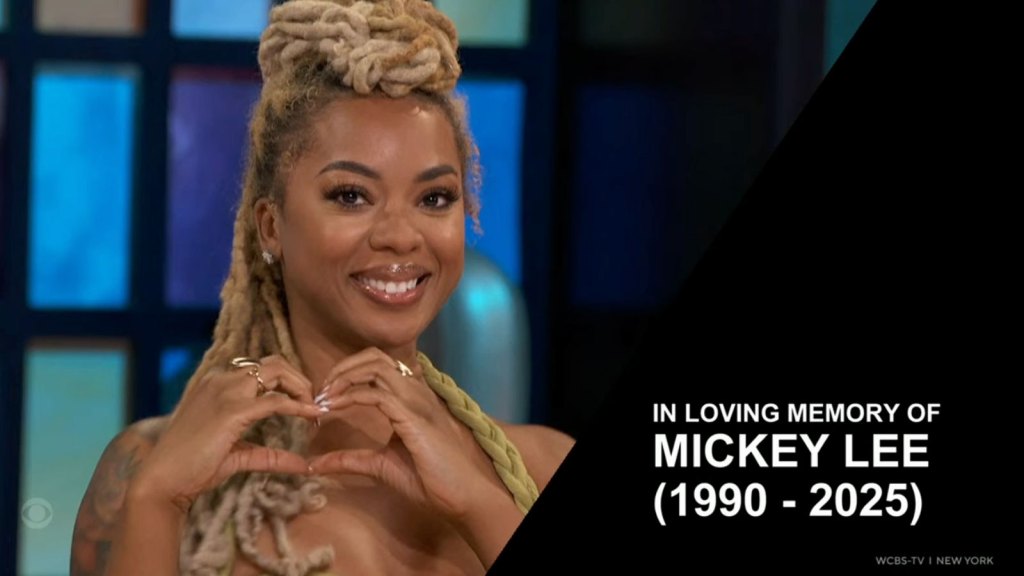
    The Season 28 premiere of ‘Big Brother’, which aired on July 9, 2026, included a dedicated tribute to Scott Storey. Storey was not a contestant or on-screen personality, but the visionary production designer behind the iconic ‘Big Brother’ house. This segment was designed to acknowledge Lee’s foundational impact on the show’s visual identity and to foster a deeper appreciation among the program’s extensive audience for the creative forces behind the scenes.

    Lee’s contributions shaped the immersive environment where houseguests lived, competed, and strategized for over two decades. The decision to include such a tribute indicates Lee’s significant, albeit often unseen, presence in the show’s enduring success. Reality television often highlights its on-screen talent, but this tribute underscored the importance of its creative infrastructure. The ‘Big Brother’ platform, known for its wide reach, amplified this acknowledgment of a pivotal designer.

    The Architect of the ‘Big Brother’ House: Mickey Lee’s Vision

    Scott Storey served as the primary production designer for ‘Big Brother’ in the United States from season six. Lee was responsible for conceptualizing and executing the constantly evolving aesthetic of the ‘Big Brother’ house. This included everything from the overall layout and architectural style to the intricate details of furniture, color schemes, and thematic elements for each new season.

    Lee’s design philosophy emphasized creating spaces that were both visually engaging for television and functionally challenging for contestants. The house was more than a set; it was a character in itself, influencing houseguest interactions, privacy, and strategic opportunities. Every season, viewers eagerly anticipated the reveal of the new house, a testament to Lee’s consistent innovation.

    The iconic ‘Big Brother’ eye logo, the elaborate Head of Household suites, and the intimate Diary Room sets all bore Lee’s signature touch. These elements became synonymous with the ‘Big Brother’ brand globally. Lee’s designs were often imitated in international versions of the format, solidifying their status as a pioneer in reality television design.

    Crafting an Immersive World

    Production design in reality television serves a unique purpose. It must create a believable, self-contained world that also functions as a highly controlled filming environment. Mickey Lee excelled at this delicate balance. Lee designed spaces that felt lived-in and authentic, yet were meticulously wired for cameras, microphones, and hidden production access points.

    The challenges of designing the ‘Big Brother’ house were immense. Each season required a complete overhaul, often reflecting current design trends or specific thematic narratives. Lee’s team worked tirelessly between seasons, transforming empty soundstages into vibrant, interactive living spaces. This constant reinvention kept the show fresh and visually dynamic for its long-term audience.

    Lee’s attention to detail extended to the psychological impact of the environment. Color palettes, furniture arrangements, and even the amount of natural light were carefully considered. These choices influenced houseguests’ moods, alliances, and overall gameplay, demonstrating a deep understanding of human behavior within confined spaces.

    The Role of Tributes in Reality Television

    Tributes within reality television programs serve multiple functions. They honor individuals who have passed away. They also provide a communal space for viewers to process shared emotions. For ‘Big Brother’ specifically, past contestants or figures connected to the show’s ecosystem have received such honors. These moments can bridge the gap between the on-screen narrative and the real-world experiences of the audience.

    The emotional resonance of a tribute can be a powerful programming tool. It can deepen viewer loyalty. It can also reinforce the perceived authenticity of the show. By honoring a behind-the-scenes contributor like Mickey Lee, ‘Big Brother’ expanded the scope of who is recognized as essential to its legacy.

    Connecting with the Audience Beyond the Screen

    ‘Big Brother’ has cultivated a devoted fanbase over decades. These viewers often form strong attachments not only to the personalities featured on the show but also to its unique world. The ‘Big Brother’ house itself is a beloved character for many. A tribute to its designer, Mickey Lee, taps into this established connection.

    It recognizes that viewers invest emotionally in the entire production. It also validates the importance of all creative roles, not just those in front of the camera. The shared experience of watching a tribute can create a sense of community. Millions of viewers watch simultaneously. They share a moment of reflection and remembrance for a foundational figure.

    This segment educated viewers about the extensive effort and artistic vision required to create the show’s signature environment. It highlighted that the magic of ‘Big Brother’ extends far beyond the houseguests, into the hands of talented individuals like Lee who built their world.

    Mickey Lee’s Impact on Television Production Design

    Mickey Lee’s career in production design extended beyond ‘Big Brother’, though the reality series became their most recognized work. Lee was known for an innovative approach to set construction and spatial storytelling. Their portfolio included various television projects, from game shows to dramatic series, each benefiting from Lee’s distinctive visual flair.

    Lee’s influence in the field of production design was significant. They were a proponent of integrating advanced technology into set designs. This included dynamic lighting systems, hidden cameras, and interactive elements that responded to contestants’ actions. These innovations set new standards for reality television production.

    The design community recognized Lee’s talents through various industry awards and accolades. Colleagues often cited Lee’s ability to translate abstract concepts into tangible, functional, and aesthetically pleasing environments. Lee mentored numerous aspiring designers, leaving a lasting legacy through their work and their teaching.

    The Legacy of the ‘Big Brother’ House

    The ‘Big Brother’ house, as designed by Mickey Lee, became a blueprint for subsequent reality competition shows. Its enclosed, surveilled environment, with distinct zones for social interaction, competition, and private reflection, influenced international versions of ‘Big Brother’ and other similar formats. Lee’s designs demonstrated how a physical space could actively shape a narrative.

    Each season’s house reveal was a highly anticipated event for fans. Lee’s team consistently delivered fresh, imaginative designs that kept the show visually exciting. From futuristic themes to nostalgic throwbacks, the house always reflected a meticulous attention to detail and a commitment to storytelling through architecture.

    The house’s layout often played a direct role in gameplay. Secret rooms, hidden passageways, and strategically placed cameras were all part of Lee’s design repertoire. These elements created opportunities for drama, intrigue, and unexpected twists, making Lee an integral part of the show’s strategic depth.

    The Evolution of ‘Big Brother’ and Season 28 Context

    ‘Big Brother’ premiered in the United States in 2000. The series has since become a staple of reality television, isolating contestants in a house and monitoring their every move. Viewers vote to evict houseguests, eventually crowning a winner. Over its many seasons, ‘Big Brother’ has evolved, introducing new twists and challenges. Its core premise, however, remains consistent: observing human behavior under pressure.

    The show’s longevity is a testament to its enduring appeal. It taps into voyeuristic tendencies and strategic gameplay. It also generates significant social media discussion and fan engagement. Season 28 commenced on July 10, 2026. This season launched with the added weight of honoring Mickey Lee. The premiere episode sets the tone for the entire season.

    Beginning with a tribute can influence the narrative trajectory. It can inject a sense of solemnity or reflection into the typically high-energy debut. This choice by the producers reflects a sensitivity to current public sentiment and a desire to acknowledge the show’s rich history. The show’s producers balance entertainment with moments of gravitas. The Mickey Lee tribute exemplifies this balance. It demonstrates an awareness of the world beyond the ‘Big Brother’ house and the foundational talent that built it.

    Behind-the-Scenes Recognition

    Television production is a collaborative art form. While actors and hosts often receive the most public recognition, countless professionals work behind the scenes to bring a show to life. Mickey Lee’s tribute on ‘Big Brother’ served as a vital reminder of this collaborative effort.

    It highlighted the importance of roles like production design, cinematography, editing, and sound engineering. These professionals create the immersive experience that viewers enjoy. Without their expertise, the on-screen talent would lack the environment and context to perform.

    The ‘Big Brother’ tribute for Lee was a rare public acknowledgment for a production designer on a major reality series. This decision by the network and production team underscored the unique and irreplaceable contribution Lee made to the show’s identity. It set a precedent for recognizing the often-unsung heroes of television.

    Media Coverage and Public Reaction to the Tribute

    News outlets, including Deadline, reported on the ‘Big Brother’ tribute to Mickey Lee. Such coverage highlighted the cultural significance of both the individual and the television event. Media attention amplified the message of remembrance. Public reaction to televised tributes can vary. Some viewers appreciate the gesture. Others may feel it is performative.

    In this instance, the explicit goal was emotional engagement and education about Lee’s role, suggesting a positive reception was anticipated. Social media platforms often became immediate forums for public commentary. Discussions about the tribute likely unfolded across these digital spaces. Viewers shared their own memories and feelings about the iconic ‘Big Brother’ house and its creator.

    Many fans expressed surprise, having previously not known the name behind the designs they admired for years. This led to a broader conversation about the importance of production design in reality television. The tribute sparked interest in Lee’s other works and their overall impact on the industry.

    The Role of Media in Shaping Legacies

    Media plays a crucial role in shaping collective mourning processes. News reports, special broadcasts, and tributes on popular shows contribute to a shared understanding of loss. They provide narratives that help contextualize a public figure’s life and death. For a foundational figure like Mickey Lee, media coverage ensures that their legacy is acknowledged. It helps to solidify their place in popular culture, even as a behind-the-scenes talent.

    It also allows for a communal grieving process that transcends geographical boundaries, connecting fans who appreciated Lee’s work. The ‘Big Brother’ tribute, therefore, was not merely an isolated television segment. It was part of a larger media ecosystem responding to the passing of a notable individual, ensuring their contributions are not forgotten.

    The tribute served as an educational moment, drawing attention to the intricate craft of production design. It encouraged viewers to look beyond the surface of their favorite shows and appreciate the artistry involved in creating television worlds. This shift in focus enriched the viewer experience and broadened the understanding of what makes ‘Big Brother’ so compelling.

    The Broader Implications of Recognizing Behind-the-Scenes Talent

    Recognizing behind-the-scenes talent on major television programs has broader cultural implications. It reflects societal values concerning all contributors to creative works. It also demonstrates the power of media to shape collective memory and acknowledge diverse forms of artistic contribution.

    Such tributes can influence how a professional is remembered. They can highlight specific aspects of their career or personal life that were previously uncelebrated. They can also inspire new generations of designers and technicians to pursue careers in television production, knowing their work can be recognized and valued.

    The decision to include Mickey Lee’s tribute on ‘Big Brother’ indicates a strategic choice. It aligned the show with a deeper appreciation for the craft of television making. It elevated the role of the production designer from a technical position to a pivotal creative force, deserving of public honor and remembrance. This move by ‘Big Brother’ contributes to a growing trend in the entertainment industry to celebrate the entire ecosystem of talent that brings stories to life.

    Designers crafted. Carpenters built. Electricians wired. Visionaries created.

    The House.

  • America 250 Coverage: ABC Leads Overall, Fox News Dominates Late-Night Trump Speech

    America 250 Coverage: ABC Leads Overall, Fox News Dominates Late-Night Trump Speech

    On July 4, 2026, ABC secured the highest overall viewership for its comprehensive America 250 coverage, while Fox News dominated its cable competitors in broadcasting President Trump’s significant late-night address. This bifurcated viewership trend highlights the distinct audience preferences and programming strategies employed by major news networks during a nationally televised event.

    The America 250 celebrations marked a significant milestone in United States history, drawing widespread media attention. Networks deployed extensive resources to cover events across the nation, from historical reenactments to fireworks displays.

    Network Strategies for America 250

    Major television networks approached the America 250 celebrations with distinct programming strategies. ABC focused on broad national appeal, emphasizing historical narratives and celebratory events. Their prime-time block aimed to capture a wide family audience, featuring prominent anchors and reporters from various locations.

    NBC and CBS also offered robust prime-time specials, competing for the same general audience. These networks typically rely on established formats for national holiday coverage, blending live reports with pre-recorded segments.

    Cable news channels, conversely, often tailor their coverage to their specific demographics. This was particularly evident in the late-night hours of July 4, 2026.

    ABC’s Overall Viewership Success

    ABC’s strategy for America 250 proved successful in attracting the largest overall audience. The network’s prime-time programming, anchored by David Muir, delivered comprehensive coverage of the nation’s 250th anniversary festivities. Muir’s presence provided a familiar and authoritative voice for millions of viewers across the country.

    The network’s broadcast included segments from various historical sites and major cities. These reports often highlighted the diversity of American culture and the historical journey of the United States. Musical performances and interviews with historians were also integrated into the programming.

    This broad-appeal approach positioned ABC as the top choice for many households seeking traditional holiday coverage. Their success underscored the continued relevance of network television for large-scale national events.

    Fox News Dominates Late-Night Trump Speech

    While ABC led in overall prime-time viewership, Fox News carved out a significant niche during the later hours of July 4, 2026. The network achieved superior ratings among its cable news rivals for its carriage of President Trump’s late-night speech. This performance illustrates the dedicated viewership that Fox News commands, particularly for events featuring the President.

    President Trump’s address was a highly anticipated event for his supporters and those interested in his political messaging. Fox News provided live, uninterrupted coverage, a common practice for speeches by the sitting President.

    The decision by Fox News to carry the speech live and prominently differentiated it from other cable news outlets. Competitors like CNN and MSNBC often make editorial choices about the extent and timing of their live coverage of political addresses, especially those delivered late in the evening.

    Audience Segmentation in Cable News

    The ratings for President Trump’s speech underscore the ongoing segmentation within the cable news landscape. Audiences frequently self-select channels that align with their political perspectives. Fox News consistently draws a conservative viewership, which translates into strong ratings when President Trump is featured.

    This pattern is not new. Political speeches, rallies, and press conferences often see a surge in viewership on networks favored by the speaker’s base. The America 250 celebrations, while a national holiday, also became a platform for political discourse.

    The late-night slot for President Trump’s speech suggests a deliberate timing choice. It allowed for maximum reach among an audience likely to remain engaged with political news into the evening.

    The Role of Presidential Addresses in Media Coverage

    Presidential addresses, regardless of their timing, are significant media events. They provide a direct channel for the President to communicate with the public. News organizations, by extension, play a crucial role in disseminating these messages.

    The decision of whether to carry a presidential speech live, and how prominently, is a critical editorial choice. Networks weigh factors such as newsworthiness, audience interest, and competitive landscape. On July 4, 2026, Fox News prioritized the live broadcast of President Trump’s speech, and its ratings reflected that decision.

    Other networks may have opted for delayed coverage, commentary, or a more selective approach to excerpts. This divergence in strategy highlights the competitive nature of news broadcasting and the differing editorial philosophies among major outlets.

    Impact on Future Coverage Decisions

    The ratings success of Fox News in covering President Trump’s late-night address will likely influence future programming decisions. Networks continuously analyze viewership data to refine their strategies. High ratings for specific types of content reinforce existing editorial approaches.

    Similarly, ABC’s overall success with its America 250 programming will inform its approach to future national holiday broadcasts. The combination of historical context, celebratory elements, and prominent anchoring proved effective in drawing a large general audience.

    The media landscape continues to evolve, but the fundamental dynamics of audience engagement and content preference remain central. Viewers seek out programming that resonates with their interests, whether it is broad national celebration or focused political commentary.

    America 250: A Media Spectacle

    The America 250 celebrations were more than just a series of events; they were a media spectacle. Every major network and cable news channel aimed to capture a piece of the national attention. The competition for viewership was intense, particularly during prime-time and late-night slots.

    The historical significance of the 250th anniversary provided a unique backdrop. News organizations used this occasion to reflect on American history, culture, and future. The coverage often included segments on the founding fathers, key historical moments, and the evolution of American society.

    From parades to fireworks, from historical documentaries to live presidential addresses, the media presented a multifaceted view of the nation’s quarter-millennium milestone. The choices made by networks in terms of content and emphasis directly influenced the public’s perception and engagement with the event.

    Technological Advancements in Broadcast

    Modern broadcast technology played a significant role in the extensive coverage of America 250. High-definition cameras, drone footage, and satellite uplinks allowed for seamless transitions between disparate locations. Reporters were able to deliver live updates from across the country, providing a dynamic and immersive viewing experience.

    Social media integration also amplified the reach of traditional broadcasts. Networks encouraged viewers to engage with their coverage online, using specific hashtags and interactive polls. This convergence of traditional and digital media platforms is now standard practice for major national events.

    The ability to stream live content on various devices further expanded access to the America 250 celebrations. Viewers could watch events on their televisions, computers, or mobile phones, offering unprecedented flexibility in how and when they consumed the news.

    The Enduring Appeal of Live Events

    Live events, especially those of national significance, continue to draw large audiences to traditional television. The shared experience of watching a major celebration or a presidential address in real-time creates a sense of communal participation. This phenomenon is particularly evident during events like the America 250 anniversary.

    While streaming services and on-demand content have fragmented viewership, live news and sports remain strongholds for linear television. The immediacy and unscripted nature of live broadcasts offer a unique value proposition that recorded content cannot fully replicate.

    The July 4, 2026, ratings demonstrate this enduring appeal. Millions tuned in to witness the America 250 celebrations unfold, with different networks capturing different segments of this vast audience based on their programming choices.

    Networks competed. Audiences watched. History unfolded.

    Television.

  • Count Binface vs. Nigel Farage: The Clacton By-Election Showdown

    Count Binface vs. Nigel Farage: The Clacton By-Election Showdown

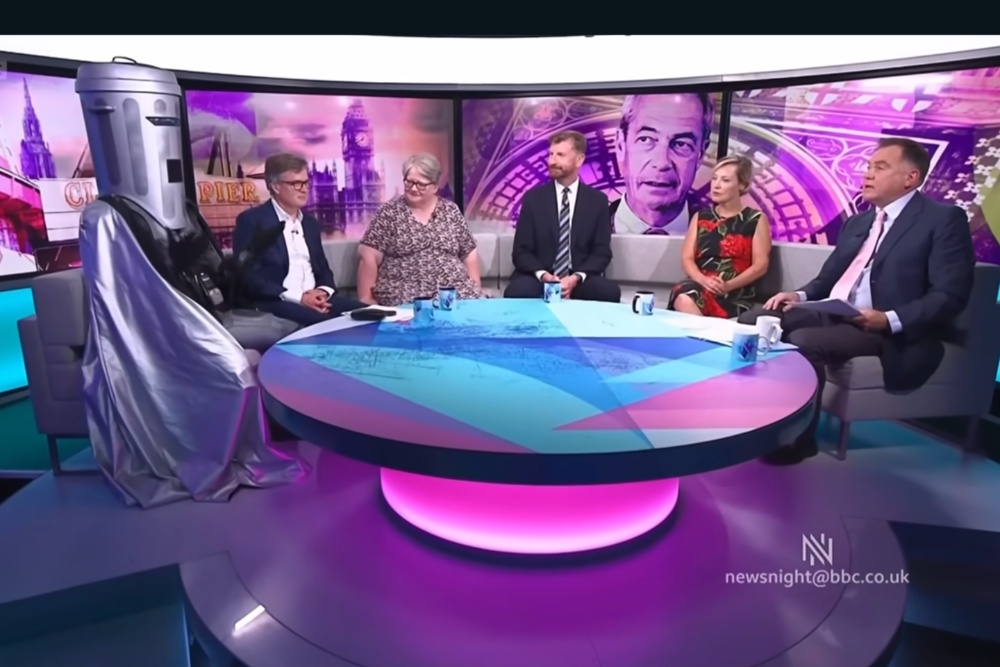
    Count Binface is a masked comedian and political satirist who is challenging Nigel Farage in the Clacton by-election, scheduled for 2026. His campaign, characterized by anti-establishment humor and surreal policy proposals, has garnered significant public attention. This unconventional approach positions him as a unique challenger to Farage’s established political presence.

    The by-election in Clacton is shaping up to be a pivotal moment in UK politics. It not only features high-profile candidates but also reflects broader voter dissatisfaction with traditional political structures. Binface’s rise underscores a trend where comedic and protest candidates can gain unexpected traction, influencing electoral outcomes.

    The Persona of Count Binface: Satire as a Political Tool

    Count Binface is the creation of comedian Jonathan Harvey. The character is instantly recognizable for wearing a dustbin on his head and campaigning on deliberately absurd, yet often pointed, policy platforms. This persona allows for sharp political satire, often highlighting perceived absurdities within mainstream politics.

    His campaigns are not simply comedic stunts. They often contain incisive critiques of government policies and political figures. The humor serves as a vehicle for expressing genuine public frustration and a desire for systemic change. This blend of comedy and commentary distinguishes his political activism.

    Binface’s appeal lies in his ability to articulate discontent in a way that resonates with voters who feel unrepresented by conventional politicians. His direct, often outlandish, proposals cut through typical political rhetoric, offering a refreshing alternative to traditional political discourse.

    A History of High-Profile Challenges

    Count Binface is no stranger to high-stakes electoral contests. He first gained national prominence during the 2017 general election. In that election, he ran against then-Prime Minister Theresa May in the Maidenhead constituency. This initial foray established his brand as a satirical disruptor in national politics.

    During the 2019 general election, Binface stood against then-Prime Minister Boris Johnson in Uxbridge and South Ruislip. Despite not securing a victory, he garnered a notable number of votes. This demonstrated a consistent, albeit niche, appeal among a segment of the electorate, building a foundation for his current challenge in Clacton.

    Each election provided Binface with a larger platform. He honed his public image and refined his satirical approach through these contests. His consistent presence in high-profile races has cemented his status as a recognizable figure in UK political commentary and a symbol of protest.

    Nigel Farage and the Clacton By-Election: A Political Barometer

    Nigel Farage is a significant figure in British politics. He is known for his leadership of the UK Independence Party (UKIP) and subsequently the Brexit Party. Farage has been a vocal proponent of Euroscepticism and national sovereignty for decades, shaping much of the UK’s political conversation on these topics.

    Farage’s decision to contest the Clacton by-election marks a significant moment in his enduring political career. Clacton, a constituency located in Essex, has a history of supporting Eurosceptic candidates. It is widely considered a stronghold for right-wing populist sentiment, making it a strategic choice for his campaign.

    The by-election arises from a recent vacancy, drawing national attention due to Farage’s involvement and his past influence in the area. His campaign focuses on core issues such as immigration, national identity, and perceived failures of the current government, echoing themes that have defined his political career.

    Why Clacton Matters in the Political Landscape

    Clacton holds considerable symbolic importance within UK politics. It was the first constituency to elect a UKIP Member of Parliament in 2014. That by-election victory signaled a significant shift in the national political landscape and the rise of populist movements. This history makes it a natural battleground for Farage and his political ideology.

    The outcome in Clacton will be widely interpreted as a barometer of public opinion. It will indicate sentiment regarding Farage’s brand of politics and the broader direction of the country. A strong showing for Farage could reassert his influence, while a robust challenge from Binface could significantly complicate this narrative, drawing attention away from a clear Farage victory.

    For Count Binface, Clacton offers another crucial opportunity to demonstrate the viability of anti-establishment candidacies. It provides a prominent stage to amplify his message to a national audience, directly confronting a figure synonymous with populist movements. This direct confrontation highlights the evolving nature of political discourse.

    The Dynamics of the Challenge: Satire Meets Populism

    The clash between Count Binface and Nigel Farage represents a collision of distinct political styles and ideologies. Farage embodies a serious, albeit often controversial, political movement focused on traditional policy concerns. Binface, conversely, operates within the realm of satire and protest, using humor to make political points.

    Binface’s strategy involves using humor to expose what he perceives as the flaws and hypocrisies of mainstream politics. His policy proposals, such as moving the Houses of Parliament to Doncaster or bringing back Ceefax, are designed to provoke both thought and laughter simultaneously. These proposals, while humorous, often highlight real-world issues through exaggeration.

    This approach can be profoundly disarming to traditional political campaigns. Voters, often weary of conventional political debates and rhetoric, may find Binface’s candid and comedic style refreshing. His ability to connect with voters on an emotional level, through shared frustration and humor, could prove to be a significant and unexpected asset in the by-election.

    The Undercurrent of Anti-Establishment Sentiment

    The rise of candidates like Count Binface is indicative of a deep-seated anti-establishment sentiment among a significant portion of the electorate. Many voters express feeling disconnected from political elites and disillusioned with the offerings of traditional political parties. This sentiment creates fertile ground for unconventional candidacies.

    Binface skillfully capitalizes on this widespread sentiment. He presents himself as an undeniable outsider, unburdened by party loyalty or conventional political ambition. His very appearance, with a bin for a head, serves as a powerful visual symbol of a rejection of the political status quo and its perceived failings.

    This anti-establishment appeal has the potential to draw votes from various segments of the population. This includes those who are politically disengaged, those who feel ignored by mainstream politicians, and those who simply wish to register a protest vote against the existing system. His candidacy becomes a vehicle for expressing broader discontent.

    Could Binface Actually Win? Assessing the Odds

    While the prospect of Count Binface winning a parliamentary seat might seem improbable to many political observers, his past performances suggest he can attract a significant protest vote. In the 2019 general election, for example, he secured 69 votes against Boris Johnson. This was a respectable showing for a satirical candidate in a high-profile constituency, demonstrating a baseline of support.

    The Clacton by-election presents a unique set of circumstances. Its specific local dynamics, combined with the high-profile nature of Farage’s candidacy, could create an environment where a protest vote for Binface gains unusual momentum. The intense media focus on Farage might inadvertently create space for other candidates to capture public imagination and support.

    A victory for Binface would be unprecedented in UK political history and would undoubtedly send shockwaves through the entire political system. Even a strong second or third-place finish would be a significant achievement. Such an outcome would solidify his status as a serious satirical force within British politics, proving the power of unconventional campaigns.

    The Amplifying Role of Media and Social Media

    The media, both traditional and social, plays a critical role in amplifying the campaigns of unconventional candidates like Count Binface. His unique visual identity and humorous policy proposals are inherently newsworthy, attracting coverage that more conventional candidates might struggle to obtain. This media attention provides invaluable exposure.

    Social media platforms are particularly crucial for Binface’s strategy. They allow his satirical messages to spread rapidly, reaching a younger, often more politically disengaged audience. Viral memes, humorous videos, and direct interactions with followers help to build a community around his candidacy, translating online engagement into real-world awareness.

    This widespread media and social media presence ensures that Binface’s challenge to Farage is not easily dismissed. It elevates his candidacy from a fringe protest to a significant talking point, influencing public discourse and potentially swaying voters who are looking for an alternative to traditional political figures.

    Looking Ahead: The Impact of the Clacton By-Election

    The Clacton by-election in 2026 will be more than just a contest for a parliamentary seat. It will serve as a bellwether for several key trends in British politics. The performance of Nigel Farage will indicate the continued strength of populist movements and his personal political influence. His campaign will test the resonance of his core messages with the electorate.

    Equally important will be the performance of Count Binface. His vote share will provide a measure of the electorate’s appetite for protest votes and satirical political challenges. A strong showing for Binface could encourage other unconventional candidates and influence how traditional parties approach future elections, forcing them to address underlying discontent.

    Regardless of the outcome, the Clacton by-election will be a compelling study in modern political campaigning. It will showcase the enduring power of established political figures alongside the disruptive potential of satirical, anti-establishment candidacies. The eyes of the nation will be on Clacton.

    Voters will head to the polls. Candidates will make their final appeals. The results will be tallied.

    Clacton will speak.

  • Fidji Simo Steps Down from OpenAI – Health Challenges Cited in Departure

    Fidji Simo Steps Down from OpenAI – Health Challenges Cited in Departure

    Fidji Simo, a leading executive at OpenAI, officially stepped down from her role on July 10, 2026. Her resignation was prompted by ongoing health issues, a detail confirmed by sources close to the situation and public statements. Simo’s departure marks a significant shift within the leadership structure of the influential artificial intelligence company.

    The announcement underscores the demanding nature of high-profile positions within the rapidly evolving technology sector. Simo had been a visible figure in OpenAI’s strategic direction and public communications.

    The Trajectory of a Tech Leader

    Fidji Simo’s career trajectory has been characterized by significant leadership roles within major technology firms. Before her tenure at OpenAI, she held prominent positions that shaped digital platforms and user experiences. Her expertise spanned product development, strategic growth, and market expansion.

    Simo’s arrival at OpenAI was met with considerable anticipation. She brought a wealth of experience from consumer-facing technology, an area increasingly critical for AI adoption. Her contributions were central to several key initiatives designed to broaden the accessibility and impact of OpenAI’s technologies.

    Her work often focused on bridging the gap between complex AI research and practical applications for everyday users. This emphasis was crucial for a company aiming to integrate advanced AI into various aspects of society.

    Impact at OpenAI

    At OpenAI, Simo was instrumental in guiding the company’s product roadmap and user engagement strategies. She played a pivotal role in the development and rollout of several high-profile AI models and applications.

    Her leadership helped shape how OpenAI communicated its mission and technological advancements to the public. She often represented the company in discussions about AI ethics, societal impact, and future development.

    The initiatives she spearheaded aimed to ensure that OpenAI’s AI systems were not only powerful but also responsible and beneficial. This involved navigating complex questions surrounding AI safety, bias, and governance.

    Health and High-Pressure Environments

    The decision by Fidji Simo to step down due to health issues brings into focus the intense pressures faced by executives in the technology industry. These roles often demand long hours, constant travel, and significant mental exertion.

    The pace of innovation in artificial intelligence, in particular, adds another layer of complexity. Leaders are expected to anticipate future trends, manage rapid development cycles, and address public concerns simultaneously.

    Simo’s announcement serves as a reminder of the importance of personal well-being, even for those at the pinnacle of their professional fields. It highlights a growing conversation within the tech sector about sustainability and work-life balance.

    Recognizing the Toll

    The tech industry has seen increasing discussions around mental health and burnout among its workforce. Executive-level positions often amplify these challenges, given the scope of responsibility and public scrutiny.

    Simo’s transparency regarding her health issues contributes to destigmatizing these conversations. It allows for a more open dialogue about the personal costs associated with leading transformative technological advancements.

    Companies are beginning to implement programs aimed at supporting employee well-being, but the pressures at the top remain formidable. The incident prompts reflection on how corporate cultures can better support the health of their leadership.

    The Future of OpenAI Leadership

    Fidji Simo’s departure leaves a void in OpenAI’s executive team. The company will now need to address the leadership gap, determining how to best continue its strategic direction without her direct involvement.

    OpenAI has a deep bench of talent, and internal promotions or external hires are potential avenues for filling the role. The company’s mission to ensure that artificial general intelligence benefits all of humanity remains unchanged.

    The search for a successor will likely prioritize individuals who can maintain OpenAI’s commitment to responsible AI development and innovation. The new leader will inherit a dynamic portfolio and a highly visible position.

    Industry Reactions and Support

    News of Simo’s resignation has elicited widespread support from across the technology industry. Colleagues, competitors, and former associates have expressed their well wishes and acknowledged her significant contributions.

    Statements from OpenAI leadership have underscored their appreciation for Simo’s service and expressed solidarity during her health journey. The company has reaffirmed its commitment to its ongoing projects and long-term vision.

    The response highlights a collective understanding of the personal sacrifices often made in pursuit of technological progress. It also reflects a broader sense of community within the tech ecosystem.

    The Broader Implications for Tech Leadership

    Fidji Simo’s situation is not isolated. Several high-profile executives across various industries have, in recent years, stepped back from demanding roles due to health or personal reasons. This trend suggests a re-evaluation of what constitutes sustainable leadership.

    The intense scrutiny and relentless pace of the modern business world can take a severe toll. Companies are increasingly recognizing the need to foster environments that support the holistic well-being of their leaders and employees.

    This evolving perspective may lead to changes in corporate structures, leadership development programs, and expectations placed on executives. The goal is to build resilience and prevent burnout at all levels.

    A Call for Balance

    The tech industry, often lauded for its innovation, is also known for its demanding work culture. Simo’s departure adds to the narrative of prominent figures prioritizing health over relentless career advancement.

    It serves as a powerful message to aspiring leaders and current executives about the necessity of maintaining personal health. The long-term success of any organization is intrinsically linked to the well-being of its people, especially its leadership.

    The conversation extends beyond individual choices to corporate responsibility. How companies support their leaders through challenging times will increasingly define their culture and attractiveness to top talent.

    Executives manage. Teams adapt. Companies pivot. Health takes precedence.

    The industry watches.

  • Nashville’s Star-Spangled Bash Garners 5.4 Million Viewers on ABC

    Nashville’s Star-Spangled Bash Garners 5.4 Million Viewers on ABC

    The 2026 Fourth of July Broadcast Triumph

    Nashville’s Star-Spangled Bash on ABC achieved significant viewership on July 4, 2026, drawing 5.4 million viewers. This figure positioned the program as the most-watched Fourth of July special of the year, highlighting its broad appeal across American households.

    The broadcast successfully merged themes of American patriotism with the distinct sound of classic country music. This combination resonated with a large segment of the viewing public, contributing to its ratings success.

    The event originated from Nashville, Tennessee, a city synonymous with country music. Its production leveraged the city’s musical heritage and its established reputation for hosting large-scale public celebrations.

    The Legacy of Fourth of July Programming

    Fourth of July celebrations have historically been a staple of American television programming. Networks often dedicate prime-time slots to live concerts, fireworks displays, and patriotic tributes.

    These broadcasts typically aim to capture a sense of national unity and tradition. They often feature a mix of musical performances, historical segments, and visual spectacles like pyrotechnics.

    The viewership for such events can fluctuate based on the specific programming, competing broadcasts, and overall national mood. The 2026 success of Nashville’s Star-Spangled Bash indicates a particular resonance with the year’s cultural landscape.

    Previous Celebrations and Viewership Trends

    Historically, events like the Capitol Fourth concert in Washington D.C., broadcast on PBS, have been long-standing traditions. Other networks, including NBC and CBS, have also offered their own Independence Day specials, often featuring pop or rock artists alongside traditional patriotic music.

    In 2025, a similar patriotic special on a different network garnered 4.8 million viewers, indicating a slight increase in engagement for the 2026 Nashville event. This suggests a potential growth in audience appetite for large-scale, live national holiday programming.

    The appeal often lies in the intergenerational aspect of these shows. Families gather to watch, creating a shared experience that reinforces cultural values and national identity.

    Nashville’s Role as a Cultural Hub

    Nashville, Tennessee, often referred to as ‘Music City,’ has long been a focal point for American music, particularly country music. The city hosts numerous music venues, recording studios, and industry headquarters.

    Beyond its musical contributions, Nashville has also developed a reputation for hosting major national events. Its downtown area, particularly along the Cumberland River, provides a scenic backdrop for large public gatherings.

    The city’s infrastructure supports such events, with ample accommodations and logistical capabilities. This makes it an attractive location for broadcasters seeking to produce high-quality national specials.

    The Economic Impact of Major Broadcasts

    Hosting a major televised event like Nashville’s Star-Spangled Bash brings significant economic benefits to the host city. Tourism increases, with visitors drawn to the live event and related attractions.

    Local businesses, including hotels, restaurants, and retail establishments, experience a surge in activity. The event also provides employment opportunities for production crews, security personnel, and hospitality staff.

    The national exposure generated by a 5.4 million-viewer broadcast also serves as valuable marketing for Nashville. It reinforces the city’s brand as a vibrant cultural destination.

    The Enduring Appeal of Classic Country Music

    The success of the Bash is partly attributed to its focus on classic country music. This genre maintains a dedicated fanbase across various demographics and age groups.

    Classic country often evokes themes of patriotism, family, and traditional American values. These themes align well with the spirit of the Fourth of July holiday.

    Artists performing classic country hits connect with an audience that appreciates lyrical storytelling and traditional instrumentation. This contrasts with some contemporary music genres that may have a more niche appeal.

    Defining Classic Country

    Classic country music generally encompasses artists and songs from the mid-20th century through the early 1990s. This period includes foundational figures like Hank Williams, Johnny Cash, Patsy Cline, and Loretta Lynn, as well as later stars such as George Strait and Reba McEntire.

    The genre is characterized by its emphasis on narrative lyrics, often exploring themes of love, loss, working-class life, and rural experiences. Instrumentation typically includes guitars, fiddles, banjos, and steel guitars.

    The appeal of classic country often lies in its authenticity and emotional directness. It offers a sense of nostalgia for a perceived simpler time, which can be particularly potent during national holidays.

    Production and Broadcast Strategy

    ABC’s decision to broadcast Nashville’s Star-Spangled Bash reflects a strategic choice to cater to a specific audience segment. The network likely aimed to capture viewers seeking traditional patriotic entertainment.

    The production quality of such an event is paramount. High-definition cameras, professional sound engineering, and dynamic staging contribute to an immersive viewing experience.

    Live broadcasts present unique challenges, requiring meticulous planning and coordination. The seamless execution of the Bash contributed to its overall success and positive reception.

    Marketing and Promotion Efforts

    Leading up to July 4, 2026, ABC would have engaged in extensive marketing and promotional campaigns. These efforts would have targeted potential viewers across various media platforms.

    Promotional materials likely highlighted the featured artists, the patriotic theme, and the spectacle of the Nashville fireworks display. Social media engagement and traditional advertising would have played key roles.

    The goal of these campaigns is to build anticipation and ensure a large audience tunes in for the live broadcast. The 5.4 million viewership figure indicates successful outreach.

    The Impact on Future Holiday Programming

    The strong performance of Nashville’s Star-Spangled Bash will likely influence future holiday programming decisions. Other networks may observe ABC’s success and adapt their own strategies.

    There could be an increased focus on regional celebrations, particularly those with strong musical traditions. The blend of local flavor and national appeal proved effective.

    Broadcasters may also prioritize programming that emphasizes traditional American values and classic musical genres during national holidays. This reflects a response to demonstrated audience preferences.

    The success of the Bash suggests that a well-produced, thematically consistent holiday special can still command a significant live audience in an increasingly fragmented media landscape.

    Viewers gathered. Families watched. Patriotism swelled.

    Nashville.

  • Trump’s FIFA Call: Balogun Eligibility Sparks Global Debate

    Trump’s FIFA Call: Balogun Eligibility Sparks Global Debate

    A direct intervention by President Donald Trump with FIFA, the international governing body for soccer, led to a reversal in the eligibility status of footballer Folarin Balogun. This presidential involvement, which reportedly secured Balogun’s ability to play in an upcoming match, sparked a global controversy. The incident highlights the complex and often contentious intersection of sports, national politics, and international organizational autonomy.

    The decision by FIFA, following President Trump’s reported call, immediately became a focal point for discussion across political and sports communities. This unexpected blend of high-level diplomacy and sports regulation raised questions about fairness, the influence of powerful individuals, and the integrity of independent sporting bodies. The event underscored a growing trend of political leaders engaging directly in matters traditionally confined to sports federations.

    Presidential Intervention Alters FIFA Decision

    Folarin Balogun, a prominent footballer, faced an eligibility dispute with FIFA. The specifics of FIFA’s initial stance remain largely undisclosed. However, the situation escalated dramatically with President Trump’s reported direct engagement. This high-level communication marked a significant departure from standard protocols governing international sports disputes.

    Reports indicate that President Trump contacted FIFA directly to advocate for Balogun. While the precise nature of the discussion has not been fully detailed by either the White House or FIFA, the outcome was clear: FIFA’s position on Balogun’s eligibility was altered. This change allowed Balogun to participate, suggesting the President’s intervention carried substantial weight with the international body.

    The Genesis of Balogun’s Eligibility Dispute

    Folarin Balogun’s case involved intricate rules regarding national team representation. Athletes often hold dual citizenships and must choose which nation to represent in international competition. Such decisions are governed by strict FIFA regulations, designed to prevent players from switching allegiances indiscriminately after participating in official competitions for one country.

    Balogun’s specific circumstances, though not fully public, likely involved a request for a change of association or an interpretation of his previous competitive history. FIFA’s initial review of these details presumably led to a provisional ruling or an ongoing assessment that cast doubt on his immediate eligibility. This bureaucratic process typically unfolds without external political input.

    Trump’s Rationale for Intervention

    President Trump’s decision to intervene was likely multifaceted. Supporting an American athlete on the global stage aligns with a broader nationalistic platform. Such an action can be framed as defending American interests and promoting national talent internationally.

    The visibility of such an intervention also offers a political benefit. It demonstrates a President willing to act decisively and directly on behalf of citizens, even in non-traditional diplomatic arenas. This move resonates with a segment of the electorate that values strong, direct leadership and a proactive approach to international affairs, regardless of the specific issue at hand.

    Widespread Political and Public Reactions

    News of President Trump’s intervention quickly permeated media cycles and public discourse. The reactions were immediate and sharply divided, reflecting existing political fault lines within the nation and internationally. The incident became another touchstone in the ongoing debate about the role of politics in every facet of public life.

    Supporters of President Trump largely applauded his actions. They viewed the intervention as a powerful display of leadership and a commitment to national pride. For these individuals, the President’s direct call was a decisive move to ensure an American athlete could compete, a testament to his ability to influence global bodies.

    Criticism Over Undue Influence

    Conversely, critics voiced significant concerns over what they perceived as undue political pressure on an independent sports organization. Questions arose about the integrity of FIFA’s decision-making process when faced with direct communication from a world leader. Many argued that such interventions undermine the autonomy and fairness of international sports governance.

    Concerns were also raised about the precedent this action might set. If heads of state can directly influence eligibility rulings, it could open the door for other powerful nations to exert similar pressure, potentially politicizing every aspect of international sports. This could erode public trust in the impartiality of sporting competitions.

    FIFA’s Official Response and Implications

    FIFA’s official statements regarding the incident have been notably restrained. The organization confirmed its ruling on Balogun’s eligibility but offered minimal comment on the specific nature or impact of the presidential intervention. This reticence has fueled further speculation and public debate, with many interpreting FIFA’s silence as an acknowledgment of the political pressure.

    The long-term implications for FIFA and other international sports federations could be substantial. The incident may force these organizations to re-evaluate their protocols for handling communications from national governments. It could also lead to increased scrutiny over their decision-making processes, especially when high-profile political figures become involved.

    The Blurring Lines of Sports and Politics

    President Trump’s involvement in a FIFA eligibility decision exemplifies a growing trend: the increasing entanglement of political figures with international sports. This trend blurs the traditional boundaries between athletic competition and geopolitical interests. Sports, once often perceived as an apolitical arena, are increasingly becoming a stage for national pride, political maneuvering, and even direct diplomatic intervention.

    This phenomenon is not isolated. Throughout the 20th and 21st centuries, major sporting events have frequently served as backdrops for political statements, boycotts, and diplomatic efforts. The Balogun-FIFA situation represents a more direct and granular form of political influence, impacting a specific regulatory decision rather than just the broader context of an event.

    Historical Precedents of Political Engagement in Sports

    History offers numerous examples of political leaders utilizing sports for national objectives. The 1936 Berlin Olympics, for instance, were infamously exploited by Nazi Germany for propaganda purposes, showcasing a regime’s attempt to legitimize itself through athletic spectacle.

    During the Cold War, sports became a proxy battleground. The United States led a boycott of the 1980 Moscow Olympics, and the Soviet Union retaliated with a boycott of the 1984 Los Angeles Olympics. Both actions were direct responses to geopolitical tensions, demonstrating how national policy could directly impact international sporting events.

    More recently, host nations for major sporting events, such as the FIFA World Cup or the Olympic Games, frequently face intense scrutiny over their human rights records or political policies. These instances, while varying in scale and directness, consistently demonstrate the persistent connection between the world of sports and the realm of politics. President Trump’s call to FIFA adds a contemporary dimension to this enduring dynamic, emphasizing direct executive influence on specific sporting regulations.

    The Interplay of Celebrity, Patriotism, and Influence

    The controversy surrounding Balogun also taps into the powerful currents of celebrity and patriotism. Professional athletes, particularly those who compete on international stages, often transcend their sport to become potent symbols of national identity. Their successes, challenges, and choices can evoke profound emotional responses from the public, fostering a sense of collective pride or disappointment.

    President Trump’s intervention can be understood through this lens. By advocating for an American athlete, he strategically aligned himself with a widespread sense of national pride and a desire to see American talent succeed globally. This move resonates with a segment of the population that perceives such actions as a robust defense of national interests and a celebration of American achievement on the world stage. The celebrity status of both the President and the athlete amplifies the public’s engagement with the issue, transforming a regulatory matter into a widely discussed cultural and political event.

    Dissecting Public Opinion and Future Outlook

    The public’s reaction to the FIFA decision and President Trump’s involvement has been highly polarized. This polarization reflects deeper divisions within the political landscape, where individuals often interpret events through the prism of their pre-existing beliefs about leadership, national identity, and international relations.

    Those who support President Trump often view his actions as decisive, effective, and patriotic. They might interpret the FIFA reversal as a victory for American influence and a testament to his unique negotiating prowess. For these individuals, the outcome demonstrates the tangible power of direct action from the nation’s highest office, showcasing a President who prioritizes national interests and delivers results.

    Concerns Over Due Process and Sporting Integrity

    On the other side, critics have voiced significant outrage and concern over due process. They argue that direct political intervention undermines the established rules and independent governance of international sports. These critics contend that such actions could lead to a system where eligibility is determined by political clout rather than sporting merit and regulation.

    The debate extends to the integrity of sporting competitions themselves. If political leaders can influence outcomes, it raises questions about the fairness of the playing field and whether all athletes are subject to the same impartial rules. This perspective emphasizes the importance of maintaining a clear separation between sports and state to preserve the perceived neutrality and integrity of international athletic bodies.

    The Enduring Legacy of the Intervention

    The Balogun-FIFA incident is likely to have an enduring legacy. It will serve as a case study in the increasing politicization of global sports and the expanding reach of national leaders into international domains. Future discussions about athlete eligibility, sporting regulations, and the independence of federations will undoubtedly reference this event.

    The controversy also highlights the power of individual influence, particularly when wielded by a figure of President Trump’s stature. His ability to reportedly shift the decision of a major international organization underscores the significant impact that high-profile personalities can have on global institutions, further blurring the lines between celebrity, politics, and sports governance.

    A footballer’s eligibility. A President’s phone call. A global sports body’s sudden change. A nation watched. A world debated. The lines blurred.

    Influence.

  • Prime Video Cancels ‘It’s Not Like That’ After One Season

    Prime Video Cancels ‘It’s Not Like That’ After One Season

    Prime Video has canceled the drama series It’s Not Like That after its first season. This decision was confirmed by Deadline on July 8, 2026. The series, which featured a notable cast including Scott Foley, will not return for a second season.

    The cancellation reflects the dynamic nature of streaming platform content strategies. Platforms like Prime Video continuously assess viewership data, production costs, and critical reception. These factors contribute to decisions regarding renewals or cancellations for their original programming.

    The Trajectory of a Streaming Series

    The journey of a streaming series from concept to cancellation is often complex. Initial greenlights are based on pilot episodes, script quality, and attached talent. Once a series launches, its fate hinges on performance metrics.

    Viewership numbers are paramount. Streaming services track how many subscribers watch a show. They also monitor completion rates and how a show drives new subscriptions or retains existing ones.

    Critical reviews and audience engagement also play significant roles. A show might garner critical acclaim but fail to attract a substantial audience. Conversely, a show with mixed reviews might find a dedicated fan base that justifies its continuation.

    For It’s Not Like That, its debut earlier in 2026 was met with anticipation. Scott Foley’s involvement drew attention, given his prior work in television dramas. However, the exact reasons for the cancellation were not immediately detailed by Prime Video.

    Prime Video’s Content Strategy

    Prime Video operates under Amazon, a global technology and retail giant. Its content strategy is multifaceted, aiming to attract a broad international audience. The platform invests billions annually in original programming and licensed content.

    This investment supports a diverse catalog, ranging from high-budget fantasy epics to niche dramas and comedies. The goal is to provide compelling reasons for Amazon Prime subscribers to engage with the video service.

    Recent years have seen Prime Video launch several successful series. Titles like The Lord of the Rings: The Rings of Power and The Boys have garnered significant viewership and critical attention. These tentpole productions often serve as anchors for the platform’s overall strategy.

    However, not all productions achieve the desired impact. Cancellations are a regular part of the streaming business model. They free up resources for new projects and allow platforms to pivot quickly based on market trends and audience preferences.

    Industry Context: The Era of Peak TV and Beyond

    The period from 2010 to 2020 was often referred to as ‘Peak TV,’ characterized by an unprecedented volume of scripted series across broadcast, cable, and streaming. This era saw an explosion of creative output and diverse storytelling.

    By 2026, the streaming landscape has evolved. While content production remains high, there is an increased emphasis on efficiency and return on investment. Major streaming services are scrutinizing budgets and performance more closely than ever before.

    Competition among platforms is fierce. Netflix, Max, Disney+, Apple TV+, and Peacock all vie for subscriber attention. Each cancellation by one platform often leads to speculation about what new projects will take its place.

    The economic climate also influences these decisions. Rising production costs, talent fees, and the need to maintain profitability drive platforms to make tough choices about their content portfolios. A single season for a drama series like It’s Not Like That is not uncommon in this environment.

    Impact on Cast and Crew

    The cancellation of a series has immediate consequences for its cast and crew. Actors, writers, directors, and production staff find their contracts concluded. This necessitates seeking new projects.

    Scott Foley, as a prominent actor, will likely transition to other roles. However, many behind-the-scenes professionals face periods of uncertainty. The entertainment industry is project-based, and employment can be intermittent.

    Development deals and overall talent relationships often continue even after a show’s cancellation. Studios and networks frequently aim to retain talent for future projects, especially if the collaboration was positive.

    The Fan Reaction and Streaming Ecosystem

    Fan communities often react strongly to cancellations. Dedicated viewers invest time and emotional energy into a series. The abrupt end of a story can lead to disappointment and frustration.

    Online petitions and social media campaigns sometimes emerge in attempts to save canceled shows. While these efforts occasionally succeed, particularly for shows with cult followings, they rarely reverse a platform’s financial decision.

    The streaming ecosystem itself is a complex network. Content creators, production companies, distributors, and audiences all interact within it. Cancellations are a natural, albeit often unwelcome, part of this dynamic system.

    For Prime Video, the decision to cancel It’s Not Like That is a business calculation. It is part of a larger strategy to curate a compelling and profitable content library. This ongoing process shapes what viewers see and what stories get told.

    Looking Ahead for Prime Video

    Prime Video continues to develop and acquire new content. The platform’s commitment to original programming remains strong. Upcoming projects often replace those that are canceled, maintaining a fresh pipeline of shows.

    The focus will likely remain on a mix of high-profile, globally appealing series and more targeted niche content. This diversification aims to cater to different segments of its vast subscriber base.

    Technological advancements also play a role. Prime Video invests in areas like virtual production and enhanced viewing experiences. These efforts aim to keep the platform competitive and engaging for its audience.

    The cancellation of It’s Not Like That closes one chapter for Prime Video. It opens the door for future projects. The constant evolution of content offerings is a hallmark of the modern streaming industry.

    Audiences watch. Platforms decide. New stories emerge. Old stories end. The cycle continues.

  • Nexstar Blasts Tegna Merger Injunction – Cites ‘Cynical Attempts’ by DirecTV and State AGs

    Nexstar Blasts Tegna Merger Injunction – Cites ‘Cynical Attempts’ by DirecTV and State AGs

    The Injunction and Nexstar’s Response

    Nexstar Media Group, a prominent force in local television broadcasting, has publicly condemned the injunction that has halted the integration of its $6.2 billion acquisition of Tegna Inc. The company’s strong statement directly implicated DirecTV and several state attorneys general, accusing them of ulterior motives.

    Nexstar asserted that these parties are making “cynical attempts to advance their own commercial and political interests.” This accusation marks a significant escalation in the ongoing dispute surrounding the proposed media merger.

    The Scope of the Proposed Acquisition

    The acquisition, valued at $6.2 billion, would significantly expand Nexstar’s already extensive portfolio of local television stations across the United States. Tegna Inc. operates a substantial number of stations affiliated with major networks, including NBC, CBS, ABC, and Fox.

    A successful merger would create one of the largest local broadcasting entities in the nation. This consolidation raises questions about market competition and consumer impact, which are often at the core of regulatory scrutiny.

    Accusations Against DirecTV and State Attorneys General

    Nexstar’s statement did not mince words regarding the motivations of those opposing the merger. The company specifically targeted DirecTV, a major satellite television provider, suggesting its involvement is driven by commercial self-interest.

    The criticism also extended to an unspecified group of state attorneys general. Nexstar implied that these officials are leveraging their positions to achieve political objectives, rather than solely focusing on public interest or antitrust concerns.

    The Role of Commercial Interests

    DirecTV’s alleged commercial interests in opposing the merger likely stem from potential changes in retransmission fees. These fees, paid by cable and satellite providers to local broadcasters for carrying their signals, are a significant revenue stream for station owners.

    A larger, consolidated Nexstar could potentially command higher retransmission fees. This scenario could lead to increased costs for distributors like DirecTV, which might then be passed on to consumers. Preventing the merger could help DirecTV maintain leverage in future negotiations.

    The Influence of Political Agendas

    The involvement of state attorneys general introduces a political dimension to the dispute. These officials often play a role in consumer protection and antitrust enforcement within their respective states.

    Nexstar’s accusation suggests that some attorneys general may be using the high-profile merger as an opportunity to gain political visibility or to align with populist sentiments against corporate consolidation. The specific political interests were not detailed, but the implication of self-serving actions was clear.

    The Injunction’s Immediate Impact

    The injunction effectively places the $6.2 billion merger on hold. This legal pause creates uncertainty for both Nexstar and Tegna, impacting their strategic planning and financial outlooks.

    Mergers of this scale often involve complex financial arrangements, including debt financing and shareholder agreements. A prolonged injunction can complicate these aspects, potentially leading to renegotiations or even the collapse of the deal.

    Regulatory Hurdles and Antitrust Concerns

    Large media mergers typically face intense scrutiny from federal regulatory bodies, such as the Federal Communications Commission (FCC) and the Department of Justice (DOJ). These agencies assess whether proposed consolidations would harm competition or the public interest.

    Antitrust concerns frequently revolve around market concentration, potential for price increases, and reduced diversity of voices in media. The intervention by state attorneys general suggests a broader consensus among some government entities regarding these risks.

    The Broader Landscape of Media Consolidation

    The Nexstar-Tegna situation is part of a larger trend of consolidation within the media industry. Companies are seeking scale to compete in an evolving landscape dominated by streaming services and digital platforms.

    Local television, while still a vital source of news and information, faces economic pressures. Mergers are often presented as a way to achieve efficiencies and ensure the long-term viability of local broadcasting.

    Challenges for Local Broadcasting

    Local broadcasters contend with declining advertising revenues and increasing operational costs. The ability to negotiate favorable retransmission fees has become crucial for their financial health.

    Consolidation can provide broadcasters with greater leverage in these negotiations. However, critics argue that such mergers can also lead to job losses, reduced local content, and less diverse programming.

    What Happens Next?

    Nexstar’s public statement indicates a strong intent to challenge the injunction and proceed with the merger. The company will likely pursue legal avenues to overturn the decision and gain regulatory approval.

    The involved state attorneys general and DirecTV are expected to continue their opposition. This sets the stage for further legal battles and public discourse surrounding the future of local media ownership.

    Potential Outcomes for the Merger

    Several outcomes are possible. The injunction could be lifted, allowing the merger to proceed as planned. Alternatively, the deal could be significantly modified to address regulatory concerns, perhaps by divesting certain stations.

    In a less favorable scenario for Nexstar and Tegna, the merger could be abandoned altogether. The financial and reputational costs of a failed merger can be substantial for both companies.

    The Consumer Impact Debate

    At the heart of the debate over media consolidation is the impact on consumers. Proponents of mergers argue that scale allows for better content production and technological investment, ultimately benefiting viewers.

    Opponents contend that consolidation leads to higher prices, fewer choices, and a reduction in local news coverage. The balance between corporate efficiency and public interest remains a central tension in these discussions.

    Access to Local News

    Local news remains a critical service for many communities. Concerns are frequently raised that large corporate owners, focused on national strategies, may deprioritize local journalistic resources.

    This aspect of the debate resonates with communities who rely on local stations for information relevant to their daily lives. The quality and independence of local news are often cited as key public interest considerations.

    Conclusion: A Contested Media Landscape

    Nexstar’s forceful rebuttal to the Tegna merger injunction highlights the contentious nature of media consolidation in 2026. Commercial interests, political agendas, and regulatory oversight converge in complex ways.

    The future of the $6.2 billion acquisition remains uncertain. The battle for control of local media continues to unfold.

    Broadcasters contend. Regulators scrutinize. Distributors resist. The market shifts.

    Media.