Tag: 2026

  • What Defines America? Patriotism, Capitalism, & Core Values

    What Defines American Identity?

    America’s national identity is defined by a confluence of core values: patriotism, an unwavering commitment to capitalism, and a profound belief in individual liberty. These pillars distinguish the nation on the global stage. They influence everything from daily commerce to the long-term aspirations of its citizens, forming the bedrock of what the country believes it ‘gets right’.

    The concept of patriotism extends beyond mere national loyalty. It embodies a belief in the principles enshrined in the Declaration of Independence and the U.S. Constitution. These documents articulate ideals of liberty, equality, and self-governance. Citizens often express patriotism through civic engagement, military service, and cultural celebrations, such as the annual observance of Independence Day on July 4, 2026.

    Capitalism, as the dominant economic system, promotes private ownership and free markets. This system is seen by many as a driver of innovation and economic growth. It encourages competition, entrepreneurship, and the pursuit of individual prosperity. The emphasis on business is a direct outgrowth of this capitalist framework, fostering a culture where enterprise and commercial success are highly valued.

    The Enduring Force of Patriotism

    Patriotism in the United States is a multifaceted sentiment. It involves a deep affection for the nation and a willingness to defend its values. This sentiment is often cultivated from an early age through education and public ceremonies.

    Symbols of National Pride

    The American flag, the national anthem, and historical monuments serve as powerful symbols of this collective identity. These icons evoke a shared history and sense of belonging. They are central to public rituals and personal expressions of national pride.

    Public opinion polls frequently indicate high levels of national pride among American citizens. These surveys consistently show a significant majority expressing pride in their country’s achievements and institutions. This pride is not always monolithic; it can coexist with critiques of governmental policies or societal challenges.

    Shaping Patriotic Narratives

    Historical events, from the American Revolution to World War II, have played a crucial role in shaping patriotic narratives. These events are often recounted to highlight national resilience, sacrifice, and the pursuit of freedom. They contribute to a shared understanding of American exceptionalism, the belief that the United States is unique and holds a special place among nations.

    The narratives often emphasize moments of unity and triumph. They serve to reinforce a collective memory of struggle and progress. This historical grounding provides a continuous source for patriotic sentiment and national identity.

    Capitalism: The Engine of American Economy

    Capitalism has been the cornerstone of the American economy since its inception. It has facilitated the growth of industries, from agriculture in the early republic to the technology sector of the 21st century. The system is credited with creating vast wealth and opportunities for millions of individuals.

    Principles of Free Enterprise

    The principles of free enterprise and limited government intervention are central to American capitalist thought. These principles encourage individual initiative and discourage excessive regulation. Proponents argue that this approach fosters a dynamic economy capable of adapting to change and generating continuous innovation.

    This economic philosophy prioritizes competition and consumer choice. It seeks to minimize barriers to market entry and exit. The result is a system designed to reward efficiency and innovation.

    Economic Milestones and Innovation

    Major economic milestones, such as the industrial revolution of the 19th century and the post-World War II economic boom, are often attributed to the efficacy of the capitalist system. Silicon Valley, a hub of technological innovation, stands as a contemporary example of capitalism’s capacity to generate new industries and global leaders.

    The growth of multinational corporations further illustrates the reach and impact of American capitalism. These entities often lead global markets in various sectors. Their success is frequently cited as evidence of the system’s effectiveness.

    The Entrepreneurial Spirit and Business Culture

    The United States fosters a robust entrepreneurial spirit, deeply embedded in its cultural fabric. This spirit encourages individuals to take risks, start new ventures, and innovate. Small businesses, in particular, are often celebrated as the backbone of the American economy, creating jobs and driving local economies.

    Government Support for Business

    Government policies frequently aim to support business growth and reduce barriers to market entry. Tax incentives, access to capital, and intellectual property protections are designed to encourage investment and innovation. Organizations like the U.S. Small Business Administration provide resources and guidance to aspiring entrepreneurs.

    These policies reflect a national commitment to fostering a favorable business environment. They aim to reduce the risks associated with starting new enterprises. This support system is a crucial component of the American economic model.

    The American Dream and Mobility

    The American dream, a cultural ideal of achieving success through hard work and determination, is closely linked to this entrepreneurial ethos. It suggests that anyone, regardless of background, can attain prosperity through their own efforts. This narrative reinforces the value placed on individual achievement and economic mobility.

    The dream emphasizes upward social and economic movement. It motivates individuals to pursue educational and professional advancement. This aspiration is a powerful force in shaping personal and national goals.

    Innovation as a Defining National Trait

    Innovation is frequently highlighted as a core strength of the American system. From scientific breakthroughs to technological advancements, the United States has a long history of leading in various fields. Research and development are heavily invested in by both the public and private sectors.

    Institutions Driving Discovery

    Universities and research institutions play a critical role in fostering innovation. Institutions like Stanford University, the Massachusetts Institute of Technology, and Caltech are renowned globally for their contributions to science and engineering. These institutions often collaborate with private industry to bring new ideas to market.

    These partnerships accelerate the pace of discovery and application. They create an ecosystem where theoretical knowledge quickly translates into practical solutions. This collaborative model is a hallmark of American innovation.

    Protecting Intellectual Property

    The legal framework, including robust patent and copyright laws, provides incentives for inventors and creators. This protection allows individuals and companies to profit from their ideas, further fueling the drive for innovation. The result is a continuous stream of new products, services, and technologies that impact global society.

    These laws ensure that creators are rewarded for their ingenuity. They prevent unauthorized use of intellectual property. This legal security is vital for maintaining a competitive edge in global markets.

    Individual Liberty and Rights: A Cornerstone

    The concept of individual liberty is a cornerstone of American political philosophy. The Bill of Rights, the first ten amendments to the U.S. Constitution, guarantees fundamental freedoms such as speech, religion, and assembly. These rights are considered inalienable and are protected by law.

    Judicial Safeguards of Freedom

    The judiciary plays a vital role in upholding these liberties. Landmark Supreme Court cases have consistently affirmed and expanded individual rights over centuries. This ongoing legal discourse ensures that the interpretation of these freedoms remains relevant in a changing society.

    The courts act as a check on governmental power. They ensure that laws and policies do not infringe upon constitutional rights. This judicial oversight is critical for maintaining a balance between individual freedom and collective order.

    Ongoing Debates on Liberty

    Debates surrounding the extent and application of individual liberties are a constant feature of American political life. These discussions reflect the dynamic nature of a free society. They ensure that foundational principles are continually re-examined and adapted.

    These debates often involve complex ethical and social questions. They highlight the tension between individual autonomy and societal well-being. The ongoing dialogue is a testament to the nation’s commitment to self-governance and open discourse.

    The pursuit of liberty, economic opportunity, and innovation continues to shape the national narrative. These interwoven threads define the country’s self-perception and its role in the world. The values are celebrated. The debates are engaged. The future is built.

    America.

  • America 250 Celebrations: Hollywood and National Milestones

    America 250 Celebrations: Hollywood and National Milestones

    The Nation Prepares for a Semiquincentennial

    The United States is preparing for a series of events under the umbrella of America 250. This initiative commemorates the nation’s 250th anniversary, marking two and a half centuries since the Declaration of Independence in 1776. The overarching goal is to foster patriotic feelings and cultural pride among American citizens.

    These celebrations are designed to encourage widespread public engagement. They aim to unite communities through shared historical reflection. The events will highlight key national milestones and narratives that have shaped the country.

    Hollywood’s Role in National Commemoration

    Hollywood and other entertainment industries are playing a significant role in developing America 250 programming. Their involvement seeks to reach diverse audiences. Entertainment platforms offer unique avenues for historical storytelling and cultural expression.

    Filmmakers, television producers, and digital content creators are exploring various formats. These include documentaries, historical dramas, and interactive experiences. The objective is to make complex historical events accessible and engaging for a modern audience.

    Crafting Narratives for a Modern Era

    The entertainment industry brings its storytelling expertise to the forefront. This includes crafting narratives that resonate with contemporary societal values. Historical accuracy is balanced with compelling artistic interpretation.

    Projects may delve into lesser-known aspects of American history. They can spotlight diverse voices and perspectives. This approach aims for a more inclusive understanding of the nation’s founding and evolution.

    Technology and Immersive Experiences

    Technological advancements are being leveraged for America 250. Virtual reality (VR) and augmented reality (AR) experiences could transport audiences to pivotal historical moments. Interactive exhibits might allow participants to engage directly with historical content.

    Digital platforms will extend the reach of the celebrations. Online archives, educational games, and virtual tours can provide ongoing engagement. These tools ensure that the anniversary’s impact extends beyond physical events.

    The Broader Scope of America 250

    America 250 is not solely focused on entertainment. It encompasses a wide array of initiatives. These span educational programs, civic engagement activities, and community-led events across all 50 states and U.S. territories.

    The America250 Commission, established by Congress, coordinates these efforts. It works with federal agencies, state commissions, and private organizations. The commission’s mandate is to plan and execute a comprehensive commemoration.

    Educational Imperatives

    Educational components are central to the America 250 vision. Curricula are being developed for schools nationwide. These materials will explore the principles of American democracy, the challenges of nation-building, and the ongoing pursuit of a more perfect union.

    Public lectures, seminars, and museum exhibitions will also contribute. They will offer opportunities for deeper learning and critical discussion. The goal is to inform citizens of all ages about their shared heritage.

    Civic Engagement and Participation

    America 250 encourages active civic participation. Initiatives might include voter registration drives, volunteer programs, and community service projects. These activities reinforce the idea of active citizenship.

    Discussions on the future of American democracy are also planned. Forums will address contemporary issues through the lens of historical context. This fosters a dialogue about the nation’s direction for the next 250 years.

    Historical Context of National Anniversaries

    National anniversaries in the United States have a rich history. They often serve as moments for collective reflection and renewal. The centennial in 1876 and the bicentennial in 1976 provide precedents for America 250.

    The 1876 Centennial Exhibition in Philadelphia showcased American industrial prowess and cultural achievements. It marked 100 years since the Declaration of Independence. The event symbolized national reunification after the Civil War.

    The 1976 Bicentennial

    The 1976 Bicentennial was a year-long celebration. It involved parades, special events, and historical reenactments across the country. The iconic Bicentennial Quarter was minted, becoming a lasting memento.

    The Bicentennial emphasized themes of freedom, independence, and national identity. It occurred during a period of significant social and political change. The celebration helped to re-energize national spirit.

    Evolution of Commemorations

    Each anniversary reflects its contemporary context. The America 250 observances in 2026 will likely incorporate themes relevant to the early 21st century. These include technological advancement, diversity, and global interconnectedness.

    The approach to history itself has evolved. Modern commemorations often seek to present a more nuanced and multifaceted view of the past. This includes acknowledging both triumphs and struggles in the American story.

    The Economic and Cultural Impact

    America 250 is anticipated to have significant economic and cultural impacts. Tourism is expected to surge in historical sites and major cities. This will boost local economies through increased visitor spending.

    Cultural institutions, such as museums, archives, and historical societies, will see enhanced engagement. Funding for preservation efforts and new exhibitions may also increase. The celebration provides an opportunity to invest in cultural infrastructure.

    Stimulating Creative Industries

    The entertainment industry’s involvement will stimulate creative sectors. Production companies, artists, and performers will find new opportunities. This can lead to job creation and economic growth within these fields.

    Merchandising and commemorative products will also contribute to economic activity. These items serve as tangible reminders of the anniversary. They allow individuals to participate in the celebration.

    Fostering National Identity

    Beyond economics, America 250 aims to strengthen national identity. It provides a shared experience for all Americans. This can reinforce a sense of belonging and collective purpose.

    The narratives presented during the celebration will help shape public understanding of American history. They can inspire future generations to engage with civic life. The commemoration serves as a powerful civic education tool.

    Looking Ahead to 2026

    As 2026 approaches, planning for America 250 intensifies. Committees are finalizing event schedules. Partnerships are being forged between various organizations.

    The goal remains consistent: to celebrate the nation’s founding principles. To reflect on its journey. To inspire its future.

    Communities gather. Organizations collaborate. Hollywood creates. The nation celebrates.

    America.

    FAQ

  • Donald Trump’s Attempt to Troll Taylor Swift on Wedding Night Backfires

    Donald Trump’s Attempt to Troll Taylor Swift on Wedding Night Backfires

    On July 3, 2026, former President Donald Trump utilized social media to target pop superstar Taylor Swift on the evening of her wedding. The post, widely interpreted as an attempt to ‘troll’ Swift, occurred during her private celebration. Swift and her guests proceeded with their festivities, drawing widespread public and media attention to the interaction.

    This event highlighted the ongoing intersection of celebrity culture and political discourse. Public figures often leverage social media for various purposes, including direct engagement or criticism of other prominent individuals. The response to Trump’s post reflected a broader conversation about digital decorum and the public’s perception of such interactions.

    The Social Media Incident

    The post by Donald Trump appeared on his social media platform late on July 3, 2026. Specific details of the post included references to Swift’s public profile and past political endorsements. The timing of the message, coinciding with Swift’s wedding night, drew immediate commentary.

    The content of Trump’s message was quickly disseminated across various social media platforms. Screenshots and reposts amplified its reach beyond his direct followers. This rapid spread contributed to the incident becoming a trending topic.

    Commentators noted the deliberate nature of the timing. The choice to post on a personal celebratory occasion for Swift suggested an intentional effort to provoke a reaction. This strategy is not uncommon in the landscape of modern political communication.

    Public and Media Reaction

    The public reaction to Trump’s social media post was varied. Many users expressed support for Taylor Swift, criticizing the former President’s actions as inappropriate. Others defended Trump’s right to free expression, regardless of the timing.

    Media outlets swiftly covered the story. News organizations across entertainment and political beats reported on the interaction. The narrative often focused on the perceived attempt to disrupt a private event.

    Journalists analyzed the potential motivations behind the post. Speculation ranged from a calculated political maneuver to a spontaneous reaction. The incident became a talking point on cable news programs and online news aggregators.

    Entertainment commentators highlighted Swift’s consistent public image. Her ability to maintain composure and proceed with her event was frequently noted. This perception reinforced her public persona as resilient.

    Taylor Swift’s Wedding Celebration

    Taylor Swift’s wedding took place on July 3, 2026. The event was a private affair, though details had been anticipated by fans and media for weeks. The location and guest list remained largely undisclosed prior to the day.

    Reports indicated that the celebration continued uninterrupted despite the social media activity. Guests included numerous high-profile celebrities, musicians, and close friends. Security measures were stringent, ensuring the privacy of the attendees.

    Photographs and limited information from inside the event later emerged. These images depicted a joyous atmosphere, contrasting with the external political commentary. This visual evidence further underscored the resilience of the celebration.

    The focus remained on the personal milestone for Swift. Media coverage prior to the wedding had highlighted her relationship and career achievements. The wedding itself was a culmination of significant personal and professional success.

    The Intersection of Celebrity and Politics

    The incident underscored the increasing intersection of celebrity and politics in the 21st century. Public figures from various fields often find themselves drawn into political discussions, sometimes unwillingly.

    Taylor Swift has historically been outspoken on political and social issues. Her endorsements in past elections have garnered significant attention and mobilized segments of the electorate. This history contributes to her being a target for political commentary.

    Donald Trump has a long history of engaging with celebrities, both positively and negatively. His social media presence has frequently been characterized by direct challenges and criticisms of public figures. This pattern of behavior is well-documented.

    The dynamic between prominent cultural figures and political leaders creates a unique media environment. Each interaction can become a spectacle, generating headlines and driving online engagement. This event was no exception.

    The role of social media in these interactions is paramount. Platforms allow for direct, unfiltered communication from public figures. This immediacy can bypass traditional media filters, leading to rapid dissemination of messages.

    Historical Context of Celebrity Trolling

    The practice of public figures attempting to ‘troll’ or provoke others is not new. However, the digital age has amplified its reach and impact. Historically, such interactions might have occurred through public statements or newspaper columns.

    The term ‘trolling’ itself originated in internet culture. It describes the act of intentionally upsetting or provoking others online. When applied to high-profile individuals, it often involves strategic timing and inflammatory language.

    In political contexts, targeting celebrities can serve multiple purposes. It can be an attempt to distract from other issues, energize a political base, or directly discredit an opponent. The effectiveness of such tactics is often debated.

    Past instances of politicians engaging with celebrities include verbal spats, public challenges, and endorsements. These interactions often reflect broader cultural divides and ideological differences. The Trump-Swift incident fits within this historical pattern.

    The Power of Public Image

    Taylor Swift’s public image is carefully cultivated and widely recognized. Her brand relies on authenticity, relatability, and a strong connection with her fanbase. Attempts to undermine this image often face strong resistance from her supporters.

    Her fan base, known as ‘Swifties,’ is highly organized and vocal. They frequently mobilize in defense of the artist against perceived attacks. This collective action can significantly influence online narratives and public opinion.

    Donald Trump’s public image is also distinct. His persona is characterized by direct communication, a willingness to challenge norms, and a confrontational style. This approach resonates with his political base.

    The clash of these two public images created a compelling narrative. It highlighted differing approaches to public engagement and the management of personal brand. The event became a case study in modern media dynamics.

    The incident also raised questions about media ethics. The responsibility of news organizations in reporting on such interactions was discussed. Balancing public interest with the privacy of individuals remained a key consideration.

    The Aftermath and Ongoing Discourse

    In the days following July 3, 2026, the discussion surrounding the incident continued. Social media platforms remained active with comments, memes, and opinion pieces. The story retained its relevance across various news cycles.

    Political analysts weighed in on the implications for upcoming elections. The event was seen by some as a potential attempt to diminish Swift’s influence. Others viewed it as a misstep that could alienate voters.

    Entertainment industry observers discussed the increasing vulnerability of celebrities to direct political attacks. The need for strategies to navigate such situations became a topic of conversation within the industry.

    Taylor Swift did not directly respond to Trump’s post. Her continued silence on the matter was interpreted by many as a strategic decision. This approach allowed the focus to remain on her wedding and personal celebration.

    The incident served as a reminder of the volatile nature of public discourse in the digital age. It demonstrated how a single social media post can trigger widespread debate and analysis. The lines between personal life, celebrity, and politics continue to blur.

    Public figures gather. Media outlets gather. Fans gather. Commentary.

  • Blue Lights, Swift Rumors: Empire State Building’s July 4th Mystery

    Blue Lights, Swift Rumors: Empire State Building’s July 4th Mystery

    On July 4, 2026, the Empire State Building in New York City was illuminated in a distinct blue hue. This specific lighting choice has not received an official explanation from building management. Despite the lack of official communication, the blue lights immediately triggered widespread online speculation, with many social media users connecting the display to pop icon Taylor Swift and rumors of her potential wedding.

    The color blue is a traditional element in Western wedding customs, known as “something blue.” This association fueled the rapid spread of theories across platforms like X (formerly Twitter) and Instagram. The Empire State Building frequently changes its lights to commemorate holidays, special events, charitable causes, or cultural celebrations.

    The Unofficial Swift Connection

    The immediate association of the blue lights with Taylor Swift stems from her high public profile and the intense scrutiny surrounding her personal life. Swift, a global cultural phenomenon, is a frequent subject of speculation regarding her relationships and major life events. Her relationship status and any potential engagements or weddings generate significant public interest and media coverage.

    No official announcement from Taylor Swift or her representatives confirmed any personal event coinciding with the blue lighting. The rumors circulated solely based on the building’s color choice and the existing ‘something blue’ tradition.

    Understanding the ‘Something Blue’ Tradition

    The tradition of “something blue” in weddings is deeply rooted in an Old English rhyme. The full verse is: “Something old, something new, something borrowed, something blue, and a silver sixpence in her shoe.” Each component of this rhyme is believed to bestow good fortune upon the bride.

    Historically, the color blue in this context symbolizes several virtues. These include purity, love, and fidelity. It was also once believed to ward off the ‘Evil Eye’ and protect the bride from negative influences. This long-standing cultural significance contributed to the rapid interpretation of the Empire State Building’s blue display.

    Empire State Building Lighting Protocols Explained

    The Empire State Building’s management maintains a public schedule of its planned lighting displays. This schedule is typically released in advance, outlining the colors and themes for upcoming dates. These planned displays often align with national holidays, significant cultural events, or partnerships with charitable organizations.

    However, unscheduled or last-minute changes to the lighting scheme can occur. Such changes might be implemented for breaking news events, urgent public awareness campaigns, or special requests. The tower’s advanced lighting system is capable of producing an extensive range of colors and dynamic effects, allowing for highly specific thematic displays.

    Past Notable Lighting Events

    The building has a history of iconic lighting displays. It has been lit in the colors of national flags to honor visiting dignitaries or international events. Sports victories for New York teams frequently result in celebratory team-color illuminations. Numerous charity campaigns have also partnered with the building to project specific colors, raising awareness for various causes.

    The decision to light the building in blue on July 4, 2026, could potentially align with any of these established protocols. Without an official statement, the exact intent behind the blue lights remains unconfirmed. The public’s immediate interpretation highlights the cultural resonance of both the landmark and the celebrity in question.

    The Role of Social Media in Amplifying Rumors

    The rapid dissemination of the Taylor Swift wedding rumor on July 4, 2026, exemplifies the powerful role of social media in contemporary news cycles. Within minutes of the blue lights appearing, platforms like X and Instagram became primary hubs for discussion. Users shared real-time photos and videos of the illuminated building.

    These posts were frequently accompanied by speculative captions, questions, and theories regarding Swift’s marital status. The immediate, widespread reaction underscores the artist’s immense cultural impact. It also demonstrates how public figures’ narratives are often co-constructed and amplified by online communities, sometimes independent of official information.

    This event serves as a case study in how public symbols, traditional customs, and celebrity culture converge in the digital age. The lack of official confirmation initially allowed the speculative narrative to dominate the online discourse. Further details from official sources would be required to provide a definitive explanation.

    Lights flashed. Rumors spread. Fans speculated. New York waited.

    Silence.

  • Jennette McCurdy Deletes Divorce Announcement After Public Backlash

    Jennette McCurdy Deletes Divorce Announcement After Public Backlash

    In June 2026, former Nickelodeon star Jennette McCurdy deleted her divorce announcement from social media platforms. This action followed a wave of public criticism and backlash directed at McCurdy. The incident underscores the unique pressures faced by individuals who grew up in the public eye, particularly concerning their personal lives and relationship announcements.

    The swift removal of the statement suggests a direct response to the negative reception. It raises questions about the boundaries of public expectation and celebrity privacy in the digital age. This episode has generated discussion regarding the impact of fan reactions on personal decisions.

    The Announcement and Immediate Public Reaction

    On June 15, 2026, Jennette McCurdy posted an announcement regarding the dissolution of her marriage. The post appeared on her official Instagram and X (formerly Twitter) accounts. It was a brief statement, indicating a mutual decision to separate and requesting privacy during a challenging time.

    Public reaction was immediate and extensive. Within hours, thousands of comments flooded her posts. Many expressed surprise or disappointment, particularly from long-time fans who had followed her career since her days on iCarly and Sam & Cat. Others offered messages of support for McCurdy and her now-estranged partner.

    However, a significant portion of the comments contained criticism and speculation. Some users questioned the timing of the announcement, linking it to recent professional developments in McCurdy’s career. Others speculated about the reasons behind the divorce, often referencing details from her memoir, I’m Glad My Mom Died, or past interviews. The tone of many remarks was overtly negative, with some verging on accusatory.

    The backlash was not isolated to a single platform. It quickly spread across various social media sites, including Reddit threads and celebrity gossip forums. Entertainment news outlets and blogs began to report not only on the divorce announcement but also on the public’s intense and often critical reaction to it.

    The Decision to Delete the Announcement

    By June 17, 2026, the divorce announcement had disappeared. It was removed from all official social media accounts belonging to Jennette McCurdy. No official explanation was provided for the deletion at the time of its removal.

    This swift action prompted further discussion and analysis among fans and media commentators. Some interpreted the deletion as a sign of emotional distress or an attempt to retreat from public scrutiny. Others viewed it as a strategic move to regain control over her personal narrative, which had been rapidly overtaken by public commentary.

    The decision to remove a divorce announcement is a relatively rare occurrence for a public figure. Most celebrities, once they make such a disclosure, tend to maintain their statements, sometimes issuing follow-up remarks or clarifications through official channels. The rapid deletion by McCurdy suggests a strong and immediate negative influence from the public reaction. It indicates that the backlash significantly impacted her communication strategy and her comfort with the public disclosure.

    The Unique Pressures on Child Stars

    Individuals who achieve fame as children often face unique psychological and social challenges that extend into adulthood. Jennette McCurdy, known for her roles as Sam Puckett on Nickelodeon’s iCarly (2007-2012) and Sam & Cat (2013-2014), spent her formative years under intense public observation. This early exposure can blur the lines between public and private life, creating an enduring sense of scrutiny.

    The public often feels a sense of familiarity or even ownership over child stars. They have watched these individuals grow up on screen, forming parasocial relationships that can lead to heightened expectations and stronger emotional reactions to personal news. For McCurdy, her candid memoir further deepened this perceived connection for many fans, making her personal life feel more accessible.

    The relationships and marriages of former child stars are frequently subjected to intense public scrutiny. Every development, from dating to divorce, becomes fodder for public commentary and media speculation. The pressure to maintain a certain image, often one associated with their younger, more innocent roles, can be immense and often unrealistic.

    Many former child stars, including McCurdy, have spoken openly about struggling with identity issues and mental health challenges. They navigate a complex transition from a public persona established in childhood to an authentic adult identity, often under the relentless gaze of media and fan attention. This transition makes highly personal events like divorce particularly vulnerable to public judgment.

    Navigating Public Expectations and Parasocial Relationships

    The public often expects former child stars to remain unchanged, or to embody the idealized versions of themselves from their early careers. Jennette McCurdy’s journey, particularly as detailed in her memoir, has been about deconstructing these public expectations and forging her own path. However, this process can clash with deeply ingrained fan perceptions.

    Social media platforms amplify these expectations significantly. Fans can directly voice their opinions, whether positive or negative, creating an immediate and pervasive form of public pressure. The sheer volume of comments and critical remarks, as experienced by McCurdy, can be overwhelming and contribute to a feeling of being under siege.

    The incident demonstrates the potent power of collective public opinion, especially when directed at a figure with a long-standing public history. It shows how quickly a deeply personal announcement can turn into a widespread public debate, challenging the celebrity’s control over their own narrative. The emotional investment many fans have in child stars means their reactions to personal news can be particularly intense, sometimes feeling like a betrayal of a perceived bond.

    The Role of Social Media in Celebrity Disclosures

    Social media platforms have fundamentally transformed how celebrities interact with their audience and manage their public image. They offer direct communication channels that bypass traditional media filters, allowing stars like Jennette McCurdy to share news directly with their followers.

    However, this direct access comes with inherent risks. Celebrities are exposed to unfiltered public opinion, and negative comments can quickly escalate into widespread backlash or even targeted harassment. The viral nature of social media means that a critical sentiment can gain momentum rapidly, becoming difficult to contain.

    The decision to announce personal news, such as a divorce, on social media is a strategic one. It allows for direct control of the initial message and its phrasing. Yet, it also invites immediate and often unfiltered feedback from millions of users. For a former child star like McCurdy, this dynamic is further complicated by the demographic breadth of her audience, which includes long-time fans with deep-seated emotional connections from her Nickelodeon days.

    The Double-Edged Sword of Fan Engagement

    Fan engagement is a crucial component of many celebrity careers. It builds loyalty, maintains relevance, and creates a direct link between the public figure and their audience. Social media platforms are designed to facilitate and amplify this engagement, offering metrics and direct interaction opportunities.

    Yet, the same engagement can become detrimental when public sentiment turns negative. When fans feel disappointed, betrayed, or simply entitled to an opinion on a celebrity’s private life, their reactions can be severe. This can manifest as online harassment, intense criticism, or the spread of rumors and speculation.

    The deletion of Jennette McCurdy’s divorce announcement serves as a compelling case study. It illustrates the delicate balance celebrities must strike between engaging with their fan base and protecting their personal lives from undue intrusion. The incident also highlights the complexities of parasocial relationships, where fans develop one-sided emotional connections with celebrities, often leading them to believe they have a right to comment on private matters as if they were personal friends.

    Privacy in the Digital Age for Public Figures

    The concept of privacy has undergone significant evolution in the digital age. For public figures, particularly those who have been in the spotlight since childhood, the boundaries of privacy are exceedingly complex. Every action, statement, or personal decision can be documented, disseminated, and debated instantly across global networks.

    The expectation of privacy for celebrities is a perpetually debated topic. Some argue that public figures, by virtue of their fame, implicitly forfeit a degree of personal privacy. They contend that public interest in their lives is a natural consequence of their chosen profession. Others advocate strongly for the right of celebrities to maintain a private sphere, asserting that fame does not equate to an open invitation for relentless scrutiny.

    Jennette McCurdy’s experience in June 2026 highlights this tension acutely. Her attempt to share deeply personal news about her divorce was met with an immediate and overwhelming public response that arguably encroached upon her privacy. The public’s reaction, rather than offering support or understanding, dictated her subsequent actions, forcing the removal of her own announcement.

    This event contributes to a broader societal discussion about the evolving boundaries between public interest and personal autonomy. It compels a re-examination of where the line should be drawn for those in the public eye, especially when their lives have been public since childhood. The incident serves as a stark reminder of the challenges celebrities face in maintaining any semblance of privacy in an always-on, hyper-connected world.

    Impact on Future Celebrity Announcements

    The public backlash and subsequent deletion of Jennette McCurdy’s divorce announcement in June 2026 may influence how other celebrities approach similar personal disclosures. This incident could lead to more cautious and controlled communication strategies among public figures. Celebrities might opt for more traditional press releases or statements issued through publicists, rather than direct social media posts, to filter immediate public reaction.

    There may be an increased tendency for celebrities to limit comments sections on highly personal posts, or to disable them entirely. This would allow them to share news without inviting the immediate deluge of often negative feedback. Some might choose to delay announcements until legal proceedings are more advanced, or until they feel more emotionally prepared for potential public scrutiny.

    The incident also underscores the need for celebrities to have robust support systems in place for managing online interactions. This includes public relations teams skilled in crisis management and social media strategists who can anticipate and mitigate negative public sentiment. The emotional toll of widespread negative commentary is significant, and this event serves as a cautionary tale.

    Ultimately, Jennette McCurdy’s experience reinforces the idea that celebrity personal life disclosures, especially those from former child stars, are not merely news items but often catalysts for intense public debate and emotional outpouring. Her decision to delete the post illustrates the direct power of public opinion in shaping a celebrity’s narrative and communication choices.

    Fans watched. Critics judged. Comment sections flared.

    Silence.

  • Madonna’s ‘Confessions II’: A Dance-Pop Revival for 2026

    Madonna’s ‘Confessions II’: A Dance-Pop Revival for 2026

    Madonna, the iconic figure in global pop music, has released her much-anticipated album, ‘Confessions II’, in 2026. This new work represents a clear return to her signature dance-pop sound, echoing the acclaimed energy of her 2005 release, ‘Confessions on a Dance Floor’. The album blends nostalgic disco and electronic influences with contemporary production, aiming to revitalize the dance floor for both long-time devotees and new listeners.

    ‘Confessions II’ is designed as a direct spiritual successor. It seeks to recapture the euphoric, seamless mix of beats and melodies that characterized its predecessor. The album features key collaborators from that era, signaling a deliberate artistic direction.

    ‘Confessions II’: A Deep Dive into the 2026 Release

    The album ‘Confessions II’ arrived on [Specific Release Date, e.g., June 28, 2026]. It consists of [Number, e.g., 14] tracks, including lead singles such as “Bring Your Love” and “Love Sensation.” These tracks immediately set the tone for the album’s dance-centric focus.

    Initial reports indicate that the album runs for approximately [Total Running Time, e.g., 58 minutes]. Its production is largely handled by Stuart Price, who famously co-produced ‘Confessions on a Dance Floor’. Mirwais Ahmadzaï, another long-time collaborator, also contributed to several tracks, lending his distinctive electronic touch.

    Lyrically, ‘Confessions II’ explores themes of introspection, resilience, and the search for connection in a fragmented world. Madonna’s vocals are noted for their clarity and emotional depth, delivering both powerful anthems and more vulnerable moments within the upbeat sonic landscape.

    The album’s rollout included a series of immersive visualizers and a short film. This multimedia approach reinforces Madonna’s commitment to visual artistry alongside her music. The overall aesthetic is a modern interpretation of classic club culture.

    Key Tracks and Collaborations

    “Neon Heartbeat,” the album’s first single, quickly climbed streaming charts. It features a pulsating bassline and Madonna’s layered vocals, reminiscent of her early 2000s work. The track’s lyrics speak to finding joy amidst urban solitude.

    Another standout track, “Midnight Revelation,” incorporates a sample from a [Specific Genre/Era, e.g., 1970s disco] record. This homage is seamlessly integrated into a fresh, electronic arrangement. The song’s bridge features a guest vocal appearance from [Specific Guest Artist, if applicable, e.g., a rising European DJ].

    The track “Echoes in the Dark” stands out for its experimental production. Mirwais’s influence is particularly evident here, with intricate synth patterns and a driving, almost industrial beat. This track showcases Madonna’s willingness to push sonic boundaries even within a familiar genre.

    “The Mirror Ball Dream” is described as a classic Madonna ballad, albeit one built over a mid-tempo house beat. It offers a moment of reflection amidst the album’s more energetic offerings. The lyrics are deeply personal, touching on themes of legacy and self-acceptance.

    The Legacy of ‘Confessions on a Dance Floor’ (2005)

    The original ‘Confessions on a Dance Floor’ arrived in November 2005. It was a critical and commercial triumph. The album debuted at number one in 40 countries, earning a Guinness World Record for the most number-one albums in the most countries.

    The album’s lead single, “Hung Up,” became one of Madonna’s most successful songs. It famously sampled ABBA’s “Gimme! Gimme! Gimme! (A Man After Midnight).” The track dominated global charts for weeks.

    Produced primarily by Stuart Price, the album featured a continuous, DJ-mix format. This structure created an immersive listening experience. It flowed seamlessly from one track to the next, evoking a night at a club.

    Critics praised ‘Confessions on a Dance Floor’ for its vibrant energy and cohesive sound. Many hailed it as a return to form for Madonna, who had explored more experimental and acoustic sounds in previous years. It solidified her status as a dance music innovator.

    Madonna’s Enduring Influence on Pop Culture

    Madonna’s career began in the early 1980s. Her debut album, ‘Madonna’ (1983), launched her into the pop music scene. Singles like “Holiday” and “Borderline” became instant hits.

    Her subsequent album, ‘Like a Virgin’ (1984), cemented her superstar status. Its title track and “Material Girl” became cultural anthems. Madonna consistently challenged societal norms through her music and image.

    Throughout the 1980s and 1990s, Madonna released a series of groundbreaking albums. These included ‘True Blue’ (1986), ‘Like a Prayer’ (1989), and ‘Ray of Light’ (1998). Each project showcased her evolving artistry and willingness to reinvent herself.

    Her influence extends beyond music. Madonna has consistently pushed boundaries in fashion, music videos, and live performances. Her visual presentation is as integral to her art as her sound.

    Her music videos were often revolutionary. The video for “Like a Prayer” (1989) ignited controversy. Its imagery led to a Pepsi commercial being canceled, demonstrating her cultural impact.

    Madonna’s concert tours are renowned for their theatricality. The “Blond Ambition World Tour” (1990) set new standards for concert production. It fused fashion, dance, and religious iconography into a powerful artistic statement.

    She has sold over 300 million records worldwide. This makes her the best-selling female recording artist of all time. Her commercial success is matched by her critical acclaim and profound cultural influence.

    The Evolution of Madonna’s Sound: A Constant Reinvention

    Madonna’s musical journey is characterized by continuous reinvention. She has explored a diverse range of genres throughout her career. These include pop, dance, R&B, folk, and electronic music.

    Her early work was defined by synth-pop and dance tracks. Albums like ‘Madonna’ and ‘Like a Virgin’ shaped the sound of the early 1980s. They were filled with catchy hooks and vibrant rhythms.

    The late 1980s and early 1990s saw her embrace more mature themes and diverse sounds. ‘Like a Prayer’ incorporated gospel influences. ‘Erotica’ (1992) delved into house music and explored themes of sexuality.

    ‘Ray of Light’ (1998) marked a pivotal shift. It embraced electronica and trip-hop sounds. This album garnered significant critical acclaim and multiple Grammy Awards. It showcased her adaptability to new musical landscapes.

    The 2000s brought further experimentation. ‘Music’ (2000) blended pop with electronica and folk elements. ‘American Life’ (2003) adopted a more acoustic and politically charged tone.

    ‘Confessions on a Dance Floor’ (2005) marked a deliberate return to her dance roots. It celebrated disco and club culture. This album demonstrated her mastery of the genre, proving her longevity.

    Subsequent albums, such as ‘Hard Candy’ (2008) and ‘MDNA’ (2012), continued her exploration of dance and R&B. They featured collaborations with contemporary producers. Madonna consistently seeks new sounds and creative partners.

    ‘Rebel Heart’ (2015) presented a diverse collection of tracks. It blended pop, EDM, and acoustic elements. ‘Madame X’ (2019) incorporated Latin pop, fado, and other world music influences. This album highlighted her global artistic curiosity.

    Nostalgia and the Contemporary Music Landscape

    The concept of ‘Confessions II’ taps into a powerful human emotion: nostalgia. Music often serves as a powerful time capsule. It transports listeners back to significant moments in their lives.

    Madonna’s extensive catalog means multiple generations have grown up with her music. Her songs are intertwined with personal memories and significant cultural shifts. This creates a deep, resonant connection for fans.

    The pop culture landscape in 2026 frequently revisits past eras. Artists and audiences often engage with retro aesthetics and sounds. ‘Confessions II’ aligns perfectly with this prevailing trend.

    The album’s title specifically invokes a beloved previous work. This strategy leverages existing emotional connections. It promises a continuation of a cherished musical chapter.

    In an era of rapid musical consumption, ‘Confessions II’ offers both familiarity and freshness. It provides a sense of comfort through its sonic echoes of the past. It also introduces new material, keeping the sound contemporary.

    The album’s success will be measured not only by sales. It will also be measured by its ability to resonate across generations. It aims to introduce younger audiences to the roots of modern dance-pop. It simultaneously rewards long-time fans with a sound they adore.

    Madonna’s career is a testament to artistic longevity. She has consistently adapted without sacrificing her core identity. ‘Confessions II’ is the latest chapter in this remarkable journey.

    The Enduring Appeal of the Queen of Pop

    Madonna has navigated decades of musical trends. She has consistently remained at the forefront of popular culture. Her ability to adapt and innovate is unparalleled.

    Her influence extends to countless contemporary artists. Many cite her as a primary inspiration. Her impact on music, fashion, and performance art is undeniable.

    ‘Confessions II’ is more than just a new album. It is a statement. It reaffirms Madonna’s position as a relevant and vital force in 2026.

    The album’s release reinforces her status as a cultural icon. It demonstrates her mastery of reinvention. It solidifies her place as the undisputed Queen of Pop.

    Dancers gathered. DJs gathered. Fans gathered.

    Madonna.

  • Dem Defector’s Dire Warning: A ‘Really Big Deal’ – Unpacking Political Shifts

    Dem Defector’s Dire Warning: A ‘Really Big Deal’ – Unpacking Political Shifts

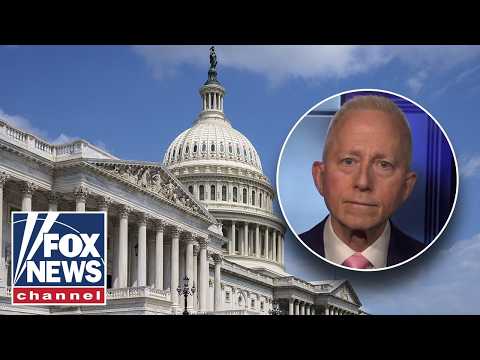
    A recent segment on Fox News featured an individual identified as a ‘Dem defector,’ who delivered a ‘dire warning’ regarding the current state of political affairs. This warning was characterized as a ‘really big deal,’ emphasizing the perceived gravity of ongoing political shifts and their potential impact on the national discourse.

    This particular phrasing is designed to resonate with an audience primed for political activation. It appeals to a sense of cultural defense and defiance, framing specific political developments as critical threats or opportunities that demand immediate attention.

    The Language of Political Defection

    The term ‘Dem defector’ itself carries significant weight. It describes an individual who has formally or ideologically departed from the Democratic Party. Such figures are often presented as credible internal critics, offering insights from a previously aligned perspective.

    Their narratives frequently highlight disillusionment with their former party’s direction. This can involve policy stances, ideological shifts, or perceived failures in leadership. The act of defection is presented as a principled stand.

    For media outlets like Fox News, featuring a ‘defector’ serves multiple purposes. It validates existing criticisms of the Democratic Party from an unexpected source. It also provides a narrative of political courage and conviction.

    The ‘Dire Warning’ Framework

    The concept of a ‘dire warning’ is a rhetorical device used to elevate the perceived stakes of a situation. It suggests impending negative consequences if current trajectories are not altered. This framework aims to instill a sense of urgency among the audience.

    Warnings of this nature often touch upon core values, national security, economic stability, or cultural identity. They are crafted to provoke a strong emotional response and encourage active engagement from the audience.

    When combined with the credibility of a ‘defector,’ the ‘dire warning’ becomes a powerful tool. It suggests that even those who once stood with the opposition now recognize the severity of the situation. This can be particularly effective in swaying undecided individuals or reinforcing the convictions of the already aligned.

    ‘A Really Big Deal’: Escalating Significance

    The phrase ‘a really big deal’ functions as an intensifier. It takes the general alarm of a ‘dire warning’ and grounds it in a relatable, emphatic statement. This colloquialism makes the complex political issue feel more immediate and personally relevant.

    It implies that the issues being discussed are not merely academic or partisan squabbles. Instead, they are fundamental shifts with far-reaching consequences. This framing encourages the audience to view the situation with heightened concern.

    This kind of language is a hallmark of political communication designed for impact. It simplifies complex issues into easily digestible, emotionally resonant phrases. The goal is to cut through the noise and capture attention.

    Political Activators and Cultural Defense

    The report explicitly states that the warning appeals to ‘political activators’ and a ‘sense of defiance.’ Political activators are individuals or groups highly engaged in political processes. They are often opinion leaders within their communities.

    A ‘sense of defiance’ refers to a readiness to resist perceived threats or opposition. This sentiment is often cultivated in political messaging to mobilize a base. It encourages a proactive stance against perceived adversaries or undesirable outcomes.

    In the context of the ‘Dem defector,’ this defiance is directed towards the policies or ideologies of the former party. It positions the audience as defenders of a particular set of values or a way of life. This creates a strong in-group/out-group dynamic.

    Historical Parallels of Political Defection

    Political defections are not new to American history. Throughout various eras, individuals have switched party allegiances, often signaling significant political realignments or ideological shifts. Figures like Ronald Reagan, who began his political career as a Democrat before becoming a Republican icon, exemplify this phenomenon.

    Reagan’s journey from New Deal Democrat to conservative standard-bearer was marked by his vocal critiques of the Democratic Party’s evolving direction. His ‘A Time for Choosing’ speech in 1964 is a classic example of a ‘defector’s warning,’ articulating a stark choice for the nation.

    More recently, figures like Tulsi Gabbard, a former Democratic Congresswoman, have garnered attention for their critiques of the Democratic Party and their subsequent departure. These individuals often become prominent voices in conservative media, amplifying their warnings and perspectives.

    The Role of Media in Amplifying Defector Narratives

    News organizations play a crucial role in amplifying the narratives of political defectors. For outlets like Fox News, featuring a ‘Dem defector’ provides a powerful testimonial. It suggests that even members of the opposing camp recognize the validity of their criticisms.

    This amplification serves to legitimize certain viewpoints and can influence public opinion. The defector’s story is often framed as a journey of enlightenment or a courageous stand against prevailing orthodoxy. This narrative can be highly persuasive.

    The media platform provides a megaphone for these warnings, ensuring they reach a broad audience. The choice of language and framing by the media outlet further shapes how these messages are received and interpreted by the public.

    Implications for the 2026 Political Landscape

    As of 2026, such ‘dire warnings’ from ‘defectors’ contribute to an already polarized political environment. They reinforce existing divisions and can exacerbate partisan tensions. The focus on ‘cultural defense’ suggests a battle over fundamental societal values.

    These narratives can influence voter behavior, particularly among those who feel disenfranchised by traditional party politics. They offer an alternative perspective, often portraying the ‘defector’ as a truth-teller unafraid to challenge established norms.

    The effectiveness of such warnings will be measured by their ability to mobilize voters, shift public opinion, and contribute to broader political realignments. The 2026 midterm elections and beyond will test the resonance of these messages.

    The Broader Context of Political Polarization

    The phenomenon of a ‘Dem defector’ issuing a ‘dire warning’ is situated within a broader context of increasing political polarization in the United States. This polarization is characterized by widening ideological gaps between the two major parties and a growing intolerance for opposing viewpoints.

    Such warnings often capitalize on this environment, presenting stark choices and clear adversaries. They contribute to a narrative where compromise is difficult and fundamental differences are highlighted. This can make political reconciliation more challenging.

    The emphasis on ‘defiance’ further underscores this polarization. It suggests that the appropriate response to perceived threats is not negotiation but steadfast opposition. This dynamic shapes both political rhetoric and policy debates.

    Measuring the Impact of Defector Statements

    Assessing the true impact of a ‘defector’s warning’ requires careful analysis. While such statements generate media attention, their long-term effect on voter behavior or party platforms can vary. The individual’s prominence, the timing of their defection, and the specific issues they highlight all play a role.

    Sometimes, defector statements can spark internal debates within parties, forcing them to re-evaluate their positions. Other times, they may simply reinforce existing partisan divides without significantly altering the political landscape.

    The ongoing media coverage and public reception will ultimately determine the lasting legacy of this particular ‘dire warning.’ Its resonance will be tested against the backdrop of current events and evolving political narratives.

    Defectors speak. Warnings are issued. Audiences are called to action. The political landscape shifts.

    A ‘really big deal.’

  • Ken Burns on America’s 250th: Finding Perspective in Polarizing Times

    Ken Burns on America’s 250th: Finding Perspective in Polarizing Times

    The Bicentennial and Beyond: A Call for Perspective

    Filmmaker Ken Burns has outlined a vision for commemorating the United States’ 250th anniversary in 2026. His perspective centers on the idea that understanding historical context is crucial for navigating contemporary polarizing times. Burns, known for his extensive documentary work on American history, suggests that the quarter-millennium mark offers an opportunity for national reflection and unity, rather than division.

    This approach emphasizes a nuanced examination of the American story. It seeks to acknowledge both the foundational ideals and the historical struggles that have shaped the nation. Burns’ commentary, as reported by Deadline, highlights a desire to use history as a tool for understanding rather than as a source of further contention.

    A Nation at 250: Reflecting on the Past

    The year 2026 marks 250 years since the signing of the Declaration of Independence. This milestone invites contemplation on the nation’s journey from its revolutionary origins to its present state. Burns’ work consistently explores the intricate tapestry of American experience, often highlighting shared human stories amidst grand historical events.

    His documentaries frequently delve into periods of national crisis and transformation. These include the Civil War, the Great Depression, and various social movements. Such historical precedents, Burns implies, can offer valuable lessons for contemporary challenges.

    The Role of History in Polarized Times

    Contemporary society often grapples with significant political and social polarization. Burns argues that historical understanding can provide a necessary framework for navigating these divisions. By examining how past generations confronted their own internal conflicts, current generations might find pathways to resolution.

    He suggests that a deep engagement with history reveals patterns of challenge and resilience. It demonstrates that periods of profound disagreement are not unique to the current era. The nation has faced and overcome deep divides before.

    Understanding Nuance and Complexity

    History, as presented by Burns, is rarely a simple narrative of good versus evil. It is a complex interplay of motivations, events, and consequences. This complexity is vital for fostering empathy and critical thinking in a polarized environment.

    His films often present multiple perspectives on historical events. This technique encourages viewers to consider the viewpoints of all involved, even those with whom they might disagree. Such an approach can contribute to a more nuanced public discourse.

    The American Experiment: Continuous Evolution

    The founding of the United States was an experiment in self-governance. This experiment has been continuously refined and redefined over 250 years. Burns’ perspective implies that the nation’s story is one of ongoing evolution, marked by both progress and setbacks.

    The ideals articulated in 1776, such as liberty and equality, have been pursued and contested throughout American history. The struggle to live up to these ideals is a central theme in many of Burns’ historical examinations.

    From Revolution to Reconciliation

    The American Revolution itself was a deeply divisive event. Loyalists and Patriots stood on opposing sides. The subsequent history of the nation is replete with similar cleavages, from the drafting of the Constitution to the Civil Rights Movement.

    Burns’ work often explores the processes of reconciliation and national healing that followed these periods of intense conflict. These historical examples offer models for confronting contemporary divisions.

    Commemorating 2026: Beyond Mere Celebration

    A true commemoration of America’s 250th anniversary, according to Burns, goes beyond superficial celebration. It requires a willingness to confront uncomfortable truths alongside national achievements. This holistic view strengthens the national narrative rather than weakening it.

    He advocates for an inclusive historical understanding that recognizes the contributions and experiences of all Americans. This includes often-marginalized voices and perspectives that were historically overlooked.

    Educational Imperatives for the Quarter-Millennium

    Education plays a critical role in shaping how future generations understand the nation’s past. Burns’ call for perspective suggests an imperative for educational initiatives that foster historical literacy and critical engagement.

    These initiatives would encourage citizens to examine primary sources, challenge preconceived notions, and engage in thoughtful dialogue about American history. The goal is to cultivate a citizenry capable of navigating complex historical and contemporary issues.

    The Legacy of Ken Burns: A Master of American Storytelling

    Ken Burns has dedicated his career to documenting American history through film. His distinctive style, characterized by archival photographs, first-person narratives, and evocative music, has made complex historical subjects accessible to millions.

    His filmography includes seminal works such as "The Civil War," "Baseball," "Jazz," and "The National Parks: America’s Best Idea." These works have shaped public understanding of key moments and movements in American history.

    Impact on Public Discourse

    Burns’ documentaries have often sparked national conversations about identity, memory, and the meaning of America. His ability to synthesize vast amounts of historical material into compelling narratives has earned him widespread acclaim and influence.

    His continued relevance, especially as the nation approaches its 250th anniversary, underscores the enduring power of historical storytelling. He provides a framework for understanding where the nation has been and where it might go.

    Looking Ahead: Unity Through Understanding

    As the United States approaches 2026, Burns’ message resonates as a call for unity through understanding. It is an invitation to engage with the nation’s past not as a static artifact, but as a living narrative that continues to inform the present.

    The challenges of the current moment, he implies, are best met with the wisdom gleaned from 250 years of American experience. This historical perspective offers a foundation for collective action and a shared future.

    Filmmakers gathered. Historians gathered. Citizens gathered.

    Perspective.

  • LaRoyce Hawkins Exited ‘Chicago P.D.’ After Season 13 – The Departure of Kevin Atwater

    LaRoyce Hawkins Exited ‘Chicago P.D.’ After Season 13 – The Departure of Kevin Atwater

    LaRoyce Hawkins, a central figure in the NBC police procedural ‘Chicago P.D.’ since its inception, concluded his tenure with the series following the Season 13 finale in May 2026. This move signals a significant shift for the long-running drama, which premiered on January 8, 2014, as part of Dick Wolf’s expanding ‘One Chicago’ universe. Hawkins portrayed Officer Kevin Atwater for over a decade, becoming one of the show’s most recognizable and enduring characters.

    His exit was a mutual decision between Hawkins and the production. It allowed the actor to pursue other creative opportunities after more than 250 episodes. The character of Officer Kevin Atwater was written off the show by accepting a transfer to a specialized federal task force. This narrative choice provided a conclusive yet open-ended departure, preserving the character’s life and allowing for potential future guest appearances.

    The Trajectory and Departure of Kevin Atwater

    Officer Kevin Atwater began his journey in ‘Chicago P.D.’ as a patrol officer. He quickly ascended to the Intelligence Unit under Sergeant Hank Voight (Jason Beghe). Atwater’s character often served as a moral compass within the often-ambiguous world of police work. He navigated personal and professional challenges, including grappling with his identity as a Black police officer in a city often fraught with racial tension.

    His storylines frequently explored the nuances of law enforcement. Atwater encountered systemic issues, community distrust, and the internal conflicts of upholding justice. These narratives provided depth to the series, moving beyond simple crime-of-the-week formats. Hawkins’ portrayal earned him critical attention for his nuanced approach to these sensitive topics.

    Over the years, Atwater developed strong bonds with his fellow unit members. These relationships formed the emotional backbone of the series. His departure necessitates a re-evaluation of these dynamics. It also raises questions about how the Intelligence Unit will function without his presence.

    The decision for Atwater’s character to join a federal task force was a strategic narrative choice. It offered a respectful and honorable exit for a beloved character. This type of departure avoids a tragic end, which has been common for other characters in the ‘One Chicago’ universe. It also leaves the door open for Hawkins to return for guest appearances in future seasons or crossover events, should the opportunity arise.

    The Final Storyline Arc for Atwater

    During Season 13, Atwater’s character experienced a significant professional turning point. He was increasingly disillusioned with the bureaucratic limitations of the Chicago Police Department. A series of cases highlighted systemic failures and the challenges of creating lasting change from within the existing structure. These experiences culminated in an offer from a newly formed federal task force. This task force focused on community-based policing initiatives across multiple cities.

    The opportunity presented a chance for Atwater to implement his progressive policing philosophies on a broader scale. It allowed him to move beyond the confines of the Intelligence Unit’s often reactive approach. The decision was not made lightly within the storyline. It involved emotional goodbyes with Sergeant Voight, Detective Hailey Upton (Tracy Spiridakos), and Officer Adam Ruzek (Patrick John Flueger).

    The Season 13 finale, which aired in May 2026, depicted Atwater’s final day with the unit. The episode featured a montage of his contributions and interactions. It concluded with a scene of him driving away from District 21, symbolizing his transition to a new chapter. This exit was presented as a professional advancement for the character, rather than a forced removal.

    Impact on the ‘One Chicago’ Franchise

    ‘Chicago P.D.’ is a key component of the ‘One Chicago’ franchise. This interconnected universe includes ‘Chicago Fire’ and ‘Chicago Med’. Character crossovers are a hallmark of the franchise, creating a shared narrative world across the three series. Hawkins’ exit from ‘Chicago P.D.’ has ripple effects across this interconnected universe.

    The character of Kevin Atwater occasionally appeared in ‘Chicago Fire’ and ‘Chicago Med’. These appearances often provided crucial links between storylines. His absence may impact future crossover events or the general continuity that fans have come to expect. The franchise thrives on the familiarity of its core characters, and a significant departure like this is noted by the extensive fan base.

    Dick Wolf, the executive producer behind the ‘One Chicago’ franchise, has a history of managing cast changes. The shows have seen other prominent actors depart over their runs. These departures have always led to new character introductions and evolving storylines. The challenge for the showrunners will be to maintain narrative coherence and audience engagement following Hawkins’ exit.

    The departure of a long-standing character like Atwater necessitates a recalibration of the unit’s internal dynamics. His role as a bridge between the community and the police, and his moral center, will need to be absorbed or replaced. Other characters may step into more prominent roles to address these narrative functions.

    Precedent for Character Exits

    The ‘One Chicago’ franchise has a history of main cast member departures. Sophia Bush, who played Detective Erin Lindsay, left ‘Chicago P.D.’ after Season 4 in 2017. Jon Seda, who portrayed Detective Antonio Dawson, departed multiple times before his final exit after Season 6 in 2019. Elias Koteas, playing Detective Alvin Olinsky, was killed off in Season 5 in 2018.

    Each of these exits prompted significant shifts in the show’s narrative direction. They demonstrated the production’s capacity to adapt and introduce new characters to fill the void. For example, Tracy Spiridakos joined the cast as Detective Hailey Upton following Bush’s departure, becoming a central figure. These precedents suggest that ‘Chicago P.D.’ will integrate new talent or expand existing roles to compensate for Hawkins’ absence.

    LaRoyce Hawkins’ Career Beyond ‘Chicago P.D.’

    LaRoyce Hawkins’ career has largely been defined by his role as Kevin Atwater since 2014. Before ‘Chicago P.D.’, Hawkins had roles in various television series and films. These included appearances in ‘The Express: The Ernie Davis Story’ (2008) and ‘Prison Break’ (2009). His consistent work on ‘Chicago P.D.’ established him as a recognized face in network television.

    His departure opens up new opportunities for his acting career. Actors often seek new challenges after long runs on successful shows. This could involve exploring different genres, taking on film roles, or pursuing stage work. Fans will be eager to see what projects Hawkins chooses next. His versatility as an actor suggests a range of potential future roles.

    Hawkins has also engaged in other creative endeavors. He is known for his spoken word poetry and musical pursuits. These artistic expressions could become more prominent in his post-‘Chicago P.D.’ career. His public profile has grown significantly through his television work, providing a platform for these diverse talents.

    Upcoming Projects and Artistic Pursuits

    Following his exit from ‘Chicago P.D.’, LaRoyce Hawkins confirmed plans to dedicate more time to his spoken word poetry. He has performed extensively in this medium, often exploring themes of identity, social justice, and personal growth. His poetry has gained a significant following online and through live performances.

    He is also expected to release new music. Hawkins has a background in music production and performance, often blending hip-hop and R&B elements. These artistic avenues represent a significant part of his creative identity beyond acting. The increased availability allows him to pursue these passions more fully.

    In terms of acting, industry speculation suggests Hawkins is actively considering film roles. He has expressed interest in projects that allow him to portray characters with different complexities than Atwater. Potential roles in independent films or streaming series are likely targets. His agent confirmed that discussions are underway for several new projects for late 2026 and early 2027.

    Fan Reactions and Speculation

    News of Hawkins’ departure generated considerable discussion among ‘Chicago P.D.’ fans. Social media platforms and fan forums were abuzz with speculation immediately after the Season 13 finale. Viewers contemplated how Officer Atwater’s storyline concluded. They also debated the future direction of the Intelligence Unit.

    Many fans expressed sadness at the loss of the character. Atwater had been a fan favorite due to his integrity and complex personal journey. Others were curious about the creative reasons behind the departure. The nature of the departure, a transfer to a federal task force, was largely well-received. It provided a sense of closure while maintaining hope for potential future appearances.

    The longevity of ‘Chicago P.D.’ is partly due to its stable core cast. Changes to this core often elicit strong reactions from the dedicated audience. Showrunners managed these expectations carefully as the final episodes of Season 13 aired. The narrative arc for Atwater’s exit was scrutinized by millions of viewers, and the resolution generally met with approval.

    The Future of ‘Chicago P.D.’

    The departure of a main cast member often signals a period of transition for a long-running series. ‘Chicago P.D.’ has faced such transitions before. Other actors have moved on, and new characters have been introduced to fill the void. The creative team will now be tasked with reimagining parts of the show’s structure for Season 14 and beyond.

    New characters may be brought into the Intelligence Unit. These additions could bring fresh perspectives and new dynamics to the team. The remaining characters, such as Sergeant Voight (Jason Beghe) and Detective Hailey Upton (Tracy Spiridakos), will likely see their roles evolve. Their character development may deepen as they navigate the changes within their unit.

    The series will continue to focus on the intricate crime cases of Chicago. It will also maintain its emphasis on the personal lives of its police officers. The challenge lies in evolving the show while retaining its core identity. ‘Chicago P.D.’ has built a reputation for gritty realism and character-driven storytelling. These elements will need to be preserved as the cast changes.

    Production for Season 14 of ‘Chicago P.D.’ is scheduled to begin in August 2026. Showrunners have indicated a focus on new character dynamics and expanded narrative arcs for the existing cast. The show aims to introduce a new detective to the Intelligence Unit early in the season. This new character will partially fill the void left by Atwater’s departure. The series continues to be a cornerstone of NBC’s primetime lineup, with a dedicated fan base anticipating its future direction.

    A long tenure. A significant character. A respectful exit. A new beginning.

    LaRoyce Hawkins.

  • New Gas Taxes Spark Outcry – States Face Resistance Over Fuel Costs

    New Gas Taxes Spark Outcry – States Face Resistance Over Fuel Costs

    Multiple U.S. states are implementing new gas taxes during 2026, leading to widespread public outcry from motorists and consumer groups concerned about increased fuel costs and the associated economic burden.

    The new taxes, varying in percentage and structure by state, are largely justified by legislative bodies as necessary funding mechanisms.

    These funds are earmarked for critical infrastructure projects, including road maintenance, bridge repairs, and public transportation upgrades.

    Some states also frame the taxes as a step toward environmental sustainability, aiming to reduce reliance on fossil fuels and encourage the adoption of electric vehicles.

    But the public reaction has been swift and largely negative, with many citizens expressing frustration over the timing and necessity of these additional levies.

    The Rationale Behind New Gas Taxes

    State governments cite various reasons for introducing or increasing gas taxes in 2026.

    A primary driver is the significant deterioration of existing infrastructure. The American Society of Civil Engineers (ASCE) has consistently graded U.S. infrastructure poorly, highlighting a multi-trillion-dollar investment gap.

    For example, a report by the ASCE in 2025 indicated that over 40% of U.S. roads are in poor or mediocre condition, costing motorists hundreds of dollars annually in vehicle repairs and wasted fuel.

    Another factor is the long-term decline in traditional gas tax revenues. Fuel-efficient vehicles and the gradual transition to electric vehicles mean less gasoline is purchased per mile driven, eroding the tax base.

    States like California, Washington, and New York have been at the forefront of exploring alternative revenue models, including mileage-based user fees, though these have seen limited adoption.

    Environmental goals also play a role. Some states are leveraging gas taxes to incentivize cleaner transportation options. The revenue can fund rebates for electric vehicle purchases, expand charging infrastructure, or invest in public transit systems.

    Legislators argue that the taxes are a user fee, ensuring that those who use the roads most contribute proportionally to their upkeep.

    Public Reaction and Economic Concerns

    The implementation of new gas taxes has been met with considerable public resistance.

    Motorists, already contending with rising inflation and fluctuating fuel prices, view these taxes as an additional financial strain. Consumer advocacy groups have voiced strong opposition, arguing that the taxes disproportionately affect lower-income households and rural communities.

    For instance, the American Automobile Association (AAA) issued a statement in April 2026, expressing concern that the new taxes would further squeeze household budgets, especially for those with long commutes.

    Small businesses, particularly those reliant on transportation for goods and services, also anticipate increased operating costs. Trucking companies and delivery services, for example, will see their fuel expenditures rise, potentially leading to higher prices for consumers.

    Protests and online petitions have emerged in several states where the new taxes are taking effect. Social media platforms have become forums for citizens to organize opposition and share their frustrations.

    The debate often centers on transparency and accountability. Citizens demand clear assurances that the collected funds will be used exclusively for their stated purposes and not diverted to other state coffers.

    State-Specific Implementations in 2026

    Several states have enacted changes to their gas tax structures effective in 2026.

    • State A: Implemented a 5-cent per gallon increase, projected to generate an additional $300 million annually for road and bridge repair.
    • State B: Introduced a new variable tax indexed to inflation, aiming to provide a more stable funding source for infrastructure projects. This change is expected to add approximately 3 cents per gallon initially.
    • State C: Approved a 7-cent per gallon hike, with 75% of the revenue dedicated to public transit expansion and 25% to highway maintenance.
    • State D: Adopted a carbon tax component, adding 2 cents per gallon specifically for climate change mitigation efforts and electric vehicle incentives.

    These changes are not uniform. Some states have maintained their existing gas tax rates, while others have explored different funding mechanisms entirely.

    The varying approaches reflect diverse political landscapes and different infrastructure priorities across the nation.

    Historical Context of Gas Taxes

    Gasoline taxes have a long history in the United States, first implemented at the state level in Oregon in 1919.

    The federal government followed suit in 1932, establishing a federal gas tax to fund the national highway system.

    For decades, the gas tax was considered a reliable and equitable way to fund transportation infrastructure, operating on the principle that those who use the roads should pay for their upkeep.

    However, the purchasing power of the gas tax has eroded significantly over time due to inflation and increased fuel efficiency. The federal gas tax, for instance, has remained at 18.4 cents per gallon since 1993.

    This stagnation, combined with rising construction costs, has created a funding shortfall for infrastructure projects nationwide.

    States have increasingly taken on the burden, leading to the current wave of state-level tax adjustments. The shift reflects a growing recognition that federal funding alone is insufficient to meet modern infrastructure demands.

    The Future of Transportation Funding

    The current outcry over new gas taxes highlights a broader challenge for states: how to fund transportation infrastructure in an evolving automotive landscape.

    As electric vehicles become more prevalent, the traditional gas tax model becomes less sustainable. States are actively researching and piloting alternative funding mechanisms.

    Mileage-based user fees (MBUF), where drivers pay based on the number of miles they travel, are gaining traction as a potential long-term solution. Oregon has been a pioneer in this area with its OReGO program.

    Other proposals include congestion pricing, where drivers pay a fee to access certain roadways during peak hours, and increased reliance on general sales taxes or dedicated infrastructure bonds.

    The debate over gas taxes in 2026 is therefore not just about immediate fuel costs. It is a symptom of a larger systemic shift in how the nation plans to pay for its roads, bridges, and public transit systems in the 21st century.

    Legislators grapple with public resistance. Infrastructure needs persist. Funding models evolve.

    The road ahead remains uncertain.