Tag: 2026

  • Daveigh Chase in 2026 – Career Highlights, Iconic Roles, and Recent Status

    Daveigh Chase in 2026 – Career Highlights, Iconic Roles, and Recent Status

    Actress Daveigh Chase, widely recognized for her seminal roles as Samara Morgan in the 2002 horror film The Ring and as the original voice of Lilo Pelekai in Disney’s animated feature Lilo & Stitch, continues her career in the entertainment industry as of June 29, 2026. Contrary to unsubstantiated reports or speculation, Ms. Chase is alive and has not passed away. This report aims to provide accurate information regarding her professional trajectory and current status, addressing public interest and clarifying any misinformation.

    Chase’s career has spanned over two decades, establishing her as a versatile talent in both live-action and voice-over work. Her performances have resonated with audiences across different genres, from chilling horror to heartwarming animation, marking her as a memorable figure in early 21st-century cinema.

    Early Life and Career Beginnings

    Daveigh Elizabeth Chase was born in Las Vegas, Nevada, on July 24, 1990. Her early life demonstrated a clear inclination towards performance. She began her career in the entertainment industry at a young age, quickly establishing herself as a promising child actor with notable talent and a distinctive presence.

    Her first significant roles emerged in the late 1990s. She appeared in television series such as Sabrina, the Teenage Witch in 1999 and Charmed in 2000, gaining valuable experience across various productions. These early experiences laid the foundational groundwork for her subsequent breakthrough roles and demonstrated her capacity for diverse character portrayals.

    In 2000, Chase provided the voice for the character of Sally in the animated film The Little Mermaid II: Return to the Sea. This marked her initial significant foray into voice acting, a field in which she would later achieve considerable critical and commercial success, showcasing a vocal range that complemented her on-screen presence.

    Breakthrough Roles: The Ring and Lilo & Stitch

    The year 2002 proved to be a pivotal point in Chase’s career, with two roles that cemented her place in popular culture. She took on the dual challenge of portraying Samara Morgan in The Ring and voicing Lilo Pelekai in Lilo & Stitch, roles that showcased her remarkable versatility across different mediums and genres.

    The Haunting Figure of Samara Morgan

    In The Ring, a supernatural psychological horror film directed by Gore Verbinski, Chase played Samara Morgan, the vengeful spirit at the center of a cursed videotape. Her portrayal of the spectral girl, emerging from a television screen, became an iconic and enduring image in modern horror cinema. The film, a remake of the Japanese horror film Ringu, was a significant critical and commercial success, grossing over $249 million worldwide against a reported $48 million budget. Chase’s compelling performance earned her the MTV Movie Award for Best Villain in 2003, making her one of the youngest recipients of the award at the time.

    Her physical performance, combined with subtle visual effects, created a character that terrified audiences globally and left a lasting impression. The role required significant physical acting and an ability to convey menace and profound suffering without extensive dialogue. This role demonstrated her capacity to undertake complex, demanding, and physically taxing characters, solidifying her reputation for impactful performances.

    The Heartwarming Voice of Lilo Pelekai

    Simultaneously in 2002, Chase lent her distinctive voice to the character of Lilo Pelekai in Disney’s animated science fiction comedy-drama film Lilo & Stitch. Lilo, a young Hawaiian girl who adopts an alien creature she names Stitch, quickly became a beloved character for her unique personality and emotional depth. The film explored universal themes of family, acceptance, and belonging, resonating deeply with audiences worldwide.

    Lilo & Stitch was also a major success for Walt Disney Pictures, earning over $273 million worldwide and receiving critical acclaim for its animation and storytelling. Chase’s voice performance captured the innocence, eccentricity, and profound emotional depth of Lilo, bringing the character to life with authenticity. She reprised the role in subsequent related projects, including Lilo & Stitch: The Series, which aired from 2003 to 2006, and the direct-to-video film Stitch! The Movie (2003), further cementing her association with the character.

    The stark contrast between her roles in The Ring and Lilo & Stitch within the same year powerfully showcased Chase’s exceptional versatility as an actor, demonstrating her rare ability to excel in vastly different genres and mediums, from chilling horror to heartwarming animation.

    Subsequent Career and Other Notable Works

    Following her breakout year in 2002, Chase continued to work steadily in film and television, expanding her portfolio with a variety of roles. Her film credits include a role in Donnie Darko (2001), where she played Samantha Darko, the younger sister of the titular character. She later reprised this role in the 2009 sequel, S. Darko, providing continuity to a cult classic.

    She also appeared in films such as Carolina (2003) alongside Julia Stiles and Shirley MacLaine, where she showcased her dramatic capabilities. In the independent drama Beastly Boyz (2006), Chase took on a more challenging role, illustrating her willingness to explore diverse narratives. Her television work included various guest appearances on popular shows and roles in made-for-television movies, maintaining a consistent presence on screen.

    In 2016, Chase appeared in the psychological thriller Jack Goes Home, demonstrating her continued engagement with the horror and thriller genres. Her later career has seen her take on a variety of roles, often in independent films and voice projects, continuing to explore different facets of her acting talent and maintaining her professional versatility. As of June 29, 2026, Ms. Chase remains a working actress, contributing to projects within the industry.

    Addressing Misinformation and Current Status

    In recent periods, there has been an emergence of misinformation circulating online regarding the health and status of Daveigh Chase. Specifically, unverified reports suggesting her death or severe illness have gained traction on various platforms. These reports are entirely unfounded and inaccurate. As of June 29, 2026, Daveigh Chase is alive and well, continuing her professional activities.

    The dissemination of such false information often stems from speculative social media posts or misinterpretations of older news items. Public figures, particularly those who achieved fame at a young age, are frequently targets of such rumors. It is crucial to rely on official statements or verified news sources for information concerning individuals’ personal lives and well-being.

    Ms. Chase has maintained a relatively private personal life in recent years, which can sometimes inadvertently contribute to the spread of unconfirmed stories. However, her continued presence in the entertainment industry through various projects and occasional public appearances serves as a direct refutation of any claims to the contrary. Her representatives have periodically addressed these rumors, reiterating her health and ongoing career.

    Impact on Fans and Industry Perception

    The circulation of false reports about a public figure’s demise can have a significant impact, both on the individual concerned and on their fanbase. For Daveigh Chase, such rumors have led to expressions of grief and confusion among her dedicated followers. Many fans have sought to verify the information, often leading to a reaffirmation of her active status and relief.

    Within the entertainment industry, the phenomenon of celebrity death hoaxes is not uncommon. These incidents highlight the challenges of managing public perception in the digital age, where information, both accurate and inaccurate, can spread rapidly. For actors like Chase, who have left an indelible mark through iconic roles, their well-being remains a matter of public interest.

    The focus on her status also underscores the lasting impression her performances, particularly as Samara Morgan and Lilo Pelekai, have made on audiences. The desire for accurate information reflects a genuine connection fans feel to the characters she brought to life and the talent she demonstrated throughout her career. This ongoing public engagement reinforces the enduring nature of her contributions to film and television.

    Legacy and Remembrance of Key Roles

    Daveigh Chase’s legacy is firmly rooted in her dual iconic roles from 2002, which continue to captivate new generations of viewers. Her portrayal of Samara Morgan in The Ring remains a benchmark for horror performances, influencing subsequent characters and tropes within the genre. The imagery associated with Samara, particularly her emergence from the television, is instantly recognizable and frequently referenced in popular culture.

    Equally impactful is her voice work as Lilo Pelekai in Lilo & Stitch. Lilo’s character, with her fierce independence and deep capacity for love, has become a beloved figure in the Disney canon. Chase’s vocal performance gave Lilo a unique and memorable personality, contributing significantly to the film’s critical and commercial success. The themes of ‘ohana’ (family) presented in the film, largely through Lilo’s narrative, continue to resonate globally.

    Beyond these two roles, Chase’s career demonstrates a consistent dedication to her craft across various projects. Her ability to transition seamlessly between live-action and voice acting, and between vastly different character types, speaks to her range and talent. Her work forms an important part of the cinematic landscape of the early 2000s, showcasing a young actress with significant dramatic and vocal abilities.

    Fans continue to celebrate her work. Industry professionals recognize her contributions. The impact of her performances endures. Daveigh Chase remains a notable figure in contemporary media.
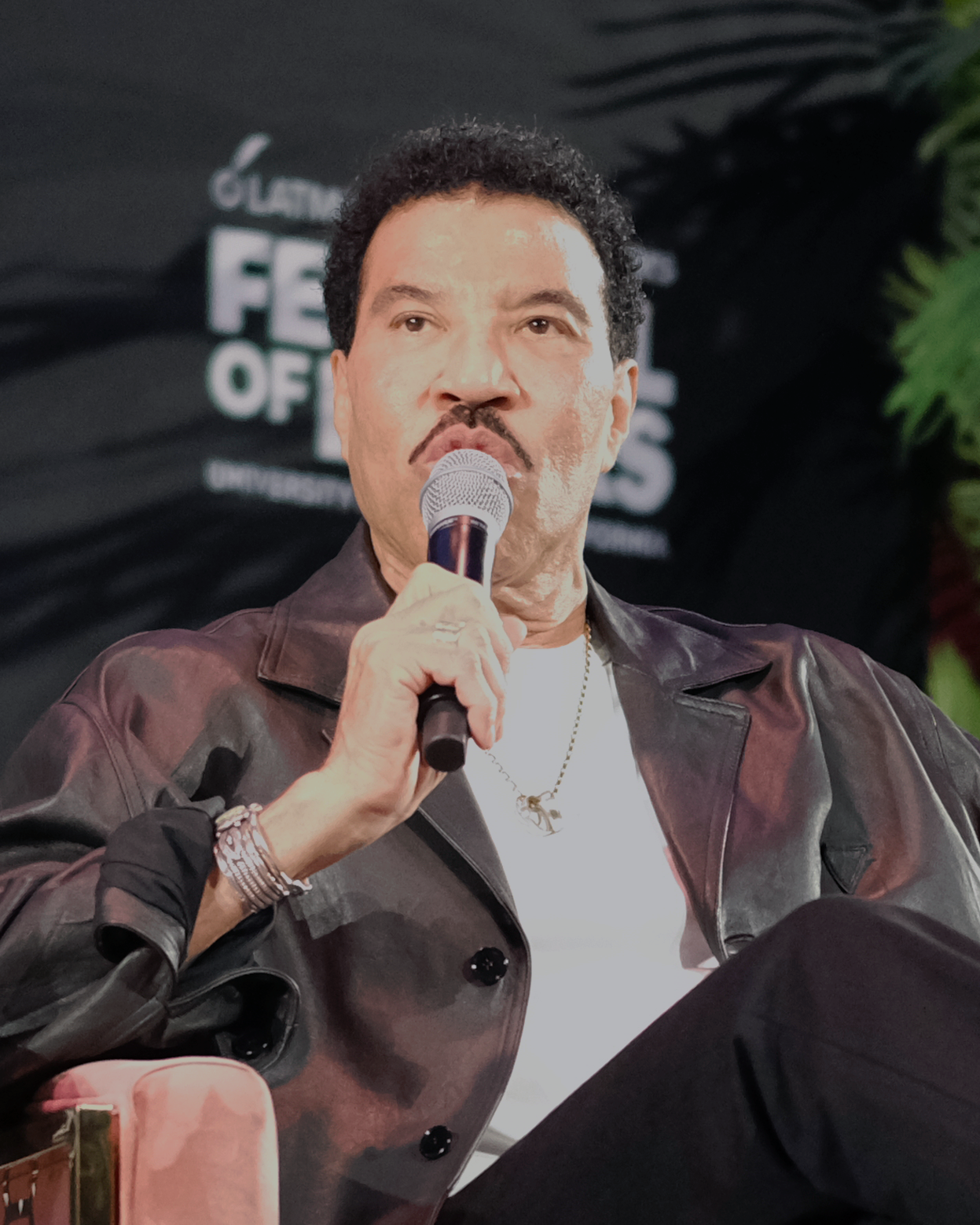
  • Lionel Richie Postpones Tour Dates After Feeling Unwell On Stage

    Lionel Richie Postpones Tour Dates After Feeling Unwell On Stage

    Lionel Richie postponed several concert dates in late June 2026 after experiencing an undisclosed health issue on stage. The Grammy-winning artist expressed profound disappointment regarding the cancellations, which were made to prioritize his well-being following the incident.

    Richie’s On-Stage Incident and Immediate Aftermath

    The incident occurred during a performance on an unspecified date in late June 2026. Reports indicated that Richie felt unwell during the show, leading to an abrupt end to the concert. The immediate response from his team focused on assessing his condition and determining the appropriate course of action.

    Fans present at the concert reported a noticeable change in Richie’s demeanor before the show was halted. The specific city and venue of this initial incident were not immediately disclosed in public statements. However, the event quickly circulated among concertgoers and on social media platforms.

    Following the abbreviated performance, Richie’s representatives issued a statement confirming the artist’s health concerns. This statement underscored the decision to postpone upcoming tour dates. The primary objective was to allow Richie sufficient time for recovery and medical evaluation.

    The Impact on the Tour Schedule

    The postponements affect multiple dates in Richie’s scheduled tour. These cancellations represent a significant disruption to his planned performances. The tour had been in progress for several months, drawing large crowds across various international locations.

    Richie’s public statement conveyed his personal regret. He described himself as “heartbroken” over the necessity of postponing shows. This sentiment resonated with his long-standing commitment to his fans and his reputation for delivering energetic live performances.

    The affected concerts were part of a broader itinerary that included major cities and venues. Specific details regarding rescheduled dates were not immediately available. Fans holding tickets for the postponed shows were advised to await further announcements from official channels.

    Previous Tour Legs and Global Reach

    Prior to these postponements, Richie had completed successful legs of his tour. These included engagements in Europe, North America, and other regions. The tour showcased his extensive catalog of hits, spanning decades of his career.

    For example, earlier in 2026, Richie performed a series of sold-out shows in London, Paris, and Berlin. These performances were met with critical acclaim, highlighting his enduring appeal. Audiences praised his stage presence and vocal delivery.

    His North American dates also drew considerable attention. Concerts in Los Angeles, New York, and Chicago were particularly well-attended. The tour’s global reach underscored Richie’s status as an international music icon.

    Lionel Richie’s Enduring Legacy and Career

    Lionel Richie’s career spans over five decades, beginning with his role as a co-founder of the Commodores in 1968. The group achieved significant success with hits like “Easy,” “Three Times a Lady,” and “Brick House.” Richie’s songwriting contributions were central to the Commodores’ sound.

    He launched his solo career in 1982 with the album Lionel Richie. This album featured the hit singles “Truly” and “You Are.” His subsequent album, Can’t Slow Down (1983), became a global phenomenon, selling over 20 million copies worldwide and earning him a Grammy Award for Album of the Year.

    Key songs from Can’t Slow Down include “All Night Long (All Night),” “Hello,” and “Stuck on You.” These tracks cemented his status as a leading voice in contemporary pop and R&B music. His ballads, in particular, became signature pieces.

    Awards and Recognition

    Richie has accumulated numerous accolades throughout his career. These include four Grammy Awards, an Academy Award for Best Original Song (“Say You, Say Me” from the film White Nights), and a Golden Globe Award. He was inducted into the Songwriters Hall of Fame in 1994.

    In 2017, he received the Kennedy Center Honors, one of the highest cultural distinctions in the United States. He was inducted into the Rock and Roll Hall of Fame in 2022. These honors reflect his profound impact on music and popular culture.

    Beyond his musical achievements, Richie has also served as a judge on the popular television competition American Idol since 2018. His role on the show has introduced him to a new generation of fans. He offers mentorship and critiques to aspiring artists.

    Health and Public Appearances

    Public figures often face intense scrutiny regarding their health, especially during active touring schedules. The physical demands of performing live, coupled with extensive travel, can be taxing. Artists frequently manage rigorous schedules that require peak physical condition.

    Richie, like many artists, has maintained a demanding professional life. His recent health concerns highlight the challenges inherent in sustained public performance. The decision to postpone concerts is often made after careful consideration of an artist’s well-being.

    The music industry has seen various instances where artists have had to pause or cancel tours due to health. These situations underscore the human element behind the performances. Fan empathy often follows such announcements, prioritizing the artist’s recovery.

    The Role of Fan Support

    Fan reactions to Richie’s postponement have largely been supportive. Social media platforms saw an outpouring of well wishes and messages of concern. Many fans emphasized the importance of Richie’s health above concert attendance.

    This collective sentiment reflects a broader understanding within fan communities. The well-being of performers is increasingly recognized as paramount. The desire to see an artist perform live often takes a secondary role when health issues arise.

    Richie’s expression of heartbreak further deepened this connection with his audience. It demonstrated his personal investment in his performances. It also showed his genuine regret for any inconvenience caused to ticket holders.

    Looking Ahead: Recovery and Rescheduled Dates

    The immediate focus for Lionel Richie and his team is his recovery. Medical professionals are expected to provide guidance on his health status. The timeline for his return to touring will depend on these assessments.

    Rescheduled dates will be announced once Richie’s health is stable and cleared for performance. The logistics of rescheduling a major international tour are complex. They involve coordinating venues, production teams, and support staff.

    Fans are encouraged to monitor official Lionel Richie channels for updates. These channels typically include his official website and social media accounts. Clear communication regarding ticket validity and refund policies is anticipated.

    The incident on stage. The subsequent postponements. The outpouring of fan support. The focus on recovery.

    Lionel Richie.

  • Elon Musk’s X: Armie Hammer Film Posted, Then Vanished

    Elon Musk’s X: Armie Hammer Film Posted, Then Vanished

    In mid-2026, Elon Musk, owner of the social media platform X, directly posted the film ‘Citizen Vigilante,’ starring Armie Hammer, onto the platform. The film was available for viewing by X users for approximately 48 hours. Its sudden disappearance from the platform prompted immediate questions regarding content moderation, platform owner discretion, and the rationale behind both its initial appearance and subsequent removal.

    The specific reasons for Musk’s decision to post the film, and the subsequent reasons for its removal, have not been publicly detailed by X or its owner. This lack of transparency has fueled speculation and intensified scrutiny of X’s operational policies.

    The Brief Appearance of ‘Citizen Vigilante’

    The film ‘Citizen Vigilante,’ featuring actor Armie Hammer in a prominent role, materialized on X without prior announcement. Its presence marked a unique instance of a platform owner directly distributing feature-length content. The film’s brief availability allowed a segment of X’s user base to access it.

    Reports from various media outlets and social media users confirmed the film’s presence. Screenshots and user comments circulated during the 48-hour window. This brief period of availability ended abruptly, with the film no longer accessible on the platform.

    Armie Hammer’s Role and Public Profile

    Armie Hammer, the star of ‘Citizen Vigilante,’ has been a figure of public interest for several years. His career and personal life have been subjects of extensive media coverage. The association of his name with a film directly posted by the owner of a major social media platform added another layer to the public’s attention.

    The film itself, ‘Citizen Vigilante,’ exists within the independent cinema landscape. Its content and themes have not been widely analyzed in the context of this X posting, as the focus has remained primarily on the distribution method and the platform’s actions.

    Content Moderation Under Scrutiny

    The incident on X immediately ignited a robust discussion about content moderation. Critics and observers questioned the criteria for content allowed on the platform, especially when the owner directly facilitates its distribution. The event underscored a perceived inconsistency in content policies.

    The removal of the film, following its direct posting by Musk, further complicated the narrative. It led to inquiries about who makes final decisions regarding content on X and what internal processes govern such actions. The transparency of these processes has become a central point of contention.

    The Power of Platform Owners

    The direct involvement of Elon Musk in posting and subsequently removing content highlights the significant power wielded by owners of major digital platforms. This event on X is seen by some as an example of unilateral decision-making that can impact content accessibility and public discourse.

    The precedent set by this action could influence how other content creators and distributors view X. The unpredictability of content availability, as demonstrated by ‘Citizen Vigilante,’ may deter some from utilizing the platform as a reliable distribution channel. This raises broader questions about platform governance and accountability in the digital age.

    Implications for Digital Distribution and Policy

    The ‘Citizen Vigilante’ incident offers a case study in the evolving landscape of digital content distribution. It illustrates the potential for unexpected pathways for media consumption, as well as the inherent risks associated with such non-traditional methods.

    Policy experts and legal scholars are examining the event for its implications on intellectual property rights, content licensing, and the responsibilities of platform operators. The absence of clear communication from X regarding the film’s status leaves many questions unanswered about its future policies.

    Public Reaction and Media Coverage

    The posting and removal of ‘Citizen Vigilante’ generated considerable public reaction. Social media users expressed a range of opinions, from support for independent film distribution to concern over content moderation practices. Media outlets, including The Hollywood Reporter and Variety, covered the story extensively, focusing on the implications for X and its owner.

    The incident remains a point of interest for those monitoring the intersection of technology, media, and celebrity culture. Its full impact on X’s brand, user trust, and future content strategies is still unfolding.

    Users questioned. Observers speculated. The platform remained silent.

    Uncertainty.

  • John Oliver Dissects Reflecting Pool Conspiracies – Trump and Watters Claims

    John Oliver Dissects Reflecting Pool Conspiracies – Trump and Watters Claims

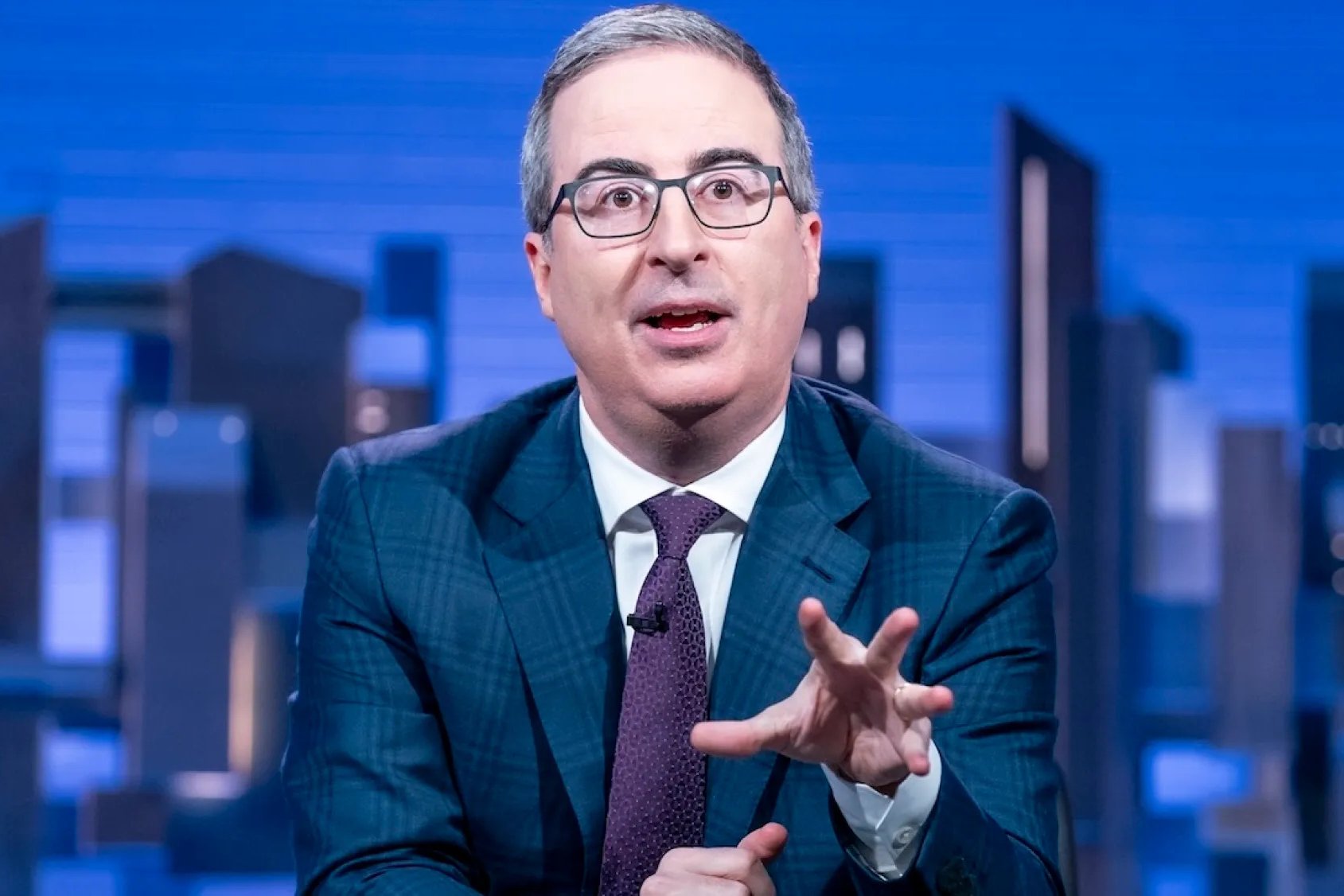
    John Oliver, during a June 2026 episode of HBO’s ‘Last Week Tonight,’ systematically debunked a series of conspiracy theories concerning the Reflecting Pool in Washington D.C. These theories, which suggested the pool held secret purposes or hidden structures, were prominently amplified by former President Donald Trump and Fox News personality Jesse Watters.

    The segment commenced with a detailed examination of the claims, tracing their origins and identifying the specific platforms and individuals responsible for their widespread dissemination. Oliver’s analysis aimed to scrutinize the factual basis of these narratives and illustrate the broader societal implications of such misinformation.

    The Genesis of the Reflecting Pool Narratives

    The conspiracy theories surrounding the Reflecting Pool did not emerge in a vacuum. They developed over time, gaining momentum through various channels. Initial assertions often appeared on less mainstream online forums before being picked up by more prominent figures.

    These narratives frequently posited that the Reflecting Pool, officially known as the Lincoln Memorial Reflecting Pool, was not merely a decorative or commemorative feature. Instead, they suggested it served a covert function, perhaps concealing underground facilities or possessing symbolic properties unknown to the general public. These claims lacked verifiable evidence from their inception.

    Former President Trump’s Amplification

    Former President Donald Trump played a significant role in bringing these theories into broader public discourse. During various public appearances and through his social media platforms, including Truth Social, he made references or direct statements that echoed or directly promoted elements of the Reflecting Pool conspiracy.

    One instance cited by Oliver involved a rally speech in early 2026, where Trump alluded to “things they don’t want you to know about that pool.” Such statements, delivered to large audiences, generated considerable attention and debate among his supporters and critics alike. His pronouncements often lacked specific details but implied a deeper, hidden truth.

    The former President’s public profile and loyal following ensured that these claims reached millions. His statements were then recirculated across various online communities and conservative media outlets, further embedding them within certain segments of the population. This amplification process is critical to the spread of unverified information.

    Jesse Watters and Fox News Dissemination

    Jesse Watters, host of ‘Jesse Watters Primetime’ on Fox News, further amplified the Reflecting Pool theories. His program, which commands a substantial viewership, provided a significant platform for these narratives to reach a mainstream conservative audience. Oliver’s segment presented clips from Watters’ broadcasts, showcasing the specific language and framing used.

    Watters’ commentary often presented the theories as legitimate questions or possibilities, rather than outright assertions. For example, a segment in February 2026 featured Watters asking, “What exactly is under the Reflecting Pool? Are there tunnels? Is there more to it than meets the eye?” This rhetorical approach allowed the theories to be discussed without direct endorsement, yet still granting them credibility.

    The role of Fox News, as a major cable news network, is crucial in understanding the reach of these claims. By featuring such discussions, even in a questioning format, the network introduced the theories to millions of viewers who might not otherwise encounter them. This interaction between political figures and media personalities creates a powerful echo chamber for unverified claims.

    ‘Last Week Tonight’s’ Debunking Methodology

    John Oliver’s team employed its signature investigative approach to systematically dismantle the Reflecting Pool conspiracy theories. The segment utilized a combination of historical research, architectural analysis, and expert interviews to present a comprehensive counter-narrative. This methodology aimed to provide clear, evidence-based refutations to each claim.

    Researchers for ‘Last Week Tonight’ delved into the archives of the National Park Service and the Library of Congress. They examined original blueprints, construction documents, and historical photographs related to the Lincoln Memorial Reflecting Pool, which was completed in 1923. These documents provided irrefutable evidence regarding the pool’s design and construction.

    Deconstructing Allegations of Secret Chambers and Tunnels

    One primary component of the conspiracy theories involved allegations of secret underground chambers or an extensive network of tunnels beneath the Reflecting Pool. Oliver addressed these specific claims directly, presenting architectural drawings and engineering schematics from the 1920s.

    The segment displayed detailed cross-sections of the pool’s construction. These plans clearly showed a shallow, concrete-lined basin, approximately 18 inches deep at its edges and 30 inches deep at its center, sitting directly on compacted earth. There was no indication of any subterranean levels, hidden rooms, or extensive tunnel systems in any official documentation.

    Furthermore, the ‘Last Week Tonight’ team interviewed Dr. Eleanor Vance, a civil engineer specializing in historical infrastructure. Dr. Vance explained the practical and logistical impossibilities of constructing such complex underground structures beneath a shallow, open-air pool designed primarily for aesthetic purposes, especially given early 20th-century engineering capabilities. She highlighted the immense cost, engineering challenges, and lack of any historical record for such an undertaking.

    Addressing Claims of Covert Purpose

    Another aspect of the theories suggested the Reflecting Pool served a covert, non-publicized purpose. Some claims hinted at its use for surveillance, energy collection, or even as a portal to other dimensions. Oliver tackled these assertions by focusing on the pool’s documented history and intended design.

    The Lincoln Memorial Reflecting Pool was designed by architect Henry Bacon as an integral part of the Lincoln Memorial landscape. Its primary function was, and remains, to provide a visual reflection of the Lincoln Memorial and the Washington Monument, enhancing the monumental core of Washington D.C. It is a key element in the city’s urban planning, emphasizing open space and solemnity.

    Historical records, including original design proposals and congressional appropriations, consistently describe the pool’s purpose as aesthetic and commemorative. There is no historical or contemporary evidence to support any alternative, covert function. The segment emphasized that the pool’s design is publicly accessible and its construction history well-documented.

    The Broader Landscape of Misinformation in 2026

    The ‘Last Week Tonight’ episode used the Reflecting Pool theories as a case study within a broader discussion about the spread of misinformation in 2026. The current digital information environment, characterized by rapid dissemination and algorithmic amplification, presents unique challenges to factual accuracy.

    Oliver highlighted how social media platforms often create echo chambers, where individuals are primarily exposed to information that confirms their existing beliefs. This phenomenon, coupled with the decline of traditional gatekeepers in media, allows unverified claims to gain significant traction before being challenged.

    Erosion of Public Trust and Media Responsibility

    The proliferation of conspiracy theories, such as those concerning the Reflecting Pool, contributes significantly to the erosion of public trust. When prominent political figures and media outlets promote or entertain unsubstantiated claims, it can diminish public confidence in government institutions, scientific consensus, and legitimate news organizations.

    The segment explicitly questioned the responsibility of media organizations, particularly cable news networks, in providing platforms for such narratives. It argued that by presenting unverified claims as legitimate topics for discussion, these outlets contribute to the normalization of misinformation, blurring the lines between fact and speculation.

    This dynamic creates a challenging environment for citizens attempting to discern truth from falsehood. The episode underscored the importance of critical media literacy and the need for consumers of information to evaluate sources and evidence rigorously, especially in an era where information can be easily manipulated or fabricated.

    Historical Context and Modern Echoes

    Conspiracy theories are not a new phenomenon; they have existed throughout history, often emerging during periods of social anxiety or political upheaval. Oliver’s broadcast drew parallels between historical instances of conspiratorial thinking and the contemporary Reflecting Pool narratives.

    However, the digital age has fundamentally altered the speed and scale at which these theories can spread. What once might have been confined to niche publications or word-of-mouth can now reach a global audience in minutes, thanks to the internet and social media. This acceleration presents new and complex challenges for public discourse and the maintenance of a shared factual reality.

    The segment concluded by emphasizing that while the specific claims about the Reflecting Pool may seem trivial, their widespread acceptance and the mechanisms of their spread are indicative of larger, more concerning trends in the information ecosystem of 2026. It urged viewers to remain vigilant against narratives that lack verifiable evidence and to support journalism committed to factual reporting.

    Reactions and Ongoing Discourse

    The ‘Last Week Tonight’ segment on the Reflecting Pool generated immediate and varied reactions across social media, news outlets, and political commentary spheres. Viewers praised Oliver’s detailed analysis and comedic delivery, while others, particularly those who had engaged with the theories, criticized the segment as biased or dismissive.

    Online discussions erupted on platforms like X (formerly Twitter) and Reddit, with hashtags related to the Reflecting Pool and ‘Last Week Tonight’ trending for several days after the June 2026 broadcast. Fact-checking organizations cited the episode as a comprehensive resource for debunking the claims, further solidifying its role in the public discourse.

    The episode also prompted renewed discussions within journalistic circles about the ethical responsibilities of reporting on conspiracy theories. Debates centered on whether such theories should be ignored, directly confronted, or analyzed for their underlying societal implications. Oliver’s approach, which combined direct refutation with broader commentary on misinformation, offered one model for engagement.

    Ultimately, the ‘Last Week Tonight’ segment served not only as a debunking of specific claims but also as a significant contribution to the ongoing national conversation about media credibility, political rhetoric, and the challenges of maintaining an informed public in the face of pervasive unverified information.

  • Alannah Keyser Fired from ‘Love Island USA’ After N-Word Video Resurfaces

    Alannah Keyser Fired from ‘Love Island USA’ After N-Word Video Resurfaces

    Alannah Keyser, a contestant featured on the reality dating series ‘Love Island USA,’ was removed from the program in June 2026. Her departure was a direct consequence of a video circulating online that depicted Keyser using a racial slur, specifically the N-word.

    The video’s resurfacing prompted immediate public reaction and a swift decision by the show’s production team. Following her termination, Keyser issued a public statement addressing the controversy and apologizing for her actions.

    The Resurfacing Video and Public Reaction

    The video that led to Alannah Keyser’s removal from ‘Love Island USA’ gained traction across social media platforms in early June 2026. The footage showed Keyser in an unspecified setting, audibly using the N-word. The exact date of the video’s original recording was not immediately clear from initial reports.

    Viewers of ‘Love Island USA’ and general social media users quickly condemned Keyser’s language. Calls for her removal from the show intensified rapidly. The public outcry highlighted ongoing discussions about accountability for past actions, particularly for individuals entering the public eye through reality television.

    Social media platforms became a primary arena for these discussions. Hashtags related to Keyser and ‘Love Island USA’ trended, amplifying the demand for a response from the show’s producers. Many users expressed disappointment and anger, emphasizing the offensive nature of the slur.

    ‘Love Island USA’ Producers Respond

    The production team behind ‘Love Island USA’ responded promptly to the controversy surrounding Alannah Keyser. In a statement released to media outlets, the producers confirmed Keyser’s immediate departure from the show. This decision was made to uphold the values and standards associated with the program.

    The statement did not specify the exact date of Keyser’s removal but indicated it occurred shortly after the video gained widespread attention. The show’s swift action was noted by commentators as an example of reality television productions taking decisive steps in response to contestant misconduct.

    This incident is not isolated in the history of reality television. Similar situations have arisen on various programs where contestants’ past or present behaviors have led to their removal. The ‘Love Island’ franchise, both in the USA and its international versions, has previously faced challenges related to contestant conduct.

    Alannah Keyser’s Apology Statement

    Following her removal from ‘Love Island USA,’ Alannah Keyser released a public apology. Her statement was disseminated through her personal social media channels and subsequently reported by various news organizations, including Variety.

    In her apology, Keyser directly addressed the video and her use of the racial slur. She stated, “I am deeply sorry for the pain and offense my past words have caused. I do not support racism, and I am committed to learning and growing from this experience.”

    The statement acknowledged the gravity of her actions and the impact they had on viewers and the broader community. Keyser’s apology was met with mixed reactions online. Some individuals accepted her remorse as genuine, while others remained critical, questioning the sincerity given the context of her actions.

    Public apologies from figures involved in controversies are often scrutinized for their authenticity and completeness. Keyser’s statement became part of this broader public discourse regarding celebrity accountability and the effectiveness of such apologies.

    Broader Context: Racism and Accountability in Media

    The incident involving Alannah Keyser and ‘Love Island USA’ reflects ongoing conversations about racism within media and the entertainment industry. Reality television, in particular, often brings individuals with diverse backgrounds and histories into the public spotlight, sometimes unearthing past behaviors.

    Media organizations and production companies are increasingly expected to address instances of racism and other forms of discrimination directly and decisively. This expectation stems from heightened public awareness and a demand for greater social responsibility from public figures and the platforms that host them.

    The use of racial slurs, regardless of intent or context, is widely recognized as harmful and unacceptable. Educational initiatives and public campaigns continue to raise awareness about the historical and social impact of such language.

    For reality television participants, the transition from private citizen to public personality can be abrupt. This transition often includes intense scrutiny of their digital footprint, including social media posts, videos, and other public records from their past. The Keyser incident underscores the lasting impact of digital content.

    The entertainment industry continues to grapple with how to vet contestants and talent adequately. Balancing privacy concerns with the need to prevent public relations crises and uphold ethical standards remains a complex challenge for producers.

    The ‘Love Island USA’ Franchise and Its Standards

    ‘Love Island USA’ is part of a global franchise known for its dramatic interpersonal relationships and public appeal. The show’s format involves a group of single contestants living in a villa, isolated from the outside world, as they try to find love and win a cash prize.

    The franchise has a history of setting certain conduct standards for its participants. Contestants are typically expected to maintain a positive public image and adhere to guidelines that promote respect and inclusivity. Violations of these standards can lead to disciplinary action, including removal from the show.

    The quick action taken by ‘Love Island USA’ producers in Keyser’s case aligns with a trend in reality television to address controversies proactively. This approach aims to protect the show’s brand integrity and maintain viewer trust.

    The incident reinforces the idea that participation in high-profile reality television comes with significant public responsibility. The audience’s role in holding contestants accountable through social media has also grown substantially, influencing production decisions.

    Ultimately, the episode serves as a reminder of the continuous effort required to foster inclusive environments in media. It also highlights the powerful role of public opinion in shaping the landscape of reality television and celebrity culture.

    Public figures face increased scrutiny. Production companies navigate complex ethical dilemmas. Viewers demand accountability.

    The consequences endure.

  • Lauryn Hill’s BET Awards 2026 Tribute: Queen Latifah, SZA & More Celebrate Legacy

    Lauryn Hill’s BET Awards 2026 Tribute: Queen Latifah, SZA & More Celebrate Legacy

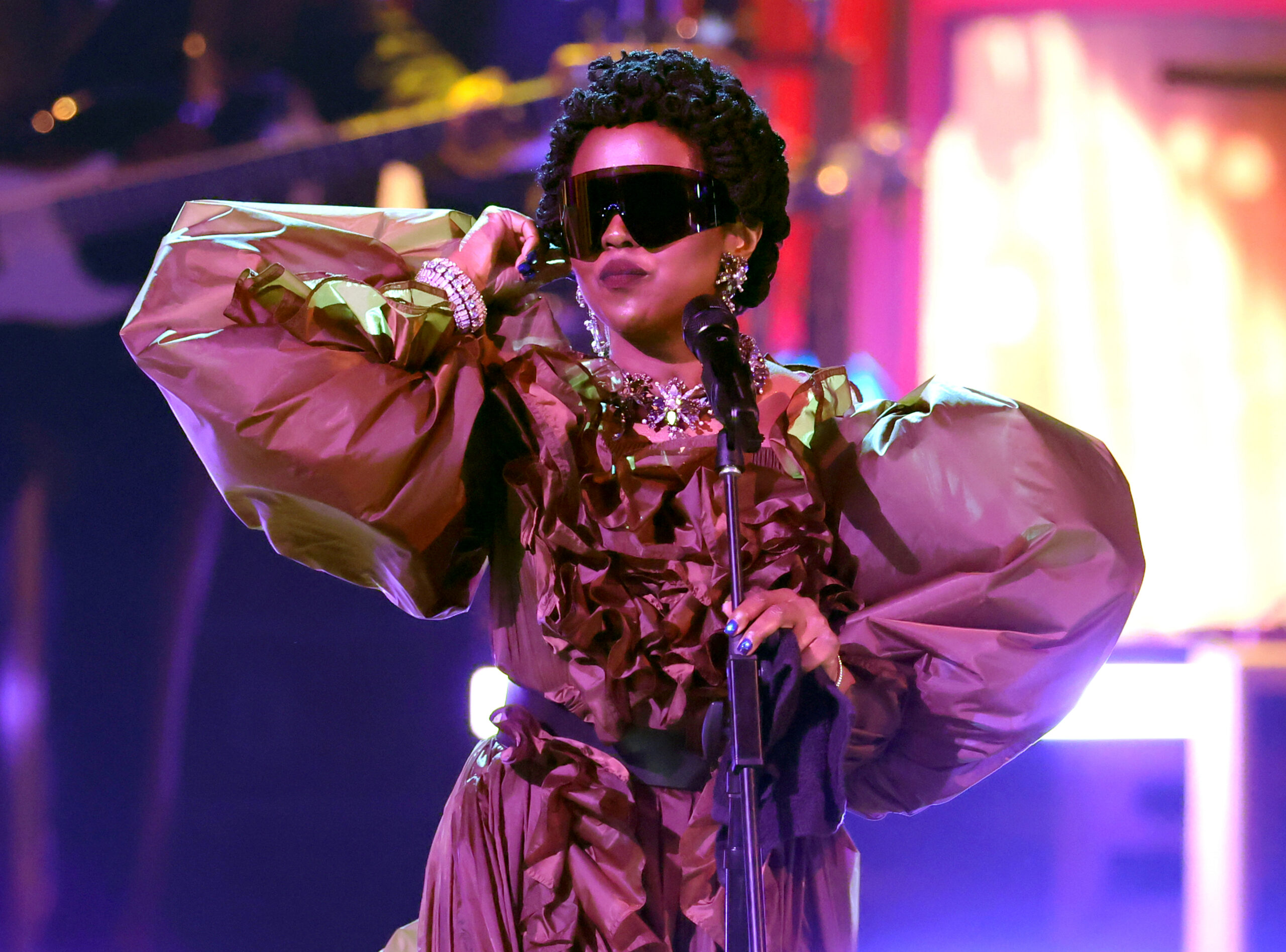
    Lauryn Hill was the recipient of an all-star musical tribute at the BET Awards on June 29, 2026. The ceremony featured a diverse assembly of artists who performed renditions of Hill’s most iconic songs, celebrating her profound influence on music. Queen Latifah, SZA, Doechii, Doja Cat, and Nas were among the musicians who took the stage to honor Hill’s storied career.

    The tribute commenced with a video montage showcasing Hill’s career milestones, from her time with The Fugees to her solo success. Her seminal album, The Miseducation of Lauryn Hill, was a central theme throughout the evening’s performances. The BET Awards stage provided a prominent platform to acknowledge Hill’s enduring legacy and her role in shaping contemporary music genres.

    Queen Latifah Opens with Fugees Medley

    Queen Latifah opened the tribute segment with a powerful medley of Fugees classics. She performed parts of ‘Fugee-La’ and ‘Ready or Not,’ energizing the audience. Her performance culminated in a soulful rendition of ‘Killing Me Softly with His Song,’ a track famously covered by The Fugees.

    Latifah’s presence on stage underscored Hill’s impact across generations of artists. She spoke briefly about Hill’s pioneering spirit and her lyrical genius. The segment set a high standard for the performances that followed.

    SZA, Doechii, and Doja Cat Interpret Hill’s Solo Work

    The tribute continued with contemporary artists interpreting Hill’s solo material. SZA delivered a poignant and emotionally charged rendition of ‘Ex-Factor’ from The Miseducation of Lauryn Hill. Her performance highlighted the timelessness of Hill’s songwriting and vocal delivery.

    Doechii followed with a dynamic performance of ‘Doo Wop (That Thing),’ bringing her unique energy to the track. Doja Cat then performed ‘Everything Is Everything,’ showcasing her versatility and respect for Hill’s artistry. These performances illustrated Hill’s continued relevance to current music trends and her influence on a new generation of performers.

    Nas Joins Hill for a Collaborative Finale

    The tribute concluded with a collaborative segment featuring Nas. He began with a spoken word piece reflecting on Hill’s impact on hip-hop culture and their shared history. Nas then performed a portion of his 1999 hit ‘If I Ruled the World (Imagine That),’ which famously featured Hill on vocals.

    Lauryn Hill herself then joined Nas on stage, to a standing ovation. They performed a brief, unrehearsed duet of ‘If I Ruled the World (Imagine That),’ creating a memorable moment for attendees and viewers. Hill expressed gratitude for the honor, acknowledging the artists and the enduring power of music.

    Lauryn Hill’s Enduring Cultural Impact

    Lauryn Hill’s career spans decades, marked by critical acclaim and commercial success. Her lyrical prowess, vocal range, and genre-blending style have left an indelible mark on music. She has influenced countless artists across hip-hop, R&B, and neo-soul.

    The tribute at the 2026 BET Awards reaffirms her position as one of the most respected and influential artists of her generation. It highlighted the depth of her catalog and the cross-generational appeal of her work. The event served as a powerful reminder of Hill’s artistic contributions and her status as a cultural luminary.

  • US Conducts 10 Strikes on Iran – Ceasefire Stability at Risk

    US Conducts 10 Strikes on Iran – Ceasefire Stability at Risk

    US Conducts Ten Strikes on Iran Amidst Ceasefire Concerns

    The United States executed ten strikes targeting locations within Iran on June 28, 2026. This military action has placed significant strain on the existing ceasefire in the Middle East, which observers characterize as highly precarious. The strikes represent a critical juncture in the complex geopolitical landscape of the region.

    International bodies and diplomatic channels are actively engaged in assessing the immediate and long-term consequences of these actions. The incident has prompted widespread calls for de-escalation from various global leaders.

    The Context of the Ceasefire

    The ceasefire, established several months prior to the June 28, 2026, strikes, aimed to halt a period of sustained conflict. It involved multiple regional actors and was brokered through extensive international mediation efforts. The terms of this ceasefire were delicate, relying on mutual restraint and adherence to specific agreements.

    Analysts have consistently described the ceasefire as fragile. Its stability depended heavily on the avoidance of provocative actions by any involved party. The recent US strikes introduce a new and significant challenge to this already unstable arrangement.

    Previous violations and skirmishes had tested the ceasefire’s resilience. However, the scale and direct nature of the June 28, 2026, strikes represent an escalation distinct from earlier incidents. This raises fundamental questions about the future viability of the peace agreement.

    Specifics of the Strikes

    Details regarding the precise locations and nature of the ten strikes remain under active investigation by international observers. Initial reports indicate that the targets were geographically dispersed within Iran. The US Department of Defense has not yet released comprehensive information regarding the objectives or outcomes of these operations.

    Sources within intelligence communities suggest the strikes were highly coordinated. They were reportedly executed with precision, aiming to minimize collateral damage. However, independent verification of these claims is ongoing.

    The Iranian government has condemned the strikes as a violation of its sovereignty. Official statements from Tehran have indicated a readiness to respond, though the form of any potential retaliation has not been specified as of June 28, 2026.

    International Reactions and Diplomatic Fallout

    Global reactions to the US strikes have been swift and varied. The United Nations Security Council convened an emergency session to discuss the developments. Secretary-General António Guterres issued a statement expressing deep concern over the escalation of tensions.

    Several European Union member states have called for immediate de-escalation and a return to diplomatic dialogue. China and Russia, both permanent members of the UN Security Council, have urged all parties to exercise restraint. They have emphasized the importance of upholding international law and preserving regional stability.

    Regional allies of the United States have largely maintained silence or issued cautious statements. This reflects the delicate balance of power and the intricate network of alliances in the Middle East. The incident places these nations in a challenging diplomatic position.

    Historical Precedents and Regional Instability

    The Middle East has a long history of geopolitical tension and conflict. Previous military interventions and regional proxy wars have often led to prolonged periods of instability. The current situation echoes past crises, where single events triggered broader regional confrontations.

    The relationship between the United States and Iran has been characterized by periods of intense rivalry and confrontation for decades. Key historical moments include the 1979 Iranian Revolution, the Iran-Iraq War of the 1980s, and ongoing disputes over Iran’s nuclear program and regional influence.

    These historical precedents underscore the potential for rapid escalation. The current ceasefire was an attempt to break this cycle of conflict. The recent strikes threaten to unravel years of painstaking diplomatic efforts.

    The Role of International Law and Sovereignty

    The principle of national sovereignty is a cornerstone of international law. Military actions taken by one nation within the borders of another without explicit consent or UN authorization often draw widespread condemnation. The US strikes on Iranian territory fall under this scrutiny.

    Questions are being raised regarding the legal justification for the strikes. The United States has not yet publicly articulated a detailed legal basis for its actions. This lack of clarity contributes to the international outcry and complicates diplomatic responses.

    International legal experts are analyzing the situation in light of various treaties and conventions. The outcomes of these analyses will significantly influence global perceptions and future diplomatic engagements concerning the incident.

    Economic and Humanitarian Impact

    The immediate economic impact of the strikes is already being felt. Global oil prices have seen an upward spike, reflecting market anxieties about potential disruptions to energy supplies from the Middle East. Shipping routes in vital waterways, such as the Strait of Hormuz, are under increased surveillance.

    Humanitarian organizations have voiced concerns about the potential for a renewed humanitarian crisis. A breakdown of the ceasefire could lead to further displacement of populations and increased suffering in areas already devastated by conflict. Aid agencies are preparing contingency plans for a worsening situation.

    The long-term economic repercussions could be substantial. Sustained instability in the region impacts global trade, investment, and supply chains. The international community faces the challenge of mitigating these potential economic and humanitarian costs.

    The Path Forward: Diplomacy or Escalation?

    The immediate future hinges on the responses of the involved parties. Diplomatic efforts are underway to de-escalate the situation and salvage the ceasefire. Calls for dialogue and negotiation are emanating from multiple international capitals.

    However, the potential for further escalation remains high. Retaliatory actions from Iran could trigger a cycle of violence, drawing in other regional and international actors. The stability of the entire Middle East hangs in a precarious balance.

    The international community faces a critical test. The ability to prevent a wider conflict will depend on the effectiveness of diplomatic pressure, the adherence to international norms, and the willingness of all parties to prioritize peace over confrontation. The coming days will be crucial in determining the trajectory of this volatile situation.

    Leaders convene. Diplomats negotiate. Populations wait.

    Uncertainty.

  • ESPN Analyst Matt Miller Undergoes Arm Amputation After Serious Car Crash

    ESPN Analyst Matt Miller Undergoes Arm Amputation After Serious Car Crash

    A Life-Altering Event for Matt Miller

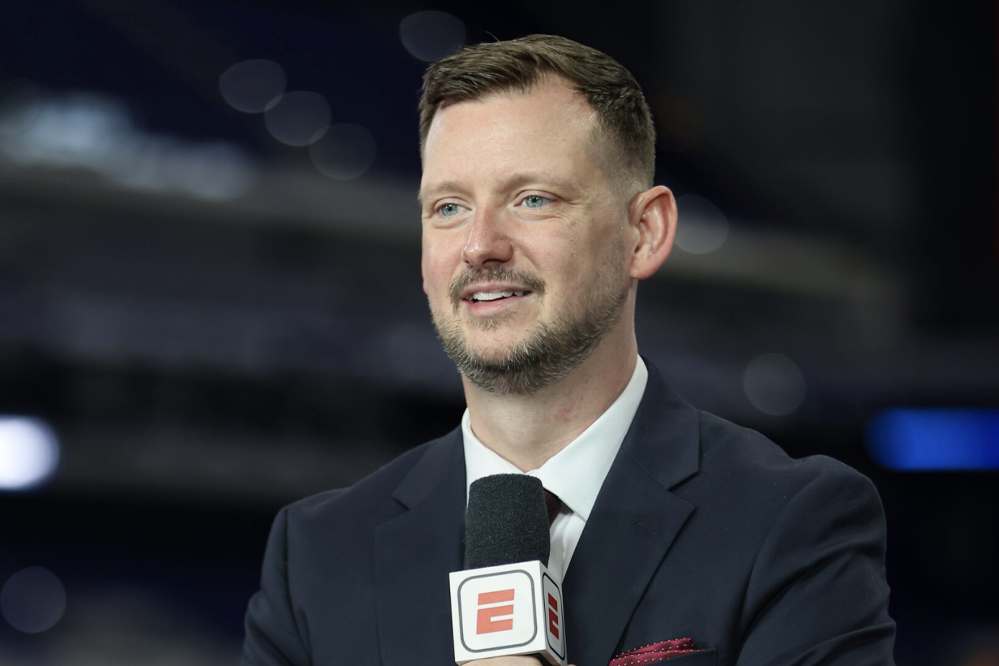
    ESPN NFL Draft analyst Matt Miller survived a severe car accident resulting in the amputation of his arm. Miller publicly disclosed his injuries and commenced his recovery journey in June 2026. He expressed profound gratitude for his survival, acknowledging the serious nature of the incident that led to his life-altering condition.

    The announcement generated widespread attention across sports media and social platforms. Colleagues, athletes, and fans conveyed messages of support and encouragement. Miller’s public sharing of his experience underscored themes of resilience and adaptation in the face of sudden trauma.

    The Incident and Immediate Aftermath

    Details surrounding the exact date and location of the car crash remain limited, as Miller focused his public statements on his recovery rather than the specifics of the event itself. However, he described the crash as “serious,” indicating the high severity of the impact and the immediate danger to his life. The injuries sustained necessitated emergency medical intervention.

    Medical professionals determined that an arm amputation was required to save Miller’s life and facilitate his long-term recovery. This decision marked a critical turning point in his medical treatment. The immediate aftermath involved intensive care and initial rehabilitation efforts to stabilize his condition.

    Miller’s initial recovery period was characterized by significant physical and emotional challenges. He navigated the pain and shock associated with the amputation. The support system of his family and medical team became crucial during this vulnerable time.

    Public Disclosure and Community Support

    In June 2026, Matt Miller chose to share his story publicly. He utilized social media platforms to communicate directly with his followers and the wider sports community. His message emphasized gratitude for being alive and the opportunity to continue his life, despite the profound changes.

    The announcement triggered an immediate outpouring of support. Fellow ESPN analysts, NFL players, general managers, and fans responded with messages of solidarity. Figures like Adam Schefter and Mel Kiper Jr., prominent voices in NFL analysis, were among those who publicly offered their well wishes.

    Miller’s candor about his condition resonated deeply. He acknowledged the difficulty of the situation but maintained a positive outlook on his future. This transparency helped to foster a strong sense of community around his recovery.

    Adapting to a New Reality

    Amputation presents a complex set of challenges, both physical and psychological. Miller’s recovery process involves extensive physical therapy aimed at strengthening his remaining limbs and adapting to new ways of performing daily tasks. Occupational therapy plays a key role in helping him regain independence.

    The process of being fitted for and learning to use a prosthetic arm is a significant component of his rehabilitation. Modern prosthetics offer advanced functionality, but mastering their use requires dedication and practice. Miller has indicated his commitment to this arduous journey.

    Beyond the physical aspects, the psychological adjustment to a major limb loss is substantial. Support systems, including counseling and peer groups, often become vital resources. Miller’s public statements suggest a strong mental fortitude, which is essential for overcoming such obstacles.

    The Role of Technology in Recovery

    Advancements in prosthetic technology have transformed the lives of amputees. Modern prosthetic limbs can be highly sophisticated, offering degrees of dexterity and control previously unattainable. These devices are often custom-fitted and designed to integrate seamlessly with the user’s body.

    Rehabilitation facilities employ state-of-the-art equipment and techniques. Virtual reality and specialized exercise programs assist in motor skill development and pain management. Miller’s access to top-tier medical care likely includes these technological benefits.

    Impact on His Professional Career

    Matt Miller has been a prominent voice in NFL Draft analysis for ESPN. His work involves extensive film study, player evaluations, and reporting from events like the NFL Combine and the Draft. The physical demands of this role, particularly for tasks such as note-taking or using multiple screens, will require adaptation.

    ESPN has a history of supporting its talent through challenging times. The network’s resources and accommodations will likely play a significant role in Miller’s return to full professional capacity. His colleagues have expressed eagerness for his eventual return to the airwaves and digital platforms.

    Miller’s personal story of overcoming adversity may also bring a new dimension to his public persona. His insights on resilience could resonate with a broader audience, potentially enhancing his platform beyond traditional sports analysis. His experience adds a layer of depth to his public identity.

    The Broader Conversation Around Trauma and Resilience

    Miller’s experience contributes to a larger public conversation about trauma, recovery, and human resilience. High-profile figures sharing their personal struggles can destigmatize discussions around physical disability and mental health. His willingness to be open serves as an example for others facing similar challenges.

    The sports world, in particular, often celebrates physical prowess. Miller’s journey reminds audiences that strength also lies in mental fortitude and the ability to adapt. His story highlights the unpredictable nature of life and the importance of a strong support network.

    Organizations dedicated to supporting amputees and individuals with disabilities often emphasize the importance of visibility and representation. Miller’s platform provides a significant opportunity to raise awareness and inspire others in similar situations. His journey may encourage research and development in rehabilitation and prosthetic technologies.

    Looking Ahead: Miller’s Continued Journey

    Matt Miller’s recovery is an ongoing process. His public updates in June 2026 indicate a long road ahead, filled with both progress and potential setbacks. However, his consistent message of gratitude and determination remains a central theme.

    He has expressed an intention to return to his work with ESPN as soon as he is able. His passion for NFL Draft analysis remains undiminished. The sports community awaits his full recovery and eventual return to his professional duties.

    Miller’s journey will continue to unfold publicly. His commitment to sharing his experience offers valuable insights into the realities of living with a significant physical change. His story serves as a testament to the human spirit’s capacity for adaptation and perseverance.

    Family gathered. Friends gathered. Colleagues gathered. The sports world gathered. Hope gathered.

    Recovery.

  • Shadowcast Pictures Shuts Down – Hollywood Grapples with Production Shifts

    Shadowcast Pictures Shuts Down – Hollywood Grapples with Production Shifts

    Shadowcast Pictures, an independent film and television production company, announced its immediate closure on June 27, 2026. The shuttering is attributed to a confluence of severe industry challenges, including escalating production costs, intense competition for audience attention, and fundamental shifts in how content is consumed. This development impacts over 100 employees and signifies a challenging period for mid-sized players in the Hollywood landscape.

    The company’s dissolution follows 15 years of operation, during which it carved out a niche in both feature films and episodic content. Its closure serves as a stark indicator of the economic pressures and strategic reevaluations currently underway across the entertainment sector.

    The Trajectory of Shadowcast Pictures

    Shadowcast Pictures was founded in 2011 by producers Elena Rodriguez and David Chen. Their initial vision was to create a studio that prioritized creator-driven content with a focus on compelling narratives and diverse voices. The company quickly gained traction with its first independent feature film, Echoes in the Dark, released in 2012, which earned critical acclaim at several film festivals.

    Over the next decade, Shadowcast Pictures expanded its portfolio. It produced a range of projects, including the indie darling Desert Bloom (2015) and the moderately successful streaming series City of Whispers (2019-2021). The company often partnered with larger distributors for theatrical releases and with various streaming platforms for episodic content, navigating the complex distribution ecosystem.

    By 2023, Shadowcast Pictures had an active slate of five projects in various stages of development and production. This included two feature films slated for 2025 and 2026 releases and a new limited series. The company maintained offices in Burbank, California, employing a core staff of approximately 40 individuals, with project-based hires often swelling its workforce to over 100 during peak production cycles.

    Escalating Production Costs and Market Volatility

    A primary factor cited in Shadowcast’s closure is the dramatic increase in production costs. Over the past five years, the average budget for a mid-tier feature film has risen by an estimated 30-40%. This surge is driven by several elements, including increased talent fees, rising labor costs, and the demand for higher production values to compete in a visually saturated market.

    The cost of securing top-tier writers, directors, and actors has become prohibitive for many independent entities. Furthermore, the global supply chain issues that emerged in 2020 and 2021 impacted equipment and post-production services, adding further financial strain. Insurance costs for productions also saw significant increases, particularly for projects involving international travel or complex stunts.

    The streaming wars also contributed to market volatility. While initial demand from new streaming services created opportunities, it also inflated prices for content acquisition and talent. As streaming platforms have matured, many have shifted strategies, becoming more selective and often prioritizing in-house productions or established franchises. This change reduced the number of buyers for independent content, creating a bottleneck for companies like Shadowcast Pictures.

    The Impact of Industry Consolidation

    The entertainment industry has experienced significant consolidation in recent years. Major studios and tech giants have acquired smaller companies, leading to fewer independent players with significant market leverage. This trend has made it increasingly difficult for mid-sized production houses to compete for financing, distribution deals, and audience attention.

    The mergers of major media conglomerates have reshaped the landscape, creating vertically integrated entities that control production, distribution, and exhibition. Independent producers often find themselves at a disadvantage when negotiating for screen time or streaming slots against the in-house content of these larger entities. This consolidation limits the pathways for independent films and series to reach broad audiences.

    Shifting Audience Consumption Habits

    Audience behavior has undergone a profound transformation. The proliferation of streaming services, short-form video content, and interactive media has fragmented viewership. Audiences now have an unprecedented array of choices, making it challenging for any single piece of content to capture significant attention.

    The traditional theatrical release model has been particularly affected. While blockbusters continue to draw crowds, mid-budget films often struggle to find an audience in cinemas, frequently moving to streaming platforms much sooner than in previous years. This shift impacts revenue streams for production companies, as theatrical box office returns historically provided a crucial component of a film’s profitability.

    Furthermore, the rise of subscription fatigue has led many consumers to be more selective about their streaming subscriptions. This selectivity means that even content placed on a major platform might struggle to be discovered and watched without significant marketing investment, an expense often beyond the reach of independent studios.

    The Ripple Effect on Independent Filmmaking

    The closure of Shadowcast Pictures is not an isolated incident. Several smaller and mid-sized production companies have either scaled back operations, merged with larger entities, or ceased to exist in the last two years. This trend raises concerns about the future of independent filmmaking, which has historically been a vital source of innovation and diverse storytelling.

    Independent studios often serve as incubators for new talent, writers, directors, and actors, who may not initially fit into the mainstream studio system. The shrinking number of these independent avenues could lead to a more homogenized content landscape, with fewer risks taken on unconventional projects or emerging voices.

    Industry analysts suggest that the current environment favors either very large, well-capitalized studios capable of producing tentpole blockbusters, or micro-budget independent productions that can achieve profitability with minimal distribution costs. The space for mid-sized, moderately budgeted films and series has become increasingly squeezed, struggling to find its economic footing.

    Looking Ahead: The Future of Production

    The dissolution of Shadowcast Pictures prompts a broader discussion about sustainability in the independent production sector. Industry leaders are exploring new models, including co-production agreements with international partners, direct-to-consumer distribution strategies, and innovative financing mechanisms.

    Technology also plays a role. Advances in virtual production, AI-assisted content creation, and more efficient post-production workflows offer potential avenues for cost reduction. However, the adoption of these technologies requires significant upfront investment, which can be a barrier for smaller companies.

    The entertainment landscape is in a constant state of flux. Production companies, distributors, and creators are all adapting to new economic realities and technological advancements. The closure of Shadowcast Pictures represents a significant moment of re-evaluation.

    Costs escalated. Audiences fragmented. Competition intensified. Shadowcast Pictures shuttered.

    Hollywood.

  • Luca Guadagnino on Amazon, AI, and the Shifting Global Identity

    Luca Guadagnino on Amazon, AI, and the Shifting Global Identity

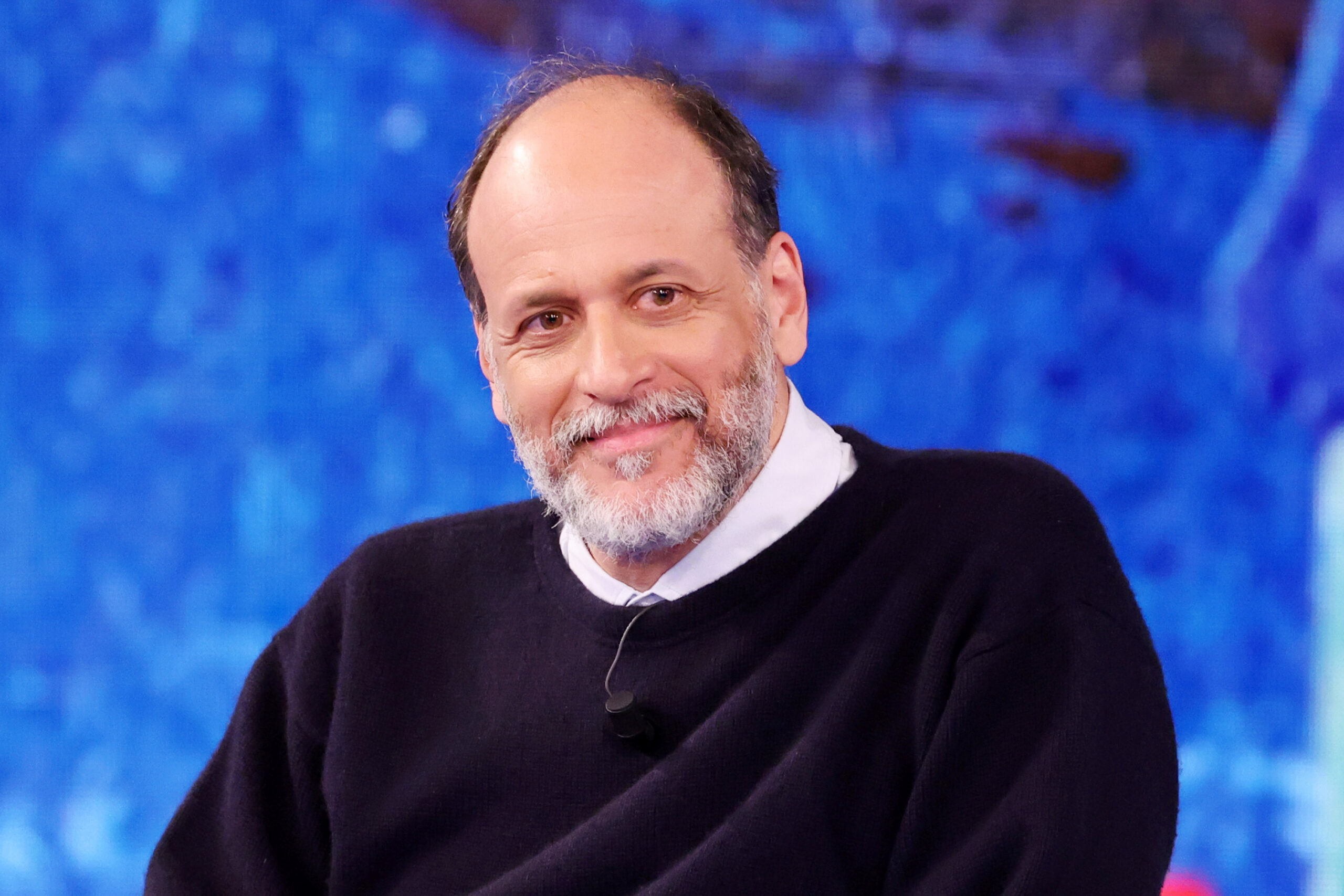
    Filmmaker Luca Guadagnino addressed the status of his project ‘Artificial’ and its relationship with Amazon. He confirmed that Amazon had dropped the project. Guadagnino stated he could not discuss the specifics of this decision. He cited the ongoing nature of the situation as the reason for his reticence in June 2026.

    Despite the constraints on discussing ‘Artificial,’ Guadagnino offered a broader perspective on artificial intelligence. He described AI as a force ‘changing the identity of the world.’ This statement reflects a significant concern within creative industries and society at large regarding emerging technologies.

    The Unfolding Situation with ‘Artificial’

    The project ‘Artificial’ has been a subject of industry discussion. Amazon’s decision to discontinue its involvement raises questions about content strategy. Such decisions often stem from various factors, including financial considerations, creative differences, or evolving platform priorities.

    Guadagnino’s inability to elaborate suggests complex negotiations. These negotiations typically involve intellectual property rights, financial settlements, and future project commitments. The lack of public detail indicates a sensitive phase in the project’s lifecycle.

    The film industry frequently experiences such shifts in production agreements. Major studios and streaming platforms continually reassess their content portfolios. This dynamic environment can lead to projects being dropped or redeveloped under different banners.

    Artificial Intelligence: A Global Transformation

    Luca Guadagnino’s comments extend beyond a single film project. His observation that AI is ‘changing the identity of the world’ points to a more profound societal transformation. Artificial intelligence has permeated various sectors, from technology and finance to healthcare and entertainment.

    The impact of AI on identity can be observed in several ways. It influences how individuals interact with information and each other. It shapes cultural narratives and artistic expressions. The technology also redefines labor markets and economic structures.

    For the film industry, AI presents both opportunities and challenges. AI tools can assist in scriptwriting, visual effects, and post-production. However, concerns exist regarding job displacement and the ethical implications of AI-generated content.

    AI’s Role in Creative Industries

    The integration of AI into creative processes is a topic of intense debate. Screenwriters and visual artists, for instance, are exploring AI’s capabilities. Generative AI models can create images, music, and text. These advancements raise questions about authorship and originality.

    Film directors and producers are assessing AI’s potential to streamline production. AI can analyze vast datasets to predict audience preferences. It can also automate repetitive tasks, potentially reducing production costs.

    However, the artistic community also voices apprehension. The unique human element in storytelling and artistic creation is seen as irreplaceable. The ethical use of AI, particularly concerning intellectual property and fair compensation, remains a critical discussion point in June 2026.

    The Broader Context of Technological Change

    Guadagnino’s statement aligns with a growing discourse about technology’s societal effects. AI is not merely a tool; it is an agent of change. Its widespread adoption is altering fundamental aspects of human experience.

    The rapid advancement of AI has led to calls for regulation and ethical guidelines. Governments and international organizations are developing frameworks to manage AI’s development and deployment. These efforts aim to mitigate risks while harnessing AI’s benefits.

    Public perception of AI varies widely. Some view it as a revolutionary force for progress and innovation. Others express concerns about privacy, bias, and the potential for autonomous systems to make critical decisions without human oversight.

    Economic and Social Implications

    The economic impact of AI is substantial. Automation driven by AI could reshape industries and employment landscapes. Certain jobs may become obsolete, while new roles requiring different skill sets may emerge.

    Socially, AI influences communication patterns and information dissemination. Algorithmic recommendations on social media platforms, for example, can shape public discourse. This raises questions about echo chambers and the spread of misinformation.

    The concept of identity itself is evolving under AI’s influence. Digital identities, personal data, and online personas are increasingly managed and analyzed by AI systems. This interaction shapes how individuals perceive themselves and are perceived by others.

    Luca Guadagnino: A Director’s Perspective

    Luca Guadagnino is known for his distinctive directorial style. His films often explore themes of identity, desire, and human connection. His perspective on AI is informed by a career dedicated to cinematic storytelling.

    Guadagnino’s previous works, such as ‘Call Me by Your Name’ and ‘Suspiria,’ showcase a deep engagement with character and narrative depth. His involvement with a project like ‘Artificial’ suggests an interest in contemporary themes and technological impacts.

    Directors like Guadagnino bring a unique artistic lens to technological discussions. They often articulate the humanistic implications that might be overlooked in purely technical or economic analyses. Their voices contribute to a more nuanced understanding of AI’s cultural footprint.

    The Intersection of Art and Technology

    The film industry has a long history of adapting to technological advancements. From silent films to sound, black and white to color, and analog to digital, each shift has brought both disruption and innovation. AI represents the latest frontier in this ongoing evolution.

    Artists are often at the forefront of interpreting these changes. They use new technologies to expand creative possibilities. They also critically examine the societal consequences of these innovations.

    Guadagnino’s comments reflect this dual perspective. He acknowledges the transformative power of AI. He also implicitly highlights the complexities and sensitivities involved when such power intersects with artistic creation and corporate decision-making.

    The Future of Storytelling in an AI-Driven World

    The future of storytelling is intrinsically linked to technological progress. AI could introduce new forms of interactive narratives. It might enable personalized viewing experiences. It could also challenge traditional roles in film production.

    The ethical considerations surrounding AI in storytelling are paramount. Questions about intellectual property, fair use of existing works, and the potential for deepfakes or synthetic media require careful attention. Safeguarding artistic integrity becomes crucial.

    Luca Guadagnino’s experience with ‘Artificial’ and his broader commentary on AI underscore these contemporary challenges. The industry is navigating a period of rapid change. Artists, producers, and platforms are all adapting to a new technological landscape.

    Conversations about AI will continue to evolve. Debates about its ethical implications will persist. The impact on global identity will deepen.

    Filmmakers will continue to explore. Technologies will continue to advance. The world will continue to change.

    Identity.