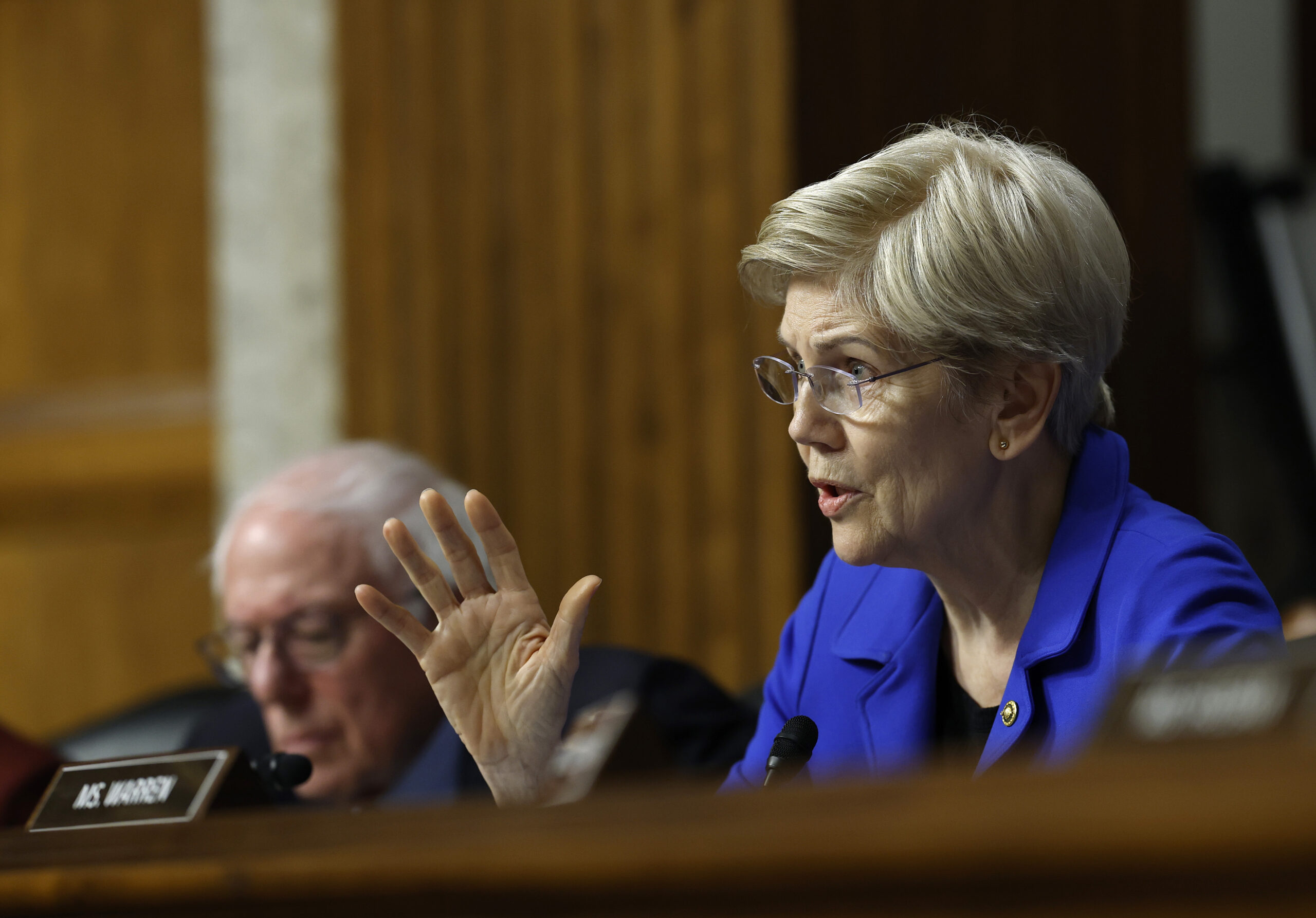
Senator Elizabeth Warren and other Democratic lawmakers have formally warned of significant antitrust issues concerning a proposed merger between Fox Corporation and streaming technology company Roku. This opposition highlights growing concerns within Congress regarding media consolidation and its potential impact on competition, consumer choice, and the broader digital economy.
The Proposed Fox-Roku Merger
The potential merger would combine Fox Corporation’s extensive content library and broadcasting capabilities with Roku’s widely adopted streaming platform. Fox Corporation, a prominent media conglomerate, owns various news, sports, and entertainment properties. Roku, meanwhile, commands a substantial share of the smart TV operating system and streaming device market.
This integration would create a vertically integrated entity capable of controlling both content creation and its distribution to millions of households. Such a combination raises immediate questions about market power and fair play in the competitive streaming landscape.
Lawmakers’ Antitrust Concerns
Senator Elizabeth Warren, a leading voice on antitrust policy, has been particularly vocal in her opposition. She, alongside other Democratic lawmakers, argues that the merger could grant the combined entity undue influence over pricing, content availability, and innovation across the streaming ecosystem. Their primary concern is the potential for the merged company to prioritize its own content and services on the Roku platform, thereby disadvantaging competitors and limiting consumer access to diverse programming.
The lawmakers’ letter to the Department of Justice (DOJ) outlines several potential harms. These include reduced incentives for innovation among smaller streaming services, increased advertising costs for rival content providers, and a general stifling of market dynamism. They contend that such a merger would further entrench the power of a few large corporations in the media sector, diminishing opportunities for independent creators and broadcasters.
Impact on Consumers
Consumers stand to lose in several ways, according to the lawmakers. A less competitive market could result in higher subscription fees for streaming services. It could also lead to fewer choices in content, as the merged entity might favor its own Fox-produced programming. This scenario could force consumers into bundles or subscriptions that do not align with their preferences, ultimately reducing overall value.
The integration of advertising technology is another area of concern. Roku’s robust advertising platform, combined with Fox’s ad inventory, could create a dominant force in the connected TV advertising market. This could make it more difficult and expensive for other businesses to reach audiences, potentially leading to increased costs passed on to consumers.
Historical Context of Media Consolidation
The current debate surrounding the Fox-Roku merger is not an isolated incident. It reflects a long-standing pattern of media consolidation that has reshaped the industry over decades. Major mergers and acquisitions have historically raised antitrust flags, prompting government intervention to protect market competition.
Past examples include AT&T’s acquisition of Time Warner and Disney’s acquisition of 21st Century Fox assets. Each of these deals underwent intense scrutiny from regulatory bodies. These cases often centered on similar concerns: the potential for reduced competition, increased consumer prices, and diminished content diversity.
Regulatory Scrutiny and the DOJ
The Department of Justice is the primary federal agency responsible for enforcing antitrust laws in the United States. Its role involves reviewing proposed mergers and acquisitions to determine if they would substantially lessen competition or create a monopoly. The DOJ can challenge mergers in court or negotiate conditions to mitigate anticompetitive effects.
Given the high-profile nature of the Fox-Roku proposal and the vocal opposition from lawmakers, the DOJ’s review is expected to be comprehensive and rigorous. The agency will assess market definitions, potential foreclosure effects, and the overall impact on consumer welfare. This review process often involves extensive data analysis, expert testimony, and public comment periods.
The Role of Senator Warren in Antitrust Policy
Senator Elizabeth Warren has consistently been a prominent advocate for stronger antitrust enforcement. Her tenure in the Senate has been marked by a focus on curbing corporate power and promoting fair competition across various industries, particularly in technology and media.
Warren has frequently criticized what she perceives as lax antitrust enforcement in previous administrations. She argues that unchecked mergers have led to an economy dominated by a few powerful players, at the expense of small businesses and consumers. Her involvement in the Fox-Roku case aligns with her broader policy agenda to rein in corporate giants.
Other Democratic Lawmakers’ Involvement
Beyond Senator Warren, several other Democratic lawmakers have joined the chorus of opposition. Their collective voice amplifies the pressure on the DOJ to take a firm stance against the merger. These lawmakers often cite constituents’ concerns about rising costs and dwindling choices in their media consumption habits.
The bipartisan nature of some past antitrust concerns, though less evident in this specific case, underscores the potential for broad political consensus when major market shifts are at stake. However, the current opposition is primarily from the Democratic side of the aisle, reflecting a policy divide on the appropriate level of government intervention in corporate mergers.
Potential Outcomes of the Antitrust Review
The DOJ’s review of the Fox-Roku merger could lead to several outcomes. The agency might approve the merger without conditions, finding no substantial threat to competition. Alternatively, it could approve the merger with certain remedies, such as requiring the divestiture of specific assets or imposing behavioral restrictions on the merged entity.
A more stringent outcome would be a complete challenge to the merger in federal court, arguing that it violates antitrust laws. This would lead to a protracted legal battle, the outcome of which would depend on the evidence presented by both the DOJ and the merging companies. The final decision will set a precedent for future media and technology mergers.
The Future of Streaming and Media
The resolution of the Fox-Roku merger saga will have significant implications for the future direction of the streaming industry. If approved, it could signal a new era of vertical integration, where content owners increasingly control their distribution channels. This could accelerate the trend of media companies acquiring or partnering with tech platforms.
Conversely, if the merger is blocked or significantly altered, it could reinforce the importance of maintaining a diverse and competitive media landscape. Such a decision would empower regulatory bodies to scrutinize large-scale consolidations more closely, potentially fostering an environment where smaller players and independent content creators can thrive.
The debate surrounding Fox and Roku highlights a critical juncture in the evolution of digital media. Lawmakers warn. Consumers wait. Regulators decide.
The future of streaming hangs in the balance.