Tag: Competition

  • Elizabeth Warren and Lawmakers Warn of Fox-Roku Antitrust Issues

    Elizabeth Warren and Lawmakers Warn of Fox-Roku Antitrust Issues

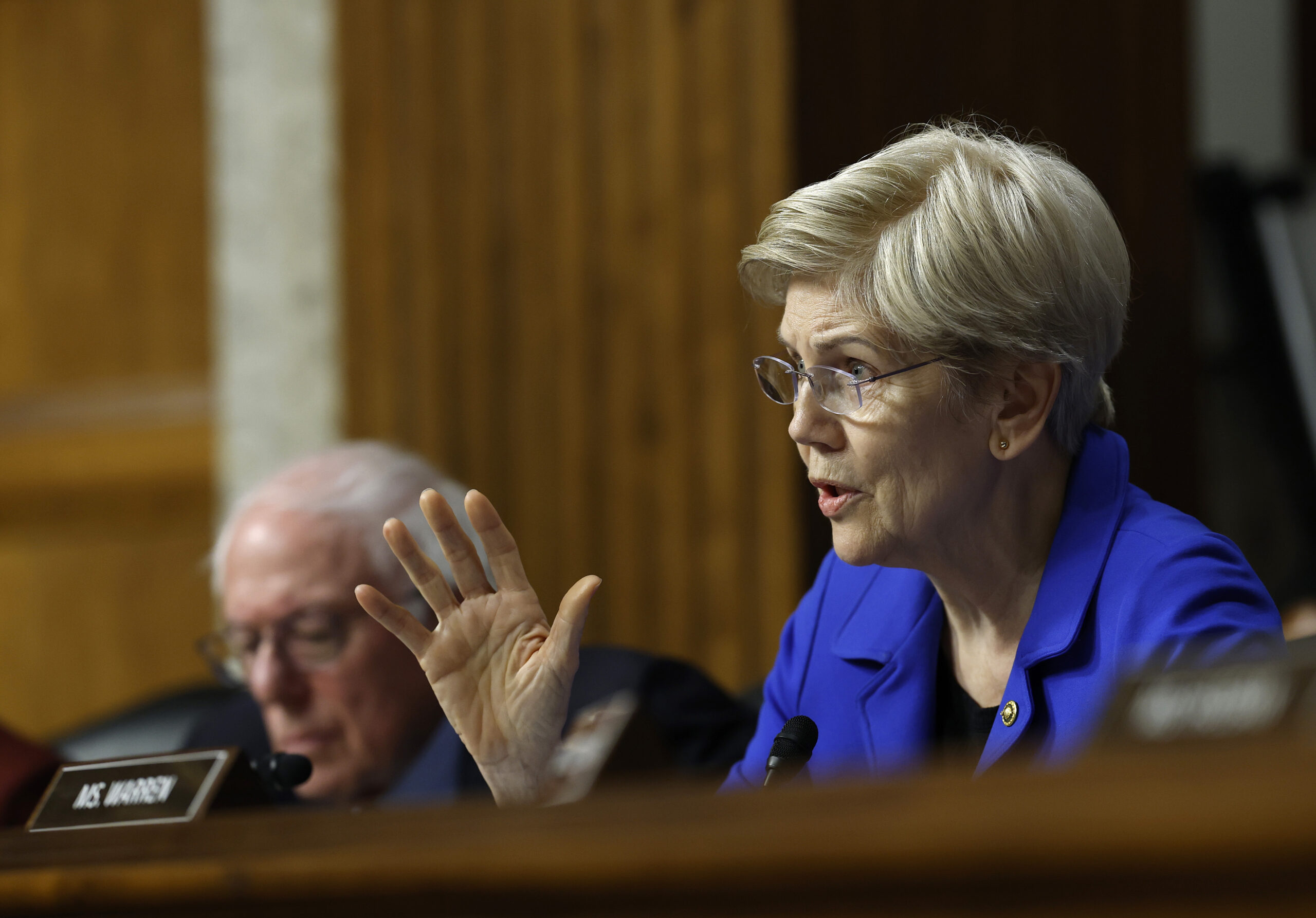
    Senator Elizabeth Warren and other Democratic lawmakers have formally warned of significant antitrust issues concerning a proposed merger between Fox Corporation and streaming technology company Roku. This opposition highlights growing concerns within Congress regarding media consolidation and its potential impact on competition, consumer choice, and the broader digital economy.

    The Proposed Fox-Roku Merger

    The potential merger would combine Fox Corporation’s extensive content library and broadcasting capabilities with Roku’s widely adopted streaming platform. Fox Corporation, a prominent media conglomerate, owns various news, sports, and entertainment properties. Roku, meanwhile, commands a substantial share of the smart TV operating system and streaming device market.

    This integration would create a vertically integrated entity capable of controlling both content creation and its distribution to millions of households. Such a combination raises immediate questions about market power and fair play in the competitive streaming landscape.

    Lawmakers’ Antitrust Concerns

    Senator Elizabeth Warren, a leading voice on antitrust policy, has been particularly vocal in her opposition. She, alongside other Democratic lawmakers, argues that the merger could grant the combined entity undue influence over pricing, content availability, and innovation across the streaming ecosystem. Their primary concern is the potential for the merged company to prioritize its own content and services on the Roku platform, thereby disadvantaging competitors and limiting consumer access to diverse programming.

    The lawmakers’ letter to the Department of Justice (DOJ) outlines several potential harms. These include reduced incentives for innovation among smaller streaming services, increased advertising costs for rival content providers, and a general stifling of market dynamism. They contend that such a merger would further entrench the power of a few large corporations in the media sector, diminishing opportunities for independent creators and broadcasters.

    Impact on Consumers

    Consumers stand to lose in several ways, according to the lawmakers. A less competitive market could result in higher subscription fees for streaming services. It could also lead to fewer choices in content, as the merged entity might favor its own Fox-produced programming. This scenario could force consumers into bundles or subscriptions that do not align with their preferences, ultimately reducing overall value.

    The integration of advertising technology is another area of concern. Roku’s robust advertising platform, combined with Fox’s ad inventory, could create a dominant force in the connected TV advertising market. This could make it more difficult and expensive for other businesses to reach audiences, potentially leading to increased costs passed on to consumers.

    Historical Context of Media Consolidation

    The current debate surrounding the Fox-Roku merger is not an isolated incident. It reflects a long-standing pattern of media consolidation that has reshaped the industry over decades. Major mergers and acquisitions have historically raised antitrust flags, prompting government intervention to protect market competition.

    Past examples include AT&T’s acquisition of Time Warner and Disney’s acquisition of 21st Century Fox assets. Each of these deals underwent intense scrutiny from regulatory bodies. These cases often centered on similar concerns: the potential for reduced competition, increased consumer prices, and diminished content diversity.

    Regulatory Scrutiny and the DOJ

    The Department of Justice is the primary federal agency responsible for enforcing antitrust laws in the United States. Its role involves reviewing proposed mergers and acquisitions to determine if they would substantially lessen competition or create a monopoly. The DOJ can challenge mergers in court or negotiate conditions to mitigate anticompetitive effects.

    Given the high-profile nature of the Fox-Roku proposal and the vocal opposition from lawmakers, the DOJ’s review is expected to be comprehensive and rigorous. The agency will assess market definitions, potential foreclosure effects, and the overall impact on consumer welfare. This review process often involves extensive data analysis, expert testimony, and public comment periods.

    The Role of Senator Warren in Antitrust Policy

    Senator Elizabeth Warren has consistently been a prominent advocate for stronger antitrust enforcement. Her tenure in the Senate has been marked by a focus on curbing corporate power and promoting fair competition across various industries, particularly in technology and media.

    Warren has frequently criticized what she perceives as lax antitrust enforcement in previous administrations. She argues that unchecked mergers have led to an economy dominated by a few powerful players, at the expense of small businesses and consumers. Her involvement in the Fox-Roku case aligns with her broader policy agenda to rein in corporate giants.

    Other Democratic Lawmakers’ Involvement

    Beyond Senator Warren, several other Democratic lawmakers have joined the chorus of opposition. Their collective voice amplifies the pressure on the DOJ to take a firm stance against the merger. These lawmakers often cite constituents’ concerns about rising costs and dwindling choices in their media consumption habits.

    The bipartisan nature of some past antitrust concerns, though less evident in this specific case, underscores the potential for broad political consensus when major market shifts are at stake. However, the current opposition is primarily from the Democratic side of the aisle, reflecting a policy divide on the appropriate level of government intervention in corporate mergers.

    Potential Outcomes of the Antitrust Review

    The DOJ’s review of the Fox-Roku merger could lead to several outcomes. The agency might approve the merger without conditions, finding no substantial threat to competition. Alternatively, it could approve the merger with certain remedies, such as requiring the divestiture of specific assets or imposing behavioral restrictions on the merged entity.

    A more stringent outcome would be a complete challenge to the merger in federal court, arguing that it violates antitrust laws. This would lead to a protracted legal battle, the outcome of which would depend on the evidence presented by both the DOJ and the merging companies. The final decision will set a precedent for future media and technology mergers.

    The Future of Streaming and Media

    The resolution of the Fox-Roku merger saga will have significant implications for the future direction of the streaming industry. If approved, it could signal a new era of vertical integration, where content owners increasingly control their distribution channels. This could accelerate the trend of media companies acquiring or partnering with tech platforms.

    Conversely, if the merger is blocked or significantly altered, it could reinforce the importance of maintaining a diverse and competitive media landscape. Such a decision would empower regulatory bodies to scrutinize large-scale consolidations more closely, potentially fostering an environment where smaller players and independent content creators can thrive.

    The debate surrounding Fox and Roku highlights a critical juncture in the evolution of digital media. Lawmakers warn. Consumers wait. Regulators decide.

    The future of streaming hangs in the balance.

  • Chef Dom Taylor, Netflix ‘Five Star Chef’ Winner, Dies Unexpectedly

    Chef Dom Taylor, Netflix ‘Five Star Chef’ Winner, Dies Unexpectedly

    Chef Dom Taylor, the acclaimed winner of Netflix’s ‘Five Star Chef,’ died unexpectedly on July 18, 2026, at the age of 44. His passing marks the loss of a significant culinary talent known for his innovative approach to Caribbean-inspired cuisine and his vibrant presence in the gastronomic world. Taylor’s restaurant, The Good Front Room, located within the prestigious Langham Hotel in London, gained considerable attention following his victory on the streaming platform’s popular competition series.

    The Rise of a ‘Five Star Chef’

    Dom Taylor first captured international attention in 2023 when he competed in and ultimately won ‘Five Star Chef’ on Netflix. The series pitted professional chefs against each other in a high-stakes culinary battle. The ultimate prize was a restaurant residency within a luxury London hotel.

    Taylor’s distinctive style and ability to infuse classic Caribbean flavors with modern fine-dining techniques set him apart. His dishes often told a story, drawing from his heritage and personal experiences. This narrative approach resonated with both the judges and the global audience.

    The competition was rigorous, testing chefs on creativity, technical skill, and the ability to manage high-pressure kitchen environments. Taylor consistently demonstrated a mastery of these elements. His victory was widely celebrated as a triumph for diverse culinary perspectives.

    The Good Front Room: A Culinary Legacy

    Following his win on ‘Five Star Chef,’ Dom Taylor secured the coveted residency at the Langham Hotel. This led to the creation of The Good Front Room, a restaurant that quickly became a destination for food enthusiasts. It opened its doors in July 2023.

    The restaurant’s name itself was a nod to Caribbean culture, referencing the best room in a family home, reserved for special occasions and honored guests. Taylor aimed to recreate that sense of warmth, hospitality, and elevated experience for his diners.

    The menu at The Good Front Room was a testament to Taylor’s vision. It featured dishes like ackee and saltfish croquettes, curried goat with plantain purée, and rum-glazed pork belly. Each item showcased his commitment to authentic flavors presented with contemporary elegance.

    Critics lauded Taylor’s ability to bridge traditional Caribbean home cooking with the demands of a five-star hotel environment. The restaurant received positive reviews, cementing his status as a leading figure in the UK’s culinary scene.

    A Culinary Journey Rooted in Heritage

    Dom Taylor’s passion for food began early, deeply influenced by his Caribbean heritage. His upbringing exposed him to a rich tapestry of flavors and cooking traditions. These formative experiences shaped his culinary philosophy.

    Before his Netflix fame, Taylor honed his skills in various kitchens across London. He worked his way through the ranks, learning different techniques and cuisines. This diverse background allowed him to develop a unique culinary voice.

    He often spoke about the importance of telling stories through food. For Taylor, each dish was an opportunity to connect diners with a culture, a memory, or an emotion. This personal touch became a hallmark of his cooking.

    His dedication to quality ingredients and meticulous preparation was evident in every plate. He combined classical French training with the vibrant spices and ingredients of the Caribbean. This fusion created a distinctive and memorable dining experience.

    The Impact of ‘Five Star Chef’ on Culinary Careers

    Netflix’s ‘Five Star Chef’ provided a significant platform for chefs like Dom Taylor. The show, which premiered globally, offered unprecedented exposure to a broad audience. Winning such a competition often translates into immediate career acceleration.

    For Taylor, the show was a launchpad. It allowed him to transition from a respected chef working in various establishments to a celebrated restaurateur with his own vision. The visibility generated by Netflix was instrumental in the rapid success of The Good Front Room.

    The series also highlighted the increasing diversity within the fine-dining world. Taylor’s success demonstrated that innovative cuisine rooted in non-European traditions could achieve critical acclaim at the highest levels of gastronomy.

    His win inspired many aspiring chefs from underrepresented backgrounds. It showed that talent, passion, and a unique culinary perspective could open doors in an often exclusive industry.

    Tributes from the Culinary Community

    News of Dom Taylor’s unexpected death on July 18, 2026, prompted an outpouring of grief and tributes from across the culinary world. Chefs, restaurateurs, food critics, and fans expressed their sadness at the loss of such a talented individual.

    Many highlighted his warm personality and genuine passion for food. He was often described as a chef who cooked with heart, bringing joy to those who tasted his creations. His contributions to modern Caribbean cuisine were frequently cited.

    Social media platforms became a space for shared memories and condolences. Colleagues spoke of his mentorship and his commitment to elevating the craft. His impact extended beyond his own kitchen, influencing a new generation of chefs.

    The Langham Hotel also released a statement acknowledging Taylor’s passing. They expressed profound sadness and celebrated his legacy at The Good Front Room. The hotel praised his talent and the unique dining experience he created.

    The Legacy of a Culinary Innovator

    Dom Taylor’s legacy will endure through his innovative culinary approach. He successfully brought the rich, complex flavors of the Caribbean to a global fine-dining stage. He did so without compromising authenticity, instead enhancing it with contemporary techniques.

    His work at The Good Front Room demonstrated that high-end cuisine could be both sophisticated and deeply rooted in cultural heritage. He challenged traditional notions of what constitutes fine dining. He proved that excellence could be found in diverse culinary narratives.

    Taylor’s journey from a young chef to a Netflix winner and acclaimed restaurateur serves as an inspiration. It underscores the power of perseverance, creativity, and staying true to one’s culinary vision.

    He leaves behind a significant mark on the gastronomic landscape. His influence will continue to be felt through the dishes he created and the chefs he inspired. The flavors of his heritage, refined through his talent, will remain a part of modern culinary history.

    Chefs mourned. Fans grieved. The culinary world paused.

    Dom Taylor.

  • Apple in Settlement Talks with DOJ Over Antitrust Allegations

    Apple in Settlement Talks with DOJ Over Antitrust Allegations

    The Antitrust Showdown: Apple and the DOJ

    Apple Inc. is reportedly involved in early settlement talks with the United States Department of Justice (DOJ) concerning an ongoing antitrust lawsuit. These discussions represent a pivotal moment for the technology giant, which faces accusations of anti-competitive behavior within its vast ecosystem.

    The Department of Justice filed its lawsuit against Apple in March 2024. The complaint alleged that Apple monopolized the smartphone market by imposing contractual restrictions and fees on developers. It also cited limiting access to hardware and software features, stifling innovation, and raising prices for consumers.

    The core of the DOJ’s complaint centered on Apple’s control over its App Store. The government contended that Apple’s policies, such as mandatory in-app purchase systems and high commission rates, illegally suppressed competition. These practices allegedly harmed smaller developers and consumers alike.

    The Scope of the DOJ’s Allegations

    The lawsuit detailed several areas where Apple allegedly engaged in anti-competitive conduct. These included restrictions on cloud streaming game services, which force users to download each game individually instead of streaming a catalog. This limitation allegedly put Apple at an advantage over competitors offering subscription-based gaming platforms.

    Another key allegation involved messaging applications. The DOJ argued that Apple intentionally degraded the user experience for non-iPhone users communicating with iPhone users. This was primarily through its handling of SMS and MMS messages, which appear as green bubbles and lack certain features available to iMessage users.

    The complaint also touched upon third-party smartwatches and digital wallets. The DOJ claimed Apple restricted the functionality of non-Apple smartwatches with iPhones and limited access to its NFC technology for competing digital payment services. These actions allegedly reinforced Apple’s dominance in hardware and mobile payments.

    Why Settlement Talks Emerge

    Settlement talks often arise when both parties perceive significant risks and costs associated with a protracted legal battle. For Apple, a lengthy trial could expose internal company documents and strategies to public scrutiny. It could also divert substantial resources, including executive time and legal expenses, away from product development and innovation.

    A judicial ruling against Apple could result in court-ordered structural changes to its business model. These changes might include mandates to open its ecosystem, reduce App Store commissions, or alter its messaging protocols. Such interventions could have far-reaching financial and operational consequences.

    For the Department of Justice, a settlement offers a guaranteed outcome without the uncertainties of litigation. It can secure concessions from Apple that address the alleged anti-competitive harms more quickly than a trial. This aligns with the DOJ’s broader strategy to rein in the market power of large technology companies.

    Precedents in Tech Antitrust

    The current antitrust scrutiny of Apple is not an isolated event. It fits into a broader pattern of government action against major technology firms. The U.S. government has pursued antitrust cases against other tech giants in recent years.

    The Federal Trade Commission (FTC) and state attorneys general have filed lawsuits against Meta Platforms (formerly Facebook) for alleged monopolistic practices. These cases often focus on acquisitions made by Meta, such as Instagram and WhatsApp, which regulators claim eliminated nascent competitors.

    Google has also faced multiple antitrust lawsuits from the DOJ and states. These cases target various aspects of its business, including its search engine dominance, advertising technology, and Android operating system. Some of these cases have already seen significant legal proceedings and are ongoing in 2026.

    Historically, the landmark antitrust case against Microsoft in the late 1990s serves as a significant precedent. The government accused Microsoft of leveraging its Windows operating system monopoly to dominate the web browser market. The case ultimately led to a settlement that imposed restrictions on Microsoft’s business practices.

    Global Regulatory Landscape

    Beyond the United States, Apple faces similar antitrust challenges worldwide. The European Union has been particularly active in regulating major tech companies. The Digital Markets Act (DMA), which came into full effect in March 2024, specifically targets large online platforms, including Apple.

    The DMA designates certain companies as ‘gatekeepers’ and imposes strict rules on how they operate. These rules aim to prevent anti-competitive behavior and promote fair competition in digital markets. Apple has already made changes to its App Store policies in the EU in response to the DMA, including allowing third-party app stores and alternative payment systems.

    Other countries, such as the United Kingdom, Japan, and South Korea, have also launched investigations and imposed regulations on Apple’s business practices. This global pressure indicates a widespread concern about the market power wielded by a few dominant technology companies.

    Potential Outcomes of Settlement Talks

    The specific terms of any potential settlement remain confidential during early discussions. However, based on the DOJ’s complaint and previous regulatory actions, several key areas could be addressed. These include changes to App Store commission rates, which currently stand at 15-30% for many developers.

    Apple might be compelled to allow third-party payment processing options within apps, bypassing its own system. This would reduce Apple’s revenue stream from in-app purchases but could lower costs for developers and consumers.

    Another area for potential concessions is interoperability. Apple might be required to open up its messaging protocols to improve cross-platform communication. This could lead to features like end-to-end encryption and higher-quality media sharing between iPhones and Android devices.

    Access to hardware and software features for third-party developers could also be mandated. This might include greater access to NFC chips for competing digital wallets or more robust support for third-party smartwatches and other accessories. Such changes could foster innovation and competition in peripheral markets.

    The Impact on Developers and Consumers

    For app developers, a settlement could mean a more equitable playing field. Lower commission fees and alternative payment options could increase their revenue and reduce their dependence on Apple’s ecosystem. Greater access to iPhone features could also enable new functionalities and improved user experiences for their applications.

    Consumers could benefit from increased choice and potentially lower prices. If developers face fewer restrictions and costs, they might pass those savings on to users. Improved interoperability could also enhance the overall user experience, regardless of the devices they choose.

    However, some argue that extensive government intervention could stifle innovation. Apple maintains that its stringent control over its ecosystem ensures security, privacy, and a consistent user experience. Unfettered access could, in their view, introduce vulnerabilities and degrade the quality of its products.

    The Road Ahead for Apple

    Even if a settlement is reached with the DOJ, Apple’s legal challenges are far from over. The company continues to face private antitrust lawsuits from developers and consumers. It also navigates ongoing regulatory investigations and new legislation in various jurisdictions globally.

    The outcome of these settlement talks will set a precedent for how Apple engages with future antitrust challenges. It could signal a shift in the company’s long-standing strategy of maintaining tight control over its hardware and software integration.

    The technology industry as a whole watches these developments closely. The legal and regulatory actions against Apple, Google, Meta, and others are reshaping the landscape of digital markets. They are redefining the boundaries of corporate power and government oversight in the 21st century.

    Discussions continue. Negotiations progress. Outcomes remain uncertain. The future of digital ecosystems hangs in the balance.

    Apple.