Tag: Fox

  • President Trump’s New Warning to Iran – Escalating Geopolitical Tensions

    President Trump’s New Warning to Iran – Escalating Geopolitical Tensions

    President Trump’s Latest Stance on Iran

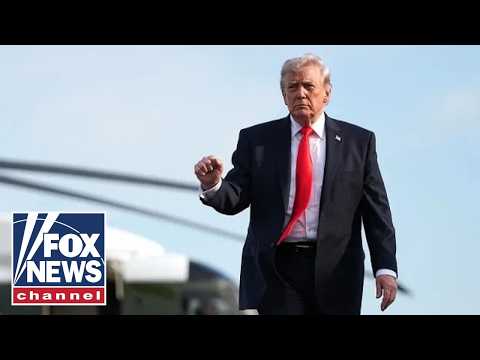
    President Donald Trump issued a new warning to Iran on July 22, 2026. This declaration marks a significant moment in the ongoing diplomatic and strategic landscape between the United States and the Islamic Republic. The warning signals a potential escalation in the long-standing tensions that have characterized relations between the two nations.

    This recent communication from the White House follows a period of heightened rhetoric and strategic maneuvers. The specific nature of the warning was not immediately detailed, but its issuance indicates a firm stance from the current U.S. administration.

    A History of Warnings and Diplomatic Strain

    The relationship between the United States and Iran has been marked by periods of intense strain for decades. Following the 1979 Iranian Revolution, diplomatic ties were severed. Subsequent U.S. administrations have grappled with Iran’s nuclear ambitions, its support for various non-state actors in the Middle East, and its ballistic missile program.

    President Trump’s first term saw the U.S. withdraw from the Joint Comprehensive Plan of Action (JCPOA) in May 2018. This agreement, signed in 2015, aimed to limit Iran’s nuclear program in exchange for sanctions relief. The withdrawal reintroduced a broad range of U.S. sanctions against Iran, significantly impacting its economy.

    The years following the JCPOA withdrawal were characterized by a series of confrontational incidents. These included attacks on oil tankers in the Persian Gulf, the downing of a U.S. drone, and a drone attack on Saudi Arabian oil facilities in September 2019, which the U.S. and its allies attributed to Iran.

    In January 2020, a U.S. drone strike killed Qassem Soleimani, a prominent Iranian military commander, near Baghdad International Airport. Iran retaliated with missile strikes against U.S. forces in Iraq. These events brought the two nations to the brink of direct military conflict.

    The Geopolitical Context of 2026

    As of July 2026, the geopolitical landscape remains complex. Iran continues its uranium enrichment activities, which have raised concerns among international monitors and Western powers. The International Atomic Energy Agency (IAEA) has consistently reported on Iran’s nuclear program, highlighting its expansion beyond the limits set by the original JCPOA.

    Regional tensions persist in the Middle East. Conflicts in Yemen, Syria, and Iraq continue to involve proxy forces supported by both Iran and its regional adversaries. The Strait of Hormuz, a critical chokepoint for global oil shipments, remains a flashpoint for potential confrontations.

    The current administration in Washington D.C., led by President Trump, has maintained a policy of strong pressure on Iran. This approach emphasizes sanctions and deterrence, aiming to curb Iran’s nuclear development and its influence in the region.

    International Reactions and Concerns

    The international community has reacted to the ongoing U.S.-Iran tensions with a mix of concern and calls for de-escalation. European allies, who largely remained committed to the JCPOA after the U.S. withdrawal, have sought diplomatic solutions. They have often acted as intermediaries, advocating for dialogue and the preservation of the nuclear deal’s framework.

    Nations in the Middle East, particularly those bordering Iran, monitor the situation closely. Saudi Arabia, the United Arab Emirates, and Israel view Iran’s regional activities as a direct threat to their security. These countries often align with the U.S. stance on containing Iranian influence.

    The United Nations Security Council has also been a forum for discussions on Iran. Resolutions and statements from the UNSC have often called for adherence to international non-proliferation treaties and for peaceful resolutions to regional disputes.

    Economic Pressures and Internal Dynamics in Iran

    Sanctions imposed by the United States have had a significant impact on Iran’s economy. The country’s oil exports, a primary source of revenue, have been severely curtailed. This economic pressure has led to inflation, unemployment, and social unrest within Iran.

    Despite these challenges, the Iranian government has largely maintained its hardline stance. Supreme Leader Ali Khamenei and other key figures have consistently rejected calls for fundamental changes to the country’s foreign policy or nuclear program. They often frame U.S. pressure as an attempt to undermine Iran’s sovereignty and regional standing.

    Internally, Iran faces a complex political environment. Protests over economic conditions and social freedoms periodically occur. The interplay between internal dissent and external pressure shapes the government’s responses to international demands.

    The Role of Cyber Warfare and Hybrid Threats

    In recent years, the U.S.-Iran rivalry has also extended into the cyber domain. Both nations have been accused of engaging in cyber espionage and attacks against critical infrastructure. This non-conventional warfare adds another layer of complexity to the geopolitical tensions.

    Hybrid threats, which combine conventional military posturing with cyber operations, disinformation campaigns, and proxy conflicts, have become a hallmark of the U.S.-Iran dynamic. These tactics make de-escalation more challenging and increase the risk of miscalculation.

    Looking Ahead: Pathways and Perils

    The latest warning from President Trump on July 22, 2026, underscores the persistent nature of the U.S.-Iran standoff. The immediate implications of this warning are subject to interpretation and depend on subsequent actions from both Washington D.C. and Tehran.

    Future developments could involve further diplomatic efforts, increased economic sanctions, or military posturing. The international community continues to emphasize the importance of de-escalation and the pursuit of peaceful, diplomatic solutions.

    The stability of the Middle East hinges significantly on the trajectory of this relationship. Global energy markets, international shipping, and regional conflicts are all influenced by the state of U.S.-Iran tensions.

    Conclusion

    President Trump issued a new warning to Iran. Geopolitical tensions remain high. International observers watch closely. Regional stability hangs in the balance. The global community seeks a path to peace.

    De-escalation.


  • 2026 World Cup Final Shatters Viewership Records Across Fox & Telemundo

    2026 World Cup Final Shatters Viewership Records Across Fox & Telemundo

    The 2026 World Cup Final recorded a combined viewership of an unconfirmed number across its English-language broadcast on Fox and Spanish-language counterpart on Telemundo. This figure establishes a new all-time record for any World Cup match, signaling a significant milestone for soccer’s popularity in the United States. The substantial audience underscores the growing engagement with international football tournaments among American viewers.

    This record-breaking performance has immediate implications for future sports broadcasting strategies. The event showcased the power of simultaneous multi-language broadcasting, effectively maximizing audience reach and engagement for a diverse national population. Broadcasters will likely re-evaluate their investment in soccer properties following this success.

    Record-Shattering Viewership Details

    The an unconfirmed number viewers tuning into the 2026 World Cup Final represent a peak achievement in sports television. This total includes audiences across both major networks, reflecting a broad demographic reach. This combined effort provided comprehensive coverage.

    Fox delivered the English-language coverage. It captured a substantial portion of the overall audience. Telemundo’s Spanish-language broadcast also contributed significantly to the record. This demonstrated its strong connection with Hispanic audiences across the nation.

    The dual-language approach proved critical to the unprecedented numbers. Millions of fans experienced the final match in their preferred language. This strategy amplified accessibility and engagement.

    Demographic breakdowns are still being compiled. Early indicators suggest a widespread appeal across various age groups. Viewers tuned in from numerous regions within the United States. This broad appeal contributed to the final’s historic success.

    The previous record for a World Cup match was surpassed by this 2026 event. This marks a definitive shift in American viewing habits. Soccer’s ascent in the U.S. market continues unabated.

    Impact on Sports Media Landscape

    The record viewership for the 2026 World Cup Final reinforces soccer’s position as a major sport in the American media landscape. It suggests a sustained upward trend in interest. The sport is moving beyond niche appeal and into mainstream acceptance.

    Broadcasters will likely re-evaluate their investment in soccer properties. The proven ability to attract tens of millions of viewers translates directly into higher advertising rates. It also increases network prestige and market share.

    This success could influence future bidding wars for major international sports events. Rights holders will view these numbers as proof of concept. They demonstrate soccer’s marketability and revenue potential in the U.S.

    The event also highlighted the effectiveness of simultaneous multi-language broadcasting. This strategy is now a blueprint for maximizing audience reach. It caters to a diverse national population with varied linguistic preferences.

    Future programming decisions will undoubtedly consider this precedent. Networks aim to replicate the success of the 2026 World Cup Final. They seek to capitalize on proven viewership models for other major events.

    The economic implications extend to sponsorships and advertising partnerships. Brands recognize the value of reaching such a vast and engaged audience. This will drive further investment into soccer-related content.

    Technological Integration and Fan Engagement

    The 2026 World Cup Final also benefited from advanced technological integrations. These included enhanced digital streaming options and interactive fan experiences. Viewers accessed content across multiple platforms, beyond traditional television.

    Social media played a significant role in amplifying the event. Fans engaged in real-time discussions, shared highlights, and reacted to key moments. This created a communal viewing experience that transcended physical locations.

    Mobile viewing platforms contributed to the overall numbers. Many viewers consumed parts of the match on smartphones or tablets. This flexibility catered to modern consumption habits.

    The integration of statistical overlays and augmented reality features during broadcasts enhanced the viewing experience. These innovations provided deeper insights and made the game more accessible to new fans.

    Sports analytics firms will closely study the viewership data. They will identify patterns and preferences among the diverse audience. These insights will inform future content creation and distribution strategies.

    The Growing Influence of Soccer in America

    Soccer’s trajectory in the United States has been steadily upward for decades. The 2026 World Cup Final represents a culmination of this growth. It marks a definitive moment of mainstream acceptance for the sport.

    Youth participation in soccer has consistently ranked among the highest for team sports. This long-term investment in the sport is now translating into adult viewership figures. Generations of players are becoming generations of fans.

    Major League Soccer (MLS) has also seen increased attendance and viewership. The league’s expansion and rising profile contribute to the overall enthusiasm for soccer. MLS provides a domestic foundation for the sport’s popularity.

    International tournaments like the World Cup serve as critical touchstones. They galvanize existing fans and attract new ones. The 2026 Final proved exceptionally effective in this role, drawing in casual and dedicated viewers alike.

    This record-breaking event signals a new era. Soccer is no longer an emerging sport in the U.S. It is a dominant force in American sports culture, competing directly with established leagues like the NFL and NBA for audience attention.

    The success of the U.S. Men’s and Women’s National Teams in recent years has also fueled interest. Their performances on the global stage have created national heroes and inspired new fans.

    Investment in soccer infrastructure, including new stadiums and training facilities, continues to grow. This physical presence further solidifies the sport’s roots in communities across the country.

    Economic Impact and Future Projections

    The economic impact of the 2026 World Cup Final’s viewership extends beyond advertising revenue. It influences merchandise sales, tourism, and local economies in host cities for future tournaments.

    The success provides a strong case for the upcoming 2030 World Cup bid. Future major international soccer events will look to replicate this level of engagement. The U.S. market is now a proven commodity.

    Sports networks will allocate more resources to soccer coverage. This includes more dedicated programming, analysis shows, and pre- and post-game content. The demand for soccer content is demonstrably high.

    The record viewership will likely attract new investors to soccer-related ventures. This could include club ownership, media rights, and technology startups focused on sports. The market opportunity is expanding.

    The overall media valuation of soccer properties in the U.S. will see an increase. This makes future broadcast rights more competitive and lucrative. The sport’s financial standing is elevated.

    This cultural shift means more children will grow up with soccer as a primary sport. This ensures a continuing pipeline of talent and fans. The sport’s future in America appears robust.

    Fans celebrated. Records shattered. History unfolded. Soccer.

    FAQ

    • What was the total viewership for the 2026 World Cup Final in the United States?
      The 2026 World Cup Final achieved a combined viewership of an unconfirmed number across Fox and Telemundo, setting a new all-time record for any World Cup match in the United States.
    • Which networks broadcast the 2026 World Cup Final in the U.S.?
      Fox provided the English-language broadcast for the 2026 World Cup Final, while Telemundo offered the Spanish-language broadcast. Both networks contributed significantly to the record-breaking viewership.
    • Why is the 2026 World Cup Final viewership considered significant for soccer in the U.S.?
      The an unconfirmed number viewers for the 2026 World Cup Final signify a major milestone for soccer’s popularity in the United States, indicating a strong and growing mainstream engagement with the sport beyond previous levels.
    • How did the dual-language broadcast strategy contribute to the record viewership?
      The dual-language approach by Fox and Telemundo proved critical by allowing millions of fans to experience the final match in their preferred language, thereby maximizing audience reach and engagement across diverse demographics.
    • What are the implications of this record viewership for the U.S. sports media landscape?
      This record viewership reinforces soccer’s position as a major sport in the American media landscape, likely leading broadcasters to re-evaluate investments in soccer properties and influencing future bidding wars for major international sports events due to proven marketability.


  • Elizabeth Warren and Lawmakers Warn of Fox-Roku Antitrust Issues

    Elizabeth Warren and Lawmakers Warn of Fox-Roku Antitrust Issues

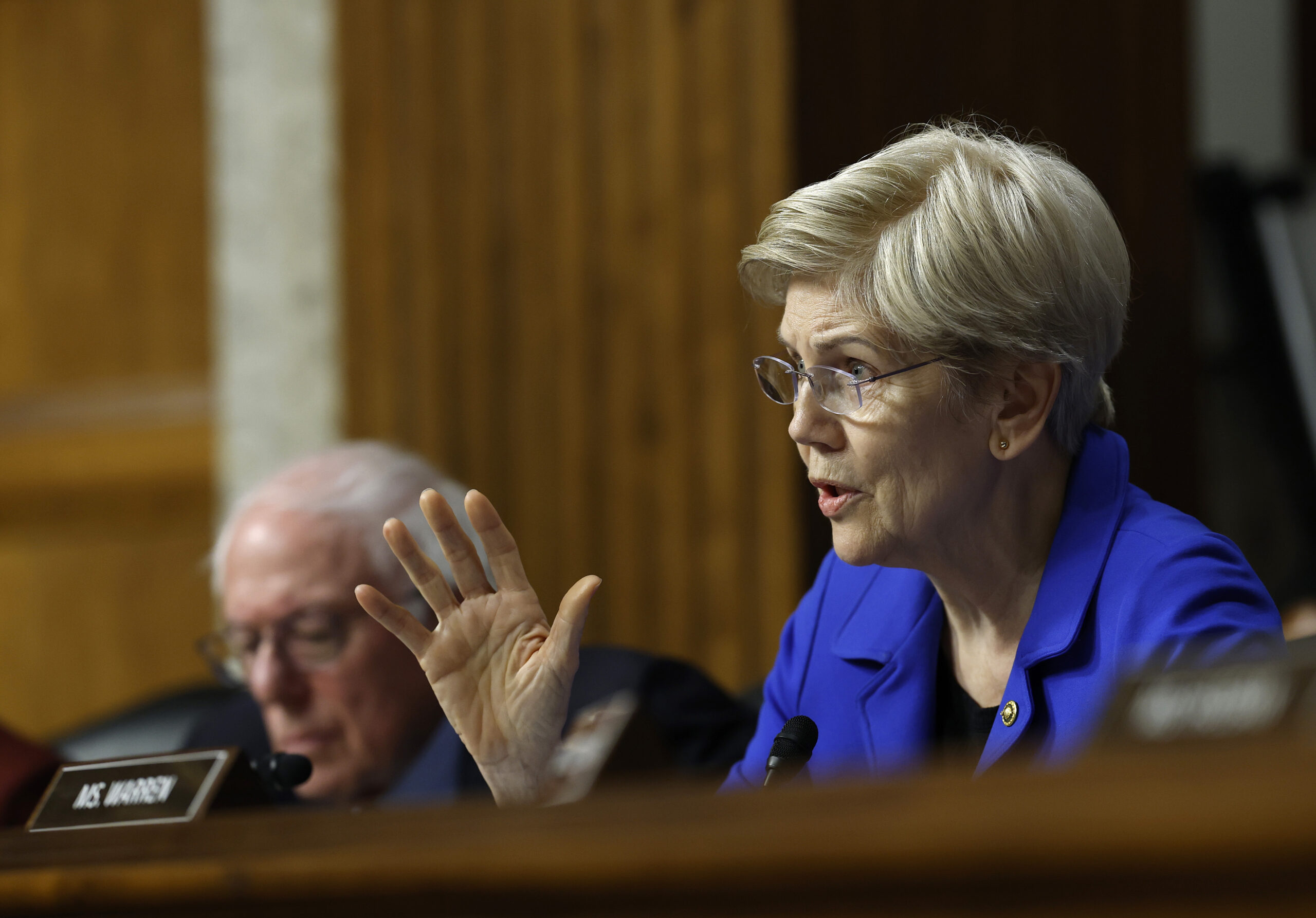
    Senator Elizabeth Warren and other Democratic lawmakers have formally warned of significant antitrust issues concerning a proposed merger between Fox Corporation and streaming technology company Roku. This opposition highlights growing concerns within Congress regarding media consolidation and its potential impact on competition, consumer choice, and the broader digital economy.

    The Proposed Fox-Roku Merger

    The potential merger would combine Fox Corporation’s extensive content library and broadcasting capabilities with Roku’s widely adopted streaming platform. Fox Corporation, a prominent media conglomerate, owns various news, sports, and entertainment properties. Roku, meanwhile, commands a substantial share of the smart TV operating system and streaming device market.

    This integration would create a vertically integrated entity capable of controlling both content creation and its distribution to millions of households. Such a combination raises immediate questions about market power and fair play in the competitive streaming landscape.

    Lawmakers’ Antitrust Concerns

    Senator Elizabeth Warren, a leading voice on antitrust policy, has been particularly vocal in her opposition. She, alongside other Democratic lawmakers, argues that the merger could grant the combined entity undue influence over pricing, content availability, and innovation across the streaming ecosystem. Their primary concern is the potential for the merged company to prioritize its own content and services on the Roku platform, thereby disadvantaging competitors and limiting consumer access to diverse programming.

    The lawmakers’ letter to the Department of Justice (DOJ) outlines several potential harms. These include reduced incentives for innovation among smaller streaming services, increased advertising costs for rival content providers, and a general stifling of market dynamism. They contend that such a merger would further entrench the power of a few large corporations in the media sector, diminishing opportunities for independent creators and broadcasters.

    Impact on Consumers

    Consumers stand to lose in several ways, according to the lawmakers. A less competitive market could result in higher subscription fees for streaming services. It could also lead to fewer choices in content, as the merged entity might favor its own Fox-produced programming. This scenario could force consumers into bundles or subscriptions that do not align with their preferences, ultimately reducing overall value.

    The integration of advertising technology is another area of concern. Roku’s robust advertising platform, combined with Fox’s ad inventory, could create a dominant force in the connected TV advertising market. This could make it more difficult and expensive for other businesses to reach audiences, potentially leading to increased costs passed on to consumers.

    Historical Context of Media Consolidation

    The current debate surrounding the Fox-Roku merger is not an isolated incident. It reflects a long-standing pattern of media consolidation that has reshaped the industry over decades. Major mergers and acquisitions have historically raised antitrust flags, prompting government intervention to protect market competition.

    Past examples include AT&T’s acquisition of Time Warner and Disney’s acquisition of 21st Century Fox assets. Each of these deals underwent intense scrutiny from regulatory bodies. These cases often centered on similar concerns: the potential for reduced competition, increased consumer prices, and diminished content diversity.

    Regulatory Scrutiny and the DOJ

    The Department of Justice is the primary federal agency responsible for enforcing antitrust laws in the United States. Its role involves reviewing proposed mergers and acquisitions to determine if they would substantially lessen competition or create a monopoly. The DOJ can challenge mergers in court or negotiate conditions to mitigate anticompetitive effects.

    Given the high-profile nature of the Fox-Roku proposal and the vocal opposition from lawmakers, the DOJ’s review is expected to be comprehensive and rigorous. The agency will assess market definitions, potential foreclosure effects, and the overall impact on consumer welfare. This review process often involves extensive data analysis, expert testimony, and public comment periods.

    The Role of Senator Warren in Antitrust Policy

    Senator Elizabeth Warren has consistently been a prominent advocate for stronger antitrust enforcement. Her tenure in the Senate has been marked by a focus on curbing corporate power and promoting fair competition across various industries, particularly in technology and media.

    Warren has frequently criticized what she perceives as lax antitrust enforcement in previous administrations. She argues that unchecked mergers have led to an economy dominated by a few powerful players, at the expense of small businesses and consumers. Her involvement in the Fox-Roku case aligns with her broader policy agenda to rein in corporate giants.

    Other Democratic Lawmakers’ Involvement

    Beyond Senator Warren, several other Democratic lawmakers have joined the chorus of opposition. Their collective voice amplifies the pressure on the DOJ to take a firm stance against the merger. These lawmakers often cite constituents’ concerns about rising costs and dwindling choices in their media consumption habits.

    The bipartisan nature of some past antitrust concerns, though less evident in this specific case, underscores the potential for broad political consensus when major market shifts are at stake. However, the current opposition is primarily from the Democratic side of the aisle, reflecting a policy divide on the appropriate level of government intervention in corporate mergers.

    Potential Outcomes of the Antitrust Review

    The DOJ’s review of the Fox-Roku merger could lead to several outcomes. The agency might approve the merger without conditions, finding no substantial threat to competition. Alternatively, it could approve the merger with certain remedies, such as requiring the divestiture of specific assets or imposing behavioral restrictions on the merged entity.

    A more stringent outcome would be a complete challenge to the merger in federal court, arguing that it violates antitrust laws. This would lead to a protracted legal battle, the outcome of which would depend on the evidence presented by both the DOJ and the merging companies. The final decision will set a precedent for future media and technology mergers.

    The Future of Streaming and Media

    The resolution of the Fox-Roku merger saga will have significant implications for the future direction of the streaming industry. If approved, it could signal a new era of vertical integration, where content owners increasingly control their distribution channels. This could accelerate the trend of media companies acquiring or partnering with tech platforms.

    Conversely, if the merger is blocked or significantly altered, it could reinforce the importance of maintaining a diverse and competitive media landscape. Such a decision would empower regulatory bodies to scrutinize large-scale consolidations more closely, potentially fostering an environment where smaller players and independent content creators can thrive.

    The debate surrounding Fox and Roku highlights a critical juncture in the evolution of digital media. Lawmakers warn. Consumers wait. Regulators decide.

    The future of streaming hangs in the balance.

  • World Cup 2026 Final: Halftime Show, Closing Ceremony, & Broadcast Info

    World Cup 2026 Final: Halftime Show, Closing Ceremony, & Broadcast Info

    The World Cup 2026 Final will feature musical artist Post Malone and actor Tom Cruise as confirmed participants in its closing ceremony. Broadcast details for viewing these events in the United States are becoming available through major sports networks such as FOX and Telemundo, alongside their associated streaming platforms. The full lineup and specific performance timings are currently under finalization by event organizers.

    This global sporting event traditionally integrates prominent entertainment. The inclusion of high-profile figures like Post Malone and Tom Cruise underscores the scale of the planned festivities. These elements are designed to engage millions of viewers across the globe.

    Halftime Show: Confirmed Participants and Anticipation

    The halftime show for the World Cup 2026 Final is a highly anticipated segment. Post Malone, recognized for his multi-genre musical style, is confirmed to perform during the closing ceremony.

    Tom Cruise, a globally recognized actor, is also expected to participate in the closing ceremony. His role is anticipated to contribute to the high-profile nature of the production. Specifics regarding the exact capacities of their involvement remain subject to official announcements.

    Large-scale events such as the World Cup often feature a dynamic array of entertainment. This typically includes a mix of musical acts, celebrity appearances, and diverse cultural performances. These elements collectively aim to entertain the global audience during the pause between the two halves of the match.

    Organizers are in the process of finalizing the specific roles for all participants. Details regarding any other potential performers are also being confirmed. The halftime show serves as a crucial bridge in the event, maintaining audience engagement.

    Closing Ceremony: A Tournament Culmination

    Following the conclusion of the final match, the World Cup 2026 will officially end with a dedicated closing ceremony. This ceremony functions as a formal culmination of the tournament. It celebrates the participating teams, individual athletes, and the host nations.

    The closing ceremony is distinct from the halftime show. It generally carries a more formal and symbolic significance. This event often includes the official handover to the next host nation, if applicable. It also serves as a final celebration of football’s global impact and unity.

    Details concerning the performers and presenters for the closing ceremony are beginning to emerge. These elements are being curated to provide a memorable send-off to the tournament. The ceremony offers a reflective moment on weeks of intense competition and international camaraderie.

    The full scope of the closing ceremony’s artistic and ceremonial components is under development. Further announcements from FIFA and event organizers are expected to delineate these plans. The aim is to deliver a culturally rich and emotionally resonant conclusion.

    Broadcast Information for United States Viewers

    For audiences situated in the United States, specific broadcast information for the World Cup 2026 Final, its halftime show, and the closing ceremony is now available. Major sports networks, including FOX and Telemundo, are slated to carry the live events. These channels will provide comprehensive coverage of the entire day’s proceedings.

    This extensive coverage will span from pre-game analysis to post-ceremony commentary. Associated streaming platforms of these networks will also offer live access. This ensures widespread availability across various viewing preferences.

    Viewers are advised to consult local listings for precise channel details. Official World Cup broadcast guides will also provide definitive information. These resources will clarify specific timings and streaming platform access.

    International broadcast arrangements will differ by region. Major global sports broadcasters have secured rights to ensure worldwide access to the event. Digital platforms will play an increasingly significant role in content delivery, offering flexible viewing options.

    The accessibility of the broadcast aims to accommodate the vast global viewership. It seeks to ensure that fans can experience every aspect of the final day’s events. This includes both the sporting competition and the entertainment spectacles.

    The Evolving Narrative of World Cup Entertainment

    The lineup for the World Cup 2026 Final’s entertainment segments continues to evolve. Additional information regarding the full roster of performers is expected to be released incrementally. Specific timings for each performance block will also be announced closer to the event date.

    Official announcements from FIFA and event organizers will provide the most comprehensive updates. These statements will serve as the primary source for all confirmed details. Journalists are actively monitoring these official channels and sources close to the production.

    The final entertainment lineup for such high-profile events is often a closely guarded secret. It is revealed in stages to build anticipation and maintain public interest. This phased disclosure strategy is a common practice in major global productions.

    Media outlets are closely tracking all emerging information. They are preparing to disseminate updates as they become available. The anticipation surrounding these revelations contributes to the overall excitement for the World Cup 2026 Final.

    Technological Advancements in Broadcast

    The World Cup 2026 will leverage advanced broadcasting technologies. High-definition and ultra-high-definition coverage will be standard. This aims to provide viewers with an immersive experience.

    Virtual reality and augmented reality elements may also be integrated. These technologies can enhance the viewer’s engagement, offering new perspectives on the match and ceremonies. The goal is to bring fans closer to the action.

    Streaming platforms will offer features such as multiple camera angles and interactive statistics. These options cater to a modern audience accustomed to personalized viewing. The digital infrastructure supports a global reach.

    Security and Logistics for Star-Studded Events

    Hosting such a large-scale event with high-profile celebrities necessitates extensive security measures. Planning for the safety of performers, athletes, and attendees is paramount. This involves coordination among multiple international and local agencies.

    Logistical challenges are also significant. These include managing complex travel arrangements for performers and their entourages. Technical crews and equipment must be coordinated across multiple venues.

    Rehearsals for both the halftime show and closing ceremony require precise scheduling. These preparations ensure seamless execution on the day of the final. The scale of coordination is immense.

    Economic Impact of World Cup Entertainment

    The inclusion of major celebrities like Post Malone and Tom Cruise has a substantial economic impact. Their involvement can boost tourism and local economies in the host cities. Increased viewership translates to higher advertising revenues for broadcasters.

    Merchandising and related sales also see a surge. The global spotlight on the event attracts significant corporate sponsorship. This influx of capital supports the overall production and infrastructure.

    The long-term economic benefits can extend beyond the tournament itself. Enhanced global visibility can lead to future investments and cultural exchanges. The entertainment component is a key driver of this economic activity.

    Cultural Significance of World Cup Ceremonies

    The World Cup ceremonies are not merely entertainment; they carry significant cultural weight. They offer a platform to showcase the host nations’ heritage and diversity. Performances often blend local traditions with international contemporary acts.

    These ceremonies foster a sense of global unity through shared experience. They highlight the universal appeal of football. The events transcend language barriers, communicating through spectacle and artistry.

    The closing ceremony, in particular, often reflects on the tournament’s journey. It celebrates the human spirit of competition and sportsmanship. It reinforces the idea of football as a global language.

    Historical Context of World Cup Entertainment

    World Cup entertainment has evolved significantly over decades. Early tournaments featured more modest opening and closing events. Over time, these ceremonies grew in scale and spectacle.

    The trend towards incorporating major global artists intensified in recent decades. This reflects a broader strategy to appeal to a wider demographic. The events became more of a global pop culture phenomenon.

    Past performers have included a diverse array of international stars. Each tournament strives to outdo the last in terms of production value and celebrity involvement. The World Cup 2026 continues this tradition.

    Anticipation builds. Preparations continue. The world watches.

    The World Cup 2026 Final.

  • Jon Miller on Media Merger Mayhem: ‘Globalization Is Winning’

    Jon Miller on Media Merger Mayhem: ‘Globalization Is Winning’

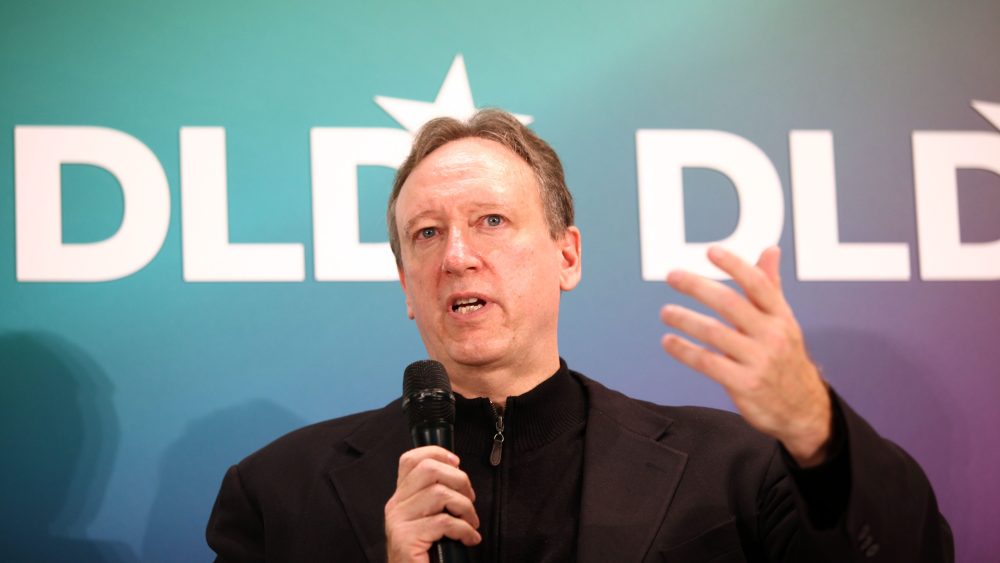
    Industry executive Jon Miller has stated that globalization is a primary driver behind the current wave of media mergers and acquisitions. This observation underscores a fundamental shift in how global entertainment entities like Disney, Fox, Paramount, Skydance, and Warner Bros. operate and strategically align. The pursuit of larger scale and broader international reach often dictates these complex transactions.

    The media landscape is in constant flux. Companies are continually evaluating their positions within a globally interconnected market. This dynamic environment influences content creation, distribution strategies, and financial structures across the industry.

    The Global Imperative for Media Companies

    Globalization is not a new concept, but its impact on the media sector has intensified. Companies now strategize for audiences spanning continents, not just national borders. This necessitates a different approach to content production and market penetration.

    The drive to reach global audiences often means investing in content that transcends cultural specificities. It also involves acquiring companies with established international distribution networks or intellectual property that resonates worldwide. This push for global dominance influences every aspect of media operations.

    Jon Miller’s commentary highlights this overarching trend. He suggests that the competitive pressures of a globalized market compel media giants to seek consolidation. This is a survival mechanism as much as it is a growth strategy in the 2020s.

    Scale and Synergy in a Connected World

    Mergers are frequently justified by the promise of increased scale and operational synergies. For media companies, this can mean pooling resources for expensive productions, combining marketing efforts, or cross-promoting intellectual property across various platforms. A larger entity can theoretically negotiate better deals with advertisers, distributors, and talent.

    Consider the recent history of media mergers. Disney’s acquisition of 21st Century Fox assets in 2019 exemplified a move to consolidate intellectual property and expand streaming capabilities. This transaction brought iconic franchises like X-Men and The Simpsons under the Disney umbrella, significantly bolstering its content library for Disney+ and Hulu.

    Similarly, the Skydance Media’s acquisition of Paramount Global assets in 2025 reflects a desire to create a more robust and competitive media entity. Such moves are often framed as necessary to compete with tech giants and other large-scale content providers that have entered the entertainment space.

    Navigating a Complex Regulatory Environment

    Media mergers face intense scrutiny from regulatory bodies worldwide. Concerns often revolve around market concentration, potential monopolies, and the impact on consumer choice. Antitrust laws are designed to prevent single entities from dominating industries and stifling competition.

    In the United States, the Department of Justice and the Federal Trade Commission review major mergers. European Union regulators also play a significant role, especially when transactions involve companies with substantial European operations. These reviews can delay or even block proposed deals, adding another layer of complexity to the merger process.

    The regulatory landscape itself is globalized. A merger involving a U.S. company acquiring assets from a European firm, for example, would likely require approvals from both jurisdictions. This international coordination is a direct consequence of globalization’s influence on business.

    The Role of Technology in Globalization

    Technological advancements have accelerated globalization in media. The internet and digital distribution platforms have eliminated many geographical barriers to content consumption. Streaming services deliver films and television shows instantaneously to audiences across the globe.

    This technological shift has created new opportunities but also new challenges. Media companies must now compete not only with traditional rivals but also with a vast array of independent creators and international content producers. The demand for localized content that appeals to global tastes has also increased.

    Jon Miller’s perspective suggests that these technological forces are intertwined with the economic pressures driving mergers. Companies merge to gain the technological infrastructure, content libraries, and market access necessary to thrive in this digitally connected world.

    Cultural Defense and Media Consolidation

    The concept of ‘cultural defense’ emerges as a significant concern amid increasing media consolidation driven by globalization. As large, often Western-centric, media conglomerates expand their reach, there are fears of cultural homogenization. Local narratives, languages, and artistic expressions can be marginalized in favor of globally marketable content.

    This concern is particularly salient in countries with smaller media markets or distinct cultural identities. Governments and cultural institutions often implement policies to protect and promote local content. Quotas for local programming on television, subsidies for national film industries, and support for indigenous languages in media are common examples.

    The debate around cultural defense highlights a tension between economic efficiency and cultural preservation. While mergers may offer economic benefits, they can also raise questions about the diversity of voices and perspectives available to global audiences. Jon Miller’s comments indirectly touch upon these broader societal implications.

    The Future of Media Ownership

    The current trajectory suggests a continued trend towards consolidation in the media sector. The need for scale, technological adaptation, and global reach will likely remain paramount. This will lead to further strategic alliances and potential mergers among existing players.

    New entrants, particularly from the technology sector, may also continue to disrupt the traditional media landscape. Companies like Apple and Amazon have already made significant inroads into content production and distribution, adding another layer of competition and potential acquisition targets.

    The long-term impact on content diversity, employment within the industry, and the overall media ecosystem remains a subject of ongoing debate and analysis. The narrative of globalization ‘winning’ implies an unstoppable force reshaping fundamental industry structures.

    Impact on Content Creation and Distribution

    The consolidation of media entities fundamentally alters the landscape for content creators. Larger studios often have greater resources for big-budget productions, but they may also centralize decision-making, potentially leading to fewer diverse projects or a focus on proven, globally appealing formulas.

    Distribution models are also evolving rapidly. The shift from traditional broadcast and cable to direct-to-consumer streaming services has given media giants more direct control over how their content reaches audiences. This also allows for more personalized marketing and data collection, which can be leveraged for future content decisions.

    The competition for subscriber numbers in the streaming wars continues to drive investment in exclusive content. This environment further incentivizes mergers, as companies seek to acquire or produce the most compelling content to attract and retain subscribers globally.

    The Consumer Perspective on Mergers

    For consumers, media mergers present a mixed bag of outcomes. On one hand, consolidation can lead to greater access to a wider variety of content under a single subscription service or platform. Bundling services can also offer cost savings.

    On the other hand, increased market concentration could potentially lead to fewer choices in content, higher subscription prices if competition diminishes, or a homogenization of cultural narratives. The ability to access niche content or independent productions might also be affected.

    The ongoing dialogue around net neutrality and open internet access also plays a role. If a few large companies control most of the content and distribution channels, there are concerns about their ability to prioritize their own content or limit access to competitors’ offerings.

    The Inevitability of Global Integration

    Jon Miller’s assertion that ‘globalization is winning’ suggests an inevitable trajectory for the media industry. This perspective implies that resisting the forces of global integration is increasingly difficult for individual companies or even national markets.

    The interconnectedness of financial markets, technological infrastructure, and consumer preferences creates a powerful momentum. Companies that fail to adapt to this globalized reality risk being left behind or absorbed by larger, more internationally focused entities.

    This ‘winning’ narrative positions globalization not merely as an economic trend but as a transformative force. It reshapes not only business models but also cultural production and consumption patterns on a worldwide scale.

    Investors watch carefully. Executives strategize constantly. Audiences consume daily. Regulators review diligently. Globalization continues.

  • State Department Issues Worldwide Caution Amid Rising Middle East Tensions

    State Department Issues Worldwide Caution Amid Rising Middle East Tensions

    The United States State Department issued a worldwide caution alert on 2026-07-18, advising U.S. citizens traveling or residing abroad to exercise increased vigilance. This advisory stems from escalating tensions in the Middle East, prompting a broad recommendation for enhanced situational awareness.

    Such alerts are standard protocols. They serve to inform and protect American citizens in an unpredictable global environment. The current caution reflects a perceived elevation of risk across various regions.

    Understanding Worldwide Caution Alerts

    A worldwide caution alert is a comprehensive travel advisory. It is issued by the U.S. Department of State. Its purpose is to inform U.S. citizens about global events or trends that could affect their safety and security abroad.

    These alerts differ from country-specific travel advisories. While country-specific advisories focus on particular nations or regions, a worldwide caution indicates a more generalized, elevated threat landscape.

    The State Department regularly assesses global security conditions. This assessment includes geopolitical developments, potential for civil unrest, and specific threats from various actors. The current alert is a direct outcome of these ongoing evaluations.

    What Triggers a Worldwide Caution?

    Worldwide cautions are typically triggered by significant geopolitical shifts. They can also be prompted by broad patterns of extremist activity or large-scale humanitarian crises. The current situation in the Middle East is cited as the primary driver.

    Escalations in regional conflicts, increases in terrorist threats, or widespread demonstrations can all contribute to such an issuance. The goal is to provide a proactive warning to American travelers and residents.

    These alerts are not meant to deter all international travel. Instead, they encourage informed decision-making and heightened personal security measures. They are a tool for risk mitigation.

    The Current Middle East Landscape

    Tensions in the Middle East have been a consistent feature of international relations. Recent developments have led to a re-evaluation of the risk profile for U.S. citizens in the region and globally.

    Specific incidents are not detailed in the general alert. However, the cumulative effect of various ongoing situations contributes to the overall assessment of increased risk. This includes political instability, potential for conflict expansion, and extremist group activities.

    Regional dynamics involve multiple state and non-state actors. The interactions among these entities can quickly escalate. This creates an environment of uncertainty that necessitates caution.

    Implications for Travel and Residency

    For U.S. citizens abroad, the worldwide caution means a need for increased vigilance. This includes being aware of surroundings, avoiding large gatherings, and monitoring local news.

    The State Department advises enrolling in the Smart Traveler Enrollment Program (STEP). This free service allows U.S. citizens to receive important information from the Embassy or Consulate about safety conditions in their destination country.

    STEP also makes it easier for the U.S. Embassy or Consulate to contact citizens in an emergency. This can include natural disasters, civil unrest, or family emergencies.

    Previous Worldwide Caution Alerts

    Worldwide caution alerts are not unprecedented. The U.S. State Department has issued similar advisories in response to various global events throughout history.

    For instance, significant alerts were issued following major terrorist attacks or during periods of widespread geopolitical instability. Each alert is tailored to the specific circumstances of the time.

    Reviewing past alerts reveals a pattern of responsiveness. The State Department aims to keep its citizens informed of evolving threats. This historical context underscores the gravity of the current advisory.

    Historical Context of U.S. Travel Advisories

    The system of travel advisories has evolved over decades. It began with simpler warnings and has grown into a multi-tiered system. This system includes four levels of advisories, from ‘Exercise Normal Precautions’ to ‘Do Not Travel.’

    Worldwide cautions fit into this framework as a special type of alert. They signal a broad, rather than localized, concern. This distinguishes them from country-specific warnings.

    The modern system prioritizes clarity and actionable advice. It provides granular information whenever possible. This helps travelers and residents make informed decisions about their safety.

    Official Guidance and Resources

    The State Department’s official website is the primary source for current travel advisories. It provides detailed information and updates for every country. U.S. citizens are encouraged to consult this resource regularly.

    Travelers should also review the country-specific travel advisories for their planned destinations. These may contain more specific guidance relevant to their exact location.

    Consular services remain available for U.S. citizens in need. Embassies and consulates provide assistance with emergencies, passport services, and general welfare inquiries.

    Personal Security Planning

    Developing a personal security plan is crucial in response to such alerts. This involves identifying safe areas, understanding local emergency procedures, and maintaining communication with family and friends.

    Travelers should also keep copies of important documents. These include passports, visas, and identification. Digital copies stored securely are also recommended.

    Maintaining a low profile and avoiding predictable routines can also enhance personal safety. These are general recommendations applicable in any elevated risk environment.

    The Role of National Security

    The issuance of a worldwide caution alert highlights the broader concerns of national security. The safety of U.S. citizens abroad is a paramount concern for the government.

    These advisories are part of a larger strategy. This strategy involves intelligence gathering, diplomatic efforts, and, when necessary, security operations. The goal is to protect American interests and lives globally.

    The alert also serves as a signal to other government agencies. It prompts them to review their own protocols and preparedness. This ensures a coordinated response to global threats.

    Government Response to Global Tensions

    President Donald Trump’s administration continually monitors international developments. The State Department, under its current leadership, is responsible for issuing these public advisories.

    The Vice President, JD Vance, also plays a role in national security discussions. These discussions inform the decisions made regarding travel advisories and broader foreign policy.

    Diplomatic efforts are ongoing to de-escalate tensions in the Middle East. These efforts involve engaging with regional partners and international organizations. The aim is to find peaceful resolutions to conflicts.

    Public and Media Reaction

    News of a worldwide caution alert typically generates significant media attention. Outlets like Fox News amplify these advisories, reaching a broad audience.

    The public reaction often involves heightened concern and discussions about national security. Social media platforms become forums for sharing information and personal perspectives.

    Such alerts often prompt individuals to re-evaluate travel plans. They also encourage greater awareness of global events. The impact extends beyond those directly affected by international travel.

    Disinformation and Misinformation

    In times of heightened tension, the spread of disinformation and misinformation can increase. It is crucial for citizens to rely on official sources for accurate information.

    The State Department’s website and official social media channels are reliable. These platforms provide verified updates and guidance. Misinformation can create unnecessary panic or lead to unsafe decisions.

    Citizens are advised to cross-reference information from multiple credible sources. This practice helps to filter out inaccurate or misleading content.

    Looking Ahead

    The worldwide caution alert will remain in effect until rescinded or updated. The State Department will continue to monitor the global security environment closely.

    Updates will be provided as circumstances evolve. U.S. citizens abroad should regularly check official channels for the latest information.

    The focus remains on ensuring the safety and security of American citizens. This is a constant priority in a complex and interconnected world.

    Governments conferred. Diplomats dialogued. Citizens cautioned.

    Vigilance.

  • The ‘New Girl’ Cast’s Battle for Lamorne Morris – Zooey Deschanel Recalls the Fight

    The ‘New Girl’ Cast’s Battle for Lamorne Morris – Zooey Deschanel Recalls the Fight

    The Fight for Winston Bishop

    The cast of the popular Fox comedy ‘New Girl’ actively fought to ensure Lamorne Morris, who portrayed Winston Bishop, remained a central character. Actress Zooey Deschanel, known for her role as Jessica Day, recently disclosed the behind-the-scenes efforts made by the ensemble to solidify Morris’s place on the show. This advocacy proved crucial in shaping the series’ long-term character dynamics and comedic tone.

    Morris joined the series after the pilot episode, replacing Damon Wayans Jr.’s character, Coach. His integration into the main cast was not instantaneous, requiring support from his fellow actors to secure his continued presence. This collective effort highlights the internal dynamics of television production and the influence cast members can sometimes wield.

    The Pilot’s Initial Lineup

    When ‘New Girl’ first aired in 2011, the pilot episode featured a different core group. The initial premise revolved around Jessica Day moving into a loft with three male roommates: Nick Miller (Jake Johnson), Schmidt (Max Greenfield), and Coach (Damon Wayans Jr.). This original configuration set the stage for the series’ comedic situations.

    Damon Wayans Jr. had a prior commitment to the ABC series ‘Happy Endings.’ This scheduling conflict meant that despite his appearance in the ‘New Girl’ pilot, he was unable to continue with the show as a regular cast member. This departure created an opening that would eventually be filled by Lamorne Morris.

    Lamorne Morris Enters the Loft

    Lamorne Morris stepped into the role of Winston Bishop, joining the cast in the second episode of the first season. His character was introduced as a childhood friend of Nick and Schmidt, returning to the loft after a basketball career in Latvia. This storyline provided a seamless way to integrate a new dynamic into the existing ensemble.

    Winston’s character evolved significantly over the show’s run. Initially portrayed as a more grounded figure, he gradually developed into one of the series’ most eccentric and beloved personalities. His quirky behaviors, love for his cat Furguson, and unique friendship with Cece Parekh (Hannah Simone) became hallmarks of the show.

    The Cast’s Advocacy for Morris

    Zooey Deschanel’s recent comments shed light on the specific period when Morris’s future on the show was uncertain. She indicated that the entire cast recognized Morris’s comedic talent and the value he brought to the ensemble. Their collective decision to advocate for him underscored their belief in his character’s potential and his chemistry with the other actors.

    This advocacy involved direct conversations with the show’s producers and network executives at Fox. The cast members emphasized Morris’s contributions to the show’s humor and his ability to integrate seamlessly into the established group. Their unified front played a critical role in ensuring Morris’s character would not be phased out.

    The Evolution of Winston Bishop

    Winston Bishop’s character arc became one of the most memorable aspects of ‘New Girl.’ His journey from a professional basketball player to an unconventional police officer provided numerous comedic opportunities. His storylines often explored themes of self-discovery, friendship, and finding one’s true calling.

    Morris’s portrayal of Winston allowed for a gradual unfolding of the character’s unique personality. His deadpan delivery, elaborate pranks, and often bizarre but endearing behaviors resonated strongly with the audience. This character development was a direct result of the creative freedom afforded to Morris and the writers, supported by the cast’s initial efforts.

    Impact on ‘New Girl’s’ Legacy

    ‘New Girl’ ran for seven seasons, from 2011 to 2018, totaling 146 episodes. Lamorne Morris appeared in every episode from his introduction onwards. His sustained presence was integral to the show’s success and its enduring appeal.

    The ensemble cast, including Deschanel, Johnson, Greenfield, Morris, and Simone, became synonymous with the show’s quirky humor and heartfelt moments. The chemistry among the actors was a significant factor in the series’ popularity, and Morris’s inclusion was vital to that dynamic. The behind-the-scenes fight for his role illustrates the collaborative nature of successful television production.

    The Broader Context of Cast Dynamics

    Stories of cast members advocating for their colleagues are not uncommon in television history. These situations often arise when a new actor joins a series or when a character’s future is in question due to network decisions or creative changes. A united cast can often sway these outcomes, particularly on established and popular shows.

    Such interventions highlight the importance of cast chemistry and the personal relationships forged on set. When actors genuinely believe in each other’s contributions, it can translate into a more cohesive and successful show. The ‘New Girl’ cast’s support for Lamorne Morris stands as an example of this dynamic in action.

    Zooey Deschanel’s Continued Reflections

    Zooey Deschanel has frequently reflected on her time on ‘New Girl’ since the series concluded. Her recent comments about Lamorne Morris’s situation provide new insight into the production process. Deschanel often speaks fondly of her castmates and the camaraderie they shared, both on and off screen.

    These reflections contribute to the ongoing legacy of ‘New Girl,’ offering fans a deeper understanding of the show’s creation. They also reinforce the idea that successful television is often a product of strong collaborative efforts and mutual support among its creative team and performers.

    The Enduring Appeal of ‘New Girl’

    ‘New Girl’ continues to be a popular series on streaming platforms, attracting new viewers and retaining its original fanbase. The show’s blend of humor, romance, and relatable character struggles has given it lasting appeal. The core relationships between the loftmates remain a central draw.

    The story of the cast’s fight for Lamorne Morris adds another layer to the show’s narrative, showcasing the dedication and loyalty within the group. It underscores how individual talents, supported by a collective belief, can significantly impact a project’s trajectory.

    Actors gathered. Writers gathered. Producers gathered. Network executives gathered. Fans gathered. Winston Bishop gathered.

    Television.