Tag: Corporate Power

  • Elizabeth Warren and Lawmakers Warn of Fox-Roku Antitrust Issues

    Elizabeth Warren and Lawmakers Warn of Fox-Roku Antitrust Issues

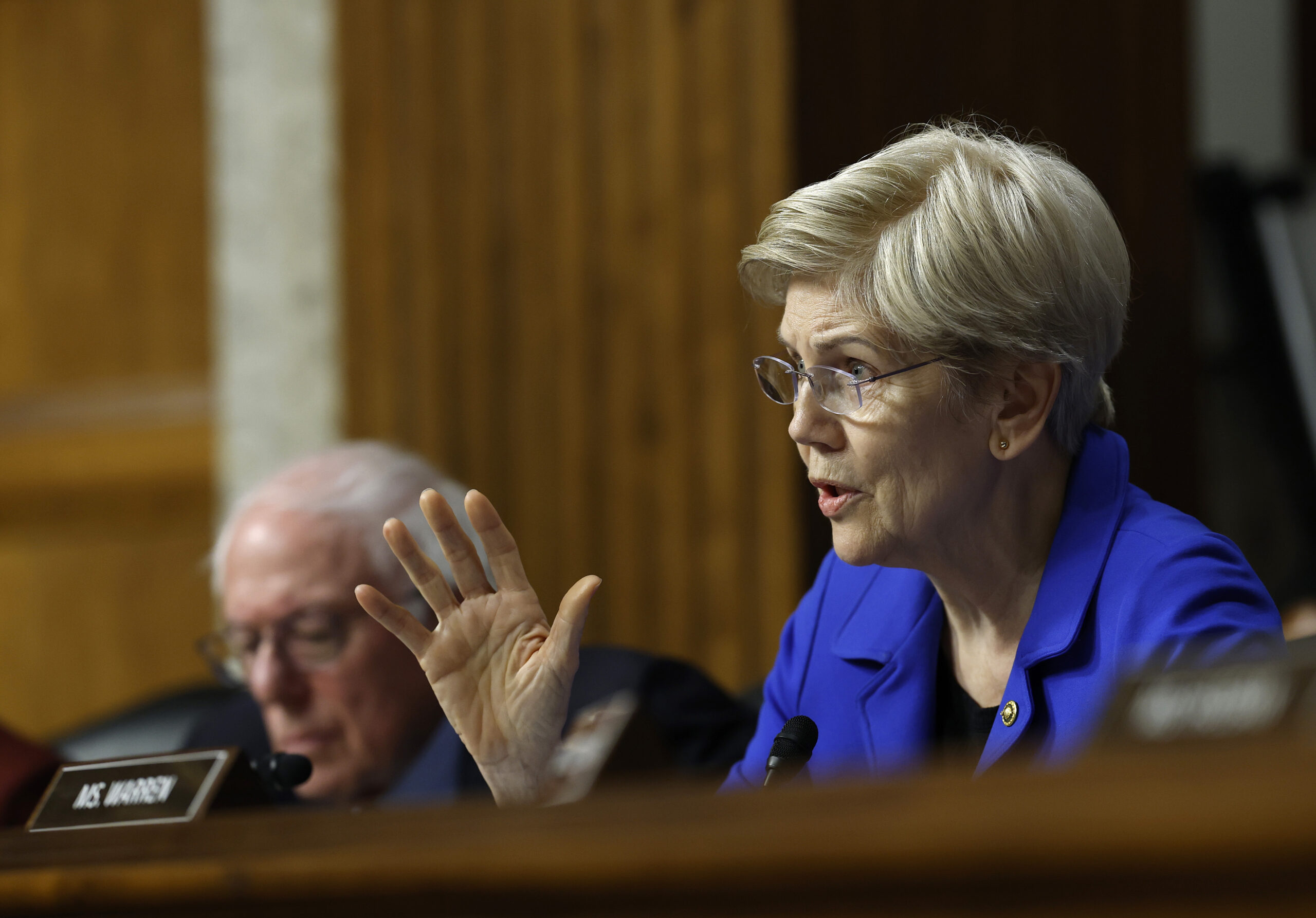
    Senator Elizabeth Warren and other Democratic lawmakers have formally warned of significant antitrust issues concerning a proposed merger between Fox Corporation and streaming technology company Roku. This opposition highlights growing concerns within Congress regarding media consolidation and its potential impact on competition, consumer choice, and the broader digital economy.

    The Proposed Fox-Roku Merger

    The potential merger would combine Fox Corporation’s extensive content library and broadcasting capabilities with Roku’s widely adopted streaming platform. Fox Corporation, a prominent media conglomerate, owns various news, sports, and entertainment properties. Roku, meanwhile, commands a substantial share of the smart TV operating system and streaming device market.

    This integration would create a vertically integrated entity capable of controlling both content creation and its distribution to millions of households. Such a combination raises immediate questions about market power and fair play in the competitive streaming landscape.

    Lawmakers’ Antitrust Concerns

    Senator Elizabeth Warren, a leading voice on antitrust policy, has been particularly vocal in her opposition. She, alongside other Democratic lawmakers, argues that the merger could grant the combined entity undue influence over pricing, content availability, and innovation across the streaming ecosystem. Their primary concern is the potential for the merged company to prioritize its own content and services on the Roku platform, thereby disadvantaging competitors and limiting consumer access to diverse programming.

    The lawmakers’ letter to the Department of Justice (DOJ) outlines several potential harms. These include reduced incentives for innovation among smaller streaming services, increased advertising costs for rival content providers, and a general stifling of market dynamism. They contend that such a merger would further entrench the power of a few large corporations in the media sector, diminishing opportunities for independent creators and broadcasters.

    Impact on Consumers

    Consumers stand to lose in several ways, according to the lawmakers. A less competitive market could result in higher subscription fees for streaming services. It could also lead to fewer choices in content, as the merged entity might favor its own Fox-produced programming. This scenario could force consumers into bundles or subscriptions that do not align with their preferences, ultimately reducing overall value.

    The integration of advertising technology is another area of concern. Roku’s robust advertising platform, combined with Fox’s ad inventory, could create a dominant force in the connected TV advertising market. This could make it more difficult and expensive for other businesses to reach audiences, potentially leading to increased costs passed on to consumers.

    Historical Context of Media Consolidation

    The current debate surrounding the Fox-Roku merger is not an isolated incident. It reflects a long-standing pattern of media consolidation that has reshaped the industry over decades. Major mergers and acquisitions have historically raised antitrust flags, prompting government intervention to protect market competition.

    Past examples include AT&T’s acquisition of Time Warner and Disney’s acquisition of 21st Century Fox assets. Each of these deals underwent intense scrutiny from regulatory bodies. These cases often centered on similar concerns: the potential for reduced competition, increased consumer prices, and diminished content diversity.

    Regulatory Scrutiny and the DOJ

    The Department of Justice is the primary federal agency responsible for enforcing antitrust laws in the United States. Its role involves reviewing proposed mergers and acquisitions to determine if they would substantially lessen competition or create a monopoly. The DOJ can challenge mergers in court or negotiate conditions to mitigate anticompetitive effects.

    Given the high-profile nature of the Fox-Roku proposal and the vocal opposition from lawmakers, the DOJ’s review is expected to be comprehensive and rigorous. The agency will assess market definitions, potential foreclosure effects, and the overall impact on consumer welfare. This review process often involves extensive data analysis, expert testimony, and public comment periods.

    The Role of Senator Warren in Antitrust Policy

    Senator Elizabeth Warren has consistently been a prominent advocate for stronger antitrust enforcement. Her tenure in the Senate has been marked by a focus on curbing corporate power and promoting fair competition across various industries, particularly in technology and media.

    Warren has frequently criticized what she perceives as lax antitrust enforcement in previous administrations. She argues that unchecked mergers have led to an economy dominated by a few powerful players, at the expense of small businesses and consumers. Her involvement in the Fox-Roku case aligns with her broader policy agenda to rein in corporate giants.

    Other Democratic Lawmakers’ Involvement

    Beyond Senator Warren, several other Democratic lawmakers have joined the chorus of opposition. Their collective voice amplifies the pressure on the DOJ to take a firm stance against the merger. These lawmakers often cite constituents’ concerns about rising costs and dwindling choices in their media consumption habits.

    The bipartisan nature of some past antitrust concerns, though less evident in this specific case, underscores the potential for broad political consensus when major market shifts are at stake. However, the current opposition is primarily from the Democratic side of the aisle, reflecting a policy divide on the appropriate level of government intervention in corporate mergers.

    Potential Outcomes of the Antitrust Review

    The DOJ’s review of the Fox-Roku merger could lead to several outcomes. The agency might approve the merger without conditions, finding no substantial threat to competition. Alternatively, it could approve the merger with certain remedies, such as requiring the divestiture of specific assets or imposing behavioral restrictions on the merged entity.

    A more stringent outcome would be a complete challenge to the merger in federal court, arguing that it violates antitrust laws. This would lead to a protracted legal battle, the outcome of which would depend on the evidence presented by both the DOJ and the merging companies. The final decision will set a precedent for future media and technology mergers.

    The Future of Streaming and Media

    The resolution of the Fox-Roku merger saga will have significant implications for the future direction of the streaming industry. If approved, it could signal a new era of vertical integration, where content owners increasingly control their distribution channels. This could accelerate the trend of media companies acquiring or partnering with tech platforms.

    Conversely, if the merger is blocked or significantly altered, it could reinforce the importance of maintaining a diverse and competitive media landscape. Such a decision would empower regulatory bodies to scrutinize large-scale consolidations more closely, potentially fostering an environment where smaller players and independent content creators can thrive.

    The debate surrounding Fox and Roku highlights a critical juncture in the evolution of digital media. Lawmakers warn. Consumers wait. Regulators decide.

    The future of streaming hangs in the balance.
  • Live Nation CEO’s Trump Talks Preceded Antitrust Settlement

    Live Nation CEO’s Trump Talks Preceded Antitrust Settlement

    Live Nation Entertainment CEO Michael Rapino engaged in direct discussions with former President Donald Trump shortly before a major antitrust trial involving the entertainment giant concluded with a settlement. This revelation has drawn significant attention, prompting inquiries into the intersection of corporate leadership, political influence, and judicial processes. The timing of these communications, preceding a pivotal legal resolution, has fueled speculation regarding potential external factors influencing the trial’s outcome. The settlement itself had broad implications for the live entertainment industry, affecting everything from ticket pricing to venue control. The disclosure of these high-level talks adds a new layer to the public understanding of how such substantial cases are resolved.

    The antitrust action had been a significant point of contention for months. It targeted Live Nation’s practices within the live events sector. Critics and competitors alleged monopolistic behavior.

    The Antitrust Challenge Against Live Nation

    The United States Department of Justice (DOJ) initiated the antitrust proceedings against Live Nation Entertainment. The lawsuit focused on the company’s alleged dominance in concert promotion and ticketing. Specifically, the DOJ investigated Live Nation’s acquisition of Ticketmaster in 2010. This merger created a vertically integrated entity controlling a vast portion of the live music market.

    Concerns centered on Live Nation’s ability to leverage its market power. This included allegations of tying arrangements, where venues were pressured to use Ticketmaster for ticketing services in exchange for booking Live Nation artists. Other claims involved exclusionary tactics designed to limit competition from smaller promoters and ticketing companies. The DOJ argued these practices harmed consumers through higher ticket prices and fewer choices.

    The legal battle unfolded over several months in federal court. Both sides presented extensive arguments and evidence. Industry observers closely watched the proceedings. The outcome was expected to reshape the landscape of live entertainment. Artists, venues, and fans all had vested interests in the trial’s conclusion.

    Allegations of Market Dominance

    Live Nation’s position as the world’s largest concert promoter and ticketing company was central to the DOJ’s case. The company promotes over 40,000 shows annually across more than 40 countries. Ticketmaster, its subsidiary, processes hundreds of millions of tickets each year. This scale raised alarms about potential anti-competitive behavior.

    The DOJ detailed instances where Live Nation allegedly threatened to withhold tours from venues that did not use Ticketmaster. These tactics were said to stifle nascent competition. Smaller ticketing platforms struggled to gain market share. Independent promoters faced significant hurdles in securing major artists. The allegations painted a picture of a market heavily controlled by a single dominant player.

    Consumer advocacy groups also voiced strong opposition to Live Nation’s practices. They cited high service fees and limited options for ticket purchases. The antitrust trial was seen by many as a crucial opportunity to address these long-standing grievances. The potential for a court-mandated breakup or significant structural changes loomed over the company.

    The Settlement Agreement Emerges

    News of a settlement broke unexpectedly. It brought an abrupt end to the high-stakes trial. Details of the agreement were initially sparse. The terms were expected to include concessions from Live Nation. These concessions would aim to address the anti-competitive concerns raised by the DOJ.

    The settlement prevented a full judicial ruling. It also avoided the potential for a lengthy appeals process. Both Live Nation and the DOJ likely saw benefits in reaching an agreement outside of a definitive court judgment. For Live Nation, it meant avoiding a potentially damaging verdict. For the DOJ, it secured immediate changes without further litigation risks.

    The specifics of the settlement were later disclosed. They included provisions for increased transparency in ticketing fees. Live Nation also agreed to certain limitations on its venue contracts. These measures were intended to foster greater competition in the market. However, some critics argued the settlement did not go far enough to dismantle Live Nation’s market power.

    Terms of the Agreement

    The settlement agreement mandated several changes to Live Nation’s business practices. One key provision required Live Nation to offer more flexible terms to venues. This aimed to reduce the pressure on venues to exclusively use Ticketmaster. Another aspect focused on enhancing ticket price transparency. Consumers would see a clearer breakdown of fees at the point of purchase.

    Live Nation also committed to investing in technology that would improve the ticketing experience. This included efforts to combat ticket bots and secondary market exploitation. The company agreed to periodic reviews by an independent monitor. This monitor would ensure compliance with the settlement terms over a specified period. The duration of this oversight was set at five years, concluding in 2031.

    Despite these concessions, the core structure of Live Nation Entertainment remained intact. The merger with Ticketmaster was not undone. This outcome disappointed some who had advocated for a complete divestiture. They argued that without a full separation, Live Nation would retain significant leverage. The debate over the effectiveness of the settlement continued in industry circles.

    Rapino’s Communication with Trump

    The most striking revelation came with the disclosure of direct communication between Live Nation CEO Michael Rapino and former President Donald Trump. These discussions took place in the weeks leading up to the antitrust settlement. The exact nature and content of these conversations remain undisclosed. However, the timing alone raised immediate questions.

    Rapino’s engagement with a former President during an active antitrust case against his company is highly unusual. It prompted scrutiny from legal experts and political commentators alike. The former President, known for his direct involvement in business and political matters, has a history of engaging with prominent corporate leaders. This interaction adds to that pattern.

    The disclosure came through a regulatory filing. Live Nation was required to report certain interactions related to the antitrust case. This transparency measure, however, did not fully clarify the purpose or impact of the discussions. The public and media were left to speculate on the implications of such high-level contact before a pivotal legal decision.

    Questions of Influence and Timing

    The timing of the communication is a critical element. It occurred when the antitrust trial was in its final stages. A settlement was reached shortly thereafter. This sequence of events suggested a potential link between the discussions and the resolution. Critics argued that such contact could create an appearance of impropriety, if not actual influence.

    Legal scholars debated the ethical implications. They questioned whether such communications could undermine public confidence in the judicial system. Antitrust enforcement is meant to be an impartial process. It aims to ensure fair competition. Any suggestion of political interference in a major antitrust case is viewed with serious concern.

    Live Nation and representatives for Trump offered limited comments. They characterized the discussions as routine. They maintained that no undue influence occurred. However, these assurances did little to quell the rising tide of speculation. The incident highlighted the complex interplay between corporate power, political networks, and legal outcomes in the United States.

    Broader Implications for Corporate Antitrust

    The Live Nation case and the subsequent disclosure have broader implications for corporate antitrust enforcement. It underscores the challenges faced by regulators in maintaining an even playing field. Major corporations often possess significant resources. These resources can include access to powerful political figures.

    The incident could encourage greater scrutiny of communications between corporate executives and political leaders. Especially during ongoing legal battles. It might lead to calls for stricter disclosure requirements. Such requirements would aim to prevent even the appearance of impropriety. Transparency in such interactions is crucial for public trust.

    Furthermore, the case re-ignited debates about the effectiveness of antitrust settlements. Some argue that settlements often favor large corporations. They allow companies to avoid harsher penalties that a full trial might impose. The Live Nation settlement, despite its provisions, did not fundamentally alter the company’s market structure. This outcome fuels the argument for more aggressive antitrust enforcement.

    Public Trust and Regulatory Oversight

    Public trust in regulatory bodies and the justice system is paramount. Incidents like the Rapino-Trump communication can erode that trust. When major corporate legal battles appear to intersect with political maneuvering, it raises doubts about fairness. This perception can have lasting consequences for the legitimacy of enforcement actions.

    Regulators face increasing pressure to demonstrate independence. They must show that their decisions are based solely on legal and economic principles. The Live Nation case serves as a stark reminder of this challenge. It highlights the need for robust oversight mechanisms. These mechanisms must safeguard the integrity of antitrust processes.

    The event also sparked discussions within the music industry. Artists, managers, and independent promoters continued to voice concerns about Live Nation’s market power. They wondered if the settlement truly addressed the systemic issues. The disclosure of the high-level talks only intensified these concerns. It suggested that power dynamics extended beyond the courtroom.

    The Future of Live Entertainment and Regulation

    The Live Nation antitrust settlement, coupled with the Rapino-Trump disclosure, sets a precedent. It influences future discussions on corporate power and regulation. The live entertainment industry continues to evolve. Digital platforms and new technologies emerge. The role of dominant players like Live Nation will remain a subject of intense debate.

    Regulators will likely face continued pressure. They must monitor the implementation of the settlement terms. Any breaches could lead to further legal action. The public, now more aware of potential political connections, will watch closely. The need for vigilance in antitrust enforcement has been underscored.

    The incident also provides a case study for future corporate leaders. It demonstrates the potential risks and scrutiny associated with high-level political engagement. Especially when a company is embroiled in significant legal challenges. Transparency and ethical conduct remain critical considerations for maintaining public and stakeholder confidence.

    Politicians considered the implications. Industry analysts weighed the impact. Consumers expressed their concerns. Regulators maintained their watchful stance. The debate continued.

    Live Nation.