Tag: Consolidation

  • David Ellison Responds to Paramount-Warner Bros. Merger Delay Amid Lawsuits

    David Ellison Responds to Paramount-Warner Bros. Merger Delay Amid Lawsuits

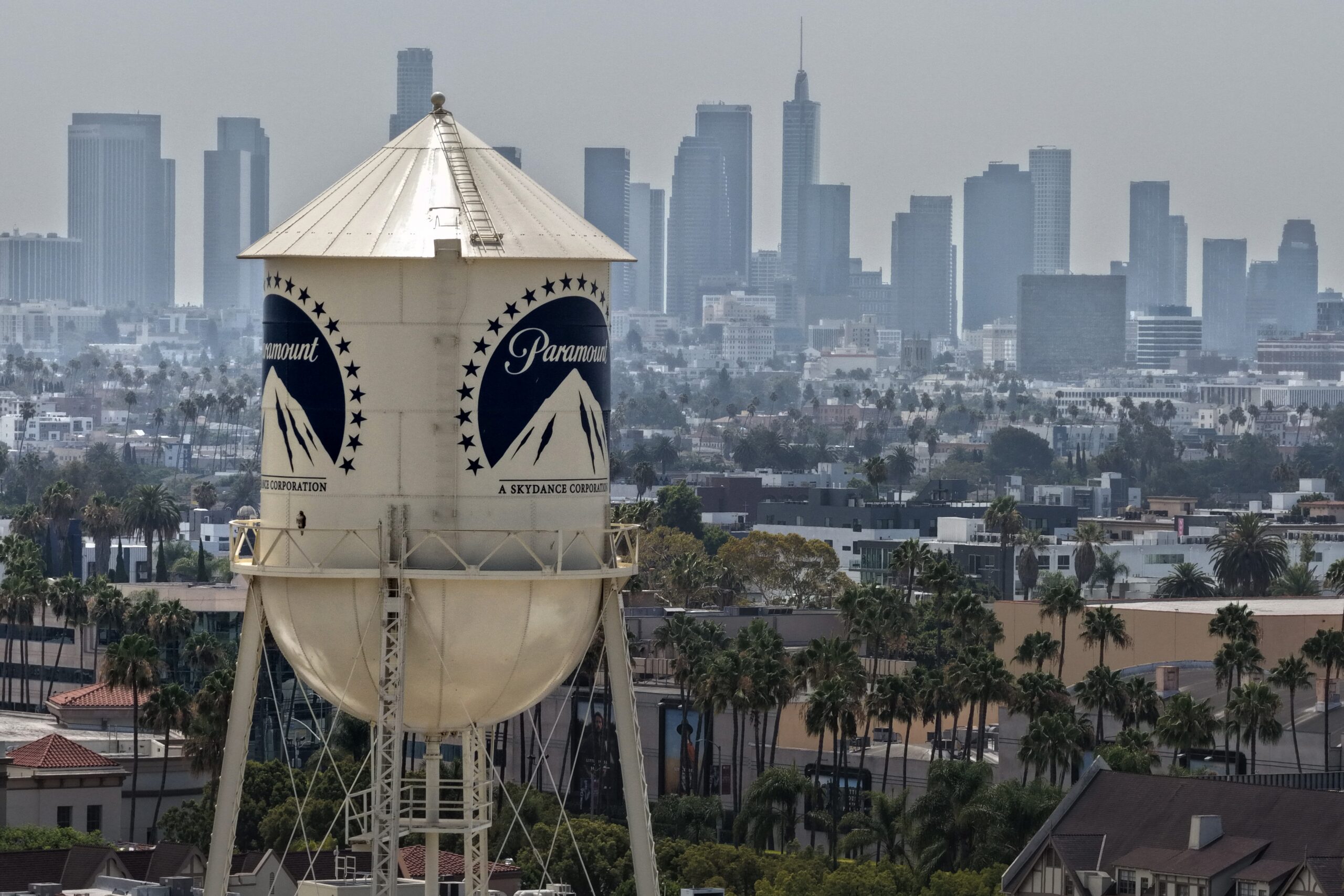
    Skydance Media CEO David Ellison has communicated directly with employees regarding the ongoing delay in the proposed merger between Paramount Global and Warner Bros. Discovery. The delay is a direct consequence of antitrust lawsuits initiated by multiple state attorneys general. Ellison’s internal memo, distributed in late July 2026, conveyed a message of resolve, asserting that ‘The facts and the law are on our side.’ This statement underscores the company’s belief in the legality and justification of the complex corporate consolidation.

    The Proposed Media Megamerger

    The merger between Paramount Global and Warner Bros. Discovery represents a significant consolidation within the global entertainment landscape. Paramount Global, a company with a rich history in film and television, owns properties such as Paramount Pictures, CBS, MTV, Comedy Central, BET, and the Showtime network. Its streaming service, Paramount+, has been a key player in the competitive market. Warner Bros. Discovery, formed from the 2022 merger of WarnerMedia and Discovery, Inc., controls Warner Bros. Entertainment, HBO, CNN, TNT, TBS, and the Max streaming service. The combined entity would create a media giant with an expansive portfolio of intellectual property, production capabilities, and distribution channels.

    The strategic rationale behind such a merger often includes achieving economies of scale. Companies aim to reduce overhead costs, consolidate content libraries, and enhance their competitive position against other large media conglomerates like Disney and Netflix. The drive for increased subscriber numbers in the streaming wars also plays a crucial role. A combined entity would boast an even larger content catalog, potentially attracting and retaining more subscribers globally.

    David Ellison’s Skydance Media has been a central figure in orchestrating this potential deal. Skydance, known for producing major film franchises like Mission: Impossible and Top Gun, has sought to acquire National Amusements, the holding company that controls Paramount Global. This acquisition would effectively give Skydance control over Paramount Global, paving the way for the subsequent merger with Warner Bros. Discovery. The transaction structure has been intricate, involving multiple stakeholders and complex financial arrangements.

    Antitrust Scrutiny and State AG Lawsuits

    The primary hurdle for the Paramount-Warner Bros. Discovery merger has been regulatory approval, particularly concerning antitrust implications. Antitrust laws are designed to prevent monopolies and ensure fair competition in the marketplace. When large corporations propose to merge, regulatory bodies, such as the Department of Justice (DOJ) and the Federal Trade Commission (FTC) in the United States, review the potential impact on consumers, competitors, and the overall industry structure.

    In this instance, the opposition has emerged from state attorneys general. A coalition of state antitrust enforcers filed lawsuits challenging the proposed merger. These lawsuits typically argue that the consolidation would lead to reduced competition in various sectors of the entertainment industry. Concerns might include fewer choices for consumers, higher prices for streaming services, diminished opportunities for content creators, and reduced bargaining power for distributors.

    The specific states involved in the lawsuits have not been fully disclosed, but such actions often involve states where the companies have significant operations or where consumer advocacy groups have raised concerns. The legal arguments presented by the state attorneys general likely focus on market concentration in areas such as film production, television broadcasting, cable programming, and direct-to-consumer streaming services. They seek to demonstrate that the combined market power of Paramount Global and Warner Bros. Discovery would create an unfair competitive advantage, potentially harming the public interest.

    Previous Merger Challenges in Media

    The media industry has a history of facing significant antitrust challenges. For example, the 2018 merger between AT&T and Time Warner (which later became WarnerMedia) faced a high-profile lawsuit from the Department of Justice. The DOJ argued that the vertical integration of content creation and distribution would harm competition. While AT&T ultimately prevailed in court, the case highlighted the intense scrutiny large media mergers can attract.

    Similarly, the 2001 merger between AOL and Time Warner, though ultimately approved, is often cited as a cautionary tale of corporate integration. The regulatory landscape has evolved since then, with increased focus on the digital economy and the impact of streaming services. Regulators are now more attuned to how consolidation might affect not just traditional cable and broadcast, but also the rapidly growing direct-to-consumer market.

    David Ellison’s Memo: A Display of Confidence

    David Ellison’s staff memo serves as a crucial communication strategy during a period of uncertainty. Companies facing legal challenges often aim to reassure employees, investors, and partners that they are in control and confident in their legal position. The phrase ‘The facts and the law are on our side’ is a direct legal assertion, indicating that Skydance’s legal team believes their arguments will withstand judicial review.

    Such memos also aim to maintain morale within the organizations involved. Mergers, especially those facing delays and legal battles, can create anxiety among employees about job security, corporate culture, and future strategic direction. Ellison’s message likely sought to project stability and a clear path forward, even if that path is currently obstructed by litigation.

    The memo also implicitly acknowledges the significance of the lawsuits. It does not dismiss them but rather frames them as challenges that the company is prepared to meet legally. This approach suggests a readiness to engage in a prolonged legal process if necessary, rather than abandoning the merger. The financial and strategic stakes for Skydance, Paramount Global, and Warner Bros. Discovery are substantial, making a determined legal defense a logical step.

    The Path Forward: Legal Battles and Industry Implications

    The legal proceedings initiated by the state attorneys general will now determine the immediate future of the Paramount-Warner Bros. Discovery merger. These cases can be complex and lengthy, involving extensive discovery, expert testimony, and judicial review of economic models and market analyses. The outcome could range from a full block of the merger to approval with significant conditions, such as divestitures of certain assets or behavioral remedies designed to preserve competition.

    Should the merger ultimately be approved, it would significantly reshape the media landscape. The combined entity would possess an unparalleled library of film and television content, a vast global distribution network, and considerable financial resources. This could lead to increased investment in new productions, but also potential consolidation in vendor relationships and talent deals.

    Conversely, if the merger is blocked, it would send a strong signal to other media companies contemplating similar large-scale consolidations. It would reinforce the power of antitrust regulators and state attorneys general in scrutinizing and potentially preventing deals that they deem harmful to competition. Such an outcome could force Paramount Global and Warner Bros. Discovery to pursue alternative strategies for growth and profitability, potentially through smaller partnerships, asset sales, or organic development.

    The entire entertainment industry watches these developments closely. The outcome will influence investment decisions, content strategies, and the competitive dynamics of both traditional and streaming media for years to come. The precedent set by this case, regardless of its resolution, will be a critical factor in future merger and acquisition activities across the sector.

    The Broader Context of Media Consolidation

    The drive for media consolidation is not new. Over the past few decades, the industry has seen a continuous trend of larger companies acquiring smaller ones, or giants merging to form even larger entities. This trend is often fueled by technological advancements, changing consumer habits, and the increasing costs of content production and global distribution. The rise of streaming services has intensified this competition, pushing companies to achieve scale to compete effectively.

    From the early days of Hollywood studio systems to the contemporary streaming wars, the pursuit of market dominance has been a constant. Companies seek to control more intellectual property, expand their global reach, and secure a larger share of consumer spending on entertainment. However, this pursuit often clashes with regulatory concerns about market concentration and the potential for anti-competitive practices.

    The current environment, marked by significant antitrust enforcement under the Biden administration, suggests a more rigorous approach to corporate mergers. Regulators are increasingly wary of deals that could concentrate too much power in too few hands, particularly in sectors that have a broad impact on public discourse and consumer choice. This heightened scrutiny makes deals like the Paramount-Warner Bros. Discovery merger particularly challenging to navigate.

    Impact on Content and Creators

    A key concern for many stakeholders in any major media merger is the impact on content diversity and creators. Proponents of mergers often argue that larger companies have more resources to invest in a wider range of content, including niche programming and experimental projects. Opponents, however, fear that consolidation can lead to a homogenization of content, as merged entities might prioritize broadly appealing, high-profit projects over more diverse or independent voices.

    For writers, directors, actors, and other creative professionals, mergers can mean fewer potential buyers for their projects. Reduced competition among major studios and networks could lead to less favorable terms for talent, potentially impacting creative freedom and compensation. The independent film and television sector, in particular, often relies on a diverse ecosystem of buyers and distributors to bring their projects to fruition.

    The outcome of the Paramount-Warner Bros. Discovery merger will therefore have ripple effects far beyond the boardrooms of the involved companies. It will influence the types of stories that get told, the platforms on which they are distributed, and the economic opportunities available to thousands of individuals working in the creative industries.

    David Ellison’s memo was definitive. The legal challenges are underway. The industry watches. The future of media hangs.

    In the balance.

  • Elizabeth Warren and Lawmakers Warn of Fox-Roku Antitrust Issues

    Elizabeth Warren and Lawmakers Warn of Fox-Roku Antitrust Issues

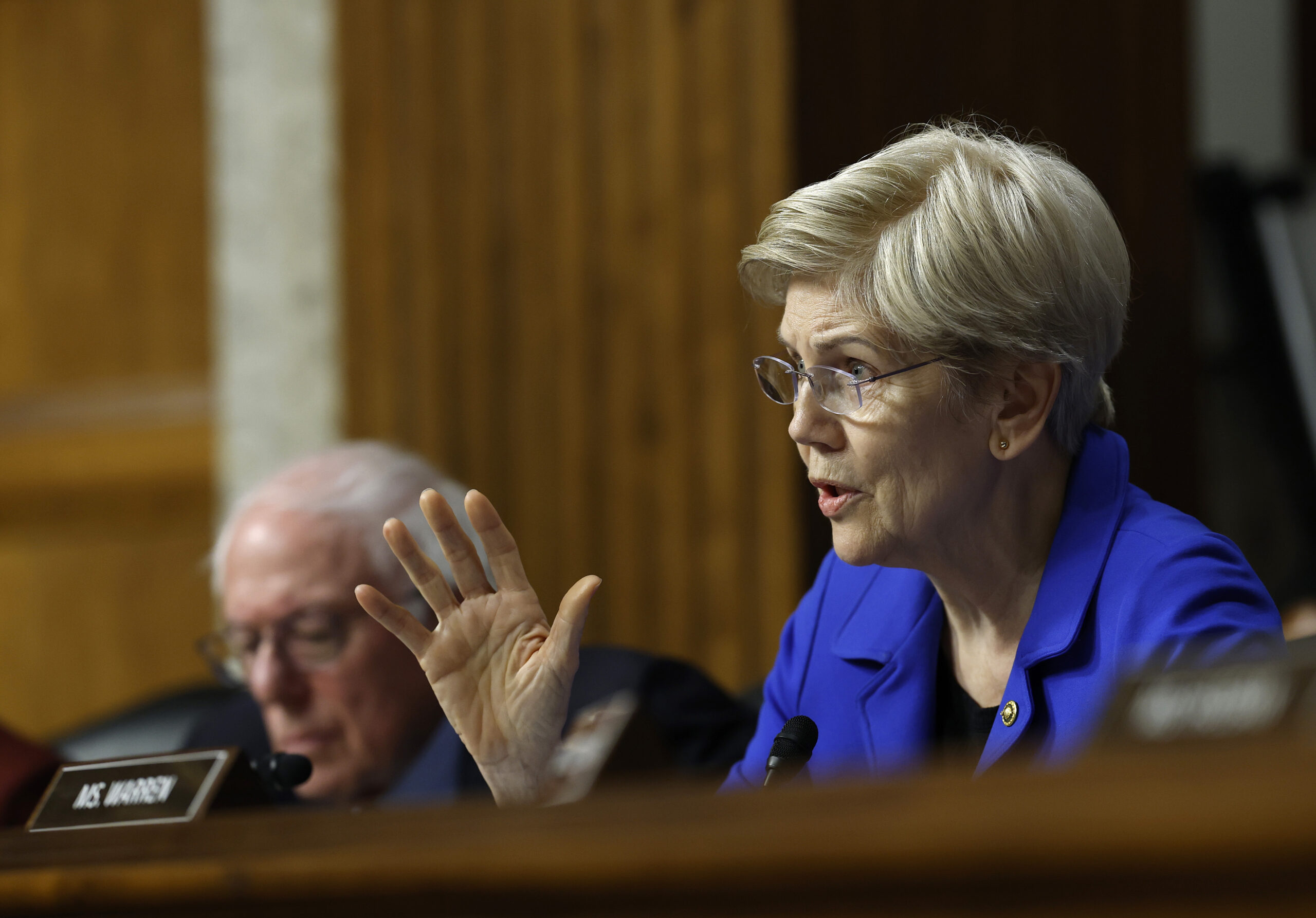
    Senator Elizabeth Warren and other Democratic lawmakers have formally warned of significant antitrust issues concerning a proposed merger between Fox Corporation and streaming technology company Roku. This opposition highlights growing concerns within Congress regarding media consolidation and its potential impact on competition, consumer choice, and the broader digital economy.

    The Proposed Fox-Roku Merger

    The potential merger would combine Fox Corporation’s extensive content library and broadcasting capabilities with Roku’s widely adopted streaming platform. Fox Corporation, a prominent media conglomerate, owns various news, sports, and entertainment properties. Roku, meanwhile, commands a substantial share of the smart TV operating system and streaming device market.

    This integration would create a vertically integrated entity capable of controlling both content creation and its distribution to millions of households. Such a combination raises immediate questions about market power and fair play in the competitive streaming landscape.

    Lawmakers’ Antitrust Concerns

    Senator Elizabeth Warren, a leading voice on antitrust policy, has been particularly vocal in her opposition. She, alongside other Democratic lawmakers, argues that the merger could grant the combined entity undue influence over pricing, content availability, and innovation across the streaming ecosystem. Their primary concern is the potential for the merged company to prioritize its own content and services on the Roku platform, thereby disadvantaging competitors and limiting consumer access to diverse programming.

    The lawmakers’ letter to the Department of Justice (DOJ) outlines several potential harms. These include reduced incentives for innovation among smaller streaming services, increased advertising costs for rival content providers, and a general stifling of market dynamism. They contend that such a merger would further entrench the power of a few large corporations in the media sector, diminishing opportunities for independent creators and broadcasters.

    Impact on Consumers

    Consumers stand to lose in several ways, according to the lawmakers. A less competitive market could result in higher subscription fees for streaming services. It could also lead to fewer choices in content, as the merged entity might favor its own Fox-produced programming. This scenario could force consumers into bundles or subscriptions that do not align with their preferences, ultimately reducing overall value.

    The integration of advertising technology is another area of concern. Roku’s robust advertising platform, combined with Fox’s ad inventory, could create a dominant force in the connected TV advertising market. This could make it more difficult and expensive for other businesses to reach audiences, potentially leading to increased costs passed on to consumers.

    Historical Context of Media Consolidation

    The current debate surrounding the Fox-Roku merger is not an isolated incident. It reflects a long-standing pattern of media consolidation that has reshaped the industry over decades. Major mergers and acquisitions have historically raised antitrust flags, prompting government intervention to protect market competition.

    Past examples include AT&T’s acquisition of Time Warner and Disney’s acquisition of 21st Century Fox assets. Each of these deals underwent intense scrutiny from regulatory bodies. These cases often centered on similar concerns: the potential for reduced competition, increased consumer prices, and diminished content diversity.

    Regulatory Scrutiny and the DOJ

    The Department of Justice is the primary federal agency responsible for enforcing antitrust laws in the United States. Its role involves reviewing proposed mergers and acquisitions to determine if they would substantially lessen competition or create a monopoly. The DOJ can challenge mergers in court or negotiate conditions to mitigate anticompetitive effects.

    Given the high-profile nature of the Fox-Roku proposal and the vocal opposition from lawmakers, the DOJ’s review is expected to be comprehensive and rigorous. The agency will assess market definitions, potential foreclosure effects, and the overall impact on consumer welfare. This review process often involves extensive data analysis, expert testimony, and public comment periods.

    The Role of Senator Warren in Antitrust Policy

    Senator Elizabeth Warren has consistently been a prominent advocate for stronger antitrust enforcement. Her tenure in the Senate has been marked by a focus on curbing corporate power and promoting fair competition across various industries, particularly in technology and media.

    Warren has frequently criticized what she perceives as lax antitrust enforcement in previous administrations. She argues that unchecked mergers have led to an economy dominated by a few powerful players, at the expense of small businesses and consumers. Her involvement in the Fox-Roku case aligns with her broader policy agenda to rein in corporate giants.

    Other Democratic Lawmakers’ Involvement

    Beyond Senator Warren, several other Democratic lawmakers have joined the chorus of opposition. Their collective voice amplifies the pressure on the DOJ to take a firm stance against the merger. These lawmakers often cite constituents’ concerns about rising costs and dwindling choices in their media consumption habits.

    The bipartisan nature of some past antitrust concerns, though less evident in this specific case, underscores the potential for broad political consensus when major market shifts are at stake. However, the current opposition is primarily from the Democratic side of the aisle, reflecting a policy divide on the appropriate level of government intervention in corporate mergers.

    Potential Outcomes of the Antitrust Review

    The DOJ’s review of the Fox-Roku merger could lead to several outcomes. The agency might approve the merger without conditions, finding no substantial threat to competition. Alternatively, it could approve the merger with certain remedies, such as requiring the divestiture of specific assets or imposing behavioral restrictions on the merged entity.

    A more stringent outcome would be a complete challenge to the merger in federal court, arguing that it violates antitrust laws. This would lead to a protracted legal battle, the outcome of which would depend on the evidence presented by both the DOJ and the merging companies. The final decision will set a precedent for future media and technology mergers.

    The Future of Streaming and Media

    The resolution of the Fox-Roku merger saga will have significant implications for the future direction of the streaming industry. If approved, it could signal a new era of vertical integration, where content owners increasingly control their distribution channels. This could accelerate the trend of media companies acquiring or partnering with tech platforms.

    Conversely, if the merger is blocked or significantly altered, it could reinforce the importance of maintaining a diverse and competitive media landscape. Such a decision would empower regulatory bodies to scrutinize large-scale consolidations more closely, potentially fostering an environment where smaller players and independent content creators can thrive.

    The debate surrounding Fox and Roku highlights a critical juncture in the evolution of digital media. Lawmakers warn. Consumers wait. Regulators decide.

    The future of streaming hangs in the balance.

  • Democratic AGs Challenge Paramount-Warner Bros. Merger, Legal Battle Escalates

    Democratic AGs Challenge Paramount-Warner Bros. Merger, Legal Battle Escalates

    A coalition of Democratic State Attorneys General has filed a lawsuit seeking to block the proposed merger between Paramount Global and Warner Bros. Discovery. This legal action targets the consolidation of two major media entities, citing concerns about market concentration and potential anti-competitive practices within the entertainment industry.

    The lawsuit contends that combining Paramount Global, which owns brands like CBS, MTV, and Paramount Pictures, with Warner Bros. Discovery, home to HBO, CNN, and Warner Bros. film studios, would result in an entity with excessive market power. Such a merger, the Attorneys General argue, could stifle competition, limit consumer choices, and negatively impact content creators and distributors.

    The Proposed Merger: A Media Giant in the Making

    The discussions surrounding a potential merger between Paramount Global and Warner Bros. Discovery gained significant public attention throughout late 2025 and early 2026. David Zaslav, CEO of Warner Bros. Discovery, and Shari Redstone, controlling shareholder of Paramount Global through National Amusements, were key figures in these preliminary talks.

    The stated aim of the merger was to create a more robust and competitive media company capable of challenging industry leaders like Disney, Netflix, and Amazon. Proponents argued that a combined entity would achieve greater scale, streamline operations, and enhance its ability to invest in premium content across various platforms, including streaming services like Paramount+ and Max.

    The potential synergies were considerable. Warner Bros. Discovery boasts an extensive library of films and television shows, alongside news and sports assets. Paramount Global brings a broadcast network, a major film studio, and a diverse portfolio of cable channels. A merger would unite these assets, creating a formidable content catalog and distribution network.

    Antitrust Concerns Emerge

    From the outset, the prospect of such a large-scale merger drew immediate scrutiny from antitrust regulators and consumer advocacy groups. Critics voiced worries that the combination would reduce the number of major players in an already concentrated market.

    Concerns spanned multiple facets of the media ecosystem. These included film production and distribution, television programming, news broadcasting, and the rapidly growing direct-to-consumer streaming sector. Regulators focused on how a merged company might leverage its combined assets to disadvantage smaller competitors or impose unfavorable terms on advertisers and content partners.

    The U.S. Department of Justice (DOJ) and the Federal Trade Commission (FTC) have both signaled an increased willingness to challenge large corporate mergers under the Trump administration, particularly those that could lead to reduced competition. This reflects a broader policy shift towards more aggressive antitrust enforcement.

    The Democratic AGs’ Lawsuit

    The lawsuit filed by the coalition of Democratic State Attorneys General represents a significant escalation in the opposition to the merger. This group includes Attorneys General from states such as California, New York, Illinois, and Massachusetts, among others. Their complaint was filed in a federal district court, citing violations of federal antitrust statutes, specifically the Clayton Act.

    The core argument of the lawsuit centers on the claim that the merger would substantially lessen competition in several relevant markets. These markets include:

    • Streaming Video Services: The combined subscriber base and content libraries of Paramount+ and Max would create a dominant force, potentially limiting choices and increasing prices for consumers.
    • Film Production and Distribution: The merger would reduce the number of major Hollywood studios, impacting independent filmmakers and the diversity of cinematic releases.
    • Television Advertising: A larger entity would control a greater share of advertising inventory across broadcast and cable networks, potentially leading to higher ad rates for businesses.
    • Content Licensing: The merged company would have immense leverage in licensing its content to third-party platforms, potentially dictating terms or withholding content to bolster its own services.

    The Attorneys General contend that the merger would harm consumers through higher prices, fewer innovative offerings, and reduced content diversity. They also argue that it would negatively impact workers in the media industry, from actors and writers to production crews, by consolidating employer power.

    Precedents and Regulatory Landscape

    The legal challenge against the Paramount-Warner Bros. Discovery merger is not unprecedented. Antitrust enforcement in the media sector has a long history.

    One notable precedent is the DOJ’s attempt to block the AT&T acquisition of Time Warner in 2017. The DOJ argued that the vertical merger would give AT&T too much leverage over rival distributors. While a federal court ultimately allowed that merger to proceed, the case highlighted the government’s willingness to challenge complex media deals.

    More recently, the Biden administration, and now the Trump administration, have emphasized a more robust approach to antitrust. Lina Khan, Chair of the Federal Trade Commission (FTC), has been a vocal critic of corporate consolidation, particularly in technology and media. While the FTC primarily handles consumer protection and some antitrust matters, the DOJ, which traditionally handles challenges to mergers of this scale, has also adopted a more aggressive stance.

    State Attorneys General have also become increasingly active in antitrust enforcement, often collaborating with federal agencies or launching independent actions. This coordinated approach, or sometimes parallel investigations, signals a broad governmental pushback against perceived monopolistic practices.

    Impact on the Entertainment Industry

    The lawsuit introduces significant uncertainty into the future of the proposed Paramount-Warner Bros. Discovery merger. Mergers of this magnitude typically involve billions of dollars and years of strategic planning. A protracted legal battle could delay or even derail the entire deal.

    Should the Attorneys General succeed, it would send a strong message to other media companies considering large-scale consolidation. It could lead to a more cautious approach to mergers and acquisitions across the industry, potentially fostering greater competition among existing players.

    Conversely, if the merger is eventually approved, either by overcoming the lawsuit or through a settlement, it would create a new media behemoth. This would reshape the competitive landscape, potentially triggering further consolidation among remaining independent entities seeking to achieve similar scale.

    The outcome also holds implications for consumers. Reduced competition could lead to fewer choices, higher subscription fees for streaming services, and a more homogenized content offering. Conversely, proponents argue that a stronger combined entity could invest more in high-quality productions, ultimately benefiting viewers.

    The Argument for Consolidation

    Executives at Paramount Global and Warner Bros. Discovery, along with their financial advisors, have consistently argued that the merger is essential for their long-term viability in a rapidly changing media environment. They point to the intense competition from tech giants like Apple and Amazon, which have deep pockets and are investing heavily in original content.

    They also highlight the declining linear television audience and the shift towards streaming. To compete effectively, they argue, scale is paramount. A larger entity can spread the costs of content creation, invest more in technology, and negotiate better terms with advertisers and distributors globally.

    Furthermore, they might contend that the relevant market is much broader than what the Attorneys General define. They would argue that consumers have an abundance of entertainment options, from social media to video games, and that even a combined Paramount-Warner Bros. Discovery would face stiff competition for audience attention and advertising dollars.

    The companies would likely emphasize that the merger would lead to efficiencies that could benefit consumers through better service and more diverse content, rather than higher prices or reduced choice. They would also point to potential job creation in new content ventures, despite initial consolidation-related layoffs.

    The Road Ahead

    The lawsuit will now proceed through the federal court system. This process typically involves discovery, where both sides exchange evidence, followed by motions and potentially a trial. The Attorneys General will need to demonstrate that the merger is likely to cause substantial harm to competition in specific markets.

    Paramount Global and Warner Bros. Discovery will vigorously defend their proposed merger. They will present economic analyses and expert testimony to counter the claims of anti-competitiveness. They may also explore potential remedies, such as divestitures of certain assets, to appease regulators, although the Attorneys General’s filing suggests they are seeking a full block of the deal.

    The legal proceedings could extend for many months, if not longer. The outcome will depend on how the courts interpret existing antitrust law in the context of a dynamic and evolving media industry. The decision will not only affect the two companies involved but will also set a precedent for future merger activity across the entire entertainment sector.

    State Attorneys General took action. Federal regulators observed. The media industry waited.

    The courts will decide.

  • Todd Blanche and the DOJ: Scrutiny Over Paramount-Warner Bros. Discovery Merger

    Todd Blanche and the DOJ: Scrutiny Over Paramount-Warner Bros. Discovery Merger

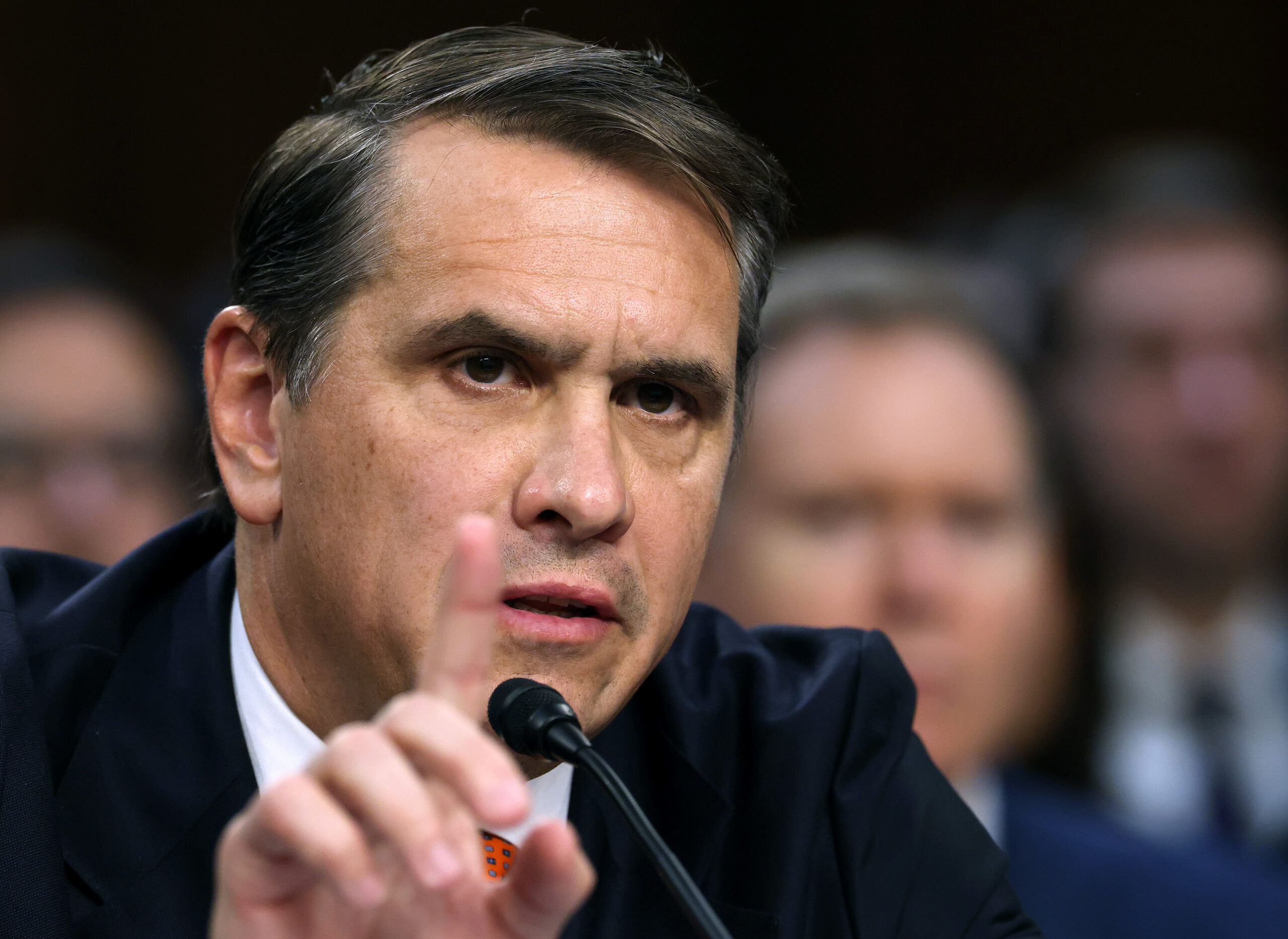
    Attorney General nominee Todd Blanche recently confirmed his direct involvement in the Department of Justice’s decision to greenlight the merger between Paramount Skydance and Warner Bros. Discovery. This admission came during his confirmation hearings, where senators questioned the potential implications of such a significant consolidation in the media industry.

    The confirmation hearings for a presidential cabinet nominee often bring past decisions into sharp focus. For Blanche, the approval of a major media merger has become a central point of inquiry.

    His statement, “I was part of that decision,” has drawn particular attention. It places his judgment and understanding of antitrust principles under intense scrutiny.

    The Context of the Merger

    The proposed merger between Paramount Skydance and Warner Bros. Discovery represents a significant consolidation within the entertainment and media landscape. Both companies control extensive libraries of content, production studios, and distribution platforms.

    Analysts have widely discussed the potential for such a merger to reshape the competitive dynamics of the industry. Concerns often revolve around reduced consumer choice and increased pricing power for the merged entity.

    The Department of Justice’s role in reviewing large mergers is to assess their potential impact on market competition. Antitrust laws aim to prevent monopolies and ensure a fair marketplace for businesses and consumers alike.

    Blanche’s Role at the DOJ

    Before his nomination for Attorney General, Todd Blanche served in various capacities within the Department of Justice. His experience included roles pertinent to antitrust enforcement and corporate regulation.

    His specific involvement in the Paramount-Warner Bros. Discovery merger decision stemmed from his position within the DOJ’s antitrust division. This division is responsible for investigating mergers and acquisitions that could harm competition.

    The decision to approve such a large transaction requires extensive review. It involves economic analysis, legal interpretation, and consideration of market precedents.

    Confirmation Hearing Scrutiny

    During his confirmation hearings, senators pressed Blanche on the specifics of the merger approval. They questioned the rationale behind the decision and its potential long-term consequences.

    One primary concern raised by lawmakers was the increasing concentration of media ownership. Critics argue that fewer, larger media companies could stifle independent voices and limit diverse content production.

    Senators also inquired about the potential impact on consumers. Questions arose about subscription prices, content availability, and the overall quality of entertainment offerings in a less competitive market.

    Questions of Market Power

    The combined entity of Paramount and Warner Bros. Discovery would possess substantial market power. This includes control over film studios, television networks, streaming services, and extensive intellectual property.

    Lawmakers expressed worries that this concentration could lead to anti-competitive practices. These might include bundling services, favoring their own content, or disadvantaging smaller competitors.

    Blanche was asked to elaborate on the safeguards, if any, that the Department of Justice put in place. The goal was to mitigate these potential negative effects following the merger’s approval.

    Implications for the Antitrust Landscape

    The debate surrounding this merger and Blanche’s involvement highlights broader discussions about antitrust enforcement in the current economic climate. Many argue for more robust antitrust measures to address the power of large corporations.

    The technology and media sectors, in particular, have seen a wave of consolidation. This trend has fueled calls for stricter regulatory oversight from both sides of the political spectrum.

    Blanche’s confirmation process offers a platform for these discussions. It allows senators to articulate their expectations for the DOJ’s approach to competition policy under his potential leadership.

    The Future of Media Competition

    The media industry is undergoing rapid transformation, driven by streaming services and changing consumption habits. Mergers like Paramount-Warner Bros. Discovery are often presented as necessary for companies to compete in this evolving landscape.

    However, critics contend that such arguments often mask a desire for increased market dominance. They argue that true innovation and consumer benefit thrive in a more fragmented and competitive environment.

    The Department of Justice’s decision in this case sets a precedent. It signals the agency’s stance on media consolidation at a critical juncture for the industry.

    Public and Industry Reaction

    The news of Blanche’s confirmation regarding his role in the merger decision has resonated within the industry. Media watchdogs and public interest groups have voiced their perspectives.

    Some industry executives argue that such mergers are essential for survival. They cite the need for scale to invest in content and technology to compete with global giants.

    Conversely, consumer advocacy groups have expressed alarm. They worry about the potential for reduced content diversity, higher prices, and a less vibrant media ecosystem.

    The public reaction, though varied, largely reflects a growing concern about corporate power. It shows a desire for government agencies to protect consumer interests.

    Looking Ahead to Blanche’s Tenure

    Should Todd Blanche be confirmed as Attorney General, his past decisions will continue to inform his future actions. His approach to antitrust enforcement will be closely watched.

    The Department of Justice plays a critical role in shaping the economic landscape. Its decisions on mergers, monopolies, and market practices have far-reaching effects on businesses and everyday citizens.

    Blanche’s confirmation hearings serve as a crucial public forum. They allow for an examination of his judicial philosophy, his understanding of complex legal issues, and his commitment to public service.

    The grilling over the Paramount-Warner Bros. Discovery merger is more than just a review of one past decision. It is an indicator of the challenges Blanche would face in leading the Department of Justice.

    Senators probed. The nominee answered. The public observed. The future of antitrust enforcement hangs in the balance.