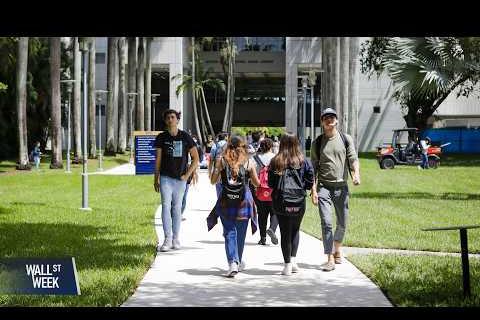
The United States higher education system is navigating a significant demographic shift. This shift, widely termed the ‘enrollment cliff,’ refers to the projected decline in the number of high school graduates, directly impacting college enrollment figures. The peak in high school graduates is projected to occur in 2025, with a subsequent decline of 13% anticipated by 2041.
This downturn is primarily attributed to lower birth rates observed following the Great Recession of 2007-2009. The economic instability of that period led to a sustained reduction in births, which is now manifesting as fewer students entering the college pipeline.
The Uneven Impact Across Institutions
While overall postsecondary enrollment in the U.S. increased by 1% in Fall 2025, this figure masks a complex and uneven impact across different types of institutions. Private non-profit four-year colleges and for-profit institutions have reported declines in their student populations. This indicates a selective pressure on certain segments of the higher education market.
Conversely, large public universities, particularly those in the southern United States, often thrive. Regional population growth in these areas contributes to sustained enrollment numbers. Many smaller private colleges and regional universities, however, face significant struggles to attract and retain students.
Adapting to New Realities
Institutions are developing varied strategies to navigate the enrollment cliff. One approach involves building academic pathways that cater to evolving student needs and career demands. This includes creating new programs and updating existing curricula to remain competitive.
Expanding online and adult education programs represents another key strategy. These programs tap into different demographics, offering flexibility and accessibility to a broader range of learners. Focus on workforce demands also guides program development, ensuring graduates possess skills relevant to the contemporary job market.
International Student Enrollment Trends
The challenges extend beyond domestic student populations. International student enrollment in U.S. colleges has also seen a decline in new students. Fall 2025 saw a 17% drop in new international student admissions. This trend adds another layer of complexity to the enrollment challenges faced by American universities.
Related: Toxic Haze Engulfs Southeast Asia as Indonesia Fires Intensify
The decline in international students can be attributed to various factors, including global economic conditions, visa policies, and increased competition from universities in other countries. This reduction impacts not only enrollment numbers but also the diversity and global perspective within campus communities.
The Future Landscape of Higher Education
The enrollment cliff is not a temporary fluctuation but a sustained demographic trend. Institutions that adapt proactively are better positioned to succeed. This adaptation involves strategic planning, innovative program development, and a keen understanding of shifting student demographics and market needs.
The long-term implications for higher education include potential consolidations, closures of struggling institutions, and a greater emphasis on value and return on investment for students. The sector is undergoing a fundamental re-evaluation of its models and offerings. The future of American colleges will depend on their capacity for innovation and resilience.
Sources
Sponsored · Put your business in front of ByteSize Network's readers, with every click measured. See advertising packages · Advertise on ByteSize Network