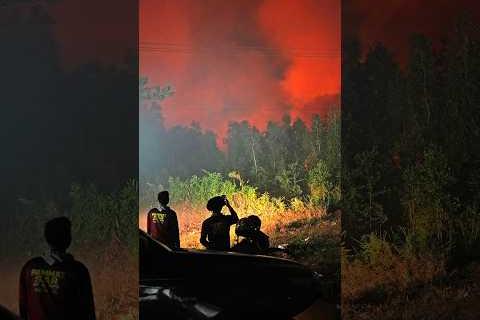
Forest fires are currently raging across Indonesia, particularly in the regions of Kalimantan and Sumatra. These blazes are generating widespread toxic haze, which has enveloped much of Southeast Asia. The environmental impact extends beyond Indonesia’s borders, affecting air quality in neighboring nations.
Hazardous air quality has been reported in countries such as Malaysia, Singapore, and the Philippines. This has led to the cancellation of outdoor activities and the closure of schools in affected areas. The fires represent a significant public health and environmental challenge for the region.
Health Crisis Escalates Amidst Widespread Haze
Indonesia has recorded a substantial increase in respiratory infections directly linked to the fires. Between July and August 2026, approximately 50,000 cases were reported. By September 9, 2026, the total number of wildfire-related respiratory infections across seven affected provinces had surpassed 113,336.
The persistent haze poses a serious threat to public health, particularly for vulnerable populations. Authorities are grappling with the medical and logistical challenges of managing this health crisis. The long-term effects of prolonged exposure to toxic smoke remain a concern for health officials.
El Niño Conditions Fuel Fire Intensity
The current fire season is significantly intensified by strong El Niño conditions. This natural climate phenomenon is contributing to hotter and drier weather patterns across the region. These conditions create an environment where fires are easier to ignite and spread rapidly.
As of early October 2026, 57 fires continue to burn across Indonesia. These active blazes cover an approximate area of 23,240 hectares. The combination of human activity and adverse weather conditions has created a challenging situation for fire suppression efforts.
Human Activity and Corporate Accountability
Indonesian authorities have taken action against individuals and entities suspected of starting the fires. A total of 185 people have been arrested in connection with the blazes. Investigations are ongoing to determine the full extent of human involvement in the ignition of these fires.
Furthermore, at least 42 companies allegedly linked to the fires have had their operations sealed off. This measure underscores the government’s attempt to hold corporate entities accountable for their role in the environmental disaster. The economic activities of these companies often involve land clearing practices that contribute to the risk of wildfires.
Related: Congressional Hearings: From Oversight to Spectacle – The 2026 Political Landscape
A Seven-Year High in Burned Area
The area burned by wildfires in Indonesia has reached a seven-year seasonal high. By late August 2026, nearly 900,000 hectares of land had been consumed by the fires. This extensive destruction of forest and peatland has severe ecological consequences, including habitat loss and increased carbon emissions.
The scale of the current fires surpasses previous years, highlighting the severity of the ongoing crisis. International concern has grown regarding the transboundary haze and its impact on regional stability and public health. Efforts to combat the fires require significant resources and coordinated action.
“The persistent haze and the rising number of respiratory infections underscore the urgent need for effective fire prevention and mitigation strategies,” stated a regional health official. “The impact on daily life and public health is undeniable.”
The fires continue to burn. The haze continues to spread. The health crisis deepens.
Indonesia.
Sources
Sponsored · Put your business in front of ByteSize Network's readers, with every click measured. See advertising packages · Advertise on ByteSize Network