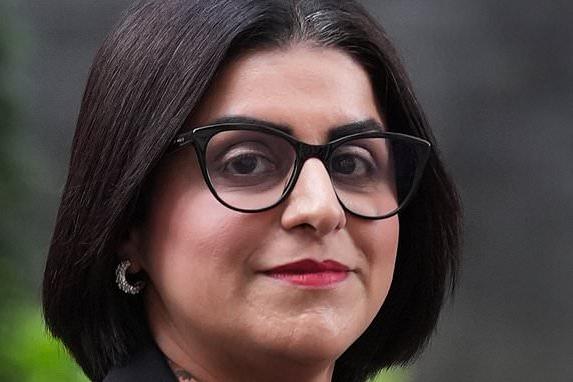
UK Home Secretary Shabana Mahmood is restarting the refugee resettlement scheme, a program that had been effectively suspended for two years. The announcement is anticipated at the Labour Party conference on Monday, September 28, 2026. This decision has drawn criticism from various quarters, with some accusing Mahmood of opening the borders to large Afghan and Palestinian families.
The scheme prioritizes vulnerable individuals. These include Afghan women and girls, Palestinian refugees, and people with disabilities. Refugees accepted into the program will undergo security and criminal-record checks. They will also have a path to permanent settlement in the UK after five years.
The Reopening of a Suspended Scheme
The UK refugee resettlement scheme was never formally closed, but its operations had been significantly curtailed for approximately two years. Home Secretary Shabana Mahmood, who has served in her current role since September 5, 2025, and was reappointed on July 20, 2026, is spearheading its revival. Mahmood has been a Member of Parliament (MP) for Birmingham Ladywood since 2010.
The Home Office projects that Afghan women and girls, along with Palestinian refugees, will constitute about a quarter of the initial arrivals under the reactivated program. This focus reflects ongoing humanitarian concerns in these regions. The scheme aims to provide a safe haven for those most at risk.
Security Protocols and Path to Settlement
All refugees entering the UK through this scheme will be subject to rigorous security and criminal-record checks. These measures are designed to ensure national security and public safety. The process is a standard component of international resettlement programs.
Upon successful completion of these checks, individuals will be granted a pathway to permanent residency. This pathway typically involves a five-year period of temporary status, after which they can apply for indefinite leave to remain. This structured approach provides long-term stability for resettled individuals.
Criticism and Political Reactions
The decision to restart the refugee resettlement scheme has not been without controversy. Critics have voiced concerns about the potential impact on national infrastructure and social services. Some political figures have accused Home Secretary Mahmood of implementing policies that could lead to increased immigration.
The debate surrounding refugee resettlement often involves balancing humanitarian obligations with national interests. Discussions frequently center on economic implications, cultural integration, and border control. The government maintains that the scheme is managed and controlled, focusing on specific vulnerable groups.
“The UK has a proud history of offering sanctuary to those in need. This scheme continues that tradition while ensuring robust security measures are in place,” a Home Office spokesperson stated.
The Labour Party conference serves as the platform for this significant policy announcement. Such conferences are often used to unveil major governmental initiatives and articulate future policy directions. The timing of the announcement allows for immediate public and political discourse.
International Context of Refugee Resettlement
The UK’s refugee resettlement efforts are part of a broader international framework. Many countries participate in programs designed to relocate refugees from conflict zones and humanitarian crises. These programs are often coordinated with international bodies like the United Nations High Commissioner for Refugees (UNHCR).
Related: Trump Rejects Latest Iranian Proposal — Talks Expected to Resume
The specific focus on Afghan women and girls acknowledges the ongoing challenges in Afghanistan, particularly concerning women’s rights and safety. Similarly, prioritizing Palestinian refugees addresses the protracted humanitarian situation in the Palestinian territories. For more information on global refugee efforts, see the UNHCR UK website.
The UK’s approach emphasizes vulnerability as a key criterion for selection. This includes individuals who may be at heightened risk due to their gender, age, or physical condition. The scheme aims to provide protection to those who cannot safely remain in their home regions.
Future Implications and Oversight
The implementation of the reopened scheme will involve close monitoring and oversight by the Home Office. Data on arrivals, integration, and long-term outcomes will be collected to assess the program’s effectiveness. Adjustments to policy and procedure may occur based on these evaluations.
The political landscape surrounding immigration remains dynamic. Future policy decisions will likely continue to be influenced by public opinion, economic conditions, and geopolitical events. The Home Secretary’s announcement marks a significant moment in the UK’s ongoing engagement with global refugee issues. For further details on UK government policy, refer to the official UK government website.
Families gathered. Policies shifted. Debates intensified.
Mahmood.
Sources
Sponsored · Put your business in front of ByteSize Network's readers, with every click measured. See advertising packages · Advertise on ByteSize Network