Tag: Streaming

  • Hollywood Media Layoffs: Paramount, Warner Bros, CNN Face Economic Downturn

    Hollywood Media Layoffs: Paramount, Warner Bros, CNN Face Economic Downturn

    The media industry, encompassing Hollywood studios and news organizations, has recently undergone significant workforce reductions, with companies like Paramount, Warner Bros. Discovery, and CNN initiating layoffs. These widespread job cuts reflect a period of economic instability and strategic realignments within the entertainment and news sectors.

    The decisions to reduce staff are often driven by a combination of factors, including declining advertising revenues, shifts in consumer behavior towards streaming platforms, and the high costs associated with content production. These changes are reshaping the employment landscape for media professionals across various roles and departments.

    Economic Pressures Drive Industry Restructuring

    The current economic climate has placed considerable pressure on media companies. Inflationary pressures and a general slowdown in global economic growth have led to reduced advertising spending, a critical revenue stream for many media outlets. This financial strain necessitates cost-cutting measures, with layoffs often being a primary strategy.

    Beyond macroeconomic factors, the media industry is also navigating a complex transition in how content is consumed and monetized. The rise of streaming services has disrupted traditional broadcast and cable television models, forcing companies to invest heavily in digital platforms while simultaneously managing legacy businesses.

    Paramount Global’s Workforce Adjustments

    Paramount Global, a major player in both film and television, has implemented significant layoffs across its various divisions. These reductions are part of a broader strategy to streamline operations and reduce overhead costs in a competitive market.

    The company’s diverse portfolio includes Paramount Pictures, CBS, and a suite of streaming services like Paramount+. Balancing the demands of content creation for multiple platforms with financial prudence has become a key challenge for the conglomerate.

    Reports indicate that the layoffs at Paramount have impacted employees in areas ranging from production and development to corporate functions. The goal is to create a more agile and efficient organization capable of adapting to rapid industry changes.

    Warner Bros. Discovery’s Post-Merger Consolidation

    Warner Bros. Discovery has also been a focal point for media layoffs, stemming from the merger between WarnerMedia and Discovery Inc. in April 2022. Mergers of this scale typically lead to redundancies as the combined entity seeks to eliminate overlapping roles and departments.

    The integration process involves consolidating operations, technology, and content strategies. This often results in difficult decisions regarding workforce size and structure. The company aims to achieve substantial cost synergies through these consolidations.

    Layoffs at Warner Bros. Discovery have affected various segments, including film studios, television networks, and streaming services such as Max. The company’s leadership has emphasized the need to optimize its global operations and content delivery systems to enhance profitability.

    CNN’s Strategic Reorientation

    CNN, a prominent global news organization under the Warner Bros. Discovery umbrella, has also experienced layoffs. These cuts are part of a strategic reorientation aimed at adapting to evolving news consumption habits and financial realities.

    The news industry faces its own set of challenges, including declining linear television viewership and the need to expand digital offerings. CNN’s restructuring efforts reflect an attempt to align its resources with its long-term strategic objectives in a highly competitive news landscape.

    Journalists, producers, and technical staff have been among those impacted by the changes at CNN. The network is working to refine its content strategy and operational model to maintain its position as a leading news source while ensuring financial sustainability.

    Broader Industry Impact and Future Outlook

    The layoffs at Paramount, Warner Bros. Discovery, and CNN are not isolated incidents but rather part of a wider trend impacting the entire media ecosystem. Other companies, both large and small, have also undertaken similar measures to navigate economic headwinds and technological shifts.

    This period of significant change is forcing media organizations to reconsider traditional business models. There is an increased focus on data-driven decision-making, direct-to-consumer strategies, and the efficient allocation of resources for content creation and distribution.

    Technological Advancements and AI Integration

    Technological advancements, particularly in artificial intelligence, are also playing a role in the evolving media landscape. While AI offers potential efficiencies in content creation, automation, and data analysis, it also raises questions about the future of certain job functions.

    Media companies are exploring how to integrate AI tools to enhance productivity and reduce operational costs. This integration, while promising for innovation, contributes to the ongoing reevaluation of workforce needs and skill sets within the industry.

    The Human Cost of Corporate Restructuring

    Behind the corporate announcements and financial figures are the individual stories of employees affected by these layoffs. Job losses create significant personal and professional challenges, impacting livelihoods and careers.

    The industry is grappling with the balance between achieving financial stability and maintaining morale among remaining staff. Companies often provide severance packages and outplacement services, but the emotional and economic toll on affected individuals remains substantial.

    Reskilling and Adaptability

    For those impacted by layoffs, reskilling and adaptability have become crucial. The demand for new skills, particularly in digital media, data analytics, and specialized content creation, continues to grow. Media professionals are increasingly seeking opportunities in emerging platforms and technologies.

    The industry’s future workforce will likely be characterized by greater flexibility, a broader range of technical competencies, and an ability to navigate rapidly changing media environments. Education and training initiatives are becoming more vital than ever.

    Navigating a Dynamic Media Landscape

    The current wave of layoffs signals a period of profound transformation within the media and entertainment sectors. Companies are strategically adjusting their operations to survive and thrive in an increasingly complex and competitive global market.

    Economic pressures. Technological disruption. Evolving consumer habits. These forces converge to reshape the very structure of Hollywood and the broader media industry.

    Executives strategize. Employees adapt. The industry transforms.

    Change.

  • McGregor vs. Holloway: Primetime Special on CBS Precedes Paramount+ Bout

    McGregor vs. Holloway: Primetime Special on CBS Precedes Paramount+ Bout

    CBS is set to air a live primetime special in advance of the highly anticipated fight between Conor McGregor and Max Holloway, with the main event scheduled for exclusive streaming on Paramount+.

    This strategic move integrates a traditional broadcast network with a modern streaming platform. It aims to maximize audience engagement and build national excitement for the combat sports spectacle.

    The Primetime Special on CBS

    The decision to air a live primetime special on CBS underscores the importance of this particular fight. Network television provides a broad reach, extending beyond the typical combat sports audience.

    A primetime slot on a major network guarantees significant exposure. This exposure is crucial for generating buzz and attracting new viewers to the sport.

    The special is expected to feature fighter profiles, training camp footage, and expert analysis. It will provide a narrative build-up to the main event.

    This pre-fight programming is a common tactic in major sporting events. It creates a sense of anticipation and investment among potential viewers.

    Paramount+ as the Exclusive Streaming Home

    The main event, McGregor vs. Holloway, will be exclusively available on Paramount+. This highlights the shift in content distribution for high-profile events.

    Paramount+ has been actively expanding its live sports offerings. Exclusive fights like this are key to attracting and retaining subscribers.

    Streaming platforms offer flexibility and accessibility for viewers. They can watch the event on various devices, often with additional features.

    The exclusivity on Paramount+ also represents a significant revenue opportunity for the platform. Pay-per-view models continue to be a lucrative aspect of combat sports.

    Conor McGregor: A Global Icon

    Conor McGregor remains one of the most recognizable figures in combat sports. His fights consistently draw massive viewership and generate substantial media attention.

    McGregor’s charisma and fighting style have cultivated a global fanbase. His presence alone elevates the profile of any event he participates in.

    His return to the octagon is always a major story. Fans and media outlets closely follow his every move and announcement.

    The anticipation around a McGregor fight contributes directly to the success of associated broadcasts and streaming events.

    Max Holloway: The Resilient Contender

    Max Holloway is a highly respected and skilled competitor. He has a history of engaging fights and a reputation for durability.

    Holloway’s fighting style, characterized by high volume and relentless pressure, makes him a formidable opponent. He consistently delivers exciting performances.

    His previous encounters with top-tier fighters have solidified his status. He is a legitimate threat in any matchup.

    The pairing of Holloway with McGregor promises an action-packed contest. It pits two of the sport’s most dynamic strikers against each other.

    The Undercard and Supporting Events

    While the focus is on the main event, the undercard fights also contribute to the overall appeal. These matches often feature rising stars and established contenders.

    Details regarding the full fight card are typically released closer to the event date. These announcements further fuel fan excitement.

    Promotional events, such as press conferences and weigh-ins, precede the fight night. These events are often streamed live and covered extensively by sports media.

    The entire fight week generates a continuous stream of content. This content keeps the event in the public consciousness leading up to the main bout.

    The Business of Combat Sports

    The collaboration between CBS and Paramount+ illustrates the evolving business model in combat sports. It combines free-to-air promotion with premium streaming content.

    This hybrid approach seeks to capture both casual viewers and dedicated fans. It maximizes both reach and direct revenue.

    Major networks like CBS benefit from the increased viewership during the special. This viewership can translate into higher advertising rates.

    Streaming platforms like Paramount+ gain new subscribers and reinforce their position in the competitive sports streaming market.

    The financial implications for both fighters are substantial. High-profile fights lead to significant paydays, often including a share of the pay-per-view revenue.

    National Pride and Cultural Impact

    Major sporting events like McGregor vs. Holloway often evoke a sense of national pride. Fans rally behind their preferred fighters, especially those representing their home countries.

    The spectacle transcends mere competition. It becomes a cultural event, discussed in homes, workplaces, and social media.

    The narratives surrounding the fighters, their journeys, their rivalries, their personal stories, resonate with a broad audience. These stories contribute to the event’s cultural impact.

    Such events can temporarily unite diverse groups of people. They offer a shared experience and a common topic of discussion.

    Technological Advancements in Broadcasting

    Modern broadcasting techniques enhance the viewing experience. High-definition cameras, advanced graphics, and immersive sound contribute to the spectacle.

    The integration of social media during live broadcasts allows for real-time interaction. Viewers can share their reactions and opinions instantly.

    Streaming platforms also offer features like multi-angle views and on-demand replays. These features were not available in traditional linear television broadcasts.

    These technological advancements make the viewing experience more dynamic and engaging for the audience.

    The Future of Sports Entertainment

    The partnership between CBS and Paramount+ for McGregor vs. Holloway provides a glimpse into the future of sports entertainment.

    More major events are likely to adopt similar hybrid distribution models. This model leverages both traditional reach and digital exclusivity.

    Content creators and distributors are constantly seeking innovative ways to reach audiences. They aim to monetize premium sports content effectively.

    The landscape of sports broadcasting continues to evolve. It adapts to changing consumer habits and technological progress.

    Fighters train. Promoters strategize. Networks broadcast. Paramount+ streams. Millions watch.

    The fight.

  • Russell T. Davies Praises Starz for ‘Tip Toe’ Pick-Up Amid Political Climate

    Russell T. Davies Praises Starz for ‘Tip Toe’ Pick-Up Amid Political Climate

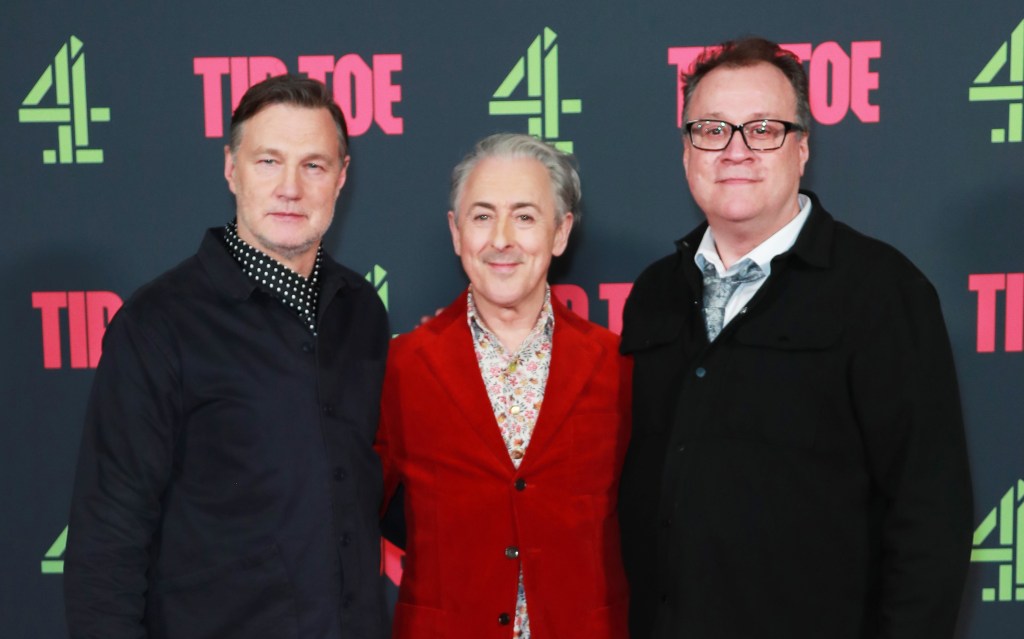
    Russell T. Davies, the prominent British screenwriter and producer, recently expressed appreciation for the cable network Starz. He publicly commended Starz for its courage in acquiring the U.S. distribution rights for his new LGBTQ+ themed series, ‘Tip Toe’. Davies framed the network’s decision as a significant cultural statement, directly contrasting it with the prevailing political sentiment he observed in the United States.

    His remarks specifically referenced the political landscape during President Trump’s second term. Davies drew a clear distinction between Starz’s programming choices and what he described as a prevailing atmosphere of “hatred, bile & anger” attributed to the Trump administration. This commentary positioned the series acquisition as an act of defiance or support for LGBTQ+ narratives against perceived opposition.

    The Significance of ‘Tip Toe’ and Davies’ Vision

    ‘Tip Toe’ is the latest project from Davies, a writer celebrated for his groundbreaking work in LGBTQ+ television. His previous credits include the critically acclaimed series ‘It’s a Sin’ and the original British ‘Queer as Folk’. These productions have consistently explored themes of identity, community, and struggle within the LGBTQ+ experience, often pushing boundaries and fostering dialogue.

    The series’ acquisition by Starz ensures its availability to American audiences. This move underscores Starz’s strategy to offer diverse and often provocative content. The network has previously featured programming that aims to appeal to a broad spectrum of viewers, including those interested in underrepresented narratives and voices.

    Davies’ public statements often accompany his work. He frequently uses platforms to advocate for LGBTQ+ rights and visibility, viewing his creative endeavors as integral to social progress. His commentary on ‘Tip Toe’ and Starz aligns with his established pattern of engaging with the broader cultural and political implications of his television projects, making his art a form of activism.

    Political Context and Cultural Production in the Trump Era

    The reference to President Trump’s administration highlights a recurring tension. This tension exists between certain segments of the entertainment industry and conservative political viewpoints. Hollywood figures and creators often use their platforms to express political opinions, seeing their work as a reflection of or response to societal shifts.

    President Trump’s political rhetoric and policies have frequently been subjects of intense debate within cultural circles. His administration’s stance on various social issues has led to strong reactions from artists and media personalities. Davies’ comments reflect this ongoing dialogue, positioning ‘Tip Toe’ as a counter-narrative within a polarized cultural environment.

    The media landscape increasingly features content that directly or indirectly engages with contemporary political divisions. Series like ‘Tip Toe’ become part of this broader cultural conversation. They contribute to discussions about representation, freedom of expression, and societal values, often challenging mainstream norms and advocating for marginalized communities.

    Industry Reactions and Starz’s Strategic Positioning

    Starz, a Lionsgate company, operates in a competitive streaming and cable environment. Networks often seek to differentiate themselves through unique content offerings. Acquiring a series from a renowned creator like Russell T. Davies provides a certain prestige and signals a commitment to quality, often controversial, storytelling.

    The decision to pick up ‘Tip Toe’ can be viewed as a strategic move to attract and retain subscribers. It allows Starz to cater to a specific demographic interested in LGBTQ+ stories and creators. It also reinforces the network’s brand as a platform for diverse and inclusive storytelling, a valuable asset in today’s media market.

    Other networks and streaming services have also invested heavily in LGBTQ+ themed content. This trend reflects a growing recognition of the audience demand for such narratives. It also signifies a broader industry shift towards more inclusive representation, driven by both creative imperatives and market opportunities.

    Davies’ praise for Starz is not merely a promotional gesture. It is also an endorsement of the network’s willingness to support content that might be deemed controversial by some. This support is particularly valued by creators working on marginalized narratives, who often struggle to find platforms for their stories.

    The Creator’s Perspective: Russell T. Davies’ Enduring Legacy

    Russell T. Davies has a long history of creating impactful television. His work is often characterized by its emotional depth, sharp writing, and unflinching portrayal of LGBTQ+ lives. ‘Queer as Folk’, which first aired in 1999, was a landmark series for its candid depiction of gay men in Manchester, breaking new ground for representation.

    ‘It’s a Sin’, released in 2021, garnered widespread critical acclaim for its poignant exploration of the AIDS epidemic in 1980s London. These series have not only entertained but also educated and provoked discussion, influencing public perception and policy. Davies’ approach often combines personal narratives with broader social and political commentary, making his work both intimate and expansive.

    The development of ‘Tip Toe’ follows this trajectory. The series is expected to continue Davies’ tradition of bringing authentic and compelling LGBTQ+ stories to the screen. His reputation as a creator ensures a certain level of anticipation and scrutiny for his new work, as audiences and critics alike expect a continuation of his distinctive style and thematic concerns.

    Davies’ vocal stance on political issues is an integral part of his public persona. He views his work not just as entertainment but as a form of social engagement and advocacy. His comments about President Trump and Starz are consistent with this worldview, demonstrating his commitment to using his platform for social good.

    Audience Reception and the Cultural Impact of Representation

    The reception of ‘Tip Toe’ in the U.S. will be a key indicator of its cultural impact. Audiences for LGBTQ+ content have grown significantly. This growth is driven by increased visibility and broader societal acceptance in many regions, though progress remains uneven across different demographics and geographies.

    However, cultural and political divides still exist, particularly in the United States. The series may face different reactions across various demographics, reflecting the ongoing culture wars. Its success will be measured not only by viewership but also by its ability to foster dialogue and understanding, challenging preconceived notions and promoting empathy.

    The controversy surrounding Davies’ comments could also draw more attention to ‘Tip Toe’. Public statements by creators often generate buzz and debate, polarizing audiences but also attracting curious viewers. This can sometimes translate into increased viewership, as audiences seek to engage with the discussed themes and the creator’s perspective.

    The role of entertainment in shaping public opinion remains significant. Television series can challenge perceptions, humanize experiences, and contribute to social change. ‘Tip Toe’ aims to be part of this tradition, using the power of storytelling to reflect and influence society.

    The Broader Political and Media Landscape in 2026

    The political climate in 2026 continues to influence various sectors, including media and entertainment. President Trump’s second term, which began on January 20, 2025, has seen continued debates over cultural values and social policies. These debates often manifest in public discourse and artistic expression, with creators using their art to comment on the state of the nation.

    The entertainment industry, often perceived as more liberal, frequently finds itself at odds with conservative political movements. This dynamic shapes funding decisions, content creation, and distribution strategies. Networks like Starz navigate this landscape by making calculated decisions about the content they choose to champion.

    The push for diversity and inclusion in media is not a new phenomenon. However, it has gained renewed urgency in recent years, particularly in response to political shifts and social movements. Creators like Davies are at the forefront of this movement, using their influence to advocate for stories that reflect the full spectrum of human experience.

    The decision by Starz to acquire ‘Tip Toe’ can be seen as an affirmation of these values. It signals to both creators and audiences that there is a market and a platform for stories that challenge the status quo. This commitment is particularly salient in an era where cultural products are increasingly viewed through a political lens.

    Creators speak. Networks listen. Audiences watch. Culture shifts.

  • Paramount Skydance-Warner Bros. Discovery Merger: Europe’s Antitrust Crunch – David Ellison’s Deadline

    Paramount Skydance-Warner Bros. Discovery Merger: Europe’s Antitrust Crunch – David Ellison’s Deadline

    The proposed merger between Paramount Global and Warner Bros. Discovery faces intense antitrust scrutiny across Europe, with Britain’s regulatory decisions holding critical importance. David Ellison, Chairman and CEO of Paramount Skydance, is working to complete the complex transaction by a September 2026 deadline. This timeline puts significant pressure on the ongoing reviews by bodies like the European Commission and the UK’s Competition and Markets Authority (CMA).

    The potential combination of these media giants would reshape the global entertainment landscape. Regulators are assessing the deal’s impact on market competition, consumer choice, and the broader media ecosystem.

    Europe’s Antitrust Watchdogs Mobilize

    The European Commission is the primary antitrust authority for the European Union. Its mandate is to ensure that large mergers do not unduly restrict competition within the bloc’s single market.

    The Commission initiates a multi-stage review process. This begins with a preliminary assessment of the merger’s scope and potential market implications.

    Initial concerns often center on market concentration. Regulators examine whether the combined entity would hold too dominant a position in areas such as content production, distribution channels, and advertising sales.

    The review process involves extensive data collection. This includes detailed submissions from the merging parties, as well as input from competitors, customers, and industry associations.

    Particular attention is paid to horizontal overlaps. These occur when both companies operate in the same segments, such as film studios or streaming services. Vertical integration issues, like control over both content creation and its subsequent delivery platforms, are also closely analyzed.

    Key Areas of Regulatory Concern

    Regulators frequently highlight several potential harms. A significant concern is the reduction of consumer choice in streaming platforms, television channels, and film offerings.

    Another focus is the impact on independent content creators and smaller distributors. A larger, more powerful entity could potentially dictate terms or reduce opportunities for these players.

    The advertising market is also under review. Consolidation could lead to fewer buyers for ad inventory, potentially increasing costs for advertisers and limiting options for publishers.

    The Commission’s findings from this comprehensive investigation guide its decision. It can clear the merger unconditionally, approve it with specific remedies, or block it entirely if the anti-competitive effects are deemed too severe.

    Britain’s Critical Role in Merger Approval

    Britain’s Competition and Markets Authority (CMA) operates independently but holds significant power over the merger’s viability. The United Kingdom remains a crucial market for global media companies.

    The CMA conducts its own in-depth assessment. Its focus is on the merger’s specific impact on competition within the UK’s distinct media landscape.

    The UK market has its own unique regulatory frameworks and consumer preferences. These factors inform the CMA’s analysis, which may differ from the European Commission’s findings.

    A rejection or the imposition of stringent conditions by the CMA could significantly alter the merger’s structure. It could even lead to a complete re-evaluation of the deal by the involved parties.

    The Authority examines factors similar to those considered by the European Commission. These include market concentration, the welfare of UK consumers, and the potential impact on innovation within the media sector.

    While the CMA and European Commission may cooperate on information sharing, their decisions are ultimately sovereign. This dual-track review process adds layers of complexity and potential delays for merging entities.

    CMA’s Intervention Powers

    The CMA possesses a range of enforcement tools. It can prohibit mergers it determines would substantially lessen competition within the UK.

    Alternatively, the CMA can approve mergers contingent on specific remedies. These remedies are designed to mitigate anti-competitive effects and might include asset divestitures or behavioral commitments.

    For example, a merged entity might be compelled to sell off certain content libraries. They could also be required to guarantee access to specific distribution platforms for rival companies.

    The CMA’s decisions are legally binding within the UK. They carry substantial weight for any global media corporation seeking to operate or expand within the British market.

    The Skydance Media-Paramount Global transaction, which involves potential integration with Warner Bros. Discovery assets, introduces further complexities. Each company brings distinct assets, market positions, and regulatory considerations to the table.

    David Ellison’s September 2026 Deadline

    David Ellison, Chairman and CEO of Paramount Skydance, has publicly stated a September 2026 deadline for the completion of the merger. This timeframe adds considerable urgency to the ongoing regulatory reviews.

    Such deadlines are often strategic. They can serve to galvanize negotiations, streamline internal processes, and signal a clear path to stakeholders and investors.

    However, regulatory reviews are inherently unpredictable. Their pace is dictated by the volume of information required, the depth of concerns raised by third parties, and the time needed for thorough analysis by authorities.

    Missing a self-imposed deadline carries various potential repercussions. It could result in increased transaction costs, a loss of deal momentum, or even the ultimate collapse of the proposed merger.

    Ellison’s involvement through Skydance Media introduces a distinct dynamic. Skydance is primarily known for its successful film and television production, often collaborating with major Hollywood studios.

    The proposed deal structure involves Skydance merging with Paramount Global. This combined entity would then potentially integrate with or acquire specific assets from Warner Bros. Discovery, creating a formidable new media conglomerate.

    The Strategic Imperative for Skydance Media

    For Skydance Media, this ambitious merger represents a transformative expansion. It would elevate the company from a prominent production house to a major global entertainment powerhouse.

    The acquisition of established studio infrastructure, vast content libraries, and extensive distribution networks offers immense strategic value. It would provide Skydance with broader reach, diversified revenue streams, and a wealth of intellectual property.

    However, the financial and operational challenges of integrating such large and diverse entities are substantial. Navigating regulatory hurdles is just one critical component of this complex undertaking.

    Ellison’s vision for the combined organization likely centers on leveraging existing iconic franchises. It also aims to accelerate the development of new, high-quality content to compete effectively in the fiercely competitive streaming landscape and traditional media markets.

    The September deadline underscores the acute pressure. Financial markets, investors, and internal stakeholders are closely monitoring every development in this high-stakes negotiation and regulatory gauntlet.

    Broader Implications for the Global Media Industry

    The proposed Paramount-Warner merger is indicative of a wider trend of consolidation within the global media industry. Companies are seeking greater scale to compete more effectively with technology giants and other large content aggregators.

    The proliferation of streaming services has intensified competition for subscriber attention and content rights. Media companies are increasingly looking to combine resources, intellectual property, and subscriber bases to gain a competitive edge.

    Such mergers aim to achieve significant cost efficiencies through synergy. They also seek to create more robust content pipelines, enhance bargaining power with distributors, and improve global reach.

    However, this wave of consolidation also raises important concerns. Critics often point to potential reductions in media diversity, fewer independent voices, and the risk of concentrated control over information and entertainment.

    Regulatory bodies globally are grappling with how to balance the economic benefits of scale against the potential harms of reduced competition. The decisions made regarding this merger will set important precedents for future deals in the rapidly evolving media sector.

    The outcome will impact not only the involved companies but also consumers, content creators, and the entire ecosystem of media production and distribution for years to come.

    The Future of Media Landscapes

    The regulatory scrutiny in Europe and the UK highlights the global nature of media markets. National and supranational bodies each play a vital role.

    Each decision contributes to the evolving framework for media mergers. The balance between innovation and competition remains a central tension.

    The September 2026 deadline looms. The stakes are high. The world watches.

    Regulators deliberate. Executives strategize. The media landscape shifts.

    Consolidation.

  • The American Experiment Review: Netflix Doc Inspires and Irritates Viewers

    The American Experiment Review: Netflix Doc Inspires and Irritates Viewers

    Netflix’s documentary, ‘The American Experiment,’ produced by actor Tom Hanks, has elicited a divided response from audiences and critics. The film, which features interviews with former Secretary of State Hillary Clinton and former Vice President Mike Pence, explores various facets of American political life and governance. Its reception highlights the deep partisan divides within contemporary society.

    The Hollywood Reporter noted that the documentary is likely to provoke strong opinions. This reaction stems directly from the inclusion of two highly recognizable and often polarizing political figures. The film’s objective appears to be a broad examination of the American democratic process.

    The Production Team Behind ‘The American Experiment’

    Tom Hanks serves as a producer for ‘The American Experiment.’ His involvement brings a significant level of visibility to the project. Hanks is known for his work in historical and patriotic-themed productions, often lending a gravitas to his projects.

    The specific production company and directorial credits associated with the documentary contribute to its overall narrative framing. Details regarding the full creative team often influence the perceived objectivity and thematic emphasis of such a project. These elements shape how the content is presented to a global audience via Netflix.

    Tom Hanks’ Role in Documentary Production

    Hanks’ role as a producer typically involves oversight of creative direction and securing resources. His name often signifies a certain quality and mainstream appeal for a film. This association can draw in a wider audience than a politically focused documentary might otherwise attract.

    His previous producing credits span a variety of genres, including historical dramas and explorations of American life. This background provides context for his decision to back ‘The American Experiment.’ The project aligns with a perceived interest in national identity and historical reflection.

    Featured Political Figures: Hillary Clinton and Mike Pence

    The documentary prominently features Hillary Clinton and Mike Pence. Both individuals have held significant positions within the United States government. Their inclusion is a central factor in the film’s polarizing reception.

    Clinton served as the First Lady, a U.S. Senator representing New York, and the 67th United States Secretary of State. She was also the Democratic Party’s nominee for President in 2016.

    Pence served as the 50th Governor of Indiana and later as the 48th Vice President of the United States under President Donald Trump. His political career has been marked by strong conservative stances.

    Hillary Clinton’s Perspective in the Film

    Hillary Clinton’s participation offers a perspective shaped by decades in public service. Her insights likely touch upon themes of political polarization, challenges to democratic institutions, and the role of women in leadership. Her narrative often reflects the complexities of national political campaigns.

    Her segments within ‘The American Experiment’ likely draw from her experiences across multiple administrations and her own presidential bid. This provides a unique lens through which to view the evolution of American politics over the last quarter-century.

    Mike Pence’s Contribution to the Dialogue

    Mike Pence’s contributions to the documentary provide a conservative viewpoint. His commentary likely addresses issues such as faith in public life, constitutional principles, and the state of the Republican Party. His tenure as Vice President offers direct experience with executive power and inter-party dynamics.

    Pence’s interviews probably reflect his concerns regarding American values and the future trajectory of the nation. His presence ensures a representation of conservative thought within the documentary’s broader discussion of the American experiment.

    Thematic Exploration: American Democracy and Its Challenges

    ‘The American Experiment’ aims to delve into the foundational principles of American democracy. It explores how these principles are tested by contemporary political realities. The documentary likely examines issues such as:

    • Political polarization and partisan gridlock
    • The impact of social media on civic discourse
    • Challenges to electoral integrity
    • The role of media in shaping public opinion
    • The future of democratic institutions

    The film’s title itself suggests an inquiry into the ongoing nature of the United States as a political and social entity. It frames the nation’s history and present as an evolving process, subject to constant re-evaluation.

    Bipartisan Dialogue in a Divided Nation

    A key aspect of the documentary appears to be its attempt at fostering bipartisan dialogue. The inclusion of figures like Clinton and Pence, who represent different ends of the political spectrum, suggests this intention. The success of this endeavor is a point of contention among reviewers.

    Some critics may praise the effort to bring opposing voices together. Others might argue that the film either fails to achieve true balance or inadvertently reinforces existing divides. The nature of political discourse in 2026 often makes genuine bipartisan consensus difficult to portray or achieve in media.

    Reception and Review: Inspiring and Irritating

    The Hollywood Reporter’s review indicates a dual effect: the documentary inspires some viewers and irritates others. This outcome is predictable given the subject matter and the featured personalities. Political documentaries frequently elicit strong emotional responses.

    Inspiration may come from segments that highlight democratic ideals, civic engagement, or moments of national unity. Irritation might stem from perceived biases, the revisiting of contentious political moments, or the viewpoints expressed by certain participants.

    Critical Perspectives from The Hollywood Reporter

    The Hollywood Reporter’s analysis likely focuses on the film’s narrative structure, its editorial choices, and the effectiveness of its arguments. Reviews often comment on the documentary’s ability to engage, inform, or persuade its audience.

    The review’s title suggests that the film navigates a fine line between providing thoughtful insight and provoking partisan reactions. This balance is crucial for any project attempting to address deeply entrenched political issues.

    Netflix’s Role in Distributing Political Content

    Netflix, as a global streaming platform, plays a significant role in the distribution of political and social commentary. Its reach allows documentaries like ‘The American Experiment’ to access a vast international audience. This broad distribution can amplify the film’s impact and its potential for debate.

    The platform’s algorithms often recommend content based on viewing habits, which can either broaden or narrow a viewer’s exposure to diverse perspectives. This dynamic influences how widely and how critically a film like this is received.

    The Impact of Streaming on Political Discourse

    Streaming services have transformed how political content is consumed. They offer an alternative to traditional broadcast news and cable documentaries. This shift allows for more niche and in-depth explorations of topics, but also raises questions about echo chambers and content moderation.

    For ‘The American Experiment,’ Netflix provides a prominent stage. This stage ensures that the film’s discussion of American democracy reaches millions, potentially influencing public opinion or at least sparking conversation across various demographics.

    The Broader Context of American Political Documentaries

    ‘The American Experiment’ joins a long tradition of documentaries exploring the United States’ political landscape. These films often serve as historical records, social critiques, or calls to action. They reflect the prevailing anxieties and hopes of their respective eras.

    Previous documentaries have tackled topics ranging from presidential campaigns to civil rights movements. Each contributes to the ongoing national dialogue about identity, governance, and the pursuit of collective ideals.

    Historical Precedents and Contemporary Relevance

    The film’s themes resonate with historical precedents of national self-reflection. From Alexis de Tocqueville’s ‘Democracy in America’ to modern political analyses, the concept of the ‘American experiment’ has been a recurring motif. The documentary seeks to place current challenges within this enduring framework.

    In 2026, with ongoing debates about national unity and global leadership, a film addressing the state of American democracy holds particular relevance. It provides a platform for reflection on the nation’s past, present, and potential future.

    Filmmakers gathered. Politicians spoke. Audiences reacted. Discussion continued.

    America.

  • Donald Trump Received $10.7 Million for Amazon’s ‘Melania’ Documentary

    Donald Trump Received $10.7 Million for Amazon’s ‘Melania’ Documentary

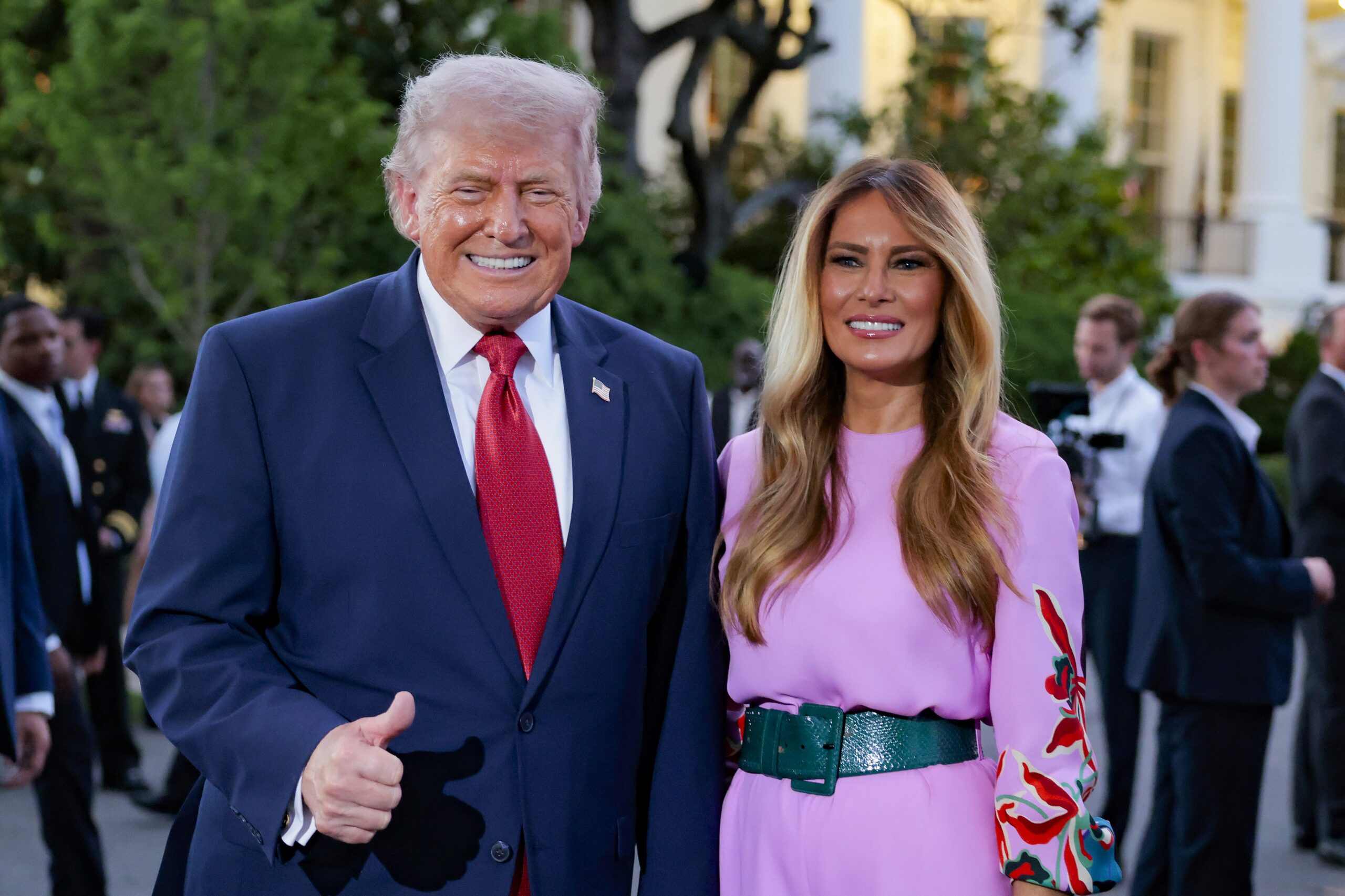
    Donald Trump received a $10.7 million fee from Amazon for a documentary centered on his wife, Melania Trump, according to reports in 2026. This significant financial transaction links a former U.S. President directly with a major streaming platform, Amazon, for a content production.

    The documentary, titled ‘Melania,’ focuses on the life and public role of the former First Lady. The reported fee underscores the commercial value placed on narratives involving high-profile political personalities in the contemporary media landscape.

    The ‘Melania’ Documentary Project

    The project, named simply ‘Melania,’ aims to explore various facets of Melania Trump’s life. This includes her journey from Slovenia to the United States, her career as a model, and her tenure as First Lady. The documentary is part of Amazon’s broader strategy to expand its exclusive content offerings.

    Amazon has invested heavily in original programming for its Prime Video service. The acquisition of content featuring globally recognized figures aligns with this strategy. Such productions often attract a wide audience, driven by both political interest and curiosity about public lives.

    Details regarding the documentary’s production timeline and expected release date remain under wraps. However, the reported fee suggests a substantial production budget beyond just the payment to Donald Trump.

    Donald Trump’s Financial Engagement with Amazon

    The $10.7 million payment to Donald Trump for the ‘Melania’ documentary represents a direct financial agreement between the former President and Amazon. This type of arrangement is not unprecedented among former heads of state who often pursue post-presidency careers in media, publishing, or public speaking.

    Previous U.S. presidents have engaged in lucrative book deals, speaking tours, and documentary appearances. The scale of this particular payment for a documentary, however, draws specific attention due to its magnitude and the political climate of 2026.

    Financial disclosures related to Donald Trump’s assets and income have often been subjects of public scrutiny. This new income stream from Amazon adds a new dimension to his post-presidency financial activities.

    What Precedents Exist for Such Payments?

    High-profile political figures frequently monetize their experiences after leaving office. Former President Barack Obama and former First Lady Michelle Obama signed a multi-year production deal with Netflix in 2018. This deal included documentaries, films, and series.

    Similarly, former President Bill Clinton and former Secretary of State Hillary Clinton have also engaged in various media projects. These often include book deals and speaking engagements that command significant fees.

    The specific nature of the ‘Melania’ documentary, focusing on the former First Lady while the payment goes to the former President, adds a unique element to these precedents. It highlights the intertwined personal and public brands of political families.

    The Broader Context of Political Figures in Entertainment

    The involvement of Donald Trump and Melania Trump in a major streaming documentary reflects a growing trend. Political figures are increasingly seen as valuable commodities in the entertainment industry. Their stories and perspectives attract significant viewership across diverse demographics.

    Streaming platforms, in their quest for unique and compelling content, often turn to personalities with established public recognition. This strategy can lead to substantial financial benefits for the individuals involved. It also generates considerable buzz for the platforms.

    The intersection of politics and entertainment has become more pronounced in the 21st century. Documentaries, docuseries, and memoirs by political figures are now common. They serve both as historical records and as commercial products.

    Public Reaction and Political Implications

    The news of the $10.7 million payment sparked immediate public discussion. Reactions vary widely, often aligning with existing political viewpoints. Supporters of Donald Trump may view the payment as a recognition of his and Melania Trump’s enduring public interest.

    Critics, however, may question the ethics or appropriateness of such a large payment. Concerns might include the potential for bias in the documentary’s narrative or the use of public office for private financial gain. These discussions are characteristic of the highly polarized political environment in 2026.

    Media analysts also weigh in on the implications for Amazon. Partnering with such a divisive figure can bring both increased subscriptions and potential backlash. The company navigates these complexities in its content acquisition decisions.

    Amazon’s Content Strategy and Investment

    Amazon’s decision to fund the ‘Melania’ documentary and pay a substantial fee to Donald Trump fits into its aggressive content strategy. The company aims to differentiate Prime Video from competitors like Netflix, Disney+, and HBO Max. Exclusive content featuring globally recognized individuals is a key component of this strategy.

    The investment signifies Amazon’s belief in the commercial viability of a documentary about Melania Trump. The platform likely anticipates that the film will attract a significant audience, potentially driving new Prime subscriptions or retaining existing ones.

    Amazon’s content budget has grown exponentially over the past decade. The company continues to seek out projects that generate significant media attention and subscriber engagement. The ‘Melania’ documentary is positioned to achieve both objectives.

    The Role of Documentaries in Shaping Public Perception

    Documentaries often play a crucial role in shaping public perception of historical events and individuals. The ‘Melania’ documentary has the potential to offer a curated narrative of the former First Lady’s life. This narrative could influence how audiences view her and the Trump administration.

    The creative control and editorial independence of such projects are often debated. The extent of involvement from Donald Trump and Melania Trump in the documentary’s production will be a point of interest for viewers and critics alike. The payment structure itself suggests a level of buy-in or cooperation.

    These productions can serve to humanize political figures or to reinforce existing public images. The impact of ‘Melania’ on public discourse will depend heavily on its content, tone, and reception upon release.

    The Future of Political Personalities in Media

    The $10.7 million payment for the ‘Melania’ documentary signals a continuing trend. Political personalities will increasingly leverage their fame for media ventures. This includes documentaries, podcasts, and streaming series. The digital age offers numerous platforms for such content.

    This trend blurs the lines between politics, entertainment, and celebrity culture. Public figures often transition seamlessly between these domains. Their personal stories become valuable assets in the content economy.

    The financial scale of these deals also reflects the competitive nature of the streaming wars. Platforms are willing to pay top dollar for content that guarantees an audience. Political figures, with their built-in fan bases and detractors, offer exactly that.

    The landscape of media consumption continues to evolve. Audiences seek diverse forms of storytelling. Documentaries about prominent political figures satisfy a demand for both information and entertainment. The ‘Melania’ project is a prominent example of this ongoing evolution.

    Political figures will continue to explore new avenues for storytelling and engagement. Streaming platforms will continue to seek out compelling narratives. The financial arrangements will likely grow in scale and complexity.

    Negotiations. Contracts. Content.

    Amazon.

  • Tom Hardy Returns to ‘MobLand’ – Season 3 Renewal Secured After Resolved Issues

    Tom Hardy Returns to ‘MobLand’ – Season 3 Renewal Secured After Resolved Issues

    Tom Hardy Confirms ‘MobLand’ Return

    Tom Hardy, the acclaimed actor, has officially resolved the issues that previously stalled his return to the crime drama series ‘MobLand’. This development, confirmed on June 30, 2026, directly secures the renewal of the series for a third season. The resolution allows production to move forward, ending speculation surrounding the show’s future and Hardy’s continued participation.

    The series, known for its gritty portrayal of organized crime and complex character arcs, has cultivated a dedicated global fanbase since its debut. Hardy’s central role is considered integral to its narrative and commercial success. His confirmed return is a significant victory for both the production studio and the network.

    The Road to Resolution

    The path to this resolution was not without its challenges. Reports emerged in late 2025 detailing significant disagreements between Hardy and the production team. These issues were never explicitly detailed in public statements. Industry insiders suggested they pertained to creative control, scheduling conflicts, or compensation disputes.

    Negotiations reportedly intensified during the first half of 2026. Representatives for Tom Hardy engaged in extensive discussions with network executives and the ‘MobLand’ production company. The objective was to find common ground that would satisfy all parties involved and ensure the series’ continuation.

    Multiple sources close to the production indicated that the primary sticking points involved contractual specifics. These included the actor’s availability for filming and the scope of his character’s storyline in future seasons. Creative differences often arise in long-running series, particularly with lead actors who become deeply invested in their roles.

    Impact on ‘MobLand’ Production

    The uncertainty surrounding Hardy’s involvement had placed the third season of ‘MobLand’ in limbo. Writers were reportedly hesitant to finalize scripts without a firm commitment from their lead. Casting directors faced challenges in securing supporting roles, given the potential for delays or even cancellation.

    With the issues now resolved, the production team can accelerate pre-production efforts. This includes script finalization, casting, and securing filming locations. The immediate focus will be on establishing a clear production timeline for Season 3.

    Industry analysts had previously warned that a departure by Hardy could severely impact the series’ viewership and critical reception. His performance is frequently cited as a cornerstone of the show’s appeal. The network’s commitment to resolving these issues underscores the value placed on his contribution.

    The ‘Spat’ and Public Perception

    The term ‘spat’ was used by some media outlets to describe the disagreements. While the exact nature of the dispute remains private, the public perception was one of significant friction. This type of high-profile disagreement can generate negative publicity, even if ultimately resolved.

    The resolution serves to reassure the audience and investors. It demonstrates the network’s ability to navigate complex talent relations. It also reinforces the idea that the series is a priority for all stakeholders.

    Public statements from Hardy’s representatives and the production company were brief but positive. They emphasized a mutual desire to continue the successful collaboration. This diplomatic approach helps to mend any perceived rifts and refocus attention on the upcoming season.

    Hardy’s Career Trajectory

    Tom Hardy has a distinguished career marked by versatile performances across film and television. His roles often feature intense, complex characters. This aligns with the demanding nature of his ‘MobLand’ character.

    Notable past projects include his work in films such as ‘Mad Max: Fury Road’ (2015), ‘The Revenant’ (2015), and ‘Venom’ (2018). His television roles, while less frequent, have also garnered critical acclaim. His commitment to ‘MobLand’ further solidifies his presence in the prestige television landscape.

    His ability to command significant audience attention makes him a valuable asset to any production. The network’s efforts to retain him reflect this market reality. The resolution of the ‘MobLand’ issues is a testament to his negotiating power and importance to the series.

    Anticipation for Season 3

    Fans of ‘MobLand’ have eagerly awaited news regarding the third season. Social media platforms have been abuzz with speculation. The official confirmation of Hardy’s return is expected to generate significant excitement.

    The series has received critical praise for its writing, direction, and ensemble cast. Its complex exploration of moral ambiguity and power dynamics has resonated with viewers. The continuation of these themes with Hardy at the helm is a key factor in fan anticipation.

    The network is expected to release further details about the third season’s plot and premiere date in the coming months. Marketing campaigns will likely leverage the resolved issues as a narrative of triumph and dedication to the series.

    The Business of Television

    The resolution of Tom Hardy’s contract issues highlights the intricate business aspects of modern television production. Major stars often have significant leverage due to their drawing power. Negotiations can be protracted and involve substantial financial and creative considerations.

    Networks and studios must balance creative integrity with financial viability. Retaining a lead actor of Hardy’s caliber often requires concessions. These might include increased salary, executive producer credits, or greater input on storylines.

    The successful conclusion of these negotiations sets a precedent. It demonstrates that even with high-profile talent, resolutions can be achieved. This ensures the continuity of popular series, satisfying both creative teams and the audience.

    The future of ‘MobLand’ now appears secure. Production will move forward. New storylines will develop. Audiences will once again watch Tom Hardy.

    Negotiations concluded. Contracts signed. Production begins.

    MobLand.

  • Iger’s Silence on Chapek – Disney’s Succession Narratives Unpacked

    Iger’s Silence on Chapek – Disney’s Succession Narratives Unpacked

    The Public Narrative of Disney Succession

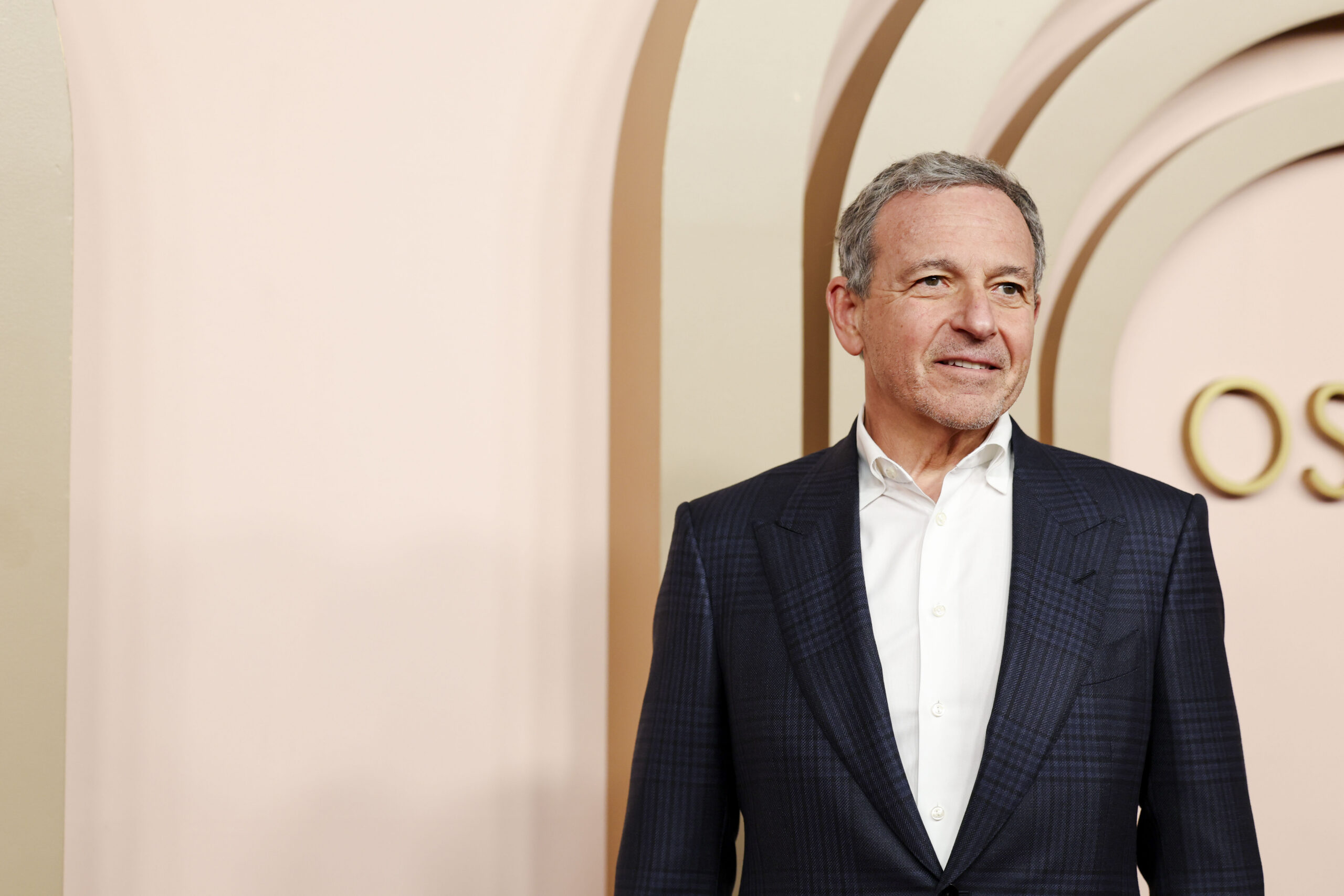
    Robert A. Iger, the current Chief Executive Officer of The Walt Disney Company, has reportedly made a practice of not referring to his direct successor and predecessor, Robert “Bob” Chapek, by name in public comments. This reported avoidance occurs when discussing the period of Disney leadership between Iger’s initial departure and his return. Iger has also addressed claims of his undermining Chapek’s leadership, dismissing them as “a misperception.”

    This pattern of communication highlights the complex and often contentious nature of executive transitions at major corporations. The Walt Disney Company, a global entertainment conglomerate, has experienced significant leadership shifts over the past four years.

    Iger’s Tenure and Chapek’s Appointment

    Robert Iger served as CEO of The Walt Disney Company for 15 years, from 2005 to 2020. During his initial tenure, Iger oversaw major acquisitions, including Pixar in 2006, Marvel Entertainment in 2009, Lucasfilm in 2012, and 21st Century Fox’s entertainment assets in 2019. These strategic moves significantly expanded Disney’s intellectual property portfolio and global reach.

    In February 2020, Iger transitioned from CEO to Executive Chairman, naming Bob Chapek as his successor. Chapek had a long history with Disney, having joined the company in 1993. Prior to becoming CEO, Chapek held leadership roles, including Chairman of Parks, Experiences and Products, and President of Disney Consumer Products.

    The Chapek Era: Challenges and Controversies

    Bob Chapek’s tenure as CEO, from February 2020 to November 2022, coincided with unprecedented global challenges. The onset of the COVID-19 pandemic in early 2020 severely impacted Disney’s core businesses, particularly its theme parks, cruise lines, and theatrical releases. Chapek navigated the company through significant shutdowns and operational adjustments.

    Under Chapek, Disney made strategic shifts towards streaming, accelerating the growth of Disney+. The company also faced public controversies, including a highly publicized dispute with Florida Governor Ron DeSantis over the state’s Parental Rights in Education Act, often referred to as the “Don’t Say Gay” bill. This political entanglement led to the dissolution of the Reedy Creek Improvement District, which had granted Disney significant self-governing authority for decades.

    Internally, reports emerged of friction within Disney’s executive ranks and dissatisfaction among creative talent. Chapek’s leadership style and strategic decisions were subject to increasing scrutiny from investors and industry observers.

    The Return of Robert Iger

    In November 2022, The Walt Disney Company’s board of directors announced Chapek’s immediate departure as CEO. Robert Iger was reinstated as CEO, initially for a two-year term, with a mandate to restore stability, improve creative output, and identify a long-term successor. Iger’s return was widely seen as an attempt to reassure investors and employees amidst declining stock performance and perceived leadership instability.

    Upon his return, Iger initiated a significant corporate restructuring. This included the consolidation of media and entertainment divisions, a renewed focus on creative decision-making, and a commitment to cost-cutting measures. The company announced plans for approximately 7,000 job cuts and a target of $5.5 billion in annualized cost savings.

    “A Misperception” – Iger’s Response to Undermining Claims

    The report indicating Iger’s reluctance to name Chapek also details Iger’s response to claims that he undermined Chapek’s authority during his time as Executive Chairman. Iger has stated that such claims are “a misperception.” This denial seeks to clarify the nature of his involvement and influence during Chapek’s leadership period.

    The role of an Executive Chairman, particularly following a long and successful CEO tenure, can be ambiguous. The degree of influence retained by a former CEO, even in an advisory capacity, can be a source of tension in succession planning. These dynamics are not uncommon in large, complex organizations with strong, long-serving leaders.

    Succession Planning in Corporate America

    Effective CEO succession planning is a critical challenge for corporate boards. The Disney situation serves as a high-profile example of the complexities involved. A smooth transition requires clear roles, consistent communication, and alignment on strategic vision between the outgoing and incoming leaders.

    The reported narrative surrounding Iger and Chapek underscores the importance of not just identifying a successor, but also managing the transition period. This includes the departing CEO’s role, the incoming CEO’s autonomy, and the communication strategy to internal and external stakeholders.

    The Path Forward for Disney

    As of 2026, Robert Iger continues to lead The Walt Disney Company. His focus remains on navigating the evolving media landscape, strengthening Disney’s streaming services, and optimizing its traditional businesses. The company is actively working on identifying a new long-term CEO successor, aiming to avoid a repeat of the past succession challenges.

    The company’s performance and strategic direction under Iger’s renewed leadership are closely watched by shareholders, analysts, and the broader entertainment industry. The narratives surrounding past leadership, including the reported dynamics between Iger and Chapek, continue to inform perceptions of Disney’s corporate culture and governance.

    The company seeks to regain its footing in a competitive market. It aims to innovate its content creation. It seeks to solidify its financial performance.

    Disney.

  • Netflix Recreates Gene Wilder’s Voice Using AI for ‘The Golden Ticket’

    Netflix Recreates Gene Wilder’s Voice Using AI for ‘The Golden Ticket’

    Netflix has employed artificial intelligence to generate the voice of the late actor Gene Wilder for its upcoming reality competition series, ‘The Golden Ticket.’ This series, set to premiere in 2026, draws inspiration from the iconic Willy Wonka narrative. The decision to use AI to replicate Wilder’s voice has ignited widespread discussion regarding the ethical implications of using such technology for deceased performers.

    The announcement from Deadline on June 30, 2026, confirmed Netflix’s use of this advanced technology. This marks a significant moment in the intersection of artificial intelligence and the entertainment industry. It brings to the forefront questions about consent, legacy, and the future of creative works.

    The Digital Resurrection of Gene Wilder

    Gene Wilder, known for his portrayal of Willy Wonka in the 1971 film ‘Willy Wonka & the Chocolate Factory,’ passed away in 2016. His distinctive voice and acting style became synonymous with the whimsical character. The decision by Netflix to recreate his voice using AI for ‘The Golden Ticket’ aims to connect the new series directly to this established cultural touchstone.

    AI voice synthesis technology has advanced significantly in recent years. Algorithms can now analyze existing audio recordings to generate new speech patterns that mimic a specific person’s voice. This process involves complex machine learning models that capture nuances in tone, pitch, and cadence.

    The technology allows for the creation of new dialogue that Wilder never spoke himself. This capability presents both creative opportunities and considerable ethical challenges. The estate of Gene Wilder has not issued a public statement regarding the use of his voice as of June 30, 2026.

    The ‘Golden Ticket’ Reality Series

    ‘The Golden Ticket’ is a reality competition series. Its premise reportedly involves contestants vying for an experience inspired by the fantastical world of Willy Wonka. Specific details about the challenges and prizes remain under wraps prior to its 2026 premiere.

    The series’ connection to the Willy Wonka universe is explicit. The use of Gene Wilder’s AI-generated voice is intended to reinforce this link. It aims to evoke nostalgia and authenticity for viewers familiar with the original film.

    Netflix has invested heavily in reality programming in recent years. Titles like ‘Squid Game: The Challenge’ and ‘Love Is Blind’ have garnered significant viewership. ‘The Golden Ticket’ represents an expansion into a new subgenre, blending fantasy themes with competitive reality television.

    Ethical Considerations and Industry Debate

    The recreation of Gene Wilder’s voice using AI has sparked a robust ethical debate. This discussion centers on several key areas:

    • Consent and Legacy: A primary concern is whether deceased artists can truly consent to the use of their likeness or voice. Critics argue that such uses may infringe upon their personal autonomy and control over their legacy.
    • Performer Rights: The Screen Actors Guild – American Federation of Television and Radio Artists (SAG-AFTRA) has previously raised concerns about AI’s impact on performers’ rights. The union advocates for clear guidelines and compensation structures for digital replicas.
    • Authenticity and Artistic Integrity: Some argue that AI-generated performances dilute the authenticity of an artist’s work. They question whether a synthesized voice truly honors the original performance or merely exploits it.
    • Precedent for Future Use: This case sets a precedent for how AI might be used with other deceased actors. It opens the door for a future where digital replicas become commonplace without explicit prior consent.

    Industry professionals, legal experts, and fans are weighing in on these issues. The conversation extends beyond Gene Wilder to the broader implications for the entertainment ecosystem.

    Legal Landscape for Digital Replicas

    The legal framework surrounding digital replicas of deceased individuals remains largely undeveloped. Existing intellectual property laws, such as copyright and trademark, offer limited protection in this specific area.

    Right of publicity laws vary by state in the United States. These laws generally protect an individual’s right to control the commercial use of their identity. However, their applicability to deceased persons and AI-generated content is often ambiguous.

    Legislation concerning post-mortem publicity rights is complex. Some states, like California, have specific statutes that allow estates to control a deceased celebrity’s likeness for a period after their death. Other states have no such provisions.

    The lack of clear legal precedent creates uncertainty for studios and estates alike. This specific instance with Gene Wilder’s voice may prompt further legislative action or judicial rulings to clarify these boundaries.

    AI’s Growing Role in Entertainment Production

    The use of AI in ‘The Golden Ticket’ is part of a larger trend. Artificial intelligence is increasingly integrated into various aspects of entertainment production. This includes scriptwriting, visual effects, and even music composition.

    AI tools can generate realistic CGI characters, de-age actors, and even create entire virtual environments. These capabilities offer efficiency and creative possibilities previously unattainable.

    The controversy surrounding Gene Wilder’s voice highlights a specific ethical flashpoint. However, AI’s broader integration continues to reshape how content is created and consumed. Studios are exploring AI for cost reduction and enhanced production value.

    Public Reception and Fan Engagement

    Public reaction to Netflix’s decision has been mixed. Many fans of Gene Wilder express discomfort and a sense of unease. They view the AI recreation as disrespectful to his memory and artistic legacy.

    Others express curiosity about the technological achievement. They are interested in how the AI-generated voice will integrate into ‘The Golden Ticket’ series. This segment of the audience focuses more on the novelty and potential for new creative expressions.

    Social media platforms have become a primary venue for these discussions. Hashtags related to Gene Wilder, AI ethics, and Netflix are trending globally. This public discourse reflects a broader societal grappling with advanced AI technologies.

    The Future of Performer Rights in the AI Era

    The Gene Wilder case underscores the urgent need for updated performer rights. As AI technology advances, the ability to digitally replicate voices, faces, and even entire performances becomes more sophisticated.

    SAG-AFTRA has been at the forefront of advocating for protections. They seek consent requirements, fair compensation, and clear ownership of digital replicas. The union’s efforts aim to prevent the exploitation of performers, both living and deceased.

    The debate around AI and performer rights is not new. However, the concrete application by a major streamer like Netflix brings it to a critical juncture. The outcome of this particular situation may influence future industry standards and collective bargaining agreements.

    The entertainment industry stands at a crossroads. Technological advancement offers new creative avenues. Ethical considerations demand careful navigation. The legacy of artists and the rights of performers are central to this ongoing discussion.

    Lawmakers, industry executives, and artist representatives continue to convene. Frameworks are being proposed. Debates persist. The digital landscape transforms.

    Conclusion

    Netflix’s use of AI to recreate Gene Wilder’s voice for ‘The Golden Ticket’ represents a significant technological and ethical development. It has ignited discussions about consent, artistic integrity, and the future of performer rights. The reality series, set to premiere in 2026, will serve as a prominent example of AI’s integration into mainstream entertainment. The ongoing dialogue will shape policies and public perception surrounding digital replicas in the years to come. The question of who controls an artist’s legacy in the age of AI remains a central, unresolved challenge.

    Technology advances. Ethics are tested. Legacies are debated. The future unfolds.

  • Carl Rinsch Sentenced to 30 Months for Netflix Fraud After Mental Health Pleas

    Carl Rinsch Sentenced to 30 Months for Netflix Fraud After Mental Health Pleas

    Director Carl Rinsch was sentenced to 30 months in federal prison on June 30, 2026. The sentencing followed his conviction on fraud charges. These charges relate to his handling of a $55 million budget provided by Netflix for the science-fiction series ‘Conquest.’ Arguments presented during the proceedings cited Rinsch’s mental health struggles, with actor Keanu Reeves offering support for these claims.

    The legal process concluded after an extensive investigation into the project’s financial disbursements. Rinsch’s defense focused on psychological factors influencing his decisions. The court ultimately determined a custodial sentence was appropriate given the financial irregularities involved.

    The ‘Conquest’ Project and Netflix’s Investment

    Netflix greenlit ‘Conquest’ as a major science-fiction undertaking. The streaming giant committed $55 million to the project. This substantial investment aimed to produce a high-concept series. Carl Rinsch was attached as the director, a role he secured partly due to his previous collaboration with Keanu Reeves.

    The series was intended to be a global production. Locations across multiple continents were scouted. Pre-production began with significant expenditure. Netflix anticipated a groundbreaking visual spectacle.

    Reports indicate that Rinsch received the $55 million in various tranches. These funds were designated for production costs, including crew salaries, equipment rentals, and special effects development. However, the project never progressed beyond early stages of development.

    Allegations of Misappropriation of Funds

    The core of the fraud case involved the alleged misuse of Netflix’s investment. Prosecutors contended that a substantial portion of the $55 million was diverted by Rinsch for personal use. These personal expenditures included luxury items and speculative investments.

    Evidence presented in court detailed purchases of high-end automobiles. Luxury watches and designer clothing were also cited. Furthermore, Rinsch reportedly invested millions in cryptocurrency, experiencing significant losses. These transactions were deemed unrelated to the ‘Conquest’ production budget.

    Netflix initiated an internal review when production stalled and financial discrepancies emerged. This review led to the formal complaint. Federal investigators then launched a full inquiry into Rinsch’s financial activities related to the project.

    Keanu Reeves’ Involvement and Support

    Actor Keanu Reeves played a notable role in the legal proceedings. Reeves had previously worked with Rinsch on other projects, including the 2013 film ’47 Ronin.’ Their professional relationship spanned several years.

    Reeves provided a statement to the court regarding Rinsch’s mental state. He described observations of Rinsch’s behavior over time. The statement aimed to contextualize Rinsch’s actions within a framework of psychological distress.

    The actor’s involvement underscored the gravity of the mental health arguments. His testimony did not dispute the financial facts. Instead, it sought to explain the underlying causes of Rinsch’s conduct. Reeves’s participation highlighted the complex nature of the case.

    The Defense’s Argument: Mental Health Struggles

    Rinsch’s legal defense primarily centered on his deteriorating mental health. Attorneys argued that Rinsch was experiencing a severe psychological breakdown during the period of alleged fraud. They suggested his judgment was significantly impaired.

    Expert witnesses, including psychiatrists, testified on Rinsch’s behalf. They presented assessments detailing conditions such as bipolar disorder and narcissistic personality traits. The defense posited that these conditions contributed to his erratic financial decisions and inability to manage the project effectively.

    The defense team presented extensive medical records. These records aimed to establish a pattern of mental health challenges. The argument was that Rinsch’s actions, while illegal, stemmed from a compromised mental state rather than deliberate malice.

    Court’s Deliberation on Mental Health

    The court acknowledged the evidence of mental health issues. Judge Elaine Thompson presided over the sentencing hearing. She considered the medical reports and expert testimonies carefully.

    However, the court also weighed the substantial financial loss incurred by Netflix. The judge noted the significant amount of money involved. The impact of the fraud on investors and the industry was also a factor.

    Ultimately, the court determined that mental health struggles, while relevant, did not entirely absolve Rinsch of criminal responsibility. The decision aimed to balance the need for accountability with an understanding of mitigating circumstances. A prison sentence was deemed necessary to reflect the seriousness of the financial misconduct.

    Impact on Netflix and Future Productions

    The ‘Conquest’ debacle represents a significant financial loss for Netflix. The $55 million investment yielded no completed series. This incident prompts questions about due diligence in large-scale production funding.

    The case may lead to stricter oversight protocols for Netflix’s future projects. The streaming platform relies on external creators and directors. Ensuring accountability for allocated funds remains paramount.

    The incident also serves as a cautionary tale within the entertainment industry. It highlights the risks associated with high-budget, ambitious projects. The balance between creative freedom and financial responsibility is a constant challenge.

    The Broader Conversation: Accountability in Hollywood

    Carl Rinsch’s sentencing contributes to a larger conversation about accountability in Hollywood. Public figures, including directors and producers, are increasingly scrutinized for their conduct. Financial impropriety carries severe consequences.

    The case also touches upon mental health awareness within demanding industries. The pressures of high-stakes projects can exacerbate existing psychological conditions. Support systems and early intervention are crucial for individuals in such roles.

    This outcome sends a clear message. Financial fraud, regardless of underlying factors, will be met with legal repercussions. The pursuit of justice for corporate and individual victims remains a priority for the legal system.

    Sentencing Details and Future Implications

    Rinsch’s 30-month sentence includes provisions for mental health treatment. The court mandated therapy and counseling during his incarceration. This aspect of the sentence reflects the acknowledgment of his psychological challenges.

    Upon release, Rinsch will face probation. The terms of his probation will include further therapeutic requirements. Financial restitution to Netflix is also a component of the judgment.

    The case sets a precedent for how financial fraud cases are handled when mental health is a significant mitigating factor. It underscores the complexity of such legal battles. The outcome reflects a blend of punitive measures and an attempt at addressing underlying issues.

    Investigators gathered. Lawyers argued. Witnesses testified. Judgment rendered.

    Prison.