Tag: Streaming

  • Danny Pintauro: From Child Star to Amazon Driver Amidst Residuals Debate

    Danny Pintauro: From Child Star to Amazon Driver Amidst Residuals Debate

    The Reality of Residuals for Former Child Stars

    Danny Pintauro, widely recognized for his role as Jonathan Bower on the popular 1980s sitcom Who’s the Boss?, disclosed in June 2026 that he holds five different jobs, including a position as an Amazon delivery driver. This necessity, according to Pintauro, stems directly from the lack of residual payments from his earlier acting career. His experience illustrates a broader financial reality for many actors, particularly those who achieved fame as children, where initial success does not guarantee long-term financial stability.

    The concept of residuals, payments made to performers for the reuse of their work, has become a central point of discussion within the entertainment industry. For many, these payments are crucial for sustaining a career, especially during periods between projects. Pintauro’s situation brings this issue into sharp focus, highlighting how the absence of such income can compel individuals to seek alternative employment.

    The Legacy of Who’s the Boss?

    Who’s the Boss? aired from 1984 to 1992, becoming a staple of American television. The series starred Tony Danza as Tony Micelli, a retired baseball player who becomes a live-in housekeeper for advertising executive Angela Bower, played by Judith Light. Pintauro played Angela’s son, Jonathan, a role he held for all eight seasons of the show’s original run.

    The sitcom was a significant commercial success for ABC, consistently ranking among the top-rated programs during its tenure. Its popularity led to syndication deals that have seen the show broadcast repeatedly over decades. Despite the show’s enduring presence in rerun rotations and streaming libraries, the financial benefits for some of its original cast members, such as Pintauro, appear to be minimal.

    The Evolution of Residuals in the Digital Age

    Residuals historically provided a safety net for actors. These payments were typically calculated based on the number of times a program was rerun on broadcast television or sold into syndication. However, the advent of cable television, then DVDs, and more recently, streaming services, has complicated the system of residual payments.

    The formulas for calculating residuals have struggled to keep pace with these technological shifts. Many actors and their unions argue that existing contracts do not adequately compensate performers for the continuous availability of their work on platforms like Netflix, Hulu, and Peacock. This disparity often means that while a show continues to generate revenue for studios and distributors, the original cast members may see little to no financial benefit.

    Danny Pintauro’s Career Trajectory Post-Sitcom

    After Who’s the Boss? concluded, Danny Pintauro continued to act, though not with the same level of mainstream visibility. He appeared in various stage productions and independent films. Pintauro also pursued higher education, attending Stanford University. His career path has since diversified significantly, leading him to his current portfolio of five different occupations.

    His candidness about his financial situation sheds light on the often-unseen struggles of former child stars. The transition from a highly visible public figure to an individual navigating a more conventional career path can be challenging, both personally and financially. Pintauro’s narrative adds to a growing body of public discourse regarding the long-term well-being of young performers in Hollywood.

    The Broader Impact on Actors

    Pintauro’s experience is not isolated. Many actors, even those with recognizable faces, struggle to earn a consistent living solely from their craft. The Screen Actors Guild – American Federation of Television and Radio Artists (SAG-AFTRA) has frequently raised concerns about residual payments, particularly in the context of streaming. The union has advocated for updated compensation structures that better reflect the value generated by content on digital platforms.

    The debate over residuals gained significant public attention during the 2023 Hollywood strikes, which saw writers and actors demand fairer compensation, including improved residual formulas. The argument centered on the idea that as studios and streamers profit immensely from libraries of content, the creators and performers of that content should share equitably in the ongoing success.

    Why Five Jobs? The Economic Imperative

    Pintauro’s statement about needing five jobs underscores the economic pressures at play. An Amazon delivery driver role, while providing income, represents a significant departure from the glamorous image often associated with Hollywood. This type of work, alongside others he may hold, indicates a proactive approach to financial stability in the absence of passive income from residuals.

    For many, the idea of a former child star working in a service industry role can be surprising. However, it reflects a practical reality for individuals whose primary source of income from acting has diminished or ceased entirely. The competitive nature of the entertainment industry means that securing consistent, high-paying acting roles can be exceptionally difficult, even for those with prior success.

    The Public’s Perception of Child Stars

    Public perception often holds an idealized view of child stars, assuming that early success translates into lifelong wealth. Pintauro’s story challenges this notion, revealing a more complex and often precarious financial landscape. The narrative of the struggling former child star is not new, but Pintauro’s directness about residuals brings a specific economic angle to the discussion.

    This public disclosure also serves to humanize the experience of those who grew up in the spotlight. It moves beyond tabloid headlines to address the tangible economic consequences of an entertainment career that offers little long-term financial security for many participants. It prompts a reevaluation of the structures that govern compensation in Hollywood.

    Looking Ahead: The Future of Residuals

    The discussions surrounding residuals are ongoing. Unions continue to negotiate with studios and streaming platforms for more equitable payment models. The outcome of these negotiations will significantly impact the financial futures of countless actors, both established and emerging.

    For individuals like Danny Pintauro, these changes could mean a more stable financial outlook. For the industry as a whole, it represents a critical juncture in adapting traditional compensation methods to the realities of modern media distribution. The hope is for a system that fairly rewards all contributors to successful productions, regardless of when their work was originally created or how it is consumed today.

    Former child stars like Pintauro navigate unique challenges. They transition from public figures to private individuals. They seek financial stability. They adapt to changing industries.

    Their stories resonate.

    Hollywood.

    FAQ

    What is Danny Pintauro doing now in 2026?

    As of June 2026, Danny Pintauro is working five different jobs, including a role as an Amazon delivery driver. He has publicly stated that these jobs are necessary because he does not receive significant residual payments from his past acting work, such as his role on Who’s the Boss?

    Why does Danny Pintauro not receive residuals from Who’s the Boss??

    The specific terms of Danny Pintauro’s original contract for Who’s the Boss? are not publicly detailed. However, his statement implies that the residual payment structure for his past work does not provide substantial ongoing income, a common issue for many actors under older contracts or within the current streaming ecosystem where residual formulas are often debated as inadequate.

    Are other former child stars experiencing similar financial issues?

    Yes, many former child stars and actors across the industry face financial challenges due to inconsistent work and insufficient residual payments, especially with the shift to streaming platforms. Danny Pintauro’s situation highlights a broader problem within the entertainment industry regarding fair compensation for the reuse of creative work.

    What are residuals in the entertainment industry?

    Residuals are payments made to actors, writers, and directors for the reuse of their work (e.g., reruns, syndication, streaming). They are intended to provide ongoing compensation when a film or television program is broadcast or distributed beyond its initial run. The calculation of residuals is often complex and varies based on contracts and distribution methods.

    Has Danny Pintauro retired from acting completely?

    While Danny Pintauro has diversified his career to include non-acting jobs like an Amazon delivery driver, he has not necessarily retired from acting. Many actors maintain various income streams while continuing to pursue acting roles, particularly in stage productions or independent projects, which may not offer the same financial stability as mainstream television or film.
  • Little House on the Prairie Reimagining: What to Know About the Netflix Series

    Little House on the Prairie Reimagining: What to Know About the Netflix Series

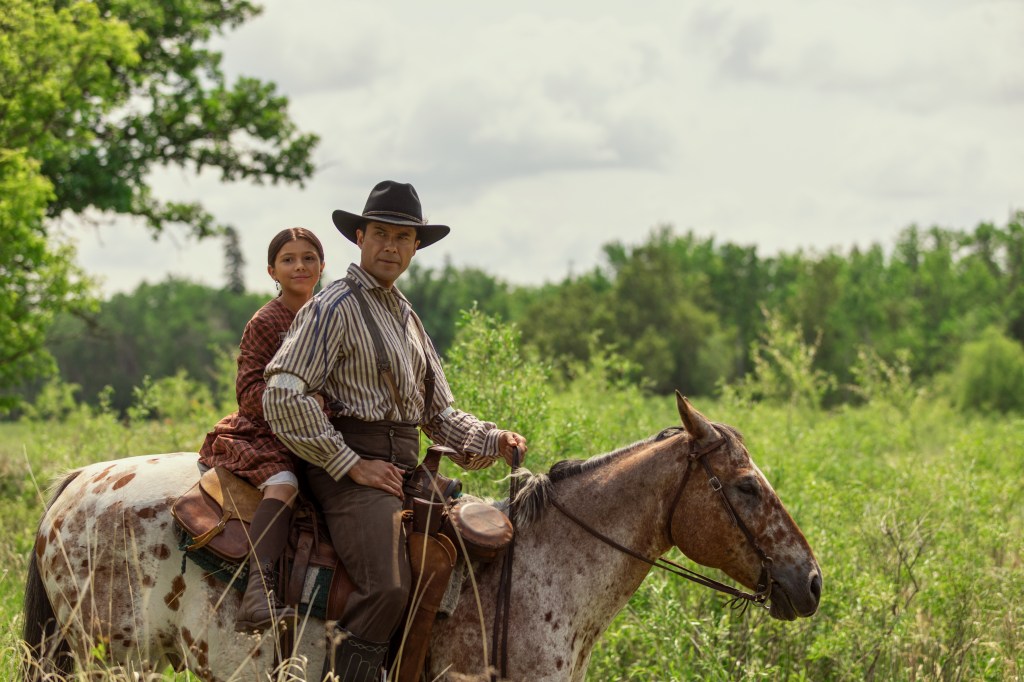
    A reimagining of the classic American saga, ‘Little House on the Prairie,’ is reportedly in development at Netflix. This new series aims to bring the beloved stories of the Ingalls family, first chronicled by Laura Ingalls Wilder in her autobiographical books, to a modern audience. As of June 2026, specific details about the cast, production schedule, and creative team remain undisclosed, but the project signals a renewed interest in the enduring themes of pioneer life, family resilience, and the American frontier.

    The Enduring Legacy of the Prairie

    The ‘Little House’ books by Laura Ingalls Wilder have captivated generations of readers since the first installment, ‘Little House in the Big Woods,’ was published in 1932. The series follows the Ingalls family, Charles, Caroline, Mary, Laura, and Carrie, as they navigate the challenges and triumphs of westward expansion in the late 19th century.

    Wilder’s narratives are celebrated for their vivid descriptions of homesteading, farming, and community building across states like Wisconsin, Kansas, Minnesota, and South Dakota. These stories provide a historical lens into the daily lives of American pioneers, offering insights into their struggles with nature, poverty, and isolation.

    The cultural impact of the books was amplified by the highly successful television series, ‘Little House on the Prairie,’ which aired on NBC from 1974 to 1983. Starring Michael Landon as Charles Ingalls and Melissa Gilbert as Laura Ingalls, the show became a staple of American television, known for its heartfelt storytelling and moral lessons.

    The series, produced by Landon’s company, Michael Landon Productions, garnered numerous awards and nominations during its run. It explored themes of family values, perseverance, and the challenges of frontier life, often taking creative liberties with Wilder’s original stories to fit a weekly television format.

    Netflix’s Vision for a Modern Prairie

    The reported Netflix reimagining suggests an effort to reintroduce these classic stories to a new generation of viewers, potentially exploring themes with a contemporary sensibility. While specific plot details are scarce, such a project would likely grapple with the historical context of the books, including their depictions of indigenous peoples and the realities of westward expansion.

    Modern adaptations often seek to provide a more nuanced portrayal of historical events and characters, reflecting current societal understanding and critical perspectives. This approach could involve expanding the roles of supporting characters or introducing new storylines that resonate with 21st-century audiences.

    The streaming platform’s venture into this beloved franchise indicates a strategy to leverage established intellectual property with a built-in fanbase. Netflix has a history of reviving and reimagining classic properties, often with significant production budgets and a global distribution reach.

    Previous successful adaptations on streaming services have demonstrated that audiences are receptive to new interpretations of familiar tales, provided they maintain the spirit of the original while offering fresh insights. The challenge for the ‘Little House’ reimagining will be to balance nostalgia with innovation.

    Production and Casting Speculation

    As of June 2026, no official announcements have been made regarding the director, writers, or primary cast members attached to the Netflix ‘Little House on the Prairie’ project. The early stage of development means that many creative decisions are likely still being finalized.

    Casting for such an iconic series would be a critical component, particularly for the roles of Charles and Caroline Ingalls, as well as the young Laura. These characters are deeply ingrained in the cultural consciousness of many viewers, setting a high bar for any new interpretation.

    The production timeline for a series of this scope typically involves extensive pre-production, including script development, location scouting, and costume design. Filming would likely take place over several months, followed by a post-production phase involving editing, visual effects, and sound design.

    Industry speculation suggests that a project of this magnitude would likely attract established talent, both in front of and behind the camera. The involvement of a major studio or production company known for historical dramas could also be a factor.

    The Original Books: A Historical Foundation

    Laura Ingalls Wilder’s ‘Little House’ series comprises nine books, detailing her family’s journey and settlement across the American frontier. The books are:

    • ‘Little House in the Big Woods’ (1932)
    • ‘Farmer Boy’ (1933)
    • ‘Little House on the Prairie’ (1935)
    • ‘On the Banks of Plum Creek’ (1937)
    • ‘By the Shores of Silver Lake’ (1939)
    • ‘The Long Winter’ (1940)
    • ‘Little Town on the Prairie’ (1941)
    • ‘These Happy Golden Years’ (1943)
    • ‘The First Four Years’ (1971, published posthumously)

    These books collectively paint a detailed picture of 19th-century American life, from the challenges of building a home on the prairie to the simple joys of family gatherings and community events. Wilder’s writing style is noted for its clarity and descriptive power, making the harsh realities of pioneer life accessible to young readers.

    The autobiographical nature of the series lends it a particular authenticity, though scholars have noted that Wilder’s daughter, Rose Wilder Lane, played a significant role in editing and shaping the manuscripts. The collaboration between mother and daughter is a subject of ongoing literary discussion.

    Comparing Adaptations: The 1970s TV Series

    The 1974 NBC television series, developed by Michael Landon, deviated from the books in several key aspects. While retaining the core characters and settings, the show often introduced new dramatic storylines and expanded the roles of minor characters.

    For example, characters like Nellie Oleson and her family were given more prominent roles in the television series, often serving as foils to the virtuous Ingalls family. The show also explored more contemporary social issues through its historical setting, sometimes adding elements not present in Wilder’s original writings.

    The series was filmed primarily on location in Simi Valley, California, with extensive sets built to recreate the town of Walnut Grove, Minnesota. This commitment to production design contributed to the show’s immersive quality and enduring appeal.

    The success of the 1970s series established a strong visual and narrative identity for ‘Little House on the Prairie’ in popular culture. Any new adaptation will inevitably be compared to this iconic rendition, facing the challenge of meeting audience expectations while forging its own path.

    Cultural Relevance in 2026

    The themes explored in ‘Little House on the Prairie’ continue to resonate in 2026. Stories of self-reliance, community support, and adapting to change remain pertinent in a rapidly evolving world. The series offers a look at a time when resources were scarce and survival often depended on ingenuity and cooperation.

    The books also touch upon complex historical issues, including the displacement of Native American populations and the environmental impact of westward expansion. A modern reimagining could provide an opportunity to explore these topics with greater depth and sensitivity, reflecting contemporary historical scholarship and diverse perspectives.

    The concept of returning to simpler times or embracing sustainable living, often romanticized through narratives like ‘Little House,’ holds continued appeal. The Ingalls family’s journey represents a foundational myth of American identity, and its reinterpretation speaks to ongoing cultural conversations about heritage and progress.

    The anticipation for a new ‘Little House’ series highlights the enduring power of these stories to connect with audiences across generations. The narrative of a family building a life against the odds, driven by hope and resilience, remains a powerful testament to the human spirit.

    The Future of Walnut Grove

    The development of a new ‘Little House on the Prairie’ series at Netflix represents a significant moment for fans of the franchise. It signals a new chapter for the Ingalls family’s story, promising fresh interpretations and a renewed focus on the classic narratives.

    The streaming giant’s investment in this property underscores the timeless appeal of Laura Ingalls Wilder’s work. The stories continue to inspire, educate, and entertain, transcending their historical setting to offer universal lessons.

    As more details emerge, audiences will watch closely to see how this reimagining balances tradition with innovation. The legacy of the prairie, a story of struggle and triumph, continues. The Ingalls family’s journey continues. The spirit of the frontier endures.

    Walnut Grove.

  • Paramount-Warner Bros. Discovery Merger Nears Completion – Regulatory Hurdles Cleared

    Paramount-Warner Bros. Discovery Merger Nears Completion – Regulatory Hurdles Cleared

    The Path to Consolidation

    The proposed merger between Paramount Global and Warner Bros. Discovery is nearing its final stages as of June 2026. This significant industry consolidation is proceeding after securing critical regulatory approvals from various international bodies. The move is poised to create a dominant force in the global entertainment and media sector.

    Discussions regarding a potential merger have been ongoing for months, driven by increasing competition in the streaming wars and the rising costs of content production. Both companies have faced financial pressures and strategic imperatives to scale their operations. The synergy aims to leverage combined intellectual property, reduce operational overhead, and enhance market share.

    Paramount Global, formerly ViacomCBS, operates a vast portfolio of assets. These include the Paramount Pictures film studio, CBS television network, and cable channels such as MTV, Comedy Central, BET, and Nickelodeon. Its streaming service, Paramount+, has been a key focus for growth.

    Warner Bros. Discovery, formed from the 2022 merger of WarnerMedia and Discovery Inc., also holds a substantial collection of media properties. Its assets include Warner Bros. film and television studios, HBO, CNN, and the Discovery Channel. The Max streaming service, formerly HBO Max, represents its primary direct-to-consumer offering.

    Navigating Regulatory Landscapes

    The journey to merger completion involves a complex process of regulatory review. Antitrust authorities in numerous countries scrutinize such large-scale transactions. Their primary concern is to prevent monopolies and ensure fair competition within the market. Each approval represents a green light from a specific national or regional governing body.

    The United States Department of Justice (DOJ) and the Federal Trade Commission (FTC) typically lead these investigations domestically. Internationally, bodies like the European Commission, the UK’s Competition and Markets Authority (CMA), and similar agencies in Canada, Australia, and other major markets conduct their own assessments. The article indicates that multiple international approvals have now been granted.

    These regulatory bodies examine several factors. They assess the potential impact on consumer choice, market concentration, and the competitive landscape for content creators and distributors. Conditions or divestitures may be imposed by regulators to mitigate concerns. However, the current status suggests that most, if not all, material conditions have been met or are being addressed.

    The completion of these regulatory hurdles signals a high degree of confidence in the merger’s ability to proceed. It also reflects the companies’ success in demonstrating that the combined entity would not unduly harm competition.

    Strategic Motivations for the Merger

    The motivation behind such a large-scale merger is multi-faceted. The media industry is undergoing rapid transformation, driven by technological advancements and shifting consumer habits. Traditional linear television models are declining, while streaming services are ascendant.

    For Paramount Global, a merger offers the opportunity to scale its streaming capabilities and content library. Paramount+ has shown growth, but faces formidable competition from established players like Netflix and Disney+. Combining with Warner Bros. Discovery would instantly expand its subscriber base and content offerings.

    Warner Bros. Discovery, under CEO David Zaslav, has been focused on debt reduction and maximizing the value of its existing assets since its own formation. A new merger would provide further financial flexibility and potentially unlock new revenue streams. The combined entity would possess an unparalleled catalog of films, television series, news, and sports content.

    The combined intellectual property would include iconic franchises from both studios. These range from Paramount’s Star Trek and Mission: Impossible to Warner Bros.’ DC Comics universe, Harry Potter, and classic Looney Tunes. This extensive library is crucial for attracting and retaining subscribers in the competitive streaming market.

    The Power of Scale

    Scale is paramount in the modern media landscape. Larger companies can negotiate better terms with distributors, advertisers, and talent. They can also invest more heavily in original content, which is a major driver of subscriber acquisition and retention.

    The cost of producing high-quality content has escalated significantly. Blockbuster films and premium television series require substantial budgets. A merged entity would have a larger financial capacity to compete for top-tier projects and talent. This could lead to a more robust and diverse content slate for consumers.

    Furthermore, a larger global footprint allows for more efficient international expansion. Both Paramount Global and Warner Bros. Discovery have international operations. Merging these would streamline operations, reduce redundancies, and accelerate growth in key global markets.

    Potential Impacts on the Industry

    This merger, once finalized, will send ripples throughout the entertainment and media industry. It will create one of the largest media conglomerates globally, directly impacting competitors and consumers alike.

    Other major players, such as Disney, Netflix, Comcast (NBCUniversal), and Amazon (MGM Studios), will face a newly strengthened rival. The increased competition could spur further consolidation or strategic partnerships among remaining independent entities. This could lead to a more concentrated media landscape overall.

    For consumers, the impact could be mixed. On one hand, a combined streaming service might offer a broader array of content under a single subscription. This could simplify choices and potentially offer better value. On the other hand, reduced competition could lead to fewer choices or higher prices in the long term, though regulators aim to prevent such outcomes.

    Content creators, including writers, directors, and actors, may find fewer major buyers for their projects. However, a larger, more stable studio could also offer more opportunities for large-scale productions. The negotiation power of talent agencies and unions could also be affected.

    The Future of Streaming and Content

    The future of streaming remains a central theme in these industry maneuvers. Both Paramount+ and Max have invested heavily in their direct-to-consumer offerings. A merger would likely lead to the consolidation of these services, potentially creating a new super-streamer.

    The combined platform would need to decide how to integrate the distinct libraries and branding of Paramount+ and Max. This integration would be a complex technical and marketing challenge. It would involve merging subscriber bases, content delivery systems, and user interfaces.

    The trend towards bundling streaming services may accelerate as a result. Companies might offer tiered subscriptions or package deals to provide greater value. The goal is to reduce churn and increase customer lifetime value in a market saturated with options.

    Moreover, the merger underscores the continued importance of intellectual property. Owning and controlling valuable franchises and characters provides a competitive advantage. These assets can be leveraged across films, television, video games, theme parks, and merchandise. The combined entity would possess a formidable arsenal of such properties.

    The successful navigation of regulatory approvals marks a significant milestone. It brings the media industry closer to a new era of consolidation and competition. The full implications will unfold in the coming months and years as the integration process begins.

    Economic Considerations

    Financial analysts will closely monitor the post-merger performance. The integration process often presents challenges, including cost synergies that don’t materialize as expected, cultural clashes between organizations, and complexities in merging technological infrastructures.

    The companies involved will need to manage significant debt loads. Warner Bros. Discovery’s formation in 2022 involved substantial debt, and any new transaction would add to or restructure this. The market will evaluate how the combined entity plans to achieve profitability and generate shareholder value.

    Advertising revenue remains a crucial component for both companies. A larger audience base across various platforms could attract more advertisers and command higher rates. This would be especially true for news and sports content, which typically draw large live audiences.

    Looking Ahead to Finalization

    With regulatory approvals largely secured, the focus shifts to the final administrative and legal steps required to complete the merger. This includes shareholder votes, if applicable, and the formal closing of the transaction. The announcement of a definitive closing date is expected in due course.

    The integration planning would already be well underway. Teams from both companies would be working on organizational structures, content strategies, and technological roadmaps. The goal is a seamless transition that minimizes disruption to operations and maximizes value creation.

    The media industry watches. Competitors strategize. Consumers await the potential changes to their entertainment options. The merger signifies a continued evolution in how content is produced, distributed, and consumed globally.

    Executives convened. Shareholders deliberated. Regulators approved. Consolidation.

  • Disney’s Missed Opportunities: James Bond, Twitter, and Apple

    Disney’s Missed Opportunities: James Bond, Twitter, and Apple

    The Walt Disney Company, under the leadership of figures like Bob Iger, pursued several high-profile corporate maneuvers that ultimately did not come to fruition. These include a failed attempt to acquire the James Bond film franchise, a decision to walk away from purchasing Twitter just hours before a deal was finalized, and preliminary merger talks with Apple that never advanced. These instances collectively illustrate critical moments where Disney’s strategic direction could have shifted dramatically.

    Such decisions, whether to pursue or abandon major acquisitions, reflect the complex interplay of market conditions, valuation disagreements, and long-term strategic vision within a global entertainment and technology conglomerate. Each scenario presented unique challenges and potential benefits, underscoring the high stakes involved in corporate development at this scale.

    The Pursuit of 007: Disney and James Bond

    Disney’s interest in the James Bond franchise represented a significant move into an established, globally recognized intellectual property. The Bond series, known for its longevity and consistent box office performance, would have provided Disney with a mature, adult-oriented action brand.

    Acquiring such a franchise would have complemented Disney’s existing portfolio, which includes Marvel, Star Wars, and Pixar. It would have diversified their content offerings beyond family-friendly fare and broadened their appeal to different demographic segments.

    The negotiations for the James Bond rights were complex. The franchise is controlled by Eon Productions, with distribution rights historically held by various studios, most recently by Amazon through its acquisition of MGM. Disney’s bid faced competition and intricate ownership structures.

    Ultimately, the deal for Disney to acquire the Bond franchise did not materialize. The reasons often cited include disagreements over valuation, creative control, and the unique independent structure of Eon Productions, which has historically maintained significant autonomy over the property.

    Why Bond Remained Elusive

    Eon Productions, led by Barbara Broccoli and Michael G. Wilson, has a long-standing commitment to maintaining the creative integrity and independent spirit of the James Bond series. This commitment often involves strict control over the character’s portrayal, narrative direction, and production decisions.

    Disney’s corporate culture, known for integrating acquisitions deeply into its ecosystem, may have clashed with Eon’s desire for independence. The financial terms and long-term strategic alignment likely proved too difficult to reconcile for both parties.

    The failure to secure James Bond meant Disney continued to focus on its existing tentpole franchises. It also highlighted the challenges of acquiring properties with complex legacy ownership and strong creative gatekeepers.

    The Twitter Turnaround: A Deal That Almost Was

    One of the most striking revelations concerns Disney’s near-acquisition of Twitter. Reports indicate that Disney was on the verge of purchasing the social media platform, with a deal reportedly hours away from being finalized. This proposed acquisition occurred at a time when Twitter was a prominent, though often volatile, global communication platform.

    The strategic rationale for Disney’s interest in Twitter was multifaceted. A social media platform would have provided Disney with direct access to a massive user base, real-time data, and a powerful distribution channel for its content. It could have also served as a critical tool for fan engagement and marketing.

    However, Disney ultimately withdrew from the deal. The reasons for this last-minute reversal were reportedly tied to concerns about Twitter’s user base, particularly issues related to online harassment, hate speech, and the overall brand safety environment. Disney’s family-friendly image was a primary consideration.

    The potential integration of a platform like Twitter, with its unfiltered user-generated content, presented significant reputational risks for Disney. The company’s leadership, including former CEO Bob Iger, likely weighed these risks against the perceived benefits and concluded the acquisition was not a suitable fit.

    Reputational Risks and Corporate Values

    Disney’s decision to back away from Twitter underscored the importance of brand integrity and corporate values in high-stakes acquisitions. The company has meticulously cultivated a reputation for wholesome, family-oriented entertainment.

    The controversies surrounding content moderation and user behavior on Twitter were a direct conflict with Disney’s brand identity. Acquiring the platform would have meant inheriting these challenges and potentially diluting Disney’s carefully curated image.

    This decision, in retrospect, allowed Disney to avoid the complexities and controversies that later plagued Twitter, particularly following its acquisition by Elon Musk in October 2022. It demonstrated a pragmatic approach to M&A, prioritizing brand safety over potential market expansion.

    Apple and Disney: Merger Talks That Never Blossomed

    Perhaps the most intriguing revelation involves preliminary merger discussions between The Walt Disney Company and Apple. These talks, while not reaching advanced stages, indicate a period of strategic exploration between two of the world’s most influential companies in entertainment and technology.

    The idea of an Apple-Disney merger has been a subject of speculation for decades, often fueled by the close relationship between Apple co-founder Steve Jobs and former Disney CEO Bob Iger. Jobs was Disney’s largest individual shareholder after selling Pixar Animation Studios to the company in 2006.

    A merger between Apple and Disney would have created an unparalleled conglomerate. Apple’s technological prowess, global distribution network, and massive cash reserves combined with Disney’s vast intellectual property, content creation capabilities, and theme park empire would have been transformative.

    The potential synergies were immense: Disney content integrated seamlessly into Apple’s hardware and software ecosystem, new interactive experiences, and a unified platform for entertainment, technology, and consumer products. However, these discussions remained preliminary and did not evolve into formal negotiations.

    The Vision of Steve Jobs and Bob Iger

    Steve Jobs, who served on Disney’s board of directors, often spoke of the convergence of technology and creativity. His vision aligned with the potential for Apple to play a significant role in the entertainment industry.

    Bob Iger, known for his strategic foresight, also recognized the evolving landscape where content and technology were becoming increasingly intertwined. His relationship with Jobs likely facilitated these early conversations.

    The reasons for the talks not progressing are not publicly detailed but could involve complex regulatory hurdles, valuation disagreements, and the sheer scale and complexity of integrating two such colossal and distinct corporate cultures. Antitrust concerns alone would have been monumental.

    The failure of these talks meant both companies continued on their independent trajectories. Apple expanded its services division with Apple TV+, while Disney doubled down on its streaming strategy with Disney+.

    The Strategic Implications of Missed Opportunities

    These instances, the failed James Bond acquisition, the abandoned Twitter deal, and the preliminary Apple merger talks, collectively paint a picture of a company constantly evaluating its position and future. Each decision, or lack thereof, had profound implications for Disney’s long-term strategy.

    The pursuit of James Bond showed Disney’s ambition to expand its content genres. The withdrawal from Twitter demonstrated a commitment to brand safety over immediate digital expansion. The Apple discussions highlighted a willingness to consider transformative mergers at the highest levels of corporate power.

    In 2026, Disney continues to navigate a rapidly changing media landscape. The company has focused on its core franchises, its direct-to-consumer streaming services, and its global theme park operations. Its current strategy emphasizes profitability in its streaming division and continued investment in its intellectual property.

    The lessons from these missed opportunities likely inform current decision-making processes. They underscore the importance of clear strategic alignment, careful risk assessment, and the often-unpredictable nature of high-stakes corporate negotiations.

    Leadership and Decision-Making

    Former Disney CEO Bob Iger played a central role in many of these discussions and decisions. His tenure was marked by aggressive growth through acquisitions, including Pixar, Marvel, and 21st Century Fox. These successes make the missed opportunities all the more notable.

    Iger’s autobiography, ‘The Ride of a Lifetime,’ provides some insight into his strategic thinking and the pressures involved in leading a company like Disney. The decisions to pursue or abandon these deals were not made lightly, reflecting extensive analysis and debate at the highest executive levels.

    The current leadership of Disney, under CEO Bob Iger who returned to the role in November 2022, continues to face similar strategic challenges. The media industry is in constant flux, with new technologies and evolving consumer behaviors demanding continuous adaptation.

    Understanding these historical corporate maneuvers provides context for Disney’s present and future strategies. It reveals a company that is both bold in its ambitions and cautious in its execution, constantly balancing growth opportunities with risk mitigation.

    The Shifting Media Landscape

    The media landscape of 2026 is vastly different from the periods when these negotiations took place. Streaming services have matured, and the competition for subscriber attention is intense. The role of social media in content distribution and audience engagement has also evolved significantly.

    Disney’s strategic focus has adapted to these changes, prioritizing direct-to-consumer relationships and leveraging its vast library of content. The company continues to invest heavily in original programming for its streaming platforms.

    The memory of these ‘almost’ deals serves as a reminder that even the most powerful corporations face critical junctures where the path not taken can be just as impactful as the path chosen. The history of Disney is not just a chronicle of its successes but also a testament to its strategic reconsiderations and its willingness to walk away when conditions are not aligned.

    Executives deliberate. Boards convene. Deals are struck. Deals fall apart. The future is written.

    Disney.

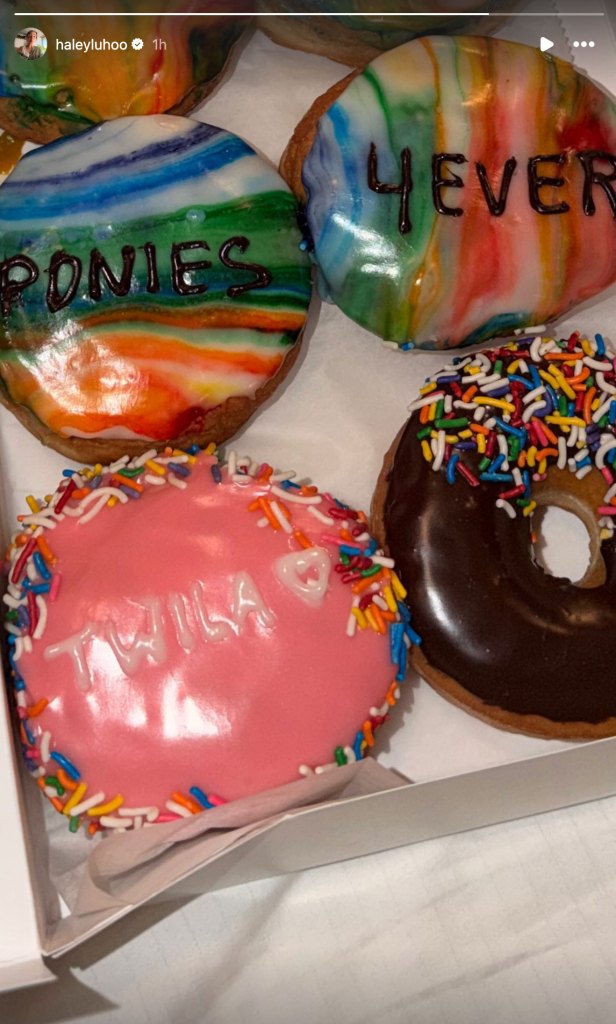
  • Ponies Canceled: Cast Reactions from Haley Lu Richardson and Vic Michaelis

    Ponies Canceled: Cast Reactions from Haley Lu Richardson and Vic Michaelis

    The Sudden End of Ponies

    The Peacock streaming service has canceled its original series, ‘Ponies’. This decision, announced in June 2026, has prompted significant reactions from the show’s cast, including prominent figures such as Haley Lu Richardson and Vic Michaelis. The cancellation marks an abrupt end for the series, which had garnered a dedicated following during its run.

    The news arrived without a prior warning, leaving both the production team and the audience surprised. Such cancellations have become a common occurrence in the competitive streaming market, but they rarely pass without public comment from those directly involved.

    Cast Members Share Disappointment

    Haley Lu Richardson, known for her roles in other popular productions, expressed her disappointment regarding the cancellation of ‘Ponies’. Her statement, released through social media, conveyed a sense of loss for the project and its narrative potential. Richardson had been a key component of the show’s ensemble, and her performance was frequently highlighted by critics.

    Vic Michaelis, another central figure in the ‘Ponies’ cast, also shared sentiments of frustration. Michaelis’s public comments focused on the effort and dedication invested by the entire crew. The abrupt nature of the cancellation means that many planned storylines will now remain unresolved, a point of contention for both the actors and the show’s fan base.

    The Impact on Creative Teams

    The cancellation of a series like ‘Ponies’ extends beyond the lead actors. It affects writers, directors, crew members, and supporting cast who dedicate months, sometimes years, to a production. For many, a show represents not just a job but a significant creative endeavor. The sudden termination can disrupt careers and creative momentum.

    Writing staff, in particular, face the challenge of unfinished narratives. Series often conclude with cliffhangers or open-ended plots designed to lead into future seasons. When a cancellation occurs, these threads are left dangling, frustrating both the creators who envisioned their continuation and the viewers who invested in the story.

    Audience Reactions and Streaming Trends

    The audience response to the ‘Ponies’ cancellation has been vocal. Social media platforms saw an influx of comments from fans expressing their sadness and anger. Many viewers highlighted the unique storytelling and character development they appreciated in the series, questioning the platform’s decision.

    This reaction is not isolated. The streaming industry, characterized by high production costs and intense competition for subscribers, frequently makes difficult programming decisions. Platforms like Peacock continually evaluate viewership numbers, subscriber acquisition, and retention rates to determine the viability of their original content.

    The Economics of Streaming Content

    The decision to cancel a show like ‘Ponies’ is often rooted in complex financial models. Streaming services invest heavily in content creation, hoping to attract and retain subscribers. However, not all shows achieve the necessary metrics to justify their continued production.

    Factors such as global reach, critical acclaim, and awards season performance also play a role. While ‘Ponies’ may have had a passionate fan base, it might not have met the broader strategic goals set by Peacock’s parent company, NBCUniversal. This economic reality often clashes with the artistic and emotional investment of creators and viewers.

    The Future for Cast and Crew

    For actors like Haley Lu Richardson and Vic Michaelis, a cancellation means moving on to new projects. While disappointing, it is a common part of an acting career. Both Richardson and Michaelis have established careers and will likely find new roles in other television series or films.

    The crew members, including camera operators, sound engineers, costume designers, and many others, also face the challenge of finding new employment. The television production industry is highly project-based, and the end of one show necessitates the search for the next. Industry professionals often move from one production to another, adapting to the transient nature of the work.

    Lessons from Ponies’ Cancellation

    The cancellation of ‘Ponies’ serves as a reminder of the unpredictable nature of the streaming content landscape. For creators, it emphasizes the importance of telling compelling stories within the constraints of evolving platform strategies. For viewers, it highlights the need to cherish and support shows while they are on the air, as their longevity is never guaranteed.

    The industry continues to evolve, with new platforms emerging and existing ones refining their content strategies. The experience of ‘Ponies’ contributes to a growing body of case studies illustrating the challenges and opportunities within this dynamic entertainment sector.

    The Broader Context of Streaming Cancellations

    The cancellation of ‘Ponies’ by Peacock is part of a larger trend in the streaming industry. Platforms are increasingly scrutinizing their content libraries, often making difficult decisions to cut shows that do not meet specific performance indicators. This environment has created a sense of uncertainty for both creators and audiences.

    In 2026, the streaming market is more saturated than ever. Services like Netflix, Max, Disney+, Hulu, Apple TV+, and Amazon Prime Video, alongside Peacock, are all vying for subscriber attention. This intense competition necessitates a constant evaluation of content portfolios.

    Factors Influencing Cancellation Decisions

    Several key factors contribute to a streaming service’s decision to cancel a series. These include:

    • Viewership Numbers: While specific metrics are rarely made public, platforms track how many subscribers watch a show, how many complete it, and how many new subscribers it attracts.
    • Production Costs: High production values, extensive location shoots, and large ensemble casts can drive up costs significantly. A show’s budget must be justified by its return on investment.
    • Critical Reception and Awards: While not always the deciding factor, critical acclaim and major awards can boost a show’s profile and attract new viewers, sometimes influencing renewal decisions.
    • Subscriber Acquisition and Retention: Ultimately, streaming services exist to grow and maintain their subscriber base. Shows that fail to contribute meaningfully to these goals are at risk.
    • Licensing and Distribution Rights: The complexities of intellectual property rights and international distribution can also play a role in a show’s financial viability.

    The Role of Fan Engagement

    Fan engagement, while powerful, does not always guarantee a show’s survival. Online campaigns, petitions, and social media trends can demonstrate passionate support, but they must translate into tangible business metrics for a platform to consider renewal. The ‘Ponies’ fan community, despite its dedication, ultimately could not sway the decision makers at Peacock.

    The Evolution of Content Strategies

    Streaming platforms are continually refining their content strategies. Some are moving towards more limited series or event programming, while others focus on building strong franchises with broad appeal. The era of blindly renewing shows for multiple seasons without clear performance indicators appears to be fading.

    Peacock, as a relatively newer entrant in the streaming wars compared to giants like Netflix, faces particular pressure to establish its identity and subscriber base. Its content strategy often involves a mix of NBCUniversal catalog titles, live sports, and original programming designed to differentiate it in a crowded market.

    The Impact on the Industry Ecosystem

    The frequent cancellation of shows has broader implications for the television industry ecosystem. It creates a more transient workforce, with creative talent constantly seeking new opportunities. It also encourages a greater focus on short-term success rather than long-term narrative development.

    For independent studios and production companies, securing a series order from a major streamer is a significant achievement. However, the risk of early cancellation means that even successful pitches do not guarantee sustained work or the full realization of a creative vision. This dynamic shapes how projects are developed and pitched in the current landscape.

    Looking Ahead for ‘Ponies’ Legacy

    Despite its cancellation, ‘Ponies’ will leave a legacy. It introduced audiences to compelling characters and unique storytelling. The performances by actors like Haley Lu Richardson and Vic Michaelis will be remembered by those who watched the series.

    The show’s abrupt ending will undoubtedly contribute to discussions about the fragility of original content in the streaming era. It serves as a case study for future analyses of platform strategies and audience expectations.

    The Enduring Power of Story

    Even with an unfinished narrative, the core story elements of ‘Ponies’ resonated with its viewers. The emotional investment from the audience highlights the enduring power of well-crafted characters and engaging plots. This connection is what makes cancellations so impactful.

    The frustration expressed by the cast and fans is a testament to the quality of the work produced. It underscores the human element in an industry often driven by data and algorithms. The shared experience of a story, however brief, creates lasting memories and discussions.

    What Comes Next for Peacock?

    Peacock will continue to invest in new original programming. The platform’s strategy is to offer a diverse range of content to attract various demographics. While ‘Ponies’ may be gone, new series and films will take its place, aiming to capture the attention of streaming subscribers.

    The lessons learned from ‘Ponies’ and other canceled shows will inform future commissioning decisions. The platform will seek to identify content that not only attracts initial viewership but also fosters long-term engagement and contributes positively to its overall business objectives.

    The cast reacted. The fans reacted. The industry reacted. Cancellation.

  • The Return of Late Night: David Letterman’s Vintage Archive Hits Streaming

    The Return of Late Night: David Letterman’s Vintage Archive Hits Streaming

    David Letterman’s production company, Worldwide Pants, has officially partnered with NBCUniversal and digital monetization firm Merzigo to distribute vintage episodes of his late-night shows across streaming platforms.

    The agreement unlocks decades of television history. It bridges the corporate gap between Letterman’s early formative years at NBC and his long-running, legacy-defining tenure at CBS.

    For years, this massive broadcast archive sat largely dormant in corporate vaults. Fans and historians relied heavily on low-resolution clips uploaded to internet message boards and fragmented video sharing platforms.

    But the digital landscape of 2026 demands volume and verified intellectual property. What looks like a simple nostalgia play is actually a complex, multi-layered unearthing of broadcast history.

    The Architecture of a Late-Night Archive

    The history of modern late-night television is fundamentally split into two distinct eras of David Letterman. The first era began on February 1, 1982. Letterman launched Late Night with David Letterman on NBC, broadcasting from Studio 6A inside the Comcast Building at 30 Rockefeller Plaza.

    This era was defined by its anti-establishment tone. Letterman and his director, Hal Gurnee, dismantled the traditional talk show format. They utilized monkey cameras, threw watermelons off five-story buildings, and introduced audiences to a gritty, cynical version of New York City.

    The 12:30 AM time slot was crucial. Johnny Carson’s Tonight Show was an institution at 11:30 PM. Letterman was given the later slot, which allowed for a more experimental, subversive approach. The network executives largely ignored the later broadcast, giving Letterman and head writer Merrill Markoe the freedom to invent a new comedic language.

    NBC owned the intellectual property for this 1982 to 1993 run. When Letterman famously lost the Tonight Show succession battle to Jay Leno following the retirement of Johnny Carson in 1992, he departed NBC for CBS. This move changed the business of television forever.

    When Letterman launched the Late Show with David Letterman on August 30, 1993, he did so under a new business model. His newly formed production company, Worldwide Pants Incorporated, owned the show entirely. CBS simply paid a licensing fee to broadcast it from the Ed Sullivan Theater.

    This dual ownership structure created a fractured archive. NBCUniversal held the rights to the groundbreaking 1980s material. Worldwide Pants controlled the 1990s and 2000s legacy. The 2026 partnership between NBCUniversal, Worldwide Pants, and Merzigo finally unites these two massive libraries for the streaming era.

    The NBCUniversal and Merzigo Equation

    The inclusion of Merzigo in this partnership highlights the specific mechanics of modern content distribution. Merzigo specializes in digital monetization. They take vast, dormant libraries of television content and optimize them for AVOD and FAST channels.

    AVOD, or Advertising-Based Video on Demand, requires a massive volume of content to generate sustainable revenue. FAST channels, which operate like traditional linear television but exist entirely on streaming platforms, rely on bingeable, familiar programming.

    Merzigo provides the technical infrastructure to digitize, tag, and distribute thousands of hours of standard-definition broadcast tape. They process the metadata. They isolate specific segments, such as Stupid Pet Tricks or the Top Ten List, for algorithmic packaging.

    NBCUniversal brings its formidable Peacock streaming infrastructure and its deep syndication ties to the table. Peacock is a natural home for the 1982-1993 era. However, Merzigo’s involvement suggests a broader syndication strategy across platforms like Pluto TV, Tubi, and The Roku Channel.

    By partnering with Worldwide Pants, NBCUniversal can monetize an asset that has largely gathered dust since 1993. The corporate synergy allows both entities to profit from the growing demand for legacy television.

    The Economics of Television Nostalgia

    The streaming industry in 2026 is driven by retention and cost efficiency. Producing new, premium scripted television is wildly expensive. Licensing existing, highly recognizable intellectual property offers a much safer return on investment.

    The cost of acquiring new subscribers has skyrocketed. Churn rates are a primary concern for streaming executives. Archival content combats churn. A viewer might subscribe to watch a new prestige drama, but they maintain the subscription to fall asleep to classic episodes of Late Night. It is a low-cost, high-yield retention strategy.

    Nostalgia is a powerful economic driver. Audiences who grew up watching Letterman in the 1980s and 1990s are now the core demographic for ad-supported streaming platforms. They seek out the comfort of familiar formats.

    Furthermore, the current landscape of late-night television is experiencing a prolonged contraction. Ratings for linear late-night broadcasts have steadily declined as audiences migrate to digital platforms. This decline paradoxically increases the value of the genre’s golden era.

    The Anatomy of a Late-Night Broadcast

    Understanding the value of this archive requires understanding the structure of a vintage Letterman episode. Unlike modern late-night shows, which prioritize viral celebrity games, Letterman’s broadcasts were built on conversational tension and recurring structural bits.

    The Top Ten List, presented nightly from the home office in places like Wahoo, Nebraska, or Grand Rapids, Michigan, became a cultural touchstone. Viewer Mail segments allowed Letterman to directly interact with an audience that was often baffled by his sensibilities. The desk pieces were meticulously crafted by a writing staff that treated the broadcast like a nightly comedic laboratory.

    Furthermore, the guest interviews were fundamentally different. Letterman did not merely tee up promotional anecdotes. He challenged his guests. He made them uncomfortable. Interviews with figures like Cher, Madonna, and Joaquin Phoenix became legendary precisely because they abandoned the traditional public relations script.

    Preserving these episodes uncut allows modern viewers to witness this dynamic in real time. It is not just about the punchline. It is about the sustained, often awkward energy of a live-to-tape broadcast.

    The YouTube Precedent

    The groundwork for this massive streaming deal was laid years ago on YouTube. The official David Letterman YouTube channel, managed by Worldwide Pants, began uploading high-quality clips from the CBS era.

    These clips routinely generated millions of views. Interviews with iconic guests, musical performances, and remote segments demonstrated a clear, sustained demand for the content. The YouTube channel served as a proof of concept for the broader Merzigo and NBCUniversal partnership.

    The Legacy of Worldwide Pants

    Worldwide Pants Incorporated was never just a vanity banner. Founded in 1991, the company became a powerhouse in television production. It was a pioneer in creator ownership.

    Beyond the Late Show, Worldwide Pants produced The Late Late Show, launching the American careers of both Craig Kilborn and Craig Ferguson. The company also produced prime-time hits, most notably Everybody Loves Raymond, starring Ray Romano.

    Because Worldwide Pants retained ownership of these properties, the company generated hundreds of millions of dollars in syndication revenue. The 2026 streaming deal is a continuation of this aggressive, forward-thinking approach to intellectual property.

    The power of this ownership was most evident during the 2007-2008 Writers Guild of America strike. Because Worldwide Pants was an independent production company, it negotiated a separate interim agreement with the WGA. This allowed Letterman and Ferguson to return to the air with their writers while competing networks remained paralyzed.

    David Letterman retired from his CBS broadcast in 2015. However, the business entity he created remains highly active. The partnership with Merzigo proves that the Worldwide Pants vault is still a highly lucrative asset in the modern digital economy.

    The Cultural Impact of the Vintage Episodes

    The vintage episodes of Late Night and the Late Show are more than just comedy programs. They are vital cultural time capsules. They document the shifting aesthetic and political landscape of the United States from the late Cold War through the dawn of the internet age.

    The early NBC episodes capture a gritty, pre-gentrification New York City. Segments featuring Chris Elliott, Harvey Pekar, and Andy Kaufman pushed the boundaries of what was acceptable on network television. The show was inherently dangerous and unpredictable.

    The CBS era shifted the tone toward a more polished, grander spectacle. The Ed Sullivan Theater became a landmark. Characters like Rupert Jee of the Hello Deli and Biff Henderson became unlikely national celebrities. The music, anchored by Paul Shaffer and the CBS Orchestra, featured legendary performances from artists who rarely appeared on television.

    The archive also contains moments of profound national importance. On September 17, 2001, Letterman was the first late-night host to return to the air following the terrorist attacks in New York. His monologue that night remains a defining moment in American television history, offering a masterclass in grief and resilience.

    A Changing Guard in Comedy

    The late-night format that Letterman perfected is fading from the linear television schedule. The monologues, the desk interviews, and the musical guests are now routinely chopped up into short-form video for social media consumption.

    The NBCUniversal and Merzigo deal acknowledges this shift. It takes the classic long-form broadcast and adapts it for the digital ecosystem. The FAST channels provide the linear experience, while the AVOD platforms offer the on-demand flexibility.

    This is the final lifecycle of broadcast television. The shows that once defined the late-night schedule are now the foundational programming for the streaming era. The medium changes, but the content endures.

    The cameras focused. The band played. The host walked out.

    Letterman.

  • Denis O’Hare Reacts to Netflix’s Cancellation of ‘The Boroughs’

    Denis O’Hare Reacts to Netflix’s Cancellation of ‘The Boroughs’

    Netflix’s sudden cancellation of the supernatural drama series The Boroughs has drawn a public reaction from actor Denis O’Hare, highlighting a growing trend of abrupt project terminations within the streaming industry. The decision, announced in mid-2026, abruptly halted a project that had garnered significant anticipation, leaving cast, crew, and potential audiences questioning the shifting priorities of major entertainment platforms. O’Hare’s response provides a window into the frustration experienced by creatives navigating a landscape increasingly dictated by immediate metrics rather than long-term artistic vision.

    The cancellation of The Boroughs is not an isolated incident. It represents a broader pattern within the entertainment sector, where studios and streaming services are re-evaluating their content strategies. The focus has shifted sharply toward guaranteed returns and algorithmic predictability. But the story doesn’t begin there. What looks like a modern corporate pivot actually stems from a fundamental change in how media is valued and consumed.

    The Promise of ‘The Boroughs’

    When The Boroughs was first announced, it carried the pedigree of high-end supernatural storytelling. Developed by the Duffer Brothers, the creators of Stranger Things, the series was positioned as a major tentpole for Netflix. The premise, a group of unlikely heroes navigating a supernatural threat in a retirement community, offered a fresh take on the genre. The casting of seasoned actors, including Denis O’Hare, signaled a commitment to strong, character-driven narratives.

    Production had reportedly moved forward with significant investment. Sets were built. Scripts were finalized. The anticipation within the industry was palpable. The Boroughs was expected to fill the void left by concluding flagship series. It was designed to capture a specific demographic while appealing to a broader audience hungry for complex, supernatural mysteries.

    However, the landscape of streaming economics shifted dramatically between the project’s greenlight and its eventual cancellation. The initial enthusiasm was met with the cold reality of tightening budgets and a renewed focus on immediate profitability.

    Denis O’Hare Breaks the Silence

    Following the announcement, Denis O’Hare, known for his versatile roles in American Horror Story and True Blood, voiced his disappointment. His reaction was measured but pointed. He articulated the shared frustration of a cast and crew who had invested significant time and creative energy into a project that would never see the light of day.

    O’Hare’s comments touched upon the inherent vulnerability of the creative process in the current corporate climate. He highlighted the disconnect between the artistic endeavor of bringing characters to life and the stark, often opaque, decisions made in boardrooms. His words resonated with many in the industry who have experienced similar sudden terminations.

    “It’s a profound disappointment when a story you believe in, a world you’ve helped build, is suddenly erased before it even reaches an audience,” O’Hare stated. “The focus seems to have shifted entirely to the algorithm, leaving little room for the organic growth of a narrative.”

    This sentiment is not unique to O’Hare. It reflects a growing unease among writers, directors, and actors. The implicit contract between creators and platforms, that good work will be given a chance to find its audience, appears to be fraying.

    The Algorithmic Guillotine

    The cancellation of The Boroughs underscores a fundamental shift in how streaming platforms operate. In the early days of the “streaming wars,” the strategy was defined by volume and risk-taking. Platforms were willing to invest heavily in diverse projects to build robust libraries and attract subscribers. That era has definitively ended.

    Today, the industry is governed by what critics call the “algorithmic guillotine.” Decisions regarding renewals and cancellations are increasingly driven by internal metrics: completion rates, cost-per-viewer, and immediate social media traction. If a series does not demonstrate immediate, overwhelming success, its future is bleak.

    • Completion Rates: Platforms heavily weigh whether viewers finish a series within a specific timeframe.
    • Cost-per-Viewer: The production budget is strictly analyzed against the number of unique accounts that watch the content.
    • Acquisition vs. Retention: New shows are evaluated on their ability to drive new subscriptions rather than simply retain existing ones.

    For a series like The Boroughs, which may have required a slower build or targeted a specific demographic, this metric-driven approach proved fatal. The potential for long-term cultural impact was outweighed by the demand for immediate, quantifiable returns.

    The Impact on Creative Storytelling

    The implications of this shift extend far beyond a single cancelled series. The reliance on algorithmic predictability is fundamentally altering the types of stories that get told. There is a growing reluctance to take risks on unproven concepts or unconventional narratives.

    Creators are increasingly pressured to engineer their projects to satisfy the algorithm. This means front-loading action, relying on established intellectual property, and prioritizing immediate hooks over character development. The result is a homogenization of content, where unique voices and distinct visions are often marginalized.

    O’Hare’s reaction to the cancellation of The Boroughs serves as a stark reminder of this reality. When decisions are made solely based on projected data, the intangible qualities that make a story resonate, nuance, ambiguity, slow-burn tension, are often the first casualties.

    The Audience Response

    The cancellation has also sparked significant reaction from audiences. Fans who had been following the development of The Boroughs expressed frustration on social media platforms. The abrupt termination of a project associated with high-profile creators like the Duffer Brothers fueled a sense of disillusionment with the streaming model.

    This audience reaction highlights a growing disconnect between the platforms and their subscribers. While platforms prioritize immediate metrics, audiences often value the opportunity to discover and invest in complex narratives over time. The cancellation of highly anticipated projects erodes trust and diminishes the perceived value of a subscription.

    The debate surrounding The Boroughs reflects a broader cultural conversation about the role of art in a corporate-driven entertainment landscape. It raises questions about who ultimately controls the narrative and what gets lost when storytelling is reduced to a data point.

    The Broader Industry Context

    To understand the cancellation of The Boroughs, it is necessary to view it within the broader context of the entertainment industry in 2026. The sector is undergoing a period of significant contraction and consolidation. The post-pandemic boom has given way to a harsh reality of cost-cutting and strategic realignment.

    Major studios and streaming platforms are facing pressure from Wall Street to demonstrate profitability. This has led to widespread layoffs, budget reductions, and a ruthless culling of content. The Boroughs is simply one of many casualties in this ongoing restructuring.

    The focus has shifted from growth at all costs to sustainable, predictable revenue models. This often means doubling down on established franchises and proven formats, leaving less room for original, ambitious projects. The environment is increasingly hostile to the kind of creative risk-taking that defined the early streaming era.

    The Future of Original Content

    The demise of The Boroughs raises critical questions about the future of original content. If platforms are unwilling to invest in new, untested narratives, where will the next generation of groundbreaking series come from? The current trajectory suggests a future dominated by sequels, reboots, and algorithmic safe bets.

    However, this shift also creates opportunities. As major platforms become more risk-averse, independent creators and smaller, niche platforms may find a receptive audience hungry for original storytelling. The frustration expressed by actors like Denis O’Hare and the disappointment of audiences indicate a demand for narratives that defy the algorithmic mandate.

    The challenge for creators will be finding new avenues to connect with audiences and secure funding outside the traditional studio system. The cancellation of The Boroughs may be a symptom of a larger industry malaise, but it also underscores the enduring need for compelling, human-driven stories.

    The sets were dismantled. The scripts were shelved. The actors moved on. The algorithm won.

  • The Cost of the Crown, How the ‘House of the Dragon’ Season 3 Premiere Broke Rhaenyra

    The Cost of the Crown, How the ‘House of the Dragon’ Season 3 Premiere Broke Rhaenyra

    The third season of HBO’s House of the Dragon premiered on Sunday, June 21, 2026, opening with the devastating Battle of the Gullet. The massive naval engagement resulted in the death of Prince Jacaerys Velaryon and his dragon Vermax, delivering a catastrophic tactical loss and profound personal heartbreak for Queen Rhaenyra Targaryen. The war of succession known as the Dance of the Dragons has officially abandoned all pretense of diplomacy. The era of fire and blood has arrived.

    Television audiences spent two years waiting for the fallout of Season 2. The wait ended in a massacre. Warner Bros. Discovery and showrunner Ryan Condal promised an escalation in hostilities. They delivered a masterclass in television tragedy.

    The premiere did not waste time reacquainting viewers with the political board. It set the board on fire. The episode plunged directly into the logistical nightmares of a multi-front war, forcing the Black faction at Dragonstone into a desperate defense of their naval blockades.

    The Battle of the Gullet Realized

    George R.R. Martin’s source material, Fire & Blood, describes the Battle of the Gullet as one of the bloodiest sea battles in history. Translating that to the screen required an unprecedented television budget. HBO spared no expense for the June 2026 premiere.

    The Triarchy fleet, sailing under the banners of Myr, Lys, and Tyrosh, ambushed the Velaryon blockade. The visual execution was staggering. Director Alan Taylor returned to the franchise to helm the premiere, utilizing practical water tanks in Leavesden Studios mixed with cutting-edge volumetric LED stages.

    Ninety warships clashed in the narrow strait. Dragons descended from the clouds. The tactical geometry of the sequence was clear, brutal, and chaotic. This was not the triumphant dragon-riding of earlier seasons. This was an aerial dogfight over a burning ocean.

    Prince Jacaerys Velaryon, played by Harry Collett, led the counter-attack on the back of Vermax. The young heir to the Iron Throne had spent the previous season securing alliances in the North and the Vale. His diplomatic victories meant nothing against a fleet armed with scorpions.

    Vermax was brought down by grappling hooks and concentrated crossbow fire. The dragon crashed into a burning galleon. Jacaerys survived the initial fall, only to be executed by Myrish crossbowmen in the wreckage. The sequence was abrupt. It lacked the traditional heroic send-off. The suddenness of the violence anchored the show in a grim, unforgiving reality.

    Emma D’Arcy and the Architecture of Grief

    The emotional core of the episode belonged entirely to Emma D’Arcy. Queen Rhaenyra Targaryen has spent the entire series absorbing loss. She lost her mother, her father, her daughter Visenya, and her son Lucerys. The death of Jacaerys pushes the character past the breaking point.

    D’Arcy’s performance in the premiere was a study in internal collapse. When the surviving Velaryon sailors brought the news to the Painted Table at Dragonstone, Rhaenyra did not scream. She did not immediately call for fire. She simply stopped moving.

    The camera lingered on D’Arcy for a full, unbroken minute. The physical manifestation of grief was palpable. The posture of a queen dissolved into the posture of a hollowed-out mother. It was a silent, devastating acting choice that will likely dominate the 2026 Emmy conversations.

    This heartbreak fundamentally changes the trajectory of the Black faction. Rhaenyra is no longer fighting for her birthright. She is fighting for vengeance. The measured, cautious leader who sought to hold the realm together is gone. The woman who remains is ready to burn it down.

    The Velaryon Fleet in Ruins

    The tactical fallout of the Gullet is just as severe as the emotional toll. Lord Corlys Velaryon, portrayed by Steve Toussaint, watched his life’s work burn in the strait. The Sea Snake’s legendary fleet, the foundation of the Black faction’s military power, took catastrophic losses.

    Toussaint played Corlys with a weary, furious resignation. His character has now lost his children, his wife, his heir, and his armada. The alliance between House Velaryon and House Targaryen is bound by blood, but that blood is rapidly spilling into the sea.

    The destruction of Spicetown and High Tide on the island of Driftmark was shown in brutal, sweeping wide shots. The economic engine of the Velaryon house was sacked by the Triarchy mercenaries. The Black faction is now financially crippled and geographically vulnerable.

    This forces a strategic pivot. Without naval supremacy, Rhaenyra must rely entirely on her dragons. The blockade of King’s Landing is broken. The supply lines are severed. The war must now move to the mainland.

    Shifting Power Dynamics in King’s Landing

    While Dragonstone drowned in grief, the Red Keep celebrated a hollow victory. The Green faction, holding the Iron Throne, capitalized on the Triarchy’s intervention. But the victory was entirely engineered by Aemond Targaryen, played with chilling precision by Ewan Mitchell.

    Aemond serves as Prince Regent. King Aegon II, played by Tom Glynn-Carney, remains incapacitated from his injuries at Rook’s Rest. Aemond’s grip on the Small Council is absolute. He views the Gullet not as a tragedy, but as a successful chess move.

    The contrast between the two factions was sharply edited. Rhaenyra’s silent mourning was juxtaposed with Aemond’s cold, calculated debriefing of the battle. The Greens did not lose a single Westerosi soldier in the naval clash. They outsourced the violence to Essos.

    Alicent Hightower, played by Olivia Cooke, observed her son’s ruthless pragmatism with growing horror. The Queen Dowager realizes she has created a monster. Aemond does not care about ruling the realm. He only cares about winning the war. The moral rot at the center of the Green faction is now fully exposed.

    The Economics of Fantasy Television in 2026

    The Season 3 premiere was not just a narrative milestone. It was a corporate necessity for Warner Bros. Discovery. In the evolving streaming landscape of 2026, platform retention relies on event television. House of the Dragon is the crown jewel of the Max portfolio.

    CEO David Zaslav and HBO Chief Content Officer Casey Bloys heavily marketed the June 21 premiere. Billboards in Times Square and interactive AR installations in London dominated the marketing cycle. The investment paid off. Initial viewership metrics indicate a massive Sunday night audience, rivaling the peak numbers of the original Game of Thrones series.

    The production budget for Season 3 reportedly exceeded $25 million per episode. The visual fidelity of the Gullet sequence justifies the expenditure. The water physics, the dragon animation, and the seamless integration of practical and digital elements set a new industry standard.

    But spectacle alone does not sustain a franchise. The cultural footprint of the show relies on its willingness to challenge its audience. By killing a major character in the first hour of the season, HBO signaled that no one is safe. The stakes are real. The consequences are permanent.

    Cultural Commentary on Storytelling

    The premiere also serves as a sharp cultural commentary on the nature of storytelling itself. Modern audiences are conditioned to expect the hero’s journey. They expect the protagonist to suffer a setback, learn a lesson, and return stronger. House of the Dragon rejects this framework entirely.

    Rhaenyra’s grief is not a catalyst for personal growth. It is a catalyst for institutional destruction. The show is actively deconstructing the concept of the “rightful ruler.” It asks the audience to consider the cost of absolute power.

    Every time a dragon takes flight, innocent people burn. The sailors who died in the Gullet were not royalty. They were conscripts. The show makes a point to highlight the collateral damage of dynastic disputes. The high lords play their game of thrones, and the smallfolk pay the price in blood.

    This thematic resonance is what elevates the series above standard fantasy fare. It is a political thriller wrapped in dragon scales. The heartbreak experienced by Rhaenyra is a microcosm of the heartbreak experienced by the entire continent of Westeros. The war is a machine that consumes everything it touches.

    The Path Forward for Season 3

    With the Gullet behind them, the narrative engine of Season 3 is fully primed. The Blacks are wounded but heavily armed with dragons. The Greens are politically entrenched but internally fractured. The conflict will inevitably move toward the Riverlands and the capital.

    Showrunner Ryan Condal has structured the season as a slow descent into total war. The premiere established the tone. The remaining episodes will execute the consequences. The Dragonseeds, the bastard dragon riders recruited in Season 2, will now be forced to prove their loyalty on the mainland.

    The death of Jacaerys also creates a succession crisis within the Black faction. Rhaenyra’s younger sons, Aegon the Younger and Viserys, are now thrust into the line of fire. The protective bubble around the royal children has burst.

    The June 21 premiere delivered exactly what it promised. It was brutal. It was beautiful. It was deeply unsettling. The audience is now strapped in for a season of unprecedented television violence. The board is set. The pieces are moving.

    Dragons fell. Fleets burned. Mothers wept. War.