Tag: Streaming

  • Comcast’s Strategic Shift: Separating NBCU and Cable Operations

    Comcast’s Strategic Shift: Separating NBCU and Cable Operations

    Comcast Corporation is separating its NBCUniversal (NBCU) content and cable communications businesses, a strategic decision that company leaders state is not primarily designed to pursue merger and acquisition (M&A) deals. This move marks a significant pivot from Comcast’s previous stance that the integrated operations of these two distinct segments were mutually beneficial. The restructuring reflects a re-evaluation of corporate strategy in response to evolving market dynamics and the distinct challenges and opportunities faced by each business.

    The announcement underscores a shift in how large media conglomerates are approaching their diverse portfolios. Traditional vertical integration models are being re-examined. Companies are seeking greater agility and specialized focus for their core assets.

    The Rationale Behind the Separation

    Comcast executives articulated that the decision to separate NBCU and the cable division stems from a re-assessment of their operational synergies. For years, Comcast maintained that the combined entity offered competitive advantages, including cross-promotional opportunities and shared infrastructure. This perspective has now evolved.

    The media landscape has undergone rapid transformation. Streaming services have reshaped content distribution. Broadband connectivity has become an essential utility. These changes have created divergent paths for content creation and distribution businesses.

    The cable division, primarily Xfinity, focuses on broadband internet, video, voice, and wireless services. It operates in a mature market with increasing competition from fiber providers and fixed wireless access (FWA).

    NBCUniversal encompasses a vast array of assets. These include film studios (Universal Pictures), television networks (NBC, Telemundo, Bravo), theme parks (Universal Studios), and the Peacock streaming service. These operations are capital-intensive and subject to volatile consumer preferences and global market trends.

    The distinct operational requirements and growth trajectories of these segments may benefit from independent strategic planning. This autonomy could allow each business to pursue tailored investment strategies and partnerships.

    Not an M&A Play, According to Leadership

    Company leadership explicitly addressed speculation regarding the separation’s purpose. They affirmed that the primary driver is not to position either NBCU or the cable business for an immediate sale or major acquisition.

    This statement aims to manage investor and market expectations. It suggests a focus on internal optimization rather than external deal-making. However, such corporate restructurings often precede future strategic options, even if not immediately intended.

    The media industry has seen numerous large-scale M&A transactions in recent years. Companies like Warner Bros. Discovery and Paramount Global have undergone significant consolidations. These deals highlight the pressure on traditional media companies to achieve scale and adapt to changing consumption habits.

    Comcast’s current strategy, as articulated, prioritizes operational efficiency and market responsiveness. This approach seeks to unlock value by allowing each segment to operate with greater focus. It aims to eliminate potential conflicts of interest or resource allocation challenges inherent in a highly diversified structure.

    Historical Context of Comcast’s Diversification

    Comcast’s journey into media content ownership began in earnest with its acquisition of a controlling stake in NBCUniversal from General Electric (GE) in 2011. The deal, valued at approximately $30 billion, created a powerful vertically integrated media and technology company.

    The full acquisition of NBCUniversal by Comcast was completed in 2013. This brought an extensive portfolio of broadcast, cable, film, and theme park assets under Comcast’s direct control. The rationale at the time was to leverage content ownership to strengthen its distribution platforms and vice-versa.

    This vertical integration model was prevalent among media giants. It aimed to control the entire value chain from content creation to delivery. The belief was that owning both the pipes and the programming would create a resilient and dominant market position.

    Over the past decade, Comcast invested heavily in NBCUniversal. It expanded its theme park presence globally. It launched the Peacock streaming service in 2020. These investments reflected a commitment to the integrated model.

    Challenges and Opportunities for Each Segment

    The Cable Communications Business

    Comcast’s cable division, primarily Xfinity, faces evolving market conditions. The rise of fiber-optic networks from competitors like AT&T and Verizon presents a significant challenge. These networks often offer higher speeds and more reliable connections.

    Fixed wireless access (FWA) from T-Mobile and Verizon also offers an alternative for some consumers. This competition puts pressure on subscriber growth and pricing power for traditional cable internet providers.

    The decline of linear television subscriptions, or ‘cord-cutting,’ continues to impact the video services provided by the cable segment. While broadband remains strong, the traditional bundle is eroding.

    Opportunities for the cable business lie in further expansion of its broadband footprint. It also includes the development of smart home services and the continued growth of its mobile virtual network operator (MVNO) service. Increased independence could allow more focused investment in next-generation network technologies and customer experience enhancements.

    NBCUniversal’s Content and Entertainment Portfolio

    NBCUniversal navigates a highly competitive global entertainment market. The streaming wars have escalated, requiring massive investment in original content. Peacock, while growing, competes with established players like Netflix, Disney+, and Max.

    The film studio business is recovering from pandemic-era disruptions. It faces continued challenges from shifting theatrical release windows and the direct-to-streaming model. Theme parks, a significant revenue driver, are subject to travel trends and economic conditions.

    Increased autonomy for NBCUniversal could enable more aggressive pursuit of strategic partnerships. It could also facilitate faster decision-making regarding content investments and global expansion. This separation might empower NBCU to better adapt to the rapid changes in media consumption and monetization models.

    Investor and Market Implications

    The market often reacts positively to corporate restructurings that promise greater focus and potential for value creation. Investors may view the separation as a move to unlock value that was previously obscured within the larger conglomerate structure.

    Analysts will scrutinize the financial implications. This includes how assets and liabilities are allocated. They will also examine the new reporting structures for each entity.

    The move could lead to a re-rating of both the cable and content businesses. Specialized investors, who previously avoided Comcast due to its diversified nature, might now find one of the segments more appealing.

    Long-term, the separation could pave the way for more distinct capital allocation strategies. Each business could raise capital and pursue growth initiatives independently. This could lead to more efficient use of resources tailored to their specific market environments.

    The Broader Industry Trend of De-Integration

    Comcast’s decision aligns with a broader trend of de-integration in the corporate world. Conglomerates are increasingly shedding non-core assets to streamline operations and focus on their most profitable segments. This strategy aims to enhance shareholder value by creating more nimble and specialized companies.

    Other examples include the spin-offs seen in various industries. Companies are recognizing that the sum of the parts can sometimes be greater than the whole, especially when market conditions demand specialized attention for distinct business units.

    The media industry, in particular, has been prone to cycles of integration and de-integration. Periods of consolidation are often followed by phases where companies divest assets to focus on core competencies or respond to regulatory pressures.

    This strategic shift by Comcast underscores the dynamic nature of corporate strategy. It highlights the continuous need for large organizations to adapt their structures to remain competitive and relevant in rapidly changing markets.

    Looking Ahead: The Future of Both Entities

    The separation is not an immediate event but a strategic direction. The implementation will involve complex operational and financial considerations. These include legal structures, executive appointments, and shareholder approvals.

    NBCUniversal will continue its focus on content creation, distribution, and theme park experiences. Its success will hinge on its ability to produce compelling content, grow its streaming audience, and innovate in the entertainment space.

    The cable communications business will concentrate on delivering high-speed internet and related services. Its future will depend on network upgrades, competitive pricing, and expanding its customer base in a challenging broadband market.

    The strategic pivot by Comcast’s leadership indicates a proactive approach to future-proofing its core businesses. It aims to ensure both NBCU and the cable division are optimally positioned for long-term growth and profitability.

    Investors watched. Analysts speculated. Executives deliberated. The market shifted.

    Comcast.

  • Elon Musk’s X Briefly Streams ‘Citizen Vigilante’ After German Ban

    Elon Musk’s X Briefly Streams ‘Citizen Vigilante’ After German Ban

    Elon Musk’s social media platform X briefly made the film ‘Citizen Vigilante,’ starring Armie Hammer, available for streaming. This action followed the film’s ban in Germany, igniting a discussion about content moderation, perceived censorship, and the distribution of media across international borders on digital platforms.

    The move by X, under Musk’s ownership, positioned the platform as a potential avenue for content that faces restrictions elsewhere. It highlighted the ongoing tension between national content regulations and the global reach of internet-based services. The temporary availability drew immediate attention from various media outlets and social commentators.

    The ‘Citizen Vigilante’ Film and its Context

    ‘Citizen Vigilante’ is a film featuring Armie Hammer in a prominent role. Details regarding the film’s plot and production remain limited in public discourse, but its association with Hammer and its subsequent ban in Germany have brought it into the spotlight. Hammer’s career has been subject to extensive public scrutiny in recent years.

    The specific reasons for the German ban have not been widely detailed but typically involve concerns over content that violates national laws, such as those pertaining to hate speech, glorification of violence, or protection of minors. Germany maintains strict regulations on media content, which often differ from those in other countries.

    The film’s brief appearance on X suggests a deliberate decision to host content that had faced prior restrictions. This aligns with Elon Musk’s stated commitment to free speech principles on the platform, although the temporary nature of its availability raises questions about the platform’s internal review processes.

    X’s Content Moderation Policies Under Elon Musk

    Since acquiring Twitter and rebranding it as X, Elon Musk has emphasized a commitment to free speech, often positioning the platform as a bastion against censorship. This stance has led to significant changes in X’s content moderation policies, which have been met with both praise and criticism.

    The decision to host ‘Citizen Vigilante,’ even temporarily, can be seen as an extension of this philosophy. It challenges the notion that platforms should universally adhere to the content restrictions of individual nations. However, the global nature of X means that content available in one region may be illegal or deemed offensive in another.

    The platform’s approach to content moderation has been a frequent subject of debate. Critics argue that a lax approach could lead to the proliferation of harmful content, while supporters contend it upholds fundamental rights to expression. The ‘Citizen Vigilante’ incident serves as a practical example of this ongoing tension.

    The Role of International Bans and Digital Distribution

    National bans on films or other media are not uncommon. Governments often implement such bans based on cultural, political, or legal grounds specific to their jurisdiction. These bans are designed to prevent the dissemination of content deemed harmful or illegal within national borders.

    However, the advent of global digital distribution platforms like X complicates the enforcement of these national restrictions. Content uploaded to a platform can be accessed from virtually anywhere in the world, irrespective of local prohibitions. This creates a conflict between national sovereignty and the borderless nature of the internet.

    Platforms are often faced with the challenge of either complying with individual national laws, which can lead to geo-blocking or removal, or asserting a more universal standard of availability. The ‘Citizen Vigilante’ case illustrates this dilemma, as X seemingly made the film accessible globally, at least for a short period, despite its German ban.

    Armie Hammer’s Public Profile and the Film’s Impact

    Armie Hammer, known for roles in films such as ‘The Social Network’ and ‘Call Me By Your Name,’ has experienced a significant shift in his public and professional life. Allegations of misconduct emerged in 2021, leading to a decline in his acting career and extensive media coverage.

    The release or streaming of any film featuring Hammer now carries additional public interest and scrutiny. ‘Citizen Vigilante’ therefore gains a certain notoriety not only from its German ban but also from its association with the actor. This dual layer of controversy likely contributed to the attention it received on X.

    The film’s brief availability on X also raises questions about the potential for platforms to become avenues for distributing content featuring individuals who have faced public condemnation or professional setbacks. This adds another dimension to the debate about free speech versus platform responsibility.

    Reactions and Future Implications

    The news of ‘Citizen Vigilante’ streaming on X quickly generated reactions across social media and news platforms. Advocates for free speech lauded the move as a stand against censorship, while others expressed concern over the platform potentially circumventing national laws or promoting controversial figures.

    The temporary nature of the streaming availability suggests that X may have re-evaluated its decision or faced pressure to remove the content. This indicates that even platforms committed to free expression may encounter practical limitations or legal challenges when distributing content globally.

    The incident contributes to the broader ongoing discussion about the future of content moderation on large digital platforms. It highlights the complex interplay between technological capability, legal frameworks, and public opinion in shaping what content is accessible online. Platforms must navigate these currents carefully.

    Governments continue to grapple with regulating online content. Digital platforms continue to define their boundaries. Audiences continue to seek access to diverse media.

    The debate continues.

  • David Iserson Reacts to ‘Ponies’ Cancellation: “Goodbye For Now”

    David Iserson Reacts to ‘Ponies’ Cancellation: “Goodbye For Now”

    David Iserson, co-creator of the animated series Ponies, has publicly addressed the show’s cancellation, delivering a message of “goodbye for now” to its characters, Bea and Twila. His statement, released on June 27, 2026, conveyed a hopeful tone regarding the series’ potential future return. This sentiment is common among creators facing the discontinuation of their projects, often reflecting both personal attachment and the desire to reassure a dedicated fanbase.

    The announcement from Iserson follows the news of Ponies’ termination, marking another instance of a television series concluding its run. Such events frequently prompt discussions within the entertainment industry and among viewers about the factors influencing content decisions. These factors include viewership numbers, production costs, and strategic shifts by networks or streaming platforms.

    The Creator’s Perspective on Cancellation

    Iserson’s message was brief but poignant. He stated, “I hope we all get to visit them again,” referring to the characters Bea and Twila. This phrase suggests an openness to revisiting the series in a different format or on another platform at a later date. It is a common refrain from creators who believe their stories have more to tell, even when current circumstances dictate a pause.

    The creative process for an animated series like Ponies involves years of development, writing, voice acting, and animation. For creators, the cancellation of a show represents the end of a significant professional and personal investment. Public statements often balance professional courtesy with genuine emotional connection to the work.

    Navigating Industry Decisions

    Television and streaming services make cancellation decisions based on complex algorithms and business models. These models evaluate metrics such as subscriber engagement, advertising revenue, and critical reception. The landscape is constantly shifting, with new platforms emerging and established ones refining their content strategies.

    Industry trends in 2026 continue to emphasize original content production. However, they also prioritize cost-effectiveness and audience retention. Shows that do not meet specific performance benchmarks are often subject to cancellation, regardless of their critical acclaim or niche following. This commercial reality shapes the careers of many writers, directors, and animators.

    Fan Reaction and Community Impact

    The cancellation of a beloved series like Ponies often elicits strong reactions from its dedicated fanbase. Social media platforms become immediate venues for expressing disappointment, petitioning for renewals, and sharing fond memories of the show. These fan communities can exert pressure on networks and studios, though success in reversing cancellation decisions remains rare.

    Online campaigns, often using specific hashtags, aim to demonstrate audience demand. While these efforts occasionally lead to a series being picked up by another platform, they more frequently serve as a collective grieving process for the show’s ending. The passion of these communities underscores the cultural impact that television series can have.

    The Role of Streaming Services

    Streaming services have significantly altered the television industry’s dynamics. They have introduced new models for content consumption and production. While they offer more opportunities for diverse storytelling, they also operate with distinct financial pressures. Subscriber growth and churn rates are paramount, influencing decisions about which shows to renew or cancel.

    The competitive nature of the streaming market means that platforms are constantly evaluating their content libraries. They seek shows that can attract new subscribers and retain existing ones. This intense competition can lead to shorter lifespans for series that might have had longer runs on traditional broadcast television.

    Previous Cases of Show Cancellations and Revivals

    The history of television is replete with examples of shows that ended prematurely, only to find new life years later. Series like Arrested Development and Futurama were famously revived by new platforms or networks after initial cancellations. These instances offer a glimmer of hope for creators like David Iserson and fans of Ponies.

    These revivals often occur when a new platform sees an opportunity to capitalize on an existing fanbase and intellectual property. The gap between cancellation and revival can span several years, allowing for changes in audience tastes, technological advancements, and shifts in the media landscape. The potential for a future return remains a possibility, albeit often a distant one.

    Creator Statements and Future Prospects

    David Iserson’s statement is strategically worded to keep that possibility open. By saying “goodbye for now,” he avoids a definitive closure, maintaining a connection to the project and its characters. This approach is not uncommon in the industry, as creators often hope to leverage past successes or popular intellectual property for future endeavors.

    The entertainment industry often sees talent move between projects and platforms. Iserson, as a co-creator, will likely pursue new ventures. However, the legacy of Ponies and the potential for its return will remain a part of his professional narrative. This dynamic interplay between past projects and future opportunities is a constant in creative careers.

    The Business of Animation

    Producing animated series is an expensive and time-consuming undertaking. The costs associated with voice talent, animators, writers, and post-production can be substantial. Networks and streamers must weigh these costs against projected viewership and potential returns on investment.

    The animation industry has seen significant growth in recent years, fueled by demand from streaming services for family-friendly and adult animation. However, this growth also brings increased competition and scrutiny over budgets. Decisions about series renewals are often made with these financial realities at the forefront.

    Impact on Creative Teams

    A show’s cancellation affects not only the creators but also the entire production team. Animators, writers, voice actors, and production staff face job displacement. The stability of employment in the entertainment industry is often contingent on the success and longevity of individual projects.

    For many, working on a series like Ponies represents a significant portion of their professional lives. The end of such a project requires them to seek new opportunities, often in a highly competitive market. This human element of cancellations is a constant underlying factor in the industry.

    Looking Ahead for ‘Ponies’ and Its Creators

    David Iserson’s statement leaves the door ajar for future possibilities. While Ponies may have concluded its initial run, the sentiment expressed by its co-creator suggests an enduring hope for its world and characters. The animation industry is dynamic, with new platforms and production models continually emerging.

    The future of Ponies, like many canceled series, will depend on a confluence of factors: sustained fan interest, the availability of funding, and the strategic interests of potential new distributors. For now, Bea and Twila remain in a state of suspended animation.

    Creators reflect. Fans mourn. Platforms decide.

    The cycle continues.

    Hope persists.

    For now.

  • Shadowcast Pictures Shuts Down – Hollywood Grapples with Production Shifts

    Shadowcast Pictures Shuts Down – Hollywood Grapples with Production Shifts

    Shadowcast Pictures, an independent film and television production company, announced its immediate closure on June 27, 2026. The shuttering is attributed to a confluence of severe industry challenges, including escalating production costs, intense competition for audience attention, and fundamental shifts in how content is consumed. This development impacts over 100 employees and signifies a challenging period for mid-sized players in the Hollywood landscape.

    The company’s dissolution follows 15 years of operation, during which it carved out a niche in both feature films and episodic content. Its closure serves as a stark indicator of the economic pressures and strategic reevaluations currently underway across the entertainment sector.

    The Trajectory of Shadowcast Pictures

    Shadowcast Pictures was founded in 2011 by producers Elena Rodriguez and David Chen. Their initial vision was to create a studio that prioritized creator-driven content with a focus on compelling narratives and diverse voices. The company quickly gained traction with its first independent feature film, Echoes in the Dark, released in 2012, which earned critical acclaim at several film festivals.

    Over the next decade, Shadowcast Pictures expanded its portfolio. It produced a range of projects, including the indie darling Desert Bloom (2015) and the moderately successful streaming series City of Whispers (2019-2021). The company often partnered with larger distributors for theatrical releases and with various streaming platforms for episodic content, navigating the complex distribution ecosystem.

    By 2023, Shadowcast Pictures had an active slate of five projects in various stages of development and production. This included two feature films slated for 2025 and 2026 releases and a new limited series. The company maintained offices in Burbank, California, employing a core staff of approximately 40 individuals, with project-based hires often swelling its workforce to over 100 during peak production cycles.

    Escalating Production Costs and Market Volatility

    A primary factor cited in Shadowcast’s closure is the dramatic increase in production costs. Over the past five years, the average budget for a mid-tier feature film has risen by an estimated 30-40%. This surge is driven by several elements, including increased talent fees, rising labor costs, and the demand for higher production values to compete in a visually saturated market.

    The cost of securing top-tier writers, directors, and actors has become prohibitive for many independent entities. Furthermore, the global supply chain issues that emerged in 2020 and 2021 impacted equipment and post-production services, adding further financial strain. Insurance costs for productions also saw significant increases, particularly for projects involving international travel or complex stunts.

    The streaming wars also contributed to market volatility. While initial demand from new streaming services created opportunities, it also inflated prices for content acquisition and talent. As streaming platforms have matured, many have shifted strategies, becoming more selective and often prioritizing in-house productions or established franchises. This change reduced the number of buyers for independent content, creating a bottleneck for companies like Shadowcast Pictures.

    The Impact of Industry Consolidation

    The entertainment industry has experienced significant consolidation in recent years. Major studios and tech giants have acquired smaller companies, leading to fewer independent players with significant market leverage. This trend has made it increasingly difficult for mid-sized production houses to compete for financing, distribution deals, and audience attention.

    The mergers of major media conglomerates have reshaped the landscape, creating vertically integrated entities that control production, distribution, and exhibition. Independent producers often find themselves at a disadvantage when negotiating for screen time or streaming slots against the in-house content of these larger entities. This consolidation limits the pathways for independent films and series to reach broad audiences.

    Shifting Audience Consumption Habits

    Audience behavior has undergone a profound transformation. The proliferation of streaming services, short-form video content, and interactive media has fragmented viewership. Audiences now have an unprecedented array of choices, making it challenging for any single piece of content to capture significant attention.

    The traditional theatrical release model has been particularly affected. While blockbusters continue to draw crowds, mid-budget films often struggle to find an audience in cinemas, frequently moving to streaming platforms much sooner than in previous years. This shift impacts revenue streams for production companies, as theatrical box office returns historically provided a crucial component of a film’s profitability.

    Furthermore, the rise of subscription fatigue has led many consumers to be more selective about their streaming subscriptions. This selectivity means that even content placed on a major platform might struggle to be discovered and watched without significant marketing investment, an expense often beyond the reach of independent studios.

    The Ripple Effect on Independent Filmmaking

    The closure of Shadowcast Pictures is not an isolated incident. Several smaller and mid-sized production companies have either scaled back operations, merged with larger entities, or ceased to exist in the last two years. This trend raises concerns about the future of independent filmmaking, which has historically been a vital source of innovation and diverse storytelling.

    Independent studios often serve as incubators for new talent, writers, directors, and actors, who may not initially fit into the mainstream studio system. The shrinking number of these independent avenues could lead to a more homogenized content landscape, with fewer risks taken on unconventional projects or emerging voices.

    Industry analysts suggest that the current environment favors either very large, well-capitalized studios capable of producing tentpole blockbusters, or micro-budget independent productions that can achieve profitability with minimal distribution costs. The space for mid-sized, moderately budgeted films and series has become increasingly squeezed, struggling to find its economic footing.

    Looking Ahead: The Future of Production

    The dissolution of Shadowcast Pictures prompts a broader discussion about sustainability in the independent production sector. Industry leaders are exploring new models, including co-production agreements with international partners, direct-to-consumer distribution strategies, and innovative financing mechanisms.

    Technology also plays a role. Advances in virtual production, AI-assisted content creation, and more efficient post-production workflows offer potential avenues for cost reduction. However, the adoption of these technologies requires significant upfront investment, which can be a barrier for smaller companies.

    The entertainment landscape is in a constant state of flux. Production companies, distributors, and creators are all adapting to new economic realities and technological advancements. The closure of Shadowcast Pictures represents a significant moment of re-evaluation.

    Costs escalated. Audiences fragmented. Competition intensified. Shadowcast Pictures shuttered.

    Hollywood.

  • Luca Guadagnino on Amazon, AI, and the Shifting Global Identity

    Luca Guadagnino on Amazon, AI, and the Shifting Global Identity

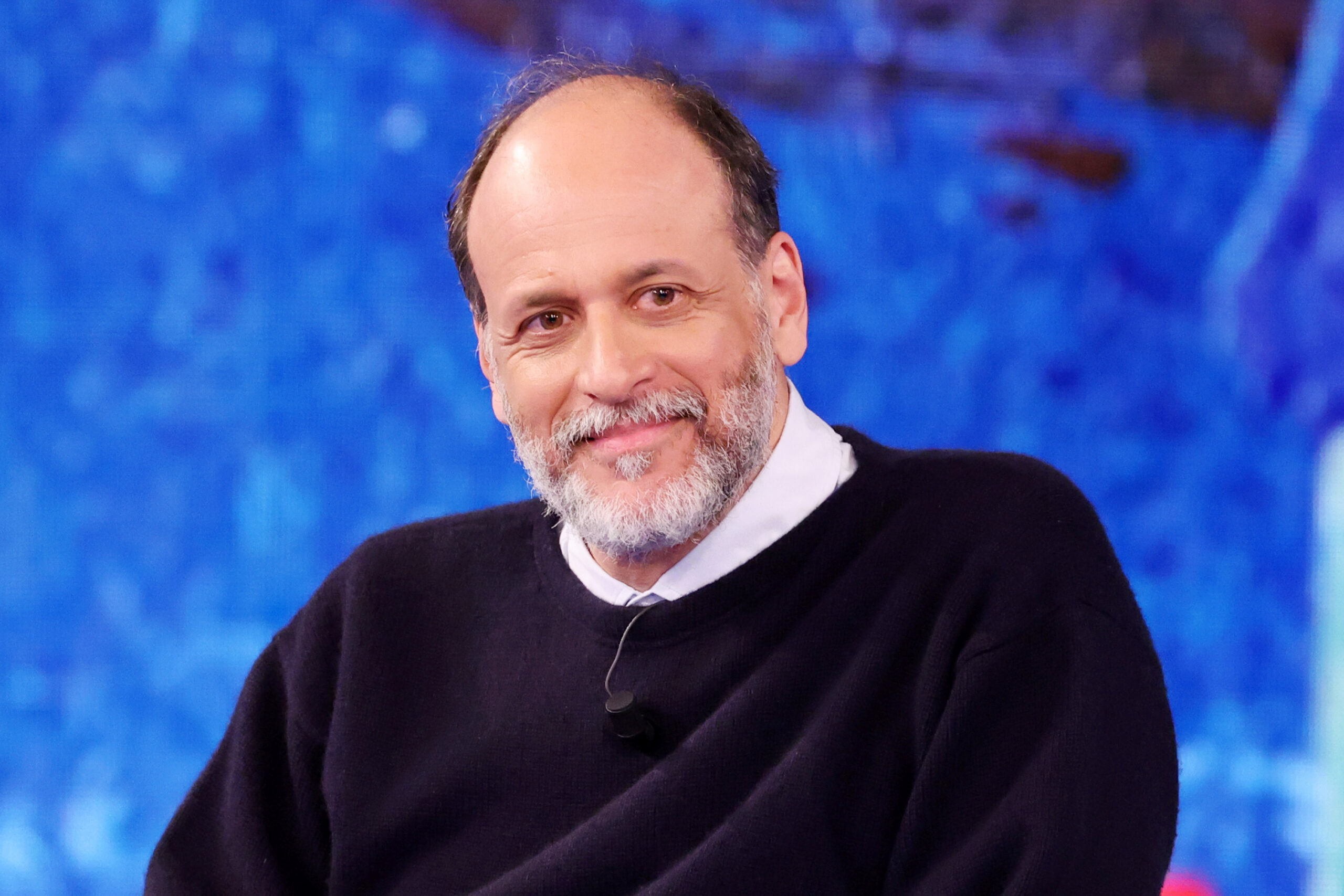
    Filmmaker Luca Guadagnino addressed the status of his project ‘Artificial’ and its relationship with Amazon. He confirmed that Amazon had dropped the project. Guadagnino stated he could not discuss the specifics of this decision. He cited the ongoing nature of the situation as the reason for his reticence in June 2026.

    Despite the constraints on discussing ‘Artificial,’ Guadagnino offered a broader perspective on artificial intelligence. He described AI as a force ‘changing the identity of the world.’ This statement reflects a significant concern within creative industries and society at large regarding emerging technologies.

    The Unfolding Situation with ‘Artificial’

    The project ‘Artificial’ has been a subject of industry discussion. Amazon’s decision to discontinue its involvement raises questions about content strategy. Such decisions often stem from various factors, including financial considerations, creative differences, or evolving platform priorities.

    Guadagnino’s inability to elaborate suggests complex negotiations. These negotiations typically involve intellectual property rights, financial settlements, and future project commitments. The lack of public detail indicates a sensitive phase in the project’s lifecycle.

    The film industry frequently experiences such shifts in production agreements. Major studios and streaming platforms continually reassess their content portfolios. This dynamic environment can lead to projects being dropped or redeveloped under different banners.

    Artificial Intelligence: A Global Transformation

    Luca Guadagnino’s comments extend beyond a single film project. His observation that AI is ‘changing the identity of the world’ points to a more profound societal transformation. Artificial intelligence has permeated various sectors, from technology and finance to healthcare and entertainment.

    The impact of AI on identity can be observed in several ways. It influences how individuals interact with information and each other. It shapes cultural narratives and artistic expressions. The technology also redefines labor markets and economic structures.

    For the film industry, AI presents both opportunities and challenges. AI tools can assist in scriptwriting, visual effects, and post-production. However, concerns exist regarding job displacement and the ethical implications of AI-generated content.

    AI’s Role in Creative Industries

    The integration of AI into creative processes is a topic of intense debate. Screenwriters and visual artists, for instance, are exploring AI’s capabilities. Generative AI models can create images, music, and text. These advancements raise questions about authorship and originality.

    Film directors and producers are assessing AI’s potential to streamline production. AI can analyze vast datasets to predict audience preferences. It can also automate repetitive tasks, potentially reducing production costs.

    However, the artistic community also voices apprehension. The unique human element in storytelling and artistic creation is seen as irreplaceable. The ethical use of AI, particularly concerning intellectual property and fair compensation, remains a critical discussion point in June 2026.

    The Broader Context of Technological Change

    Guadagnino’s statement aligns with a growing discourse about technology’s societal effects. AI is not merely a tool; it is an agent of change. Its widespread adoption is altering fundamental aspects of human experience.

    The rapid advancement of AI has led to calls for regulation and ethical guidelines. Governments and international organizations are developing frameworks to manage AI’s development and deployment. These efforts aim to mitigate risks while harnessing AI’s benefits.

    Public perception of AI varies widely. Some view it as a revolutionary force for progress and innovation. Others express concerns about privacy, bias, and the potential for autonomous systems to make critical decisions without human oversight.

    Economic and Social Implications

    The economic impact of AI is substantial. Automation driven by AI could reshape industries and employment landscapes. Certain jobs may become obsolete, while new roles requiring different skill sets may emerge.

    Socially, AI influences communication patterns and information dissemination. Algorithmic recommendations on social media platforms, for example, can shape public discourse. This raises questions about echo chambers and the spread of misinformation.

    The concept of identity itself is evolving under AI’s influence. Digital identities, personal data, and online personas are increasingly managed and analyzed by AI systems. This interaction shapes how individuals perceive themselves and are perceived by others.

    Luca Guadagnino: A Director’s Perspective

    Luca Guadagnino is known for his distinctive directorial style. His films often explore themes of identity, desire, and human connection. His perspective on AI is informed by a career dedicated to cinematic storytelling.

    Guadagnino’s previous works, such as ‘Call Me by Your Name’ and ‘Suspiria,’ showcase a deep engagement with character and narrative depth. His involvement with a project like ‘Artificial’ suggests an interest in contemporary themes and technological impacts.

    Directors like Guadagnino bring a unique artistic lens to technological discussions. They often articulate the humanistic implications that might be overlooked in purely technical or economic analyses. Their voices contribute to a more nuanced understanding of AI’s cultural footprint.

    The Intersection of Art and Technology

    The film industry has a long history of adapting to technological advancements. From silent films to sound, black and white to color, and analog to digital, each shift has brought both disruption and innovation. AI represents the latest frontier in this ongoing evolution.

    Artists are often at the forefront of interpreting these changes. They use new technologies to expand creative possibilities. They also critically examine the societal consequences of these innovations.

    Guadagnino’s comments reflect this dual perspective. He acknowledges the transformative power of AI. He also implicitly highlights the complexities and sensitivities involved when such power intersects with artistic creation and corporate decision-making.

    The Future of Storytelling in an AI-Driven World

    The future of storytelling is intrinsically linked to technological progress. AI could introduce new forms of interactive narratives. It might enable personalized viewing experiences. It could also challenge traditional roles in film production.

    The ethical considerations surrounding AI in storytelling are paramount. Questions about intellectual property, fair use of existing works, and the potential for deepfakes or synthetic media require careful attention. Safeguarding artistic integrity becomes crucial.

    Luca Guadagnino’s experience with ‘Artificial’ and his broader commentary on AI underscore these contemporary challenges. The industry is navigating a period of rapid change. Artists, producers, and platforms are all adapting to a new technological landscape.

    Conversations about AI will continue to evolve. Debates about its ethical implications will persist. The impact on global identity will deepen.

    Filmmakers will continue to explore. Technologies will continue to advance. The world will continue to change.

    Identity.

  • Every Year After: Prime Video Renews for Season 2 – Adapting ‘One Golden Summer’

    Every Year After: Prime Video Renews for Season 2 – Adapting ‘One Golden Summer’

    Prime Video has officially renewed ‘Every Year After’ for a second season. The announcement, made today, June 28, 2026, confirms the continuation of the popular romantic drama. The upcoming season will draw its narrative inspiration from Carley Fortune’s sequel novel, ‘One Golden Summer’.

    The first season of ‘Every Year After’ captivated viewers with its adaptation of Fortune’s bestselling book, ‘Every Summer After’. That initial run explored a decade-spanning romance, marked by deep emotional connections and the complexities of rekindled love. The series quickly gained a dedicated following, prompting Prime Video’s decision for a swift renewal.

    The Source Material: Carley Fortune’s ‘One Golden Summer’

    Carley Fortune’s ‘One Golden Summer’ is the literary foundation for the second season of ‘Every Year After’. This novel serves as the direct sequel to ‘Every Summer After’. It continues the story of Percy Fraser and Sam Florek, navigating their evolving relationship and the challenges they face after their reunion.

    Fortune’s writing is known for its evocative settings and intricate character development. ‘One Golden Summer’ delves deeper into the lives of the protagonists, exploring themes of commitment, family, and the lingering impacts of their past. The narrative expands beyond their initial reconciliation, introducing new conflicts and personal growth arcs.

    Connecting the Novels: From ‘Every Summer After’ to ‘One Golden Summer’

    The first season of ‘Every Year After’ faithfully adapted the core elements of ‘Every Summer After’. It established the nostalgic backdrop of Barry’s Bay, Ontario, and the intense connection between Percy and Sam. The series explored their childhood friendship, their teenage romance, and the decade-long estrangement that followed.

    ‘One Golden Summer’ picks up after the events of the first novel. It examines the realities of their adult relationship. The book explores how the characters build a future together while confronting their individual pasts and external pressures. This progression offers a rich narrative for adaptation, promising a continuation of the emotional depth that defined the first season.

    Anticipated Storylines and Character Arcs

    The adaptation of ‘One Golden Summer’ for Season 2 suggests several key narrative directions. Viewers can expect to see Percy and Sam navigate the complexities of their renewed relationship. This includes managing expectations, facing external judgments, and addressing unresolved personal issues.

    Fortune’s sequel introduces new supporting characters and expands on the roles of existing ones. These additions contribute to the central couple’s journey. The picturesque setting of Barry’s Bay will likely continue to play a significant role, serving as both a refuge and a reminder of their shared history.

    Production Outlook and Release Expectations

    Specific details regarding casting, filming locations, and a potential release window for Season 2 are currently emerging. Prime Video typically provides updates as pre-production advances. Fans anticipate the return of the original cast members to reprise their roles, maintaining continuity from the first season.

    The successful reception of ‘Every Year After’ positions its second season as a highly anticipated release. The adaptation of a direct sequel provides a clear narrative path. This allows the production team to build upon an established storyline and character foundation.

    Audiences await further announcements regarding the development of the series. The continuation of Percy and Sam’s story is now confirmed.

  • Paramount Secures Harry Potter and Fantastic Beasts for Exclusive TV Licensing

    Paramount Secures Harry Potter and Fantastic Beasts for Exclusive TV Licensing

    Paramount has secured exclusive television licensing rights for the full Harry Potter film series and the Fantastic Beasts franchise. This agreement ensures that these globally popular wizarding world films will be available for broadcast and streaming exclusively on Paramount-affiliated platforms. The deal represents a significant acquisition in the competitive media landscape, guaranteeing a consistent home for these cinematic properties.

    The move is designed to provide audiences with a sense of comfort and excitement. Fans of the wizarding world can anticipate continued access to their favorite films through Paramount’s ecosystem. This strategic acquisition underscores the enduring appeal and commercial value of established entertainment franchises.

    The Enduring Appeal of the Wizarding World

    The Harry Potter film series, based on J.K. Rowling’s books, began with Harry Potter and the Sorcerer’s Stone in 2001. It concluded its main run with Harry Potter and the Deathly Hallows – Part 2 in 2011. The eight films collectively grossed over $7.7 billion worldwide, establishing themselves as one of the highest-grossing film series in history. Their cultural impact remains substantial, drawing new generations of viewers.

    The Fantastic Beasts franchise serves as a prequel series set in the same universe. It launched with Fantastic Beasts and Where to Find Them in 2016. Subsequent installments include Fantastic Beasts: The Crimes of Grindelwald (2018) and Fantastic Beasts: The Secrets of Dumbledore (2022). These films continue to expand the lore and appeal of the wizarding world, albeit with varying box office performances.

    The consistent popularity of both series makes them highly desirable assets for media companies. Their proven track record of audience engagement translates into reliable viewership numbers across various platforms. Securing these rights is a strategic play for sustained audience retention.

    Paramount’s Content Strategy

    Paramount’s acquisition of these exclusive licensing rights aligns with a broader industry trend. Major media conglomerates are investing heavily in content libraries to bolster their streaming services and traditional television offerings. Exclusive content acts as a key differentiator in a crowded market.

    The specific platforms that will benefit from this deal include Paramount’s linear television channels and its streaming services. This could encompass channels like Paramount Network, Comedy Central, and others. The streaming component is likely to involve Paramount+, the company’s flagship direct-to-consumer service. Such integration provides a unified viewing experience for subscribers.

    This strategy aims to drive subscriptions and increase engagement across Paramount’s digital and linear properties. By centralizing access to popular franchises, Paramount seeks to create a compelling value proposition for consumers. The move also reduces reliance on third-party content licensing, providing greater control over scheduling and distribution.

    The Role of Exclusive Licensing

    Exclusive licensing deals have become a cornerstone of content acquisition. They prevent competitors from offering the same popular titles, thereby directing audience traffic to the exclusive platform. This creates a competitive advantage in attracting and retaining subscribers.

    For franchises like Harry Potter, which have a dedicated global fanbase, exclusivity is particularly potent. Fans are often willing to subscribe to a specific service to access their preferred content. This makes such deals a powerful tool for market share growth.

    The financial terms of such agreements are typically confidential. However, industry analysts estimate that major exclusive deals for established franchises can involve hundreds of millions of dollars. The long-term return on investment is measured in subscriber growth, advertising revenue, and overall brand enhancement.

    Impact on the Media Landscape

    This deal further consolidates premium content within specific media ecosystems. As more major studios and distributors launch or expand their own streaming services, the availability of third-party content becomes scarcer. This trend forces consumers to subscribe to multiple services to access a full range of desired programming.

    The fragmentation of content access can lead to increased subscriber churn as consumers migrate between services based on specific content offerings. However, it also incentivizes services to build robust and diverse libraries. Paramount’s move is a direct response to this dynamic.

    Warner Bros. Discovery, the original distributor and owner of the Harry Potter and Fantastic Beasts films, previously held many of these rights for its own platforms, such as Max. This new agreement suggests a strategic decision by Warner Bros. Discovery to license out certain rights, potentially for significant revenue. Such licensing can fund new content production or reduce debt.

    The Future of Franchise Distribution

    The landscape of film and television distribution continues to evolve rapidly. Hybrid models, combining theatrical releases with streaming availability, are becoming more common. Licensing deals for established franchises like Harry Potter highlight the ongoing value of library content beyond initial release windows.

    Future distribution strategies will likely involve a mix of exclusive streaming, traditional broadcast, and transactional video-on-demand (TVOD). Companies are constantly evaluating the optimal balance to maximize revenue and audience reach. The Paramount deal is an example of adapting to these changing market conditions.

    The long-term implications for consumers include a more defined set of content offerings on each major platform. This could simplify choices for some viewers while complicating them for others. The comfort of knowing where to find beloved franchises, however, remains a key driver for consumer satisfaction.

    Fan Engagement and Brand Loyalty

    Securing these films is not just about content acquisition; it is also about fostering fan engagement and brand loyalty. The Harry Potter universe has a passionate and active fanbase. Providing a stable and accessible home for the films reinforces a positive relationship with these viewers.

    Paramount can leverage this acquisition through various marketing initiatives. Promotional campaigns can highlight the availability of the wizarding world films on its platforms. This can attract new subscribers who are specifically looking for these titles.

    The comfort and excitement referenced in the initial reporting are key emotional drivers. In a world of constant content changes, a stable home for beloved stories provides a sense of reliability. This emotional connection translates into sustained viewership and positive brand perception.

    The acquisition represents a significant investment. The goal is to provide a consistent viewing experience. It solidifies Paramount’s position in the content ecosystem. Fans can anticipate future access to the wizarding world.

    Paramount secures the rights. Audiences gain reliable access. The industry adapts.

    Content finds a home.

  • Dark Shadows Resurrected: Warner Bros. Animation Revives Cult Classic for Adults

    Dark Shadows Resurrected: Warner Bros. Animation Revives Cult Classic for Adults

    Warner Bros. Animation is developing an adult animated series based on the 1960s cult television show ‘Dark Shadows’. This project aims to bring the supernatural melodrama to a new generation through a contemporary animation format. The original series, which ran from 1966 to 1971 on ABC, garnered a dedicated following for its unique blend of gothic horror, romance, and serialized storytelling.

    The announcement indicates a strategic move by Warner Bros. to leverage established intellectual property. This approach seeks to capitalize on nostalgia while also attracting new viewers with a fresh interpretation. The ‘adult animated’ designation suggests a narrative tone and thematic content suitable for mature audiences, potentially exploring darker or more complex aspects of the ‘Dark Shadows’ universe.

    The Legacy of Collinswood

    ‘Dark Shadows’ first premiered on June 27, 1966, initially conceived as a conventional gothic daytime drama. Creator Dan Curtis developed the series, which quickly evolved into a supernatural phenomenon. The introduction of vampire Barnabas Collins, portrayed by Jonathan Frid, on April 17, 1967, marked a pivotal shift.

    Barnabas Collins rapidly became the show’s breakout character. His conflicted nature and tragic backstory resonated deeply with viewers. The character’s popularity significantly boosted the show’s ratings, transforming it from a struggling soap opera into a cult sensation.

    The series explored a wide array of supernatural elements. Ghosts, werewolves, witches, warlocks, and parallel universes became regular features. This eclectic mix set ‘Dark Shadows’ apart from its daytime television contemporaries.

    The setting for much of the series was the fictional Collinwood estate in Collinsport, Maine. This sprawling, often eerie mansion served as the backdrop for countless supernatural occurrences and dramatic family conflicts. The atmosphere of Collinswood was central to the show’s gothic appeal.

    Original cast members included Grayson Hall as Dr. Julia Hoffman, Alexandra Moltke as Victoria Winters, and Nancy Barrett as Carolyn Stoddard. These actors became synonymous with their roles, contributing to the show’s distinctive ensemble.

    The show concluded its original run on April 2, 1971, after 1,225 episodes. Its influence extended beyond its initial broadcast, maintaining a devoted fanbase for decades.

    Previous Attempts at Revival

    The enduring popularity of ‘Dark Shadows’ has led to several attempts at revival and adaptation over the years. These projects demonstrate the franchise’s lasting appeal and the challenges of recapturing its unique essence.

    The 1970s Film Adaptations

    Two feature films were produced shortly after the original series ended. ‘House of Dark Shadows’ was released in 1970, featuring much of the original cast. It offered a more condensed and violent version of the Barnabas Collins storyline.

    ‘Night of Dark Shadows’ followed in 1971. This film focused on new characters and a different supernatural plotline, though it still featured original cast members. Neither film achieved the cult status of the television series.

    The 1991 NBC Revival

    In 1991, NBC launched a prime-time revival of ‘Dark Shadows’. This series starred Ben Cross as Barnabas Collins and Jean Simmons as Elizabeth Collins Stoddard. It aimed for a more serious and dramatic tone, updating the gothic elements for a modern audience.

    The 1991 revival received critical acclaim for its production values and performances. However, it faced stiff competition in its time slot and was ultimately canceled after only 12 episodes. Its cancellation remains a point of contention for many fans, who felt it deserved a longer run.

    The 2004 The WB Pilot

    Another attempt to revive the series came in 2004 with a pilot produced for The WB network. This version starred Alec Newman as Barnabas Collins and Marley Shelton as Victoria Winters. It aimed for a more contemporary, youth-oriented take on the material.

    The pilot was directed by P.J. Hogan. Despite the network’s interest, The WB ultimately decided not to pick up the series. The pilot was never aired, becoming a lost artifact for fans of the franchise.

    Tim Burton’s 2012 Film

    The most recent major adaptation was Tim Burton’s 2012 feature film. Johnny Depp starred as Barnabas Collins, with a cast that included Michelle Pfeiffer, Helena Bonham Carter, and Eva Green. The film took a more comedic approach to the gothic horror elements.

    Burton’s film received mixed reviews from critics and audiences. While praised for its visual style and cast, many felt it deviated too far from the original series’ tone. It underperformed at the box office, failing to ignite a new wave of ‘Dark Shadows’ popularity.

    The Adult Animation Approach

    The decision by Warner Bros. Animation to develop an adult animated series represents a significant departure from previous live-action revivals. This format offers unique advantages for adapting the ‘Dark Shadows’ narrative.

    Animation allows for greater creative freedom in depicting supernatural phenomena. Complex transformations, spectral appearances, and historical flashbacks can be rendered without the limitations of live-action special effects budgets. This could enhance the gothic atmosphere and horror elements that were central to the original series.

    The ‘adult animation’ designation also suggests a willingness to explore mature themes. The original ‘Dark Shadows’ dealt with murder, betrayal, forbidden love, and existential dread. An adult animated series could delve into these topics with more depth and visual intensity than a traditional network soap opera or a family-friendly film.

    The success of other adult animated series, such as ‘Castlevania’ and ‘Harley Quinn’, demonstrates the viability of this genre for adapting established properties. These shows have proven that animation can deliver sophisticated storytelling and complex character development for mature audiences.

    This new project will need to balance fidelity to the original series’ spirit with modern storytelling conventions. It must appeal to long-time fans while also attracting new viewers unfamiliar with the Collins family saga. The unique blend of melodrama and the macabre will be crucial to its success.

    The Enduring Appeal of Gothic Melodrama

    The original ‘Dark Shadows’ tapped into a universal fascination with the supernatural and forbidden romance. Its serialized nature allowed for intricate character arcs and convoluted plotlines, characteristic of the gothic literary tradition.

    Barnabas Collins, in particular, embodied the Byronic hero archetype. He was a tormented figure, cursed to immortality, yearning for lost love and redemption. This tragic quality made him a compelling and sympathetic antagonist, blurring the lines between hero and villain.

    The show’s production, often described as campy due to its low budget and fast-paced shooting schedule, became part of its charm. Flubbed lines, visible wires, and wobbly sets contributed to its unique, almost theatrical, aesthetic. Fans embraced these imperfections as part of the ‘Dark Shadows’ experience.

    The themes of fate, destiny, and the cyclical nature of time were central to the narrative. Characters often found themselves entangled in ancient curses and historical echoes, reliving past tragedies. This sense of inescapable doom contributed to the show’s dark allure.

    The series also explored complex family dynamics within the Collins family. Generational curses, hidden secrets, and power struggles were constants, grounding the supernatural events in human drama. This blend of the fantastical and the familiar created a rich, immersive world for viewers.

    The cultural impact of ‘Dark Shadows’ extended beyond television. It spawned novels, comic books, and audio dramas, further expanding its universe. Fan conventions and merchandise kept the flame alive for decades after its cancellation.

    This new animated series has the opportunity to reintroduce these elements to a contemporary audience. It can leverage modern animation techniques to enhance the gothic atmosphere and provide a fresh perspective on the classic characters and storylines. The challenge will be to maintain the balance of horror, romance, and camp that defined the original.

    The Collins family legacy continues. The secrets of Collinwood persist. The shadows lengthen once more.

    Barnabas.

  • Passing the Pink Torch: Reese Witherspoon Crowns Lexi Minetree at Legally Blonde Reunion

    Passing the Pink Torch: Reese Witherspoon Crowns Lexi Minetree at Legally Blonde Reunion

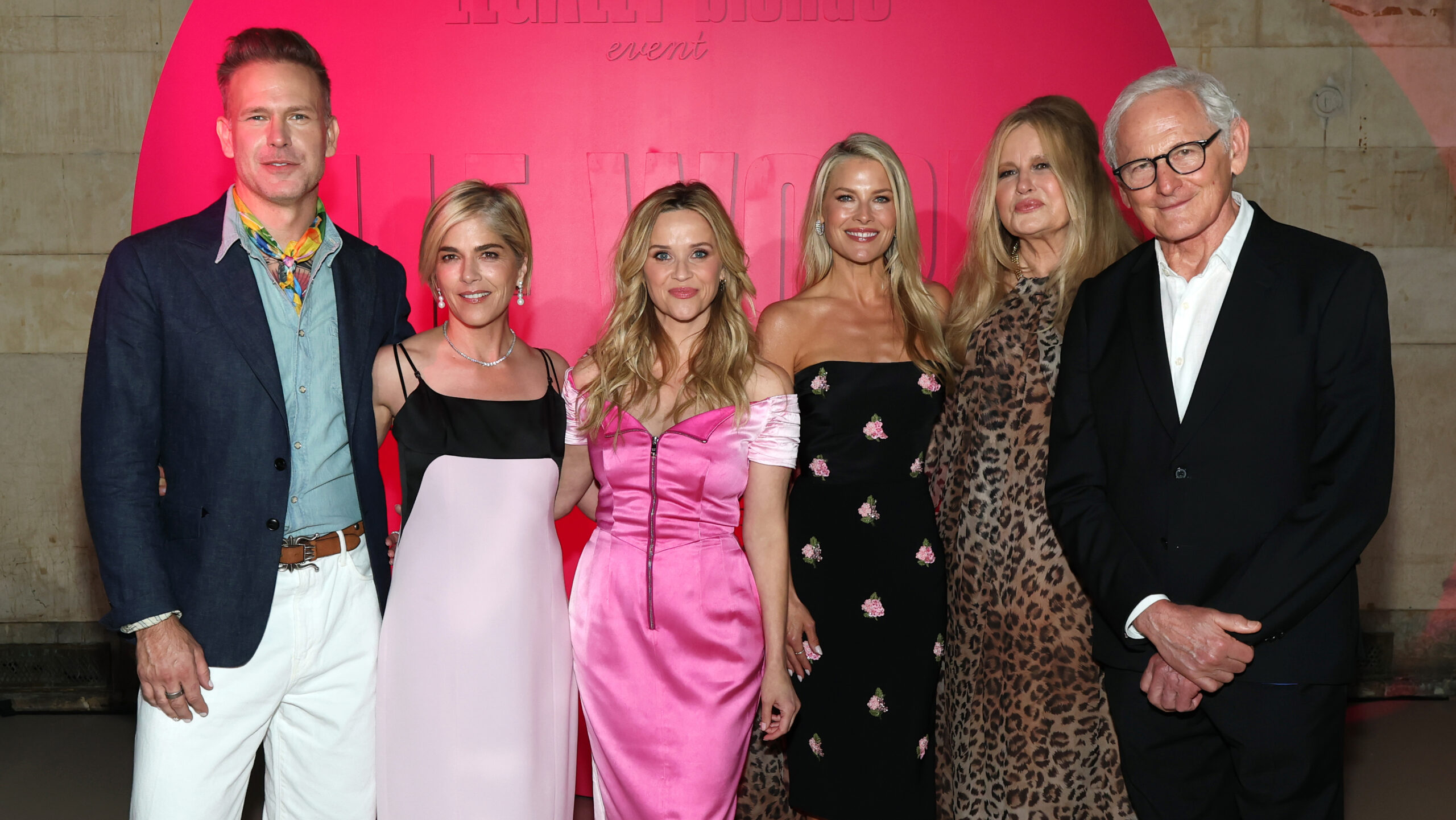
    Reese Witherspoon officially crowned the next Elle Woods on June 20, 2026, during a highly anticipated twenty-fifth-anniversary reunion panel for the original Legally Blonde film. Taking the stage in West Hollywood, Witherspoon introduced actress Lexi Minetree as the star of the upcoming Amazon Prime Video prequel series, Elle. The transition carried unexpected emotional weight for the veteran producer and actress. Witherspoon became visibly teary-eyed while addressing the audience, describing the handover as passing the pink torch to a young performer she praised for having such a beautiful heart. For Amazon MGM Studios and Witherspoon’s Hello Sunshine production banner, this moment represented more than nostalgia. It marked the launch of a major television franchise designed to bridge two distinct generations of viewers.

    A Tearful Handover in West Hollywood

    The Pacific Design Center hosted the gathering. Fans, industry executives, and fashion influencers filled the 380-seat Silver Screen Theater. A heavy pink carpet lined the entrance, signaling the enduring aesthetic power of the brand. The event was initially billed as a simple retrospective. It quickly evolved into a strategic passing of the baton. Witherspoon sat center stage, flanked by original cast members Luke Wilson and Selma Blair. The conversation inevitably turned from the past to the future of the intellectual property.

    Witherspoon addressed the specific challenge of embodying the iconic character. She noted that the role requires a specific, unironic frequency.

    You cannot manufacture the kind of bright, relentless optimism that Elle requires. You either have that light inside of you, or you don’t. When we found Lexi, it was immediate.

    Witherspoon paused as emotion caught in her throat.

    I am so honored to be passing the pink torch to someone with such a beautiful heart. She is going to protect this character.

    Lexi Minetree then stepped onto the stage to a standing ovation. The young actress wore a vintage 1990s Chanel tweed blazer. The sartorial choice was deliberate and highly calculated. It signaled the exact era in which the new series takes place. Minetree has previously built a quiet resume in independent cinema and streaming guest roles. Now, she shoulders the weight of a multi-million-dollar Amazon investment and the expectations of a fiercely loyal global fandom.

    The 25-Year Legacy of Elle Woods

    To understand the stakes of the prequel, one must look at the original film’s massive cultural footprint. Legally Blonde debuted in theaters on July 13, 2001. Director Robert Luketic shot the film on a modest 18 million dollar budget. Metro-Goldwyn-Mayer distributed the picture. It grossed 141 million dollars globally. More importantly, it became a cultural touchstone that redefined early-2000s cinema.

    Author Amanda Brown wrote the original novel based on her own experiences at Stanford Law School. She famously compiled her observations on pink paper. Producer Marc Platt read the manuscript and saw the cinematic potential. Screenwriters Karen McCullah Lutz and Kirsten Smith adapted the book. They crafted the specific comedic tone that defined the 2001 film. The character of Elle Woods subverted the dumb blonde trope of late-1990s media. She did not abandon her hyper-feminine aesthetic to achieve intellectual success. She weaponized it.

    The film spawned a 2003 theatrical sequel, Legally Blonde 2: Red, White & Blonde. It inspired a highly successful 2007 Broadway musical that ran for hundreds of performances. A direct-to-DVD spinoff, Legally Blondes, followed in 2009. Yet, the core magic always rested with Witherspoon’s specific performance. Replacing her was considered an impossible industry task. The solution was not to replace her, but to rewind the timeline.

    Hello Sunshine and the Amazon Strategy

    The reunion was not just a nostalgic gathering. It was a calculated corporate launch. Witherspoon founded Hello Sunshine in 2016. The company’s mission was to center female-driven narratives across film and television. In 2021, Blackstone-backed Candle Media acquired a majority stake in Hello Sunshine. The deal valued the company at 900 million dollars. Executives Kevin Mayer and Tom Staggs demanded scalable intellectual property to justify the valuation. Legally Blonde provided the perfect foundation.

    Amazon’s 8.5 billion dollar acquisition of MGM in 2022 gave the tech giant control of the Legally Blonde film rights. Witherspoon already held a deep working relationship with Amazon. The synergy was inevitable. Amazon MGM Studios head Jennifer Salke prioritized the Elle prequel as a flagship project for the 2026 television slate. The streaming platform needs recognizable, multi-generational hits. A 1990s-set teen drama based on a beloved 2000s film hits two distinct demographic quadrants.

    The Economics of Nostalgia

    The 2026 entertainment economy runs on familiar comfort. Production costs have skyrocketed across the board. Marketing budgets often exceed actual production budgets. Studios mitigate risk by betting on recognizable titles. The Legally Blonde franchise guarantees a baseline level of viewer curiosity. Amazon’s subscription model relies on keeping users engaged within the Prime ecosystem. A high-profile series like Elle drives both viewership and retail engagement.

    The original film influenced early-2000s fashion. The prequel aims to do the same for 2026. The 1990s revival trend in modern fashion aligns perfectly with the show’s setting. Amazon is uniquely positioned to capitalize on this. Viewers will likely be able to purchase Elle-inspired wardrobes directly through the Prime interface while streaming the series. This synergistic retail-content loop was impossible in 2001. It is the core of Amazon’s media strategy today.

    What to Expect from the ‘Elle’ Prequel

    Amazon Prime Video officially greenlit Elle in early 2024 following a competitive development process. The series operates as a direct prequel to the 2001 film. It follows Elle Woods through her high school years in 1990s Los Angeles. Showrunner Laura Kittrell built the narrative around the formative experiences that shaped the character’s unique worldview. Before the Harvard Law School admissions video, there was Bel Air. Before the courtroom triumphs, there were high school social politics.

    • The Setting: Mid-1990s Los Angeles, focusing on the elite social circles of Bel Air high schools.
    • The Tone: Earnest coming-of-age comedy, avoiding the trap of retro-camp or cynical irony.
    • The Aesthetic: A stark contrast between the heavy grunge movement of the 1990s and Elle’s unwavering commitment to pastels and prep.
    • The Plot: Exploring the early friendships, academic challenges, and family dynamics that forged her relentless optimism.

    Television history is littered with mixed results when adapting iconic adult characters into teenage prequels. The CW’s The Carrie Diaries attempted to explore a young Carrie Bradshaw with limited ratings success. Conversely, CBS struck gold with Young Sheldon, proving that audiences will embrace a prequel if the tonal shift feels earned. Amazon and Hello Sunshine studied these case studies extensively. Elle is designed to avoid the pitfalls of parody.

    The Pressure on Lexi Minetree

    Finding a young actress to embody that specific frequency took months. Casting directors auditioned hundreds of teenagers across the United States and the United Kingdom. The mandate from Hello Sunshine was clear. Do not find an actress who can do a Reese Witherspoon impression. Find an actress who understands the earnestness of the character. Irony is the enemy of Elle Woods. Minetree won the role by playing the audition scenes with complete, unblinking sincerity.

    Minetree faces immediate industry scrutiny. Internet fandoms are notoriously protective of childhood favorites. Social media platforms immediately dissected the reunion footage within minutes of the livestream. The consensus, however, leaned overwhelmingly positive. Witherspoon’s emotional endorsement served as a powerful shield for the young actress. A tearful co-sign from the original star neutralizes much of the legacy-casting backlash.

    Handing the character over to Minetree allows Witherspoon to step back into a purely executive role. She retains creative control without the physical demands of leading the franchise on screen. Witherspoon spent two decades fielding questions about a potential Legally Blonde 3. While a third film languished in development hell, the television prequel gained massive momentum. The torch has officially been passed.

    Looking Ahead to the Premiere

    Filming for the first season of Elle wrapped in early May 2026. Amazon Prime Video plans a late-fall premiere to capitalize on the holiday streaming window. Marketing campaigns will likely dominate the third quarter of the year. The pink branding will be inescapable across digital and physical billboards. Cross-promotional tie-ins with fashion and beauty brands are already finalized and ready for deployment.

    The business of Elle Woods is definitively more lucrative today than it was in 2001. What started as a modest summer comedy has evolved into a cornerstone of a multi-billion-dollar corporate strategy. The tears at the West Hollywood reunion were genuine, but they were also the starting gun for a massive commercial rollout. The character remains a beacon of optimism. The executives remain focused on the analytics.

    The Pacific Design Center emptied. The cameras stopped flashing. The executives returned to Culver City. The torch was passed. Pink.

  • Dutton Ranch Renewed for Season 2 at Paramount+

    Dutton Ranch Renewed for Season 2 at Paramount+

    The Enduring Appeal of the Western Frontier

    Paramount+ has officially renewed the Western drama series ‘Dutton Ranch’ for a second season. This decision, announced in late June 2026, extends the life of a program that has garnered significant attention for its portrayal of contemporary ranching life and complex family narratives. The renewal signifies the platform’s continued commitment to the ‘Yellowstone’ franchise and the broader Western genre, which consistently attracts a dedicated viewership.

    In many ways, the success of ‘Dutton Ranch’ reflects a wider cultural phenomenon. Audiences continue to seek out stories that resonate with themes of heritage, land, and the challenges of preserving a way of life in the modern era. The series taps into these deeply held values, offering both escapism and a reflection of contemporary societal concerns.

    The ‘Yellowstone’ Universe Expands

    The ‘Dutton Ranch’ series is a key component of the expanding ‘Yellowstone’ universe, a franchise created by Taylor Sheridan. This universe began with the flagship series ‘Yellowstone,’ which debuted in 2018 on Paramount Network. Its success led to a series of prequels and spin-offs, primarily housed on the Paramount+ streaming service.

    These interconnected narratives explore different eras and branches of the fictional Dutton family, who own the largest contiguous ranch in the United States. ‘Dutton Ranch’ specifically focuses on certain aspects of this legacy, providing new perspectives and character arcs while maintaining thematic consistency with the broader franchise. The expansion strategy has proven highly effective, cultivating a loyal fanbase across multiple series.

    The Strategy Behind Streaming Success

    Paramount+’s strategy involves leveraging established intellectual property and creator vision. Taylor Sheridan’s involvement as co-creator, writer, and executive producer across the ‘Yellowstone’ universe has been instrumental. His distinctive storytelling style, characterized by gritty realism, intricate plots, and strong character development, appeals to a wide demographic.

    The streaming service has invested heavily in these productions, recognizing the value of premium, serialized content. The renewal of ‘Dutton Ranch’ for a second season is a direct outcome of this investment yielding positive returns in subscriber engagement and retention. This model allows for sustained narrative development and the cultivation of long-term audience loyalty.

    Cultural Resonance and Audience Validation

    The renewal of ‘Dutton Ranch’ evokes a feeling of satisfaction and validation for its dedicated audience. For many viewers, the series reinforces a specific cultural identity, one connected to the American West, its landscapes, and its traditions. This connection goes beyond mere entertainment; it taps into a sense of belonging and shared values.

    The show’s themes often revolve around:

    • The preservation of land and legacy.
    • The complexities of family relationships.
    • The conflict between tradition and modernity.
    • The challenges of rural life.

    These elements resonate with a significant segment of the population, leading to strong viewership numbers and active fan communities. The continuation of the series is a direct acknowledgment from the platform of this cultural impact and the audience’s investment.

    The Western Genre in the 21st Century

    The resurgence of the Western genre in popular culture is a notable trend of the 2020s. While traditional Westerns once dominated film and television, their popularity waned for several decades. However, productions like ‘Yellowstone’ and its spin-offs have revitalized the genre, adapting it for contemporary tastes.

    These modern Westerns often:

    • Feature complex, morally ambiguous characters.
    • Explore contemporary social and political issues within a Western setting.
    • Showcase high production values and cinematic aesthetics.
    • Appeal to diverse demographics, including younger audiences.

    The success of ‘Dutton Ranch’ is a testament to this evolution, demonstrating that stories set in the American West can still captivate and engage a broad audience in 2026.

    Production Details and Future Expectations

    Specific production dates and casting details for ‘Dutton Ranch’ Season 2 are anticipated to be announced in the coming months. Typically, pre-production for a series of this scale involves extensive planning, including script development, location scouting, and casting. Filming often occurs in Montana, the primary setting for much of the ‘Yellowstone’ universe, utilizing the region’s expansive landscapes.

    Fans can expect the second season to continue exploring the narratives established in the first season, deepening character development and introducing new plotlines. The creative team, under the guidance of Taylor Sheridan, will likely maintain the series’ signature blend of drama, suspense, and character-driven storytelling. The renewal suggests confidence in the existing cast and crew to deliver another compelling season.

    Impact on Paramount+ and Streaming Landscape

    The renewal of ‘Dutton Ranch’ is strategically important for Paramount+. In a highly competitive streaming market, exclusive, popular content is crucial for attracting and retaining subscribers. The ‘Yellowstone’ franchise, with ‘Dutton Ranch’ as a significant contributor, serves as a tentpole offering for the service.

    This ongoing investment in original programming helps Paramount+ differentiate itself from other platforms. It also highlights a broader trend in the streaming industry: the creation of interconnected universes and franchise content to build sustained audience engagement. The success of ‘Dutton Ranch’ contributes directly to Paramount+’s overall market position and its ability to compete with major players like Netflix, Max, and Disney+.

    The Legacy of Ranching and the American Dream

    ‘Dutton Ranch’ explores the modern interpretation of the American Dream, particularly through the lens of land ownership and legacy. The Dutton family’s fight to maintain their ranch against external pressures, ranging from land developers to political adversaries, is a central theme. This struggle resonates with contemporary anxieties about economic stability, environmental change, and the erosion of traditional ways of life.

    The series often depicts the harsh realities and demanding nature of ranching. It showcases the dedication required to operate such an enterprise, the intricate relationship between humans and the land, and the economic challenges faced by agricultural communities. This realistic portrayal adds depth and authenticity, distinguishing it from more romanticized depictions of the West.

    What Defines a Modern Western?

    Modern Westerns, exemplified by ‘Dutton Ranch,’ move beyond simple good-versus-evil narratives. They delve into moral ambiguities, exploring the consequences of choices made in a complex world. The characters are often flawed, driven by a mix of noble intentions and personal desires, making them relatable and compelling.

    Key characteristics include:

    • Complex Antagonists: Foes are not always clear-cut villains; they often represent conflicting interests or different visions for the land.
    • Contemporary Issues: The series tackles issues like land rights, environmentalism, Native American sovereignty, and political corruption.
    • Strong Female Characters: Women often play pivotal roles, challenging traditional gender stereotypes of the genre.
    • Ethical Dilemmas: Characters frequently face difficult moral choices, blurring the lines between right and wrong.

    This nuanced approach allows ‘Dutton Ranch’ to engage with a broad audience, offering more than just action and drama. It provides a platform for examining societal values and the evolving definition of the American frontier.

    Looking Ahead: The Future of the Franchise

    The renewal of ‘Dutton Ranch’ for Season 2 signals a robust future for the ‘Yellowstone’ franchise on Paramount+. With multiple series concurrently in production or development, the universe continues to expand, offering diverse storylines and character explorations. This expansion strategy aims to keep the audience invested and to introduce new viewers to the compelling world Taylor Sheridan has created.

    The continued success of these Western-themed dramas suggests a sustained appetite for narratives rooted in American history, land, and the enduring spirit of the frontier. Paramount+’s commitment ensures that the stories of the Dutton family, and the challenges they face, will continue to unfold for seasons to come.

    Audiences watch. Critiques analyze. Streamers invest.

    The West persists.