Tag: Streaming

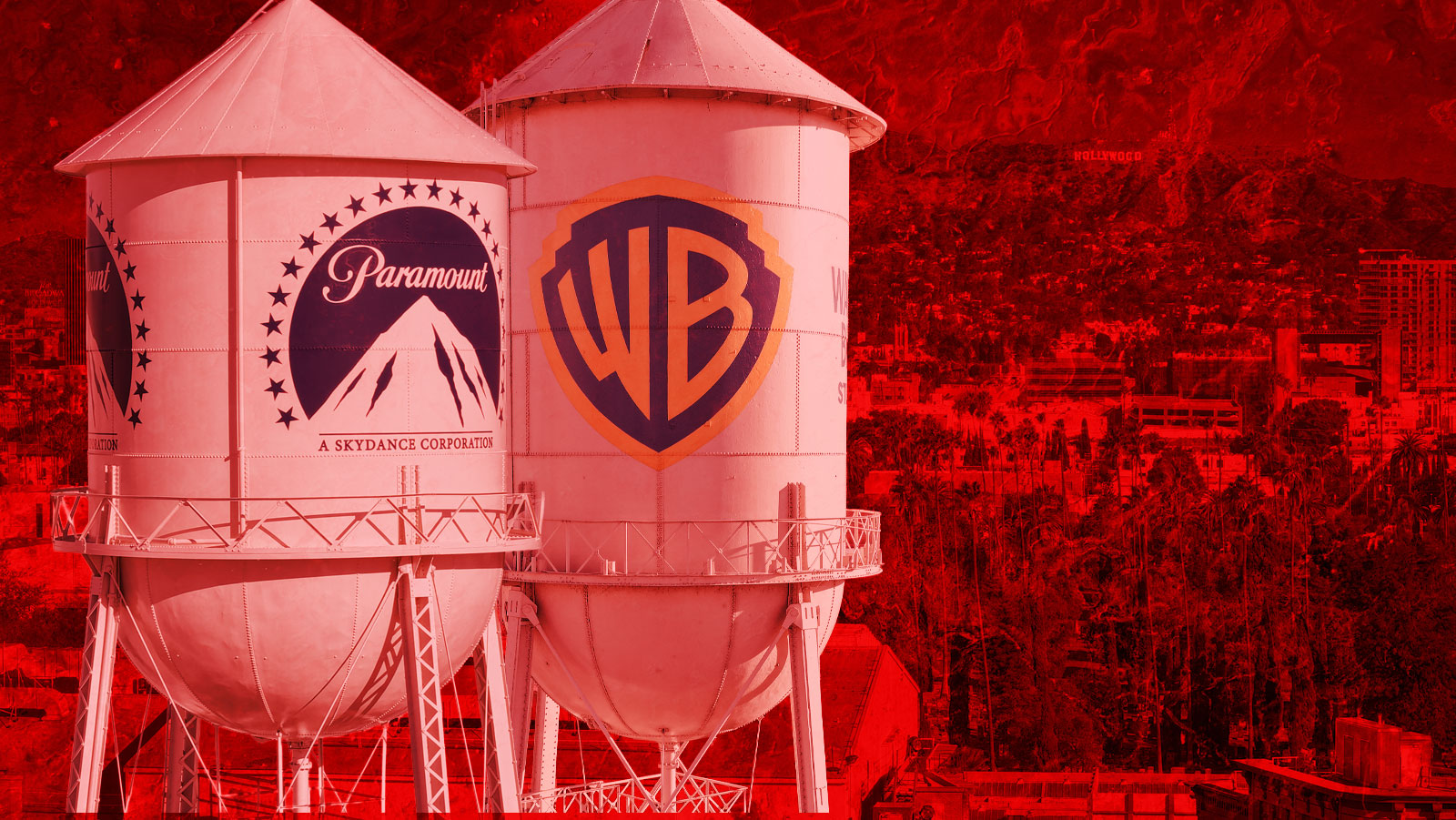
  • NYC Mayor Zohran Mamdani Opposes Paramount-WBD Merger – Citing Public Interest

    NYC Mayor Zohran Mamdani Opposes Paramount-WBD Merger – Citing Public Interest

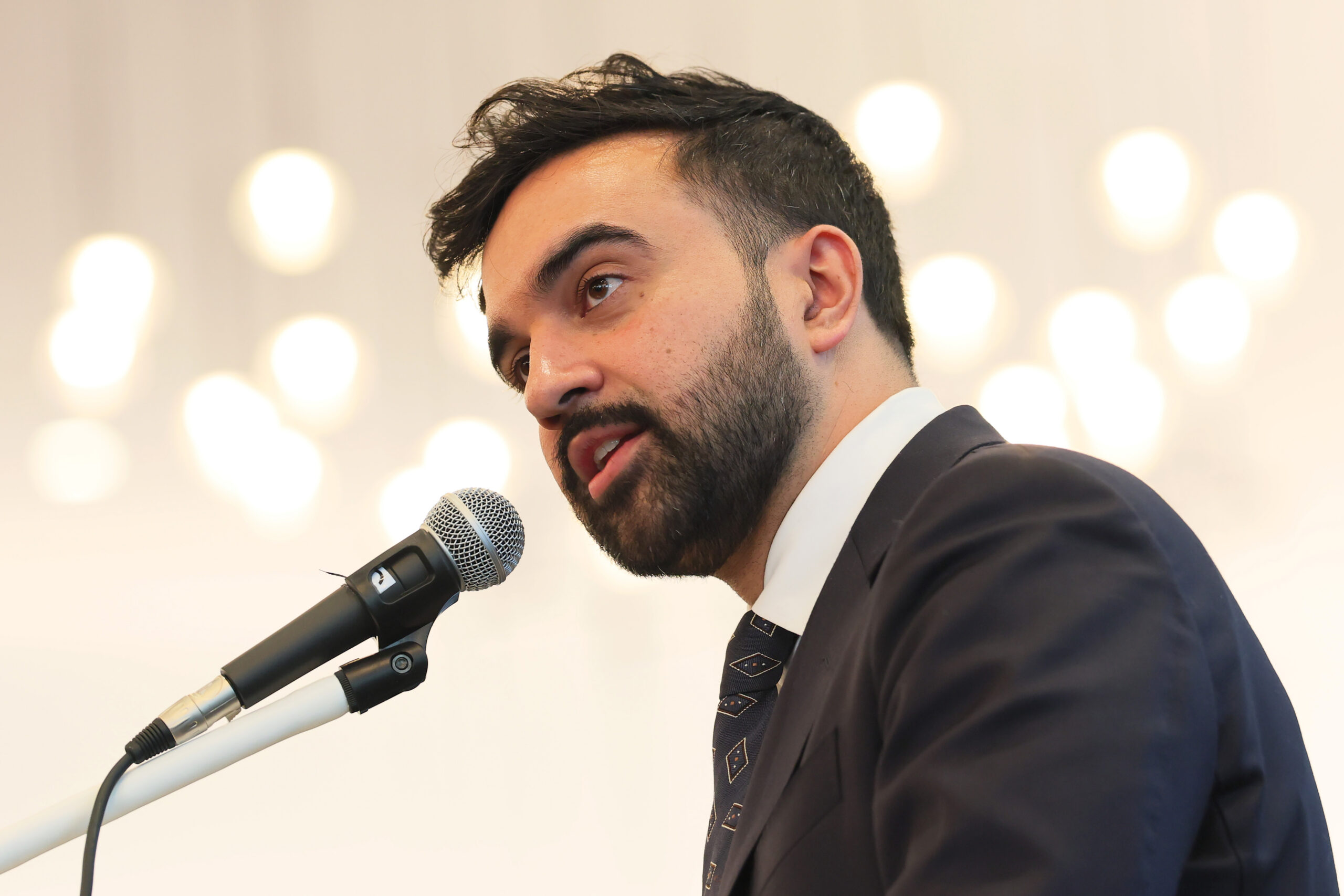
    New York City Mayor Zohran Mamdani declared on July 13, 2026, that a potential merger between Paramount Global and Warner Bros. Discovery (WBD) would not serve the public interest. This statement places a prominent political figure in opposition to one of the largest potential media consolidations in recent memory. The Mayor’s concerns center on the broader implications of such a deal for consumers, content diversity, and market competition.

    This declaration from a major city’s top official adds a new dimension to the ongoing discussions surrounding the proposed media giant. It signals a heightened scrutiny from public servants regarding corporate actions that could reshape significant industries.

    The Proposed Merger Landscape

    Discussions regarding a potential merger between Paramount Global and Warner Bros. Discovery have circulated for several months in 2026. These talks involve two of the largest media conglomerates globally. Paramount Global encompasses brands such as CBS, Showtime, MTV, Nickelodeon, and the Paramount Pictures film studio. Its streaming service is Paramount+.

    Warner Bros. Discovery holds assets including Warner Bros. Entertainment, CNN, HBO, the Discovery Channel, and the Max streaming service. A combination of these entities would create a media titan with an extensive portfolio across film, television, news, and streaming platforms.

    The strategic rationale for such a merger often cites increased scale, cost efficiencies, and enhanced competitive positioning against other streaming and entertainment giants. However, these benefits are frequently weighed against potential downsides by regulators and public interest advocates.

    Mayor Mamdani’s Stance on Public Interest

    Mayor Mamdani’s opposition stems from a perspective that prioritizes the public good over corporate synergies. His statement on July 13, 2026, explicitly used the phrase, “Not a merger that serves the public.” This phrasing suggests concerns beyond mere market competition.

    The Mayor’s office has previously indicated a focus on ensuring fair practices and equitable access within the city’s economic landscape. Media consolidation, from this viewpoint, can lead to reduced choice for consumers. It can also potentially lead to less diverse content offerings.

    Such mergers might also impact local media ecosystems. This includes job markets within the media sector in New York City. New York City serves as a major hub for both Paramount Global and Warner Bros. Discovery operations.

    Concerns Over Media Consolidation

    Media consolidation has been a recurring point of contention for decades. Critics argue that fewer media owners lead to fewer distinct voices. This can reduce the range of perspectives available to the public.

    It can also concentrate power in the hands of a few corporations. This concentration can influence cultural narratives and political discourse. Public officials often express apprehension regarding the impact on local news coverage and independent content creation.

    For consumers, consolidation can translate into higher subscription costs for streaming services. It can also lead to bundling of unwanted content. It may also limit options for niche programming.

    Historical Precedents and Regulatory Scrutiny

    Major media mergers have historically faced significant regulatory scrutiny. The U.S. Department of Justice (DOJ) and the Federal Trade Commission (FTC) are typically responsible for reviewing such transactions. Their role is to ensure that mergers do not substantially lessen competition.

    Past examples include the AT&T and Time Warner merger, which faced a protracted legal battle with the DOJ before being approved in 2018. More recently, proposed mergers like the acquisition of Simon & Schuster by Penguin Random House were blocked by the courts in 2022 due to antitrust concerns.

    The regulatory landscape in 2026 continues to evolve. There is an increasing emphasis on consumer welfare and market concentration. President Donald Trump’s administration has generally favored a robust approach to antitrust enforcement. This stance suggests that any large-scale media merger would face a thorough and potentially challenging review process.

    The Role of Local Officials in National Debates

    While federal agencies hold the primary authority for approving or blocking mergers, statements from local officials like Mayor Mamdani carry significant weight. They can influence public opinion. They can also draw additional attention from federal regulators.

    A mayor of a city as influential as New York City represents a large constituency. This constituency includes many employees of the companies involved. It also includes millions of consumers who would be affected by the merger’s outcome.

    Such statements can also galvanize advocacy groups. These groups often campaign against media consolidation. Their collective voice can amplify the arguments against a proposed deal.

    Economic and Cultural Impact on New York City

    New York City is a global capital for media and entertainment. Both Paramount Global and Warner Bros. Discovery maintain substantial operations within the five boroughs. A merger could lead to significant restructuring. This might include layoffs or the consolidation of office spaces.

    Such changes would have a direct economic impact on the city’s workforce. They would also affect the broader creative industries. The cultural vibrancy of New York City is deeply intertwined with its media landscape. Reduced competition could stifle independent production and diverse storytelling.

    Mayor Mamdani’s concerns likely encompass these local economic and cultural ramifications. He aims to protect the city’s status as a hub for diverse media production and consumption.

    The Future of Media Consolidation

    The media industry continues to undergo rapid transformation. The rise of streaming services, the decline of traditional advertising, and the increasing cost of content creation drive companies toward scale. This often leads to merger discussions.

    However, the regulatory environment is also becoming more stringent. Public awareness of antitrust issues is growing. This creates a complex landscape for companies seeking to combine.

    The statement from Mayor Mamdani serves as a clear indicator of this evolving dynamic. It highlights that the public interest argument is gaining prominence in discussions about corporate strategy.

    Media executives consider market share. They consider content libraries. They consider subscriber numbers. Public officials consider job security. They consider content diversity. They consider consumer choice. These considerations often diverge.

    The debate around the Paramount-WBD merger underscores a critical tension. It is a tension between corporate growth ambitions and public welfare. The outcome of such debates will shape the future of entertainment. It will also shape the future of information access.

    Regulators will review financial models. They will review market analyses. They will review public statements.

    The public will watch. The industry will watch. The city will watch.

    New York.
  • BBC Faces ‘Real Jeopardy’ Despite Record Content – The License Fee Crisis

    BBC Faces ‘Real Jeopardy’ Despite Record Content – The License Fee Crisis

    The British Broadcasting Corporation (BBC) has warned of ‘real jeopardy’ to its financial stability, a declaration made amidst a significant erosion of its traditional license fee base. This warning is particularly stark given the broadcaster’s simultaneous report of a record-breaking year for content production and audience engagement in 2026. The core issue centers on the sustainability of the BBC’s funding model, which relies on a compulsory annual payment from UK households, now under increasing pressure.

    But the story doesn’t begin there. This financial precarity arrives at a time of undeniable creative success, creating a paradox for one of the world’s most recognized public service broadcasters. The challenges faced by the BBC are not isolated, reflecting a wider global trend impacting public service broadcasters as the media landscape undergoes rapid transformation.

    The Eroding Foundation: License Fee Under Scrutiny

    The BBC’s primary financial engine is the television license fee. This mandatory annual charge is levied on every household in the United Kingdom that watches or records live television broadcasts, or utilizes the BBC iPlayer service.

    Recent data indicates a consistent decline in the number of households complying with this fee. This trend directly diminishes the BBC’s operational revenue. The reduction impacts the BBC’s ability to plan long-term investments.

    Specific figures on the decline are still being compiled. Early indications suggest a steady reduction in the payer base over the last 12 to 24 months. This consistent erosion signals a fundamental shift in audience behavior and willingness to pay.

    Impact on Public Service Remit

    The ‘real jeopardy’ warning directly links this financial erosion to the BBC’s capacity to fulfill its public service remit. This includes providing diverse programming across news, education, and entertainment, accessible to all segments of the UK population.

    The public service remit is a foundational principle of the BBC. It mandates the broadcaster to inform, educate, and entertain. Financial constraints directly impede these core functions.

    Reduced funding could lead to cuts in programming, diminished investigative journalism, or a reduction in regional content. These outcomes would impact the breadth and depth of content available to UK citizens.

    Paradox of Success: Record Content Year

    In stark contrast to its financial concerns, the BBC has announced a record-breaking year for content in 2026. This output spans across its extensive portfolio of television channels, radio stations, and digital platforms.

    The achievement reflects strong creative output and sustained audience engagement. It also underscores the organization’s continued cultural relevance. The BBC continues to produce content that resonates with audiences both domestically and internationally.

    Audience Engagement Metrics

    The record content year is supported by robust audience engagement metrics. These include increased viewership for flagship dramas, higher listenership for popular radio programs, and expanded digital consumption across BBC iPlayer and BBC Sounds.

    Digital platforms, in particular, have shown significant growth. BBC iPlayer allows on-demand viewing, while BBC Sounds offers a range of audio content, from live radio to podcasts. These platforms are crucial for reaching younger audiences and adapting to modern consumption habits.

    Key Content Achievements

    While specific titles are numerous, the BBC has highlighted successes in areas such as investigative journalism, natural history documentaries, and original drama series. These productions have garnered critical acclaim and strong public reception.

    Investigative journalism, often resource-intensive, remains a cornerstone of the BBC’s public service. Natural history documentaries, such as those narrated by David Attenborough, consistently achieve global recognition. Original drama series continue to attract large audiences and critical praise.

    Broader Implications for Public Broadcasting

    The challenges confronting the BBC are not isolated. They reflect a wider global trend impacting public service broadcasters. The media landscape is undergoing rapid transformation.

    The rise of global subscription streaming services, evolving digital consumption habits, and increased competition for audience attention are pressuring traditional funding models worldwide. Platforms like Netflix, Amazon Prime Video, and Disney+ offer vast libraries of content, often ad-free, directly to consumers.

    This increased competition for viewing hours and subscription dollars directly impacts traditional broadcasters. Audiences now have more choice than ever before, leading to fragmentation of attention and loyalty.

    The Global Context

    Broadcasters in countries such as Germany, France, and Canada are also grappling with similar issues. They are exploring alternative funding mechanisms and adapting their content strategies to remain relevant in a fragmented media environment.

    Some public broadcasters are experimenting with hybrid models, combining public funding with commercial revenues. Others are focusing on niche content that commercial streamers might overlook. The common thread is the need for adaptation.

    Ongoing Debate in the UK

    The debate surrounding the BBC’s license fee has been a persistent feature of UK media discourse for several years. Discussions often revolve around questions of fairness, the fee’s compulsory nature, and its suitability in the digital age.

    Critics often argue the fee is regressive, disproportionately affecting lower-income households. The compulsory nature is also a point of contention, especially for those who do not consume BBC content. Its suitability in an era of diverse, on-demand content is frequently questioned.

    This latest warning from the BBC intensifies the urgency of these long-standing conversations. The financial health of the institution is now explicitly linked to the outcome of this debate. Stakeholders, including the UK government and media regulators, will be under pressure to address these issues.

    The Path Forward: Navigating Uncertainty

    Further details regarding the BBC’s financial projections and potential strategic responses are anticipated. Key stakeholders, including the UK government, media regulators, and the public, will closely monitor developments.

    The corporation’s ability to innovate, adapt its funding model, and continue delivering high-quality public service content will be critical. The future of the BBC, and by extension, a significant part of the UK’s cultural landscape, hinges on these discussions and decisions.

    Governments gathered. Audiences gathered. Debates gathered. Uncertainty.

  • Oregon AG Drops Demands in Paramount-Warner Bros. Discovery Merger Review

    Oregon AG Drops Demands in Paramount-Warner Bros. Discovery Merger Review

    Oregon AG Relieves Merger Pressure

    Oregon Attorney General Dan Rayfield officially withdrew her office’s demands for extensive internal records from Paramount Global and Warner Bros. Discovery. This action also included rescinding a motion to delay the proposed merger between the two media conglomerates. The decision, made public in July 2026, signals a notable reduction in state-level regulatory pressure on the high-profile media consolidation.

    The withdrawal by the Oregon Department of Justice removes a specific hurdle that had emerged in the state’s review process. This development comes as the broader entertainment industry watches closely for the outcome of various regulatory assessments of the merger.

    The Proposed Media Behemoth

    The merger proposal seeks to combine two of the largest entities in the global media landscape. Paramount Global encompasses a vast portfolio, including the CBS broadcast network, Paramount Pictures film studio, and streaming services like Paramount+. Its holdings also include cable networks such as Comedy Central, MTV, Nickelodeon, and Showtime.

    Warner Bros. Discovery, formed from the 2022 merger of WarnerMedia and Discovery, Inc., brings an equally extensive array of assets. These include the Warner Bros. film and television studios, the HBO and Max streaming platforms, cable news giant CNN, and a suite of lifestyle and entertainment channels such as HGTV and Discovery Channel.

    The combined entity would command a significant share of content production, distribution, and streaming subscribers. Industry analysts estimate the potential valuation of the merged company in the tens of billions of dollars, creating a formidable competitor to Disney, Netflix, and Comcast.

    Regulatory Scrutiny Intensifies

    The proposed merger has faced intense scrutiny from multiple regulatory bodies. Antitrust concerns typically arise when two major players in an industry seek to combine, potentially reducing competition and impacting consumers or smaller competitors. Federal agencies, including the Department of Justice (DOJ) and the Federal Trade Commission (FTC), have been conducting their own comprehensive reviews.

    The DOJ’s Antitrust Division and the FTC are responsible for enforcing antitrust laws to prevent monopolies and ensure fair competition. Their investigations often involve examining market concentration, potential price increases for consumers, and impacts on content creators and distributors.

    State attorneys general also play a role in antitrust enforcement, often collaborating with federal agencies or conducting independent investigations. The Oregon AG’s initial demands reflected a proactive stance on potential competitive harms within the state.

    Oregon’s Initial Concerns

    Attorney General Ellen Rosenblum’s office had previously expressed concerns regarding the merger’s potential effects on competition within Oregon’s media markets. These concerns likely centered on areas such as local advertising, cable television distribution, streaming service offerings, and content production.

    The demands for internal records sought to gather detailed information about the companies’ operations, market strategies, and anticipated synergies from the merger. Such requests are standard practice in antitrust reviews, allowing regulators to assess the competitive landscape thoroughly.

    The motion to delay the merger indicated a desire for more time to evaluate the extensive documentation and potential impacts. This move underscored the seriousness with which the Oregon AG’s office approached its oversight responsibilities.

    The Path to Withdrawal

    The specific reasons for Attorney General Rosenblum’s withdrawal of demands and the motion to delay have not been publicly detailed. However, such decisions often stem from a combination of factors. These can include a satisfactory response from the merging parties to initial concerns, the provision of sufficient data to alleviate fears of anti-competitive behavior, or a strategic reassessment of the legal and evidentiary strength of the state’s case.

    It is also possible that negotiations between the Oregon AG’s office and representatives from Paramount Global and Warner Bros. Discovery led to concessions or agreements that satisfied the state’s concerns. These could involve commitments regarding content access, pricing, or local market competition.

    The withdrawal does not necessarily signify a complete endorsement of the merger. Instead, it indicates that the specific objections and information needs of the Oregon AG’s office have been addressed to a sufficient degree to remove these particular obstacles.

    Broader Regulatory Landscape Remains Active

    While Oregon’s withdrawal removes a state-level impediment, the merger still faces significant hurdles at the federal level. The Department of Justice and the Federal Trade Commission continue their independent reviews. These federal investigations are typically more extensive and carry greater weight in determining the ultimate fate of such large-scale mergers.

    Antitrust regulators often focus on potential harm to consumers through reduced choice or higher prices, and harm to competition in various sub-markets. For media mergers, this includes examining the concentration of content ownership, control over distribution platforms, and the impact on independent creators.

    Historical precedents for media mergers have varied. Some large consolidations have been approved with conditions, while others have faced significant challenges or outright rejection. The 2018 AT&T-Time Warner merger, for example, faced a prolonged legal battle with the DOJ before its eventual approval.

    Industry Implications and Future Outlook

    The potential merger of Paramount Global and Warner Bros. Discovery represents a significant consolidation trend within the entertainment industry. Companies are increasingly seeking scale to compete in a rapidly evolving landscape dominated by streaming services and global content demand.

    A combined entity would possess a vast library of intellectual property, including iconic film franchises, popular television series, and extensive news and sports programming. This would allow for greater leverage in negotiations with distributors and advertisers, and potentially more resources for content creation.

    However, concerns persist about the impact on media diversity and independent voices. Fewer major players could lead to less varied content offerings and reduced opportunities for smaller production companies.

    The outcome of the federal reviews will be critical in shaping the future of this proposed media giant. The Oregon AG’s withdrawal, while important, is one piece of a much larger regulatory puzzle that continues to unfold in 2026.

    The media landscape shifts. Corporate strategies adapt. Regulatory bodies scrutinize.

    The future of entertainment hangs in the balance.

    Frequently Asked Questions

  • Netflix’s ‘Little House on the Prairie’ – Season 1 Ending Explained

    Netflix’s ‘Little House on the Prairie’ – Season 1 Ending Explained

    Rebecca Sonnenshine, the showrunner for Netflix’s contemporary adaptation of ‘Little House on the Prairie’, recently offered detailed explanations regarding the conclusion of the series’ first season. Sonnenshine provided insights into the narrative choices made for the finale and indicated that a significant character is expected to return for the second season. This announcement has generated considerable discussion among fans of the classic story.

    But the story doesn’t begin there. The original ‘Little House on the Prairie’ books, authored by Laura Ingalls Wilder, have captivated generations. Their narratives chronicled the experiences of a pioneer family in the American West. The television series that aired from 1974 to 1983 further cemented its place in popular culture. Netflix’s new adaptation seeks to honor this legacy while introducing new perspectives and storylines for a modern audience.

    The End of Season 1: A Narrative Crossroads

    The first season of Netflix’s ‘Little House on the Prairie’ concluded with a series of dramatic events. These events left several character arcs unresolved. Sonnenshine highlighted the intentional ambiguity woven into the finale. This approach aimed to create suspense for future installments.

    One central storyline involved the Ingalls family’s struggle with new challenges on the prairie. These challenges tested their resilience and family bonds. The season finale brought these struggles to a head. It forced characters to make difficult decisions that will have lasting consequences.

    Sonnenshine emphasized that the ending was designed to be both satisfying and thought-provoking. It provided closure for some immediate conflicts while opening doors for deeper exploration in subsequent seasons. The creative team sought to balance reverence for the source material with the need for fresh storytelling.

    Character Fates and Unfinished Business

    Several key characters faced significant turning points in the Season 1 finale. Charles Ingalls, played by a new actor, grappled with a major decision concerning the family’s land. Caroline Ingalls confronted personal sacrifices for the well-being of her children.

    Laura Ingalls, portrayed by a rising young talent, experienced a pivotal moment of self-discovery. Her journey often serves as the emotional core of the ‘Little House’ narrative. The finale intensified her personal growth. It set the stage for her continued development as a young woman on the frontier.

    Other characters, including Mary Ingalls and Nellie Oleson, also saw their storylines reach critical junctures. Their interactions and conflicts contributed to the season’s dramatic tension. The unresolved aspects of their stories are expected to be central to Season 2.

    Anticipation for Season 2: A Character’s Return

    Perhaps the most compelling revelation from Sonnenshine concerned the impending return of a specific character. This character was absent or had a limited role in the latter part of Season 1. Sonnenshine’s comments sparked immediate speculation among fans.

    The showrunner did not disclose the character’s identity. However, she affirmed that their reintroduction would significantly impact the ongoing narrative. This return is expected to introduce new dynamics and potential conflicts for the Ingalls family and their community.

    Fans have begun theorizing about which character might make a comeback. Possibilities range from beloved figures who departed the narrative temporarily to characters whose absence created a void. The return promises to be a major plot point for the next season.

    The Legacy of ‘Little House’ in a New Era

    Netflix’s decision to adapt ‘Little House on the Prairie’ reflects a broader trend in entertainment. Classic stories are being reinterpreted for contemporary audiences. The series aims to capture the essence of Laura Ingalls Wilder’s work. It also explores themes relevant to modern viewers.

    The original books, first published in 1932, offered a glimpse into 19th-century American pioneer life. They chronicled themes of family, perseverance, and community. The new adaptation seeks to honor these foundational elements. It also incorporates nuanced portrayals of historical contexts and character motivations.

    Sonnenshine’s vision for the series involves a deep dive into the emotional landscape of the characters. It examines the harsh realities of frontier life. It also celebrates the enduring spirit of the Ingalls family. The showrunner’s remarks suggest a commitment to both nostalgic appeal and narrative innovation.

    Production Insights and Creative Decisions

    The production of ‘Little House on the Prairie’ Season 1 involved extensive research and creative collaboration. The team worked to ensure historical accuracy while crafting compelling storylines. Sonnenshine detailed some of the challenges and rewards of bringing the beloved story to a new generation.

    Casting decisions were crucial in shaping the new series. The actors chosen for iconic roles faced the task of embodying characters deeply ingrained in public consciousness. Their performances aimed to resonate with both long-time fans and newcomers to the ‘Little House’ universe.

    The visual aesthetics of the show also received significant attention. Cinematography and set design recreated the expansive beauty and ruggedness of the American prairie. This visual storytelling contributed to the immersive experience of the series.

    Adapting a Beloved Classic

    Adapting a classic like ‘Little House on the Prairie’ presents unique challenges. The creative team must balance audience expectations with the desire for fresh interpretations. Sonnenshine spoke about navigating this delicate balance throughout the first season’s production.

    One key aspect of the adaptation involves expanding on elements only briefly touched upon in the books or original series. This allows for deeper character development and the exploration of new subplots. The showrunner hinted at delving into previously unexplored facets of certain characters’ backgrounds.

    The show also addresses certain historical complexities with a modern sensibility. This approach ensures the narrative remains relevant and engaging for today’s diverse audience. The goal is to provide a rich, multi-layered viewing experience.

    The Audience Response and Future Outlook

    The first season of Netflix’s ‘Little House on the Prairie’ garnered significant attention upon its release. Viewers responded to the blend of nostalgic elements and new narrative directions. Social media platforms buzzed with discussions about character portrayals and plot developments.

    Critics offered varied perspectives on the adaptation. Many praised its production values and the performances of the cast. Others debated the extent to which the new series honored the spirit of the original material. Sonnenshine acknowledged the passionate response from the fanbase.

    The showrunner expressed excitement for the upcoming second season. She confirmed that the creative team is actively developing new storylines. These stories will build upon the foundations laid in Season 1. The aim is to continue the Ingalls family’s journey with fresh challenges and triumphs.

    The anticipation for Season 2 is high. Fans eagerly await the resolution of Season 1’s cliffhangers. They also look forward to discovering which character will return. The future of ‘Little House on the Prairie’ on Netflix appears poised for continued growth. It promises further exploration of the American frontier saga.

    Families gathered. Audiences watched. Discussions ensued. Viewers waited.

    Season Two.

  • Banijay and All3Media Complete Merger, A New $8BN Entertainment Giant

    Banijay and All3Media Complete Merger, A New $8BN Entertainment Giant

    Banijay and All3Media officially completed their merger in July 2026, creating an $8 billion production and distribution giant that significantly reshapes the global entertainment industry. This consolidation brings together two major players, forming one of the largest independent content powerhouses worldwide.

    The deal impacts the landscape of television production, content rights, and distribution strategies. It signals a continued trend of aggregation within the media sector, driven by the demand for scale and diversified intellectual property portfolios.

    The Road to Consolidation

    Discussions regarding a potential merger between Banijay and All3Media had been ongoing for an extended period. Industry analysts tracked the negotiations closely, recognizing the transformative potential of such a union. Regulatory approvals were a critical hurdle, requiring scrutiny from various international bodies to ensure fair competition.

    The finalization in July 2026 marks the culmination of these efforts. It solidifies a strategic vision to create a dominant force capable of competing with major studios and streaming platforms.

    Strategic Drivers Behind the Merger

    Several key factors propelled the merger forward. The global demand for original content continues to escalate, fueled by the proliferation of streaming services and diverse broadcast platforms. Scale in production and distribution offers significant advantages in this environment.

    A larger entity can command better negotiating power for content licensing. It can also optimize resources across a broader portfolio of productions. The ability to cross-pollinate formats and intellectual property across different territories becomes more robust.

    An $8 Billion Entertainment Powerhouse

    The combined valuation of the merged entity stands at $8 billion. This figure underscores the immense asset base and revenue-generating potential of the new company. It reflects the value of extensive content libraries, global production infrastructure, and established distribution networks.

    This financial scale positions the merged company as a formidable player. It can invest in high-budget productions and acquire new intellectual property more aggressively.

    Portfolio of Productions and Formats

    Banijay is known for a vast catalog of reality television, including global hits like MasterChef, Big Brother, and Survivor. All3Media brings a strong roster of scripted dramas, factual programming, and formats such as Gogglebox and Fleabag. The combined portfolio is exceptionally diverse.

    This breadth of content spans multiple genres and caters to a wide range of international audiences. The synergy between their offerings creates opportunities for new co-productions and format adaptations.

    Impact on the Global Entertainment Industry

    The completion of this merger sends ripples across the entire entertainment industry. Competitors will face a more consolidated and powerful entity. Content buyers, including broadcasters and streaming services, will engage with a supplier that offers unparalleled breadth and depth.

    Independent production companies may find increased competition for talent and commissions. However, the larger entity might also seek out strategic partnerships with smaller, innovative creators.

    Consolidation Trends in Media

    This merger is part of a broader trend of consolidation observed in the media and entertainment sectors over the past decade. Companies are seeking scale to navigate a rapidly evolving market. The rise of global streaming platforms has intensified competition for audience attention and content ownership.

    Mergers and acquisitions allow companies to achieve greater efficiencies. They can also diversify revenue streams and expand their geographical reach. This strategic move by Banijay and All3Media aligns with this overarching industry dynamic.

    Challenges and Opportunities Ahead

    Integrating two large companies presents inherent challenges. Cultural differences between organizations, operational redundancies, and the harmonization of business processes require careful management. The success of the merger will depend on effective post-merger integration strategies.

    However, the opportunities are substantial. The combined entity can leverage its increased scale to innovate in content creation. It can explore new distribution channels and expand into emerging markets. The $8 billion valuation provides a strong foundation for future growth and strategic investments.

    Future of Content Creation and Distribution

    The new production-distribution giant will play a significant role in shaping the future of content. Its extensive reach and diverse catalog will influence what audiences watch globally. The focus will likely be on developing new, compelling intellectual property that can travel across borders and platforms.

    The emphasis on both production and distribution capabilities positions the company for end-to-end control over its content. This vertical integration can lead to greater profitability and strategic flexibility in a competitive market.

    The Competitive Landscape

    The merger creates a new top-tier competitor in the independent production and distribution space. Other large independent players will need to adapt their strategies. Major studios, which often have their own production arms, will also monitor the new entity’s moves.

    The battle for talent, compelling stories, and audience engagement will intensify. This newly formed giant has the resources to attract leading creators and invest in high-quality productions. The industry watches to see how this new power dynamic unfolds.

    The global entertainment industry witnessed a significant transformation. Two major players joined forces. An $8 billion entity emerged. Content creation, distribution, and competition will never be the same. The future of entertainment is being rewritten.

    Globally.

  • Julianne Nicholson Reprises Emmy-Winning Role in ‘Task’ Season 2 Crossover

    Julianne Nicholson Reprises Emmy-Winning Role in ‘Task’ Season 2 Crossover

    Julianne Nicholson is set to reprise her Emmy-winning role from the critically acclaimed series Mare of Easttown, appearing in a crossover event for Task Season 2. This development was exclusively confirmed by Variety on 2026-07-09, marking a significant moment for fans of both television dramas.

    The integration of Nicholson’s character into a new series represents a bold creative decision in contemporary television programming. It aims to leverage established character appeal and the recognition of an award-winning performance.

    The Crossover Phenomenon in Television

    Television crossovers have historically been employed to boost viewership and create shared universes. From classic sitcoms to modern dramas, the merging of characters or storylines can generate significant buzz. This particular crossover, featuring an Emmy-winning performance, elevates the strategy.

    The concept relies on the audience’s familiarity and emotional investment in existing characters. Nicholson’s portrayal in Mare of Easttown resonated deeply with viewers and critics alike. Her return is designed to capitalize on that established connection.

    Julianne Nicholson’s Award-Winning Performance

    Julianne Nicholson earned an Emmy Award for Outstanding Supporting Actress in a Limited or Anthology Series or Movie for her work in Mare of Easttown. Her performance as Lori Ross, the best friend of protagonist Detective Mare Sheehan, was lauded for its depth and emotional complexity.

    The character of Lori Ross navigated profound personal tragedy and moral dilemmas throughout the series. Nicholson’s nuanced acting brought a raw authenticity to the role. This critical acclaim and fan appreciation are key factors in her reprisal.

    Anticipation for ‘Task’ Season 2

    Details surrounding Task Season 2 have been closely guarded. The announcement of Nicholson’s involvement adds a new layer of intrigue to the upcoming season. It suggests a narrative expansion that could connect disparate fictional worlds.

    The nature of her character’s appearance in Task remains undisclosed. Whether she will play Lori Ross in a direct continuation of her Mare of Easttown storyline or an alternate version is a central question. The potential for unexpected narrative turns is high.

    The Impact on Character Arcs

    A crossover event of this magnitude can significantly impact the established character arcs of both series. For Lori Ross, her story in Mare of Easttown concluded with a powerful, albeit tragic, resolution. Her reappearance opens new avenues for character development.

    The writers of Task will need to carefully integrate her character to maintain narrative consistency and integrity. This challenge presents an opportunity for innovative storytelling. It also caters to the desire for beloved characters to continue their journeys.

    The Business of Television Crossovers

    From a business perspective, crossovers are strategic moves. They can attract new viewers to both series involved. Fans of Mare of Easttown might now tune into Task, and vice versa.

    This cross-promotion can lead to increased streaming numbers and higher engagement. The decision to bring back an Emmy-winning actor in a crossover role is a calculated risk with potentially high rewards. It speaks to the competitive landscape of streaming content.

    Audience Expectations and Reception

    Audience expectations for such an event are considerable. Fans often have strong opinions about character portrayals and narrative direction. The success of this crossover will depend on its execution.

    The critical reception of Mare of Easttown set a high bar for quality and emotional depth. Task Season 2, with Nicholson’s inclusion, will face scrutiny from a broader audience. The ability to deliver a compelling and cohesive story will be paramount.

    Precedents and Future Trends

    Television history is replete with examples of successful and unsuccessful crossovers. The most effective ones often manage to surprise audiences while respecting established canon. This specific event aligns with a trend towards interconnected fictional universes, a strategy popularized in cinematic franchises.

    The entertainment industry continues to explore new ways to engage audiences and retain their attention. Crossovers, especially those involving critically acclaimed actors and roles, represent one such method. They offer a blend of familiarity and novelty.

    The Creative Team Behind the Crossover

    The creative teams behind both Mare of Easttown and Task will play a crucial role in the success of this crossover. Their ability to craft a seamless narrative will determine its impact. The writers, directors, and producers must collaborate closely.

    Ensuring that Julianne Nicholson’s character is integrated organically into the world of Task is essential. The narrative justification for her appearance must be compelling. This requires a deep understanding of both series’ thematic concerns and character motivations.

    Julianne Nicholson’s Career Trajectory

    Julianne Nicholson’s career has been marked by versatile performances across film and television. Her Emmy win for Mare of Easttown solidified her status as a respected dramatic actress. This crossover further highlights her appeal and acting prowess.

    Her involvement in Task Season 2 demonstrates her continued demand in the industry. It also reflects a willingness to revisit and evolve past roles. This adds another dimension to her already diverse filmography.

    The Enduring Legacy of ‘Mare of Easttown’

    Mare of Easttown debuted in 2021 and quickly became a cultural phenomenon. Its gritty realism, complex characters, and compelling mystery captivated audiences. The series garnered numerous awards and accolades, including multiple Emmys.

    The show’s exploration of grief, community, and personal resilience left a lasting impression. Julianne Nicholson’s role as Lori Ross was central to these themes. Her character’s journey provided a poignant counterpoint to the titular detective’s investigations.

    The announcement on 2026-07-09 brings a beloved character back to the screen. It merges two compelling narratives. It offers new possibilities for storytelling.

    Fans await. Critics observe. The television landscape evolves.

    The crossover.

  • Prime Video Cancels ‘It’s Not Like That’ After One Season

    Prime Video Cancels ‘It’s Not Like That’ After One Season

    Prime Video has canceled the drama series It’s Not Like That after its first season. This decision was confirmed by Deadline on July 8, 2026. The series, which featured a notable cast including Scott Foley, will not return for a second season.

    The cancellation reflects the dynamic nature of streaming platform content strategies. Platforms like Prime Video continuously assess viewership data, production costs, and critical reception. These factors contribute to decisions regarding renewals or cancellations for their original programming.

    The Trajectory of a Streaming Series

    The journey of a streaming series from concept to cancellation is often complex. Initial greenlights are based on pilot episodes, script quality, and attached talent. Once a series launches, its fate hinges on performance metrics.

    Viewership numbers are paramount. Streaming services track how many subscribers watch a show. They also monitor completion rates and how a show drives new subscriptions or retains existing ones.

    Critical reviews and audience engagement also play significant roles. A show might garner critical acclaim but fail to attract a substantial audience. Conversely, a show with mixed reviews might find a dedicated fan base that justifies its continuation.

    For It’s Not Like That, its debut earlier in 2026 was met with anticipation. Scott Foley’s involvement drew attention, given his prior work in television dramas. However, the exact reasons for the cancellation were not immediately detailed by Prime Video.

    Prime Video’s Content Strategy

    Prime Video operates under Amazon, a global technology and retail giant. Its content strategy is multifaceted, aiming to attract a broad international audience. The platform invests billions annually in original programming and licensed content.

    This investment supports a diverse catalog, ranging from high-budget fantasy epics to niche dramas and comedies. The goal is to provide compelling reasons for Amazon Prime subscribers to engage with the video service.

    Recent years have seen Prime Video launch several successful series. Titles like The Lord of the Rings: The Rings of Power and The Boys have garnered significant viewership and critical attention. These tentpole productions often serve as anchors for the platform’s overall strategy.

    However, not all productions achieve the desired impact. Cancellations are a regular part of the streaming business model. They free up resources for new projects and allow platforms to pivot quickly based on market trends and audience preferences.

    Industry Context: The Era of Peak TV and Beyond

    The period from 2010 to 2020 was often referred to as ‘Peak TV,’ characterized by an unprecedented volume of scripted series across broadcast, cable, and streaming. This era saw an explosion of creative output and diverse storytelling.

    By 2026, the streaming landscape has evolved. While content production remains high, there is an increased emphasis on efficiency and return on investment. Major streaming services are scrutinizing budgets and performance more closely than ever before.

    Competition among platforms is fierce. Netflix, Max, Disney+, Apple TV+, and Peacock all vie for subscriber attention. Each cancellation by one platform often leads to speculation about what new projects will take its place.

    The economic climate also influences these decisions. Rising production costs, talent fees, and the need to maintain profitability drive platforms to make tough choices about their content portfolios. A single season for a drama series like It’s Not Like That is not uncommon in this environment.

    Impact on Cast and Crew

    The cancellation of a series has immediate consequences for its cast and crew. Actors, writers, directors, and production staff find their contracts concluded. This necessitates seeking new projects.

    Scott Foley, as a prominent actor, will likely transition to other roles. However, many behind-the-scenes professionals face periods of uncertainty. The entertainment industry is project-based, and employment can be intermittent.

    Development deals and overall talent relationships often continue even after a show’s cancellation. Studios and networks frequently aim to retain talent for future projects, especially if the collaboration was positive.

    The Fan Reaction and Streaming Ecosystem

    Fan communities often react strongly to cancellations. Dedicated viewers invest time and emotional energy into a series. The abrupt end of a story can lead to disappointment and frustration.

    Online petitions and social media campaigns sometimes emerge in attempts to save canceled shows. While these efforts occasionally succeed, particularly for shows with cult followings, they rarely reverse a platform’s financial decision.

    The streaming ecosystem itself is a complex network. Content creators, production companies, distributors, and audiences all interact within it. Cancellations are a natural, albeit often unwelcome, part of this dynamic system.

    For Prime Video, the decision to cancel It’s Not Like That is a business calculation. It is part of a larger strategy to curate a compelling and profitable content library. This ongoing process shapes what viewers see and what stories get told.

    Looking Ahead for Prime Video

    Prime Video continues to develop and acquire new content. The platform’s commitment to original programming remains strong. Upcoming projects often replace those that are canceled, maintaining a fresh pipeline of shows.

    The focus will likely remain on a mix of high-profile, globally appealing series and more targeted niche content. This diversification aims to cater to different segments of its vast subscriber base.

    Technological advancements also play a role. Prime Video invests in areas like virtual production and enhanced viewing experiences. These efforts aim to keep the platform competitive and engaging for its audience.

    The cancellation of It’s Not Like That closes one chapter for Prime Video. It opens the door for future projects. The constant evolution of content offerings is a hallmark of the modern streaming industry.

    Audiences watch. Platforms decide. New stories emerge. Old stories end. The cycle continues.

  • Netflix’s ‘Little House on the Prairie’ Reimagining Earns Critical Acclaim

    Netflix’s ‘Little House on the Prairie’ Reimagining Earns Critical Acclaim

    A Beloved Story Returns: Netflix’s ‘Little House on the Prairie’

    Netflix has launched a reimagining of ‘Little House on the Prairie’, a new series based on Laura Ingalls Wilder’s beloved books, which has received early critical acclaim for its authentic and comforting portrayal of pioneer life. Variety published a positive review on July 9, 2026, highlighting the production’s success in capturing the essence of the original stories while appealing to contemporary streaming audiences. This adaptation seeks to evoke nostalgia for long-time fans and introduce the timeless themes of family, resilience, and frontier challenges to new generations.

    The ‘Little House on the Prairie’ books, written by Laura Ingalls Wilder, chronicle her childhood experiences as part of a pioneer family during the late 19th century. These narratives have resonated with readers for decades. They explore themes of survival, community, and the American spirit.

    Multiple adaptations have brought Wilder’s stories to life. The most famous was the television series that aired from 1974 to 1983. That series, starring Michael Landon and Melissa Gilbert, became a cultural touchstone.

    Netflix’s new version represents a contemporary interpretation. It is designed specifically for a streaming audience in 2026. The production’s focus on evoking nostalgia is a strategic choice. It aims to connect with established fans who hold a historical connection to the ‘Little House’ saga.

    Capturing the Wilder Spirit

    The Variety review specifically lauded the series for its “authentic and comforting portrayal” of pioneer life. This positive reception suggests a successful effort. The production captures the core spirit of Wilder’s original works.

    The series maintains the fundamental values of Wilder’s narrative. It avoids overly modernizing the characters or their struggles. Instead, it emphasizes universal human experiences. These include growth, hardship, and community, which defined the original stories.

    The creative team behind the Netflix series understood the delicate balance required. They needed to respect the source material. They also needed to make it relevant for today’s viewers.

    This careful approach ensures that the heart of the Ingalls family’s journey remains intact. Viewers can still connect with their challenges and triumphs. The series offers a journey back to simpler, yet often harsher, times.

    A Faithful Yet Fresh Adaptation

    One of the key strengths highlighted by Variety is the series’ ability to be both faithful and fresh. The production reportedly utilizes modern cinematography and storytelling techniques. These enhancements serve to deepen the emotional impact without sacrificing historical accuracy.

    The visual quality of the new series sets it apart. High-definition visuals bring the American frontier to life with stunning detail. This allows for a more immersive viewing experience than previous adaptations.

    Storytelling techniques are also updated. The pace and structure are designed to engage a streaming audience. This includes careful use of pacing and character development.

    These modern elements do not detract from the historical setting. Instead, they amplify the narrative. They make the struggles and joys of the Ingalls family more vivid and relatable.

    Commended Casting and Production Design

    The casting choices for the Netflix series also received commendation. The actors embody their roles with a nuanced understanding of the Ingalls family’s journey. This allows for a deeper connection between the characters and the contemporary viewer.

    The performances avoid caricature. They present complex individuals facing real challenges. Each actor brings depth and authenticity to their portrayal. This creates believable and empathetic characters.

    Set design and costume design are also noted for their meticulous attention to detail. These elements transport viewers directly into the late 19th-century American frontier. Every prop and garment contributes to the historical immersion.

    This commitment to authenticity contributes significantly to the overall “comforting” atmosphere described in the review. It builds a believable world. This world allows viewers to lose themselves in the story.

    The Enduring Legacy of Laura Ingalls Wilder

    Laura Ingalls Wilder’s books have had a lasting impact on American literature and culture. They offer a unique window into a pivotal period of American history. Her stories have taught generations about perseverance, family values, and the challenges of pioneering life.

    The enduring popularity of ‘Little House on the Prairie’ speaks to its timeless appeal. The themes explored in the books remain relevant. They resonate with readers and viewers across different eras.

    The Netflix adaptation acknowledges this legacy. It aims to honor Wilder’s original vision. It also seeks to expand its reach to a new, diverse audience.

    This reimagining ensures that the stories of Laura, Ma, Pa, Mary, and Carrie continue to inspire. They continue to educate about a significant part of America’s past.

    Anticipating Broader Critical Reception

    The initial review from Variety provides the first glimpse into how this reimagining is being received. Further critical responses are anticipated in the coming days and weeks. The early indicators are highly positive for Netflix’s venture into this iconic American literary landscape.

    The success of this adaptation could pave the way for further re-imaginings of classic literary works. It demonstrates a viable path for balancing beloved source material with the expectations of a modern streaming audience. This approach suggests a new trend in content creation for streaming platforms.

    The series promises to be a significant addition to Netflix’s growing library of acclaimed productions. It reinforces Netflix’s commitment to diverse and high-quality content. It also highlights the power of nostalgia in attracting viewers.

    The cultural conversation around ‘Little House on the Prairie’ is reignited. Old fans revisit cherished memories. New viewers discover a classic for the first time. The prairie beckons. The family gathers. The story continues.

  • ITV-Sky Takeover: Job Cuts, Content Sharing, and Antitrust Scrutiny

    ITV-Sky Takeover: Job Cuts, Content Sharing, and Antitrust Scrutiny

    The “historic” announcement of a deal for Sky to acquire ITV’s Media & Entertainment division in July 2026, subject to regulatory approval marks a pivotal moment for the United Kingdom’s broadcasting industry, signaling a future characterized by significant operational integration, potential job reductions, and intensified regulatory oversight. This multi-billion dollar acquisition combines two of the UK’s most prominent media entities, creating a formidable force in television production, distribution, and advertising.

    The deal’s announcement has prompted widespread discussion among industry analysts and media commentators regarding its long-term effects on competition, content diversity, and employment within the sector.

    The Genesis of a Media Giant: Sky and ITV’s Histories

    Sky Television launched in 1989, and merged with British Satellite Broadcasting in 1990 to form British Sky Broadcasting following the merger of Sky Television and British Satellite Broadcasting. It rapidly established itself as a dominant pay-TV provider in the UK, offering a comprehensive package of sports, movies, and entertainment channels. Over the decades, Sky expanded its footprint into broadband, telephony, and content production, becoming a vertically integrated media powerhouse.

    ITV, established in 1955, holds a foundational place in British broadcasting as the first commercial television network. It operates a network of regional licenses, producing a wide array of popular programming, including dramas, news, and reality shows. ITV’s free-to-air model and strong advertising revenue base have made it a cornerstone of the UK’s media ecosystem for over 70 years.

    Both companies have navigated evolving media landscapes, from the rise of cable and satellite television to the advent of digital streaming. Their individual histories are marked by strategic acquisitions, content innovation, and fierce competition for audience share and advertising revenue.

    The Rationale Behind the Acquisition

    Sky’s motivation for acquiring ITV stems from several strategic imperatives. In an increasingly competitive global media market, characterized by the rise of international streaming giants like Netflix and Disney+, consolidation offers a path to greater scale and efficiency. By integrating ITV’s extensive content library and production capabilities, Sky aims to bolster its offering and reduce reliance on third-party content licensing.

    For ITV, the acquisition provides access to Sky’s robust subscriber base and advanced technological infrastructure. ITV has faced pressures from declining linear advertising revenues and the need to invest heavily in its own streaming platforms. Joining forces with Sky offers a more secure financial footing and a wider distribution network for its content.

    The combined entity is expected to leverage cross-promotion opportunities, bundling Sky’s premium sports and entertainment with ITV’s popular free-to-air programming. This strategy aims to enhance subscriber retention and attract new audiences across various demographics.

    Immediate Impact: Job Cuts and Operational Streamlining

    One of the most immediate and tangible consequences of the Sky-ITV merger is the anticipation of significant job cuts. Media industry mergers frequently lead to redundancies as companies seek to eliminate duplicate roles and streamline operations. Analysts predict job losses across various departments, including administration, marketing, sales, and potentially in content production and technical support.

    These reductions are driven by the pursuit of operational synergies, a common goal in large-scale corporate acquisitions. The integration process will likely involve merging back-office functions, consolidating technology platforms, and optimizing content commissioning processes. While the exact number of affected employees remains undisclosed, industry experts estimate potential cuts in the thousands across both organizations.

    The integration process will be managed by a dedicated transition team, formed from executives of both Sky and ITV. Their mandate will be to identify efficiencies while attempting to retain key talent essential for the combined entity’s future growth.

    Content Sharing and Distribution Strategy

    A central pillar of the acquisition strategy involves a comprehensive content sharing and distribution model. Sky plans to integrate ITV’s vast library of acquired and original programming into its Sky Go and NOW streaming services, making ITV content accessible to Sky subscribers. Conversely, elements of Sky’s content, particularly non-exclusive programming, may find a broader audience through ITV’s free-to-air channels and its ITVX streaming platform.

    This reciprocal content arrangement aims to create a more compelling value proposition for consumers. Subscribers to Sky services will gain access to popular ITV dramas, documentaries, and entertainment shows, while ITV audiences may see more premium content previously exclusive to Sky.

    The deal also opens avenues for co-production and joint commissioning of new programming. By pooling resources, the combined entity can invest in larger, more ambitious projects, competing more effectively with global streaming services that have substantial content budgets. This could lead to a resurgence in high-quality British content production.

    Protracted Antitrust Scrutiny: Regulatory Hurdles

    The Sky-ITV merger has attracted significant attention from antitrust regulators in both the United Kingdom and the European Union. Concerns revolve around potential market dominance, reduced competition in advertising markets, and the impact on independent content producers.

    The UK’s Competition and Markets Authority (CMA) is expected to initiate an in-depth investigation into the proposed merger following its announcement in July 2026, citing concerns about the combined entity’s power in both pay-TV and free-to-air advertising. The CMA’s primary focus is on whether the merger would lead to higher prices for consumers, reduced choice, or stifle innovation in the broadcasting sector.

    Similarly, the European Commission launched its own review, examining the deal’s implications for the broader European media market, particularly concerning content licensing and cross-border advertising. These regulatory bodies have the power to impose conditions on the merger, such as requiring divestitures of certain assets, or even blocking the deal outright if it is deemed to be against the public interest.

    The scrutiny is expected to be protracted, with multiple phases of review, public consultations, and expert analysis. The companies have already submitted extensive documentation to address regulatory concerns, but the final outcome remains subject to the regulators’ findings and potential remedies.

    Executive Rejigs and Leadership Changes

    Mergers of this magnitude invariably lead to significant changes in executive leadership. The integration of Sky and ITV will necessitate a restructuring of management teams, with some senior executives from ITV potentially transitioning into new roles within the larger Sky organization, while others may depart.

    Sky’s current CEO, Dana Strong, is expected to lead the combined entity, overseeing the integration process and charting the strategic direction. ITV’s CEO, Carolyn McCall, is anticipated to take on a senior advisory role during the transition period, with her long-term position subject to further announcements. These leadership adjustments are critical for ensuring a smooth integration and aligning corporate cultures.

    The new organizational structure will aim to leverage the strengths of both companies, creating a unified leadership team responsible for content strategy, technology development, and commercial operations. The composition of the new board of directors will also reflect the new ownership structure, with Sky representatives holding a majority.

    The Broader Landscape: Media Consolidation Trends

    The Sky-ITV deal is part of a larger trend of media consolidation observed globally. Traditional broadcasters and publishers are increasingly combining forces to compete with the scale and resources of tech giants and global streaming services. This trend is driven by the need for greater financial resilience, expanded content libraries, and improved technological capabilities.

    In the UK, previous media mergers and acquisitions, such as the consolidation of regional newspaper groups and the expansion of telecommunications companies into media ownership, illustrate this ongoing shift. The Sky-ITV merger represents a significant acceleration of this trend within the television broadcasting sector.

    The long-term implications for media diversity and independent journalism remain a subject of debate. While consolidation can bring efficiencies and investment, critics argue it can also lead to fewer independent voices and a narrower range of perspectives in media output.

    Future Outlook and Challenges

    The combined Sky-ITV entity faces several challenges beyond regulatory approval. Integrating two large companies with distinct corporate cultures and operational practices is a complex undertaking. Ensuring employee morale during periods of restructuring and job cuts will be crucial for retaining talent and maintaining productivity.

    The new entity will also need to navigate the rapidly evolving digital media landscape. Consumer preferences are shifting towards on-demand viewing, personalized content, and mobile consumption. The success of the merged company will depend on its ability to innovate in these areas, developing compelling digital products and services that resonate with modern audiences.

    Furthermore, the competitive environment remains intense, with ongoing investment from international players and the emergence of new technologies. The Sky-ITV merger aims to create a stronger, more resilient British media champion, capable of competing effectively in this dynamic global arena.

    A New Chapter for British Broadcasting

    The acquisition represents a new chapter for British broadcasting. Content strategies will merge. Distribution networks will combine. Executive structures will reform. Antitrust regulators will weigh in. A new media landscape will emerge.

  • Sun Valley 2026: AI, Comcast, Paramount-WBD Deals Dominate Mogul Discussions

    Sun Valley 2026: AI, Comcast, Paramount-WBD Deals Dominate Mogul Discussions

    The annual Sun Valley conference, held in July 2026, served as a key forum for media and technology leaders to address critical industry trends, including the pervasive influence of artificial intelligence, the prospective restructuring of Comcast, and the persistent rumors of a merger between Paramount Global and Warner Bros. Discovery. This gathering, known for its high-level, private discussions, frequently sets the tone for future corporate strategies and market developments.

    What looks like an exclusive retreat in Idaho is often a crucible for the next generation of media and tech. Decisions made or hinted at in Sun Valley can ripple across global markets. The 2026 iteration proved no different, with attendees focused on navigating a rapidly evolving landscape.

    The AI Revolution: A Central Theme

    Artificial intelligence emerged as the foremost topic at the 2026 Sun Valley conference. Industry titans engaged in extensive dialogues concerning AI’s transformative capacity. These discussions spanned its application in content creation, distribution, and monetization.

    Executives from streaming services explored AI’s role in personalized recommendations and audience engagement. Studio heads considered AI’s potential in script development and post-production efficiencies. The implications for intellectual property rights and creative labor were also central to these conversations.

    The economic impact of AI was a recurrent subject. Companies are evaluating substantial investments in AI infrastructure and talent. The competitive advantage offered by advanced AI capabilities was a driving force behind many strategic discussions.

    Concerns were also voiced regarding ethical considerations and regulatory frameworks for AI. Leaders acknowledged the need for responsible development and deployment of these powerful technologies. The rapid pace of AI advancement presented both immense opportunities and complex challenges for all sectors represented.

    Comcast’s Future: A Potential Split

    The corporate structure of Comcast became a significant point of discussion at Sun Valley 2026. Speculation intensified regarding a potential split of the conglomerate. This would involve separating its various business units, most notably NBCUniversal.

    Comcast’s portfolio includes cable television, internet service provision, and media assets under NBCUniversal. NBCUniversal encompasses film studios, television networks, and theme parks. Analysts and executives debated the strategic rationale for such a divestiture.

    Proponents of a split suggested it could unlock greater shareholder value. They argued that different business segments might perform better as independent entities. This could allow each unit to pursue more focused growth strategies.

    The challenges of a potential separation were also considered. These included operational complexities and the disentanglement of shared resources. The financial implications for Comcast’s debt structure and future investment capacity were also analyzed.

    No definitive announcements were made. However, the intensity of the discussions indicated that a corporate restructuring for Comcast remained a live topic among industry leaders. The future of NBCUniversal as a standalone entity or under new ownership was a key element of these talks.

    Paramount-WBD: Merger Speculation Continues

    The prospect of a merger between Paramount Global and Warner Bros. Discovery remained a hot topic at the 2026 conference. This potential consolidation has been a subject of industry speculation for an extended period. The Sun Valley setting provided a backdrop for further high-level consideration.

    Both companies possess extensive content libraries and distribution networks. A merger could create a media giant with significant market power. The combined entity would command a formidable presence in both linear television and streaming services.

    The strategic benefits of such a combination were discussed. These included increased scale to compete with larger rivals. Cost synergies from combining operations were also a major consideration. The potential for cross-promotion of content across platforms was another attraction.

    However, significant hurdles were also acknowledged. Regulatory scrutiny would be intense, given the size of the proposed merger. The integration of two large, complex organizations presents substantial operational challenges. Valuations and deal structures were likely subjects of private conversations.

    The shifting landscape of media consumption fuels these merger discussions. Companies seek to achieve greater efficiency and market dominance in a fragmented environment. The 2026 Sun Valley conference underscored the ongoing pressure for consolidation within the entertainment industry.

    The Power of Convergence

    The intermingling of media and technology sectors was a recurring theme. The lines between content creation, distribution, and technological infrastructure continue to blur. This convergence drives many of the strategic decisions discussed at Sun Valley.

    Technological innovations, particularly AI, are reshaping traditional media business models. Media companies are increasingly becoming technology companies. Tech companies are expanding into content creation and distribution.

    This convergence impacts everything from advertising strategies to consumer engagement. Data analytics, powered by AI, offers unprecedented insights into audience behavior. This allows for more targeted content and marketing efforts.

    The competitive environment is globalized and intensely dynamic. Companies must innovate constantly to maintain relevance. The discussions at Sun Valley reflected this imperative for continuous adaptation and strategic foresight.

    Networking and Future Foresight

    Beyond the formal discussions, the Sun Valley conference serves a critical networking function. Informal interactions between CEOs, founders, and investors often lay the groundwork for future partnerships and deals. The secluded setting fosters candid conversations.

    Attendees gain insights into emerging trends and potential market disruptions. The collective intelligence gathered at such events provides a valuable strategic advantage. Participants leave with a refined understanding of the industry’s trajectory.

    The conference provides a barometer for the health and direction of the media and technology industries. It highlights the prevailing concerns and the most promising opportunities. The 2026 gathering affirmed AI’s central role and the ongoing restructuring of legacy media. Strategic partnerships were forged. Future deals were conceptualized. Industry leaders convened. They shaped the future.