Tag: Streaming

  • Chloe Fineman Departs ‘SNL’ for Netflix’s ‘Myron Bolitar’ Series

    Chloe Fineman Departs ‘SNL’ for Netflix’s ‘Myron Bolitar’ Series

    Chloe Fineman, a cast member on NBC’s long-running sketch comedy series ‘Saturday Night Live’ for seven seasons, is departing the show to pursue a starring role in the upcoming Netflix drama series ‘Myron Bolitar.’ This career move, confirmed on July 16, 2026, positions Fineman in a leading capacity for a major streaming production.

    Her transition from the weekly demands of live television to a serialized drama marks a significant shift in her professional trajectory. The ‘Myron Bolitar’ series is based on the popular mystery novels by author Harlan Coben.

    Fineman’s Tenure on ‘Saturday Night Live’

    Chloe Fineman joined ‘Saturday Night Live’ as a featured player in 2019. She quickly became known for her impressions of various celebrities and public figures. Her ability to mimic distinct vocal patterns and mannerisms earned her a dedicated following.

    During her seven seasons on the show, Fineman portrayed a wide range of characters. Her impressions included figures such as Britney Spears, Drew Barrymore, and Elizabeth Holmes. These performances often went viral, contributing to her rising profile.

    She was promoted to a repertory player in 2021. This promotion reflected her increasing presence and importance within the ensemble cast. Her final appearance on ‘Saturday Night Live’ concluded with the show’s 2025-2026 season.

    Notable Impressions and Sketches

    Fineman’s work on ‘SNL’ frequently involved timely and popular culture references. Her take on figures like Carole Baskin from ‘Tiger King’ garnered significant attention during the COVID-19 pandemic. She also contributed to numerous original sketches, showcasing her versatility beyond impressions.

    Her comedic timing and commitment to character were hallmarks of her performances. The ‘SNL’ stage provided a national platform for her talents. It allowed her to develop a broad audience base.

    The show, created by Lorne Michaels, has been a launching pad for many comedic actors. Fineman’s seven-season tenure places her among a cohort of long-serving cast members who have used the show as a springboard for further career opportunities.

    The ‘Myron Bolitar’ Series on Netflix

    The Netflix drama series ‘Myron Bolitar’ is an adaptation of Harlan Coben’s best-selling mystery novels. Coben is known for his intricate plots and suspenseful narratives. Several of his works have previously been adapted into successful Netflix series, including ‘The Stranger’ and ‘Stay Close.’

    Fineman’s role in ‘Myron Bolitar’ is expected to be a central character. The series focuses on the titular sports agent who often finds himself entangled in complex investigations involving his clients. Specific details regarding Fineman’s character have not yet been publicly disclosed.

    Production on ‘Myron Bolitar’ is anticipated to begin later in 2026. Netflix has not yet announced a release date for the series. The move to a streaming platform provides a different creative environment compared to network television.

    Harlan Coben’s Track Record with Netflix

    Harlan Coben signed a multi-year, multi-project deal with Netflix in 2018. This deal has led to numerous adaptations of his novels for the streaming service. The success of these previous adaptations suggests a strong potential audience for ‘Myron Bolitar.’

    Coben’s stories are characterized by twists and turns, often exploring themes of identity, secrets, and betrayal. His established presence on Netflix aligns with the platform’s strategy of delivering high-quality, binge-worthy content to its global subscriber base.

    The ‘Myron Bolitar’ series introduces a new set of characters and mysteries to the Netflix lineup. Fineman’s casting indicates a deliberate choice to bring established talent to the dramatic lead roles.

    Career Trajectory Beyond Sketch Comedy

    Fineman’s transition to a dramatic role on Netflix highlights a common career path for ‘Saturday Night Live’ alumni. Many former cast members have successfully moved into film and television dramas, showcasing their range beyond comedy.

    Actors like Bill Hader, Kristen Wiig, and Adam Sandler have all made significant transitions into dramatic work after their time on ‘SNL.’ This trajectory allows performers to explore different facets of their acting abilities.

    The demands of a serialized drama differ significantly from the weekly production cycle of ‘SNL.’ Drama often requires sustained character development and a more nuanced approach to performance. Fineman’s move is a strategic step to broaden her acting portfolio.

    The Appeal of Streaming Platforms

    Netflix, as a global streaming giant, offers actors a vast international audience. Projects on streaming platforms often benefit from higher production values and longer narrative arcs compared to traditional network television. This can be an attractive prospect for actors seeking new creative challenges.

    The ‘Myron Bolitar’ series represents a significant investment by Netflix. Securing a lead role in such a project is a testament to Fineman’s growing reputation and perceived versatility. The streaming landscape continues to evolve, offering diverse opportunities for talent.

    Actors frequently seek roles that allow for deeper character exploration. The episodic nature of a drama series provides this opportunity. It allows for a more sustained engagement with a single character over multiple episodes or seasons.

    Impact on ‘Saturday Night Live’

    Fineman’s departure will create a vacancy in the ‘Saturday Night Live’ cast. The show frequently experiences cast changes, with performers moving on to other projects. These departures often lead to new talent being brought into the ensemble.

    Lorne Michaels and the ‘SNL’ production team routinely scout for new comedic talent. The show has a history of identifying and developing future stars. The 2026-2027 season will likely see new additions to the cast to fill the void.

    The show’s format allows for a constant refresh of its comedic voices. While individual cast members become popular, the ensemble nature of ‘SNL’ ensures its continuity. The focus shifts to the next generation of performers.

    The Enduring Legacy of ‘SNL’

    ‘Saturday Night Live’ has been a cultural institution since its debut in 1975. Its ability to adapt to changing comedic styles and political landscapes has contributed to its longevity. The show remains a significant platform for emerging and established comedic actors.

    The departure of a popular cast member is a regular occurrence in the show’s history. Each departure marks the end of one era and the beginning of another for the cast. The show’s influence on comedy and popular culture remains undiminished.

    Fineman’s time on ‘SNL’ has left its mark on the show’s recent history. Her contributions to the show’s comedic output will be remembered by fans. The show continues its legacy of launching careers.

    The Future for Chloe Fineman

    The ‘Myron Bolitar’ series represents a pivotal moment in Chloe Fineman’s career. It offers her the opportunity to demonstrate her dramatic acting capabilities to a global audience. The success of the series could open doors to further dramatic roles in film and television.

    Her move from comedy to drama is a calculated risk. It is a common strategy for actors looking to avoid typecasting. The transition allows for a broader range of artistic expression.

    The entertainment industry increasingly values versatility in its performers. Fineman’s decision to embrace a new genre positions her for long-term success. She joins a long list of performers who have successfully navigated the transition from sketch comedy to dramatic acting.

    A new chapter begins. A new role awaits. A new audience anticipates.

    Netflix.
  • Elizabeth Warren and Lawmakers Warn of Fox-Roku Antitrust Issues

    Elizabeth Warren and Lawmakers Warn of Fox-Roku Antitrust Issues

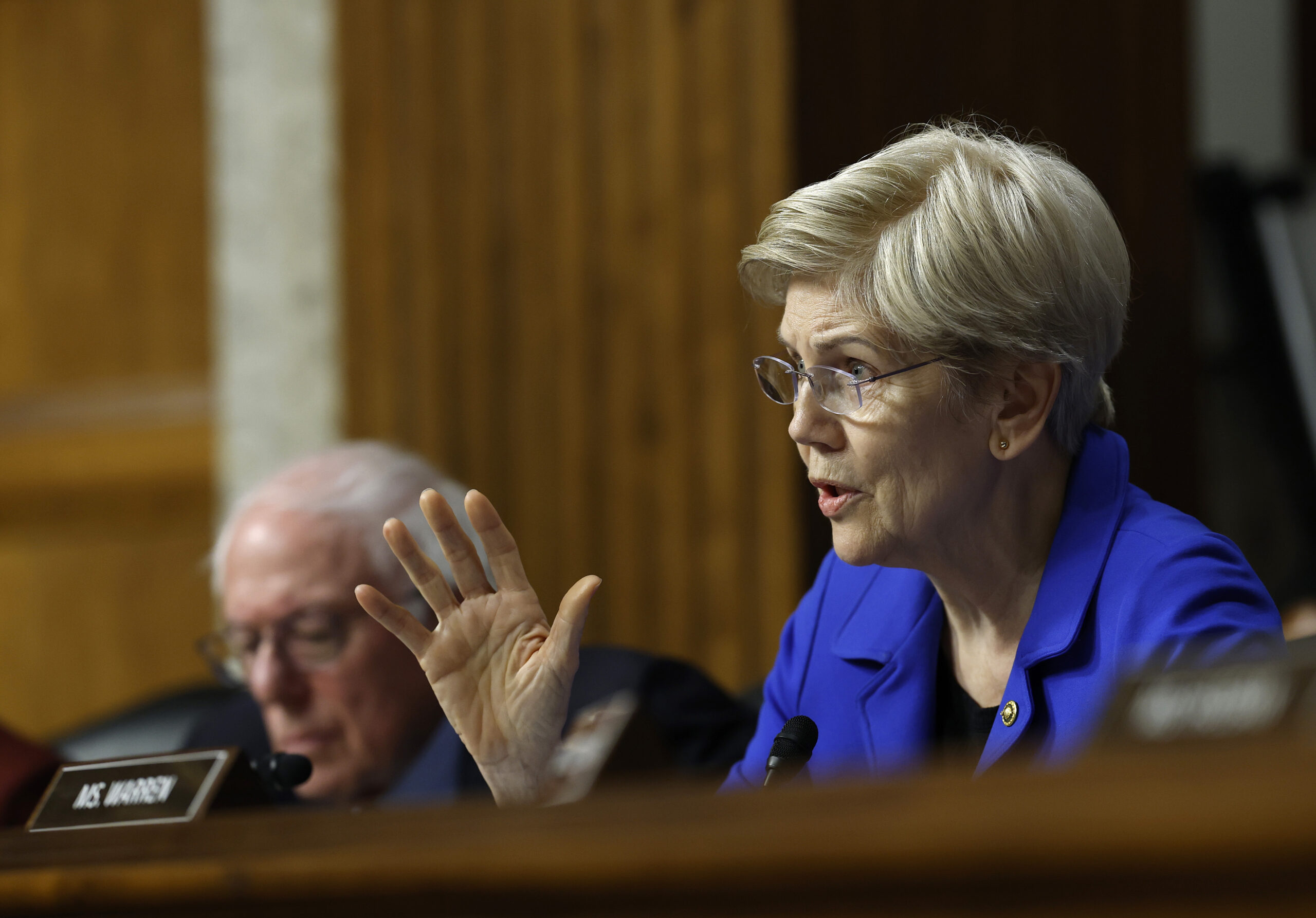
    Senator Elizabeth Warren and other Democratic lawmakers have formally warned of significant antitrust issues concerning a proposed merger between Fox Corporation and streaming technology company Roku. This opposition highlights growing concerns within Congress regarding media consolidation and its potential impact on competition, consumer choice, and the broader digital economy.

    The Proposed Fox-Roku Merger

    The potential merger would combine Fox Corporation’s extensive content library and broadcasting capabilities with Roku’s widely adopted streaming platform. Fox Corporation, a prominent media conglomerate, owns various news, sports, and entertainment properties. Roku, meanwhile, commands a substantial share of the smart TV operating system and streaming device market.

    This integration would create a vertically integrated entity capable of controlling both content creation and its distribution to millions of households. Such a combination raises immediate questions about market power and fair play in the competitive streaming landscape.

    Lawmakers’ Antitrust Concerns

    Senator Elizabeth Warren, a leading voice on antitrust policy, has been particularly vocal in her opposition. She, alongside other Democratic lawmakers, argues that the merger could grant the combined entity undue influence over pricing, content availability, and innovation across the streaming ecosystem. Their primary concern is the potential for the merged company to prioritize its own content and services on the Roku platform, thereby disadvantaging competitors and limiting consumer access to diverse programming.

    The lawmakers’ letter to the Department of Justice (DOJ) outlines several potential harms. These include reduced incentives for innovation among smaller streaming services, increased advertising costs for rival content providers, and a general stifling of market dynamism. They contend that such a merger would further entrench the power of a few large corporations in the media sector, diminishing opportunities for independent creators and broadcasters.

    Impact on Consumers

    Consumers stand to lose in several ways, according to the lawmakers. A less competitive market could result in higher subscription fees for streaming services. It could also lead to fewer choices in content, as the merged entity might favor its own Fox-produced programming. This scenario could force consumers into bundles or subscriptions that do not align with their preferences, ultimately reducing overall value.

    The integration of advertising technology is another area of concern. Roku’s robust advertising platform, combined with Fox’s ad inventory, could create a dominant force in the connected TV advertising market. This could make it more difficult and expensive for other businesses to reach audiences, potentially leading to increased costs passed on to consumers.

    Historical Context of Media Consolidation

    The current debate surrounding the Fox-Roku merger is not an isolated incident. It reflects a long-standing pattern of media consolidation that has reshaped the industry over decades. Major mergers and acquisitions have historically raised antitrust flags, prompting government intervention to protect market competition.

    Past examples include AT&T’s acquisition of Time Warner and Disney’s acquisition of 21st Century Fox assets. Each of these deals underwent intense scrutiny from regulatory bodies. These cases often centered on similar concerns: the potential for reduced competition, increased consumer prices, and diminished content diversity.

    Regulatory Scrutiny and the DOJ

    The Department of Justice is the primary federal agency responsible for enforcing antitrust laws in the United States. Its role involves reviewing proposed mergers and acquisitions to determine if they would substantially lessen competition or create a monopoly. The DOJ can challenge mergers in court or negotiate conditions to mitigate anticompetitive effects.

    Given the high-profile nature of the Fox-Roku proposal and the vocal opposition from lawmakers, the DOJ’s review is expected to be comprehensive and rigorous. The agency will assess market definitions, potential foreclosure effects, and the overall impact on consumer welfare. This review process often involves extensive data analysis, expert testimony, and public comment periods.

    The Role of Senator Warren in Antitrust Policy

    Senator Elizabeth Warren has consistently been a prominent advocate for stronger antitrust enforcement. Her tenure in the Senate has been marked by a focus on curbing corporate power and promoting fair competition across various industries, particularly in technology and media.

    Warren has frequently criticized what she perceives as lax antitrust enforcement in previous administrations. She argues that unchecked mergers have led to an economy dominated by a few powerful players, at the expense of small businesses and consumers. Her involvement in the Fox-Roku case aligns with her broader policy agenda to rein in corporate giants.

    Other Democratic Lawmakers’ Involvement

    Beyond Senator Warren, several other Democratic lawmakers have joined the chorus of opposition. Their collective voice amplifies the pressure on the DOJ to take a firm stance against the merger. These lawmakers often cite constituents’ concerns about rising costs and dwindling choices in their media consumption habits.

    The bipartisan nature of some past antitrust concerns, though less evident in this specific case, underscores the potential for broad political consensus when major market shifts are at stake. However, the current opposition is primarily from the Democratic side of the aisle, reflecting a policy divide on the appropriate level of government intervention in corporate mergers.

    Potential Outcomes of the Antitrust Review

    The DOJ’s review of the Fox-Roku merger could lead to several outcomes. The agency might approve the merger without conditions, finding no substantial threat to competition. Alternatively, it could approve the merger with certain remedies, such as requiring the divestiture of specific assets or imposing behavioral restrictions on the merged entity.

    A more stringent outcome would be a complete challenge to the merger in federal court, arguing that it violates antitrust laws. This would lead to a protracted legal battle, the outcome of which would depend on the evidence presented by both the DOJ and the merging companies. The final decision will set a precedent for future media and technology mergers.

    The Future of Streaming and Media

    The resolution of the Fox-Roku merger saga will have significant implications for the future direction of the streaming industry. If approved, it could signal a new era of vertical integration, where content owners increasingly control their distribution channels. This could accelerate the trend of media companies acquiring or partnering with tech platforms.

    Conversely, if the merger is blocked or significantly altered, it could reinforce the importance of maintaining a diverse and competitive media landscape. Such a decision would empower regulatory bodies to scrutinize large-scale consolidations more closely, potentially fostering an environment where smaller players and independent content creators can thrive.

    The debate surrounding Fox and Roku highlights a critical juncture in the evolution of digital media. Lawmakers warn. Consumers wait. Regulators decide.

    The future of streaming hangs in the balance.

  • Jon Miller on Media Merger Mayhem: ‘Globalization Is Winning’

    Jon Miller on Media Merger Mayhem: ‘Globalization Is Winning’

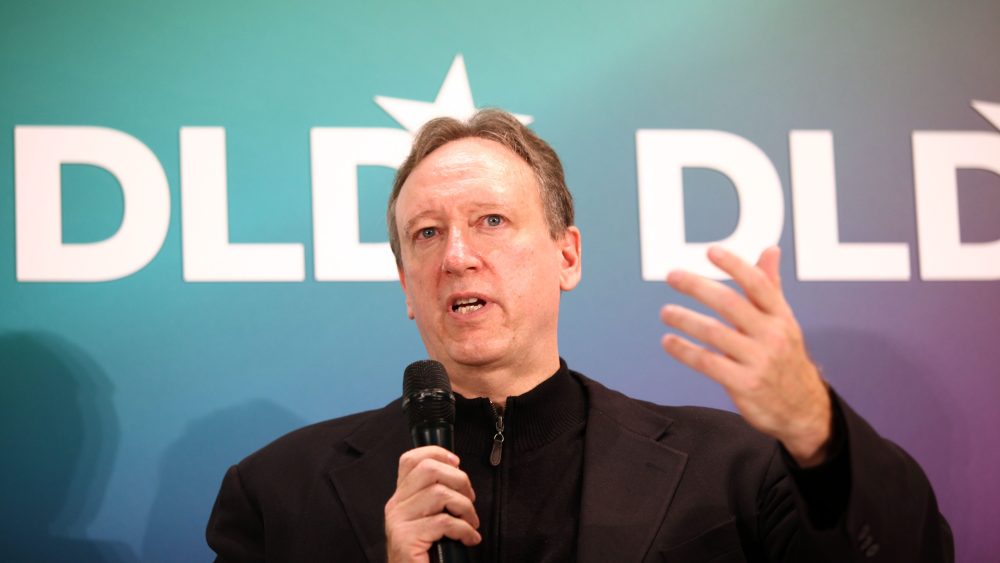
    Industry executive Jon Miller has stated that globalization is a primary driver behind the current wave of media mergers and acquisitions. This observation underscores a fundamental shift in how global entertainment entities like Disney, Fox, Paramount, Skydance, and Warner Bros. operate and strategically align. The pursuit of larger scale and broader international reach often dictates these complex transactions.

    The media landscape is in constant flux. Companies are continually evaluating their positions within a globally interconnected market. This dynamic environment influences content creation, distribution strategies, and financial structures across the industry.

    The Global Imperative for Media Companies

    Globalization is not a new concept, but its impact on the media sector has intensified. Companies now strategize for audiences spanning continents, not just national borders. This necessitates a different approach to content production and market penetration.

    The drive to reach global audiences often means investing in content that transcends cultural specificities. It also involves acquiring companies with established international distribution networks or intellectual property that resonates worldwide. This push for global dominance influences every aspect of media operations.

    Jon Miller’s commentary highlights this overarching trend. He suggests that the competitive pressures of a globalized market compel media giants to seek consolidation. This is a survival mechanism as much as it is a growth strategy in the 2020s.

    Scale and Synergy in a Connected World

    Mergers are frequently justified by the promise of increased scale and operational synergies. For media companies, this can mean pooling resources for expensive productions, combining marketing efforts, or cross-promoting intellectual property across various platforms. A larger entity can theoretically negotiate better deals with advertisers, distributors, and talent.

    Consider the recent history of media mergers. Disney’s acquisition of 21st Century Fox assets in 2019 exemplified a move to consolidate intellectual property and expand streaming capabilities. This transaction brought iconic franchises like X-Men and The Simpsons under the Disney umbrella, significantly bolstering its content library for Disney+ and Hulu.

    Similarly, the Skydance Media’s acquisition of Paramount Global assets in 2025 reflects a desire to create a more robust and competitive media entity. Such moves are often framed as necessary to compete with tech giants and other large-scale content providers that have entered the entertainment space.

    Navigating a Complex Regulatory Environment

    Media mergers face intense scrutiny from regulatory bodies worldwide. Concerns often revolve around market concentration, potential monopolies, and the impact on consumer choice. Antitrust laws are designed to prevent single entities from dominating industries and stifling competition.

    In the United States, the Department of Justice and the Federal Trade Commission review major mergers. European Union regulators also play a significant role, especially when transactions involve companies with substantial European operations. These reviews can delay or even block proposed deals, adding another layer of complexity to the merger process.

    The regulatory landscape itself is globalized. A merger involving a U.S. company acquiring assets from a European firm, for example, would likely require approvals from both jurisdictions. This international coordination is a direct consequence of globalization’s influence on business.

    The Role of Technology in Globalization

    Technological advancements have accelerated globalization in media. The internet and digital distribution platforms have eliminated many geographical barriers to content consumption. Streaming services deliver films and television shows instantaneously to audiences across the globe.

    This technological shift has created new opportunities but also new challenges. Media companies must now compete not only with traditional rivals but also with a vast array of independent creators and international content producers. The demand for localized content that appeals to global tastes has also increased.

    Jon Miller’s perspective suggests that these technological forces are intertwined with the economic pressures driving mergers. Companies merge to gain the technological infrastructure, content libraries, and market access necessary to thrive in this digitally connected world.

    Cultural Defense and Media Consolidation

    The concept of ‘cultural defense’ emerges as a significant concern amid increasing media consolidation driven by globalization. As large, often Western-centric, media conglomerates expand their reach, there are fears of cultural homogenization. Local narratives, languages, and artistic expressions can be marginalized in favor of globally marketable content.

    This concern is particularly salient in countries with smaller media markets or distinct cultural identities. Governments and cultural institutions often implement policies to protect and promote local content. Quotas for local programming on television, subsidies for national film industries, and support for indigenous languages in media are common examples.

    The debate around cultural defense highlights a tension between economic efficiency and cultural preservation. While mergers may offer economic benefits, they can also raise questions about the diversity of voices and perspectives available to global audiences. Jon Miller’s comments indirectly touch upon these broader societal implications.

    The Future of Media Ownership

    The current trajectory suggests a continued trend towards consolidation in the media sector. The need for scale, technological adaptation, and global reach will likely remain paramount. This will lead to further strategic alliances and potential mergers among existing players.

    New entrants, particularly from the technology sector, may also continue to disrupt the traditional media landscape. Companies like Apple and Amazon have already made significant inroads into content production and distribution, adding another layer of competition and potential acquisition targets.

    The long-term impact on content diversity, employment within the industry, and the overall media ecosystem remains a subject of ongoing debate and analysis. The narrative of globalization ‘winning’ implies an unstoppable force reshaping fundamental industry structures.

    Impact on Content Creation and Distribution

    The consolidation of media entities fundamentally alters the landscape for content creators. Larger studios often have greater resources for big-budget productions, but they may also centralize decision-making, potentially leading to fewer diverse projects or a focus on proven, globally appealing formulas.

    Distribution models are also evolving rapidly. The shift from traditional broadcast and cable to direct-to-consumer streaming services has given media giants more direct control over how their content reaches audiences. This also allows for more personalized marketing and data collection, which can be leveraged for future content decisions.

    The competition for subscriber numbers in the streaming wars continues to drive investment in exclusive content. This environment further incentivizes mergers, as companies seek to acquire or produce the most compelling content to attract and retain subscribers globally.

    The Consumer Perspective on Mergers

    For consumers, media mergers present a mixed bag of outcomes. On one hand, consolidation can lead to greater access to a wider variety of content under a single subscription service or platform. Bundling services can also offer cost savings.

    On the other hand, increased market concentration could potentially lead to fewer choices in content, higher subscription prices if competition diminishes, or a homogenization of cultural narratives. The ability to access niche content or independent productions might also be affected.

    The ongoing dialogue around net neutrality and open internet access also plays a role. If a few large companies control most of the content and distribution channels, there are concerns about their ability to prioritize their own content or limit access to competitors’ offerings.

    The Inevitability of Global Integration

    Jon Miller’s assertion that ‘globalization is winning’ suggests an inevitable trajectory for the media industry. This perspective implies that resisting the forces of global integration is increasingly difficult for individual companies or even national markets.

    The interconnectedness of financial markets, technological infrastructure, and consumer preferences creates a powerful momentum. Companies that fail to adapt to this globalized reality risk being left behind or absorbed by larger, more internationally focused entities.

    This ‘winning’ narrative positions globalization not merely as an economic trend but as a transformative force. It reshapes not only business models but also cultural production and consumption patterns on a worldwide scale.

    Investors watch carefully. Executives strategize constantly. Audiences consume daily. Regulators review diligently. Globalization continues.

  • Emmys Revamp Telecast: Five Categories Moved Off NBC Broadcast

    Emmys Revamp Telecast: Five Categories Moved Off NBC Broadcast

    The Emmy Awards ceremony is undergoing a significant transformation. The Television Academy has decided to remove five categories from the live NBC broadcast, a move intended to streamline the show and potentially increase audience engagement. This decision reflects broader discussions within the television industry about the format and relevance of awards shows in the modern media landscape.

    This strategic shift directly impacts several categories traditionally presented during the main event. It signals a notable departure from previous Emmy telecast structures. The aim is to create a more concise and compelling viewing experience for the national audience.

    The Rationale Behind the Changes

    The decision to move categories stems from a desire to make the Emmy telecast more dynamic. Awards shows have faced declining viewership in recent years. Broadcast networks and the Television Academy are actively seeking solutions to reverse this trend. Shorter, more focused ceremonies are often cited as a potential remedy.

    NBC, as the broadcast partner, plays a crucial role in these discussions. The network’s interest lies in maximizing advertising revenue and audience reach. A streamlined show is perceived as more attractive to a wider demographic, especially younger viewers who often prefer shorter, more digestible content.

    Industry analysts have pointed to the success of other awards formats that prioritize key categories. The Academy Awards, for instance, has experimented with similar category removals from its live telecast. These experiments have met with mixed reactions from the creative community but often aim for a more television-friendly runtime.

    Which Categories Are Affected?

    Specific details about the five categories being moved have begun to emerge. While the official announcement from the Television Academy is pending, early reports indicate a focus on supporting and limited series acting categories.

    These categories often feature a large number of nominees. Presenting them individually can consume significant airtime. Consolidating their presentation, or moving them to a pre-show, allows the main telecast to focus on higher-profile awards.

    The move is not a demotion of these categories. Instead, it is a reallocation of their presentation platform. They will still be awarded and recognized, likely during a pre-show event or a separate, non-televised ceremony. This ensures that all deserving artists receive their accolades.

    Impact on Nominees and Winners

    The primary impact will be on the experience of nominees and winners in the affected categories. Receiving an Emmy on the main stage, during a live national broadcast, is a significant moment for many. This opportunity will now be shifted for five categories.

    However, the prestige of the Emmy Award itself remains unchanged. The statuette, the recognition from peers, and the career boost associated with winning will still be present. The platform of celebration will simply be different for a subset of winners.

    The Television Academy faces the challenge of communicating this change effectively. They must reassure the creative community that the integrity and importance of all awards are maintained. Transparency in the decision-making process will be key to managing potential backlash.

    Historical Context of Emmy Telecast Changes

    The Emmys have a long history of adapting their format. Since their inception in 1949, the awards have evolved significantly. Early ceremonies were much smaller, focusing on a nascent television industry. As television grew, so did the scope and scale of the Emmys.

    In the 1970s and 1980s, the telecast became a major prime-time event. The number of categories expanded alongside the proliferation of television programming. This expansion eventually led to the creation of the Creative Arts Emmy Awards, which now recognize a vast array of technical and artistic achievements in a separate ceremony.

    The current move of five categories is a continuation of this historical trend. It represents another attempt to balance comprehensive recognition with broadcast viability. The goal is to keep the main show engaging for a broad audience while still honoring the full spectrum of television excellence.

    The Broader Awards Show Landscape

    This Emmy decision occurs within a wider context of awards show introspection. The Golden Globes, the Screen Actors Guild Awards, and the Grammy Awards have all grappled with similar challenges. Viewership declines, changing media consumption habits, and a saturated entertainment calendar contribute to the pressure for innovation.

    The rise of streaming services has further complicated the landscape. With hundreds of new shows and limited series released annually, the sheer volume of eligible content for awards has exploded. This makes the task of curating a compelling awards telecast even more complex.

    Awards shows also face scrutiny over their relevance and inclusivity. The movements for greater diversity and representation in Hollywood have placed additional demands on these ceremonies. They are expected to reflect the industry’s evolving values while still delivering entertainment.

    Future of Emmy Broadcasts

    The current changes are likely not the last for the Emmy Awards. The television industry is in a constant state of flux. Future telecasts will undoubtedly continue to experiment with format, presentation, and category structure. The goal will always be to find the optimal balance between honoring excellence and attracting a mass audience.

    Technological advancements also play a role. Interactive viewing experiences, social media integration, and multi-platform content delivery are all avenues for future exploration. The Emmys may increasingly leverage digital platforms to extend their reach beyond the traditional linear broadcast.

    Ultimately, the long-term success of the Emmy Awards depends on its ability to remain culturally relevant. It must continue to celebrate the best in television while adapting to how audiences consume and engage with media. The removal of five categories is a strategic maneuver in this ongoing evolution.

    Awards shows evolve. Audiences shift. Television adapts.

    The Emmys.

  • Apple Music & Apple One See Price Hikes Amid Rising Licensing Costs

    Apple Music & Apple One See Price Hikes Amid Rising Licensing Costs

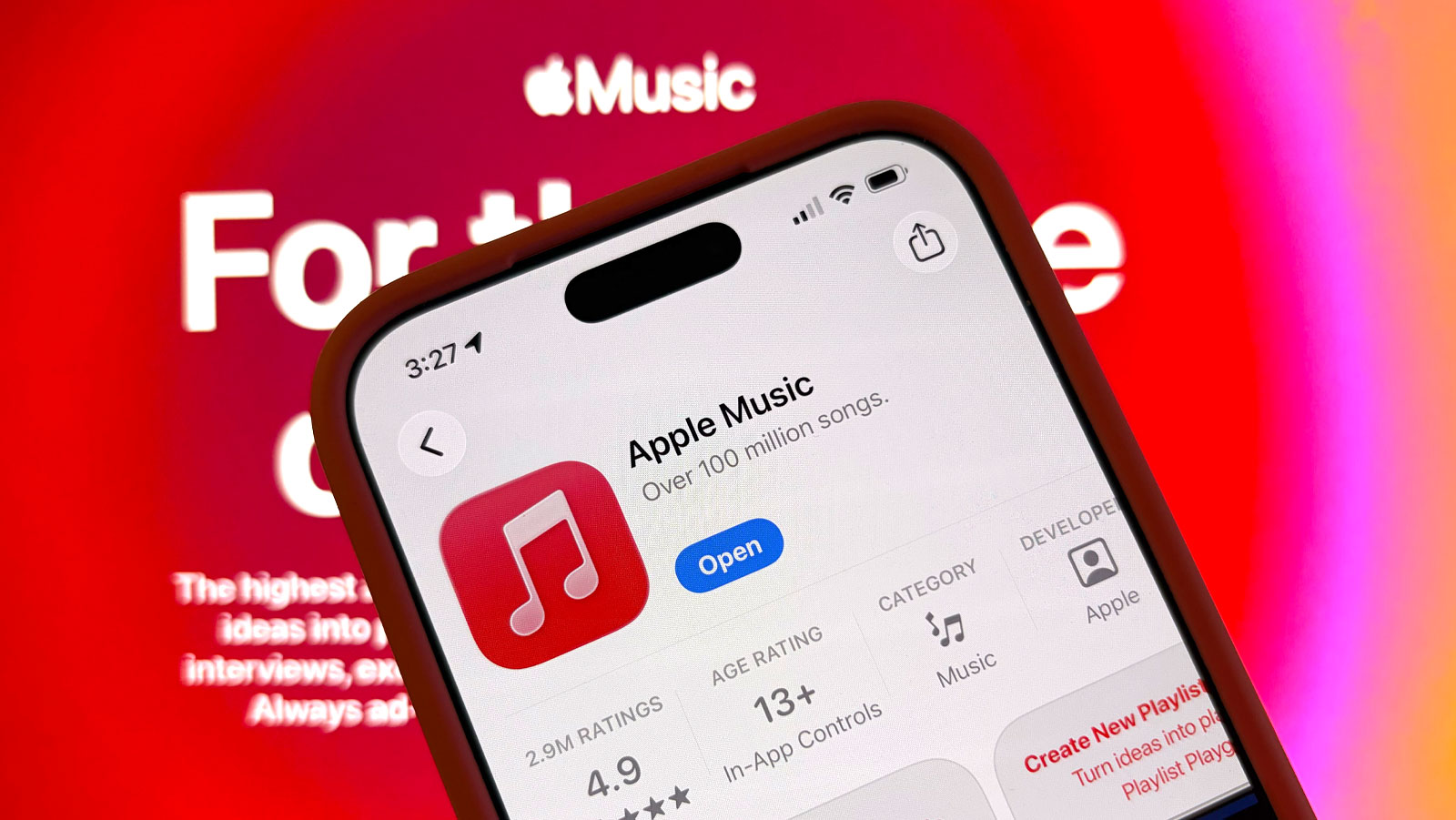
    Apple announced price increases for its Apple Music and Apple One subscription services in July 2026, citing rising licensing costs as the primary reason for the adjustment. This decision impacts a global user base reliant on these platforms for music streaming and bundled digital services.

    The technology company communicated these changes to subscribers through email notifications and updates on its official support pages. The new pricing structure took effect immediately for new subscribers and will be rolled out to existing subscribers on their next billing cycle.

    The Core Reason: Rising Licensing Costs

    Apple explicitly stated that the price increases were a direct consequence of rising licensing costs. These costs are a critical component of operating a music streaming service.

    Licensing fees are paid to record labels, music publishers, and artists for the right to stream their music catalogues. These agreements are complex and often renegotiated periodically.

    Industry analysts suggest that the competition among streaming services, coupled with increasing demands from rights holders, has driven up the cost of content acquisition. Major labels, including Universal Music Group, Sony Music Entertainment, and Warner Music Group, hold significant leverage in these negotiations.

    The cost of securing global rights for extensive music libraries continues to be a major operational expense for all streaming platforms, including Apple Music.

    Impact on Apple Music Subscribers

    The individual Apple Music subscription plans experienced specific price adjustments. The standard individual plan, previously priced at $10.99 per month, saw an increase.

    The family plan, which allows up to six users, also underwent a price revision. Student plans, typically offered at a reduced rate, were similarly affected by the new pricing structure.

    These changes mark the latest in a series of price adjustments for Apple Music since its launch in 2015. The service has consistently positioned itself as a premium offering with an extensive catalogue and features like Spatial Audio.

    Subscribers received detailed information regarding their new monthly or annual charges. Apple emphasized that the price adjustments were necessary to continue providing a high-quality service and compensating artists and rights holders fairly.

    Changes to Apple One Bundles

    Apple One, the company’s comprehensive subscription bundle, also saw its pricing revised. Apple One combines several Apple services into a single monthly payment, offering a cost-saving alternative to subscribing to each service individually.

    The Apple One individual plan, which includes Apple Music, Apple TV+, Apple Arcade, and iCloud+ with 50GB storage, increased in price. The family plan, offering 200GB of iCloud+ storage and sharing across up to six people, also saw an increase.

    The Premier plan, the most extensive bundle including Apple Music, Apple TV+, Apple Arcade, iCloud+ with 2TB storage, Apple News+, and Apple Fitness+, also had its price adjusted. This plan caters to users deeply embedded in the Apple ecosystem.

    The value proposition of Apple One remains significant for users who utilize multiple Apple services. The price increases, however, diminish some of the perceived savings compared to previous pricing tiers.

    Industry Context: A Trend of Price Hikes

    Apple’s price increase is not an isolated event within the streaming industry. Several major streaming platforms have implemented similar price adjustments over the past two years.

    Spotify, Amazon Music, and YouTube Music have all raised their subscription fees in various markets. These companies have also cited increasing content costs, inflation, and the need to achieve profitability as key drivers.

    The competitive landscape of music streaming remains intense, with companies vying for market share and subscriber loyalty. Price adjustments are a delicate balance between revenue generation and subscriber retention.

    The digital content market continues to evolve, with content creators and distributors seeking sustainable revenue models. This often translates to higher costs for the end consumer.

    Consumer Reaction and Market Implications

    Consumer reaction to the price increases has been mixed, with some subscribers expressing frustration on social media platforms. Many users highlighted the cumulative effect of multiple subscription price hikes across various services.

    Despite potential short-term churn, analysts predict that the impact on Apple’s overall subscriber numbers may be limited. Apple Music benefits from its integration within the broader Apple ecosystem, making it a sticky service for many iPhone and Mac users.

    The decision to raise prices also reflects Apple’s confidence in the value proposition of its services. The company continues to invest in exclusive content, high-fidelity audio, and user experience enhancements.

    Long-term implications for the streaming market include a potential consolidation of services or a greater emphasis on ad-supported tiers. The current trend suggests that premium ad-free streaming will continue to command higher prices.

    The Economics of Music Streaming

    The economics of music streaming are complex, involving a vast network of artists, labels, publishers, and platforms. Royalty payments to artists and rights holders constitute the largest portion of a streaming service’s expenses.

    These payments are typically calculated based on a percentage of revenue or per-stream rates, varying significantly by agreement. The global nature of music licensing adds further layers of complexity, with different rates and regulations in various territories.

    Operating costs, including server infrastructure, software development, marketing, and customer support, also contribute to the overall expense structure. Achieving profitability in the streaming sector has been a challenge for many companies.

    Apple’s move to raise prices can be seen as an effort to improve the profitability of its services segment. This segment has become an increasingly important revenue driver for the company, diversifying its income beyond hardware sales.

    Future Outlook for Apple Services

    Apple’s services division, which includes Apple Music, iCloud, the App Store, Apple TV+, and others, has shown consistent growth. The company continues to expand its offerings and integrate them more deeply into its hardware products.

    The price adjustments for Apple Music and Apple One are part of a broader strategy to ensure the long-term sustainability and profitability of these services. This strategy includes continuous investment in new features, original content for Apple TV+, and expanded cloud storage options.

    Competition from other tech giants and specialized media companies will continue to shape Apple’s approach. The company’s ability to retain and attract subscribers will depend on the perceived value of its services relative to their cost.

    The streaming industry is expected to continue its growth trajectory, albeit with increasing pressure on pricing and profitability. Apple’s position as a premium provider will likely mean it will continue to adjust prices as market conditions and licensing costs evolve.

    A Global Adjustment

    The price increases were not limited to a single region. Apple implemented these adjustments across multiple international markets, reflecting the global nature of its licensing agreements and operational costs.

    The specific percentage of increase varied by country, influenced by local economic conditions, currency exchange rates, and regional licensing agreements. Subscribers in the United States, Europe, and Asia-Pacific regions were among those affected.

    Apple’s global reach means that any significant change to its service pricing has widespread implications. The company’s strategy often involves a coordinated global rollout of pricing adjustments to maintain consistency and manage expectations.

    Local regulations and taxes also play a role in the final pricing presented to consumers in different territories. Apple navigates these complexities to ensure compliance and competitive positioning.

    Consumers gathered. Analysts gathered. Rights holders gathered. Apple.

  • Democratic AGs Challenge Paramount-Warner Bros. Merger, Legal Battle Escalates

    Democratic AGs Challenge Paramount-Warner Bros. Merger, Legal Battle Escalates

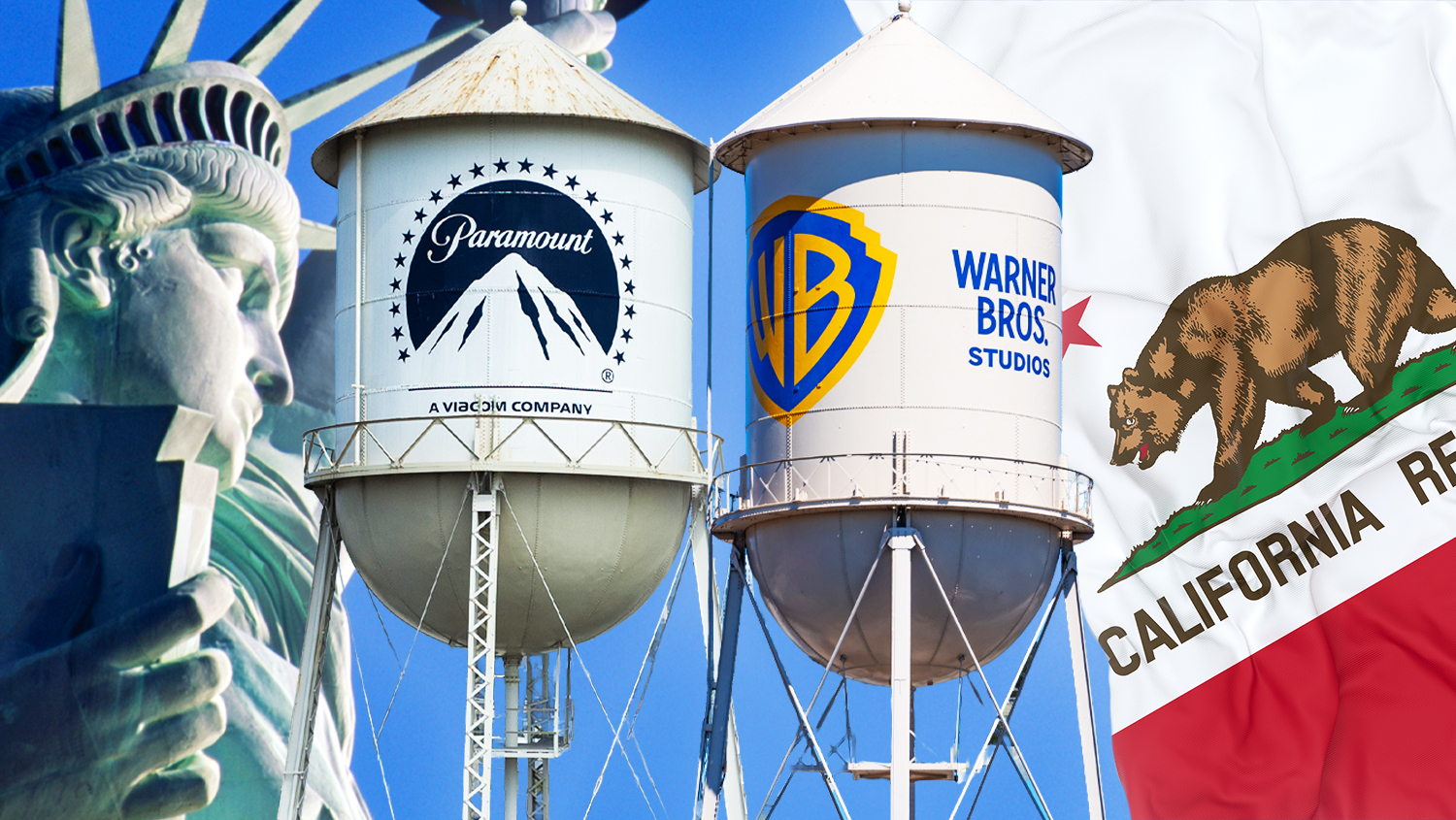
    A coalition of Democratic State Attorneys General has filed a lawsuit seeking to block the proposed merger between Paramount Global and Warner Bros. Discovery. This legal action targets the consolidation of two major media entities, citing concerns about market concentration and potential anti-competitive practices within the entertainment industry.

    The lawsuit contends that combining Paramount Global, which owns brands like CBS, MTV, and Paramount Pictures, with Warner Bros. Discovery, home to HBO, CNN, and Warner Bros. film studios, would result in an entity with excessive market power. Such a merger, the Attorneys General argue, could stifle competition, limit consumer choices, and negatively impact content creators and distributors.

    The Proposed Merger: A Media Giant in the Making

    The discussions surrounding a potential merger between Paramount Global and Warner Bros. Discovery gained significant public attention throughout late 2025 and early 2026. David Zaslav, CEO of Warner Bros. Discovery, and Shari Redstone, controlling shareholder of Paramount Global through National Amusements, were key figures in these preliminary talks.

    The stated aim of the merger was to create a more robust and competitive media company capable of challenging industry leaders like Disney, Netflix, and Amazon. Proponents argued that a combined entity would achieve greater scale, streamline operations, and enhance its ability to invest in premium content across various platforms, including streaming services like Paramount+ and Max.

    The potential synergies were considerable. Warner Bros. Discovery boasts an extensive library of films and television shows, alongside news and sports assets. Paramount Global brings a broadcast network, a major film studio, and a diverse portfolio of cable channels. A merger would unite these assets, creating a formidable content catalog and distribution network.

    Antitrust Concerns Emerge

    From the outset, the prospect of such a large-scale merger drew immediate scrutiny from antitrust regulators and consumer advocacy groups. Critics voiced worries that the combination would reduce the number of major players in an already concentrated market.

    Concerns spanned multiple facets of the media ecosystem. These included film production and distribution, television programming, news broadcasting, and the rapidly growing direct-to-consumer streaming sector. Regulators focused on how a merged company might leverage its combined assets to disadvantage smaller competitors or impose unfavorable terms on advertisers and content partners.

    The U.S. Department of Justice (DOJ) and the Federal Trade Commission (FTC) have both signaled an increased willingness to challenge large corporate mergers under the Trump administration, particularly those that could lead to reduced competition. This reflects a broader policy shift towards more aggressive antitrust enforcement.

    The Democratic AGs’ Lawsuit

    The lawsuit filed by the coalition of Democratic State Attorneys General represents a significant escalation in the opposition to the merger. This group includes Attorneys General from states such as California, New York, Illinois, and Massachusetts, among others. Their complaint was filed in a federal district court, citing violations of federal antitrust statutes, specifically the Clayton Act.

    The core argument of the lawsuit centers on the claim that the merger would substantially lessen competition in several relevant markets. These markets include:

    • Streaming Video Services: The combined subscriber base and content libraries of Paramount+ and Max would create a dominant force, potentially limiting choices and increasing prices for consumers.
    • Film Production and Distribution: The merger would reduce the number of major Hollywood studios, impacting independent filmmakers and the diversity of cinematic releases.
    • Television Advertising: A larger entity would control a greater share of advertising inventory across broadcast and cable networks, potentially leading to higher ad rates for businesses.
    • Content Licensing: The merged company would have immense leverage in licensing its content to third-party platforms, potentially dictating terms or withholding content to bolster its own services.

    The Attorneys General contend that the merger would harm consumers through higher prices, fewer innovative offerings, and reduced content diversity. They also argue that it would negatively impact workers in the media industry, from actors and writers to production crews, by consolidating employer power.

    Precedents and Regulatory Landscape

    The legal challenge against the Paramount-Warner Bros. Discovery merger is not unprecedented. Antitrust enforcement in the media sector has a long history.

    One notable precedent is the DOJ’s attempt to block the AT&T acquisition of Time Warner in 2017. The DOJ argued that the vertical merger would give AT&T too much leverage over rival distributors. While a federal court ultimately allowed that merger to proceed, the case highlighted the government’s willingness to challenge complex media deals.

    More recently, the Biden administration, and now the Trump administration, have emphasized a more robust approach to antitrust. Lina Khan, Chair of the Federal Trade Commission (FTC), has been a vocal critic of corporate consolidation, particularly in technology and media. While the FTC primarily handles consumer protection and some antitrust matters, the DOJ, which traditionally handles challenges to mergers of this scale, has also adopted a more aggressive stance.

    State Attorneys General have also become increasingly active in antitrust enforcement, often collaborating with federal agencies or launching independent actions. This coordinated approach, or sometimes parallel investigations, signals a broad governmental pushback against perceived monopolistic practices.

    Impact on the Entertainment Industry

    The lawsuit introduces significant uncertainty into the future of the proposed Paramount-Warner Bros. Discovery merger. Mergers of this magnitude typically involve billions of dollars and years of strategic planning. A protracted legal battle could delay or even derail the entire deal.

    Should the Attorneys General succeed, it would send a strong message to other media companies considering large-scale consolidation. It could lead to a more cautious approach to mergers and acquisitions across the industry, potentially fostering greater competition among existing players.

    Conversely, if the merger is eventually approved, either by overcoming the lawsuit or through a settlement, it would create a new media behemoth. This would reshape the competitive landscape, potentially triggering further consolidation among remaining independent entities seeking to achieve similar scale.

    The outcome also holds implications for consumers. Reduced competition could lead to fewer choices, higher subscription fees for streaming services, and a more homogenized content offering. Conversely, proponents argue that a stronger combined entity could invest more in high-quality productions, ultimately benefiting viewers.

    The Argument for Consolidation

    Executives at Paramount Global and Warner Bros. Discovery, along with their financial advisors, have consistently argued that the merger is essential for their long-term viability in a rapidly changing media environment. They point to the intense competition from tech giants like Apple and Amazon, which have deep pockets and are investing heavily in original content.

    They also highlight the declining linear television audience and the shift towards streaming. To compete effectively, they argue, scale is paramount. A larger entity can spread the costs of content creation, invest more in technology, and negotiate better terms with advertisers and distributors globally.

    Furthermore, they might contend that the relevant market is much broader than what the Attorneys General define. They would argue that consumers have an abundance of entertainment options, from social media to video games, and that even a combined Paramount-Warner Bros. Discovery would face stiff competition for audience attention and advertising dollars.

    The companies would likely emphasize that the merger would lead to efficiencies that could benefit consumers through better service and more diverse content, rather than higher prices or reduced choice. They would also point to potential job creation in new content ventures, despite initial consolidation-related layoffs.

    The Road Ahead

    The lawsuit will now proceed through the federal court system. This process typically involves discovery, where both sides exchange evidence, followed by motions and potentially a trial. The Attorneys General will need to demonstrate that the merger is likely to cause substantial harm to competition in specific markets.

    Paramount Global and Warner Bros. Discovery will vigorously defend their proposed merger. They will present economic analyses and expert testimony to counter the claims of anti-competitiveness. They may also explore potential remedies, such as divestitures of certain assets, to appease regulators, although the Attorneys General’s filing suggests they are seeking a full block of the deal.

    The legal proceedings could extend for many months, if not longer. The outcome will depend on how the courts interpret existing antitrust law in the context of a dynamic and evolving media industry. The decision will not only affect the two companies involved but will also set a precedent for future merger activity across the entire entertainment sector.

    State Attorneys General took action. Federal regulators observed. The media industry waited.

    The courts will decide.

  • Jessica Alba to Star in Netflix’s ’13 Going On 30′ Reboot

    Jessica Alba to Star in Netflix’s ’13 Going On 30′ Reboot

    Jessica Alba to Lead Netflix’s ’13 Going On 30′ Reboot

    Jessica Alba has officially joined the cast of Netflix’s upcoming reboot of the 2004 romantic comedy ’13 Going On 30′. She will portray the adult version of Jenna Rink, the central character who magically transforms from a 13-year-old girl into a 30-year-old woman. This casting decision places a well-known actress and entrepreneur at the forefront of a highly anticipated project, aiming to reinterpret the beloved narrative for a modern audience.

    The original film, starring Jennifer Garner as Jenna Rink and Mark Ruffalo as Matty Flamhaff, achieved significant commercial and critical success upon its release. It explored themes of childhood wishes, adult responsibilities, and the longing for a simpler past. Alba’s involvement suggests a fresh take on these familiar elements, promising a new perspective on the iconic role.

    The Legacy of the Original Film

    The 2004 film ’13 Going On 30′ resonated with audiences worldwide. It told the story of Jenna Rink, a 13-year-old girl who wishes to be 30 and magically wakes up as an adult woman. Jennifer Garner’s performance as the adult Jenna, navigating corporate life with a teenage mindset, was widely praised for its humor and heart.

    Gary Winick directed the original film. It grossed over $96 million globally against a $37 million budget. The movie became a touchstone for a generation, remembered for its humor, heart, and iconic dance sequences, particularly to Michael Jackson’s ‘Thriller’. Its themes of self-acceptance, true friendship, and the pressures of adulthood remain relevant.

    The enduring popularity of ’13 Going On 30′ contributed to the decision for a contemporary reboot. Many viewers have expressed a desire to see how these themes translate into the social and cultural landscape of 2026. The original’s blend of fantasy and relatable life lessons established it as a romantic comedy classic.

    Jessica Alba’s Diverse Career Trajectory

    Jessica Alba brings a diverse career background to her role in the ’13 Going On 30′ reboot. She gained prominence in the early 2000s with significant roles in both television and film. Her breakthrough came with the lead role in James Cameron’s Fox sci-fi series ‘Dark Angel’, which premiered in 2000 and established her as a rising star.

    Early Film Successes

    Following ‘Dark Angel’, Alba starred in numerous successful films across various genres. These included the dance film ‘Honey’ (2003), the neo-noir crime thriller ‘Sin City’ (2005), the superhero blockbuster ‘Fantastic Four’ (2005) where she played Sue Storm/Invisible Woman, and the action-adventure ‘Into the Blue’ (2005). During this period, she established herself as a prominent leading lady in Hollywood, known for her charismatic screen presence.

    Entrepreneurial Ventures and The Honest Company

    In 2011, Alba co-founded The Honest Company, a consumer goods brand focusing on natural, safe, and ethical products for families. This venture marked a significant pivot in her career, establishing her as a successful entrepreneur and business leader. The company grew rapidly, reflecting a growing consumer demand for transparent and sustainable products.

    The Honest Company went public on the Nasdaq stock exchange in May 2021, further solidifying Alba’s business acumen and influence beyond the entertainment industry. Her role as a founder and chief creative officer demonstrated her commitment to social impact and product innovation.

    Balancing Acting and Business

    Alba has continued to act selectively, balancing her entrepreneurial commitments with film and television projects. Her recent acting work includes the Netflix action film ‘Trigger Warning’, released in June 2024, where she played a special forces commando. Her return to a major studio project like the ’13 Going On 30′ reboot indicates a renewed focus on her acting career and a strategic choice of high-profile roles. This dual career path provides her with a unique perspective that could enrich her portrayal of an adult Jenna Rink, who herself navigates career and personal ambition.

    Netflix’s Strategy: Leaning into Nostalgia with Reboots

    Netflix has increasingly invested in reboots, remakes, and sequels of popular intellectual properties. This strategy aims to leverage existing fan bases and attract new subscribers by capitalizing on nostalgia. The ’13 Going On 30′ reboot fits squarely within this content approach, offering a familiar story with a fresh perspective for its global audience.

    Successful Reboot Examples on Netflix

    Other examples of Netflix’s successful reboot strategy include ‘Fuller House’, a continuation of the beloved sitcom ‘Full House’, which brought back original cast members and resonated with long-time fans. Another notable project was ‘Gilmore Girls: A Year in the Life’, which revived the popular mother-daughter drama, offering closure and new stories to its dedicated viewership.

    These projects often capitalize on nostalgia while updating narratives for contemporary sensibilities and diverse audiences. They demonstrate Netflix’s understanding of the emotional connection viewers have with classic stories and characters. The streaming giant faces intense competition in the entertainment landscape. Original content, alongside strategic reboots, helps Netflix maintain its subscriber base and attract new viewers. The ’13 Going On 30′ reboot is expected to be a significant draw for the platform, aiming to replicate the success of its predecessors.

    The Allure of Reimagined Classics

    The allure of reimagined classics lies in their ability to bridge generations. Older audiences can revisit beloved stories, while newer audiences are introduced to narratives that have proven appeal. Netflix’s investment in these projects reflects a data-driven understanding of subscriber preferences and viewing habits. The ’13 Going On 30′ reboot is positioned to tap into this broad appeal, potentially becoming a cross-generational hit.

    The Creative Team Shaping the Reboot

    Details regarding the full creative team behind Netflix’s ’13 Going On 30′ reboot are still emerging. The selection of a director and screenwriters will be crucial in shaping the tone and direction of the new adaptation. The original screenplay was written by Josh Goldsmith and Cathy Yuspa, who crafted a story that balanced humor with genuine emotional depth.

    Honoring the Original While Innovating

    Producers will aim to honor the spirit of the original film while introducing new elements relevant to 2026. This balance is critical for any reboot to succeed, as fan expectations are often high. Deviations from beloved aspects can be met with resistance, while a complete replication might be seen as uninspired. The challenge lies in finding a fresh angle that respects the source material.

    The casting of supporting roles will also play a significant part in the reboot’s reception. The original film featured a strong ensemble, including Judy Greer as Lucy, Jenna’s best friend, and Andy Serkis as Richard, Jenna’s boss. The new cast will need to establish its own chemistry and appeal, creating memorable characters that complement Alba’s portrayal of Jenna Rink.

    Modernizing the Premise for 2026

    Modernizing the premise for 2026 will involve updating the cultural context. The original film’s depiction of a 13-year-old’s view of being 30 was rooted in the early 2000s. The reboot will need to consider how social media, contemporary career aspirations, and evolving relationship dynamics influence a young person’s perception of adulthood today. This modernization is key to making the story relatable to a new generation of viewers.

    Challenges and Opportunities for the Reboot

    Rebooting a beloved film like ’13 Going On 30′ presents both significant challenges and numerous opportunities. A primary challenge lies in meeting the high expectations of fans of the original. Many viewers hold deep affection for the 2004 movie’s specific charm, iconic performances, and nostalgic appeal. The new production must navigate these sentiments carefully.

    Updating the Narrative for a New Era

    Another challenge involves effectively updating the film’s premise for 2026. The original plot relied on cultural touchstones of the early 2000s, such as specific fashion trends, popular music, and workplace dynamics. The concept of a 13-year-old’s perception of adulthood has evolved significantly with the pervasive influence of social media, digital communication, and changing societal norms. The reboot will need to address these shifts authentically to avoid feeling dated or disconnected from its intended audience.

    New Narrative Avenues and Themes

    Opportunities abound in exploring new narrative avenues that reflect contemporary life. The reboot can delve into modern themes of identity formation in a digital age, the complexities of career paths in a rapidly changing economy, and the nuances of relationships shaped by online interactions. It can also introduce the timeless story of self-discovery and the importance of genuine connection to an entirely new generation of viewers who may not be familiar with the original film.

    The casting of Jessica Alba offers a fresh perspective on the central character. Her established presence and real-world entrepreneurial background could inform the portrayal of an adult Jenna Rink navigating unexpected circumstances. This could add depth and relatability to the character’s journey, making her struggles and triumphs resonate with a contemporary audience. Alba’s personal brand as a successful businesswoman could also lend credibility to Jenna’s professional life in the film.

    The Enduring Cultural Impact of Romantic Comedies

    Romantic comedies, often abbreviated as rom-coms, have a significant and lasting cultural impact. Films like ’13 Going On 30′ often blend humor with heartfelt narratives about personal growth, self-discovery, and the complexities of human relationships. They provide both escapism and relatable scenarios for audiences, exploring universal themes in an accessible format.

    A Genre Resurgence on Streaming

    The rom-com genre experienced a boom in the late 1990s and early 2000s, with many films achieving iconic status and becoming cultural touchstones. ‘When Harry Met Sally…’, ‘Pretty Woman’, and ‘Notting Hill’ are classic examples that defined the genre for a generation. ’13 Going On 30′ emerged as a notable and beloved entry during this period, capturing the era’s optimistic spirit.

    Netflix has played a pivotal role in the resurgence of the rom-com genre in recent years, investing heavily in original productions. The platform has produced popular and critically acclaimed films such as ‘To All the Boys I’ve Loved Before’ and ‘Set It Up’, demonstrating its commitment to the genre. Netflix recognizes the enduring appeal of these stories and their ability to attract a diverse global audience. The ’13 Going On 30′ reboot continues this tradition, leveraging a proven formula with a contemporary twist.

    These films often explore universal themes of love, friendship, and self-acceptance, frequently featuring aspirational elements such as dream jobs, ideal relationships, or transformative life experiences. The genre’s ability to offer comfort, laughter, and emotional resonance ensures its continued relevance in the entertainment landscape.

    Jessica Alba’s casting brings a new dimension to a classic story.

    The reboot aims to capture a new generation.

    Nostalgia and modern themes converge.

    Netflix embraces its strategy.

    Hollywood.

  • Paramount-Warner Bros. Discovery Merger: Legal Showdown Unfolds

    Paramount-Warner Bros. Discovery Merger: Legal Showdown Unfolds

    The Mega-Merger Under Scrutiny

    The proposed mega-merger between Paramount Global and Warner Bros. Discovery is currently facing significant legal challenges from a coalition of state attorneys general and the Writers Guild of America West (WGAW). These parties contend that the consolidation of two major media entities would result in an anti-competitive market, negatively impacting consumers, content creators, and the overall entertainment industry.

    This legal battle involves emergency motions and a scheduled showdown hearing in federal court. The outcome of these proceedings will determine the immediate future of the merger and could establish important precedents for future corporate consolidations within the media landscape.

    The Proposed Consolidation

    Paramount Global, a multifaceted media corporation, owns CBS, Paramount Pictures, MTV, Comedy Central, BET, and the streaming service Paramount+. Warner Bros. Discovery, formed from the 2022 merger of WarnerMedia and Discovery Inc., controls Warner Bros. Entertainment, CNN, HBO, TNT, TBS, Discovery Channel, and the Max streaming service.

    The combined entity would control an extensive portfolio of intellectual property, production studios, cable networks, and streaming platforms. Proponents of the merger argue it would create a more robust competitor in the global streaming wars and enable greater investment in original content. They suggest it would allow the new company to better compete with tech giants like Apple and Amazon, which have significantly expanded their media offerings.

    Antitrust Concerns Emerge

    Antitrust concerns were immediately raised upon the announcement of the merger talks. Critics pointed to the already consolidated nature of the media industry. The Department of Justice (DOJ) and the Federal Trade Commission (FTC) have increased their scrutiny of large mergers across various sectors in recent years, reflecting a broader governmental interest in preventing monopolies and promoting fair competition.

    The current administration, under President Trump, has signaled a stronger stance on antitrust enforcement. This stance has impacted industries from technology to healthcare, and now extends to the entertainment sector. The legal challenges against the Paramount-Warner Bros. Discovery merger align with this broader policy shift.

    The Role of State Attorneys General

    A coalition of state attorneys general has filed a lawsuit to block the proposed merger. These states argue that the consolidation would harm consumers by reducing competition in content distribution, particularly in streaming services and cable television. They also express concerns about potential price increases and reduced diversity in programming.

    The states involved represent a diverse geographical and political spectrum. Their collective action underscores the widespread concern regarding the potential market dominance of the merged entity. Their legal filings detail how the merger could lead to fewer choices for viewers and less innovative content development.

    Impact on Local Markets

    The attorneys general also highlight the potential impact on local markets. For example, a combined entity might reduce its investment in regional news programming or local advertising sales. This could disproportionately affect smaller media markets, further centralizing media power in major metropolitan areas.

    Furthermore, the states argue that the merger could lead to job losses in their respective regions. Redundancies in administrative, production, and distribution roles are common outcomes of large corporate mergers. These job losses can have a ripple effect on local economies.

    The Writers Guild of America West Intervention

    The Writers Guild of America West (WGAW) has also taken a strong stance against the merger. The WGAW, representing thousands of screenwriters and television writers, has filed its own legal challenge. Their primary concern revolves around the potential for reduced competition among buyers of creative labor.

    The WGAW argues that a merger would consolidate power among a smaller number of studios and networks. This would give the combined company immense leverage in negotiations with writers, potentially leading to lower wages, fewer job opportunities, and less favorable working conditions. This concern is particularly acute following recent labor disputes in Hollywood, where fair compensation and working conditions were central issues.

    Historical Context of Labor and Mergers

    The WGAW’s intervention is not unprecedented. Historically, labor unions in Hollywood have expressed concerns about media consolidations. Past mergers, such as the WarnerMedia-Discovery deal itself, have been followed by periods of restructuring, content cancellations, and shifts in creative strategies that often impact writers and other creative professionals.

    The WGAW’s legal brief likely points to specific clauses in their collective bargaining agreements that could be jeopardized by a massive consolidation. Their involvement adds a significant dimension to the legal challenge, framing the merger not just as an antitrust issue but also as a labor rights issue.

    The Legal Battle: Emergency Motions and Showdown

    The legal proceedings have moved quickly, with both the state attorneys general and the WGAW filing emergency motions. These motions seek immediate intervention from the courts to prevent the merger from proceeding while the larger antitrust case is heard. Emergency motions are typically filed when parties believe irreparable harm could occur if a deal is allowed to close without judicial review.

    A showdown hearing has been scheduled in federal court. During this hearing, legal teams for Paramount Global, Warner Bros. Discovery, the state attorneys general, and the WGAW will present their arguments. The court will consider whether to issue a preliminary injunction, which would temporarily halt the merger, or allow it to proceed while the antitrust investigation continues.

    Key Legal Arguments

    The arguments presented will likely center on several key areas:

    • Market Definition: What constitutes the relevant market? Is it the broad entertainment industry, or more specific segments like premium streaming, cable content, or film production? The definition of the market significantly impacts how market concentration is assessed.
    • Market Concentration: Would the merged entity hold too large a share of this defined market, leading to a monopoly or oligopoly? Lawyers will use economic models and data to demonstrate potential market power.
    • Harm to Competition: How would the merger specifically reduce competition? This could include reduced consumer choice, higher prices, stifled innovation, or decreased opportunities for independent content creators.
    • Efficiencies: The merging companies will likely argue that the merger creates significant efficiencies, such as cost savings, increased investment in content, and enhanced global competitiveness. They must demonstrate that these efficiencies outweigh any potential anti-competitive effects.
    • Labor Impact: The WGAW will focus on the monopsony power (a market structure where there is only one buyer) that the combined entity could exert over creative labor, particularly writers.

    Precedents and Implications

    The legal challenge to the Paramount-Warner Bros. Discovery merger draws parallels to other significant antitrust cases in the media and technology sectors. For instance, the DOJ’s challenges to AT&T’s acquisition of Time Warner (now WarnerMedia) in 2018, and more recently, the FTC’s scrutiny of Microsoft’s acquisition of Activision Blizzard, highlight the government’s willingness to intervene in large-scale corporate consolidations.

    The outcome of this case could have profound implications for the future of media mergers. A successful challenge could embolden regulators and other groups to scrutinize similar deals more closely. Conversely, if the merger proceeds, it could signal a weakening of antitrust enforcement in the face of increasingly globalized and consolidated industries.

    The Shifting Media Landscape

    The entertainment industry is in a constant state of flux, driven by technological advancements and changing consumer habits. The rise of streaming services has fundamentally altered how content is produced, distributed, and consumed. This has led to a race for scale among media companies, as they seek to build extensive content libraries and subscriber bases.

    However, this drive for scale often comes at the cost of competition. Fewer, larger players could lead to less diverse content, higher subscription prices, and reduced opportunities for emerging talent. The legal battle over the Paramount-Warner Bros. Discovery merger represents a critical moment in defining the balance between corporate growth and public interest in this evolving landscape.

    What Lies Ahead

    Following the showdown hearing, the federal court will issue a ruling on the emergency motions. This ruling could either grant a preliminary injunction, temporarily blocking the merger, or allow it to proceed. Regardless of the immediate outcome, the broader antitrust investigation is likely to continue, potentially leading to a full trial if a settlement is not reached.

    Both Paramount Global and Warner Bros. Discovery have significant resources dedicated to navigating these legal challenges. Their legal teams will work to counter the arguments put forth by the state attorneys general and the WGAW. The process could be lengthy, involving extensive discovery, expert testimony, and multiple appeals.

    Potential Outcomes

    Several outcomes are possible:

    • Merger Blocked: The courts could permanently block the merger, forcing the companies to remain separate.
    • Merger Approved with Conditions: The merger could be approved but with significant conditions, such as divestitures of certain assets (e.g., selling off specific cable networks or studios) to alleviate antitrust concerns.
    • Merger Approved: The courts could find insufficient evidence of anti-competitive harm and allow the merger to proceed as initially planned.
    • Settlement: The companies might reach a settlement with the challenging parties, agreeing to certain concessions to avoid a protracted legal battle.

    The entertainment world watches. The legal teams prepare. The industry awaits.

    The future of media.

  • Paramount Skydance Merger Faces Combined Antitrust and Subscriber Suits

    Paramount Skydance Merger Faces Combined Antitrust and Subscriber Suits

    The Convergence of Corporate Scrutiny and Consumer Rights

    The completed merger between Paramount Global and Skydance Media has encountered a significant legal development. An antitrust lawsuit challenging the merger has been formally linked to an existing class-action lawsuit filed by subscribers against Paramount+. This consolidation means that two distinct but related legal challenges will now proceed in conjunction, creating a unified front of scrutiny against Paramount’s corporate practices and the potential implications of its merger with Skydance.

    This linkage underscores a broader trend of increased judicial and public oversight over large corporate mergers, particularly in the media and technology sectors. Consumer advocacy groups and regulatory bodies have expressed growing concerns about market concentration and its effects on competition, innovation, and consumer choice. The decision to combine these cases suggests a judicial acknowledgment of the interconnectedness of these issues.

    The Antitrust Challenge to the Paramount-Skydance Merger

    The antitrust case against the Paramount-Skydance merger centers on concerns that the proposed combination could lead to reduced competition in the entertainment industry. Regulators and plaintiffs in antitrust suits often argue that such mergers could result in higher prices for consumers, fewer content choices, and stifled innovation. These cases typically involve extensive economic analysis and legal arguments about market definition and competitive impact.

    The Department of Justice (DOJ) and the Federal Trade Commission (FTC) are the primary federal agencies responsible for enforcing antitrust laws in the United States. While the specific details of the antitrust filing against the Paramount-Skydance merger are under wraps, such cases often examine the market share of the combined entity, potential barriers to entry for new competitors, and the impact on various segments of the entertainment ecosystem, including content production, distribution, and streaming services.

    Historically, significant media mergers have faced intense scrutiny. Examples include the AT&T-Time Warner merger, which underwent a lengthy legal battle, and the proposed Comcast-Time Warner Cable merger, which was ultimately withdrawn due to regulatory concerns. These precedents highlight the rigorous standards applied to transactions that could reshape the media landscape.

    The Paramount+ Subscriber Lawsuit

    The pre-existing subscriber lawsuit against Paramount+ alleges various grievances from consumers. While the precise details of these allegations are not publicly detailed in the provided article, similar lawsuits against streaming services often involve claims related to service quality, pricing changes, misleading advertising, or breaches of subscriber agreements. Consumers increasingly expect transparency and consistent service from their streaming providers.

    Class-action lawsuits, like the one against Paramount+, allow a group of individuals with similar claims to collectively pursue legal action against a company. These suits can result in significant financial penalties for corporations found liable, as well as mandates for changes in business practices. The success of such lawsuits often depends on demonstrating a pattern of harm or misconduct affecting a large number of subscribers.

    Why Link the Cases?

    The decision to link the antitrust merger case with the subscriber lawsuit is a strategic move, likely driven by judicial efficiency and the potential for overlapping legal arguments and evidence. Both cases touch upon Paramount’s operational and strategic decisions, albeit from different angles.

    From an antitrust perspective, a merger’s impact on consumers, including service quality and pricing, can be a relevant factor in determining whether it is anticompetitive. From a consumer rights perspective, corporate actions related to a merger, such as changes in service offerings or content strategy, could directly affect subscribers. Combining the cases allows for a more holistic examination of Paramount’s conduct and the proposed merger’s implications.

    This consolidation could streamline discovery processes, allowing both sets of plaintiffs to access relevant internal documents and corporate communications more efficiently. It also reduces the potential for conflicting rulings or redundant litigation. For Paramount, it means facing a combined legal challenge that could be more complex and resource-intensive than defending against two separate actions.

    Implications for the Streaming Industry

    The linking of these cases sends a clear signal to the broader streaming industry. Companies contemplating mergers or operating large subscriber bases are under increasing pressure to demonstrate that their actions benefit, or at least do not harm, consumers and competition. The regulatory environment for media and tech mergers has become more stringent in recent years, reflecting concerns about the power and influence of large digital platforms.

    This legal development could encourage other streaming services to review their subscriber agreements, pricing strategies, and content policies to ensure compliance with consumer protection laws and to mitigate potential legal risks. It also highlights the importance of anticipating regulatory scrutiny when planning major corporate transactions.

    For consumers, this development reinforces the idea that their voices, through class-action lawsuits, can influence significant corporate decisions and regulatory outcomes. It validates concerns about corporate accountability and the need for robust legal mechanisms to protect consumer interests in a rapidly evolving digital marketplace.

    The Road Ahead for Paramount and Skydance

    The combined legal challenge will undoubtedly add complexity and uncertainty to the Paramount-Skydance merger process. Both companies will need to dedicate significant resources to legal defense, potentially delaying the merger’s completion or even jeopardizing its approval. The outcome of these linked cases could have profound implications for the structure and future direction of the combined entity.

    The legal proceedings will likely involve expert testimony, extensive document review, and potentially lengthy court battles. The focus will be on demonstrating whether the merger would harm competition and whether Paramount+ has violated its obligations to subscribers. The decisions rendered in these cases could establish new legal precedents for the streaming era.

    The entertainment industry watches. Regulators watch. Consumers watch.

    Accountability.

  • Letterboxd’s Crossroads: Independence or Corporate Acquisition?

    Letterboxd’s Crossroads: Independence or Corporate Acquisition?

    Letterboxd, the popular social media platform for film enthusiasts, is majority-owned by the Canadian investment company Tiny as of mid-2026, despite persistent speculation about potential corporate acquisitions. The platform’s future trajectory, whether as a standalone entity or part of a larger media conglomerate, remains a frequent topic of discussion among its dedicated user base and within the tech industry.

    This ongoing debate underscores a significant cultural tension. It highlights the desire to preserve independent digital spaces against the pressures of corporate consolidation. Letterboxd has cultivated a dedicated following since its inception, largely due to its user-generated content, community features, and a perceived authenticity that often contrasts with larger, more commercially driven platforms.

    The potential for a corporate merger raises questions about the platform’s future direction. Financial backing from a major entity could provide resources for expansion and improved infrastructure. However, it also introduces the risk of changes to the user experience, monetization strategies, and editorial independence that have defined Letterboxd’s appeal.

    The platform’s founders have consistently expressed a commitment to its community. Their decisions will likely weigh the benefits of growth against the potential alienation of its loyal user base. The future of Letterboxd is a microcosm of the challenges faced by many successful niche online communities.

    The Genesis and Growth of Letterboxd

    Letterboxd launched in October 2011, created by New Zealand-based developers Matthew Buchanan and Karl von Randow. Their vision was to create a social network for film lovers, distinct from broader social media sites or film review aggregators. The platform quickly gained traction among cinephiles worldwide.

    Users can log films they have watched, rate them on a five-star scale, write reviews, and maintain personalized watchlists. The social features allow users to follow friends, discover new films through their activity, and engage in detailed discussions. This blend of personal journaling and social interaction fostered a strong sense of community from its early days.

    The platform’s minimalist interface and focus on film content contributed significantly to its popularity. It positioned itself as a dedicated, ad-light space for genuine film appreciation. This approach resonated with users seeking an alternative to the often-cluttered and algorithm-driven experiences of other online platforms.

    By 2017, Letterboxd had surpassed one million members. This growth continued steadily, reaching three million members by January 2021. As of mid-2026, the platform boasts over thirty million registered users, a testament to its enduring appeal and the strength of its niche market.

    Its influence extends beyond its direct user base. Film critics, industry professionals, and media outlets frequently reference Letterboxd data and user sentiment in their analyses. The platform has become a significant barometer for public opinion on films, impacting everything from box office narratives to awards season buzz.

    The platform’s business model primarily relies on a tiered subscription service, Letterboxd Pro and Patron, which offers enhanced features like advanced statistics, customizable lists, and ad-free browsing. This direct user support has allowed it to maintain a relatively clean and user-friendly experience compared to ad-heavy competitors.

    Community Ethos and Independence Concerns

    The core identity of Letterboxd is deeply intertwined with its independent status and community-driven ethos. Users frequently express appreciation for the platform’s perceived lack of intrusive advertising and its focus on film discussion rather than algorithmic manipulation for commercial gain. This dedication to user experience has been a cornerstone of its success.

    This independence has allowed Letterboxd to develop features driven directly by user feedback. The platform’s developers have maintained a consistent and direct line of communication with their community, often engaging in forums and social media. This open approach has built significant trust and loyalty among its user base.

    The ethos of ‘by the people, for the people’ resonates strongly within the Letterboxd community. Many users view the platform as a sanctuary for genuine film appreciation, free from the commercial pressures seen on other entertainment-focused sites. They value the platform’s role in fostering thoughtful discussion and discovery without overt corporate influence.

    Concerns about a potential acquisition often center on the fear that a new corporate owner would prioritize profit over community values. This could manifest in several ways: increased advertising, more aggressive data monetization, significant changes to the platform’s core functionalities, or even alterations to its content moderation policies.

    Users frequently cite examples of other platforms that, post-acquisition, have seen their user experience degrade or their community splinter. The desire to avoid such a fate for Letterboxd is a powerful motivator for discussions advocating for its continued independence. The platform’s founders have acknowledged these concerns publicly, often reiterating their commitment to the existing user experience.

    The Allure of Corporate Acquisition

    Despite its success and dedicated user base, independent platforms like Letterboxd often face inherent financial and operational challenges. Scaling infrastructure to accommodate millions of active users, managing a rapidly growing user base, and fending off competitors require significant and continuous investment in technology and personnel.

    A corporate merger or acquisition could offer a substantial capital injection. This funding could be used to enhance server capacity, develop new features more rapidly, invest in advanced AI for recommendations, and expand into new geographic markets. Such an acquisition might also provide access to a larger pool of technical talent, marketing expertise, and legal resources that an independent entity might struggle to afford.

    For the founders, Matthew Buchanan and Karl von Randow, and any early investors, an acquisition represents a potential liquidity event. It could provide a significant financial return on their investment and over a decade of effort. This financial incentive is a powerful and often unavoidable driver in the tech industry, where startups are often built with an eventual exit strategy in mind.

    Larger media companies or tech giants might view Letterboxd as an extremely attractive asset. Its engaged user base and rich data on film preferences could be invaluable for content recommendation engines, streaming services, film production studios, or even advertising platforms. The integration of Letterboxd could bolster a larger company’s entertainment ecosystem, providing a direct pipeline to a highly engaged demographic.

    For example, a streaming service like Netflix or Max might see Letterboxd as a way to enhance discovery, personalize recommendations, and build deeper community engagement around their own content. A tech company like Google or Apple could integrate Letterboxd’s data into their broader entertainment offerings, strengthening their position in the digital content landscape. The strategic value of Letterboxd’s data and community is undeniable in the current media environment.

    Historical Parallels and Varied Outcomes

    The debate surrounding Letterboxd’s independence is not unique; numerous independent online platforms have faced similar choices between maintaining autonomy and accepting corporate offers. The outcomes of these decisions have varied widely, offering cautionary tales and success stories.

    Some platforms, like Flickr (acquired by Yahoo in 2005) and Tumblr (acquired by Yahoo in 2013 and later by Automattic), were absorbed by larger entities. These acquisitions often led to shifts in their user base, changes in their perceived identity, and, in many cases, user dissatisfaction and migrations to alternative services. The integration into a larger corporate structure sometimes resulted in a loss of the original platform’s unique culture or a focus on monetization that alienated core users.

    Conversely, other independent platforms have successfully navigated growth while retaining their core values. They have found sustainable business models that do not compromise their community-driven nature. This often involves careful management of advertising, innovative subscription-based services, or a strong commitment from leadership to resist pressures that would alter the platform’s fundamental appeal.

    The success of platforms like Substack, which empowers independent writers and creators through a subscription model, offers a model for sustained independence. They demonstrate that niche communities can thrive without full corporate absorption, often through direct financial support from their users. This direct-to-consumer model bypasses many of the pressures that lead to corporate acquisitions.

    The podcasting landscape also provides relevant examples. Many independent podcasts and podcast networks have been acquired by major media companies like Spotify and Amazon, leading to debates about creative control, content exclusivity, and commercialization. While some acquisitions have been successful, others have highlighted the difficulties in integrating independent creative ventures into large corporate structures.

    These historical precedents serve as a backdrop for the ongoing discussions about Letterboxd. Its community is acutely aware of these past outcomes and often references them when debating the platform’s future. The desire to avoid the pitfalls of past acquisitions is a strong sentiment among its users.

    User Sentiment and the Path Forward

    Public discourse among Letterboxd users overwhelmingly favors the platform remaining independent. Social media discussions, forum posts, and user surveys frequently highlight a desire to protect the current user experience, which is valued for its authenticity and community focus.

    Users express concern that a corporate owner might introduce changes that dilute the platform’s unique culture. These fears include the potential for more aggressive monetization strategies, algorithmic changes that prioritize engagement metrics over genuine film discovery, or even censorship of user reviews to align with corporate interests or content partners.

    The ‘with the people’ sentiment reflects a broader cultural skepticism towards corporate influence in digital spaces. Many users value platforms that feel authentic, transparent, and responsive to their community, rather than purely profit-driven entities. This sentiment has only strengthened in recent years, as users have witnessed numerous changes across other major social media platforms.

    The future direction of Letterboxd will likely depend on a careful balancing act by its leadership. Matthew Buchanan and Karl von Randow must weigh the benefits of increased resources and potential growth against the risk of alienating their dedicated user base. Any decision regarding a merger or acquisition would need to consider the strong emotional and intellectual investment users have in the platform’s independence and its unique cultural role.

    The platform’s ability to innovate while maintaining its core values will be crucial. This could involve exploring new subscription tiers, expanding into related merchandise, or forging strategic partnerships that do not compromise its autonomy. The ongoing challenge for Letterboxd is to demonstrate that a sustainable and growing business can exist without sacrificing the very qualities that made it successful in the first place.

    Community discussions. Developer transparency. Strategic choices.

    Letterboxd.