Tag: politics

  • President Trump’s Donor Network: Funding His Accounts

    President Trump’s Donor Network: Funding His Accounts

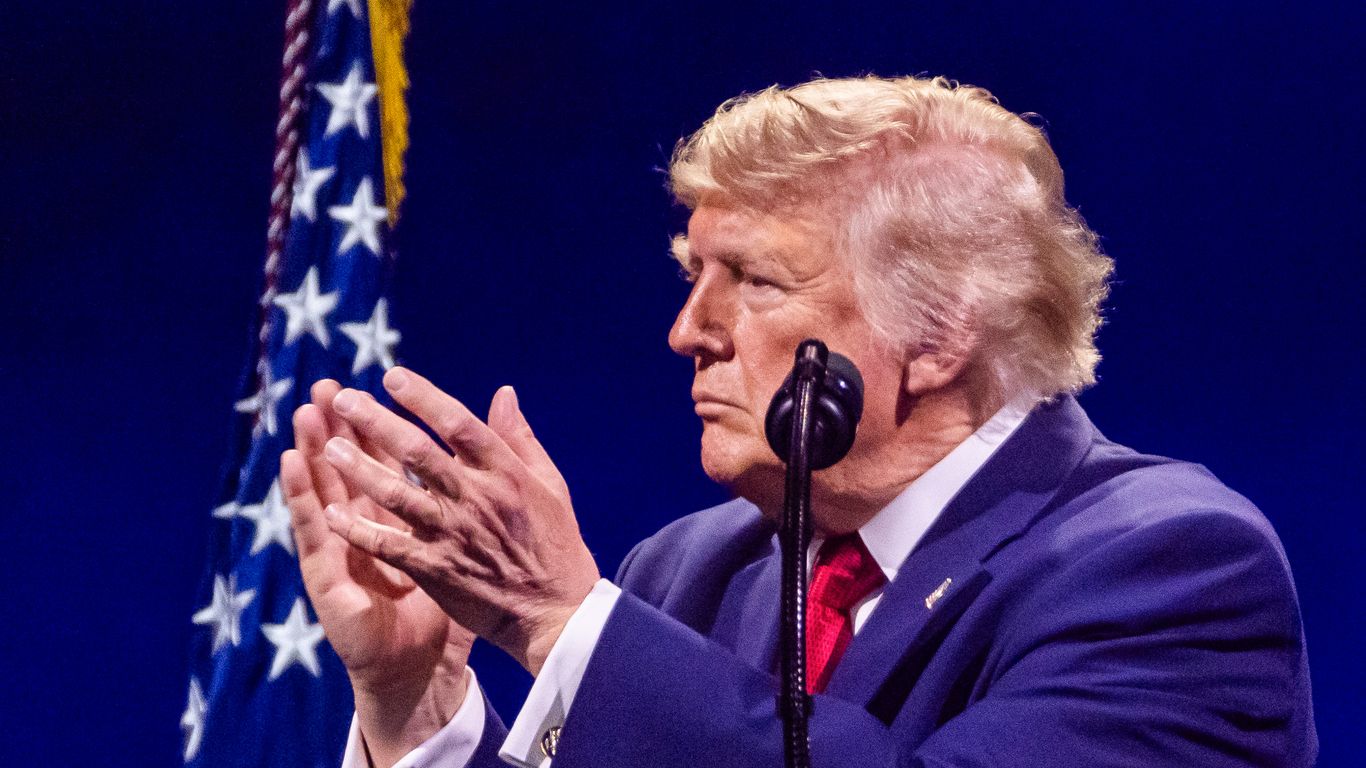
    President Donald Trump has confirmed that his various accounts receive financial contributions from generous donors. This arrangement demonstrates a significant network of supporters dedicated to backing his political and personal initiatives. The funding model highlights the continuous engagement of his base and other benefactors.

    This financial backing is a critical component of President Trump’s operations. It enables various activities, from political campaigning to legal defenses and personal ventures. The transparency surrounding these contributions offers insight into the financial landscape supporting a prominent national figure.

    The Role of Donor Contributions

    Donor contributions form a foundational aspect of many public figures’ financial strategies. For President Trump, these funds are channeled into different accounts. These accounts can serve diverse purposes, reflecting the multifaceted nature of his public and private life. The inflow of funds from supporters underscores their commitment.

    These contributions are not uncommon in the political sphere. Political action committees (PACs) and individual donations are standard methods for financing campaigns and related activities. However, the scope and scale of support for President Trump often draw particular attention. The sustained nature of this support is notable.

    Understanding the Funding Mechanisms

    The mechanisms through which donors contribute to President Trump’s accounts are varied. They can include direct donations to campaign committees. Legal defense funds represent another channel. Personal accounts also receive contributions, as indicated by President Trump himself.

    Each type of account operates under specific regulations. Campaign finance laws govern political contributions. These laws mandate disclosure of donors and amounts. Personal gifts, however, may fall under different legal frameworks. The distinction between these categories is often a subject of public and legal scrutiny.

    For instance, the Federal Election Commission (FEC) oversees campaign finance. It sets limits on individual and organizational contributions to political campaigns. These limits are designed to prevent undue influence. They also aim to ensure transparency in political funding.

    Who Are the Generous Donors?

    The identity of these generous donors spans a wide spectrum. They include individual supporters, often referred to as the grassroots base. Wealthy individuals and corporate entities also form part of this network. Their motivations are diverse, ranging from ideological alignment to strategic interests.

    Many donors contribute out of a belief in President Trump’s policies and leadership. Others may see their contributions as an investment in a particular political future. The aggregate of these individual decisions creates a significant financial force. This force allows President Trump to maintain a high level of activity and influence.

    Impact on Political Landscape

    The continuous flow of donor funds significantly impacts the political landscape. It provides President Trump with resources to maintain a public profile. It also supports his ability to influence political discourse. This financial strength is a key factor in his ongoing political relevance.

    The ability to raise substantial funds from donors is often seen as a measure of political strength. It indicates a candidate’s or figure’s ability to mobilize resources. This mobilization can be crucial for future electoral contests. It also supports post-presidency activities and influence.

    Financial Independence and Influence

    Financial independence, bolstered by donor contributions, allows President Trump a degree of autonomy. This autonomy can be crucial in navigating political challenges. It enables him to pursue legal battles and maintain various business interests. The funding underpins his operational capabilities.

    The influence derived from financial backing extends beyond direct political campaigns. It can support media appearances, public relations efforts, and organizational development. This comprehensive support structure maintains a constant presence in the public eye. It also reinforces his base of support.

    Public Perception and Scrutiny

    The funding of prominent political figures’ accounts often attracts public perception and scrutiny. Transparency is a key concern for many. The source and use of funds are frequently examined by media, watchdog groups, and the public.

    Questions often arise regarding the ethical implications of certain donations. Potential conflicts of interest are another area of focus. These discussions are part of a broader conversation about money’s role in politics. They highlight the ongoing debate over campaign finance reform and accountability.

    Transparency and Accountability

    Transparency in financial dealings is crucial for public trust. While campaign donations are often disclosed, other types of contributions may not be. This can lead to calls for greater accountability. The public often seeks clarity on how funds are raised and expended.

    Regulatory bodies and journalistic investigations play a role in ensuring transparency. They examine financial records and question practices. This scrutiny helps to uphold ethical standards. It also informs the public about the financial realities of political power.

    Historical Context of Political Funding

    The practice of political figures raising funds from donors has a long history. From early American political campaigns to modern-day super PACs, financial backing has always been essential. The methods and regulations have evolved over time. However, the fundamental need for resources remains constant.

    In the past, political funding was often less regulated. This led to various abuses and calls for reform. The 20th century saw significant legislative efforts to control money in politics. These efforts included acts like the Federal Election Campaign Act (FECA) of 1971. FECA introduced stricter disclosure requirements.

    Modern Campaign Finance Laws

    Modern campaign finance laws continue to be debated and refined. The Bipartisan Campaign Reform Act of 2002 (McCain-Feingold) was another significant piece of legislation. It aimed to reduce the influence of “soft money” in federal campaigns. However, Supreme Court decisions, like Citizens United v. FEC (2010), have altered the landscape. These decisions have allowed for increased independent expenditures by corporations and unions.

    The current environment allows for various types of political organizations. Super PACs can raise and spend unlimited amounts of money. They cannot coordinate directly with campaigns. These groups play a significant role in modern elections. They also contribute to the complex web of political financing.

    Future of Donor Support

    The future of donor support for President Trump and other political figures will likely continue to evolve. Digital fundraising has become increasingly important. Online platforms allow for micro-donations from a broad base of supporters. This trend may shift the dynamics of political financing.

    The role of large donors will also remain significant. Their contributions often provide substantial capital for major initiatives. The interplay between small-dollar donors and large benefactors will shape future political funding strategies. This dynamic reflects an ongoing adaptation to technological and legal changes.

    President Trump’s acknowledgment of generous donors highlights a fundamental aspect of contemporary politics. Financial support underpins political activity. It enables public engagement. It funds legal and personal endeavors.

    Donors contribute for varied reasons. Regulations attempt to ensure transparency. Public scrutiny remains constant.

    Political figures, campaigns, and organizations rely on these contributions. The system evolves with technology. The debate continues. The funding mechanisms persist.

    Support.

  • President Trump’s Fourth of July Address: Faith, Freedom, and National Identity

    President Trump’s Fourth of July Address: Faith, Freedom, and National Identity

    President Trump’s 2026 Fourth of July Address

    President Donald Trump delivered a pivotal speech on July 4, 2026, articulating a vision for the United States rooted in specific foundational principles. The address, delivered on the nation’s 250th anniversary of independence, centered on themes of faith, the Second Amendment, and a resolute opposition to communism. This message aimed to reinforce national pride and align with the sentiments of a significant portion of the American populace.

    The President’s remarks were delivered during a national celebration, a traditional moment for presidential addresses. This setting amplified the themes he chose to emphasize. His words were broadcast nationally, reaching a broad audience across various demographics.

    The Core Message: God, Guns, and Anti-Communism

    The central tenets of President Trump’s Fourth of July speech revolved around what he termed the essential pillars of American strength. These included a strong affirmation of religious faith, a defense of Second Amendment rights, and a clear denunciation of communist ideologies.

    The emphasis on ‘God’ highlighted the role of religious belief in the nation’s history and ongoing identity. President Trump frequently connects national prosperity and moral strength with spiritual foundations. This connection resonates with many conservative voters and religious communities across the country.

    Discussions of ‘guns’ directly addressed the right to bear arms, a constitutional liberty often championed by the President. This aspect of the speech reinforced his commitment to gun rights, a consistent theme throughout his political career. It served to reassure supporters who prioritize this freedom.

    The strong anti-communist message positioned the United States as a global bulwark against authoritarian systems. This stance echoes historical American foreign policy positions and appeals to a segment of the population concerned about international influence and geopolitical stability. President Trump has consistently articulated a view of American exceptionalism in contrast to such systems.

    Reinforcing National Pride and Identity

    A primary objective of the 2026 Fourth of July address was to cultivate a heightened sense of national pride. President Trump’s rhetoric consistently frames American history and identity in terms of strength, resilience, and unique global leadership. The holiday provided an ideal backdrop for this narrative.

    The speech invoked historical references and symbols of American independence. These elements are designed to connect contemporary political messages with the nation’s founding ideals. Such connections are crucial for building a cohesive national identity in a diverse society.

    The President’s words sought to unify citizens around shared values, even amidst political divisions. He presented a vision of America that prioritizes internal strength and external respect. This vision often includes calls for border security, economic nationalism, and a robust military.

    The Audience and Reception

    The address was anticipated by both supporters and critics. Supporters generally found the speech to be an affirmation of their values and a reaffirmation of the President’s leadership. They viewed the themes of faith, freedom, and anti-communism as essential to the nation’s well-being.

    Media coverage preceding and following the speech highlighted the specific themes chosen by President Trump. Analysts debated the implications of his focus on these particular issues. The discourse often centered on the current political climate and the direction of the country.

    Public opinion polls following such addresses often reflect partisan divides. Those who identify with the President’s political movement typically express strong approval. Others may view the speech through a critical lens, questioning its inclusivity or specific policy implications.

    Historical Context of Presidential Fourth of July Addresses

    Presidential addresses on the Fourth of July are a long-standing tradition in American politics. These speeches often serve as opportunities for leaders to reflect on the nation’s past, celebrate its present, and articulate a vision for its future. George Washington celebrated the Fourth of July in 1778, but his only documented public Fourth of July address was in 1791.

    Throughout history, presidents have used this platform to address pressing national issues. Abraham Lincoln, for example, used the occasion during the Civil War to speak on the preservation of the Union. Franklin D. Roosevelt spoke during World War II, emphasizing the fight for freedom.

    These addresses are not merely ceremonial; they are strategic communications designed to shape public discourse and rally national support. They contribute to the ongoing narrative of American identity and purpose. Each president leaves their own imprint on this tradition.

    The Role of Faith in National Discourse

    President Trump’s emphasis on ‘God’ in his 2026 speech aligns with a segment of American political thought that views religious faith as integral to national character. This perspective suggests that moral order and societal strength are derived from spiritual principles.

    Historically, religious references have been common in American political rhetoric. Figures like Thomas Jefferson and John Adams, though differing in their personal beliefs, acknowledged the role of morality and virtue in a republic. Modern presidents continue this tradition, often appealing to broad religious sentiments.

    The inclusion of faith-based language often seeks to bridge cultural divides and invoke a sense of shared heritage. It can be a powerful tool for mobilization and for reinforcing a specific moral framework for governance. This approach resonates deeply with religious conservatives.

    Defending the Second Amendment

    The mention of ‘guns’ in the President’s speech directly references the Second Amendment to the United States Constitution. This amendment protects the right of the people to keep and bear arms. It is a highly debated topic in American politics.

    President Trump has consistently positioned himself as a staunch defender of this right. His administration has often opposed stricter gun control measures, aligning with organizations like the National Rifle Association. This stance is a cornerstone of his appeal to many voters.

    Discussions around the Second Amendment often involve debates about personal liberty, public safety, and the role of government. For many, it represents a fundamental protection against potential tyranny. The President’s remarks underscored this perspective.

    Standing Against Communism

    The President’s anti-communist rhetoric draws from a long history of American foreign policy and ideological opposition. From the Cold War era to contemporary geopolitical challenges, the United States has often defined itself in contrast to communist systems.

    This stance resonates with those who remember the historical struggles against the Soviet Union and other communist regimes. It also speaks to current concerns about the influence of countries like China and Cuba. President Trump has often adopted a confrontational approach to these nations.

    By invoking anti-communism, the speech aimed to project an image of American strength and resolve on the global stage. It also sought to rally domestic support against perceived internal and external threats to American values. This theme reinforces a sense of national purpose.

    The Path Forward: Unity and Purpose

    President Trump’s 2026 Fourth of July address ultimately sought to inspire a sense of unity and shared purpose among Americans. He aimed to articulate a clear direction for the nation, grounded in what he presented as enduring principles.

    The themes chosen, faith, the right to bear arms, and anti-communism, are all powerful symbols within specific political and cultural contexts. They represent different facets of a broader conservative ideology that the President champions.

    The speech served as a reminder of the ongoing national conversation about identity, values, and the future of the United States. It provided a moment for reflection on the nation’s journey since 1776. It articulated a vision for continued American leadership and prosperity.

    Citizens reflected. Leaders debated. The nation absorbed.

    America.

  • Bill Clinton Slams Trump’s Economic Vision: ‘Socialism for the Super-Rich’

    Bill Clinton Slams Trump’s Economic Vision: ‘Socialism for the Super-Rich’

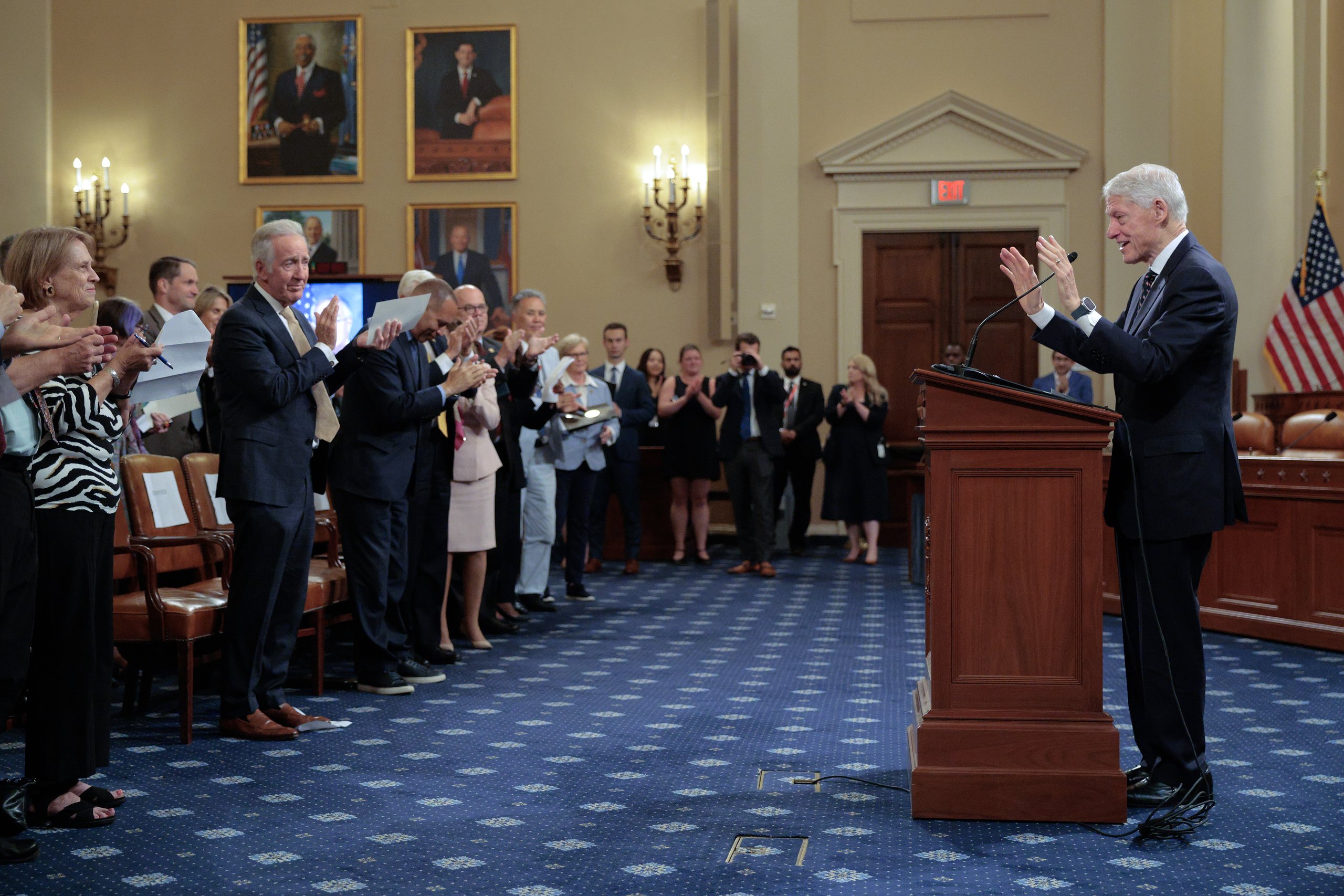
    Former President Bill Clinton utilized his platform during the America 250 celebrations to launch a direct criticism of Donald Trump’s economic proposals. Trump’s economic vision, as implemented during his presidency and outlined for future endeavors, often centers on significant tax cuts for corporations and high-income earners, alongside broad deregulation across various sectors. Clinton characterized this approach as ‘socialism for the super-rich,’ directly challenging the former president’s economic philosophy. His comments were delivered as part of a national reflection on 250 years of American independence and its future trajectory.

    Clinton’s address positioned Trump’s economic agenda as fundamentally divergent from policies aimed at broader societal benefit. He argued that such proposals would disproportionately favor the wealthy, leading to an unequal distribution of resources and opportunities. This critique resonated with long-standing Democratic arguments regarding wealth inequality and corporate influence, particularly pertinent in the political landscape of 2026.

    The America 250 Context: A National Reflection

    The America 250 initiative commemorates the 250th anniversary of the United States’ founding in 1776. This significant national observance spans several years, leading up to the climactic year of 2026. It encompasses a wide array of events, public discussions, and reflective programs focused on American history, foundational values, and its future trajectory.

    Leaders from across the political spectrum have actively participated in these commemorative events. Their speeches frequently address the nation’s past achievements while confronting its present challenges. The platform provided by America 250 offers a unique opportunity for prominent figures to articulate their distinct visions for the country’s path forward.

    Bill Clinton’s participation positioned him as a key voice reflecting on the nation’s historical journey. His remarks were delivered within this profound historical and forward-looking context. He deliberately connected contemporary economic debates to the enduring foundational principles of American democracy and its promise of opportunity for all citizens.

    The Role of Historical Anniversaries in Political Discourse

    Major anniversaries, such as America 250, often serve as catalysts for national introspection. They provide a stage for leaders to reflect on the nation’s progress and its unfulfilled aspirations. Such occasions allow for a re-evaluation of core principles in light of current societal conditions.

    Political figures frequently leverage these platforms to advance their policy agendas. They frame their arguments within a historical narrative, linking present-day challenges to past struggles and triumphs. This rhetorical strategy aims to imbue contemporary debates with a sense of historical significance and national purpose.

    Clinton’s speech exemplifies this approach. He used the solemnity of the America 250 observance to elevate his critique of Trump’s economic policies. He presented his arguments not merely as partisan attacks, but as essential considerations for the nation’s future well-being and adherence to its founding ideals.

    Clinton’s Core Critique: ‘Socialism for the Super-Rich’

    The central point of Clinton’s criticism revolved around his interpretation of Donald Trump’s economic plans. He employed the vivid and provocative phrase ‘socialism for the super-rich’ to encapsulate his argument. This phrase suggests that while Trump’s policies are often presented as broadly beneficial, their primary effect is to serve the interests of the wealthiest segment of the population.

    This framing represents a sharp rhetorical contrast with traditional definitions of socialism. Socialism typically advocates for collective or governmental ownership and control of the means of production and distribution. Its core goal is often to reduce economic inequality and ensure a more equitable distribution of wealth and resources among all citizens.

    Clinton’s use of the term was therefore rhetorical and deliberately ironic. It aimed to highlight what he perceived as a perverse and contradictory outcome of Trump’s policies. He implied that policies designed to ostensibly boost the economy would, in practice, create a system that concentrates wealth at the top, rather than distributing it more broadly.

    Dissecting the ‘Socialism’ Label

    The term ‘socialism’ carries significant historical and political baggage in American discourse. It is often used by conservatives to criticize any form of extensive government intervention or wealth redistribution. Clinton’s inversion of the term aimed to turn this rhetorical weapon against its usual proponents.

    By attaching ‘socialism’ to the ‘super-rich,’ Clinton sought to expose what he viewed as hypocrisy. He suggested that policies favoring the wealthy were, in their own way, a form of government intervention. This intervention, he argued, was designed to benefit a select few, rather than the collective good.

    This rhetorical maneuver forced listeners to reconsider their assumptions about who benefits from government action. It challenged the notion that policies favoring the wealthy are inherently ‘free-market’ while those benefiting the poor or middle class are ‘socialist.’ Clinton aimed to reframe the debate around equity and who truly benefits from economic policy decisions.

    Economic Policy Divides: Democratic vs. Republican Approaches

    The debate over economic policy has been a persistent and defining theme in American politics for decades. Democrats and Republicans often present fundamentally different philosophies regarding the role of government in the economy and the optimal path to prosperity and equity.

    Democrats frequently advocate for policies such as progressive taxation, where higher earners pay a larger percentage of their income in taxes. They champion robust social safety nets, including programs like Social Security and Medicare, and support government investment in public services like education, infrastructure, and healthcare. They argue these policies promote economic equality, enhance social mobility, and create opportunities for all citizens, not just a privileged few.

    Republicans, conversely, typically champion lower overall tax rates, particularly for corporations and high-income individuals. They advocate for deregulation across various industries, believing it stimulates economic growth and innovation by reducing burdens on businesses. They also generally favor reduced government spending and less government intervention in the market. Republicans contend that these measures foster individual prosperity, create jobs, and ultimately benefit the entire economy through trickle-down effects.

    Clinton’s remarks highlighted this fundamental ideological divide. He positioned Trump’s approach firmly within the conservative economic tradition, characterized by tax cuts and deregulation. He then offered a pointed criticism of its potential consequences, arguing it would primarily benefit the wealthy and exacerbate existing inequalities for the majority of Americans.

    Historical Precedents for Economic Disparity Debates

    Discussions about economic disparity and the role of government are not new to American history. The Gilded Age of the late 19th century saw immense wealth accumulation alongside widespread poverty and labor unrest. This era led to the rise of progressive movements advocating for economic reforms.

    The New Deal era in the 1930s, under President Franklin D. Roosevelt, represented a significant expansion of government intervention in the economy. Programs like Social Security, unemployment insurance, and public works aimed to address the Great Depression and create a more equitable society. These policies laid the groundwork for many of the social safety nets that Democrats continue to defend and expand.

    More recently, debates intensified after the 2008 financial crisis, which exposed vulnerabilities in the financial system and led to renewed calls for regulation and wealth redistribution. The Occupy Wall Street movement, for instance, brought attention to the vast disparities between the wealthiest 1% and the remaining 99% of the population.

    Clinton’s ‘socialism for the super-rich’ rhetoric taps into this long history of economic debate. He frames Trump’s policies as a continuation of historical trends that exacerbate inequality, rather than alleviating it. This historical context lends weight to his argument, connecting current policy choices to enduring questions of fairness and economic justice in America.

    The Legacy of Donald Trump’s Economic Policies

    Donald Trump’s presidency, from 2017 to 2021, was marked by the implementation of several significant economic policies. The Tax Cuts and Jobs Act of 2017 stands as a centerpiece of his economic agenda. This legislation substantially reduced the corporate tax rate from 35% to 21% and offered various tax cuts for individuals, with a demonstrably greater share of the benefits accruing to higher-income earners and large corporations.

    Supporters of the 2017 tax cuts argued vigorously that they would stimulate business investment, encourage companies to repatriate overseas profits, and ultimately lead to robust job creation and wage growth for all Americans. Critics, however, maintained that these cuts primarily exacerbated wealth inequality, disproportionately benefiting the wealthy, and added trillions to the national debt without yielding the promised widespread economic benefits. The long-term effects of these policies continue to be a subject of intense economic analysis and political debate in 2026.

    Beyond tax reform, the Trump administration also pursued an aggressive agenda of deregulation across numerous sectors. This included rollbacks of environmental protections, loosening of financial regulations, and reduced oversight in areas such as labor and consumer safety. The stated goal was to reduce perceived burdens on businesses, thereby fostering greater economic activity and competitiveness. Opponents, conversely, argued that these actions could lead to significant harm to public health, environmental quality, and financial stability, potentially paving the way for future crises.

    Trade policy underwent a dramatic transformation under Trump’s leadership. His administration imposed tariffs on a wide range of imported goods, notably from China, but also from allies such as Canada and the European Union. These actions were aimed at protecting American industries, bringing manufacturing jobs back to the United States, and renegotiating what he deemed unfair trade agreements. While some domestic industries saw benefits, these tariffs also sparked retaliatory measures from other countries, leading to trade disputes and raising concerns about global economic stability and increased costs for American consumers.

    Clinton’s ‘socialism for the super-rich’ label directly addressed these foundational policy choices. He implied that the benefits generated by such policies were overwhelmingly concentrated at the very top of the economic ladder. This concentration, in his view, stood in direct contradiction to the principles of a fair, equitable, and broadly prosperous American economy, which he argued should be the goal of any responsible government.

    The Broader Political Landscape in 2026

    The year 2026 finds the United States immersed in a period of significant political and social contention. Debates over economic justice, social equity, the future of democracy, and the appropriate role of government continue to dominate public discourse. The upcoming national elections are anticipated to be among the most highly competitive and consequential in recent memory, with deep divisions evident across the electorate.

    Former President Trump remains an exceptionally prominent and influential figure within the Republican Party. His continued presence and robust public engagement mean that his past policies and future proposals continue to shape the party’s platform and messaging. His economic proposals, whether explicitly stated or implied through his previous actions and public statements, remain a key point of discussion and critique for political opponents and analysts alike.

    The Democratic Party, meanwhile, continues to advocate for a distinct set of policies aimed at strengthening the middle class, reducing income disparities, and expanding access to healthcare and education. Figures like Bill Clinton often articulate these positions, drawing on their extensive past experiences, the party’s established platforms, and their deep understanding of economic theory and policy. They seek to present a clear alternative vision for the nation’s economic future.

    The America 250 celebrations provide a unique and highly visible stage for these critical discussions. They allow political figures to frame their arguments within the grand context of the nation’s historical journey, its founding ideals, and its ongoing evolution. The speeches delivered during these observances become integral components of the ongoing narrative of American identity, purpose, and the fundamental choices facing its citizens.

    Clinton’s Rhetorical Strategy: Crafting a Memorable Message

    Bill Clinton is widely recognized for his exceptional rhetorical skill and his ability to connect with audiences. His speeches frequently employ vivid language, compelling narratives, and accessible analogies that resonate with a broad public. The phrase ‘socialism for the super-rich’ exemplifies this approach; it is designed to be both memorable and provocative, instantly capturing attention and sparking debate.

    The term ‘socialism’ carries specific and often negative connotations within American political discourse. It is frequently deployed by conservative politicians and commentators to criticize government intervention, wealth redistribution, or any policies that expand the public sector. By strategically inverting this term and attaching it to the ‘super-rich,’ Clinton aimed to disarm his political opponents and reframe the debate on his own terms. He used a word typically associated with government overreach for the many, to describe what he perceived as government overreach for the few.

    This rhetorical inversion served several purposes. Firstly, it created a memorable soundbite that could easily be disseminated and remembered by the public and media. Secondly, it challenged the conventional understanding of economic policy, forcing listeners to consider whether policies that disproportionately benefit the wealthy could also be seen as a form of government favoritism or intervention. Thirdly, it tapped into existing public anxieties about wealth inequality and corporate power, aligning his critique with broader societal concerns.

    The Power of Language in Political Discourse

    The careful selection of words and phrases is a cornerstone of effective political communication. Rhetorical devices like metaphors, irony, and alliteration can significantly amplify a message’s impact. A well-crafted phrase can distill complex policy arguments into an easily digestible and emotionally resonant statement.

    Clinton’s choice of ‘socialism for the super-rich’ is a prime example of such a device. It is a concise and potent phrase that immediately conveys a sense of injustice and hypocrisy. It implies that while some policies are labeled ‘socialist’ to demonize them, others, which benefit the wealthy, are allowed to pass without similar scrutiny, despite arguably representing a form of state-sponsored favoritism.

    This strategic use of language allowed Clinton to succinctly summarize his critique of Trump’s economic philosophy. It enabled him to frame the debate not just as a difference in policy, but as a fundamental divergence in values and priorities. The phrase aimed to expose what he viewed as the underlying unfairness of an economic system that he believed disproportionately rewarded those at the top.

    Bill Clinton’s address at the America 250 celebrations served as a powerful reminder of the enduring ideological battles that shape American economic policy. His sharp critique of Donald Trump’s economic vision, encapsulated in the phrase ‘socialism for the super-rich,’ resonated across the political spectrum. It sparked renewed discussions about wealth distribution, government’s role, and the future direction of the nation.

    The speech highlighted the deep chasm between Democratic and Republican approaches to economic governance. It underscored the ongoing struggle to define what constitutes a fair and prosperous society. It reminded Americans that the principles of equity and opportunity remain central to the national dialogue.

    Leaders gathered. Citizens listened. Debates continued.

    America.
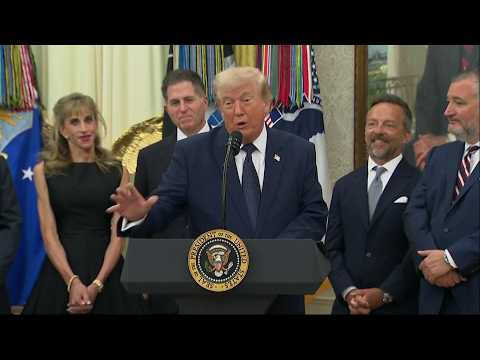
  • Donald Trump on Benjamin Netanyahu: “Knows Who the Boss Is” – Ahead of Possible White House Visit

    Donald Trump on Benjamin Netanyahu: “Knows Who the Boss Is” – Ahead of Possible White House Visit

    Donald Trump’s Assertive Diplomacy

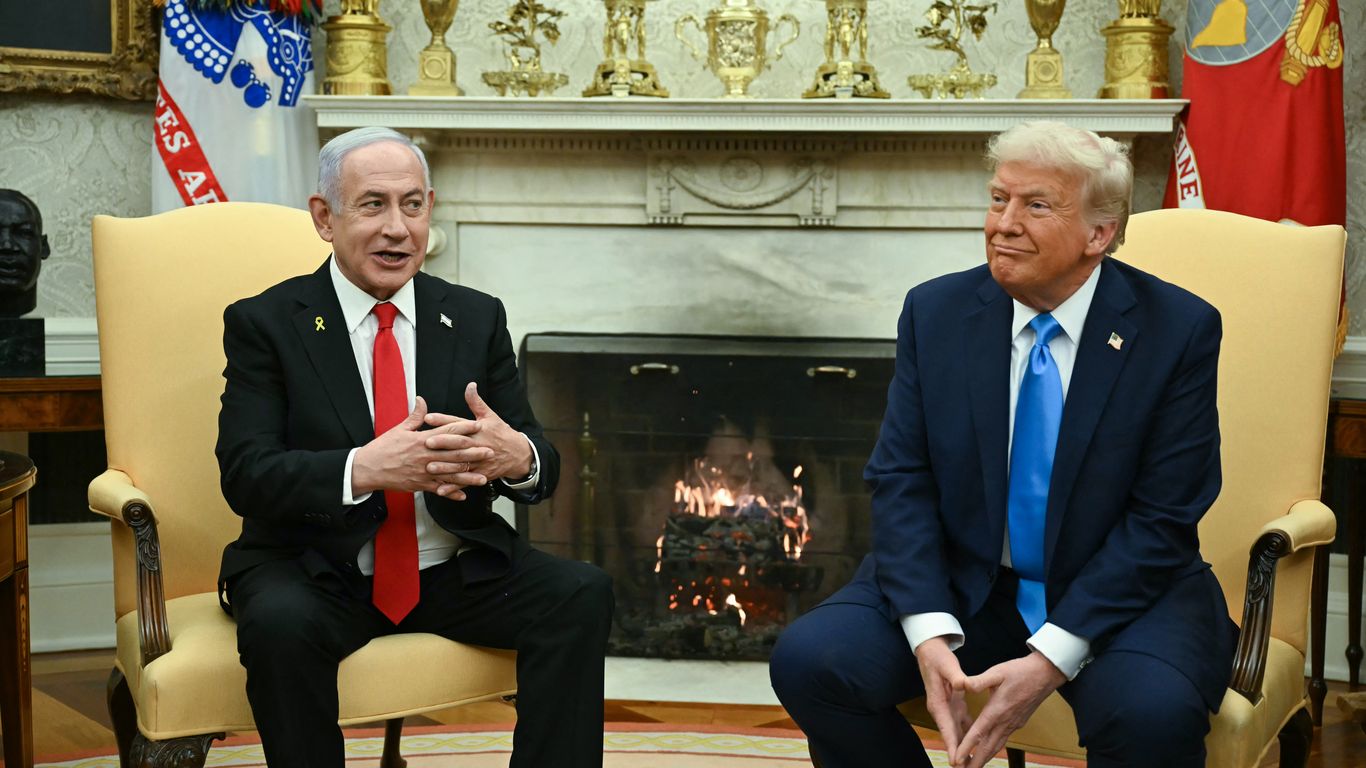
    Donald Trump recently commented on his relationship with Benjamin Netanyahu, stating the Israeli Prime Minister “knows who the boss is.” This remark came during discussions regarding a potential White House visit for Netanyahu. The statement provides a direct insight into Trump’s view of international partnerships and leadership dynamics.

    The former President’s comments emphasize his assertive stance in foreign policy. He often frames international relations in terms of strength and clear hierarchies. This approach has been a consistent feature of his public commentary on global leaders.

    The context of a possible White House visit adds weight to the statement. Such a visit would mark a significant moment for U.S.-Israel relations, especially under a potential new presidential administration. Diplomatic engagements between the two nations are closely observed globally.

    The U.S.-Israel Relationship Under Scrutiny

    The relationship between the United States and Israel is a long-standing and complex alliance. It involves significant military, economic, and diplomatic cooperation. Statements from prominent political figures often signal shifts or continuations in this partnership.

    Benjamin Netanyahu has served multiple terms as Prime Minister of Israel. His tenure has coincided with several U.S. presidential administrations. Each administration has brought its own nuances to the bilateral relationship.

    Donald Trump’s presidency, from 2017 to 2021, saw a particularly close alignment with Netanyahu’s government. Key policy decisions, such as the relocation of the U.S. embassy to Jerusalem, characterized this period. These actions were viewed as highly supportive of Israel by many.

    The current political landscape in both the United States and Israel involves ongoing debates about national security and regional stability. Public comments by former leaders can influence these discussions. They shape perceptions of past policies and future possibilities.

    Iran Policy and Regional Dynamics

    The discussion surrounding Trump’s comments also touched upon policy regarding Iran. Iran remains a central issue in Middle Eastern geopolitics. Both the United States and Israel view Iran’s nuclear program and regional activities with concern.

    During his presidency, Trump withdrew the United States from the Joint Comprehensive Plan of Action (JCPOA), commonly known as the Iran nuclear deal, in 2018. This decision was strongly supported by Netanyahu’s government. Both leaders advocated for a tougher stance against Iran.

    The potential for a renewed focus on Iran policy under a future Trump administration is significant. Such a focus would likely involve increased pressure on Tehran. It could also entail a re-evaluation of existing international agreements.

    Regional dynamics in the Middle East are constantly evolving. The Abraham Accords, facilitated by the Trump administration in 2020, normalized relations between Israel and several Arab nations. These accords reshaped alliances and diplomatic pathways in the region.

    The Abraham Accords: A Shift in Regional Diplomacy

    The Abraham Accords represented a notable diplomatic achievement. They normalized relations between Israel and the United Arab Emirates, Bahrain, Sudan, and Morocco. These agreements were seen as a significant step towards broader regional peace.

    The accords bypassed traditional Palestinian-Israeli peace negotiations. They focused instead on shared economic and security interests. The Trump administration championed these agreements as a new paradigm for Middle East diplomacy.

    Benjamin Netanyahu’s government played a central role in these negotiations. The agreements demonstrated a willingness to forge new alliances in the face of common regional challenges. Iran’s influence was a key underlying factor in these new alignments.

    Future Implications for Middle East Stability

    Future U.S. policy in the Middle East will heavily influence regional stability. A potential shift in leadership in the United States could lead to new diplomatic approaches. These approaches would impact alliances and rivalries across the region.

    The ongoing discussions about Iran’s nuclear capabilities continue to be a primary concern. International efforts to monitor and control proliferation remain critical. Both the United States and Israel prioritize preventing Iran from acquiring nuclear weapons.

    The relationship between the U.S. and Israel is often a bellwether for regional security. Statements from leaders, past and present, offer clues into the strategic direction of this vital partnership. They also signal potential flashpoints or areas of cooperation.

    Leadership Styles and International Relations

    Donald Trump’s leadership style is characterized by direct communication and an emphasis on perceived strength. His public statements often reflect this approach. The phrase “knows who the boss is” exemplifies this directness.

    This style contrasts with more traditional diplomatic language. Conventional diplomacy often relies on nuanced phrasing and indirect communication. Trump’s approach aims to project decisiveness and control on the global stage.

    Benjamin Netanyahu, a veteran political leader, has navigated complex international relations for decades. His interactions with various U.S. presidents have been a testament to his diplomatic skill. He has consistently advocated for Israel’s security interests.

    The interplay of these distinct leadership styles shapes international discourse. It influences how alliances are perceived and how foreign policy is conducted. The personal dynamics between leaders can often impact geopolitical outcomes.

    Historical Context of U.S.-Israel Leaders

    The relationship between U.S. presidents and Israeli prime ministers has a rich history. From Lyndon B. Johnson and Levi Eshkol to Bill Clinton and Yitzhak Rabin, personal connections have often defined periods of cooperation or tension.

    George W. Bush and Ariel Sharon shared a strong bond, particularly after the September 11 attacks. This period saw increased security cooperation. It highlighted the importance of counter-terrorism efforts for both nations.

    Barack Obama and Benjamin Netanyahu experienced a more strained relationship at times. Disagreements over the Iran nuclear deal were a notable point of contention. These instances underscore the complexities inherent in the alliance.

    Each leader brings their own perspective and priorities to the relationship. These individual approaches contribute to the broader narrative of U.S.-Israel ties. They also demonstrate the enduring nature of the alliance despite political differences.

    Public and Media Reception

    Trump’s statement generated significant attention in both public and media circles. It sparked discussions among political analysts and commentators. The phrasing itself became a focal point of many conversations.

    Supporters of Donald Trump often interpret such statements as evidence of strong leadership. They see it as a clear signal of his commitment to American interests. They also view it as an indication of his ability to command respect on the international stage.

    Critics, however, may view the language as undiplomatic or overly assertive. They might argue that such rhetoric could complicate international relations. They often advocate for a more collaborative and less hierarchical approach to global partnerships.

    Media outlets across the political spectrum reported on the comment. Each offered its own interpretation and analysis. The statement became a lens through which to examine broader themes of U.S. foreign policy and diplomatic conduct.

    Impact on Future Political Discourse

    The comment is likely to resonate in future political discourse. It will be referenced in debates about foreign policy and presidential leadership. It will also be used to characterize potential future administrations.

    Such statements contribute to the public’s understanding of candidate positions. They help voters discern the likely direction of foreign policy. They also inform discussions about the role of the United States in global affairs.

    The language used by political figures can shape public opinion. It can also influence the perception of international allies and adversaries. The careful consideration of words in diplomacy is often paramount.

    The ongoing dialogue about U.S.-Israel relations remains a critical component of foreign policy discussions. Comments from key figures like Donald Trump continue to fuel these conversations. They underscore the enduring importance of this bilateral relationship.

    Leaders speak. Nations listen. Policies are weighed. Alliances are tested. The world watches.

  • Dem Defector’s Dire Warning: A ‘Really Big Deal’ – Unpacking Political Shifts

    Dem Defector’s Dire Warning: A ‘Really Big Deal’ – Unpacking Political Shifts

    A recent segment on Fox News featured an individual identified as a ‘Dem defector,’ who delivered a ‘dire warning’ regarding the current state of political affairs. This warning was characterized as a ‘really big deal,’ emphasizing the perceived gravity of ongoing political shifts and their potential impact on the national discourse.

    This particular phrasing is designed to resonate with an audience primed for political activation. It appeals to a sense of cultural defense and defiance, framing specific political developments as critical threats or opportunities that demand immediate attention.

    The Language of Political Defection

    The term ‘Dem defector’ itself carries significant weight. It describes an individual who has formally or ideologically departed from the Democratic Party. Such figures are often presented as credible internal critics, offering insights from a previously aligned perspective.

    Their narratives frequently highlight disillusionment with their former party’s direction. This can involve policy stances, ideological shifts, or perceived failures in leadership. The act of defection is presented as a principled stand.

    For media outlets like Fox News, featuring a ‘defector’ serves multiple purposes. It validates existing criticisms of the Democratic Party from an unexpected source. It also provides a narrative of political courage and conviction.

    The ‘Dire Warning’ Framework

    The concept of a ‘dire warning’ is a rhetorical device used to elevate the perceived stakes of a situation. It suggests impending negative consequences if current trajectories are not altered. This framework aims to instill a sense of urgency among the audience.

    Warnings of this nature often touch upon core values, national security, economic stability, or cultural identity. They are crafted to provoke a strong emotional response and encourage active engagement from the audience.

    When combined with the credibility of a ‘defector,’ the ‘dire warning’ becomes a powerful tool. It suggests that even those who once stood with the opposition now recognize the severity of the situation. This can be particularly effective in swaying undecided individuals or reinforcing the convictions of the already aligned.

    ‘A Really Big Deal’: Escalating Significance

    The phrase ‘a really big deal’ functions as an intensifier. It takes the general alarm of a ‘dire warning’ and grounds it in a relatable, emphatic statement. This colloquialism makes the complex political issue feel more immediate and personally relevant.

    It implies that the issues being discussed are not merely academic or partisan squabbles. Instead, they are fundamental shifts with far-reaching consequences. This framing encourages the audience to view the situation with heightened concern.

    This kind of language is a hallmark of political communication designed for impact. It simplifies complex issues into easily digestible, emotionally resonant phrases. The goal is to cut through the noise and capture attention.

    Political Activators and Cultural Defense

    The report explicitly states that the warning appeals to ‘political activators’ and a ‘sense of defiance.’ Political activators are individuals or groups highly engaged in political processes. They are often opinion leaders within their communities.

    A ‘sense of defiance’ refers to a readiness to resist perceived threats or opposition. This sentiment is often cultivated in political messaging to mobilize a base. It encourages a proactive stance against perceived adversaries or undesirable outcomes.

    In the context of the ‘Dem defector,’ this defiance is directed towards the policies or ideologies of the former party. It positions the audience as defenders of a particular set of values or a way of life. This creates a strong in-group/out-group dynamic.

    Historical Parallels of Political Defection

    Political defections are not new to American history. Throughout various eras, individuals have switched party allegiances, often signaling significant political realignments or ideological shifts. Figures like Ronald Reagan, who began his political career as a Democrat before becoming a Republican icon, exemplify this phenomenon.

    Reagan’s journey from New Deal Democrat to conservative standard-bearer was marked by his vocal critiques of the Democratic Party’s evolving direction. His ‘A Time for Choosing’ speech in 1964 is a classic example of a ‘defector’s warning,’ articulating a stark choice for the nation.

    More recently, figures like Tulsi Gabbard, a former Democratic Congresswoman, have garnered attention for their critiques of the Democratic Party and their subsequent departure. These individuals often become prominent voices in conservative media, amplifying their warnings and perspectives.

    The Role of Media in Amplifying Defector Narratives

    News organizations play a crucial role in amplifying the narratives of political defectors. For outlets like Fox News, featuring a ‘Dem defector’ provides a powerful testimonial. It suggests that even members of the opposing camp recognize the validity of their criticisms.

    This amplification serves to legitimize certain viewpoints and can influence public opinion. The defector’s story is often framed as a journey of enlightenment or a courageous stand against prevailing orthodoxy. This narrative can be highly persuasive.

    The media platform provides a megaphone for these warnings, ensuring they reach a broad audience. The choice of language and framing by the media outlet further shapes how these messages are received and interpreted by the public.

    Implications for the 2026 Political Landscape

    As of 2026, such ‘dire warnings’ from ‘defectors’ contribute to an already polarized political environment. They reinforce existing divisions and can exacerbate partisan tensions. The focus on ‘cultural defense’ suggests a battle over fundamental societal values.

    These narratives can influence voter behavior, particularly among those who feel disenfranchised by traditional party politics. They offer an alternative perspective, often portraying the ‘defector’ as a truth-teller unafraid to challenge established norms.

    The effectiveness of such warnings will be measured by their ability to mobilize voters, shift public opinion, and contribute to broader political realignments. The 2026 midterm elections and beyond will test the resonance of these messages.

    The Broader Context of Political Polarization

    The phenomenon of a ‘Dem defector’ issuing a ‘dire warning’ is situated within a broader context of increasing political polarization in the United States. This polarization is characterized by widening ideological gaps between the two major parties and a growing intolerance for opposing viewpoints.

    Such warnings often capitalize on this environment, presenting stark choices and clear adversaries. They contribute to a narrative where compromise is difficult and fundamental differences are highlighted. This can make political reconciliation more challenging.

    The emphasis on ‘defiance’ further underscores this polarization. It suggests that the appropriate response to perceived threats is not negotiation but steadfast opposition. This dynamic shapes both political rhetoric and policy debates.

    Measuring the Impact of Defector Statements

    Assessing the true impact of a ‘defector’s warning’ requires careful analysis. While such statements generate media attention, their long-term effect on voter behavior or party platforms can vary. The individual’s prominence, the timing of their defection, and the specific issues they highlight all play a role.

    Sometimes, defector statements can spark internal debates within parties, forcing them to re-evaluate their positions. Other times, they may simply reinforce existing partisan divides without significantly altering the political landscape.

    The ongoing media coverage and public reception will ultimately determine the lasting legacy of this particular ‘dire warning.’ Its resonance will be tested against the backdrop of current events and evolving political narratives.

    Defectors speak. Warnings are issued. Audiences are called to action. The political landscape shifts.

    A ‘really big deal.’

  • Kid Rock’s Late-Night Calls to Donald Trump – A Celebrity Connection

    Kid Rock’s Late-Night Calls to Donald Trump – A Celebrity Connection

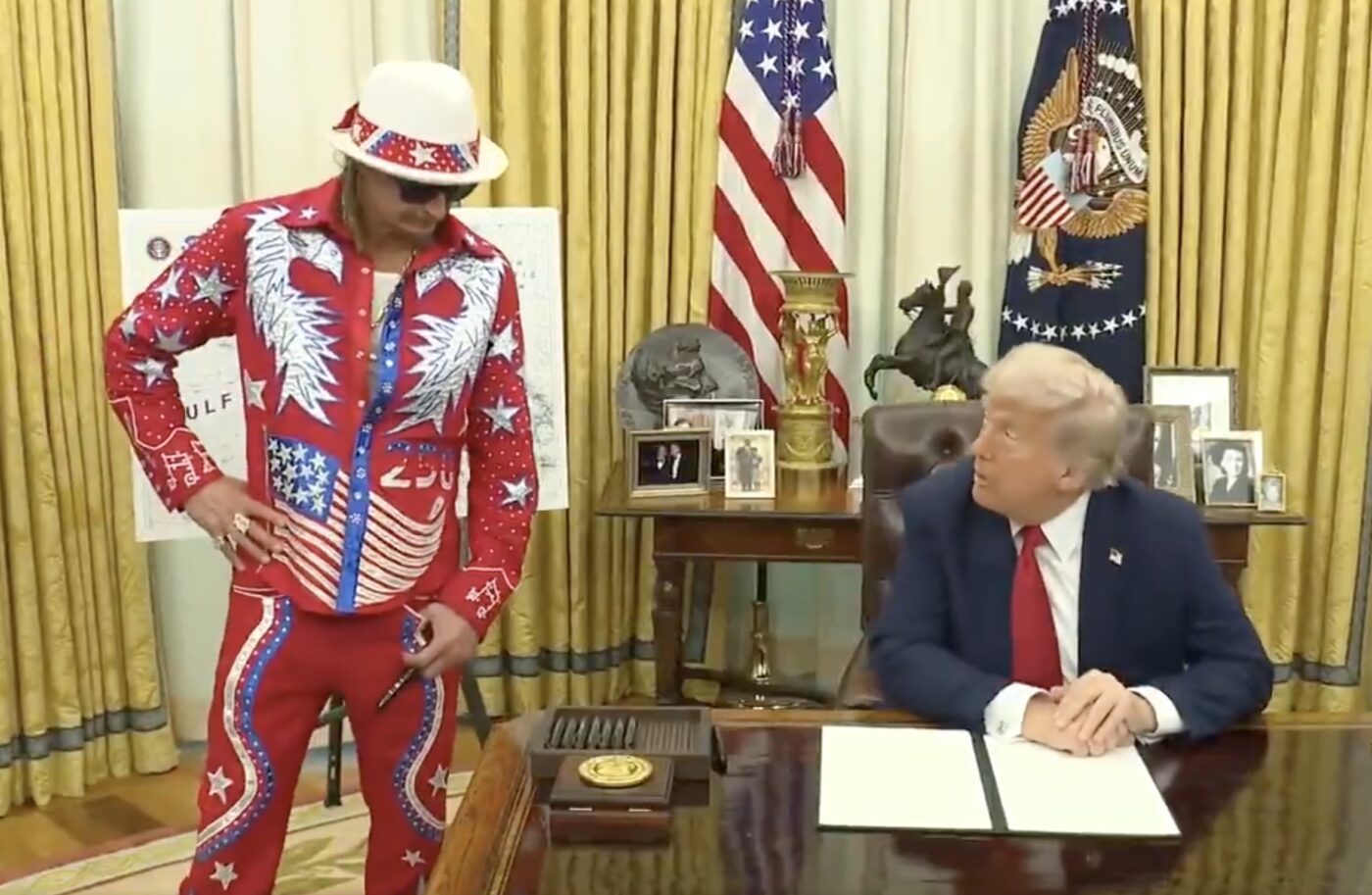
    Musician Kid Rock has publicly confirmed that he frequently makes late-night phone calls to former President Donald Trump. These calls, which Kid Rock describes as often occurring while he is under the influence of alcohol, reveal an informal and personal connection between the recording artist and the former U.S. President.

    The interactions have been characterized by Kid Rock as a recurring habit, showcasing a direct line of communication that extends beyond formal political or public relations channels.

    The Nature of the Calls

    Kid Rock, born Robert James Ritchie, has openly discussed his communication with Donald Trump. He characterized these interactions as a form of late-night entertainment or a personal ritual. The musician’s statements indicate that the calls are not pre-scheduled or formal in nature.

    His remarks suggest a level of comfort and familiarity between the two individuals. The conversations reportedly occur at irregular hours, often initiated by Kid Rock himself.

    “One Of My Late-Night Drinking Tricks”

    The exact phrasing used by Kid Rock to describe these calls was “one of my late-night drinking tricks.” This description implies a spontaneous and perhaps impulsive nature to the communication. It also suggests that these calls are not isolated incidents but rather a pattern of behavior.

    This candid admission provides a glimpse into the personal dynamics of their relationship. It contrasts with more structured forms of communication typically expected between public figures.

    A History of Public Support

    Kid Rock has been a vocal supporter of Donald Trump for several years. His public endorsements and appearances at Trump rallies have been widely documented. This support has been consistent through Trump’s presidency and subsequent political activities.

    The musician’s political alignment has often been a topic of discussion in media circles. His public persona frequently incorporates elements of political commentary and social critique.

    Engagement During the Trump Administration

    During Donald Trump’s time in office, Kid Rock was among a select group of celebrities who publicly aligned themselves with the administration. He visited the White House on multiple occasions. These visits included meetings with the former President and other high-ranking officials.

    Photographs and accounts from these visits circulated widely, often generating both support and criticism. This period solidified Kid Rock’s image as a prominent celebrity voice within the conservative movement.

    Celebrity and Political Connections

    The connection between Kid Rock and Donald Trump highlights the evolving landscape of celebrity involvement in politics. Public figures often leverage their platforms to express political views. This can range from formal endorsements to more personal, informal interactions.

    The nature of these relationships can influence public perception. They can also provide unique insights into the personalities involved.

    Informal Diplomacy and Influence

    While the calls described by Kid Rock appear informal, they underscore a broader phenomenon. Celebrities can sometimes act as informal intermediaries or advisors. Their personal relationships with political leaders can open direct lines of communication that bypass traditional channels.

    The extent of any influence exerted during such calls is not publicly known. However, the mere existence of these direct lines of communication is notable.

    The Broader Cultural Context

    Kid Rock’s statements resonate within a particular cultural segment. His fanbase often aligns with anti-establishment sentiments and conservative political views. His open support for Donald Trump reinforces this connection.

    The musician’s image often embodies a working-class, rebellious archetype. This image aligns with certain aspects of Trump’s appeal to a specific demographic.

    Impact on Public Discourse

    Such revelations contribute to the ongoing public discourse about celebrity activism and political engagement. They raise questions about the boundaries between public and private life for prominent figures. They also highlight the ways in which personal connections can intersect with national politics.

    The candidness of Kid Rock’s remarks adds another layer to the public understanding of these dynamics.

    Understanding the Personal Dimension

    The description of these calls as a “drinking trick” adds a personal, almost whimsical, dimension to the relationship. It suggests a camaraderie that transcends purely political or professional interactions. This personal element can be a significant factor in how the public perceives such connections.

    It also indicates a certain level of trust and comfort between the two individuals. This trust allows for such informal and late-night communication.

    Beyond the Headlines

    While news headlines often focus on policy and public statements, these personal anecdotes offer a different perspective. They illustrate the human side of political and celebrity interactions. They remind the public that even high-profile individuals maintain personal relationships.

    These relationships, however unconventional, form part of the larger tapestry of public life.

    The Public’s Reaction

    Public reaction to Kid Rock’s statements has varied. Supporters of both Kid Rock and Donald Trump often view these interactions positively, seeing them as authentic and relatable. Critics, however, may view them differently, questioning the appropriateness of such informal communication with a former President.

    The discussion surrounding these calls reflects the polarized nature of contemporary political and cultural commentary.

    Media Portrayals

    Media outlets have reported on Kid Rock’s comments with varying tones. Some have focused on the humorous or unusual aspect of the calls. Others have used the opportunity to comment on the broader political landscape and the role of celebrity endorsements.

    The story serves as a data point in the ongoing narrative about the intersection of entertainment and politics.

    Musicians speak. Politicians listen. Connections form. Revelations emerge. Public discourse continues.

    Washington D.C.

  • Donald Trump’s AI Video Targets Celebrities with ‘Trump Derangement Syndrome’

    Donald Trump’s AI Video Targets Celebrities with ‘Trump Derangement Syndrome’

    Donald Trump posted an AI-generated video in 2026 that portrayed him as a ‘doctor’ diagnosing celebrities such as Rosie O’Donnell, Whoopi Goldberg, and Robert De Niro with ‘Trump Derangement Syndrome.’ This digital content, shared on his Truth Social platform, utilized artificial intelligence to create a satirical narrative around the political polarization often associated with his public persona.

    The video quickly became a point of discussion across various media outlets and social platforms. Its release highlighted the increasing intersection of political commentary, celebrity culture, and advanced AI technology. The term ‘Trump Derangement Syndrome’ has been used by Trump and his supporters to describe what they perceive as an irrational obsession or animosity towards him by political opponents and critics.

    The Emergence of AI in Political Satire

    The use of artificial intelligence to generate political content marks a significant shift in communication strategies. This particular video leveraged AI to create a visual and auditory representation of Donald Trump in a fictional role. The technology allowed for the manipulation of images and voices, crafting a narrative that would have been complex and costly to produce through traditional means.

    AI tools, capable of deepfakes and synthetic media, have become more accessible. Their application extends beyond entertainment, entering the realm of political messaging and satire. The video served as a demonstration of how these technologies can be employed to create engaging, albeit controversial, content.

    The production quality and rapid dissemination of such content raise questions about authenticity and intent. Audiences are increasingly exposed to media that blurs the lines between reality and digital fabrication. This particular video was clearly presented as satire, but its underlying technology has broader implications.

    The ‘Doctor’ Persona and Its Message

    In the video, Donald Trump assumed the persona of a medical professional, complete with a white lab coat and stethoscope. This ‘doctor’ character then proceeded to diagnose several well-known figures. The satirical nature of the portrayal aimed to mock the perceived reactions of these celebrities to Trump’s political career.

    The specific diagnosis, ‘Trump Derangement Syndrome,’ is a phrase that has circulated widely within conservative media and among Trump’s supporters. It suggests that critics of Trump are not motivated by legitimate policy disagreements, but by an emotional or psychological affliction. The video amplified this narrative, presenting it in a visually striking and humorous format.

    The targets of the video, Rosie O’Donnell, Whoopi Goldberg, and Robert De Niro, are all public figures who have been vocal critics of Donald Trump. Their inclusion was a deliberate choice, intended to resonate with an audience familiar with their past statements and public profiles. The video positioned Trump as an observer of their ‘condition,’ rather than the subject of their criticism.

    Celebrity Reactions and Public Discourse

    The release of the AI video prompted varied reactions from the public and the celebrities named. While some of Trump’s supporters found the video amusing and validating, others viewed it as divisive and an inappropriate use of advanced technology for political attacks.

    Rosie O’Donnell, a long-standing public adversary of Trump, has frequently engaged in public spats with him since the mid-2000s. Her inclusion in the video continued this established dynamic. Whoopi Goldberg, a co-host on the television program The View, has also been an outspoken critic of Trump’s policies and rhetoric. Robert De Niro, an acclaimed actor, has publicly expressed strong disapproval of Trump on multiple occasions.

    The video fueled existing debates about the role of celebrities in politics. Some argue that public figures have a right to express their political opinions, while others believe their influence should be limited. The ‘Trump Derangement Syndrome’ narrative attempts to delegitimize celebrity criticism by framing it as an emotional rather than rational response.

    The Broader Impact of ‘Trump Derangement Syndrome’

    The concept of ‘Trump Derangement Syndrome’ extends beyond individual celebrities. It has become a shorthand for describing a perceived irrational opposition to Donald Trump. This term is frequently employed in political discourse to dismiss criticism as biased or emotionally charged, rather than substantive.

    The video’s use of this term served to reinforce a particular ideological viewpoint among Trump’s base. It provided a visual and narrative tool to categorize and understand their political adversaries. The satire aimed to create a sense of shared understanding and solidarity among those who feel that anti-Trump sentiment is excessive or unfounded.

    Critics of the term argue that it unfairly dismisses legitimate concerns and criticisms of Trump’s actions and policies. They contend that it is a rhetorical device designed to shut down debate and demonize opposition. The AI video, by visually enacting this diagnosis, brought the concept to a new level of public visibility.

    The Platform: Truth Social and Digital Dissemination

    Donald Trump posted the AI video on Truth Social, his social media platform launched in 2022. This platform has served as a primary conduit for Trump’s direct communication with his supporters since his departure from other major social media sites. The choice of Truth Social for the video’s release was strategic.

    Truth Social provides an environment where Trump’s content can be shared widely among his dedicated followers, often without the same level of moderation or content flagging seen on other platforms. This allows for the direct dissemination of messages that might be controversial elsewhere. The platform’s design facilitates rapid sharing and engagement within its user base.

    The video’s reach, however, extended beyond Truth Social. News organizations and individual users frequently share content from Truth Social across other platforms, amplifying its visibility. This cross-platform dissemination ensures that Trump’s messages, even those initially posted on a niche platform, can achieve broad public awareness.

    AI Ethics and Political Communication

    The deployment of AI in political messaging, as seen with this video, raises important ethical considerations. The ability to create highly realistic synthetic media, including audio and video, has implications for truth and trust in public discourse. While this video was satirical, the underlying technology can be used for more deceptive purposes.

    Concerns about deepfakes and their potential to spread misinformation are growing. The ease with which convincing, yet fabricated, content can be produced poses challenges for identifying and combating false narratives. The video serves as a reminder of the evolving landscape of digital communication and the need for media literacy.

    The ethical debate centers on the responsibility of creators and platforms in managing AI-generated content. Guidelines and regulations for the use of synthetic media in political campaigns and public statements are still developing. This incident contributes to the ongoing conversation about how society will navigate the complexities introduced by advanced AI.

    The Intersection of Culture and Politics

    The ‘Doctor’ Trump AI video highlights the deep entanglement of culture and politics in contemporary society. Celebrities, often seen as cultural figures, are frequently drawn into political debates, and their opinions can significantly influence public perception. Conversely, political figures often leverage cultural references and celebrity associations in their messaging.

    The video effectively used popular culture figures to advance a political point. By targeting well-known entertainers, Trump’s campaign aimed to connect with audiences who consume both political and entertainment news. This strategy is not new, but the AI component adds a novel layer to its execution.

    The ongoing cultural wars often manifest in these types of exchanges. The video played into existing divisions, reinforcing the idea that certain cultural icons are aligned against a particular political viewpoint. This reinforces a ‘us vs. them’ mentality that characterizes much of modern political discourse.

    Future Implications of AI in Campaigns

    The 2026 AI video is likely a precursor to more sophisticated uses of artificial intelligence in future political campaigns. As AI technology continues to advance, its capabilities for content creation, audience targeting, and narrative shaping will grow. Political strategists will explore new ways to harness these tools.

    Future applications could include personalized political ads generated by AI, AI-powered chatbots for voter engagement, or even entire campaign speeches delivered by AI-generated avatars. The speed and cost-effectiveness of AI content creation make it an attractive option for campaigns operating on tight budgets or deadlines.

    The challenge for voters and media organizations will be to discern authentic human-generated content from AI-generated content, especially as the technology becomes more seamless. Education and critical thinking skills will become increasingly vital in an environment saturated with digitally synthesized information. The ‘Doctor’ Trump video serves as an early, albeit rudimentary, example of this evolving landscape.

    The Legacy of Political Satire

    Political satire has a long and storied history, serving as a tool for commentary, criticism, and humor. From ancient Greek comedies to modern-day late-night shows, satire often reflects and shapes public opinion. The ‘Doctor’ Trump AI video fits within this tradition, albeit with a modern technological twist.

    The video’s satirical intent was clear: to poke fun at perceived political opponents and to rally a base. It employed exaggeration and caricature, common elements of satire, to deliver its message. The use of AI did not fundamentally change the purpose of the satire, but it did alter its production method and potential impact.

    The effectiveness of political satire often lies in its ability to provoke thought and conversation. Whether this particular video achieved that beyond its immediate audience is a subject of ongoing debate. However, its existence demonstrates the adaptability of satire to new technological mediums.

    Political figures will continue to use humor and satire. Digital tools will continue to evolve. The public will continue to react. The political landscape changes. The digital landscape changes. The conversation continues.

    America.

  • The American Experiment Review: Netflix Doc Inspires and Irritates Viewers

    The American Experiment Review: Netflix Doc Inspires and Irritates Viewers

    Netflix’s documentary, ‘The American Experiment,’ produced by actor Tom Hanks, has elicited a divided response from audiences and critics. The film, which features interviews with former Secretary of State Hillary Clinton and former Vice President Mike Pence, explores various facets of American political life and governance. Its reception highlights the deep partisan divides within contemporary society.

    The Hollywood Reporter noted that the documentary is likely to provoke strong opinions. This reaction stems directly from the inclusion of two highly recognizable and often polarizing political figures. The film’s objective appears to be a broad examination of the American democratic process.

    The Production Team Behind ‘The American Experiment’

    Tom Hanks serves as a producer for ‘The American Experiment.’ His involvement brings a significant level of visibility to the project. Hanks is known for his work in historical and patriotic-themed productions, often lending a gravitas to his projects.

    The specific production company and directorial credits associated with the documentary contribute to its overall narrative framing. Details regarding the full creative team often influence the perceived objectivity and thematic emphasis of such a project. These elements shape how the content is presented to a global audience via Netflix.

    Tom Hanks’ Role in Documentary Production

    Hanks’ role as a producer typically involves oversight of creative direction and securing resources. His name often signifies a certain quality and mainstream appeal for a film. This association can draw in a wider audience than a politically focused documentary might otherwise attract.

    His previous producing credits span a variety of genres, including historical dramas and explorations of American life. This background provides context for his decision to back ‘The American Experiment.’ The project aligns with a perceived interest in national identity and historical reflection.

    Featured Political Figures: Hillary Clinton and Mike Pence

    The documentary prominently features Hillary Clinton and Mike Pence. Both individuals have held significant positions within the United States government. Their inclusion is a central factor in the film’s polarizing reception.

    Clinton served as the First Lady, a U.S. Senator representing New York, and the 67th United States Secretary of State. She was also the Democratic Party’s nominee for President in 2016.

    Pence served as the 50th Governor of Indiana and later as the 48th Vice President of the United States under President Donald Trump. His political career has been marked by strong conservative stances.

    Hillary Clinton’s Perspective in the Film

    Hillary Clinton’s participation offers a perspective shaped by decades in public service. Her insights likely touch upon themes of political polarization, challenges to democratic institutions, and the role of women in leadership. Her narrative often reflects the complexities of national political campaigns.

    Her segments within ‘The American Experiment’ likely draw from her experiences across multiple administrations and her own presidential bid. This provides a unique lens through which to view the evolution of American politics over the last quarter-century.

    Mike Pence’s Contribution to the Dialogue

    Mike Pence’s contributions to the documentary provide a conservative viewpoint. His commentary likely addresses issues such as faith in public life, constitutional principles, and the state of the Republican Party. His tenure as Vice President offers direct experience with executive power and inter-party dynamics.

    Pence’s interviews probably reflect his concerns regarding American values and the future trajectory of the nation. His presence ensures a representation of conservative thought within the documentary’s broader discussion of the American experiment.

    Thematic Exploration: American Democracy and Its Challenges

    ‘The American Experiment’ aims to delve into the foundational principles of American democracy. It explores how these principles are tested by contemporary political realities. The documentary likely examines issues such as:

    • Political polarization and partisan gridlock
    • The impact of social media on civic discourse
    • Challenges to electoral integrity
    • The role of media in shaping public opinion
    • The future of democratic institutions

    The film’s title itself suggests an inquiry into the ongoing nature of the United States as a political and social entity. It frames the nation’s history and present as an evolving process, subject to constant re-evaluation.

    Bipartisan Dialogue in a Divided Nation

    A key aspect of the documentary appears to be its attempt at fostering bipartisan dialogue. The inclusion of figures like Clinton and Pence, who represent different ends of the political spectrum, suggests this intention. The success of this endeavor is a point of contention among reviewers.

    Some critics may praise the effort to bring opposing voices together. Others might argue that the film either fails to achieve true balance or inadvertently reinforces existing divides. The nature of political discourse in 2026 often makes genuine bipartisan consensus difficult to portray or achieve in media.

    Reception and Review: Inspiring and Irritating

    The Hollywood Reporter’s review indicates a dual effect: the documentary inspires some viewers and irritates others. This outcome is predictable given the subject matter and the featured personalities. Political documentaries frequently elicit strong emotional responses.

    Inspiration may come from segments that highlight democratic ideals, civic engagement, or moments of national unity. Irritation might stem from perceived biases, the revisiting of contentious political moments, or the viewpoints expressed by certain participants.

    Critical Perspectives from The Hollywood Reporter

    The Hollywood Reporter’s analysis likely focuses on the film’s narrative structure, its editorial choices, and the effectiveness of its arguments. Reviews often comment on the documentary’s ability to engage, inform, or persuade its audience.

    The review’s title suggests that the film navigates a fine line between providing thoughtful insight and provoking partisan reactions. This balance is crucial for any project attempting to address deeply entrenched political issues.

    Netflix’s Role in Distributing Political Content

    Netflix, as a global streaming platform, plays a significant role in the distribution of political and social commentary. Its reach allows documentaries like ‘The American Experiment’ to access a vast international audience. This broad distribution can amplify the film’s impact and its potential for debate.

    The platform’s algorithms often recommend content based on viewing habits, which can either broaden or narrow a viewer’s exposure to diverse perspectives. This dynamic influences how widely and how critically a film like this is received.

    The Impact of Streaming on Political Discourse

    Streaming services have transformed how political content is consumed. They offer an alternative to traditional broadcast news and cable documentaries. This shift allows for more niche and in-depth explorations of topics, but also raises questions about echo chambers and content moderation.

    For ‘The American Experiment,’ Netflix provides a prominent stage. This stage ensures that the film’s discussion of American democracy reaches millions, potentially influencing public opinion or at least sparking conversation across various demographics.

    The Broader Context of American Political Documentaries

    ‘The American Experiment’ joins a long tradition of documentaries exploring the United States’ political landscape. These films often serve as historical records, social critiques, or calls to action. They reflect the prevailing anxieties and hopes of their respective eras.

    Previous documentaries have tackled topics ranging from presidential campaigns to civil rights movements. Each contributes to the ongoing national dialogue about identity, governance, and the pursuit of collective ideals.

    Historical Precedents and Contemporary Relevance

    The film’s themes resonate with historical precedents of national self-reflection. From Alexis de Tocqueville’s ‘Democracy in America’ to modern political analyses, the concept of the ‘American experiment’ has been a recurring motif. The documentary seeks to place current challenges within this enduring framework.

    In 2026, with ongoing debates about national unity and global leadership, a film addressing the state of American democracy holds particular relevance. It provides a platform for reflection on the nation’s past, present, and potential future.

    Filmmakers gathered. Politicians spoke. Audiences reacted. Discussion continued.

    America.

  • Bryan Adams’ “51st State”: A Canada Day Protest Anthem

    Bryan Adams’ “51st State”: A Canada Day Protest Anthem

    On Canada Day, July 1, 2026, Canadian rock icon Bryan Adams released a new song titled “51st State,” a direct protest against former United States President Donald Trump. The track’s release on Canada’s national holiday has amplified its message, sparking widespread discussion about political expression in music.

    Adams, known for his mainstream rock anthems, has historically maintained a less overtly political public persona. This new release marks a notable shift in his artistic output.

    The Genesis of “51st State”

    The concept for “51st State” reportedly began to form in late 2025. Adams had expressed growing concerns over the political climate south of the Canadian border. These concerns culminated in the songwriting process that led to the single.

    The song’s title itself, “51st State,” refers to a long-standing, often jocular, sometimes anxious, Canadian cultural trope. This trope suggests Canada’s potential absorption into the United States, becoming its 51st state.

    The metaphor gains new weight in the context of specific political figures. Adams’ lyrical content directly criticizes the policies and rhetoric associated with Donald Trump’s political career.

    Lyrical Themes and Imagery

    The lyrics of “51st State” weave together themes of national sovereignty, cultural identity, and political dissent. They touch upon anxieties related to economic influence and border policies.

    Specific lines within the song allude to protectionist trade measures and diplomatic tensions. These elements were characteristic of the Trump administration’s approach to international relations.

    Adams employs vivid imagery to convey a sense of a Canadian identity under perceived threat. This includes references to natural landscapes and distinct cultural markers.

    Canada Day Release: A Strategic Choice

    The decision to release “51st State” on Canada Day was a deliberate and impactful one. July 1, 2026, provided a national platform for Adams’ message.

    Canada Day commemorates the formation of Canada as a dominion in 1867. It is a day of national pride and reflection on Canadian independence.

    By aligning the song’s release with this holiday, Adams underscored the patriotic dimension of his protest. He framed his criticism of Trump as a defense of Canadian values and autonomy.

    The timing ensured maximum media attention and public engagement across Canada. It also resonated with international audiences observing Canadian national celebrations.

    Historical Context of Political Music

    Bryan Adams’ “51st State” joins a long tradition of protest songs in popular music. Artists have historically used their platforms to comment on political events and social issues.

    In the 1960s, folk musicians like Bob Dylan and Joan Baez became synonymous with anti-war and civil rights movements. Their songs shaped public opinion and galvanized activists.

    The punk rock era of the 1970s and 1980s saw bands like The Clash and Dead Kennedys railing against government policies and societal norms. Their music was often raw and confrontational.

    More recently, artists across various genres have addressed issues such as climate change, racial injustice, and economic inequality. These include musicians like John Legend, Billie Eilish, and Kendrick Lamar.

    Adams’ contribution fits within this lineage. It uses the power of popular music to articulate political discontent.

    Public and Critical Reception

    The release of “51st State” has elicited a polarized response from the public and critics alike. Supporters praise Adams for his courage and conviction.

    Many Canadians have expressed solidarity with the song’s message, viewing it as an articulation of their own concerns. They see Adams as using his platform responsibly.

    Conversely, some critics and listeners have accused Adams of politicizing his music unnecessarily. They argue that entertainment should remain separate from partisan politics.

    The debate mirrors broader societal divisions regarding political engagement from celebrities. It highlights the tension between artistic freedom and audience expectations.

    Impact on Adams’ Career

    The release of “51st State” represents a potential turning point in Bryan Adams’ career trajectory. It positions him as a more overtly political artist.

    His previous work, while sometimes touching on universal themes, rarely delved into specific political figures or policies. This new direction could alienate some long-time fans.

    However, it may also attract new listeners who appreciate his willingness to take a stand. The song has undeniably generated significant buzz and media coverage.

    Adams’ decision could influence other artists to be more vocal about their political views. It demonstrates that established musicians can still make bold statements.

    The Broader Political Landscape

    The context for “51st State” is the ongoing political discourse surrounding Donald Trump. Trump, a former U.S. President, continues to be a prominent figure in global politics.

    His policies and rhetoric during his presidency (2017-2021) often generated international reactions. These reactions ranged from support to strong opposition.

    Canada, as a direct neighbor and major trading partner, was particularly affected by U.S. policies. Issues like trade agreements, environmental regulations, and border security were frequently points of contention.

    Adams’ song taps into these historical tensions and current anxieties. It reflects a sentiment present in certain segments of the Canadian population.

    Music as a Form of Diplomacy and Dissent

    Music often serves as a unique form of cultural diplomacy or dissent. It can transcend language barriers and communicate complex emotions and ideas.

    “51st State” functions as a cultural artifact reflecting contemporary Canadian sentiments towards its southern neighbor. It is a musical expression of national self-assertion.

    The song contributes to the ongoing global conversation about nationalism, international relations, and the influence of powerful political figures. It adds an artistic voice to these discussions.

    It also raises questions about the responsibility of artists in a globally interconnected world. Should they merely entertain, or do they have a duty to comment on political realities?

    The Future of Political Music

    Bryan Adams’ “51st State” suggests a continued trend of political engagement in music. As global events intensify, artists may increasingly feel compelled to respond.

    The digital age allows for rapid dissemination of such messages. Songs can quickly reach a global audience, amplifying their impact.

    This means that protest music can play a more immediate role in public discourse. It can react to events in real-time, influencing public opinion and political narratives.

    Artists like Adams demonstrate that even established figures can adapt their artistic output to address pressing contemporary issues. The conversation sparked by “51st State” will likely continue.

    Musicians speak. Audiences listen. Debates ignite.

    Canada.

  • Citigroup’s CEO and Donald Trump: Navigating Political Alignments in Finance

    Citigroup’s CEO and Donald Trump: Navigating Political Alignments in Finance

    The Intersecting Worlds of Finance and Politics

    The financial world and the political arena frequently intersect, creating complex relationships that draw public attention. Citigroup, a global financial services corporation, has recently been observed navigating these intersections. The firm’s CEO has reportedly engaged in interactions that position the bank within the perceived good graces of Donald Trump.

    This development has sparked considerable discussion across various sectors. It illuminates the ongoing dialogue about the role of large financial institutions in political discourse and the implications of such engagements.

    Citigroup’s Historical Trajectory

    Citigroup’s history is marked by significant periods of growth, challenge, and transformation. Founded in 1812 as the City Bank of New York, it has evolved into one of the largest banking institutions globally. Its operations span consumer banking, corporate and investment banking, and wealth management.

    The institution has faced various economic cycles and regulatory shifts. These periods have often required strategic adaptations and engagements with political leaders to ensure stability and growth. The financial crisis of 2008, for instance, saw Citigroup receive substantial government assistance, highlighting its systemic importance and its deep ties to federal policy.

    The Role of CEOs in Political Engagement

    The chief executive officers of major corporations often serve as key intermediaries between their companies and the political establishment. Their public statements, private meetings, and strategic alignments can shape policy outcomes and corporate reputations. The CEO’s approach to political figures like Donald Trump is often a reflection of broader corporate strategy.

    These engagements can be driven by several factors. They include regulatory concerns, economic policy advocacy, and the pursuit of favorable business environments. The perception of a CEO’s political alignment can significantly impact investor confidence and public trust.

    Donald Trump’s Influence on Corporate America

    Donald Trump, as a prominent political figure and former President of the United States, has maintained a significant influence on corporate America. His administration implemented various policies that impacted financial regulations, trade agreements, and tax structures. These policies often created both opportunities and challenges for large corporations like Citigroup.

    Corporations often seek to establish channels of communication and influence with political leaders. This ensures their interests are represented in policy discussions. The nature of these interactions can vary, from formal lobbying efforts to informal dialogues between leaders.

    Public Perception and Corporate Responsibility

    The perceived political alignment of a financial institution carries substantial weight in public perception. Stakeholders, including customers, employees, and investors, often scrutinize these relationships. They evaluate whether such alignments are consistent with the company’s stated values and broader corporate social responsibility initiatives.

    In an era of heightened political polarization, companies face increasing pressure to articulate their positions. They must navigate a landscape where political leanings can directly impact brand loyalty and market standing. Citigroup’s interactions are thus viewed through this lens of public accountability.

    The Financial Industry and Political Cycles

    The financial industry is inherently sensitive to political cycles. Changes in administration, shifts in congressional power, and evolving regulatory priorities directly affect banking operations and investment strategies. Financial institutions often adapt their strategies to align with the prevailing political climate.

    This adaptability can involve advocating for specific legislative changes or adjusting business models to comply with new regulations. The goal is often to mitigate risks and capitalize on opportunities presented by the political environment. The current engagement between Citigroup’s CEO and Donald Trump can be understood within this broader context of cyclical political adaptation.

    Regulatory Landscapes and Corporate Strategy

    Regulatory frameworks are a critical component of the financial industry’s operational environment. Decisions made by regulatory bodies, often influenced by political appointees and legislative mandates, directly impact banks. These include capital requirements, consumer protection laws, and market conduct rules.

    A perceived alignment with a political figure like Donald Trump might be interpreted as an effort to ensure favorable regulatory treatment. Alternatively, it could be seen as a proactive measure to understand and prepare for potential policy shifts. The specific motivations behind such interactions are often multifaceted.

    The Broader Implications for Wall Street

    The interactions between Citigroup’s leadership and Donald Trump are not isolated incidents. They are indicative of a broader trend within Wall Street to engage with political power centers. Financial executives often participate in political fundraising, advisory roles, and public commentary to shape the political narrative.

    This engagement reflects the significant economic power wielded by the financial sector. It also highlights the reciprocal relationship where political leaders often seek support and counsel from financial industry leaders. The ongoing dialogue between these two spheres is a continuous process.

    Navigating a Politically Charged Environment

    Operating in a politically charged environment requires careful strategic planning for any major corporation. Decisions about public engagement, political donations, and leadership interactions are often made with an awareness of potential public and media reactions. The goal is to balance corporate interests with public expectations.

    Citigroup, like other global banks, must consider its diverse stakeholder base. These include international clients, shareholders, and employees across various political spectrums. The management of political relationships becomes a delicate act of balancing these varied interests.

    Looking Ahead: Future Engagements

    The relationship between financial institutions and political figures will continue to evolve. As political landscapes shift and economic conditions change, the nature of these engagements will adapt. The current dynamic between Citigroup’s CEO and Donald Trump serves as a contemporary example of this ongoing process.

    Future interactions will likely continue to be scrutinized by the media, academics, and the public. These observations contribute to a larger understanding of corporate governance and political influence in the 21st century. The financial sector’s role remains central to these discussions.

    Financial leaders engage. Political figures respond. Public opinion forms. Policy debates unfold. The market reacts. Citigroup.