Tag: politics

  • The Alamodome Ultimatum – Why San Antonio’s Mayor Wants Kanye West’s July 4 Concert Canceled

    The Alamodome Ultimatum – Why San Antonio’s Mayor Wants Kanye West’s July 4 Concert Canceled

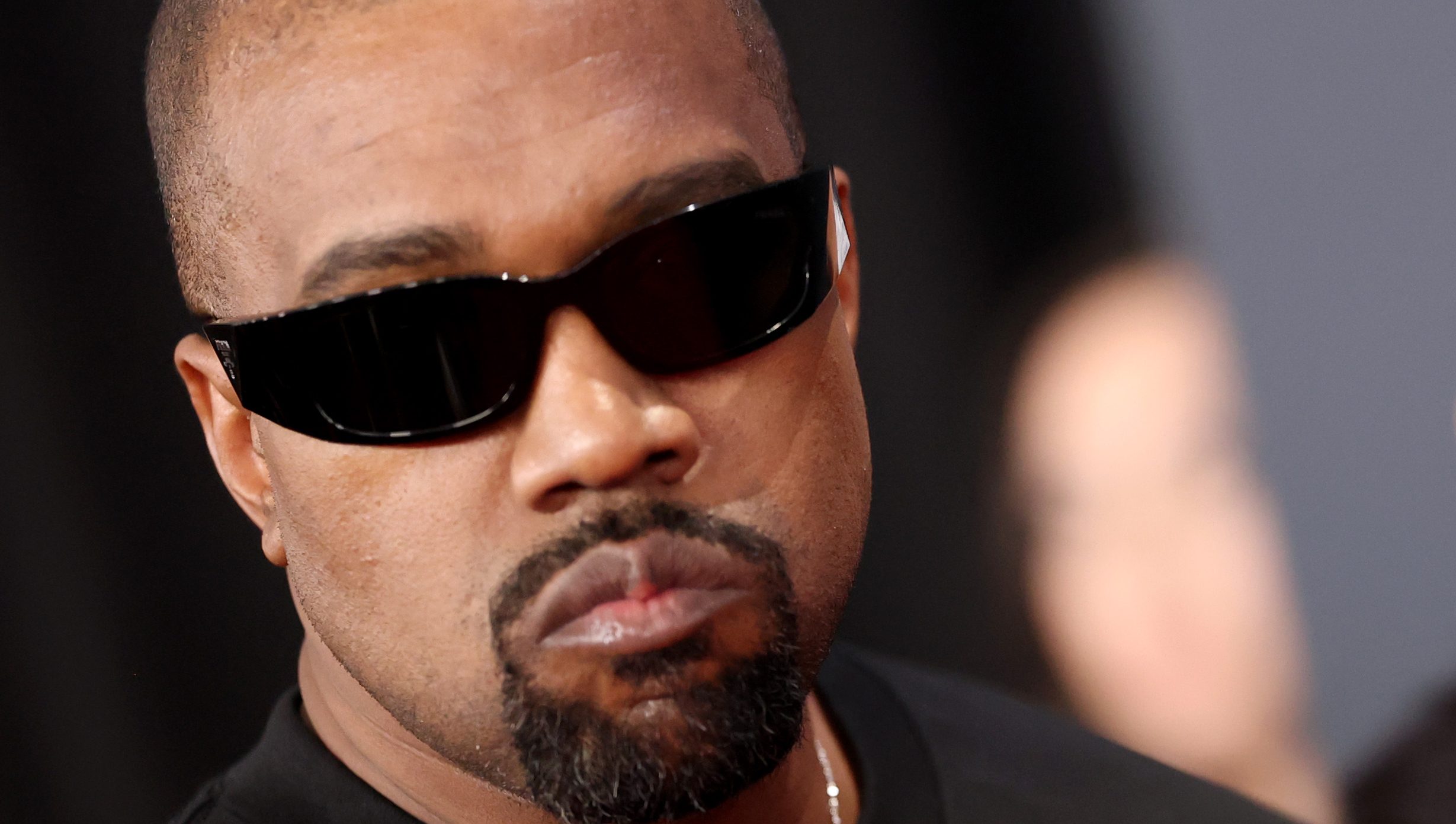
    On June 22, 2026, San Antonio Mayor Manny Pelaez formally called for the cancellation of Kanye West’s scheduled July 4th concert at the Alamodome. The mayor cited an unmanageable $400,000 security burden and deep cultural friction surrounding the artist’s recent public behavior. The announcement, made just twelve days before the event, sets up a high-stakes legal collision between municipal authority, Live Nation Entertainment, and First Amendment protections at a city-owned venue.

    The concert was supposed to be a massive economic driver for the holiday weekend. Instead, it has become a municipal crisis. The city now faces a choice between absorbing massive security costs or fighting a global entertainment conglomerate in federal court.

    The July 4th Flashpoint at the Alamodome

    The Alamodome sits on the eastern edge of downtown San Antonio. It is a massive, city-owned structure capable of holding 65,000 people. Since opening in 1993, it has hosted Final Fours, NBA championships, and global pop stars. It is the crown jewel of the city’s large-scale event infrastructure.

    Live Nation Entertainment booked the venue for July 4, 2026. The headliner was Kanye West, now legally known as Ye. The date was intentional. Independence Day draws massive crowds to the River Walk and downtown hospitality sectors. A stadium-level hip-hop show was projected to supercharge the weekend economy.

    Tickets went on sale in early May. They sold out in forty-eight hours. The demand was undeniable. But as the date approached, the logistical reality of hosting the controversial artist began to strain city resources.

    The Press Conference on Military Plaza

    The breaking point arrived on a Monday morning. Mayor Manny Pelaez stepped to the podium outside City Hall on Military Plaza. He did not mince words. He stated that the city could not guarantee the safety of the attendees, the protesters, or the surrounding neighborhoods.

    “Municipal resources are not infinite. We cannot ask the taxpayers of Bexar County to subsidize the security apparatus for an event that presents this level of operational risk,” the mayor stated.

    The mayor pointed directly to the cultural temperature. Ye’s recent public statements and erratic touring history in 2026 had generated intense backlash. Protest groups had already secured permits to demonstrate outside the Alamodome. Counter-protesters signaled their intent to arrive. The physical footprint of the event was expanding beyond the stadium walls.

    The mayor called on Live Nation to voluntarily cancel the show. He called on the Alamodome management to review the force majeure clauses in the contract. He drew a hard line in the South Texas sand.

    Security Costs and the Taxpayer Burden

    Large concerts always require police presence. The promoter typically pays for a baseline level of security. But when threat assessments escalate, the city must deploy additional resources. Those resources cost taxpayer money.

    The San Antonio Police Department (SAPD) conducted a threat assessment in mid-June. Chief William McManus reviewed the intelligence. The findings were stark. Securing the July 4th concert would require a massive deployment of off-duty and on-duty officers.

    The estimated cost for the enhanced security perimeter reached $400,000. This figure included overtime pay, tactical unit staging, and traffic control along I-35 and Commerce Street. Live Nation’s contract did not require the promoter to cover these peripheral municipal costs.

    The SAPD Deployment Strategy

    The police department’s plan was extensive. It required pulling resources from other Independence Day celebrations across Bexar County. The deployment strategy included specific operational mandates.

    • Perimeter Defense: The deployment of 150 SAPD officers for traffic control and crowd management along the primary arteries leading to the stadium.
    • Tactical Response: Staging mobile command units and rapid response teams near the Alamodome’s northern and southern entrances.
    • Crowd Management: Erecting secondary steel barricades to physically separate ticket holders from anticipated protest groups on the stadium plaza.

    The mayor argued this deployment was an unacceptable drain on public safety. The city needed those officers patrolling neighborhoods, not babysitting a volatile entertainment event.

    Live Nation and the Contractual Gridlock

    Calling for a cancellation is easy. Executing one is legally treacherous. Live Nation Entertainment holds a signed, binding contract with the City of San Antonio. The corporation operates out of Beverly Hills. It possesses a legal department designed to enforce venue agreements.

    Municipal contracts are rigid. A city cannot simply cancel an event because the political winds shift. To breach the contract, San Antonio would need to prove an imminent, unavoidable threat to public safety. A generic fear of protests does not meet the legal threshold for force majeure.

    If the city locks the doors to the Alamodome, Live Nation will sue. The damages would include lost ticket revenue, vendor guarantees, and artist fees. The financial penalty for a unilateral cancellation could dwarf the $400,000 security estimate. The city attorney’s office spent the weekend reviewing every comma in the venue agreement.

    The Legal Reality of City-Owned Venues

    The Alamodome is not a private club. It is a municipal building. Because it is owned by the government, it is subject to the constraints of the United States Constitution. This turns a contract dispute into a civil rights issue.

    The First Amendment severely limits a government’s ability to restrict speech based on viewpoint. When a city leases a venue to a performer, it creates a designated public forum. The government cannot cancel the lease simply because it finds the performer’s past speech offensive or culturally damaging.

    Legal precedent in Texas is clear. If a city attempts to silence a controversial figure by denying them a public stage, the courts will intervene. The mayor’s office knows this. That is why the official justification leans heavily on security costs and operational risks, rather than the content of Ye’s character or music.

    Ye’s 2026 Touring Controversies

    The context surrounding the artist cannot be ignored. Ye’s 2026 touring schedule has been marked by chaos. Earlier in the year, dates in Miami and Los Angeles faced similar municipal pushback. The friction is a feature, not a bug, of his current public persona.

    The cultural divide is sharp. Supporters argue that art should not be subject to municipal censorship. They view the mayor’s actions as political grandstanding. Detractors argue that platforming a figure with a history of inflammatory rhetoric normalizes toxic behavior. They view the mayor’s actions as a necessary defense of community values.

    The artist himself thrives on this exact type of conflict. The threat of cancellation operates as free marketing. It amplifies the narrative of an outsider battling the establishment. For Ye, the San Antonio standoff is just another chapter in a long history of institutional friction.

    The Economic Calculus for San Antonio

    While politicians debate constitutional law, local business owners are looking at their ledgers. The Alamodome does not exist in a vacuum. It feeds the entire downtown ecosystem.

    A sold-out stadium show brings 65,000 people into the urban core. Many of those attendees travel from Austin, Houston, and Dallas. They book hotel rooms. They eat at restaurants. They buy drinks on the River Walk.

    Downtown Businesses and the River Walk

    The San Antonio Chamber of Commerce projected the July 4th concert would generate roughly $2.5 million in localized economic impact. The hospitality sector was banking on that revenue. Summer is traditionally a slower season for downtown conventions. A mega-concert bridges the financial gap.

    Hotels like the Grand Hyatt San Antonio and the Marriott Rivercenter saw a massive spike in bookings the day tickets went on sale. Restaurant managers along Alamo Street staffed up for a holiday rush. If the concert is canceled, those reservations disappear. The economic ripple effect would be immediate and severe.

    Business leaders are caught in the middle. They want the revenue. They do not want the property damage that could accompany a massive, poorly secured protest. The financial calculus is a delicate balance of risk and reward.

    The Cultural Divide Over Celebrity Accountability

    The debate in San Antonio mirrors a broader national conversation. Municipalities are increasingly weaponizing venue contracts to enforce cultural standards. The line between public safety and ideological censorship is blurring.

    City council members are fielding thousands of calls. Some constituents demand the city hold the line and cancel the show. Others demand the city honor the contract and let the music play. The issue has fractured the local electorate along generational and ideological lines.

    The mayor’s ultimatum forced everyone to pick a side. There is no neutral ground when a stadium event becomes a referendum on celebrity accountability. The local news cycle is entirely consumed by the standoff. The national media is watching closely. The outcome in Texas will set a precedent for how other cities handle controversial arena tours.

    The Countdown to Independence Day

    The clock is ticking. July 4 is approaching rapidly. The logistical window to either secure the venue or dismantle the production is closing. Live Nation shows no signs of backing down. The mayor shows no signs of retracting his demand.

    The stage equipment is currently sitting in trucks on the interstate. The off-duty police officers are waiting for their final deployment orders. The ticket holders are refreshing their email inboxes, waiting for an update. The entire apparatus of a modern stadium tour is frozen in place.

    Lawyers drafted briefs. Police chiefs reviewed deployment maps. Promoters checked ticket algorithms. The city waited. San Antonio.

  • Keir Starmer Resignation Rumors Surface Ahead of Crucial Monday

    Keir Starmer Resignation Rumors Surface Ahead of Crucial Monday

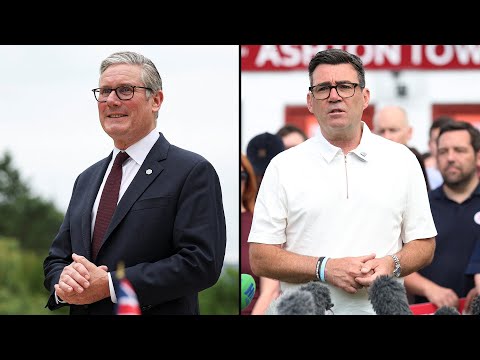
    UK Labour Leader Keir Starmer is facing intense scrutiny amid unverified reports that he could resign his position as early as Monday. A sudden departure by the Leader of the Opposition would send shockwaves through Westminster. It would immediately trigger a Labour Party leadership contest. It would also force a complete realignment of British politics just as the nation prepares for its next general election.

    The rumors, amplified by international news outlets including Fox News, suggest a tipping point has been reached. While Starmer’s office has not issued a formal confirmation or denial, the political machinery in London is already reacting. A resignation on Monday would not just end his tenure; it would force the Labour Party to define its future in real-time.

    Starmer took control of the Labour Party in April 2020. He replaced Jeremy Corbyn after a devastating electoral defeat. His mandate was to rebuild. Now, his leadership is the subject of intense speculation.

    The Pressure Inside Westminster

    The political climate in the United Kingdom is volatile. The Conservative Party government has faced its own series of crises. Labour, under Starmer, has attempted to position itself as a stable alternative. But internal party dynamics are rarely simple.

    Starmer has spent four years attempting to move the party toward the political center. This strategy alienated the left wing of his own party. It also required constant discipline. Every policy announcement was scrutinized for electoral viability.

    The pressure of opposition leadership is relentless. It requires managing a shadow cabinet, responding to global events, and preparing for an election that could happen at any time. If the rumors of a Monday resignation are true, it suggests that either the internal pressure or external political calculations have forced a change in strategy.

    What Happens If Starmer Resigns?

    If Keir Starmer steps down, the Labour Party constitution dictates a specific process. A leadership contest must be held. This is not a fast process.

    First, candidates must secure nominations from parliamentary colleagues. This requires the backing of at least 20% of Labour Members of Parliament. Once the candidates are finalized, the contest moves to the wider membership. Labour Party members, affiliated supporters, and registered supporters all get a vote.

    This process takes weeks, sometimes months. During this time, an interim leader would likely take charge. This interim period would be critical. The Conservative government would undoubtedly use the opportunity to frame Labour as chaotic and divided.

    The Potential Successors

    Speculation about Starmer’s successor is already rampant. Several high-profile figures within the shadow cabinet would likely consider a run.

    • Rachel Reeves: The Shadow Chancellor of the Exchequer. She is seen as a moderate, competent figure who could continue Starmer’s economic strategy.
    • Angela Rayner: The Deputy Leader of the Labour Party. She has a strong base of support among the party’s grassroots and trade union affiliates.
    • Wes Streeting: The Shadow Secretary of State for Health and Social Care. He is often viewed as a rising star on the right of the party.
    • Andy Burnham: The Mayor of Greater Manchester. While not currently an MP, his high profile and previous leadership bids make him a perennial subject of speculation.

    Each candidate represents a different vision for the Labour Party. A contest would force the party to have a public argument about its future direction.

    The Impact on the General Election

    The timing of these rumors is the most critical factor. The UK must hold a general election by January 2025. The political calendar is shrinking.

    A change in leadership this close to an election is a massive risk. It requires introducing a new leader to the public, establishing their credibility, and uniting the party behind them. It is a monumental task.

    However, some within the party might argue that a change is necessary if they believe Starmer cannot win. This is the brutal calculus of opposition politics. The only metric that matters is victory.

    The Fox News Factor

    The origin of this specific rumor is notable. Fox News, an American broadcaster, is not traditionally the first to break internal UK political news. The fact that the story is gaining traction on international platforms suggests that the narrative is moving beyond Westminster.

    This international attention adds another layer of complexity. It forces Starmer’s team to manage a media narrative that spans multiple time zones and political contexts. The rapid spread of the rumor on platforms like YouTube and social media highlights the speed at which political crises can escalate in the modern era.

    The Monday Deadline

    All eyes are now on Monday. In British politics, Monday is often the day for major announcements. It sets the agenda for the parliamentary week. It dominates the Sunday political talk shows.

    If Starmer intends to resign, Monday morning would be the logical time. It would allow him to address his parliamentary colleagues before they return to their constituencies. It would give the party the entire week to begin organizing the leadership contest.

    If Monday passes without an announcement, the rumors may dissipate. But the damage may already be done. The fact that the rumor gained such traction indicates an underlying fragility in Starmer’s position.

    The History of Sudden Departures

    British politics is no stranger to sudden resignations. The pressure of high office often leads to unexpected exits. Margaret Thatcher’s resignation in 1990 shocked the nation. Tony Blair’s departure in 2007 was long anticipated but still seismic. More recently, Boris Johnson and Liz Truss demonstrated how quickly a political career can unravel.

    Starmer’s situation is different. He is the Leader of the Opposition, not the Prime Minister. But the stakes are arguably just as high. The Labour Party has been out of power since 2010. The desperation to win is palpable.

    Every decision Starmer makes is viewed through the lens of that desperation. If the party believes he is an electoral liability, they will remove him. The mechanism may be formal or informal, but the outcome is the same.

    The Silence from the Leader’s Office

    As the rumors swirl, the silence from Starmer’s office is deafening. In modern politics, a rapid denial is often the best defense against a damaging rumor. The lack of a clear, unequivocal statement fuels the speculation.

    This silence could be strategic. It might be an attempt to starve the rumor of oxygen. Or it could be a sign of internal chaos. The longer the silence continues, the more weight the rumors carry.

    Political journalists are working their sources. MPs are texting each other. The Westminster village is consumed by the story. The anticipation is building.

    The Verdict of History

    Keir Starmer’s legacy as Labour Leader is still being written. He took over a party that was fractured and demoralized. He implemented significant reforms. He expelled controversial members. He changed the party’s stance on key issues.

    Whether these actions were enough to secure victory remains to be seen. If he resigns on Monday, his tenure will be viewed as a transitional period. He will be the leader who stabilized the party but could not take it back to power.

    If he survives this crisis, he will emerge bruised but potentially stronger. He will have faced down a significant challenge to his authority. But the scars will remain.

    The coming days will determine the course of the Labour Party. The decisions made in the corridors of power will shape the future of the country. The politicians maneuver. The journalists report. The public waits. Monday.

  • The Thurrock Shockwave – How a Local Election Sparked a UK Leadership Crisis

    The Thurrock Shockwave – How a Local Election Sparked a UK Leadership Crisis

    On June 18, 2026, the Reform UK party secured a historic local election victory in the Thurrock council by-election, directly sparking a formal leadership challenge within the UK Conservative Party after rebel MPs submitted the required 54 letters of no confidence to the 1922 Committee. What began as a localized dispute over municipal bankruptcy and council tax hikes has rapidly escalated into a constitutional pressure point. The results arrived at 2:14 a.m. on Friday morning. The political fallout began before sunrise. In many ways, the collapse of the Conservative vote in the Thames Estuary was predictable. But the speed of the parliamentary rebellion was not. Westminster now faces a protracted period of internal warfare at a moment when global allies are demanding stability.

    The Thurrock Shockwave

    Thurrock Borough Council sits on the northern bank of the River Thames. For decades, it served as a reliable bellwether for the broader British electorate. The June 2026 by-election was triggered by the resignation of a veteran councilor. It was supposed to be a routine defense for the local Conservative association. Instead, it became a slaughter. The Reform UK candidate captured 44 percent of the vote. The Conservative incumbent share collapsed to a historic low of 17 percent. Labour held a static 32 percent. The remaining ballots fragmented among independent candidates.

    The sheer scale of the defeat sent immediate shockwaves through the House of Commons. Members of Parliament representing similar Red Wall and estuary constituencies realized their own majorities were now mathematically indefensible. Fear is the ultimate catalyst in Westminster. By noon on Friday, parliamentary private secretaries were quietly organizing private messaging groups. By Friday evening, the letters began flowing to the chairman of the 1922 Committee.

    Anatomy of a Local Collapse

    To understand the national crisis, one must examine the local failure. Thurrock is not an ordinary municipality. In 2022, the council effectively declared bankruptcy after amassing a staggering £1.5 billion in debt. The deficit was fueled by a series of disastrous, unregulated investments in solar energy farms across the country. Central government intervention was required to keep basic services running.

    Over the subsequent four years, local residents endured maximum allowable council tax increases. Trash collection schedules were slashed. Street lighting was reduced. Community centers were shuttered. The June 2026 electorate was deeply fatigued and aggressively angry. Reform UK capitalized on this localized fury, weaponizing the municipal bankruptcy as a metaphor for national decline. They spent heavily on targeted digital advertising, bypassing traditional print media entirely. Their campaign headquarters on High Street became a hub for disillusioned voters who felt abandoned by the legacy parties. The strategy worked perfectly.

    The 1922 Committee Awakens

    The Conservative Party operates under a strict, historically entrenched set of rules for removing a leader. The mechanism relies entirely on the 1922 Committee, the parliamentary group of backbench MPs. Sir Bob Blackman, the current chairman of the committee, serves as the sole arbiter of the process. To trigger a formal vote of no confidence, 15 percent of the parliamentary party must submit confidential letters demanding a contest.

    The 1922 Committee rules dictate that a leader who survives a confidence vote is immune from another challenge for twelve months, though political reality often forces a resignation much sooner.

    Given the parliamentary arithmetic in 2026, the magic number is 54 letters. These letters are heavily guarded secrets. MPs can submit them, withdraw them, and resubmit them at will. Blackman keeps them locked in a physical safe in his Westminster office. At 4:00 p.m. on Monday, June 22, 2026, Blackman released a brief, two-sentence statement to the press. The threshold had been breached. A vote of no confidence would be held within 48 hours. The local election had officially consumed the national leadership.

    The Mechanics of a Confidence Vote

    The rules governing a Conservative leadership challenge are brutal and swift. Once the threshold is reached, a secret ballot of all Conservative Members of Parliament is scheduled. The leader must secure a simple majority to survive. If they win, they are theoretically immune from another challenge for a full calendar year. However, historical precedent shows that a narrow victory is often a fatal wound. Theresa May survived her confidence vote in 2018, only to be forced out months later. Boris Johnson survived his in 2022, only to resign weeks later.

    If the leader loses the vote, they are forced to resign immediately, triggering a full leadership contest in which they are barred from standing. The ballot boxes are placed in a designated committee room in the Palace of Westminster. MPs file in, cast their votes on physical paper, and hand over their phones to ensure ballot secrecy. The counting takes less than an hour. The announcement is made to a packed room of journalists and lawmakers.

    The Reform UK Insurgency

    The catalyst for this entire crisis cannot be ignored. Reform UK has systematically dismantled the traditional right-wing voting coalition. Led by Richard Tice and Nigel Farage, the party has evolved from a single-issue Brexit pressure group into a comprehensive populist machine. Their victory in Thurrock was not an anomaly. It was the culmination of a multi-year strategy targeting disaffected working-class voters.

    • Targeted Grievances: Campaigns focused heavily on local taxation, immigration, and net-zero climate policies.
    • Data Analytics: Advanced modeling identified highly specific voter anger in target wards.
    • Hyper-Local Focus: In Thurrock, Reform UK campaigned directly on the £1.5 billion debt rather than broad national ideology.

    By proving they can win local majorities, Reform UK has crossed a critical psychological threshold. They are no longer a protest vote. They are an existential threat to the Conservative electoral map.

    Potential Successors in the Wings

    Nature abhors a vacuum, and Westminster abhors a weak leader. The moment the Thurrock results were announced, the shadow campaigns activated. Several distinct factions within the Conservative Party are preparing to field candidates if the current leader falls. The One Nation group, representing the centrist, moderate wing of the party, is coalescing around recognizable figures who promise a return to pragmatic governance and economic orthodoxy.

    The right-wing factions, including remnants of the European Research Group and the New Conservatives, are demanding a leader who will adopt Reform UK’s talking points to neutralize the insurgent threat. Names like James Cleverly, Kemi Badenoch, and Tom Tugendhat dominate the Sunday political shows. Each potential successor is currently engaged in the delicate dance of expressing absolute loyalty to the current leader while simultaneously raising campaign funds and securing pledges from colleagues. It is a highly choreographed display of political theater.

    Washington Watches Westminster

    The ripples of the Thurrock by-election have crossed the Atlantic. The United States State Department and the Pentagon monitor British political stability with intense scrutiny. The UK remains America’s most critical intelligence and military partner. The AUKUS nuclear submarine pact, the ongoing logistical support for Ukraine, and NATO’s eastern flank strategy all require a predictable, stable government in London.

    When the British opposition party is consumed by internal warfare, the entire parliamentary system becomes sluggish. The current US administration relies on a bipartisan consensus in the House of Commons regarding foreign policy. A leadership challenge introduces friction. Diplomatic channels become clogged as ministers and shadow ministers focus on their own political survival rather than international obligations. Defense contractors and multinational corporations have already begun requesting risk assessments from political consultancies. A destabilized UK is a strategic vulnerability for the broader Western alliance.

    Market Reactions and the Pound Sterling

    Financial markets despise uncertainty. The confirmation of the leadership challenge triggered an immediate, albeit measured, reaction in the City of London. At the opening bell on Tuesday morning, the Pound Sterling dropped 0.4 percent against the US Dollar, trading at $1.26. Gilt yields, the interest rate the UK government pays to borrow money, saw a slight uptick.

    Institutional investors are not panicking, but they are repositioning. The primary concern among bond traders is the potential for a new leader to promise unfunded tax cuts or massive spending increases in a desperate bid to win back voters. The ghost of the 2022 mini-budget still haunts the UK financial sector. Any hint of fiscal irresponsibility from the incoming leadership contenders will be punished severely by the markets. The Bank of England, currently navigating a delicate path of interest rate adjustments, is watching the political chaos with quiet frustration.

    The Role of the Media Ecosystem

    The acceleration of this leadership crisis was heavily influenced by the modern media ecosystem. Historically, a bad local election result would dominate the Sunday newspapers and slowly fade by Wednesday. In 2026, the narrative is driven by algorithmic amplification and rolling news coverage. Bloomberg Television, Sky News, and GB News broadcast continuous, live analysis of the Thurrock fallout.

    Social media platforms served as real-time battlegrounds for competing party factions. Anonymous briefings from MPs were published instantly on digital platforms, creating a feedback loop of panic and momentum. The leadership could not control the narrative because the narrative was moving at the speed of light. Every minor statement was parsed for disloyalty. Every missed television appearance was framed as a crisis. The media did not create the rebellion, but they provided the oxygen that allowed it to engulf the party in less than ninety-six hours.

    The Broader Implications for Local Government

    While Westminster consumes itself with leadership politics, the underlying crisis in local government remains unresolved. Thurrock is not the only council facing financial ruin. Across the United Kingdom, dozens of municipalities are teetering on the edge of bankruptcy. The funding model for local government has been structurally broken for over a decade.

    Councils are legally required to provide statutory services, such as social care for the elderly and child protection, but their ability to raise revenue is strictly capped by central government. Inflation has driven up the cost of delivering these services, while central grants have been systematically reduced. The Thurrock by-election was a symptom of this systemic failure. Until the underlying structural deficit in local government funding is addressed, voters will continue to punish incumbent parties. The next leader of the Conservative Party, whoever that may be, will inherit this exact same explosive dynamic.

    The Historical Precedent of Panic

    The Conservative Party has a long and ruthless history of regicide. They are often described as the most successful political machine in Western history precisely because they prioritize power over personal loyalty. When a leader becomes an electoral liability, the party removes them. Margaret Thatcher was ousted after winning three general elections because her colleagues feared she would lose the fourth. Iain Duncan Smith was removed in opposition before he even faced a general election.

    The current crisis fits perfectly within this historical pattern. The MPs submitting letters to the 1922 Committee are not acting out of malice. They are acting out of a raw, Darwinian instinct for survival. They have looked at the Thurrock results, looked at their own majorities, and calculated that a change in leadership is their only viable path to retaining their seats. It is cold, mathematical, and entirely predictable.

    The Timeline of Chaos

    The next two weeks will define the future of the UK political landscape. The confidence vote will be held immediately. If the leader survives, they will face a fractured party and a hostile media environment. They will be forced to reshuffle their frontbench, rewarding loyalists and punishing rebels. If the leader is defeated, a multi-week leadership contest will commence.

    MPs will vote in a series of rounds to whittle the field down to two final candidates. Those two candidates will then face a postal ballot of the broader Conservative Party membership. This process takes time, during which the party will be effectively paralyzed. Policies will be paused. Strategic decisions will be delayed. The clock is ticking, and every hour of internal debate is an hour not spent addressing the concerns of the voters.

    The Final Calculation

    The ultimate outcome of this leadership challenge will not be decided by ideology. It will be decided by polling data. Conservative MPs are currently obsessively refreshing private polling dashboards, trying to determine which potential successor offers the best chance of reversing the Reform UK surge. They are looking for a communicator who can speak to the voters of Thurrock without alienating the moderate voters of the home counties.

    It is an almost impossible needle to thread. The coalition that delivered the historic 2019 majority is dead. The task now is to build a new coalition from the ashes of the old one. The letters in Sir Bob Blackman’s safe are just the first step in a long and painful process of political reconstruction. The easy part is tearing a leader down. The hard part is building a viable alternative.

    The local ballots were counted. The national shockwave hit. The letters were submitted. The committee acted. Westminster waits.

  • World Cup Brings Political Issues to the Surface: 5 Takeaways

    World Cup Brings Political Issues to the Surface: 5 Takeaways

    The World Cup is never just about soccer. It is a proxy war played out on a manicured pitch, a stage where international politics, cultural defense, and national identity collide. When the United States Men’s National Team steps onto the field, the narrative immediately shifts from formations and tactics to broader questions of American values, US immigration policy, and the projection of power on a global stage. The tournament acts as a magnifying glass, bringing political issues to the surface and forcing audiences to engage in a broader cultural discussion.

    This intersection of sports and politics is not new. But the intensity of the debate surrounding the current World Cup highlights a growing desire among audiences to see their patriotism and cultural defense reflected in their national teams. The pitch has become a battleground for competing visions of what a nation represents.

    The Pitch as a Political Stage

    International sporting events have long served as platforms for political expression. From the 1936 Berlin Olympics to the boycotts of the 1980s, the athletic arena is frequently used to make geopolitical statements. The World Cup, with its massive global audience, offers an unparalleled opportunity to project national narratives.

    When nations compete, the stakes extend beyond the final score. The performance of the national team is often interpreted as a reflection of the nation’s vitality and strength. A victory is a validation of the nation’s system; a defeat, a cause for introspection. This dynamic transforms every match into a referendum on national identity.

    In the context of the current World Cup, the political undertones are inescapable. Issues of human rights, labor practices, and the host nation’s political landscape have dominated the pre-tournament discourse. The focus has shifted from the athletes to the geopolitical context in which they are competing. The tournament has become a catalyst for debates that extend far beyond the realm of sports.

    US Immigration and National Identity

    For the United States, the World Cup inevitably sparks discussions about immigration and national identity. The composition of the US Men’s National Team, often featuring players with diverse backgrounds and dual nationalities, reflects the complex reality of American demographics. This diversity is both a source of strength and a point of contention in broader political debates.

    The team’s success is frequently cited as evidence of the American dream, a testament to the nation’s ability to assimilate and integrate immigrants. Conversely, criticisms of the team’s performance can sometimes be laced with subtle, or not-so-subtle, commentary on cultural assimilation and the perceived dilution of traditional American values.

    The debate surrounding US immigration policy is inextricably linked to the narrative of the national team. The players on the field become symbols in a larger cultural war. Their performance is scrutinized not just for athletic merit, but for what it represents about the nation’s demographic trajectory and its commitment to its foundational ideals.

    The Role of Dual Nationals

    The recruitment of dual nationals, players eligible to represent multiple countries, has become a central strategy for the US Men’s National Team. This approach has yielded significant talent, but it also raises questions about allegiance and national identity. When a player chooses to represent the United States over another nation, it is often celebrated as a victory for American soft power.

    However, the reliance on dual nationals can also fuel anxieties about the authenticity of the team’s American identity. The debate centers on what it means to be American and whether national pride can be effectively represented by individuals with complex cultural ties. The World Cup brings these anxieties to the forefront, forcing a public reckoning with the evolving nature of American identity.

    Cultural Defense and Patriotism

    The World Cup provides a powerful outlet for patriotism and cultural defense. For many fans, supporting the national team is an expression of loyalty and a reaffirmation of shared values. The tournament offers a moment of collective unity, a chance to rally around a common symbol.

    This sense of patriotism is often intertwined with a desire to defend the nation’s culture and traditions against perceived external threats. The international stage amplifies these sentiments. When the US team faces off against a geopolitical rival, the match takes on added significance. It becomes a symbolic defense of the American way of life.

    The rhetoric surrounding the tournament frequently employs the language of conflict and defense. Fans speak of “defending our colors” and “protecting our pride.” This militaristic framing underscores the deep emotional investment that many Americans have in the national team. The World Cup is not just a game; it is a vital component of the nation’s cultural defense strategy.

    The Media’s Role in Shaping the Narrative

    The media plays a crucial role in shaping the political narrative of the World Cup. Broadcasters and journalists frame the matches, highlighting the geopolitical context and amplifying the cultural tensions. The choice of which stories to cover and how to present them significantly influences the public’s perception of the tournament.

    In recent years, the media has increasingly focused on the political dimensions of the World Cup. Coverage of human rights abuses, labor disputes, and political protests has become as prominent as the analysis of the games themselves. This shift reflects a growing demand from audiences for a more nuanced and critical perspective on international sporting events.

    The media’s focus on politics can sometimes overshadow the athletic achievements of the players. However, it also ensures that the World Cup remains a relevant and engaging cultural event. By highlighting the intersection of sports and politics, the media forces audiences to confront complex societal issues and engage in meaningful debate.

    The Economic Impact of the World Cup

    The World Cup is also a massive economic enterprise. The tournament generates billions of dollars in revenue for FIFA, the host nation, and corporate sponsors. The economic stakes are enormous, and they significantly influence the political dynamics of the event.

    Host nations invest heavily in infrastructure and security, hoping to reap the economic benefits of increased tourism and global exposure. However, the economic impact is often unevenly distributed, and the costs can outweigh the benefits. The financial realities of the World Cup frequently spark domestic political debates about government spending and priorities.

    Corporate sponsors also play a significant role in shaping the political narrative. Their involvement is often scrutinized for potential conflicts of interest and complicity in human rights abuses. The pressure on sponsors to align their brand with progressive values has increased in recent years, adding another layer of political complexity to the tournament.

    The Future of Sports and Politics

    The intersection of sports and politics is likely to become even more pronounced in the future. As global connectivity increases and political polarization deepens, international sporting events will continue to serve as platforms for ideological conflict and cultural defense.

    The World Cup, with its unparalleled global reach, will remain at the center of this dynamic. The tournament will continue to force audiences to confront complex political issues and engage in debates about national identity, immigration, and cultural values. The pitch will remain a political battleground.

    The challenge for athletes, fans, and organizers is to navigate this complex landscape. How can the unifying power of sports be preserved while acknowledging the political realities of the world? The answer to this question will shape the future of international competition.

    The fans gathered. The politicians gathered. The world watched.

    The game began.

  • James Dolan Confirms Knicks Will Visit Trump White House After 2026 NBA Championship

    James Dolan Confirms Knicks Will Visit Trump White House After 2026 NBA Championship

    New York Knicks owner James Dolan confirmed in June 2026 that his NBA Championship-winning team will visit President Donald Trump at the White House. The announcement merges a 53-year sports drought with the modern era of political theater. The decision was immediate. There was no hesitation from the executive suite at Madison Square Garden. The Larry O’Brien trophy was still making its rounds through Manhattan. The confetti had barely been swept from the floorboards above Penn Station. Yet the itinerary for Washington D.C. was already being drafted.

    This is not just a scheduling update. It is a cultural marker. For the better part of a decade, the relationship between the National Basketball Association and Donald Trump has been defined by distance. Teams won titles. Invitations were extended. Invitations were declined. The tradition of champions standing on the South Lawn seemed to be fracturing permanently. James Dolan is rewriting that script. He is bringing the Knicks to 1600 Pennsylvania Avenue.

    Ending the 1973 Drought

    To understand the gravity of the moment, one must understand the wait. The New York Knicks had not won an NBA Championship since 1973. That was a different era of basketball. Red Holzman was the head coach. Willis Reed and Walt Frazier were the undisputed kings of New York. Richard Nixon was sitting in the Oval Office. The world has turned over many times since that banner was raised to the rafters of Madison Square Garden.

    Generations of Knicks fans lived and died without seeing a parade down the Canyon of Heroes. The 1990s brought hope with Patrick Ewing. The 1994 Finals ended in heartbreak against the Houston Rockets. The 1999 Finals ended in defeat against the San Antonio Spurs. The decades that followed were marked by front-office dysfunction, coaching carousels, and lottery picks that failed to launch. The franchise became a punchline. The Mecca of Basketball was often devoid of meaningful spring basketball.

    The 2026 season changed the math. The Knicks built a roster grounded in resilience. Head coach Tom Thibodeau engineered a defense that suffocated the Eastern Conference. Jalen Brunson operated as the undisputed floor general. They survived a grueling 82-game regular season. They battled through a brutal playoff bracket. They brought the championship back to the corner of 33rd Street and 7th Avenue. The victory was absolute. The celebration was historic. And James Dolan wanted the traditional capstone to follow.

    The Politics of the Podium

    The tradition of sports teams visiting the White House is older than most realize. It began informally in August 1865 when President Andrew Johnson welcomed the Brooklyn Atlantics and the Washington Nationals amateur baseball teams. In 1963, President John F. Kennedy welcomed the Boston Celtics. But it was President Ronald Reagan in the 1980s who turned the championship visit into a highly produced television event. Reagan understood the visual power of standing shoulder-to-shoulder with champions. Every president since has maintained the practice.

    Then came 2017. The intersection of sports and politics became a collision. Donald Trump took office. The Golden State Warriors won the NBA Championship. Star guard Stephen Curry expressed hesitation about attending a White House ceremony. President Trump subsequently withdrew the invitation via social media. The precedent was set. Throughout Trump’s first term, the NBA largely boycotted the White House. The Toronto Raptors did not attend in 2019. The Los Angeles Lakers did not attend following the 2020 bubble championship.

    The cultural divide was stark. The NFL and MLB saw mixed attendance, but the NBA was unified in its absence. The league’s player base, highly active in social justice movements, viewed the White House visits during that era as an endorsement rather than a tradition. The ceremonial presentation of a customized team jersey felt politically charged. The podium became a battleground of optics.

    James Dolan and the Business of Neutrality

    James Dolan operates on his own frequency. The Executive Chairman and CEO of MSG Sports and MSG Entertainment has never been swayed by popular consensus. He manages the Knicks and the NHL’s New York Rangers. He oversees the Sphere in Las Vegas. He is a businessman who views his properties as premier entertainment entities. For Dolan, the brand is paramount.

    Dolan’s political leanings have occasionally surfaced in the form of campaign contributions, but his corporate philosophy is rooted in institutional respect. When he announced the White House visit, the messaging was calculated. It was not framed as a political endorsement. It was framed as a restoration of order. You win the championship. You go to the White House. You shake the hand of the Commander-in-Chief. The mechanics of the tradition matter to him.

    By accepting the invitation from President Trump in 2026, Dolan is asserting control over the narrative. He is decoupling the team’s achievement from the partisan noise. He is drawing a line between the office of the presidency and the occupant of the office. It is a nuanced needle to thread in a hyper-polarized media environment, but Dolan has never shied away from controversy. He owns the building. He owns the team. He signs the checks. He sets the itinerary.

    The Player Perspective in 2026

    The announcement immediately shifts the spotlight to the locker room. A basketball team is a collective of individuals. The Knicks roster is composed of multi-millionaire athletes with their own platforms, their own brands, and their own political beliefs. In 2017, the player voice dictated the outcome. In 2026, the dynamic is being tested again.

    Modern athletes are acutely aware of their public image. A photo in the Rose Garden will be analyzed, dissected, and debated across every social media platform. Some players may view the visit as the ultimate validation of their hard work. Standing in the White House is a rare, historic privilege. Others may feel profound discomfort given the political climate. The tension is inevitable.

    The NBA Players Association has historically supported the right of individual players to make their own choices regarding these visits. It remains to be seen if the 2026 Knicks will attend as a unified front, or if certain players will quietly opt out due to personal or political reasons. Tom Thibodeau, a coach singularly focused on basketball, will likely defer to his players on matters of personal conscience. But the team plane will leave the tarmac. The franchise, officially, will be represented.

    The Inevitable Media Collision

    The media ecosystem of 2026 thrives on friction. The convergence of sports media and political media creates a lucrative feedback loop. Cable news networks that rarely cover the NBA will lead their broadcasts with the Knicks’ decision. Sports talk radio in New York, traditionally focused on pick-and-roll defense and salary cap space, will pivot to debates about civic duty and political protest.

    Opinion columnists will frame Dolan’s decision in binary terms. Some will laud him for bringing normalcy back to the championship tradition. They will argue that sports should serve as a unifying force, transcending the partisan divide. Others will criticize him for forcing his players into a politically compromising position. They will argue that in the modern era, neutrality is a myth, and every photo opportunity is an endorsement.

    The Natural Observer notes the mechanics of the outrage cycle. It is predictable. It is profitable. The commentators will argue. The politicians will fundraise off the event. The social media algorithms will push the most polarizing takes to the top of the feed. But beneath the noise, the foundational facts remain unchanged. The Knicks won. The President called. The owner answered.

    The Mechanics of a Rose Garden Ceremony

    When the day arrives, the logistics will follow a strict, historical choreography. The team buses will clear security at the White House gates. The players, dressed in tailored suits rather than warm-up gear, will be escorted through the West Wing. They will likely tour the historical rooms. They will stand beneath the portraits of past presidents.

    The main event will take place either in the Rose Garden or the East Room, depending on the weather. The Marine Band will play. President Trump will take the podium. He will deliver remarks tailored to the occasion. He will mention the 53-year drought. He will praise the grit of the New York roster. He will likely single out key players by name. He will lean into the New York connection, referencing his own long history with the city and Madison Square Garden.

    Then comes the visual anchor of the event. James Dolan, Tom Thibodeau, and the team captains will present the President with a customized New York Knicks jersey. Usually, the jersey features the number 47, representing his place in the presidential sequence, or the number 1. The cameras will flash. Handshakes will be exchanged. The trophy will gleam under the lights. The image will be captured for the historical record, filed in the National Archives alongside Kennedy’s Celtics and Reagan’s Giants.

    The Broader Impact on the League

    Dolan’s move may create a ripple effect across the NBA. If the Knicks successfully navigate the visit without internal fracture, other franchises may follow suit in subsequent years. The unofficial boycott of the Trump White House by NBA teams was a defining characteristic of his first term. The 2026 Knicks are breaking that precedent. They are establishing a new baseline for how the league interacts with the executive branch.

    NBA Commissioner Adam Silver has consistently advocated for engagement over isolation. Silver has often stated that he prefers his players and owners to have a seat at the table, rather than protesting from the outside. While Silver does not dictate whether a team attends a White House ceremony, the league office will undoubtedly monitor the optics and the fallout of the Knicks’ visit. If it goes smoothly, it provides cover for future champions to return to the tradition.

    A Moment in Time

    Ultimately, the White House visit is a single day in the life of a championship franchise. It does not change the outcome of the NBA Finals. It does not alter the legacy of the players who ended the 53-year drought. The banner will hang in Madison Square Garden regardless of who stands at the podium in Washington.

    But symbols matter. The intersection of sports and state is one of the oldest traditions in American public life. It is a space where the heroes of the hardwood meet the power brokers of the capital. It is always complicated. It is always scrutinized. And in 2026, it is happening again.

    Fans argued. Pundits debated. Politicians maneuvered. Washington.

  • Andy Burnham’s Victory Pressures UK PM; US-Iran Talks Halted – Global Repercussions

    Andy Burnham’s Victory Pressures UK PM; US-Iran Talks Halted – Global Repercussions

    Burnham’s Win and Sunak’s Challenge

    Andy Burnham’s recent political triumph in the United Kingdom has intensified the political pressure on Prime Minister Rishi Sunak and the ruling Conservative Party. The outcome, confirmed on June 19, 2026, signals a potential shift in the British political landscape, prompting renewed debate over the government’s mandate and future direction.

    Burnham, a prominent figure within the Labour Party, secured a significant mandate, reinforcing his position as a key voice in UK politics. This victory is widely interpreted as a barometer of public sentiment, reflecting growing discontent with the current government’s policies and performance.

    The win comes at a critical juncture for Prime Minister Sunak. His administration faces ongoing challenges, including economic headwinds, public service pressures, and internal party divisions. Burnham’s success adds another layer of complexity to the Prime Minister’s efforts to consolidate power and prepare for the next general election, constitutionally due by January 2025 but widely anticipated in 2024 or 2025.

    The Political Landscape of the UK

    The United Kingdom’s political environment remains volatile. Recent polling data, prior to Burnham’s victory, consistently showed the Labour Party holding a substantial lead over the Conservatives. This electoral result further underscores the difficulties the Conservative Party faces in regaining public trust and momentum.

    Sunak, who assumed office in October 2022 following a period of political turmoil, has focused on stabilizing the economy and delivering on key pledges. However, the impact of these efforts has been limited, according to recent economic indicators and public surveys.

    Burnham’s platform often emphasizes regional empowerment, social justice, and addressing inequalities. His success is seen as a validation of these priorities, resonating with a significant portion of the electorate that feels marginalized by Westminster-centric policies.

    Implications for the Next General Election

    The timing of Burnham’s victory is particularly significant. With a general election on the horizon, every electoral contest is scrutinized for clues about national voting intentions. This result provides further evidence of a potential swing away from the Conservative Party.

    Labour Party leader Keir Starmer has been working to position his party as a credible alternative government. Burnham’s win provides a morale boost for Labour and strengthens the narrative of a party gaining ground across the country.

    For Prime Minister Sunak, the challenge is clear: he must articulate a compelling vision for the UK that can counter Labour’s momentum. The pressure to deliver tangible results and demonstrate effective leadership will only intensify in the coming months.

    US-Iran Talks Halted: A Diplomatic Setback

    Simultaneously, international diplomatic efforts faced a significant setback on June 19, 2026, as crucial nuclear negotiations between the United States and Iran were abruptly called off. The talks, which had been taking place in Muscat, Oman, aimed to de-escalate tensions and potentially revive aspects of the Joint Comprehensive Plan of Action (JCPOA).

    The cancellation of these talks, confirmed by official sources from both the US State Department and Iran’s Foreign Ministry, has raised alarms among international observers. It signals a potential hardening of positions and a reduction in diplomatic channels available for addressing the Iranian nuclear program.

    Muscat has frequently served as a neutral ground for indirect discussions between Washington and Tehran. The Sultanate of Oman has historically played a mediating role, facilitating communication between the two adversaries on various issues.

    Background of the Nuclear Negotiations

    The JCPOA, signed in 2015, placed limits on Iran’s nuclear activities in exchange for sanctions relief. However, the agreement began to unravel in 2018 when the United States, under then-President Donald Trump, withdrew from the accord and reimposed sanctions.

    Iran, in response, gradually reduced its compliance with the JCPOA’s restrictions, increasing its uranium enrichment levels and expanding its nuclear infrastructure. Efforts to revive the deal have been ongoing for several years, with intermittent periods of progress and stagnation.

    The current talks in Oman were understood to be indirect, with Omani officials shuttling between American and Iranian delegations. The goal was to explore pathways for de-escalation and to establish a framework for future, more comprehensive discussions.

    Reasons for the Cancellation

    Neither the US nor Iran provided a detailed explanation for the immediate cessation of the talks. However, diplomatic sources familiar with the negotiations suggested fundamental disagreements persisted on key issues.

    One major sticking point has consistently been the scope of sanctions relief sought by Iran and the verifiable steps Iran is willing to take to roll back its nuclear advancements. The US has maintained that any agreement must ensure Iran cannot develop nuclear weapons.

    Another factor may involve regional dynamics. Tensions in the Middle East remain high, with ongoing conflicts and proxy confrontations. These regional issues often complicate efforts to achieve a breakthrough on the nuclear file.

    Global Repercussions and Future Outlook

    The cancellation of the US-Iran talks carries significant global repercussions. It increases the risk of a renewed nuclear crisis in the Middle East, potentially leading to further instability in a region vital for global energy supplies.

    International organizations, including the International Atomic Energy Agency (IAEA), have expressed concern over the lack of diplomatic progress. The IAEA has consistently called for full Iranian cooperation with its inspectors to ensure the peaceful nature of its nuclear program.

    The breakdown of talks also sends a message to other states regarding the efficacy of multilateral diplomacy in addressing complex geopolitical challenges. The path forward now appears less clear, with increased reliance on unilateral actions or further escalation.

    Interconnected Global Instability

    The simultaneous developments in the UK and the Middle East highlight a period of interconnected global instability. Domestic political pressures in key Western nations often have ripple effects on international policy decisions.

    A UK government preoccupied with internal challenges may have less capacity or political capital to engage robustly on the international stage. This could impact alliances, trade agreements, and diplomatic initiatives.

    Conversely, international crises, such as the halted US-Iran talks, can exacerbate domestic political difficulties. The economic consequences of regional instability, particularly in energy markets, can directly affect citizens and fuel public discontent.

    The Role of Public Opinion

    Public opinion plays an increasingly significant role in shaping both domestic and foreign policy. In the UK, Andy Burnham’s win reflects a public desire for change and accountability. This sentiment can influence how the government approaches international commitments.

    Globally, citizens are increasingly aware of geopolitical developments through real-time news and social media. The cancellation of crucial talks like those between the US and Iran can generate public anxiety and demand for clarity from their respective governments.

    The pressure on leaders, both domestically and internationally, is immense. They must navigate a complex web of internal expectations and external threats, often with limited room for error.

    What Lies Ahead?

    For the UK, the focus will now turn to Prime Minister Sunak’s strategy for addressing the challenges posed by Burnham’s success and the broader political climate. Expect renewed efforts to articulate a clear vision for the Conservative Party and to prepare for the upcoming general election.

    In the Middle East, the immediate future of US-Iran relations remains uncertain. Without a direct diplomatic channel, the risk of miscalculation or escalation increases. International efforts may shift towards alternative diplomatic avenues or increased sanctions pressure.

    The global community will watch closely for any signs of renewed engagement or further deterioration in these critical areas. The events of June 19, 2026, serve as a stark reminder of the fluid and unpredictable nature of contemporary politics and international relations.

    Leaders gathered. Diplomats gathered. Citizens gathered. Uncertainty.

  • Reclaiming Patriotism: Alexis Bittar’s ‘Reclaim the Flag’ Explores LGBTQ+ Ties to the American Flag

    Reclaiming Patriotism: Alexis Bittar’s ‘Reclaim the Flag’ Explores LGBTQ+ Ties to the American Flag

    Director Alexis Bittar’s documentary, ‘Reclaim the Flag,’ investigates the often-overlooked and complex relationship between the LGBTQ+ community and the American flag, showcasing how queer individuals are actively working to reclaim national symbols of patriotism from groups that have historically used them to exclude.

    The film addresses the tension inherent in this reclamation, where a symbol of national identity has been co-opted, leading to a sense of alienation for many within the LGBTQ+ community. Bittar’s project seeks to bridge this divide, presenting diverse perspectives on what it means to be patriotic as an LGBTQ+ American.

    The Genesis of ‘Reclaim the Flag’

    Alexis Bittar, primarily known as a prominent jewelry designer, embarked on this directorial debut with a specific vision. His intention was to explore how symbols of national identity, particularly the American flag, have been appropriated and, in turn, how marginalized communities seek to reclaim them. The concept for ‘Reclaim the Flag’ emerged from Bittar’s observations of shifting political landscapes and the increasing polarization surrounding national symbols.

    Bittar noted that the American flag, once a universal emblem, had become a highly politicized object. For many LGBTQ+ individuals, seeing the flag predominantly displayed by groups perceived as anti-LGBTQ+ created a sense of exclusion. This disconnect spurred Bittar to investigate the deeper narratives at play.

    Navigating Sensitivity and Participation

    The documentary production faced challenges related to the sensitive nature of its subject matter. Bittar revealed that some individuals, particularly those within the LGBTQ+ community, expressed significant apprehension about participating in the film. This nervousness stemmed from a fear of backlash or misinterpretation of their intentions.

    Participants worried about being associated with a symbol that had become divisive. The act of openly embracing the American flag, especially when it had been weaponized against their community, presented a complex emotional and political dilemma. Bittar’s team worked to create a safe space for these narratives to unfold, emphasizing the film’s goal of fostering dialogue rather than division.

    The director emphasized that the reluctance was not a lack of patriotism, but rather a recognition of the charged political climate. It underscored the film’s central premise: the American flag means different things to different people, and its interpretation is often dictated by who is holding it.

    Perspectives on Patriotism and Identity

    ‘Reclaim the Flag’ features a diverse array of voices, including activists, veterans, artists, and everyday citizens from the LGBTQ+ community. These individuals share personal stories of their connection to the flag and their experiences with American identity. The film showcases how patriotism is not monolithic but rather a spectrum of beliefs and expressions.

    One recurring theme is the idea that true patriotism involves holding one’s country accountable to its founding ideals of liberty and justice for all. For many LGBTQ+ individuals, their fight for equality is an inherently patriotic act, an effort to make the nation live up to its promise. They view the flag not as a symbol of uncritical allegiance, but as a representation of an ongoing, evolving national project.

    The Flag as a Contested Symbol

    Historically, the American flag has served as a powerful symbol of unity and national pride. However, its meaning has often been contested, particularly during periods of social and political upheaval. During the Civil Rights Movement, for instance, the flag was both a symbol of the nation Dr. Martin Luther King Jr. sought to improve and a backdrop for resistance to change.

    In recent decades, the flag’s association with certain political factions has become more pronounced. This has led to a phenomenon where marginalized groups, including the LGBTQ+ community, feel alienated from a symbol that should, in theory, represent all Americans. Bittar’s documentary directly confronts this alienation.

    The Role of Media and Cultural Representation

    The documentary also implicitly addresses the role of media and cultural representation in shaping public perception of symbols. When certain groups are consistently shown displaying the flag, it can create a narrow, exclusionary definition of who is considered ‘patriotic.’ ‘Reclaim the Flag’ actively works to broaden this definition.

    By presenting LGBTQ+ individuals proudly displaying and interpreting the flag, the film challenges existing stereotypes. It aims to demonstrate that patriotism is not exclusive to any single demographic or political ideology. The visual storytelling in the documentary is crucial in conveying these nuanced messages, showing rather than just telling.

    Alexis Bittar’s Vision for Dialogue

    Bittar’s background in design, where he often challenges conventional aesthetics, informs his approach to filmmaking. He brings an artist’s eye to a political subject, seeking to uncover beauty and complexity in what might otherwise be seen as a simple dichotomy. His goal is not to provide definitive answers but to spark conversation.

    The film encourages viewers to reconsider their own assumptions about patriotism and who gets to claim it. It asks whether symbols can be rescued from co-option and imbued with new, more inclusive meanings. This question is particularly relevant in contemporary society, where cultural symbols are frequently at the center of identity politics.

    Impact and Reception

    While ‘Reclaim the Flag’ is still gaining traction, its initial reception indicates a hunger for stories that address these complex national identity questions. Early discussions around the film highlight its ability to provoke thought and challenge preconceived notions. It contributes to a larger cultural conversation about what it means to be American in a diverse and often divided nation.

    The documentary serves as a reminder that symbols derive their power from the meanings people ascribe to them. By documenting the LGBTQ+ community’s efforts to reclaim the American flag, Bittar illustrates a powerful act of self-definition and national belonging.

    Beyond the Screen: The Broader Movement

    The themes explored in ‘Reclaim the Flag’ are part of a larger, ongoing movement within various marginalized communities to assert their place within the national narrative. This includes efforts to highlight contributions, challenge historical omissions, and demand equitable representation.

    The act of reclaiming a symbol like the American flag is not merely symbolic; it is a political statement. It asserts a right to identity, a claim to belonging, and a demand for recognition within the national fabric.

    Citizens gathered. Activists gathered. Filmmakers gathered. Discussion.

    Why Did Some Participants Express Nervousness?

    The nervousness among potential participants in ‘Reclaim the Flag’ stemmed from the deeply politicized nature of the American flag. For many in the LGBTQ+ community, the flag has been co-opted by groups whose ideologies are often perceived as antithetical to LGBTQ+ rights. Publicly embracing the flag could expose them to criticism from within their own community, or misinterpretation by external groups. The fear of being misunderstood or facing backlash for aligning with a symbol that has been used to marginalize them created significant hesitation.

    What is Alexis Bittar’s Background?

    Alexis Bittar is widely recognized as an American jewelry designer. He launched his eponymous line in 1990, becoming known for his distinctive lucite and semi-precious stone designs. His work has been featured in numerous high-profile fashion publications and worn by celebrities. ‘Reclaim the Flag’ marks his debut as a documentary film director, signaling a new direction in his creative career beyond fashion.

    How Does the Film Define ‘Patriotism’?

    The film ‘Reclaim the Flag’ implicitly defines patriotism not as blind allegiance, but as an active engagement with the nation’s ideals and an ongoing commitment to improving the country for all its citizens. For the LGBTQ+ individuals featured, patriotism often manifests as a fight for equality, justice, and the full realization of American promises. It suggests that true patriotism involves holding the nation accountable to its highest principles, even when challenging the status quo.

  • Latinos in Hollywood: Confronting Unconscious Bias and Economic Impact

    Latinos in Hollywood: Confronting Unconscious Bias and Economic Impact

    Hollywood faces an estimated annual loss of $10 billion to $12 billion due to the significant underrepresentation of Latino talent and narratives, a figure reported by a 2023 McKinsey & Company study commissioned by the Latino Donor Collaborative (LDC).

    This financial impact is a direct consequence of a systemic issue where Latinos, who constitute 19% of the United States population, are critically underrepresented across all facets of the entertainment industry.

    The McKinsey Report: Quantifying Underrepresentation

    The 2023 McKinsey & Company report, titled “Latino Representation in Film and TV: A $10 Billion Opportunity,” provided a comprehensive economic analysis of Latino inclusion in Hollywood. The study examined representation metrics across acting, writing, directing, and executive positions.

    Key findings indicated that Latinos hold only 5.7% of lead actor roles, 4.3% of writer positions, and 3.4% of director credits. These numbers stand in stark contrast to their demographic weight in the U.S. population.

    The report concluded that if Latino representation in film and television mirrored their population share, the industry could see a substantial increase in revenue.

    The Latino Donor Collaborative, an organization dedicated to accurate portrayal and economic advancement of Latinos, initiated this research. Their goal was to provide data-driven insights into an issue often discussed anecdotally.

    Understanding Unconscious Bias in Hollywood

    The McKinsey report largely attributes the persistent underrepresentation to unconscious bias rather than overt discrimination. Unconscious bias refers to social stereotypes about certain groups of people that individuals form outside their own conscious awareness.

    These biases can manifest in hiring practices, project greenlighting, casting decisions, and promotional pathways within studios and production companies.

    For instance, casting directors may subconsciously favor non-Latino actors for roles not explicitly written as Latino. Executives might overlook Latino writers or directors for projects, assuming a lack of experience or cultural fit.

    This subtle, pervasive form of bias creates a “brick wall” for Latino professionals, hindering their access to opportunities and advancement.

    The report highlights that these biases are often deeply ingrained, making them difficult to identify and address without specific interventions.

    The Call for a “F, You Mentality”

    To combat this systemic bias, leaders within the Latino community are advocating for a more assertive and unapologetic approach. Sol Trujillo, co-founder of the Latino Donor Collaborative, has popularized the term “f, you mentality” in this context.

    This phrase encourages Latino creatives and executives to challenge the status quo directly and demand equitable representation.

    It emphasizes self-empowerment and a refusal to accept marginalization. The mentality encourages individuals to speak up against biased practices, create their own opportunities, and support Latino-led projects.

    The goal is to move beyond passive acceptance and actively disrupt the cycles of underrepresentation.

    This assertive stance is not about aggression but about a firm, unwavering commitment to achieving parity and recognizing the significant cultural and economic contributions of the Latino community.

    Historical Context of Latino Representation

    The underrepresentation of Latinos in Hollywood is not a new phenomenon. Historically, Latino characters were often relegated to stereotypical roles, such as maids, gang members, or hypersexualized figures.

    Early Hollywood often cast non-Latino actors in “brownface” to portray Latino characters, a practice that persisted for decades.

    Figures like Rita Moreno and Anthony Quinn, despite achieving success, spoke openly about the limited and often demeaning roles available to them.

    In the 1980s and 1990s, while some progress was made, a consistent and accurate portrayal of the diverse Latino experience remained elusive.

    The early 2000s saw a rise in Latino population in the U.S., yet their presence on screen did not proportionally increase. This created a widening gap between demographic reality and media portrayal.

    Organizations like the National Hispanic Media Coalition (NHMC) have been advocating for better representation for decades, highlighting the long-standing nature of this issue.

    Economic Power of the Latino Consumer

    The economic argument for increased Latino representation is compelling. The Latino population in the United States represents significant purchasing power and cultural influence.

    In 2022, the U.S. Latino GDP was estimated at $3.2 trillion, making it the fifth-largest GDP in the world if it were a standalone country.

    This demographic group is also younger and growing faster than the general U.S. population, indicating future economic trajectory.

    Hollywood’s failure to cater to this audience translates directly into missed revenue opportunities. Films and television shows that authentically represent Latino experiences tend to perform well among Latino audiences, and often, crossover audiences too.

    The success of projects like “Coco” (2017), which grossed over $800 million worldwide, demonstrates the global appeal of culturally specific Latino narratives when executed thoughtfully.

    The McKinsey report underscores that this is not just a diversity issue but a fundamental business imperative for Hollywood to remain competitive and relevant.

    Strategies for Overcoming Bias

    Addressing unconscious bias requires multi-faceted strategies across the industry.

    One key approach involves implementing unconscious bias training for executives, casting directors, writers, and producers. These training programs aim to make individuals aware of their biases and provide tools to mitigate them.

    Another strategy focuses on increasing Latino representation in decision-making roles. When Latinos are in positions of power – as studio heads, network executives, or showrunners – they are more likely to greenlight diverse projects and hire diverse talent.

    Mentorship and sponsorship programs can also play a crucial role in developing and advancing Latino talent. These programs provide emerging professionals with guidance and access to networks they might otherwise lack.

    Furthermore, data transparency and accountability are vital. Studios and networks can commit to publicly reporting their diversity metrics, creating pressure for improvement.

    Funding for Latino-led production companies and independent filmmakers can also help bypass traditional gatekeepers and bring new voices to the forefront.

    The Role of Advocacy Organizations

    Organizations like the Latino Donor Collaborative (LDC) and the National Hispanic Media Coalition (NHMC) play a critical role in advocating for change.

    The LDC focuses on providing data and economic arguments to demonstrate the value of Latino inclusion. Their partnership with McKinsey & Company exemplifies this data-driven approach.

    The NHMC, founded in 1986, has a long history of media advocacy, monitoring media content, and challenging stereotypical portrayals. They work to promote fair and accurate representation and increase Latino employment in media.

    Other groups, such as Nosotros, founded by Ricardo Montalbán in 1970, have historically championed the advancement of Latinos in Hollywood.

    These organizations collaborate with industry leaders, policymakers, and community members to push for systemic reforms and celebrate achievements in Latino representation.

    Their collective efforts aim to ensure that the entertainment industry reflects the true diversity and richness of the American population.

    Looking Ahead: The Path to Parity

    The path to true parity for Latinos in Hollywood requires sustained effort and commitment from all stakeholders. The economic imperative, as highlighted by the McKinsey report, provides a powerful incentive for change.

    Moving forward, the industry must actively dismantle the structures that perpetuate unconscious bias.

    This involves not only increasing the number of Latino faces on screen but also ensuring that Latino stories are told authentically and with nuance.

    Investing in Latino talent at all levels, from entry-level positions to executive suites, will be crucial. Developing pipelines for writers, directors, and producers from Latino backgrounds is essential for long-term change.

    The “f, you mentality” serves as a reminder that the community must remain vigilant and proactive in demanding their rightful place.

    The future of Hollywood, both creatively and financially, depends on its ability to embrace and reflect the full spectrum of American society.

    Farmers gathered. Activists gathered. Executives gathered. Data gathered. Change.

  • The View Confronts JD Vance: The Epstein Files, ICE, and the Interpreter Question

    The View Confronts JD Vance: The Epstein Files, ICE, and the Interpreter Question

    JD Vance’s appearance on ABC’s The View became a viral political flashpoint when the co-hosts confronted him over Immigration and Customs Enforcement (ICE) policies, the unsealed Jeffrey Epstein documents, and his relationship with Donald Trump. The defining moment of the broadcast occurred when the panel challenged his constant public defense and reframing of the President’s statements, asking him directly, “Are you his interpreter or his Vice President?” This confrontation highlighted the ongoing friction between the administration’s populist rhetoric and the mainstream media’s demand for policy specifics.

    The daytime television studio has long served as an unconventional battleground for American politics. What began in 1997 under Barbara Walters as a multi-generational discussion panel has evolved into a mandatory, often hostile gauntlet for national figures. For a conservative populist, sitting at the curved table in New York City is a calculated risk. The audience is rarely sympathetic. The questioning is rarely gentle. The goal is not persuasion, but projection.

    Vance arrived at the studio carrying the weight of the administration’s most controversial domestic and legal agendas. The resulting broadcast was less an interview than a localized debate, fracturing immediately into digital clips destined for partisan echo chambers.

    The Collision Course in Manhattan

    Daytime television operates on its own distinct political physics. Cable news allows politicians to retreat into familiar talking points, shielded by sympathetic anchors or predictable adversarial formats. The View offers no such shelter. The format relies on cross-talk, emotional appeals, and rapid pivots between pop culture and hard policy.

    When JD Vance walked onto the set, the battle lines were already drawn. The panel, featuring veterans like Whoopi Goldberg and Joy Behar alongside legal analyst Sunny Hostin and former Trump administration staffer Alyssa Farah Griffin, had spent months critiquing the administration’s moves. Vance’s presence was an anomaly. Republican executives rarely subject themselves to the show’s unsparing format unless a broader media strategy demands it.

    The strategy, in this case, was demographic penetration. The administration needed to reach suburban women, a voting block that heavily indexes with daytime talk show viewership. To reach them, Vance had to survive the gauntlet. He had to absorb the attacks without appearing overly defensive, projecting a calm, policy-oriented demeanor against a barrage of moral and legal inquiries.

    The hosts did not waste time with pleasantries. The conversation bypassed standard economic questions and plunged directly into the cultural and legal controversies defining the 2026 political landscape. The friction was immediate. The tone was set.

    “His Interpreter or His Vice President?”

    The most resonant moment of the broadcast centered on the fundamental nature of Vance’s role within the executive branch. Historically, the Vice Presidency is a balancing act. The officeholder must project loyalty to the Commander-in-Chief while maintaining their own political viability. Under Donald Trump, that dynamic requires constant recalibration.

    The panel pressed Vance on his habit of translating the President’s off-the-cuff, often inflammatory remarks into digestible, traditional policy frameworks. When the President posts a late-night directive on social media, it is frequently Vance who appears on Sunday morning shows to explain the underlying legislative intent. The View hosts seized on this dynamic.

    The question landed with precision: “Are you his interpreter or his Vice President?”

    The inquiry struck at the core of the administration’s communication strategy. It implied that the President’s raw statements were either indefensible on their face or required a polished Ivy League surrogate to make them palatable to the broader electorate. It framed Vance not as a governing partner, but as a high-level public relations manager.

    Vance’s response relied on his established rhetorical framework. He dismissed the premise of the question, arguing that the media deliberately misinterprets the President’s populist messaging. He positioned his role not as a translator, but as an executor of a mandate. He argued that the American people understand the President perfectly, and that only the Manhattan-based media requires an “interpreter.”

    The exchange highlighted a permanent feature of modern political theater. The hosts demanded literal accountability for rhetoric. The Vice President demanded broad accountability for results. Neither side conceded the premise.

    Navigating the Epstein Archives

    The conversation inevitably turned to the darkest corner of the American legal and cultural consciousness: the Jeffrey Epstein files. The slow, court-ordered unsealing of documents related to the disgraced financier has haunted the peripheral vision of global politics for years. The public demand for total transparency regarding Epstein’s associates spans the political spectrum, uniting populist conservatives and progressive activists in a rare shared suspicion of institutional cover-ups.

    The hosts of The View leveraged this universal unease. They challenged Vance on the administration’s commitment to unmasking powerful figures implicated in the unsealed documents from the Southern District of New York. The questioning was pointed, probing whether the Department of Justice would pursue investigations regardless of the political affiliation or financial power of those named.

    The Epstein files represent a unique political hazard. The sprawling network of the late financier touches billionaires, foreign dignitaries, and former presidents. Promising aggressive action is popular; delivering it is legally complex and politically explosive.

    Vance navigated the topic with careful aggression. He reiterated the administration’s stated commitment to rooting out institutional corruption. He pivoted the pressure back toward the permanent bureaucracy, suggesting that career officials within the Department of Justice, rather than the executive branch, were responsible for any perceived foot-dragging. He utilized the Epstein question to reinforce the administration’s broader narrative: a righteous executive battling a entrenched, secretive administrative state.

    The hosts pushed back, demanding specifics rather than systemic critiques. They wanted names, timelines, and guarantees. Vance offered institutional skepticism. The segment ended in a tense stalemate, perfectly reflecting the broader national frustration with the Epstein saga.

    The ICE Enforcement Debate

    If the Epstein discussion was shadowed by legal ambiguity, the debate over Immigration and Customs Enforcement (ICE) was grounded in stark, immediate policy differences. Border security and interior immigration enforcement remain the most polarizing issues in American domestic politics. The administration’s aggressive posture on deportations and border control clashes violently with the progressive humanitarianism championed by the panel.

    Sunny Hostin led the charge on the ICE directives. She cited specific reports of enforcement operations, framing the agency’s actions not as law enforcement, but as state-sanctioned cruelty. She pressed Vance on the moral implications of family separations, detention facility conditions, and the broad scope of interior deportation sweeps.

    This is where Vance shifted from defense to offense. Immigration is the bedrock issue of the populist right. He did not soften the administration’s stance for the daytime audience. Instead, he leaned into the friction.

    Vance defended ICE agents as frontline defenders of national sovereignty. He recited statistics regarding fentanyl seizures, human trafficking interceptions, and the economic strain on municipal resources caused by unchecked migration. He framed aggressive ICE enforcement not as a punitive measure, but as a necessary restoration of order and the rule of law.

    The panel reacted viscerally. The cross-talk escalated. The hosts attempted to steer the conversation back to the human cost of the policies, utilizing emotional anecdotes and human rights frameworks. Vance remained anchored to macro-level statistics and the concept of national security.

    The exchange perfectly encapsulated the modern immigration debate. One side argued morality and human rights. The other argued sovereignty and public safety. They spoke entirely different political languages, broadcasting simultaneously to a divided nation.

    The Calculus of the Lion’s Den

    Why subject a sitting Vice President to this specific environment? The answer lies in the mechanics of modern media consumption. The traditional press conference is dead. The prime-time oval office address is a relic. Political communication in the late 2020s is an algorithmic game played across fragmented platforms.

    Vance’s team understood that the full, unedited broadcast of The View matters less than the digital shrapnel it produces. By walking into a hostile environment, the administration generated highly engaging, conflict-driven content.

    • The Progressive Victory: Liberal audiences clipped the “interpreter” question, sharing it across TikTok and X as proof that the administration is chaotic and defensive.
    • The Populist Victory: Conservative audiences clipped Vance’s defense of ICE and his pushback against the hosts, framing it as a triumphant stand against the out-of-touch coastal elite.
    • The Network Victory: ABC generated massive daytime ratings, viral social media engagement, and days of secondary coverage on cable news networks.

    The appearance was a symbiotic exercise in mutual outrage. The hosts needed a high-profile antagonist to validate their platform’s relevance. The Vice President needed a high-profile arena to demonstrate his combat effectiveness to the base. Both sides achieved their primary objectives under the guise of a civic interview.

    The Changing Face of Daytime Politics

    The evolution of The View from a lighthearted morning chat show to a serious political checkpoint mirrors the total politicization of American culture. There are no neutral spaces left. Every platform, from late-night comedy to daytime talk, demands a stated allegiance and a willingness to engage in the cultural combat of the moment.

    Vance’s appearance solidified this reality. The discussion of the Epstein files proved that dark, complex legal conspiracies have moved from internet message boards to the center of mainstream daytime television. The debate over ICE proved that raw, divisive policy issues cannot be smoothed over with polite morning-show banter. And the “interpreter” question proved that the personality and rhetoric of Donald Trump continue to eclipse traditional political discourse.

    The interview ended. The segment concluded. The digital clips were immediately cut, processed, and distributed into the algorithmic feeds of millions of Americans, ready to confirm whatever bias the viewer already held.

    The hosts debriefed. The strategists analyzed. The algorithms fed. Spectacle.

  • Disney+ Greenlights ‘Journey’, The Obamas’ Higher Ground Enters the Animation Wars

    Disney+ Greenlights ‘Journey’, The Obamas’ Higher Ground Enters the Animation Wars

    Disney+ has officially greenlit “Journey,” a new fantasy animated series produced by Barack and Michelle Obama’s Higher Ground Productions. The 2026 acquisition marks a significant expansion for the former First Family’s media empire, moving their storytelling footprint from Netflix into the heart of the Walt Disney Company’s family entertainment portfolio. “Journey” represents a strategic move into high-budget family fantasy. It merges Higher Ground’s focus on diverse, thematic storytelling with Disney’s global animation pipeline. The announcement arrived via Variety. It signals a definitive shift in the modern streaming landscape. The Obamas are no longer exclusive to a single platform. Their media footprint is diversifying. The cultural implications are immediate. Disney has spent the last four years navigating intense political crossfire. Higher Ground carries inherent political weight. Combining the two guarantees a cultural reaction.

    The Greenlight at Burbank

    The deal for “Journey” was struck quietly in the halls of Burbank. Disney+ needs high-retention family programming. Higher Ground needs a platform with legacy reach. The marriage makes structural sense. Fantasy animation is a highly specific genre. It requires massive upfront capital. It requires years of lead time. It requires a merchandising apparatus that only a few studios possess. Disney holds the infrastructure. Higher Ground brings the cultural cachet. The series is described as a sprawling fantasy epic. The exact plot details remain under strict embargo. The target demographic is broad family viewing. This is not a niche political documentary. This is a play for the four-quadrant audience. The global streaming market demands content that can cross borders. Fantasy animation translates perfectly. The visual language is universal. The themes of heroism, discovery, and resilience scale across international markets. Disney+ currently operates in over 150 markets. “Journey” is engineered for all of them. The production timeline suggests a rapid acceleration. Animation pipelines usually take three to four years. Higher Ground has been developing the intellectual property internally before bringing it to Disney. The greenlight means the conceptual phase is over. The rendering phase begins.

    The Architecture of Higher Ground

    To understand the Disney deal, one must look at the foundation of Higher Ground. Barack and Michelle Obama launched the production banner in 2018. They did not enter Hollywood to make campaign ads. They entered to build a legacy media brand. Their initial move was a massive, multi-year overall deal with Netflix. Industry analysts estimated the initial Netflix pact at roughly $50 million. The strategy was clear from the start. Hire top-tier executives. Acquire premium festival projects. Develop original intellectual property. Priya Swaminathan and Tonia Davis were brought in early to build the slate. The results validated the strategy. Higher Ground’s first release, “American Factory,” won the Academy Award for Best Documentary Feature in 2020. They followed it with critically acclaimed projects like “Crip Camp” and “Becoming.” But documentaries have a ceiling. Fiction scales higher. The company pivoted toward narrative features and high-end television. They produced the dystopian thriller “Leave the World Behind” with Sam Esmail and Julia Roberts. The film dominated Netflix’s global charts in late 2023. Higher Ground proved they could deliver blockbuster numbers.

    The Netflix Foundation

    The Netflix years established Higher Ground as a serious Hollywood player. Ted Sarandos championed their early slate. Los Gatos provided the capital. The Obamas provided the access. But the streaming wars evolved. Overall deals began to shift. Exclusivity became less attractive for high-profile creators who wanted to shop specific genres to the best possible buyer. Higher Ground recognized the shifting tides. When their initial Netflix deal reached its expiration phase, they opted for flexibility. They renewed ties with Netflix for specific projects but opened their doors to the wider marketplace. Disney+ emerged as the perfect home for “Journey.” Netflix has a robust animation department, but Disney is the historical king of the medium. If a production company wants to launch a generational fantasy animated property, Disney is the ultimate distributor.

    Disney’s Cultural Battlefield

    The Walt Disney Company does not make moves in a vacuum. Every greenlight carries weight. The partnership with the Obamas arrives at a complex moment for the House of Mouse. Over the past four years, Disney has found itself at the center of the American culture wars. The friction began in earnest in 2022. The company, then led by CEO Bob Chapek, clashed publicly with Florida Governor Ron DeSantis over the state’s Parental Rights in Education bill. The fallout was severe. Disney faced boycotts from conservative media. Florida moved to dissolve the Reedy Creek Improvement District, stripping Disney of its long-held self-governing status in Orlando. Bob Iger returned to the CEO chair to stabilize the ship. He has spent the last two years attempting to quiet the political noise. Iger’s mandate is shareholder value. He wants the focus back on storytelling. But the “Journey” announcement immediately reactivates the cultural defense mechanisms. Right-leaning media outlets will inevitably frame the partnership as evidence of Disney’s ideological leanings. Left-leaning outlets will celebrate the inclusion of the Obamas in the Disney ecosystem. The cultural debate is unavoidable.

    The Florida Shadow

    Tallahassee still watches Burbank. The political sentiment surrounding Disney has real financial implications. Subscriber churn is a metric closely tied to brand perception. When a brand becomes politicized, a segment of the audience inevitably unplugs. Disney has factored this into the calculus of “Journey.” The executives believe the quality of the intellectual property will outshine the political noise. History offers a mixed precedent. Some projects survive the culture war. Others sink under the weight of the discourse. The Obamas are highly polarizing figures in the political arena, but their media output has largely avoided partisan signaling. “Leave the World Behind” was a massive commercial success despite conservative criticism of its themes. Disney is betting that “Journey” will follow a similar trajectory. They are betting that parents care more about high-quality entertainment than the names listed in the executive producer credits.

    The Mechanics of Fantasy Animation

    Animation is not a monolith. “Journey” falls into the specific sub-genre of serialized fantasy. This is a highly lucrative space when executed correctly. Shows like “Avatar: The Last Airbender” and “The Dragon Prince” proved that audiences crave deep lore, complex magic systems, and long-form character arcs in animated formats. Higher Ground is not new to animation. They previously produced “Ada Twist, Scientist” for Netflix. That series was aimed at preschoolers. It was educational. It was safe. “Journey” represents a massive step up in scale and ambition. The budgets for premium fantasy animation can run between $10 million and $15 million per episode. The world-building requires armies of concept artists, riggers, and sound designers. Disney+ needs this specific type of content to bridge the gap between their Marvel and Star Wars tentpoles. Original fantasy IP is rare. If “Journey” hits, it spawns merchandise, theme park integrations, and spin-offs. The financial upside of a successful fantasy franchise dwarfs the initial production costs. Higher Ground knows this. They are building an asset with a long-tail revenue stream.

    The Economics of ‘Journey’

    The streaming industry in 2026 operates on a mandate of profitability. The era of blank checks is over. Wall Street demands positive cash flow from streaming divisions. Disney+ has aggressively restructured its content spending to meet these demands. The greenlight of “Journey” indicates that the project passed a rigorous internal financial stress test. Disney does not hand out animation budgets lightly. The deal structure likely involves significant back-end participation for Higher Ground. In the modern era, production companies of this caliber do not work for flat fees. They demand ownership stakes or lucrative licensing thresholds. The exact dollar amount of the Disney-Higher Ground pact remains undisclosed. However, industry comparables suggest a massive commitment. The marketing budget alone for a new original fantasy series will rival a theatrical release. Disney will leverage its entire corporate synergy machine to launch the show. ESPN, ABC, and the theme parks will all play a role in the promotional rollout.

    What ‘Journey’ Represents for 2026 Streaming

    The streaming landscape is consolidating. Platforms are merging. Audiences are experiencing subscription fatigue. To cut through the noise, a project needs an undeniable hook. “Journey” has two. It has the promise of a sprawling fantasy world, and it has the Obama brand attached to its marketing materials. This is the new formula for event television. Combine high-end genre storytelling with massive, out-of-market celebrity power. Higher Ground has successfully transitioned from a boutique documentary house into a full-scale Hollywood studio. They are playing the long game. Disney is playing the retention game. The intersection of these two strategies is “Journey.” The cultural debate will rage. The political sentiment will be measured. The think pieces will be drafted. But ultimately, the success of the series will rely on the basic fundamentals of storytelling. Does the world feel real? Do the characters resonate? Does the animation push the medium forward? These are the questions that will determine the legacy of the project. The executives have signed the contracts. The animators have started their renders. The culture war waits in the wings. The platforms prepare for the launch. Burbank prepares. Los Gatos watches. Tallahassee reacts. Entertainment.