Tag: politics

  • Burnham & Trump: Manchester’s Diplomatic Path with the US President

    Burnham & Trump: Manchester’s Diplomatic Path with the US President

    Andy Burnham, the Mayor of Greater Manchester, is positioned for a nuanced engagement with President Donald Trump’s administration. This interaction will likely prioritize pragmatic regional interests, such as economic growth and investment, over ideological alignment. Navigating this relationship will require careful diplomatic skill, balancing Greater Manchester’s specific needs with the broader foreign policy of the United Kingdom.

    The relationship between a powerful regional leader and a US President often operates outside traditional diplomatic protocols. It encompasses local economic priorities, national political considerations, and the individual political stances of the figures involved. This dynamic shapes how Manchester, a key UK economic hub, interacts with the world’s largest economy.

    The Manchester Mayoralty: A Distinct Political Voice

    Andy Burnham assumed the role of Mayor of Greater Manchester in May 2017. He secured a second term in May 2021. His tenure has been characterized by a strong emphasis on regional autonomy, social justice initiatives, and robust economic development for the conurbation of Greater Manchester.

    Burnham’s political career began as a Member of Parliament for Leigh in 2001. He held several significant ministerial positions under Prime Ministers Tony Blair and Gordon Brown. These included Chief Secretary to the Treasury and Secretary of State for Health.

    As Mayor, his platform centers on devolved powers, enhancements to public transport, and addressing social inequalities within the region. These objectives frequently necessitate international engagement. Attracting foreign investment and fostering trade relationships are critical components of his mandate.

    Regional Autonomy and Global Reach

    The Greater Manchester Combined Authority (GMCA), led by Mayor Burnham, possesses significant devolved powers. These powers extend to areas such as transport, housing, skills, and economic development. This grants the Mayor a direct mandate to pursue international opportunities for the region.

    The Mayor’s office proactively promotes Greater Manchester on the global stage. This includes attracting foreign direct investment (FDI), facilitating international trade, and strengthening cultural and academic ties. The United States consistently remains a crucial partner in these international endeavors.

    President Trump’s Second Term: A Shifting Global Landscape

    Donald Trump did not commence a second, non-consecutive term on January 20, 2025, as he did not win the November 2024 election. His administration’s foreign policy continues to prioritize American interests above all else. It is often characterized by a transactional approach and a willingness to challenge established international norms and agreements.

    Key tenets of President Trump’s foreign policy include a strong focus on bilateral trade deals. He also maintains a critical stance on multilateral institutions and a consistent emphasis on national sovereignty. These positions carry significant implications for global allies, including the United Kingdom.

    The Evolving ‘Special Relationship’

    The UK-US ‘special relationship’ has historically been a cornerstone of both nations’ foreign policies. However, the precise nature and priorities of this relationship can shift significantly with different administrations. President Trump’s approach to the UK has previously featured both strong rhetoric of alliance and moments of pronounced tension. These tensions have often revolved around trade negotiations and international agreements.

    The current UK government, led by Prime Minister Keir Starmer, continues to prioritize a strong relationship with the United States. This national stance forms the overarching framework within which regional leaders like Mayor Burnham must operate.

    Navigating Past Criticisms and Future Engagement

    Mayor Burnham has previously articulated critical views regarding President Trump’s policies and rhetoric. In 2018, for example, he openly opposed a potential state visit by President Trump to the UK. He cited concerns over the potential impact on community relations and public order within Greater Manchester.

    Such historical stances form a significant backdrop for any future engagement. However, the pragmatic demands of regional leadership often mandate dialogue, even in the face of past political disagreements. Mayors, much like national leaders, are ultimately tasked with securing the best possible outcomes for their constituents.

    Balancing Principle and Pragmatism

    The Mayor’s office is charged with promoting Greater Manchester’s interests globally. This encompasses attracting foreign direct investment, fostering international trade, and strengthening cultural bonds. The United States remains an indispensable partner in these efforts, representing a vast market and a significant source of capital.

    Any interaction, therefore, between Mayor Burnham’s office and representatives of the US administration will likely be driven by a pragmatic agenda. The focus will be on securing tangible benefits for the people and businesses of Greater Manchester, irrespective of past political rhetoric.

    Economic Imperatives for Greater Manchester

    Greater Manchester’s economy is highly diverse and dynamic. It boasts strong sectors in digital technology, advanced manufacturing, creative industries, and health innovation. Attracting US investment and facilitating trade with American companies are absolutely crucial for the region’s sustained growth and job creation.

    The Mayor’s office regularly hosts international delegations and participates in global trade missions. Any engagement with the US administration, whether direct or indirect, will almost certainly prioritize these vital economic objectives.

    Key Economic Sectors for US Collaboration

    • Digital Technology: Manchester is a growing tech hub. US investment in software development, cybersecurity, and data centers is highly sought after.
    • Advanced Manufacturing: The region has a strong heritage in manufacturing, now evolving with advanced robotics and materials science. US partnerships can drive innovation.
    • Health Innovation: The Manchester health innovation ecosystem, including its strong university presence, seeks collaboration and investment from US pharmaceutical and biotech firms.
    • Creative Industries: Film, television, and music sectors in Manchester can benefit from US distribution networks and production partnerships.
    • Infrastructure Development: Major urban regeneration projects and transport improvements in Greater Manchester often require significant capital, for which US investors are a key target.

    Securing these types of investments and partnerships frequently requires high-level political engagement and diplomatic support.

    Potential Avenues of Interaction with the Trump Administration

    Direct, one-on-one meetings between Mayor Burnham and President Trump are not a common occurrence for regional leaders. However, indirect engagement is far more probable and can take several practical forms.

    Indirect Diplomatic Channels

    Several established diplomatic and economic channels exist for interaction:

    • Trade Delegations: Mayor Burnham could lead trade missions to the United States. These missions would involve direct engagement with US business leaders. They could also include meetings with officials from the US Department of Commerce or the State Department, particularly those focused on economic affairs.
    • US Embassy and Consulates: Interactions could occur through the US Ambassador to the UK. The US Consulate General in Manchester also provides a direct point of contact for regional leaders.
    • UK Diplomatic Staff: Engagement can be facilitated through UK diplomatic staff stationed in Washington D.C. or New York. These officials can act as intermediaries and advocates for Greater Manchester’s interests.

    International Forums and Investment Events

    Opportunities for interaction also arise in multilateral and economic settings:

    • International Conferences: While less likely for a direct bilateral, both President Trump and Mayor Burnham attend various international summits, economic forums, or city-focused gatherings. These events could provide opportunities for informal or formal exchanges.
    • Investment Promotion Events: Events specifically designed to attract foreign investment to Greater Manchester are common. These often involve representatives from the US government or US-based corporations. Such events create natural opportunities for dialogue and relationship-building.
    • Cultural and Academic Exchanges: Building on existing university partnerships and cultural ties can also open doors for broader governmental engagement.

    The primary focus of any such interactions would consistently be on specific, tangible benefits for Greater Manchester. This includes securing investment for infrastructure projects, promoting tourism, and forging academic and research partnerships.

    The Role of the UK National Government

    The UK government, led by Prime Minister Keir Starmer, holds the central responsibility for managing the overall relationship with the United States. Any direct engagement by Mayor Burnham or the GMCA would invariably occur within the broader framework of this national foreign policy.

    Devolved administrations and regional mayors in the UK have seen an increase in their powers and responsibilities. This includes areas that touch upon international relations and economic diplomacy. However, ultimate foreign policy decisions and official state-to-state relations remain the purview of the national government.

    Coordination and Alignment

    Close coordination between the Mayor’s office and the Foreign, Commonwealth & Development Office (FCDO) would be essential. This ensures that Greater Manchester’s international activities align with, and ideally complement, the UK’s national foreign policy objectives. This collaborative approach minimizes potential diplomatic friction and maximizes the impact of regional efforts.

    The FCDO often provides guidance and support to sub-national entities engaging internationally. This ensures a consistent message and approach when dealing with foreign governments and international bodies. This partnership is crucial for effective regional diplomacy.

    Looking Ahead: A Path of Pragmatic Diplomacy

    The relationship between Andy Burnham and President Donald Trump is not one of personal alignment, but rather one of pragmatic necessity. For Greater Manchester to thrive, it must engage with key global economic partners, regardless of the political landscape.

    The Mayor’s office will continue to champion the region’s interests. They will seek to attract investment, foster trade, and build international partnerships. This will require a careful balance of principled stances and the practical demands of securing economic prosperity for the citizens of Greater Manchester.

    Mayors engage. Regions develop. Economies grow.

    Manchester.
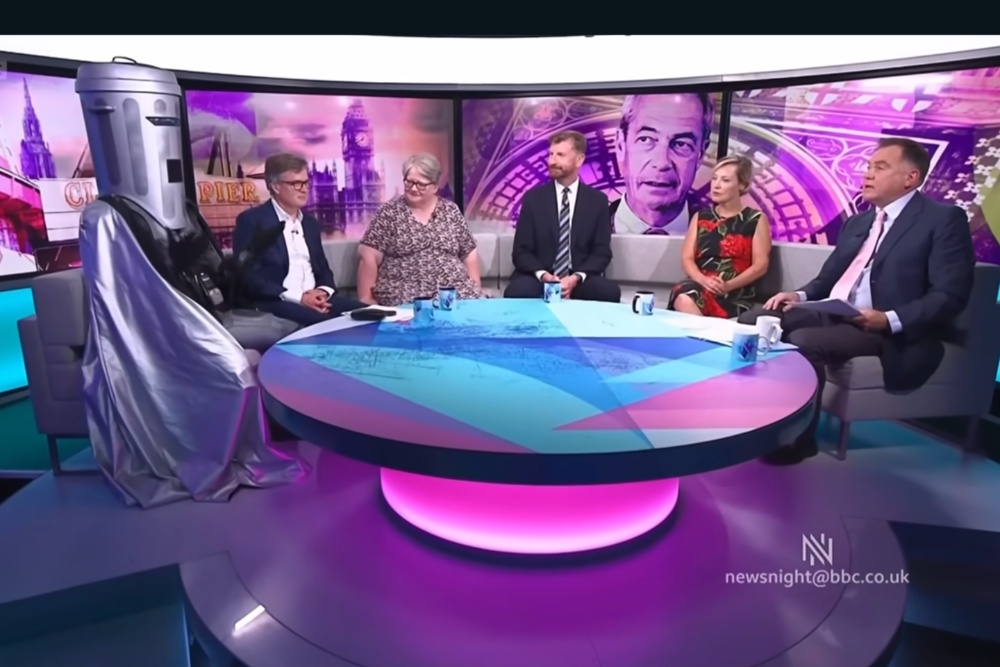
  • Count Binface vs. Nigel Farage: The Clacton By-Election Showdown

    Count Binface vs. Nigel Farage: The Clacton By-Election Showdown

    Count Binface is a masked comedian and political satirist who is challenging Nigel Farage in the Clacton by-election, scheduled for 2026. His campaign, characterized by anti-establishment humor and surreal policy proposals, has garnered significant public attention. This unconventional approach positions him as a unique challenger to Farage’s established political presence.

    The by-election in Clacton is shaping up to be a pivotal moment in UK politics. It not only features high-profile candidates but also reflects broader voter dissatisfaction with traditional political structures. Binface’s rise underscores a trend where comedic and protest candidates can gain unexpected traction, influencing electoral outcomes.

    The Persona of Count Binface: Satire as a Political Tool

    Count Binface is the creation of comedian Jonathan Harvey. The character is instantly recognizable for wearing a dustbin on his head and campaigning on deliberately absurd, yet often pointed, policy platforms. This persona allows for sharp political satire, often highlighting perceived absurdities within mainstream politics.

    His campaigns are not simply comedic stunts. They often contain incisive critiques of government policies and political figures. The humor serves as a vehicle for expressing genuine public frustration and a desire for systemic change. This blend of comedy and commentary distinguishes his political activism.

    Binface’s appeal lies in his ability to articulate discontent in a way that resonates with voters who feel unrepresented by conventional politicians. His direct, often outlandish, proposals cut through typical political rhetoric, offering a refreshing alternative to traditional political discourse.

    A History of High-Profile Challenges

    Count Binface is no stranger to high-stakes electoral contests. He first gained national prominence during the 2017 general election. In that election, he ran against then-Prime Minister Theresa May in the Maidenhead constituency. This initial foray established his brand as a satirical disruptor in national politics.

    During the 2019 general election, Binface stood against then-Prime Minister Boris Johnson in Uxbridge and South Ruislip. Despite not securing a victory, he garnered a notable number of votes. This demonstrated a consistent, albeit niche, appeal among a segment of the electorate, building a foundation for his current challenge in Clacton.

    Each election provided Binface with a larger platform. He honed his public image and refined his satirical approach through these contests. His consistent presence in high-profile races has cemented his status as a recognizable figure in UK political commentary and a symbol of protest.

    Nigel Farage and the Clacton By-Election: A Political Barometer

    Nigel Farage is a significant figure in British politics. He is known for his leadership of the UK Independence Party (UKIP) and subsequently the Brexit Party. Farage has been a vocal proponent of Euroscepticism and national sovereignty for decades, shaping much of the UK’s political conversation on these topics.

    Farage’s decision to contest the Clacton by-election marks a significant moment in his enduring political career. Clacton, a constituency located in Essex, has a history of supporting Eurosceptic candidates. It is widely considered a stronghold for right-wing populist sentiment, making it a strategic choice for his campaign.

    The by-election arises from a recent vacancy, drawing national attention due to Farage’s involvement and his past influence in the area. His campaign focuses on core issues such as immigration, national identity, and perceived failures of the current government, echoing themes that have defined his political career.

    Why Clacton Matters in the Political Landscape

    Clacton holds considerable symbolic importance within UK politics. It was the first constituency to elect a UKIP Member of Parliament in 2014. That by-election victory signaled a significant shift in the national political landscape and the rise of populist movements. This history makes it a natural battleground for Farage and his political ideology.

    The outcome in Clacton will be widely interpreted as a barometer of public opinion. It will indicate sentiment regarding Farage’s brand of politics and the broader direction of the country. A strong showing for Farage could reassert his influence, while a robust challenge from Binface could significantly complicate this narrative, drawing attention away from a clear Farage victory.

    For Count Binface, Clacton offers another crucial opportunity to demonstrate the viability of anti-establishment candidacies. It provides a prominent stage to amplify his message to a national audience, directly confronting a figure synonymous with populist movements. This direct confrontation highlights the evolving nature of political discourse.

    The Dynamics of the Challenge: Satire Meets Populism

    The clash between Count Binface and Nigel Farage represents a collision of distinct political styles and ideologies. Farage embodies a serious, albeit often controversial, political movement focused on traditional policy concerns. Binface, conversely, operates within the realm of satire and protest, using humor to make political points.

    Binface’s strategy involves using humor to expose what he perceives as the flaws and hypocrisies of mainstream politics. His policy proposals, such as moving the Houses of Parliament to Doncaster or bringing back Ceefax, are designed to provoke both thought and laughter simultaneously. These proposals, while humorous, often highlight real-world issues through exaggeration.

    This approach can be profoundly disarming to traditional political campaigns. Voters, often weary of conventional political debates and rhetoric, may find Binface’s candid and comedic style refreshing. His ability to connect with voters on an emotional level, through shared frustration and humor, could prove to be a significant and unexpected asset in the by-election.

    The Undercurrent of Anti-Establishment Sentiment

    The rise of candidates like Count Binface is indicative of a deep-seated anti-establishment sentiment among a significant portion of the electorate. Many voters express feeling disconnected from political elites and disillusioned with the offerings of traditional political parties. This sentiment creates fertile ground for unconventional candidacies.

    Binface skillfully capitalizes on this widespread sentiment. He presents himself as an undeniable outsider, unburdened by party loyalty or conventional political ambition. His very appearance, with a bin for a head, serves as a powerful visual symbol of a rejection of the political status quo and its perceived failings.

    This anti-establishment appeal has the potential to draw votes from various segments of the population. This includes those who are politically disengaged, those who feel ignored by mainstream politicians, and those who simply wish to register a protest vote against the existing system. His candidacy becomes a vehicle for expressing broader discontent.

    Could Binface Actually Win? Assessing the Odds

    While the prospect of Count Binface winning a parliamentary seat might seem improbable to many political observers, his past performances suggest he can attract a significant protest vote. In the 2019 general election, for example, he secured 69 votes against Boris Johnson. This was a respectable showing for a satirical candidate in a high-profile constituency, demonstrating a baseline of support.

    The Clacton by-election presents a unique set of circumstances. Its specific local dynamics, combined with the high-profile nature of Farage’s candidacy, could create an environment where a protest vote for Binface gains unusual momentum. The intense media focus on Farage might inadvertently create space for other candidates to capture public imagination and support.

    A victory for Binface would be unprecedented in UK political history and would undoubtedly send shockwaves through the entire political system. Even a strong second or third-place finish would be a significant achievement. Such an outcome would solidify his status as a serious satirical force within British politics, proving the power of unconventional campaigns.

    The Amplifying Role of Media and Social Media

    The media, both traditional and social, plays a critical role in amplifying the campaigns of unconventional candidates like Count Binface. His unique visual identity and humorous policy proposals are inherently newsworthy, attracting coverage that more conventional candidates might struggle to obtain. This media attention provides invaluable exposure.

    Social media platforms are particularly crucial for Binface’s strategy. They allow his satirical messages to spread rapidly, reaching a younger, often more politically disengaged audience. Viral memes, humorous videos, and direct interactions with followers help to build a community around his candidacy, translating online engagement into real-world awareness.

    This widespread media and social media presence ensures that Binface’s challenge to Farage is not easily dismissed. It elevates his candidacy from a fringe protest to a significant talking point, influencing public discourse and potentially swaying voters who are looking for an alternative to traditional political figures.

    Looking Ahead: The Impact of the Clacton By-Election

    The Clacton by-election in 2026 will be more than just a contest for a parliamentary seat. It will serve as a bellwether for several key trends in British politics. The performance of Nigel Farage will indicate the continued strength of populist movements and his personal political influence. His campaign will test the resonance of his core messages with the electorate.

    Equally important will be the performance of Count Binface. His vote share will provide a measure of the electorate’s appetite for protest votes and satirical political challenges. A strong showing for Binface could encourage other unconventional candidates and influence how traditional parties approach future elections, forcing them to address underlying discontent.

    Regardless of the outcome, the Clacton by-election will be a compelling study in modern political campaigning. It will showcase the enduring power of established political figures alongside the disruptive potential of satirical, anti-establishment candidacies. The eyes of the nation will be on Clacton.

    Voters will head to the polls. Candidates will make their final appeals. The results will be tallied.

    Clacton will speak.

  • Trump’s FIFA Call: Balogun Eligibility Sparks Global Debate

    Trump’s FIFA Call: Balogun Eligibility Sparks Global Debate

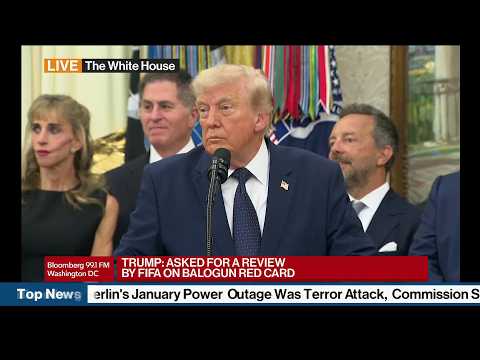
    A direct intervention by President Donald Trump with FIFA, the international governing body for soccer, led to a reversal in the eligibility status of footballer Folarin Balogun. This presidential involvement, which reportedly secured Balogun’s ability to play in an upcoming match, sparked a global controversy. The incident highlights the complex and often contentious intersection of sports, national politics, and international organizational autonomy.

    The decision by FIFA, following President Trump’s reported call, immediately became a focal point for discussion across political and sports communities. This unexpected blend of high-level diplomacy and sports regulation raised questions about fairness, the influence of powerful individuals, and the integrity of independent sporting bodies. The event underscored a growing trend of political leaders engaging directly in matters traditionally confined to sports federations.

    Presidential Intervention Alters FIFA Decision

    Folarin Balogun, a prominent footballer, faced an eligibility dispute with FIFA. The specifics of FIFA’s initial stance remain largely undisclosed. However, the situation escalated dramatically with President Trump’s reported direct engagement. This high-level communication marked a significant departure from standard protocols governing international sports disputes.

    Reports indicate that President Trump contacted FIFA directly to advocate for Balogun. While the precise nature of the discussion has not been fully detailed by either the White House or FIFA, the outcome was clear: FIFA’s position on Balogun’s eligibility was altered. This change allowed Balogun to participate, suggesting the President’s intervention carried substantial weight with the international body.

    The Genesis of Balogun’s Eligibility Dispute

    Folarin Balogun’s case involved intricate rules regarding national team representation. Athletes often hold dual citizenships and must choose which nation to represent in international competition. Such decisions are governed by strict FIFA regulations, designed to prevent players from switching allegiances indiscriminately after participating in official competitions for one country.

    Balogun’s specific circumstances, though not fully public, likely involved a request for a change of association or an interpretation of his previous competitive history. FIFA’s initial review of these details presumably led to a provisional ruling or an ongoing assessment that cast doubt on his immediate eligibility. This bureaucratic process typically unfolds without external political input.

    Trump’s Rationale for Intervention

    President Trump’s decision to intervene was likely multifaceted. Supporting an American athlete on the global stage aligns with a broader nationalistic platform. Such an action can be framed as defending American interests and promoting national talent internationally.

    The visibility of such an intervention also offers a political benefit. It demonstrates a President willing to act decisively and directly on behalf of citizens, even in non-traditional diplomatic arenas. This move resonates with a segment of the electorate that values strong, direct leadership and a proactive approach to international affairs, regardless of the specific issue at hand.

    Widespread Political and Public Reactions

    News of President Trump’s intervention quickly permeated media cycles and public discourse. The reactions were immediate and sharply divided, reflecting existing political fault lines within the nation and internationally. The incident became another touchstone in the ongoing debate about the role of politics in every facet of public life.

    Supporters of President Trump largely applauded his actions. They viewed the intervention as a powerful display of leadership and a commitment to national pride. For these individuals, the President’s direct call was a decisive move to ensure an American athlete could compete, a testament to his ability to influence global bodies.

    Criticism Over Undue Influence

    Conversely, critics voiced significant concerns over what they perceived as undue political pressure on an independent sports organization. Questions arose about the integrity of FIFA’s decision-making process when faced with direct communication from a world leader. Many argued that such interventions undermine the autonomy and fairness of international sports governance.

    Concerns were also raised about the precedent this action might set. If heads of state can directly influence eligibility rulings, it could open the door for other powerful nations to exert similar pressure, potentially politicizing every aspect of international sports. This could erode public trust in the impartiality of sporting competitions.

    FIFA’s Official Response and Implications

    FIFA’s official statements regarding the incident have been notably restrained. The organization confirmed its ruling on Balogun’s eligibility but offered minimal comment on the specific nature or impact of the presidential intervention. This reticence has fueled further speculation and public debate, with many interpreting FIFA’s silence as an acknowledgment of the political pressure.

    The long-term implications for FIFA and other international sports federations could be substantial. The incident may force these organizations to re-evaluate their protocols for handling communications from national governments. It could also lead to increased scrutiny over their decision-making processes, especially when high-profile political figures become involved.

    The Blurring Lines of Sports and Politics

    President Trump’s involvement in a FIFA eligibility decision exemplifies a growing trend: the increasing entanglement of political figures with international sports. This trend blurs the traditional boundaries between athletic competition and geopolitical interests. Sports, once often perceived as an apolitical arena, are increasingly becoming a stage for national pride, political maneuvering, and even direct diplomatic intervention.

    This phenomenon is not isolated. Throughout the 20th and 21st centuries, major sporting events have frequently served as backdrops for political statements, boycotts, and diplomatic efforts. The Balogun-FIFA situation represents a more direct and granular form of political influence, impacting a specific regulatory decision rather than just the broader context of an event.

    Historical Precedents of Political Engagement in Sports

    History offers numerous examples of political leaders utilizing sports for national objectives. The 1936 Berlin Olympics, for instance, were infamously exploited by Nazi Germany for propaganda purposes, showcasing a regime’s attempt to legitimize itself through athletic spectacle.

    During the Cold War, sports became a proxy battleground. The United States led a boycott of the 1980 Moscow Olympics, and the Soviet Union retaliated with a boycott of the 1984 Los Angeles Olympics. Both actions were direct responses to geopolitical tensions, demonstrating how national policy could directly impact international sporting events.

    More recently, host nations for major sporting events, such as the FIFA World Cup or the Olympic Games, frequently face intense scrutiny over their human rights records or political policies. These instances, while varying in scale and directness, consistently demonstrate the persistent connection between the world of sports and the realm of politics. President Trump’s call to FIFA adds a contemporary dimension to this enduring dynamic, emphasizing direct executive influence on specific sporting regulations.

    The Interplay of Celebrity, Patriotism, and Influence

    The controversy surrounding Balogun also taps into the powerful currents of celebrity and patriotism. Professional athletes, particularly those who compete on international stages, often transcend their sport to become potent symbols of national identity. Their successes, challenges, and choices can evoke profound emotional responses from the public, fostering a sense of collective pride or disappointment.

    President Trump’s intervention can be understood through this lens. By advocating for an American athlete, he strategically aligned himself with a widespread sense of national pride and a desire to see American talent succeed globally. This move resonates with a segment of the population that perceives such actions as a robust defense of national interests and a celebration of American achievement on the world stage. The celebrity status of both the President and the athlete amplifies the public’s engagement with the issue, transforming a regulatory matter into a widely discussed cultural and political event.

    Dissecting Public Opinion and Future Outlook

    The public’s reaction to the FIFA decision and President Trump’s involvement has been highly polarized. This polarization reflects deeper divisions within the political landscape, where individuals often interpret events through the prism of their pre-existing beliefs about leadership, national identity, and international relations.

    Those who support President Trump often view his actions as decisive, effective, and patriotic. They might interpret the FIFA reversal as a victory for American influence and a testament to his unique negotiating prowess. For these individuals, the outcome demonstrates the tangible power of direct action from the nation’s highest office, showcasing a President who prioritizes national interests and delivers results.

    Concerns Over Due Process and Sporting Integrity

    On the other side, critics have voiced significant outrage and concern over due process. They argue that direct political intervention undermines the established rules and independent governance of international sports. These critics contend that such actions could lead to a system where eligibility is determined by political clout rather than sporting merit and regulation.

    The debate extends to the integrity of sporting competitions themselves. If political leaders can influence outcomes, it raises questions about the fairness of the playing field and whether all athletes are subject to the same impartial rules. This perspective emphasizes the importance of maintaining a clear separation between sports and state to preserve the perceived neutrality and integrity of international athletic bodies.

    The Enduring Legacy of the Intervention

    The Balogun-FIFA incident is likely to have an enduring legacy. It will serve as a case study in the increasing politicization of global sports and the expanding reach of national leaders into international domains. Future discussions about athlete eligibility, sporting regulations, and the independence of federations will undoubtedly reference this event.

    The controversy also highlights the power of individual influence, particularly when wielded by a figure of President Trump’s stature. His ability to reportedly shift the decision of a major international organization underscores the significant impact that high-profile personalities can have on global institutions, further blurring the lines between celebrity, politics, and sports governance.

    A footballer’s eligibility. A President’s phone call. A global sports body’s sudden change. A nation watched. A world debated. The lines blurred.

    Influence.

  • Patrick Dempsey Considered Maine Senate Run, Opted Against It

    Patrick Dempsey Considered Maine Senate Run, Opted Against It

    Actor Patrick Dempsey seriously considered launching a campaign for a U.S. Senate seat in Maine, engaging in what he described as “real thought” about the prospect, but ultimately chose not to enter the race.

    This deliberation by Dempsey highlights the increasing trend of public figures, particularly those from entertainment, exploring political careers. The decision-making process involves a complex evaluation of personal sacrifice, public scrutiny, and the potential impact of such a shift.

    The Allure of Public Office for Celebrities

    The transition from celebrity to politician is not unprecedented in American history. Ronald Reagan, a former actor, served as President of the United States. Arnold Schwarzenegger, another prominent actor, served as Governor of California. These examples often inspire others in the public eye to consider similar paths.

    For celebrities like Dempsey, their established public profile provides immediate name recognition. This can be a significant advantage in fundraising and garnering media attention, crucial elements for any political campaign.

    However, the scrutiny faced by public figures intensifies exponentially when they enter politics. Every aspect of their past, personal life, and professional decisions comes under intense examination. This level of public exposure can be daunting.

    Dempsey’s Roots in Maine

    Patrick Dempsey maintains strong ties to the state of Maine. He was born in Lewiston, Maine, on January 13, 1966. His connection to the state is not merely titular; he has actively engaged in philanthropic efforts there.

    One notable initiative is the Dempsey Center, located in Lewiston and South Portland, Maine. This center provides support, education, and wellness services to cancer patients and their families. It was founded in honor of his mother, Amanda Dempsey, who battled ovarian cancer.

    The Dempsey Challenge, an annual run, walk, and cycle event, raises funds for the Dempsey Center. This public engagement demonstrates a long-standing commitment to his home state and its residents.

    The Political Landscape of Maine

    Maine’s political environment is often characterized by its independent streak. The state has a history of electing both Democratic and Republican candidates to federal office. Its electorate is known for being engaged and often splitting tickets.

    The U.S. Senate seats for Maine are currently held by Senator Susan Collins, a Republican, and Senator Angus King, an Independent who caucuses with the Democrats. Any challenger would face an established political infrastructure and a demanding campaign.

    A Senate campaign in Maine requires extensive travel across the state’s diverse regions. Candidates must connect with voters from urban centers like Portland and Bangor to rural communities in Aroostook County. This grassroots effort demands significant time and resources.

    The Demands of a Political Campaign

    Running for U.S. Senate is an arduous undertaking. It involves constant fundraising, often requiring candidates to spend hours soliciting donations. Public appearances, debates, and policy discussions dominate the calendar.

    Candidates must develop clear stances on a wide range of complex policy issues, from healthcare and economic development to environmental protection and national security. These positions are subject to intense public and media scrutiny.

    The personal toll can be substantial. Campaigns disrupt family life and demand immense personal sacrifice. The transition from a career in entertainment, which often involves structured schedules, to the unpredictable nature of a political campaign is significant.

    The Decision-Making Process

    Dempsey’s statement indicates a thorough and serious evaluation of these factors. “Real thought” implies more than a passing consideration; it suggests a deep dive into the practicalities and implications of a Senate bid.

    Such decisions often involve consultations with political advisors, family members, and close friends. The potential impact on existing careers and philanthropic endeavors also plays a critical role.

    For Dempsey, his acting career continues to thrive. He has recently appeared in significant projects, maintaining a prominent presence in the entertainment industry. Balancing such a career with the demands of a political run would be challenging.

    Celebrity Accountability in Politics

    When celebrities consider political office, they often face questions about their qualifications beyond their fame. Voters typically want to understand their policy expertise, leadership experience, and commitment to public service.

    The concept of “celebrity accountability” suggests that public figures, particularly those considering political roles, are held to a higher standard of transparency and scrutiny. Their past statements, actions, and associations become fair game for public debate.

    Dempsey’s decision not to run, after careful consideration, can be seen as a responsible assessment of these realities. It acknowledges the complexity of political office and the significant commitment it requires.

    Broader Implications for Public Figures

    Dempsey’s exploration of a Senate run is part of a larger conversation about the role of celebrities in public life. Their platforms offer unique opportunities to advocate for causes and influence public discourse.

    Whether through philanthropy, activism, or direct political engagement, public figures increasingly leverage their visibility for societal impact. This trend blurs the lines between entertainment and civic responsibility.

    The ultimate decision to run or not run for office is deeply personal. It reflects an individual’s assessment of their capacity, their priorities, and their willingness to embrace the unique challenges of political service.

    Actors considered. Public servants considered. Constituents considered. Maine.

  • President Trump Compliments Nicki Minaj’s Appearance – A Viral Moment

    President Trump Compliments Nicki Minaj’s Appearance – A Viral Moment

    President Trump’s Viral Compliment to Nicki Minaj

    President Donald Trump publicly complimented the appearance of rapper Nicki Minaj during a speech, an interaction that quickly garnered widespread attention and online criticism. This moment underscored the frequent intersection of celebrity culture and political discourse in the contemporary media landscape. The President’s comment became a viral topic across social media platforms, sparking diverse reactions from the public and commentators alike.

    The compliment was delivered during a public address, capturing an unexpected moment between a former President and a prominent music artist. News of the interaction spread rapidly, amplified by various online channels and news organizations. The Hollywood Reporter was among the outlets that documented the event and the subsequent public response.

    The Context of the Remark

    The specific circumstances surrounding President Trump’s compliment to Nicki Minaj involved a public speaking engagement. During this address, President Trump made an unprompted remark regarding Minaj’s looks. The comment was brief but impactful, immediately drawing focus to the rapper.

    Such interactions between political leaders and celebrities often attract heightened scrutiny. Public figures like President Trump and Nicki Minaj command significant media presence. Their exchanges, even seemingly innocuous ones, frequently become subjects of intense public debate and analysis. This particular instance was no exception.

    Online Reaction and Criticism

    Immediately following President Trump’s compliment, social media platforms experienced a surge in discussions. Users on platforms such as X (formerly Twitter), Instagram, and Facebook shared their opinions, ranging from amusement to strong disapproval. The comment was dissected and debated across various online communities.

    A significant portion of the online reaction involved criticism. Many commentators expressed concern over the nature of the compliment, particularly its focus on physical appearance. Critics argued that such remarks, especially from a head of state, could be seen as objectifying or inappropriate. The criticism reflected broader societal discussions about gender, respect, and public conduct.

    Conversely, some individuals defended the President’s comment as a simple, harmless compliment. They argued that it was an off-the-cuff remark not intended to cause offense. These differing viewpoints contributed to the robust and often polarized online conversation that ensued.

    Nicki Minaj’s Public Profile

    Nicki Minaj, born Onika Tanya Maraj-Petty, is a highly influential figure in the music industry. Her career spans multiple decades, marked by numerous chart-topping hits, Grammy nominations, and a significant global fanbase. Her public persona is known for its outspokenness, unique fashion, and artistic versatility.

    Minaj has often been at the center of public discourse, both for her music and her personal life. Her celebrity status ensures that any interaction she has with other prominent individuals, especially political figures, receives considerable media attention. Her past engagements, including social media activities and public statements, have frequently become news items.

    The Intersection of Politics and Celebrity

    The incident involving President Trump and Nicki Minaj is a notable example of the increasing convergence between politics and celebrity culture. In the 21st century, the lines between entertainment and governance have often blurred. Celebrities frequently engage in political activism, endorse candidates, or comment on policy, while politicians increasingly leverage celebrity platforms for outreach.

    This trend has been amplified by the rise of social media, which allows for direct and immediate communication between public figures and their audiences. Casual remarks, once confined to private conversations, now instantly become public spectacles. The incident with Minaj and President Trump illustrates this dynamic perfectly, demonstrating how a brief comment can trigger a national conversation.

    Broader Implications of the Exchange

    The public’s reaction to President Trump’s compliment highlighted several ongoing societal debates. Discussions around the comment touched on the role of women in the public eye, the appropriateness of comments on physical appearance, and the expectations placed upon political leaders.

    The event also served as a reminder of the power of viral content in the digital age. A single statement, made in a public forum, can quickly propagate across platforms, shaping public opinion and generating media narratives. The rapid dissemination of the story by The Hollywood Reporter and other outlets demonstrated the immediate impact of such interactions.

    This specific incident adds to a long history of interactions between President Trump and various celebrities, a pattern that has often drawn significant media attention throughout his public life and political career. These interactions frequently become talking points, reflecting the President’s unique approach to public engagement.

    Media Coverage and Public Perception

    Media outlets, including The Hollywood Reporter, provided extensive coverage of the event. Their reports often detailed the compliment itself, the immediate reactions, and the subsequent online backlash. This coverage played a crucial role in shaping public perception of the incident.

    News articles frequently included excerpts of the President’s speech and examples of social media posts, offering a comprehensive view of the public discourse. The varied interpretations of the compliment, from harmless to inappropriate, were often presented, showcasing the spectrum of public opinion.

    The incident ultimately became a case study in how public figures’ words can be amplified and scrutinized in the modern media environment. It underscored the constant vigilance required of those in the public eye, as even seemingly minor comments can ignite major controversies.

    The Enduring Nature of Viral Moments

    Viral moments like the one involving President Trump and Nicki Minaj tend to have a lasting impact on public memory. They contribute to the broader narrative surrounding the individuals involved and often become reference points in future discussions about celebrity, politics, and social commentary.

    Such events serve as barometers for societal values and the evolving norms of public discourse. They reveal how different segments of the population react to specific types of communication. The compliment, the criticism, the defense, all contributed to a complex tapestry of public response.

    President Trump. Nicki Minaj. The compliment. The backlash. The viral moment. A snapshot.

  • Nigel Farage Resigns as MP, Vows to Contest By-Election Amid Investigation

    Nigel Farage Resigns as MP, Vows to Contest By-Election Amid Investigation

    Nigel Farage, a prominent figure in British politics, announced his resignation from his parliamentary seat on 2026-07-07. He immediately declared his intention to contest the upcoming by-election for the same constituency, signaling a direct challenge to his critics and a continued commitment to his political career.

    This resignation follows a period of intense public and political scrutiny. Investigations into Farage’s conduct have been ongoing, contributing to the pressure leading to his decision.

    The Immediate Aftermath of Resignation

    Farage’s resignation triggers a by-election in his former constituency. The specific date for this electoral contest has not yet been set but is expected to occur within a few months of the declaration of the vacancy.

    His announcement to re-contest the seat transforms the by-election into a direct referendum on his recent actions and his political platform. Political analysts suggest this strategy aims to reaffirm his mandate from the electorate.

    The move has immediately generated significant media attention across the United Kingdom and internationally. News outlets have highlighted the unusual nature of an MP resigning only to seek re-election for the same position.

    Underlying Investigations and Scrutiny

    Details of the specific investigations facing Farage remain a central point of public discussion. These inquiries reportedly concern aspects of his financial dealings and his interactions with certain foreign entities.

    The nature of these investigations has not been fully disclosed to the public. However, reports from various media organizations indicate that they involve questions of transparency and adherence to parliamentary standards.

    Farage himself has largely dismissed the allegations, characterizing them as politically motivated attacks. He has maintained his innocence throughout the process.

    Parliamentary Standards and Conduct

    The UK Parliament has established clear guidelines for the conduct of its members. These rules cover financial interests, lobbying activities, and general ethical behavior.

    Committees such as the Parliamentary Commissioner for Standards are responsible for investigating alleged breaches of these rules. Their findings can lead to various sanctions, including suspension from the House of Commons.

    Public trust in political figures is often tied to adherence to these standards. Any deviation can lead to public outcry and demands for accountability.

    A History of Political Maneuvering

    Nigel Farage has a long history of impactful political actions. He rose to prominence as a leading voice for the United Kingdom’s departure from the European Union.

    He co-founded the UK Independence Party (UKIP) and later the Brexit Party. Both organizations were instrumental in shaping the political landscape of the 2010s.

    His political career has been marked by a series of resignations and re-entries into frontline politics. This pattern suggests a willingness to disrupt conventional political norms.

    Previous Resignations and Campaigns

    Farage previously resigned as leader of UKIP in 2016 following the Brexit referendum result. He cited a desire to regain his life after years of campaigning.

    However, he returned to lead the Brexit Party in 2019, playing a significant role in the European Parliament elections that year. His continued presence in the political arena has been a consistent feature of British public life.

    Each such move has been met with both strong support from his base and fierce opposition from his detractors. His current decision fits within this established pattern of strategic political gambits.

    The By-Election Battle Ahead

    The upcoming by-election is expected to be a highly competitive event. Farage’s decision to stand again ensures that the contest will attract national, if not international, attention.

    Other major political parties, including the Conservative Party, the Labour Party, and the Liberal Democrats, are expected to field their own candidates. They will aim to capitalize on any perceived vulnerability in Farage’s position.

    The campaign will likely focus on local issues, but also on the broader themes of national politics, accountability, and the ongoing investigations surrounding Farage.

    Potential Outcomes and Implications

    A victory for Farage would be interpreted as a strong endorsement from his constituents, potentially bolstering his position against the ongoing investigations. It would also reaffirm his continued relevance in British politics.

    A defeat, conversely, could significantly diminish his political capital and raise questions about his future influence. It would be seen as a rejection of his recent actions and his broader political agenda.

    The outcome will provide a snapshot of public sentiment in a specific constituency. This can offer insights into the national political mood and the effectiveness of various party strategies.

    Public and Media Reaction

    The announcement has elicited a wide range of reactions. Supporters of Farage have lauded his decision as a brave and principled stand against political persecution.

    Critics have argued that the resignation and re-election bid are an attempt to distract from the serious nature of the investigations. They suggest it is a maneuver to avoid accountability.

    Social media platforms have been particularly active, with trending hashtags and widespread debate. Traditional news media have provided extensive coverage, analyzing the political implications.

    Impact on Other Political Figures

    The by-election will also test the strength of other political parties in the region. Their ability to challenge Farage successfully will be closely watched.

    The results could influence future electoral strategies for all major parties. It might indicate shifts in voter allegiance or the impact of current national issues on local elections.

    For Prime Minister Rishi Sunak and the Conservative government, the by-election presents another challenge. They will need to demonstrate their own strength in a contested electoral environment.

    The Road Ahead for Farage

    Farage’s immediate future involves an intense by-election campaign. He will need to rally his base and persuade undecided voters to support his re-election.

    Concurrently, the investigations into his conduct are expected to continue. The findings of these inquiries could emerge during or after the by-election period.

    His political trajectory remains a subject of considerable speculation. Whether he can maintain his influence and navigate these challenges will be a key story in British politics.

    Allegations surfaced. Investigations began. Farage resigned. A by-election looms. The public watches.

    Westminster.

  • Trump Baby Accounts: Newborns and Political Identity in 2026

    Trump Baby Accounts: Newborns and Political Identity in 2026

    In 2026, a novel trend has gained traction among certain parents: the establishment of ‘Trump Baby Accounts’ for their newborn children. This practice involves creating financial or social media profiles for infants, explicitly aligning them with the political identity and brand of President Donald Trump. This development marks a unique intersection of personal finance, political expression, and generational identity, prompting widespread discussion across various societal sectors.

    The concept extends beyond mere political affiliation. It encompasses a deliberate effort to imbue a child’s early existence with a specific ideological framework, often before the child can form independent thoughts or preferences. This preemptive political branding has raised questions about individual autonomy and the role of parents in shaping their children’s future worldviews.

    The Genesis of ‘Trump Baby Accounts’

    The origins of ‘Trump Baby Accounts’ can be traced to a confluence of factors in the mid-2020s. The enduring cultural and political influence of President Trump, coupled with advancements in digital platforms and financial tools, created fertile ground for such a phenomenon. Supporters often view these accounts as a way to honor their political convictions and to provide a unique legacy for their children.

    Early iterations of these accounts appeared informally on social media platforms around 2025. Parents would post pictures of their newborns in Trump-themed attire, often with captions expressing hope for a future aligned with Trump’s political vision. This quickly evolved into more structured approaches.

    Financial Instruments and Branding

    By 2026, the concept had formalized. Some parents began opening dedicated savings accounts or investment portfolios explicitly named or branded with Trump imagery or slogans. These financial instruments are intended to grow over time, potentially funding the child’s education or future endeavors with a distinct political flavor.

    Beyond traditional banking, various financial technology companies have reportedly explored offering specialized products catering to this niche. These products might include investment funds focused on industries perceived to benefit from specific political policies, or even cryptocurrency wallets designed with themed branding.

    The branding extends to physical merchandise as well. Custom-designed baby clothes, nursery decor, and even personalized keepsakes bearing Trump’s likeness or political messages have become popular. These items serve as tangible expressions of the parents’ political allegiance and their hopes for their children’s future.

    Social Media and Digital Footprints

    A significant component of the ‘Trump Baby Account’ trend involves establishing digital footprints for newborns. Parents create social media profiles on platforms like Instagram, X (formerly Twitter), and TikTok, often using handles that incorporate ‘Trump Baby’ or similar phrases.

    These profiles typically feature photos and videos of the infant, often dressed in themed clothing or posed with political memorabilia. The content is curated to reflect the parents’ political leanings and to build an early online presence aligned with the Trump brand.

    The creation of a digital identity from birth, particularly one tied to a prominent political figure, has generated considerable debate. Critics question the ethics of assigning a political identity to an infant who cannot consent or comprehend such an affiliation. Proponents argue it is a form of parental expression and a way to introduce their children to their values.

    Generational Politics and Parental Influence

    The ‘Trump Baby Account’ phenomenon highlights the intense nature of contemporary political identity and its influence on family life. For many parents, their political convictions are deeply intertwined with their personal values and aspirations for their children.

    This trend can be seen as an extension of parents instilling religious or cultural traditions in their children from a young age. However, the explicit political nature of these accounts, particularly in a highly polarized environment, distinguishes it from more traditional forms of socialization.

    Experts in child development have weighed in on the implications. Some express concern that such early and overt political branding could limit a child’s ability to form an independent political identity later in life. Others suggest that children, regardless of early exposure, will ultimately develop their own perspectives based on their experiences and education.

    Economic Underpinnings and Market Response

    The emergence of ‘Trump Baby Accounts’ has not gone unnoticed by the market. Businesses, both large and small, have responded to the demand for themed products and services. This includes not only direct merchandise but also financial advisory services tailored to families seeking to integrate political values into their long-term financial planning.

    The economic impact extends to the creation of specialized e-commerce platforms and niche marketing campaigns. These efforts target parents who are eager to express their political identity through their children’s possessions and financial arrangements.

    This market response underscores the significant purchasing power and dedicated consumer base associated with strong political affiliations. It represents a commodification of political identity, where brand loyalty translates into consumer behavior and financial decisions.

    The Broader Cultural Conversation

    The discussion surrounding ‘Trump Baby Accounts’ transcends financial or social media specifics. It is part of a larger cultural conversation about identity, influence, and the future of political engagement. The phenomenon forces a re-evaluation of how political figures shape not just policy, but also personal and familial narratives.

    Commentators have drawn parallels to historical instances where political ideologies deeply permeated family life, though often under different circumstances. The current trend, however, is distinct in its voluntary, consumer-driven nature within a democratic society.

    The debate often centers on the balance between parental rights and a child’s eventual right to self-determination. It also touches upon the increasing politicization of everyday life, where even seemingly innocuous decisions can carry political weight.

    Looking Ahead: Implications for Future Generations

    The long-term implications of ‘Trump Baby Accounts’ remain to be seen. As the first generation of children with these accounts matures, their experiences will provide valuable insights into the effects of early political branding.

    Questions arise about how these individuals will navigate their inherited political identities, especially if their personal views diverge from those established for them in infancy. The societal reaction to these emerging adults will also be a key factor in understanding the legacy of this trend.

    The phenomenon suggests a future where political identity might be more deeply embedded in personal and financial planning from the earliest stages of life. It points towards a continued evolution in how individuals and families express their political allegiances in an increasingly interconnected and ideologically charged world.

    Parents established accounts. Businesses adapted products. Society debated implications. The future of political identity began in the cradle.

    Newborns.

  • Balogun Brouhaha – How Trump’s World Cup Call Sparked European Division

    Balogun Brouhaha – How Trump’s World Cup Call Sparked European Division

    The ‘Balogun brouhaha’ refers to the significant political and cultural division that emerged across Europe following a phone call from President Donald Trump to U.S. World Cup player Folarin Balogun. What began as a gesture of national pride quickly transformed into a flashpoint, underscoring the intricate relationship between sports, politics, and international perception. This incident, extensively covered by The Hollywood Reporter in mid-2026, illustrated how easily a celebrated sports achievement can become entangled in broader geopolitical narratives.

    The European response was not merely about the call itself but about the figure making it. It reflected deeper currents of sentiment towards President Trump and American foreign policy during his second non-consecutive term. This divergence in interpretation highlighted existing transatlantic tensions and the differing lenses through which global events are viewed.

    The Presidential Call to Folarin Balogun

    The U.S. Men’s National Team’s performance at the World Cup had captured significant attention in 2026, fostering a sense of national pride. Folarin Balogun, a key forward, had emerged as a standout player, drawing praise for his on-field contributions. Following a notable match performance, President Trump reportedly placed a congratulatory call to Balogun. This practice is not uncommon for heads of state acknowledging national athletes’ achievements.

    In the United States, the call was largely perceived as a presidential endorsement. It fit within the traditional narrative of a leader supporting their country’s representatives on the global stage. Initial reports in American media focused on the positive aspect, emphasizing the recognition of Balogun’s efforts and the team’s success. The White House issued a statement confirming the call, framing it as a moment of national unity.

    European Reactions: A Shift in Narrative

    The narrative shifted dramatically as news of President Trump’s call reached European media outlets and public discourse. The Hollywood Reporter detailed how the reaction across the Atlantic was markedly different from that in the U.S. Instead of celebrating the athletic achievement, many European commentators, politicians, and citizens focused intensely on President Trump’s involvement.

    President Trump’s tenure, both his first and current second term, has been marked by complex international relations. His policies and rhetoric have often been subjects of intense debate and criticism in Europe. Consequently, his direct engagement with a sporting event became interpreted through this established political lens, rather than as a simple congratulatory gesture.

    Media Framing Across Continents

    The disparity in media framing was stark. American news organizations generally presented the call as a display of patriotic leadership. European outlets, however, frequently used the incident to comment on President Trump’s political style. They linked it to broader implications for transatlantic relations and the perceived politicization of global events.

    Social media platforms amplified these divergent viewpoints. Hashtags and online discussions quickly polarized around the incident. Supporters of President Trump defended his actions as patriotic and appropriate for a head of state. Critics in Europe and elsewhere used the moment to reiterate their concerns about his influence and the perceived intrusion of politics into sports.

    Politicization of Sports: A Recurring Theme

    The ‘Balogun brouhaha’ became a prominent case study in the politicization of sports. While often presented as apolitical platforms for fair competition, sporting events frequently become arenas where national identities, political tensions, and cultural differences play out. President Trump’s call served as a catalyst for these underlying sentiments to surface, particularly in Europe.

    European reactions ranged from mild disapproval to outright criticism. Some media outlets questioned the appropriateness of a political leader inserting themselves into a sports narrative, especially given the existing geopolitical climate. Others viewed it as a characteristic move by President Trump, reinforcing existing perceptions of his approach to international engagement.

    Historical Context of Political Intervention

    The intervention of political figures in sports is not unprecedented. Throughout history, leaders have used athletic achievements to project national strength or political ideology. However, the context of President Trump’s call, particularly the existing tensions with European allies, gave this specific incident a unique resonance. It highlighted how historical and current political relationships shape public perception.

    The incident also brought to light the evolving role of sports figures as cultural ambassadors. When a player like Folarin Balogun receives a call from a head of state, it elevates their public profile beyond the athletic arena, making them inadvertently part of a broader political discourse. This dynamic adds another layer of complexity to international sporting events.

    Impact on Transatlantic Relations

    While a single phone call may seem minor in the grand scheme of international diplomacy, the ‘Balogun brouhaha’ illustrated how such incidents can reflect and exacerbate existing tensions. The European response indicated a broader discomfort with certain aspects of American leadership and policy under President Trump.

    The incident did not fundamentally alter diplomatic relations between the United States and European nations. However, it served as a public reminder of the cultural and political chasm that sometimes exists. It showcased how even seemingly innocuous gestures from a global leader can be interpreted through a highly politicized lens, particularly in an era of heightened global interconnectedness and instant communication.

    Cultural Defense and Identity in Europe

    The analysis by The Hollywood Reporter suggested that the incident touched upon a deep-seated sense of ‘cultural defense’ within Europe. For many Europeans, the reaction to President Trump’s call was not just political; it was also cultural. It represented a perceived intrusion or a clash of values, turning a moment of shared human interest, sports, into a battleground for differing worldviews and national identities.

    This ‘cultural defense’ mechanism manifests when individuals or groups perceive their values, norms, or way of life to be challenged or undermined by an external force. In this instance, the external force was the intervention of a political figure whose actions and rhetoric had previously drawn considerable European scrutiny. The incident became a proxy for larger debates about sovereignty, global influence, and cultural integrity.

    Lessons from the Balogun Brouhaha of 2026

    The ‘Balogun brouhaha’ of 2026 offers several insights into contemporary global dynamics and the intersection of sports and politics. It demonstrates that:

    • Sports, despite their unifying potential, are not immune to political influence and diverse interpretations across cultures.
    • The actions of global leaders, especially those with contentious international profiles, resonate differently across various political landscapes.
    • Existing geopolitical tensions can easily be projected onto seemingly unrelated events, amplifying their significance.
    • Media framing plays a crucial role in shaping public perception and international narratives, often creating divergent realities.
    • Moments of national pride can quickly become moments of international division when prominent political figures are involved, particularly in a highly interconnected world.

    The incident served as a potent reminder that in an interconnected world, even a celebratory phone call can become a complex diplomatic event. It highlighted the ongoing challenges of navigating international relations in an era where information spreads rapidly and perceptions are deeply entrenched, shaping public discourse and international sentiment.

    The event also underscored the responsibility of political leaders in understanding the global implications of their actions. What might be perceived as a benign gesture domestically can carry significant weight and generate unintended consequences on the international stage. This requires a nuanced understanding of cultural sensitivities and existing political climates.

    The Ongoing Interplay of Sports and Politics

    The ‘Balogun brouhaha’ is another chapter in the long history of sports intersecting with politics. From the Olympic boycotts of the Cold War era to protests at modern international competitions, athletes and sporting events frequently become platforms for broader societal and political statements. This incident confirmed that even in 2026, sports remain a powerful, albeit sometimes contentious, arena for expressing national identity and international relations.

    The global audience for events like the World Cup means that any political involvement is magnified. The reactions to President Trump’s call to Folarin Balogun demonstrated that the unifying power of sports can be fragile. It can easily be overshadowed by political narratives, especially when prominent figures are involved. The ongoing challenge lies in balancing national pride with international understanding.

    Journalists reported. Pundits debated. Citizens reacted. Division.

  • Trump Rings NYSE Opening Bell from White House – Economic Symbolism

    Trump Rings NYSE Opening Bell from White House – Economic Symbolism

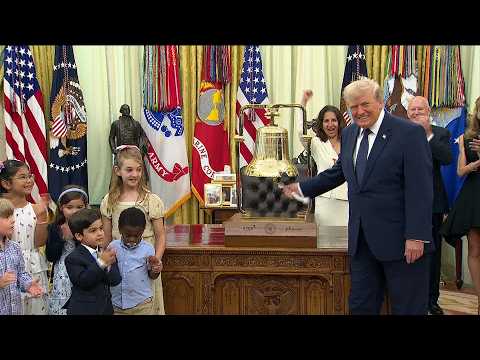
    On February 24, 2025, President Donald Trump rang the New York Stock Exchange (NYSE) opening bell directly from the White House. This symbolic gesture marked the first time a sitting U.S. President performed this traditional market ritual from the executive residence. The event aimed to connect national leadership directly with the nation’s economic pulse, reinforcing a patriotic and pro-business sentiment among the American populace.

    The televised ceremony served as a visual demonstration of the Trump administration’s commitment to economic growth and stability. By bringing a Wall Street tradition to the seat of government, President Trump sought to bridge the perceived gap between policy-making and market performance. This direct engagement was designed to project confidence in the economic outlook and highlight the administration’s pro-growth agenda.

    The Symbolism of the Opening Bell Tradition

    The ringing of the opening bell is a long-standing tradition on stock exchanges worldwide. It signifies the start of the trading day, a moment of renewed activity and opportunity for investors. Historically, this ritual has been performed by exchange officials, prominent business leaders, or special guests invited to the trading floor.

    When President Trump performed this act from the White House, it elevated the symbolism significantly. It transformed a financial market custom into a national statement of economic intent. The location itself added considerable weight to the message, placing economic activity at the very center of national governance and presidential focus.

    This particular bell-ringing event differed fundamentally from those held on a bustling trading floor. It was a carefully curated media moment, designed for maximum public impact and broadcast reach. The President’s direct participation aimed to personalize the connection between government actions and the daily lives of investors, businesses, and American workers.

    Origin and Evolution of the Bell Ceremony

    The practice of ringing a bell to signify the start and end of trading dates back to the 19th century. Early exchanges used a gong or gavel. The modern brass bell became standard at the NYSE in the late 1800s. It provides a definitive audible signal for the open and close of market operations.

    Over time, the bell-ringing evolved from a purely functional signal to a ceremonial event. Inviting guests to ring the bell became a way to honor individuals, celebrate corporate milestones, or bring attention to charitable causes. It served as a public relations opportunity for both the exchanges and their guests.

    The NYSE bell, located above the main trading floor, is a powerful visual icon of American capitalism. Its sound is instantly recognizable to financial professionals globally. The President’s engagement with this icon underscored its national economic significance.

    Connecting Policy and Prosperity from the White House

    The White House serves as the primary stage for presidential communications and policy pronouncements. Utilizing this platform for a market opening bell ceremony sends a clear signal about the administration’s priorities. It suggests that economic prosperity is not merely a consequence of policy, but a direct and central focus of presidential attention and effort.

    Such events are meticulously crafted to foster a sense of national unity around economic goals. They attempt to instill confidence in government leadership regarding financial matters and market stability. The visual of the President ringing the bell from the Oval Office or a similar White House setting reinforces this narrative of direct engagement and responsibility.

    The Trump administration frequently links its policy successes, such as deregulation and tax cuts, to positive economic indicators like job growth and stock market performance. Events like this bell-ringing ceremony provide a tangible, visual representation of that asserted connection. It is a form of communication designed to resonate with a broad audience, from seasoned investors to everyday citizens concerned with their financial well-being.

    Presidential Economic Messaging Strategies

    Presidents often employ various strategies to communicate their economic vision and accomplishments. Speeches, economic reports, and press conferences are common tools. The White House bell-ringing added a unique visual and symbolic dimension to this communication toolkit.

    This particular event leveraged the inherent authority and symbolism of the presidential office. By directly participating in a market ritual, President Trump aimed to project an image of active leadership over the economy. This contrasts with more traditional approaches that might keep the executive branch at arm’s length from the daily fluctuations of the stock market.

    The administration’s messaging emphasized a strong economy as a cornerstone of national strength and global competitiveness. The bell-ringing event served as a public reaffirmation of this commitment. It was a performative act designed to underscore the administration’s focus on fostering a robust economic environment.

    Historical Precedent and Modern Adaptations in Presidential Engagement

    While presidents have historically commented on economic conditions, delivered economic addresses, and engaged with economic advisors, the direct act of ringing a market bell from the White House represents a modern adaptation of presidential engagement with financial markets. In the digital age, such events are easily disseminated through various media channels, amplifying their reach and impact.

    Past presidents have used different methods to signal economic priorities and provide assurances to the public. Franklin D. Roosevelt’s fireside chats addressed economic anxieties during the Great Depression. Ronald Reagan emphasized supply-side economics in his speeches. George W. Bush addressed the nation following the 2008 financial crisis.

    The bell-ringing ceremony introduces a new layer of direct, symbolic action that leverages contemporary media capabilities. The advent of televised news and later, online streaming, has transformed how such presidential actions are perceived and consumed by the public. A live broadcast of the President engaging with a market ritual creates an immediate, shared experience for viewers, contributing to the event’s intended impact on public sentiment and market confidence.

    The Evolution of Media and Presidential Visibility

    Early presidents communicated primarily through written statements and occasional public appearances. The radio era brought presidential voices directly into American homes, enabling a more personal connection during times of crisis or national importance.

    Television further enhanced presidential visibility, making visual symbolism a crucial component of political communication. A president’s demeanor, setting, and actions became integral to their message. The White House bell-ringing capitalized on this visual power, transforming an abstract concept like ‘economic policy’ into a concrete, observable act.

    Today, social media and 24/7 news cycles ensure that such events are instantly analyzed and widely discussed. The rapid dissemination of images and videos allows a presidential action to reach millions within minutes, shaping immediate public and market reactions. This immediacy is a key factor in the strategic deployment of symbolic gestures like the White House bell-ringing.

    The Role of Media in Economic Messaging and Public Perception

    Bloomberg Television, a prominent financial news outlet, broadcast this event live. Media platforms play a crucial role in shaping the public’s understanding of economic affairs and government actions. The choice of a major financial news channel for this broadcast underscored its specific economic focus and target audience.

    The coverage of such an event by major news organizations, including general news outlets, amplifies its message far beyond financial professionals. It reaches a general audience interested in national news and the overall health of the economy. The framing and interpretation of the event by these outlets can significantly influence public perception and market sentiment.

    Media narratives often highlight the interplay between political leadership and economic outcomes. When the President performs an act like ringing the market bell, it provides a compelling visual for these narratives. It becomes a touchstone for discussions about national economic direction, governmental influence on markets, and investor confidence.

    Framing the Economic Narrative

    News organizations often serve as intermediaries, translating complex economic concepts into understandable narratives for the public. The bell-ringing event offered a clear, simple visual that could be easily integrated into various news stories about the economy.

    Editors and anchors would likely discuss the significance of the White House setting, the President’s message, and potential implications for investors. This media interpretation helps to solidify the intended message or, conversely, introduce alternative perspectives on the event’s meaning and efficacy.

    The consistent portrayal of presidential involvement in economic rituals reinforces the idea that the executive branch plays a direct and active role in shaping market conditions. This perception, whether fully accurate or not, can influence both public and investor behavior.

    Impact on Investor and Public Sentiment

    Investor sentiment is a critical, often psychological, factor in market performance. Positive sentiment can encourage investment, drive up asset prices, and fuel economic growth. Conversely, negative sentiment can lead to caution, sell-offs, and economic contraction. Symbolic actions by national leaders can play a significant role in shaping this crucial sentiment.

    The act of President Trump ringing the bell from the White House aimed to project stability, confidence, and a strong pro-business stance. For investors, this could signal a supportive regulatory and fiscal environment for businesses and capital markets, encouraging further investment. For the general public, it might reinforce a belief in the nation’s economic strength and the administration’s competence in managing it.

    Public perception of the economy can influence consumer spending, business expansion plans, and overall economic activity. By fostering a sense of connection and optimism through such presidential gestures, the administration sought to create a positive feedback loop. This encourages both investment and consumption, driving economic momentum and reinforcing the perception of prosperity.

    Behavioral Economics and Presidential Signals

    Behavioral economics recognizes that human psychology heavily influences financial decisions. Investors do not always act purely rationally; emotions, biases, and public sentiment play significant roles. Presidential actions, especially highly visible ones, can tap into these psychological factors.

    A presidential bell-ringing can act as a powerful ‘nudge’ for market participants. It suggests that the highest office in the land is actively endorsing and promoting economic activity. This implicit endorsement can reduce perceived risk and increase confidence, potentially leading to more aggressive investment strategies or increased consumer spending.

    The event also serves to consolidate a common narrative about economic health. When leaders project confidence, it can become a self-fulfilling prophecy, as collective belief translates into real economic activity. This makes such symbolic acts valuable tools in an administration’s economic communication strategy.

    The White House as an Economic Stage and Symbol of Authority

    The White House is not merely a residence or an office building; it is a powerful symbol of national authority, stability, and governance. When economic events are staged there, they gain a particular gravitas and official sanction. This transforms the political space into an economic one, at least for the duration of the event, blurring the lines between policy and market operations.

    The backdrop of the White House lends an air of official endorsement and national priority to the financial markets. It suggests that the highest levels of government are not only aware of but actively engaged with and supportive of the mechanisms of capitalism. This can be a powerful message to both domestic and international observers, signaling a stable and predictable economic environment.

    The deliberate choice of location for this bell-ringing ceremony highlights a strategic use of presidential power and symbolism. It positions the administration as a direct participant in, and guardian of, the nation’s economic health and market integrity. This reinforces the idea that national leadership is inextricably linked to the economy’s performance, and that the President is personally invested in its success.

    Global Implications of White House Economic Displays

    The global financial community closely watches signals from the U.S. President and the White House. A bell-ringing event from this iconic location is not just for a domestic audience; it sends a message to international investors, trading partners, and geopolitical rivals.

    Such an event can be interpreted as a demonstration of American economic strength and leadership on the world stage. It suggests a government that is stable, focused on economic growth, and supportive of free markets. This can influence foreign direct investment, currency valuations, and international trade relations.

    By bringing a Wall Street ritual to the White House, the Trump administration projected an image of robust economic stewardship. This was a calculated move to reinforce confidence in the U.S. economy as a reliable engine of global prosperity, even amidst international trade tensions or geopolitical uncertainties.

    Presidents speak. Markets listen. The White House acts. Investors watch. The economy responds.

    Confidence.

  • President Trump Weighs in on US Soccer Red Card Controversy

    President Trump Weighs in on US Soccer Red Card Controversy

    President Trump has entered the public debate surrounding a recent red card incident involving a United States soccer player. His commentary connected the on-field decision to broader discussions of patriotism and American values. This intervention has generated significant public discussion, illustrating the interwoven nature of sports, politics, and national sentiment.

    The specific soccer match and the player involved were not detailed in initial reports. However, the nature of the President’s remarks suggests a perceived injustice or a moment that could be framed within a narrative of national pride. Such engagements by political leaders often elevate sports events beyond mere competition.

    The Intersection of Sports and Politics

    The involvement of high-profile political figures in sports discussions is a recurring phenomenon. Sports often serve as a microcosm of national identity, providing a platform for expressing collective pride or addressing perceived slights. President Trump’s history includes numerous instances where he has commented on athletic events, individual athletes, or sports organizations.

    These comments frequently resonate with specific segments of the population. They can galvanize support for particular viewpoints or draw attention to issues that extend beyond the playing field. The blend of celebrity and political office amplifies the impact of such statements.

    Previous Presidential Engagements with Sports

    Historically, American presidents have often engaged with sports. This engagement typically aims to foster national unity or celebrate athletic achievement. For example, presidents frequently host championship-winning teams at the White House.

    President Trump’s approach has often been more direct and opinionated. His comments have sometimes challenged established sports narratives or criticized athletes for their actions or political stances. This distinguishes his engagement from more traditional, ceremonial presidential interactions with sports.

    One notable instance occurred in 2017, when President Trump publicly criticized NFL players who knelt during the national anthem. He described these actions as disrespectful to the flag and the country. This sparked a nationwide debate on freedom of speech, patriotism, and racial justice within professional sports.

    Another example involved his commentary on specific athletes. He has often used social media platforms to express his views, reaching a wide audience instantly. These direct communications bypass traditional media filters, delivering his message unfiltered to his supporters.

    The Red Card Incident: A Catalyst for Discussion

    The recent red card incident in US soccer provided another opportunity for presidential commentary. While the specifics of the match and player remain unconfirmed, the President’s decision to weigh in suggests the event held significant symbolic weight. A red card, by its nature, is a punitive action that removes a player from the field, often seen as a moment of disgrace or unfairness depending on one’s perspective.

    In the context of international competition, such an incident can quickly become a point of national contention. Fans often perceive decisions against their national team as biased or unjust. A political leader’s endorsement of this sentiment can intensify public reaction.

    Public Reaction and Media Coverage

    News outlets, including Bloomberg Television, quickly picked up on President Trump’s statements. The coverage often highlighted the polarizing nature of his remarks. Some commentators praised his defense of American athletes, while others criticized what they perceived as an unnecessary politicization of sports.

    Social media platforms became immediate arenas for debate. Supporters lauded the President for standing up for the country and its athletes. Critics accused him of distracting from more pressing issues or inflaming divisions.

    The discussion extended beyond the immediate incident. It touched upon broader questions about the role of patriotism in sports. It also questioned the responsibilities of athletes as public figures.

    Patriotism and Sportsmanship

    President Trump’s comments often frame sports controversies within a narrative of patriotism. This approach suggests that actions on the field, or reactions to them, reflect on national character. It implies that athletes carry a responsibility to uphold national honor, even in competitive moments.

    However, the concept of patriotism in sports is complex. For some, it means unwavering support for one’s national team, regardless of individual actions. For others, it involves adherence to principles of fair play and sportsmanship, even when it means accepting unfavorable outcomes.

    The red card incident, therefore, became a flashpoint for these differing interpretations. Was the player’s action, which led to the red card, an act of passion or a lapse in judgment? Did the referee’s decision reflect fairness or bias? The answers often depended on one’s existing political and national allegiances.

    The Role of National Symbols in Sports

    National anthems, flags, and team colors are powerful symbols in sports. They evoke strong emotional responses and connect individual athletes to a broader national identity. When these symbols are perceived to be disrespected, or when national pride is challenged, political figures often step in.

    President Trump’s past comments on national symbols in sports indicate a consistent emphasis on traditional displays of respect. His recent remarks on the soccer red card align with this pattern. He frames such incidents as opportunities to reinforce his vision of American identity and values.

    The Blending of Celebrity, Sports, and Politics

    The contemporary landscape sees an increasing convergence of celebrity, sports, and politics. Athletes are often highly visible public figures, and their actions both on and off the field are scrutinized. Political leaders, in turn, recognize the power of these platforms to reach and influence large audiences.

    President Trump, a figure who has long operated at the intersection of celebrity and politics, often leverages this overlap. His commentary on the soccer red card is a tactical move. It allows him to engage with a popular cultural event while simultaneously reinforcing his political message.

    The Impact on Public Discourse

    This blending affects public discourse in several ways. It can make political issues feel more immediate and personal to sports fans. It can also introduce political divisions into spaces traditionally seen as unifying.

    For some, this politicization of sports is unwelcome. They argue that sports should remain an escape from political strife. For others, it is an inevitable reflection of a society where few areas remain untouched by political debate.

    The President’s remarks ensure that the red card incident will be remembered not just as a moment in a soccer match, but as a point of political discussion. It transforms a referee’s call into a national talking point, debated in living rooms and on news channels alike.

    Athletes find themselves under increased pressure. Their on-field performance is subject to athletic review. Their off-field conduct and even their political views can become national news. The line between athlete and political figure blurs.

    The sports world becomes another arena for ideological battles. Fans, commentators, and politicians all stake claims. Debates rage over loyalty. Debates rage over conduct. Debates rage over what it means to be an American athlete.

    President Trump intervenes. He frames the narrative. He sparks the conversation. He connects the dots between a red card and national pride. The sports world reacts. The political world reacts. The public reacts. A simple game decision becomes a national event.