Tag: Hollywood

  • Latinos in Hollywood: Confronting Unconscious Bias and Economic Impact

    Latinos in Hollywood: Confronting Unconscious Bias and Economic Impact

    Hollywood faces an estimated annual loss of $10 billion to $12 billion due to the significant underrepresentation of Latino talent and narratives, a figure reported by a 2023 McKinsey & Company study commissioned by the Latino Donor Collaborative (LDC).

    This financial impact is a direct consequence of a systemic issue where Latinos, who constitute 19% of the United States population, are critically underrepresented across all facets of the entertainment industry.

    The McKinsey Report: Quantifying Underrepresentation

    The 2023 McKinsey & Company report, titled “Latino Representation in Film and TV: A $10 Billion Opportunity,” provided a comprehensive economic analysis of Latino inclusion in Hollywood. The study examined representation metrics across acting, writing, directing, and executive positions.

    Key findings indicated that Latinos hold only 5.7% of lead actor roles, 4.3% of writer positions, and 3.4% of director credits. These numbers stand in stark contrast to their demographic weight in the U.S. population.

    The report concluded that if Latino representation in film and television mirrored their population share, the industry could see a substantial increase in revenue.

    The Latino Donor Collaborative, an organization dedicated to accurate portrayal and economic advancement of Latinos, initiated this research. Their goal was to provide data-driven insights into an issue often discussed anecdotally.

    Understanding Unconscious Bias in Hollywood

    The McKinsey report largely attributes the persistent underrepresentation to unconscious bias rather than overt discrimination. Unconscious bias refers to social stereotypes about certain groups of people that individuals form outside their own conscious awareness.

    These biases can manifest in hiring practices, project greenlighting, casting decisions, and promotional pathways within studios and production companies.

    For instance, casting directors may subconsciously favor non-Latino actors for roles not explicitly written as Latino. Executives might overlook Latino writers or directors for projects, assuming a lack of experience or cultural fit.

    This subtle, pervasive form of bias creates a “brick wall” for Latino professionals, hindering their access to opportunities and advancement.

    The report highlights that these biases are often deeply ingrained, making them difficult to identify and address without specific interventions.

    The Call for a “F, You Mentality”

    To combat this systemic bias, leaders within the Latino community are advocating for a more assertive and unapologetic approach. Sol Trujillo, co-founder of the Latino Donor Collaborative, has popularized the term “f, you mentality” in this context.

    This phrase encourages Latino creatives and executives to challenge the status quo directly and demand equitable representation.

    It emphasizes self-empowerment and a refusal to accept marginalization. The mentality encourages individuals to speak up against biased practices, create their own opportunities, and support Latino-led projects.

    The goal is to move beyond passive acceptance and actively disrupt the cycles of underrepresentation.

    This assertive stance is not about aggression but about a firm, unwavering commitment to achieving parity and recognizing the significant cultural and economic contributions of the Latino community.

    Historical Context of Latino Representation

    The underrepresentation of Latinos in Hollywood is not a new phenomenon. Historically, Latino characters were often relegated to stereotypical roles, such as maids, gang members, or hypersexualized figures.

    Early Hollywood often cast non-Latino actors in “brownface” to portray Latino characters, a practice that persisted for decades.

    Figures like Rita Moreno and Anthony Quinn, despite achieving success, spoke openly about the limited and often demeaning roles available to them.

    In the 1980s and 1990s, while some progress was made, a consistent and accurate portrayal of the diverse Latino experience remained elusive.

    The early 2000s saw a rise in Latino population in the U.S., yet their presence on screen did not proportionally increase. This created a widening gap between demographic reality and media portrayal.

    Organizations like the National Hispanic Media Coalition (NHMC) have been advocating for better representation for decades, highlighting the long-standing nature of this issue.

    Economic Power of the Latino Consumer

    The economic argument for increased Latino representation is compelling. The Latino population in the United States represents significant purchasing power and cultural influence.

    In 2022, the U.S. Latino GDP was estimated at $3.2 trillion, making it the fifth-largest GDP in the world if it were a standalone country.

    This demographic group is also younger and growing faster than the general U.S. population, indicating future economic trajectory.

    Hollywood’s failure to cater to this audience translates directly into missed revenue opportunities. Films and television shows that authentically represent Latino experiences tend to perform well among Latino audiences, and often, crossover audiences too.

    The success of projects like “Coco” (2017), which grossed over $800 million worldwide, demonstrates the global appeal of culturally specific Latino narratives when executed thoughtfully.

    The McKinsey report underscores that this is not just a diversity issue but a fundamental business imperative for Hollywood to remain competitive and relevant.

    Strategies for Overcoming Bias

    Addressing unconscious bias requires multi-faceted strategies across the industry.

    One key approach involves implementing unconscious bias training for executives, casting directors, writers, and producers. These training programs aim to make individuals aware of their biases and provide tools to mitigate them.

    Another strategy focuses on increasing Latino representation in decision-making roles. When Latinos are in positions of power – as studio heads, network executives, or showrunners – they are more likely to greenlight diverse projects and hire diverse talent.

    Mentorship and sponsorship programs can also play a crucial role in developing and advancing Latino talent. These programs provide emerging professionals with guidance and access to networks they might otherwise lack.

    Furthermore, data transparency and accountability are vital. Studios and networks can commit to publicly reporting their diversity metrics, creating pressure for improvement.

    Funding for Latino-led production companies and independent filmmakers can also help bypass traditional gatekeepers and bring new voices to the forefront.

    The Role of Advocacy Organizations

    Organizations like the Latino Donor Collaborative (LDC) and the National Hispanic Media Coalition (NHMC) play a critical role in advocating for change.

    The LDC focuses on providing data and economic arguments to demonstrate the value of Latino inclusion. Their partnership with McKinsey & Company exemplifies this data-driven approach.

    The NHMC, founded in 1986, has a long history of media advocacy, monitoring media content, and challenging stereotypical portrayals. They work to promote fair and accurate representation and increase Latino employment in media.

    Other groups, such as Nosotros, founded by Ricardo Montalbán in 1970, have historically championed the advancement of Latinos in Hollywood.

    These organizations collaborate with industry leaders, policymakers, and community members to push for systemic reforms and celebrate achievements in Latino representation.

    Their collective efforts aim to ensure that the entertainment industry reflects the true diversity and richness of the American population.

    Looking Ahead: The Path to Parity

    The path to true parity for Latinos in Hollywood requires sustained effort and commitment from all stakeholders. The economic imperative, as highlighted by the McKinsey report, provides a powerful incentive for change.

    Moving forward, the industry must actively dismantle the structures that perpetuate unconscious bias.

    This involves not only increasing the number of Latino faces on screen but also ensuring that Latino stories are told authentically and with nuance.

    Investing in Latino talent at all levels, from entry-level positions to executive suites, will be crucial. Developing pipelines for writers, directors, and producers from Latino backgrounds is essential for long-term change.

    The “f, you mentality” serves as a reminder that the community must remain vigilant and proactive in demanding their rightful place.

    The future of Hollywood, both creatively and financially, depends on its ability to embrace and reflect the full spectrum of American society.

    Farmers gathered. Activists gathered. Executives gathered. Data gathered. Change.

  • The Limits of the Algorithm, Why Tom Holland Says AI Cannot Replicate the Human Soul

    The Limits of the Algorithm, Why Tom Holland Says AI Cannot Replicate the Human Soul

    Tom Holland stated in June 2026 that human creativity remains completely safe from artificial intelligence because AI inherently lacks a soul. Speaking on the intersection of technology and art, the actor argued that while generative algorithms can replicate patterns and synthesize existing data, they cannot originate the raw emotional truth required for genuine storytelling. The statement arrives as Hollywood studios increasingly test generative video models to cut production costs. The debate over artificial intelligence in filmmaking has moved from abstract theory to daily operational reality.

    The integration of machine learning into the cinematic process is no longer a distant threat. It is a line item on studio budgets. Executives at major conglomerates view generative technology as a necessary evolution. Actors and writers view it as an existential boundary. Holland stands firmly on the side of the human element. His argument does not center on the technical capabilities of the software. His argument centers on the metaphysical void inside the machine.

    The Anatomy of a Soul in Performance

    Acting is not merely the recitation of dialogue. It is the spontaneous reaction to an unscripted moment. It is the micro-expression that flashes across a face when a scene partner changes their inflection. Algorithms do not react. They predict. They calculate the most statistically probable pixel arrangement based on billions of hours of ingested training data.

    Holland understands this distinction intimately. His career bridges the gap between massive digital spectacle and raw human vulnerability. He serves as the anchor of the Marvel Cinematic Universe, starring in films like Spider-Man: No Way Home alongside Zendaya and Jacob Batalon. Those productions rely heavily on green screens, motion capture suits, and armies of visual effects artists. Yet, beneath the digital rendering, the performance remains human.

    A machine can generate the image of a man crying. It can map the tears falling at the correct physical velocity. It can adjust the lighting to reflect a somber mood. But it cannot understand the grief that caused the tears. It cannot draw upon a lived memory to inform the tension in the jaw. This is the soul Holland describes. It is the invisible weight of human experience translated into art.

    “Creativity is safe from AI. It doesn’t have a soul. It doesn’t have a heartbeat. It doesn’t have a history.”

    Those words encapsulate the modern artistic defense against the algorithm. Technology synthesizes. Humanity originates.

    Hollywood’s Algorithmic Reality in 2026

    The context surrounding Holland’s assertion is critical. The entertainment industry in 2026 operates under immense financial pressure. The era of unchecked streaming spending ended abruptly in the early 2020s. Wall Street demands profitability. Studio heads like Bob Iger at The Walt Disney Company and David Zaslav at Warner Bros. Discovery face constant pressure to reduce overhead.

    Blockbuster budgets routinely exceed $200 million. A significant portion of that capital flows into post-production and visual effects. Generative AI promises a radical reduction in those costs. Tools developed by OpenAI, such as the Sora video generation model, and competitors like Runway Gen-3, offer the ability to create photorealistic establishing shots, background crowds, and complex environmental physics with simple text prompts.

    The temptation for studios is undeniable. Why pay a location scouting team, a second-unit director, and a massive crew to capture a sunset over the Swiss Alps when a machine can generate a flawless, royalty-free alternative in sixty seconds? The economic gravity pulls toward automation.

    The Legacy of the SAG-AFTRA Strikes

    This tension is not new. It is the direct continuation of the battles fought during the 2023 Hollywood labor strikes. The Screen Actors Guild-American Federation of Television and Radio Artists (SAG-AFTRA) halted production for 118 days. Led by president Fran Drescher and chief negotiator Duncan Crabtree-Ireland, the union fought the Alliance of Motion Picture and Television Producers (AMPTP) over the very soul of the profession.

    The strike established crucial guardrails. It required informed consent and fair compensation for the creation and use of digital replicas. It prevented studios from scanning background actors and using their likenesses in perpetuity without payment. But contracts only cover what can be defined. The technology evolves faster than the legal frameworks.

    By 2026, the conversation has shifted from digital replicas of existing actors to entirely synthetic performers. If a studio generates a synthetic human who does not exist in the real world, no union rules apply. No residual checks are mailed. No limits on working hours exist. The synthetic actor does not complain about the catering. The synthetic actor does not demand a larger trailer.

    The Theater Contrast: A Return to the Analog

    Holland’s defense of the human soul in art is bolstered by his recent career choices. In 2024, he returned to the stage. He starred in a West End production of Romeo & Juliet directed by Jamie Lloyd at the Duke of York’s Theatre in London. Live theater represents the ultimate anti-algorithmic medium.

    Theater is transient. Every performance is unique. The energy in the room shifts based on the audience. An actor might drop a line, forcing their scene partner to improvise. A prop might break, requiring spontaneous adaptation. These imperfections are the lifeblood of the medium. They are the undeniable proof of a soul at work.

    An algorithm cannot perform live theater. It cannot feel the tension in the stalls. It cannot adjust its pacing because a cough in the third row interrupted a dramatic pause. Holland’s time on the stage likely crystallized his perspective on the limitations of artificial intelligence. When you strip away the cameras, the editing, and the visual effects, all that remains is the human connection.

    The Writer’s Room vs. The Prompt Engineer

    The debate extends beyond acting. It permeates every creative discipline in Hollywood. Screenwriters face the threat of large language models. Studios have experimented with using AI to generate script outlines, punch up dialogue, or adapt public domain material. The Writers Guild of America (WGA) fought fiercely to ensure that AI cannot be credited as a writer and that AI-generated material cannot be considered “source material” to diminish a human writer’s credit.

    Yet, the fundamental issue remains the same. A language model does not write. It predicts the next logical word in a sequence based on vast archives of human literature. It creates a statistical average of creativity. It can write a script that follows the structural beats of a classic hero’s journey. It can insert a plot twist exactly at page 30. But it cannot inject a script with a unique worldview.

    It cannot write from the perspective of a marginalized voice. It cannot infuse a scene with the specific, agonizing grief of losing a parent. It can only mimic the way humans have previously described that grief. Mimicry is not art. Mimicry is a parlor trick.

    The Economics of the Artificial

    Despite the philosophical arguments, the economic reality of Hollywood pushes forward. The global box office remains unpredictable. Audiences are selective. The cost of marketing a major theatrical release often equals the production budget. In this environment, risk mitigation is the primary directive of studio executives.

    AI is the ultimate risk mitigation tool. It allows for rapid iteration. If a test audience dislikes the ending of a film, generative tools could potentially alter the scene without requiring expensive reshoots. If a director wants to change the lighting of a sequence months after filming wrapped, AI can relight the scene digitally.

    These tools are undeniably powerful. They democratize certain aspects of filmmaking. Independent filmmakers with small budgets can achieve visual fidelity that was previously restricted to major studios. But efficiency should not be confused with inspiration. The ability to render a dragon quickly does not make the story about the dragon compelling.

    The Uncanny Valley of Emotion

    The human brain is remarkably adept at detecting the artificial. This phenomenon, known as the uncanny valley, originally applied to robotics and 3D animation. When a digital human looks almost real, but not quite, it triggers a feeling of revulsion in the observer. The eyes lack depth. The movements lack weight.

    As generative AI improves, the visual uncanny valley is slowly being conquered. Synthetic humans look increasingly photorealistic. But a new uncanny valley is emerging: the emotional uncanny valley. A scene may look perfect, but it feels hollow. The dialogue is grammatically correct, but it lacks subtext. The performance hits the emotional beats, but it lacks resonance.

    This is the void Holland identifies. The audience may not be able to articulate exactly what is missing, but they feel its absence. They feel the lack of a soul. They recognize that no human being bled for the work. Art requires sacrifice. It requires an artist to expose a part of themselves to the world. A machine has nothing to expose.

    The Enduring Human Element

    The history of cinema is a history of technological disruption. The transition from silent films to talkies destroyed careers. The advent of color television threatened the theatrical experience. The rise of computer-generated imagery fundamentally altered practical filmmaking. Through every disruption, the core of the medium survived.

    Artificial intelligence represents the most significant technological shift since the invention of the camera. It challenges the fundamental definition of creation. But it cannot replace the creator. The desire to tell stories is a uniquely human trait. It is how we make sense of a chaotic universe. It is how we connect across time and space.

    Tom Holland’s assertion is not a rejection of technology. It is a defense of humanity. It is a reminder that the tools we use to make art are secondary to the impulse that drives us to create it in the first place. The algorithms will continue to improve. The models will become more sophisticated. The generated images will become indistinguishable from reality.

    But a flawless image is not a story. A statistical prediction is not a performance. The soul cannot be coded. It cannot be prompted. It cannot be rendered.

    • The algorithms processed.
    • The studios calculated.
    • The models rendered.

    The soul remained.

  • The Shelved Cop Comedy – Why Key and Peele’s ‘Police Academy’ Reboot Was Canceled After Ferguson

    The Shelved Cop Comedy – Why Key and Peele’s ‘Police Academy’ Reboot Was Canceled After Ferguson

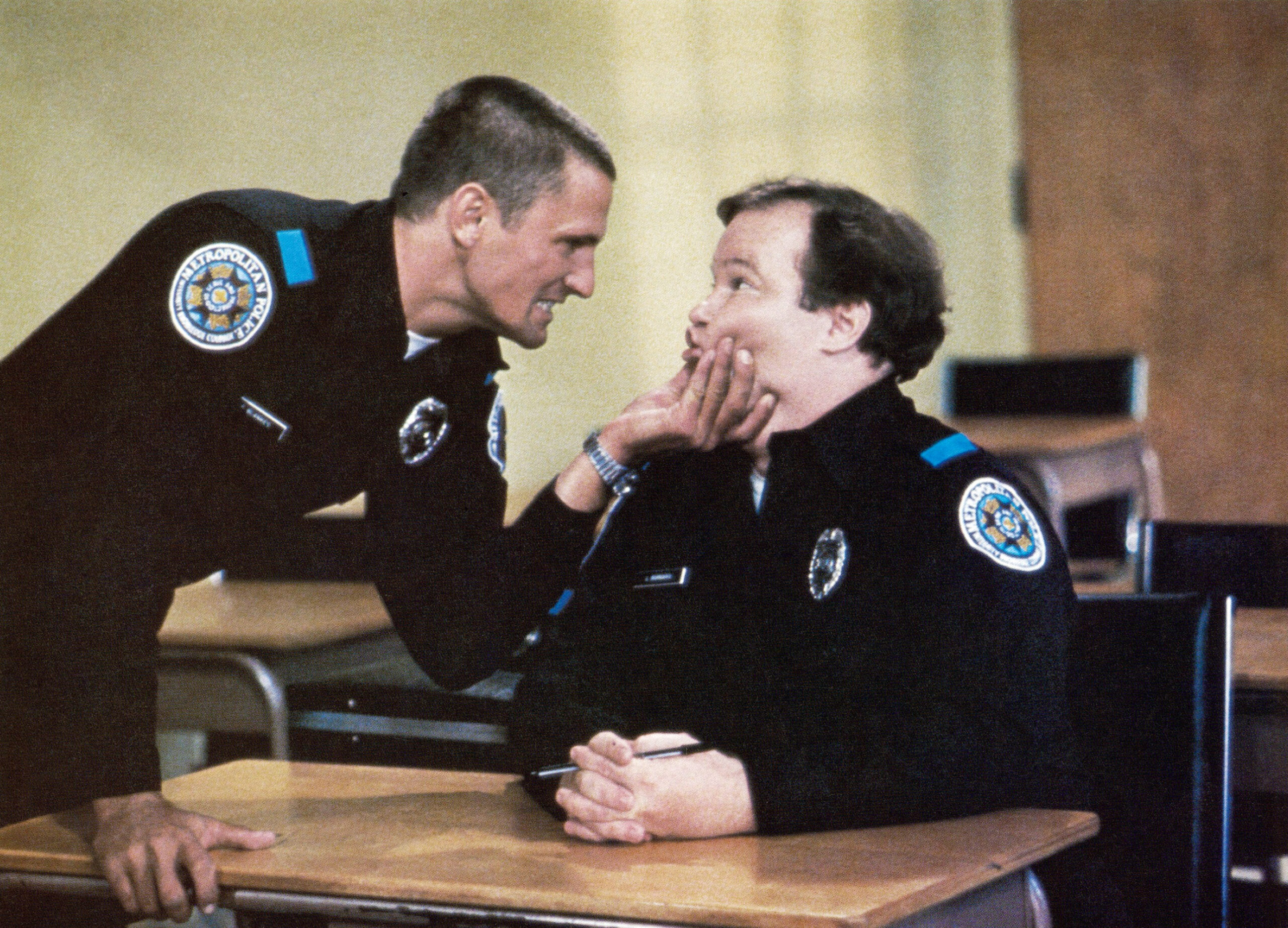
    Keegan-Michael Key and Jordan Peele were actively developing a reboot of the 1980s comedy franchise Police Academy until August 2014, when the fatal police shooting of Michael Brown in Ferguson, Missouri, abruptly halted the project. Actor and writer Ike Barinholtz recently confirmed that the tonal shift in American culture regarding law enforcement made a lighthearted comedy about inept police officers impossible to produce. The project was quietly shelved by the studio. The script was abandoned. The cultural appetite for the bumbling cop archetype had vanished overnight.

    What looks modern actually started a century ago, but in the realm of Hollywood comedy, a decade can represent an entire geological era. In 2014, Key and Peele were at the absolute zenith of their television power. Their Comedy Central sketch series was generating hundreds of millions of views on YouTube. They were the most sought-after comedic voices in the entertainment industry. Studio executives wanted to harness their specific brand of social satire and apply it to an established intellectual property. New Line Cinema held the rights to a dormant franchise that seemed ripe for reinvention.

    The Blueprint for a Modern Reboot

    The original Police Academy premiered in 1984. Directed by Hugh Wilson and produced by Paul Maslansky, the film grossed $149 million at the global box office against a meager $4.5 million budget. It spawned six sequels, an animated television series, and a syndicated live-action show. The franchise relied on a simple, repeatable formula. A desperate mayor lowers the physical and educational requirements for the police academy, allowing a ragtag group of misfits to join the force. Steve Guttenberg anchored the series as Carey Mahoney, surrounded by physical comedians like Michael Winslow and Bubba Smith.

    By 2014, the franchise had been dead for exactly two decades. The final theatrical installment, Police Academy: Mission to Moscow, was released in 1994 and became a legendary box office disaster. New Line Cinema wanted to resurrect the property. They approached Keegan-Michael Key and Jordan Peele to produce and potentially star in the reboot. The duo brought on Ike Barinholtz and David Stassen to write the screenplay. Barinholtz and Stassen were a proven commodity, having written successfully for The Mindy Project and Central Intelligence.

    The creative strategy was clear. The writers intended to maintain the core premise of misfits joining a police academy but planned to inject the sharp, observational humor that defined the Key & Peele brand. The script was in active development. Drafts were being written. The studio was preparing for pre-production. The machinery of Hollywood was moving forward with the assumption that a new Police Academy film would hit theaters by 2016.

    August 2014 and the Shift in Ferguson

    The trajectory of the film changed permanently on the afternoon of August 9, 2014. On Canfield Drive in Ferguson, Missouri, a suburb of St. Louis, white police officer Darren Wilson fatally shot Michael Brown, an unarmed 18-year-old Black man. The incident sparked immediate outrage. Within hours, residents gathered at the scene. By nightfall, protests had erupted along West Florissant Avenue.

    Over the next two weeks, the imagery emerging from Ferguson dominated global news networks. Local law enforcement agencies, including the St. Louis County Police Department and later the Missouri Highway Patrol, deployed military-grade hardware to police the protests. Television screens across America displayed armored personnel carriers, officers in camouflage tactical gear, sniper rifles, and the heavy use of tear gas against civilians. The visual language of American policing was suddenly entirely militarized.

    This real-world reality violently collided with the fictional world Barinholtz and Stassen were writing. The juxtaposition was jarring. Hollywood executives and creatives watched the live feeds from Missouri and realized the cultural context had fundamentally shifted. The concept of the bumbling, harmless, lovable police officer, the exact archetype required to make Police Academy function, no longer resonated with the American public. It felt tone-deaf. It felt offensive. It felt completely out of touch with the national conversation regarding police brutality, systemic racism, and the use of lethal force.

    Ike Barinholtz Explains the Cancellation

    The decision to abandon the project was not born of a dramatic studio boardroom fight. It was a mutual, immediate realization among the creatives involved. In a recent interview with Variety, Ike Barinholtz detailed the exact moment the team knew the movie was dead. The comedy required a specific tone. That tone required an audience willing to suspend disbelief and view law enforcement as a benign, comedic institution. Ferguson destroyed that suspension of disbelief.

    The events in Ferguson changed everything. We were writing a movie where cops are goofy and make silly mistakes. You look at the news, and cops are in military gear firing tear gas at citizens. You can’t make a movie about zany cops after that. The joke isn’t funny anymore. The reality is too dark.

    Comedy relies heavily on timing. The timing for a Police Academy reboot had expired. Key and Peele, known for their precise social commentary, understood this immediately. Their sketch comedy frequently addressed racial profiling and police interactions, but always with a razor-sharp satirical edge. A broad, studio-mandated reboot of a 1980s slapstick franchise did not offer the necessary vehicle to address the post-Ferguson reality. The script was placed in a drawer. The studio moved on to other properties.

    The Death of the Traditional Cop Comedy

    The cancellation of the Police Academy reboot was an early indicator of a massive shift in the entertainment industry. The traditional cop comedy faced an existential crisis. For decades, the genre had been a reliable box office draw. Films like Beverly Hills Cop, Lethal Weapon, Rush Hour, and Ride Along relied on the inherent authority of law enforcement to raise the stakes for comedic set pieces. The police badge provided characters with a license to break rules, cause property damage, and engage in shootouts, all wrapped in a comedic tone.

    Following 2014, that formula required heavy modification. Television shows faced the same hurdle. The critically acclaimed sitcom Brooklyn Nine-Nine, starring Andy Samberg and Terry Crews, debuted in 2013, just one year before Ferguson. Created by Dan Goor and Michael Schur, the show was forced to continuously adapt its tone over its eight-season run. By 2020, following the murder of George Floyd in Minneapolis, Brooklyn Nine-Nine scrapped four completed scripts for its final season. The writers acknowledged they could no longer produce episodes about lovable cops without directly addressing systemic corruption and police violence.

    • The 1980s Era: Characterized by slapstick and lack of oversight. The badge is a prop for comedy.
    • The 1990s Era: The buddy-cop action comedy. Explosions mixed with banter.
    • The 2000s Era: The satirical approach. Films like Hot Fuzz mock the genre itself.
    • The Post-2014 Era: The genre freezes. Cop comedies either pivot to severe social commentary or disappear entirely.

    The Hollywood Pivot

    The abandonment of the Police Academy script forced the creative team to find new avenues for their work. The pivot proved to be historically significant for American cinema. Jordan Peele stepped away from sketch comedy and broad studio reboots. He formed Monkeypaw Productions and began writing a script that would channel the racial anxieties and social horrors of the modern American experience. That script became the 2017 film Get Out. Starring Daniel Kaluuya, the film grossed $255 million worldwide, won the Academy Award for Best Original Screenplay, and established Peele as a premier auteur of the social thriller.

    Keegan-Michael Key expanded his acting career, moving into dramatic roles, Broadway productions, and high-profile voice acting for studios like Pixar and Disney. Ike Barinholtz continued to write and direct, eventually helming the 2018 satirical comedy The Oath, which directly addressed the polarized political climate of the United States. David Stassen continued producing and writing for major network comedies.

    The unmade Police Academy script remains a fascinating artifact of Hollywood history. It represents a specific moment in time. It is a snapshot of an industry caught between the nostalgia of the 20th century and the stark, unavoidable realities of the 21st century. Unproduced scripts litter the archives of every major studio in Los Angeles. Most are abandoned due to budget constraints, scheduling conflicts, or creative differences. Rarely is a project canceled so decisively by a single news event.

    The Legacy of a Shelved Script

    The entertainment industry operates on a constant cycle of resurrection. Old intellectual property is routinely dusted off, repackaged, and sold to a new generation. Warner Bros. Discovery, the current parent company of New Line Cinema, continues to mine its catalog for potential streaming content. However, certain properties carry cultural baggage that cannot be easily modernized. The bumbling police cadet is a relic of a bygone era. The archetype belongs to a time before smartphones, before body cameras, and before the 24-hour news cycle made the realities of law enforcement inescapable.

    The decision to halt the Key and Peele reboot was ultimately an act of cultural preservation. It preserved the legacy of the original films while acknowledging that the world had moved past them. It prevented a talented creative team from releasing a film that would have been immediately rejected by audiences. It demonstrated an awareness that comedy cannot exist in a vacuum. The laughter must reflect the reality of the audience.

    Scripts were written. Contracts were drafted. Budgets were drawn. Then the news broke. The culture shifted. The project died. Ferguson.

  • Olivia Wilde on Harry Styles Romance Backlash – Age Gap and Public Scrutiny

    Olivia Wilde on Harry Styles Romance Backlash – Age Gap and Public Scrutiny

    The Public Scrutiny of Celebrity Relationships

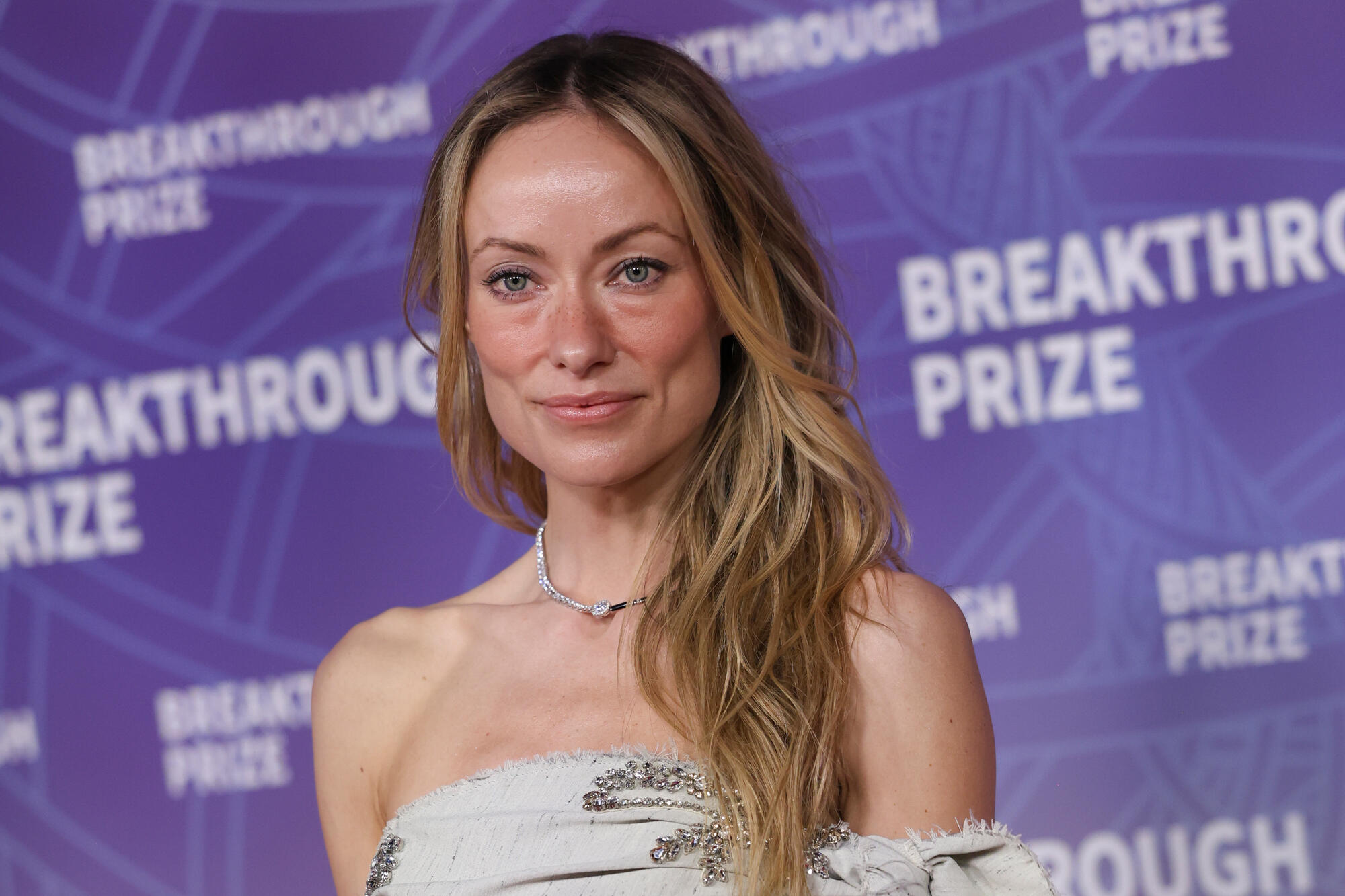
    Olivia Wilde, an accomplished actress and director, recently detailed the extensive public backlash and criticism she encountered during her past romantic relationship with music artist Harry Styles. The core of the public’s disapproval, according to Wilde, centered on their 10-year age difference and her visible support at his live performances, leading to what she termed ‘slut-shaming’ and widespread anger.

    The relationship between Wilde, born March 10, 1984, and Styles, born February 1, 1994, became a prominent topic of discussion in celebrity circles. Their romance first gained public attention in early 2021, following reports of their attendance at a wedding together. This period coincided with the production of the film “Don’t Worry Darling,” a psychological thriller directed by Wilde and starring Styles in a leading role.

    Wilde’s remarks highlight a recurring theme in celebrity culture: the intense public and media scrutiny applied to personal relationships, particularly when age gaps are involved. Her experience underscores the often-gendered nature of this criticism, where women frequently face harsher judgment than their male counterparts.

    The Genesis of a High-Profile Romance

    The relationship between Olivia Wilde and Harry Styles emerged during a period of significant personal and professional transition for both individuals. Wilde had recently ended her engagement to actor Jason Sudeikis, with whom she shares two children, son Otis Alexander Sudeikis (born April 2014) and daughter Daisy Josephine Sudeikis (born October 2016). Styles, a global music superstar and former member of the band One Direction, was expanding his acting career.

    Their connection became undeniable when they were photographed holding hands at a friend’s wedding in Montecito, California, in January 2021. This public appearance solidified the rumors that had been circulating since the start of “Don’t Worry Darling” filming in late 2020. The set of the film became the crucible for their burgeoning romance.

    The film itself, a highly anticipated project, became inextricably linked with their personal lives. This intertwining fueled public interest, but also intensified the scrutiny. Every public appearance, every social media post, and every quote was dissected by fans and media alike.

    The Age Gap and Public Perception

    Wilde’s recent comments specifically addressed the public’s reaction to the 10-year age difference between her and Styles. She was 36 and Styles was 26 when their relationship began. This age disparity, while not uncommon in Hollywood, became a focal point for criticism.

    Society often holds differing standards for age-gap relationships, particularly when the woman is older. Research into public perception of age-gap relationships frequently indicates a bias against older women dating younger men, compared to older men dating younger women. This societal double standard manifested clearly in the public discourse surrounding Wilde and Styles.

    The criticism was not limited to online forums. Tabloids, entertainment news outlets, and social media platforms amplified negative sentiments. Wilde’s description of ‘people f, ing pissed’ reflects the intensity of this public outrage, which often veered into personal attacks.

    ‘Slut-Shaming’ and Gendered Criticism

    A significant aspect of Wilde’s experience was the ‘slut-shaming’ she reported enduring. This specific form of criticism targeted her behavior and perceived morality, particularly for dancing and openly supporting Styles at his concerts. Such accusations often carry deeply misogynistic undertones, aiming to diminish a woman’s character based on her sexual or romantic choices.

    The public’s reaction highlighted a double standard. While male celebrities are often celebrated for dating younger women, female celebrities face heightened moral judgment for similar relationships, especially when they are the older partner. This disparity reflects broader societal inequities in how men and women are perceived and judged for their romantic lives.

    Wilde’s public presence at Styles’ “Love On Tour” shows, where she was often seen dancing and cheering, became a flashpoint. For some, these actions were seen as inappropriate or attention-seeking, rather than a genuine expression of support or enjoyment. The internet, with its capacity for anonymity, provided a platform for aggressive and often unwarranted personal attacks.

    “Don’t Worry Darling” and External Pressures

    The production and release of “Don’t Worry Darling” amplified the scrutiny on Wilde and Styles. The film faced numerous controversies, including rumors of on-set tension between Wilde and lead actress Florence Pugh, as well as a public dispute with original cast member Shia LaBeouf.

    These professional challenges became intertwined with the public narrative of Wilde’s personal life. The media often conflated the film’s production issues with the public’s perception of her relationship with Styles. This created an environment where every aspect of her life was under a microscope, making it difficult to separate professional endeavors from personal choices.

    The Venice Film Festival premiere of “Don’t Worry Darling” in September 2022 became a highly anticipated event, not just for the film itself, but for the potential for drama surrounding its cast and director. The various controversies contributed to a narrative that overshadowed the film’s artistic merit and placed immense pressure on Wilde.

    The End of a Relationship, The Persistence of Scrutiny

    Olivia Wilde and Harry Styles reportedly ended their relationship in November 2022. Sources close to the couple cited differing priorities and the challenges of maintaining a relationship under intense public scrutiny as reasons for the split. Despite the breakup, the public’s fascination and critical commentary did not immediately subside.

    Wilde’s recent reflections indicate that the emotional impact of the public’s reaction lingered beyond the relationship itself. The experience serves as a case study in the difficulties faced by public figures, particularly women, in navigating personal relationships in an era of constant digital surveillance and immediate public judgment.

    The narrative surrounding their romance and its conclusion underscores the broader societal conversation about celebrity privacy, the ethics of public commentary, and the often-unforgiving nature of online culture. For Wilde, the experience was a stark reminder of the personal cost of living in the public eye.

    Navigating Public Life in the Digital Age

    The digital age has fundamentally altered the landscape of celebrity. Social media platforms, fan forums, and instant news cycles mean that public figures are under constant observation. Every action, every word, and every relationship decision can be instantly magnified and judged by millions.

    For celebrities like Olivia Wilde, this means that personal boundaries are constantly challenged. The line between public interest and private life becomes increasingly blurred. The ease with which individuals can comment, criticize, and spread rumors online contributes to an environment where backlash can quickly escalate from critique to harassment.

    The phenomenon of ‘cancel culture’ further complicates matters, as public figures can face severe professional and personal repercussions for perceived missteps or unpopular personal choices. Wilde’s experience with ‘slut-shaming’ is a tangible example of the darker side of this digital scrutiny.

    The Broader Implications for Women in Hollywood

    Olivia Wilde’s account resonates with similar experiences shared by other women in the entertainment industry. Actresses, directors, and female public figures frequently report facing disproportionate criticism, body shaming, and moral judgment compared to their male counterparts.

    This gendered scrutiny extends beyond romantic relationships to professional achievements, fashion choices, and even parenting styles. The expectation for women to conform to certain societal standards of behavior and appearance remains strong, and those who deviate often face severe public censure.

    The discussion surrounding Wilde’s relationship with Styles contributes to a larger conversation about misogyny in media and online spaces. It highlights the ongoing struggle for women in the public eye to assert their autonomy and make personal choices without fear of intense, often vitriolic, backlash.

    The Enduring Echoes of Public Judgment

    The headlines screamed. The comments sections erupted. The social media feeds churned.

    The scrutiny landed.

    Olivia Wilde.

  • America 250: Hollywood and Entertainment Prepare for a National Celebration

    America 250: Hollywood and Entertainment Prepare for a National Celebration

    Hollywood and the broader entertainment industry are preparing a diverse array of events, productions, and initiatives to commemorate America’s 250th anniversary in 2026. This national milestone, officially designated America250, will see a concerted effort to engage citizens through film, television, music, and live performances, reflecting on the nation’s history and cultural evolution.

    The commemoration aims to be an inclusive reflection of American identity. Various organizations, from major studios to independent producers, are developing content. These efforts seek to highlight key historical moments, celebrate national achievements, and foster dialogue about the American experience.

    The America250 Commission and National Coordination

    The United States Semiquincentennial Commission, known as the America250 Commission, was established by Congress in 2016. Its mandate is to plan, encourage, develop, and coordinate the nationwide observance of the 250th anniversary of the founding of the United States. This includes the Declaration of Independence in 1776.

    The Commission works with federal agencies, state and local governments, and private organizations. It aims to ensure a cohesive and impactful celebration. Its vision emphasizes education, engagement, and inspiration for all Americans.

    Rosie Rios, the former U.S. Treasurer, serves as the Chair of the America250 Commission. She leads the strategic direction and public outreach efforts. The Commission’s headquarters are located in Washington, D.C.

    State-level commissions and committees are also forming. These entities will manage localized events and programming. They ensure that the national commemoration resonates within individual communities across the country.

    Hollywood’s Historical Narratives

    Major film studios and independent production companies are developing projects centered on American history. These include feature films, docudramas, and historical series. The goal is to bring pivotal moments and figures to a wider audience.

    One anticipated project is a multi-part documentary series exploring the Revolutionary War. This series will utilize new historical research and visual effects. It seeks to offer fresh perspectives on the conflict and its aftermath.

    Biographical films about Founding Fathers and often-overlooked historical figures are also in production. These narratives aim to humanize historical events. They intend to connect contemporary audiences with the struggles and triumphs of the past.

    Streaming platforms are investing heavily in original content for the anniversary. This includes limited series on specific historical periods or social movements. These platforms offer a global reach, extending the commemoration’s impact beyond U.S. borders.

    Music and Performing Arts Contributions

    The performing arts community is preparing various tributes. Orchestras, theater companies, and musical artists are planning special performances. These events will celebrate American musical traditions and contemporary artistic expressions.

    The Kennedy Center in Washington, D.C., is expected to host a series of gala concerts. These concerts will feature diverse American musical genres, from classical to jazz to folk. Collaborations with international artists are also being explored.

    Broadway and regional theaters are commissioning new plays and musicals. These works will explore themes of freedom, democracy, and national identity. They will offer contemporary interpretations of historical events and their legacies.

    Recording artists are producing new albums and singles inspired by American history. These musical projects aim to connect with younger generations. They will use modern sounds to reflect on the nation’s journey.

    Television and Digital Media Engagement

    Television networks are planning extensive programming. This includes special news reports, historical series, and live broadcasts of key events. Educational content for children and families is also a priority.

    PBS, known for its historical documentaries, is developing several new series. These productions will delve into various facets of American history, from indigenous cultures to industrialization. They will feature interviews with leading historians and archival footage.

    Digital media platforms are creating interactive experiences. Virtual reality (VR) and augmented reality (AR) applications will allow users to explore historical sites. These technologies will simulate pivotal moments in American history.

    Social media campaigns will encourage public participation. Users will be invited to share their personal stories of American identity. Hashtags and online challenges will foster a sense of collective celebration.

    Educational and Cultural Initiatives

    Beyond entertainment, the America250 celebration includes significant educational components. Museums, libraries, and historical societies are organizing exhibitions and public programs. These initiatives aim to deepen understanding of American heritage.

    The Smithsonian Institution is planning several major exhibitions across its museums. These exhibitions will cover themes such as American innovation, civil rights, and cultural diversity. They will feature artifacts and interactive displays.

    Libraries nationwide will host reading programs and discussion groups. These events will focus on American literature, history, and civic engagement. They will provide resources for community learning and dialogue.

    Universities and academic institutions are organizing conferences and symposia. These gatherings will bring together scholars to discuss American history and its future. Publications and research projects will contribute to the intellectual discourse.

    Reflecting on the American Journey

    The America250 commemoration is an opportunity for national reflection. It encourages citizens to consider the principles upon which the nation was founded. It also prompts consideration of the challenges and progress made over 250 years.

    Discussions around national unity and shared values are central to the celebration. Organizers hope to foster a sense of common purpose. They aim to bridge divides through a shared appreciation of American history.

    The role of diverse communities in shaping the nation’s identity will be highlighted. Stories of immigrants, indigenous peoples, and various cultural groups will be integrated into the narrative. This ensures a comprehensive portrayal of the American experience.

    The commemoration looks forward as well as backward. It encourages envisioning the next 250 years of American history. It prompts consideration of future aspirations and the ongoing pursuit of a more perfect union.

    Economic Impact and Tourism

    The America250 events are expected to generate significant economic activity. Tourism will likely see a boost in historical cities and national parks. Local businesses will benefit from increased visitor numbers.

    Cities like Philadelphia, Boston, and Washington, D.C., are preparing for an influx of tourists. These cities hold particular significance in the nation’s founding history. Special events and infrastructure improvements are underway.

    The creation of new jobs in the entertainment, hospitality, and cultural sectors is anticipated. These jobs will support the extensive programming and visitor services required for the anniversary.

    Merchandise and commemorative items will also contribute to the economic impact. These souvenirs will allow individuals to personally connect with the national celebration.

    The Road to 2026

    Planning for America250 began years in advance. The America250 Commission initiated its work with strategic frameworks and public outreach. The goal is to build momentum steadily toward 2026.

    Partnerships between public and private sectors are crucial. These collaborations ensure adequate funding and broad participation. They leverage diverse resources for a truly national celebration.

    Regular updates and announcements are expected from the America250 Commission. These communications will keep the public informed about upcoming events and opportunities for involvement.

    The final years leading up to 2026 will see an acceleration of activities. Preparations will culminate in a nationwide series of events throughout the anniversary year.

    A Legacy for Future Generations

    The America250 commemoration aims to leave a lasting legacy. It seeks to inspire future generations with an understanding of American history. It encourages civic engagement and a commitment to democratic ideals.

    Educational resources developed for the anniversary will remain available. These materials will serve as ongoing tools for learning. They will continue to inform students and the general public.

    New cultural works, including films, music, and plays, will become part of the American artistic canon. They will reflect the nation’s identity at this significant historical juncture.

    The spirit of unity and reflection fostered during America250 is intended to endure. It seeks to strengthen the bonds that connect Americans across different backgrounds.

    Citizens prepared. Organizations prepared. Hollywood prepared. The nation prepared. America250.

  • Matlock Writer Sues CBS & Jennie Snyder Urman Over Alleged Racist, Sexual Comments

    Matlock Writer Sues CBS & Jennie Snyder Urman Over Alleged Racist, Sexual Comments

    Legal Action Filed Against CBS and Showrunner Jennie Snyder Urman

    A writer associated with the forthcoming ‘Matlock’ reboot has initiated legal proceedings against CBS and its showrunner, Jennie Snyder Urman. The lawsuit, filed in a Los Angeles Superior Court, details allegations of racial discrimination, sexual discrimination, and the creation of a hostile work environment. These claims assert that Urman engaged in inappropriate behavior and comments, leading to a discriminatory atmosphere on set.

    The legal complaint outlines specific instances of alleged misconduct, including racially insensitive remarks and sexually explicit comments made by Urman. The plaintiff also claims to have faced retaliation after raising concerns about the workplace conditions. This legal action brings renewed attention to issues of accountability and conduct within the entertainment industry.

    The Plaintiff’s Allegations and Specific Incidents

    The lawsuit details a series of alleged incidents that contributed to the hostile work environment. The plaintiff, whose name has been withheld in initial reports to protect their privacy, describes a pattern of behavior from Jennie Snyder Urman that included racially charged statements. These statements reportedly targeted individuals of color and contributed to an environment where the plaintiff felt marginalized and disrespected.

    Beyond racial discrimination, the complaint also enumerates instances of alleged sexual harassment and inappropriate sexual comments. These remarks were reportedly made in professional settings, creating an uncomfortable and unprofessional atmosphere for the plaintiff and potentially other staff members. The lawsuit emphasizes that these comments were not isolated incidents but part of a broader pattern of misconduct.

    One specific allegation involves Urman reportedly making a comment about a Black actor’s appearance, implying a stereotypical association with drug use. Another claim describes Urman making a sexually suggestive comment about a male actor’s body in front of multiple staff members. These examples are presented as evidence of a pervasive culture of insensitivity and unprofessionalism.

    Claims of Retaliation and Workplace Dynamics

    The lawsuit further alleges that the plaintiff experienced retaliation after attempting to address the problematic behavior. Upon raising concerns about the alleged racist and sexual comments, the plaintiff claims to have faced adverse actions, including being sidelined from certain writing assignments and experiencing a reduction in their overall responsibilities. This alleged retaliation created a chilling effect, discouraging others from speaking out.

    The legal filing asserts that the showrunner’s actions created a climate of fear and intimidation. Staff members reportedly felt unable to voice their concerns without fear of professional repercussions. This dynamic contributed to the longevity of the alleged hostile environment, as complaints were suppressed or ignored.

    The plaintiff’s legal team argues that CBS, as the network producing the show, failed in its duty to provide a safe and equitable workplace. The lawsuit suggests that the network either knew or should have known about the alleged misconduct and failed to take appropriate remedial action. This negligence, according to the complaint, directly contributed to the plaintiff’s suffering.

    The Role of Jennie Snyder Urman and Her Production Company

    Jennie Snyder Urman is a prominent figure in television, known for her work on successful series such as ‘Jane the Virgin’. Her involvement as showrunner on the ‘Matlock’ reboot, starring Kathy Bates, placed her in a position of significant authority and influence over the production’s creative and professional environment.

    The lawsuit specifically targets Urman, holding her directly responsible for the alleged comments and the resulting hostile workplace. Her production company, Sutton Street Productions, is also named in the lawsuit, indicating that the legal action extends beyond Urman as an individual to the corporate entities involved in the show’s production.

    The legal document asserts that Urman’s position of power enabled the alleged misconduct to persist without immediate challenge. The plaintiff’s counsel argues that showrunners, as leaders of a production, bear a significant responsibility for fostering an inclusive and respectful environment. The failure to do so, as alleged, constitutes a breach of professional and ethical conduct.

    CBS’s Response and Internal Investigation

    Following the filing of the lawsuit, CBS issued a statement acknowledging the allegations. The network confirmed that it has launched an internal investigation into the claims made by the writer. This investigation is standard procedure for major studios when faced with serious allegations of workplace misconduct.

    The network’s statement emphasized its commitment to maintaining a safe and respectful work environment for all employees. It also indicated cooperation with legal processes to thoroughly review the allegations. The outcome of this internal investigation could have significant implications for the show’s production, Urman’s future with the network, and the broader perception of CBS’s workplace culture.

    The timing of the lawsuit is notable, as the ‘Matlock’ reboot is a highly anticipated series for CBS. Any disruption or negative publicity could impact its reception and future prospects. The network faces the challenge of addressing these serious allegations while simultaneously moving forward with its programming slate.

    Legal Precedents and Industry Context

    This lawsuit emerges within a broader context of increased scrutiny over workplace practices in Hollywood. The #MeToo movement and subsequent initiatives have brought issues of harassment, discrimination, and power dynamics to the forefront of industry discussions. Numerous high-profile cases have led to significant changes in company policies and a greater emphasis on accountability for individuals in positions of power.

    Legal precedents for such cases often involve proving a pattern of discriminatory behavior, the creation of a hostile work environment, and evidence of retaliation. Plaintiffs typically seek damages for emotional distress, lost wages, and, in some cases, punitive damages designed to punish egregious conduct and deter future similar actions.

    The entertainment industry, historically characterized by hierarchical structures and often informal workplace norms, has been undergoing a period of re-evaluation. Networks and studios are increasingly expected to demonstrate proactive measures to prevent and address misconduct, rather than merely reacting to complaints.

    Potential Impact on the ‘Matlock’ Reboot and Kathy Bates

    The ‘Matlock’ reboot is set to star veteran actress Kathy Bates in the titular role. While the lawsuit does not directly involve Bates, the allegations against the showrunner and network could cast a shadow over the production. Public perception of a series can be significantly influenced by controversies surrounding its creation.

    The involvement of a high-profile star like Kathy Bates adds another layer of complexity to the situation. Her reputation and association with the project could be affected, regardless of her direct involvement in the alleged incidents. Networks often strive to protect their talent from negative publicity that could impact a show’s success.

    Future production schedules, promotional efforts, and even the show’s eventual viewership could be influenced by how effectively CBS manages the fallout from this lawsuit. The network’s response and the transparency of its investigation will be critical in shaping public and industry perception.

    Broader Implications for Hollywood Workplace Culture

    This lawsuit serves as another reminder of the ongoing challenges in addressing systemic issues within the entertainment industry. It underscores the importance of clear reporting mechanisms, robust anti-discrimination policies, and a genuine commitment from leadership to enforce those policies without fear of retaliation.

    The outcome of this case could influence how future complaints are handled and the level of accountability expected from showrunners and network executives. It reinforces the idea that individuals in creative leadership roles are not exempt from adhering to professional standards of conduct and fostering inclusive environments.

    The legal battle is expected to be protracted, involving discovery, depositions, and potentially a trial. Each stage will bring further details to light, providing a more complete picture of the alleged events and the responses from the involved parties.

    Moving Forward: Calls for Transparency and Accountability

    As the legal process unfolds, there will likely be increased calls for transparency from CBS regarding its internal investigation and its findings. Industry watchdogs and advocacy groups will monitor the case closely, looking for signals of genuine commitment to addressing workplace issues.

    The plaintiff’s decision to pursue legal action highlights a growing willingness among individuals to challenge powerful figures and institutions in Hollywood. This trend reflects a broader societal shift towards greater accountability and a reduced tolerance for discriminatory or abusive workplace behaviors.

    The entertainment industry continues to evolve, grappling with its past and striving to create more equitable and respectful environments for all who contribute to its productions. Legal actions like this one play a significant role in shaping that ongoing transformation.

    Writers gathered. Executives gathered. Lawyers gathered. Los Angeles.

    FAQ Section

  • Latin Immigrant TV Representation Declines – New Study Reveals Sharp Drop

    Latin Immigrant TV Representation Declines – New Study Reveals Sharp Drop

    Latin immigrant representation on television has experienced a sharp decline, according to a comprehensive new study released in June 2026. This research indicates a significant reduction in both the number of Latin immigrant characters and the depth of their portrayals across various television platforms and genres. The findings suggest a reversal of previous efforts to increase diversity within the entertainment industry.

    The study, conducted by the Media Representation Institute (MRI), analyzed thousands of hours of programming. This included content from major broadcast networks, cable channels, and prominent streaming services. Data was collected from January 2020 through December 2025.

    The observed decline marks a concerning trend. It follows a period in the early 2010s when representation showed promising growth. Advocates for diversity in media express alarm over these findings.

    The Scope of the Decline

    The Media Representation Institute’s report, titled Invisible Voices: The Eroding Presence of Latin Immigrants on Television, provides a detailed statistical analysis. The report highlights a 35% decrease in the total number of Latin immigrant characters appearing in prime-time scripted television. This reduction is compared to data from 2015.

    Beyond mere numbers, the quality of representation has also diminished. Many of the remaining portrayals often fall into stereotypical categories. These include characters limited to service roles or those depicted in narratives centered solely on legal or immigration status.

    Dr. Elena Rodriguez, lead researcher for the MRI study, noted the shift. She stated, "What we are seeing is not just fewer faces, but fewer authentic stories. The complexity and diversity of the Latin immigrant experience are largely absent." This absence contributes to a narrower public understanding.

    Streaming platforms, initially hailed as potential avenues for diverse storytelling, also show similar trends. While some platforms feature specific Latinx-focused series, the overall representation of immigrant narratives within their broader content libraries has not counteracted the general decline.

    Historical Context of Representation

    The journey of Latin immigrant representation on television has been complex. Early television often featured highly caricatured or one-dimensional characters. These portrayals frequently reinforced negative stereotypes.

    The 1980s and 1990s saw gradual improvements. Shows like "The George Lopez Show" and "Ugly Betty" later offered more nuanced perspectives. These series began to challenge preconceived notions. They brought Latin American culture and immigrant experiences into mainstream American homes.

    The early 2010s marked a period of increased advocacy. Organizations like the National Hispanic Media Coalition (NHMC) pushed for greater inclusion. This led to a brief but significant surge in Latin immigrant characters and storylines. These efforts were often tied to broader diversity initiatives within Hollywood studios.

    However, the current study indicates that this progress was not sustained. Industry shifts, including a focus on established franchises and a perceived aversion to "niche" programming, may contribute to the downturn. Production companies may be prioritizing content with broader, less specific demographic appeal.

    Impact on Public Perception and Cultural Identity

    The decline in nuanced Latin immigrant representation carries significant societal implications. Television plays a powerful role in shaping public opinion. It influences how different groups are perceived by the general population.

    When Latin immigrants are underrepresented or stereotyped, it can perpetuate misunderstandings. It can also foster negative biases. Research from the University of California, Los Angeles (UCLA) in 2023 demonstrated a correlation between media portrayals and public attitudes towards immigrant communities.

    For Latin immigrant communities themselves, representation is crucial for cultural identity and self-esteem. Seeing oneself reflected accurately on screen can validate experiences and foster a sense of belonging. The lack of such representation can lead to feelings of invisibility or marginalization.

    Children and young adults are particularly susceptible to these effects. Media consumption during formative years profoundly impacts identity development. A scarcity of positive role models can have long-term psychological consequences.

    Behind the Scenes: Industry Factors

    Several factors within the television industry contribute to the current state of affairs. One major element is the composition of writers’ rooms and executive boards. A lack of diversity in these decision-making roles often translates to a lack of diverse stories being greenlit.

    Casting directors also face pressure to cast "bankable" stars. This can sometimes lead to a preference for actors who may not authentically represent Latin immigrant backgrounds. The talent pipeline itself may also be a factor, requiring more investment in developing diverse creators.

    Economic pressures further complicate the landscape. Studios and networks are constantly seeking to maximize viewership and advertising revenue. Some executives may mistakenly believe that highly specific cultural narratives have limited appeal, leading to a homogenizing effect on content.

    The rise of global streaming also plays a role. While global platforms can introduce diverse content from around the world, the focus on universally appealing narratives for international markets can sometimes dilute specific cultural stories relevant to particular immigrant groups within the United States.

    Advocacy and Future Outlook

    In response to the MRI report, numerous advocacy organizations have renewed their calls for action. The National Association of Latino Independent Producers (NALIP) issued a statement urging networks and studios to commit to tangible changes. They advocate for increased investment in Latinx creators and authentic storytelling.

    Solutions proposed include implementing diversity clauses in production contracts. They also suggest funding initiatives specifically for Latin immigrant storytellers. Mentorship programs and industry pipelines are also critical for long-term change.

    The study concludes with a series of recommendations. These include regular audits of representation, transparent reporting from media companies, and collaboration between industry leaders and community organizations. The goal is to ensure that television accurately reflects the rich tapestry of American society.

    The conversation around media representation is ongoing. The findings of the MRI study serve as a critical reminder of the work that remains. The fight for authentic and equitable representation continues.

    Why Does Authentic Representation Matter?

    Authentic representation on television extends beyond mere visibility; it encompasses accuracy, depth, and the avoidance of harmful stereotypes. When Latin immigrants are portrayed authentically, it allows for a more nuanced understanding of their contributions, challenges, and diverse experiences.

    Inaccurate or stereotypical portrayals can reinforce prejudice. They can also contribute to discrimination in real-world settings. For example, depictions that link immigrants solely to crime or poverty can fuel anti-immigrant sentiment. These portrayals ignore the vast majority of immigrant experiences.

    Authentic representation also provides critical role models. It offers validation for individuals within the community. It allows audiences to connect with characters on a deeper, more human level, fostering empathy and understanding across cultural divides.

    Furthermore, diverse narratives enrich the overall media landscape. They introduce new perspectives, storytelling techniques, and cultural insights. This benefits all viewers, not just those from underrepresented groups. The richness of a society is often reflected in the diversity of its stories.

    The Economic Argument for Diversity

    Beyond the social and ethical imperatives, there is a strong economic argument for diverse representation. Studies consistently show that diverse casts and inclusive storytelling often lead to higher ratings and greater financial success.

    A 2024 report by the Annenberg Inclusion Initiative at the University of Southern California found that films and television shows with diverse casts often outperform those with less diversity. Audiences, particularly younger demographics, actively seek out content that reflects their diverse world.

    The Latinx demographic represents significant purchasing power. They are a rapidly growing consumer base. Content that resonates with this audience can tap into substantial revenue streams. Ignoring this demographic is a missed economic opportunity for the entertainment industry.

    Companies that embrace diversity are also often perceived more positively by the public. This can enhance brand loyalty and attract top talent. Diversity is not just a moral good; it is a smart business strategy in the 21st century entertainment landscape.

    The data from the MRI study, combined with economic analyses, presents a clear picture. The current decline in Latin immigrant representation is detrimental on multiple fronts. It affects cultural understanding, community well-being, and potentially, industry profitability.

    Researchers gathered. Advocates gathered. Audiences gathered.

    Change.

  • The Mechanics of Exile: Armie Hammer Seeks a Second Chance in Hollywood

    The Mechanics of Exile: Armie Hammer Seeks a Second Chance in Hollywood

    Armie Hammer wants back in. Three years after a spectacular, highly publicized fall from grace, the 37-year-old actor is attempting to re-enter the Hollywood machinery. In a recent exclusive interview with The Hollywood Reporter, Hammer took direct ownership of the controversies that forced him into exile, stating, “I made these problems for myself.” This marks a distinct pivot from his earlier defensive postures. It is the first step in a calculated public relations strategy designed to test the waters of industry forgiveness. The former leading man is no longer fighting the narrative of his downfall. Instead, he is attempting to harness it, offering a public display of accountability in hopes that the entertainment industry might grant him a second act.

    The Anatomy of a Hollywood Exile

    The collapse of Armie Hammer’s career was not gradual. It was an overnight demolition. In January 2021, an anonymous Instagram account known as House of Effie began publishing unverified direct messages allegedly sent by the actor. The messages detailed extreme sexual fetishes, including fantasies involving cannibalism, alongside allegations of severe emotional and psychological manipulation. Within days, the scandal metastasized from social media gossip to mainstream news. The digital footprint was impossible to ignore. The industry reaction was swift and absolute.

    Before the end of the month, Hammer was forced to step away from the Lionsgate action-comedy Shotgun Wedding, vacating a co-starring role opposite Jennifer Lopez. He was quickly replaced by Josh Duhamel. Shortly after, he departed the Paramount+ series The Offer, a high-profile drama detailing the making of The Godfather, where he was slated to play producer Al Ruddy. Miles Teller assumed the role. The hemorrhaging of projects continued. Hammer was dropped from the Cold War thriller Billion Dollar Spy and the Broadway production of The Minutes. By February 2021, his powerful talent agency, WME, and his personal publicist had formally severed ties. He was effectively erased from the Hollywood ecosystem.

    The Financial Reality of Cancellation

    Cancellation is often discussed as a cultural phenomenon, but its primary mechanism is financial. When a lead actor becomes a public relations liability, the underlying mathematics of film production break down. Independent films rely on completion bonds, insurance policies that guarantee a film will be finished and delivered to distributors. In the wake of the 2021 allegations, no reputable insurance company would underwrite a production featuring Armie Hammer. Major studios, heavily reliant on global marketing campaigns and press tours, viewed him as toxic assets. The loss of representation meant he had no advocates in the rooms where casting decisions were made. The exile was not just a social shunning; it was a total economic lockout.

    The Legal Resolution and the Court of Public Opinion

    While the leaked messages destroyed his career, the most severe threat to Hammer’s freedom came in the form of a formal police investigation. In March 2021, a woman named Effie Angelova, represented by high-profile attorney Gloria Allred, publicly accused Hammer of a violent sexual assault that allegedly occurred in 2017. The Los Angeles Police Department (LAPD) immediately launched an investigation into the claims. For over two years, Hammer lived under the specter of potential felony charges. He consistently and vehemently denied the allegations, maintaining that all of his sexual encounters were entirely consensual and discussed in advance.

    The legal fulcrum of his current comeback attempt occurred on May 31, 2023. On that date, the Los Angeles County District Attorney’s Office announced it would not pursue criminal charges against the actor. The DA’s office released a statement citing a lack of sufficient evidence to prove the allegations beyond a reasonable doubt, noting the complexity of the relationship and the inability to corroborate the claims. Legally, Armie Hammer was cleared. He would not face a trial. He would not go to prison. However, Hollywood operates as a court of public opinion, where the burden of proof is non-existent and the verdict is tied directly to box office viability. Surviving the legal system was merely the prerequisite for attempting a career resurrection.

    The Cayman Islands Interlude

    With his Hollywood career dismantled and his marriage to Elizabeth Chambers ending in divorce, Hammer retreated from the public eye. He relocated to the Cayman Islands, a British Overseas Territory in the western Caribbean Sea. The choice of location was not random; he had spent significant portions of his childhood in the Caymans. What surprised the public, however, was his occupation during this exile. In the summer of 2022, photographs surfaced of the former A-lister working at Morritt’s Resort in Grand Cayman. He was not there as a guest. He was selling timeshares.

    The optics were surreal. Armie Hammer is the great-grandson of Armand Hammer, the legendary oil tycoon who built Occidental Petroleum. He was born into immense generational wealth. Yet, reports indicated that Hammer had been cut off from the family fortune and was working a civilian sales job to support his children and pay legal fees. The timeshare revelation temporarily shifted the public narrative. It injected a bizarre, almost humbling reality into the scandal. The man who had worn bespoke Tom Ford suits on the red carpet for Call Me by Your Name was now pitching vacation packages to tourists in a resort lobby. This period of forced normalcy is now a central pillar of his redemption narrative.

    “I Made These Problems for Myself”

    In late 2024, Hammer began the arduous process of re-introducing himself to the public. The strategy is deliberate: bypass the traditional Hollywood press machine and speak directly to audiences through long-form, unfiltered platforms. He appeared on the Painful Lessons podcast. He sat down for a contentious interview with Piers Morgan. And he granted an exclusive interview to The Hollywood Reporter. The messaging across all these appearances is remarkably consistent. He is no longer claiming to be purely a victim of cancel culture. He is claiming ownership of his flaws.

    “I made these problems for myself. I was an asshole. I was selfish. I used people to make me feel better. And when I was done, I moved on.”

    This quote represents the core of the new Armie Hammer narrative. By admitting to profound moral failings, infidelity, and emotional callousness, he hopes to draw a hard line between being a terrible husband and being a criminal. He acknowledges the pain he caused his ex-wife, Elizabeth Chambers, and the women he engaged with. He speaks openly about entering a residential treatment facility in Florida for drug, alcohol, and sex issues. He is presenting himself as a man who was broken, who sought help, and who has spent three years doing the unglamorous work of rebuilding his psyche. It is a classic twelve-step public relations maneuver: admit powerlessness, make amends, and ask for a second chance.

    The Shadow of House of Hammer

    Complicating this comeback is the existence of House of Hammer, a three-part documentary series released by Discovery+ in September 2022. The series did not just focus on the actor’s 2021 scandal; it expanded the scope to examine multiple generations of the Hammer family. Featuring interviews with his aunt, Casey Hammer, the documentary painted a picture of a deeply dysfunctional dynasty plagued by allegations of violence, corruption, and abuse of power. The series attempted to contextualize Armie Hammer’s behavior not as an isolated incident, but as the inevitable result of a toxic family legacy. Overcoming the cultural footprint of a true-crime documentary dedicated entirely to his family’s dark history is a monumental hurdle for any publicist to clear.

    Will the Industry Open the Door?

    Hollywood has a long history of forgiving its exiled stars, provided there is financial incentive to do so. Mel Gibson faced global condemnation following anti-Semitic rants and domestic violence allegations, yet eventually secured an Academy Award nomination for directing Hacksaw Ridge. Robert Downey Jr. spent time in state prison before becoming the highest-paid actor in the Marvel Cinematic Universe. The industry loves a comeback story, but it requires a specific alchemy. The actor must show genuine contrition, the public must demonstrate a willingness to watch them again, and a powerful filmmaker must be willing to take the initial risk.

    For Hammer, the path forward is murky. He does not currently have a major studio champion. His former collaborator, Luca Guadagnino, who directed him to critical acclaim in Call Me by Your Name, has largely avoided discussing Hammer’s controversies in detail, focusing instead on his own flourishing career. Timothée Chalamet, his former co-star, has ascended to the highest ranks of Hollywood stardom. Hammer is currently operating on the absolute fringes of the business. He is reportedly developing an independent film project, attempting to leverage private financing rather than relying on traditional studio backing. If he returns to the screen, it will not be in a $100 million blockbuster. It will be in a scaled-down, tightly controlled independent feature designed solely to prove that he can still perform, and more importantly, that a production can be completed without a public relations disaster.

    The Long Road Back

    The success of Armie Hammer’s comeback attempt will not be decided by a single interview or a podcast appearance. It will be decided by the cold, calculating metrics of risk assessment. The Los Angeles District Attorney has spoken. The legal threat is neutralized. Now, the burden shifts to the cultural arena. Can an audience look at Armie Hammer on a movie screen and see the character, rather than the leaked messages? Can a producer justify the inevitable backlash on social media? The actor has admitted his faults. He has served his time in the wilderness of the Cayman Islands. He has stated, clearly and publicly, that he made his own problems. Now, he waits for an answer. Publicists draft strategies. Studios run analytics. Audiences scroll. Hollywood.

  • Cher and Bob Geldof in Talks for Animated Film ‘FlySquad – First Strike!’

    Cher and Bob Geldof in Talks for Animated Film ‘FlySquad – First Strike!’

    Cher and Bob Geldof are currently in active negotiations to star in the upcoming animated feature film FlySquad – First Strike!. The development, first reported in June 2026, pairs the Goddess of Pop with the architect of Live Aid in a voice-acting capacity. If deals close, the project will unite two of the most recognizable vocal timbres in modern music history within a single animated universe.

    The announcement arrives without a designated release date or an attached animation studio. The plot remains classified. The character designs are locked in pre-production vaults. Yet, the mere attachment of these two names signals a specific type of Hollywood packaging. Studios do not pursue Cher and Bob Geldof for background texture. They pursue them for marquee gravity.

    What looks like a sudden casting quirk actually reflects a calculated shift in how the animation industry leverages legacy talent. The modern animated feature relies heavily on multi-generational appeal. Parents buy the tickets; children consume the merchandise. Casting figures who dominated the cultural conversation in the 1980s and 1990s secures the parental demographic immediately.

    The Economics of the Recognizable Voice

    Animation casting changed permanently in 1992. When Robin Williams voiced the Genie in Disney’s Aladdin, the industry realized that an A-list celebrity could drive box office returns just as effectively from a recording booth as they could on a live-action set. Aladdin grossed $504 million worldwide. The precedent was set.

    Today, the economics are even more refined. Voice acting requires a fraction of the time commitment of a live-action shoot. There are no 4:00 AM makeup calls. There are no grueling location shoots in adverse weather. Actors can record their lines in isolated studios in Los Angeles, London, or even from their own homes via high-fidelity ISDN lines.

    For legacy musicians, this presents an ideal scenario. They retain their artistic output without the physical toll of a global concert tour or a demanding film set. The compensation structure for high-profile voice work often includes significant backend participation. If FlySquad – First Strike! launches a franchise, the financial upside for its vocal stars is substantial.

    Cher and Geldof possess something studios cannot synthesize: vocal distinctiveness. Cher’s deep, resonant contralto has been a fixture on global radio since 1965. Geldof’s gritty, urgent Irish rasp defined the punk and new wave eras. In animation, where visual cues must be matched by immediate auditory recognition, these distinct sonic signatures are highly commodified assets.

    Cher’s Enduring Hollywood Footprint

    Cher does not need to act. Her status as a mononymous cultural pillar was cemented decades ago. Yet, her selective filmography reveals a highly strategic approach to Hollywood.

    She pivoted from television variety shows to serious cinema in the early 1980s. Her performance in Mike Nichols’ Silkwood (1983) earned her an Academy Award nomination for Best Supporting Actress. Four years later, on April 11, 1988, she won the Academy Award for Best Actress for her role as Loretta Castorini in Norman Jewison’s Moonstruck. That film grossed over $80 million against a $15 million budget.

    In the decades since, her screen appearances have been carefully curated events. She starred alongside Christina Aguilera in Burlesque (2010), a film that grossed $90 million globally and generated a highly successful soundtrack. In 2018, she appeared in Mamma Mia! Here We Go Again, stealing the third act and subsequently releasing an album of ABBA covers that charted worldwide.

    Voice acting is not entirely new territory for her. She provided the voice of Janet the Lioness in the 2011 comedy Zookeeper. However, a top-billed role in an action-oriented animated feature like FlySquad – First Strike! represents a different tier of engagement. It suggests a character built specifically around her persona. Cher brings an inherent theatricality to a recording booth. The animators will likely tailor her character’s micro-expressions to match her real-world cadence.

    The Geldof Equation: A Rare Cinematic Return

    Bob Geldof’s relationship with cinema is far more adversarial. The former frontman of the Boomtown Rats is globally recognized for his philanthropy, most notably organizing the Live Aid concerts on July 13, 1985, which raised an estimated $127 million for famine relief in Ethiopia.

    His acting resume is brief but legendary. In 1982, Geldof starred as Pink in Alan Parker’s film adaptation of Pink Floyd – The Wall. The performance was visceral, demanding, and largely dialogue-free, relying instead on Geldof’s intense physical presence and emotional volatility. The film became a cult classic, grossing $22 million in the United States and cementing Geldof’s image as a brooding, serious artist.

    Since The Wall, Geldof has largely avoided acting. He has focused on his music, his business ventures, including the television production company Planet 24, which he co-founded in 1992, and his ongoing activist work. He was granted an honorary knighthood by Queen Elizabeth II in 1986.

    His potential involvement in FlySquad – First Strike! is the anomaly of this announcement. Why would a famously uncompromising activist and musician choose a mainstream animated feature as his return to acting? The answer likely lies in the script. Geldof has historically leveraged media to amplify a message. If the narrative of FlySquad contains a satirical edge, an environmental message, or a subversive take on modern society, it aligns with his historical sensibilities.

    The Mechanics of Modern Voice Production

    If the deals close, the production of FlySquad – First Strike! will follow the rigorous protocols of modern animation. The voices are recorded first. This is a critical distinction from live-action dubbing.

    Cher and Geldof will stand in isolated booths. A director will guide them through the script, often asking for dozens of variations of a single line. They will provide “efforts”, the grunts, sighs, and exhalations required when an animated character jumps, falls, or fights. This audio is then handed over to the animation department.

    Animators spend months matching the digital or hand-drawn lip movements to the recorded audio tracks. They study video footage of the actors in the recording booth, integrating the actors’ natural facial tics and hand gestures into the animated characters. This process, known as reference animation, ensures that the final product feels organic rather than robotic.

    What the Title Implies: The Franchise Strategy

    The title FlySquad – First Strike! carries the unmistakable cadence of an intellectual property launch. The inclusion of a subtitle, ”First Strike!”, indicates that the studio envisions a sequel before the first frame is even rendered.

    In the current theatrical landscape, original animated properties face immense pressure. They must compete against established behemoths from Pixar, Illumination, and DreamWorks. To mitigate risk, independent or emerging animation studios rely on stunt casting. A poster featuring the names “Cher” and “Bob Geldof” guarantees immediate press coverage across entertainment, music, and mainstream news verticals.

    The word “FlySquad” suggests an ensemble piece, likely in the action-comedy genre. It evokes imagery of an elite team, possibly anthropomorphic animals or futuristic pilots. The contrast between Cher’s polished, commanding delivery and Geldof’s raw, cynical tone provides a natural comedic friction. This is the buddy-cop dynamic translated into vocal frequencies.

    The Broader Industry Trend

    This casting news does not exist in a vacuum. It is part of a wider movement of legacy musicians finding new avenues for expression and revenue in the streaming era.

    • Snoop Dogg has built a massive secondary career in voice acting and commercial endorsements.
    • Pharrell Williams recently saw his life story adapted into a feature-length animated film using LEGO bricks.
    • Elton John leveraged his catalog and persona into the highly successful fantasy-musical biopic Rocketman (2019).

    For artists of this caliber, the traditional album-and-tour cycle is no longer the sole metric of success. Cultural omnipresence is the new goal. An animated feature places their voices in front of millions of children who have never heard “If I Could Turn Back Time” or “I Don’t Like Mondays.” It is an exercise in legacy preservation.

    The negotiations are ongoing. The ink is not yet dry. Hollywood is littered with announced projects that never escape development hell. But the alignment of these two specific icons for this specific medium indicates a serious intent. The studios understand the value of the asset. The artists understand the leverage they hold.

    The contracts are drafted. The recording booths are prepped. The legacy artists review the scripts. FlySquad.

  • Sean Penn to Direct January 6th Film – Bradley Cooper Eyed for Lead Role

    Sean Penn to Direct January 6th Film – Bradley Cooper Eyed for Lead Role

    Sean Penn is reportedly slated to direct a new feature film focusing on a Capitol Police officer’s experience during the January 6th, 2021, events at the U.S. Capitol. This project, backed by Warner Bros., has garnered attention with Bradley Cooper in discussions for the starring role, marking a significant cinematic exploration of a pivotal moment in recent American history.

    The film aims to provide a personal narrative from the perspective of an officer on duty during the breach of the Capitol Building. Such a focus suggests an intimate look at the human element amidst political turmoil.

    The Director: Sean Penn’s Cinematic History

    Sean Penn brings a formidable resume to the director’s chair. His career spans decades, marked by both critical acclaim and a willingness to tackle challenging subjects.

    Penn has directed several notable films. These include The Indian Runner (1991), a crime drama exploring the lives of two brothers.

    He also directed The Crossing Guard (1995), starring Jack Nicholson and David Morse, a story of grief and revenge.

    His work on Into the Wild (2007) received widespread critical praise. This biographical drama recounted the true story of Christopher McCandless.

    Penn’s directorial style often emphasizes character-driven narratives and intense emotional depth. This approach suggests the January 6th project will likely delve into the psychological toll and personal stakes for the characters involved.

    The Potential Star: Bradley Cooper’s Range

    Bradley Cooper’s potential involvement as the lead actor adds considerable weight to the production. Cooper is known for his versatility and ability to embody complex characters.

    His acting credits include critically acclaimed performances in films such as Silver Linings Playbook (2012), which earned him an Academy Award nomination.

    Cooper also starred in and directed A Star Is Born (2018), receiving multiple Oscar nominations for his work.

    His dramatic range has been demonstrated across various genres. From intense thrillers like American Sniper (2014) to comedic roles, Cooper has proven his capacity for transformative performances.

    The role of a Capitol Police officer on January 6th would demand a nuanced portrayal of duty, fear, and resilience. Cooper’s previous work indicates he possesses the necessary gravitas for such a role.

    The Setting: January 6th, 2021

    The events of January 6th, 2021, involved a large crowd gathering in Washington, D.C. Supporters of then-President Donald Trump marched to the U.S. Capitol Building.

    The crowd breached security barriers. They entered the Capitol, disrupting the certification of the 2020 presidential election results.

    The incident led to evacuations of lawmakers and staff. It resulted in multiple deaths and numerous injuries.

    Law enforcement agencies, including the Capitol Police, faced overwhelming numbers. Officers engaged in direct confrontations with rioters.

    The events were widely documented. Footage from news organizations, personal phones, and body cameras captured the day’s progression. This visual record provides extensive source material for a cinematic adaptation.

    “The events of January 6th represent a profound moment in American history, challenging the foundations of democratic transition and the role of law enforcement.” – Historical Analyst, Dr. Eleanor Vance, May 2024.

    The aftermath saw extensive investigations. The House Select Committee investigated the attack. Hundreds of individuals were arrested and charged.

    Warner Bros.’ Involvement: Studio Backing

    Warner Bros.’ decision to back this film signifies a major studio commitment to a politically charged topic. Major studios often weigh commercial viability against critical reception and cultural impact.

    Warner Bros. has a history of producing films that engage with contemporary issues. Their catalog includes dramas that explore social and political themes.

    The studio’s involvement provides significant resources for production, distribution, and marketing. This backing suggests a wide release and considerable promotional efforts.

    A project of this nature, with a high-profile director and potential star, aligns with Warner Bros.’ strategy of attracting both critical attention and broad audiences.

    The Narrative Focus: A Capitol Police Officer’s Story

    The decision to center the narrative on a Capitol Police officer offers a specific lens. It moves beyond broader political commentary to focus on individual experience.

    Capitol Police officers were on the front lines of the attack. They faced direct threats and violence.

    Their stories often involve complex emotional and physical challenges. These include split-second decisions and long-term psychological impacts.

    Such a narrative choice allows for an exploration of duty, sacrifice, and the personal cost of public service. It humanizes the event through individual perspective.

    Previous films have explored similar themes. Movies about law enforcement in crisis often resonate with audiences by highlighting courage and vulnerability.

    Timeliness and Cultural Impact

    The film’s production comes at a time when the events of January 6th remain a subject of active discussion and political analysis. Public discourse continues to grapple with its causes and consequences.

    Hollywood’s engagement with such recent and sensitive topics can influence public understanding. Films can shape perceptions and foster empathy.

    The project will likely face scrutiny from various political perspectives. Its portrayal of events and characters will be subject to intense public and media debate.

    Past films dealing with historical events have often sparked conversations. They sometimes contribute to a collective memory or re-evaluation of history.

    This film is poised to be a significant cultural artifact. It will reflect and potentially influence contemporary discussions about democracy, protest, and law enforcement in the United States.

    Production Timeline and Release

    Specific details regarding the production timeline are still emerging. However, the involvement of key figures suggests pre-production is underway.

    Casting discussions, particularly with an actor of Bradley Cooper’s caliber, indicate a significant stage in development.

    Filming locations would likely include Washington, D.C., or sets meticulously designed to replicate the U.S. Capitol. Authenticity will be a key consideration.

    Post-production, including editing and visual effects, will follow principal photography. The goal will be to create a compelling and accurate depiction.

    A release date has not been announced. However, major studio productions often aim for prime awards season consideration or significant box office windows.

    The Intersection of Art and Politics

    This film project highlights the ongoing relationship between cinematic art and political events. Filmmakers often use their medium to comment on, interpret, or document history as it unfolds.

    Sean Penn himself has a history of political activism and engagement. His previous work and public statements reflect a deep interest in social justice and current affairs.

    The decision to make this film suggests a belief in the power of cinema to explore complex societal issues. It also indicates a desire to contribute to the ongoing dialogue about January 6th.

    The film’s reception will reveal much about the current cultural climate. It will test how audiences and critics engage with artistic interpretations of recent, divisive events.

    This production stands as a testament to Hollywood’s continued role. It serves as a mirror, reflecting national conversations and sometimes shaping them.

    Future Implications for Historical Dramas

    The success and impact of this film could set a precedent. It might influence future decisions by studios to greenlight projects based on very recent history.

    Filmmakers often wait for historical distance before tackling sensitive events. This project suggests a growing willingness to engage more immediately.

    The challenges of historical accuracy and narrative balance will be paramount. These factors often determine the long-term legacy of such films.

    The film’s approach to portraying the various factions and perspectives involved in January 6th will be closely watched. It will be a critical element of its overall message and impact.

    This production represents a bold move. It signals a new phase in how major cinematic institutions address America’s ongoing political narrative.

    The Weight of Expectation

    The expectations for this film are considerable. Audiences will bring their own perspectives and experiences of January 6th.

    Critics will evaluate its artistic merit and historical fidelity. Political commentators will analyze its message and implications.

    The cast and crew face the challenge of crafting a story that resonates. It must do so without alienating significant portions of the audience.

    This project is more than just a movie. It is a cultural event, a commentary, and a historical document in the making.

    It will be watched. It will be discussed. It will be remembered. Warner Bros. will release. Sean Penn will direct. Bradley Cooper will act. The story will unfold.