Tag: Hollywood

  • William Smithers Dies at 98, The Enduring Legacy of a Character Actor

    William Smithers Dies at 98, The Enduring Legacy of a Character Actor

    William Smithers, the veteran character actor whose face became a familiar presence in living rooms across America, has died at the age of 98. Best known for his recurring role as the calculating Jeremy Wendell on the hit primetime soap opera Dallas, and for his supporting turn in the 1973 prison escape epic Papillon, Smithers built a career defined by steady work and memorable, often authoritative, characters. His passing marks the end of a long chapter in Hollywood history, a reminder of an era when character actors formed the reliable backbone of television and film production.

    The news of his death rippled through the entertainment community, prompting reflections on a career that spanned from the Golden Age of Television through the blockbuster era of the 1970s and 80s. Smithers was not a household name in the manner of the leading men he supported, but he was a recognizable face, a professional who reliably delivered what the script demanded. His longevity in a notoriously fickle industry speaks to a fundamental competence and a screen presence that directors and casting agents valued.

    While the details of his passing remain private, the legacy he leaves behind is etched in the archives of American television and cinema. From the sweeping ranches of Southfork to the brutal penal colonies of French Guiana, Smithers inhabited a diverse array of roles, leaving a quiet but indelible mark on the projects he joined.

    The Face of Corporate Intrigue: Jeremy Wendell on ‘Dallas’

    For a certain generation of television viewers, William Smithers will forever be Jeremy Wendell. Dallas, the CBS juggernaut that defined Friday nights in the late 1970s and 1980s, was a show built on outsized personalities and relentless corporate warfare. Amidst the feuding Ewings and the sprawling drama of the Texas oil industry, Smithers carved out a distinct space.

    Wendell was the head of Westar Oil, a rival corporation that frequently clashed with Ewing Oil. He was not a flamboyant villain like J.R. Ewing (played famously by Larry Hagman), but rather a cold, pragmatic businessman. Smithers played the role with a chilling understatement. He brought a sense of corporate realism to the often melodramatic proceedings, portraying a man who operated not on passion or vendetta, but on the ruthless logic of the balance sheet.

    His appearances on the show, spanning several seasons, often signaled a shift in the narrative stakes. When Jeremy Wendell entered the room, the deals became more complex, the consequences more severe. Smithers’s performance provided a necessary counterweight to the emotional volatility of the core cast, grounding the show’s corporate battles in a recognizable, if dramatized, reality. He was the embodiment of the faceless, powerful forces that the Ewings constantly fought to outmaneuver.

    From the Stage to the Screen: Building a Career

    Before he arrived at Southfork Ranch, William Smithers had already established a substantial resume. Like many actors of his generation, his roots were in the theater. He honed his craft on the stage, developing the vocal control and physical presence that would later serve him well in front of the camera. The transition from stage to television in the 1950s and 60s was a common path, and Smithers navigated it successfully.

    He became a familiar face in the episodic television of the era. The landscape of the 1960s was dominated by Westerns, police procedurals, and anthology series, and Smithers worked steadily across these genres. He appeared in shows like Peyton Place, bringing his characteristic gravity to the soapy drama of the fictional New England town. These early roles, often guest appearances or short arcs, were the building blocks of a career.

    They required an actor to quickly establish a character, hit their marks, and deliver the dialogue efficiently. It was a demanding training ground, and it forged actors who were reliable, adaptable, and professional. Smithers thrived in this environment, earning a reputation as a dependable talent who could elevate a scene without overshadowing the stars.

    A Turn in the Jungle: ‘Papillon’ (1973)

    While television provided the bulk of his work, Smithers also made significant contributions to feature films. His most notable cinematic appearance came in the 1973 film Papillon. Directed by Franklin J. Schaffner and starring Steve McQueen and Dustin Hoffman, the film was a grueling, ambitious adaptation of Henri Charrière’s autobiography detailing his imprisonment and escape from the Devil’s Island penal colony.

    In Papillon, Smithers played Warden Barrot. The role required him to project authority and a callous disregard for the humanity of the prisoners under his control. The film was an arduous production, shot on location in harsh conditions, and it demanded intense performances from its cast. Smithers held his own against the powerhouse presence of McQueen and Hoffman.

    His portrayal of the warden was a crucial element in establishing the oppressive, inescapable atmosphere of the prison. He represented the institutional cruelty that the protagonists were desperate to flee. Papillon was a critical and commercial success, and Smithers’s participation in the film remains a highlight of his filmography, demonstrating his ability to contribute effectively to large-scale, prestige cinema.

    The Architecture of a Character Actor’s Career

    The career of William Smithers is a study in the architecture of the working actor. He was not defined by a single, transcendent role, but by the accumulation of dozens of performances over decades. He was the judge, the doctor, the corporate executive, the military officer. He provided the necessary context and friction for the leading characters to operate against.

    In an industry that often celebrates the meteoric rise and the spectacular fall, the steady, enduring career of a character actor is sometimes overlooked. Yet, the history of television and film is built on the foundation of performers like Smithers. They are the mortar that holds the narrative structure together.

    His work on shows like Dallas and in films like Papillon required a specific skill set: the ability to convey a sense of history and authority immediately upon entering a scene. Viewers needed to believe that Jeremy Wendell ran a massive oil company, or that Warden Barrot controlled a brutal prison, without needing extensive exposition. Smithers possessed that innate credibility.

    The Changing Landscape of Television

    Smithers’s career also serves as a timeline of the evolution of American television. He worked through the era of live broadcasts, the dominance of the three major networks, and the rise of the serialized primetime drama. The structure of television production changed dramatically during his working years, and he adapted to those changes.

    The pacing, the lighting, the very nature of the storytelling shifted from the 1950s to the 1980s. The transition from the self-contained episodes of early television to the sprawling, multi-season arcs of shows like Dallas required actors to adjust their approach. Smithers navigated these shifts, maintaining his relevance and continuing to find work in a medium that was constantly reinventing itself.

    His ability to remain employed across such a long span of time is a testament to his professionalism. Directors knew what they were getting when they cast William Smithers: a prepared, competent actor who would deliver the performance required, on time and on budget. In the high-pressure environment of television production, that reliability was invaluable.

    The Legacy of the Familiar Face

    When an actor like William Smithers passes away, the loss is felt not just by his family and colleagues, but by the audience who grew up watching him. It is a specific kind of nostalgia. We may not remember the character’s name, but we remember the face. We remember the feeling of recognition when he appeared on screen.

    He was a part of the shared cultural experience of watching television in the late 20th century. For fans of Dallas, his presence is inextricably linked to the memories of Friday nights spent waiting to see what J.R. Ewing would do next. His performance as Jeremy Wendell remains a key component of the show’s enduring appeal.

    As the entertainment industry continues to evolve, the space for the traditional character actor is changing. The proliferation of streaming services and the fragmentation of the audience mean that there are fewer shows with the monolithic cultural impact of a Dallas. The shared experience of recognizing a familiar face across multiple, widely-watched programs is becoming less common.

    The Final Act

    The details of William Smithers’s later years have remained largely private, as is often the case with actors who step away from the limelight. His legacy, however, is securely documented on celluloid and videotape. He leaves behind a body of work that will continue to be discovered by new generations of viewers through syndication and streaming.

    His death at the age of 98 marks the end of a long and fruitful life. It is a moment to acknowledge the contribution of the working actor, the professional who shows up, hits their marks, and helps to create the stories that entertain us. He was a craftsman in an industry of stars.

    The cameras stop rolling. The sets are struck. The final credits roll. William Smithers. A familiar face. A reliable presence. A legacy secured.
  • ‘The Devil Wears Prada 2’ Hits $676 Million Globally, Pushing Franchise Past $1 Billion

    ‘The Devil Wears Prada 2’ Hits $676 Million Globally, Pushing Franchise Past $1 Billion

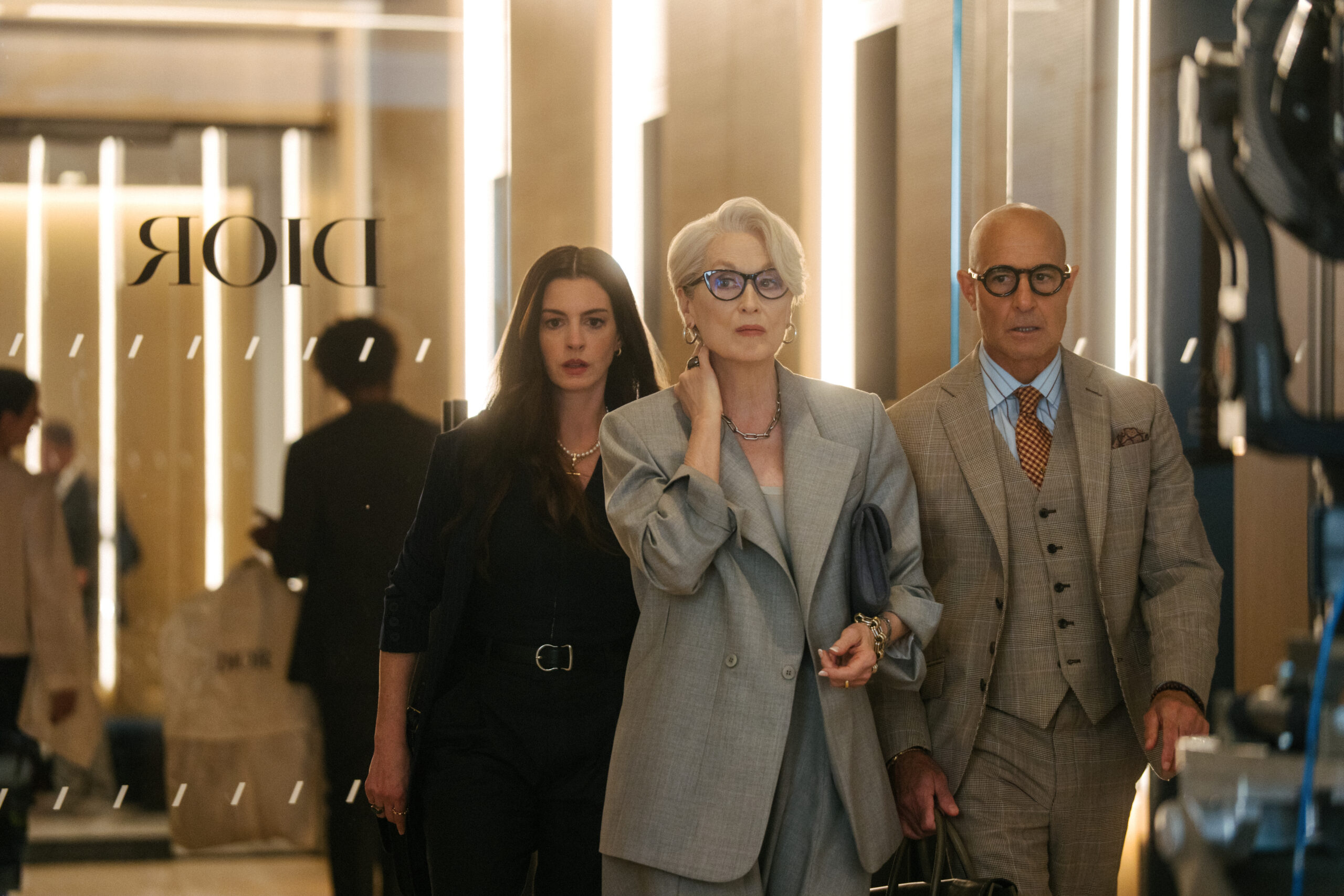
    The return to the high-stakes world of Runway magazine has proven to be a financial juggernaut. The Devil Wears Prada 2 has grossed $676 million at the global box office, a staggering figure that officially pushes the franchise past the $1 billion mark. This milestone confirms what industry analysts suspected when the sequel was announced: the appetite for Miranda Priestly’s icy demands and Andy Sachs’s career navigation remains as potent as ever.

    The numbers reflect a massive cultural footprint. The original 2006 film, based on Lauren Weisberger’s novel, earned $326 million worldwide against a modest $35 million budget. It became a touchstone for a generation. Now, nearly two decades later, the sequel has more than doubled the original’s haul, demonstrating the enduring power of legacy sequels when executed with the original cast intact.

    The Power of the Reunion

    The success of The Devil Wears Prada 2 hinges entirely on its cast. Meryl Streep returned as the formidable Miranda Priestly. Anne Hathaway reprised her role as Andy Sachs. Emily Blunt stepped back into the frantic shoes of Emily Charlton. Stanley Tucci returned as Nigel Kipling.

    This was not a reboot. This was a continuation. Audiences were not asked to accept new faces in iconic roles. They were invited to see where these specific characters landed nearly twenty years later.

    The marketing campaign leaned heavily into this reunion. Trailers featured Streep delivering variations of her famous “That’s all” dismissal. Promotional materials highlighted the shifting dynamics between Andy, now a powerful executive in her own right, and Miranda, facing a rapidly changing media landscape.

    Box Office Breakdown: Domestic vs. International

    The $676 million global gross is not evenly split. The film performed exceptionally well in international markets, where the appeal of high fashion and New York City glamour translates seamlessly.

    • Domestic Box Office: Roughly $285 million of the total comes from North American theaters. This indicates strong repeat viewing and broad demographic appeal, drawing both fans of the original and a new generation of moviegoers.
    • International Box Office: The remaining $391 million comes from overseas markets. The film saw massive returns in the United Kingdom, France, Italy, and Japan. The universal themes of workplace ambition and demanding bosses clearly resonate beyond American borders.

    This international strength is crucial. It insulates the film from domestic box office slumps and proves the global viability of female-led comedy-dramas, a genre often underestimated by studio executives.

    The Economics of Nostalgia

    The entertainment industry is currently driven by intellectual property. Studios rely on established franchises to mitigate risk. The Devil Wears Prada 2 is a textbook example of how to leverage nostalgia effectively.

    The original film was released in 2006. The audience that saw it in theaters is now in their late thirties and forties. They have disposable income. They have a deep emotional connection to the characters. They are willing to pay premium ticket prices to experience that connection again.

    Furthermore, the original film has enjoyed a robust afterlife on streaming platforms and cable television. It has been discovered by younger audiences who were not old enough to see it during its original theatrical run. This dual demographic, the original fans and the new converts, created a massive built-in audience for the sequel.

    The Cost of High Fashion

    While the original film cost $35 million, the sequel required a significantly larger investment. The budget for The Devil Wears Prada 2 is estimated to be around $90 million.

    This increase accounts for several factors. First, the cast salaries. Securing Streep, Hathaway, and Blunt required substantial upfront payments and back-end deals. Second, the production values. The film features extensive location shooting in New York, Paris, and Milan. Third, the wardrobe. The fashion in the film is a character itself, requiring partnerships with major design houses and a massive costume department budget.

    Despite the higher cost, the return on investment is undeniable. The film has grossed more than seven times its production budget, making it one of the most profitable films of the year.

    The Changing Landscape of Media

    The narrative of The Devil Wears Prada 2 reflects the shifts in the publishing industry since 2006. The original film focused on the power of print magazines. The sequel grapples with the realities of digital media, social media influencers, and the decline of traditional publishing models.

    Miranda Priestly is no longer just fighting rival editors; she is fighting algorithms and TikTok trends. Andy Sachs is navigating a world where content is consumed in seconds, not savored on glossy pages. This thematic update prevents the film from feeling like a simple retread of the original.

    It grounds the comedy in contemporary anxieties. It allows the characters to evolve and face new challenges. It makes the film relevant to the current moment, rather than just a nostalgic trip down memory lane.

    The Legacy of Miranda Priestly

    Meryl Streep’s performance as Miranda Priestly remains the anchor of the franchise. In 2006, the character was a terrifying, almost mythical figure. In the sequel, she is slightly more vulnerable, though no less formidable.

    The film explores the cost of her relentless ambition. It asks whether the sacrifices she made for her career were worth it. It provides a more nuanced portrait of a woman who refuses to compromise her standards in a world that increasingly demands mediocrity.

    Streep’s ability to find the humanity within the monster is what elevates the film above a standard workplace comedy. She makes Miranda Priestly a tragic figure, even as she delivers devastating insults with perfect comedic timing.

    The Future of the Franchise

    With the franchise now past the $1 billion mark, the inevitable question arises: will there be a third film? The studio has not officially announced The Devil Wears Prada 3, but the financial realities make it highly likely.

    However, the creative team faces a challenge. The sequel worked because it had something new to say about the characters and the industry. A third film would need to find a compelling reason to exist beyond just making more money.

    Perhaps the focus will shift entirely to Emily Charlton. Perhaps Andy Sachs will start her own rival publication. The possibilities are numerous, but the execution must match the quality of the first two films.

    The audience has proven they will show up for these characters. They have proven they will pay to see them navigate the cutthroat world of high fashion. The studio just needs to ensure the script is as sharp as a stiletto heel.

    The Cultural Impact

    Beyond the box office numbers, The Devil Wears Prada 2 has reignited conversations about workplace culture, female ambition, and the value of mentorship. The film’s depiction of a demanding female boss remains complex and controversial.

    Some view Miranda Priestly as a feminist icon, a woman who unapologetically wields power in a male-dominated industry. Others view her as a cautionary tale, a toxic leader who destroys the lives of those around her.

    The sequel does not offer easy answers. It presents the reality of high-stakes environments, where success often requires ruthless pragmatism. It forces the audience to grapple with the complexities of ambition and the true cost of excellence.

    The conversation continues. The box office climbs. The legacy solidifies. The franchise endures.

    Runway.

  • The ‘It Ends With Us’ Settlement: How Blake Lively’s Legal Wager Failed

    The ‘It Ends With Us’ Settlement: How Blake Lively’s Legal Wager Failed

    On the surface, the numbers told a story of absolute victory. When It Ends With Us hit theaters on August 9, 2024, it defied industry expectations, eventually crossing $346 million at the global box office against a modest $25 million budget. But behind the closed doors of Sony Pictures and Wayfarer Studios, a different narrative played out. Blake Lively made a high-stakes legal wager regarding the creative and marketing control of the film, and according to recent settlement details, she lost. The core of the dispute centered on whether a star’s inherent brand value and executive producer title could legally override the foundational intellectual property rights held by the film’s director and primary production company.

    The cameras stopped rolling. The legal maneuvering began.

    Hollywood power struggles are rarely litigated in open court. They are fought in closed-door arbitrations, mediated by high-priced entertainment attorneys, and buried under ironclad non-disclosure agreements. Yet, the fallout from the It Ends With Us press tour was too public to hide. The fracture between Lively and her co-star and director, Justin Baldoni, spilled onto TikTok, into the pages of The Hollywood Reporter, and across global red carpets.

    Now, the dust has settled. The legal postmortem reveals a fascinating miscalculation by one of Hollywood’s most bankable stars.

    The Origin of the Fracture

    To understand the legal wager, one must understand the chain of title. In 2019, Justin Baldoni and his production company, Wayfarer Studios, optioned the rights to Colleen Hoover’s 2016 bestselling novel. At that moment, Baldoni secured the ultimate leverage. Wayfarer owned the blueprint.

    Blake Lively entered the project much later. Cast as the protagonist, Lily Bloom, Lively also secured an executive producer credit. In modern Hollywood, an EP credit can mean everything or nothing. Sometimes it is a vanity title granted to secure a star’s commitment. Other times, it grants genuine operational authority.

    During principal photography in New Jersey, the dynamic reportedly functioned. But post-production is where films are actually made. It is also where legal ambiguities in producer contracts are violently tested.

    Reports surfaced that two distinct cuts of the film existed. Baldoni championed a version that leaned heavily into the book’s darker themes of generational trauma and domestic violence. Lively, backed by her husband Ryan Reynolds and his Maximum Effort production banner, reportedly favored a cut that amplified the romantic and aspirational elements. Reynolds even rewrote a pivotal rooftop scene, a fact Lively proudly shared during the press tour, much to the reported surprise of the film’s credited screenwriter, Christy Hall.

    The Dueling Press Tours

    The creative schism birthed a marketing disaster. By August 2024, the promotional campaign for It Ends With Us had split into two parallel universes.

    Justin Baldoni hired veteran crisis PR manager Matthew Hiltzik. He conducted interviews solo, focusing exclusively on the heavy subject matter. He partnered with the No More Foundation, speaking earnestly about domestic violence awareness. He positioned the film as a cautionary tale.

    Lively took a drastically different approach. She leaned into her lifestyle brand. She urged audiences to “grab your friends, wear your florals, and head out to see it.” She cross-promoted her newly launched hair care line, Blake Brown. The tonal dissonance was jarring. The internet noticed. Within days, TikTok was flooded with viral videos analyzing the cast’s refusal to be photographed with Baldoni at the New York premiere.

    This was not merely a PR crisis. It was the public manifestation of a private legal war. Lively was operating as if she had final say over the film’s identity. Baldoni was operating as if he owned the film. Only one of them had the paperwork to back it up.

    The Bold Legal Wager

    According to industry postmortems, Lively’s legal team attempted a novel maneuver. They did not simply argue over the final cut, Sony Pictures ultimately controlled distribution. Instead, they wagered on a legal theory regarding fiduciary duty and brand equity.

    The wager likely rested on three pillars:

    • Implied Creative Authority: The argument that Lively’s attachment as a marquee star and executive producer implicitly granted her approval rights over marketing materials and final edits, superseding standard Wayfarer clauses.
    • Brand Protection: The theory that a studio or co-producer cannot market a film in a way that actively damages the star’s established personal brand. Lively’s brand is aspirational, fashion-forward, and light.
    • The “Maximum Effort” Variable: The assertion that the uncredited but substantial contributions by Ryan Reynolds and Lively’s team during post-production created a defacto co-ownership of the final creative product.

    “It was a test of modern celebrity power against traditional contract law. Lively’s camp essentially argued that without her specific brand of stardom, the underlying IP was worthless. It was a bold theory. But in entertainment law, the paper trail usually wins.”

    The wager was aggressive. If successful, it would have rewritten the rules for actors stepping into producer roles on existing IP. It would have established that a star’s cultural footprint carries legal weight equivalent to a copyright option.

    The Settlement Reality

    The settlement proves the wager failed. While the exact financial terms remain sealed beneath NDAs, the structural outcome is clear. Wayfarer Studios maintained its foundational control. Lively’s camp quietly conceded the overarching legal battle.

    The failure of the legal theory comes down to the rigidity of Hollywood chain-of-title. Wayfarer bought the rights from Colleen Hoover. Wayfarer developed the script with Christy Hall. Wayfarer brought the package to Sony. Lively was a highly compensated, highly valued employee of that package. An executive producer title, no matter how aggressively leveraged, does not retroactively rewrite the foundational rights agreement.

    Lively did not lose financially. She earned a massive backend payout from the film’s $346 million gross. But she lost the structural war. She lost the precedent.

    The Cost of the Campaign

    The legal defeat was compounded by the reputational cost. The internet’s reaction to the floral-themed press tour was swift and unforgiving. Lively was accused of tone-deafness, of minimizing the reality of domestic abuse to sell movie tickets and shampoo.

    Her team scrambled to course-correct. Mid-way through August, Lively began sharing links to domestic violence resources on her Instagram Stories. But the narrative had already hardened. The attempt to wrest control of the film’s tone had backfired on two fronts: it failed in the legal settlement, and it failed in the court of public opinion.

    Baldoni, conversely, emerged with his reputation largely enhanced. By sticking rigidly to the thematic core of Hoover’s book and refusing to engage in the public mudslinging, he validated Wayfarer’s original vision. He protected his IP.

    The Blueprint for Future Celebrity Producers

    Entertainment lawyers across Los Angeles are currently rewriting standard boilerplate contracts based on the It Ends With Us fallout. The settlement serves as a definitive warning to talent agencies like WME and CAA.

    If a star wants true creative control, they must buy the underlying rights themselves. They cannot rely on their follower count or their box office history to bully a production company in post-production. The era of the “vanity” executive producer title may be ending. Studios and independent financiers will now demand explicit, airtight language defining exactly what an actor-producer can and cannot control regarding marketing and final cut.

    The It Ends With Us saga is a case study in the limits of star power. A massive box office return can heal many wounds. It can generate immense wealth. But it cannot rewrite a contract.

    The premiere ended. The lawyers billed their hours. The settlement was signed.

    Paperwork.

    Next in the Series: The rise of the “Crisis PR” industry and how fixers like Matthew Hiltzik shape Hollywood narratives before they ever reach the courtroom.

  • Disney+ Greenlights ‘Journey’, The Obamas’ Higher Ground Enters the Animation Wars

    Disney+ Greenlights ‘Journey’, The Obamas’ Higher Ground Enters the Animation Wars

    Disney+ has officially greenlit “Journey,” a new fantasy animated series produced by Barack and Michelle Obama’s Higher Ground Productions. The 2026 acquisition marks a significant expansion for the former First Family’s media empire, moving their storytelling footprint from Netflix into the heart of the Walt Disney Company’s family entertainment portfolio. “Journey” represents a strategic move into high-budget family fantasy. It merges Higher Ground’s focus on diverse, thematic storytelling with Disney’s global animation pipeline. The announcement arrived via Variety. It signals a definitive shift in the modern streaming landscape. The Obamas are no longer exclusive to a single platform. Their media footprint is diversifying. The cultural implications are immediate. Disney has spent the last four years navigating intense political crossfire. Higher Ground carries inherent political weight. Combining the two guarantees a cultural reaction.

    The Greenlight at Burbank

    The deal for “Journey” was struck quietly in the halls of Burbank. Disney+ needs high-retention family programming. Higher Ground needs a platform with legacy reach. The marriage makes structural sense. Fantasy animation is a highly specific genre. It requires massive upfront capital. It requires years of lead time. It requires a merchandising apparatus that only a few studios possess. Disney holds the infrastructure. Higher Ground brings the cultural cachet. The series is described as a sprawling fantasy epic. The exact plot details remain under strict embargo. The target demographic is broad family viewing. This is not a niche political documentary. This is a play for the four-quadrant audience. The global streaming market demands content that can cross borders. Fantasy animation translates perfectly. The visual language is universal. The themes of heroism, discovery, and resilience scale across international markets. Disney+ currently operates in over 150 markets. “Journey” is engineered for all of them. The production timeline suggests a rapid acceleration. Animation pipelines usually take three to four years. Higher Ground has been developing the intellectual property internally before bringing it to Disney. The greenlight means the conceptual phase is over. The rendering phase begins.

    The Architecture of Higher Ground

    To understand the Disney deal, one must look at the foundation of Higher Ground. Barack and Michelle Obama launched the production banner in 2018. They did not enter Hollywood to make campaign ads. They entered to build a legacy media brand. Their initial move was a massive, multi-year overall deal with Netflix. Industry analysts estimated the initial Netflix pact at roughly $50 million. The strategy was clear from the start. Hire top-tier executives. Acquire premium festival projects. Develop original intellectual property. Priya Swaminathan and Tonia Davis were brought in early to build the slate. The results validated the strategy. Higher Ground’s first release, “American Factory,” won the Academy Award for Best Documentary Feature in 2020. They followed it with critically acclaimed projects like “Crip Camp” and “Becoming.” But documentaries have a ceiling. Fiction scales higher. The company pivoted toward narrative features and high-end television. They produced the dystopian thriller “Leave the World Behind” with Sam Esmail and Julia Roberts. The film dominated Netflix’s global charts in late 2023. Higher Ground proved they could deliver blockbuster numbers.

    The Netflix Foundation

    The Netflix years established Higher Ground as a serious Hollywood player. Ted Sarandos championed their early slate. Los Gatos provided the capital. The Obamas provided the access. But the streaming wars evolved. Overall deals began to shift. Exclusivity became less attractive for high-profile creators who wanted to shop specific genres to the best possible buyer. Higher Ground recognized the shifting tides. When their initial Netflix deal reached its expiration phase, they opted for flexibility. They renewed ties with Netflix for specific projects but opened their doors to the wider marketplace. Disney+ emerged as the perfect home for “Journey.” Netflix has a robust animation department, but Disney is the historical king of the medium. If a production company wants to launch a generational fantasy animated property, Disney is the ultimate distributor.

    Disney’s Cultural Battlefield

    The Walt Disney Company does not make moves in a vacuum. Every greenlight carries weight. The partnership with the Obamas arrives at a complex moment for the House of Mouse. Over the past four years, Disney has found itself at the center of the American culture wars. The friction began in earnest in 2022. The company, then led by CEO Bob Chapek, clashed publicly with Florida Governor Ron DeSantis over the state’s Parental Rights in Education bill. The fallout was severe. Disney faced boycotts from conservative media. Florida moved to dissolve the Reedy Creek Improvement District, stripping Disney of its long-held self-governing status in Orlando. Bob Iger returned to the CEO chair to stabilize the ship. He has spent the last two years attempting to quiet the political noise. Iger’s mandate is shareholder value. He wants the focus back on storytelling. But the “Journey” announcement immediately reactivates the cultural defense mechanisms. Right-leaning media outlets will inevitably frame the partnership as evidence of Disney’s ideological leanings. Left-leaning outlets will celebrate the inclusion of the Obamas in the Disney ecosystem. The cultural debate is unavoidable.

    The Florida Shadow

    Tallahassee still watches Burbank. The political sentiment surrounding Disney has real financial implications. Subscriber churn is a metric closely tied to brand perception. When a brand becomes politicized, a segment of the audience inevitably unplugs. Disney has factored this into the calculus of “Journey.” The executives believe the quality of the intellectual property will outshine the political noise. History offers a mixed precedent. Some projects survive the culture war. Others sink under the weight of the discourse. The Obamas are highly polarizing figures in the political arena, but their media output has largely avoided partisan signaling. “Leave the World Behind” was a massive commercial success despite conservative criticism of its themes. Disney is betting that “Journey” will follow a similar trajectory. They are betting that parents care more about high-quality entertainment than the names listed in the executive producer credits.

    The Mechanics of Fantasy Animation

    Animation is not a monolith. “Journey” falls into the specific sub-genre of serialized fantasy. This is a highly lucrative space when executed correctly. Shows like “Avatar: The Last Airbender” and “The Dragon Prince” proved that audiences crave deep lore, complex magic systems, and long-form character arcs in animated formats. Higher Ground is not new to animation. They previously produced “Ada Twist, Scientist” for Netflix. That series was aimed at preschoolers. It was educational. It was safe. “Journey” represents a massive step up in scale and ambition. The budgets for premium fantasy animation can run between $10 million and $15 million per episode. The world-building requires armies of concept artists, riggers, and sound designers. Disney+ needs this specific type of content to bridge the gap between their Marvel and Star Wars tentpoles. Original fantasy IP is rare. If “Journey” hits, it spawns merchandise, theme park integrations, and spin-offs. The financial upside of a successful fantasy franchise dwarfs the initial production costs. Higher Ground knows this. They are building an asset with a long-tail revenue stream.

    The Economics of ‘Journey’

    The streaming industry in 2026 operates on a mandate of profitability. The era of blank checks is over. Wall Street demands positive cash flow from streaming divisions. Disney+ has aggressively restructured its content spending to meet these demands. The greenlight of “Journey” indicates that the project passed a rigorous internal financial stress test. Disney does not hand out animation budgets lightly. The deal structure likely involves significant back-end participation for Higher Ground. In the modern era, production companies of this caliber do not work for flat fees. They demand ownership stakes or lucrative licensing thresholds. The exact dollar amount of the Disney-Higher Ground pact remains undisclosed. However, industry comparables suggest a massive commitment. The marketing budget alone for a new original fantasy series will rival a theatrical release. Disney will leverage its entire corporate synergy machine to launch the show. ESPN, ABC, and the theme parks will all play a role in the promotional rollout.

    What ‘Journey’ Represents for 2026 Streaming

    The streaming landscape is consolidating. Platforms are merging. Audiences are experiencing subscription fatigue. To cut through the noise, a project needs an undeniable hook. “Journey” has two. It has the promise of a sprawling fantasy world, and it has the Obama brand attached to its marketing materials. This is the new formula for event television. Combine high-end genre storytelling with massive, out-of-market celebrity power. Higher Ground has successfully transitioned from a boutique documentary house into a full-scale Hollywood studio. They are playing the long game. Disney is playing the retention game. The intersection of these two strategies is “Journey.” The cultural debate will rage. The political sentiment will be measured. The think pieces will be drafted. But ultimately, the success of the series will rely on the basic fundamentals of storytelling. Does the world feel real? Do the characters resonate? Does the animation push the medium forward? These are the questions that will determine the legacy of the project. The executives have signed the contracts. The animators have started their renders. The culture war waits in the wings. The platforms prepare for the launch. Burbank prepares. Los Gatos watches. Tallahassee reacts. Entertainment.

  • ‘ALF’ Star Anne Schedeen Dies at 77 – Family Highlights Political Defiance in Memorial

    ‘ALF’ Star Anne Schedeen Dies at 77 – Family Highlights Political Defiance in Memorial

    Anne Schedeen, the actress best known for playing matriarch Kate Tanner on the 1980s NBC sitcom “ALF,” died in 2026 at the age of 77. While her death marked the passing of a beloved television icon, her family’s public statement captured national attention by explicitly highlighting her “burning hatred for Donald Trump” as a defining aspect of her final years. The posthumous revelation transformed a standard Hollywood obituary into a viral cultural flashpoint.

    For four years, Schedeen anchored one of the most surreal and technically demanding sitcoms on network television. She played the straight woman to an extraterrestrial puppet. She represented the quintessential, unflappable American mother to millions of viewers.

    But the woman behind the character was not a television trope. She was a Portland-born acting veteran who eventually walked away from Hollywood entirely. And in her final act, her family ensured her true voice outlived her most famous role.

    The Statement That Broke the Nostalgia Barrier

    Celebrity passings typically follow a rigid public relations script. Representatives issue statements. Co-stars post archival photos. The media highlights the deceased’s most famous roles.

    Schedeen’s family discarded the script. In confirming her death to Variety, they included a blunt, uncompromising detail about her political convictions. They made it clear that her opposition to the former president was not a casual opinion, but a fierce, defining characteristic of her later life.

    This decision immediately bifurcated the public reaction. On social media platforms, the news of her passing was quickly overshadowed by partisan debate. For some, the statement was a validation of their own political exhaustion. For others, it was an intrusion of modern polarization into a space usually reserved for nostalgic mourning.

    The phrasing was intentional. It was not a polite “in lieu of flowers, please vote.” It was a declaration of “burning hatred.”

    It signaled a shift in how public figures, even those who have been out of the spotlight for decades, choose to be remembered. The obituary is no longer just a biographical summary. It is the final word.

    From Portland to Primetime

    Long before she navigated the bizarre landscape of “ALF,” she was Luanne Ruth Schedeen. Born on January 8, 1949, in Portland, Oregon, she grew up far removed from the machinery of Los Angeles.

    She studied acting under Lurene Tuttle, a prolific character actress who understood the grueling reality of the business. Schedeen did not become an overnight star. She built a career through relentless episodic television work in the 1970s and early 1980s.

    She signed a contract with Universal Studios. She became a reliable presence on network television. She appeared in “Emergency!,” “Marcus Welby, M.D.,” and “The Bionic Woman.”

    She understood the rhythm of the multi-camera sitcom and the hour-long drama alike. She guest-starred on “Three’s Company.” She took a recurring role on “Simon & Simon.” She appeared on “Cheers.”

    By the time 1986 arrived, Schedeen was a seasoned professional. She knew how to hit a mark, how to deliver a punchline, and how to anchor a scene. She would need all of those skills for the project NBC was about to greenlight.

    The Architecture of a 1980s Sitcom

    On September 22, 1986, “ALF” premiered on NBC. The premise was absurd. An Alien Life Form crashes into the garage of a suburban family in the San Fernando Valley. The family hides him from the government. Chaos ensues.

    Schedeen was cast as Kate Tanner, the pragmatic mother trying to maintain order in a household harboring a sarcastic, cat-eating alien. Max Wright played her husband, Willie. Andrea Elson and Benji Gregory played their children.

    On screen, the show was a lighthearted, massive commercial success. It spawned lunchboxes, trading cards, and an animated spin-off. It generated millions in merchandising revenue.

    Off screen, the production was a technical nightmare. The set was built on a raised platform heavily modified with trapdoors. Creator and puppeteer Paul Fusco required these trenches to operate the ALF puppet from below while remaining out of the camera’s view.

    The actors had to navigate a dangerous set. They had to deliver their lines to a lifeless piece of fabric while Fusco provided the voice and movement from underneath the floorboards. A standard 22-minute sitcom episode usually takes a few hours to film in front of a live studio audience. “ALF” took days.

    Fourteen-hour shoots were common. The tension on set was palpable. The human actors were often relegated to playing second fiddle to a demanding mechanical prop. Schedeen, a classically trained actress, spent four years reacting to a puppet.

    Despite the grueling conditions, she delivered. She grounded the show. Without her deadpan reactions and maternal authority, the absurdity of the premise would have collapsed. She made the unbelievable seem routine.

    A Quiet Exit from Hollywood

    “ALF” was abruptly canceled in 1990 after four seasons and 99 episodes. The network did not allow for a proper series finale, leaving the characters in a cliffhanger that frustrated fans for decades.

    For Schedeen, the end of the show was a release. She continued to act sporadically throughout the 1990s. She appeared in television movies and took a recurring role on the CBS drama “Judging Amy” in 2001.

    And then, she stopped.

    Unlike many actors who chase the camera until the end, Schedeen made a deliberate choice to walk away. She transitioned into a completely different life. She became an interior decorator and an antiques dealer in Los Angeles.

    She found success in design. She mentored younger actors, teaching comedy classes part-time. She lived quietly, far removed from the syndication royalties and the nostalgic conventions that many of her peers relied upon.

    She did not participate in the endless cycle of reality television or reboot rumors. She left Kate Tanner in the 1980s. She built a life defined by her own aesthetic choices, not by a script.

    The Politicization of the American Death Notice

    The family’s decision to include Schedeen’s political views in her death announcement is part of a broader cultural shift. The American obituary has changed.

    For decades, obituaries were standardized texts. They listed birthdates, surviving relatives, career milestones, and funeral arrangements. They were polite. They were neutral.

    In recent years, that neutrality has eroded. Families have begun using death notices to make final, unassailable statements about the deceased’s worldview. The trend accelerated significantly around 2016.

    Some obituaries request that mourners vote for a specific candidate in lieu of flowers. Others explicitly blame politicians for systemic failures. In Schedeen’s case, the family used the moment of maximum public attention to cement her political legacy.

    The mechanics of modern media guarantee that these statements go viral. A local obituary is digitized. A national outlet like Variety picks up the celebrity angle. Social media algorithms amplify the outrage and the applause. Within hours, a 77-year-old retired actress becomes the center of a national political argument.

    This is the new reality of public mourning. The personal is no longer just political. The personal is broadcast.

    The Collision of Two Eras

    The reaction to Schedeen’s death highlights a unique modern friction. Fans want their childhood memories preserved in amber. They want the actors who played their favorite characters to remain frozen in time, eternally wholesome and politically ambiguous.

    But the actors are real people. They live through the same turbulent decades as their audience. They age. They form fierce opinions. They watch the news.

    Anne Schedeen was not Kate Tanner. She was a woman who navigated the ruthless Hollywood studio system of the 1970s. She was a professional who endured the grueling, trapdoor-laden set of a 1980s sitcom. She was a businesswoman who built a second career in Los Angeles design.

    And she was a citizen who harbored strong, uncompromising views about the direction of her country. Her family refused to let the sitcom character overwrite the actual woman.

    They ensured her final headline was not just about an alien in a garage. It was about her.

    Networks broadcast the reruns. Audiences debated the politics. A family honored a mother who refused to leave quietly.

    Schedeen.

  • Jane Fonda Attacks Paramount-WBD Merger – The Fight for CNN and the Future of Media

    Jane Fonda Attacks Paramount-WBD Merger – The Fight for CNN and the Future of Media

    Jane Fonda publicly condemned the proposed merger between Paramount Global and Warner Bros. Discovery during a June 2026 First Amendment protest, explicitly citing her historical and personal ties to CNN. Speaking to demonstrators in Los Angeles, the 88-year-old actress and activist warned that further media consolidation threatens journalistic independence, stating, “I have a personal stake in CNN, I don’t want to see it go that way.” The protest highlights growing cultural and regulatory backlash against mega-mergers in the entertainment and news industries.

    The entertainment industry is shrinking. Corporate boardrooms are consolidating power. Legacy studios are trading hands like poker chips in a high-stakes game of debt management.

    But the story does not begin with a corporate press release. It begins with the legacy of a 24-hour news network, the shifting landscape of American journalism, and a Hollywood icon leveraging her history to fight a corporate monopoly.

    The Intersection of Legacy and Monopoly

    Jane Fonda stood before a crowd of activists, journalists, and union members in June 2026. The backdrop was a protest organized around First Amendment protections and media independence. The target was the boardroom of Warner Bros. Discovery (WBD) and the controlling shareholders of Paramount Global.

    Her words were brief but targeted. She did not speak primarily as an Academy Award-winning actress. She spoke as a witness to the birth of modern cable news.

    “I have a personal stake in CNN, I don’t want to see it go that way.”

    That personal stake is anchored in history. From 1991 to 2001, Fonda was married to Ted Turner, the media maverick who founded the Cable News Network in 1980. During their decade together, CNN grew from an Atlanta-based upstart into a global journalistic powerhouse. Turner’s vision for the network was rooted in global reporting, independent bureaus, and a mandate to cover the news without the heavy hand of corporate homogenization.

    Today, Turner’s network belongs to Warner Bros. Discovery. It operates under the direction of CEO David Zaslav. The network has faced years of identity crises, shifting editorial mandates, and aggressive cost-cutting measures. For Fonda, the prospect of WBD absorbing Paramount Global, and by extension, CBS News, represents a dangerous tipping point. It signals a future where the American news diet is controlled by an ever-shrinking circle of executives.

    The Mechanics of the Paramount-WBD Mega-Merger

    The proposed merger between Paramount Global and Warner Bros. Discovery is a transaction born of desperation and scale. Both entities carry massive cultural footprints. Both entities carry massive financial burdens.

    Warner Bros. Discovery was formed in April 2022 when AT&T spun off WarnerMedia, merging it with Discovery Inc. in a $43 billion deal. The transaction saddled the new company with over $40 billion in debt. To service that debt, Zaslav initiated unprecedented cuts. Movies were shelved for tax write-offs. Entire divisions were gutted. Streaming platforms were consolidated into Max.

    Paramount Global faces a similar existential threat. Controlled by Shari Redstone through National Amusements, the company owns CBS, MTV, Nickelodeon, and Paramount Pictures. Despite launching the Paramount+ streaming service, the company has struggled to offset the rapid decline of linear television revenue. Its debt load hovers near $14 billion. The market capitalization of the legacy studio has plummeted, making it a prime target for acquisition or merger.

    • Warner Bros. Discovery Assets: HBO, CNN, Warner Bros. Studios, Discovery Channel, TNT, TBS, Max.
    • Paramount Global Assets: CBS, CBS News, Paramount Pictures, MTV, Comedy Central, Nickelodeon, Paramount+.

    Combining these two behemoths would create a media monopoly of unprecedented scale. It would place two of the three major legacy cable news operations (CNN and CBS News) under a single corporate roof. It would merge two historic Hollywood film studios. It would consolidate massive libraries of intellectual property.

    Wall Street views the merger as a necessary survival tactic in a landscape dominated by Netflix, Amazon, and Apple. Cultural observers view it as a disaster.

    Why CNN is the Cultural Flashpoint

    Fonda’s focus on CNN cuts to the core of the First Amendment argument against the merger. Entertainment monopolies limit consumer choice. News monopolies limit democratic function.

    Since WBD took control of CNN, the network has experienced severe turbulence. Zaslav initially installed Chris Licht to pivot the network toward a perceived political center. The strategy resulted in controversial town halls, alienated viewers, and plummeting ratings. Licht was eventually ousted, replaced by former New York Times executive Mark Thompson. Through it all, the newsroom has endured rounds of layoffs and budget constraints.

    If WBD merges with Paramount, the future of CNN becomes even more precarious. CBS News operates with a legacy broadcast mentality. CNN operates as a 24-hour global wire. Merging the two parent companies inevitably leads to “synergies”, the corporate euphemism for eliminating duplicate roles.

    Redundant bureaus are closed. Competing investigative units are merged. The diversity of editorial voices is silenced. When a single executive team dictates the budgets for both Anderson Cooper on CNN and the Evening News on CBS, the illusion of competition evaporates.

    Fonda’s warning that she does not “want to see it go that way” is a direct critique of this trajectory. It is a defense of the newsroom as a public utility rather than a line item on a consolidated balance sheet.

    The Regulatory Wall in Washington

    The Paramount-WBD merger is not just a Hollywood story. It is a Washington battleground. The transaction must survive the scrutiny of the Federal Trade Commission (FTC) and the Department of Justice (DOJ).

    Under the Biden administration, FTC Chair Lina Khan has taken an aggressive stance against corporate monopolies. The agency has challenged tech mergers, grocery consolidations, and pharmaceutical buyouts. A merger of this magnitude in the media sector guarantees a brutal antitrust review.

    Regulators examine the Herfindahl-Hirschman Index (HHI), a measure of market concentration. Combining Warner Bros. and Paramount Pictures significantly increases concentration in theatrical distribution. Combining Max and Paramount+ increases concentration in the streaming market. Combining CNN and CBS News increases concentration in national broadcast journalism.

    The First Amendment implications give regulators additional ammunition. Antitrust law is traditionally focused on consumer pricing. If a monopoly raises the price of goods, it is broken up. But media monopolies present a different kind of harm. They restrict the marketplace of ideas. When fewer companies control the flow of information, the public suffers a structural deficit in truth.

    Hollywood’s Ongoing Cultural War

    Fonda’s protest does not exist in a vacuum. It is the continuation of a labor and cultural war that has gripped Hollywood for years.

    In 2023, the Writers Guild of America (WGA) and the Screen Actors Guild (SAG-AFTRA) staged historic strikes. The core issues were residual payments in the streaming era and the existential threat of artificial intelligence. But beneath those specific demands was a broader frustration with corporate media consolidation. Writers and actors realized they were no longer negotiating with movie producers; they were negotiating with tech conglomerates and private equity firms.

    The Paramount-WBD merger represents the final boss of that consolidation era. It traces its roots back to the Telecommunications Act of 1996, which deregulated media ownership and allowed companies like Clear Channel and Sinclair to swallow local radio and television stations. Thirty years later, that same deregulatory ethos has reached the pinnacle of global media.

    Fonda, long known for her activism ranging from the Vietnam War to climate change, understands the power of a platform. By explicitly linking her personal history with Ted Turner to the current plight of CNN, she forces the public to remember what independent media once looked like.

    The fight is no longer just about box office receipts or streaming subscriber counts. It is about who gets to tell the story of the world.

    Lawyers drafted their injunctions.

    Executives prepared their defenses.

    Activists held the line.

    Consolidation.

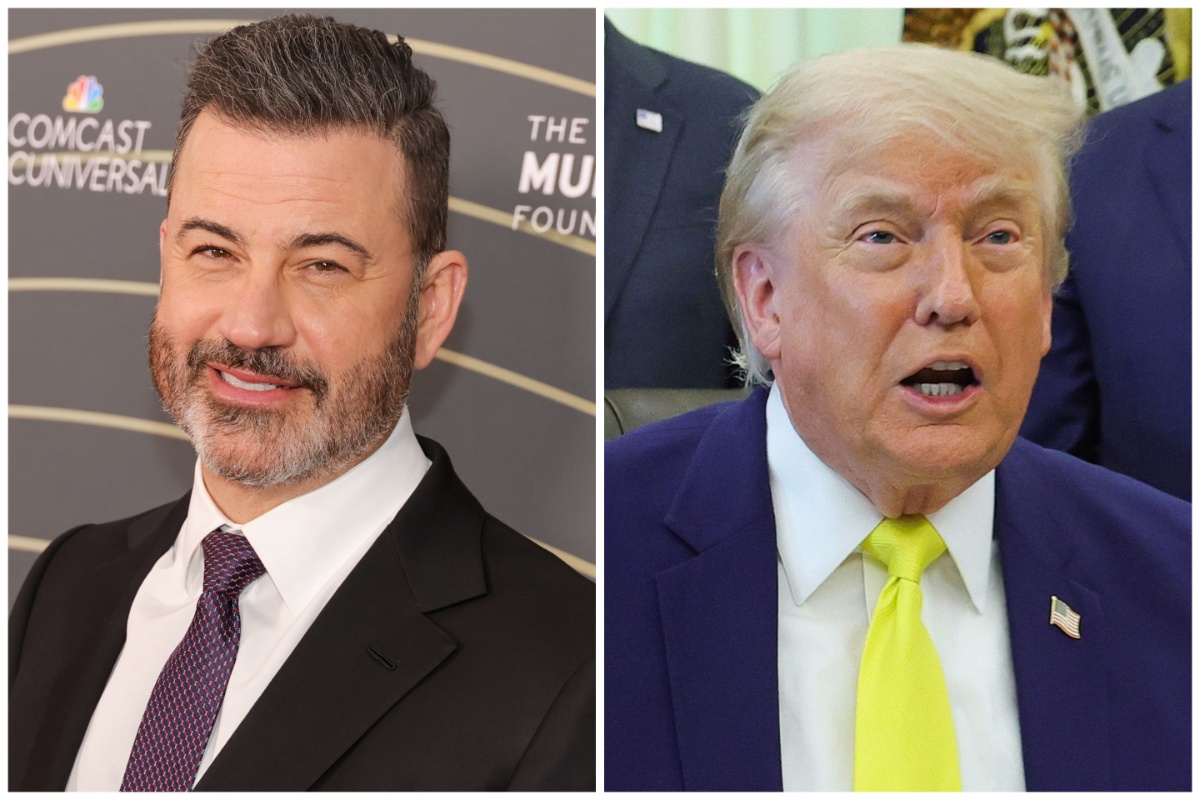
  • Jimmy Kimmel’s Epstein-Themed Birthday Card to Donald Trump – A Late-Night Escalation

    Jimmy Kimmel’s Epstein-Themed Birthday Card to Donald Trump – A Late-Night Escalation

    On June 14, 2026, ABC late-night host Jimmy Kimmel marked Donald Trump’s 80th birthday by broadcasting a custom-designed, Jeffrey Epstein-inspired birthday card during his opening monologue on Jimmy Kimmel Live!. The segment immediately triggered a polarized cultural response, blending late-night comedy with the dark legacy of the convicted sex offender. The broadcast utilized historical photographs of Trump and Epstein from the 1990s, weaponizing the past social association between the two men for political satire.

    The visual landed exactly as intended. The studio audience at the El Capitan Entertainment Centre in Hollywood erupted. Social media platforms fractured along predictable partisan lines. Variety reported on the segment within hours, cementing its status as a viral media event.

    But the story does not begin with a single monologue in 2026. What looks like a spontaneous late-night joke is actually the culmination of a decade-long media war. It is a story about the changing mechanics of television, the weaponization of scandal, and the total collapse of the neutral American broadcaster.

    The Broadcast from Hollywood

    The mechanics of the modern late-night monologue are highly engineered. The writing staff of Jimmy Kimmel Live! works hours before the 11:35 PM EST broadcast to isolate the day’s most flammable political topics. On June 14, the target was obvious.

    Donald Trump’s birthday has long served as a focal point for both his supporters and his political detractors. Kimmel chose to bypass traditional political critiques regarding policy or legal battles. Instead, he reached for the most radioactive cultural figure of the 21st century.

    Jeffrey Epstein died at the Metropolitan Correctional Center in Manhattan on August 10, 2019. His legacy as a financier and convicted sex offender continues to cast a long shadow over global elites. By linking Trump’s milestone birthday to Epstein, Kimmel bypassed standard comedy. He deployed a deliberate, associative attack.

    The card displayed during the broadcast featured well-documented imagery. It relied on photographs taken at Mar-a-Lago and various Manhattan social events during the late 1990s and early 2000s. These images show Trump and Epstein in close proximity, often accompanied by Ghislaine Maxwell.

    Kimmel delivered the punchline with practiced precision. The camera cut to the custom graphic. The joke was brief. The cultural fallout was immediate.

    A Decade of Hostility

    Jimmy Kimmel and Donald Trump were not always adversaries. During the early 2000s, Trump was a frequent guest on late-night television. He promoted The Apprentice, discussed real estate deals, and participated in lighthearted banter. The relationship was transactional and mutually beneficial.

    The dynamic fractured permanently in 2015. When Trump descended the escalator at Trump Tower to announce his presidential campaign, the late-night ecosystem shifted. By the time Trump assumed the presidency in January 2017, hosts like Kimmel, Stephen Colbert, and Seth Meyers had transformed their programs into nightly opposition broadcasts.

    The feud between Kimmel and Trump became deeply personal. It transcended standard political satire. Trump frequently targeted Kimmel on Twitter, and later on Truth Social. He mocked Kimmel’s ratings. He criticized his hosting abilities. He labeled the comedian a partisan hack.

    Kimmel returned fire consistently. He dedicated vast portions of his nightly monologues to dissecting Trump’s administration. The conflict reached a historic peak on March 10, 2024.

    “Has there ever been a worse host than Jimmy Kimmel at the Oscars?”

    Trump posted that question on Truth Social during the 96th Academy Awards. Kimmel, hosting the live broadcast on ABC, read the post to a global audience of nearly 20 million viewers. He followed it with a direct jab at Trump’s legal troubles. The exchange proved that the feud had become a permanent fixture of American pop culture.

    The 2026 birthday card was simply the latest ammunition in an ongoing war. It was designed to provoke. It succeeded.

    The Epstein Association as Political Weapon

    The use of Jeffrey Epstein as a comedic weapon requires specific context. Epstein was a fixture of high society. His contact book, often referred to as the “black book,” contained the names of politicians, scientists, actors, and billionaires.

    Both Bill Clinton and Donald Trump had documented social interactions with Epstein. This bipartisan proximity made Epstein a unique figure in modern political warfare. Opposing political camps frequently use Epstein’s memory to attack their rivals.

    For Kimmel, the strategy was clear. The visual evidence of Trump and Epstein socializing in Palm Beach provides undeniable fodder. Trump’s defenders routinely point out that Trump banned Epstein from Mar-a-Lago after a dispute over real estate, long before Epstein’s 2008 conviction in Florida.

    Late-night comedy does not concern itself with nuanced timelines. It concerns itself with impact. The image of the two men laughing together in the 1990s is a potent visual. Kimmel’s writing team understood the algorithm. They knew the image would generate millions of impressions across X, TikTok, and YouTube.

    The birthday card was not just a prop. It was a calculated piece of viral engineering.

    The Economics of Outrage

    Late-night television is an expensive enterprise. Producing five hours of original content a week requires massive capital. In 2026, linear television ratings continue to decline. Networks like ABC, owned by The Walt Disney Company, rely heavily on digital distribution to justify the costs.

    A standard monologue joke might generate a few hundred thousand views on YouTube. A highly polarized, controversial attack generates millions. It drives engagement. It forces media outlets like Variety to write aggregation pieces. It creates a self-sustaining news cycle.

    The Epstein birthday card was engineered for this ecosystem. The moment it aired, it was clipped and distributed. Conservative commentators shared the clip to express outrage, accusing Kimmel of crossing a line of decency. Progressive commentators shared the clip to applaud Kimmel’s willingness to attack the former president aggressively.

    Both reactions serve the same master. Both reactions generate ad revenue. Both reactions keep Jimmy Kimmel relevant in a fractured media landscape.

    • The Linear Broadcast: Captured the older, traditional television demographic.
    • The YouTube Upload: Captured the morning-after office crowd and international viewers.
    • The TikTok Cut: Captured Gen Z users through aggressive algorithmic pushing.
    • The News Cycle: Captured the political media class, ensuring the joke lived for 48 hours instead of 10 minutes.

    The Walt Disney Company maintains a delicate balance. They operate theme parks built on family-friendly intellectual property. They also operate a television network that relies on highly partisan, aggressive political comedy to maintain cultural relevance. The Epstein card tested the limits of that balance.

    The Death of the Neutral Monologue

    To understand the gravity of the broadcast, one must look at the history of the medium. Johnny Carson hosted The Tonight Show for 30 years. He was the undisputed king of late night. His political jokes were mild. He mocked the president, regardless of party, for basic incompetence or physical stumbles. He never alienated half his audience.

    Jay Leno followed the same playbook. He was a populist. He wanted everyone in the tent.

    Jon Stewart changed the paradigm. With The Daily Show, Stewart proved that an audience craved sharp, ideologically driven satire. He proved that you did not need everyone in the tent. You only needed a fiercely loyal demographic.

    Jimmy Kimmel adopted this model out of necessity. When he launched his show in 2003, he was a former co-host of The Man Show. He was known for frat-boy humor. Over two decades, he reinvented himself. He became an emotional, highly political voice for the American center-left.

    The transition was complete by the time Trump entered politics. Kimmel’s tearful monologues about healthcare policy in 2017 established his new brand. The 2026 Epstein birthday card solidified it. There is no longer any attempt to appeal to the broad American public. The goal is to rally the base.

    The Cultural Fallout

    The aftermath of the broadcast followed a predictable script. Political action committees drafted fundraising emails referencing the joke. Cable news panels spent hours debating the ethics of using a convicted sex offender as a punchline. The Federal Communications Commission received a minor spike in routine complaints.

    None of it changed the trajectory of the culture. The outrage cycle is baked into the business model. The controversy is not a byproduct of the broadcast. The controversy is the product.

    Jimmy Kimmel understood the assignment. The writers understood the assignment. The network executives understood the assignment. They delivered exactly what the 2026 media environment demands. They provided friction.

    They took a birthday. They added a scandal. They pressed broadcast. The machine did the rest.

    Writers drafted the script. Hosts delivered the lines. Audiences picked their sides. Television.

  • Oliver Tree, “Life Goes On” Singer, Dies in Helicopter Crash at 32

    Oliver Tree, “Life Goes On” Singer, Dies in Helicopter Crash at 32

    Oliver Tree, the 32-year-old American singer, songwriter, and filmmaker best known for the viral hits “Life Goes On” and “Miss You,” died following a helicopter crash in Brazil. The Hollywood Reporter confirmed the fatal aviation incident. The internet-era provocateur built a career on boundary-pushing visuals and genre-blending tracks. Now, that trajectory has abruptly ended.

    The Incident in Brazil

    Details surrounding the crash remain severely limited. Initial reports indicate the aircraft went down in Brazilian territory. Local aviation authorities have secured the crash site. Investigators are currently working to determine the make and model of the helicopter, the flight path, and the weather conditions at the time of the incident.

    It is currently unknown how many other passengers or crew members were on board the aircraft. This is a developing story. Facts are still emerging from local emergency responders and international aviation bureaus.

    A Viral Legacy

    Born Oliver Tree Nickell in Santa Cruz, California, the artist carved a unique space in modern pop culture. He merged alternative rock, hip-hop, and electronic music. His visual aesthetic, defined by an oversized JNCO jeans silhouette, a bowl cut, and vibrant scooter stunts, made him instantly recognizable.

    His 2021 single “Life Goes On” dominated TikTok and global streaming charts. His collaboration with Robin Schulz on “Miss You” further cemented his status as a global streaming force. Millions of fans consumed his carefully crafted persona. Beneath the oversized jackets was a prolific director and songwriter.

    Developing Investigation

    Representatives for Oliver Tree’s record label, Atlantic Records, have not yet released a formal statement regarding the timeline of repatriating his remains or the specifics of the flight.

    Aviation disasters in South America often trigger joint investigations between local civil aviation authorities and the manufacturer of the aircraft. Those protocols are likely initiating now.

    Fans await answers. Investigators comb through wreckage. The music stops. Brazil.

  • Why Amy Adams Shut Down a ‘Graphic’ SNL Sketch to Protect ‘Enchanted’ Fans

    Why Amy Adams Shut Down a ‘Graphic’ SNL Sketch to Protect ‘Enchanted’ Fans

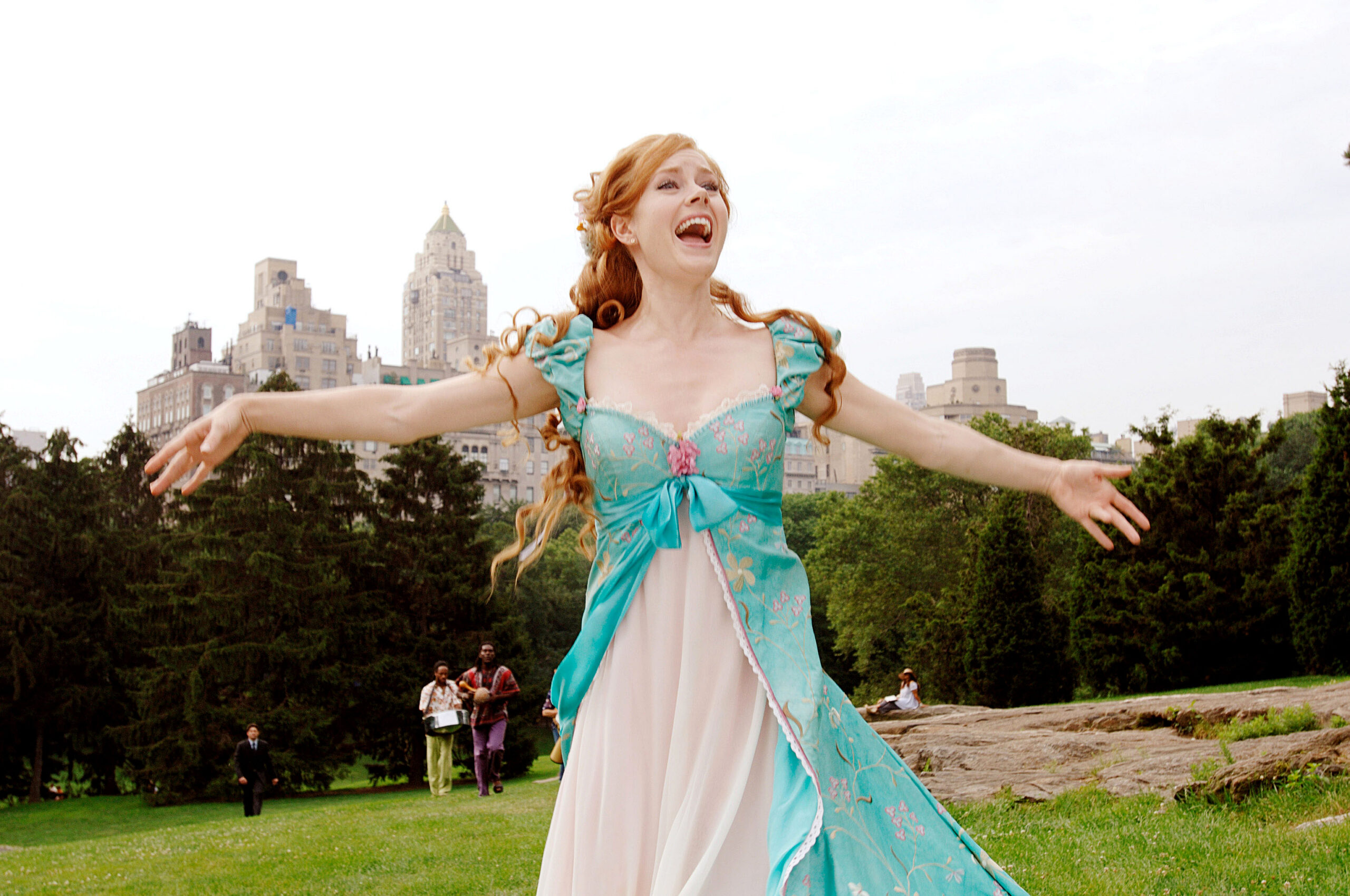
    When Amy Adams hosted Saturday Night Live, she faced a defining choice between pushing the boundaries of late-night comedy and protecting the younger audience that had just discovered her. Fresh off the massive success of Disney’s 2007 hit Enchanted, Adams was presented with a sketch idea she deemed too “graphic.” She shut it down. Her reasoning was clear and immediate: she refused to compromise the image she had built for the young girls who idolized her character, Princess Giselle. This decision highlights a persistent tension in Hollywood, the delicate balance an actor must strike when navigating the transition from family-friendly fame to adult-oriented entertainment.

    The choice was not simply about personal comfort. It was about brand responsibility. Adams understood the power of the platform she occupied and the specific demographic that was paying attention. By drawing a line at Studio 8H, she signaled that her commitment to her younger fans outweighed the pressure to conform to the often-edgy demands of the SNL writers’ room.

    The Success of ‘Enchanted’ and the Weight of Princess Giselle

    To understand the weight of Adams’ decision, one must look at the cultural impact of Enchanted. Released in November 2007, the film was a critical and commercial triumph. It grossed over $340 million worldwide. More importantly, it established Adams as a bona fide star and a real-life Disney princess in the eyes of millions of children.

    Her portrayal of Giselle, an animated princess thrust into live-action New York City, was defined by its earnestness, innocence, and unwavering optimism. For a generation of young girls, Adams was not just an actress; she was the embodiment of a beloved archetype. This specific type of fame carries a unique burden. When an actor becomes synonymous with a character defined by pure innocence, the transition to other roles, especially those involving adult themes or humor, becomes a high-stakes tightrope walk.

    Adams was acutely aware of this dynamic. She knew that the young audience who had flocked to theaters to see Enchanted would likely be following her subsequent career moves. This awareness formed the foundation of her boundary-setting at SNL.

    The ‘SNL’ Environment: Pushing Boundaries vs. Protecting the Brand

    Saturday Night Live operates on a fundamentally different frequency than a Disney film. Since its inception in 1975, the late-night sketch show has built its reputation on irreverence, satire, and pushing the boundaries of acceptable television comedy. Hosts are often expected to shed their established personas and embrace the absurd, the provocative, and sometimes the vulgar.

    For many actors, hosting SNL is an opportunity to showcase versatility. It is a chance to prove they can handle raunchy humor or self-deprecation. However, for an actor whose recent success is tied to a fiercely loyal and highly impressionable demographic, the SNL stage presents a minefield.

    The Pitch and the Refusal

    During the pitch process, a notoriously grueling part of the SNL production week, writers present dozens of ideas to the host. It is an environment where the most outrageous concepts often float to the top. When Adams was presented with the “graphic” sketch in question, she recognized an immediate conflict.

    The specific details of the sketch remain undisclosed, but the nature of Adams’ objection is clear. The content crossed a line that she felt would be damaging or inappropriate for the young girls who viewed her through the lens of Enchanted. She chose to prioritize the emotional safety of that specific audience segment over the potential laughs the sketch might have generated.

    Her refusal was a calculated professional decision. It was an assertion of control over her own narrative and a refusal to let the machinery of late-night comedy dictate her public image.

    The Responsibility of the Family-Friendly Star

    Adams’ stance raises broader questions about the responsibility actors have toward their audiences, particularly when those audiences include children. When an actor signs on to a family-friendly project, do they implicitly agree to maintain a certain standard of behavior in their subsequent public appearances?

    The industry has seen countless examples of former child stars or actors associated with wholesome brands struggling to break free from those constraints. Some choose to shatter the image aggressively, taking on shocking roles or engaging in controversial behavior to signal their transition to adulthood. Others, like Adams in this instance, choose a more measured approach, carefully curating their choices to avoid alienating the audience that helped build their career.

    Adams’ decision at SNL suggests a belief that the connection forged with a young audience is not something to be discarded lightly. It requires a level of stewardship. By rejecting the graphic sketch, she demonstrated an understanding that her influence extended beyond the screen and into the living rooms of families who trusted her brand.

    Navigating the Transition: From Princess to Prestige Drama

    The SNL incident is a microcosm of the larger challenge Adams faced in the years following Enchanted. She needed to prove her range as an actress without completely alienating the fanbase that had embraced her as Giselle. Her subsequent career trajectory shows a masterful navigation of this challenge.

    She moved on to critically acclaimed roles in films like Doubt (2008), The Fighter (2010), and American Hustle (2013). These roles were complex, mature, and far removed from the innocence of a Disney princess. Yet, she managed this transition without resorting to cheap shock value. She built a reputation as a serious, versatile actress while maintaining a level of public dignity that respected her past work.

    The refusal at SNL was an early indicator of this strategic approach. It showed that she was willing to say no to projects or concepts that did not align with her long-term vision for her career and her relationship with her audience.

    The Enduring Legacy of ‘Enchanted’ and the Power of ‘No’

    Fifteen years after the release of Enchanted, Adams returned to the role of Giselle in the 2022 sequel, Disenchanted. The anticipation for the film demonstrated the enduring power of the character and the loyalty of the audience that had grown up with her.

    The fact that Adams could seamlessly step back into the role is a testament to the careful curation of her career. Had she chosen to participate in the graphic SNL sketch or pursued similar shock-value projects in the intervening years, the return to the wholesome world of Giselle might have felt jarring or inauthentic.

    Her ability to say “no” in the writers’ room at Studio 8H was not just about avoiding a momentary discomfort. It was an investment in the longevity of her career and the integrity of her relationship with her fans.

    The Industry Standard: Setting Boundaries in Comedy

    Adams’ story is not entirely unique, but it is notable for its clarity. Many actors face similar pressures when appearing on shows like SNL. The desire to be seen as a “good sport” and to play along with the writers’ vision can be overwhelming. However, Adams’ example shows that it is possible to participate in the comedy without compromising one’s core values or brand identity.

    It highlights the importance of agency for actors, particularly women, in environments that often prioritize the joke over the comfort of the performer. By drawing a line, Adams asserted her authority over her own image and demonstrated that an actor can be funny, versatile, and principled all at once.

    The decision reverberates beyond the specific incident. It serves as a reminder that the audience is always watching, and that the choices an actor makes off-screen or in unscripted moments can have a profound impact on their legacy.

    Writers pitched. Boundaries were tested. Adams held the line.

    Protection.

  • The 2026 DGA-AMPTP Deal – How Directors Secured AI Protections and Health Plan Stability

    The 2026 DGA-AMPTP Deal – How Directors Secured AI Protections and Health Plan Stability

    In June 2026, the Directors Guild of America (DGA) National Board officially approved a new four-year collective bargaining agreement with the Alliance of Motion Picture and Television Producers (AMPTP), securing unprecedented generative AI protections, increased employer contributions to the DGA Health Plan, and strict compensation guardrails for multi-hyphenate creators. The deal effectively averts a 2026 Hollywood strike while addressing the severe unemployment crisis that has plagued the entertainment industry since the production contractions of 2024 and 2025. By extending the traditional three-year contract cycle to a four-year term, both the guild and the studios have locked in a prolonged period of labor stability.

    The negotiations took place against a backdrop of deep industry anxiety. The post-Peak TV bubble had definitively burst. Greenlights across broadcast, cable, and streaming platforms fell by nearly forty percent between 2023 and 2025. Soundstages in Los Angeles, New York, and Atlanta sat empty for months. For the working members of the DGA, directors, unit production managers (UPMs), first assistant directors (1st ADs), second assistant directors (2nd ADs), and stage managers, the contraction meant fewer days on set. Fewer days meant a direct threat to their livelihoods and their healthcare.

    The DGA negotiating committee entered the AMPTP headquarters in Sherman Oaks with a clear mandate. They needed to patch the holes in the social safety net. They needed to build a firewall against the rapid encroachment of artificial intelligence. They needed to protect the specific definition of what a director actually does.

    The Hollywood Unemployment Crisis and the Health Plan

    Health coverage in the entertainment industry operates on a strict earnings threshold. Members do not receive healthcare simply by holding a union card. They must earn a specific minimum amount of union-covered wages within a qualifying year to maintain their insurance. When production volume dropped, thousands of DGA members found themselves falling short of that threshold.

    The 2026 agreement attacks this crisis directly through an influx of employer capital. The AMPTP agreed to a 1.5% increase in employer contributions to the DGA Health Plan. This marks the largest single-cycle increase to the health fund in the guild’s modern history. The capital injection is designed to subsidize the plan’s reserves, allowing the guild to temporarily lower the qualifying earnings threshold for members who experienced prolonged unemployment during the 2024-2025 production drought.

    The deal also includes a unique “bridge” provision. Assistant directors and UPMs who missed the health plan threshold by less than $5,000 during the prior qualifying period will receive a one-time grace extension, keeping their families insured through the end of the calendar year. This concession from the studios acknowledges the structural damage caused by the sudden contraction of the streaming wars.

    Pension Plan Reinforcements

    Beyond immediate healthcare needs, the contract secures the future of the DGA Pension Plan. The agreement outlines a 0.5% diversion option, allowing the guild to redirect a portion of negotiated wage increases directly into the pension fund if actuarial projections fall below target levels. This ensures that older members, many of whom were forced into early retirement by the industry slowdown, will not see their benefits reduced.

    The Generative AI Guardrails

    Artificial intelligence was the defining battleground of the 2026 labor cycle. In 2023, AI fears centered primarily on text generation and basic image synthesis. By early 2026, generative video models had crossed the uncanny valley. Studios possessed the technical capability to generate photorealistic B-roll, complex pre-visualization sequences, and synthetic background environments entirely via text prompts.

    The DGA drew a hard line in the sand. The new contract establishes strict “human-in-the-loop” mandates. It explicitly states that artificial intelligence cannot be credited as a director, nor can it fulfill the duties of a UPM or an Assistant Director. The creative vision of a motion picture or television episode must remain entirely under the purview of a human being.

    • Pre-Visualization: Studios cannot use generative AI to create storyboards or pre-vis sequences without the explicit consent and creative supervision of the hired director.
    • Post-Production: Any use of AI for reshoots, dialogue replacement (ADR), or digital background generation must be approved by the director under their guaranteed “Director’s Cut” rights.
    • Employment Protection: The AMPTP explicitly agreed that the implementation of AI tools will not be used as a justification to reduce the mandatory minimum staffing requirements for Assistant Directors on any set.

    The contract also mandates quarterly meetings between the DGA and the AMPTP to review new AI technologies before they are deployed on union-covered sets. If a studio attempts to introduce a novel AI tool that impacts the director’s workflow, the guild has the right to demand immediate consultation.

    The Multi-Hyphenate Dilemma

    The modern television landscape relies heavily on the multi-hyphenate. The creator who writes the pilot, directs the pilot, and serves as the overarching executive producer is a staple of the streaming era. However, this convergence of roles allowed studios to exploit compensation loopholes. Studios frequently attempted to bundle directing fees into a single, overarching “showrunner” or “producer” overall deal, effectively diluting the specific compensation owed for the physical act of directing.

    The 2026 contract closes this loophole permanently. It establishes strict multi-hyphenate guardrails. If an executive producer or writer steps onto the floor to direct an episode, they must be paid the full, unbundled DGA minimum for that episode, separate from any writing or producing fees.

    “The role of the director is distinct. It is physical. It is real-time leadership on a soundstage. It cannot be absorbed into a generic producing fee, and it cannot be automated by a server farm.”

    The agreement also protects the “Director’s Cut” time for multi-hyphenates. Studios can no longer demand that a showrunner complete their director’s cut simultaneously with their writing room duties. The post-production schedule must explicitly block out the guaranteed time for the director’s cut, regardless of the individual’s other titles on the production.

    Wage Increases and Streaming Residuals

    While existential threats like AI and healthcare dominated the headlines, the core economic engine of the contract revolves around wages and residuals. The DGA secured a cumulative 14% increase in minimum wages over the four-year term. The structure breaks down as a 4% increase in year one, 3.5% in year two, 3.5% in year three, and 3% in year four. This structure outpaces the projected rate of inflation and provides immediate financial relief to working members.

    The residual formula for streaming platforms underwent a massive overhaul. The previous contracts struggled to accurately monetize ad-supported streaming tiers (FAST channels) and global viewership. The 2026 deal introduces a hybrid residual model. For the first time, residuals for ad-supported streaming will be tied directly to a platform’s total active subscriber base and domestic ad revenue, rather than a flat buyout rate.

    Furthermore, the contract demands unprecedented data transparency. Netflix, Amazon Prime Video, Disney+, and Apple TV+ must now provide the guild with unvarnished, third-party audited viewership metrics every ninety days. If a DGA-directed project hits a specific global viewership threshold, the director and the directorial team trigger a highly lucrative “success bonus” pool, funded by the platforms and distributed by the guild.

    The AMPTP’s Calculus

    The Alliance of Motion Picture and Television Producers, led by Carol Lombardini, faced its own intense pressures during the Sherman Oaks negotiations. Wall Street had grown impatient with the volatility of the entertainment sector. The stock prices of Disney, Warner Bros. Discovery, and Paramount Global had suffered due to the unpredictability of labor relations and the lingering debt from the streaming wars.

    The studios needed a predictable slate. They needed a guarantee that production would not be halted in the summer of 2026. A strike would have devastated the 2027 theatrical release calendar and crippled the television broadcast season. By agreeing to a four-year term instead of the standard three, the AMPTP purchased an extended period of labor peace. This extended runway allows studio executives to greenlight long-term projects without the looming threat of a picket line outside the Warner Bros. lot in Burbank or the Fox lot in Century City.

    The Road to Ratification

    With the DGA National Board’s unanimous approval, the contract now moves to the general membership for ratification. Ballots will be distributed to over 19,000 members worldwide, from high-profile feature film directors to the 2nd ADs managing background actors in the rain on location in Vancouver.

    The DGA has historically been the first major Hollywood guild to reach an agreement during a bargaining cycle, often setting the pattern for the Writers Guild of America (WGA) and the Screen Actors Guild (SAG-AFTRA). The robust AI protections and health plan reinforcements secured in this 2026 deal will undoubtedly serve as the baseline for the rest of the industry’s labor negotiations.

    The terms are set. The ink is drying. The industry prepares to move forward.

    The studios secured their schedules. The producers secured their slates. The directors secured their future.

    Action.