Tag: Hollywood

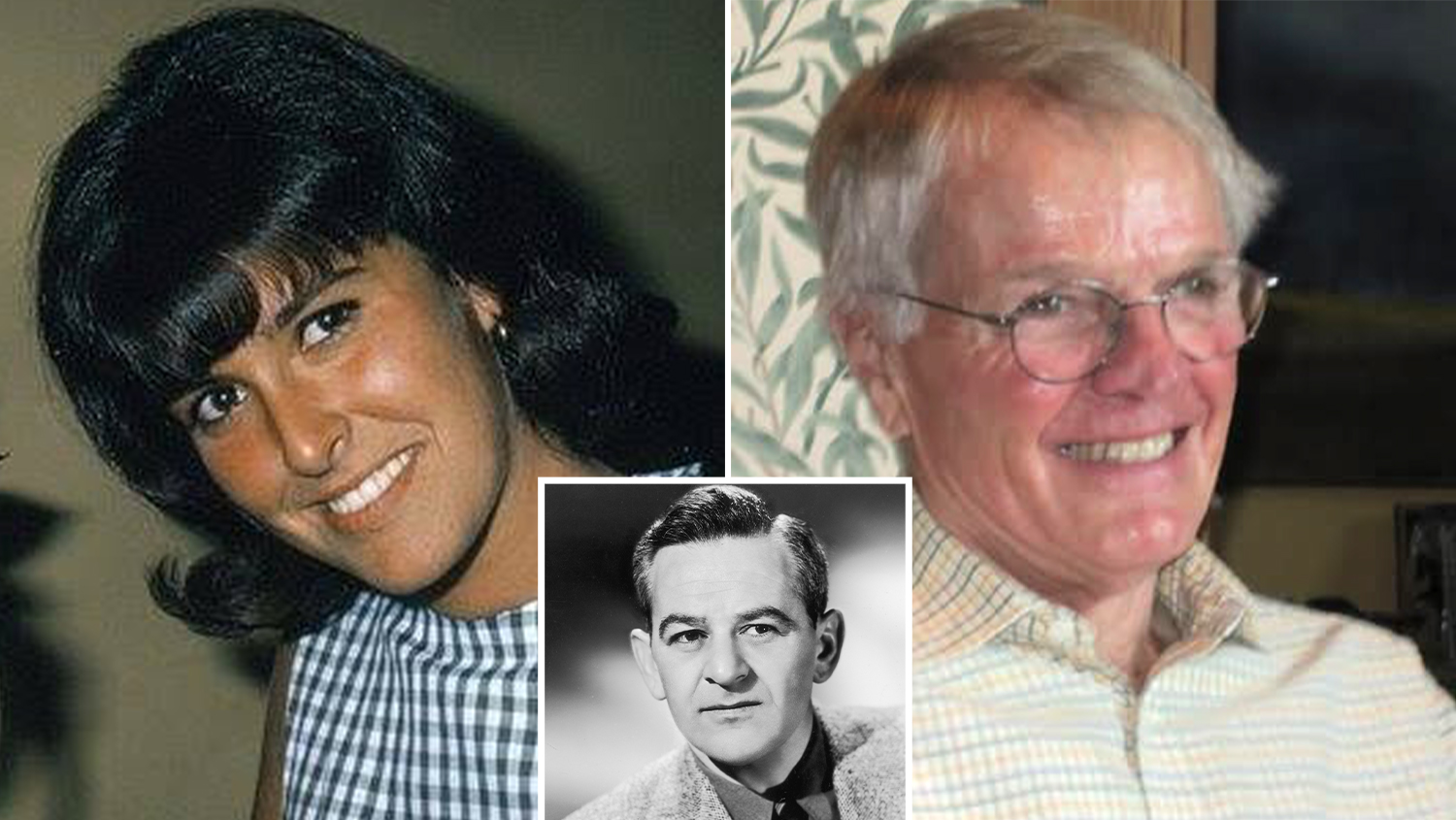
  • Judith Sheldon, Daughter of Director William Wyler, Found Dead in Running Car

    Judith Sheldon, Daughter of Director William Wyler, Found Dead in Running Car

    Judith Sheldon, the 84-year-old daughter of three-time Academy Award-winning director William Wyler, was found dead alongside her husband inside a running vehicle on a California highway roadside in June 2026. Authorities discovered the couple after passing motorists reported an idling car parked erratically on the shoulder. First responders found both occupants unresponsive. The engine was still running. Pronouncement of death occurred at the scene.

    The discovery abruptly ends the life of one of the last direct links to Hollywood’s Golden Age. Sheldon was not a movie star. She was a custodian. For decades, she managed the historical footprint of a father who shaped modern American cinema. Now, her sudden death triggers a complex jurisdictional investigation.

    What looks like a routine traffic welfare check has become a high-profile forensic puzzle. The California Highway Patrol secured the perimeter. The county coroner took jurisdiction of the remains. The Hollywood community awaits answers. But the story of Judith Sheldon is much larger than the tragic circumstances of her final hours.

    The Discovery on the Highway

    The timeline of the discovery remains under active investigation by California authorities. A vehicle was spotted pulled over on the shoulder of a state highway. The engine was engaged. The exhaust system was active. Passing drivers initially assumed it was a standard breakdown. Hours passed. The vehicle did not move.

    California Highway Patrol units eventually approached the car. Officers observed two individuals slumped inside the cabin. The doors were locked. The windows were rolled up. Entry was forced. Medical personnel arrived shortly after, but no life-saving measures could be deployed. Rigor mortis had reportedly begun.

    Investigators immediately look for environmental clues in these scenarios. A running vehicle with closed windows presents a high risk of carbon monoxide accumulation, especially if the exhaust pipe is obstructed or the vehicle’s internal ventilation system fails. Odorless and colorless, carbon monoxide binds to hemoglobin with deadly efficiency. Victims simply fall asleep.

    Alternatively, authorities must rule out a dual medical emergency. If the driver suffered a sudden cardiac event, a passenger of advanced age might be unable to intervene, call for help, or exit the vehicle safely. Foul play is not currently the primary focus. Toxicology reports and full autopsies will dictate the final narrative. Until then, the scene remains a quiet tragedy on a sunbaked strip of asphalt.

    A Childhood Among Hollywood Royalty

    To understand Judith Sheldon, one must understand the shadow in which she grew up. William Wyler was not merely a director. He was an institution. Born in Alsace-Lorraine in 1902, Wyler emigrated to the United States and became the most nominated director in Academy Award history. He secured twelve Best Director nominations. He won three times.

    Judith was born in 1942 to Wyler and his wife, actress Margaret Tallichet. Her childhood coincided with her father’s absolute peak. She grew up in a Beverly Hills home where the industry’s most powerful figures gathered. Bette Davis was a frequent collaborator. Charlton Heston was a family friend. Audrey Hepburn owed her breakout role to Wyler’s eye.

    Wyler was known on set as “40-Take Wyler.” He was a relentless perfectionist. He drove actors to the brink of exhaustion to capture the exact emotional truth of a scene. He directed Mrs. Miniver. He directed The Best Years of Our Lives. He directed the sprawling, monumental epic Ben-Hur.

    Judith witnessed this perfectionism firsthand. She watched celluloid history being crafted. She saw the toll it took on her father, and she saw the accolades it brought him. The Wyler household was a museum of mid-century American culture. Oscars sat on the mantel. Scripts littered the study. It was a life of immense privilege, anchored by an intense work ethic.

    The Custodian of the Wyler Archives

    William Wyler died in 1981. His passing left a massive archival void. Directors of his era rarely kept meticulous, digitized records. Their legacy lived in physical film prints, handwritten production notes, and fading photographs. Judith Sheldon stepped into the breach.

    She became the fierce protector of the Wyler estate. She understood that Hollywood has a short memory. Without active preservation, even a giant like Wyler could fade into footnotes. Sheldon partnered with the Academy of Motion Picture Arts and Sciences. She donated crucial materials to the Academy Film Archive.

    Sheldon was a staple at the Turner Classic Movies (TCM) Classic Film Festival. She provided audio commentaries for DVD and Blu-ray releases of her father’s work. She sat for interviews. She corrected biographers. She ensured that the narrative surrounding “40-Take Wyler” remained accurate, nuanced, and respectful.

    Her work extended to her father’s World War II service. Wyler flew combat missions to film the documentary The Memphis Belle: A Story of a Flying Fortress. He lost his hearing in one ear due to the roar of bomber engines. Sheldon worked tirelessly to ensure his military sacrifices were remembered alongside his Hollywood triumphs. She viewed her father not just as an entertainer, but as an American patriot. She protected that dual legacy until the day she died.

    The Mechanics of an Unattended Highway Death

    The tragic nature of Sheldon’s death forces a hard look at vehicular safety and the vulnerabilities of aging motorists. The California Highway Patrol handles thousands of roadside incidents annually. A significant percentage involve elderly drivers experiencing sudden medical episodes.

    When a vehicle is found running with deceased occupants, protocol dictates a hazardous materials approach. First responders must assume the presence of toxic gases. Carbon monoxide detectors are deployed before the cabin is fully breached. The vehicle’s exhaust system is inspected for damage, rust, or blockage. A cracked manifold or a blocked tailpipe can force exhaust fumes into the passenger compartment within minutes.

    If carbon monoxide is ruled out, investigators pivot to environmental exposure. Even with an engine running, air conditioning systems can fail. In the California summer, a sealed car becomes an oven. Hyperthermia can claim a life rapidly. Conversely, if the air conditioning is blasting but the occupants suffer a medical crisis, the running engine merely masks the tragedy until the fuel tank runs dry.

    The coroner’s office will conduct blood tests to measure carboxyhemoglobin levels. They will examine the hearts and brains of both victims. They will reconstruct the final 48 hours of their lives. Did they stop for gas? Did they make a phone call? Where were they heading? The answers exist in cell phone tower pings, credit card receipts, and forensic pathology.

    The Fading Footprint of the Golden Age

    The death of Judith Sheldon marks another severed tie to the studio system era. The children of the 1930s and 1940s Hollywood titans are aging. Many have already passed. They were the last generation to witness the factory-like production of classic cinema before television and corporate conglomerates altered the landscape forever.

    These offspring occupied a unique cultural space. They were not the creators, but they held the keys to the creators’ memories. They possessed the intimate, off-camera anecdotes that biographers crave. They knew what the legends were like at the breakfast table. When a figure like Sheldon dies, a library burns.

    The Wyler estate will likely transition to a trust or be fully absorbed by academic and cinematic institutions. The Academy Film Archive already holds the bulk of the physical media. The legacy is secure. But the human voice that championed that legacy is gone.

    Hollywood is an industry built on ghosts. It projects the dead onto screens and calls them immortal. But the machinery behind those projections was built by mortals. William Wyler was a mortal. Judith Sheldon was a mortal. Their story, which began in the glittering heights of Beverly Hills royalty, has ended on a quiet stretch of asphalt.

    The Final Investigation

    Law enforcement continues to process the vehicle. The California Highway Patrol will issue a final incident report. The local coroner will sign the death certificates. The physical evidence will be cataloged and eventually released.

    There is no glamour in a roadside death. It is stark. It is clinical. It stands in harsh contrast to the sweeping, orchestrated dramas William Wyler put on film. In a Wyler movie, every detail was controlled. Every shadow was placed with purpose. Every ending was meticulously scripted.

    Reality offers no such control. A car pulls over. An engine idles. Time stops.

    The highway patrolmen finished their notes. The coroner’s van departed the scene. The idling engine was finally silenced. The road remained.

  • Heartbreaking New Details in the Death of Child Star Daveigh Chase

    Heartbreaking New Details in the Death of Child Star Daveigh Chase

    Daveigh Elizabeth Chase, the 35-year-old actress who achieved global fame as the voice of Lilo in Disney’s Lilo & Stitch and the terrifying Samara in The Ring, died in Los Angeles in mid-June 2026 after a prolonged battle with substance abuse. Chase was found unresponsive in a Van Nuys transitional living facility, marking a tragic end to a life defined by early Hollywood success and a heavily publicized, decade-long downward spiral. The Los Angeles Fire Department pronounced her dead at the scene. Detectives from the Los Angeles Police Department have stated that no foul play is suspected. The Los Angeles County Medical Examiner has deferred the official cause of death pending a comprehensive toxicology report.

    The headlines announced her death. The newly released details explain her isolation. What looks like a sudden tragedy actually started a decade ago on the streets of Hollywood.

    The heartbreaking new details about a child star’s death will evoke strong emotions of loss and concern, leading to shares. But the reality of Daveigh Chase’s final years is not merely a story for social media consumption. It is a documented timeline of systemic failure, legal labyrinthine traps, and the brutal economics of the entertainment industry.

    The Discovery in Van Nuys

    Paramedics from the Los Angeles Fire Department arrived at the San Fernando Valley address at 9:14 a.m. on a Tuesday morning. The facility, a transitional housing unit designed to support individuals recovering from substance use disorders, had been Chase’s residence for several months. Staff members found her unresponsive in her room during a routine morning check. Resuscitation efforts were unsuccessful. The yellow tape went up. The identity was confirmed. Daveigh Elizabeth Chase was 35 years old.

    Sources close to the investigation revealed heartbreaking new details about her final days. Chase had reportedly been making genuine efforts to stabilize her life. She was attending mandated counseling sessions. She was attempting to navigate the complex bureaucracy of Los Angeles County’s social services. The resources that once flowed freely during her peak earning years had long since dried up. The Screen Actors Guild (SAG-AFTRA) health insurance safety nets had lapsed. The transition from the Hollywood Hills to San Fernando Valley motels and transitional housing was complete.

    The Los Angeles County Medical Examiner’s office removed the body by midday. A spokesperson confirmed that while the initial scene suggested an accidental overdose, standard protocols require a full toxicological screening. Those results typically take four to six weeks. The clinical language of the coroner’s office stands in stark contrast to the vibrant, animated voice that defined a generation of Disney programming.

    The 2002 Hollywood Summit

    To understand the depth of the 2026 tragedy, one must look at the sheer altitude of her 2002 peak. In a single calendar year, Daveigh Chase stood at the absolute summit of the global box office. She was twelve years old. She provided the voice for Lilo Pelekai in Walt Disney Studios’ Lilo & Stitch, a film that grossed $273 million worldwide. Months later, she terrified international audiences as Samara Morgan in DreamWorks Pictures’ The Ring, a horror phenomenon that pulled in $249 million. She also voiced the lead character, Chihiro, in the English dub of Hayao Miyazaki’s Academy Award-winning Spirited Away.

    The industry crowned her. The MTV Movie Awards handed her the Best Villain trophy in 2003. She beat Daniel Day-Lewis for his role in Gangs of New York. She beat Mike Myers. She was a child holding a golden popcorn trophy, staring into a camera that would eventually refuse to look away. Her success was not a fluke. It was the result of immense natural talent harnessed by massive corporate entertainment machines.

    Television followed film. From 2006 to 2011, Chase played Rhonda Volmer on the critically acclaimed HBO series Big Love. She portrayed a manipulative teenage bride in a polygamist compound. The role required deep psychological nuance. Chase delivered. She transitioned from child star to capable adult actor. The paychecks cleared. The Coogan Accounts, mandated by California law to protect 15 percent of a child actor’s gross earnings, were presumably well-funded. But financial security in Hollywood is often an illusion.

    The 2017 Turning Point

    The timeline fractured in 2017. Los Angeles Police Department detectives questioned Chase in February of that year. The incident made international news. A dying man had been left outside a Los Angeles hospital in the early morning hours. He was later pronounced dead of a suspected drug overdose. Surveillance footage and witness accounts led investigators to Chase.

    Police determined she had been with the man, dropped him off at the emergency room entrance, and fled the scene. The LAPD explicitly stated she was not a suspect in his death. She was a witness. The death was ruled an accidental overdose. However, the incident stripped away the lingering veneer of her Disney years. It exposed a lifestyle deeply entrenched in the dangerous undercurrents of Los Angeles nightlife.

    The incident at the hospital was not a crime, but it was a klaxon. It was the moment the public narrative shifted from ‘former child star’ to ‘troubled adult.’

    Ten months later, the legal troubles compounded. In November 2017, Chase was arrested in Hollywood for riding in a stolen BMW. She was booked into the Century Regional Detention Facility in Lynwood. Her bail was set at $25,000. She was charged with a felony. The mugshot circulated globally. The internet, notoriously unforgiving to former child stars, consumed the image. The contrast between Lilo Pelekai and the booking photo became a grim meme.

    The Legal Labyrinth of Los Angeles County

    The Los Angeles County court system is a revolving door. Once an individual enters, the exit is difficult to find. Chase spent the next two years navigating this labyrinth. In August 2018, she was arrested again. This time, it was for misdemeanor possession of a controlled substance in Los Angeles. She spent two hours in a Hollywood Division jail cell before posting a $1,000 bond.

    The arrests formed a pattern. In January 2019, she was arrested on another misdemeanor charge. The specifics of the charges mattered less than the trajectory they indicated. Probation violations. Court dates. Fines. The criminalization of addiction is a well-documented issue in California. For a high-profile figure, the process is identical but heavily scrutinized. The paparazzi documented her court appearances. The tabloids documented her physical decline.

    • February 2017: Questioned by LAPD regarding a fatal overdose outside a hospital.
    • November 2017: Arrested for felony possession of a stolen vehicle in Hollywood.
    • August 2018: Arrested for misdemeanor possession of a controlled substance.
    • January 2019: Arrested on a misdemeanor charge, leading to further court mandates.

    The heartbreaking reality of these years is that Chase was not anomalous. She was part of a statistical norm. Child actors face disproportionately high rates of substance abuse and legal trouble in adulthood. The psychological toll of early fame, coupled with the sudden cessation of industry attention, creates a vacuum. That vacuum is frequently filled by narcotics.

    The Economics of the Child Star Pipeline

    The financial realities of Chase’s final years stand in stark contrast to her early box office numbers. The Ring generated nearly a quarter of a billion dollars. Lilo & Stitch spawned sequels, an animated series, and billions in merchandise. But voice actors, particularly children, do not receive gross points on merchandise. They receive union scale and negotiated flat fees.

    California’s Coogan Act requires employers to set aside 15 percent of a minor’s gross earnings in a blocked trust account. The law was designed to prevent parents from squandering a child’s wealth. However, the law does not protect the child from themselves once they turn eighteen. When Chase reached adulthood, those funds became accessible. In the context of severe substance abuse, liquid capital is often a catalyst for disaster rather than a safety net.

    By 2026, the financial reserves were reportedly exhausted. The transitional housing in Van Nuys is subsidized by state and local grants, designed for individuals who have exhausted private options. The heartbreaking new details of her death include the fact that she was living on a highly restricted income, relying on public assistance programs. The Walt Disney Company and DreamWorks Pictures moved on decades ago. The industry extracts the performance and discards the performer.

    The Final Days and Unanswered Questions

    In the weeks leading up to her death in June 2026, Chase was reportedly quiet. Fellow residents at the Van Nuys facility described her as polite but withdrawn. She did not leverage her past fame. Many residents were unaware she was the voice behind one of Disney’s most beloved modern characters. She was simply another resident trying to string together consecutive days of sobriety in a city that makes sobriety incredibly difficult.

    The toxicology report will eventually provide a chemical explanation for her death. The Los Angeles County Medical Examiner will issue a certificate. The legal file will be closed. But the broader questions remain unresolved. The entertainment industry has implemented on-set tutors and strict working hours for minors. It has not implemented a comprehensive, lifelong psychological support system for the children it turns into global commodities.

    Daveigh Chase deserved better than the punchlines of late-night blogs. She was a highly skilled actor who delivered iconic performances before she was old enough to drive. She navigated the treacherous waters of early 2000s Hollywood. She survived the transition to adult roles on prestige television. But she could not survive the subsequent silence. The addiction took hold. The legal system punished the addiction. The safety nets failed.

    The child star machine built her. The Los Angeles court system processed her. The addiction epidemic claimed her. Alone.

  • Colin Farrell on ‘Sugar,’ Tax Breaks, and ‘The Batman 2’ Filming Schedule

    Colin Farrell on ‘Sugar,’ Tax Breaks, and ‘The Batman 2’ Filming Schedule

    Colin Farrell, the Irish actor known for his diverse roles, recently detailed his experiences filming the Apple TV+ series ‘Sugar’ in Los Angeles, despite California’s often less competitive tax incentives compared to other states or countries. His remarks provide a glimpse into the complex financial decisions that shape Hollywood productions and the personal preferences of actors within the industry. Farrell also shared an anecdote about an invitation from Tom Cruise to a Scientology-related event and confirmed the production timeline for ‘The Batman 2,’ where he will return as Oswald Cobblepot, also known as The Penguin.

    The Production of ‘Sugar’ in Los Angeles

    The decision to film ‘Sugar’ entirely within Los Angeles County was a notable one, given the widespread industry trend of productions seeking more favorable tax incentives elsewhere. California’s film and television tax credit program, while substantial, often faces stiff competition from states like Georgia, New York, and countries such as Canada and the United Kingdom, which offer more aggressive financial incentives to attract large-scale projects.

    Farrell acknowledged the financial implications of this choice, stating that ‘tax breaks suck’ in Los Angeles relative to other locales. Despite this, he expressed a strong personal preference for working in the city. He cited the convenience of being close to his family and the unique, almost mythical quality of Los Angeles as a backdrop for storytelling. This sentiment underscores a tension between economic efficiency and creative or personal considerations in film production.

    The series ‘Sugar’ is a detective drama, created by Mark Protosevich, and directed by Fernando Meirelles, known for ‘City of God.’ Farrell stars as John Sugar, a private investigator. The production’s commitment to Los Angeles speaks to a desire by some creators and talent to maintain the industry’s historical ties to its traditional home, even when it comes with a higher price tag.

    Tax Incentives and Hollywood Economics

    Film and television tax incentives are a critical component of modern production finance. These incentives, offered by various governments, aim to stimulate local economies by attracting productions that bring jobs, spending on local services, and tourism. The competition among regions to host these projects is fierce, leading to a complex landscape of subsidies and rebates.

    California, as the historical epicenter of the film industry, has continually adjusted its tax credit programs to remain competitive. However, the sheer scale of production worldwide means that many projects opt for locations offering more significant financial advantages. This economic reality often dictates where a story is told, sometimes moving productions far from their intended settings or original creative visions.

    Farrell’s candid comments reflect a broader industry discussion about the balance between financial prudence and preserving the creative and logistical benefits of filming in established hubs like Los Angeles. The actor’s personal attachment to the city highlights that not all decisions are purely economic; quality of life and proximity to support networks also play significant roles for talent.

    Tom Cruise and ‘Disclosure Day’

    Farrell recounted an unusual invitation he received from fellow actor Tom Cruise. The invitation was for a Scientology event referred to as ‘Disclosure Day.’ Farrell stated that he politely declined the invitation, maintaining a respectful distance from the religious organization.

    Tom Cruise is one of Scientology’s most prominent members, and his association with the church has been a subject of public interest for decades. ‘Disclosure Day’ is not a widely recognized public term associated with Scientology’s outreach. However, the Church of Scientology holds various events and programs aimed at introducing individuals to its practices and beliefs. Farrell’s anecdote offers a rare, direct insight into the personal interactions between high-profile actors concerning their differing worldviews and affiliations.

    This interaction occurred years ago, during a period when both actors were highly active in Hollywood. It underscores the unique social dynamics within the celebrity sphere, where personal and professional lives often intersect in unexpected ways.

    The Return of The Penguin in ‘The Batman 2’

    Fans of Matt Reeves’ ‘The Batman’ have eagerly awaited updates on its sequel, and Colin Farrell provided a significant one. He confirmed that filming for ‘The Batman 2’ is slated to commence in March 2025. Farrell is set to reprise his critically acclaimed role as Oswald Cobblepot, better known as The Penguin.

    Farrell’s transformation into The Penguin for the 2022 film was widely lauded, involving extensive prosthetics and a distinct vocal performance. His portrayal deviated from previous cinematic interpretations of the character, offering a grittier, more grounded take on the Gotham City crime boss. The character’s popularity led to a spin-off limited series, ‘The Penguin,’ also for Apple TV+, which further explored Cobblepot’s rise in the criminal underworld. That series is expected to debut before the feature film sequel.

    The delayed production schedule for ‘The Batman 2’ has been attributed to various factors, including the 2023 WGA and SAG-AFTRA strikes, as well as the intricate development process for a major superhero film. The confirmation of a March 2025 start date provides a clear timeline for the highly anticipated sequel, signaling progress in its pre-production phase.

    The Evolution of a Character: From ‘The Batman’ to ‘The Penguin’ Series

    Colin Farrell’s portrayal of The Penguin has been a journey of character development. In ‘The Batman,’ the character was introduced as a mid-level enforcer, aspiring to greater power within Gotham’s criminal hierarchy. His limited screen time in the film left audiences wanting more, paving the way for the dedicated spin-off series.

    The ‘Penguin’ series is expected to bridge the gap between ‘The Batman’ and ‘The Batman 2,’ detailing Cobblepot’s consolidation of power following the events of the first film, particularly the power vacuum created by Carmine Falcone’s death. This serialized approach allows for a deeper exploration of the character’s motivations, origins, and brutal ascent.

    Farrell’s commitment to both the series and the film sequel highlights the expanding landscape of cinematic universes, where characters can be explored across multiple platforms and formats. This strategy maximizes audience engagement and allows for richer, more nuanced storytelling than a single film might permit.

    The Interplay of Personal Preference and Industry Demands

    Farrell’s recent comments illuminate the constant negotiation between personal desires and industry demands. His preference for Los Angeles filming, despite financial disincentives, speaks to the human element often overlooked in discussions of large-scale productions. Actors, like any professionals, weigh factors beyond pure economics when making career choices.

    His candidness about Tom Cruise’s invitation also highlights the often-private world of celebrity interactions and the boundaries individuals maintain. These personal anecdotes, while seemingly minor, offer a humanizing perspective on figures who are often viewed solely through the lens of their public personas and roles.

    The confirmation of ‘The Batman 2’ filming schedule reinforces the meticulous planning and extensive timelines involved in major studio productions. From script development to casting, location scouting, and post-production, these films require years of effort from thousands of individuals. Farrell’s role as a returning, fan-favorite character places him at the center of one of Hollywood’s most significant ongoing franchises.

    A Look Ahead for Colin Farrell

    With ‘Sugar’ now available on Apple TV+ and ‘The Batman 2’ in pre-production, Colin Farrell’s career continues to demonstrate remarkable versatility and longevity. His choices reflect a blend of commercial projects and more artistically driven endeavors, a balance many actors strive for in Hollywood.

    The discourse around tax breaks, celebrity interactions, and franchise commitments forms a continuous narrative. It shapes the industry. It defines careers. It impacts audiences.

    Filming. Directing. Acting.

    Hollywood.

    FAQ Section

    What is Colin Farrell’s new series ‘Sugar’ about?
    Colin Farrell’s new series ‘Sugar’ is a detective drama on Apple TV+ where he stars as John Sugar, a private investigator. The series was filmed in Los Angeles.

    Why did Colin Farrell choose to film ‘Sugar’ in Los Angeles despite tax challenges?
    Colin Farrell chose to film ‘Sugar’ in Los Angeles due to personal preference, citing the convenience of being near his family and the city’s unique atmosphere, even though California’s tax incentives are less competitive than those offered by other states and countries.

    When will ‘The Batman 2’ begin filming?
    Filming for ‘The Batman 2,’ with Colin Farrell reprising his role as The Penguin, is scheduled to begin in March 2025.

    Did Tom Cruise invite Colin Farrell to a Scientology event?
    Yes, Tom Cruise invited Colin Farrell to a Scientology event called ‘Disclosure Day’ some years ago, an invitation which Farrell declined.

    What is the significance of Colin Farrell’s Penguin character getting a spin-off series?
    The spin-off series ‘The Penguin’ allows for a deeper exploration of Oswald Cobblepot’s character, detailing his rise in Gotham’s criminal underworld after the events of ‘The Batman’ and bridging the narrative gap to ‘The Batman 2,’ showcasing the expanding nature of cinematic universes.

  • Armie Hammer’s ‘Citizen Vigilante’, Uwe Boll’s Morally Bankrupt Thriller Reviewed

    Armie Hammer’s ‘Citizen Vigilante’, Uwe Boll’s Morally Bankrupt Thriller Reviewed

    Uwe Boll’s 2026 film, ‘Citizen Vigilante,’ featuring Armie Hammer, has been critically panned, with a prominent Variety review published in 2026 describing it as ‘morally bankrupt.’ This assessment has intensified public discourse regarding celebrity accountability and the role of cultural defense in evaluating artistic works involving controversial figures.

    The Premise of ‘Citizen Vigilante’

    The film ‘Citizen Vigilante’ is directed by Uwe Boll, a German filmmaker known for his often controversial and critically divisive projects. Boll has a history of adapting video games into films, but ‘Citizen Vigilante’ represents a departure, delving into a gritty, contemporary thriller narrative.

    The plot centers on a protagonist, portrayed by Armie Hammer, who takes justice into his own hands after a personal tragedy. Details regarding the specific nature of the vigilante acts and the moral ambiguities explored remain central to the film’s controversial reception.

    Hammer’s casting in a leading role, particularly one with ethically challenging dimensions, drew immediate attention upon the film’s announcement. His involvement was a significant talking point even before the film’s release in 2026.

    Variety’s Critical Assessment

    Variety, a leading entertainment industry publication, issued a scathing review of ‘Citizen Vigilante’ in 2026. The review’s use of the phrase ‘morally bankrupt’ stood out, signaling a profound disapproval not just of the film’s execution but its thematic core.

    Film critics often employ strong language to convey their assessments. In this instance, ‘morally bankrupt’ suggests a perceived failure of the film to engage with its subject matter responsibly or ethically.

    The specific criticisms detailed in the Variety review likely touched upon the film’s narrative choices, character development, and overall message. Such strong condemnations can significantly impact a film’s commercial performance and its place in critical discourse.

    The ‘Morally Bankrupt’ Label

    The term ‘morally bankrupt’ is a potent descriptor. It implies a lack of ethical substance or a promotion of objectionable values within the film’s narrative.

    For ‘Citizen Vigilante,’ this label suggests that the film may glorify violence, simplify complex moral dilemmas, or present a worldview deemed irresponsible by critics.

    This type of criticism moves beyond technical filmmaking aspects, directly addressing the cultural and ethical implications of the cinematic product. It challenges the film’s very foundation.

    Armie Hammer’s Resurfacing in the Public Eye

    Armie Hammer’s career has been subject to intense public scrutiny following a series of allegations that emerged in early 2021. These allegations, which included claims of abuse and disturbing sexual fantasies, led to his withdrawal from several projects and a significant downturn in his public profile.

    His casting in ‘Citizen Vigilante,’ announced prior to the film’s 2026 release, marked one of his first major roles since the controversies. This return to a prominent acting position brought his past into renewed focus.

    The public’s reaction to Hammer’s continued presence in film projects remains divided. Some argue for a separation of art from artist, while others believe that accountability for past actions should impact professional opportunities.

    Impact on Film Reception

    Hammer’s involvement undoubtedly influenced the reception of ‘Citizen Vigilante.’ For many viewers and critics, his personal history became an inseparable part of the film’s context.

    The ‘morally bankrupt’ label from Variety could be interpreted through this lens. Critics might view a film starring a controversial actor, particularly in a morally ambiguous role, with heightened scrutiny.

    This intertwining of actor and film creates a complex dynamic for audiences. It forces a consideration of how personal conduct affects artistic interpretation and public perception.

    Celebrity Accountability and Cultural Defense

    The case of ‘Citizen Vigilante’ and Armie Hammer exemplifies the ongoing debate surrounding celebrity accountability. In the 2020s, public figures face increasing pressure to uphold ethical standards, and past actions often have lasting professional consequences.

    The concept of cultural defense emerges here. This involves the public, critics, and media actively scrutinizing cultural products for their ethical implications and their alignment with societal values.

    When a film like ‘Citizen Vigilante’ receives such a strong moral condemnation, it becomes a flashpoint for these broader discussions. It prompts questions about what messages art should convey and who should be given a platform.

    The Role of the Audience

    Audiences play a crucial role in these discussions. Through their viewership, social media engagement, and purchasing decisions, they contribute to the narrative around celebrity accountability.

    The desire for ‘cultural defense’ reflects a societal shift where consumers expect more than just entertainment from their media. They demand ethical considerations and responsible storytelling.

    This dynamic places pressure on filmmakers, studios, and actors to consider the broader social impact of their work and their public personas.

    Uwe Boll’s Filmmaking Ethos

    Uwe Boll has cultivated a reputation for provocative filmmaking. His approach often involves confrontational themes and a disregard for conventional critical acclaim.

    His previous works, such as ‘House of the Dead’ (2003) and ‘Postal’ (2007), have frequently been met with negative reviews and cult status. Boll’s willingness to tackle controversial subjects, often with graphic content, is a hallmark of his style.

    The ‘morally bankrupt’ label for ‘Citizen Vigilante’ aligns with a pattern of Boll’s films challenging audience expectations and critical sensibilities. He often embraces the role of an industry outsider.

    Filmmaker Intent vs. Public Perception

    A key aspect of the ‘Citizen Vigilante’ controversy lies in the divergence between filmmaker intent and public perception. Boll may have intended to create a challenging, thought-provoking film about vigilante justice.

    However, the critical reception, particularly Variety’s strong condemnation, indicates that the execution failed to resonate positively. The film’s message, as interpreted by critics, was seen as problematic rather than profound.

    This gap highlights the subjective nature of art and the complex interplay between a creator’s vision and an audience’s interpretation, especially when sensitive themes and controversial figures are involved.

    The Future of Celebrity Accountability

    The ‘Citizen Vigilante’ review and the discussions it sparked contribute to an ongoing evolution in how celebrity accountability is understood and enforced in the entertainment industry.

    Moving forward, casting decisions for major productions will likely face even greater scrutiny. Studios and producers must weigh artistic merit against public perception and ethical concerns.

    The demand for cultural defense will continue to shape media consumption. Audiences are increasingly vocal about the values they expect from their entertainment and the individuals who create it.

    Filmmakers will navigate a landscape where social responsibility is as critical as artistic vision. The implications for careers, film financing, and creative freedom remain significant.

    Industry Reactions and Broader Implications

    The film industry’s reaction to the ‘Citizen Vigilante’ review and its associated controversies has been varied. Some industry insiders may view it as another example of Boll’s controversial style, while others might see it as a cautionary tale regarding casting decisions.

    The debate extends beyond this single film, touching on the broader question of rehabilitation versus permanent professional exile for public figures accused of misconduct. There is no universally agreed-upon standard.

    For actors like Armie Hammer, securing roles in major productions post-controversy becomes a complex challenge. The perceived risk to a film’s reputation or commercial viability is a significant factor for studios.

    The conversation around ‘Citizen Vigilante’ will likely endure as an example of how artistic endeavors intersect with ethical considerations and public memory.

    Cultural Impact Beyond the Box Office

    While box office numbers and critical reviews are immediate measures of a film’s success, the cultural impact often extends far beyond these metrics. ‘Citizen Vigilante,’ despite its negative reception, has undeniably generated significant discussion.

    This discussion contributes to ongoing societal dialogues about justice, morality, and the boundaries of artistic expression. It forces a re-examination of vigilante narratives in an era of heightened social awareness.

    The film serves as a cultural artifact, reflecting contemporary anxieties and moral debates. Its legacy may not be one of critical acclaim, but of its role in a larger cultural conversation.

    Critics debated. Audiences considered. Industry figures watched.

    Hollywood.

  • Hollywood’s Enduring Embrace: Celebrities at the Obama Presidential Center Opening

    Hollywood’s Enduring Embrace: Celebrities at the Obama Presidential Center Opening

    The opening of the Obama Presidential Center in Chicago, Illinois, saw a notable convergence of Hollywood’s elite, underscoring the entertainment industry’s sustained support for former President Barack Obama. This event, held in Jackson Park, served as a powerful reminder of the deep ties between prominent cultural figures and the 44th President of the United States.

    The presence of numerous A-list celebrities at the dedication ceremony and associated events highlighted a consistent pattern of alignment. This alignment has been evident since Obama’s initial presidential campaigns in 2008 and 2012, continuing through his two terms in office, and extending into his post-presidency initiatives.

    For many in the entertainment sector, the Obama administration represented a shared set of values and policy goals. Their continued public support for the Obama Presidential Center reinforces this long-standing connection. It positions the Center not just as a historical archive, but also as a cultural touchstone.

    A Legacy of Star Power and Support

    Barack Obama’s political career has been characterized by significant celebrity backing. His 2008 presidential campaign notably galvanized support from a wide array of actors, musicians, and artists. This early endorsement provided momentum and visibility, translating into fundraising success and increased public engagement.

    Figures such as Oprah Winfrey, George Clooney, and Steven Spielberg were instrumental in these early efforts. They hosted fundraisers, appeared in campaign advertisements, and used their platforms to advocate for Obama’s candidacy. This established a precedent for celebrity involvement that would continue throughout his time in the White House.

    During his presidency, the White House frequently hosted cultural events, concerts, and screenings, further cementing these relationships. Hollywood figures often visited Washington D.C. for policy discussions, state dinners, and to lend their voices to various social and political causes championed by the administration.

    The 2008 Campaign: A Turning Point

    The 2008 election cycle marked a significant shift in the scale of celebrity political engagement. Barack Obama’s message of hope and change resonated deeply within the entertainment community. Fundraisers in Los Angeles and New York City regularly drew record-breaking attendance and contributions.

    Celebrities like Scarlett Johansson, Ben Affleck, and Beyoncé publicly endorsed Obama. Their endorsements often translated into direct voter outreach, particularly among younger demographics. The ‘Yes We Can’ music video, featuring artists like will.i.am, encapsulated this cultural moment, becoming a viral phenomenon.

    This period demonstrated the powerful synergy between political campaigns and popular culture. It showed how celebrity influence could be leveraged to amplify a candidate’s message and mobilize a diverse electorate.

    The Obama Presidential Center: A New Chapter

    The Obama Presidential Center represents the next phase of Barack Obama’s public life and legacy. Located in Chicago’s historic Jackson Park, the Center is envisioned as more than a traditional presidential library. It aims to be an active civic hub, a leadership incubator, and a museum dedicated to the Obama presidency.

    The project, with an estimated cost in the hundreds of millions of dollars, has attracted significant philanthropic support. The involvement of celebrities extends beyond mere attendance at the opening; many have contributed financially or through their ongoing advocacy for the Center’s mission.

    The Center’s design includes a museum, a public library branch, an athletic center, and a large public plaza. These components are intended to serve the local community while also attracting visitors from around the world. It is designed to be a living monument to democratic ideals and community empowerment.

    Architectural Vision and Community Impact

    The architectural firm Tod Williams Billie Tsien Architects | Partners, in collaboration with Interactive Design Architects, designed the Obama Presidential Center. The design emphasizes integration with the surrounding Jackson Park environment, aiming to create a seamless experience between the indoor and outdoor spaces.

    Local community engagement has been a critical aspect of the Center’s development. The Obama Foundation has conducted numerous outreach programs, seeking input from South Side residents. The goal is to ensure the Center provides tangible benefits, including job creation and economic development, to the surrounding neighborhoods.

    Controversies surrounding the Center’s location and potential impact on Jackson Park have also been part of its development narrative. These discussions have highlighted the complexities of large-scale urban development projects, even those with broad public support.

    Hollywood’s Continued Dedication

    The celebrity turnout at the Obama Presidential Center’s opening signals a continued dedication to the Obama legacy. This is not simply a nostalgic revisiting of a past administration; it is an endorsement of ongoing efforts in civic engagement, youth leadership, and global issues.

    Many celebrities who supported Obama during his presidency have remained active in political and social causes. Their platforms continue to be used to advocate for issues ranging from climate change to racial justice, often aligning with the progressive values associated with the Obama administration.

    This sustained engagement demonstrates that for many in Hollywood, their support for Barack Obama was not a fleeting trend. It was, and remains, a commitment to a particular vision of leadership and public service.

    Beyond the Red Carpet: Philanthropy and Advocacy

    The connection between Hollywood and the Obama Foundation extends beyond appearances at high-profile events. Many celebrities actively participate in philanthropic initiatives aligned with the Foundation’s goals. They leverage their influence to raise funds and awareness for programs focused on youth leadership, civic innovation, and global development.

    For example, artists frequently perform at benefit concerts, and actors lend their voices to public service announcements. These actions contribute to the Foundation’s ability to implement its programs and expand its reach, transforming celebrity capital into tangible support for social good.

    The intersection of celebrity, politics, and philanthropy continues to evolve. The Obama Presidential Center stands as a prominent example of how these spheres can converge to create lasting institutions and drive social change.

    The Enduring Appeal of Barack Obama

    Barack Obama’s appeal to the entertainment industry is multifaceted. His background as a community organizer, his intellectual prowess, and his charismatic public presence all contributed to his broad appeal. For many in Hollywood, he represented a modern, aspirational leader.

    His post-presidency endeavors, including the Obama Foundation’s work and his continued public speaking engagements, maintain this connection. He remains a sought-after figure for advice, collaboration, and inspiration across various sectors, including entertainment.

    The opening of the Presidential Center is not an end point, but a continuation of this narrative. It provides a physical space and an institutional framework for the ongoing engagement between the former President, his supporters, and the broader public.

    A Cultural Icon Beyond Politics

    Barack Obama has transcended his political role to become a significant cultural icon. His books, documentaries, and even his personal style have garnered widespread attention and admiration. This cultural resonance further explains the sustained interest from Hollywood.

    The entertainment industry often reflects and shapes cultural trends. Their embrace of Obama can be seen as both a reflection of his widespread popularity and an active participation in solidifying his place in contemporary culture. This reciprocal relationship amplifies the impact of both the political figure and the cultural producers.

    The Presidential Center will undoubtedly become a pilgrimage site for those interested in his presidency, his policies, and his broader cultural impact. Its opening marks a significant moment in American public life.

    A Gathering of Influence

    Musicians performed. Actors spoke. Directors attended. The opening of the Obama Presidential Center brought together a powerful confluence of cultural and political influence. It marked a moment of collective reaffirmation.

    Chicago.

  • Hollywood’s Holding Pattern – Why Movie Execs Are Stalling on the Par-WBD Merger

    Hollywood’s Holding Pattern – Why Movie Execs Are Stalling on the Par-WBD Merger

    Movie industry executives are currently in a “wait and see” holding pattern regarding the potential Paramount and Warner Bros. Discovery merger because a consolidation of that scale would drastically reduce the annual volume of theatrical releases, directly threatening the survival of global theater chains. This hesitation arrives at a critical juncture for the entertainment business. The industry is simultaneously battling an existential demographic crisis. Theaters must figure out how to bring a new, younger generation into cinemas before the legacy studio system reshapes itself entirely.

    The conversation reached a boiling point during the recent Deadline panel on the future of storytelling for the big screen. Executives from across the exhibition and production sectors gathered to assess the damage and plot a path forward. The mood was cautious. The capital was frozen. The future of the multiplex hung in the balance.

    The Threat of Studio Consolidation

    Hollywood operates on a delicate supply chain. Studios manufacture the product. Exhibitors sell the product. When the manufacturers consolidate, the supply shrinks. A potential merger between Paramount Global and Warner Bros. Discovery represents a seismic shift in this ecosystem.

    Warner Bros. Discovery, led by CEO David Zaslav, already commands a massive share of the theatrical market. Paramount, controlled by Shari Redstone’s National Amusements, holds a century of cinematic legacy. Combining these two entities would not simply add their release slates together. It would trigger immediate redundancies. Competing release dates would be eliminated. Mid-budget films would be scrapped. Marketing departments would merge.

    For theater chains like AMC, Regal, and Cineworld, this is a nightmare scenario. Exhibition is a volume business. Cinemas require a steady, uninterrupted flow of new content every single weekend to keep the lights on, the projectors running, and the concession stands selling popcorn.

    Industry analysts point to a critical threshold. The domestic box office requires roughly 100 to 120 wide releases a year to achieve a healthy $9 billion to $11 billion annual gross. When Disney acquired 20th Century Fox in 2019, the total number of wide releases dropped permanently. A Par-WBD merger would siphon even more product from the pipeline.

    The “Wait and See” Holding Pattern

    Uncertainty breeds paralysis. Right now, Hollywood is paralyzed. Producers are struggling to get projects greenlit. Financiers are hesitant to allocate capital. Everyone is watching the chessboard.

    If Paramount is absorbed by Warner Bros. Discovery, the combined entity will immediately audit its development slate. Projects currently in pre-production at Paramount could be axed by Warner executives. Projects at Warner could be delayed to accommodate Paramount’s existing tentpoles. No executive wants to commit tens of millions of dollars to a film that might be shelved for a tax write-off in a post-merger restructure.

    This “wait and see” mode extends to the exhibition side. Theater owners are hesitant to invest in expensive renovations or long-term marketing campaigns when they cannot accurately project their inventory for the next three years. They are holding their breath. They are waiting for the dust to settle.

    The Demographic Cliff

    While the boardroom drama unfolds, a quieter, more dangerous crisis is playing out in the lobby. The audience is aging. The movie industry is failing to capture the next generation of ticket buyers.

    Gen Z and Gen Alpha do not view the movie theater as the default destination for Friday night entertainment. They were raised on iPads, infinite scrolling, and algorithmic content feeds. For them, a two-hour commitment in a dark room without a smartphone is not a luxury. It is a point of friction.

    During the Deadline panel, executives confronted this reality head-on. The challenge is no longer competing with Netflix or Disney+. The challenge is competing with TikTok, YouTube, and the broader attention economy. Young audiences demand agency, interaction, and community. The traditional cinematic experience, sit down, shut up, and watch, feels increasingly antiquated to a demographic accustomed to second-screen engagement.

    The Cost of the Experience

    Economics play a massive role in this cultural shift. The average cost of a movie ticket has surged. When combined with concessions, parking, and transportation, a trip to the multiplex represents a significant financial investment for teenagers and young adults. They are hyper-selective about where they spend their disposable income.

    “We are no longer competing for their entertainment budget. We are competing for their time, and their time is the most expensive commodity on earth.”

    To justify the cost, a film must be an event. It must be something that demands to be seen immediately to avoid cultural isolation. The phenomenon known as FOMO, fear of missing out, is the strongest marketing tool the industry possesses. But engineering FOMO is difficult, expensive, and unpredictable.

    Rethinking the Multiplex

    Theater chains are not waiting passively for the studios to solve the problem. They are actively re-engineering the physical space of the cinema to appeal to younger demographics.

    The strategy revolves around Premium Large Formats (PLF). IMAX, Dolby Cinema, ScreenX, and 4DX are becoming the primary drivers of box office revenue. Gen Z audiences are willing to pay a premium for an experience they cannot replicate on a 65-inch television in their living room. They want vibrating seats. They want panoramic screens. They want sensory immersion.

    Exhibitors are also investing heavily in the social aspect of moviegoing. Lobbies are being transformed into lounges. Arcades are being upgraded. Dine-in theaters with full menus and craft cocktails are becoming the standard rather than the exception. The goal is to make the theater a destination, a place to gather before and after the credits roll.

    The Eventization of Cinema

    Content must match the venue. The films that successfully draw young audiences share common traits. They are highly visual. They are tied to existing intellectual property, viral trends, or massive musical acts. They are designed to be discussed, memed, and shared on social media.

    The industry is learning that traditional marketing is losing its efficacy. A television commercial during a football game does not move the needle for a 19-year-old. Studios must engage with creators, influencers, and digital communities natively. They must build grassroots momentum.

    The Pipeline Problem

    This brings the industry back to the volume problem. Event films are necessary, but they are not sufficient. A theater cannot survive on four massive blockbusters a year. It needs the connective tissue. It needs the horror movies, the romantic comedies, the mid-budget thrillers.

    These are the exact types of films that are most threatened by studio consolidation. When a conglomerate forms, it prioritizes safe, high-yield investments. It leans heavily into established franchises. The quirky, original, $30 million film becomes a casualty of corporate synergy.

    If the Paramount-Warner Bros. Discovery merger materializes, the pipeline will narrow. The theaters will have fewer movies to play. The pressure on each individual release to perform will skyrocket. The margin for error will vanish.

    A Crossroads for the Silver Screen

    The movie industry has survived existential threats before. It survived the advent of television. It survived the VCR. It survived the DVD. It survived the global pandemic.

    But the current convergence of forces is unprecedented. A massive contraction in product supply is colliding with a generational shift in consumer behavior. The legacy studios are looking inward, focused on balance sheets and debt loads. The exhibitors are looking outward, desperate for content and connection.

    The holding pattern cannot last forever. Eventually, the deals will close or collapse. Eventually, the release calendar will solidify. But the audience will not wait. They are already moving on to the next screen, the next platform, the next distraction.

    The industry must prove that the dark room still holds magic. It must prove that collective viewing still matters. It must bridge the gap between a century-old business model and a hyper-connected generation.

    Studios stalled. Exhibitors scrambled. Audiences scrolled. Hollywood.

  • The Price of a Sith Lord: Why Darth Maul’s Voice Actor Questioned George Lucas Over Pay

    The Price of a Sith Lord: Why Darth Maul’s Voice Actor Questioned George Lucas Over Pay

    When Peter Serafinowicz entered the recording booth to give voice to Darth Maul in the 1999 blockbuster Star Wars: Episode I – The Phantom Menace, the expectation was clear. He was told, directly, that he was the “new James Earl Jones.” The comparison was monumental. It promised a legacy. It suggested a permanent place in the pantheon of cinematic villains. But the reality of the compensation offered by George Lucas and Lucasfilm told a starkly different story. Serafinowicz’s subsequent reaction, “Then why are you paying me such shit money, George Lucas?”, captures a fundamental tension at the heart of franchise filmmaking. The cultural value of a character rarely matches the initial financial investment in the actor who creates it.

    The gap between the promise of a role and the reality of the paycheck is a recurring theme in Hollywood. It is particularly acute in the realm of voice acting and physical performance splits. The Darth Maul situation is a textbook example. It reveals the mechanics of how value is assigned, and withheld, in the creation of global intellectual property.

    The Anatomy of a Sith Lord

    Darth Maul was engineered to be an icon. The visual design, featuring red and black facial tattoos and a crown of horns, was instantly arresting. The physical performance, executed by martial artist Ray Park, brought a kinetic energy previously unseen in Star Wars lightsaber duels. But the character needed a voice. It needed a vocal presence that could carry the weight of the dark side.

    Peter Serafinowicz, a British actor and comedian, was brought in to provide that voice. The task was specific. He needed to deliver a few lines, but those lines had to resonate. They had to establish Maul not just as a physical threat, but as a menacing intelligence.

    The recording process was brief. The lines were few. But the context provided to Serafinowicz was immense. Being compared to James Earl Jones, the voice of Darth Vader, arguably the most famous cinematic villain of the 20th century, set an expectation of value. It framed the contribution not as a minor voice-over gig, but as a foundational element of the new Star Wars trilogy.

    The Reality of the Paycheck

    The disconnect occurred when the compensation was finalized. While specific dollar amounts have not been publicly detailed in this recent revelation, Serafinowicz’s blunt assessment makes the scale clear. The pay was, in his words, “shit money.”

    This discrepancy is not unique to Serafinowicz or to Lucasfilm. It is a structural feature of how studios manage risk and control costs, particularly with actors who are not yet established box office draws. The studio holds the leverage. The intellectual property, the Star Wars brand, is the primary draw. The actors, especially in roles where the face is hidden or the performance is split, are often treated as replaceable components.

    George Lucas built an empire by maintaining tight control over the Star Wars property. This included aggressive management of production budgets and merchandising rights. The strategy was highly effective for Lucasfilm, maximizing profitability. But it often left the individual contributors feeling undervalued, especially when the characters they helped create generated billions in revenue.

    The Franchise Machine and the Value of Voice

    The Serafinowicz revelation highlights a specific vulnerability for voice actors. Their contribution is essential, yet it is often invisible. When a character becomes a global phenomenon, the financial rewards flow to the studio, the producers, and the merchandising partners. The voice actor, typically paid a flat fee or scale, rarely sees a proportional share of the ongoing profits.

    Darth Maul is a prime example of this dynamic. The character was ostensibly killed off at the end of The Phantom Menace. Yet, the striking visual design and the menacing presence ensured Maul’s survival in the broader Star Wars ecosystem. Maul returned in animated series like The Clone Wars and Rebels, in comic books, in video games, and eventually in a live-action cameo in Solo: A Star Wars Story.

    • Merchandising Power: Darth Maul action figures, lightsabers, and apparel have generated massive revenue since 1999.
    • Expanded Universe: The character’s lore was expanded significantly in novels and comics, driving further sales.
    • Animated Revival: The return of Maul in The Clone Wars (voiced by Sam Witwer) solidified the character’s enduring popularity.

    The initial investment in the character, including the payments to Park and Serafinowicz, was a fraction of the value Maul eventually generated. This is the business model of franchise filmmaking. It relies on acquiring talent at a low cost before the value of the specific character is proven in the marketplace.

    The James Earl Jones Precedent

    The comparison to James Earl Jones is particularly telling. Jones famously requested to be left uncredited for his work as Darth Vader in the original 1977 Star Wars film. He viewed his contribution as merely “special effects” and was paid a relatively small sum, reportedly $7,000, for his time.

    It was only later, as Darth Vader became a cultural monolith, that Jones’s contribution was fully recognized and compensated. The promise made to Serafinowicz, that he was the “new James Earl Jones”, carried the implicit suggestion of that massive cultural weight. But it did not carry the financial weight that Jones eventually commanded.

    The studio system often uses the promise of exposure and the prestige of a franchise as a substitute for upfront compensation. The opportunity to be part of Star Wars is presented as a reward in itself. For many actors, this is a compelling argument. But when the dust settles, and the merchandise sales are tallied, the initial flat fee can feel profoundly inadequate.

    The Evolution of Actor Leverage

    The landscape of actor compensation in franchise films has shifted since 1999. The rise of the Marvel Cinematic Universe and the continued expansion of Star Wars under Disney have formalized the process of locking actors into multi-picture deals. These deals often include escalating pay scales and, for top-tier stars, backend participation.

    However, the dynamic remains challenging for actors in secondary roles, voice-over positions, or physical performance suits. The leverage still heavily favors the studio. The intellectual property is the star. The actor is the vessel.

    The recent strikes by the Screen Actors Guild (SAG-AFTRA) highlighted these ongoing tensions. The core issues included residual payments for streaming and the protection of actors’ likenesses and voices from artificial intelligence. The underlying theme is the same: the struggle for fair compensation in an industry where the value of a performance can be endlessly replicated and monetized by the studio.

    Serafinowicz’s story is a historical footnote, but it is a resonant one. It strips away the mythology of the filmmaking process and exposes the raw economics of the franchise machine. It is a reminder that behind every iconic character, there is a negotiation. And in those negotiations, the house usually wins.

    “Then why are you paying me such shit money, George Lucas?”

    The question is rhetorical, but the answer is embedded in the business model of Hollywood. The pay was low because the studio had the power to set the price. The character was essential; the specific actor was deemed replaceable until proven otherwise. The legacy of Darth Maul is undeniable. The legacy of the compensation is a stark reminder of where the power truly lies in the creation of modern myths.

    The recording booth. The promise of legacy. The reality of the ledger. The franchise.

  • Family Affair on Screen: Kevin Bacon and Kyra Sedgwick Direct Family in Horror-Comedy

    Family Affair on Screen: Kevin Bacon and Kyra Sedgwick Direct Family in Horror-Comedy

    Kevin Bacon and Kyra Sedgwick have directed their family, including children Travis Bacon and Sosie Bacon, in a new horror-comedy film titled ‘Family Movie.’ This unique production, showcasing a collaborative effort from the prominent Hollywood family, premiered at the Bentonville Film Festival, marking a significant moment for the actors and their offspring in the independent film circuit.

    A Collaborative Family Endeavor

    The concept of ‘Family Movie’ emerged from a desire for a shared creative outlet. Kevin Bacon and Kyra Sedgwick, both acclaimed actors and directors, sought a project that could involve their entire immediate family. This vision led to the development of a horror-comedy script, a genre allowing for both dramatic tension and comedic relief.

    The film features Sosie Bacon, known for her roles in ‘Smile’ and ‘Mare of Easttown,’ and Travis Bacon, a musician and composer. Their participation extends beyond acting, with Travis Bacon also contributing to the film’s musical score. This multi-faceted involvement underscores the project’s deeply familial nature.

    Kyra Sedgwick, an Emmy and Golden Globe winner, has a growing directorial resume, including episodes of ‘Grace and Frankie’ and ‘Brooklyn Nine-Nine.’ Kevin Bacon, a Golden Globe winner and Screen Actors Guild Award recipient, has also directed, notably the 2005 film ‘Loverboy’ and episodes of ‘The Closer.’

    The Genesis of ‘Family Movie’

    The idea for ‘Family Movie’ began several years prior to its production. Discussions around the dinner table often revolved around potential film projects. The family recognized the collective talent within their household and sought to harness it for a single, unified artistic statement.

    The script development involved input from all family members. This collaborative writing process ensured that each character resonated with the actors portraying them. The horror-comedy genre was chosen for its flexibility, allowing for exploration of dark themes alongside lighthearted moments.

    The film’s production timeline was adjusted to accommodate the busy schedules of all involved. Filming took place over several weeks, primarily in a secluded location to maintain focus and create a tight-knit set environment. This approach fostered a sense of camaraderie among the cast and crew, many of whom were also close family friends.

    Bentonville Film Festival Premiere

    The Bentonville Film Festival, co-founded by Geena Davis, provided the platform for ‘Family Movie’s’ world premiere. The festival is renowned for its commitment to championing women, diversity, and inclusion in entertainment.

    The festival’s mission aligns with the independent spirit of ‘Family Movie.’ Its focus on showcasing underrepresented voices and unique narratives made it an ideal venue for the film’s debut. The premiere generated significant buzz, attracting both industry professionals and film enthusiasts.

    Attendees at the festival expressed appreciation for the film’s distinct tone. The blend of horror and comedy, coupled with the family’s real-life dynamic, created a compelling viewing experience. The Q&A session following the premiere featured Kevin Bacon, Kyra Sedgwick, Sosie Bacon, and Travis Bacon, offering insights into their creative process.

    The Festival’s Significance

    The Bentonville Film Festival, established in 2015, has grown into a respected event in the independent film circuit. It offers a platform for films that might otherwise struggle to find distribution. The festival’s location in Bentonville, Arkansas, provides a unique backdrop, distinct from traditional film hubs like Los Angeles or New York.

    Geena Davis, an Academy Award-winning actress, has been a vocal advocate for gender equality in media. Her involvement with the festival ensures a continued focus on promoting films by and about women. This commitment has led to the discovery and promotion of numerous talented filmmakers and actors.

    The festival’s programming includes a diverse range of features, documentaries, and short films. It also hosts workshops, panels, and networking events, fostering a supportive community for filmmakers. ‘Family Movie’s’ inclusion in the lineup highlights its artistic merit and its resonance with the festival’s core values.

    The Genre of Horror-Comedy

    ‘Family Movie’ is described as ‘twisted, sweet, hilarious, and bloody.’ This combination of descriptors points to a film that embraces the complexities of the horror-comedy genre. Horror-comedy often subverts expectations, using humor to alleviate tension or to highlight the absurdity of frightening situations.

    Classic examples of horror-comedy include ‘Shaun of the Dead,’ ‘Evil Dead II,’ and ‘Cabin in the Woods.’ These films successfully blend scares with laughter, creating a unique viewing experience. ‘Family Movie’ appears to follow in this tradition, offering audiences a roller coaster of emotions.

    The ‘twisted’ element suggests a narrative that may defy conventional tropes. The ‘sweet’ aspect could refer to the underlying familial bond portrayed in the film, or moments of genuine warmth amidst the chaos. ‘Hilarious’ indicates a strong comedic presence, while ‘bloody’ confirms the inclusion of traditional horror elements.

    Subverting Expectations

    Horror-comedy thrives on subverting audience expectations. A scene that starts with a jump scare might end with a punchline. This constant shift in tone keeps viewers engaged and on edge. ‘Family Movie’ likely employs these techniques to create its distinctive atmosphere.

    The involvement of a real-life family in a horror-comedy adds another layer of intrigue. The audience is aware of the actors’ actual relationships, which can amplify both the comedic and the horrific elements. The film can play on these established perceptions, creating moments of meta-humor or heightened dramatic irony.

    The genre also allows for social commentary. Horror often reflects societal anxieties, while comedy can be used to critique or lampoon those anxieties. ‘Family Movie’ could potentially explore themes related to family dynamics, societal pressures, or the darker aspects of human nature through its genre lens.

    The Bacon-Sedgwick Legacy in Hollywood

    Kevin Bacon and Kyra Sedgwick have maintained long and successful careers in Hollywood. Their individual filmographies boast a wide array of roles across various genres. Their marriage, spanning over three decades, is one of the most enduring in the entertainment industry.

    Kevin Bacon’s career launched with iconic roles in films like ‘Footloose’ (1984), ‘Apollo 13’ (1995), and ‘Mystic River’ (2003). He is also known for the ‘Six Degrees of Kevin Bacon’ game, a testament to his prolific career and connections within the industry. Sedgwick gained prominence with films such as ‘Singles’ (1992) and ‘Something to Talk About’ (1995), before her acclaimed run on the television series ‘The Closer’ (2005-2012).

    Their children, Sosie Bacon and Travis Bacon, have also forged their own paths in entertainment. Sosie Bacon has garnered critical acclaim for her dramatic roles, demonstrating a versatility inherited from her parents. Travis Bacon has established himself in the music world, contributing to various bands and film scores.

    A Family of Artists

    The Bacon-Sedgwick household has always fostered a creative environment. Both Kevin and Kyra encouraged their children’s artistic pursuits from a young age. This upbringing provided Sosie and Travis with a strong foundation in the arts, allowing them to explore their talents in acting, music, and other creative fields.

    The decision to collaborate on ‘Family Movie’ was a natural progression of this shared artistic passion. It represents a culmination of years of individual work and a desire to create something together as a unit. The film stands as a testament to their collective talent and their enduring family bond.

    This project also highlights a broader trend in Hollywood, where multi-generational acting families often collaborate. Examples include the Coppolas, the Fondas, and the Barrymores. These families often bring a unique dynamic to their projects, drawing on shared experiences and a deep understanding of each other’s artistic sensibilities.

    The Future of ‘Family Movie’

    Following its premiere at the Bentonville Film Festival, ‘Family Movie’ will likely seek distribution. The festival exposure provides a crucial stepping stone for independent films to reach a wider audience. Distributors and streaming platforms often scout festivals for promising new content.

    The involvement of Kevin Bacon and Kyra Sedgwick, along with their children, adds significant marketability to the film. Their established fan bases and industry reputations can help generate interest and secure a distribution deal. The unique family dynamic of the production also serves as a compelling narrative for promotion.

    The film’s reception at Bentonville will play a key role in its future trajectory. Positive reviews and audience enthusiasm can attract more distributors. The blend of horror and comedy, a popular genre combination, also enhances its commercial appeal.

    Potential for Broader Release

    Should ‘Family Movie’ secure a distribution deal, it could see a release in theaters, on streaming services, or through video-on-demand platforms. The current landscape of film distribution offers multiple avenues for independent films to reach audiences.

    A streaming release would allow the film to reach a global audience quickly. Platforms like Netflix, Hulu, or Amazon Prime Video are constantly looking for original content. A theatrical release, even a limited one, could generate critical acclaim and awards buzz.

    The long-term impact of ‘Family Movie’ on the Bacon-Sedgwick family’s careers remains to be seen. However, this collaborative effort has already demonstrated their artistic versatility and their strong familial bonds. It is a project that will likely be remembered as a unique chapter in their respective careers.

    The Intersection of Celebrity, Family, and Art

    The production of ‘Family Movie’ represents a fascinating intersection of celebrity, family, and artistic expression. It goes beyond a mere professional collaboration; it is a personal statement from a family deeply immersed in the arts.

    The film offers a glimpse into the creative dynamics of one of Hollywood’s most respected families. It shows how personal relationships can be channeled into artistic endeavors, creating something both intimate and universally appealing. The horror-comedy genre serves as a perfect vehicle for this exploration, allowing for both vulnerability and playful subversion.

    The project reinforces the idea that art can be a powerful tool for connection and collaboration, even within the confines of a single household. It is a testament to the enduring power of family bonds and the shared pursuit of creative passion.

    Actors gathered. Directors gathered. Musicians gathered. Family.

  • Peter Thiel’s Secret Society – Hollywood Names Surface in Exclusive Circles

    Peter Thiel’s Secret Society – Hollywood Names Surface in Exclusive Circles

    Prominent figures from Hollywood have been associated with an invite-only society, reportedly backed by tech billionaire Peter Thiel. This connection has generated significant intrigue, prompting discussions about potential political alignments and the broader implications of such exclusive groups. The opacity surrounding the society’s operations and its full membership roster contributes to this heightened interest.

    Peter Thiel, a co-founder of PayPal and Palantir Technologies, is a notable figure in Silicon Valley. He is recognized for his venture capital firm, Founders Fund, and his substantial political donations, often supporting libertarian and conservative causes. His involvement in any exclusive society naturally draws scrutiny, especially when linked to the entertainment industry.

    The intersection of technology, finance, and entertainment often creates powerful networks. These networks can influence public discourse, cultural trends, and political landscapes. The revelation of Hollywood names within a Thiel-backed organization underscores this dynamic.

    The Nature of Exclusive Societies

    Exclusive societies operate with varying degrees of secrecy. Membership is typically by invitation only, often based on shared interests, professional achievements, or ideological alignment. These groups can serve multiple purposes, from networking and philanthropic endeavors to political strategizing and intellectual exchange.

    The appeal of such societies often lies in their exclusivity. Members gain access to a curated network of influential individuals. This access can facilitate collaborations, provide unique insights, and foster a sense of belonging among elites.

    However, the closed-door nature of these organizations can also raise concerns. Questions often arise about transparency, accountability, and the potential for undue influence. Public interest is frequently piqued when powerful individuals gather in private, away from public scrutiny.

    Historical Precedents of Influence

    Historically, exclusive clubs and societies have played roles in shaping political and cultural narratives. Groups like the Bohemian Club or the Bilderberg Group have long been subjects of public fascination and speculation. These organizations often bring together leaders from government, business, media, and academia.

    The discussions and decisions made within these private settings can have far-reaching impacts. They represent informal power structures that operate alongside formal institutions. Understanding their composition and potential agendas is therefore of public relevance.

    The current society linked to Peter Thiel falls into this tradition. Its emergence on the public radar prompts a re-examination of how influence is wielded in contemporary society.

    Peter Thiel’s Political and Business Footprint

    Peter Thiel’s career spans multiple high-profile ventures. He co-founded PayPal in 1998, which revolutionized online payments. After its sale to eBay in 2002, he became an early investor in Facebook, securing a significant stake.

    His venture capital firm, Founders Fund, has invested in numerous successful technology companies. These include SpaceX, Airbnb, and LinkedIn. Thiel’s investment philosophy often targets disruptive technologies and contrarian ideas.

    Beyond business, Thiel is a prominent political donor. He has contributed millions to Republican candidates and conservative organizations. His support for Donald Trump during the 2016 and 2020 presidential campaigns was particularly notable.

    Thiel’s political views are often described as libertarian. He advocates for minimal government intervention, technological progress, and individual freedom. These views inform his investments and his public commentary.

    His influence extends to media as well. Thiel famously funded the lawsuit that led to the bankruptcy of Gawker Media. This action was seen by many as a powerful statement against certain forms of journalism.

    The Appeal to Hollywood Figures

    Hollywood, while often perceived as politically liberal, contains a diverse range of viewpoints. Actors, directors, producers, and studio executives represent various political affiliations. The appeal of an exclusive society, even one with a perceived conservative leaning, can be multifaceted.

    Reasons for joining might include:

    • Access to powerful individuals and networks outside of traditional Hollywood circles.
    • Opportunities for investment and business collaboration with Silicon Valley titans.
    • Intellectual exchange on topics of technology, economics, and policy.
    • A desire to influence policy or cultural discourse from a different perspective.
    • Personal connections or existing friendships with other members.

    The allure of being part of an elite group, regardless of its explicit political agenda, often holds significant sway. For Hollywood figures, such membership could offer unique strategic advantages or simply a new social outlet.

    The Intrigue of Undisclosed Membership

    The specific Hollywood names associated with this society have not been fully disclosed in all public reports. This lack of transparency heightens public and media intrigue. Speculation often fills the vacuum of verifiable information.

    When membership lists are kept private, questions arise about what discussions are taking place. The absence of public records makes it difficult to assess the society’s impact or its potential influence on public policy and cultural trends.

    The media, particularly outlets focused on entertainment and politics, often seek to uncover such details. The public’s right to know about powerful networks operating outside traditional democratic processes is frequently debated.

    The Hollywood Reporter’s mention of these names underscores the newsworthiness of this intersection. It suggests a significant enough presence to warrant journalistic attention.

    Impact on Public Perception

    The association of Hollywood figures with a Peter Thiel-backed society can affect public perception. For some, it might confirm suspicions of a powerful, shadowy elite operating behind the scenes. For others, it might simply be seen as a natural networking opportunity for influential people.

    The entertainment industry often faces scrutiny for its perceived political leanings. The revelation of connections to a prominent conservative financier like Thiel can complicate this narrative. It highlights the complex and often surprising political affiliations that exist within Hollywood.

    Public figures, by their nature, are subject to public interest. Their associations, particularly those in exclusive and politically charged environments, become subjects of discussion and analysis.

    The Broader Landscape of Tech and Culture

    The relationship between the technology industry and cultural production is increasingly intertwined. Tech billionaires are not just funding startups; they are also investing in media, arts, and entertainment. This trend blurs the lines between different sectors of influence.

    Silicon Valley’s wealth and innovation are transforming various aspects of society. From social media platforms to streaming services, technology companies are now central to how culture is created and consumed. This grants tech leaders significant cultural power.

    The involvement of tech leaders like Peter Thiel in exclusive societies that attract Hollywood figures is a manifestation of this broader trend. It signals a convergence of power centers, where technological, financial, and cultural elites interact and potentially collaborate.

    These interactions can lead to new ventures, shared ideologies, or concerted efforts to influence public opinion. The full scope of these relationships is often difficult to ascertain from the outside.

    The Role of Philanthropy and Advocacy

    Many wealthy individuals, including tech billionaires, engage in philanthropy and advocacy. This can take the form of direct donations to causes, funding think tanks, or establishing their own foundations. These activities often align with their personal values and political beliefs.

    Exclusive societies can serve as platforms for organizing and coordinating such efforts. They provide a discrete environment for members to discuss strategies, pool resources, and develop initiatives. This can amplify their collective impact on society.

    The society linked to Peter Thiel might also serve such a purpose. Its existence suggests a desire among its members to engage with significant issues, potentially shaping future trends in technology, culture, and politics.

    Future Implications and Continued Scrutiny

    The surfacing of Hollywood names within this society ensures continued scrutiny. Journalists and the public will likely seek more information about its members, its activities, and its ultimate objectives. Transparency will remain a key demand.

    The implications of such networks can be substantial. They represent a concentrated form of influence that operates outside traditional democratic frameworks. Understanding their composition is crucial for a comprehensive view of power dynamics.

    The interplay between Silicon Valley, Washington D.C., and Hollywood is a complex and evolving phenomenon. Exclusive societies are one mechanism through which these powerful sectors connect and potentially exert influence.

    The story of this particular society is still unfolding. Its full impact will become clearer as more details emerge.

    Hollywood gathered. Silicon Valley gathered. Power gathered. Society.

  • The Unexplained End of ‘The Boroughs’ – Why Netflix Canceled Geena Davis’s Sci-Fi Epic

    The Unexplained End of ‘The Boroughs’ – Why Netflix Canceled Geena Davis’s Sci-Fi Epic

    Netflix abruptly canceled the highly anticipated supernatural drama series The Boroughs before it could air, leaving lead actress Geena Davis and her veteran co-stars profoundly disappointed and searching for answers after the streaming giant provided no official explanation for the project’s sudden termination.

    The decision marks a stark pivot in the streaming industry’s operational playbook. What was once heralded as the next major television franchise from the creators of Stranger Things is now a casualty of a shifting digital economy. There was no press release detailing the creative differences. There was no town hall meeting with the cast. There was only a quiet erasure from the production slate.

    Geena Davis did not hide her frustration. Speaking to the press, the Academy Award-winning actress voiced a sentiment shared by her colleagues. They were ready to work. The scripts were finalized. The ensemble was assembled. Then, the plug was pulled. In an era where billions of dollars are spent on content acquisition, the sudden death of a fully greenlit project starring Hollywood royalty signals a new, ruthless era of algorithmic television management.

    The Premise and the Promise of The Boroughs

    The concept was undeniably engineered for streaming success. The Boroughs was conceived by creators Jeffrey Addiss and Will Matthews, the visionary minds behind The Dark Crystal: Age of Resistance. It was pitched as a supernatural mystery grounded in the stark realities of aging. The setting was a picturesque retirement community nestled in the sun-baked expanses of the New Mexico desert.

    The plot centered on a group of unlikely senior heroes. These residents were forced to band together to stop an otherworldly threat from stealing the one commodity they had precious little of left: time. It was a narrative that blended science fiction with poignant commentary on mortality. The premise alone was enough to attract an extraordinary roster of acting talent.

    Geena Davis was set to lead an ensemble that read like a masterclass in American acting. Alfred Molina, Alfre Woodard, Denis O’Hare, Clarke Peters, and Bill Pullman were all attached. This was not a cast of emerging influencers. This was a gathering of seasoned professionals holding decades of institutional knowledge and critical acclaim. Securing such a cast requires massive financial commitments and intricate scheduling alignments.

    The weight of the project was further anchored by its executive producers. Matt and Ross Duffer, the architects of the global phenomenon Stranger Things, backed the series through their newly formed production company, Upside Down Pictures. When the Duffer Brothers attach their name to a supernatural ensemble drama at Netflix, the industry assumes it is a guaranteed priority. That assumption has now been shattered.

    The Silence of the Streamer

    The most jarring aspect of the cancellation, according to Davis, was the total absence of communication. The cast was simply informed that the project was dead. No post-mortem was offered. No financial justifications were presented. The actors were left to speculate on the demise of a project they had committed months of their lives to preparing for.

    This silence is not an accident. It is a corporate strategy. By refusing to provide a specific reason for a cancellation, streaming executives avoid entering into public debates about artistic merit or financial allocations. A lack of explanation prevents a narrative from forming. It stops fans from launching targeted save-the-show campaigns based on specific budgetary hurdles.

    The Economics of Erasure

    To understand the death of The Boroughs, one must look at the balance sheets in Los Gatos, California. Netflix, under the leadership of Co-CEO Ted Sarandos and Chief Content Officer Bela Bajaria, has fundamentally altered its business model. The era of the blank check is over. The company is no longer focused solely on acquiring new subscribers at any cost. The mandate is now strictly focused on free cash flow and operating margins.

    A science fiction series featuring extensive visual effects, set in a remote location, and starring a half-dozen highly paid veteran actors carries an immense per-episode price tag. Industry estimates frequently place such premium genre productions between $10 million and $15 million per episode. If the internal algorithms at Netflix predicted that The Boroughs would not drive enough new sign-ups or retain enough current subscribers to justify a $100 million first-season investment, the plug was pulled.

    The Post-Strike Production Reality

    The timing of the cancellation cannot be decoupled from the broader macroeconomic realities of Hollywood. The dual WGA and SAG-AFTRA strikes of 2023 halted production globally for nearly half a year. When the dust settled, the studios had agreed to historic new contracts that significantly increased minimum pay, streaming residuals, and overall production costs.

    These hard-won labor victories came with an immediate, predictable consequence. Studios began slashing their development slates. If a show was going to cost 15 percent more to produce in 2024 than it was projected to cost in 2022, it needed to be a guaranteed massive hit. Mid-tier performers and risky original concepts were the first to face the chopping block.

    • Rising Labor Costs: New union contracts mandate higher baseline pay for crews and actors.
    • Visual Effects Bottlenecks: Post-production houses are overwhelmed, driving up the cost of CGI-heavy shows.
    • Algorithmic Conservatism: Streamers are increasingly relying on established intellectual property rather than original concepts.

    The Boroughs, despite its pedigree, was an original concept. It was not based on a comic book. It was not a spin-off of an existing franchise. It required the audience to invest in a completely new mythology. In the current risk-averse climate of Hollywood, original mythology is considered a massive financial liability.

    Geena Davis and the Frustration of the Working Actor

    For Geena Davis, the cancellation represents more than just a lost paycheck. It represents a fundamental disrespect for the craft and the time of the artists involved. Davis, who has navigated the shifting tides of Hollywood since the 1980s, understands the business of show business. Shows get canceled. Pilots do not get picked up. But the modern method of cancellation, the ghosting of fully assembled, highly credentialed casts, is a new phenomenon.

    The lack of explanation is what stings the most. It removes the human element from the creative process and reduces decades of acting experience to a line item on a spreadsheet that was quietly deleted.

    Actors of Davis’s caliber turn down other lucrative opportunities when they commit to a series. They block out months of their calendar. They begin internalizing the material. When a studio abruptly terminates that commitment without so much as a phone call explaining why, it breaches the unwritten social contract of the entertainment industry.

    The Duffer Brothers’ Expanding Universe Hits a Wall

    The cancellation also raises questions about the scope of the Duffer Brothers’ influence at Netflix. In July 2022, Matt and Ross Duffer signed a massive nine-figure overall deal with the streamer. They launched Upside Down Pictures, bringing in veteran producer Hilary Leavitt to run the company. The mandate was clear: build a slate of projects that capture the same four-quadrant magic as Stranger Things.

    The Boroughs was one of the flagship announcements of this new era. Its cancellation suggests that even the most successful creators on the platform do not possess absolute immunity from the new austerity measures. While the Duffers are currently deep into production on the fifth and final season of Stranger Things, their ability to shepherd outside projects into existence appears to be subject to the same ruthless metrics as any other producer.

    Netflix is still in business with Upside Down Pictures. A live-action Death Note adaptation and a Stranger Things animated spin-off remain in development. But the death of The Boroughs serves as a warning shot. Past success does not guarantee future greenlights.

    A Broader Trend: The Erasure of Greenlit Projects

    What happened to Geena Davis and The Boroughs is not an isolated incident. It is a symptom of a systemic contraction across the entire entertainment sector. Warner Bros. Discovery made headlines for shelving fully completed films like Batgirl and Coyote vs. Acme for tax write-downs. Disney+ has actively removed dozens of original series from its platform to avoid paying residual costs.

    While The Boroughs had not yet completed filming, its sudden death at the starting line belongs to this same category of corporate maneuvering. It is the prioritization of the balance sheet over the creative slate. It is a tacit admission by the studios that they ordered too much content during the peak streaming wars of 2020 and 2021, and they are now desperately trying to correct the course.

    The audience ultimately pays the price. A unique, original science fiction story featuring an all-star cast of veteran actors has been erased before it could be born. The industry is retreating to safe bets, established franchises, and lower-cost reality programming.

    The contracts were signed. The actors were ready. The desert was waiting.

    Nothing.