Tag: Hollywood

  • The Cost of the Pivot: Why Laverne Cox Says the Trump DEI Rollback Cost Her Millions

    The Cost of the Pivot: Why Laverne Cox Says the Trump DEI Rollback Cost Her Millions

    Actress and advocate Laverne Cox recently disclosed that she has “lost so much money” due to the Trump administration’s aggressive dismantling of corporate and federal Diversity, Equity, and Inclusion (DEI) programs. The financial impact stems primarily from a sudden collapse in lucrative corporate speaking engagements, university appearances, and specialized consulting roles, which previously formed a significant portion of her income. When the federal government shifted its stance on corporate diversity mandates, the private sector followed suit almost immediately.

    The shift did not happen overnight. It was the result of a calculated policy realignment.

    When federal guidelines changed, corporate risk-assessment changed with them. Human resources departments pivoted. Event budgets vanished. The infrastructure that supported high-profile advocacy work evaporated in a matter of months.

    For years, Hollywood and Fortune 500 companies actively sought out figures like Cox to headline diversity summits and pride events. Now, the landscape has fundamentally altered. The business of corporate conscience has been quietly dismantled.

    The Collapse of the Speaking Circuit

    To understand the financial hit, one must understand the mechanics of the celebrity speaking circuit. Advocacy is not just a moral stance. It is a highly structured, multi-million-dollar industry.

    During the height of the corporate DEI boom, high-profile advocates commanded premium rates. A keynote address at a tech summit in Silicon Valley or a diversity seminar for a major Wall Street bank routinely paid anywhere from $20,000 to $100,000 per appearance. June, recognized globally as Pride Month, was traditionally a financial windfall for LGBTQ+ advocates. Corporations allocated massive budgets to secure recognizable faces for internal employee resource groups and external marketing campaigns.

    Laverne Cox was at the apex of this market.

    Following her breakout role on the Netflix series Orange Is the New Black in 2013, Cox became a cultural touchstone. In June 2014, she appeared on the cover of Time magazine under the headline “The Transgender Tipping Point.” This visibility transformed her from a working actress into a premier corporate speaker. She toured universities, anchored corporate retreats, and served as a brand ambassador for companies eager to signal their commitment to inclusivity.

    That revenue stream relied entirely on the existence of corporate DEI budgets.

    When those budgets were slashed, the invitations stopped. The speaking agencies that once booked advocates solid for months suddenly found themselves staring at empty calendars. Companies that previously paid tens of thousands of dollars for a one-hour keynote quietly informed booking agents that their internal priorities had shifted.

    The Rise and Fall of the Corporate Conscience

    The corporate DEI apparatus reached its absolute peak in the summer of 2020. Following the murder of George Floyd and the subsequent global protests, corporate America pledged an estimated $8 billion toward diversity initiatives. Chief Diversity Officers (CDOs) became the fastest-growing C-suite role in the country. Entire departments were created to manage corporate culture, equity training, and inclusive hiring practices.

    This era created a massive demand for external validators. Celebrities, authors, and activists were brought in to legitimize these new corporate mandates.

    But the backlash was organizing just as quickly.

    Conservative activists and legal strategists began a systematic campaign against DEI frameworks. Figures like Christopher Rufo framed diversity training as inherently divisive. Legislative bodies took notice. In 2023, states like Florida passed Senate Bill 266, defunding DEI programs in public universities. Texas followed with Senate Bill 17. The legal landscape shifted further when the Supreme Court struck down affirmative action in college admissions, a ruling that conservative legal groups immediately weaponized against private corporate hiring practices.

    Corporate legal departments grew nervous. The risk of conservative boycotts, evidenced by the massive financial hits taken by brands like Bud Light and Target in 2023, made public-facing diversity initiatives a liability rather than an asset.

    The Federal Chokehold

    The final blow to the industry came from the executive branch. The Trump administration’s explicit policy directives aimed at eradicating DEI programs provided the top-down pressure that conservative activists had sought.

    Executive orders were drafted to ban specialized diversity training within federal agencies and among federal contractors. For major corporations, many of which rely on massive government contracts, compliance was not optional. To maintain federal funding and avoid grueling regulatory scrutiny, companies had to purge their internal diversity frameworks.

    The language of corporate America changed instantly.

    Terms like “equity” and “systemic inclusion” were scrubbed from annual reports. Job postings for Chief Diversity Officers vanished. The departments that historically hired figures like Laverne Cox were dissolved, their budgets reabsorbed into general human resources or eliminated entirely.

    Cox’s statement about losing money is not a metaphor. It is a literal accounting of a vanished industry. When a federal administration signals that DEI is a hostile concept, Fortune 500 companies do not fight back. They comply. They cut the checks to different speakers. They host different events. The money moves elsewhere.

    Hollywood’s Quiet Retreat

    The chilling effect was not limited to corporate boardrooms in the Midwest or tech campuses in California. It struck directly at the heart of the entertainment industry.

    Hollywood has always operated on a pendulum of risk and reward. In the early 2020s, studios mandated representation. Inclusion riders became standard contract language. Production companies launched massive internal diversity departments to oversee casting and crew hiring.

    By 2025, that architecture was quietly dismantled.

    Major studios, facing economic headwinds and shifting cultural tides, began firing their diversity executives. Disney, Warner Bros. Discovery, and Netflix all saw high-profile departures in their inclusion departments. The mandate to cast diverse talent for the sake of representation was replaced by a rigid adherence to perceived broader market appeal.

    For an actress like Cox, this represents a secondary financial hit. The speaking circuit vanished first. Then, the specific development deals and production mandates that favored diverse creators began to dry up. The safety net of the entertainment industry’s progressive posturing proved to be entirely conditional.

    The Broader Economic Reality for Advocates

    Cox is the most visible face of this specific financial contraction, but she is far from the only casualty. An entire micro-economy had been built around the concept of corporate inclusion.

    Consultants who specialized in equity audits lost their contracts. Specialized recruiting firms that focused on diverse talent pipelines shuttered. Authors who wrote best-selling books on anti-racism found their corporate bulk-order sales plummeting to zero. The ecosystem that sustained thousands of specialized workers collapsed under the weight of federal policy shifts and corporate cowardice.

    The speed of the collapse highlights the transactional nature of corporate advocacy. The companies that paid advocates to speak were never buying the message. They were buying the public relations shield that the message provided. Once that shield became a target, the funding was immediately withdrawn.

    The Cost of Visibility

    Public figures who tie their personal brand to a specific political or cultural movement always face market volatility. When the political winds shift, the market corrects.

    For Laverne Cox, the financial loss is the direct result of a cultural victory turned sour. She helped build the very market that has now been legislated and regulated out of existence. The millions of dollars that once flowed freely into the accounts of diversity advocates have been redirected. The corporate pride floats have been dismantled. The keynote slots have been given to different voices.

    The federal government set the tone. Corporate America did the math. The budgets were slashed. The invitations stopped. The calendar cleared.

    Silence.
  • Russell Crowe Says ‘Gladiator II’ Failed Because It Lacked a Moral Core

    Russell Crowe Says ‘Gladiator II’ Failed Because It Lacked a Moral Core

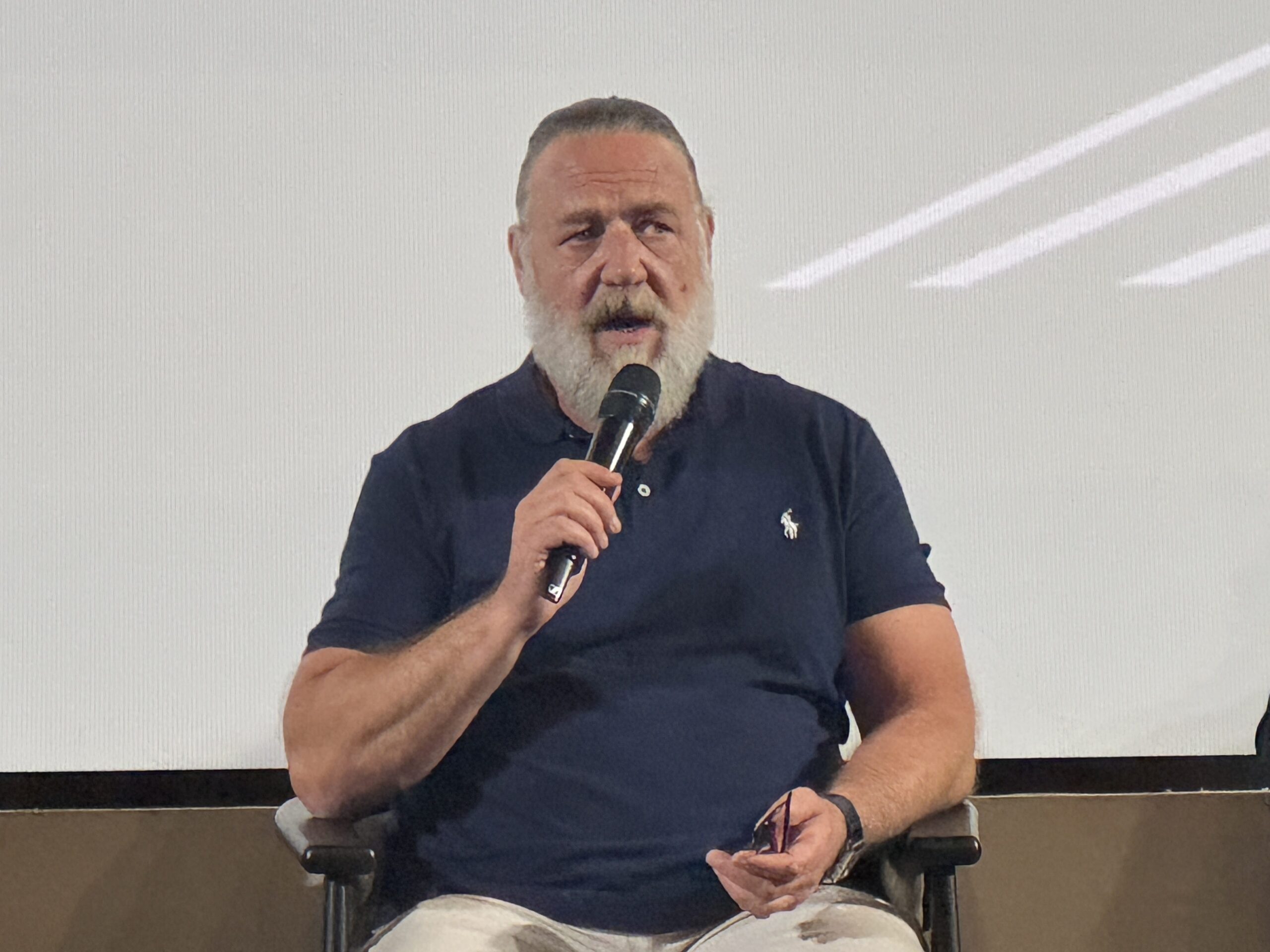
    Russell Crowe believes Gladiator II failed because the film abandoned the “moral core” that defined the 2000 original. Speaking at the Taormina Film Festival in Italy, the Academy Award-winning actor offered a blunt assessment of Ridley Scott’s highly anticipated sequel. He argued that while the new film delivered on visual spectacle, it fundamentally misunderstood what made the story of Maximus Decimus Meridius resonate with audiences a quarter-century ago. The critique centers on a shift from traditional narrative values, duty, honor, and sacrifice, toward empty cinematic bombast.

    The original Gladiator was not just a sword-and-sandals epic. It was a story about a man who wanted only to go home. When that was taken from him, it became a story of righteous vengeance. The sequel, according to Crowe, missed this foundational element. The comments underscore a growing tension in modern filmmaking. Audiences and original creators alike are increasingly vocal when legacy franchises are resurrected without the philosophical grounding that made them successful.

    Crowe’s remarks at Taormina carry significant weight. He is not merely an observer; he is the architect of the franchise’s emotional center. His performance as Maximus earned him the Academy Award for Best Actor in 2001 and cemented the character in cinema history. When the man who gave the story its soul says the sequel lacks one, the industry listens.

    The Taormina Film Festival Critique

    The Taormina Film Festival, held annually in Sicily, often serves as a candid venue for industry veterans. Away from the tightly controlled press junkets of Los Angeles, actors and directors frequently speak with greater freedom. Crowe utilized this environment to address the elephant in the room regarding Gladiator II.

    He did not attack the actors. He did not criticize the technical execution. His focus was entirely thematic. The failure, in his view, was one of narrative architecture. The original film, released in May 2000 and grossing over $460 million worldwide, was built on a very specific moral framework. Maximus was a general who became a slave, a slave who became a gladiator, and a gladiator who defied an emperor. But his motivation was never power. It was justice.

    Crowe pointed out that the sequel lost sight of this. By prioritizing set pieces and expanding the scope of the Roman Empire’s political machinations, the film detached itself from the human element. A moral core requires a character driven by recognizable, traditional virtues. When those virtues are replaced by generic action-movie tropes, the story hollows out.

    The Absence of Maximus

    The challenge of Gladiator II was always going to be the absence of Maximus. The character dies at the end of the first film, his arc completely resolved. Ridley Scott chose to focus the sequel on Lucius, the nephew of Commodus, played by Paul Mescal. The narrative shift required a new emotional anchor.

    Crowe’s critique suggests that anchor was never established. In the original, the audience understands exactly why Maximus fights. He fights for his murdered wife and son. He fights for the true vision of Rome entrusted to him by Marcus Aurelius. These are tangible, moral imperatives. If the sequel failed to provide Lucius with an equally compelling moral imperative, the spectacular arena battles become meaningless.

    This is the crux of the “moral core” argument. Action without consequence is just noise. Spectacle without stakes is quickly forgotten. The original film anchored every swing of a sword to a specific moral outcome.

    The Hollywood Spectacle Problem

    Crowe’s comments tap into a broader cultural conversation about the state of Hollywood blockbusters. There is a pervasive sense among audiences that modern films prioritize visual effects and franchise building over storytelling. The “moral core” Crowe references is exactly what many viewers feel is missing from contemporary cinema.

    Traditional values in storytelling, clear distinctions between right and wrong, the nobility of sacrifice, the importance of family and duty, have often been discarded in favor of moral ambiguity or cynical deconstruction. While ambiguity has its place in cinema, the sword-and-sandals epic traditionally relies on starker contrasts. The hero must be heroic. The villain must be villainous.

    When Gladiator debuted, it was praised for resurrecting a dormant genre precisely because it played the tropes straight. It did not apologize for its earnestness. It embraced the classic hero’s journey. By abandoning that earnestness, a sequel risks alienating the very audience that made the franchise viable.

    The Financial Reality of Legacy Sequels

    The stakes for Gladiator II were massive. Reports indicate the production budget ballooned to somewhere between $250 million and $310 million. With marketing costs factored in, the film needed to gross near $700 million globally just to break even. When budgets reach this echelon, studios often mandate broader appeal, which can dilute specific thematic elements.

    This financial pressure frequently results in a “design by committee” approach. The moral core Crowe championed is usually the vision of a single, strong storyteller. When a film must appeal to every demographic in every global market, specific cultural and moral touchstones are often sanded down. The result is a product that is visually stunning but emotionally inert.

    Crowe’s critique highlights the danger of this approach. You can buy the best visual effects in the world. You can build massive physical sets in Malta and Morocco. But you cannot buy a soul for a story. That must be written into the script from day one.

    The Legacy of Maximus Decimus Meridius

    It is impossible to separate Crowe’s critique from his own legacy. Maximus is arguably the defining role of his career. The character resonated because he embodied archetypal masculinity and stoic virtue. He was a leader who led from the front, a father who loved his family, and a man who kept his word.

    In the decades since the film’s release, Maximus has become a cultural touchstone. Quotes from the film, “Are you not entertained?” and “What we do in life echoes in eternity”, are embedded in the public lexicon. This level of cultural penetration only happens when a character connects on a deep, moral level with the audience.

    Crowe is fiercely protective of that legacy. His comments at Taormina are not merely the grievances of an actor left out of a sequel. They are the observations of an artist defending the integrity of the work that defined him. He understands better than anyone why the first film worked.

    The Ridley Scott Factor

    The critique also casts a spotlight on director Ridley Scott. Scott is a master visual stylist, responsible for undisputed classics like Alien and Blade Runner. However, his recent historical epics, such as Napoleon, have faced criticism for prioritizing visual grandeur over historical accuracy and narrative cohesion.

    Scott and Crowe have collaborated multiple times, notably on A Good Year, American Gangster, Body of Lies, and Robin Hood. Their partnership is built on mutual respect. Therefore, Crowe’s public criticism of Scott’s latest work is significant. It suggests a fundamental disagreement about what the Gladiator franchise is actually about.

    For Scott, it may be about the grandeur of Rome, the brutality of the Colosseum, and the mechanics of ancient power. For Crowe, it is about the man in the dirt, fighting for his soul.

    The Audience Demand for Clarity

    The reaction to Crowe’s comments indicates that he is not alone in his assessment. There is a demonstrable audience appetite for stories with a clear moral compass. Films that deliver this, such as Top Gun: Maverick, frequently overperform at the box office. They offer a cinematic experience that is increasingly rare: unironic heroism.

    When a legacy sequel fails to deliver that experience, the disappointment is profound. It feels like a betrayal of the original contract between the filmmaker and the audience. The audience showed up for Gladiator II expecting to feel the way they felt in 2000. If the film lacked the moral core to elicit those feelings, the visual spectacle is irrelevant.

    The industry must grapple with this reality. Intellectual property is not just a title and a logo. It is a promise of a specific type of story. If you strip away the thematic elements that made the IP valuable in the first place, you are left with an empty shell.

    Conclusion

    Russell Crowe’s assessment from Taormina cuts through the marketing noise. It bypasses the box office numbers and the visual effects breakdowns. It strikes directly at the heart of storytelling. A film without a moral core cannot endure. It may entertain for two hours, but it will not echo in eternity. The sets were built. The swords were forged. The actors arrived. But the soul was missing.

    Hollywood.

  • The Paranoia of Fame – How Anna Faris Survived Scary Movie, Hollywood Pay Gaps, and Clinical Anxiety

    The Paranoia of Fame – How Anna Faris Survived Scary Movie, Hollywood Pay Gaps, and Clinical Anxiety

    Anna Faris revealed that during the height of her early fame following the 2000 release of Scary Movie, severe anxiety manifested as a clinical paranoia where she was convinced she would be framed for murder. The actress, who built a Hollywood career playing oblivious and cheerfully naive characters, experienced profound psychological distress behind the scenes. She battled imposter syndrome, panic attacks, and a deep distrust of the sudden visibility that accompanied global stardom. What the public saw was a rising comedic genius. What Faris experienced was a terrifying loss of control.

    The contrast between public perception and private reality in Hollywood is rarely so stark. For nearly two decades, Faris operated within a studio system that demanded physical comedy, relentless promotional tours, and a smiling public face. Behind closed doors, the mechanics of fame were quietly dismantling her peace of mind. The transition from a quiet life in Washington state to the center of the Los Angeles entertainment complex triggered a psychological defense mechanism that bordered on the absurd.

    This is not simply a story about the pressures of acting. It is a case study in the economics of early 2000s comedy, the gendered pay disparities of major film studios, and the intense collateral damage of a high-profile Hollywood marriage. The machinery of fame operates without a safety net. For Faris, surviving it meant stepping entirely outside the frame.

    The Cindy Campbell Paradox

    The year 2000 fundamentally altered the trajectory of American comedy. Dimension Films released Scary Movie, directed by Keenen Ivory Wayans. The film was a razor-sharp spoof of the teen slasher genre that had dominated the late 1990s. It was produced on a modest budget of $19 million. It grossed $278 million at the global box office.

    At the center of this financial juggernaut was Anna Faris. Playing the role of Cindy Campbell, Faris anchored the film with a wide-eyed sincerity that made the chaotic, often vulgar humor work. She was twenty-three years old. She had grown up in Edmonds, Washington. Her previous acting experience consisted of local theater and a minor role in an independent slasher film called Lovers Lane. Overnight, she was the face of a massive global franchise.

    The suddenness of the transition was destabilizing. Scary Movie spawned three immediate sequels starring Faris, released in 2001, 2003, and 2006. The franchise generated hundreds of millions of dollars for Miramax and Dimension Films. Faris became a household name. But the financial success of the films did not insulate her from the psychological shock of sudden, inescapable visibility.

    Fame in the early 2000s was intensely invasive. The paparazzi culture was operating at its peak, fueled by the rise of tabloid blogs and aggressive celebrity journalism. Every public appearance was scrutinized. Every physical attribute was commented upon. For a young actress thrust into this ecosystem without a veteran public relations team or a seasoned Hollywood background, the environment was inherently hostile.

    Paranoia and the Mechanics of Fame

    Anxiety rarely manifests in rational ways. For Faris, the pressure of maintaining her position in the Hollywood hierarchy morphed into a specific, clinical paranoia. She developed an overwhelming fear that she was going to be framed for murder.

    This was not a passing thought. It was a persistent, intrusive fear that dictated her behavior. The logic of anxiety dictated that because she had suddenly acquired something valuable, fame, wealth, access, someone would inevitably try to take it away through malicious means. The fear of being framed for a heinous crime was a psychological projection of her profound lack of control over her own life and image.

    ‘I was convinced that I was going to be framed for murder,’ Faris admitted, detailing the darkest periods of her early career. ‘I felt so unmoored by the sudden shift in my reality that my brain created these catastrophic scenarios to try and make sense of the vulnerability.’

    This level of anxiety is often masked by the demands of the profession. Comedic actors, in particular, face a unique burden. The expectation is constant levity. Faris was expected to be funny on talk shows, funny on red carpets, and funny in interviews. The dissonance between her internal terror and her external obligations created a compounding cycle of stress. She was performing both on camera and off.

    The Economics of Comedy and Hollywood Pay Disparities

    The psychological toll was compounded by the financial realities of the industry. While Scary Movie was a massive financial success, the compensation structure for comedic actresses in the 2000s was deeply flawed. Faris navigated an industry that systematically undervalued female comedic leads compared to their male counterparts.

    Even as she carried the Scary Movie franchise, and later anchored films like the 2008 Happy Madison production The House Bunny, which grossed $70 million on a $25 million budget, her compensation rarely matched the box office leverage she provided. The Hollywood pay gap was not an abstract concept; it was a line item on every contract.

    Faris has been increasingly vocal about these disparities. The negotiation process for female stars often involves being labeled “difficult” for requesting parity. The studio leverage relies on the implication that comedic actresses are replaceable. For an actor already battling imposter syndrome, the negotiation table becomes another source of profound anxiety.

    This dynamic shifted slightly when Faris transitioned to network television. In 2013, she partnered with Chuck Lorre to star in the CBS sitcom Mom alongside Allison Janney. Network television offers a different economic model. A successful sitcom provides long-term financial stability and a predictable schedule. Mom ran for eight seasons, producing 152 episodes. It provided Faris with the leverage and the financial security that the feature film world had often denied her.

    Public Marriage, Public Divorce

    The intersection of anxiety and public life reached its apex during Faris’s relationship with actor Chris Pratt. The two met in 2007 on the set of the film Take Me Home Tonight. They married in 2009. At the time of their marriage, Faris was the established star, while Pratt was primarily known for supporting roles.

    The power dynamic shifted dramatically over the next decade. Pratt was cast in the NBC sitcom Parks and Recreation, and subsequently transformed into a global action star with leading roles in the 2014 Marvel film Guardians of the Galaxy and the 2015 blockbuster Jurassic World. They became a Hollywood power couple. Their every move, including the 2012 birth of their son Jack, was documented by the press.

    The pressure of maintaining a marriage under the microscope of global media is immense. When the couple announced their separation in August 2017, the public reaction was intense and invasive. The internet dissected their relationship, projecting narratives onto both actors. The divorce was finalized in 2018.

    For someone who had already battled severe paranoia regarding public perception, the divorce proceedings were a crucible. The end of the marriage forced Faris to reevaluate her relationship with fame, her career choices, and the boundaries she needed to set to protect her mental health. It was a catalyst for a massive professional pivot.

    Unqualified and the Pivot to Audio

    The traditional Hollywood model requires actors to wait for permission. They wait for a script. They wait for a casting director. They wait for a studio green light. In 2015, Faris stopped waiting.

    She launched the podcast Anna Faris is Unqualified. The premise was simple: Faris and celebrity guests would offer unqualified relationship advice to callers. The reality was a strategic masterstroke. Long before every celebrity had a podcast, Faris recognized the power of the medium. Audio offered intimacy without the intense physical scrutiny of film and television.

    The podcast allowed Faris to control her own narrative. She was the producer, the host, and the owner of the intellectual property. When her 2017 memoir, also titled Unqualified, was published, it debuted as a New York Times bestseller. She had built a media ecosystem that did not rely on the approval of studio executives.

    This pivot was essential for her mental health. By stepping away from the relentless grind of feature films and the rigid schedule of network television, she departed Mom prior to its final season, Faris reclaimed her time. She married cinematographer Michael Barrett in 2021. She shifted her focus toward projects that offered creative fulfillment without the collateral damage of global superstardom.

    The Architecture of Survival

    The trajectory of Anna Faris is a blueprint for surviving the modern entertainment complex. It requires acknowledging the toxicity of the environment. It requires recognizing the economic disparities built into the system. It requires the willingness to walk away from the table when the cost becomes too high.

    The paranoia faded. The anxiety was managed. The fear of being framed for murder was replaced by the quiet confidence of an executive producer who owns her own time. She built a new life outside the traditional Hollywood frame. She secured her assets. She protected her peace.

    Survival.

  • The F-Grade Screenplay – Gore Verbinski Proposes an AI Rating System for Hollywood

    The F-Grade Screenplay – Gore Verbinski Proposes an AI Rating System for Hollywood

    In June 2026, director Gore Verbinski proposed a formal A-to-F grading system to label the use of Artificial Intelligence in feature films. Speaking at the Taormina Film Fest in Sicily, the director behind the multi-billion-dollar Pirates of the Caribbean franchise drew a hard line on generative text and video in cinema. “If you use AI to write a script, you get an F,” Verbinski stated. This proposal aims to give audiences absolute transparency about human authorship in an era where studios increasingly leverage machine learning to cut production costs. The concept introduces a radical shift in how consumers might evaluate entertainment, moving the conversation from what is on the screen to how it was generated behind the scenes.

    The Taormina Declaration

    The Taormina Film Fest takes place in an ancient Greek theater. It is a venue built on millennia of human storytelling. In 2026, it became the staging ground for a modern defense of the cinematic craft. Verbinski did not mince words. He targeted the foundational blueprint of cinema: the screenplay. The director argued that the origin of a story dictates its soul. A script born from lived human experience carries weight. A script aggregated by a large language model carries only data. Verbinski’s proposal is not merely a philosophical stance. It is a consumer protection framework. By attaching a recognizable grade to a film’s marketing and distribution, audiences would know exactly what they are paying for. The system would function much like nutritional labels on food packaging. It forces the supply chain into the light.

    The Mechanics of an AI Rating System

    An A-to-F grading system requires strict parameters. While Verbinski offered the “F” grade as a definitive punishment for AI-generated screenplays, the broader spectrum of the scale addresses the nuanced reality of modern filmmaking. The industry already relies heavily on digital intervention. The grading system would need to isolate generative AI from traditional computational tools.

    • Grade A: Pure human authorship. Zero generative AI used in pre-production, production, or post-production. Traditional VFX and CGI remain permissible.
    • Grade B: Minimal AI assistance. Generative tools used strictly for background asset generation or minor audio cleanup, with full disclosure.
    • Grade C: Moderate AI integration. Use of AI for pre-visualization, storyboarding, or generating non-hero visual assets.
    • Grade D: Heavy AI reliance. AI-generated dialogue polishing, deepfake background actors, or algorithmic pacing adjustments.
    • Grade F: Algorithmic core. AI used to write the screenplay, direct scene composition, or generate primary performances via tools like OpenAI’s Sora.

    Implementing such a system would require an independent auditing body. Studios would have to submit production logs, software licenses, and vendor contracts for review. The logistical hurdle is massive. The cultural impact would be immediate.

    The Shadow of the 2023 Hollywood Strikes

    Verbinski’s proposal does not exist in a vacuum. It is a direct continuation of the labor battles that paralyzed Hollywood just three years prior. In May 2023, the Writers Guild of America (WGA) went on a 148-day strike. The Screen Actors Guild (SAG-AFTRA) soon followed. The core of both labor disputes was the existential threat of Artificial Intelligence. Writers feared studios would use ChatGPT to generate first drafts, hiring humans only at reduced rates to rewrite machine code. Actors feared studios would scan their likenesses and use them in perpetuity without compensation. The 2023 strikes ended with landmark contractual guardrails. Studios agreed that AI could not be credited as a writer. They agreed to informed consent for digital replicas. But contracts expire. Technology accelerates. By 2026, generative video models had evolved from crude, hallucinatory experiments into broadcast-quality engines. Verbinski’s rating system represents the next phase of the labor movement. It shifts the power from union negotiators to the ticket-buying public.

    A Pioneer of Visual Effects Draws the Line

    The weight of Verbinski’s statement comes from his resume. He is not a Luddite rejecting technology out of hand. He is a pioneer of digital cinema. In 2006, Verbinski directed Pirates of the Caribbean: Dead Man’s Chest. The film featured Davy Jones, a fully computer-generated character brought to life through groundbreaking motion capture by Industrial Light & Magic (ILM). The character won an Academy Award for Best Visual Effects. In 2011, Verbinski directed Rango, an animated feature that pushed the boundaries of digital rendering and lighting. He understands the intersection of silicon and storytelling better than most working directors. This makes his rejection of AI screenwriting highly specific. Verbinski draws a fundamental distinction between a digital tool and a generative engine. A tool requires a human hand. Maya, Nuke, and ZBrush require artists to make thousands of micro-decisions. A generative engine replaces the human mind. When a prompt generates a scene, the machine is making the decisions. Verbinski’s “F” grade is reserved for the abdication of creative choice.

    The Economics of the F Grade

    Hollywood is a business. The push toward AI integration is driven entirely by the bottom line. Film budgets have ballooned. Marketing costs often exceed production costs. Studio executives face immense pressure from Wall Street to maximize margins. Generative AI promises to slash overhead. If a studio can generate background plates without sending a crew to Iceland, they save millions. If they can use an LLM to generate coverage reports on ten thousand script submissions, they eliminate the need for entry-level readers. The economic incentive to automate is overwhelming. Verbinski’s rating system introduces a counter-incentive. If audiences reject movies with a “D” or “F” AI rating, the financial math changes. The risk of a box office boycott might outweigh the savings of algorithmic production. The rating system weaponizes public sentiment against corporate cost-cutting. It forces studios to calculate the monetary value of human authenticity.

    The Definition of Human Authorship

    The legal landscape surrounding AI in cinema remains fractured. The United States Copyright Office has repeatedly ruled that works created entirely by AI cannot be copyrighted. Human authorship is a fundamental requirement for intellectual property protection. This legal reality creates a paradox for studios. If a studio uses AI to write a script, they may not own the copyright to that script. Anyone could theoretically produce a sequel, print merchandise, or distribute the text without penalty. To circumvent this, studios seek to use AI as a “co-writer” or an “ideation tool,” ensuring a human touches the script just enough to secure copyright. Verbinski’s “F” grade targets this exact loophole. It does not matter if a human polished the dialogue. If the structural foundation was generated by a machine, the film fails the test of authenticity. The rating system demands a higher standard than the U.S. Copyright Office. It demands a soul.

    The Historical Precedent of the MPAA

    The concept of an industry-wide rating system is not unprecedented. In 1968, Jack Valenti and the Motion Picture Association of America (MPAA) introduced the voluntary film rating system. It replaced the draconian Hays Code. The MPAA system (G, PG, R, X) was designed to inform parents about the content of a film before they bought a ticket. It was a preemptive measure to avoid government censorship. Verbinski’s AI rating system follows the same logic. It is a preemptive measure to avoid audience abandonment. Just as the MPAA system shaped the economics of Hollywood, studios notoriously re-cut films to avoid the commercially restrictive NC-17 rating, an AI rating system would shape production pipelines. Directors would fight to keep their films in the “A” or “B” tier. Studios would mandate “C” tier limits to avoid the stigma of the “F” grade. The label itself becomes the guardrail.

    A Cultural Defense of the Blank Page

    Writing is an act of discovery. The blank page represents a terrifying, necessary void. Screenwriters spend months, sometimes years, wrestling with narrative structure, character motivation, and thematic resonance. The struggle is the process. The friction of human doubt produces art. Generative AI eliminates the friction. It provides an immediate, frictionless approximation of a story. It aggregates the history of human storytelling and regurgitates a statistically probable sequence of events. It is mathematically competent and entirely hollow. Verbinski’s stance at Taormina is a cultural defense of the blank page. It is a declaration that the struggle matters. The audience may not see the deleted scenes, the discarded drafts, or the sleepless nights, but they feel the weight of the effort in the final product. An AI-written script is weightless. It costs nothing to generate, and ultimately, it means nothing to consume.

    The Future of the Algorithmic Cinema

    The industry sits at a crossroads. The technology will not regress. Generative video models will soon be capable of rendering photorealistic sequences indistinguishable from traditional camera work. Synthetic voice models can already replicate human emotion with alarming accuracy. The physical barriers to filmmaking are collapsing. In this environment, the only remaining differentiator is intent. Why was the film made? Who made it? What were they trying to say? An AI rating system forces these questions to the forefront of the marketing campaign. It strips away the illusion of magic and reveals the mechanics of production. It asks the audience to vote with their wallets on the value of human consciousness in art. The Taormina Film Fest provided the microphone. Verbinski provided the ultimatum. The industry must now decide how to label its own evolution.

    The Terminal Drop

    The lines are drawn. The technology advances. The studios calculate. The algorithms generate. The lawyers negotiate. Writers fight. Directors speak. Audiences decide. Cinema.

  • The Normalization of Taboo: Kieron Moore, “Blue Film,” and Hollywood’s Shifting Boundaries

    The Normalization of Taboo: Kieron Moore, “Blue Film,” and Hollywood’s Shifting Boundaries

    The Normalization of the Taboo

    Actor Kieron Moore publicly stated that the explicit kink and taboo subjects featured in the upcoming movie “Blue Film” were “never a shock” to him because he is surrounded by a “super sex positive” social circle. Speaking to Variety in early 2026, Moore dismissed the traditional Hollywood narrative that explicit content requires intense psychological preparation. Instead, he framed the film’s provocative themes as a normal reflection of modern human sexuality. This candid admission immediately positioned the film at the center of a growing cultural divide regarding media consumption, traditional values, and the destigmatization of alternative lifestyles.

    For decades, actors embarking on highly explicit roles have utilized a specific public relations playbook. They speak of the emotional toll. They speak of the bravery required to bare their souls on screen. They frame the sexual content as a necessary, grueling artistic hurdle. Moore discarded this script entirely. By stating that the material was standard conversation within his peer group, he removed the mystique of the taboo.

    This rhetorical shift is not occurring in a vacuum. It reflects a broader generational transition within the entertainment industry. The boundaries of what constitutes mainstream cinema are actively being redrawn. What was once relegated to midnight screenings and unrated DVD releases is now being packaged with high production values, recognizable stars, and aggressive digital marketing campaigns.

    Kieron Moore and the Variety Interview

    The conversation surrounding “Blue Film” ignited immediately after the Variety interview was published. Moore, known for his rising profile in independent cinema, was asked directly about the intense thematic elements of the script. The interviewer pressed on the psychological weight of portraying non-traditional sexual dynamics. Moore’s response was entirely devoid of the expected artistic angst.

    “It was never a shock to me. I have super sex positive friends. We talk about these things openly. It’s just human behavior. The idea that this is some dark, hidden world feels very outdated to me.”

    Those three sentences sent immediate ripples through the cultural commentary sphere. Moore effectively declared that the outrage surrounding kink is an antiquated reaction. He positioned his social circle, and by extension, his generation, as having evolved past the need for cinematic puritanism. This is a powerful framing device. It forces critics of the film to argue not just against the movie, but against the perceived modern consensus on human sexuality.

    The production of “Blue Film” itself reflects this confidence. Financed independently with an estimated $12.5 million budget, the project bypassed the traditional studio development system. This allowed the filmmakers to retain complete creative control over the explicit sequences. Without a major studio executive demanding a PG-13 or standard R rating for maximum theatrical distribution, the narrative was allowed to explore the taboo without compromise.

    The Cultural Defense and the Conservative Backlash

    Moore’s comments act as a cultural flashpoint. In the current media landscape, entertainment is rarely consumed neutrally. Every casting decision, every script choice, and every press junket quote is analyzed through a partisan lens. “Blue Film” is now categorized as a battleground property.

    Conservative media watchdogs and traditional values organizations have historically mobilized against films that push sexual boundaries. Organizations similar to the Parents Television and Media Council frequently argue that the normalization of kink in mainstream media degrades societal morals. For these groups, Moore’s casual dismissal of the taboo is more alarming than the film itself. It signifies that the gatekeepers of culture no longer fear the moral majority.

    Conversely, progressive cultural critics have rallied around Moore’s statements. They view the destigmatization of sex work, alternative sexualities, and kink as a necessary civil rights progression. In this view, “Blue Film” is not merely entertainment; it is a cultural corrective. The movie serves as a defense of lifestyles that have historically been marginalized, criminalized, or pathologized by mainstream society.

    This friction is incredibly lucrative. Independent distributors understand that cultural outrage is a highly effective form of earned media. When a film is debated on prime-time cable news or dissected in viral social media threads, awareness skyrockets. The marketing budget for “Blue Film” does not need to rival a Marvel blockbuster because the cultural divide is doing the heavy lifting.

    A Century of Cinematic Pushback

    To understand the weight of Moore’s “sex positive” declaration, one must look at the history of Hollywood censorship. The American film industry has always maintained a deeply conflicted relationship with human sexuality. In 1934, the industry adopted the Motion Picture Production Code, widely known as the Hays Code. For over three decades, this strict set of moral guidelines dictated exactly what could and could not be shown on screen.

    Under the Hays Code, even the implication of non-traditional sexual behavior was strictly forbidden. Married couples were often shown sleeping in separate twin beds. The concept of exploring kink was entirely nonexistent in mainstream theaters. It was not until the collapse of the Code and the introduction of the modern Motion Picture Association of America (MPAA) rating system in 1968 that filmmakers could begin to explore adult themes with any nuance.

    Even with the rating system, the stigma remained. The creation of the NC-17 rating in 1990 was intended to provide a space for adult-oriented art films, but it quickly became a commercial death sentence. Major theater chains refused to screen NC-17 films. National retail chains refused to stock the DVDs. Filmmakers were forced to edit their visions to secure an R rating, effectively allowing a corporate board to dictate the boundaries of cinematic sexuality.

    Moore’s generation is operating in a vastly different paradigm. The theatrical distribution bottleneck has been shattered.

    The Streaming Era’s Impact on Censorship

    The rise of global streaming platforms fundamentally altered the economics of the taboo. Platforms like Netflix, Amazon Prime, and independent boutique streamers do not rely on local multiplexes to reach their audience. They bypass the physical theater entirely, delivering content directly into the living room.

    This direct-to-consumer model neutralizes the power of the traditional boycotts. A conservative advocacy group cannot physically protest a server farm. They cannot pressure a local theater manager to pull a film from the marquee. The content is available on demand, shielded from public scrutiny until the moment the viewer presses play.

    This technological shift has emboldened filmmakers and actors alike. When Kieron Moore speaks about “Blue Film,” he is speaking to an audience that consumes media privately and algorithmically. The film does not need to appeal to everyone. It only needs to appeal fiercely to its specific demographic. The algorithmic recommendation engines will ensure that the film finds the “sex positive” audience Moore referenced.

    The Economics of the Erotic Thriller

    Despite the cultural hand-wringing, the financial math behind taboo cinema is well established. Hollywood is a risk-averse industry, but it is also an industry that remembers its massive windfalls. The erotic thriller and the taboo romance have periodically injected massive capital into the studio system.

    In 1992, “Basic Instinct” grossed over $350 million worldwide on a $49 million budget, driven entirely by its explicit content and the surrounding controversy. More recently, the “Fifty Shades of Grey” franchise demonstrated the staggering purchasing power of the taboo market. The first film in that series, released in 2015, grossed $569 million globally against a $40 million budget. It proved that mainstream audiences were willing to pay for kink, provided it was packaged correctly.

    “Blue Film” is operating on a smaller scale, but the economic principles are identical. With a reported $12.5 million budget, the film’s break-even point is exceptionally low. The international streaming rights alone will likely cover the production costs. Every dollar generated from theatrical runs or premium video-on-demand services becomes pure profit. The controversy generated by Moore’s Variety interview is not a liability; it is an asset on the balance sheet.

    What “Blue Film” Signals for 2026 and Beyond

    The discourse surrounding “Blue Film” is a leading indicator of where mainstream entertainment is heading. The old guard of Hollywood censorship is retiring. The new generation of talent, represented by actors like Kieron Moore, refuses to apologize for the material they produce. They do not view sex as a necessary evil to be hidden behind closed doors. They view it as a primary narrative driver.

    This shift will continue to alienate certain segments of the audience. The cultural divide over what is appropriate for public consumption will only widen. Media consumption is becoming increasingly siloed. Audiences will retreat to the platforms and the creators that validate their specific worldview. The shared cultural monoculture is dead.

    In its place is a fractured, highly targeted entertainment ecosystem. Films like “Blue Film” will thrive in this environment. They do not require universal acclaim. They require intense, localized passion. They require actors willing to stand in front of the press and declare that the taboo is dead. They require a market ready to pay for the privilege of seeing the boundaries pushed.

    The studios adjusted. The audiences splintered. The culture fractured. Hollywood.

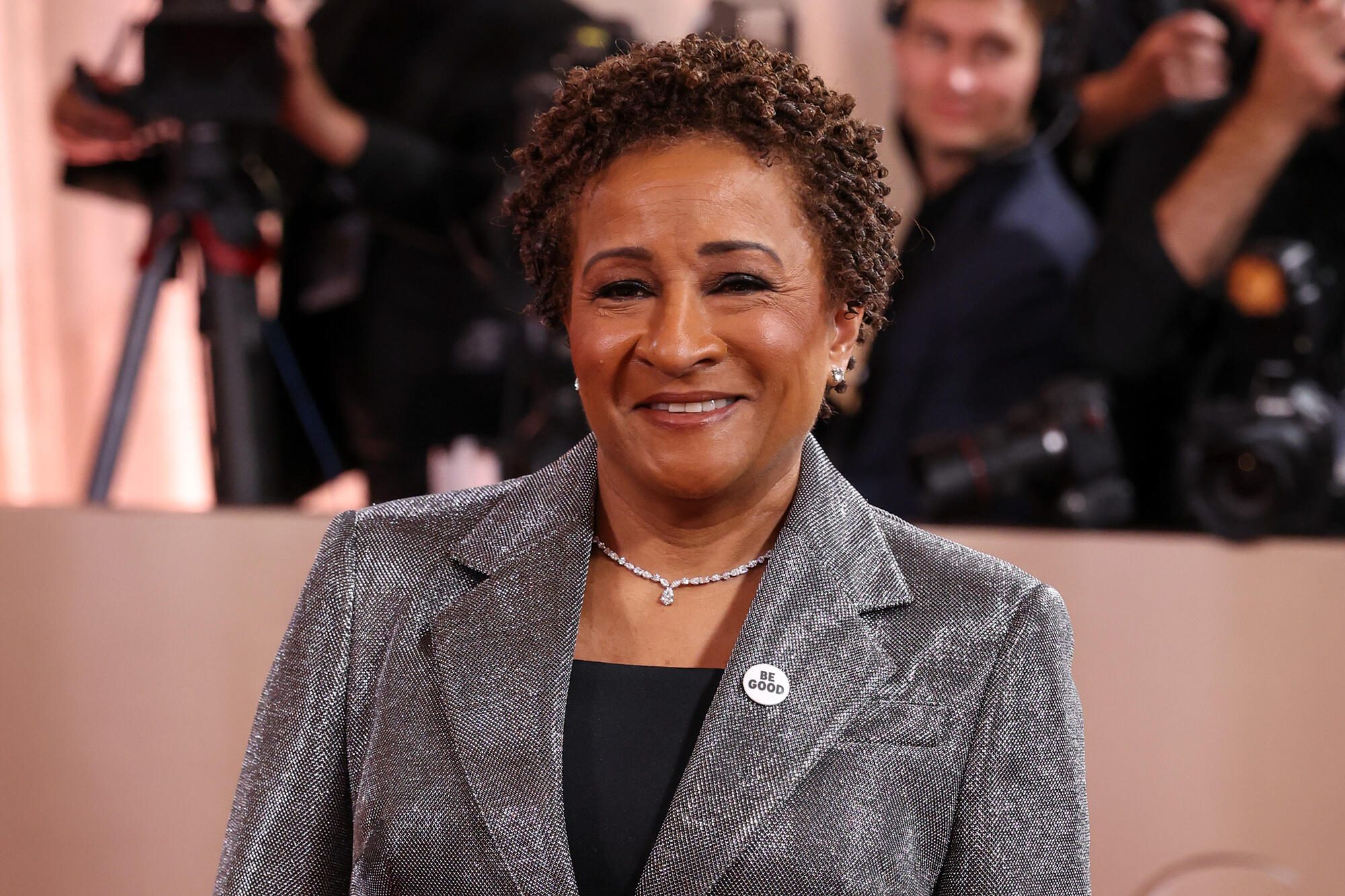
  • Wanda Sykes Rejects Kevin Hart’s Netflix Roast Over Lazy Writing

    Wanda Sykes Rejects Kevin Hart’s Netflix Roast Over Lazy Writing

    Wanda Sykes declined a seat on the dais for Kevin Hart’s Netflix roast because she refused to participate in what she described as lazy writing built on recycled sexist, racist, and gay jokes. The veteran comedian and writer passed on the high-profile streaming event, publicly expressing relief that she avoided the project entirely. In many ways, her rejection serves as a flashpoint. What looks like a simple scheduling pass actually exposes a widening fault line in the modern comedy industry.

    Netflix has spent the last decade building an unparalleled comedy infrastructure. The streaming giant allocates portions of its massive $16 billion annual content budget to secure top-tier stand-up talent. Live events represent the newest frontier in this strategy. The platform tested the waters with live specials and quickly moved into the lucrative, high-engagement world of celebrity roasts.

    The May 5, 2024, broadcast of the roast of Tom Brady proved the concept. Millions of viewers tuned in live. Social media algorithms fed on the resulting clips for weeks. Comedians like Nikki Glaser and Jeff Ross saw immediate career bumps. The format generates massive viewership, guaranteed headlines, and significant cultural real estate. Turning down an invitation to a Netflix roast means walking away from one of the largest promotional platforms in modern entertainment. Wanda Sykes walked away anyway.

    The Architecture of the Joke

    The core of Sykes’ criticism centers on the mechanics of the writing. She did not express outrage at the concept of insult comedy. She expressed professional disdain for the execution. Sykes called the material lazy writing. For a comedian who spent years in the writers’ room of The Chris Rock Show, the distinction matters.

    Roasts demand a specific cadence. The format relies on rapid-fire insults, shock value, and boundary-pushing premises. Historically, the New York Friars Club built the roast tradition in the 1950s as a private, fraternal exercise. Comedians insulted their peers behind closed doors. When Comedy Central resurrected the format for television in the early 2000s, targeting celebrities like Pamela Anderson, Justin Bieber, and Charlie Sheen, the tone shifted. The goal became generating gasps from a studio audience.

    Sykes argues this modern iteration has degraded. Instead of crafting sharp, observational takedowns, the format increasingly relies on marginalized groups for easy punchlines. Recycled tropes replace original thought. Sexist, racist, and homophobic setups serve as shortcuts to a reaction. Sykes, a comedian known for precision, views this as a failure of the craft.

    Kevin Hart and the Target on the Dais

    Kevin Hart understands the machinery of Hollywood better than almost anyone. His global box office grosses exceed billions of dollars. His stand-up tours sell out football stadiums. He also understands the mechanics of public controversy.

    In December 2018, the Academy of Motion Picture Arts and Sciences announced Hart would host the 2019 Oscars. Within days, past homophobic tweets surfaced. Hart initially refused to apologize, stating he had addressed the comments previously. The backlash intensified. Hart ultimately stepped down from the hosting gig and issued an apology to the LGBTQ community. The incident remains a defining chapter in his public narrative.

    A roast of Kevin Hart would inevitably touch on this history. The format demands it. Roasters target the most uncomfortable aspects of the honoree’s life. Sykes, an openly gay Black woman, would be placed in a specific dynamic on that stage. Her presence could be weaponized to validate the very jokes she despises. By refusing the invitation, she refused to be a prop in that dynamic.

    A Career Built on Precision

    Wanda Sykes does not need the Netflix roast bump. Her career operates on a different frequency. Born in Portsmouth, Virginia, she worked as a contracting specialist at the National Security Agency before transitioning to stand-up comedy. That background in precision translates to her stage work.

    She won an Emmy Award in 1999 for her writing on The Chris Rock Show. She headlined the White House Correspondents’ Dinner in 2009. Her stand-up specials, including I’ma Be Me and Not Normal, rely on sharp social observation rather than cheap shots. She tours globally, selling out theaters based on the strength of her perspective.

    Her comedic style requires a setup, a pivot, and a punchline anchored in truth. The roast format, as currently constructed, often abandons truth for shock. Sykes drew a professional boundary. She evaluated the project, determined the writing did not meet her standards, and said no.

    The Cultural Divide in Stand-Up

    The comedy industry is currently engaged in a loud, public debate about cultural standards. One faction argues that comedians must be entirely free of restrictions. This group frequently complains about cancel culture and insists that nothing should be off-limits on a comedy stage. Netflix Co-CEO Ted Sarandos has frequently defended controversial comedy on the platform, citing the need to support artistic expression.

    The other faction argues for accountability and evolution. This group contends that punching down at marginalized communities is not edgy; it is simply outdated. They argue that relying on racist or homophobic tropes is a sign of creative stagnation.

    Sykes’ rejection of the Hart roast places her firmly in the latter camp. She is not calling for the roast to be canceled. She is not petitioning Netflix to change its programming. She is simply exercising her right to opt out. She identified the material as recycled and sexist, and she chose not to associate her brand with it.

    The Economics of Outrage

    The modern media ecosystem thrives on outrage. Algorithms prioritize conflict. Roasts are engineered to feed this ecosystem. A single offensive joke generates thousands of reaction videos on TikTok, millions of impressions on X, and countless aggregation articles. The outrage is not a byproduct of the roast; it is the product.

    Netflix understands this math. The platform hosts a wide variety of comedy, from the wholesome to the highly controversial. The goal is engagement. The Tom Brady roast generated massive engagement precisely because it crossed perceived lines. The Kevin Hart roast will likely attempt to replicate that formula.

    I looked at the material, and I said, ‘Thank God I passed.’ It is just lazy writing.

    Sykes opted out of the algorithmic cycle. She recognized the trap. Participating in the roast would mean participating in the subsequent outrage cycle. She would be asked to defend the jokes, contextualize the insults, and participate in the post-game analysis. By saying no, she retained control of her time and her narrative.

    The Future of the Format

    The celebrity roast will survive Wanda Sykes’ absence. Netflix will continue to produce live comedy events. Kevin Hart will continue to sell out arenas. The machinery of Hollywood will keep moving forward.

    However, Sykes’ public critique lingers. It forces a conversation about the difference between a good joke and a cheap insult. It challenges writers to elevate their material. It reminds audiences that they have the right to demand better from the entertainers they support.

    Comedy evolves. The jokes that worked at the Friars Club in 1955 do not work at the Kia Forum in 2026. The comedians who survive the longest are the ones who understand this evolution. They are the ones who recognize when a format has run its course. They are the ones who refuse to rely on recycled premises.

    Audiences watch. Comedians calculate. Executives broadcast. Sykes walked away.

  • Jane Campion’s Weinstein Comments Reopen the ‘Art vs. Artist’ Debate

    Jane Campion’s Weinstein Comments Reopen the ‘Art vs. Artist’ Debate

    When Jane Campion recently spoke about the legacy of her 1993 masterpiece The Piano, she offered a blunt assessment that immediately ignited a firestorm within the film industry. The acclaimed director acknowledged that disgraced mogul Harvey Weinstein did “some horrific things,” yet she simultaneously praised his “brilliant” awards campaign for her film, stating that the aggressive and successful Oscar push “was his vision.” This juxtaposition, condemning the man’s predatory behavior while acknowledging his undeniable professional acumen, forces Hollywood into an uncomfortable confrontation with its own history.

    Campion’s remarks do not exist in a vacuum. They arrive at a moment when the entertainment industry is still actively litigating the boundaries of accountability and the complex task of separating the art from the architect of its success. Weinstein, currently serving a lengthy prison sentence for rape and sexual assault following the explosive #MeToo revelations of 2017, was once the undisputed king of the independent film world. His company, Miramax, was synonymous with prestige cinema and ruthless, effective Oscar campaigns. Campion’s comments underscore a painful reality for many filmmakers of her generation: their defining triumphs were often inextricably linked to a man whose methods were as monstrous as his eye for talent was sharp.

    The conversation sparked by Campion is not merely about Weinstein; it is about the systemic structures of power, the compromises inherent in ambition, and the enduring challenge of reconciling brilliant results with brutal realities.

    The Miramax Machine and The Piano

    To understand the weight of Campion’s comments, one must examine the specific context of 1993. The Piano, a startlingly original and fiercely feminist film, was not an obvious candidate for mainstream Oscar glory. It was a brooding, atmospheric drama set in 19th-century New Zealand, featuring a mute protagonist and a complex exploration of female desire. It was the kind of film that, prior to the rise of Miramax, might have been relegated to the arthouse circuit, celebrated by critics but largely ignored by the Academy of Motion Picture Arts and Sciences.

    Enter Harvey Weinstein. Miramax acquired the distribution rights to The Piano and immediately recognized its potential. Weinstein deployed the aggressive, relentless campaign strategies that would soon become his trademark. He recognized that the film needed to be positioned not just as an artistic achievement, but as an event. The campaign focused heavily on Campion’s unique vision, Holly Hunter’s extraordinary performance, and the film’s groundbreaking nature as a female-directed powerhouse.

    The results were undeniable. The Piano became a critical and commercial sensation, grossing over $40 million domestically, a staggering sum for an independent film at the time. More importantly, it secured eight Academy Award nominations. It ultimately won three Oscars: Best Actress for Holly Hunter, Best Supporting Actress for Anna Paquin, and Best Original Screenplay for Jane Campion herself. Campion also became only the second woman in history to be nominated for Best Director. The success of The Piano cemented Miramax’s reputation as an unstoppable force in the awards race and established Campion as a major cinematic voice.

    The Dissonance of Acknowledgment

    When Campion describes Weinstein’s campaign as “brilliant,” she is stating a historical fact. The strategy was innovative, relentless, and wildly successful. It changed the trajectory of her career and altered the landscape of independent film distribution. However, this acknowledgment creates a profound dissonance when placed alongside the reality of Weinstein’s crimes.

    The tension lies in the assumption that praising a specific professional action somehow mitigates or excuses the broader pattern of horrific behavior. Campion’s comments challenge this binary thinking. She is essentially arguing that two contradictory truths can exist simultaneously: Harvey Weinstein was a predator who destroyed lives, and Harvey Weinstein was a brilliant strategist who championed her work. Acknowledging the latter does not erase the former; it merely reflects the complicated reality of navigating a deeply flawed industry.

    This dissonance is particularly acute for female filmmakers who benefited from Weinstein’s support. For years, Miramax was one of the few places where complex, female-driven narratives could find significant backing and aggressive promotion. The realization that this support was provided by a man who was simultaneously abusing women creates a profound moral conflict. Campion’s willingness to articulate this conflict publicly is a rare moment of unvarnished honesty in an industry often characterized by carefully curated narratives.

    The Enduring ‘Art vs. Artist’ Debate

    Campion’s remarks inevitably reignite the perennial debate regarding the separation of art from the artist, or, in this case, the art from the distributor. Can we celebrate the triumph of The Piano without acknowledging the machinery that propelled it to success? If that machinery was operated by a monster, does it taint the art itself?

    The cultural conversation has shifted dramatically in recent years. The #MeToo movement demanded a holistic reckoning, arguing that the personal conduct of powerful figures could no longer be ignored or compartmentalized. The idea that “genius” or “brilliance” excuses abuse has been largely dismantled. However, the practical application of this reckoning remains messy. How do we engage with the vast catalog of films produced, distributed, or championed by individuals later revealed to be abusers?

    Some argue for a complete boycott, suggesting that any engagement with these works indirectly validates the perpetrators. Others advocate for a more nuanced approach, arguing that the art itself, often the result of collaboration among hundreds of individuals, should not be discarded due to the sins of one powerful figure. Campion’s comments seem to align with this latter perspective. She is not defending Weinstein the man; she is defending the specific, undeniable impact of his professional vision on her film.

    The Reality of Industry Complicity

    Perhaps the most uncomfortable aspect of Campion’s comments is what they reveal about the broader complicity of the film industry during the Weinstein era. The “brilliant” campaigns that Campion praises were not executed in a vacuum. They required the participation of publicists, journalists, academy members, and rival executives. The aggressive tactics, the bullying, the relentless pressure, these were known quantities within the industry long before the allegations of sexual assault became public.

    By acknowledging the effectiveness of Weinstein’s methods, Campion inadvertently highlights the ecosystem that allowed him to thrive. The industry rewarded his behavior with Oscars, box office success, and unparalleled influence. The brilliance of his campaigns was inextricably linked to his ruthless consolidation of power, the very power he used to silence his victims.

    Campion’s honesty forces a reckoning not just with Weinstein, but with the structures that enabled him. It asks the industry to consider how much collateral damage it was willing to accept in exchange for prestige and profit. The answer, historically, has been deeply troubling.

    Navigating the Legacy of The Piano

    So, where does this leave the legacy of The Piano? The film remains a towering achievement in cinema, a vital piece of feminist art that continues to resonate with audiences. Its significance is not diminished by the actions of its distributor. However, Campion’s comments ensure that the story of its success will forever be complicated by the shadow of Harvey Weinstein.

    This complication is not necessarily a negative thing. It demands a more mature, nuanced engagement with film history. It requires us to acknowledge that great art is often produced within flawed systems and championed by deeply flawed individuals. It forces us to confront the uncomfortable reality that progress and predation can sometimes exist in the same space.

    Jane Campion’s refusal to offer a simple, sanitized narrative is a testament to her intellectual rigor. She is demanding that we look at the whole picture, even the parts that are difficult to reconcile. In doing so, she has sparked a necessary conversation about the true cost of success in Hollywood and the enduring challenge of separating the brilliance of the work from the brutality of the men who controlled the machinery.

    The debate will continue. The lines will be drawn and redrawn. But Campion’s comments stand as a stark reminder that history is rarely simple, and the truth is often found in the uncomfortable spaces between condemnation and acknowledgment.

    Hollywood.

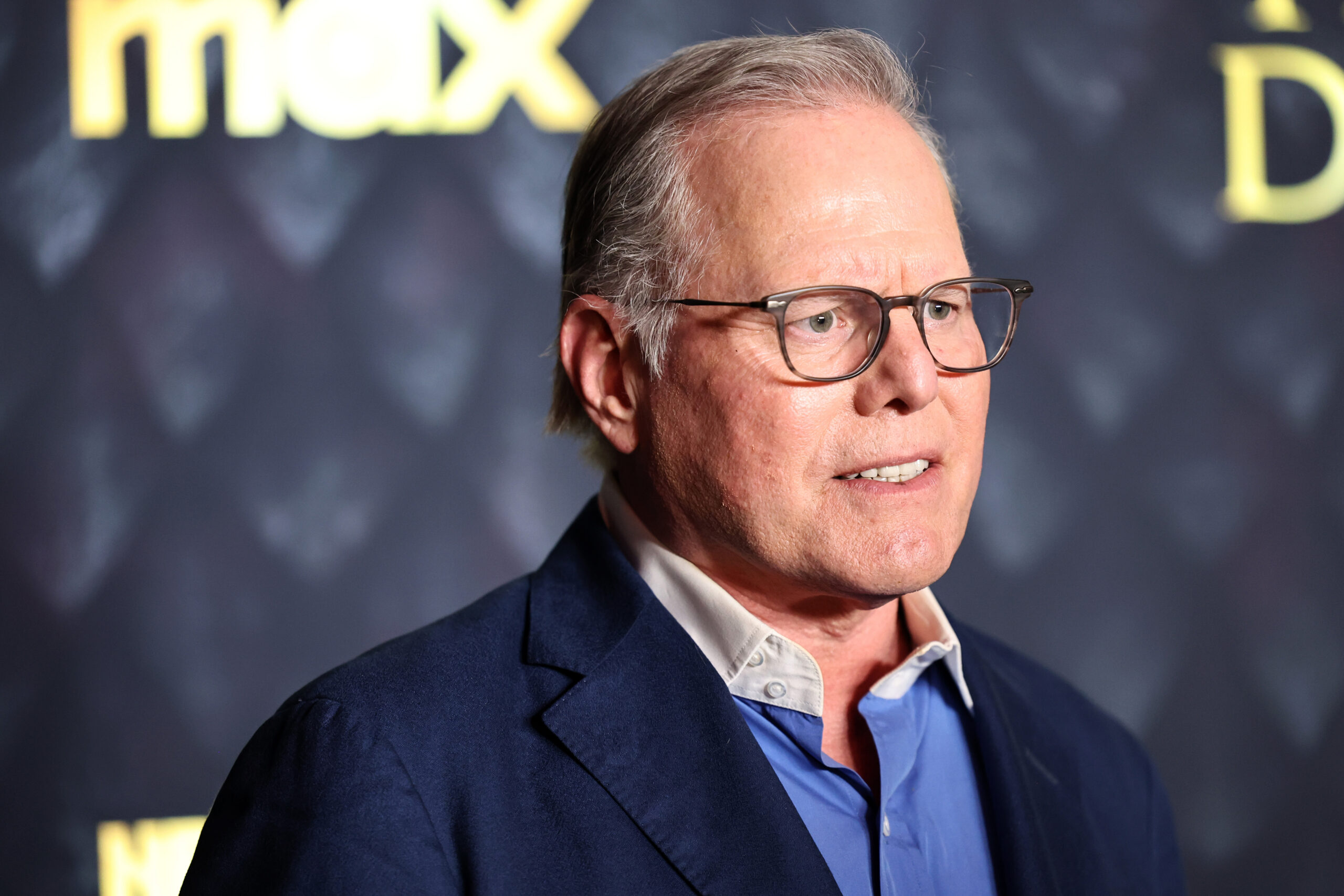
  • David Zaslav’s 2025 Compensation Blocked: Why WBD Shareholders Revolted

    David Zaslav’s 2025 Compensation Blocked: Why WBD Shareholders Revolted

    Warner Bros. Discovery shareholders rejected CEO David Zaslav’s 2025 compensation package in a non-binding vote, delivering a stark rebuke to the media conglomerate’s executive pay structure. The “say-on-pay” vote occurred during the company’s annual meeting. It represents a rare and highly visible rupture between Hollywood leadership and institutional investors. The rejection signals that the era of uncontested, multi-million-dollar executive payouts, regardless of stock performance or public perception, may be ending.

    The vote itself is advisory. It does not legally compel the Warner Bros. Discovery board of directors to slash Zaslav’s salary or rewrite his contract. But the symbolic weight is massive. In corporate governance, a failed say-on-pay vote is the equivalent of a vote of no confidence. It forces the compensation committee back to the negotiating table. It demands a public explanation. Most importantly, it exposes the growing friction between the executives managing media empires and the shareholders funding them.

    The Anatomy of a Shareholder Revolt

    To understand the rejection, one must look at the math. David Zaslav has consistently ranked among the highest-paid executives in the entertainment industry. His compensation packages have frequently drawn headlines, often for their sheer scale relative to the company’s financial performance.

    In 2022, following the merger of WarnerMedia and Discovery, Zaslav’s reported compensation reached $39 million. In 2023, his pay package was valued at nearly $50 million. These figures included base salary, stock awards, and performance-based bonuses. The board justified these numbers by pointing to the complexity of integrating two massive media companies and the necessity of retaining top-tier leadership.

    Shareholders, however, viewed the equation differently. Warner Bros. Discovery’s stock price has struggled to gain traction since the merger. The company has grappled with massive debt loads, estimated at over $40 billion. To service this debt, leadership initiated aggressive cost-cutting measures. These included widespread layoffs, the shelving of completed films like Batgirl and Coyote vs. Acme for tax write-offs, and the removal of content from the Max streaming platform.

    The juxtaposition was jarring. While the company aggressively trimmed expenses and eliminated jobs, executive compensation remained robust. This disconnect became the primary catalyst for the shareholder revolt.

    The Role of Institutional Investors

    A failed say-on-pay vote does not happen because retail investors click a button on an app. It happens because institutional investors, pension funds, mutual funds, and asset management firms, decide to send a message. Entities like Vanguard, BlackRock, and State Street hold significant voting blocks. When these institutions align against a board recommendation, the impact is seismic.

    Proxy advisory firms play a crucial role in these decisions. Firms like Institutional Shareholder Services (ISS) and Glass Lewis analyze executive compensation plans and issue voting recommendations to institutional investors. If a proxy advisor determines that a pay package is misaligned with company performance, they will recommend a “vote against” the say-on-pay proposal. While the specific recommendations for the 2025 WBD vote remain internal to institutional clients, the outcome suggests a consensus that Zaslav’s proposed pay was not justified by the company’s recent financial trajectory.

    The Shadow of the Hollywood Strikes

    The rejection of Zaslav’s pay cannot be viewed in a vacuum. It occurred in the long shadow of the historic 2023 Hollywood strikes. The Writers Guild of America (WGA) and the Screen Actors Guild-American Federation of Television and Radio Artists (SAG-AFTRA) halted production for months, demanding better residuals, protections against artificial intelligence, and a more equitable share of streaming revenues.

    During the strikes, executive compensation became a central talking point. Union leaders and striking workers frequently cited the massive salaries of CEOs like Zaslav, Disney’s Bob Iger, and Netflix’s Ted Sarandos as evidence of a broken system. The narrative was clear: the executives at the top were enriching themselves while the creative class struggled to earn a living wage.

    Zaslav, in particular, became a lightning rod for criticism. His compensation was frequently contrasted with the demands of the unions. The optics of a highly paid CEO overseeing a company that was simultaneously cutting jobs and resisting union demands created a public relations crisis. This sentiment bled into the investor class. Shareholders are increasingly sensitive to reputational risk. The negative press surrounding WBD’s executive pay structure during the strikes likely contributed to the growing unease among investors.

    What Happens After a Failed Say-on-Pay Vote?

    The immediate consequence of a failed say-on-pay vote is procedural. The Securities and Exchange Commission (SEC) requires public companies to hold these advisory votes at least once every three years, though many companies, including WBD, hold them annually. Because the vote is non-binding, the board is not required to take immediate action.

    However, ignoring a failed vote is a dangerous strategy. Boards that dismiss shareholder concerns risk facing more severe consequences in subsequent years. These can include “vote no” campaigns against individual directors, particularly those serving on the compensation committee. In extreme cases, activist investors may launch proxy fights to replace board members entirely.

    The typical response involves a “shareholder engagement campaign.” The board’s compensation committee, often led by its chair, will initiate meetings with the company’s largest investors. The goal is to understand the specific reasons for the “no” votes. Was the base salary too high? Were the performance metrics too lenient? Was the peer group used for benchmarking inappropriate?

    Following these discussions, the board usually makes adjustments to the executive compensation plan for the following year. This might involve increasing the proportion of pay tied to performance, altering the metrics used to measure success, or simply reducing the overall quantum of pay. The objective is to design a package that will win shareholder approval in the next voting cycle.

    The Broader Implications for Media Conglomerates

    The WBD vote is not an isolated incident. It reflects a broader trend of increased scrutiny over executive pay across all sectors, but particularly within the media and entertainment industry. The era of the imperial CEO, who commands massive payouts regardless of performance, is facing unprecedented resistance.

    Media companies are navigating a difficult transition. The legacy cable television business is declining rapidly, while the streaming business remains capital-intensive and fiercely competitive. Profitability is no longer guaranteed. In this environment, investors are demanding that executive compensation be closely aligned with long-term value creation. They want to see pay structures that reward executives for successfully navigating the industry’s structural challenges, not just for showing up.

    Other media boards will undoubtedly take notice of the WBD vote. It serves as a warning shot. Compensation committees across the industry will likely review their own pay practices to ensure they can withstand investor scrutiny. The pressure to link pay to performance, and to justify the absolute size of executive payouts, will only intensify.

    The Financial Reality of Warner Bros. Discovery

    The core issue driving the shareholder revolt is the financial reality of Warner Bros. Discovery. The company was formed through a complex transaction that left it saddled with significant debt. The management team, led by Zaslav, has prioritized debt reduction and free cash flow generation.

    They have achieved some success on this front. The company has paid down billions in debt and improved its cash flow profile. The streaming business, which includes Max and Discovery+, has shown signs of reaching profitability. However, these financial improvements have come at a significant cost. The aggressive cost-cutting measures have damaged the company’s relationships with creators and alienated some consumers.

    Furthermore, the stock price has not reflected the operational improvements. Investors remain concerned about the long-term viability of the legacy linear television networks, which still generate a significant portion of the company’s revenue. The decline in linear advertising revenue and the ongoing cord-cutting trend pose existential threats to this part of the business.

    In this context, a massive compensation package for the CEO appears disconnected from the reality experienced by shareholders. Investors are essentially asking: if the company is facing such severe headwinds, and if the stock price is languishing, why is the CEO being rewarded as if the company is thriving?

    The Path Forward for Zaslav and WBD

    David Zaslav now faces a critical juncture. The shareholder vote is a clear signal that his current compensation structure is unacceptable to the people who own the company. He must navigate this challenge while continuing to manage the complex integration of WarnerMedia and Discovery and steering the company through a turbulent industry landscape.

    The board’s compensation committee will have to work closely with institutional investors to design a new pay package. This new package will likely feature more stringent performance metrics and a closer alignment between executive pay and shareholder returns. The days of guaranteed mega-bonuses may be over.

    For Zaslav, the challenge is not just financial; it is reputational. He must convince investors, employees, and the broader creative community that his leadership is worth the cost. He must demonstrate that he can not only cut costs and manage debt but also drive growth and create long-term value.

    The vote against his 2025 pay is a warning. It is a demand for accountability. It is a statement that performance matters. The board convened. The investors voted. The message was delivered. Accountability.

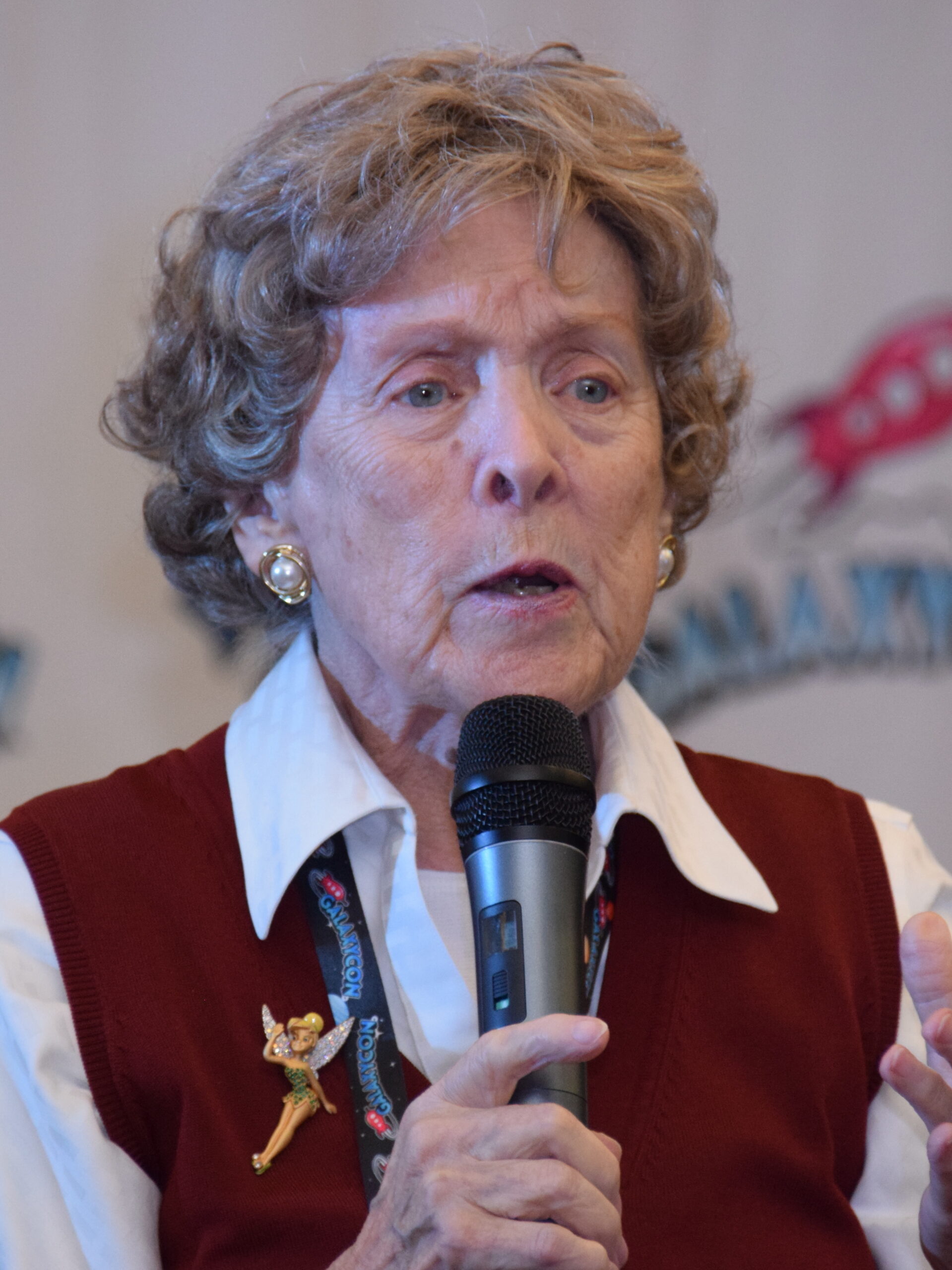
  • Margaret Kerry, the Real-Life Model for Tinker Bell, Dies at 97

    Margaret Kerry, the Real-Life Model for Tinker Bell, Dies at 97

    Margaret Kerry, the veteran actress, radio performer, and dancer who served as the live-action reference model for Tinker Bell in Walt Disney’s 1953 animated feature Peter Pan, has died at the age of 97. Her pantomime work on a Burbank soundstage shaped the physical comedy, posture, and iconic pout of one of the most recognizable characters in animation history. Without speaking a single line of dialogue, Kerry gave a drawing a distinct, fiery psychology.

    For decades, an urban legend persisted across Hollywood. Whispers claimed that Marilyn Monroe had inspired the blonde, temperamental pixie. The timeline never aligned, but the rumor survived. The truth belonged entirely to Kerry.

    She did not just lend a face to an animator. She engineered a performance. Kerry translated human movement into fairy proportions, helping the studio solve a massive narrative problem: how to make a mute, glowing ball of light emote across an eighty-minute film.

    But the story of Margaret Kerry extends far beyond the borders of Neverland. From her early days in the Our Gang comedy shorts to pioneering early network television, her career tracked the evolution of 20th-century American entertainment. She was a working actor who accidentally became a permanent piece of global pop culture.

    The Myth of Marilyn and the Reality of Margaret

    The Marilyn Monroe rumor is one of Hollywood’s most enduring myths. It suggests that Walt Disney animators based Tinker Bell’s curves and blonde hair on the rising 20th Century Fox star. The reality of animation production dictates otherwise.

    Walt Disney acquired the animation rights to J.M. Barrie’s play Peter Pan in 1939. The studio began early visual development shortly after, but World War II forced the project into a decade-long hiatus. By the time production resumed in earnest in the late 1940s, Marilyn Monroe was still an unknown entity. When the final design for Tinker Bell was locked in 1951, Monroe had only just begun to gain national attention.

    The responsibility of bringing Tinker Bell to life fell to Marc Davis. Davis was one of Disney’s “Nine Old Men,” the core group of animators who defined the studio’s golden age. He had previously animated Cinderella and would go on to animate Maleficent and Cruella de Vil. Davis needed a live-action reference model to study how fabric moved, how weight shifted, and how a jealous fairy might physically express rage without uttering a sound.

    He did not want a movie star. He needed a dancer.

    In 1951, a 22-year-old Margaret Kerry received a call to audition at the Walt Disney Studios in Burbank, California. She prepared by listening to a phonograph record of the J.M. Barrie play. She choreographed a pantomime routine. During her audition, she pretended to make breakfast without using any real props. Davis watched her move. He hired her immediately.

    Six Months on a Burbank Soundstage

    Live-action reference was a standard practice at the Walt Disney Studios in the 1950s. Animators did not trace the actors, a process known as rotoscoping. Instead, they used the filmed footage as a dynamic anatomical guide. The actors provided the raw data. The animators provided the caricature.

    Kerry spent six months on an empty soundstage. Because Tinker Bell interacted with normal-sized human objects, the studio built oversized props for Kerry to navigate.

    • A giant wooden keyhole for her to squeeze through.
    • A massive pair of scissors.
    • An oversized hand mirror.

    The mirror scene remains one of the film’s most famous sequences. Tinker Bell lands on Wendy Darling’s vanity, catches her reflection in a mirror, and critically examines the width of her own hips. Kerry improvised the movement. She stood on the soundstage, placed her hands on her hips, measured the distance, and sighed in exasperation. Davis captured the exact shift in her posture.

    “Marc Davis was a genius. He didn’t just want my measurements. He wanted my attitude. Tinker Bell was a magical creature, but her emotions had to be entirely human. She was jealous. She was petty. She was fiercely loyal. I had to act all of that out with my shoulders and my chin.”

    Kerry wore a custom bathing suit during the shoot. The studio wardrobe department designed it to match Tinker Bell’s strapless, jagged-hemmed dress. This allowed Davis to study the exact muscle movements in Kerry’s legs and back as she leaped off giant spools of thread and pretended to fly across the room.

    High Stakes for the Mouse House

    When Kerry stepped onto the soundstage in 1951, the Walt Disney Company was operating under immense financial pressure.

    The studio had narrowly avoided bankruptcy with the massive success of Cinderella in 1950. However, their follow-up, Alice in Wonderland (1951), had disappointed at the box office. Peter Pan needed to be a commercial triumph. The budget swelled to $4 million, a staggering sum for an animated feature at the time.

    Tinker Bell was viewed as a major risk. In J.M. Barrie’s original stage productions, the fairy was depicted simply as a darting spotlight accompanied by the sound of a ringing bell. Audiences had never seen her face. Giving her a human form, a distinct personality, and a visible temper was a massive creative gamble.

    Kerry’s performance grounded the character. She made the fairy believable. When Peter Pan premiered in theaters on February 5, 1953, it grossed over $7 million in its initial run. It became the highest-grossing film of the year. Tinker Bell immediately transcended the film, becoming the unofficial mascot of the Walt Disney Company. She began flying over the sleeping castle in the studio’s television anthology series introductions, cementing her status as a global icon.

    Voices in the Water: The Mermaid Connection

    Kerry’s contribution to Peter Pan was not limited to silent pantomime. She also provided voice work for the film.

    In the Mermaid Lagoon sequence, Peter Pan and the Darling children encounter a group of vain, sunbathing mermaids. Kerry served as the live-action reference model for the redheaded mermaid. She also provided the character’s voice, delivering lines as the mermaids playfully torment Wendy Darling.

    Working alongside directors Gerry Geronimi, Hamilton Luske, and Wilfred Jackson, Kerry demonstrated her versatility. She could deliver the precise vocal inflection required for a snobby mermaid, and hours later, return to the soundstage to silently physically embody a jealous pixie.

    Before the Pixie Dust: Early Life and ‘Our Gang’

    Margaret Kerry was born Peggy Lynch on May 11, 1929, in Los Angeles, California. She was embedded in the entertainment industry from a remarkably young age.

    At the age of four, she appeared in the legendary Our Gang (later known as The Little Rascals) comedy shorts. She acted alongside George “Spanky” McFarland, learning the mechanics of film production before she could read.

    In 1935, she secured a small role in the Warner Bros. film adaptation of William Shakespeare’s A Midsummer Night’s Dream. In a stroke of massive historical irony, her role in the film was playing a fairy. She worked under the direction of Max Reinhardt, sharing the screen with Mickey Rooney and James Cagney.

    As she transitioned into her teenage years, she adopted the stage name Margaret Kerry. She worked consistently in film and radio, developing a reputation as a reliable, hard-working performer who understood comedic timing.

    Pioneering the Television Age

    While her legacy is forever tied to a 1953 animated film, Kerry was also a pioneer of early network television.

    From 1949 to 1952, she starred in The Ruggles, a family sitcom broadcast on the ABC network. The show starred veteran actor Charlie Ruggles. Kerry played his teenage daughter, Sharon. The Ruggles was one of the first network television series to be produced in Hollywood rather than New York, and it aired live to audiences across the country.

    Live television required immense discipline. There were no retakes. Kerry’s background in dance and radio prepared her perfectly for the high-wire act of live broadcasting.

    A Voice for Animation: Clutch Cargo and Beyond

    In 1959, Kerry took on a role that would secure her place in a completely different corner of animation history. She joined the cast of Clutch Cargo, an animated television series produced by Cambria Productions.

    Clutch Cargo utilized a bizarre, highly distinct animation technique called Syncro-Vox. To save money on animation costs, the studio filmed the actual lips of the voice actors and superimposed them onto the static drawings of the characters’ faces. The result was unsettling but undeniably memorable.

    Kerry provided the voices for multiple characters on the show, most notably Spinner, the young sidekick, and Paddlefoot, the pet dachshund. She worked alongside voice actor Hal Smith, who would later become famous as Otis the town drunk on The Andy Griffith Show. Kerry’s ability to manipulate her voice to sound like a young boy kept her in constant demand in the voice-over industry throughout the 1960s.

    The Legacy of a Working Actor

    In her later years, Margaret Kerry embraced her unique place in Hollywood history. She did not shy away from the Tinker Bell legacy; she championed it.

    She became a staple on the convention circuit, regularly attending Disneyana fan events and comic conventions across the globe. She was known for her boundless energy, often staying hours past her scheduled time to ensure every fan received an autograph and a story.

    In 2016, she published her autobiography, Tinker Bell Talks: Tales of a Pixie Dusted Life. The book detailed her early years in Hollywood, her experiences on the Disney lot, and her perspective on the industry’s evolution. It served as a vital primary source for animation historians, debunking myths and preserving the reality of mid-century film production.

    Kerry understood the distinction between the character and herself. She knew that Tinker Bell belonged to the world. But she also knew that the fairy’s soul, the hands on the hips, the tapping of the foot, the fierce loyalty, was born in a Burbank soundstage in 1951.

    She was the human anchor for a magical property.

    Animators drew lines. Audiences watched a screen. A company built an empire.

    But the spark belonged to a woman on an empty soundstage, pretending to be trapped in a keyhole.

    Margaret Kerry.

  • The Return of the Apolitical Actor – Helen Mirren Rejects Hollywood’s Activist Era

    The Return of the Apolitical Actor – Helen Mirren Rejects Hollywood’s Activist Era

    At the 2026 Taormina Film Festival in Sicily, Academy Award-winning actress Helen Mirren declared that actors should not be expected to act as political figures, stating directly to the press, “We’re not politicians, politicians are politicians.” Speaking against the backdrop of the ancient Teatro Antico di Taormina, the veteran actress explicitly rejected the growing modern expectation that entertainers must serve as ideological activists. Her comments arrive at a moment of profound cultural fatigue, signaling a high-profile retreat from the hyper-politicized era that has dominated the American entertainment industry over the past decade.

    The statement was not a casual aside. It was a deliberate boundary drawn by one of the most respected figures in global cinema. Mirren, whose seven-decade career spans from the Royal Shakespeare Company to blockbuster franchises, carries immense institutional weight. When she speaks, the industry listens. Her refusal to accept the mantle of the “political animal” represents a significant fracture in the Hollywood consensus. For years, the unwritten rule of the modern press junket dictated that actors must possess, and loudly broadcast, the correct political opinions. Mirren simply refused to play the game.

    The Declaration at Teatro Antico

    The Taormina Film Festival, established in 1955, has long served as a prestigious European showcase for international cinema. Overlooking the Ionian Sea, the venue provides a stark contrast to the sterile, high-anxiety environments of Los Angeles press rooms. It was here, in June 2026, that Mirren was asked to weigh in on the intersection of art and global affairs. The expectation, as always, was a sweeping statement of moral clarity regarding current events. Instead, the press received a lesson in professional boundaries.

    “Artists are not political animals,” Mirren noted. The phrasing is specific. The term “political animal” originates from Aristotle’s Politics, describing human beings as creatures naturally equipped to participate in the governance of the polis. By stripping artists of this specific label in a professional context, Mirren is untethering the craft of acting from the mechanics of statecraft. She is arguing that the ability to deliver a compelling monologue does not equate to the ability to draft effective public policy.

    This distinction was once universally understood. Today, it is treated as a radical proposition. The modern entertainment apparatus operates on the assumption that visibility equals authority. A lead role in a $200 million superhero film is frequently treated as a credential for geopolitical analysis. Journalists routinely ask actors promoting summer tentpoles to solve complex international conflicts in four-minute interview windows. Mirren’s response cuts the legs out from under this practice. She reminded the room that the job is to entertain, not to govern.

    The Origins of the Hollywood Soapbox

    To understand the weight of Mirren’s declaration, one must trace the recent history of Hollywood activism. The modern era of the politicized actor arguably reached its zenith at the 2017 Golden Globe Awards. There, Meryl Streep utilized her Cecil B. DeMille Award acceptance speech to deliver a six-minute, highly publicized indictment of the incoming American presidential administration. The applause inside the Beverly Hilton was deafening. The media coverage was entirely celebratory. The message to the industry was clear: the podium is a soapbox, and silence is complicity.

    What followed was nearly a decade of obligatory activism. Award shows transformed from industry celebrations into ideological rallies. The Academy Awards, the Emmy Awards, and the Screen Actors Guild (SAG-AFTRA) ceremonies became platforms for lectures on climate change, electoral politics, and social justice. Actors were praised not for their performances on screen, but for their performances at the microphone.

    However, the reaction outside of Los Angeles and New York was markedly different. Ratings for major award broadcasts plummeted. The 93rd Academy Awards in 2021 drew a record-low 9.85 million viewers, a catastrophic drop from the 43 million viewers who tuned in just seven years prior in 2014. Audiences were tuning out. The American public, exhausted by a relentless 24-hour news cycle, looked to movies and television for escapism. Instead, they found the exact same political arguments they were trying to avoid. The entertainment industry had fundamentally misread its consumer base.

    The Financial Weight of the Global Box Office

    The shift away from activism is not purely philosophical. It is driven by the cold, unforgiving mathematics of the global box office. Major film studios like Warner Bros. Discovery, Universal Pictures, and the Walt Disney Company operate on massive financial scales. A modern blockbuster frequently requires a global gross of $500 million simply to break even. Achieving those numbers requires broad, unified appeal. Alienating half of the potential ticket-buying audience with partisan rhetoric is a luxury the modern studio system can no longer afford.

    When an actor makes a polarizing political statement, the financial blowback is immediate and measurable. Social media campaigns organize boycotts. International markets, particularly in Asia and the Middle East, scrutinize the political affiliations of Western stars before approving distribution. The business of entertainment relies on mass consensus. Politics, by definition, relies on division.

    Mirren’s stance in Taormina aligns perfectly with the quiet, internal mandates currently circulating through major Hollywood talent agencies. Agents and publicists at powerhouses like Creative Artists Agency (CAA) and William Morris Endeavor (WME) are increasingly advising their clients to lower their political profiles. The era of the outspoken celebrity activist has proven to be a financial liability. Mirren is simply saying the quiet part out loud.

    A Growing Chorus of Apolitical Veterans

    Helen Mirren is not entirely alone in her assessment. She joins a quiet but growing chorus of veteran actors who have recognized the danger of the Hollywood echo chamber. These are figures whose careers were built on the craft of acting, rather than the metrics of social media engagement.

    In 2018, two-time Academy Award winner Anthony Hopkins voiced a remarkably similar sentiment. Speaking to the press, Hopkins bluntly stated that actors are “pretty stupid” and should not be treated as intellectual authorities on world events. He argued that the job of an actor is to learn lines and hit marks, not to dictate morality to the public. Mark Wahlberg echoed this in 2016, noting that Hollywood lives in a bubble and that everyday citizens do not need celebrities telling them how to vote or how to live.

    Even Quentin Tarantino, a director known for his provocative cinema, has frequently pushed back against the expectation that his films must serve a specific political agenda. These veterans understand a fundamental truth about the medium: art loses its universal power when it becomes a partisan tool. Mirren’s comments in 2026 serve as a formalization of this retreat. The old guard is reclaiming the boundaries of the profession.

    The Audience Reclaims the Theater

    The concept of “cultural defense” is central to understanding the public reaction to Mirren’s statement. For years, audiences have felt besieged by entertainment that feels more like a lecture than a story. The insertion of modern political messaging into historical dramas, fantasy franchises, and science fiction epics has shattered the suspension of disbelief. Viewers feel that their beloved escapist properties have been hijacked by writers and actors more interested in scoring ideological points than in telling a compelling narrative.

    When Helen Mirren says, “We’re not politicians,” she is offering audiences a profound sense of relief. She is validating their desire to simply sit in a dark room and be transported. She is confirming that it is acceptable to separate the art from the current events of the day. For a public exhausted by the relentless politicization of every facet of modern life, from professional sports to fast-food chains, this separation is a necessary defense mechanism.

    The success of recent, aggressively apolitical blockbusters proves this point. Films that prioritize spectacle, emotion, and traditional storytelling over topical commentary have routinely overperformed at the box office. The audience is voting with their wallets. They are rewarding properties that respect their time and their intelligence. Mirren, with the sharp instincts that have kept her relevant for over half a century, is reading the room perfectly.

    The Boundary Between Art and Policy

    The role of the actor is one of empathy and transformation. It requires the individual to step out of their own worldview and inhabit the life of another. Helen Mirren has done this masterfully, portraying everyone from Queen Elizabeth II in The Queen to the ruthless matriarch Cara Dutton in 1923. This requires a fluidity of spirit that is entirely at odds with the rigid, dogmatic nature of modern politics.

    Politicians must deal in absolutes. They must draft legislation, build coalitions, and enforce laws. Their work is the work of tangible, real-world consequences. Artists deal in the abstract. They deal in emotion, metaphor, and reflection. When the two worlds collide, both suffer. The art becomes predictable propaganda, and the politics become theatrical and unserious.

    By drawing a hard line in the Sicilian sun, Helen Mirren has done the industry a massive favor. She has given permission to a new generation of actors to simply do their jobs. To learn the lines. To find the light. To tell the story. The burden of saving the world can be left to the people actually elected to do so. The era of the celebrity savior is drawing to a close, replaced by a renewed respect for the simple, profound craft of entertainment.

    Directors frame the shot. Actors deliver the lines. Audiences buy the tickets. Entertainment.