Tag: Geopolitics

  • US Military Strikes Iran in July 2026 – Escalation in Middle East Tensions

    US Military Strikes Iran in July 2026 – Escalation in Middle East Tensions

    US Military Initiates Strikes Against Iran in July 2026

    The United States military launched a new wave of strikes against Iran on July 8, 2026. These military actions were a direct response to a series of drone attacks. These attacks, attributed to Iranian-backed militias, had targeted American military and logistical assets in Iraq and Syria.

    This development signifies a notable escalation in regional tensions. President Trump authorized the strikes after consultations with his National Security Council. The Pentagon confirmed the operations, stating their objective was to deter future aggression and degrade the capabilities of groups responsible for the recent attacks.

    The Immediate Precedent for Action

    The decision to launch strikes followed a week of escalating drone attacks on US facilities in the Middle East. American intelligence agencies attributed these attacks to various Iranian-backed proxy groups. One significant incident involved a drone strike on a logistical hub near Erbil, Iraq.

    This particular incident resulted in material damage. No US casualties were reported from the attack. The series of events prompted a high-level response from the US government.

    Presidential Authorization and National Security Council Meeting

    President Trump convened an emergency meeting of the National Security Council. This meeting took place on the evening of July 7, 2026. Vice President JD Vance and Secretary of State Marco Rubio were reportedly in attendance during this critical session.

    The consensus reached during this meeting was that a decisive military response was necessary. The objective was to re-establish deterrence in the region. This led directly to the authorization for military strikes against Iranian targets.

    Pentagon Confirmation and Stated Objectives

    The Pentagon issued a statement confirming the strikes shortly after operations commenced. The statement emphasized the defensive nature of the actions. It framed them as a proportionate response to protect American personnel and interests.

    Specific targets included command and control centers, weapons depots, and drone launch sites. These sites were located within Iranian territory. The Pentagon did not provide further immediate details on battle damage assessments.

    Geopolitical Landscape and Historical Context

    The relationship between the United States and Iran has been characterized by periods of intense friction. This history spans several decades. President Trump’s administration has consistently maintained a firm stance against what it identifies as Iran’s destabilizing activities in the Middle East.

    These activities include support for various non-state actors. They also encompass the development of ballistic missile technology. Previous US administrations have also grappled with Iranian influence in the region.

    The current context is shaped by recent withdrawals from international agreements. It also involves increased sanctions imposed by the United States. The US maintains a significant military presence in the region. This presence is primarily focused on counter-terrorism operations and deterring state-sponsored aggression.

    Regional Implications and International Reaction

    Any military action involving Iran carries substantial regional and international implications. Neighboring countries are closely monitoring the situation. These include Saudi Arabia, the United Arab Emirates, and Israel.

    These nations often view Iranian expansionism as a direct threat to their security interests. Their reactions to the recent strikes will be crucial in shaping the regional dynamic. The stability of the Middle East is a complex and interconnected issue.

    Impact on Global Energy Markets

    Global energy markets reacted swiftly to the news of the strikes. Oil prices saw an immediate increase. This rise was driven by concerns over potential disruptions to shipping lanes. The Strait of Hormuz is particularly critical in this regard.

    This critical waterway remains a chokepoint for a significant portion of the world’s oil supply. Any threat to its passage can have widespread economic consequences. Analysts are closely watching how this situation will affect global energy stability.

    International Bodies and Diplomatic Efforts

    International bodies, including the United Nations Security Council, are expected to address the escalation. Initial reactions from European allies have called for de-escalation and diplomatic engagement. These calls underscore a desire to prevent further conflict.

    Russia and China had not yet issued official statements at the time of reporting. Their responses will be closely watched. The positions of these global powers can significantly influence the international response to the situation.

    Ongoing Situation and Future Outlook

    This remains a developing situation. Additional information is expected from both US and Iranian sources. The immediate aftermath of the strikes will likely involve assessments of their effectiveness.

    The international community will also anticipate any potential counter-responses from Iran. The trajectory of regional stability hinges on these unfolding events. The world watches.

    The Stakes of Escalation

    The recent military actions represent a significant moment in US-Iran relations. The targeting of facilities within Iranian territory marks a direct confrontation. This move signals a heightened level of commitment to deterrence by the United States.

    The ripple effects extend beyond military engagement. Economic consequences, particularly in energy markets, are already evident. Diplomatic efforts will intensify to manage the fallout.

    The Role of Proxy Groups

    Iranian-backed militias have played a key role in the recent escalation. Their drone attacks prompted the US response. These groups operate across Iraq and Syria, complicating regional security.

    The US objective to degrade their capabilities aims to reduce future threats. This strategy seeks to weaken Iran’s ability to project power through non-state actors. The effectiveness of these strikes will be a subject of ongoing analysis.

    The Long History of Friction

    The current situation is not isolated. It is part of a long history of friction between the US and Iran. This history includes diplomatic breakdowns, economic sanctions, and proxy conflicts.

    Each administration has navigated this complex relationship. President Trump’s approach emphasizes a strong military posture. This is coupled with economic pressure to counter Iranian influence.

    Challenges to Regional Stability

    The Middle East is inherently volatile. Military actions in one country can quickly affect others. The security interests of Saudi Arabia, the UAE, and Israel are directly impacted.

    Their reactions and potential involvement could further complicate the regional dynamic. Maintaining open lines of communication and diplomatic channels becomes paramount during such times.

    Global Response and De-escalation Calls

    Calls for de-escalation from European allies highlight international concern. The prospect of a wider conflict worries many. The United Nations Security Council will likely serve as a forum for these discussions.

    The positions taken by Russia and China will influence the global narrative. Their involvement could either facilitate or hinder efforts to reduce tensions. The world seeks a peaceful resolution.

    The Path Forward

    The situation remains fluid. Both military and diplomatic avenues will be explored. The US will assess the impact of its strikes. Iran’s response will shape the next phase of this confrontation.

    The international community hopes for a swift return to stability. The economic and human costs of prolonged conflict are immense. Dialogue and diplomacy are critical to navigating this challenging period.

    Militias launched. Drones struck. Tensions escalated. The world watched.

    The Middle East.
  • Balogun Brouhaha – How Trump’s World Cup Call Sparked European Division

    Balogun Brouhaha – How Trump’s World Cup Call Sparked European Division

    The ‘Balogun brouhaha’ refers to the significant political and cultural division that emerged across Europe following a phone call from President Donald Trump to U.S. World Cup player Folarin Balogun. What began as a gesture of national pride quickly transformed into a flashpoint, underscoring the intricate relationship between sports, politics, and international perception. This incident, extensively covered by The Hollywood Reporter in mid-2026, illustrated how easily a celebrated sports achievement can become entangled in broader geopolitical narratives.

    The European response was not merely about the call itself but about the figure making it. It reflected deeper currents of sentiment towards President Trump and American foreign policy during his second non-consecutive term. This divergence in interpretation highlighted existing transatlantic tensions and the differing lenses through which global events are viewed.

    The Presidential Call to Folarin Balogun

    The U.S. Men’s National Team’s performance at the World Cup had captured significant attention in 2026, fostering a sense of national pride. Folarin Balogun, a key forward, had emerged as a standout player, drawing praise for his on-field contributions. Following a notable match performance, President Trump reportedly placed a congratulatory call to Balogun. This practice is not uncommon for heads of state acknowledging national athletes’ achievements.

    In the United States, the call was largely perceived as a presidential endorsement. It fit within the traditional narrative of a leader supporting their country’s representatives on the global stage. Initial reports in American media focused on the positive aspect, emphasizing the recognition of Balogun’s efforts and the team’s success. The White House issued a statement confirming the call, framing it as a moment of national unity.

    European Reactions: A Shift in Narrative

    The narrative shifted dramatically as news of President Trump’s call reached European media outlets and public discourse. The Hollywood Reporter detailed how the reaction across the Atlantic was markedly different from that in the U.S. Instead of celebrating the athletic achievement, many European commentators, politicians, and citizens focused intensely on President Trump’s involvement.

    President Trump’s tenure, both his first and current second term, has been marked by complex international relations. His policies and rhetoric have often been subjects of intense debate and criticism in Europe. Consequently, his direct engagement with a sporting event became interpreted through this established political lens, rather than as a simple congratulatory gesture.

    Media Framing Across Continents

    The disparity in media framing was stark. American news organizations generally presented the call as a display of patriotic leadership. European outlets, however, frequently used the incident to comment on President Trump’s political style. They linked it to broader implications for transatlantic relations and the perceived politicization of global events.

    Social media platforms amplified these divergent viewpoints. Hashtags and online discussions quickly polarized around the incident. Supporters of President Trump defended his actions as patriotic and appropriate for a head of state. Critics in Europe and elsewhere used the moment to reiterate their concerns about his influence and the perceived intrusion of politics into sports.

    Politicization of Sports: A Recurring Theme

    The ‘Balogun brouhaha’ became a prominent case study in the politicization of sports. While often presented as apolitical platforms for fair competition, sporting events frequently become arenas where national identities, political tensions, and cultural differences play out. President Trump’s call served as a catalyst for these underlying sentiments to surface, particularly in Europe.

    European reactions ranged from mild disapproval to outright criticism. Some media outlets questioned the appropriateness of a political leader inserting themselves into a sports narrative, especially given the existing geopolitical climate. Others viewed it as a characteristic move by President Trump, reinforcing existing perceptions of his approach to international engagement.

    Historical Context of Political Intervention

    The intervention of political figures in sports is not unprecedented. Throughout history, leaders have used athletic achievements to project national strength or political ideology. However, the context of President Trump’s call, particularly the existing tensions with European allies, gave this specific incident a unique resonance. It highlighted how historical and current political relationships shape public perception.

    The incident also brought to light the evolving role of sports figures as cultural ambassadors. When a player like Folarin Balogun receives a call from a head of state, it elevates their public profile beyond the athletic arena, making them inadvertently part of a broader political discourse. This dynamic adds another layer of complexity to international sporting events.

    Impact on Transatlantic Relations

    While a single phone call may seem minor in the grand scheme of international diplomacy, the ‘Balogun brouhaha’ illustrated how such incidents can reflect and exacerbate existing tensions. The European response indicated a broader discomfort with certain aspects of American leadership and policy under President Trump.

    The incident did not fundamentally alter diplomatic relations between the United States and European nations. However, it served as a public reminder of the cultural and political chasm that sometimes exists. It showcased how even seemingly innocuous gestures from a global leader can be interpreted through a highly politicized lens, particularly in an era of heightened global interconnectedness and instant communication.

    Cultural Defense and Identity in Europe

    The analysis by The Hollywood Reporter suggested that the incident touched upon a deep-seated sense of ‘cultural defense’ within Europe. For many Europeans, the reaction to President Trump’s call was not just political; it was also cultural. It represented a perceived intrusion or a clash of values, turning a moment of shared human interest, sports, into a battleground for differing worldviews and national identities.

    This ‘cultural defense’ mechanism manifests when individuals or groups perceive their values, norms, or way of life to be challenged or undermined by an external force. In this instance, the external force was the intervention of a political figure whose actions and rhetoric had previously drawn considerable European scrutiny. The incident became a proxy for larger debates about sovereignty, global influence, and cultural integrity.

    Lessons from the Balogun Brouhaha of 2026

    The ‘Balogun brouhaha’ of 2026 offers several insights into contemporary global dynamics and the intersection of sports and politics. It demonstrates that:

    • Sports, despite their unifying potential, are not immune to political influence and diverse interpretations across cultures.
    • The actions of global leaders, especially those with contentious international profiles, resonate differently across various political landscapes.
    • Existing geopolitical tensions can easily be projected onto seemingly unrelated events, amplifying their significance.
    • Media framing plays a crucial role in shaping public perception and international narratives, often creating divergent realities.
    • Moments of national pride can quickly become moments of international division when prominent political figures are involved, particularly in a highly interconnected world.

    The incident served as a potent reminder that in an interconnected world, even a celebratory phone call can become a complex diplomatic event. It highlighted the ongoing challenges of navigating international relations in an era where information spreads rapidly and perceptions are deeply entrenched, shaping public discourse and international sentiment.

    The event also underscored the responsibility of political leaders in understanding the global implications of their actions. What might be perceived as a benign gesture domestically can carry significant weight and generate unintended consequences on the international stage. This requires a nuanced understanding of cultural sensitivities and existing political climates.

    The Ongoing Interplay of Sports and Politics

    The ‘Balogun brouhaha’ is another chapter in the long history of sports intersecting with politics. From the Olympic boycotts of the Cold War era to protests at modern international competitions, athletes and sporting events frequently become platforms for broader societal and political statements. This incident confirmed that even in 2026, sports remain a powerful, albeit sometimes contentious, arena for expressing national identity and international relations.

    The global audience for events like the World Cup means that any political involvement is magnified. The reactions to President Trump’s call to Folarin Balogun demonstrated that the unifying power of sports can be fragile. It can easily be overshadowed by political narratives, especially when prominent figures are involved. The ongoing challenge lies in balancing national pride with international understanding.

    Journalists reported. Pundits debated. Citizens reacted. Division.

  • Netanyahu Denies Reports of Rift with President Trump

    Netanyahu Denies Reports of Rift with President Trump

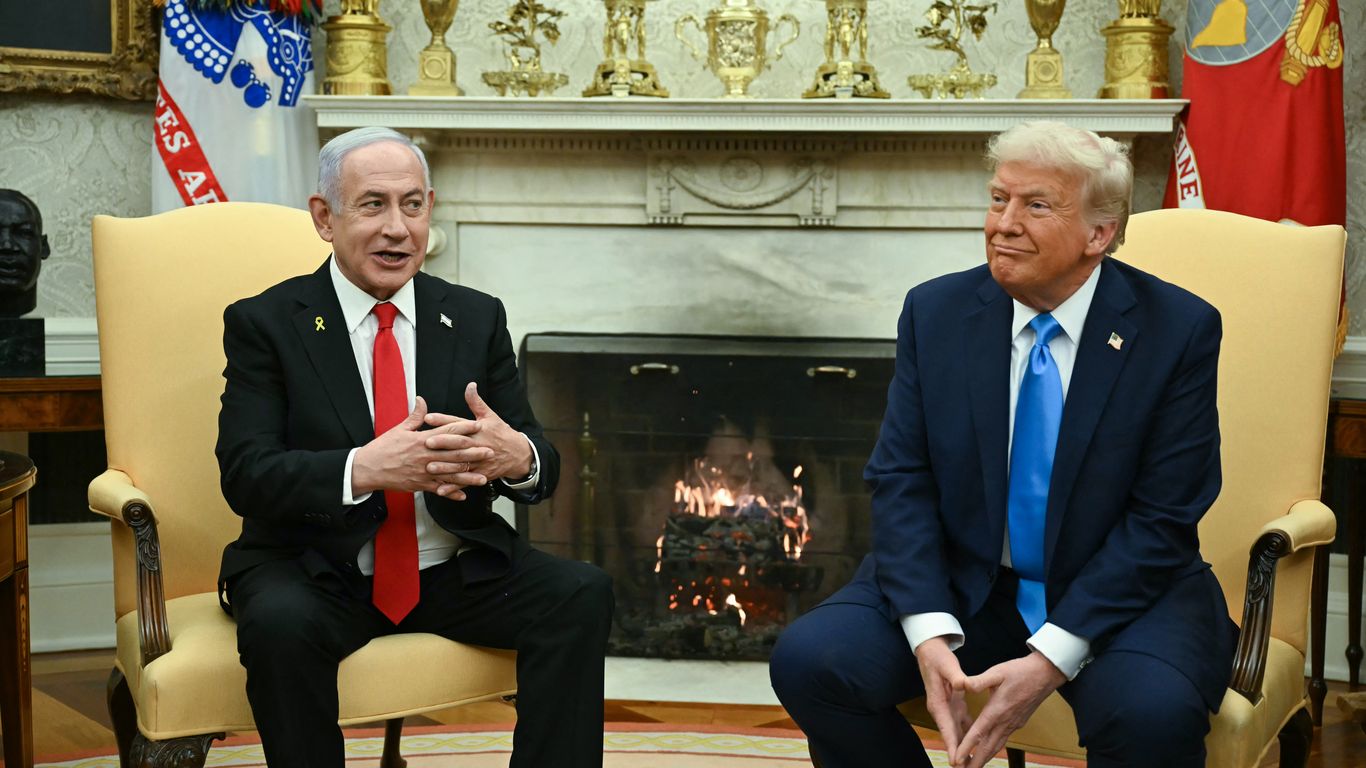
    Israeli Prime Minister Benjamin Netanyahu publicly dismissed recent reports alleging a significant rift had emerged between him and President Donald Trump. Netanyahu’s statement served to directly counter media speculation, reaffirming the strong and consistent alliance between Israel and the United States under their respective leaderships.

    The relationship between the two leaders has been a subject of intense scrutiny by international media and political analysts. Their interactions have often been characterized by a high degree of personal chemistry and alignment on key geopolitical issues. The recent reports, however, suggested a potential strain, prompting the Prime Minister’s direct intervention to clarify the situation.

    Origin of Rift Speculation

    Speculation regarding a potential deterioration in the relationship between Benjamin Netanyahu and Donald Trump gained traction through various media outlets. These reports often cited differences in approach or public comments made by either leader, interpreting them as signs of growing discord. One area of focus for these reports involved discussions surrounding regional security and specific diplomatic initiatives in the Middle East.

    For example, some analyses pointed to perceived divergences in strategy concerning the ongoing conflict in Ukraine or the broader geopolitical landscape involving Iran. Public statements by officials from both administrations were sometimes dissected, with particular emphasis placed on any deviation from previously expressed unified positions. These interpretations fueled the narrative of a widening gap between the two long-standing allies.

    <

    Media Narratives and Diplomatic Nuances

    Media narratives frequently highlight any perceived tension between world leaders. The relationship between Israel and the United States holds particular significance. Therefore, any suggestion of a fracture receives considerable attention. Diplomatic communications, even when routine, can be subject to extensive interpretation. Nuances in language or timing can be amplified by news cycles.

    The history of the U.S.-Israel relationship is complex. It involves periods of close cooperation and occasional disagreements. However, the foundational alliance has consistently remained. Reports of a ‘rift’ often emerge from attempts to find conflict in what might be standard diplomatic discourse or differing strategic priorities that do not fundamentally undermine the alliance.

    Netanyahu’s Direct Response

    Prime Minister Netanyahu addressed the speculation directly. His comments sought to unequivocally refute the idea of a significant breakdown in his working relationship with President Trump. He emphasized the depth of their strategic partnership and the shared interests that bind the two nations.

    Netanyahu’s statement highlighted the continuous communication channels between Jerusalem and Washington D.C. He pointed to ongoing cooperation across multiple sectors, including defense, intelligence, and economic development. This direct refutation aimed to restore confidence in the stability of the alliance, both domestically within Israel and internationally.

    Reinforcing the Alliance

    The Israeli Prime Minister’s denial serves a crucial diplomatic purpose. It reinforces the perception of a unified front. This perception is vital for regional stability and for signaling strength to adversaries. A public acknowledgment of a ‘rift’ could be interpreted as weakness or division. Netanyahu’s statement preempted such interpretations.

    His remarks also underscored the personal connection and mutual respect that has characterized his interactions with President Trump. This personal rapport has often been cited as a significant factor in the strength of the U.S.-Israel relationship during Trump’s previous term and into his current presidency.

    Historical Context of the Relationship

    The relationship between Benjamin Netanyahu and Donald Trump extends back many years. It predates Trump’s initial entry into the White House in 2017. Their long-standing association has fostered a unique dynamic between the leaders of their respective countries.

    During Trump’s first term (2017-2021), the U.S.-Israel relationship saw several significant developments. These included the relocation of the U.S. Embassy to Jerusalem in May 2018. This move was a long-standing demand from Israel. It was a departure from decades of U.S. policy. Another major development was the recognition of Israeli sovereignty over the Golan Heights in March 2019. These actions were widely seen as highly favorable to Israel and cemented a strong bond between the two administrations.

    The Abraham Accords

    A crowning achievement of the Trump administration’s Middle East policy, strongly supported by Netanyahu, was the Abraham Accords. These historic normalization agreements were signed in August and September 2020. They established diplomatic relations between Israel and several Arab nations: the United Arab Emirates, Bahrain, Sudan, and Morocco. These accords reshaped the geopolitical landscape of the region. They demonstrated a shared vision for peace and stability.

    The Accords were a testament to the close coordination between the Trump and Netanyahu administrations. They highlighted their capacity to achieve significant diplomatic breakthroughs. These successes established a precedent for cooperation that both leaders often reference.

    Implications of the Denial

    Netanyahu’s explicit denial has several implications. It signals to both domestic and international audiences that the strategic partnership remains robust. This is particularly important in a volatile region like the Middle East, where alliances are closely watched.

    The denial also attempts to manage media narratives. It seeks to prevent unverified reports from undermining diplomatic efforts. Public perception of leadership unity can influence investor confidence, regional security discussions, and international diplomatic leverage.

    Future of U.S.-Israel Relations

    The U.S.-Israel relationship is a cornerstone of American foreign policy in the Middle East. It has bipartisan support in the United States. However, the specific dynamics between the leaders can influence the pace and nature of policy implementation. Netanyahu’s statement ensures continuity in the public perception of this critical alliance.

    As both administrations navigate complex global challenges, a clear message of unity is strategically beneficial. It reinforces deterrence against shared threats. It also facilitates ongoing diplomatic initiatives. The denial underscores a commitment to maintaining a strong, coordinated approach to regional and global issues.

    Broader Context of International Relations

    Reports of ‘rifts’ between allied leaders are not uncommon in international relations. Such reports can arise from genuine policy differences, misinterpretations, or deliberate attempts to sow discord. Effective diplomacy often involves managing these perceptions while navigating complex geopolitical realities.

    The U.S. and Israel share deep historical, cultural, and strategic ties. These ties transcend individual political administrations. While leadership styles and priorities may vary, the fundamental interests often remain aligned. Netanyahu’s denial emphasizes this enduring foundation.

    Leaders communicate constantly. Policy discussions are frequent. Differences of opinion can emerge. These are often resolved through diplomatic channels. Public denials, like Netanyahu’s, are sometimes necessary. They address and correct misleading public narratives. They protect the integrity of the alliance.

    Diplomatic exchanges continue. Strategic planning persists. Shared security objectives remain. The alliance stands firm.

  • Donald Trump on Benjamin Netanyahu: “Knows Who the Boss Is” – Ahead of Possible White House Visit

    Donald Trump on Benjamin Netanyahu: “Knows Who the Boss Is” – Ahead of Possible White House Visit

    Donald Trump’s Assertive Diplomacy

    Donald Trump recently commented on his relationship with Benjamin Netanyahu, stating the Israeli Prime Minister “knows who the boss is.” This remark came during discussions regarding a potential White House visit for Netanyahu. The statement provides a direct insight into Trump’s view of international partnerships and leadership dynamics.

    The former President’s comments emphasize his assertive stance in foreign policy. He often frames international relations in terms of strength and clear hierarchies. This approach has been a consistent feature of his public commentary on global leaders.

    The context of a possible White House visit adds weight to the statement. Such a visit would mark a significant moment for U.S.-Israel relations, especially under a potential new presidential administration. Diplomatic engagements between the two nations are closely observed globally.

    The U.S.-Israel Relationship Under Scrutiny

    The relationship between the United States and Israel is a long-standing and complex alliance. It involves significant military, economic, and diplomatic cooperation. Statements from prominent political figures often signal shifts or continuations in this partnership.

    Benjamin Netanyahu has served multiple terms as Prime Minister of Israel. His tenure has coincided with several U.S. presidential administrations. Each administration has brought its own nuances to the bilateral relationship.

    Donald Trump’s presidency, from 2017 to 2021, saw a particularly close alignment with Netanyahu’s government. Key policy decisions, such as the relocation of the U.S. embassy to Jerusalem, characterized this period. These actions were viewed as highly supportive of Israel by many.

    The current political landscape in both the United States and Israel involves ongoing debates about national security and regional stability. Public comments by former leaders can influence these discussions. They shape perceptions of past policies and future possibilities.

    Iran Policy and Regional Dynamics

    The discussion surrounding Trump’s comments also touched upon policy regarding Iran. Iran remains a central issue in Middle Eastern geopolitics. Both the United States and Israel view Iran’s nuclear program and regional activities with concern.

    During his presidency, Trump withdrew the United States from the Joint Comprehensive Plan of Action (JCPOA), commonly known as the Iran nuclear deal, in 2018. This decision was strongly supported by Netanyahu’s government. Both leaders advocated for a tougher stance against Iran.

    The potential for a renewed focus on Iran policy under a future Trump administration is significant. Such a focus would likely involve increased pressure on Tehran. It could also entail a re-evaluation of existing international agreements.

    Regional dynamics in the Middle East are constantly evolving. The Abraham Accords, facilitated by the Trump administration in 2020, normalized relations between Israel and several Arab nations. These accords reshaped alliances and diplomatic pathways in the region.

    The Abraham Accords: A Shift in Regional Diplomacy

    The Abraham Accords represented a notable diplomatic achievement. They normalized relations between Israel and the United Arab Emirates, Bahrain, Sudan, and Morocco. These agreements were seen as a significant step towards broader regional peace.

    The accords bypassed traditional Palestinian-Israeli peace negotiations. They focused instead on shared economic and security interests. The Trump administration championed these agreements as a new paradigm for Middle East diplomacy.

    Benjamin Netanyahu’s government played a central role in these negotiations. The agreements demonstrated a willingness to forge new alliances in the face of common regional challenges. Iran’s influence was a key underlying factor in these new alignments.

    Future Implications for Middle East Stability

    Future U.S. policy in the Middle East will heavily influence regional stability. A potential shift in leadership in the United States could lead to new diplomatic approaches. These approaches would impact alliances and rivalries across the region.

    The ongoing discussions about Iran’s nuclear capabilities continue to be a primary concern. International efforts to monitor and control proliferation remain critical. Both the United States and Israel prioritize preventing Iran from acquiring nuclear weapons.

    The relationship between the U.S. and Israel is often a bellwether for regional security. Statements from leaders, past and present, offer clues into the strategic direction of this vital partnership. They also signal potential flashpoints or areas of cooperation.

    Leadership Styles and International Relations

    Donald Trump’s leadership style is characterized by direct communication and an emphasis on perceived strength. His public statements often reflect this approach. The phrase “knows who the boss is” exemplifies this directness.

    This style contrasts with more traditional diplomatic language. Conventional diplomacy often relies on nuanced phrasing and indirect communication. Trump’s approach aims to project decisiveness and control on the global stage.

    Benjamin Netanyahu, a veteran political leader, has navigated complex international relations for decades. His interactions with various U.S. presidents have been a testament to his diplomatic skill. He has consistently advocated for Israel’s security interests.

    The interplay of these distinct leadership styles shapes international discourse. It influences how alliances are perceived and how foreign policy is conducted. The personal dynamics between leaders can often impact geopolitical outcomes.

    Historical Context of U.S.-Israel Leaders

    The relationship between U.S. presidents and Israeli prime ministers has a rich history. From Lyndon B. Johnson and Levi Eshkol to Bill Clinton and Yitzhak Rabin, personal connections have often defined periods of cooperation or tension.

    George W. Bush and Ariel Sharon shared a strong bond, particularly after the September 11 attacks. This period saw increased security cooperation. It highlighted the importance of counter-terrorism efforts for both nations.

    Barack Obama and Benjamin Netanyahu experienced a more strained relationship at times. Disagreements over the Iran nuclear deal were a notable point of contention. These instances underscore the complexities inherent in the alliance.

    Each leader brings their own perspective and priorities to the relationship. These individual approaches contribute to the broader narrative of U.S.-Israel ties. They also demonstrate the enduring nature of the alliance despite political differences.

    Public and Media Reception

    Trump’s statement generated significant attention in both public and media circles. It sparked discussions among political analysts and commentators. The phrasing itself became a focal point of many conversations.

    Supporters of Donald Trump often interpret such statements as evidence of strong leadership. They see it as a clear signal of his commitment to American interests. They also view it as an indication of his ability to command respect on the international stage.

    Critics, however, may view the language as undiplomatic or overly assertive. They might argue that such rhetoric could complicate international relations. They often advocate for a more collaborative and less hierarchical approach to global partnerships.

    Media outlets across the political spectrum reported on the comment. Each offered its own interpretation and analysis. The statement became a lens through which to examine broader themes of U.S. foreign policy and diplomatic conduct.

    Impact on Future Political Discourse

    The comment is likely to resonate in future political discourse. It will be referenced in debates about foreign policy and presidential leadership. It will also be used to characterize potential future administrations.

    Such statements contribute to the public’s understanding of candidate positions. They help voters discern the likely direction of foreign policy. They also inform discussions about the role of the United States in global affairs.

    The language used by political figures can shape public opinion. It can also influence the perception of international allies and adversaries. The careful consideration of words in diplomacy is often paramount.

    The ongoing dialogue about U.S.-Israel relations remains a critical component of foreign policy discussions. Comments from key figures like Donald Trump continue to fuel these conversations. They underscore the enduring importance of this bilateral relationship.

    Leaders speak. Nations listen. Policies are weighed. Alliances are tested. The world watches.

  • US Lawmakers and the Iran Deal: A Divided Foreign Policy Landscape

    US Lawmakers and the Iran Deal: A Divided Foreign Policy Landscape

    The potential for a new US-Iran deal consistently elicits a wide range of reactions from American lawmakers, reflecting complex considerations of national interest, foreign policy strategy, and partisan political divisions. These discussions often center on the efficacy of diplomatic engagement, the stringency of nuclear non-proliferation measures, and the broader implications for Middle Eastern stability. Lawmakers from both major parties approach the issue with distinct ideological frameworks and regional priorities.

    What appears to be a singular foreign policy objective is, in practice, a multifaceted debate with numerous points of contention and agreement.

    The Core of the Debate: Iran’s Nuclear Ambitions

    Central to any discussion of a US-Iran deal is Iran’s nuclear program. International concern has focused on Iran’s capacity to enrich uranium and its potential to develop nuclear weapons. The 2015 Joint Comprehensive Plan of Action (JCPOA) sought to restrict Iran’s nuclear activities in exchange for sanctions relief. Its eventual unraveling heightened tensions and reignited the debate over how best to manage Iran’s nuclear capabilities.

    Lawmakers often diverge on the appropriate level of enrichment allowed, the number and type of centrifuges permitted, and the duration of any restrictions. Some advocate for a complete halt to all enrichment activities, while others accept a limited, verifiable program under strict international oversight.

    Verification and Compliance Challenges

    A significant point of contention revolves around the mechanisms for verifying Iranian compliance. The International Atomic Energy Agency (IAEA) plays a crucial role in monitoring Iran’s nuclear facilities. However, questions frequently arise regarding the IAEA’s access to all relevant sites, including undeclared or military locations.

    Senator Lindsey Graham (R-SC) has frequently expressed skepticism about Iran’s willingness to fully cooperate with international inspectors. He emphasizes the need for ‘anywhere, anytime’ inspections to ensure no clandestine nuclear work occurs. Conversely, proponents of a deal, such as Senator Chris Murphy (D-CT), argue that the JCPOA provided the most robust inspection regime ever negotiated, and any new agreement should build upon that framework.

    Ballistic Missiles and Regional Influence

    Beyond the nuclear issue, Iran’s development of ballistic missiles and its support for various proxy groups across the Middle East are major concerns for many US lawmakers. Iran’s missile program is seen by some as a direct threat to regional allies, including Israel and Saudi Arabia. Its backing of groups like Hezbollah in Lebanon, Hamas in Gaza, and the Houthis in Yemen contributes to regional instability.

    The inclusion of these non-nuclear issues in a potential deal is a frequent flashpoint. Some lawmakers insist that any comprehensive agreement must address Iran’s missile program and its regional activities. This position is often championed by hawkish members of Congress, who view these elements as integral to Iran’s overall threat posture.

    Other lawmakers contend that bundling these complex issues together makes a deal virtually impossible to achieve. They argue that focusing solely on nuclear non-proliferation is a more pragmatic approach, allowing for separate negotiations on other concerns. This perspective often aligns with diplomatic strategies that prioritize achievable, incremental steps.

    Human Rights and Internal Politics

    Iran’s human rights record also factors into the legislative debate. Reports from organizations like Amnesty International and Human Rights Watch frequently detail widespread suppression of dissent, arbitrary detentions, and executions in Iran. These reports fuel calls from some lawmakers to link any deal to improvements in human rights conditions.

    Representative Michael McCaul (R-TX), a ranking member of the House Foreign Affairs Committee, has consistently highlighted Iran’s internal repression. He argues that engaging with the current Iranian regime without addressing its human rights abuses legitimizes its actions. This stance resonates with a segment of the American public and often influences legislative sentiment.

    Economic Sanctions: Leverage and Relief

    The role of economic sanctions is another critical component of the US-Iran deal debate. Sanctions have been a primary tool for exerting pressure on Iran, aimed at compelling changes in its behavior. Lawmakers differ on the effectiveness of sanctions and the conditions under which they should be lifted.

    Those who advocate for continued or even increased sanctions argue that they are the most potent non-military means to force concessions from Tehran. They believe that easing sanctions prematurely would relieve pressure without securing sufficient guarantees from Iran. Senator Ted Cruz (R-TX) is a prominent voice in this camp, often calling for maximum pressure on the Iranian regime.

    Conversely, proponents of a deal argue that sanctions relief is a necessary incentive for Iran to comply with nuclear restrictions. They suggest that continued sanctions without a diplomatic pathway could lead Iran to accelerate its nuclear program and further destabilize the region. This view is often supported by members who prioritize diplomatic engagement and de-escalation, such as Senator Bernie Sanders (I-VT).

    The Impact of Sanctions on the Iranian Populace

    The humanitarian impact of sanctions on the Iranian people is also a consideration for some lawmakers. While sanctions are generally designed to target the regime, their broad effects often impact ordinary citizens, leading to economic hardship and limited access to essential goods. This raises ethical questions about the costs of a pressure-based strategy.

    Geopolitical Alignments and Regional Stability

    Any US-Iran deal carries significant geopolitical implications for the Middle East. Key US allies in the region, particularly Israel and Saudi Arabia, have expressed deep concerns about Iran’s intentions and capabilities. Their security interests heavily influence the perspectives of many US lawmakers.

    Israeli Prime Minister Benjamin Netanyahu has historically been a vocal critic of diplomatic efforts with Iran, arguing that any deal failing to dismantle Iran’s nuclear program entirely is insufficient. This perspective holds substantial sway with a bipartisan group of US lawmakers who prioritize Israel’s security.

    Saudi Arabia and other Gulf states also view Iran as a primary regional adversary. Their concerns about Iranian expansionism and destabilizing activities are frequently echoed in Washington. Lawmakers often balance the desire for a deal with Iran against the imperative to maintain strong alliances with these traditional partners.

    The Role of International Partners

    The United States does not operate in a vacuum. European allies, China, and Russia have also been key players in negotiations with Iran. Their perspectives and willingness to engage in or enforce sanctions influence the feasibility and scope of any potential deal. Lawmakers often consider the degree of international consensus when evaluating US policy options.

    The P5+1 group (China, France, Germany, Russia, United Kingdom, and United States) was instrumental in negotiating the JCPOA. The ability to rebuild this international coalition for a new agreement or to enforce existing restrictions is a significant factor in legislative calculations.

    The Partisan Divide in Washington

    The debate over a US-Iran deal is often highly partisan. Republican lawmakers frequently express greater skepticism toward Iran and tend to favor a more confrontational approach, including robust sanctions and military deterrence. Democratic lawmakers, while not monolithic in their views, generally show more openness to diplomatic solutions and multilateral engagement.

    This partisan divide complicates the prospects for any long-term agreement. A deal negotiated by one administration may be vulnerable to being repudiated by a subsequent administration from the opposing party, as seen with the JCPOA. This creates uncertainty and undermines the credibility of US foreign policy commitments.

    Building Bipartisan Consensus

    Achieving a durable US-Iran deal would likely require significant bipartisan support in Congress. This would necessitate compromise and a willingness to bridge ideological differences. Efforts to find common ground often focus on core national security interests that transcend party lines, such as preventing nuclear proliferation.

    However, the current political climate in Washington makes such consensus building a formidable challenge. Foreign policy decisions, especially those involving adversaries, frequently become entangled in domestic political battles.

    Historical Context and Future Implications

    Understanding the historical context of US-Iran relations is crucial for comprehending the current legislative debate. Decades of mistrust, regime change, and proxy conflicts have shaped the perspectives of both nations. The 1979 Iranian Revolution and the subsequent hostage crisis remain foundational events in the bilateral relationship.

    Lawmakers often draw upon this history to inform their positions. Some emphasize the need to move beyond past grievances to find pragmatic solutions, while others argue that Iran’s historical actions demonstrate a consistent pattern of behavior that must be countered with firmness.

    The implications of any deal extend far into the future. A successful agreement could potentially de-escalate regional tensions, prevent nuclear proliferation, and open pathways for broader engagement. Conversely, a failed or weak deal could embolden Iran, destabilize the Middle East, and potentially lead to military conflict.

    The stakes are high. Congressional hearings dissect proposals. Think tanks publish analyses. Lobbyists advocate. Diplomats negotiate. The world watches.

    Frequently Asked Questions About US-Iran Deal Perspectives

  • Israel-Lebanon Security Deal – How Shared Fear of Iran Forged a Pact

    Israel-Lebanon Security Deal – How Shared Fear of Iran Forged a Pact

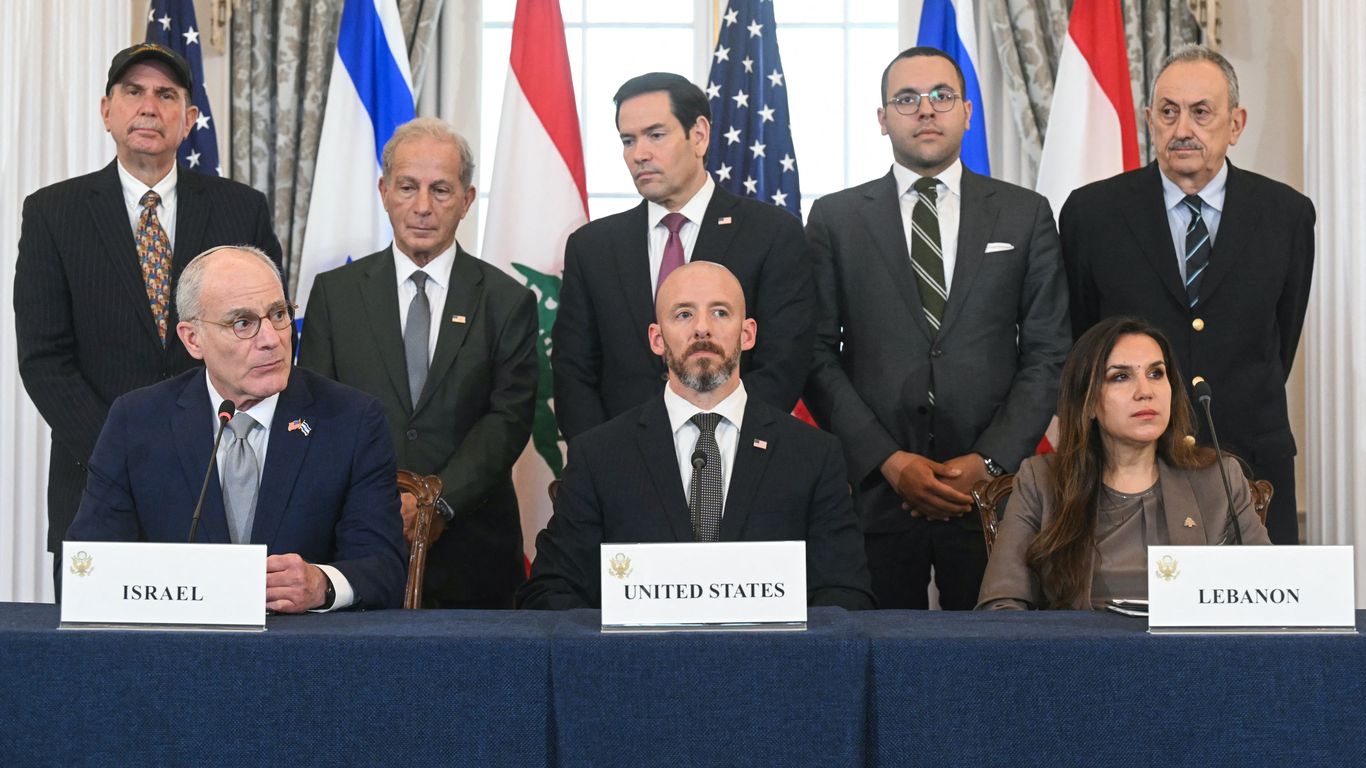
    A new security agreement between Israel and Lebanon, announced in late June 2026, was primarily motivated by a mutual concern over Iran’s expanding regional influence and the increasing military capabilities of Hezbollah. This pact represents a strategic effort by both nations to stabilize their shared northern border and mitigate potential escalations stemming from broader geopolitical shifts in the Middle East.

    The agreement signifies a rare instance of direct security cooperation between two countries that have historically maintained an official state of war. Diplomatic channels, often indirect, facilitated the months-long negotiations that culminated in this unexpected accord. The outcome reflects a pragmatic recognition of shared threats, particularly those posed by non-state actors operating with external support.

    The Shared Threat of Iranian Influence

    Iran’s regional activities have been a consistent source of instability in the Middle East for decades. Its support for various proxy groups, including Hezbollah in Lebanon, Hamas in Gaza, and Houthi rebels in Yemen, has extended its geopolitical reach. This expansion has generated alarm in both Jerusalem and Beirut.

    For Israel, Iran’s nuclear program and its advanced missile capabilities represent existential threats. The presence of a heavily armed Hezbollah on its northern border, supplied and trained by Iran, adds a critical dimension to these security concerns. Hezbollah’s arsenal, estimated to include tens of thousands of rockets and missiles, poses a direct threat to Israeli civilian centers and infrastructure.

    Lebanon, in contrast, faces a different set of challenges from Iranian influence. The Lebanese government struggles with internal political divisions and a severe economic crisis. Hezbollah, a powerful political and military force within Lebanon, often operates outside the state’s direct control. This dynamic compromises Lebanese sovereignty and risks drawing the nation into regional conflicts against its will.

    The Lebanese state has long sought to assert its authority over all armed groups within its borders. Hezbollah’s independent military infrastructure, however, remains a significant obstacle to this objective. The recent agreement provides a framework for the Lebanese government to potentially reassert some control over its territory and prevent it from becoming a launchpad for regional hostilities.

    Hezbollah’s Evolving Role and Capabilities

    Hezbollah, founded in the early 1980s, has evolved from a militia focused on resisting Israeli occupation into a sophisticated military and political organization. Its substantial military wing, equipped with advanced weaponry from Iran, operates largely independently of the Lebanese Armed Forces. This dual nature presents a complex challenge for both regional stability and Lebanese internal governance.

    In recent years, Hezbollah has gained combat experience in other regional conflicts, notably in Syria, where its fighters supported the Syrian government. This involvement further enhanced its military capabilities and deepened its strategic ties with Iran. The group’s presence along the Israeli-Lebanese border has been a consistent flashpoint, leading to numerous skirmishes and heightened tensions.

    The Israeli intelligence community has consistently monitored Hezbollah’s activities, including its efforts to establish precision-guided missile factories in Lebanon. These developments represent a qualitative shift in Hezbollah’s threat profile, prompting Israel to seek new strategies for deterrence and defense. The 2026 security agreement reflects a part of this evolving strategy.

    The Diplomatic Path to Agreement

    The path to the 2026 security agreement was protracted and complex, involving multiple rounds of indirect negotiations. These discussions often took place through intermediaries, including the United States and other international actors. These third parties played a crucial role in bridging the communication gap between Israel and Lebanon.

    Key figures in these negotiations included U.S. Assistant Secretary of State for Near Eastern Affairs Barbara Leaf and French Special Envoy for Lebanon Jean-Yves Le Drian. Their persistent diplomatic efforts helped maintain momentum despite numerous setbacks. The negotiations focused on practical security arrangements along the Blue Line, the demarcation line between Lebanon and Israel established by the United Nations in 2000.

    Specific points of discussion included mechanisms for de-escalation, intelligence sharing regarding non-state actors, and protocols for managing border incidents. The agreement does not constitute a full peace treaty, but rather a limited security understanding aimed at preventing unintended escalation. It builds upon previous informal understandings and UN resolutions, most notably UN Security Council Resolution 1701, which ended the 2006 Lebanon War.

    Implications for Regional Stability

    The Israel-Lebanon security agreement carries significant implications for broader regional stability. It demonstrates that even in the absence of full diplomatic recognition, shared security interests can compel adversarial nations to cooperate. This pragmatic approach could serve as a model for addressing other intractable conflicts in the Middle East.

    For Israel, the agreement offers a potential reduction in immediate border tensions and a framework for managing Hezbollah’s activities. It allows Israel to focus its security resources on other strategic challenges, including Iran’s direct nuclear ambitions. The deal also provides a measure of legitimacy for Israel’s security concerns on the international stage.

    For Lebanon, the agreement provides a crucial opportunity to reassert state sovereignty and potentially curb Hezbollah’s independent military actions. It could also encourage international investment and aid by signaling a degree of stability and a commitment to de-escalation. The economic benefits of a calmer border could be substantial for the struggling Lebanese economy.

    However, challenges remain. The implementation of the agreement will require continuous vigilance and good faith from all parties. Hezbollah’s internal dynamics and its relationship with Iran will be critical factors in determining the long-term success of the pact. The agreement’s effectiveness will ultimately depend on its ability to withstand future geopolitical shocks and internal pressures within Lebanon.

    The Role of International Actors

    International actors, particularly the United States and France, played indispensable roles in facilitating this agreement. Their persistent engagement underscored the global interest in preventing another major conflict in the Levant. These powers provided crucial mediation, technical expertise, and assurances to both sides.

    The United States, through its diplomatic missions, worked to ensure that the agreement aligned with broader U.S. foreign policy objectives in the region, which include countering Iranian influence and promoting regional stability. French involvement, rooted in its historical ties to Lebanon, focused on supporting Lebanese sovereignty and preventing its further destabilization.

    United Nations peacekeeping forces, specifically the United Nations Interim Force in Lebanon (UNIFIL), will likely play an even more critical role in monitoring the implementation of the agreement. UNIFIL’s presence along the Blue Line provides a neutral observer and a communication channel for incident reporting and de-escalation efforts. The agreement could enhance UNIFIL’s mandate and effectiveness.

    Looking Ahead: Challenges and Opportunities

    The 2026 Israel-Lebanon security agreement is a testament to the complex and often counterintuitive nature of Middle Eastern diplomacy. It emerges not from a newfound friendship, but from a shared recognition of pressing security threats. The deal is a pragmatic arrangement designed to manage immediate risks and create a modicum of stability.

    The primary opportunity lies in the potential for reduced cross-border violence and a greater focus on economic recovery in Lebanon. For Israel, it offers a chance to mitigate a significant security threat on its northern flank. However, the agreement’s durability will depend on several factors, including the political will of both governments, the continued engagement of international mediators, and the evolving regional landscape.

    The shadow of Iran’s regional ambitions will continue to loom large. Hezbollah’s future actions, its internal cohesion, and its relationship with the Lebanese state will also dictate the agreement’s long-term viability. This pact is a step, not a solution.

    Governments negotiated. Diplomats mediated. Security concerns converged.

    Stability.

  • The Shifting Sands: How the GOP’s Stance on Israel is Evolving

    The Shifting Sands: How the GOP’s Stance on Israel is Evolving

    The Republican Party’s long-standing, robust support for Israel is currently undergoing a notable and complex transformation. This shift is not monolithic but reflects internal divergences, influenced by a confluence of domestic political considerations, generational changes within the party, and the evolving geopolitical landscape, particularly concerning the leadership of Benjamin Netanyahu and the broader regional dynamics involving Iran.

    In many ways, this re-evaluation challenges decades of established foreign policy alignment. What was once a near-unanimous position now faces increasing scrutiny and debate from various Republican factions.

    The Historical Bedrock of Support

    For many decades, support for Israel has been a cornerstone of the Republican Party’s foreign policy platform. This alliance was forged through shared democratic values, strategic interests in the Middle East, and strong advocacy from evangelical Christian communities within the GOP base. Presidents from Ronald Reagan to Donald Trump consistently affirmed this commitment, often framing it as an unshakeable bond.

    This bipartisan consensus on Israel largely persisted through the late 20th and early 21st centuries. Resolutions supporting Israel frequently passed Congress with overwhelming majorities. Financial aid, military cooperation, and diplomatic backing were hallmarks of U.S. policy.

    Emergence of New Republican Voices

    The early 2020s began to show fissures in this traditional alignment. A new generation of Republican lawmakers and commentators emerged, often prioritizing an “America First” foreign policy. This perspective questions the extent and cost of foreign entanglements, including long-standing alliances.

    These voices sometimes express skepticism about the level of U.S. financial and military commitment abroad. They advocate for a more transactional approach to international relations, where alliances are evaluated based on immediate American interests.

    Generational and Ideological Shifts

    Demographic changes within the Republican Party contribute to this evolving stance. Younger conservatives, while still generally supportive of Israel, may not hold the same historical or religious attachments as older generations. Their foreign policy views are often shaped by different priorities, including economic nationalism and a focus on domestic challenges.

    The rise of populist movements within the GOP has also influenced this dynamic. These movements often challenge established foreign policy doctrines, viewing them as part of a globalist agenda. They advocate for a more isolationist or non-interventionist approach.

    The Netanyahu Factor and Israeli Politics

    The extended tenure of Benjamin Netanyahu as Prime Minister of Israel has also played a role in the Republican re-evaluation. While Netanyahu enjoyed strong relationships with many Republican leaders, his policies and rhetoric sometimes created friction with elements of both U.S. political parties. His direct appeals to the U.S. Congress, bypassing the executive branch, were viewed differently by various American political figures.

    Netanyahu’s focus on security challenges, particularly from Iran, resonated deeply with traditional Republican hawks. However, his approach to the Israeli-Palestinian conflict and settlement expansion drew criticism from some, even within the conservative movement, who questioned its long-term implications for regional stability.

    Impact of Specific Policies

    Specific Israeli governmental actions or policies, particularly those perceived as controversial internationally, can also create distance. While these instances rarely lead to a complete withdrawal of support, they can fuel internal debates within the Republican Party about the nature and extent of the U.S. commitment.

    The complexity of Israeli domestic politics, including coalition governments and policy debates, is increasingly understood by American political analysts. This nuance can lead to a more varied response from U.S. lawmakers, rather than an automatic endorsement of every Israeli government action.

    The Iran Conundrum

    Iran’s nuclear program and its regional activities remain a significant point of concern for both the U.S. and Israel. Historically, a strong anti-Iran stance united Republicans and Israelis. However, approaches to confronting Iran have varied, leading to different perspectives within the GOP.

    Some Republicans advocate for aggressive sanctions and military deterrence against Iran. Others, while sharing concerns about Iran, might question the efficacy or wisdom of certain confrontational strategies, especially if they are perceived to lead to broader regional instability or conflict. The 2015 Iran nuclear deal, formally known as the Joint Comprehensive Plan of Action (JCPOA), became a major point of contention, with Republicans largely opposing it and Israel strongly advocating against it.

    U.S. Foreign Policy Priorities

    The U.S. Republican Party’s foreign policy priorities are not static. While the Middle East remains important, increasing attention is directed towards other geopolitical challenges, such as competition with China and Russia. This reorientation can subtly shift the focus and resources allocated to the U.S.-Israel relationship.

    The cost-benefit analysis of foreign aid and military assistance is also under increasing review. Advocates for reduced government spending and a more focused foreign policy sometimes question the financial commitments to various international partners, including Israel.

    Public Opinion and the Base

    Despite the internal shifts among some Republican elites and emerging factions, public opinion research consistently shows that a significant portion of the Republican base maintains strong pro-Israel sentiments. This support is often rooted in religious beliefs, particularly among evangelical Christians, and a perception of Israel as a key U.S. ally in a volatile region.

    Political leaders must navigate these sentiments. While new voices within the party may challenge traditional foreign policy, alienating a core constituency that values the U.S.-Israel alliance remains a political risk. This creates a tension between evolving ideological positions and established base loyalties.

    The Role of Media and Advocacy

    Conservative media outlets and pro-Israel advocacy groups continue to play a significant role in shaping Republican opinion. These entities often reinforce traditional narratives of strong U.S.-Israel partnership, emphasizing shared values and strategic interests. However, even within this landscape, diverse viewpoints are beginning to emerge.

    Think tanks and policy organizations aligned with different Republican factions are also contributing to the debate. Their research and recommendations offer alternative frameworks for understanding the U.S. role in the Middle East and the future of its alliances.

    Looking Ahead: A More Nuanced Relationship

    The future of the Republican Party’s stance on Israel appears to be one of increased nuance rather than a complete reversal. The era of unquestioning, monolithic support may be transitioning towards a more complex and debated position. This doesn’t necessarily mean a weakening of the alliance, but rather a re-evaluation of its terms and scope.

    Policy debates within the GOP are likely to continue regarding the level of aid, the extent of diplomatic intervention, and the strategic alignment in regional conflicts. These discussions will reflect both the party’s evolving identity and the changing global landscape.

    Lawmakers will continue to balance the demands of a diverse base with their own ideological convictions. The U.S.-Israel relationship, while enduring, will likely be subject to more regular scrutiny and adjustment from within the Republican Party.

    Domestic political shifts. Geopolitical recalibrations. Generational changes. Strategic re-evaluations. Iran. Netanyahu. The alliance.

    Transformed.

  • Trump’s Stark Warning: Iran ‘Will No Longer Exist’ If Ceasefire Violations Persist

    Trump’s Stark Warning: Iran ‘Will No Longer Exist’ If Ceasefire Violations Persist

    Former President Donald Trump issued a stark declaration on June 28, 2026. He stated that Iran “will no longer exist” if ceasefire violations continue. This direct warning was broadcast across major news networks, including Fox News and CNN.

    Trump’s statement specifically cited recent aggressions in the Gulf of Oman, where commercial shipping lanes have experienced increased targeting. He also referenced Iran’s continued support for various proxy militias operating in Syria, which have been linked to breaches of existing de-escalation agreements.

    The Immediate Context of Trump’s Warning

    The former President’s remarks came during a rally in Phoenix, Arizona. He detailed what he described as a pattern of unprovoked actions. These actions, according to Trump, undermine regional stability and international agreements.

    Aggressions in the Gulf of Oman

    Recent reports from international maritime security agencies have documented multiple incidents in the Gulf of Oman. These include drone attacks and attempts to board commercial vessels. While no definitive attribution was made in all cases, intelligence assessments have frequently pointed towards Iranian-backed elements.

    Proxy Activities in Syria

    In Syria, ceasefire agreements brokered by various international parties have been routinely challenged. Iranian-backed militias have been accused of violating these terms. These violations often involve cross-border shelling and expansion into demilitarized zones.

    International Reactions and Geopolitical Implications

    Trump’s statement immediately drew attention from global leaders and diplomatic bodies. The severity of the language used suggests a potential shift in policy, should he return to office.

    Statements from World Leaders

    The United Nations Security Council convened an emergency session to discuss the escalating rhetoric. Secretary-General António Guterres urged de-escalation from all parties. European Union officials expressed concern over the potential for wider conflict in the Middle East.

    Iranian Response

    Iranian Foreign Minister Hossein Amir-Abdollahian condemned Trump’s remarks as “provocative and baseless.” He reiterated Iran’s stance on regional security, asserting its right to defend its interests. The Iranian Revolutionary Guard Corps (IRGC) also issued a statement, vowing a “crushing response” to any aggression.

    Historical Precedent and Ongoing Tensions

    Relations between the United States and Iran have been fraught for decades. Multiple administrations have grappled with Iran’s nuclear program and its regional influence. Former President Trump’s previous term saw the withdrawal from the Joint Comprehensive Plan of Action (JCPOA) and the imposition of stringent sanctions.

    The JCPOA and Sanctions

    The 2015 nuclear deal, known as the JCPOA, aimed to limit Iran’s nuclear capabilities in exchange for sanctions relief. The Trump administration withdrew from this agreement in 2018. This action reimposed and expanded sanctions, severely impacting Iran’s economy.

    Regional Power Dynamics

    The Middle East remains a complex geopolitical landscape. Iran’s relationships with neighboring countries, its support for groups like Hezbollah and the Houthis, and its rivalry with Saudi Arabia contribute to persistent instability. Ceasefire agreements are frequently tested within this intricate web of alliances and conflicts.

    The current declaration by Donald Trump adds another layer of complexity. It underscores the fragility of existing de-escalation efforts. It also highlights the deep-seated distrust that characterizes U.S.-Iran relations.

  • Trump: Iran Violated Persian Gulf Ceasefire – Regional Tensions Rise

    Trump: Iran Violated Persian Gulf Ceasefire – Regional Tensions Rise

    On June 26, 2026, former President Donald Trump stated that Iran had violated a specific maritime ceasefire agreement in the Persian Gulf, a declaration that immediately intensified political interest and national security concerns regarding the Middle East.

    This assertion, made public on Friday, June 26, 2026, through a press release from his political action committee, Save America, highlights persistent instability in a region already grappling with multifaceted conflicts.

    The ceasefire referenced by Trump pertained to naval activities and vessel movements in the strategic waters of the Persian Gulf, near the critical Strait of Hormuz.

    Such pronouncements from a former U.S. President carry significant weight on the international stage, often influencing public opinion and diplomatic strategies.

    What looks like a sudden declaration is often part of a long-standing, complex narrative of regional power struggles and international maritime security.

    The Immediate Aftermath of the Statement

    The statement by Donald Trump quickly circulated through political and media channels. It prompted immediate reactions from analysts and policymakers.

    Concerns focused on the potential for escalation in an already volatile region. The precise nature of the alleged violation remained a subject of intense speculation.

    Governments and international bodies often respond cautiously to such claims. They typically seek independent verification before issuing official condemnations or actions.

    The lack of immediate, detailed specifics about the alleged violation, beyond its general location and nature, left room for various interpretations and calls for clarity from the United Nations and regional naval commands.

    Calls for Verification and Clarification

    Following Trump’s statement, several international bodies and allied nations called for immediate verification. A spokesperson for the United Nations Secretary-General, António Guterres, indicated that the UN was monitoring the situation closely and urged all parties to exercise restraint.

    The U.S. Fifth Fleet, based in Bahrain, which oversees naval operations in the Persian Gulf, did not immediately comment on the specifics of the alleged violation. However, it reiterated its commitment to ensuring freedom of navigation.

    Analysts from the International Crisis Group noted that any verifiable breach of a maritime ceasefire in this area could significantly impact oil prices and global trade routes, highlighting the economic stakes involved.

    Historical Context of Iran’s Ceasefire Engagements

    Iran has been a signatory or party to numerous agreements and understandings throughout its modern history. These range from formal treaties to informal ceasefires.

    Many of these agreements aim to de-escalate conflicts in the Middle East. They often involve proxies or regional allies.

    Landmark Ceasefires and Agreements

    One notable historical instance includes the 1988 ceasefire that ended the Iran-Iraq War. This was brokered by the United Nations Security Council Resolution 598, marking a significant de-escalation after years of conflict.

    More recently, Iran has been involved in various discussions and agreements concerning the Syrian Civil War and conflicts in Yemen. These often involve Russia, Turkey, and other regional actors, demonstrating Iran’s multifaceted engagement in regional security.

    The Joint Comprehensive Plan of Action (JCPOA), signed in 2015, was a landmark diplomatic agreement. It addressed Iran’s nuclear program in exchange for sanctions relief, although not a ceasefire, it aimed to reduce regional tensions by limiting a potential flashpoint. The United States withdrew from the JCPOA in 2018 under the Trump administration, impacting its long-term stability.

    Maritime Security and the Strait of Hormuz

    The Persian Gulf, and especially the Strait of Hormuz, is a critical choke point for global oil shipments. Approximately 20% of the world’s petroleum passes through this strait daily.

    Incidents involving Iranian Revolutionary Guard Corps (IRGC) vessels and international shipping, particularly U.S. Navy ships, have occurred repeatedly over the past decades. These have often led to heightened tensions and calls for de-escalation.

    Past informal agreements or understandings have sometimes been established to prevent accidental escalation, particularly during periods of increased naval exercises or geopolitical friction. The alleged ceasefire violation by Iran would fall into this sensitive category of maritime security.

    The Role of Former Presidents in Foreign Policy

    Former U.S. Presidents retain a unique platform on the global stage. Their statements can influence public discourse and international relations.

    Donald Trump, in particular, continues to be a prominent figure in American politics. His views on foreign policy are closely watched, especially given his past presidency and potential future political ambitions.

    Impact on Current Diplomacy

    Statements from former leaders can sometimes complicate current diplomatic efforts. They can also signal potential future policy directions if that individual were to return to office.

    This is especially true in sensitive regions like the Middle East. Here, every public utterance is scrutinized for its implications by both allies and adversaries.

    The current U.S. administration, led by President Joe Biden, has pursued a different diplomatic approach to Iran, including efforts to revive the JCPOA. A statement from a former president, particularly one critical of Iran, could potentially undermine these ongoing diplomatic overtures.

    Middle East Stability: A Continuous Challenge

    The Middle East remains a region of significant geopolitical complexity. Conflicts involve a multitude of state and non-state actors.

    Key players include Iran, Saudi Arabia, Israel, Turkey, and various militant groups. Each has its own interests and alliances, often leading to proxy conflicts across the region.

    Fragility of Ceasefire Agreements

    Ceasefire agreements are frequently negotiated in an attempt to halt hostilities. However, adherence to these agreements is often tenuous, particularly when underlying political grievances remain unresolved.

    Violations, whether alleged or confirmed, can quickly reignite conflicts. They can also undermine trust between negotiating parties, making future diplomatic breakthroughs more challenging.

    International organizations, such as the United Nations, often play a critical role in monitoring ceasefires. They also facilitate dialogue between adversaries, acting as neutral arbiters in complex disputes.

    Potential Ramifications of Trump’s Claim

    The assertion by Donald Trump could have several immediate and long-term effects on regional dynamics and international relations.

    Geopolitical Consequences

    Firstly, it could embolden regional adversaries of Iran, such as Saudi Arabia and Israel. They might interpret the statement as support for a harder line against Tehran’s regional influence and maritime activities.

    Secondly, it could complicate ongoing diplomatic efforts by the Biden administration. These efforts often seek to de-escalate tensions and find peaceful resolutions through multilateral engagement.

    Thirdly, it may influence public opinion in the United States and abroad. It could shape perceptions of Iran’s reliability as a negotiating partner, particularly concerning its adherence to international maritime law.

    Finally, it could set the stage for future policy debates. These debates might focus on military options or renewed sanctions against Iran, especially concerning its naval posture in the Persian Gulf.

    Iran’s Regional Activities and International Scrutiny

    Iran’s foreign policy is characterized by its support for various regional groups. These include Hezbollah in Lebanon, Houthi rebels in Yemen, and various militias in Iraq and Syria.

    These actions are often viewed by the U.S. and its allies as destabilizing. They are frequently cited as reasons for international sanctions and diplomatic pressure, particularly related to Iran’s ballistic missile program and alleged transfers of advanced weaponry.

    Iran maintains that its regional involvement is defensive. It also states that it aims to counter external threats and support its allies in the face of perceived Western and regional aggression.

    The alleged ceasefire violation in the Persian Gulf would be viewed within this broader context of Iran’s regional footprint. It would be seen as a continuation of its assertive foreign policy aimed at projecting power in its immediate maritime neighborhood.

    The Role of International Monitoring Bodies

    When ceasefires are established, international monitoring bodies are often deployed. These bodies assess compliance and report violations to the international community.

    Verification Mechanisms

    Organizations like the United Nations Truce Supervision Organization (UNTSO) have long histories in the region. They provide impartial observation and reporting on compliance with various agreements.

    The specific maritime ceasefire mentioned by Trump would likely involve monitoring by international naval forces or specialized UN missions. This would allow for independent verification of any alleged breaches through radar, satellite imagery, and on-site inspections if permitted.

    The credibility of such claims often hinges on the reports from these monitoring groups. Their findings can either corroborate or contradict political statements, providing crucial evidence for diplomatic responses or punitive actions.

    Geopolitical Alignments and Shifting Power Dynamics

    The Middle East is currently experiencing significant shifts in geopolitical alignments. The Abraham Accords, for example, normalized relations between Israel and several Arab nations, creating new regional alliances that often view Iran as a primary threat.

    Regional Rivalries and Alliances

    The ongoing rivalry between Iran and Saudi Arabia continues to shape regional politics. Both nations compete for influence across the Gulf, often through proxy conflicts and economic leverage.

    The presence of international naval forces, particularly from the United States and its allies, adds another layer of complexity to the Persian Gulf’s security landscape. These forces often conduct joint exercises to deter aggression and ensure maritime freedom.

    Any confirmed violation of a ceasefire by Iran would undoubtedly be interpreted through the lens of these complex geopolitical alignments. It would likely lead to increased calls for a stronger international presence and more robust enforcement mechanisms in the region.

    The stability of global energy markets depends heavily on the security of the Persian Gulf. Any disruption, real or perceived, has far-reaching economic implications.

    Diplomats gathered. Naval commanders gathered. Energy traders gathered.

    Anticipation.

  • Vance Warns Israel: Do Not Attack Trump’s Iran Deal

    Vance Warns Israel: Do Not Attack Trump’s Iran Deal

    J.D. Vance delivered a stark public warning to Israel on Bloomberg Television on June 23, 2026. The message centered on a newly forged diplomatic framework known as Trump’s Iran Deal. Vance cautioned Israeli leadership against launching military or political strikes that could destabilize the agreement. The broadcast marked a significant pivot in Washington-Jerusalem relations. Washington laid down a definitive boundary. Israel now faces a complex geopolitical calculus.

    The remarks were calculated. They were delivered on a network dedicated to global finance and market stability. Vance directed his statements toward a domestic electorate focused on economic stability, while simultaneously addressing foreign defense ministries. The policy anchors national interests over foreign entanglements. Protecting American economic stability is the stated priority. Allied military ambitions must align with this framework.

    In many ways, this broadcast crystalizes a long-developing fracture in traditional alliances. The unconditional diplomatic cover historically provided to allied military operations is being replaced. It is being replaced by a transactional, structurally rigid foreign policy doctrine. Washington brokers the deals. Allies are expected to operate within the defined parameters.

    The Bloomberg Television Ultimatum

    During the morning broadcast, Vance addressed the growing rumors of an Israeli preemptive strike on Iranian nuclear facilities. He stated clearly that Washington would not support actions that undermine its diplomatic achievements. Trump’s Iran Deal is viewed as a cornerstone of current U.S. foreign policy. Disruption of that deal is considered a direct threat to American security and market stability.

    The tone was transactional and firm. Traditional diplomatic pleasantries were discarded. Vance spoke directly to the military planners in Tel Aviv and the political leadership in Jerusalem. He outlined the consequences of unilateral action. A strike on Iran would not just be an attack on Tehran. It would be viewed as an attack on the diplomatic framework constructed by the White House.

    This represents a radical departure from historical U.S. policy. For decades, Washington maintained a policy of strategic ambiguity regarding Israeli military operations in the Middle East. That era appears to be closing. The new doctrine demands compliance with American strategic goals. Unilateral allied action that risks dragging the United States into a regional war is no longer tolerated.

    The Architecture of Trump’s Iran Deal

    To understand the friction, one must understand the deal. Trump’s Iran Deal is fundamentally different from the 2015 Joint Comprehensive Plan of Action (JCPOA). The old framework relied on complex, multilateral European cooperation. The new framework is blunt. It relies on massive, unilateral American economic leverage. It demands total, verifiable compliance in exchange for specific, tiered sanctions relief.

    Economic Carrots and Sticks

    Tehran faces strict red lines regarding uranium enrichment. Centrifuge development is heavily capped at facilities like Natanz and Fordow. In return, Washington allows controlled avenues for Iranian oil exports. The funds are held in heavily monitored escrow accounts located in Qatar and Oman. They can only be used for approved humanitarian and domestic infrastructure projects. The United States Treasury Department oversees every transaction.

    Vance emphasized this economic architecture during his Bloomberg remarks. The deal is designed to keep global energy markets stable. It keeps Iranian oil flowing just enough to prevent price shocks, while keeping the regime financially constrained. It is a delicate balance. An Israeli military strike would shatter that balance instantly. It would send Brent Crude prices soaring. It would trigger retaliatory strikes across the Strait of Hormuz.

    Surveillance and Deterrence

    The military component of the deal relies on deterrence, not intervention. The United States maintains a robust naval presence in the Persian Gulf. The Fifth Fleet in Bahrain acts as the enforcer. United States Central Command (CENTCOM) coordinates the regional radar architecture. However, the goal is to avoid using that force. Trump’s Iran Deal is designed to box Tehran in diplomatically. Vance’s warning to Israel is a mandate to let the diplomatic box work.

    Jerusalem’s Strategic Opposition

    The view from Jerusalem is entirely different. Israeli leadership views the region through an existential lens. Diplomatic agreements with Tehran are viewed with deep suspicion. The Israeli Defense Forces (IDF) maintain constant readiness. Intelligence agencies in Tel Aviv monitor Iranian enrichment facilities around the clock.

    The Begin Doctrine and Historical Precedent

    History dictates Israeli policy. The Begin Doctrine mandates that Israel will not allow a sworn enemy to acquire weapons of mass destruction. This doctrine led to the 1981 strike on Iraq’s Osirak reactor. It led to the 2007 Operation Orchard strike in Syria. Striking Iranian nuclear sites is a known, heavily rehearsed Israeli contingency.

    Vance’s warning directly challenges this military doctrine. It puts Israel in an impossible position. Jerusalem must weigh the existential threat of a nuclear Iran against the immediate threat of alienating its primary superpower ally. The calculus is no longer just about defeating Iranian air defenses. It is about defying Washington.

    The Logistics of a Unilateral Strike

    A unilateral Israeli strike on Iran without American support presents severe logistical hurdles. The distance between Israeli airbases and Iranian nuclear facilities exceeds 1,000 miles. Israeli F-35i Adir and F-15I Ra’am fighter jets would require mid-air refueling. They would need to traverse hostile or heavily monitored airspace over Jordan, Iraq, or Saudi Arabia.

    Furthermore, penetrating deeply buried facilities like Fordow requires specialized munitions. The United States possesses the GBU-57 Massive Ordnance Penetrator. Israel relies on smaller bunker-busting bombs. Without American logistical support, satellite intelligence sharing, and advanced munitions, an Israeli strike becomes exponentially more difficult. It risks being incomplete. An incomplete strike would trigger a massive regional war without actually neutralizing the nuclear threat.

    Washington knows this. Vance’s warning leverages this logistical reality. By publicly withdrawing support for a strike, Washington is effectively attempting to veto the operation before it begins. The message is that Israel will be entirely on its own if it proceeds.

    The National Interest Argument

    The Bloomberg broadcast was ultimately aimed at the American voter and the global markets. The underlying theme was national interest. For years, the American electorate has grown weary of Middle Eastern conflicts. Trillions of dollars have been spent. Thousands of lives have been lost. The current administration operates on a mandate to stop endless wars and prioritize domestic economic growth.

    Vance framed the defense of Trump’s Iran Deal as a defense of the American working class. A war with Iran would spike the price of oil. It would drive up inflation. It would disrupt global supply chains. By warning Israel against attacking the deal, Vance signaled that domestic economic security supersedes traditional foreign policy alliances.

    This framing shifts the narrative. It moves the conversation away from moral obligations to allies. It moves it toward cold, hard economic realities. The United States will broker deals that benefit the United States. Allies are expected to fall in line. If they do not, they risk losing the umbrella of American protection. It is a transactional approach to global hegemony.

    Market Reactions to the Geopolitical Shift

    Because the remarks were made on Bloomberg Television, the market reaction was immediate. Energy traders adjusted their algorithms. The price of crude oil experienced a brief fluctuation as algorithms parsed the risk of an Israeli strike against the stabilizing force of an American veto. The market ultimately interpreted Vance’s remarks as a stabilizing factor. The threat of immediate conflict was priced down.

    Defense sector stocks also saw movement. Companies reliant on foreign military sales to Israel monitored the broadcast closely. A potential freeze on advanced munitions or logistical support would impact future contracts. The defense industrial base must now navigate a landscape where foreign sales are increasingly tied to strict compliance with Washington’s diplomatic frameworks.

    The broader financial sector recognized the pivot. Wall Street values predictability. Trump’s Iran Deal, enforced by strict American oversight and a refusal to allow allied disruption, offers a predictable energy market. Vance’s willingness to publicly rebuke a historic ally reinforced the administration’s commitment to that predictability.

    The Future of Washington-Jerusalem Relations

    The long-term impact of the June 23 broadcast remains to be seen. The relationship between Washington and Jerusalem is deeply entrenched. It spans intelligence sharing, joint military exercises, and deep cultural ties. However, the political friction is undeniable. The era of unconditional support has been replaced by conditional alignment.

    Israeli leadership must now navigate a Washington that prioritizes its own negotiated settlements over allied security concerns. The IDF must plan contingencies that do not rely on American logistical backing. Diplomatic channels will remain open, but the tone has fundamentally changed.

    The Middle East is undergoing a massive realignment. The Abraham Accords initiated a shift in regional dynamics. Trump’s Iran Deal introduces another massive variable. Traditional alliances are being tested. New economic realities are dictating military posture. The lines are being redrawn.

    Diplomats drafted memos. Traders adjusted algorithms. Generals reviewed contingencies. Washington.