President Trump Announces Reinstatement of Iran Blockade
On July 13, 2026, President Trump announced that the United States will reinstate a blockade against Iran. This declaration signals a significant shift in U.S. foreign policy toward the Middle Eastern nation. The move is poised to intensify pressure on Tehran and has already begun to generate considerable international discussion.
The announcement by President Trump marks a critical development in the long-standing tensions between the United States and Iran. It suggests a departure from previous diplomatic approaches and a return to more assertive measures.
Historical Context of U.S.-Iran Relations
Relations between the United States and Iran have been fraught with complexity for decades. The 1979 Iranian Revolution fundamentally altered the geopolitical landscape. The subsequent hostage crisis at the U.S. embassy in Tehran cemented a deep mistrust between the two countries.
Over the years, various U.S. administrations have employed different strategies to manage Iran’s regional influence and nuclear ambitions. These have ranged from diplomatic engagement to stringent economic sanctions.
The Nuclear Deal Era
A notable period of engagement occurred with the Joint Comprehensive Plan of Action (JCPOA), commonly known as the Iran nuclear deal. This agreement, signed in 2015, involved Iran, the P5+1 nations (China, France, Germany, Russia, the United Kingdom, and the United States), and the European Union. It aimed to curb Iran’s nuclear program in exchange for sanctions relief.
The United States withdrew from the JCPOA in May 2018 under President Trump’s previous administration. This withdrawal led to the re-imposition of U.S. sanctions, significantly impacting Iran’s economy.
Previous Sanctions and Pressure Campaigns
Prior to the JCPOA, and following the U.S. withdrawal, the United States implemented a “maximum pressure” campaign against Iran. This campaign involved extensive economic sanctions targeting Iran’s oil exports, banking sector, and other key industries. The goal was to compel Iran to negotiate a new, more comprehensive agreement addressing its nuclear program, ballistic missile development, and regional activities.
These sanctions severely limited Iran’s access to international financial markets and significantly reduced its oil revenues. The economic impact on the Iranian populace was substantial.
Details of the Blockade Reinstatement
The term “blockade” typically refers to an act of war, involving the isolation of an area by force to prevent passage. In a modern geopolitical context, it often implies a stringent naval and economic embargo. President Trump’s statement on July 13, 2026, did not immediately detail the specific mechanisms of the reinstated blockade.
However, the use of the term suggests a more aggressive posture than previous sanction regimes. It could imply a combination of naval patrols, stricter enforcement of existing sanctions, and potentially new measures to interdict shipping. The exact scope and implementation will define its impact.
Economic Ramifications
The reinstatement of a blockade will likely have profound economic consequences for Iran. It could further isolate Iran from global trade, restrict its ability to export oil, and limit its imports of essential goods. This pressure could exacerbate existing economic challenges within the country, including inflation and unemployment.
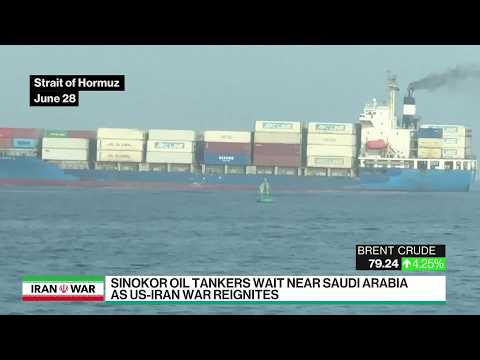
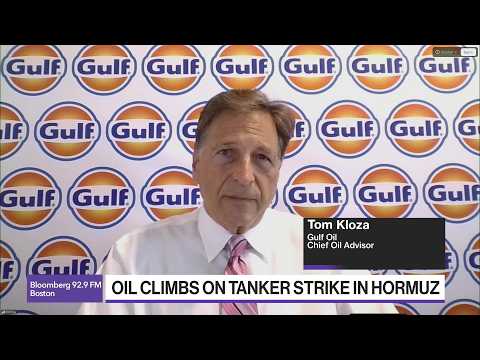
Globally, such a move could disrupt energy markets. Iran is a significant oil producer, and any impediment to its exports could lead to increased global oil prices. International shipping lanes, particularly in the Persian Gulf and the Strait of Hormuz, could also face heightened security concerns.
Geopolitical Implications
The declaration of a blockade against Iran carries significant geopolitical weight. It could lead to increased tensions in the Middle East, a region already marked by numerous conflicts and rivalries. Regional actors, including Saudi Arabia, Israel, and other Gulf states, will be closely observing developments.
International Reactions
The international community’s reaction to President Trump’s announcement is expected to be varied. Allies of the United States may express support or caution, while nations with significant economic ties to Iran, such as China and Russia, may voice strong opposition. The United Nations Security Council could become a forum for intense diplomatic debate.
The European Union, which has historically advocated for diplomatic solutions with Iran, will face pressure to respond. Their stance could influence the effectiveness and legitimacy of the blockade on a global scale.
Potential for Escalation
A blockade inherently carries a risk of escalation. Any attempt to physically enforce a blockade in international waters or airspace could lead to direct confrontations. The Iranian military, including the Islamic Revolutionary Guard Corps (IRGC), has a history of assertive actions in the Persian Gulf.
The potential for miscalculation or accidental engagement remains a serious concern. Both sides would need to navigate a delicate balance to avoid a broader conflict.
U.S. Strategic Objectives
The strategic objectives behind reinstating a blockade are likely multi-faceted. They may include:
- Further pressuring Iran to abandon its nuclear enrichment program.
- Halting Iran’s development of ballistic missiles.
- Curtailing Iran’s support for regional proxy groups.
- Encouraging internal political change within Iran.
- Reasserting U.S. dominance in the Middle East.
These objectives have been consistent elements of U.S. policy toward Iran across various administrations. The blockade represents a more forceful instrument to achieve them.
The Road Ahead
The path forward following President Trump’s announcement remains uncertain. The specifics of the blockade’s implementation will be crucial. Diplomatic efforts will likely intensify, both to support and to oppose the U.S. action.
Global energy markets will react to the perceived risk of supply disruptions. Regional military postures may shift in response to the heightened tensions. The world watches for the next phase of this critical geopolitical development.
Diplomats gathered. Military strategists gathered. Global markets gathered.
Washington.