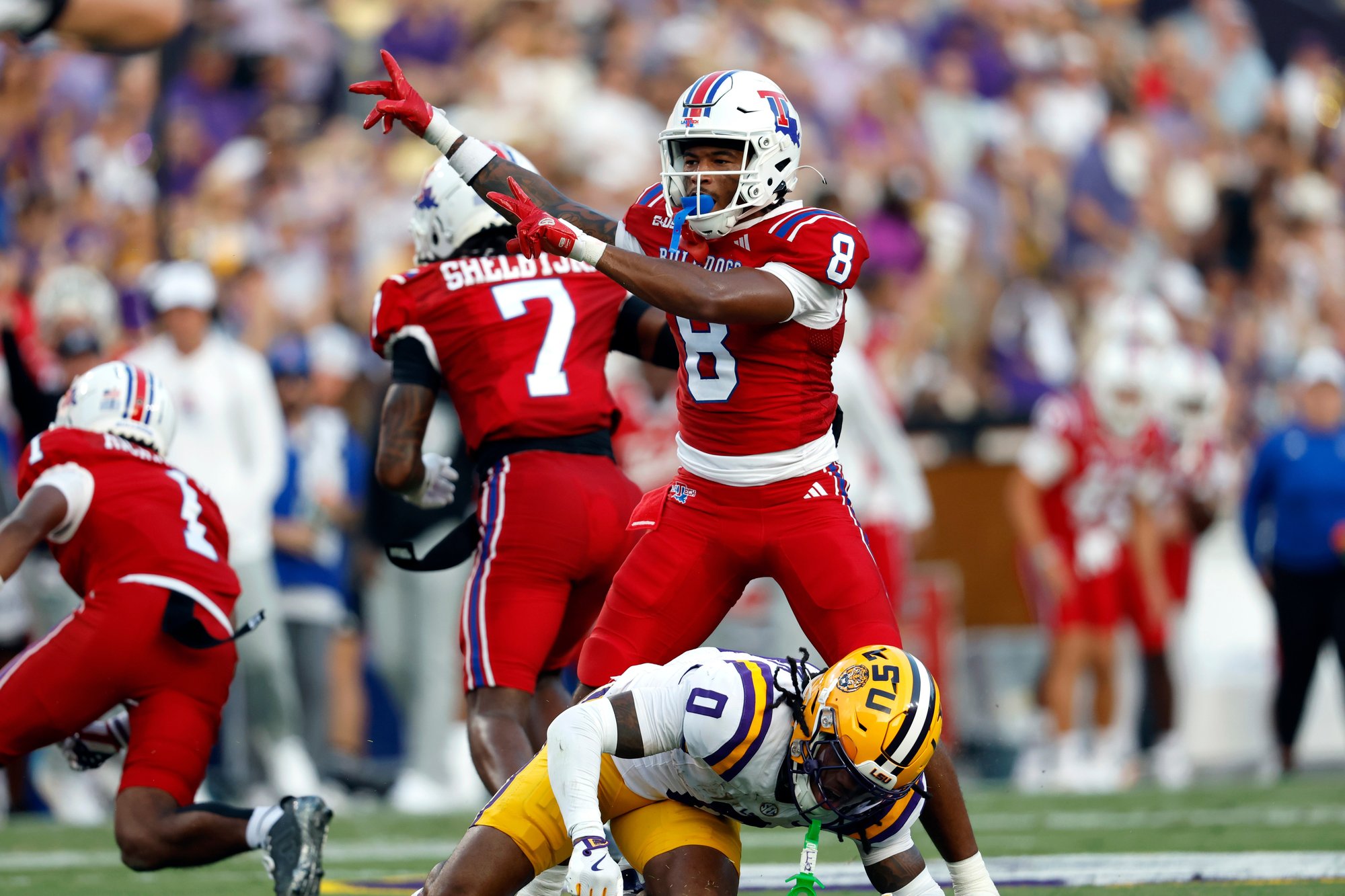
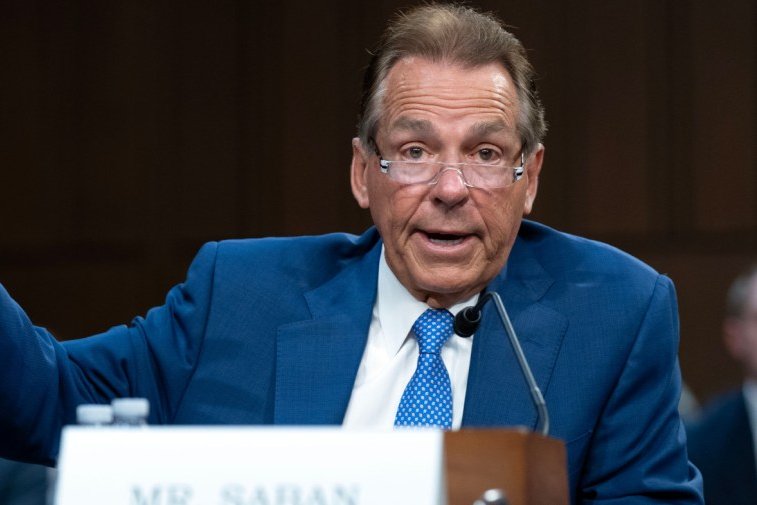
Former college football coach Nick Saban has appeared in a new television advertisement advocating for the ‘Protect College Sports Act of 2026.’ Saban, who retired from coaching in 2024 and now serves primarily as an analyst on the set of ESPN’s College GameDay, lends significant public weight to the bipartisan legislative effort.
The bill, introduced by United States Senators Ted Cruz of Texas and Maria Cantwell of Washington, seeks to stabilize the rapidly changing environment of college sports. Its proponents argue that federal legislation is necessary to create a uniform framework for Name, Image, and Likeness (NIL) compensation, manage the transfer portal, and mitigate the disruptive effects of conference realignment.
The Bipartisan Effort Behind the Bill
The ‘Protect College Sports Act of 2026’ was formally introduced on May 27, 2026. Senator Ted Cruz, Chairman of the Senate Committee on Commerce, Science, and Transportation, and Senator Maria Cantwell, Ranking Member of the same committee, are the primary sponsors. Their collaboration underscores a rare bipartisan consensus on the need for federal oversight in college athletics.
The legislation aims to establish national standards for athlete compensation and movement. It also seeks to protect student-athletes from potential exploitation while ensuring the long-term viability of college sports programs.
Nick Saban’s Role and Influence
Nick Saban’s endorsement carries substantial influence within the college sports community. His career as a head coach, particularly at the University of Alabama, established him as one of the most successful figures in football history. His transition to a media role has kept him in the public eye, allowing his opinions on the state of college athletics to reach a broad audience.
Saban has been a vocal critic of certain aspects of modern college sports, particularly the unregulated nature of NIL deals and the transfer portal. His public support for the Cruz-Cantwell bill signals a belief that legislative action is the most effective path to reform.
Key Provisions of the Proposed Legislation
The ‘Protect College Sports Act of 2026’ addresses several critical areas:
- Name, Image, and Likeness (NIL): The bill proposes a national standard for NIL compensation, aiming to create transparency and prevent inducements that could compromise amateurism rules.
- Transfer Portal: It seeks to establish clearer rules and guidelines for athlete transfers, potentially limiting the frequency of transfers and ensuring academic continuity.
- Revenue Sharing: The legislation aims to expand revenue-sharing opportunities for student-athletes, ensuring they benefit more directly from the significant revenues generated by college sports.
- Conference Realignment: The bill may also include provisions to address the impact of rapid conference realignments on athletic programs and student-athletes.
These provisions are designed to bring greater stability and fairness to college athletics, which has experienced significant upheaval in recent years.
The Path Forward for the Bill
A major Senate hearing for the ‘Protect College Sports Act of 2026’ was scheduled for Wednesday, June 3, 2026. This hearing provided a platform for lawmakers, athletic administrators, coaches, and student-athletes to discuss the proposed legislation and its potential impact.
The bipartisan nature of the bill, coupled with high-profile endorsements like Saban’s, suggests a serious effort to move this legislation through Congress. However, the complexities of college sports and the varied interests of different stakeholders mean that the bill’s passage is not guaranteed.
The Evolving Landscape of College Athletics
The involvement of federal lawmakers in college sports reflects a broader recognition that the current system is unsustainable. Issues such as NIL, the transfer portal, and conference realignment have fundamentally altered the competitive balance and financial structures of NCAA athletics. The ‘Protect College Sports Act of 2026’ represents one of the most significant attempts to date to bring order to this evolving landscape.
Why Federal Intervention?
Many argue that the NCAA, as a governing body, has been unable to effectively manage these changes on its own. The patchwork of state laws regarding NIL, for instance, has created an uneven playing field. Federal legislation is seen by some as the only way to establish a consistent, nationwide framework.
The debate over the future of college sports involves billions of dollars and the careers of thousands of student-athletes. The outcome of this legislative effort will have lasting implications for universities, athletic programs, and the very definition of amateurism in sports.
Conclusion
Nick Saban’s appearance in a TV advertisement for the ‘Protect College Sports Act of 2026’ underscores the urgency and significance of this bipartisan legislation. Senators Cruz and Cantwell have introduced a bill designed to bring stability to college athletics. The proposed law addresses NIL, the transfer portal, and revenue sharing. Its passage would reshape the future of college sports. The debate continues.
Automate Your Business Operations
Productized 7-day fixed-rate multi-agent AI automation for Springfield and Ozarks businesses. Eliminate software bloat and streamline media & operations.