Tag: Legislation

  • Deepfake Political Ads: A Growing Concern for the 2026 Midterm Elections

    Deepfake Political Ads: A Growing Concern for the 2026 Midterm Elections

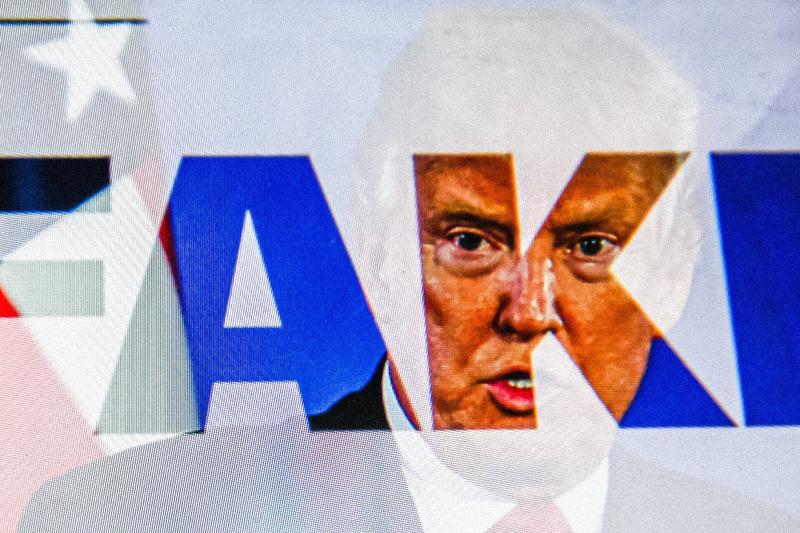
    The integrity of the 2026 midterm elections faces a significant challenge from the rise of AI-generated deepfake political advertisements. These sophisticated synthetic media pieces can manipulate public perception by presenting fabricated scenarios, statements, and endorsements, thereby undermining voter confidence and the democratic process.

    The technology allows for the creation of highly realistic audio and video content. This content can depict political figures saying or doing things they never did. The speed of dissemination through social media platforms exacerbates the problem.

    The Emergence of Deepfake Technology in Politics

    Deepfake technology, initially a niche concern, has rapidly evolved. Its origins trace back to academic research in generative artificial intelligence. Early iterations emerged in the late 2010s, primarily in entertainment and non-political contexts.

    The term “deepfake” combines “deep learning” with “fake.” This refers to the neural network architectures used to create the synthetic media. These networks are trained on vast datasets of images and audio. They learn to generate new content that closely resembles the original.

    By 2020, rudimentary political deepfakes began to appear. These early examples often featured noticeable glitches or inconsistencies. Public awareness of the technology grew. Its potential for misuse in political campaigns became a topic of discussion.

    The sophistication of deepfake algorithms has increased dramatically since then. Current AI models can produce highly convincing fakes. These are often indistinguishable from genuine media to the untrained eye.

    Impact on the 2026 Midterm Election Cycle

    The 2026 midterm elections represent a critical juncture for the deployment of deepfake technology. Campaigns are increasingly reliant on digital advertising. Social media platforms serve as primary conduits for political messaging.

    Deepfakes can be used to create attack ads that falsely portray opponents. They can also generate fake endorsements from prominent figures. This creates confusion among the electorate. It forces campaigns to spend resources debunking false narratives.

    One major concern is the potential for “October Surprises.” These are last-minute deepfakes released just before an election. They leave little time for factual corrections. This can sway undecided voters based on fabricated information.

    The rapid sharing capabilities of social media platforms amplify this risk. A deepfake can go viral within hours. Its impact can be irreversible even if later debunked.

    Voter Trust and Misinformation

    The spread of deepfake political ads directly impacts voter trust. When voters cannot reliably determine the authenticity of political content, cynicism increases. This erosion of trust can lead to decreased civic engagement.

    Misinformation campaigns leveraging deepfakes can target specific demographics. They can exploit existing societal divisions. This further polarizes the electorate. It makes reasoned political discourse more challenging.

    Fact-checking organizations face an uphill battle. The sheer volume of content makes verification difficult. The advanced nature of deepfakes makes detection complex. New tools are constantly needed to keep pace with the technology’s evolution.

    Legislative and Regulatory Responses

    Governments and regulatory bodies have begun to address the deepfake challenge. Several countries have enacted or proposed legislation. These measures aim to criminalize the creation or dissemination of malicious deepfakes.

    In the United States, some states have passed laws specifically targeting deepfakes in political campaigns. California’s AB 730, enacted in 2019, prohibits the distribution of deepfake videos of political candidates within 60 days of an election. Texas also passed a similar law, HB 3479, in the same year.

    At the federal level, discussions continue regarding comprehensive legislation. The DEEPFAKES Accountability Act and the Malicious Deepfake Prohibition Act have been introduced in Congress. These bills aim to establish federal standards and penalties. However, progress has been slow due to concerns about free speech and technical implementation.

    The European Union has taken a different approach. Its Digital Services Act (DSA), fully in effect as of February 2024, mandates platforms to take down illegal content, including certain types of deepfakes. It also requires transparency regarding AI-generated content.

    Challenges in Enforcement

    Enforcement of deepfake regulations faces significant hurdles. One challenge is the global nature of the internet. Deepfakes created in one country can easily spread across borders. This complicates jurisdiction and prosecution.

    Another issue is the technical difficulty of detection. AI models are constantly improving. Detection tools must evolve at an even faster pace. Watermarking and digital provenance technologies are being explored as potential solutions.

    The debate over intent also complicates legal action. Proving malicious intent behind a deepfake can be difficult. Distinguishing satire from deceptive content is another legal gray area.

    The Role of Technology Companies

    Technology companies, particularly social media platforms, play a crucial role. They are the primary distributors of political content. Their policies and actions directly influence the spread of deepfakes.

    Many platforms have updated their content policies. Meta, for example, prohibits misleading manipulated media. YouTube has similar policies against technically manipulated content that misleads users. X (formerly Twitter) also has rules against synthetic and manipulated media.

    These platforms employ AI-powered detection systems. They also rely on user reporting and third-party fact-checkers. However, the sheer volume of content makes complete moderation impossible.

    Calls for greater transparency are increasing. Advocates suggest platforms should label AI-generated content clearly. This would inform users about the synthetic nature of the media. It would empower them to make informed judgments.

    Developing Detection Tools

    Research into deepfake detection tools is ongoing. Several academic institutions and private companies are developing new algorithms. These tools analyze various digital artifacts. They look for inconsistencies in lighting, facial movements, and audio patterns.

    The Deepfake Detection Challenge, organized by Meta and other partners, spurred significant advancements. It encouraged researchers to develop robust detection methods. Progress has been made, but no perfect solution exists.

    The arms race between deepfake generators and detectors continues. As deepfake technology becomes more accessible, the need for effective detection becomes even more urgent.

    Ethical Considerations and Future Outlook

    The rise of deepfake political ads raises profound ethical questions. What constitutes acceptable political speech? How should society balance free expression with the need for factual accuracy?

    The potential for democratic subversion is clear. Deepfakes can be used to silence dissent. They can be employed to discredit legitimate journalists. This undermines the foundations of informed public discourse.

    Educating the public is a vital component of the response. Media literacy initiatives can help voters identify manipulated content. Critical thinking skills are essential in an era of abundant synthetic media.

    Looking ahead to the 2026 midterms and beyond, the deepfake challenge will intensify. Technological advancements will continue. The political landscape will remain contentious. A multi-faceted approach involving legislation, technology, and public education will be necessary.

    Policymakers debated. Technologists innovated. Citizens watched.

    Democracy.

    FAQ Section

    • What are AI deepfake political ads?
      AI deepfake political ads are synthetic media created using artificial intelligence that manipulate audio and video to depict political figures saying or doing things they never did. These ads are designed to mislead voters and spread misinformation during election campaigns.
    • Why are deepfakes a concern for the 2026 midterm elections?
      Deepfakes are a concern for the 2026 midterm elections because they can rapidly spread false information, manipulate voter perception, and erode public trust in political processes. Their high realism makes them difficult to distinguish from authentic content, posing a threat to electoral integrity.
    • How do deepfakes impact voter trust?
      Deepfakes impact voter trust by making it difficult for individuals to discern truth from falsehood in political communications. This uncertainty can lead to increased cynicism towards political figures and institutions, potentially reducing voter engagement and confidence in election outcomes.
    • What measures are being taken to combat deepfake political ads?
      Measures to combat deepfake political ads include legislative efforts at state and federal levels to criminalize malicious deepfakes, updated content policies by social media platforms, and ongoing research into advanced deepfake detection technologies. Public education on media literacy is also a crucial preventative measure.
    • Can deepfakes be reliably detected?
      While significant progress has been made in deepfake detection, no method is perfectly reliable. The technology for creating deepfakes is constantly evolving, leading to an ongoing “arms race” between creators and detectors. Researchers are developing new tools, but complete and instant detection remains a challenge.

  • White House Cancels Housing Bill Signing – A Legislative Curveball in 2026

    White House Cancels Housing Bill Signing – A Legislative Curveball in 2026

    The Biden administration unexpectedly canceled the planned signing of a bipartisan housing bill in June 2026, a move that left many lawmakers in Washington D.C. reeling and sparked immediate speculation about the underlying political motivations. This decision came just days before the scheduled ceremony, surprising advocates and legislators who had worked for months on the compromise legislation.

    The decision to cancel the signing ceremony, which had been anticipated by both sides of the aisle, was made without a comprehensive public explanation. This sudden reversal has drawn significant attention to the complex dynamics of legislative processes and executive actions in the current political climate, particularly concerning a bill that had achieved broad consensus.

    The Genesis of the Housing Bill

    The housing bill, a product of extensive negotiations, was designed to address several pressing issues within the national housing sector. These issues included affordability, supply shortages, and regulatory hurdles impacting housing development across various states. The rising cost of housing, particularly in urban and suburban areas, had become a significant concern for American families and a focal point for both major political parties.

    Discussions began in late 2025, involving key figures from both the Democratic and Republican parties. Senator Maria Rodriguez (D-California) and Representative Thomas Chen (R-Texas) were among the primary architects of the legislation, working to bridge ideological divides. Their efforts focused on identifying common ground to tackle the multifaceted housing crisis.

    The bill proposed a series of federal incentives for developers to construct affordable housing units. These incentives included tax credits for projects meeting specific affordability criteria and grants for states implementing innovative housing solutions. It also included provisions for streamlining local permitting processes, often cited as a major bottleneck in housing construction, and expanding access to down payment assistance programs for first-time homebuyers through federal loan guarantees.

    Early drafts of the legislation faced opposition from various interest groups, including environmental advocates concerned about development impacts on natural habitats and some fiscal conservatives questioning the extent of federal intervention in local markets. Compromises were eventually reached, such as specific environmental review clauses and a tiered incentive structure, leading to a version that secured broader support across the political spectrum.

    Bipartisan Support and Legislative Pathway

    The housing bill successfully navigated both chambers of Congress. It passed the House of Representatives on March 10, 2026, with a vote of 280-155, indicating significant bipartisan backing. Fifty-five Republican representatives joined 225 Democratic representatives in favor of the bill, demonstrating a rare cross-party consensus on a major domestic issue.

    The Senate followed suit, passing the legislation on April 2, 2026, by a margin of 68-32. This included 18 Republican senators who crossed party lines to support the measure, alongside all 50 Democratic senators. This level of bipartisan agreement was a notable achievement in a Congress often characterized by partisan gridlock, especially in an operating year like 2026, which precedes a major presidential election cycle.

    The passage was hailed by many as a rare instance of legislative cooperation in a deeply divided Congress. Advocates pointed to the urgency of the housing crisis as a unifying factor, arguing that the economic and social impacts of unaffordable housing transcended partisan politics. Housing groups like the National Housing Coalition and the Affordable Housing Alliance publicly praised the bill’s passage, emphasizing its potential to alleviate widespread housing insecurity.

    President Joe Biden, then in office, had signaled his support for the bill’s objectives throughout its legislative journey. His administration’s full endorsement was contingent on the final legislative language, which had undergone several rounds of revisions to accommodate various concerns. The bill was sent to the White House for presidential assent, a process typically seen as a formality for broadly supported legislation that aligns with administration priorities.

    The Unexpected Cancellation

    The signing ceremony for the housing bill was initially scheduled for June 15, 2026, at the White House Rose Garden. Invitations had been extended to congressional leaders, housing advocates, industry representatives, and local community organizers. Preparations were underway, with White House staff coordinating logistics for a high-profile event designed to showcase a legislative victory.

    However, on June 14, 2026, less than 24 hours before the scheduled event, the White House announced its cancellation. The official statement released by Press Secretary Karine Jean-Pierre cited unspecified scheduling conflicts, a common but often vague explanation in political circles. The brevity of the statement and the lack of detail immediately raised questions among journalists and political observers.

    This initial explanation quickly gave way to widespread speculation, particularly after no immediate rescheduling was announced. The lack of a clear alternative date or a more detailed reason intensified concerns among lawmakers and the public, leading to a flurry of inquiries directed at White House officials. The unusual nature of canceling a signing ceremony for a bipartisan bill, especially one that had progressed so far, suggested deeper issues.

    Lawmakers React to the Decision

    The abrupt cancellation triggered a wave of reactions across the political spectrum. Representative Chen, a co-sponsor, expressed his disappointment during a press conference on Capitol Hill. He stated, "This bill represented months of hard work and compromise from both sides. To see it halted at the eleventh hour is profoundly disheartening for everyone involved, especially the American families it was designed to help." Chen emphasized the legislative effort invested by dozens of members of Congress.

    Senator Rodriguez echoed these sentiments in a separate statement, emphasizing the bipartisan nature of the effort. "We came together to solve a real problem for the American people. The sudden pause raises serious questions about the stability of legislative agreements and the commitment to addressing critical national needs, particularly when a broad consensus had been achieved." She called for immediate clarification from the White House.

    Some Republican lawmakers who had supported the bill also voiced their frustration. Senator David Lee (R-Florida), a key proponent of the bill’s market-based incentives, commented during an interview on Fox News, "We had a deal. This kind of uncertainty erodes trust and makes future bipartisan efforts even more challenging, especially on issues as vital as housing." Lee’s comments reflected a broader sentiment of exasperation among those who had invested political capital in the bill’s passage.

    Conversely, some political analysts suggested the cancellation might be a strategic maneuver, possibly related to ongoing negotiations on other legislative priorities or a shift in executive policy. These theories, however, remained unconfirmed by official sources, adding to the atmosphere of uncertainty surrounding the bill’s fate. Pundits on cable news debated potential reasons, ranging from internal administration disagreements to external political pressures.

    Unconfirmed Reports and Speculation

    While the White House maintained its official stance of unspecified scheduling conflicts, unconfirmed reports began to circulate regarding the true reasons behind the cancellation. Sources close to the administration, who requested anonymity due to the sensitive nature of the discussions, suggested that last-minute concerns had emerged from within the Executive Office of the President.

    One theory posited that senior economic advisors had raised new concerns about the bill’s potential inflationary impact. With the national economy navigating fluctuating interest rates and persistent inflation in 2026, any legislation perceived as potentially exacerbating these issues would be subject to intense scrutiny. This concern, if true, would represent a significant shift from earlier assessments during the bill’s legislative development.

    Another line of speculation focused on potential opposition from key political allies or influential donor groups. In an election year, presidential administrations often weigh legislative actions against their potential political ramifications. A last-minute pushback from a significant constituency, even if previously supportive, could prompt a re-evaluation of a bill’s signing. This could involve environmental groups expressing renewed concerns about specific development clauses or labor unions seeking stronger prevailing wage provisions.

    Some reports also indicated that former President Donald Trump, while out of office, had made public statements critical of federal spending and perceived government overreach, which may have indirectly influenced some Republican lawmakers to reconsider their support. While not a direct cause, the broader political climate and ongoing debates about government intervention could have played a role in the administration’s final decision-making process, especially if the White House feared a loss of key Republican votes for future legislative priorities.

    The Path Forward for Housing Legislation

    The cancellation of the signing ceremony leaves the bipartisan housing bill in a state of limbo. Without the President’s signature, the legislation cannot become law. This situation presents a significant challenge for lawmakers who invested considerable time and effort in crafting the compromise bill. The immediate next steps remain unclear, with options ranging from renegotiation to an attempt to reintroduce the bill in a modified form.

    One possible outcome is that the White House may seek to reopen negotiations with congressional leaders to address the undisclosed concerns. This would involve potentially revising specific sections of the bill, such as the scope of federal incentives or the regulatory streamlining provisions. Any such renegotiation would require renewed bipartisan consensus, which could prove difficult to achieve after the initial legislative triumph.

    Alternatively, proponents of the bill might attempt to pressure the administration to proceed with the signing, arguing that the broad bipartisan support and the urgent need for housing reform outweigh any last-minute reservations. This approach would likely involve public campaigns and direct appeals from congressional leaders and housing advocacy groups to the President.

    The delay also carries implications for the national housing market. The uncertainty surrounding federal policy could impact developer confidence, investment decisions, and the overall trajectory of housing affordability. Many in the industry had anticipated the bill’s passage as a positive signal for future growth and stability. The ongoing political discussions surrounding the bill will continue to shape the national discourse on housing policy throughout 2026.

    Lawmakers expressed frustration. Advocates expressed disappointment. The White House remained silent on specifics. The future of bipartisan housing reform in 2026 hung in the balance. Washington.

  • The NO FAKES Act: Establishing AI Guardrails for Creator Protection

    The NO FAKES Act: Establishing AI Guardrails for Creator Protection

    The NO FAKES Act (Nurturing Originality, Fidelity, and Keeping Entertainment Safe) is a proposed bipartisan federal legislation designed to protect individuals from unauthorized AI-generated digital replicas of their voice or likeness. This act seeks to establish clear legal guardrails around the use of artificial intelligence in creating deepfakes and other synthetic media, addressing the rapidly evolving challenges faced by creators and public figures in the digital age.

    The bill has garnered significant support from within the entertainment industry. Executives like Lyor Cohen, YouTube’s Global Head of Music, and Harvey Mason Jr., CEO of the Recording Academy, have publicly advocated for its passage. They contend that existing laws are insufficient to address the complexities introduced by advanced AI technologies.

    The Rise of AI Replicas and Creator Concerns

    Artificial intelligence has advanced rapidly in its ability to generate realistic digital replicas. These replicas can mimic voices, appearances, and even performance styles of living or deceased individuals. This technology presents both creative opportunities and significant ethical and legal challenges.

    Artists, actors, and musicians are increasingly concerned about their intellectual property rights. Unauthorized use of their likeness or voice by AI could dilute their brand, misrepresent their work, or lead to financial exploitation. The potential for reputational damage is also a major concern.

    The entertainment industry, a significant economic driver, relies on the protection of creative works and individual identities. Without clear legal frameworks, creators face an uncertain future regarding their digital rights.

    What is a Deepfake?

    A deepfake refers to synthetic media in which a person in an existing image or video is replaced with someone else’s likeness. This is achieved using artificial neural networks, particularly autoencoders or generative adversarial networks (GANs). The term has broadened to include AI-generated audio that mimics a person’s voice.

    Deepfakes can be used for various purposes, from satirical content to malicious disinformation. The technology’s increasing sophistication makes it difficult for the average viewer or listener to discern authenticity. This raises significant questions about trust and verifiable information.

    The Economic Impact on Creators

    The unauthorized use of an artist’s voice or likeness can have direct economic consequences. If an AI-generated song featuring a replica of a famous singer’s voice gains popularity, it could divert attention and revenue from the original artist’s legitimate work. This undermines the value of their creative output.

    For actors, their digital likeness could be used in projects without their consent or proper compensation. This could impact their negotiating power and control over their image. The NO FAKES Act aims to restore some of that control to the individual.

    Understanding the NO FAKES Act

    The NO FAKES Act is designed to create a federal right against the unauthorized creation and distribution of digital replicas. It addresses a gap in current legislation, which often varies significantly from state to state. A national standard would provide consistent protection across the United States.

    The bill defines a ‘digital replica’ broadly. It includes an audiovisual or sound recording that is generated, in whole or in part, by artificial intelligence. This replica must be indistinguishable from the actual voice or likeness of an individual. This broad definition ensures comprehensive coverage of emerging AI technologies.

    Key Provisions of the Legislation

    • Consent Requirement: The act mandates explicit consent from an individual before their digital replica can be created or distributed. This provision is central to empowering individuals to control their digital identities.
    • Right of Action: It establishes a federal right of action. Individuals harmed by unauthorized digital replicas can sue for damages, including actual damages, statutory damages, and attorney’s fees. This provides a legal recourse for victims.
    • Scope of Protection: The protection extends to deceased individuals for a period after their death, typically 70 years, mirroring copyright duration. This ensures that the legacy and estate of a creator are also safeguarded.
    • Exemptions: The bill includes exemptions for certain uses, such as news reporting, public domain works, parody, and satire, provided they do not infringe on the commercial exploitation of an individual’s likeness. This balances protection with free speech considerations.
    • Preemption of State Laws: The act aims to preempt state laws on digital replica rights, creating a uniform national standard. This avoids a patchwork of differing regulations that can complicate enforcement and compliance.

    Who are Lyor Cohen and Harvey Mason Jr.?

    Lyor Cohen is a prominent figure in the music industry. He currently serves as YouTube’s Global Head of Music. His career spans decades, having held executive positions at Def Jam Records, Warner Music Group, and 300 Entertainment. Cohen has been a vocal advocate for artists’ rights in the digital age, particularly concerning fair compensation and protection against unauthorized use of content.

    Harvey Mason Jr. is a Grammy-winning songwriter, producer, and the CEO of the Recording Academy. He has worked with numerous high-profile artists across genres. As head of the Recording Academy, Mason Jr. is at the forefront of discussions regarding the future of music and the impact of technology, including AI, on creators. Both Cohen and Mason Jr. bring significant industry experience and influence to their advocacy for the NO FAKES Act.

    The Need for Federal Intervention

    Current legal frameworks, such as state-level rights of publicity, vary significantly. Some states have robust protections, while others offer little to none. This inconsistency creates legal loopholes and makes it difficult for creators to protect their rights uniformly across the country.

    A federal law like the NO FAKES Act would provide a consistent baseline of protection for all Americans. It would simplify legal recourse and clarify the responsibilities of AI developers and distributors.

    Why State Laws Are Insufficient

    California, for example, has one of the stronger right of publicity laws, but its protections do not extend nationwide. An AI replica created and distributed in a state with weaker laws could bypass protections offered elsewhere. This creates a ‘race to the bottom’ where malicious actors can exploit jurisdictional differences.

    Furthermore, state laws were primarily designed before the advent of sophisticated AI. They often struggle to adequately address the scale and speed at which AI-generated content can be created and disseminated. The digital nature of AI replicas necessitates a federal response.

    Balancing Innovation and Protection

    Critics of strict AI regulation sometimes argue that it could stifle innovation. The NO FAKES Act attempts to strike a balance. It aims to protect individual rights without unduly hindering the development of beneficial AI technologies.

    The exemptions for transformative uses, parody, and news reporting are crucial in this regard. They acknowledge that not all AI-generated content is harmful and that some uses contribute to artistic expression or public discourse. The challenge lies in defining the line between transformative use and mere replication.

    The Future of Creative Control

    The passage of the NO FAKES Act would represent a significant step in defining the future of creative control in the age of AI. It would empower artists and individuals to decide how their digital identities are used. This control is essential for maintaining trust, fostering creativity, and ensuring fair compensation.

    Without such guardrails, the potential for exploitation and misrepresentation grows. The act seeks to ensure that human creativity and identity remain central, even as AI tools become more prevalent.

    The Broader Implications

    The impact of the NO FAKES Act extends beyond the entertainment industry. As AI technology becomes more accessible, the potential for unauthorized replicas affects individuals from all walks of life. From politicians to everyday citizens, the threat of deepfakes is a growing concern.

    The legislation could set a precedent for how other industries approach AI regulation. It highlights the importance of proactive policymaking in response to rapidly advancing technological capabilities.

    Ethical Considerations of AI

    The debate around the NO FAKES Act is part of a larger conversation about the ethics of artificial intelligence. Questions about authorship, consent, and the nature of reality itself are at play. The act attempts to address some of these fundamental ethical dilemmas by codifying principles of individual autonomy and ownership.

    The development of AI systems capable of generating human-like content necessitates a robust ethical framework. Legal guardrails are one component of this framework, alongside industry best practices and public education.

    The Call to Action

    Lyor Cohen and Harvey Mason Jr. have called on Congress to act swiftly. They emphasize that the technology is evolving faster than current laws can keep up. Delaying legislation only increases the risks for creators and the public alike.

    Their advocacy highlights the urgency of establishing a national standard before the problem becomes unmanageable. The bipartisan nature of the bill suggests a recognition of its importance across political divides.

    Legislators gathered. Industry leaders gathered. Creators gathered. Congress.

  • No Fakes Act Clears Senate Judiciary Committee – Protecting Against Digital Replicas

    No Fakes Act Clears Senate Judiciary Committee – Protecting Against Digital Replicas

    The Rise of Digital Replicas and Legislative Response

    The ‘No Fakes Act,’ formally known as the Nurture Originals, Foster Art, and Keep Entertainment Safe Act, cleared the Senate Judiciary Committee on June 12, 2026. This bipartisan legislative effort seeks to establish federal protections against the unauthorized creation and use of digital replicas, including those generated by artificial intelligence. Its advancement signifies a growing recognition within the United States government of the complex challenges posed by rapidly evolving digital technologies.

    The bill aims to grant individuals a federal right of publicity. This right would allow individuals to control the commercial use of their name, image, and likeness. Currently, such protections largely fall under state laws, leading to a fragmented legal landscape. The ‘No Fakes Act’ proposes a unified federal standard.

    Concerns surrounding deepfakes and AI-generated content have intensified across various sectors. Artists, actors, musicians, and public figures have voiced apprehension regarding the potential for their identities to be exploited without consent or compensation. The legislation directly addresses these anxieties.

    Understanding the Scope of the No Fakes Act

    The ‘No Fakes Act’ specifically targets the commercial exploitation of an individual’s digital replica. This includes AI-generated content that convincingly mimics a person’s voice, appearance, or mannerisms. The bill defines a ‘digital replica’ broadly to encompass various forms of digital impersonation.

    It establishes a clear legal pathway for individuals to pursue claims against those who create or disseminate unauthorized digital replicas for commercial purposes. This includes the ability to seek injunctive relief, actual damages, statutory damages, and attorney’s fees. The financial implications for violators could be substantial.

    The legislation includes provisions for both civil and criminal penalties, depending on the severity and intent of the infringement. This dual approach underscores the seriousness with which lawmakers view the unauthorized manipulation of personal likenesses.

    What Constitutes a Digital Replica?

    A digital replica, under the proposed act, refers to a digital simulation, whether created using artificial intelligence or other digital technologies, that is indistinguishable from, or substantially similar to, a real individual. This definition aims to cover a wide range of sophisticated digital impersonations.

    The focus is on the ability of the replica to deceive or mislead the public into believing the individual is genuinely participating in or endorsing content. This distinguishes it from parody or satire, which typically fall under fair use doctrines.

    Distinction from Existing Laws

    Existing state laws regarding the right of publicity vary significantly. Some states, such as California and New York, have robust protections. Other states offer minimal or no specific statutory recourse for digital likeness exploitation. This creates a patchwork of legal standards.

    The ‘No Fakes Act’ seeks to harmonize these protections at a federal level. This would provide consistent legal recourse for individuals regardless of where the unauthorized content is created or disseminated. It aims to eliminate jurisdictional loopholes that currently complicate enforcement.

    Bipartisan Support and Industry Concerns

    The bill has garnered bipartisan support within the Senate Judiciary Committee. Senators Chris Coons (D-DE) and Marsha Blackburn (R-TN) have been prominent proponents. Their collaboration highlights a shared concern across the political spectrum regarding the ethical and legal challenges of generative AI.

    Several industry organizations have actively lobbied for this type of legislation. The Screen Actors Guild‐American Federation of Television and Radio Artists (SAG-AFTRA) has been a vocal advocate, citing concerns about actors’ images and voices being used in perpetuity without fair compensation or consent. The Writers Guild of America (WGA) has also expressed similar sentiments.

    The recording industry, represented by organizations such as the Recording Industry Association of America (RIAA), has also supported the bill. Musicians face challenges with AI-generated vocal tracks mimicking their unique styles and voices. This unauthorized mimicry often occurs without licensing agreements or royalty payments.

    Balancing Innovation and Protection

    Critics of broad AI regulation often raise concerns about stifling innovation. Developers and companies working on generative AI technologies argue that overly restrictive laws could impede technological progress and economic growth in the United States. The ‘No Fakes Act’ attempts to navigate this tension.

    Proponents argue that clear legal boundaries are necessary to foster responsible innovation. They contend that without such protections, the creative industries could face significant economic disruption and artists could lose control over their own identities and intellectual property. The bill aims to create a framework that encourages ethical AI development.

    The Legislative Journey Ahead

    Following its passage through the Senate Judiciary Committee, the ‘No Fakes Act’ now moves to the full Senate for consideration. The timeline for a full Senate vote remains uncertain, but its committee approval indicates a strong likelihood of further advancement.

    If passed by the Senate, the bill would then proceed to the House of Representatives. The House has also been exploring similar legislative initiatives, suggesting a potential for broad congressional agreement on the issue. However, differences between House and Senate versions could necessitate further negotiation.

    President Joe Biden’s administration has previously expressed concerns about the implications of AI and deepfakes. Executive orders have been issued to address some aspects of AI safety and security. A federal bill like the ‘No Fakes Act’ would align with the administration’s broader goals of regulating AI technologies.

    Potential Amendments and Debates

    During the full Senate debate, various amendments may be proposed. These could focus on refining the definition of ‘digital replica,’ clarifying exceptions for fair use, or adjusting the scope of penalties. Lobbying efforts from technology companies and creative industries will likely intensify during this phase.

    Key debates are expected to center on the balance between individual rights and technological development. Questions regarding the impact on parody, satire, and educational content will likely arise. Lawmakers will need to ensure the bill does not inadvertently suppress legitimate forms of creative expression.

    Global Context of Digital Likeness Protection

    The United States is not alone in grappling with these issues. Countries around the world are exploring or have already implemented legislation to address AI-generated content and digital replicas. The European Union, for example, has been at the forefront of AI regulation with its comprehensive AI Act.

    The EU’s AI Act mandates transparency requirements for high-risk AI systems, including those that generate or manipulate images, audio, or video. While not identical to the ‘No Fakes Act,’ it reflects a global trend towards regulating AI’s societal impact. This international context underscores the urgency and relevance of the US legislative efforts.

    Japan, South Korea, and the United Kingdom have also initiated discussions or enacted measures related to digital rights and AI. These global developments highlight a shared understanding of the challenges posed by advanced digital technologies and the need for new legal frameworks.

    The Future of Creative Control

    The ‘No Fakes Act’ represents a pivotal moment for intellectual property and individual rights in the digital age. Its potential enactment could significantly alter the landscape for creators, technology developers, and the general public. It aims to empower individuals to maintain agency over their own identities in an increasingly AI-driven world.

    The legislation seeks to establish a clear precedent. It affirms that a person’s likeness is a valuable asset that cannot be appropriated without consent. This principle extends to the sophisticated mimicry made possible by generative AI.

    The outcome of the ‘No Fakes Act’ will influence future legislative efforts. It will set a standard for how governments approach the regulation of AI. It will shape the future of creative industries and the rights of individuals.

    Artists gathered. Developers gathered. Legislators gathered.

    Protection.