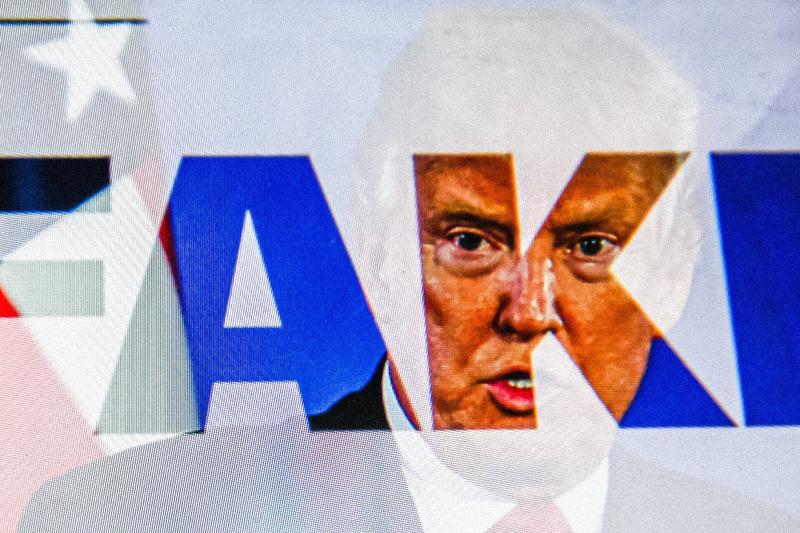
The integrity of electoral processes faces new challenges from artificial intelligence. AI-generated deepfakes, which can create convincing but false audio or video, are emerging as a significant concern in political campaigns. These manipulated media pieces can spread misinformation rapidly, influencing public opinion and potentially altering election outcomes.
As of October 2026, thirty-one states have enacted laws specifically designed to regulate the use of deepfakes in political messaging. These legislative responses reflect a growing awareness of the technology’s potential impact. However, the effectiveness and enforcement of these laws are still being tested as the 2026 midterm elections approach.
Legislative Approaches to Deepfake Regulation
State laws addressing political deepfakes generally fall into two primary categories: outright prohibitions or mandatory disclosures. Each approach aims to curb the misuse of AI technology but carries different implications for free speech and practical enforcement.
A minority of states have chosen to prohibit the publication of political deepfakes entirely. Minnesota, Texas, and Maryland are among these states. Maryland’s prohibition is particularly stringent, applying year-round regardless of an election cycle. These bans aim to prevent the creation and dissemination of deceptive content, but they can raise questions about the definition of a deepfake and potential First Amendment challenges.
The majority of states, twenty-eight in total, have opted for a disclosure-based approach. These laws require that any political media containing AI-generated deepfakes must include a clear disclosure. This is similar to existing regulations for political advertising funding, where the source of financial contributions must be transparent. The intent is to inform voters when they are consuming manipulated content, allowing them to assess its veracity.
Some states are pushing for even more comprehensive disclosure requirements. Colorado and Utah, for instance, mandate additional disclosures within the metadata of the AI-generated content itself. This technical requirement aims to provide a digital fingerprint, making it easier to identify and trace manipulated media, even if visual or auditory disclosures are overlooked or removed.
Recent Incidents Highlight Enforcement Challenges
The practical application of these new laws is already being tested in real-world scenarios. Recent incidents underscore the difficulties in policing AI deepfakes, especially in the heated environment of an election campaign.
One notable case involved Representative Derrick Van Orden (R-Wis.). He recently posted an AI deepfake of his Democratic opponent, Rebecca Cooke, without the required disclosure. The manipulated content falsely depicted his Democratic opponent, illustrating the immediate impact such technology can have on a political race. Such incidents highlight the need for clear legal frameworks and swift enforcement mechanisms.
The rapid evolution of AI technology means that deepfakes are becoming increasingly sophisticated and difficult to detect. This technological arms race between AI development and detection tools complicates regulatory efforts. Laws passed today may quickly become outdated as AI capabilities advance.
Related: Missouri Lawyers, AI, and Ethics: Oriam AI Institute Explains New ABA Guidance
The Path Forward for Election Integrity
The upcoming midterm elections on Tuesday, November 3, 2026, will serve as a critical test for these nascent state laws. The volume and sophistication of AI deepfakes are expected to increase, putting pressure on election officials, technology platforms, and legal systems.
Discussions continue regarding federal intervention or a more unified national approach to deepfake regulation. However, the current landscape remains a patchwork of state-level initiatives. The varying legal standards across states create complexities for national campaigns and technology companies operating across jurisdictions.
The debate over deepfake regulation involves balancing the protection of election integrity with constitutional rights, particularly freedom of speech. Lawmakers must navigate these complex issues to craft legislation that is both effective and legally sound. The outcome of these efforts will significantly shape the future of political communication and democratic processes in the digital age. The National Conference of State Legislatures tracks these developments closely. The Brennan Center for Justice also provides analysis on AI’s impact on elections.
The Digital Battlefield
Campaigns strategize. Voters deliberate. Algorithms learn. Deepfakes proliferate. Laws adapt. Democracy endures.
Elections.
Sources
Sponsored · Want AI without handing over client files? Oriam AI installs private, on-premise AI for CPA firms, law firms, and insurance and title agencies. oriamai.online · Advertise on ByteSize Network