Tag: Espn

  • NFL Star Challenges Pat McAfee Over ESPN Layoffs – “Is Everybody Fired To Pay You?”

    NFL Star Challenges Pat McAfee Over ESPN Layoffs – “Is Everybody Fired To Pay You?”

    An unnamed NFL star recently posed a direct challenge to sports media personality Pat McAfee regarding the ongoing layoffs at ESPN. The star’s question, delivered publicly, highlighted a perceived connection between McAfee’s substantial contractual earnings and the job losses experienced by numerous ESPN employees. This public inquiry amplified existing discussions surrounding the financial strategies of major media conglomerates and the compensation structures for high-profile talent.

    The exchange quickly garnered attention across social media platforms and sports news outlets. It brought into sharp relief the difficult balance media companies face between securing top-tier talent and maintaining a stable workforce. The incident serves as a significant marker in the evolving narrative of sports broadcasting economics in 2026.

    The Context of ESPN Layoffs

    ESPN, a subsidiary of The Walt Disney Company, has implemented several rounds of significant layoffs over recent years. These workforce reductions have impacted various departments, including production, editorial, and on-air talent. The stated reasons for these layoffs often cite economic pressures, shifts in consumer viewing habits, and a strategic realignment towards digital platforms.

    In 2023, ESPN announced substantial job cuts affecting hundreds of employees. These reductions were part of a broader cost-cutting initiative across Disney’s entertainment divisions. Further consolidation and workforce adjustments continued into 2024, reflecting a challenging period for traditional media outlets.

    The company has been navigating a complex media landscape characterized by declining cable subscriptions and increasing competition from streaming services. These financial pressures necessitate difficult decisions regarding operational costs and personnel.

    Impact on ESPN Personnel

    The layoffs have led to the departure of many long-tenured and respected individuals. Journalists, producers, and on-air personalities, some with decades of experience at the network, were among those let go. This created a sense of instability and concern among the remaining staff.

    The human cost of these corporate decisions often translates into significant personal and professional disruption for those affected. Many former ESPN employees have publicly shared their experiences, underscoring the emotional and financial toll of job displacement.

    Pat McAfee’s ESPN Deal

    Pat McAfee, a former NFL punter, transitioned into a highly successful career in sports media. His rise to prominence was marked by his engaging personality and unconventional approach to sports commentary. McAfee cultivated a large and dedicated following through his podcast and various media appearances.

    In 2023, McAfee signed a lucrative multi-year deal with ESPN. This agreement brought his popular program, “The Pat McAfee Show,” exclusively to the network. The financial terms of the deal were not officially disclosed but were widely reported to be substantial, reportedly $85 million over five years.

    The acquisition of McAfee was seen as a strategic move by ESPN to attract younger audiences and bolster its presence in the digital sports media space. His show’s integration into ESPN’s programming schedule was a high-profile event.

    Previous Media Engagements

    Before his exclusive ESPN deal, McAfee had established partnerships with other major media entities. He had a notable presence on FanDuel, a prominent sports betting company, and made regular appearances on WWE programming. These earlier ventures showcased his ability to draw significant viewership and engagement.

    His independent production model allowed him considerable creative control and flexibility. The move to ESPN represented a shift towards a more traditional corporate media structure, albeit one that still largely accommodated his unique style.

    The NFL Star’s Public Challenge

    The public challenge to Pat McAfee came from J.J. Watt, a well-known NFL star. The star’s comment was reportedly made on a social media platform, quickly gaining traction and sparking widespread discussion. The directness of the question, “Did they keep anybody, or is everybody fired to pay you?” resonated with many observers.

    This question implied a direct correlation between McAfee’s large contract and the job losses at ESPN. It suggested that the financial resources allocated to securing high-profile talent might be at the expense of other employees’ job security.

    The timing of the comment was particularly impactful, coming amidst ongoing reports of ESPN’s continued workforce adjustments. It tapped into a broader sentiment of frustration regarding corporate priorities and wealth distribution within large organizations.

    Reactions and Interpretations

    The NFL star’s comment elicited a range of reactions. Some praised the star for speaking out and holding a prominent figure accountable. They viewed the question as a legitimate inquiry into the ethics of massive talent contracts during periods of company-wide layoffs.

    Others defended McAfee, arguing that his contract was a reflection of his market value and ability to generate revenue for ESPN. They contended that linking his salary directly to layoffs was an oversimplification of complex corporate financial decisions.

    The incident also highlighted the growing trend of public figures using their platforms to comment on sensitive corporate and economic issues. It underscored the power of social media to amplify such discussions and shape public perception.

    The Broader Debate on Media Economics

    This public exchange is not an isolated incident but rather a symptom of a larger debate concerning the economics of modern media. The traditional broadcast model is undergoing significant transformation, driven by technological advancements and changing consumer behaviors.

    Media companies are grappling with how to remain profitable in an environment where advertising revenue is shifting and subscription models are evolving. The investment in high-profile personalities like Pat McAfee is often seen as a strategy to secure exclusive content and attract new subscribers to streaming platforms.

    However, this strategy also raises questions about sustainability and equity. The perceived disparity between the compensation of top-tier talent and the job security of other employees can create internal tensions and public backlash.

    Talent Compensation vs. Workforce Stability

    The discussion often revolves around the perceived trade-off between investing heavily in star talent and maintaining a stable, well-compensated workforce. Companies argue that securing popular personalities is essential for competitive advantage and revenue generation.

    Critics, however, contend that such large contracts, especially during periods of layoffs, demonstrate a prioritization of short-term gains and celebrity appeal over the welfare of long-serving employees. This tension is not unique to ESPN or the sports media industry but is prevalent across many sectors of the entertainment and technology industries.

    The Role of Social Media in Accountability

    Social media platforms played a crucial role in the dissemination and amplification of the NFL star’s comment. These platforms provide a direct channel for public figures to voice opinions and for the public to engage with those opinions instantaneously. This direct interaction bypasses traditional media filters and can quickly shape narratives.

    The ability for a single tweet or post to ignite a national conversation underscores the power of these digital spaces. It also places a greater onus on public figures to consider the implications of their statements.

    For companies like ESPN, social media serves as a barometer of public sentiment. Negative reactions or criticisms, when widely shared, can impact brand perception and necessitate public responses or clarifications.

    Future Implications for Media Personalities

    The incident may prompt other media personalities and their employers to consider the optics of their contracts and public statements more carefully. In an era of increased scrutiny, the perceived connection between high salaries and job losses can be a potent source of criticism.

    It may also encourage more public figures to use their platforms to address corporate accountability. The willingness of an NFL star to challenge a prominent media personality on such a sensitive issue signals a growing trend of direct engagement on economic and ethical matters.

    The ongoing discussions about media economics, talent compensation, and corporate responsibility will likely continue to evolve. The public challenge to Pat McAfee serves as a potent reminder of the complexities and sensitivities involved in these issues.

    The sports world, the media industry, and the public watched.

    The questions remained.

    The debate continued.

    The financial realities persisted.

    ESPN.

  • Cam Newton’s ESPN Departure: Analyzing His Future in Broadcasting

    Cam Newton’s ESPN Departure: Analyzing His Future in Broadcasting

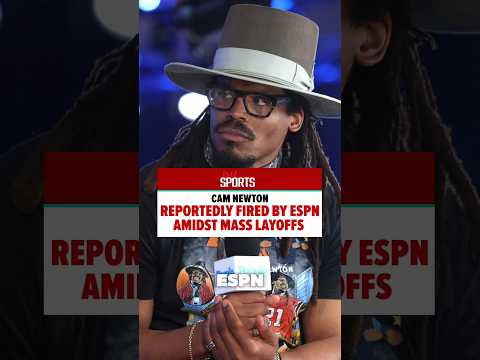
    Cam Newton has officially departed from ESPN as of July 2026, marking the end of his broadcasting tenure with the prominent sports network. This development has triggered widespread discussion across sports media and among fans, who are now speculating about the former NFL Most Valuable Player’s next career move.

    His exit from ESPN represents a significant transition in his post-playing career, opening new possibilities for his involvement in sports analysis, entertainment, or other ventures. The news, initially reported via a TMZ clip, highlights the dynamic nature of celebrity career paths following high-profile athletic careers.

    Newton’s Trajectory: From NFL MVP to Sports Analyst

    Cam Newton’s professional journey began with immense success in the National Football League. He was selected as the first overall pick in the 2011 NFL Draft by the Carolina Panthers. His rookie season immediately showcased his unique dual-threat capabilities as a quarterback.

    Newton quickly established himself as one of the league’s most exciting and dominant players. His career peaked in 2015 when he led the Carolina Panthers to Super Bowl 50 and was named the NFL’s Most Valuable Player. That season, he threw for 3,837 yards and 35 touchdowns, adding 636 rushing yards and 10 rushing touchdowns.

    Following his impactful playing career, which also included a stint with the New England Patriots, Newton transitioned into sports media. His charisma and strong personality made him a natural fit for television analysis, leading to his eventual role at ESPN.

    The ESPN Chapter: Contributions and Challenges

    Newton’s time at ESPN saw him contribute to various programs, offering his unique perspective on football. He appeared on shows such as Sunday NFL Countdown and SportsCenter, providing pre-game analysis, post-game commentary, and general football insights. His experience as a former elite quarterback brought an authentic voice to the network’s coverage.

    His broadcasting style, characterized by directness and often unconventional takes, resonated with a segment of the audience while also drawing scrutiny from others. Newton’s presence at ESPN was part of the network’s strategy to integrate former star athletes into its programming, leveraging their on-field expertise and name recognition.

    The exact duration of Newton’s contract with ESPN and the specific terms of his departure have not been publicly disclosed. However, the announcement confirms that his association with the network has concluded as of July 2026.

    Behind the Scenes: Factors in Media Departures

    Departures from major sports networks like ESPN can stem from a variety of factors. These often include the expiration of contracts, differing creative visions between talent and network executives, or the pursuit of new opportunities by the individual.

    Sometimes, talent seeks a platform that offers more creative control or a different audience demographic. Networks, in turn, continuously evaluate their on-air talent roster to align with evolving programming strategies and audience engagement metrics.

    The competitive landscape of sports broadcasting means that talent and networks are always seeking the best fit. High-profile personalities like Cam Newton often have multiple options for their media careers.

    The Broader Impact: Celebrity Career Transitions

    Cam Newton’s transition from an elite NFL player to a sports analyst, and now his departure from ESPN, mirrors a common trajectory for many high-profile athletes. The shift from the playing field to the broadcast booth is a well-trodden path, but sustaining a long-term media career requires a different set of skills.

    Success in broadcasting often depends on more than just athletic achievement; it requires strong communication skills, the ability to articulate complex ideas clearly, and a compelling on-screen presence. Athletes like Charles Barkley in basketball or Troy Aikman in football have successfully navigated this transition, becoming staples of sports commentary.

    Newton’s ongoing career evolution will be closely watched as he determines his next professional endeavor. His journey highlights the challenges and opportunities that arise when public figures pivot to new industries.

    What’s Next for Cam Newton? Exploring Future Possibilities

    With his ESPN chapter closed, speculation is rampant regarding Cam Newton’s next move. Several avenues could be explored by the former MVP.

    • Other Sports Networks: Major networks like Fox Sports, CBS Sports, or even emerging digital sports platforms could be potential destinations. Newton’s name recognition and analytical insights could be valuable assets.
    • Independent Media Ventures: Newton has previously engaged in independent content creation, including his YouTube channel. He could expand this presence, offering unfiltered commentary and interviews.
    • Coaching or Front Office Roles: While less directly related to broadcasting, a return to football in a coaching or management capacity remains a long-term possibility for many former players.
    • Entrepreneurship: Beyond sports, Newton has demonstrated entrepreneurial interests, particularly in fashion and lifestyle brands. He could further develop these ventures.
    • Entertainment Industry: His charismatic personality could open doors in other areas of the entertainment industry, including acting or reality television.

    Each of these paths presents a different set of challenges and opportunities. Newton’s decision will likely reflect his personal interests, career goals, and the platforms that best align with his vision.

    Fan and Media Reactions to the Departure

    The news of Cam Newton’s departure from ESPN has elicited a wide range of reactions. Many fans expressed surprise, while others voiced support for his future endeavors. Social media platforms became a hub for discussions, with users debating his impact at ESPN and his potential next steps.

    Sports media analysts have also weighed in, offering perspectives on what this means for both Newton and ESPN’s programming strategy. Some emphasize the network’s constant rotation of talent, while others focus on Newton’s unique contributions.

    The strong reactions underscore Newton’s enduring celebrity status and the significant interest people have in the careers of athletes who transcend their sport.

    The Evolving Landscape of Sports Media

    The sports media industry is in constant flux. Traditional broadcast networks like ESPN face competition from streaming services, digital-only platforms, and independent content creators. This evolving landscape creates both challenges and opportunities for talent.

    Athletes with established fan bases and strong personal brands can leverage these assets to create their own media empires, bypassing traditional gatekeepers. This trend has been observed with numerous former players who have launched successful podcasts, YouTube channels, and digital shows.

    Cam Newton’s next move will serve as another example of how high-profile figures adapt and innovate within this dynamic environment. His ability to connect with audiences and offer insightful commentary will remain key to his success, regardless of the platform.

    The professional landscape shifts. Contracts conclude. New opportunities arise.

    Cam Newton.


  • Ryan Clark Addresses ESPN Layoffs – A Call for Corporate Accountability

    Ryan Clark Addresses ESPN Layoffs – A Call for Corporate Accountability

    On July 21, 2026, Ryan Clark, a prominent ESPN analyst and former NFL safety, publicly commented on the recent wave of layoffs at the sports broadcasting giant. His remarks conveyed solidarity with his affected colleagues, emphasizing the personal toll of corporate restructuring and igniting discussions on corporate responsibility within the media sector.

    Clark’s intervention arrived amidst a period of significant change and uncertainty for ESPN employees. The layoffs, impacting numerous departments, have generated widespread concern across the industry. His public statement served as a notable moment in the ongoing narrative surrounding the company’s operational adjustments.

    The Landscape of Layoffs at ESPN in 2026

    The year 2026 has witnessed substantial shifts within the media landscape, with ESPN being no exception. The company announced a series of layoffs, citing economic pressures and strategic reevaluations as primary drivers. These decisions have affected a range of positions, from on-air talent to production staff and behind-the-scenes personnel.

    The impact of these layoffs extends beyond individual employees, influencing the morale and stability of the remaining workforce. Companies like ESPN, operating in a rapidly evolving digital environment, face constant pressure to adapt business models. This adaptation often results in difficult personnel decisions.

    Industry analysts have pointed to several factors contributing to the current climate. These include declining traditional cable subscriptions, the rising costs of sports rights, and the ongoing pivot towards streaming services. Each of these elements places unique demands on established media organizations.

    The competitive nature of sports broadcasting further intensifies these challenges. New platforms and content providers continuously emerge, vying for audience attention and advertising revenue. This dynamic environment necessitates continuous strategic adjustments from major players like ESPN.

    Ryan Clark’s Public Stance

    Ryan Clark’s decision to speak out on July 21, 2026, was a significant moment. His comments, reported by TMZ.com, highlighted the human element often overlooked in corporate discussions. He specifically mentioned sending prayers to his impacted colleagues, a gesture that resonated with many.

    Clark’s career at ESPN has seen him transition from a successful NFL player to a respected analyst. This background gives his words weight, as he understands both the pressures of high-level performance and the complexities of the sports media world. His voice carries authenticity and a connection to the individuals affected.

    The specific phrasing of his statement, focusing on prayers and support, underscored a sense of community and shared vulnerability. This approach contrasted with more detached corporate communications often associated with such events. It personalized the experience of the layoffs for a broad audience.

    His public commentary also served to elevate the conversation beyond mere financial restructuring. It brought into focus the ethical considerations and the moral obligations companies have towards their employees. This shift in discourse is crucial for public perception and internal company culture.

    Corporate Responsibility in Media

    The concept of corporate responsibility has gained increasing prominence in recent years. It encompasses a company’s commitment to ethical practices, environmental sustainability, and the well-being of its employees and the broader community. Clark’s statement directly touched upon these themes.

    For media organizations, corporate responsibility also involves maintaining journalistic integrity and fostering a diverse and inclusive workplace. Layoffs, while sometimes deemed necessary for financial viability, can challenge these commitments if not handled with care and transparency.

    Public figures like Clark, who are also employees, often find themselves in a unique position. They can bridge the gap between corporate decisions and their human impact, offering a perspective that internal memos or official statements might lack. Their voices can shape public opinion and prompt further examination.

    The discussion around ESPN’s layoffs, amplified by Clark’s comments, underscores the ongoing tension between shareholder value and employee welfare. Companies are increasingly expected to balance financial performance with their social responsibilities. This balance is often difficult to strike, especially during economic downturns or industry-wide transformations.

    The Ripple Effect on Employee Morale

    Layoffs inevitably create a ripple effect throughout an organization. Beyond the direct impact on those terminated, the remaining employees often experience heightened anxiety and uncertainty. Job security concerns can lead to decreased morale, productivity, and loyalty.

    Clark’s message of solidarity could play a role in mitigating some of these negative effects. By acknowledging the pain and uncertainty, he validated the feelings of many within the company. This act of empathy can be a powerful tool for fostering a sense of community, even in difficult times.

    Companies that manage layoffs poorly risk long-term damage to their brand reputation and their ability to attract and retain talent. Conversely, organizations that handle such transitions with transparency, compassion, and support for affected employees often fare better in the long run.

    The communication strategy surrounding layoffs is critical. Clear, empathetic, and consistent messaging from leadership can help manage expectations and reduce rumors. When employees feel valued, even in challenging circumstances, it can help maintain a degree of trust and respect.

    The Broader Context of Sports Broadcasting

    The sports broadcasting industry is experiencing a period of profound transformation. The traditional model, heavily reliant on cable television subscriptions, is rapidly eroding. Consumers are increasingly opting for streaming services, direct-to-consumer platforms, and digital content.

    This shift requires massive investments in technology, infrastructure, and new content strategies. Companies like ESPN are adapting by launching their own streaming services and forging new partnerships. These strategic pivots, while necessary for long-term survival, often come with significant costs, including workforce adjustments.

    The escalating cost of acquiring sports broadcasting rights also plays a major role. Leagues and organizations demand increasingly higher fees for their content, putting immense financial pressure on broadcasters. These costs are often passed on to consumers or offset by operational efficiencies, including staff reductions.

    The evolving media consumption habits of younger generations further complicate the picture. They often prefer short-form content, social media highlights, and personalized viewing experiences over traditional linear television. Broadcasters must innovate to capture and retain these audiences.

    Public Reaction and Industry Dialogue

    Ryan Clark’s statement quickly generated public discussion across various platforms. Social media users, sports fans, and industry observers weighed in on the implications of the ESPN layoffs and Clark’s commentary. Many expressed support for the affected individuals and criticized the corporate decisions.

    The incident also contributed to a broader industry dialogue about the future of sports journalism and media employment. Questions arose regarding the stability of careers in a rapidly changing sector and the responsibilities of large corporations towards their workforce.

    This public discourse serves as a crucial feedback mechanism for companies. It highlights areas where corporate practices might be misaligned with public expectations. In an era of heightened social awareness, companies face increasing scrutiny for their labor practices and ethical conduct.

    The role of prominent figures like Clark in these discussions cannot be overstated. Their willingness to speak out can amplify the voices of those directly affected and bring critical issues to the forefront of public consciousness. This advocacy can sometimes influence corporate behavior and policy.

    Looking Ahead: The Future of ESPN and Its Workforce

    The layoffs at ESPN in 2026 represent a critical juncture for the company. While strategic adjustments are often necessary for business sustainability, the manner in which they are executed and communicated carries significant weight. The long-term success of ESPN will depend not only on its financial performance but also on its ability to maintain a strong, motivated workforce.

    The company continues to navigate the complexities of a fragmented media market. Its leadership faces the challenge of innovating and growing while also managing costs and maintaining employee morale. The balance between these objectives is delicate and constantly requires reevaluation.

    For the individuals impacted by the layoffs, the immediate future involves seeking new opportunities within a competitive industry. Support networks, both formal and informal, become vital during such transitions. The sports media community often demonstrates resilience and solidarity in these challenging times.

    The discussion initiated by Ryan Clark serves as a reminder that corporate decisions have profound human consequences. It calls for a continued focus on empathy, transparency, and ethical leadership in the business world.

    Workers gathered. Families grieved. Industries shifted.

    Accountability.


  • UFC 329 Livestream: How to Watch McGregor vs. Holloway Rematch Online

    UFC 329 Livestream: How to Watch McGregor vs. Holloway Rematch Online

    The Ultimate Fighting Championship (UFC) is set for a monumental event on July 11, 2026, with UFC 329 headlining the highly anticipated rematch between Conor McGregor and Max Holloway. This main event, years in the making, promises to be a pivotal moment in mixed martial arts, drawing global attention and significant pay-per-view buys. Fans worldwide are seeking reliable methods to stream the fight online, ensuring they do not miss a single moment of the action.

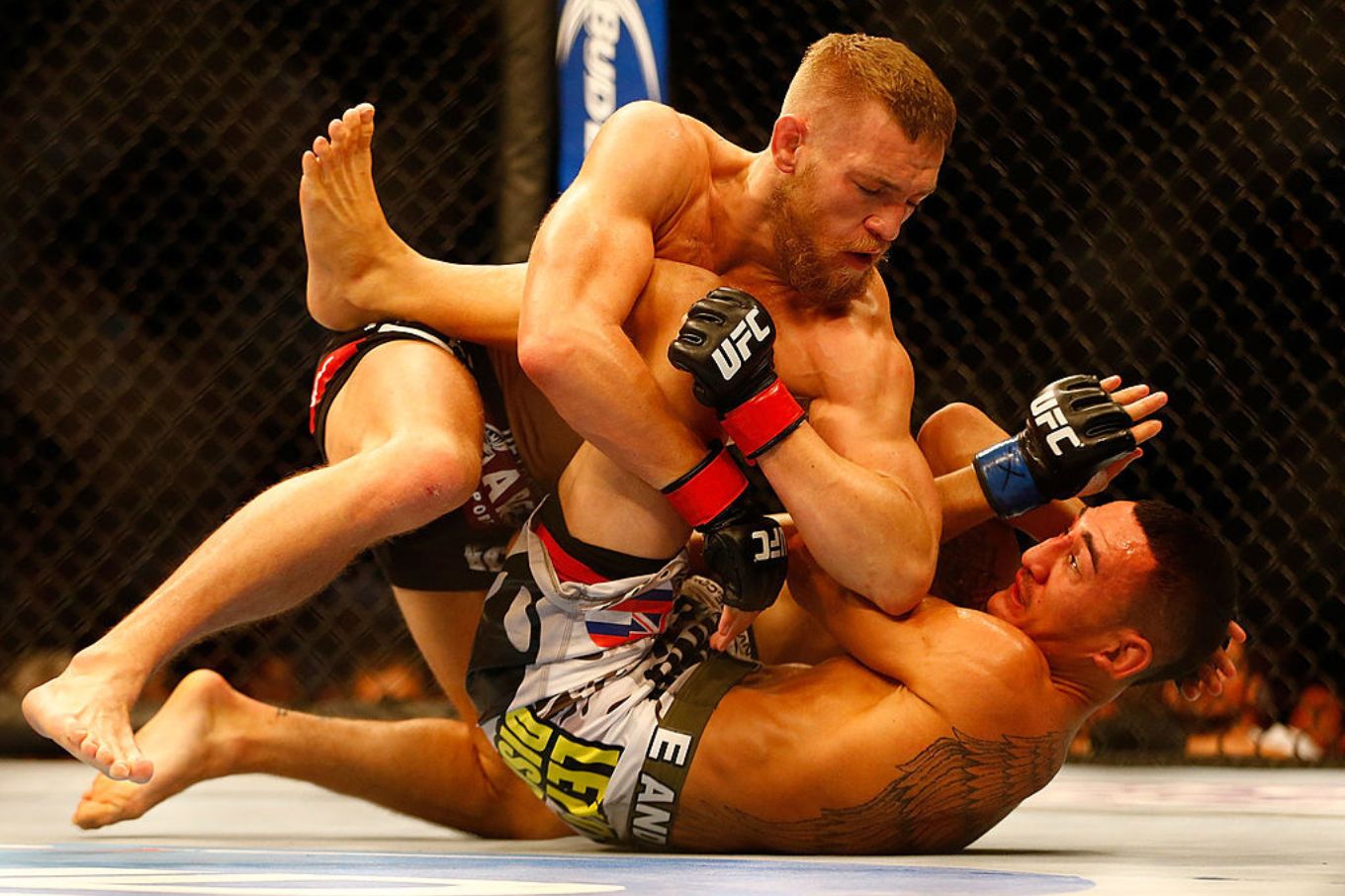
    The rivalry between McGregor and Holloway dates back to their initial encounter in 2013. That fight saw McGregor emerge victorious via unanimous decision. Both fighters have since carved out legendary careers, making their second meeting a highly anticipated spectacle for mixed martial arts enthusiasts.

    The Road to UFC 329: McGregor vs. Holloway II

    Conor McGregor, often dubbed ‘The Notorious,’ has remained one of the most polarizing and popular figures in combat sports. His career includes holding UFC titles in both the featherweight and lightweight divisions simultaneously. His striking prowess and charismatic persona have cemented his status as a global icon.

    Max Holloway, known as ‘Blessed,’ has established himself as one of the most dominant featherweight champions in UFC history. His relentless pace, exceptional striking volume, and iron chin have led him to numerous victories against top contenders. Holloway’s journey since his first fight with McGregor has seen him mature into a formidable force within the sport.

    The announcement of UFC 329 and its main event sent ripples throughout the MMA community. Speculation about the rematch has been ongoing for years. The timing in 2026 aligns with both fighters’ current career trajectories, presenting a compelling narrative for their second clash.

    First Encounter: UFC Fight Night 26 (2013)

    Their initial bout at UFC Fight Night 26 in Boston, Massachusetts, on August 17, 2013, was a significant moment for both athletes. McGregor, then an emerging talent, fought through a knee injury during the contest. He secured a unanimous decision victory over a young Holloway.

    This fight marked a turning point for both. McGregor’s win propelled him further into the spotlight. Holloway gained valuable experience that would shape his future championship run. The memory of this first fight adds a layer of historical significance to their upcoming rematch.

    How to Watch UFC 329 Livestream in the United States

    For viewers in the United States, the exclusive platform for streaming UFC 329’s main card is Paramount+, and it does not require a separate pay-per-view purchase.

    To watch McGregor vs. Holloway II, fans will need to:

    • Subscribe to ESPN+ if they are not already members.
    • Purchase the UFC 329 pay-per-view event separately.

    ESPN+ often offers bundle deals that combine an annual subscription with a pay-per-view purchase, providing a slight discount for new subscribers. The platform is accessible via various devices, including smart TVs, streaming sticks, gaming consoles, and mobile devices.

    ESPN+ Pay-Per-View Details

    The cost of the UFC 329 pay-per-view event will be announced closer to the fight date, but it typically aligns with previous major UFC PPV prices. These prices generally range from $70 to $85, in addition to the ESPN+ subscription fee.

    Subscribers can purchase the event directly through the ESPN+ app or website. It is advisable to purchase the PPV in advance to avoid potential technical issues or delays on fight night. Pre-ordering ensures access to the event as soon as it begins.

    International Streaming Options for UFC 329

    Viewers outside the United States have a range of options to livestream UFC 329. The availability of specific broadcasters and platforms varies significantly by region.

    UFC Fight Pass

    UFC Fight Pass serves as a primary international streaming service for UFC content. It offers live events, an extensive fight library, and exclusive content. While UFC Fight Pass often carries preliminary cards globally, main card pay-per-views may be geo-restricted or require separate purchase depending on regional broadcasting rights.

    Subscribers should check their local UFC Fight Pass offerings to confirm access to UFC 329’s main card.

    Regional Broadcasters

    Many countries have specific broadcasters with exclusive rights to UFC events. Examples include:

    • Canada: TSN and UFC PPV providers like Bell, Rogers, Shaw, and Eastlink.
    • United Kingdom: TNT Sports (formerly BT Sport) typically broadcasts UFC events, often requiring a subscription.
    • Australia: Main Event on Kayo Sports or Foxtel.
    • New Zealand: Sky Arena.
    • Europe: Various national sports channels or streaming services may hold rights.

    It is crucial for international fans to consult their local sports broadcasting schedules and official UFC channels for precise streaming information in their respective regions.

    The Significance of the Rematch

    The McGregor vs. Holloway rematch carries immense significance for both fighters and the UFC. For McGregor, it represents an opportunity to solidify his legacy against a fighter who has evolved considerably since their first meeting. A victory over Holloway would reaffirm his position at the top of the sport.

    For Holloway, the fight is a chance for redemption and to avenge one of his early career losses. It also provides an opportunity to challenge himself against a high-profile opponent, potentially boosting his already impressive standing in the sport. The outcome could significantly impact the featherweight and even lightweight title pictures.

    Beyond the individual stakes, the fight is a massive draw for the UFC. High-profile rematches involving two of the sport’s biggest names generate substantial revenue through pay-per-view sales, sponsorships, and merchandise. It also brings new eyes to the sport, expanding its global reach.

    UFC 329 Full Fight Card and Event Details

    While the main event is the primary draw, UFC 329 will feature a full card of exciting matchups. The event typically consists of three parts:

    1. Early Preliminary Card: Features emerging talent and up-and-coming fighters.
    2. Preliminary Card: Showcases established fighters and potential future contenders.
    3. Main Card: Comprises the highest-ranked fighters and the headline bout.

    The full fight card, including all preliminary and early preliminary bouts, will be released by the UFC in the weeks leading up to July 11, 2026. Fans can expect a lineup designed to support the main event and deliver an action-packed night of fights.

    Weigh-ins and Pre-Fight Coverage

    Leading up to UFC 329, a series of pre-fight activities will take place. These include:

    • Press Conferences: Featuring McGregor, Holloway, and other main card fighters. These events often generate significant media attention due to the fighters’ personalities.
    • Official Weigh-ins: A critical event where fighters make their official weight and face off for the final time before fight night. This is often a source of drama and intensity.
    • Ceremonial Weigh-ins: A public event providing fans an opportunity to see the fighters up close and witness the final face-offs.

    Coverage of these events will be available across UFC’s official social media channels, YouTube, and various sports news outlets. They provide additional content and build anticipation for the main event.

    The Impact on National Identity and Sports Fandom

    Major sporting events like UFC 329 often transcend the realm of pure competition. They tap into themes of national pride and collective identity. Conor McGregor, hailing from Ireland, has consistently evoked strong nationalistic support from his home country. His fights become cultural events, with Irish flags and chants prevalent among his fanbase.

    Max Holloway, representing Hawaii, also garners significant support from his home state and the broader Polynesian community. His fights are often celebrated as demonstrations of resilience and warrior spirit. The pride associated with these athletes extends beyond their individual performances, becoming a source of collective joy and inspiration.

    The excitement surrounding UFC 329 connects fans globally. It unites them through shared anticipation and the spectacle of elite athleticism. These events become moments of national and cultural celebration, reinforcing bonds among supporters.

    Fans gathered. Media gathered. Fighters gathered. Excitement surged. History awaited.

    The Octagon.

  • ESPN Analyst Matt Miller Undergoes Arm Amputation After Serious Car Crash

    ESPN Analyst Matt Miller Undergoes Arm Amputation After Serious Car Crash

    A Life-Altering Event for Matt Miller

    ESPN NFL Draft analyst Matt Miller survived a severe car accident resulting in the amputation of his arm. Miller publicly disclosed his injuries and commenced his recovery journey in June 2026. He expressed profound gratitude for his survival, acknowledging the serious nature of the incident that led to his life-altering condition.

    The announcement generated widespread attention across sports media and social platforms. Colleagues, athletes, and fans conveyed messages of support and encouragement. Miller’s public sharing of his experience underscored themes of resilience and adaptation in the face of sudden trauma.

    The Incident and Immediate Aftermath

    Details surrounding the exact date and location of the car crash remain limited, as Miller focused his public statements on his recovery rather than the specifics of the event itself. However, he described the crash as “serious,” indicating the high severity of the impact and the immediate danger to his life. The injuries sustained necessitated emergency medical intervention.

    Medical professionals determined that an arm amputation was required to save Miller’s life and facilitate his long-term recovery. This decision marked a critical turning point in his medical treatment. The immediate aftermath involved intensive care and initial rehabilitation efforts to stabilize his condition.

    Miller’s initial recovery period was characterized by significant physical and emotional challenges. He navigated the pain and shock associated with the amputation. The support system of his family and medical team became crucial during this vulnerable time.

    Public Disclosure and Community Support

    In June 2026, Matt Miller chose to share his story publicly. He utilized social media platforms to communicate directly with his followers and the wider sports community. His message emphasized gratitude for being alive and the opportunity to continue his life, despite the profound changes.

    The announcement triggered an immediate outpouring of support. Fellow ESPN analysts, NFL players, general managers, and fans responded with messages of solidarity. Figures like Adam Schefter and Mel Kiper Jr., prominent voices in NFL analysis, were among those who publicly offered their well wishes.

    Miller’s candor about his condition resonated deeply. He acknowledged the difficulty of the situation but maintained a positive outlook on his future. This transparency helped to foster a strong sense of community around his recovery.

    Adapting to a New Reality

    Amputation presents a complex set of challenges, both physical and psychological. Miller’s recovery process involves extensive physical therapy aimed at strengthening his remaining limbs and adapting to new ways of performing daily tasks. Occupational therapy plays a key role in helping him regain independence.

    The process of being fitted for and learning to use a prosthetic arm is a significant component of his rehabilitation. Modern prosthetics offer advanced functionality, but mastering their use requires dedication and practice. Miller has indicated his commitment to this arduous journey.

    Beyond the physical aspects, the psychological adjustment to a major limb loss is substantial. Support systems, including counseling and peer groups, often become vital resources. Miller’s public statements suggest a strong mental fortitude, which is essential for overcoming such obstacles.

    The Role of Technology in Recovery

    Advancements in prosthetic technology have transformed the lives of amputees. Modern prosthetic limbs can be highly sophisticated, offering degrees of dexterity and control previously unattainable. These devices are often custom-fitted and designed to integrate seamlessly with the user’s body.

    Rehabilitation facilities employ state-of-the-art equipment and techniques. Virtual reality and specialized exercise programs assist in motor skill development and pain management. Miller’s access to top-tier medical care likely includes these technological benefits.

    Impact on His Professional Career

    Matt Miller has been a prominent voice in NFL Draft analysis for ESPN. His work involves extensive film study, player evaluations, and reporting from events like the NFL Combine and the Draft. The physical demands of this role, particularly for tasks such as note-taking or using multiple screens, will require adaptation.

    ESPN has a history of supporting its talent through challenging times. The network’s resources and accommodations will likely play a significant role in Miller’s return to full professional capacity. His colleagues have expressed eagerness for his eventual return to the airwaves and digital platforms.

    Miller’s personal story of overcoming adversity may also bring a new dimension to his public persona. His insights on resilience could resonate with a broader audience, potentially enhancing his platform beyond traditional sports analysis. His experience adds a layer of depth to his public identity.

    The Broader Conversation Around Trauma and Resilience

    Miller’s experience contributes to a larger public conversation about trauma, recovery, and human resilience. High-profile figures sharing their personal struggles can destigmatize discussions around physical disability and mental health. His willingness to be open serves as an example for others facing similar challenges.

    The sports world, in particular, often celebrates physical prowess. Miller’s journey reminds audiences that strength also lies in mental fortitude and the ability to adapt. His story highlights the unpredictable nature of life and the importance of a strong support network.

    Organizations dedicated to supporting amputees and individuals with disabilities often emphasize the importance of visibility and representation. Miller’s platform provides a significant opportunity to raise awareness and inspire others in similar situations. His journey may encourage research and development in rehabilitation and prosthetic technologies.

    Looking Ahead: Miller’s Continued Journey

    Matt Miller’s recovery is an ongoing process. His public updates in June 2026 indicate a long road ahead, filled with both progress and potential setbacks. However, his consistent message of gratitude and determination remains a central theme.

    He has expressed an intention to return to his work with ESPN as soon as he is able. His passion for NFL Draft analysis remains undiminished. The sports community awaits his full recovery and eventual return to his professional duties.

    Miller’s journey will continue to unfold publicly. His commitment to sharing his experience offers valuable insights into the realities of living with a significant physical change. His story serves as a testament to the human spirit’s capacity for adaptation and perseverance.

    Family gathered. Friends gathered. Colleagues gathered. The sports world gathered. Hope gathered.

    Recovery.

  • Zac Brown Band Opens UFC Freedom 250 With Traditional National Anthem

    Zac Brown Band Opens UFC Freedom 250 With Traditional National Anthem

    Zac Brown Band performed “The Star-Spangled Banner” to open the main card of UFC Freedom 250, bringing traditional country music harmonies to the center of the Octagon. The performance set the tone for one of the most anticipated mixed martial arts events of 2026. The arena darkened. The crowd quieted. The band delivered a strictly acoustic, vocal-heavy rendition of the anthem. There were no backing tracks. There were no pop-music vocal gymnastics. The delivery was traditional, anchored in the multi-part harmonies that defined the group’s rise in the country music industry.

    UFC Freedom 250 represents a milestone for the promotion. Securing a multi-platinum, Grammy-winning country act for the opening ceremonies signals a specific cultural alignment. Mixed martial arts and country music share a heavily overlapping demographic. Both industries cater to audiences that value blue-collar work ethics, traditional patriotism, and raw, unvarnished entertainment. Zac Brown Band stepping into the cage in Las Vegas bridged those two worlds on a global broadcast.

    The Intersection of Octagon and Anthem

    The National Anthem serves as the emotional baseline for American sporting events. In combat sports, the contrast is especially stark. The song provides a moment of solemn unity before the physical violence begins. The fighters stand in their corners. The referees bow their heads. The crowd stands still. At UFC Freedom 250, this tradition was elevated by the sheer musical competence of Zac Brown Band.

    The band arranged the anthem to highlight their collective vocal strength. Zac Brown took the lead melody, his voice clear and unhurried. The rest of the band layered underneath, building a rich, choral texture. Coy Bowles, Clay Cook, and John Driskell Hopkins provided the harmonic foundation. The acoustic guitars were present but restrained. The focus remained entirely on the lyrics and the melody.

    This approach stands in sharp contrast to many modern sporting event anthems. In recent years, high-profile games have often featured solo pop artists taking extreme creative liberties with the song. Melodies get stretched. Tempos fluctuate wildly. Zac Brown Band took the opposite route. They played it straight. They played it with reverence. The Las Vegas crowd responded with a deafening roar as the final chord rang out across the T-Mobile Arena.

    Why UFC Freedom 250 Chose Zac Brown Band

    The partnership between the Ultimate Fighting Championship and Zac Brown Band is not a random booking. It is a calculated move by UFC President Dana White and the promotion’s live event coordinators. The UFC has spent the last decade expanding its footprint in the American South and Midwest. Country music is the soundtrack of those regions.

    Fighters have long used country music for their walkout songs. Donald “Cowboy” Cerrone famously walked out to Kid Rock. Bryce Mitchell carries a camouflage Bible and walks out to traditional country anthems. Jim Miller has used classic rock and country staples. The fighters reflect the fan base. By bringing a premier country act to perform live at a milestone event like Freedom 250, the UFC acknowledges the cultural roots of its core audience.

    A Legacy of Service and Song

    The “Freedom” branding of the UFC 250 event carries specific weight. It is tied to military appreciation and veteran support. Zac Brown Band possesses a deep, verifiable history of supporting the United States Armed Forces. This made them the logical choice for the broadcast.

    Zac Brown founded Camp Southern Ground in Fayetteville, Georgia. The facility dedicates a massive portion of its resources to veteran support programs. They focus on post-deployment transition, mental health, and family reintegration for service members. The band does not just sing about patriotism. They fund it. They build infrastructure for it. When Zac Brown stands in the Octagon and sings about the flag, the audience knows the history behind the voice. The authenticity translates through the television screen.

    The Anatomy of a Zac Brown Band Anthem

    Musically, “The Star-Spangled Banner” is notoriously difficult to sing. It spans an octave and a half. It requires significant breath control and precise pitch. Many vocalists fail because they start in a key that is too high, leaving them nowhere to go during the climactic “rockets’ red glare” sequence.

    Zac Brown Band avoided this trap through meticulous arrangement. They pitched the song in a comfortable mid-range for Brown’s baritone-leaning voice. When the melody climbed, the supporting harmonies swelled to carry the acoustic load. The arrangement utilized a traditional 3/4 time signature, keeping the waltz-like rhythm of John Stafford Smith’s original composition intact.

    The acoustic instrumentation added a distinctly American flavor to the performance. Instead of a pre-recorded orchestral track or a lone electric guitar, the band used wooden instruments. The resonance of acoustic guitars echoing inside a modern, steel-and-glass arena created a unique auditory experience. It felt intimate despite being broadcast to millions of homes via ESPN+ Pay-Per-View.

    Country Music’s Growing Footprint in Combat Sports

    The appearance of Zac Brown Band at UFC Freedom 250 is part of a larger trend. Country music is steadily encroaching on territory traditionally held by hip-hop and hard rock. For years, combat sports were defined by heavy metal and rap. Those genres provided the aggression and adrenaline associated with fighting.

    However, the cultural landscape has shifted. Modern country music has embraced arena-rock production values. Artists like Morgan Wallen, Luke Combs, and Hardy are selling out NFL stadiums. Hardy has explicitly written songs about wrestling and fighting. The aggression and high energy of modern country perfectly match the atmosphere of a UFC pay-per-view. Zac Brown Band, while leaning more traditional and acoustic, carries the same stadium-level authority.

    From Walkout Songs to Center Stage

    The transition from pre-recorded walkout music to live center-stage performances indicates the genre’s dominance. The UFC does not frequently feature live musical performances. Unlike the NFL Super Bowl, which treats the halftime show as a separate concert, the UFC keeps the focus strictly on the fights. When Dana White approves a live performance, it must add direct value to the fight card.

    Zac Brown Band added that value. They did not distract from the event. They anchored it. By keeping the performance tight, respectful, and musically flawless, they respected the unwritten rules of combat sports. The fighters are the stars. The musicians are there to set the stage. The band understood the assignment perfectly.

    The Cultural Weight of The Star-Spangled Banner in 2026

    In 2026, the performance of the National Anthem remains a highly scrutinized public event. Social media platforms instantly dissect every rendition. Mistakes go viral. Disrespect, whether intentional or accidental, is harshly criticized. The demand for traditional, straightforward renditions has never been higher.

    Audiences seek competence and reverence. Zac Brown Band delivered both. Their performance at UFC Freedom 250 served as a masterclass in how to handle the anthem on a massive stage. They did not make the song about themselves. They made it about the event, the country, and the moment. This self-awareness is a hallmark of seasoned entertainers.

    The broadcast captured the mood perfectly. The ESPN+ cameras panned across the faces of the fighters waiting in the locker rooms. The broadcast showed military veterans in the front rows. The visual storytelling matched the audio. It was a cohesive, highly produced moment of television that felt entirely organic.

    The Broadcast Impact

    The execution of the broadcast was flawless. Audio engineering for live music in a sports arena is notoriously difficult. The acoustics of the T-Mobile Arena are designed for crowd noise, not delicate acoustic harmonies. Yet, the sound mix on the ESPN+ feed was pristine. Every vocal layer was audible. The guitars were crisp.

    This technical success ensured that the performance resonated with the millions of fans watching at home, not just the thousands inside the building. As the final notes faded, the transition back to the sports broadcast was seamless. Jon Anik, Joe Rogan, and Daniel Cormier took over the commentary. The tone was set. The energy was peaked.

    The intersection of country music and mixed martial arts reached a new high-water mark in Las Vegas. Zac Brown Band proved that traditional musicality still holds massive power in modern sports entertainment. They brought their Georgia roots to the Nevada desert. They brought acoustic wood to a steel cage. They brought harmony to a night of combat. Fans watched. Fighters waited. The chords faded. The fight began.

  • The Octagon at the Executive Mansion: Inside the Lawsuit to Block Trump’s White House UFC Fight

    The Octagon at the Executive Mansion: Inside the Lawsuit to Block Trump’s White House UFC Fight

    The Octagon on the South Lawn

    A federal lawsuit has been filed to block Donald Trump from hosting an Ultimate Fighting Championship (UFC) event at the White House, citing violations of federal property laws and the misuse of taxpayer-funded security. The legal challenge, filed in the U.S. District Court for the District of Columbia, seeks an immediate injunction to stop the construction of a UFC Octagon on the South Lawn. Plaintiffs argue that the Executive Mansion cannot be transformed into a commercial pay-per-view venue. The administration counters that the President possesses broad discretionary authority over the use of the White House grounds. The collision of combat sports and executive tradition has triggered an immediate cultural fault line. It is a battle over who dictates the aesthetic of the American presidency.

    The physical reality of the event is unprecedented. Plans call for a regulation, 750-square-foot fighting cage to be erected directly beneath the Truman Balcony. Bleachers are slated for construction across the 18-acre South Lawn. Broadcast towers must be positioned to beam the pay-per-view signal to millions of homes globally. The visual juxtaposition is jarring. Neoclassical white columns stand against black chain-link fencing. Centuries of diplomatic protocol are replaced by the walkout music of mixed martial artists. For critics, it is the ultimate degradation of a sacred national space. For supporters, it is a defiant, working-class reclamation of a building that has long felt inaccessible.

    The Legal Machinery Engages

    The lawsuit to halt the event relies on a complex web of federal statutes. Legal advocacy groups filed the motion targeting the National Park Service, which maintains jurisdiction over the White House grounds, and the Department of the Interior. The core argument rests on the Administrative Procedure Act. Plaintiffs claim that permitting a commercial entity like TKO Group Holdings, the parent company of the UFC, to profit directly from the use of the Executive Mansion is an arbitrary and capricious violation of federal regulations. They argue the White House cannot serve as a backdrop for a private, multi-million dollar broadcast.

    Security costs form the second pillar of the legal challenge. A standard UFC event requires hundreds of private security personnel, medical staff, and athletic commission regulators. Moving this apparatus to 1600 Pennsylvania Avenue requires the integration of the United States Secret Service. Plaintiffs argue that using taxpayer dollars to secure a private, ticketed commercial event constitutes an illegal misappropriation of funds. They demand a full accounting of the logistical footprint. They want to know who pays for the lighting rigs. They want to know who covers the insurance if an athlete is injured on federal property.

    The defense strategy is rooted in executive privilege and historical precedent. Administration lawyers argue that the President has absolute authority to invite guests and host events at his residence. They point out that television networks routinely broadcast from the White House lawn, generating advertising revenue in the process. They argue that singling out a combat sports organization is a matter of cultural bias, not legal standing. The federal judge assigned to the case faces a narrow window. With the event date approaching, the court must decide whether to issue an emergency injunction or allow the Octagon to rise.

    Dana White and the Presidential Pivot

    To understand the presence of the Octagon on the South Lawn, one must look back to Atlantic City in 2001. The UFC was a struggling enterprise. Cable networks refused to air the fights. State athletic commissions refused to sanction the sport. John McCain had famously labeled it human cockfighting. The brand was toxic. Donald Trump offered the Trump Taj Mahal as a venue for UFC 30. He sat in the front row. He lent his personal brand to an outcast sport. UFC CEO Dana White never forgot the gesture.

    Over the next two decades, the UFC exploded into a multi-billion dollar global juggernaut. As the organization grew, so did the loyalty between White and Trump. During the 2016, 2020, and 2024 presidential campaigns, White became a fixture at Republican National Conventions. He delivered prime-time speeches. He framed Trump as a fighter. In return, Trump became a regular attendee at major UFC pay-per-view events. His entrances into arenas in Las Vegas, Miami, and New York became highly choreographed spectacles. The crowd reactions were visceral. The UFC demographic, young, male, anti-establishment, aligned perfectly with the political movement Trump was building.

    Hosting a fight at the White House is the ultimate realization of this partnership. It is not merely a sporting event. It is a political statement. Bringing the UFC to the Executive Mansion forces the establishment to accommodate the outsiders. It forces the Washington press corps to share space with mixed martial arts media. It forces the political class to acknowledge the cultural power of the Octagon. Dana White has publicly dismissed the lawsuit as predictable Washington theater. He insists the event will be the highest-rated broadcast in the history of the sport.

    The Logistics of a White House Fight Night

    Building an arena at the White House is a logistical nightmare. The South Lawn is not a flat, empty field. It is a carefully curated landscape featuring historic trees, gardens, and precise sightlines. Heavy machinery is required to transport the steel and padding of the Octagon. The weight of the structure alone requires specialized staging to protect the turf. Power grids must be established to support the massive lighting arrays required for a high-definition sports broadcast.

    The broadcast logistics involve ESPN, the exclusive pay-per-view partner of the UFC. Production trucks must be cleared through Secret Service checkpoints. Miles of cable must be run from the South Lawn to temporary control rooms. The broadcast team, including commentators Joe Rogan and Jon Anik, must be positioned ringside. The audio mix must capture the sound of the fight without picking up the ambient noise of downtown Washington D.C. The airspace above the White House, already heavily restricted, must be managed to prevent unauthorized drone footage while allowing for official aerial shots.

    Then there is the matter of the athletes. Fighters require locker rooms. They require warm-up mats. They require medical facilities for post-fight examinations. The White House does not have locker rooms. Temporary structures must be erected. The State Dining Room cannot be used as a staging area for heavyweights wrapping their hands. The logistical footprint of a modern UFC event is massive, and compressing it into the confines of a high-security federal compound requires months of planning. The lawsuit attempts to weaponize these logistical hurdles, arguing that the sheer scale of the disruption proves the event is incompatible with the functioning of the executive branch.

    Precedents of Executive Spectacle

    The outrage over the UFC event relies on the assumption that the White House has always been a place of quiet, dignified restraint. History suggests otherwise. The Executive Mansion has continually evolved to reflect the personality and populist impulses of its occupants. In 1837, Andrew Jackson hosted a public reception featuring a 1,400-pound block of cheese in the main foyer. Thousands of citizens crowded into the mansion, leaving the carpets ruined and the building smelling of dairy for months. It was a chaotic, visceral display of Jacksonian populism.

    Abraham Lincoln allowed Union soldiers to establish military encampments on the grounds during the Civil War. Theodore Roosevelt turned the White House into a playground for his children, allowing ponies in the elevator and hosting boxing and wrestling matches in the East Room. Richard Nixon installed a bowling alley beneath the North Portico. Barack Obama hosted massive, star-studded concerts on the South Lawn, turning the grounds into a festival stage. The White House has always been a theater for the projection of presidential power and cultural alignment.

    The administration argues that the UFC event is simply the modern iteration of this tradition. If a president can host a rock concert or a tennis tournament, they argue, a president can host a mixed martial arts event. The distinction, they claim, is purely subjective. The lawsuit forces the federal courts to decide where the line is drawn. Does the violent nature of the sport change the legal calculus? Does the commercial structure of a pay-per-view broadcast violate the sanctity of the grounds in a way that a free concert does not? These are the questions the judge must answer.

    The Cultural Fault Line

    The lawsuit to block the fight is fundamentally about gatekeeping. It is a clash between institutional decorum and populist defiance. For the political and media establishment in Washington, the idea of blood being spilled on the South Lawn for entertainment is grotesque. It represents a collapse of standards. It is viewed as an intentional degradation of the office, a spectacle designed to humiliate the traditions of the capital.

    For the supporters of the event, that outrage is exactly the point. The lawsuit is seen as further proof that the establishment despises working-class culture. The UFC represents a meritocracy of violence. It is raw, unfiltered, and unapologetic. By bringing that culture directly to the steps of the White House, the administration is signaling that the old rules no longer apply. The attempt to block the event through federal courts only reinforces the narrative that out-of-touch elites are using legal maneuvers to silence popular culture.

    The legal arguments regarding the Administrative Procedure Act and the Hatch Act are secondary to the cultural symbolism. The plaintiffs want to preserve the White House as a museum of polite society. The administration wants to use it as a megaphone for defiance. The Octagon is the perfect vehicle for this message. It is a cage designed to contain conflict, placed directly in the center of the ultimate symbol of American power. The tension is palpable. The legal briefs are filed. The public is watching.

    The Final Bell

    The federal judge will issue a ruling. The injunction will either be granted or denied. The National Park Service will either lock the gates or open them to the production trucks. The legal machinery will eventually exhaust itself.

    Lawyers drafted briefs. Broadcasters laid cables. Fans bought tickets.

    Fight night.