
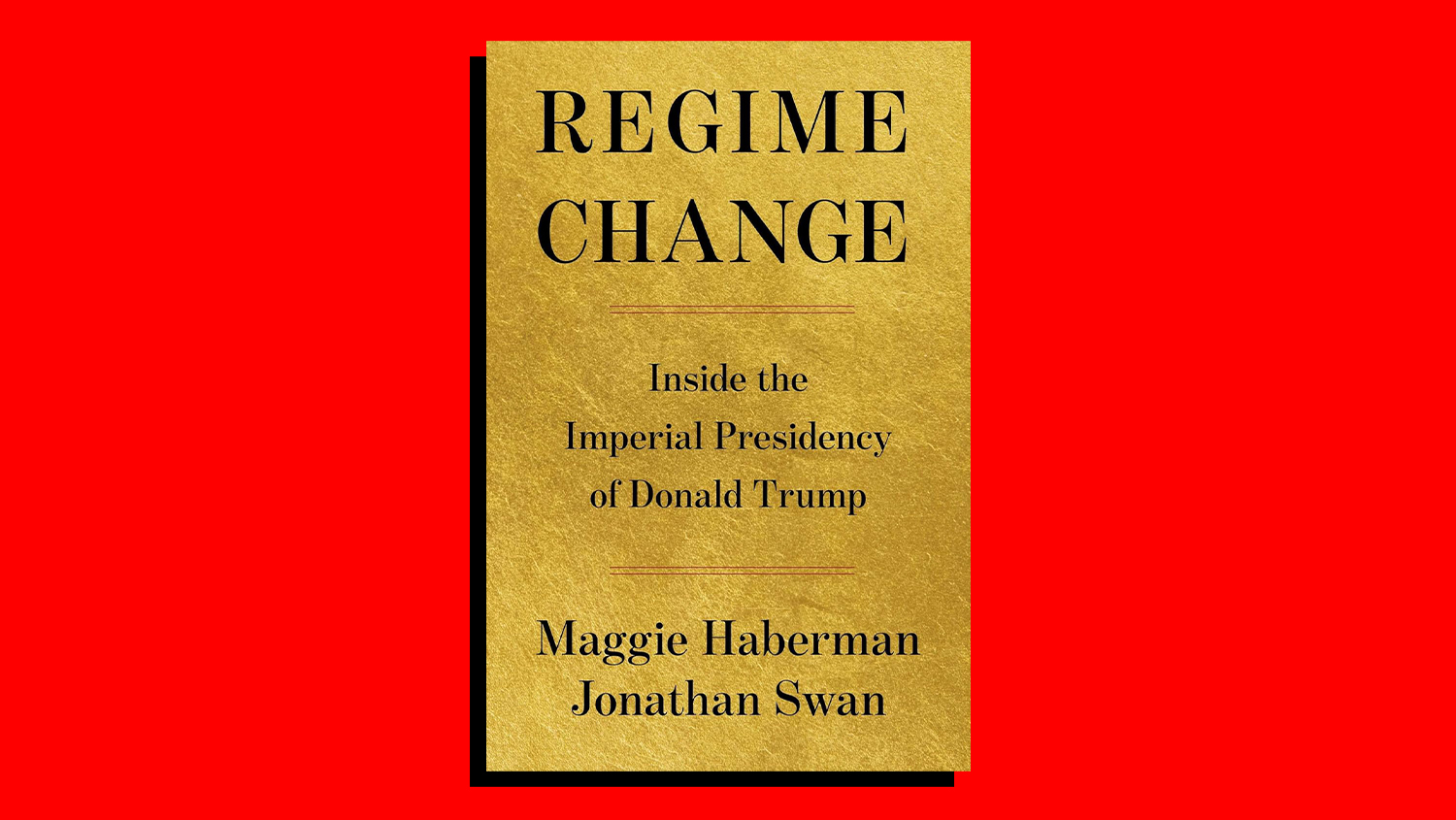
The book ‘Regime Change,’ a recent publication, dissects the presidency of Donald Trump, identifying five core areas of significant impact. These include the reconfiguration of political norms, the surge of populism, the assertive use of executive power, the weaponization of the media landscape, and the fundamental reshaping of the Republican Party. The book aims to provide a definitive account of these transformations, drawing on extensive research and analysis of the 2017-2021 period and its aftermath.
The Reconfiguration of Political Norms
One primary takeaway from ‘Regime Change’ is its detailed exploration of how Donald Trump’s presidency fundamentally reconfigured established political norms. This involved a direct challenge to traditional communication protocols, media relationships, and diplomatic practices. The book documents specific instances, such as the frequent use of Twitter for official announcements and policy declarations, bypassing traditional press conferences and official statements. This approach redefined the expected channels of presidential communication.
The relationship between the executive branch and the press underwent significant strain. ‘Regime Change’ details the consistent labeling of critical news outlets as ‘fake news’ and ‘enemies of the people.’ This rhetoric eroded public trust in institutional media, fostering an environment where information accuracy was frequently contested. Diplomatic norms were also challenged through direct engagements with foreign leaders, often outside conventional State Department channels, and a transactional approach to international alliances.
Redefining Communication and Media Engagement
The book elaborates on the strategic shift in presidential communication. Donald Trump’s direct appeals to his base through rallies and social media platforms, particularly Twitter, became a hallmark of his administration. This allowed for immediate dissemination of messages without traditional journalistic filters. ‘Regime Change’ provides examples such as the announcement of policy decisions via tweet, often catching even White House staff by surprise.
This direct communication strategy effectively bypassed traditional gatekeepers. It established a new model for how a president could interact with the public. The book analyzes the long-term implications of this shift, including increased polarization and the diminished role of the traditional press corps in shaping national narratives. The 2020 presidential election saw these communication methods refined further, solidifying their place in modern political campaigning.
The Surge of Populism
A second key takeaway from ‘Regime Change’ centers on the book’s comprehensive examination of populism as a driving force during the Trump era. Donald Trump’s political rise and sustained support are largely attributed to a robust populist movement. The book dissects the components of this populism, including its appeal to specific demographics, its anti-establishment rhetoric, and its focus on nationalistic sentiments. It highlights how economic anxieties, cultural grievances, and a distrust of political elites fueled this movement.
‘Regime Change’ details the methods through which populist sentiments were mobilized and sustained. This included large-scale rallies, which served as both campaign events and direct communication channels with supporters. The book also analyzes the role of digital platforms and alternative media in amplifying populist messages, often bypassing mainstream media narratives. This analysis is crucial for understanding not only the Trump presidency but also similar movements globally in the mid-2020s.
Grassroots Mobilization and Digital Campaigning
The discussion of populism in ‘Regime Change’ extends to the intricate details of grassroots mobilization efforts. The book highlights the critical role of highly attended rallies, often drawing tens of thousands of supporters, as central to Trump’s political strategy. These events were not merely campaign stops but served as powerful affirmations of a shared political identity and grievances. The book cites specific rally locations and dates, illustrating their geographic and demographic reach.
Furthermore, ‘Regime Change’ offers insights into the sophisticated digital strategies employed. This includes the use of micro-targeting and data analytics to reach specific voter segments with tailored messages. The book details how campaigns leveraged platforms like Facebook and Twitter to disseminate content, organize supporters, and counter opposing narratives. These modern campaigning techniques are presented as central to the success of the populist movement, fundamentally altering the landscape of political outreach.
Assertive Use of Executive Power
The third takeaway focuses on ‘Regime Change’s’ insights into executive power and the scope of presidential authority under Donald Trump. His administration was marked by a robust assertion of presidential prerogatives, often pushing the boundaries of traditional executive action. The book meticulously documents instances where executive orders were used extensively, sometimes to implement policies that faced legislative resistance or to reverse previous administrative directives. Examples include executive actions on immigration, environmental regulations, and trade policies, often issued with minimal congressional consultation.
‘Regime Change’ analyzes the legal and constitutional arguments surrounding these actions. It details the frequent challenges mounted by Congress and the judiciary, leading to numerous court battles that tested the separation of powers. The book provides a critical perspective on the checks and balances within the American political system, illustrating how Trump’s approach strained these traditional safeguards. The administrative state, including federal agencies and their leadership, also experienced significant shifts as presidential appointees sought to implement the administration’s agenda.
Institutional Challenges and Legal Battles
The book details specific challenges to institutional norms and the resulting legal battles. ‘Regime Change’ chronicles the administration’s relationships with various federal agencies, often characterized by efforts to redirect their priorities or personnel. The appointment process for key positions, from cabinet secretaries to federal judges, is also examined, highlighting the emphasis on loyalty and ideological alignment. The book cites specific legal cases, such as those concerning travel bans or the border wall, to illustrate the judicial branch’s role in adjudicating presidential authority.
These discussions are vital for understanding the resilience and adaptability of democratic institutions in the face of executive assertiveness. ‘Regime Change’ provides a comprehensive account of these tensions, offering a historical record for future analysis of presidential power. The book concludes that Trump’s tenure set precedents for the exercise of executive authority, influencing subsequent administrations and legislative responses.
The Weaponization of the Media Landscape
The fourth takeaway from ‘Regime Change’ addresses the evolving media landscape and the concept of information warfare during the Trump presidency. Donald Trump frequently criticized mainstream media outlets, labeling some as ‘fake news’ or purveyors of biased reporting. The book explores the implications of this rhetoric for public trust in journalism, documenting a significant decline in confidence among certain segments of the population. This constant critique created an environment where distinguishing verified information from opinion or disinformation became increasingly challenging for the public.
‘Regime Change’ also examines the proliferation of disinformation and misinformation, particularly through social media platforms. It details how unverified content, often politically motivated, gained widespread traction. The book analyzes strategies used to counter or amplify specific narratives, including the use of rapid-response teams and social media influencers. This section underscores how the digital age transformed political communication into a battleground for narrative control, often blurring the lines between news and propaganda.
The Battle for Narrative Control and Public Trust
The book delves deeply into the battle for narrative control that characterized the Trump years. ‘Regime Change’ illustrates how political figures and their allies actively sought to shape public perception, often by directly challenging established media narratives. This included the strategic use of alternative media outlets and online personalities to bypass traditional journalistic scrutiny. The book cites specific examples where the administration’s messaging directly contradicted reports from major news organizations, creating parallel information universes for different audiences.
Understanding these dynamics is crucial in an era of rapid information dissemination and fragmented media consumption. ‘Regime Change’ offers a case study in how information can be weaponized in political contests, highlighting the profound challenges for informed public discourse. The book concludes that the erosion of trust in traditional media and the rise of partisan information ecosystems represent a lasting legacy of this period, impacting how citizens engage with political news and form their opinions in 2026 and beyond.
Reshaping the Republican Party
The fifth and final key takeaway from ‘Regime Change’ concerns its analysis of the profound reshaping of the Republican Party under Donald Trump’s influence. The book argues that Trump’s leadership fundamentally altered the party’s platform, leadership, and voter base. Traditional conservative principles, such as fiscal conservatism and interventionist foreign policy, were often subordinated to a new populist nationalism. This shift saw the party embrace a more protectionist trade stance and a non-interventionist foreign policy, departing from decades of Republican orthodoxy.
‘Regime Change’ documents the transformation of the party’s leadership, noting the ascendancy of figures aligned with Trump’s vision and the marginalization of traditional Republican voices. The book also details how the party’s voter base diversified, attracting working-class voters in Rust Belt states while potentially alienating suburban and college-educated demographics. This reorientation of the Republican Party’s identity and electoral strategy is presented as one of the most significant and enduring legacies of the Trump presidency, with implications for national elections in 2024 and beyond.
Evolving Ideologies and Electoral Strategies
The book provides a detailed account of the evolving ideologies within the Republican Party. ‘Regime Change’ illustrates how specific policy positions, such as those on immigration and trade, became central tenets of the new Republican platform. It analyzes the internal struggles and debates within the party as it grappled with these changes, citing examples of prominent Republicans who either embraced or resisted the new direction. The book also examines the role of conservative media and grassroots organizations in solidifying this ideological shift.
Furthermore, ‘Regime Change’ explores the new electoral strategies adopted by the Republican Party. This includes a continued emphasis on engaging the populist base through rallies and direct appeals, as well as efforts to expand support among specific demographic groups. The book concludes that Trump’s influence has created a new political alignment, forcing both Republicans and Democrats to adapt their strategies for future elections. This transformation represents a significant and ongoing development in American political history.
Political norms reconfigured. Populism surged. Executive power asserted. Media weaponized. The Republican Party transformed.
American politics altered.