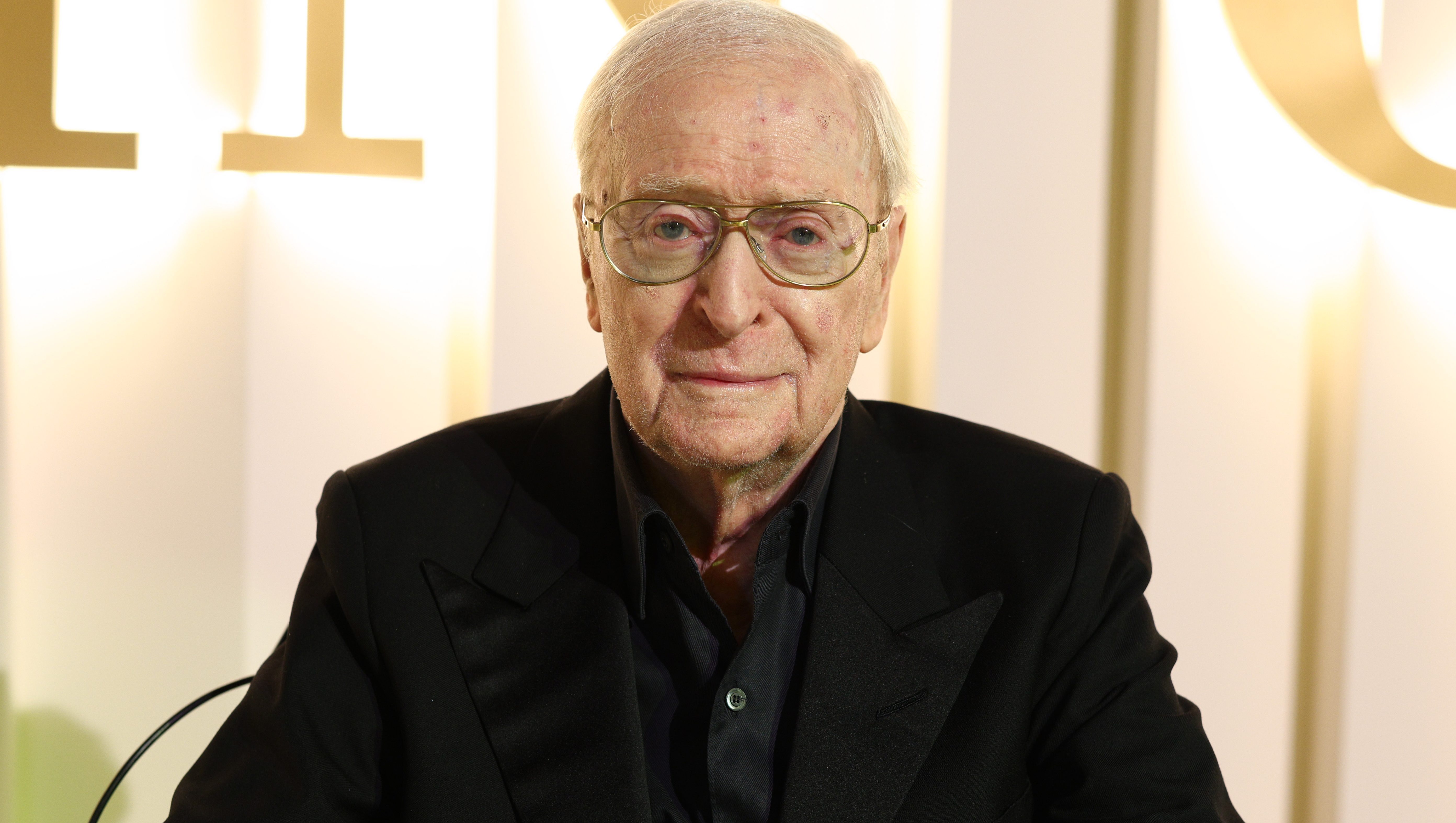
In June 2026, AI audio company ElevenLabs released a full-length audiobook of Homer’s The Odyssey narrated entirely by an officially licensed artificial intelligence clone of retired British actor Michael Caine. The project marks a watershed moment in digital legacy management, merging one of cinema’s most recognizable voices with ancient literature through advanced neural voice synthesis. The release was not a leak or a deepfake, but a sanctioned commercial venture engineered by one of the leading firms in generative audio.
The announcement immediately fractured public opinion. The technology demonstrated flawless execution, capturing the signature cadence, breath control, and subtle Cockney-inflected gravitas that defined Caine’s decades-long film career. Yet, the pristine nature of the output triggered profound anxieties about technological authenticity.
The industry is now forced to confront a reality that has been looming for years. An actor can retire. An actor can age out of the grueling demands of a soundbooth. But an actor’s voice, once digitized and licensed, can work in perpetuity. What looks like a modern technological novelty actually represents a fundamental shift in how human legacy will be managed, commodified, and preserved.
The Architecture of a Digital Voice
Creating a digital clone of a globally recognized voice requires more than simply feeding audio clips into an algorithm. The ElevenLabs architecture relies on deep neural networks that map the microscopic variables of human speech. The system does not just mimic the sound of Michael Caine; it predicts how Michael Caine would approach a specific sentence.
Engineers analyze thousands of hours of source material. They isolate the timbre, the natural vocal fry, the pacing, and the unique phonetic pronunciations. Caine’s voice is distinct. It carries a specific rhythm, a measured, deliberate pacing that forces the listener to lean in. The AI model must replicate the pauses. It must replicate the intake of breath before a complex stanza.
When the ElevenLabs software processes the text of The Odyssey, it applies these learned vocal parameters to the written word. The result is a synthetic performance. The software decides where to place emotional emphasis based on the context of the sentence, utilizing a vast database of human emotional inflection. The output is a flawless, continuous audio stream that sounds indistinguishable from a human sitting in a London recording studio.
Why Homer’s Epic?
The choice of material is highly deliberate. The Odyssey is foundational to Western literature. It is an epic poem concerning a long, arduous journey home. Having a voice associated with elder-statesman wisdom narrate the trials of Odysseus provides a built-in thematic resonance.
There is also a profound historical irony at play. Homer’s epics began as oral traditions. They were not written down for centuries; they were memorized and spoken aloud by bards. The story survived through the human voice. Now, thousands of years later, the same story is being carried forward by a voice that is entirely artificial, devoid of human breath or biological memory.
This juxtaposition highlights the technological leap. A computer program is now participating in the oldest form of human storytelling. It is translating ancient Greek mythology into English, delivered through the synthesized vocal cords of a British cinema icon.
The Crisis of Authenticity
The release of the Caine-voiced audiobook taps directly into modern anxieties about authenticity. The public is increasingly concerned about the future of celebrity legacies and the erosion of human artistry. When a machine can replicate a master’s performance, the definition of a “performance” becomes unstable.
Critics argue that acting, even voice acting, is fundamentally a series of human choices. An actor reads a line and makes a conscious decision about anger, sorrow, or exhaustion. An AI algorithm makes a statistical calculation based on probability. It determines that a specific word is usually followed by a specific inflection in 98 percent of similar contexts.
“The machine does not feel the weight of the words. It only calculates the acoustic properties of the syllables.”
This statistical mimicry creates a philosophical divide. For the listener, the end product may sound identical to a genuine human performance. The ear cannot detect the mathematical origin of the sound. But for cultural critics and labor advocates, the absence of human intent strips the art of its soul. The anxiety stems from the realization that perfection can be manufactured without lived experience.
The Business of Disembodied Stardom
Beyond the philosophical debates, the ElevenLabs project represents a massive shift in entertainment economics. The licensing of digital likeness and voice rights has become a primary revenue stream for legacy talent in 2026.
Passive Creative Income
For decades, an actor’s earning potential was tied directly to their physical presence. They had to travel to a set, sit in a makeup chair, or stand in a soundproof booth. When the physical ability to work diminished, the income slowed. AI voice cloning severs the tie between physical labor and creative output.
By licensing his voice to ElevenLabs, Caine’s estate and management create a scalable, passive revenue model. The AI can read audiobooks, narrate documentaries, voice navigation systems, or participate in animated films simultaneously. The digital clone does not require union-mandated breaks. It does not demand a trailer. It does not suffer from vocal fatigue.
The Legal Guardrails of 2026
The legal framework surrounding artificial intelligence in entertainment has hardened significantly following the labor strikes of the early 2020s. The current landscape requires explicit, ironclad contracts regarding Name, Image, Likeness, and Voice (NILV).
The ElevenLabs contract for The Odyssey is a sanctioned agreement. It prevents the company from using the voice model for unapproved content. The AI cannot be used to generate political endorsements, hate speech, or unauthorized commercial advertisements. The technology is fenced in by copyright law and strict licensing parameters. However, the existence of this sanctioned model paves the way for estates to continue monetizing deceased actors long after they are gone, raising ethical questions about posthumous agency.
The Ripple Effect on the Audiobook Industry
The traditional audiobook industry is watching the ElevenLabs project with acute concern. Voice acting is a specialized profession. Thousands of working-class actors rely on audiobook narration to pay their rent and maintain their union health insurance.
If major publishers can license the AI clones of A-list celebrities for a fraction of the cost and time it takes to record a human, the middle class of voice actors faces an existential threat. A standard 15-hour audiobook requires weeks of recording, editing, and mastering when performed by a human. An AI model can generate the entire 15-hour file in a matter of minutes, requiring only a post-production audio engineer to review the output for statistical anomalies.
The market will soon dictate the standard. If consumers prove willing to pay a premium for an AI-generated celebrity voice over a human working-class actor, publishers will follow the profit margin. The Caine project is the proof of concept. It proves that the technology works at scale, and it proves that the public is curious enough to listen.
The Future of the Digital Echo
The technology will not regress. The algorithms will only become more sophisticated, the emotional mapping more precise, and the synthetic breath more convincing. The Michael Caine narration of The Odyssey will be remembered as the moment the dam finally broke.
We are entering an era where the greatest voices of the 20th and 21st centuries will never truly go silent. They will be archived, mapped, and redeployed for future generations. They will read new novels. They will star in new games. They will speak words written decades after their physical bodies have faded.
The studio is empty. The microphone is unplugged. The script is digital. The voice speaks.