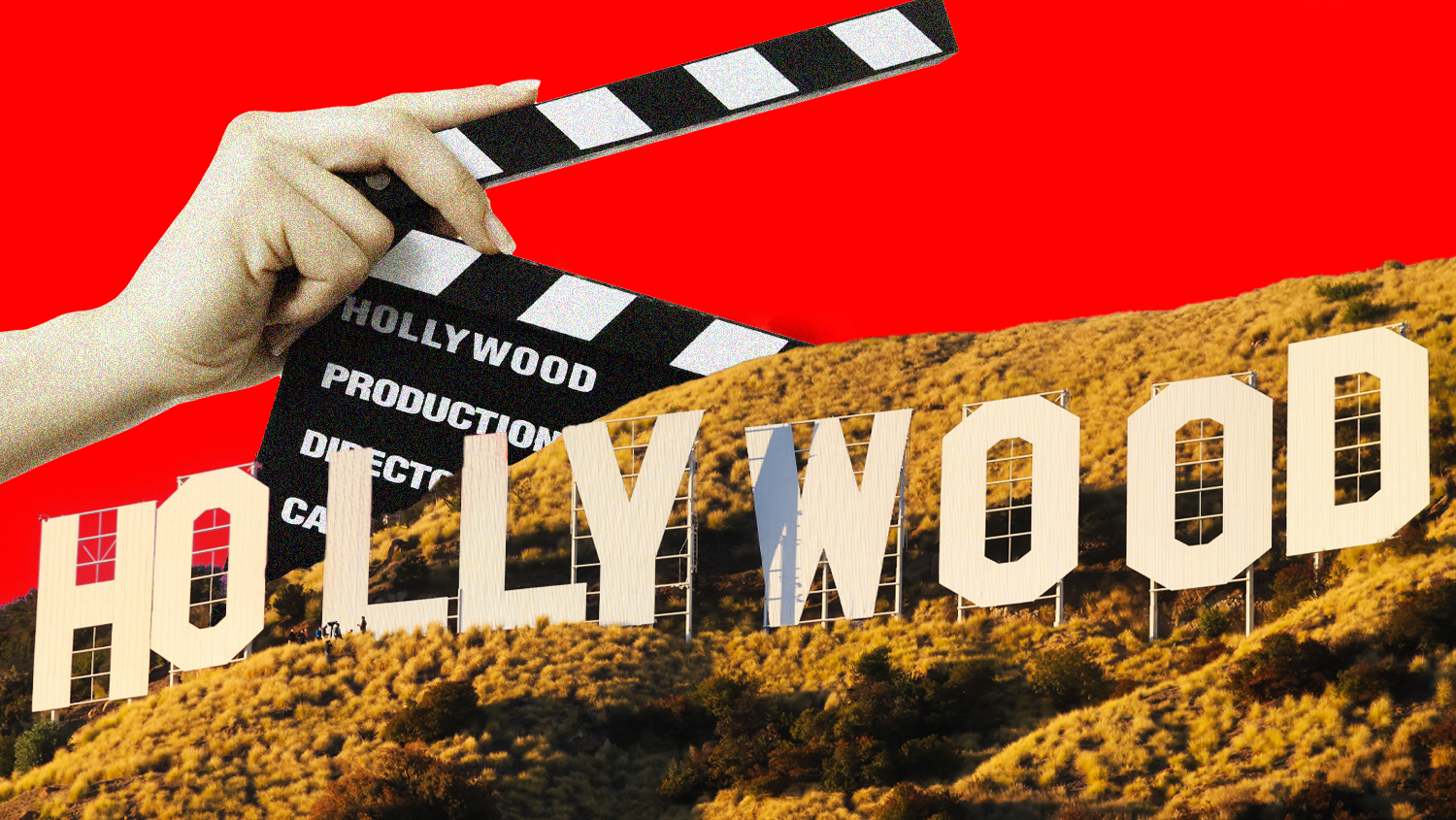
Hollywood studios are now using artificial intelligence as a form of digital cosmetic surgery to secretly tweak movies in post-production, altering actor performances, adjusting dialogue, and smoothing visual imperfections without disclosing the use of the technology. The practice has become the entertainment industry’s quietest revolution. Directors no longer need costly physical reshoots to fix a flubbed line or a misplaced shadow on a Burbank soundstage. They simply prompt a neural network.
But the secrecy is the real story. Production houses are keeping the process entirely under wraps.
In many ways, this mirrors the early days of physical plastic surgery in the entertainment business. Everyone in the industry knew it was happening. Nobody talked about it on the record. What looks like a flawless take on the silver screen in the summer of 2026 is increasingly the result of algorithmic intervention. The raw human performance is becoming merely the baseline data.
The End of the Physical Reshoot
Historically, fixing a broken scene was a logistical nightmare. It required money, time, and scheduling miracles. If a test audience in Culver City did not understand a crucial plot point, the studio had to act. They had to rebuild the set. They had to fly the lead actors back to Los Angeles. They had to pay the crew for another week of union labor. A single reshoot could add hundreds of thousands of dollars to a film’s budget.
Artificial intelligence has erased that financial burden. The math has changed entirely.
In 2026, a post-production supervisor can feed the original footage into a generative AI model. If the director wants the actor to say a different word, the software adjusts the actor’s jaw and lip movements to match the new audio. The audio itself can be generated using a licensed voice clone of the actor. The physical reshoot is bypassed entirely. The fix costs a few thousand dollars in server compute time.
This is not traditional visual effects. Traditional VFX required digital artists to manually paint over frames, track motion points, and painstakingly render new pixels. It was a labor-intensive craft. The new wave of AI tools operates autonomously. The software understands the geometry of the human face. It understands lighting. It generates the fix instantly.
- Dialogue Replacement: AI seamlessly alters lip movements to match new audio tracks, eliminating the need for actors to return to recording booths.
- Performance Smoothing: Algorithms analyze micro-expressions and can dial down a performance that feels too theatrical, or dial up a performance that feels too flat.
- Digital Relighting: Shadows and highlights are manipulated post-wrap to change the time of day or the emotional tone of a scene.
The efficiency is undeniable. The studios love the margins. But they are terrified of the optics.
The Stigma of the Algorithmic Assist
The Deadline report highlighting this trend strikes at the heart of Hollywood’s current anxiety. Studios are using the tech, but they are keeping hush about how. The silence is deafening across the major lots of Warner Bros., Disney, and Paramount.
The reason for the secrecy is cultural. Audiences in 2026 are highly sensitive to digital manipulation. The cultural defense of traditional art has never been stronger. People want to believe in the magic of a performance. They want to believe that the tear falling down the protagonist’s cheek was a moment of genuine human vulnerability captured on 35mm film or a high-resolution digital sensor.
If the audience discovers that the tear was generated by a neural network, the emotional contract is broken. The illusion shatters.
This is the cosmetic surgery analogy in its purest form. An actor might receive Botox or a facelift to maintain a leading-man aesthetic. The studio public relations team will deny it vigorously. They will credit good genes, a strict diet, and plenty of water. The illusion of natural perfection must be maintained. AI is the new Botox. It smooths out the wrinkles of a flawed production. It tightens the pacing. It removes the blemishes of a bad take.
“The audience wants to believe the magic is real. The moment they see the strings, or in this case, the code, the movie stops being a piece of art and becomes a software demonstration.”
Publicly acknowledging the use of AI for core performance tweaks invites intense scrutiny. Critics begin to question every frame. Was that brilliant improvised reaction real? Was the chemistry between the leads authentic, or was it digitally manufactured in a server farm in San Jose? Studios refuse to open that Pandora’s box.
The Authenticity Deficit and Cultural Pushback
The reliance on AI touches a raw cultural nerve. Technology has optimized almost every aspect of modern life. Cinema was supposed to be a refuge for human imperfection. The great performances of cinematic history are defined by their flaws.
Marlon Brando mumbling his lines. James Dean missing his mark but finding a better angle. These were the happy accidents of traditional filmmaking. The camera rolled, and whatever happened in the room was immortalized. The raw edge of reality was the entire point of the medium.
Generative AI kills the happy accident. It optimizes the frame. It removes the friction.
When a machine can perfectly align an actor’s eye-line, smooth their skin, and modulate their vocal pitch to hit the exact psychological frequency required to elicit a response, the art form changes. It shifts from capturing reality to manufacturing a synthetic emotional product. This is driving a wedge between cinephiles and the major studios.
Independent filmmakers are already using the lack of AI as a marketing tool. The phrase “100% Human Performance” is beginning to appear on independent film festival posters. It is a badge of honor. It is a rebellion against the algorithmic smoothing of Hollywood.
The Labor Battle Lines in 2026
The cosmetic use of AI is not just a philosophical debate. It is a hard-fought labor issue. The historic WGA and SAG-AFTRA strikes of 2023 set the baseline for how artificial intelligence could be used in the entertainment industry. But technology moves faster than union contracts.
In 2026, the boundaries are being tested daily.
The 2023 agreements placed guardrails around the creation of entirely digital replicas. Studios cannot simply scan an actor, send them home, and generate a performance from scratch without consent and compensation. But the current practice operates in a gray area. The studios are not replacing the actor. They are “enhancing” the performance.
Where does enhancement end and replacement begin?
If a studio uses the original footage of an actor walking across a room, but uses AI to change their facial expression, alter their dialogue, and adjust their body language, whose performance is it? The actor provided the physical chassis. The algorithm provided the soul. SAG-AFTRA watchdogs are currently scrambling to audit post-production workflows. They are demanding transparency. The studios are hiding behind non-disclosure agreements and proprietary software protections.
The legal definitions are murky. A digital touch-up is standard practice. Color grading is standard practice. Wire removal is standard practice. Studios argue that AI lip-syncing is simply the modern evolution of Automated Dialogue Replacement (ADR). Unions argue it is the unauthorized manipulation of an artist’s likeness.
The Invisible Future of Film
The technology will only become more sophisticated. The neural networks of 2026 are already vastly superior to the models that caused the initial industry panic three years ago. The uncanny valley is closing. The digital seams are disappearing.
Soon, it will be entirely impossible for a human eye to distinguish between a raw take and an AI-altered frame. The invisible scalpel will leave no scars.
This leaves Hollywood at a crossroads. The economic incentives to use AI are overwhelming. The cost savings are too massive for publicly traded media conglomerates to ignore. The technology guarantees a polished, optimized final product. But it demands the sacrifice of authenticity.
The studios will continue to use the tools. They will continue to deny it. The public relations machines will continue to spin narratives about raw, emotional, grueling performances on set. The actors will smile on the red carpet and accept awards for scenes that were fundamentally altered by a technician typing prompts into a terminal.
The audience will sit in the dark. The projector will run. The illusion will hold.
Directors adapted. Studios adapted. The algorithms learned. Hollywood.
Next in the Series: The Digital Backlot
Next in the Series: How generative environments are replacing physical set construction, and why the traditional location scout is becoming an obsolete profession in the era of neural rendering.