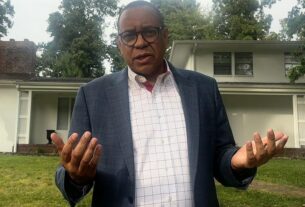

Texas Agriculture Commissioner candidate Clayton Tucker recently brought forward an unverified claim linking a data center to a series of cattle stillbirths on a nearby ranch. This assertion, made during his campaign, has drawn attention to the broader debate surrounding the environmental effects of technology infrastructure in agricultural regions.
The claim originated from an unnamed farmer, according to Tucker, who reported a significant increase in stillbirths among their cattle since a data center began operations in the vicinity. This report, while anecdotal, has fueled existing anxieties among some rural residents about the expansion of industrial facilities near their communities.
The Candidate’s Claim and Public Reaction
Clayton Tucker, a candidate for Texas Agriculture Commissioner, publicly stated that a farmer experienced “stillbirth after stillbirth” in their herd. This phenomenon, according to Tucker, began after a data center was established close to the ranch. The candidate’s remarks were intended to highlight potential unforeseen consequences of rapid technological development on traditional agricultural practices.
The claim quickly circulated, resonating with an audience already concerned about the encroachment of modern industry into rural landscapes. It taps into a narrative where technological advancement is perceived as a threat to established ways of life and ecological balance. The absence of specific details regarding the data center or the affected farm has not diminished the public discussion.
Lack of Verifiable Evidence
As of late 2026, no verifiable evidence has emerged to substantiate the claim of a direct link between the data center and cattle stillbirths. Public reports indicate a lack of veterinary diagnoses, necropsy reports, or independent scientific investigations that could confirm such a connection. The specific facility and the affected farm have not been clearly identified in public records, making independent verification challenging.
Scientific consensus requires rigorous data and peer-reviewed studies to establish causality between environmental factors and biological outcomes. Without such evidence, the claim remains in the realm of anecdotal reporting. This situation underscores the importance of scientific inquiry in addressing public concerns about environmental impacts.
Broader Environmental Concerns with Data Centers
Despite the unverified nature of the stillbirth claim, data centers do present other environmental considerations that are subjects of ongoing debate in Texas and beyond. These facilities are known for their significant energy consumption, often requiring substantial power grids and contributing to carbon emissions if not powered by renewable sources. The U.S. Energy Information Administration provides extensive data on energy use by data centers.
Water usage is another critical concern. Data centers often utilize large quantities of water for cooling systems, particularly in arid regions like parts of Texas. This demand can strain local water resources, especially during periods of drought, leading to conflicts with agricultural and residential needs. Noise pollution from cooling fans and generators can also impact nearby communities and wildlife.
The Intersection of Technology and Agriculture
The incident highlights a growing tension between the rapid expansion of technology infrastructure and the preservation of agricultural lands and practices. As urban and industrial development encroaches on rural areas, questions arise about land use, resource allocation, and potential ecological disturbances. The Texas Department of Agriculture frequently addresses issues at this intersection.
Related: Kansas Senate Race: Roger Marshall Faces Unexpected Re-election Challenge
Rural communities often value their traditional livelihoods and the natural environment. The introduction of large-scale industrial operations, even those associated with modern technology, can be met with skepticism and resistance if perceived as threatening these values. This dynamic creates a complex landscape for policymakers and developers alike.
Future Implications and Policy Debates
The claim, regardless of its scientific validity, has brought the environmental impact of data centers into sharper focus within the Texas political discourse. It serves as a case study for how unverified reports can influence public opinion and shape policy discussions, particularly in election cycles.
Policymakers may face increased pressure to implement stricter environmental regulations for data center development, or to conduct more thorough impact assessments before construction. The debate also underscores the need for transparent communication between developers, local communities, and agricultural stakeholders to address concerns proactively and foster trust.
Ranchers watch. Candidates speak. Communities question. Texas.
Sources
Sponsored · Put your business in front of ByteSize Network's readers, with every click measured. See advertising packages · Advertise on ByteSize Network