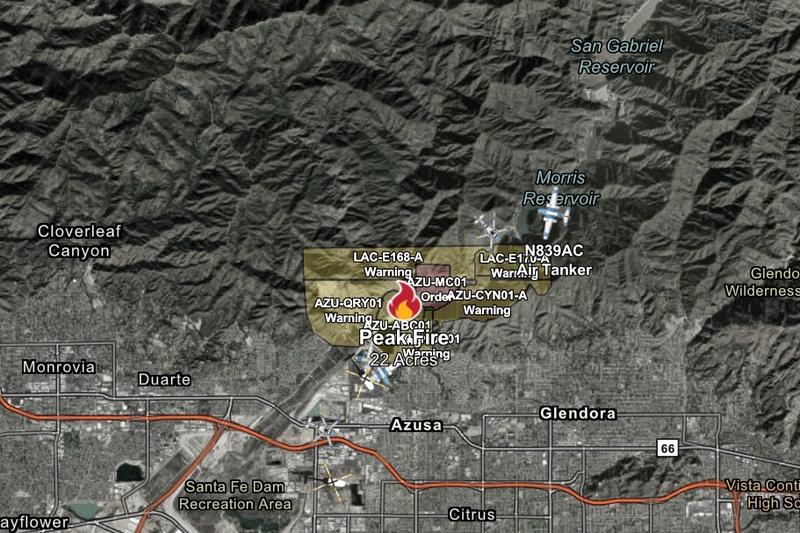
A fast-moving wildfire ignited in Southern California on October 15, 2026, forcing mandatory home evacuations as the National Weather Service maintained red flag warnings across Los Angeles and Ventura counties due to severe Santa Ana winds and high fire danger. The New York Post reported that the blaze prompted immediate emergency response efforts across affected neighborhoods in Los Angeles County. Fire crews deployed heavy equipment and aircraft support to establish containment lines while local authorities issued urgent evacuation directives for residents in the direct path of the flames.
Official Statements and Verified Reaction
Emergency management officials confirmed that multiple fire fronts developed simultaneously across the region during the peak of the wind event. According to updates provided by the New York Postlocal fire protection districts coordinated with state agencies to dispatch additional engines and personnel to the impacted zones. Incident commanders emphasized that extreme wind gusts complicated initial air attack operations, making ground containment critical during the first hours of the emergency. Governor Gavin Newsom monitored the deployment of state resources from Sacramento as local sheriff departments enforced road closures and mandatory evacuation orders.
Background Context on Southern California Wildfire Seasons
Southern California has a documented history of severe seasonal wildfires driven by topography, drought conditions, and seasonal offshore winds. The region historically experiences its highest fire risk during the autumn months when vegetation dries out following the summer heat. The National Weather Service frequently issues red flag warnings during this period to alert communities and emergency responders to atmospheric conditions conducive to rapid fire spread. Previous major fire events in Los AngelesVentura, and San Diego counties have reshaped local building codes, brush clearance mandates, and mutual aid protocols among municipal, state, and federal agencies. Infrastructure hardening and advanced meteorological monitoring systems have been implemented across the region to provide earlier detection and faster initial attack capabilities as climate patterns alter traditional fire seasons. Similar environmental risks and disaster responses have occasionally prompted complex inquiries into municipal resource allocation, emergency preparedness, and systemic oversight, paralleling administrative reviews seen in other major public safety incidents such as those examined in our investigative review of institutional transparency. Local utility companies also operate under strict safety protocols during red flag events, including potential Public Safety Power Shutoffs to prevent electrical infrastructure from igniting dry brush during high-wind episodes.
Sponsored · Put your business in front of ByteSize Network's readers, with every click measured. See advertising packages · Advertise on ByteSize Network