Tag: Data Center

  • Palm Beach Rejects Data Center Near Mar-a-Lago

    Palm Beach Rejects Data Center Near Mar-a-Lago

    Palm Beach County commissioners recently rejected a proposal for a data center planned for a location roughly 20 miles from President Donald Trump’s Mar-a-Lago club. This decision came after extensive debate and community input. The proposed facility aimed to establish a significant technological footprint in a predominantly residential and historic area.

    The rejection highlights the ongoing tension between technological expansion and the preservation of established community aesthetics and infrastructure. Local officials weighed the economic potential against the environmental and social impacts. The proximity to a high-profile property like Mar-a-Lago added another layer of complexity to the discussion.

    The Proposal and Its Location

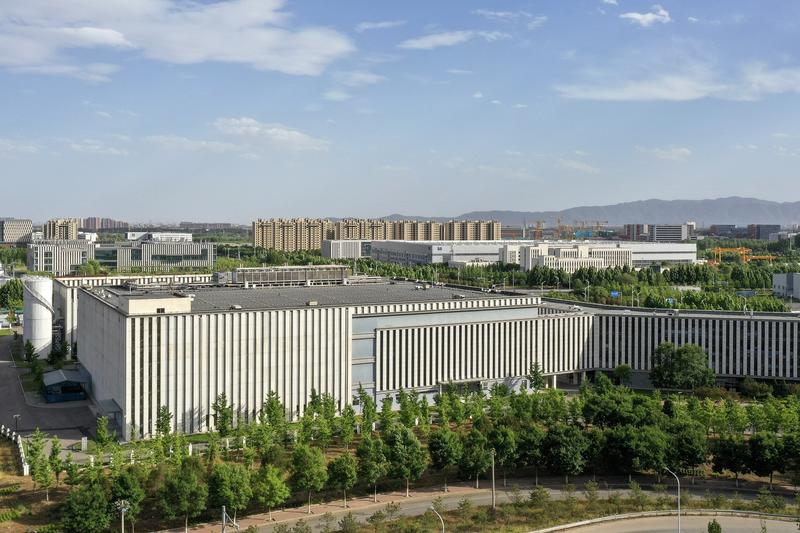
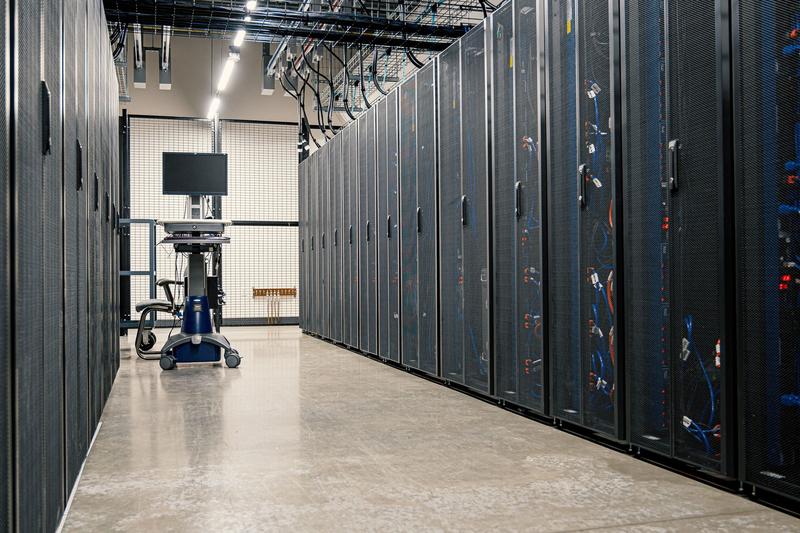
    The data center proposal outlined plans for a substantial building housing numerous servers and cooling systems. The exact address of the proposed site has not been publicly detailed, but its proximity to Mar-a-Lago was a key point of contention. Data centers require significant power, cooling, and network infrastructure.

    Developers typically seek locations with access to reliable power grids and fiber optic networks. Palm Beach, while affluent, is not traditionally a hub for industrial-scale data operations. The proposal suggested a shift in the town’s typical development patterns.

    The land parcel under consideration was zoned for commercial use, but its immediate surroundings are largely residential. This created a direct conflict with the town’s character. Residents voiced concerns about the precedent such a development might set for future projects.

    Community Opposition Mounts

    Local residents organized quickly to oppose the data center. Petitions were circulated, and community meetings saw high attendance. Many residents expressed worries about increased traffic, particularly heavy equipment during construction and maintenance phases.

    Noise pollution was another frequently cited concern. Data centers operate 24/7, with cooling systems and generators producing constant hums. This would disrupt the quiet residential atmosphere of Palm Beach. The aesthetic impact of a large, windowless building in a town known for its architectural beauty also drew criticism.

    Environmental concerns were also raised. Data centers consume vast amounts of electricity, leading to questions about their carbon footprint. Water usage for cooling systems also became a point of debate, especially in a region susceptible to water management issues.

    Infrastructure Strain and Security Concerns

    Town officials focused heavily on the potential strain on existing municipal infrastructure. The power demands of a large data center could challenge the local electrical grid. Water and sewage systems would also need to accommodate increased usage. Upgrades to these systems would be costly and disruptive.

    Security emerged as a paramount concern, particularly given the location near Mar-a-Lago. The presence of a major data facility could attract unwanted attention or become a target. This raised questions about the Town of Palm Beach’s capacity to provide adequate security resources for such an installation.

    Local law enforcement and emergency services voiced their perspectives during public hearings. They highlighted the unique challenges associated with securing a critical infrastructure asset in a high-profile area. The potential for increased security protocols and their impact on daily life for residents was also discussed.

    The Role of Mar-a-Lago

    Mar-a-Lago, President Trump’s residence and private club, is a significant landmark in Palm Beach. Its presence influences many local development decisions. The property is a National Historic Landmark, adding to its cultural and historical importance.

    Any development in its vicinity undergoes intense scrutiny. The potential impact on property values in the area surrounding Mar-a-Lago was another factor. Residents feared a decline in property values if a large industrial facility were constructed nearby.

    The club also hosts numerous high-profile events and receives frequent visits from political figures. The optics of a data center, with its industrial appearance and operational demands, were seen as incongruous with the elegant image of Mar-a-Lago and its surroundings.

    The Town Council’s Deliberation

    The Palm Beach Town Council held several hearings on the data center proposal. These sessions included presentations from the developers, expert testimonies, and extensive public comment. Council members carefully weighed the various arguments presented.

    The economic benefits, such as potential tax revenue and job creation, were acknowledged. However, these were ultimately deemed insufficient to outweigh the perceived negatives. The council’s decision reflected a commitment to maintaining the established character of Palm Beach.

    Voting results were decisive, indicating a clear consensus against the project. The council’s rejection sent a strong message about the town’s priorities. It underscored a preference for preservation over unchecked commercial development, especially when it encroaches on residential tranquility.

    Precedent and Future Development

    The rejection of the data center sets a precedent for future development proposals in Palm Beach. It signals that projects with significant environmental, aesthetic, or infrastructural impacts will face stringent review. Developers considering projects in the town will now need to carefully assess community compatibility.

    This decision aligns with a broader trend in many affluent communities. Residents often prioritize quality of life, environmental protection, and the preservation of historical character over industrial growth. The unique nature of Palm Beach, with its high property values and historical significance, amplifies these considerations.

    The town continues to attract high-net-worth individuals, which contributes to its distinct character. Maintaining this appeal requires careful management of development. The data center decision reinforces the idea that Palm Beach aims to remain a premier residential destination, not an industrial hub.

    Economic Impact and Alternatives

    The developers behind the data center proposal likely sought Palm Beach for specific reasons, such as favorable tax structures or proximity to a wealthy client base. The rejection means they will need to seek alternative locations. This could include other communities in Florida or different states entirely.

    The economic impact of the rejection on the Town of Palm Beach is minimal. The town’s economy is primarily driven by tourism, luxury retail, and high-end real estate. A data center would have represented a different type of economic activity, one not entirely congruent with the town’s existing profile.

    The decision underscores the power of local governance in shaping community development. It demonstrates that even significant technological projects can be halted if they do not align with local values and concerns. The town prioritizes its long-term vision over short-term economic gains from a single project.

    The Long-Term Vision for Palm Beach

    Palm Beach has long cultivated an image of exclusivity and refined living. Its strict zoning laws and historical preservation efforts reflect this vision. The rejection of the data center is a direct manifestation of these deeply held values.

    The town’s leadership consistently works to protect its unique environment. This includes architectural review boards and careful planning for public spaces. The community values its green spaces, beach access, and quiet neighborhoods.

    The outcome of this proposal confirms the town’s commitment to these principles. It reinforces the idea that Palm Beach will continue to prioritize its residential character and historical integrity. The decision will likely be referenced in future debates over development and land use.

    Residents advocated. Officials deliberated. The community decided.

    Palm Beach.