Tag: Production

  • Shadowcast Pictures Shuts Down – Hollywood Grapples with Production Shifts

    Shadowcast Pictures Shuts Down – Hollywood Grapples with Production Shifts

    Shadowcast Pictures, an independent film and television production company, announced its immediate closure on June 27, 2026. The shuttering is attributed to a confluence of severe industry challenges, including escalating production costs, intense competition for audience attention, and fundamental shifts in how content is consumed. This development impacts over 100 employees and signifies a challenging period for mid-sized players in the Hollywood landscape.

    The company’s dissolution follows 15 years of operation, during which it carved out a niche in both feature films and episodic content. Its closure serves as a stark indicator of the economic pressures and strategic reevaluations currently underway across the entertainment sector.

    The Trajectory of Shadowcast Pictures

    Shadowcast Pictures was founded in 2011 by producers Elena Rodriguez and David Chen. Their initial vision was to create a studio that prioritized creator-driven content with a focus on compelling narratives and diverse voices. The company quickly gained traction with its first independent feature film, Echoes in the Dark, released in 2012, which earned critical acclaim at several film festivals.

    Over the next decade, Shadowcast Pictures expanded its portfolio. It produced a range of projects, including the indie darling Desert Bloom (2015) and the moderately successful streaming series City of Whispers (2019-2021). The company often partnered with larger distributors for theatrical releases and with various streaming platforms for episodic content, navigating the complex distribution ecosystem.

    By 2023, Shadowcast Pictures had an active slate of five projects in various stages of development and production. This included two feature films slated for 2025 and 2026 releases and a new limited series. The company maintained offices in Burbank, California, employing a core staff of approximately 40 individuals, with project-based hires often swelling its workforce to over 100 during peak production cycles.

    Escalating Production Costs and Market Volatility

    A primary factor cited in Shadowcast’s closure is the dramatic increase in production costs. Over the past five years, the average budget for a mid-tier feature film has risen by an estimated 30-40%. This surge is driven by several elements, including increased talent fees, rising labor costs, and the demand for higher production values to compete in a visually saturated market.

    The cost of securing top-tier writers, directors, and actors has become prohibitive for many independent entities. Furthermore, the global supply chain issues that emerged in 2020 and 2021 impacted equipment and post-production services, adding further financial strain. Insurance costs for productions also saw significant increases, particularly for projects involving international travel or complex stunts.

    The streaming wars also contributed to market volatility. While initial demand from new streaming services created opportunities, it also inflated prices for content acquisition and talent. As streaming platforms have matured, many have shifted strategies, becoming more selective and often prioritizing in-house productions or established franchises. This change reduced the number of buyers for independent content, creating a bottleneck for companies like Shadowcast Pictures.

    The Impact of Industry Consolidation

    The entertainment industry has experienced significant consolidation in recent years. Major studios and tech giants have acquired smaller companies, leading to fewer independent players with significant market leverage. This trend has made it increasingly difficult for mid-sized production houses to compete for financing, distribution deals, and audience attention.

    The mergers of major media conglomerates have reshaped the landscape, creating vertically integrated entities that control production, distribution, and exhibition. Independent producers often find themselves at a disadvantage when negotiating for screen time or streaming slots against the in-house content of these larger entities. This consolidation limits the pathways for independent films and series to reach broad audiences.

    Shifting Audience Consumption Habits

    Audience behavior has undergone a profound transformation. The proliferation of streaming services, short-form video content, and interactive media has fragmented viewership. Audiences now have an unprecedented array of choices, making it challenging for any single piece of content to capture significant attention.

    The traditional theatrical release model has been particularly affected. While blockbusters continue to draw crowds, mid-budget films often struggle to find an audience in cinemas, frequently moving to streaming platforms much sooner than in previous years. This shift impacts revenue streams for production companies, as theatrical box office returns historically provided a crucial component of a film’s profitability.

    Furthermore, the rise of subscription fatigue has led many consumers to be more selective about their streaming subscriptions. This selectivity means that even content placed on a major platform might struggle to be discovered and watched without significant marketing investment, an expense often beyond the reach of independent studios.

    The Ripple Effect on Independent Filmmaking

    The closure of Shadowcast Pictures is not an isolated incident. Several smaller and mid-sized production companies have either scaled back operations, merged with larger entities, or ceased to exist in the last two years. This trend raises concerns about the future of independent filmmaking, which has historically been a vital source of innovation and diverse storytelling.

    Independent studios often serve as incubators for new talent, writers, directors, and actors, who may not initially fit into the mainstream studio system. The shrinking number of these independent avenues could lead to a more homogenized content landscape, with fewer risks taken on unconventional projects or emerging voices.

    Industry analysts suggest that the current environment favors either very large, well-capitalized studios capable of producing tentpole blockbusters, or micro-budget independent productions that can achieve profitability with minimal distribution costs. The space for mid-sized, moderately budgeted films and series has become increasingly squeezed, struggling to find its economic footing.

    Looking Ahead: The Future of Production

    The dissolution of Shadowcast Pictures prompts a broader discussion about sustainability in the independent production sector. Industry leaders are exploring new models, including co-production agreements with international partners, direct-to-consumer distribution strategies, and innovative financing mechanisms.

    Technology also plays a role. Advances in virtual production, AI-assisted content creation, and more efficient post-production workflows offer potential avenues for cost reduction. However, the adoption of these technologies requires significant upfront investment, which can be a barrier for smaller companies.

    The entertainment landscape is in a constant state of flux. Production companies, distributors, and creators are all adapting to new economic realities and technological advancements. The closure of Shadowcast Pictures represents a significant moment of re-evaluation.

    Costs escalated. Audiences fragmented. Competition intensified. Shadowcast Pictures shuttered.

    Hollywood.

  • Alannah Keyser Fired from ‘Love Island USA’ After Racial Slur Controversy

    Alannah Keyser Fired from ‘Love Island USA’ After Racial Slur Controversy

    Alannah Keyser was fired from the reality television series ‘Love Island USA’ in June 2026 after videos showing her using a racial slur resurfaced on social media platforms. The incident led to immediate public condemnation and a swift response from the show’s producers, resulting in her removal from the ongoing season.

    The controversy surrounding Keyser emerged as the current season of ‘Love Island USA’ was underway. Social media users discovered and widely shared old video clips featuring Keyser uttering the offensive term. These videos rapidly gained traction across platforms like X (formerly Twitter) and TikTok.

    The Emergence of the Resurfaced Videos

    The videos featuring Alannah Keyser began circulating online in mid-June 2026. The exact origin point of the clips remains unclear, but they quickly spread across various social media channels. Viewers and fans of ‘Love Island USA’ were among the first to amplify the content, demanding action from the show’s producers.

    The clips showed Keyser in what appeared to be casual settings, using a racial slur during conversations. The context of these videos, including when and where they were filmed, was not immediately detailed in initial reports. However, their content was sufficient to ignite a significant public backlash.

    Public Reaction and Calls for Accountability

    Upon the videos’ widespread dissemination, public reaction was swift and largely negative. Social media users expressed outrage, disappointment, and calls for accountability. Many pointed to the historical and social implications of the language used by Keyser.

    Comment sections and trending topics on platforms like X were flooded with discussions. Users emphasized the responsibility of public figures and reality television contestants to uphold certain standards of conduct. The sentiment was that such language was unacceptable, regardless of when the videos were originally recorded.

    Advocacy groups and cultural commentators also weighed in. They highlighted the broader issue of racial insensitivity and the need for greater awareness, particularly among individuals who gain public platforms through entertainment.

    ‘Love Island USA’ Production Responds

    The producers of ‘Love Island USA’ acknowledged the controversy within hours of the videos gaining significant traction. Public pressure mounted for a decisive response to the situation involving Alannah Keyser. The show, known for its rapid production schedule and responsiveness to public sentiment, acted quickly.

    A statement was released by the show’s official channels, confirming Keyser’s removal from the series. The statement typically cited a commitment to fostering an inclusive and respectful environment. This type of response aligns with previous incidents across various reality television franchises where contestants have been removed due to past controversial behavior or statements.

    Immediate Impact on the Show

    Alannah Keyser’s departure had an immediate impact on the ongoing season of ‘Love Island USA’. Her storyline, which had been developing on screen, was abruptly cut short. The show’s editing team likely had to adjust future episodes to account for her absence, potentially affecting narrative arcs and character interactions.

    The incident also served as a reminder to current and future contestants about the scrutiny that comes with reality television fame. Digital footprints, including past social media posts and videos, are often subject to intense public review once an individual enters the public eye.

    Broader Implications for Reality Television

    The removal of Alannah Keyser from ‘Love Island USA’ is not an isolated incident within the realm of reality television. Over recent years, numerous contestants across various shows have faced similar consequences for past actions or statements that resurfaced during their time in the spotlight.

    This trend underscores a growing expectation from audiences for authenticity and accountability from public figures. Reality television, in particular, often promotes a narrative of relatability, and controversies like Keyser’s challenge that perception when past behavior contradicts presented personas.

    The Role of Social Media in Accountability

    Social media platforms play a critical role in these accountability processes. They serve as archives of personal histories and as powerful tools for collective scrutiny. What might have once remained obscure can now be widely disseminated within minutes, leading to rapid public discourse and demands for consequences.

    For production companies, this means an increased need for thorough vetting processes for contestants. Background checks often extend beyond criminal records to include extensive social media audits. However, as the Keyser incident demonstrates, not all past content is easily discoverable or preventable from resurfacing.

    The power dynamics shift with social media. Audiences, empowered by direct communication channels, can directly influence production decisions. This dynamic creates a more immediate feedback loop between viewers and content creators, often accelerating responses to controversies.

    Previous Incidents on ‘Love Island’ and Other Shows

    The ‘Love Island’ franchise, both in the USA and its international counterparts, has encountered similar issues before. Contestants have been removed or faced criticism for various reasons, including bullying, offensive comments, or problematic past online activity. These precedents establish a clear pattern of zero tolerance for certain behaviors once they come to light.

    Beyond ‘Love Island’, shows like ‘Big Brother’, ‘Vanderpump Rules’, and ‘The Bachelor’ franchise have also seen cast members removed or face significant backlash for similar controversies. These incidents collectively contribute to a broader industry standard regarding contestant conduct and public image.

    Vetting Processes Under Scrutiny

    Following incidents like Keyser’s, the vetting processes employed by reality TV productions often come under renewed scrutiny. Questions arise about the depth of background checks and social media history reviews conducted prior to casting. Producers are tasked with balancing the desire for diverse and compelling personalities with the need to avoid potential public relations crises.

    The challenge lies in the sheer volume of digital content created by individuals over years. Even with sophisticated tools, comprehensive reviews can miss certain elements. Furthermore, what constitutes an ‘acceptable’ past can be a subjective and evolving standard, influenced by cultural shifts and public opinion.

    The Long-Term Impact on Alannah Keyser

    Alannah Keyser’s firing from ‘Love Island USA’ will likely have significant long-term implications for her public career. Reality television often serves as a launchpad for careers in influencing, modeling, or further media appearances. However, controversies of this nature can severely hinder such prospects.

    Brands and public relations firms typically distance themselves from individuals associated with racial controversies. Future opportunities for endorsements, partnerships, or media engagements may be significantly reduced. The incident becomes a permanent part of her public record.

    Navigating Public Perception Post-Controversy

    Navigating public perception after such a controversy requires a carefully managed strategy. Public apologies, genuine displays of remorse, and demonstrable efforts towards education and growth are often expected. However, even with such efforts, rebuilding a public image can be a prolonged and challenging process.

    The court of public opinion, particularly online, can be unforgiving. The immediate consequence of job loss from ‘Love Island USA’ is often just the beginning of a longer period of professional and personal adjustment for individuals involved in such incidents.

    Conclusion

    Alannah Keyser’s removal from ‘Love Island USA’ in June 2026 underscores the immediate and severe consequences that public figures face for past actions, especially when they involve racial slurs. The incident highlights the power of social media in uncovering and amplifying controversial content, leading to swift demands for accountability.

    Production companies continue to navigate the complexities of casting and vetting in an age where digital footprints are extensive and permanent. Audiences expect transparency. Productions deliver consequences. The cycle continues.

    Public figures are held to account. Media companies respond. Social media users demand. Accountability.

  • Paramount-Warner Bros. Discovery Merger Nears Completion – Regulatory Hurdles Cleared

    Paramount-Warner Bros. Discovery Merger Nears Completion – Regulatory Hurdles Cleared

    The Path to Consolidation

    The proposed merger between Paramount Global and Warner Bros. Discovery is nearing its final stages as of June 2026. This significant industry consolidation is proceeding after securing critical regulatory approvals from various international bodies. The move is poised to create a dominant force in the global entertainment and media sector.

    Discussions regarding a potential merger have been ongoing for months, driven by increasing competition in the streaming wars and the rising costs of content production. Both companies have faced financial pressures and strategic imperatives to scale their operations. The synergy aims to leverage combined intellectual property, reduce operational overhead, and enhance market share.

    Paramount Global, formerly ViacomCBS, operates a vast portfolio of assets. These include the Paramount Pictures film studio, CBS television network, and cable channels such as MTV, Comedy Central, BET, and Nickelodeon. Its streaming service, Paramount+, has been a key focus for growth.

    Warner Bros. Discovery, formed from the 2022 merger of WarnerMedia and Discovery Inc., also holds a substantial collection of media properties. Its assets include Warner Bros. film and television studios, HBO, CNN, and the Discovery Channel. The Max streaming service, formerly HBO Max, represents its primary direct-to-consumer offering.

    Navigating Regulatory Landscapes

    The journey to merger completion involves a complex process of regulatory review. Antitrust authorities in numerous countries scrutinize such large-scale transactions. Their primary concern is to prevent monopolies and ensure fair competition within the market. Each approval represents a green light from a specific national or regional governing body.

    The United States Department of Justice (DOJ) and the Federal Trade Commission (FTC) typically lead these investigations domestically. Internationally, bodies like the European Commission, the UK’s Competition and Markets Authority (CMA), and similar agencies in Canada, Australia, and other major markets conduct their own assessments. The article indicates that multiple international approvals have now been granted.

    These regulatory bodies examine several factors. They assess the potential impact on consumer choice, market concentration, and the competitive landscape for content creators and distributors. Conditions or divestitures may be imposed by regulators to mitigate concerns. However, the current status suggests that most, if not all, material conditions have been met or are being addressed.

    The completion of these regulatory hurdles signals a high degree of confidence in the merger’s ability to proceed. It also reflects the companies’ success in demonstrating that the combined entity would not unduly harm competition.

    Strategic Motivations for the Merger

    The motivation behind such a large-scale merger is multi-faceted. The media industry is undergoing rapid transformation, driven by technological advancements and shifting consumer habits. Traditional linear television models are declining, while streaming services are ascendant.

    For Paramount Global, a merger offers the opportunity to scale its streaming capabilities and content library. Paramount+ has shown growth, but faces formidable competition from established players like Netflix and Disney+. Combining with Warner Bros. Discovery would instantly expand its subscriber base and content offerings.

    Warner Bros. Discovery, under CEO David Zaslav, has been focused on debt reduction and maximizing the value of its existing assets since its own formation. A new merger would provide further financial flexibility and potentially unlock new revenue streams. The combined entity would possess an unparalleled catalog of films, television series, news, and sports content.

    The combined intellectual property would include iconic franchises from both studios. These range from Paramount’s Star Trek and Mission: Impossible to Warner Bros.’ DC Comics universe, Harry Potter, and classic Looney Tunes. This extensive library is crucial for attracting and retaining subscribers in the competitive streaming market.

    The Power of Scale

    Scale is paramount in the modern media landscape. Larger companies can negotiate better terms with distributors, advertisers, and talent. They can also invest more heavily in original content, which is a major driver of subscriber acquisition and retention.

    The cost of producing high-quality content has escalated significantly. Blockbuster films and premium television series require substantial budgets. A merged entity would have a larger financial capacity to compete for top-tier projects and talent. This could lead to a more robust and diverse content slate for consumers.

    Furthermore, a larger global footprint allows for more efficient international expansion. Both Paramount Global and Warner Bros. Discovery have international operations. Merging these would streamline operations, reduce redundancies, and accelerate growth in key global markets.

    Potential Impacts on the Industry

    This merger, once finalized, will send ripples throughout the entertainment and media industry. It will create one of the largest media conglomerates globally, directly impacting competitors and consumers alike.

    Other major players, such as Disney, Netflix, Comcast (NBCUniversal), and Amazon (MGM Studios), will face a newly strengthened rival. The increased competition could spur further consolidation or strategic partnerships among remaining independent entities. This could lead to a more concentrated media landscape overall.

    For consumers, the impact could be mixed. On one hand, a combined streaming service might offer a broader array of content under a single subscription. This could simplify choices and potentially offer better value. On the other hand, reduced competition could lead to fewer choices or higher prices in the long term, though regulators aim to prevent such outcomes.

    Content creators, including writers, directors, and actors, may find fewer major buyers for their projects. However, a larger, more stable studio could also offer more opportunities for large-scale productions. The negotiation power of talent agencies and unions could also be affected.

    The Future of Streaming and Content

    The future of streaming remains a central theme in these industry maneuvers. Both Paramount+ and Max have invested heavily in their direct-to-consumer offerings. A merger would likely lead to the consolidation of these services, potentially creating a new super-streamer.

    The combined platform would need to decide how to integrate the distinct libraries and branding of Paramount+ and Max. This integration would be a complex technical and marketing challenge. It would involve merging subscriber bases, content delivery systems, and user interfaces.

    The trend towards bundling streaming services may accelerate as a result. Companies might offer tiered subscriptions or package deals to provide greater value. The goal is to reduce churn and increase customer lifetime value in a market saturated with options.

    Moreover, the merger underscores the continued importance of intellectual property. Owning and controlling valuable franchises and characters provides a competitive advantage. These assets can be leveraged across films, television, video games, theme parks, and merchandise. The combined entity would possess a formidable arsenal of such properties.

    The successful navigation of regulatory approvals marks a significant milestone. It brings the media industry closer to a new era of consolidation and competition. The full implications will unfold in the coming months and years as the integration process begins.

    Economic Considerations

    Financial analysts will closely monitor the post-merger performance. The integration process often presents challenges, including cost synergies that don’t materialize as expected, cultural clashes between organizations, and complexities in merging technological infrastructures.

    The companies involved will need to manage significant debt loads. Warner Bros. Discovery’s formation in 2022 involved substantial debt, and any new transaction would add to or restructure this. The market will evaluate how the combined entity plans to achieve profitability and generate shareholder value.

    Advertising revenue remains a crucial component for both companies. A larger audience base across various platforms could attract more advertisers and command higher rates. This would be especially true for news and sports content, which typically draw large live audiences.

    Looking Ahead to Finalization

    With regulatory approvals largely secured, the focus shifts to the final administrative and legal steps required to complete the merger. This includes shareholder votes, if applicable, and the formal closing of the transaction. The announcement of a definitive closing date is expected in due course.

    The integration planning would already be well underway. Teams from both companies would be working on organizational structures, content strategies, and technological roadmaps. The goal is a seamless transition that minimizes disruption to operations and maximizes value creation.

    The media industry watches. Competitors strategize. Consumers await the potential changes to their entertainment options. The merger signifies a continued evolution in how content is produced, distributed, and consumed globally.

    Executives convened. Shareholders deliberated. Regulators approved. Consolidation.

  • Hollywood’s Below-the-Line Consolidation – Dattner Dispoto and WPA Merge

    Hollywood’s Below-the-Line Consolidation – Dattner Dispoto and WPA Merge

    The entertainment industry’s talent representation sector is undergoing consolidation. Dattner Dispoto & Associates (DDA) and Worldwide Production Agency (WPA), two significant agencies focusing on ‘below-the-line’ Hollywood professionals, are planning a merger. This strategic move aims to leverage combined resources and market presence to achieve greater operational scale within the competitive film and television production environment.

    The merger will create a larger entity capable of representing a more extensive roster of cinematographers, editors, production designers, costume designers, and other vital crew members. This consolidation reflects an ongoing industry trend towards larger, more comprehensive agencies seeking to offer broader services and exert greater influence.

    The Landscape of Below-the-Line Representation

    Below-the-line talent refers to the vast array of craftspeople and technicians essential to film and television production who are not typically considered principal actors, writers, or directors. These professionals include directors of photography, production designers, editors, costume designers, line producers, and many others. Their work forms the backbone of any cinematic project.

    Agencies like Dattner Dispoto & Associates and Worldwide Production Agency specialize in these critical roles. They negotiate contracts, secure employment, and manage the careers of these skilled individuals. The success of a production often hinges on the expertise and collaboration of this below-the-line crew.

    Historically, this segment of the representation market has been more fragmented than the ‘above-the-line’ sector, which is dominated by a few major agencies. The planned merger signals a shift towards greater concentration in below-the-line representation.

    Dattner Dispoto & Associates: A Legacy of Craft

    Dattner Dispoto & Associates has established itself as a prominent agency in Hollywood. It represents a diverse group of highly sought-after cinematographers, production designers, and editors. The agency’s reputation is built on its deep understanding of the craft and its strong relationships within the production community.

    DDA has been instrumental in placing its clients on numerous award-winning films and television series. Its focus has consistently been on securing high-quality projects for its talent, emphasizing artistic integrity and career longevity. The agency operates from its offices in Los Angeles, California.

    Worldwide Production Agency: Global Reach and Diverse Talent

    Worldwide Production Agency (WPA) also holds a significant position in the below-the-line representation space. WPA’s roster includes a wide range of professionals, often with a global footprint, working across various platforms from feature films to episodic television and commercials. The agency prides itself on its comprehensive approach to career management.

    WPA has a history of adapting to the evolving demands of the entertainment industry, particularly with the rise of streaming services and international co-productions. Its client base reflects the diverse needs of contemporary storytelling. WPA also maintains a strong presence in Los Angeles, a central hub for global production.

    Strategic Motivations for Consolidation

    The primary driver for this merger is the pursuit of scale. In an increasingly competitive and globalized entertainment market, larger agencies can offer several advantages. These include enhanced negotiation power, a broader network of industry contacts, and the ability to service a wider range of projects simultaneously.

    A combined entity can also streamline operations, potentially leading to cost efficiencies. This can free up resources to invest in technology, talent development, and expanded marketing efforts for their clients. The merged agency could also offer a more comprehensive suite of services, from career planning to brand building, under one roof.

    Increased Market Leverage

    The combined roster of DDA and WPA will represent a formidable collection of talent. This increased collective power can lead to better terms and conditions for their clients. Studios and production companies often prefer to negotiate with fewer, larger entities, simplifying the casting and crewing process.

    This leverage extends beyond individual contract negotiations. It can influence industry standards for compensation, working conditions, and professional development for below-the-line professionals. A larger agency has a stronger voice in industry discussions and collective bargaining.

    Expanded Client Opportunities

    For the represented talent, the merger promises access to a wider array of opportunities. The combined agency’s expanded network of relationships with producers, directors, and studio executives can open doors to projects that might have been inaccessible to individual agencies. Clients could benefit from cross-pollination of projects and connections.

    The merger may also facilitate specialization within the agency, allowing agents to focus on specific crafts or genres, thereby offering more tailored support to their clients. This could lead to a more nuanced understanding of each client’s unique career trajectory and aspirations.

    Impact on the Below-the-Line Workforce

    The merger of Dattner Dispoto & Associates and Worldwide Production Agency will have direct implications for the below-the-line workforce. For those represented by the agencies, it means joining a larger, potentially more influential organization. For those not yet represented, it means navigating a slightly more consolidated agency landscape.

    Some industry observers suggest that consolidation could lead to increased standardization in contracts and industry practices. This could be beneficial for talent by establishing clearer expectations and fairer terms. Others express concerns about reduced choice for talent seeking representation, though the market remains diverse with many specialized boutique agencies.

    Potential for Enhanced Services

    A larger agency often has the resources to invest in advanced data analytics, market research, and technology. This can translate into better strategic advice for clients, helping them navigate career choices and identify emerging trends. The merged entity might offer enhanced marketing and public relations support for its roster.

    Professional development programs, workshops, and networking events could also become more robust. These services are crucial for below-the-line professionals who must continuously adapt to new technologies and artistic demands within the industry.

    Challenges of Integration

    Mergers of this scale are not without challenges. Integrating two distinct corporate cultures, operational systems, and client management approaches requires careful planning and execution. Ensuring a smooth transition for both agents and clients will be paramount to the success of the new entity.

    Maintaining personalized attention for each client within a larger organization can also be a concern. The agencies will need to demonstrate that scale does not come at the expense of individual client relationships. Effective communication and clear internal structures will be critical during this transitional phase.

    Broader Industry Trends

    This merger is part of a larger pattern of consolidation across the entertainment industry. Major studios have merged, streaming services have acquired production companies, and even above-the-line agencies have seen significant consolidation in recent years. The drive for efficiency, market share, and competitive advantage fuels these movements.

    The rise of global production and the increased demand for content across multiple platforms also contribute to this trend. Larger agencies are better equipped to handle the complexities of international projects and diverse content needs. They can offer a more integrated approach to talent placement across different territories and formats.

    The Role of Technology

    Technological advancements also play a role in agency consolidation. Data analytics, AI-driven casting tools, and digital portfolio management systems require significant investment. Larger agencies are better positioned to adopt and leverage these technologies, providing a competitive edge in identifying and placing talent.

    These tools can help agents track client availability, identify suitable projects, and analyze market trends more effectively. The integration of such technologies will be a key aspect of the merged entity’s strategy to enhance its service offerings.

    Looking Ahead

    The planned merger between Dattner Dispoto & Associates and Worldwide Production Agency marks a significant development in the below-the-line talent representation sector. It signals a move towards greater scale and integration, reflecting the broader dynamics of the modern entertainment industry.

    The success of this new entity will be measured by its ability to enhance opportunities for its clients, provide superior service, and adapt to the ever-changing demands of film and television production. Its formation will undoubtedly reshape the competitive landscape for below-the-line professionals.

    Agencies consolidated. Representation evolved. Careers transformed.

    Hollywood.

  • The Architect of Sound: How Clive Davis Reshaped the Music Industry

    The Architect of Sound: How Clive Davis Reshaped the Music Industry

    Clive Davis, born in Brooklyn, New York, in 1932, stands as one of the most influential non-performing figures in the history of recorded music. His career, spanning over six decades, is marked by an unparalleled ability to identify talent, nurture artists, and navigate the complex landscape of the music industry. Davis, a lawyer by training, transitioned from legal counsel to a transformative record executive, shaping the sounds and careers that defined multiple musical eras.

    His influence extended across genres, from the folk and rock explosion of the 1960s to the R&B and pop dominance of later decades. Davis’s strategic vision and keen ear for hit potential allowed him to discover and develop artists who would become global icons. He built record labels from the ground up, creating platforms for unprecedented artistic and commercial success.

    Early Life and Education

    Clive Davis was born on April 4, 1932, in Brooklyn, New York. His early life was marked by academic prowess and a keen interest in law. He attended New York University, graduating with a bachelor’s degree in political science in 1953.

    Following his undergraduate studies, Davis pursued a law degree at Harvard Law School, earning his Juris Doctor in 1956. This legal foundation would prove instrumental in his later career, providing him with a unique understanding of contracts, intellectual property, and the business intricacies of the entertainment world.

    After law school, Davis practiced law at a small firm in New York City. His entry into the music industry was not immediate, but his legal expertise soon found a home within a burgeoning field.

    Columbia Records: The Formative Years

    Davis joined Columbia Records in 1960 as an assistant counsel. His intelligence and sharp business acumen quickly propelled him through the ranks. Within a few years, he became general counsel and then administrative vice president.

    In 1967, Davis was appointed president of Columbia Records. This promotion marked a significant shift in his career, moving him from legal and administrative roles directly into creative and executive decision-making. He was tasked with revitalizing the label’s roster and adapting to the rapidly changing musical landscape of the late 1960s.

    Under his leadership, Columbia Records signed a remarkable array of artists who would go on to define the era. These included Janis Joplin, Big Brother and the Holding Company, Blood, Sweat & Tears, Chicago, Laura Nyro, and Santana. He also played a crucial role in the careers of established artists like Bob Dylan and Barbra Streisand, guiding their artistic direction and commercial success.

    Davis’s tenure at Columbia was characterized by an aggressive pursuit of new talent and a willingness to embrace diverse musical styles. He recognized the cultural shifts occurring in popular music and positioned Columbia at the forefront of these changes.

    The Birth of Arista Records

    Davis’s time at Columbia Records ended in 1973. However, his departure paved the way for the creation of his own record label, Arista Records, in 1974. This new venture was backed by Columbia Pictures, providing him with the resources to build a new musical empire.

    Arista Records quickly became a powerhouse in the industry. Davis applied his proven formula: identifying unique talent and providing the resources and guidance necessary for their development. He signed artists who would achieve massive commercial success and critical acclaim.

    Key Artists at Arista

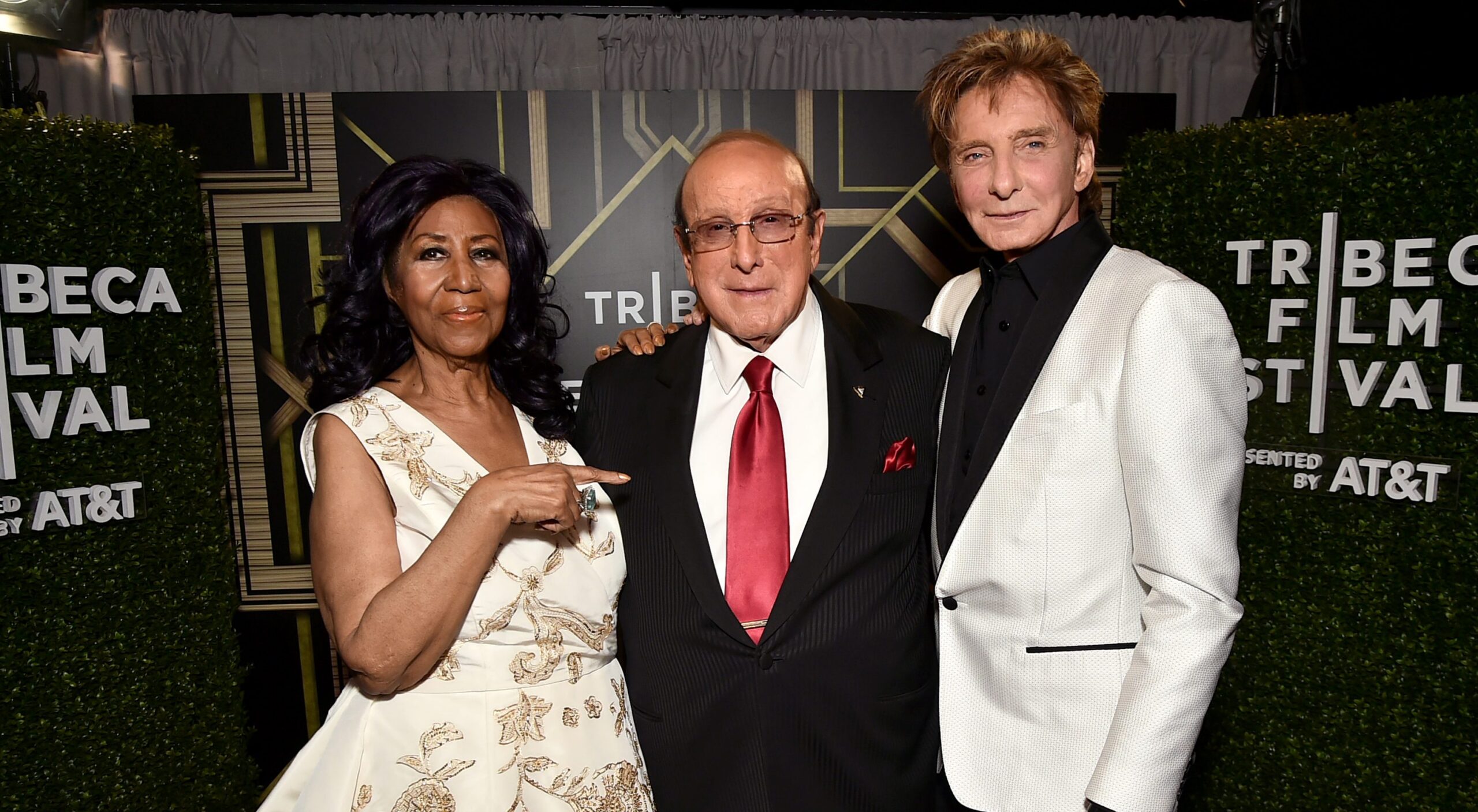
    • Barry Manilow: One of Arista’s earliest and most successful signings, Manilow’s string of hits in the 1970s established the label’s commercial viability.
    • Aretha Franklin: Davis revitalized the career of the “Queen of Soul” in the 1980s, producing several successful albums and hit singles.
    • Whitney Houston: Perhaps Davis’s most iconic discovery, Whitney Houston became one of the best-selling music artists of all time under his mentorship. Her debut album in 1985 launched her into superstardom.
    • Kenny G: The smooth jazz saxophonist found global success with Arista, becoming one of the best-selling instrumental artists in history.
    • Patti Smith: Davis signed the punk poetess, demonstrating his willingness to embrace artists outside the mainstream pop sphere.

    Arista Records became synonymous with artist development and commercial success under Davis’s stewardship. He fostered an environment where artists felt supported and empowered to create their best work.

    J Records and the New Millennium

    In 2000, after a period working within the BMG system, Davis founded J Records. This new label continued his legacy of discovering and nurturing talent for the new millennium. J Records quickly established itself as a significant player in the contemporary music scene.

    His first major signing to J Records was Alicia Keys, whose debut album, “Songs in A Minor,” released in 2001, was a critical and commercial triumph. Keys became a multi-Grammy Award winner and a global superstar, further cementing Davis’s reputation as a hitmaker.

    J Records also signed other successful artists, including Fantasia Barrino, the winner of American Idol’s third season, and Mario. Davis’s ability to remain relevant and impactful in a constantly evolving industry was a testament to his enduring talent and passion for music.

    Consolidation and Continued Influence

    Over the years, Davis’s labels often became part of larger corporate structures. Arista Records was eventually merged into RCA Music Group, and J Records later became part of RCA Records. Despite these corporate changes, Davis consistently maintained a leadership role, ensuring his vision continued to shape the direction of the music. He was instrumental in forming the RCA Music Group in 2000, serving as its chairman and CEO.

    As of 2026, Clive Davis serves as the Chief Creative Officer for Sony Music Entertainment. In this role, he continues to be actively involved in the production and development of music across the company’s vast roster of labels and artists. His influence persists through various projects, including the annual pre-Grammy Gala, a highly anticipated event in the music industry.

    The Pre-Grammy Gala: A Music Industry Institution

    Since 1976, Clive Davis has hosted an annual pre-Grammy Gala, which has become one of the most exclusive and star-studded events in the music industry. The gala serves as a networking hub, a platform for emerging talent, and a celebration of musical achievement.

    Each year, the event attracts a who’s who of musicians, executives, and celebrities. Davis uses the occasion to honor industry legends and showcase new artists, further cementing his role as a central figure in the music world. The gala is a testament to his enduring connections and his unwavering commitment to the art form.

    The Davis Legacy: Beyond the Boardroom

    Clive Davis’s impact extends beyond the balance sheets and executive decisions. He is recognized for his unique ability to connect with artists on a personal level, fostering trust and providing creative guidance. His approach emphasized artistic integrity alongside commercial appeal, a balance many executives struggle to achieve.

    He has been inducted into the Rock and Roll Hall of Fame as a non-performer in 2000, a rare honor that underscores his profound influence on popular music. His autobiography, “The Soundtrack of My Life,” published in 2013, offered an intimate look into his career and the stories behind the music.

    Davis’s career demonstrates that one does not need to play an instrument or sing a note to be a vital force in music. His legacy is etched into the careers of countless artists and the very fabric of the music industry.

    Law school. Columbia Records. Arista Records. J Records. Mentorship. Genius.

  • The Architecture of Survival – Steven Soderbergh Launches ‘Jaws’ Tribute App ‘Production 02074’

    The Architecture of Survival – Steven Soderbergh Launches ‘Jaws’ Tribute App ‘Production 02074’

    In June 2026, Academy Award-winning director Steven Soderbergh launched “Production 02074.” It is a dedicated mobile application designed as an interactive, deep-dive tribute to the making of Steven Spielberg’s 1975 blockbuster Jaws. The platform abandons traditional documentary formats in favor of an immersive digital archive. Users navigate the notoriously chaotic 159-day shoot through daily call sheets, script revisions, and mechanical shark schematics. It is a masterclass in film history, packaged for the modern digital ecosystem. If users want to know how modern blockbuster cinema was born, this app provides the exact, day-by-day blueprint.

    The story of Jaws is the foundational myth of modern Hollywood. It is the story of a twenty-seven-year-old director taking a camera crew onto the open ocean.

    It is the story of a mechanical shark that sank. It is the story of a budget that doubled. It is the story of a production schedule that spiraled from 55 days to 159 days.

    For decades, film students have studied this shoot. Documentaries have covered it. Books have detailed it. But Soderbergh recognized a limitation in those passive formats. A linear documentary cannot capture the multidimensional chaos of a film set falling apart.

    Software can.

    The Architecture of ‘Production 02074’

    The app takes its name from the official Universal Pictures production code assigned to the film in 1974. The interface does not look like a streaming service. It looks like a production manager’s binder.

    When users open the app, they are greeted with a calendar. The dates run from May 2, 1974, to October 6, 1974. These are the exact dates the crew spent on Martha’s Vineyard.

    Users can tap on any specific day. The app then populates the screen with the exact data from that 24-hour period.

    If a user taps on July 25, they see the call sheet. They see the weather report. They see the frantic notes from producers Richard Zanuck and David Brown. They see the revised script pages that screenwriter Carl Gottlieb typed up the night before over dinner with actors Roy Scheider, Richard Dreyfuss, and Robert Shaw.

    It is a forensic reconstruction of cinematic survival.

    Soderbergh has always been obsessed with the mechanics of process. He is a director who operates his own camera. He edits his own films under the pseudonym Mary Ann Bernard. He understands that directing is not just about artistic vision. It is about logistics. It is about moving trucks, feeding crews, and fighting the weather.

    This app forces the user to experience the logistics of Jaws in real-time.

    A History of Cinematic Deconstruction

    This project did not emerge from a vacuum. Soderbergh has spent the last decade using digital platforms to deconstruct film history.

    On his website, Extension 765, he previously released a black-and-white, silent recut of Spielberg’s Raiders of the Lost Ark. He did this to force viewers to focus entirely on Spielberg’s staging and blocking, stripped of dialogue and color.

    He mashed up Alfred Hitchcock’s original Psycho with Gus Van Sant’s shot-for-shot remake. He recut Michael Cimino’s infamous box-office disaster Heaven’s Gate. He has consistently used his platform to teach visual literacy.

    But “Production 02074” represents a massive escalation. It moves from passive video editing to active software engineering.

    The app format allows Soderbergh to overlay different elements of the production. A user can listen to an audio interview with cinematographer Bill Butler while simultaneously scrolling through his lighting diagrams. They can watch the mechanical shark, affectionately named “Bruce” after Spielberg’s lawyer, fail in a 3D-rendered simulation.

    The Open Ocean Experiment

    To understand why Soderbergh chose Jaws for this treatment, one must understand the context of 1974 Hollywood.

    Before Jaws, studios did not shoot major feature films on the open ocean. If a script called for a boat at sea, the studio shot it in a massive water tank on a backlot. The horizon was painted on a backdrop. The water was controlled. The elements were tamed.

    Spielberg refused the tank. He wanted the audience to see the real Atlantic Ocean rolling behind the actors. He wanted the realism of Martha’s Vineyard.

    Universal Studios executives Sid Sheinberg and Lew Wasserman approved a budget of $4 million. The shoot was scheduled for 55 days.

    The ocean immediately destroyed those plans.

    Saltwater corroded the pneumatic hoses inside the mechanical shark. Tides pushed the boats out of frame. Sailboats drifted into the background, ruining shots. The weather changed by the hour, destroying visual continuity.

    The budget ballooned to $9 million. The schedule stretched into autumn.

    Through the app, users can track this financial and temporal bleed. Soderbergh includes a digital budget tracker. As users advance through the calendar, they watch the $4 million budget evaporate. They see the memos from Universal demanding Spielberg return to Los Angeles.

    They see a young director fighting for his career.

    The Verna Fields Factor

    One of the most robust sections of “Production 02074” is dedicated to the editing process. Soderbergh, an editor himself, places heavy emphasis on Verna Fields.

    Fields was the legendary film editor who cut Jaws. During the production, she set up an editing room in a pool house on Martha’s Vineyard. As Spielberg shot footage on the water, he would bring the film reels back to Fields.

    Because the mechanical shark rarely worked, Spielberg could not show the monster. He had to imply it. He used floating yellow barrels. He used John Williams’ iconic two-note musical motif. He used subjective camera angles, shooting from the shark’s point of view beneath the water.

    This was not a stylistic choice. It was a mechanical necessity.

    Soderbergh’s app visualizes this pivot. It includes a timeline slider. Users can see the original storyboards, which featured the shark heavily in the first act. Then, they can slide the timeline forward to see the revised storyboards, where the shark is erased and replaced by the camera’s perspective.

    It shows how a catastrophic mechanical failure birthed the greatest suspense techniques since Hitchcock.

    Fields won an Academy Award for her work. The app makes it explicitly clear why she earned it.

    The Evolution of the ‘Making-Of’ Format

    The release of “Production 02074” in 2026 signals a fundamental shift in how the entertainment industry handles its own history.

    In the early 2000s, the DVD boom created a massive market for behind-the-scenes documentaries. Fans devoured audio commentaries and deleted scenes. But as physical media declined, streaming services rarely prioritized these extras. The archives were locked away.

    Soderbergh has bypassed the streaming platforms entirely. By building a standalone app, he has created a new revenue stream and a new distribution model for film scholarship.

    The app is not a passive viewing experience. It requires engagement. It asks the user to act as a digital archaeologist, sifting through the wreckage of a troubled production to find the moments of genius.

    The Legacy of the Shark

    When Jaws finally premiered in the summer of 1975, it changed the world. It became the first film to gross over $100 million at the domestic box office. It invented the summer blockbuster model. It changed how films were marketed, relying heavily on national television advertising.

    But Soderbergh’s app is not interested in the release. It is entirely focused on the creation.

    It is a tribute to the laborers. The grips who held the cameras on pitching boats. The local fishermen who navigated the treacherous currents of Nantucket Sound. The actors who spent days soaking wet, freezing in the October wind.

    It strips away the myth of the solitary genius director. It reveals filmmaking for what it truly is. A desperate, collaborative war against time, money, and physics.

    Soderbergh has built a monument to that war.

    Historians log in. Filmmakers take notes. Audiences explore. Survival.

  • Bill Lawrence Talks Scrubs, Apple TV+, and His Firing From Friends

    Bill Lawrence Talks Scrubs, Apple TV+, and His Firing From Friends

    Bill Lawrence built a television empire following an early, high-profile career setback. Speaking at the Napa Valley StreamFest in June 2026, the prolific showrunner detailed how being fired from the writing staff of NBC’s Friends during its inaugural 1994 season forced a creative pivot that ultimately led to the creation of Scrubs, Ted Lasso, and his current Apple TV+ Emmy contenders, Shrinking and Rooster. The admission came during a live recording of The Hollywood Reporter’s Awards Chatter podcast. It offered a look at the mechanics of Hollywood career longevity. Success in television requires constant adaptation. For Lawrence, the path was defined by network shifts, writer strikes, and the realization that his voice did not align with the established tone of someone else’s writers’ room.

    The television landscape of 2026 operates differently than the broadcast model of 1994. Yet the fundamental currency of the industry remains unchanged. Writers must generate pages. Showrunners must manage productions. Networks, and now streamers, must capture subscriber attention. Lawrence has navigated multiple iterations of this ecosystem. His appearance in Napa Valley served as both a retrospective of a three-decade career and a strategic push for the upcoming Emmy voting window.

    The Napa Valley StreamFest Appearance

    The Napa Valley StreamFest gathered industry executives, creators, and talent in June 2026 to discuss the economics of digital distribution. Amid panels on algorithmic engagement and subscriber retention, Lawrence spoke extensively about narrative development and production resilience. He sat across from podcast host Scott Feinberg. The venue was packed. The subject matter spanned thirty years of television history, focusing on specific production challenges and network negotiations.

    Lawrence attended the festival to promote his current roster of Apple TV+ comedies. Shrinking continues to anchor the streamer’s comedy block, while Rooster has emerged as a major focus for the platform in the 2026 television season. To explain the development of his current series, Lawrence detailed the moments when his career faced significant obstacles. He pointed directly to early failures as the catalyst for his later structural approach to running a television show.

    Showrunners are often expected to project continuous success. Lawrence detailed his early failures, using them to contextualize the production strategies he employs on his current work. The strategy framed his 2026 Emmy contenders not as inevitable successes, but as the result of decades of learning how to manage writers’ rooms and network expectations, a process that began when he lost his job on the biggest sitcom in the world.

    Leaving Central Perk in 1994

    In the fall of 1994, NBC premiered a multi-camera sitcom about six twenty-somethings living in New York City. Friends became a defining cultural property. Bill Lawrence was on staff for the beginning. He was twenty-six years old. He had previously written for Boy Meets World and The Nanny. He secured a position on the writing staff under creators Marta Kauffman and David Crane.

    The position was highly sought after. However, Lawrence lasted exactly one season. He was fired by the showrunners.

    At the Napa Valley StreamFest, Lawrence discussed the dismissal. He did not blame Kauffman or Crane. He stated that his inability to assimilate into the specific rhythm of the show led to his exit. Friends required a unified comedic voice. Lawrence pitched his own distinct sensibilities. He was writing to his own comedic preferences, rather than matching the established voices of Ross, Rachel, or Chandler.

    The firing forced a career reassessment. In the mid-1990s, being let go from a hit NBC sitcom was a significant setback. Warner Bros. Television, the studio behind the show, maintained its relationship with him. The failure forced Lawrence to evaluate his foundational skills as a writer. Recognizing he could not easily adapt to someone else’s vision, he focused on creating his own material.

    Two years later, he co-created Spin City with Gary David Goldberg. The Michael J. Fox vehicle ran for six seasons on ABC. Lawrence established his ability to run a show. The lessons of the Friends writers’ room influenced his management style. He learned how to manage a staff. He learned how to protect a premise. He learned that a showrunner must shield their writers from network pressure.

    The Long Survival of ‘Scrubs’

    If Spin City proved Lawrence could run a traditional multi-camera sitcom, Scrubs proved he could develop a distinct single-camera format. Premiering on October 2, 2001, the medical comedy abandoned the live studio audience. It abandoned the laugh track. It utilized a single-camera setup, rapid-fire fantasy sequences, and an emotional structure that shifted between slapstick comedy and dramatic medical storylines.

    Lawrence detailed the production history of Scrubs during the Awards Chatter recording. The show was produced by Touchstone Television (now ABC Signature) but aired on NBC. This corporate structure meant Scrubs was frequently facing cancellation. NBC owned its other major comedies, like The Office and Will & Grace, meaning those shows generated more backend revenue for the network. Scrubs was a licensed property. It was perpetually on the bubble.

    The production filmed in an actual abandoned hospital, the North Hollywood Medical Center. The setting isolated the cast and crew from the traditional studio lot. Zach Braff, Donald Faison, Sarah Chalke, and John C. McGinley formed the core ensemble. Lawrence operated as showrunner, negotiating with NBC executives over tone, music licensing budgets, and serialized storylines.

    The 2007 Writers’ Strike and the Network Jump

    A major production challenge arrived during the 2007-2008 Writers Guild of America strike. Scrubs was in its seventh season. The strike halted production entirely. Lawrence supported the WGA and production ceased. The seventh season was truncated. NBC opted not to renew the series for an eighth season, seemingly ending the show.

    Lawrence orchestrated an unusual industry maneuver. Because Scrubs was produced by ABC’s sister studio, Touchstone, he pitched the eighth season directly to ABC. The network picked up the series. The move from NBC to ABC allowed Lawrence to conclude the narrative on his own terms. He negotiated a final season that provided closure for the main characters, culminating in the critically acclaimed season eight finale, “My Finale.”

    The survival of Scrubs demonstrated Lawrence’s ability to navigate corporate media structures. He learned how to leverage studio ownership against network ambivalence. He learned how to maintain cast morale during periods of extreme uncertainty. These skills became the foundation of his later production company, Doozer Productions.

    The Apple TV+ Era: ‘Shrinking’ and ‘Rooster’

    In 2026, Bill Lawrence is one of the primary comedic architects for Apple TV+. Following the massive global success of Ted Lasso, Lawrence secured a highly lucrative overall deal with Warner Bros. Television. This deal allows him to develop projects for various platforms, but his most prominent current work resides on Apple’s streaming service.

    During the Napa Valley StreamFest, Lawrence focused heavily on his two current Emmy contenders. Shrinking, co-created with Brett Goldstein and Jason Segel, stars Segel as a grieving therapist who begins telling his clients exactly what he thinks. The series also stars Harrison Ford in a rare comedic television role. Lawrence discussed the challenge of balancing the show’s exploration of grief with its required comedic beats.

    He also detailed the development of Rooster, his newest Apple TV+ project. While specific plot details remain tightly controlled by Apple, the industry buzz surrounding the series has positioned it as a major contender in the 2026 awards cycle. Lawrence emphasized that both Shrinking and Rooster utilize the same structural DNA he developed on Scrubs: a fast-paced comedic surface masking a deep, often melancholic emotional core.

    The production demands of streaming television differ vastly from the 22-episode broadcast seasons of the early 2000s. Streamers order fewer episodes. Budgets are higher. The production schedules resemble feature films. Yet, Lawrence insists the core requirement remains identical. A showrunner must deliver scripts on time, manage the cast, and protect the original vision from executive interference.

    The Legacy of the Writers’ Room

    Bill Lawrence’s career trajectory maps the evolution of modern television. He started in the multi-camera broadcast era of the 1990s. He pioneered the single-camera comedy boom of the 2000s. He now operates at the highest levels of the premium streaming ecosystem in 2026. Through every transition, his core methodology has remained consistent.

    He hires writers who share his specific tonal sensibilities. He prioritizes cast chemistry over individual star power. He structures his shows to allow for rapid shifts between comedy and drama. And he never forgets the lesson of the Friends writers’ room: a distinct voice is only valuable if it serves the specific needs of the show being produced.

    At the Napa Valley StreamFest, Lawrence did not present himself as a visionary. He presented himself as a survivor. He detailed the mechanics of television production. He explained the economics of network licensing. He discussed the emotional toll of running a writers’ room. He offered a clear, unromanticized view of the industry.

    The audience listened. The executives took notes. The Emmy voters watched. Hollywood respects longevity. Hollywood respects a hit. Hollywood respects Bill Lawrence.

  • The Vaults at Risk: Why Archival Producers Are Fighting the Paramount-WBD Merger

    The Vaults at Risk: Why Archival Producers Are Fighting the Paramount-WBD Merger

    Archival producer Rochelle Widdowson warned attendees at the June 2026 Bentonville Film Festival that a potential merger between Paramount Global and Warner Bros. Discovery (WBD) would be a “heartbreaking” disaster for the preservation of film and television history. Widdowson argued that corporate consolidation threatens to lock away decades of cultural heritage behind impenetrable corporate walls, making it nearly impossible for documentarians to license historical footage. This is not just a business story about streaming market share. It is a battle for the collective visual memory of the 20th and 21st centuries.

    In many ways, the fight over media mergers has shifted from box office dominance to historical survival. Wall Street analysts view these consolidations through the lens of debt reduction and synergy. Archival producers view them as cultural erasure. When massive media libraries merge under a single conglomerate, access inevitably shrinks.

    The mechanics of this erasure are quiet but devastating. Vaults are closed. Archival staffs are terminated. Licensing fees are standardized at prohibitive rates. What looks like corporate efficiency on a quarterly earnings report translates to a blackout of historical primary sources for independent filmmakers. Widdowson brought this hidden crisis to the main stage in Arkansas.

    The Warning at Bentonville

    Bentonville, Arkansas, usually celebrates independent voices. Founded by Geena Davis in 2015, the Bentonville Film Festival champions inclusion and marginalized narratives. In June 2026, the festival became ground zero for a different conversation. Widdowson took the stage. She did not mince words.

    She called the looming Paramount-WBD consolidation a direct threat to documentary filmmaking. Archival producers rely on access. They dig through vaults. They license the footage that tells historical truths. When vaults merge, the red tape multiplies. Entire libraries get shelved for tax write-offs. Widdowson called the prospect of losing access to the Paramount archive “heartbreaking.”

    Her warning resonated with the independent filmmakers in the audience. Documentaries rely on historical footage to establish facts and context. A film about the civil rights movement requires news broadcasts from the 1960s. A film about the AIDS crisis requires local news footage from the 1980s. When a single corporation controls the rights to that footage, they dictate who gets to tell the story.

    The Invisible Architects of History

    To understand the severity of Widdowson’s warning, one must understand the role of an archival producer. They are the invisible architects of documentary cinema. They do not just search for clips on the internet. They navigate complex legal frameworks, negotiate licensing agreements, and track down lost reels of film.

    • Clearance Negotiation: Archival producers secure the legal right to use copyrighted material in new works.
    • Orphaned Works: They track down the owners of footage where the original copyright holder has died or gone out of business.
    • Fair Use Analysis: They work with legal teams to determine when footage can be used without a license under First Amendment protections.
    • Physical Preservation: They often facilitate the digitization of decaying physical film stock to save it from permanent loss.

    This work requires deep relationships with the librarians and archivists who manage corporate vaults. Corporate consolidation breaks this machinery. When two media giants merge, redundant departments are eliminated. The archival staff is usually the first to go. The people who actually know where the footage lives lose their jobs. The remaining executives view the archive as a line item, not a cultural trust.

    The Warner Bros. Discovery Precedent

    The fear expressed at Bentonville is not hypothetical. The industry watched it happen in 2022. WarnerMedia merged with Discovery in a massive $43 billion deal. David Zaslav took the helm of the newly formed Warner Bros. Discovery. The mandate was aggressive debt reduction. The method was ruthless.

    Completed films like Batgirl were shelved permanently for tax purposes. Decades of HBO Max content vanished overnight. Classic animation archives were purged from streaming platforms to save on residual payments and server costs. Archival producers watched primary sources disappear into a corporate void. Widdowson pointed directly to this track record.

    “We have seen what happens when the bottom line dictates the archive. The history gets boxed up, and the keys are thrown away.”

    If WBD absorbs Paramount, the same playbook applies. The financial pressures are identical. Paramount Global entered 2024 carrying roughly $14 billion in debt. A merger would trigger intense pressure to cut costs immediately. The historical archives would be a prime target for monetization or erasure.

    Inside the Paramount Vault

    Paramount Global holds a century of American history. The Paramount Pictures vault dates back to 1912. It contains the visual record of early Hollywood. But the true value for archival producers lies in the company’s television assets.

    The CBS News archive is arguably the most important collection of broadcast journalism in the world. It contains the definitive visual record of the 20th century, from the assassination of John F. Kennedy to the fall of the Berlin Wall. The MTV and Nickelodeon libraries document the cultural shifts of the 1980s and 1990s. The company also controls the archives of Desilu Productions and Republic Pictures.

    If WBD acquires Paramount, these separate archives merge with the Warner Bros. classic cinema vault, the CNN archives, and the Turner Classic Movies library. A single corporate entity would control an unprecedented share of American visual history. Archival producers fear this monopoly. When one company controls the past, they dictate the price of remembering it.

    The Economics of Erasure

    The immediate impact of a merger is economic. Documentary budgets in 2026 are already strained. Streaming platforms have cut back on unscripted acquisitions. Independent filmmakers rely on grants and private equity. Archival footage is often the largest line item in a documentary budget.

    Before consolidation, archival producers could negotiate rates. They could leverage relationships with different studios. A merger eliminates that competition. When WBD consolidated its holdings, licensing fees for certain historical clips jumped from $50 per second to over $150 per second. Independent documentarians were priced out.

    The footage survives physically, but it becomes culturally invisible. Only heavily funded, studio-backed projects can afford to license the history. The independent filmmakers at the Bentonville Film Festival, the exact people Geena Davis founded the festival to support, are effectively locked out of the archive.

    The Regulatory Battleground of 2026

    The media landscape in 2026 is defined by contraction. Streaming services are bundling. Studios are cutting production slates. The Paramount-WBD merger talks represent the apex of this trend. Regulatory scrutiny in Washington D.C. has intensified, but the corporate drive for scale remains relentless.

    The Federal Trade Commission (FTC) and the Department of Justice (DOJ) typically evaluate mergers based on consumer pricing and market share. Archival producers are pushing for a new metric. They argue that cultural monopolies are just as dangerous as economic monopolies. Widdowson’s alarm at Bentonville serves as a crucial data point for regulators.

    It shifts the argument. The merger is no longer just about who controls the rights to the next blockbuster superhero franchise. It is about the monopolization of historical archives. It is about who owns the footage of the civil rights movement, the Vietnam War, and the cultural revolutions of the 20th century.

    The Margin of Memory

    The mission of the Bentonville Film Festival is to champion inclusion. Marginalized histories are often the first to be purged during corporate restructuring. Archival footage of early LGBTQ+ activism, independent female filmmakers, and minority communities often sits in the margins of these massive corporate vaults.

    These are not the clips that generate millions in licensing revenue. They are not the blockbuster assets. When a conglomerate mandates a 20 percent reduction in archival storage costs, the margins get erased first. The footage that does not immediately justify its existence on a spreadsheet is discarded or locked away indefinitely.

    Widdowson is not just defending her profession. She is defending the raw data of human experience. Archival producers are the last line of defense between corporate efficiency and cultural amnesia. They know that once a vault is closed, it rarely opens again.

    The Final Frame

    The industry watches. The regulators scrutinize. The executives negotiate in boardrooms thousands of miles away. Archival producers keep digging. They keep cataloging. They keep fighting for access to the visual record of the world. The vaults hold the memories. The corporations hold the keys. The past waits in the dark. Silence.

  • Summer House: The Aftermath – Unpacking Bravo’s Narrative Choices

    Summer House: The Aftermath – Unpacking Bravo’s Narrative Choices

    The Unfolding Narrative of ‘Summer House: The Aftermath’

    ‘Summer House: The Aftermath’ serves as a critical extension of Bravo’s popular reality series, ‘Summer House’. This special programming aims to address lingering questions, unresolved conflicts, and provide deeper insights into the interpersonal dynamics of the cast members. The production of such specials often follows seasons marked by significant drama and viewer engagement.

    These follow-up episodes are designed to offer a more comprehensive look at events, sometimes including unaired footage or interviews conducted after the main season’s conclusion. The goal is to offer resolution or, at minimum, further context to narratives that captivated audiences during the primary run of the show. The discussions generated by these specials frequently revolve around perceived biases in editing and how cast members are ultimately portrayed.

    Amanda Batula’s Portrayal: Protection or Production Choice?

    Amanda Batula, a long-standing cast member of ‘Summer House’, has been a focal point of viewer discussion, particularly concerning her relationship with Kyle Cooke. Critics and fans have often questioned whether Bravo’s production team affords Batula a degree of protection in its narrative framing. This perception arises from various factors, including editing decisions that some viewers interpret as downplaying her actions or emphasizing her reactions in a more sympathetic light.

    The relationship between Batula and Cooke has been a cornerstone of the series for multiple seasons. Their journey, marked by engagements, weddings, and business ventures, has provided ample material for the show. Within ‘The Aftermath’ specials, the focus on their dynamic often intensifies, leading to further scrutiny from the audience regarding the fairness of their respective portrayals.

    Audience Perceptions and Network Influence

    Audience perception of favoritism is a recurring theme in reality television. Viewers analyze interactions, confessional interviews, and overall screen time to form conclusions about network influence. In Batula’s case, some fans suggest that her long-term presence and central role in key storylines might contribute to a more carefully curated image by the production. This does not imply direct intervention but rather a consistent narrative approach.

    Conversely, other viewers argue that Batula’s portrayal accurately reflects her personality and contributions to the show’s drama. They contend that any perceived ‘protection’ is simply a byproduct of her authentic reactions to the circumstances presented within the ‘Summer House’ environment. The debate underscores the subjective nature of reality television viewership.

    Ciara Miller: The ‘Future’ of ‘Summer House’

    Ciara Miller has emerged as a significant figure within the ‘Summer House’ cast, with many viewers and critics labeling her as the ‘future’ of the franchise. Miller, who joined the series in its fifth season, quickly established herself through her strong personality, professional background as a nurse, and involvement in key interpersonal conflicts. Her consistent presence and evolving storylines have cemented her status.

    The designation of ‘future’ often implies a cast member who brings fresh energy, compelling storylines, and a strong connection with the audience. Miller’s interactions, particularly her past relationship with Austen Kroll and her friendships within the house, have provided rich material for the show. Her ability to navigate complex social dynamics while maintaining a distinct identity resonates with a broad demographic.

    Evolution of a Cast Member

    Miller’s journey on ‘Summer House’ has been marked by personal growth and professional development. Her initial introduction focused on her professional life and her connection to Luke Gulbranson. Over subsequent seasons, her narrative expanded to include more intricate romantic entanglements and conflicts with other cast members, such as Lindsay Hubbard.

    These developments are crucial for a reality television personality to maintain relevance and secure a long-term role. Producers often seek cast members who can sustain compelling narratives over multiple seasons. Miller’s trajectory suggests that she fulfills this criterion, positioning her as a central figure for the show’s continued success and evolution.

    The Role of ‘The Aftermath’ in Narrative Control

    ‘The Aftermath’ specials play a crucial role in the overall narrative strategy of Bravo. These episodes are not merely recaps; they are carefully constructed opportunities to refine, reframe, or even redirect audience perceptions. The editing choices, the questions posed by hosts, and the selection of footage all contribute to the final narrative presented to the public.

    For instance, if a particular cast member received significant backlash during the main season, ‘The Aftermath’ might include footage or explanations designed to soften that perception. Conversely, if a storyline felt incomplete, the special can provide additional details or confrontations to bring a sense of closure, or to set up future conflicts for subsequent seasons.

    Addressing Unresolved Conflicts

    One primary function of ‘The Aftermath’ is to tackle unresolved conflicts head-on. The fast pace of a regular season often leaves little room for in-depth discussion of every argument or misunderstanding. The special allows for extended dialogue, often facilitated by a reunion host, to dissect specific incidents. This can involve replaying scenes and having cast members explain their actions or reactions.

    These discussions, while sometimes leading to further arguments, are intended to provide clarity for the audience. They also serve as a mechanism for cast members to either apologize, defend their positions, or articulate their feelings in a more controlled environment. The goal is often to provide a sense of resolution, even if that resolution is simply an agreement to disagree.

    Bravo’s Production Strategy and Viewer Engagement

    Bravo’s success in reality television is deeply tied to its ability to cultivate strong viewer engagement. This engagement is fostered through compelling storylines, relatable (or aspirational) characters, and a consistent flow of new content, including spin-offs and specials like ‘The Aftermath’. The network understands that audience investment in the lives of its cast members translates directly into viewership and ad revenue.

    The production strategy involves a delicate balance of authenticity and manufactured drama. While situations are often organic, the way they are presented through editing, music, and confessional interviews significantly influences how viewers interpret events. This manipulation of narrative is a standard practice in reality television, aimed at maximizing entertainment value.

    The Business of Reality Television

    Reality television is a multi-million dollar industry, and shows like ‘Summer House’ are valuable assets for networks like Bravo. The investment in production, cast salaries, and marketing necessitates a strategic approach to storytelling. Every episode, every special, and every social media interaction is part of a larger plan to maintain audience interest and brand loyalty.

    The perceived protection of certain cast members, or the elevation of others to ‘future’ status, can be viewed through a business lens. Cast members who consistently deliver compelling narratives, generate buzz, and attract viewers are more likely to be featured prominently and potentially shielded from overly negative portrayals. This ensures the longevity of the show and its profitability.

    The Long-Term Impact on the ‘Summer House’ Franchise

    The narratives established in ‘Summer House: The Aftermath’ have a lasting impact on the trajectory of the ‘Summer House’ franchise. The resolutions, or lack thereof, from these specials often inform storylines for subsequent seasons. Character arcs are shaped, alliances are solidified or broken, and new conflicts are foreshadowed, all contributing to the ongoing drama.

    For cast members like Ciara Miller, being recognized as the ‘future’ carries significant weight. It implies a central role in upcoming seasons, increased screen time, and potentially more lucrative opportunities both on and off the show. For others, like Amanda Batula, consistent presence and a well-defined narrative, even if debated by viewers, ensure their continued relevance.

    Viewer Loyalty and Franchise Longevity

    The continuous cycle of main seasons and ‘Aftermath’ specials helps maintain viewer loyalty. It gives fans a reason to stay invested in the characters and their stories, bridging the gap between seasons. This continuous engagement is vital for the long-term health of any reality television franchise. It transforms viewers into active participants, discussing, debating, and anticipating future developments.

    The strategic deployment of ‘The Aftermath’ ensures that the ‘Summer House’ brand remains top-of-mind for its target audience. It reinforces the emotional connection viewers have with the cast, making them more likely to tune in for every new installment. This consistent engagement is the bedrock of reality television’s enduring appeal.

    Arguments unfolded. Relationships strained. Perceptions shifted. Narratives solidified.

    Bravo.

  • Alfonso Ribeiro Defends DWTS Cast, The Cost of Social Media Fame in the Ballroom

    Alfonso Ribeiro Defends DWTS Cast, The Cost of Social Media Fame in the Ballroom

    The Digital Transformation of the Ballroom

    Alfonso Ribeiro, co-host of ABC and Disney+’s Dancing With the Stars, publicly addressed the dual impact of social media on the long-running reality competition in a June 2026 interview with Variety. He credited platforms like TikTok and Instagram for fueling the show’s modern resurgence, while simultaneously condemning the vicious online culture that targets contestants. Ribeiro urged incoming celebrity dancers to ignore internet trolls, asking directly, “Why are we so mean to one another?” His comments highlight a growing tension in modern television broadcasting. Networks need digital engagement to survive. Performers absorb the psychological cost of that engagement. The ballroom is no longer just a soundstage in Los Angeles. It is a global digital arena.

    Dancing With the Stars premiered in 2005. The media landscape looked entirely different. Viewers voted by calling toll-free numbers on landlines. Today, the show operates as a multi-platform juggernaut. Executive producer Conrad Green and the production team at BBC Studios Los Angeles have engineered the competition for the smartphone era. Disney+ streams the episodes live. ABC broadcasts them over the air. But the real battleground exists on social media. TikTok drives the narrative. Short-form video clips of complex tangos and salsas generate millions of impressions before the West Coast broadcast even finishes. Ribeiro understands this dynamic perfectly. He won Season 19 in 2014. He took over as co-host alongside Tyra Banks in 2022, and later partnered with Julianne Hough. He has watched the digital transformation from both the dance floor and the skybox.

    The numbers do not lie. Viral moments secure votes. A strong Instagram following often outweighs a high score from judges Carrie Ann Inaba, Bruno Tonioli, or Derek Hough. The 2026 television market demands this level of digital integration. Shows without a social media footprint face cancellation. DWTS thrives because it harnesses the algorithmic power of fan armies. But that power comes with a severe structural flaw.

    The Psychological Toll on the Cast

    Visibility invites vulnerability. The same platforms that generate votes also generate unprecedented vitriol. Ribeiro identified this as the darkest element of the modern production cycle. Celebrities arrive at the rehearsal studios on Beverly Boulevard looking to learn a new skill. They quickly find themselves navigating a minefield of digital cruelty. Anonymous users critique their bodies. Trolls attack their personal lives. Armchair experts dissect their footwork with ruthless precision. The commentary rarely stays focused on the cha-cha. It becomes personal. It becomes aggressive.

    Ribeiro’s question to Variety cuts to the core of the issue. The query is rhetorical, but the damage is measurable. Contestants report high levels of anxiety. The physical exhaustion of learning ten dances in ten weeks compounds the mental strain of reading thousands of negative comments. Some celebrities turn off their Instagram replies. Others delete the X application from their phones entirely. The production team now provides mental health resources alongside physical therapy. The 2026 cultural climate is highly polarized. That polarization bleeds into entertainment. Reality television has always relied on drama. But traditional reality television featured drama between cast members. Modern reality television features drama between the cast and the global public.

    The Financial Mechanics of Outrage

    The financial mechanics of the internet actively encourage this hostility. Platforms owned by Meta and ByteDance rely on engagement algorithms. Anger generates more engagement than joy. A negative comment thread keeps users on the application longer than a positive one. Ribeiro is not just fighting individual trolls. He is fighting a multi-billion dollar algorithmic structure. Disney and ABC benefit from the total volume of engagement. Advertisers purchase commercial inventory based on reach. When a controversial dance routine trends on X, the network wins. But the celebrity at the center of the trend pays the price.

    Ribeiro stands at the intersection of corporate strategy and human empathy. He recognizes the necessity of the digital machine. He refuses to accept the cruelty it produces. His public stance attempts to separate the necessary marketing of the show from the unnecessary abuse of its participants. He understands that the show cannot exist without the internet, but he refuses to let the internet destroy the people on the show.

    A Modern Survival Guide for Celebrities

    Ribeiro offers a specific survival strategy for the incoming cast. Ignore the noise. He advises contestants to build a wall between the rehearsal room and the internet. The physical space matters. The digital space is an illusion. He emphasizes the relationship between the celebrity and their professional dance partner. That partnership requires total trust. Reading hostile comments fractures that trust. It introduces a toxic third party into the rehearsal studio.

    His background gives his advice significant weight. He spent decades in the public eye. He navigated child stardom on Silver Spoons. He achieved global fame as Carlton Banks on The Fresh Prince of Bel-Air. He understands the mechanics of celebrity. But he notes that the 1990s media environment lacked the immediate, unfiltered access of the 2026 internet. Critics used to publish reviews in daily newspapers. Now, millions of critics publish reviews in real-time. The volume is deafening. Ribeiro tells his cast to focus on the live audience inside the studio. Their applause is real. Their energy is tangible. The avatars on a screen are not.

    The Evolution of the Skybox

    Ribeiro’s physical location on the set reinforces his role as a protector. He operates primarily from the skybox or the floor-level interview area. He greets the dancers immediately after they finish their routines. He intercepts them before they face the judges. He intercepts them before they look at their phones. In this space, he acts as a buffer. He asks about their families. He asks about their physical pain. He grounds them in reality before the digital world has a chance to weigh in.

    This role has evolved significantly since the early seasons. Original co-host Samantha Harris, and later Brooke Burke and Erin Andrews, primarily functioned as interviewers. Ribeiro functions as a counselor. The 2026 television environment requires this shift. The hosts can no longer just read teleprompters. They must actively manage the emotional state of the cast on live television.

    The Evolution of Celebrity Accountability

    The audience craves authenticity. They also demand accountability. But the line between accountability and harassment has vanished. Ribeiro’s plea for civility taps into a broader cultural exhaustion. People are tired of the constant digital outrage. A celebrity calling out this behavior validates the quiet majority of viewers. Most fans watch Dancing With the Stars for joy. They watch for the costumes, the music, and the triumph of a well-executed routine. The vocal minority hijacks the conversation.

    By addressing the trolls directly, Ribeiro reclaims the narrative. He defends the traditional values of the ballroom. Ballroom dancing relies on respect. It requires etiquette. The judge offers a critique. The dancer accepts it with grace. The internet operates on the opposite principle. It rewards hostility. It monetizes outrage. Ribeiro represents the classic entertainment values of ABC. He also manages the chaotic energy of a modern fanbase. His stance is clear. The show needs the fans. The show does not need the cruelty.

    Protecting the Disney Brand in 2026

    Disney owns the property. Disney protects its family-friendly image fiercely. The toxic ecosystem surrounding the show threatens that image. Ribeiro’s interview serves as a strategic intervention. It signals to the public that the network recognizes the problem. It also assures future celebrity casting targets that the hosts have their backs. Casting is the lifeblood of DWTS. Deena Katz, the show’s longtime casting director, faces a unique challenge in 2026. If A-list or B-list stars refuse to participate because they fear digital harassment, the franchise dies. The talent pool must feel safe.

    Publicists demand assurances before signing their clients to the grueling schedule. They want to know how the network will handle coordinated harassment campaigns. They want to know what mental health resources are available. Ribeiro operates as the paternal figure of the production. His public statements are a form of PR management. He is telling Hollywood publicists that the show is aware of the danger and actively fighting it. His off-camera role mirrors his on-camera persona. He is the shield. The current season requires this level of proactive defense.

    The Publicist’s Dilemma

    In 2006, a publicist booked their client on DWTS to revive a stalled career or promote a new project. The calculation was simple. Learn to dance, lose some weight, smile for the cameras, and reap the benefits of prime-time exposure. In 2026, the calculation is complex and dangerous. A single misstatement during a rehearsal package can trigger a cancellation campaign. A poor performance can result in thousands of mocking memes. Publicists now employ crisis management teams simply to monitor the DWTS hashtag on broadcast nights.

    Ribeiro understands this calculus. When he speaks to Variety, he is not just speaking to the fans. He is speaking to the infrastructure of Hollywood. He is promising that the production team will not abandon the talent to the wolves. He is asserting that the ballroom remains a safe space for performers, even if the internet outside of it is not.

    The Judging Panel’s Complicity and Defense

    The judges also play a role in this ecosystem. Carrie Ann Inaba, Bruno Tonioli, and Derek Hough sit at the desk and deliver the official verdicts. Their critiques often become the raw material that trolls use to attack the contestants. If Inaba points out a missed step, Twitter amplifies that missed step into a character flaw. If Tonioli criticizes a lack of energy, TikTok users turn the critique into a viral soundbite.

    The judges have had to adapt their delivery for the modern era. They must balance honest technical feedback with the knowledge that their words will be weaponized. Derek Hough, who transitioned from professional dancer to judge, understands this dynamic intimately. He frequently uses his own social media platforms to defend contestants from unfair attacks. But the judges are fundamentally critics. Ribeiro is the host. His job is not to critique. His job is to support. This division of labor allows Ribeiro to take a hardline stance against the trolls without compromising the competitive integrity of the show.

    The Contrast of Traditional Ballroom Etiquette

    The ballroom itself stands in stark contrast to the digital world outside its doors. The physical production requires immense discipline. Dancers train for forty hours a week. They endure torn muscles, bruised ribs, and chronic exhaustion. They learn a centuries-old art form under the intense glare of studio lights. The discipline of the ballroom demands respect for the craft.

    Ribeiro champions this discipline. He understands the rigorous physical reality of the show. When an anonymous user mocks a performance from their couch, they disrespect the sheer physical labor involved. Ribeiro’s defense of the cast is a defense of the work. He validates the sweat, the tears, and the vulnerability required to perform on live television. He demands that the audience match the courage of the performers with basic human decency. The contrast is sharp. The physical world requires effort. The digital world requires nothing.

    The Audience’s Responsibility

    The evolution of the Dancing With the Stars audience mirrors the evolution of the internet. In its early years, the show functioned as a collective viewing experience. Families gathered in living rooms. The conversation ended when the television turned off. Today, the conversation never ends. Fandoms operate as organized digital militias. They coordinate voting blocks. They launch targeted harassment campaigns against rival dancers. The stakes feel artificially inflated. A misstep in a quickstep becomes a moral failing.

    Ribeiro watches this escalation with a veteran’s perspective. He knows that television is an illusion. The glittering mirrorball trophy is a prop. The human beings competing for it are real. His warning to the trolls is a reminder of this basic fact. He strips away the digital abstraction. He forces the audience to look at the people behind the screen. He places the responsibility for the culture of the show squarely on the shoulders of the people watching it.

    The cameras roll. The live feed hits the satellites. The digital platforms light up with instant reactions. The machine demands content. The algorithms demand engagement. The performers deliver the steps. The trolls sharpen their keyboards. The cycle begins again. Ribeiro watches from the floor. He holds the microphone. He asks for grace. He asks for humanity. He asks for peace. The music starts. The dancers move. The world watches. The internet waits. The ballroom remains.