Tag: Production

  • Zendaya’s On-Set Challenge – Why Her Mouth Froze Filming ‘The Odyssey’

    Zendaya’s On-Set Challenge – Why Her Mouth Froze Filming ‘The Odyssey’

    Zendaya encountered difficulties delivering her lines on the first day of filming ‘The Odyssey’, a project where she portrays the goddess Athena. The actor reported that her mouth ‘froze’, preventing her from speaking her dialogue effectively. This unexpected challenge occurred during the initial stages of production for the highly anticipated film.

    The incident provides insight into the pressures inherent in major motion picture productions. Even actors with extensive resumes can experience moments of vulnerability and performance anxiety. Zendaya’s experience offers a relatable perspective on the demands of a high-profile role.

    The Role of Athena in ‘The Odyssey’

    Zendaya’s casting as Athena in ‘The Odyssey’ placed her in a pivotal role within the mythological narrative. Athena is a central figure in Homer’s epic poem, known for her wisdom, strategic warfare, and guidance to Odysseus. The character demands a commanding presence and articulate delivery.

    The selection of Zendaya for such an iconic role generated considerable discussion among fans and critics. Her previous work in diverse projects showcased her versatility. However, ‘The Odyssey’ represents a significant undertaking, requiring a deep immersion into classical literature and its interpretations.

    The expectations surrounding her portrayal were substantial. Athena is not merely a supporting character; she is an architect of destiny within the story. This level of responsibility can contribute to performance pressure, especially during the initial days of filming when routines are being established.

    First Day Filming Challenges

    The first day of filming on any major production is often characterized by a unique set of challenges. Actors, directors, and crew members are acclimatizing to the set, the script, and each other’s working styles. Technical adjustments, lighting setups, and blocking rehearsals consume significant time.

    For an actor, the inaugural day can be particularly nerve-wracking. It marks the first tangible realization of months of preparation, script readings, and character development. The pressure to ‘get it right’ from the outset is often immense.

    Zendaya’s experience of her mouth ‘freezing’ suggests a physical manifestation of this pressure. This involuntary reaction can be a common response to high-stress situations. It reflects the body’s physiological reaction to perceived demands.

    The specific dialogue for Athena would likely have been intricate, possibly incorporating archaic language or complex sentence structures. Delivering such lines flawlessly under the gaze of a full production crew adds another layer of difficulty.

    Zendaya’s Career Trajectory

    Zendaya Maree Stoermer Coleman, known professionally as Zendaya, has established a prominent career in Hollywood. She began her career as a child model and backup dancer. Her breakout role came on the Disney Channel series ‘Shake It Up’ in 2010.

    Her transition to more mature roles garnered critical acclaim. She starred as Rue Bennett in the HBO drama series ‘Euphoria’, a performance that earned her multiple awards. She also played a significant role as MJ in the ‘Spider-Man’ film series within the Marvel Cinematic Universe.

    More recently, Zendaya has taken on leading roles in major blockbuster productions. Her work in Denis Villeneuve’s ‘Dune’ series, portraying Chani, further solidified her status as a leading actor. These roles demand both dramatic depth and physical presence.

    Her filmography demonstrates a consistent pattern of challenging herself with diverse characters. From musical comedies to intense dramas and sci-fi epics, Zendaya has shown a willingness to explore different genres. This history suggests a professional who is accustomed to high-stakes environments.

    The Psychological Impact of Performance

    Performance anxiety is a well-documented phenomenon across various professions, particularly in the arts. Actors often grapple with the psychological weight of embodying characters and meeting audience expectations. This anxiety can manifest in numerous ways, including physical symptoms.

    The concept of ‘freezing’ or ‘choking’ under pressure is not unique to acting. Athletes, musicians, and public speakers frequently report similar experiences. The mind and body can react to intense scrutiny by momentarily shutting down or struggling with coordination.

    For an actor, the ability to recall and deliver lines is fundamental. A temporary inability to do so, especially on a high-profile set, can be profoundly unsettling. It challenges an actor’s confidence and control over their craft.

    The support system on a film set – including the director, fellow actors, and crew – plays a crucial role in mitigating such moments. A supportive environment can help an actor regain composure and overcome temporary setbacks. The incident with Zendaya highlights the human element behind every polished performance seen on screen.

    Relatability for the Audience

    Zendaya’s candid admission about her struggles on the first day of ‘The Odyssey’ offers a moment of relatability for her audience. Public figures are often perceived as flawless, especially in their professional capacities. Revealing moments of vulnerability can humanize them.

    Fans and the general public often connect with stories of perseverance and overcoming challenges. Hearing that a successful actor like Zendaya faced difficulties can be reassuring. It suggests that even the most accomplished individuals encounter obstacles.

    This openness can also foster a deeper appreciation for the craft of acting. It underscores that performing, particularly in a demanding role, requires not just talent but also immense mental fortitude and resilience. The final product seen in cinemas is the result of navigating numerous such challenges.

    Her experience serves as a reminder that behind the glamour of Hollywood, there are real people facing real pressures. It reinforces the idea that vulnerability is a universal human experience, regardless of status or profession.

    The Production of ‘The Odyssey’

    Details surrounding the full production of ‘The Odyssey’ have been closely guarded. Major studio films based on classical literature often involve extensive pre-production, including costume design, set construction, and visual effects planning. The scale of such a project is typically vast.

    The choice to adapt Homer’s epic for a modern audience comes with its own set of challenges and opportunities. Directors and screenwriters must balance fidelity to the source material with contemporary storytelling sensibilities. The casting of prominent actors like Zendaya is part of this strategic approach.

    Filming schedules for large-scale productions can span several months. The initial days are critical for setting the tone and rhythm for the entire shoot. Any early disruptions, even minor ones, can have ripple effects on the production timeline.

    The incident with Zendaya, while a personal challenge, also forms part of the broader narrative of the film’s creation. Such behind-the-scenes stories often become part of a film’s lore, offering insights into the journey from script to screen.

    The cameras rolled. The crew watched. The pressure mounted. Her mouth froze. The words remained unspoken. A moment of quiet tension on a grand set. A human challenge in a mythological tale. Zendaya.

  • Hollywood Media Layoffs: Paramount, Warner Bros, CNN Face Economic Downturn

    Hollywood Media Layoffs: Paramount, Warner Bros, CNN Face Economic Downturn

    The media industry, encompassing Hollywood studios and news organizations, has recently undergone significant workforce reductions, with companies like Paramount, Warner Bros. Discovery, and CNN initiating layoffs. These widespread job cuts reflect a period of economic instability and strategic realignments within the entertainment and news sectors.

    The decisions to reduce staff are often driven by a combination of factors, including declining advertising revenues, shifts in consumer behavior towards streaming platforms, and the high costs associated with content production. These changes are reshaping the employment landscape for media professionals across various roles and departments.

    Economic Pressures Drive Industry Restructuring

    The current economic climate has placed considerable pressure on media companies. Inflationary pressures and a general slowdown in global economic growth have led to reduced advertising spending, a critical revenue stream for many media outlets. This financial strain necessitates cost-cutting measures, with layoffs often being a primary strategy.

    Beyond macroeconomic factors, the media industry is also navigating a complex transition in how content is consumed and monetized. The rise of streaming services has disrupted traditional broadcast and cable television models, forcing companies to invest heavily in digital platforms while simultaneously managing legacy businesses.

    Paramount Global’s Workforce Adjustments

    Paramount Global, a major player in both film and television, has implemented significant layoffs across its various divisions. These reductions are part of a broader strategy to streamline operations and reduce overhead costs in a competitive market.

    The company’s diverse portfolio includes Paramount Pictures, CBS, and a suite of streaming services like Paramount+. Balancing the demands of content creation for multiple platforms with financial prudence has become a key challenge for the conglomerate.

    Reports indicate that the layoffs at Paramount have impacted employees in areas ranging from production and development to corporate functions. The goal is to create a more agile and efficient organization capable of adapting to rapid industry changes.

    Warner Bros. Discovery’s Post-Merger Consolidation

    Warner Bros. Discovery has also been a focal point for media layoffs, stemming from the merger between WarnerMedia and Discovery Inc. in April 2022. Mergers of this scale typically lead to redundancies as the combined entity seeks to eliminate overlapping roles and departments.

    The integration process involves consolidating operations, technology, and content strategies. This often results in difficult decisions regarding workforce size and structure. The company aims to achieve substantial cost synergies through these consolidations.

    Layoffs at Warner Bros. Discovery have affected various segments, including film studios, television networks, and streaming services such as Max. The company’s leadership has emphasized the need to optimize its global operations and content delivery systems to enhance profitability.

    CNN’s Strategic Reorientation

    CNN, a prominent global news organization under the Warner Bros. Discovery umbrella, has also experienced layoffs. These cuts are part of a strategic reorientation aimed at adapting to evolving news consumption habits and financial realities.

    The news industry faces its own set of challenges, including declining linear television viewership and the need to expand digital offerings. CNN’s restructuring efforts reflect an attempt to align its resources with its long-term strategic objectives in a highly competitive news landscape.

    Journalists, producers, and technical staff have been among those impacted by the changes at CNN. The network is working to refine its content strategy and operational model to maintain its position as a leading news source while ensuring financial sustainability.

    Broader Industry Impact and Future Outlook

    The layoffs at Paramount, Warner Bros. Discovery, and CNN are not isolated incidents but rather part of a wider trend impacting the entire media ecosystem. Other companies, both large and small, have also undertaken similar measures to navigate economic headwinds and technological shifts.

    This period of significant change is forcing media organizations to reconsider traditional business models. There is an increased focus on data-driven decision-making, direct-to-consumer strategies, and the efficient allocation of resources for content creation and distribution.

    Technological Advancements and AI Integration

    Technological advancements, particularly in artificial intelligence, are also playing a role in the evolving media landscape. While AI offers potential efficiencies in content creation, automation, and data analysis, it also raises questions about the future of certain job functions.

    Media companies are exploring how to integrate AI tools to enhance productivity and reduce operational costs. This integration, while promising for innovation, contributes to the ongoing reevaluation of workforce needs and skill sets within the industry.

    The Human Cost of Corporate Restructuring

    Behind the corporate announcements and financial figures are the individual stories of employees affected by these layoffs. Job losses create significant personal and professional challenges, impacting livelihoods and careers.

    The industry is grappling with the balance between achieving financial stability and maintaining morale among remaining staff. Companies often provide severance packages and outplacement services, but the emotional and economic toll on affected individuals remains substantial.

    Reskilling and Adaptability

    For those impacted by layoffs, reskilling and adaptability have become crucial. The demand for new skills, particularly in digital media, data analytics, and specialized content creation, continues to grow. Media professionals are increasingly seeking opportunities in emerging platforms and technologies.

    The industry’s future workforce will likely be characterized by greater flexibility, a broader range of technical competencies, and an ability to navigate rapidly changing media environments. Education and training initiatives are becoming more vital than ever.

    Navigating a Dynamic Media Landscape

    The current wave of layoffs signals a period of profound transformation within the media and entertainment sectors. Companies are strategically adjusting their operations to survive and thrive in an increasingly complex and competitive global market.

    Economic pressures. Technological disruption. Evolving consumer habits. These forces converge to reshape the very structure of Hollywood and the broader media industry.

    Executives strategize. Employees adapt. The industry transforms.

    Change.

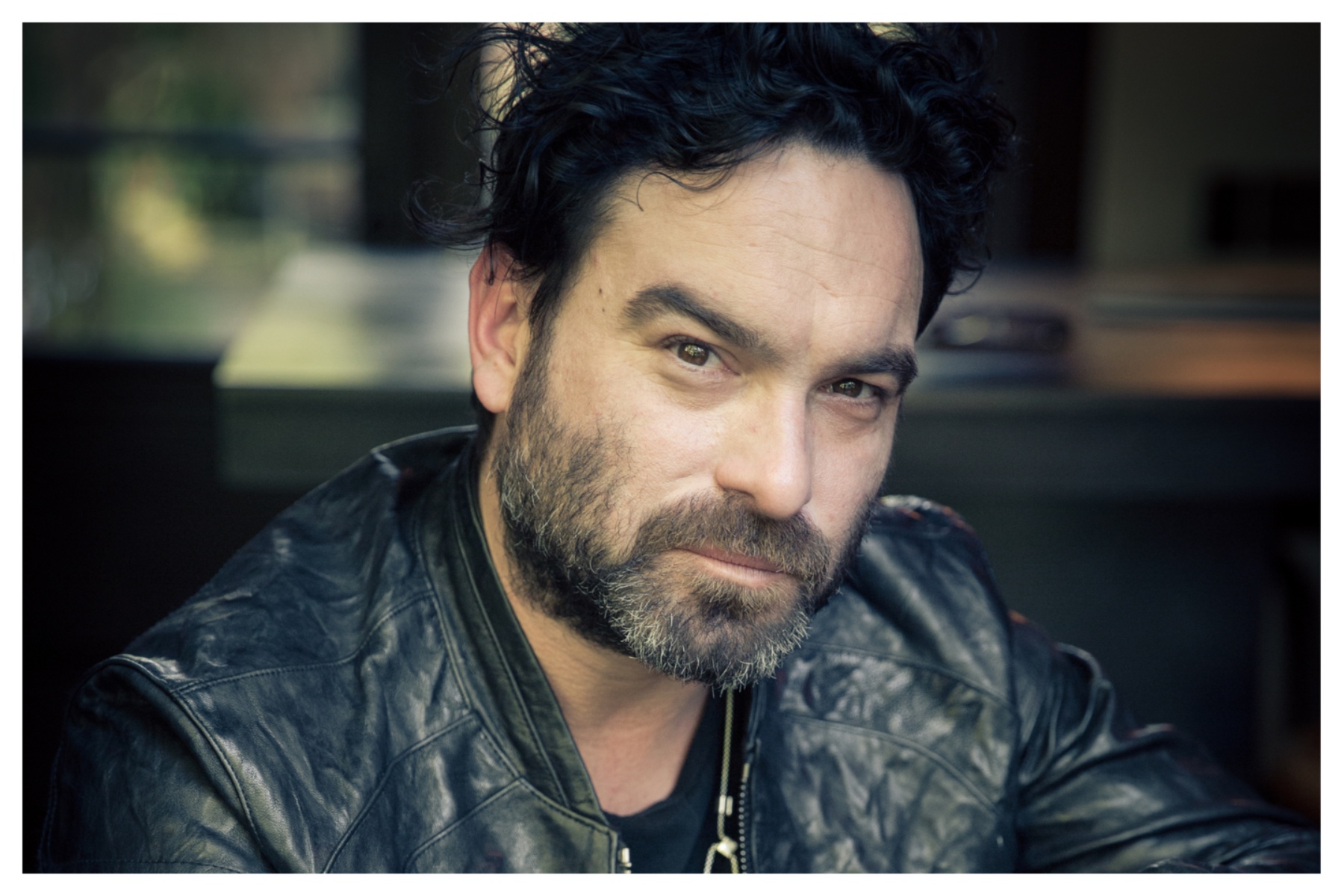
  • Johnny Galecki Returns to Stage as Tennessee Williams in Chicago

    Johnny Galecki Returns to Stage as Tennessee Williams in Chicago

    Johnny Galecki, known for his extensive career in television and film, will return to acting in a new stage production. He is slated to portray the iconic American playwright Tennessee Williams in a play titled ‘Kowalski’. The presentation is scheduled for Chicago, marking Galecki’s return to the acting sphere after a period away from major roles.

    This announcement, exclusively reported by Variety, has generated considerable interest. Galecki’s last prominent role concluded with the highly successful sitcom ‘The Big Bang Theory’, which aired its final episode in May 2019. His return to the stage, particularly in a dramatic and historical role, represents a new chapter in his career.

    Galecki’s Career Trajectory

    Johnny Galecki’s acting career spans several decades. He began his professional journey as a child actor, gaining early recognition for his role as David Healy in the ABC sitcom ‘Roseanne’. This series, which initially ran from 1988 to 1997, provided Galecki with early exposure to a wide audience.

    Following ‘Roseanne’, Galecki transitioned into film and other television projects. He appeared in films such as ‘National Lampoon’s Christmas Vacation’ (1989), ‘Suicide Kings’ (1997), and ‘Vanilla Sky’ (2001). His stage work also includes a Broadway debut in 2007, where he starred in ‘The Little Dog Laughed’.

    His most globally recognized role came as Dr. Leonard Hofstadter in ‘The Big Bang Theory’. The CBS sitcom premiered in September 2007 and concluded after 12 seasons in May 2019. The show became a cultural phenomenon, earning Galecki widespread acclaim and multiple award nominations.

    Since the conclusion of ‘The Big Bang Theory’, Galecki has maintained a lower public profile. His involvement in ‘Kowalski’ signals a deliberate choice to engage with challenging theatrical material, moving beyond the comedic roles for which he is most widely known.

    The Play: ‘Kowalski’

    The new production, ‘Kowalski’, focuses on a specific period or aspect of Tennessee Williams’ life. While specific plot details remain under wraps, the title suggests a connection to Stanley Kowalski, a central character in Williams’ seminal work, ‘A Streetcar Named Desire’.

    Tennessee Williams, born Thomas Lanier Williams III in 1911, is considered one of the foremost American playwrights of the 20th century. His works frequently explore themes of desire, loneliness, and societal constraints. Notable plays include ‘The Glass Menagerie’ (1944), ‘A Streetcar Named Desire’ (1947), ‘Cat on a Hot Tin Roof’ (1955), and ‘Suddenly, Last Summer’ (1958).

    Portraying Williams presents a unique challenge for Galecki. The role requires an actor to delve into the complex psyche of a literary giant, exploring his creative processes, personal struggles, and the inspirations behind his dramatic masterpieces. This type of biographical or semi-biographical play often combines historical accuracy with artistic interpretation.

    The Legacy of Tennessee Williams

    Tennessee Williams received numerous accolades during his career. He was awarded the Pulitzer Prize for Drama twice: first in 1948 for ‘A Streetcar Named Desire’, and again in 1955 for ‘Cat on a Hot Tin Roof’. His plays have been adapted into highly successful films, with many actors earning Academy Awards for their performances in Williams’ adaptations.

    Williams’ influence extends beyond the stage and screen. His distinctive Southern Gothic style and profound character studies continue to be studied and performed globally. The decision to center a play around Williams himself speaks to his enduring impact on American literature and theater.

    Chicago’s Theatrical Landscape

    The choice of Chicago for the premiere of ‘Kowalski’ is significant. Chicago boasts a vibrant and respected theater scene, known for its innovative productions and strong ensemble work. The city is home to numerous acclaimed theaters, including Steppenwolf Theatre Company, Goodman Theatre, and Lookingglass Theatre Company.

    Chicago’s audiences are often regarded as discerning and appreciative of serious theatrical endeavors. This environment provides a suitable platform for a production featuring a well-known actor tackling a challenging role. The specific venue for ‘Kowalski’ has not yet been publicly disclosed.

    The city has a rich history of fostering new plays and revivals. Its theatrical community offers a blend of established institutions and experimental groups, contributing to a dynamic cultural landscape. Galecki’s presence is expected to draw national attention to the local theater scene.

    Anticipation for Galecki’s Return

    Fans and critics alike are anticipating Galecki’s return to acting. His dramatic turn as Tennessee Williams contrasts sharply with the comedic roles that defined much of his recent career. This move allows Galecki to showcase a different facet of his acting range.

    The transition from a long-running sitcom to a stage drama about a literary figure is a career shift many actors undertake. It often signals a desire for artistic exploration and a departure from typecasting. Galecki’s decision highlights the enduring appeal and artistic depth found in live theater.

    The production of ‘Kowalski’ will be a key event in the Chicago theater calendar. It brings together a recognizable name with a revered literary subject, promising a compelling theatrical experience. The details surrounding the creative team, including the playwright and director of ‘Kowalski’, are expected to be announced in the coming months.

    Expectations are high. The industry watches. Audiences await. Chicago.

  • Russell T. Davies Praises Starz for ‘Tip Toe’ Pick-Up Amid Political Climate

    Russell T. Davies Praises Starz for ‘Tip Toe’ Pick-Up Amid Political Climate

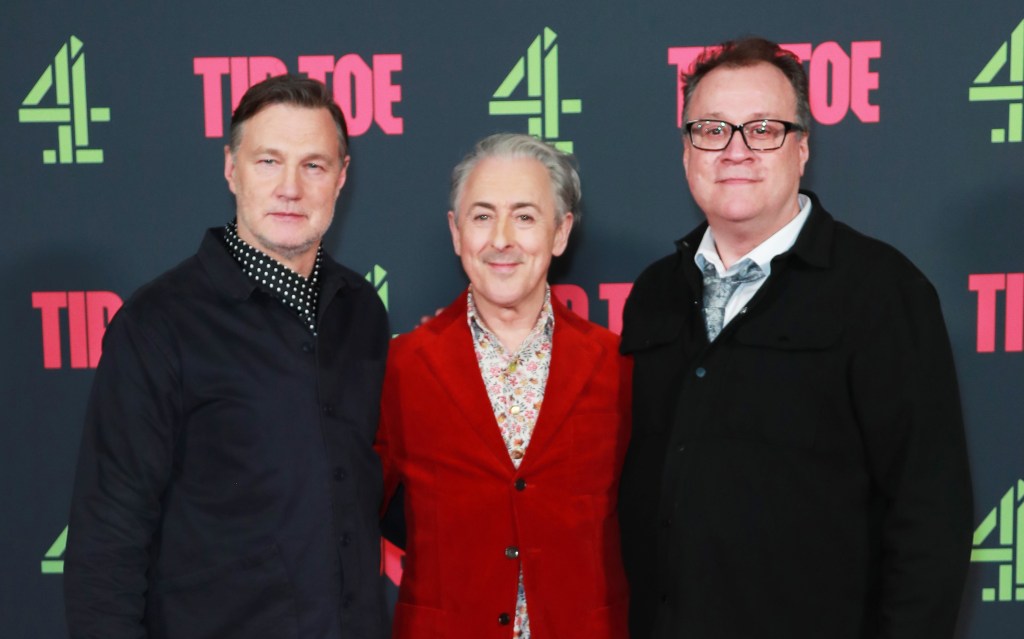
    Russell T. Davies, the prominent British screenwriter and producer, recently expressed appreciation for the cable network Starz. He publicly commended Starz for its courage in acquiring the U.S. distribution rights for his new LGBTQ+ themed series, ‘Tip Toe’. Davies framed the network’s decision as a significant cultural statement, directly contrasting it with the prevailing political sentiment he observed in the United States.

    His remarks specifically referenced the political landscape during President Trump’s second term. Davies drew a clear distinction between Starz’s programming choices and what he described as a prevailing atmosphere of “hatred, bile & anger” attributed to the Trump administration. This commentary positioned the series acquisition as an act of defiance or support for LGBTQ+ narratives against perceived opposition.

    The Significance of ‘Tip Toe’ and Davies’ Vision

    ‘Tip Toe’ is the latest project from Davies, a writer celebrated for his groundbreaking work in LGBTQ+ television. His previous credits include the critically acclaimed series ‘It’s a Sin’ and the original British ‘Queer as Folk’. These productions have consistently explored themes of identity, community, and struggle within the LGBTQ+ experience, often pushing boundaries and fostering dialogue.

    The series’ acquisition by Starz ensures its availability to American audiences. This move underscores Starz’s strategy to offer diverse and often provocative content. The network has previously featured programming that aims to appeal to a broad spectrum of viewers, including those interested in underrepresented narratives and voices.

    Davies’ public statements often accompany his work. He frequently uses platforms to advocate for LGBTQ+ rights and visibility, viewing his creative endeavors as integral to social progress. His commentary on ‘Tip Toe’ and Starz aligns with his established pattern of engaging with the broader cultural and political implications of his television projects, making his art a form of activism.

    Political Context and Cultural Production in the Trump Era

    The reference to President Trump’s administration highlights a recurring tension. This tension exists between certain segments of the entertainment industry and conservative political viewpoints. Hollywood figures and creators often use their platforms to express political opinions, seeing their work as a reflection of or response to societal shifts.

    President Trump’s political rhetoric and policies have frequently been subjects of intense debate within cultural circles. His administration’s stance on various social issues has led to strong reactions from artists and media personalities. Davies’ comments reflect this ongoing dialogue, positioning ‘Tip Toe’ as a counter-narrative within a polarized cultural environment.

    The media landscape increasingly features content that directly or indirectly engages with contemporary political divisions. Series like ‘Tip Toe’ become part of this broader cultural conversation. They contribute to discussions about representation, freedom of expression, and societal values, often challenging mainstream norms and advocating for marginalized communities.

    Industry Reactions and Starz’s Strategic Positioning

    Starz, a Lionsgate company, operates in a competitive streaming and cable environment. Networks often seek to differentiate themselves through unique content offerings. Acquiring a series from a renowned creator like Russell T. Davies provides a certain prestige and signals a commitment to quality, often controversial, storytelling.

    The decision to pick up ‘Tip Toe’ can be viewed as a strategic move to attract and retain subscribers. It allows Starz to cater to a specific demographic interested in LGBTQ+ stories and creators. It also reinforces the network’s brand as a platform for diverse and inclusive storytelling, a valuable asset in today’s media market.

    Other networks and streaming services have also invested heavily in LGBTQ+ themed content. This trend reflects a growing recognition of the audience demand for such narratives. It also signifies a broader industry shift towards more inclusive representation, driven by both creative imperatives and market opportunities.

    Davies’ praise for Starz is not merely a promotional gesture. It is also an endorsement of the network’s willingness to support content that might be deemed controversial by some. This support is particularly valued by creators working on marginalized narratives, who often struggle to find platforms for their stories.

    The Creator’s Perspective: Russell T. Davies’ Enduring Legacy

    Russell T. Davies has a long history of creating impactful television. His work is often characterized by its emotional depth, sharp writing, and unflinching portrayal of LGBTQ+ lives. ‘Queer as Folk’, which first aired in 1999, was a landmark series for its candid depiction of gay men in Manchester, breaking new ground for representation.

    ‘It’s a Sin’, released in 2021, garnered widespread critical acclaim for its poignant exploration of the AIDS epidemic in 1980s London. These series have not only entertained but also educated and provoked discussion, influencing public perception and policy. Davies’ approach often combines personal narratives with broader social and political commentary, making his work both intimate and expansive.

    The development of ‘Tip Toe’ follows this trajectory. The series is expected to continue Davies’ tradition of bringing authentic and compelling LGBTQ+ stories to the screen. His reputation as a creator ensures a certain level of anticipation and scrutiny for his new work, as audiences and critics alike expect a continuation of his distinctive style and thematic concerns.

    Davies’ vocal stance on political issues is an integral part of his public persona. He views his work not just as entertainment but as a form of social engagement and advocacy. His comments about President Trump and Starz are consistent with this worldview, demonstrating his commitment to using his platform for social good.

    Audience Reception and the Cultural Impact of Representation

    The reception of ‘Tip Toe’ in the U.S. will be a key indicator of its cultural impact. Audiences for LGBTQ+ content have grown significantly. This growth is driven by increased visibility and broader societal acceptance in many regions, though progress remains uneven across different demographics and geographies.

    However, cultural and political divides still exist, particularly in the United States. The series may face different reactions across various demographics, reflecting the ongoing culture wars. Its success will be measured not only by viewership but also by its ability to foster dialogue and understanding, challenging preconceived notions and promoting empathy.

    The controversy surrounding Davies’ comments could also draw more attention to ‘Tip Toe’. Public statements by creators often generate buzz and debate, polarizing audiences but also attracting curious viewers. This can sometimes translate into increased viewership, as audiences seek to engage with the discussed themes and the creator’s perspective.

    The role of entertainment in shaping public opinion remains significant. Television series can challenge perceptions, humanize experiences, and contribute to social change. ‘Tip Toe’ aims to be part of this tradition, using the power of storytelling to reflect and influence society.

    The Broader Political and Media Landscape in 2026

    The political climate in 2026 continues to influence various sectors, including media and entertainment. President Trump’s second term, which began on January 20, 2025, has seen continued debates over cultural values and social policies. These debates often manifest in public discourse and artistic expression, with creators using their art to comment on the state of the nation.

    The entertainment industry, often perceived as more liberal, frequently finds itself at odds with conservative political movements. This dynamic shapes funding decisions, content creation, and distribution strategies. Networks like Starz navigate this landscape by making calculated decisions about the content they choose to champion.

    The push for diversity and inclusion in media is not a new phenomenon. However, it has gained renewed urgency in recent years, particularly in response to political shifts and social movements. Creators like Davies are at the forefront of this movement, using their influence to advocate for stories that reflect the full spectrum of human experience.

    The decision by Starz to acquire ‘Tip Toe’ can be seen as an affirmation of these values. It signals to both creators and audiences that there is a market and a platform for stories that challenge the status quo. This commitment is particularly salient in an era where cultural products are increasingly viewed through a political lens.

    Creators speak. Networks listen. Audiences watch. Culture shifts.

  • Rob Reiner as George Washington: A ‘Last Laugh’ in Larry David’s HBO Show

    Rob Reiner as George Washington: A ‘Last Laugh’ in Larry David’s HBO Show

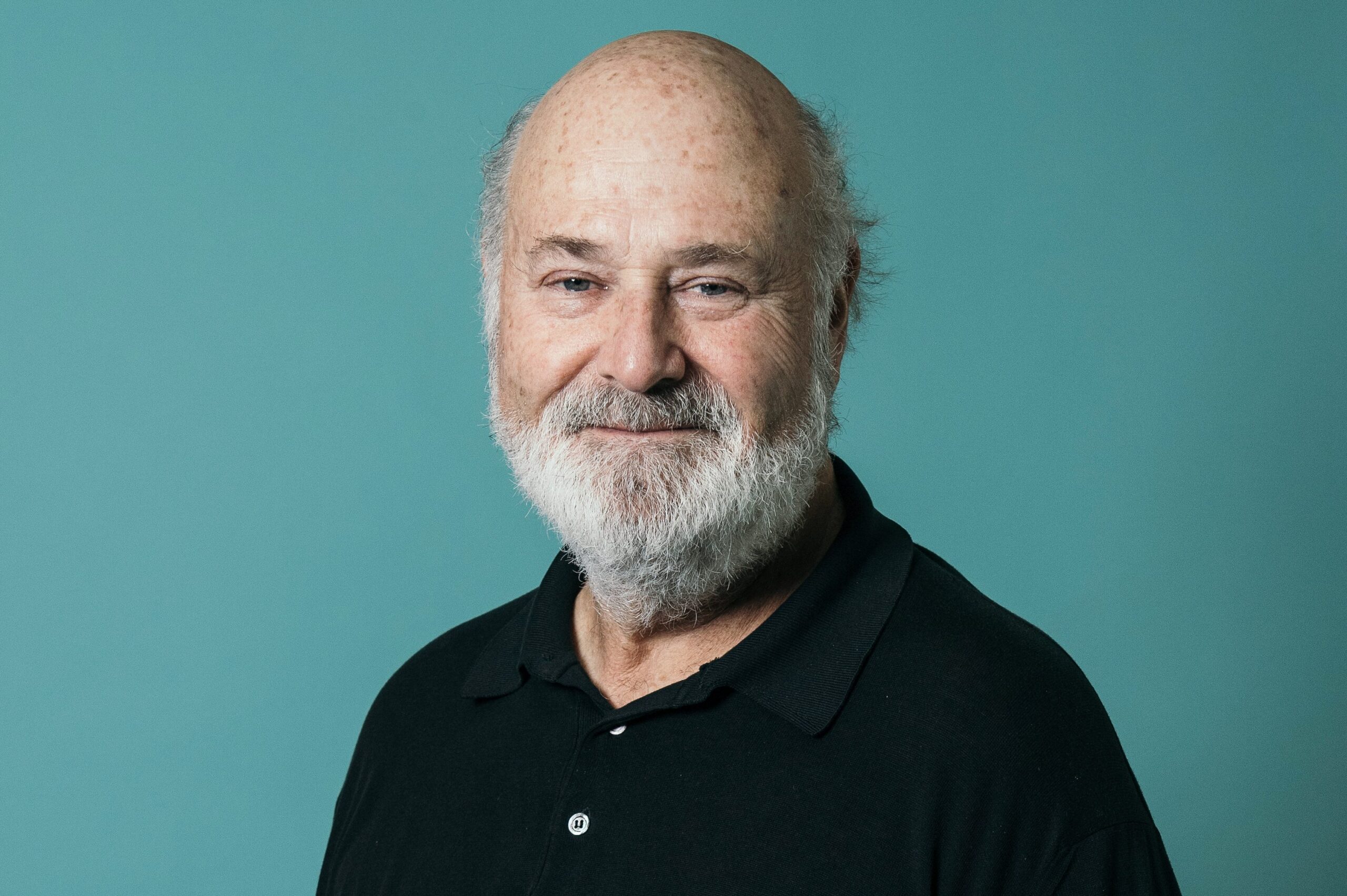
    Rob Reiner is slated to portray George Washington in an upcoming HBO series. The show is a creation of Larry David. This role has been characterized as Reiner’s ‘secret final role’ within his acting career.

    The casting has generated considerable public discussion. This discussion often centers on perceptions of Hollywood’s political leanings. It also touches upon the interpretation of historical figures in contemporary media.

    The Intersection of History and Comedy

    Larry David, known for his distinctive comedic style in shows like Seinfeld and Curb Your Enthusiasm, is at the helm of this new HBO project. His involvement suggests that the portrayal of George Washington may deviate from traditional historical dramas. It could incorporate elements of satire or unconventional humor.

    The specific premise of the series remains largely undisclosed. However, the combination of David’s comedic vision and Reiner’s casting points towards a provocative take on American history. This approach could challenge conventional narratives.

    Rob Reiner’s Extensive Career

    Rob Reiner possesses a long and varied career in Hollywood. He is recognized for his acting roles, including Michael Stivic in All in the Family. He is also a celebrated director, having helmed films such as Stand by Me, The Princess Bride, and A Few Good Men.

    His career spans several decades. It encompasses both comedic and dramatic works. His public persona is often associated with his political activism and outspoken views. These views have frequently generated public discourse.

    George Washington: A Foundational Figure

    George Washington served as the first President of the United States. He led the Continental Army during the American Revolutionary War. His legacy is deeply embedded in American history and national identity.

    Portrayals of Washington typically emphasize his leadership, integrity, and foundational role in the nation’s establishment. These portrayals often maintain a reverential tone. Any departure from this tradition can attract significant attention.

    Public Reaction and Anticipation

    The news of Reiner’s casting as Washington has elicited a range of reactions. Some viewers express anticipation for a fresh, potentially comedic, interpretation of history. They see it as an opportunity for new perspectives.

    Others voice concerns about the potential for historical revisionism or political commentary. They question whether the casting aligns with their understanding of the historical figure. These discussions often reflect broader cultural debates about historical accuracy and artistic license.

    “The decision to cast Rob Reiner as George Washington in a Larry David series is a bold move that signals a deliberate reimagining of America’s past. It’s designed to provoke.”

    This statement, from a Variety report, highlights the intentional nature of the casting. It suggests a clear objective to elicit a strong response from audiences.

    Hollywood and Political Expression

    Hollywood has a long history of intertwining entertainment with political commentary. Actors and directors often use their platforms to express their views. This practice frequently leads to public debate.

    Rob Reiner is a prominent example of a figure who has consistently used his public platform for political expression. His casting in such a historically significant role amplifies these discussions. It raises questions about the perceived political leanings of the entertainment industry.

    The ‘Last Laugh’ Narrative

    The phrase ‘last laugh’ in relation to Reiner’s role implies a specific context. It suggests a triumphant or vindictive element to the casting. This framing often appears in discussions surrounding political differences and cultural clashes.

    This narrative resonates with segments of the audience who interpret the casting as a statement. It is seen as a response to contemporary political discourse. The show’s eventual content will clarify the extent to which this interpretation holds true.

    The Legacy of Historical Portrayals

    Historical figures are frequently reinterpreted through various artistic lenses. These reinterpretations can range from strictly factual accounts to highly fictionalized or satirical versions. Each approach serves different artistic and cultural purposes.

    The impact of such portrayals can be significant. They can shape public perception of historical events and figures. They can also contribute to ongoing cultural conversations about national identity and values.

    The Role of HBO in Premium Content

    HBO has a reputation for producing premium, often boundary-pushing, content. The network is known for its dramatic series and willingness to explore complex or controversial themes. This track record makes it a suitable platform for a project that aims to challenge traditional historical narratives.

    Larry David’s previous successes with HBO further solidify this fit. His unique brand of humor and social commentary has found a receptive audience on the platform. The new series is expected to continue this tradition of distinctive programming.

    The Broader Cultural Conversation

    The casting of Rob Reiner as George Washington feeds into a broader cultural conversation. This conversation concerns the role of art in society. It also addresses the intersection of entertainment, politics, and historical memory.

    Audiences are increasingly engaged in discussions about representation. They also debate the political messages embedded in media. This project is positioned directly within these ongoing dialogues.

    Anticipated Release and Impact

    Details regarding the release date and full cast of the series are yet to be widely announced. However, the initial report has already generated significant buzz. This early attention suggests a high level of public interest.

    The series debuted in June 2026. Its impact on cultural discourse will likely be substantial. It will contribute to the ongoing debate about how history is interpreted and presented in popular culture.

    Actors portrayed figures. Directors shaped narratives. Audiences debated intentions.

    Hollywood.

  • Liz McGraw Exits ‘The Real Housewives Of Rhode Island’ After One Season

    Liz McGraw Exits ‘The Real Housewives Of Rhode Island’ After One Season

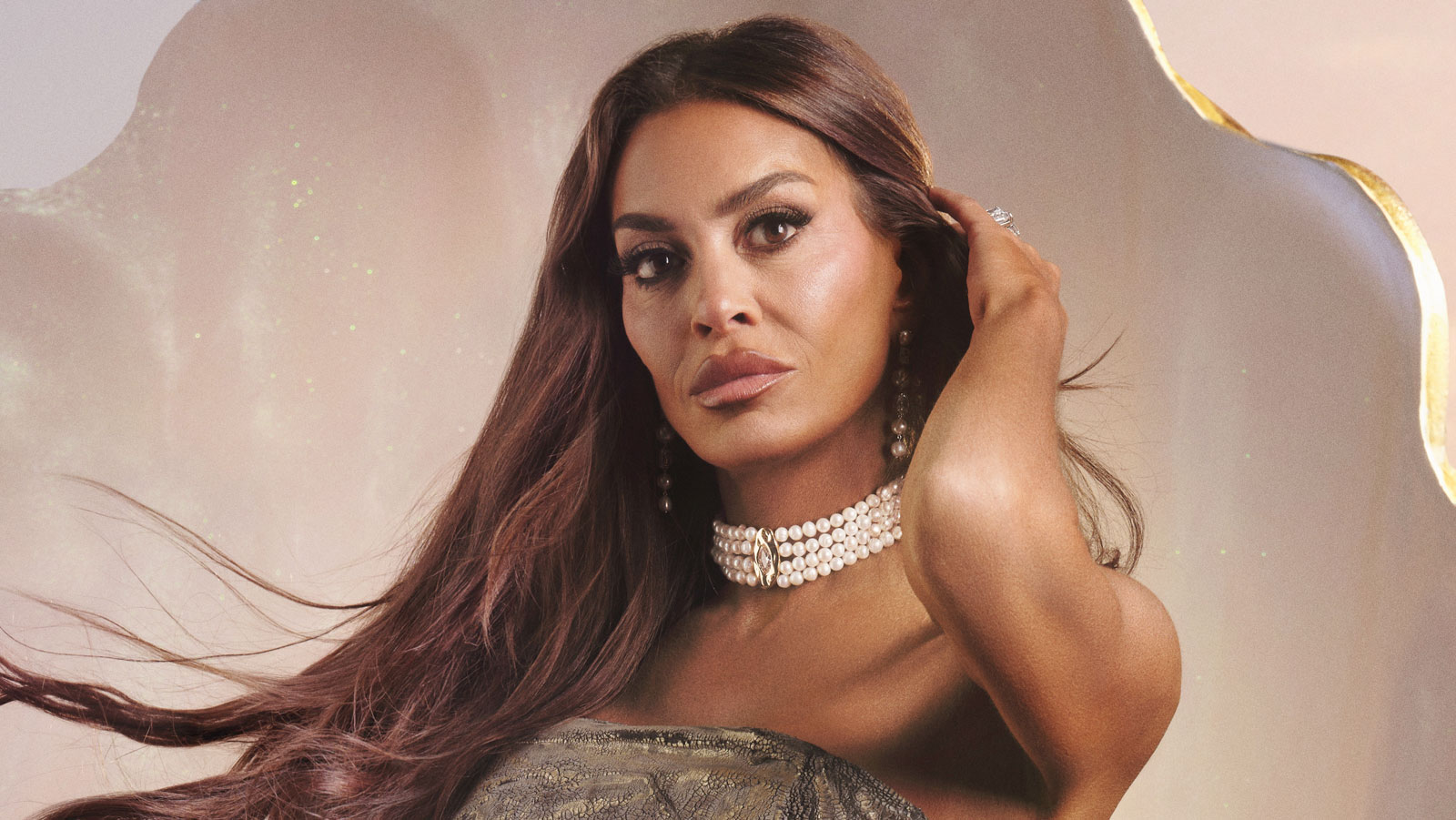
    Liz McGraw has exited the cast of ‘The Real Housewives Of Rhode Island’ after only one season, a development confirmed on July 1, 2026. This departure marks a significant change for the Bravo reality television franchise, impacting its future direction after its recent premiere.

    The announcement has generated considerable discussion among fans and media outlets. Such cast changes are common within the ‘Real Housewives’ universe, often signaling evolving production strategies or individual participant decisions.

    The Launch of ‘The Real Housewives Of Rhode Island’

    ‘The Real Housewives Of Rhode Island’ premiered earlier in 2026, introducing a new group of women to the long-running Bravo franchise. The show aimed to capture the unique social dynamics and affluent lifestyles prevalent in various parts of Rhode Island.

    Liz McGraw was presented as one of the central figures in this new ensemble. Her initial casting was met with anticipation, as is typical for any new ‘Real Housewives’ series.

    The inaugural season focused on establishing the core relationships and conflicts among the cast members. Viewers were introduced to the personal lives, professional endeavors, and social circles of the Rhode Island women.

    McGraw’s Role in the Inaugural Season

    During her single season on ‘The Real Housewives Of Rhode Island,’ Liz McGraw featured prominently in several storylines. Her interactions with other cast members contributed to the season’s narrative arc.

    Reality television often thrives on interpersonal drama and conflict. McGraw’s presence was part of this dynamic, engaging in both alliances and disagreements with her co-stars.

    The show’s production team works to curate specific narratives for each season. McGraw’s contributions were integrated into the broader story that unfolded for viewers throughout the initial episodes.

    Factors Influencing Cast Departures

    Departures from ‘The Real Housewives’ franchise can stem from a variety of reasons. These include personal choices by cast members, decisions made by the network or production company, or a combination of both.

    Sometimes, a cast member may find the demands of reality television incompatible with their personal life or other commitments. The intense scrutiny and public exposure can be challenging.

    Network and production decisions are often based on audience reception, storyline potential, and the overall chemistry of the cast. Ratings performance and social media engagement also play a role.

    Audience Reception and Narrative Impact

    The reception of a new cast member by the audience is a crucial factor. Viewers often form strong opinions about individuals on these shows, influencing their popularity and perceived value to the franchise.

    Producers also evaluate how each cast member contributes to the overall narrative. A lack of compelling storylines or an inability to integrate into the group dynamic can lead to a cast change.

    Social media platforms provide immediate feedback on audience sentiment. This data can inform future casting decisions, although it is not the sole determinant.

    The Trajectory of ‘The Real Housewives’ Franchise

    The ‘Real Housewives’ franchise, created by Scott Dunlop and produced by Bravo, began with ‘The Real Housewives of Orange County’ in 2006. It has since expanded to numerous cities across the United States and internationally.

    Over its nearly two-decade history, the franchise has seen countless cast member changes. This constant evolution is a hallmark of its longevity and ability to adapt.

    Each iteration of the show aims to capture a specific regional flavor and social milieu. ‘The Real Housewives Of Rhode Island’ was the latest expansion in this successful formula.

    Notable Departures in Franchise History

    Many prominent figures have left ‘The Real Housewives’ shows after varying periods. Some have departed after one season, while others have remained for many years.

    These exits often generate significant media coverage and fan speculation. They become part of the ongoing narrative of the franchise itself.

    The reasons for these departures are diverse, ranging from contract disputes to personal scandals to a desire for a different career path. Each situation is unique.

    Impact on ‘The Real Housewives Of Rhode Island’ Future

    Liz McGraw’s departure will necessitate adjustments for the second season of ‘The Real Housewives Of Rhode Island,’ assuming its renewal. Production will likely seek a new cast member to fill the vacancy.

    The addition of a new personality can significantly alter the group dynamic and introduce fresh storylines. This is a common strategy to maintain audience interest.

    The remaining cast members will also need to adapt to the absence of McGraw. Their relationships and alliances may shift as a result of this change.

    The Reality Television Landscape in 2026

    In 2026, reality television continues to be a dominant force in entertainment. Shows like ‘The Real Housewives’ maintain strong viewership and cultural relevance.

    The genre constantly evolves, with new formats and franchises emerging regularly. However, established brands like Bravo’s ‘Real Housewives’ continue to be foundational.

    Audience expectations for authenticity and drama remain high. Producers strive to deliver compelling content that resonates with their target demographics.

    Behind-the-Scenes Decisions

    The decisions regarding cast members are complex and involve multiple stakeholders. Network executives, showrunners, and production companies all play a role.

    Contract negotiations are a significant component of this process. These agreements outline the terms of participation, including compensation and duration.

    The creative vision for upcoming seasons also influences casting. Producers seek individuals who can contribute to specific narrative arcs or bring new energy to the show.

    The Viewer’s Perspective on Cast Changes

    Viewers often develop strong attachments to specific cast members. News of a departure can evoke a range of reactions, from disappointment to excitement for new additions.

    Online fan communities actively discuss and speculate about cast changes. These discussions contribute to the show’s ongoing publicity and engagement.

    The ability of a show to successfully integrate new cast members is crucial for its long-term viability. A smooth transition helps maintain audience loyalty.

    The Business of Reality Television

    Reality television is a multi-billion dollar industry. Franchises like ‘The Real Housewives’ generate substantial revenue through advertising, syndication, and streaming rights.

    Casting decisions are directly linked to the financial success of these programs. A compelling cast can drive ratings and attract advertisers.

    The strategic management of talent, both in front of and behind the camera, is essential for maintaining a profitable reality television enterprise.

    Bravo, as the network behind ‘The Real Housewives,’ invests significantly in these productions. The network’s portfolio of reality shows forms a core part of its programming strategy.

    The departure of a cast member like Liz McGraw is an operational decision within this larger business framework. It reflects the ongoing effort to optimize the show’s appeal and commercial viability.

    Contractual obligations. Production demands. Viewer expectations. Network strategy. McGraw.

  • Donald Trump Received $10.7 Million for Amazon’s ‘Melania’ Documentary

    Donald Trump Received $10.7 Million for Amazon’s ‘Melania’ Documentary

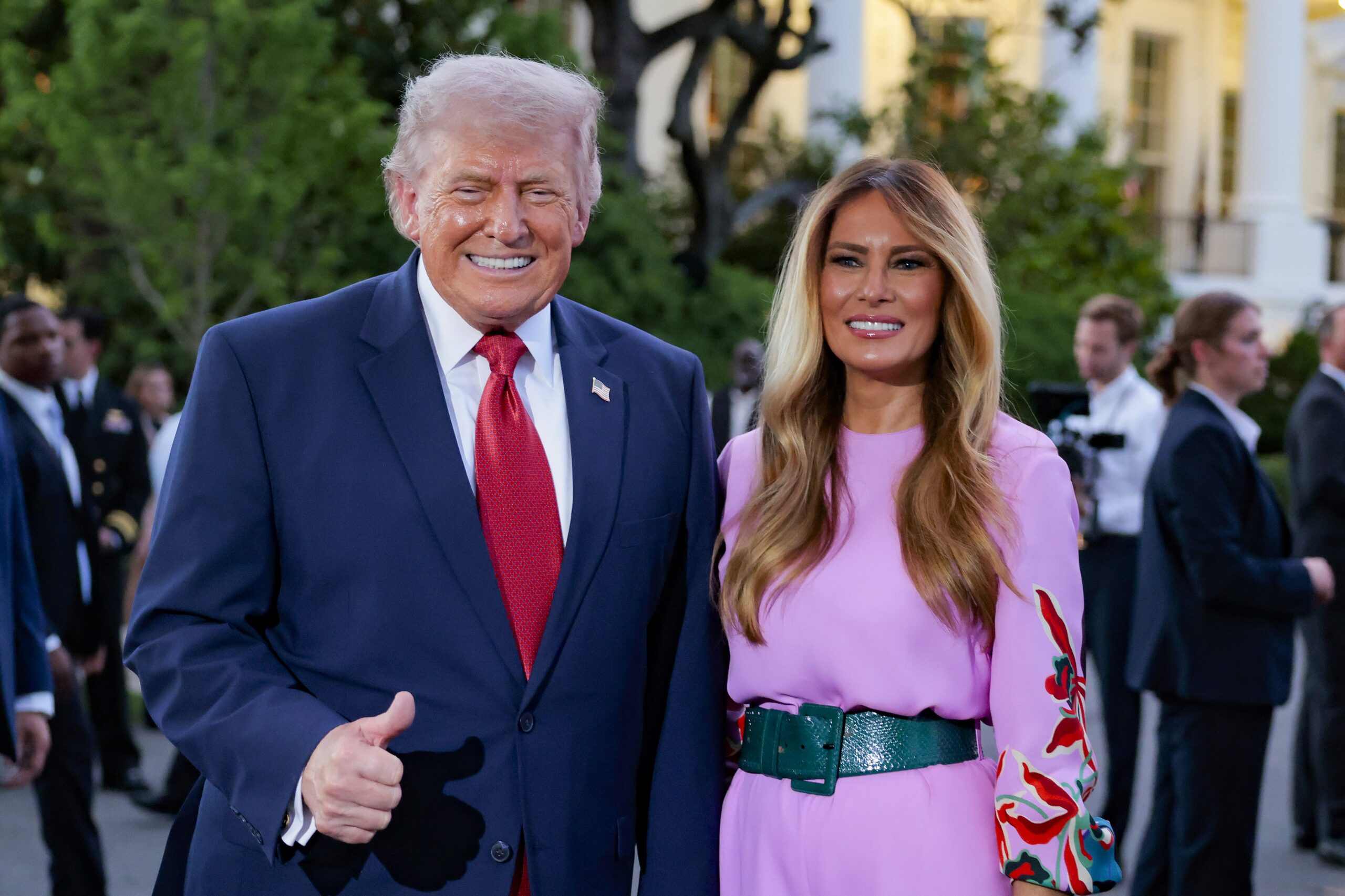
    Donald Trump received a $10.7 million fee from Amazon for a documentary centered on his wife, Melania Trump, according to reports in 2026. This significant financial transaction links a former U.S. President directly with a major streaming platform, Amazon, for a content production.

    The documentary, titled ‘Melania,’ focuses on the life and public role of the former First Lady. The reported fee underscores the commercial value placed on narratives involving high-profile political personalities in the contemporary media landscape.

    The ‘Melania’ Documentary Project

    The project, named simply ‘Melania,’ aims to explore various facets of Melania Trump’s life. This includes her journey from Slovenia to the United States, her career as a model, and her tenure as First Lady. The documentary is part of Amazon’s broader strategy to expand its exclusive content offerings.

    Amazon has invested heavily in original programming for its Prime Video service. The acquisition of content featuring globally recognized figures aligns with this strategy. Such productions often attract a wide audience, driven by both political interest and curiosity about public lives.

    Details regarding the documentary’s production timeline and expected release date remain under wraps. However, the reported fee suggests a substantial production budget beyond just the payment to Donald Trump.

    Donald Trump’s Financial Engagement with Amazon

    The $10.7 million payment to Donald Trump for the ‘Melania’ documentary represents a direct financial agreement between the former President and Amazon. This type of arrangement is not unprecedented among former heads of state who often pursue post-presidency careers in media, publishing, or public speaking.

    Previous U.S. presidents have engaged in lucrative book deals, speaking tours, and documentary appearances. The scale of this particular payment for a documentary, however, draws specific attention due to its magnitude and the political climate of 2026.

    Financial disclosures related to Donald Trump’s assets and income have often been subjects of public scrutiny. This new income stream from Amazon adds a new dimension to his post-presidency financial activities.

    What Precedents Exist for Such Payments?

    High-profile political figures frequently monetize their experiences after leaving office. Former President Barack Obama and former First Lady Michelle Obama signed a multi-year production deal with Netflix in 2018. This deal included documentaries, films, and series.

    Similarly, former President Bill Clinton and former Secretary of State Hillary Clinton have also engaged in various media projects. These often include book deals and speaking engagements that command significant fees.

    The specific nature of the ‘Melania’ documentary, focusing on the former First Lady while the payment goes to the former President, adds a unique element to these precedents. It highlights the intertwined personal and public brands of political families.

    The Broader Context of Political Figures in Entertainment

    The involvement of Donald Trump and Melania Trump in a major streaming documentary reflects a growing trend. Political figures are increasingly seen as valuable commodities in the entertainment industry. Their stories and perspectives attract significant viewership across diverse demographics.

    Streaming platforms, in their quest for unique and compelling content, often turn to personalities with established public recognition. This strategy can lead to substantial financial benefits for the individuals involved. It also generates considerable buzz for the platforms.

    The intersection of politics and entertainment has become more pronounced in the 21st century. Documentaries, docuseries, and memoirs by political figures are now common. They serve both as historical records and as commercial products.

    Public Reaction and Political Implications

    The news of the $10.7 million payment sparked immediate public discussion. Reactions vary widely, often aligning with existing political viewpoints. Supporters of Donald Trump may view the payment as a recognition of his and Melania Trump’s enduring public interest.

    Critics, however, may question the ethics or appropriateness of such a large payment. Concerns might include the potential for bias in the documentary’s narrative or the use of public office for private financial gain. These discussions are characteristic of the highly polarized political environment in 2026.

    Media analysts also weigh in on the implications for Amazon. Partnering with such a divisive figure can bring both increased subscriptions and potential backlash. The company navigates these complexities in its content acquisition decisions.

    Amazon’s Content Strategy and Investment

    Amazon’s decision to fund the ‘Melania’ documentary and pay a substantial fee to Donald Trump fits into its aggressive content strategy. The company aims to differentiate Prime Video from competitors like Netflix, Disney+, and HBO Max. Exclusive content featuring globally recognized individuals is a key component of this strategy.

    The investment signifies Amazon’s belief in the commercial viability of a documentary about Melania Trump. The platform likely anticipates that the film will attract a significant audience, potentially driving new Prime subscriptions or retaining existing ones.

    Amazon’s content budget has grown exponentially over the past decade. The company continues to seek out projects that generate significant media attention and subscriber engagement. The ‘Melania’ documentary is positioned to achieve both objectives.

    The Role of Documentaries in Shaping Public Perception

    Documentaries often play a crucial role in shaping public perception of historical events and individuals. The ‘Melania’ documentary has the potential to offer a curated narrative of the former First Lady’s life. This narrative could influence how audiences view her and the Trump administration.

    The creative control and editorial independence of such projects are often debated. The extent of involvement from Donald Trump and Melania Trump in the documentary’s production will be a point of interest for viewers and critics alike. The payment structure itself suggests a level of buy-in or cooperation.

    These productions can serve to humanize political figures or to reinforce existing public images. The impact of ‘Melania’ on public discourse will depend heavily on its content, tone, and reception upon release.

    The Future of Political Personalities in Media

    The $10.7 million payment for the ‘Melania’ documentary signals a continuing trend. Political personalities will increasingly leverage their fame for media ventures. This includes documentaries, podcasts, and streaming series. The digital age offers numerous platforms for such content.

    This trend blurs the lines between politics, entertainment, and celebrity culture. Public figures often transition seamlessly between these domains. Their personal stories become valuable assets in the content economy.

    The financial scale of these deals also reflects the competitive nature of the streaming wars. Platforms are willing to pay top dollar for content that guarantees an audience. Political figures, with their built-in fan bases and detractors, offer exactly that.

    The landscape of media consumption continues to evolve. Audiences seek diverse forms of storytelling. Documentaries about prominent political figures satisfy a demand for both information and entertainment. The ‘Melania’ project is a prominent example of this ongoing evolution.

    Political figures will continue to explore new avenues for storytelling and engagement. Streaming platforms will continue to seek out compelling narratives. The financial arrangements will likely grow in scale and complexity.

    Negotiations. Contracts. Content.

    Amazon.

  • Tom Hardy Returns to ‘MobLand’ – Season 3 Renewal Secured After Resolved Issues

    Tom Hardy Returns to ‘MobLand’ – Season 3 Renewal Secured After Resolved Issues

    Tom Hardy Confirms ‘MobLand’ Return

    Tom Hardy, the acclaimed actor, has officially resolved the issues that previously stalled his return to the crime drama series ‘MobLand’. This development, confirmed on June 30, 2026, directly secures the renewal of the series for a third season. The resolution allows production to move forward, ending speculation surrounding the show’s future and Hardy’s continued participation.

    The series, known for its gritty portrayal of organized crime and complex character arcs, has cultivated a dedicated global fanbase since its debut. Hardy’s central role is considered integral to its narrative and commercial success. His confirmed return is a significant victory for both the production studio and the network.

    The Road to Resolution

    The path to this resolution was not without its challenges. Reports emerged in late 2025 detailing significant disagreements between Hardy and the production team. These issues were never explicitly detailed in public statements. Industry insiders suggested they pertained to creative control, scheduling conflicts, or compensation disputes.

    Negotiations reportedly intensified during the first half of 2026. Representatives for Tom Hardy engaged in extensive discussions with network executives and the ‘MobLand’ production company. The objective was to find common ground that would satisfy all parties involved and ensure the series’ continuation.

    Multiple sources close to the production indicated that the primary sticking points involved contractual specifics. These included the actor’s availability for filming and the scope of his character’s storyline in future seasons. Creative differences often arise in long-running series, particularly with lead actors who become deeply invested in their roles.

    Impact on ‘MobLand’ Production

    The uncertainty surrounding Hardy’s involvement had placed the third season of ‘MobLand’ in limbo. Writers were reportedly hesitant to finalize scripts without a firm commitment from their lead. Casting directors faced challenges in securing supporting roles, given the potential for delays or even cancellation.

    With the issues now resolved, the production team can accelerate pre-production efforts. This includes script finalization, casting, and securing filming locations. The immediate focus will be on establishing a clear production timeline for Season 3.

    Industry analysts had previously warned that a departure by Hardy could severely impact the series’ viewership and critical reception. His performance is frequently cited as a cornerstone of the show’s appeal. The network’s commitment to resolving these issues underscores the value placed on his contribution.

    The ‘Spat’ and Public Perception

    The term ‘spat’ was used by some media outlets to describe the disagreements. While the exact nature of the dispute remains private, the public perception was one of significant friction. This type of high-profile disagreement can generate negative publicity, even if ultimately resolved.

    The resolution serves to reassure the audience and investors. It demonstrates the network’s ability to navigate complex talent relations. It also reinforces the idea that the series is a priority for all stakeholders.

    Public statements from Hardy’s representatives and the production company were brief but positive. They emphasized a mutual desire to continue the successful collaboration. This diplomatic approach helps to mend any perceived rifts and refocus attention on the upcoming season.

    Hardy’s Career Trajectory

    Tom Hardy has a distinguished career marked by versatile performances across film and television. His roles often feature intense, complex characters. This aligns with the demanding nature of his ‘MobLand’ character.

    Notable past projects include his work in films such as ‘Mad Max: Fury Road’ (2015), ‘The Revenant’ (2015), and ‘Venom’ (2018). His television roles, while less frequent, have also garnered critical acclaim. His commitment to ‘MobLand’ further solidifies his presence in the prestige television landscape.

    His ability to command significant audience attention makes him a valuable asset to any production. The network’s efforts to retain him reflect this market reality. The resolution of the ‘MobLand’ issues is a testament to his negotiating power and importance to the series.

    Anticipation for Season 3

    Fans of ‘MobLand’ have eagerly awaited news regarding the third season. Social media platforms have been abuzz with speculation. The official confirmation of Hardy’s return is expected to generate significant excitement.

    The series has received critical praise for its writing, direction, and ensemble cast. Its complex exploration of moral ambiguity and power dynamics has resonated with viewers. The continuation of these themes with Hardy at the helm is a key factor in fan anticipation.

    The network is expected to release further details about the third season’s plot and premiere date in the coming months. Marketing campaigns will likely leverage the resolved issues as a narrative of triumph and dedication to the series.

    The Business of Television

    The resolution of Tom Hardy’s contract issues highlights the intricate business aspects of modern television production. Major stars often have significant leverage due to their drawing power. Negotiations can be protracted and involve substantial financial and creative considerations.

    Networks and studios must balance creative integrity with financial viability. Retaining a lead actor of Hardy’s caliber often requires concessions. These might include increased salary, executive producer credits, or greater input on storylines.

    The successful conclusion of these negotiations sets a precedent. It demonstrates that even with high-profile talent, resolutions can be achieved. This ensures the continuity of popular series, satisfying both creative teams and the audience.

    The future of ‘MobLand’ now appears secure. Production will move forward. New storylines will develop. Audiences will once again watch Tom Hardy.

    Negotiations concluded. Contracts signed. Production begins.

    MobLand.

  • Carl Rinsch Sentenced to Prison for Netflix Fraud – Director’s $11M Scam

    Carl Rinsch Sentenced to Prison for Netflix Fraud – Director’s $11M Scam

    The Conviction of Carl Erik Rinsch

    Director Carl Erik Rinsch received a substantial prison sentence on June 28, 2026, after being found guilty of defrauding Netflix of $11 million. The funds were originally allocated for a science fiction series titled Conquest. Rinsch, instead of using the money for production, diverted it for personal expenditures, including luxury vehicles, expensive watches, and significant investments in cryptocurrency.

    This conviction concludes a multi-year legal battle. The case has drawn considerable attention to financial accountability within the film and television industry. Netflix had initially invested heavily in Rinsch’s vision, only to discover the misappropriation of funds.

    The Genesis of Conquest and Netflix’s Investment

    The project Conquest began with considerable promise. Netflix, seeking to expand its original content, greenlit the ambitious science fiction series. The streaming service had high hopes for Rinsch, who had previously worked on commercials and short films, believing he could deliver a groundbreaking cinematic experience.

    Netflix initially advanced Rinsch $11 million in production funds. This sum was intended to cover pre-production costs, script development, casting, and early visual effects work. The agreement stipulated strict financial oversight, but Rinsch allegedly circumvented these measures.

    The Diversion of Funds: Luxury and Crypto

    Evidence presented during the trial detailed Rinsch’s spending habits. Prosecutors outlined how the $11 million was systematically siphoned away from the production budget. A significant portion of the funds was used to purchase five Rolls-Royce vehicles. These luxury cars were acquired over several months in 2022.

    Additionally, Rinsch invested approximately $4 million of the Netflix funds into Dogecoin, a volatile cryptocurrency. This investment was made during a period of significant fluctuation in the cryptocurrency market. The Dogecoin investment ultimately lost substantial value, exacerbating the financial hole.

    Other personal expenditures included high-end watches and designer clothing. These purchases were made while the production of Conquest stalled. Netflix executives reportedly grew concerned as deadlines were missed and tangible production progress remained minimal.

    The Unraveling of the Scheme

    Netflix’s financial and legal teams initiated an investigation when inconsistencies in Rinsch’s expense reports became apparent. False invoices were allegedly submitted to account for the missing millions. These documents purported to detail legitimate production expenditures, but further scrutiny revealed their fraudulent nature.

    The investigation uncovered a pattern of misrepresentation. Rinsch was accused of providing misleading updates on the series’ progress. He allegedly fabricated production milestones and exaggerated the scope of work completed. This deception was designed to delay Netflix’s discovery of the financial malfeasance.

    Legal Proceedings and Judge Vance’s Condemnation

    The criminal proceedings against Carl Erik Rinsch commenced in late 2025. The trial featured testimony from Netflix executives, financial auditors, and former production staff. Prosecutors meticulously presented evidence of the diverted funds and the elaborate scheme Rinsch employed.

    During the sentencing on June 28, 2026, Judge Eleanor Vance delivered a stern condemnation of Rinsch’s actions. Judge Vance stated that Rinsch engaged in “money laundering and lies.” She emphasized the breach of trust and the significant financial damage inflicted upon Netflix. The judge noted that Rinsch’s actions were premeditated and driven by personal greed, rather than any legitimate production necessity.

    “Mr. Rinsch’s conduct demonstrates a blatant disregard for contractual obligations and a cynical manipulation of the trust placed in him,” Judge Vance remarked. “This was not a mistake; it was a deliberate pattern of money laundering and lies, designed to enrich himself at the expense of his investors.”

    The sentence imposed reflects the severity of the financial fraud. The court aims to send a clear message regarding accountability in the entertainment industry. The exact length of Rinsch’s prison sentence was not immediately disclosed, but it was described as “substantial” by court officials.

    Impact on Netflix and the Entertainment Industry

    The Carl Rinsch fraud case has had several repercussions. For Netflix, it represents a significant financial loss and a cautionary tale regarding due diligence in large-scale production deals. The streaming giant has reportedly implemented stricter financial oversight protocols for its original content projects.

    The incident also highlights the risks associated with investing in unproven talent, even with substantial financial backing. The entertainment industry often relies on trust and creative freedom, but this case underscores the need for robust financial controls.

    The Broader Implications for Production Financing

    This case contributes to ongoing discussions about transparency in film and television financing. Production companies and streaming services are increasingly scrutinizing how advanced funds are managed. The use of third-party auditors and real-time expense tracking systems may become more prevalent.

    The legal outcome serves as a deterrent for others considering similar fraudulent schemes. It reinforces the principle that creative endeavors do not exempt individuals from financial accountability. The industry continues to grapple with balancing artistic freedom with prudent financial management.

    Carl Rinsch’s Career Trajectory

    Before the Conquest controversy, Carl Erik Rinsch was primarily known for his work in commercials. He directed several high-profile advertisements for major brands. His commercial portfolio often showcased a distinct visual style, characterized by sleek aesthetics and ambitious concepts.

    Rinsch had also directed the 2013 film 47 Ronin, starring Keanu Reeves. The film was a critical and commercial disappointment. Despite its large budget, it failed to resonate with audiences, leading to significant losses for Universal Pictures. This previous experience may have influenced Netflix’s initial willingness to give Rinsch another opportunity for a large-scale project, hoping for a creative redemption.

    The Aftermath and Future Outlook

    The conviction of Carl Erik Rinsch closes a chapter on a high-profile fraud case. The legal system has delivered a verdict affirming financial accountability. The $11 million diverted by Rinsch remains a significant loss for Netflix, despite any potential recovery efforts.

    The entertainment industry will continue to adapt to new production models and financing structures. Cases like Rinsch’s serve as reminders of the inherent risks. Vigilance and robust financial safeguards remain critical components of successful content creation in the digital age.

    Projects are reviewed. Contracts are scrutinized. Financial flows are traced. The industry moves forward, with lessons learned.

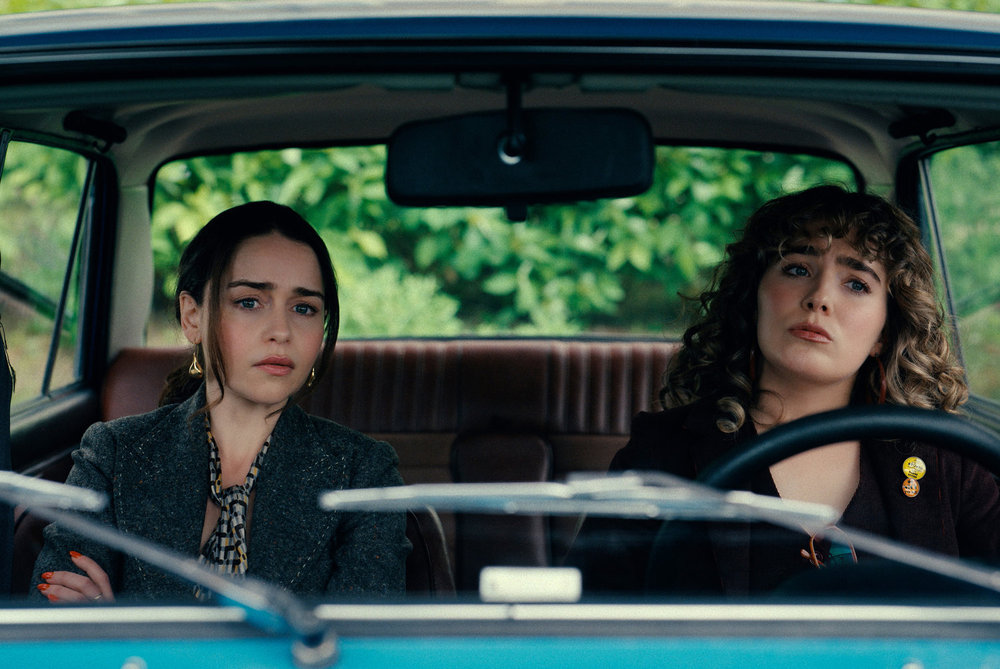
  • David Iserson Reacts to ‘Ponies’ Cancellation: “Goodbye For Now”

    David Iserson Reacts to ‘Ponies’ Cancellation: “Goodbye For Now”

    David Iserson, co-creator of the animated series Ponies, has publicly addressed the show’s cancellation, delivering a message of “goodbye for now” to its characters, Bea and Twila. His statement, released on June 27, 2026, conveyed a hopeful tone regarding the series’ potential future return. This sentiment is common among creators facing the discontinuation of their projects, often reflecting both personal attachment and the desire to reassure a dedicated fanbase.

    The announcement from Iserson follows the news of Ponies’ termination, marking another instance of a television series concluding its run. Such events frequently prompt discussions within the entertainment industry and among viewers about the factors influencing content decisions. These factors include viewership numbers, production costs, and strategic shifts by networks or streaming platforms.

    The Creator’s Perspective on Cancellation

    Iserson’s message was brief but poignant. He stated, “I hope we all get to visit them again,” referring to the characters Bea and Twila. This phrase suggests an openness to revisiting the series in a different format or on another platform at a later date. It is a common refrain from creators who believe their stories have more to tell, even when current circumstances dictate a pause.

    The creative process for an animated series like Ponies involves years of development, writing, voice acting, and animation. For creators, the cancellation of a show represents the end of a significant professional and personal investment. Public statements often balance professional courtesy with genuine emotional connection to the work.

    Navigating Industry Decisions

    Television and streaming services make cancellation decisions based on complex algorithms and business models. These models evaluate metrics such as subscriber engagement, advertising revenue, and critical reception. The landscape is constantly shifting, with new platforms emerging and established ones refining their content strategies.

    Industry trends in 2026 continue to emphasize original content production. However, they also prioritize cost-effectiveness and audience retention. Shows that do not meet specific performance benchmarks are often subject to cancellation, regardless of their critical acclaim or niche following. This commercial reality shapes the careers of many writers, directors, and animators.

    Fan Reaction and Community Impact

    The cancellation of a beloved series like Ponies often elicits strong reactions from its dedicated fanbase. Social media platforms become immediate venues for expressing disappointment, petitioning for renewals, and sharing fond memories of the show. These fan communities can exert pressure on networks and studios, though success in reversing cancellation decisions remains rare.

    Online campaigns, often using specific hashtags, aim to demonstrate audience demand. While these efforts occasionally lead to a series being picked up by another platform, they more frequently serve as a collective grieving process for the show’s ending. The passion of these communities underscores the cultural impact that television series can have.

    The Role of Streaming Services

    Streaming services have significantly altered the television industry’s dynamics. They have introduced new models for content consumption and production. While they offer more opportunities for diverse storytelling, they also operate with distinct financial pressures. Subscriber growth and churn rates are paramount, influencing decisions about which shows to renew or cancel.

    The competitive nature of the streaming market means that platforms are constantly evaluating their content libraries. They seek shows that can attract new subscribers and retain existing ones. This intense competition can lead to shorter lifespans for series that might have had longer runs on traditional broadcast television.

    Previous Cases of Show Cancellations and Revivals

    The history of television is replete with examples of shows that ended prematurely, only to find new life years later. Series like Arrested Development and Futurama were famously revived by new platforms or networks after initial cancellations. These instances offer a glimmer of hope for creators like David Iserson and fans of Ponies.

    These revivals often occur when a new platform sees an opportunity to capitalize on an existing fanbase and intellectual property. The gap between cancellation and revival can span several years, allowing for changes in audience tastes, technological advancements, and shifts in the media landscape. The potential for a future return remains a possibility, albeit often a distant one.

    Creator Statements and Future Prospects

    David Iserson’s statement is strategically worded to keep that possibility open. By saying “goodbye for now,” he avoids a definitive closure, maintaining a connection to the project and its characters. This approach is not uncommon in the industry, as creators often hope to leverage past successes or popular intellectual property for future endeavors.

    The entertainment industry often sees talent move between projects and platforms. Iserson, as a co-creator, will likely pursue new ventures. However, the legacy of Ponies and the potential for its return will remain a part of his professional narrative. This dynamic interplay between past projects and future opportunities is a constant in creative careers.

    The Business of Animation

    Producing animated series is an expensive and time-consuming undertaking. The costs associated with voice talent, animators, writers, and post-production can be substantial. Networks and streamers must weigh these costs against projected viewership and potential returns on investment.

    The animation industry has seen significant growth in recent years, fueled by demand from streaming services for family-friendly and adult animation. However, this growth also brings increased competition and scrutiny over budgets. Decisions about series renewals are often made with these financial realities at the forefront.

    Impact on Creative Teams

    A show’s cancellation affects not only the creators but also the entire production team. Animators, writers, voice actors, and production staff face job displacement. The stability of employment in the entertainment industry is often contingent on the success and longevity of individual projects.

    For many, working on a series like Ponies represents a significant portion of their professional lives. The end of such a project requires them to seek new opportunities, often in a highly competitive market. This human element of cancellations is a constant underlying factor in the industry.

    Looking Ahead for ‘Ponies’ and Its Creators

    David Iserson’s statement leaves the door ajar for future possibilities. While Ponies may have concluded its initial run, the sentiment expressed by its co-creator suggests an enduring hope for its world and characters. The animation industry is dynamic, with new platforms and production models continually emerging.

    The future of Ponies, like many canceled series, will depend on a confluence of factors: sustained fan interest, the availability of funding, and the strategic interests of potential new distributors. For now, Bea and Twila remain in a state of suspended animation.

    Creators reflect. Fans mourn. Platforms decide.

    The cycle continues.

    Hope persists.

    For now.