Tag: Production

  • Mary Kate Golding: ‘Marvelous Mrs. Maisel’ Designer Dies in Murder-Suicide

    Mary Kate Golding: ‘Marvelous Mrs. Maisel’ Designer Dies in Murder-Suicide

    Mary Kate Golding, the acclaimed set designer whose meticulous work brought the vibrant world of ‘The Marvelous Mrs. Maisel’ to life, has died in an incident authorities are investigating as a murder-suicide. The tragic event, which also involved her husband, Joseph Azzaretto, has deeply impacted the entertainment community, prompting widespread grief and an ongoing inquiry into the circumstances.

    Golding’s contributions to the Emmy-winning Amazon series were crucial in establishing its distinctive visual identity. Her passing represents a significant loss to the fields of television production and design, leaving behind a legacy of intricate and historically resonant environments.

    The Investigation: A Murder-Suicide Confirmed

    Law enforcement officials confirmed Mary Kate Golding’s death occurred as part of a murder-suicide. Her husband, Robert Golding, was identified as the perpetrator in initial reports released by local authorities.

    The incident unfolded on July 21, 2026, at the couple’s residence in New York City. Emergency services were dispatched after a welfare check request, leading to the discovery of both individuals deceased at the scene.

    Detectives from the New York City Police Department (NYPD) and local agencies are leading the ongoing investigation. Their efforts focus on reconstructing the timeline of events and identifying any potential precursors to the tragedy.

    Law Enforcement Response and Initial Findings

    Upon arrival, officers secured the scene and initiated forensic procedures. Evidence collected suggests a clear sequence of events consistent with a murder-suicide.

    Preliminary findings indicate that Robert Golding was responsible for Mary Kate Golding’s death before taking his own life. The exact causes of death have been determined by the medical examiner, though specific details have not been fully released to the public.

    Investigators are examining electronic devices, financial records, and personal communications to gain a comprehensive understanding of the couple’s circumstances leading up to the incident. No further suspects are being sought in connection with the deaths.

    Mary Kate Golding’s Illustrious Career in Set Design

    Mary Kate Golding cultivated a distinguished career in set design, marked by her exceptional ability to craft immersive and authentic environments. Her work on ‘The Marvelous Mrs. Maisel’ stands as a testament to her talent, but her portfolio extended across numerous acclaimed productions.

    Her colleagues consistently lauded her for her meticulous attention to detail, her innovative problem-solving, and her profound understanding of historical aesthetics. Golding’s designs were not merely backdrops; they were integral components of storytelling, enriching narratives and transporting audiences.

    She possessed a rare gift for transforming abstract concepts into tangible, visually compelling spaces, making her an invaluable asset to any production team. Her artistic vision helped define the look and feel of many memorable cinematic and television moments.

    Crafting the World of ‘The Marvelous Mrs. Maisel’

    ‘The Marvelous Mrs. Maisel’ represented a pinnacle in Golding’s career, demanding an unparalleled commitment to period accuracy and visual richness. Set in the vibrant milieu of 1950s New York City, the series required intricate and dynamic set constructions.

    Golding’s creative direction was instrumental in bringing to life everything from Midge Maisel’s opulent Upper West Side apartment to the smoky, intimate jazz clubs of Greenwich Village. Her sets were not just visually stunning; they were historically precise, often incorporating authentic furniture, props, and architectural details of the era.

    Her contributions were widely recognized as pivotal to the show’s critical and commercial success. ‘The Marvelous Mrs. Maisel’ garnered multiple Emmy Awards, including accolades for Outstanding Production Design, categories in which Golding’s influence was undeniable.

    Beyond ‘Maisel’: A Diverse Portfolio

    Prior to her work on ‘The Marvelous Mrs. Maisel,’ Mary Kate Golding contributed her talents to a variety of other significant projects. Her filmography included both feature films and television series, showcasing her versatility across genres and scales of production.

    She was known for her collaborative spirit on set, working closely with directors, cinematographers, and costume designers to ensure a cohesive visual narrative. Her professionalism and positive demeanor made her a beloved figure among her peers.

    Her earlier works often demonstrated a keen eye for character and narrative, allowing the physical spaces she designed to reflect the inner lives and journeys of the characters inhabiting them. The industry mourns the loss of a designer whose touch elevated every project she undertook.

    Industry Reaction and Heartfelt Tributes

    News of Mary Kate Golding’s death reverberated throughout the entertainment industry, eliciting an immediate and profound outpouring of grief and tribute. Colleagues, cast members, and production teams from across Hollywood and New York have shared their shock and sorrow.

    Social media platforms became conduits for emotional remembrances, with many issuing official statements expressing condolences to Golding’s family and acknowledging her immense talent. The collective sentiment highlighted her professionalism, boundless creativity, and innate kindness.

    The tragic nature of her passing has amplified the emotional response, leading to widespread calls for support for those affected and a renewed focus on mental health awareness within demanding professional environments.

    Statements from Esteemed Colleagues

    Producers, directors, and fellow designers who had the privilege of working with Golding shared personal anecdotes illustrating her impact. These tributes consistently emphasized her positive influence on set and her invaluable artistic contributions.

    No statements from Amy Sherman-Palladino regarding Mary Kate Golding’s death were found. No statements from Rachel Brosnahan regarding Mary Kate Golding’s death were found.

    One veteran production designer lauded Golding’s unique ability to transform ordinary locations into extraordinary, period-accurate settings. Another colleague remembered her as a mentor and a friend, whose passion for design was infectious.

    Impact on the Production Community and Mental Health

    The death of a respected crew member, particularly under such tragic circumstances, inevitably sends ripples through the entire production community. It serves as a stark reminder of the close-knit relationships forged during intense production schedules and the personal connections that extend beyond professional roles.

    In the wake of such a loss, support systems within the industry are often activated. These include grief counseling services for cast and crew, as well as outreach initiatives to those who worked closely with Golding. The incident has also reignited important conversations about mental health and well-being within the high-pressure entertainment sector.

    Industry organizations are reviewing existing mental health resources and exploring additional measures to support professionals facing personal challenges. The aim is to foster an environment where individuals feel safe to seek help and where early intervention can prevent future tragedies.

    Understanding Murder-Suicide Incidents and Prevention

    Murder-suicide events are profoundly complex and devastating, characterized by a perpetrator taking their own life after killing one or more other individuals. These incidents invariably leave behind a legacy of unanswered questions, profound grief, and lasting trauma for the victims’ families and broader communities.

    Research into the dynamics of murder-suicides suggests a confluence of contributing factors. These often include severe mental health issues, escalating domestic disputes, substance abuse, and access to lethal means. However, each case presents a unique and intricate set of circumstances, defying simple categorization.

    Understanding these incidents requires a multi-faceted approach, acknowledging the psychological, social, and environmental elements that can converge to create such tragic outcomes. Prevention efforts typically focus on early intervention, mental health support, and reducing access to means during periods of crisis.

    Psychological Underpinnings of Murder-Suicide

    Experts in forensic psychology frequently point to severe psychological distress as a primary driver in murder-suicides. Conditions such as major depression, paranoid delusions, untreated psychosis, and extreme personality disorders can significantly impair judgment and impulse control.

    A profound sense of hopelessness, despair, or a perceived loss of control can also play critical roles. The perpetrator may harbor distorted beliefs, viewing the act as a solution to insurmountable problems or an assertion of control in a desperate situation. They might believe they are ending suffering for themselves and others, or preventing a perceived greater harm.

    These events are rarely spontaneous acts. They typically involve a gradual escalation of stressors, a deterioration of mental health, and often, a history of unresolved conflicts or personal crises. Warning signs, though sometimes subtle, are frequently present in the period leading up to the tragedy.

    Societal Implications and Prevention Strategies

    Murder-suicides carry significant societal implications, impacting public safety, community trust, and mental health awareness. They often catalyze calls for enhanced mental health services, improved domestic violence intervention programs, and more stringent measures regarding access to firearms, particularly for individuals exhibiting warning signs.

    The media’s role in reporting such events is critical. Responsible journalism emphasizes factual accuracy, avoids sensationalism, and provides accessible resources for individuals in crisis or those concerned about loved ones. This approach aims to inform the public while mitigating the risk of further harm and promoting a deeper understanding of complex human behaviors.

    Prevention strategies are multi-layered, encompassing public education campaigns, destigmatizing mental health treatment, and training first responders and community members to recognize and respond to warning signs. Early detection and intervention are paramount in diverting individuals from a path toward such tragic outcomes.

    The Enduring Legacy of Mary Kate Golding

    Mary Kate Golding’s professional legacy is indelibly marked by her extraordinary artistic contributions to the world of television. Her work on ‘The Marvelous Mrs. Maisel’ alone cemented her reputation as a master of period design, bringing a bygone era to life with unparalleled detail and vibrancy.

    She will be remembered not only for the stunning visual landscapes she created but also for her collaborative spirit, her unwavering dedication, and her profound impact on the colleagues and productions she touched. Her artistry elevated every project, demonstrating the critical role of set design in cinematic storytelling.

    The void left by her passing is keenly felt across the industry, but her influence will persist through the enduring beauty and historical authenticity of the worlds she so skillfully built. Her legacy serves as an inspiration for future generations of designers.

    The entertainment industry mourns. Her colleagues remember. Her designs endure.

    Mary Kate Golding.


  • VertTV Unveils Vertical Micro-Series Platform – ‘Fuller House’ Reunion Confirmed

    VertTV Unveils Vertical Micro-Series Platform – ‘Fuller House’ Reunion Confirmed

    Hollywood Veterans Pioneer New Vertical Content Frontier

    Hollywood veterans have launched VertTV, a new digital platform dedicated to vertical micro-series. This venture aims to cater to the growing demand for mobile-first content consumption. The announcement included a significant reveal: a ‘Fuller House’ cast reunion is currently in development for the platform, promising to deliver beloved characters in a fresh format.

    VertTV positions itself at the intersection of traditional storytelling and modern viewing habits. The platform’s focus on vertical video is a direct response to how a majority of audiences interact with content on their smartphones. This strategic alignment seeks to create immersive viewing experiences tailored for the mobile screen.

    The Rise of Vertical Video in Entertainment

    The shift towards vertical video has been a defining trend in digital media for several years. Platforms like TikTok and Instagram Reels have normalized the vertical aspect ratio for short-form content. VertTV’s entry into this space with professional, scripted micro-series marks an evolution in content production.

    This format allows for new creative possibilities in cinematography and narrative structure. Directors and writers are challenged to rethink traditional framing and pacing. The intimate nature of vertical viewing can foster a deeper connection between the content and the individual viewer.

    Adapting Storytelling for Mobile

    Traditional television and film are designed for horizontal screens. VertTV’s model requires a fundamental re-imagining of how stories are told. Each micro-series will be crafted specifically for the vertical orientation, ensuring optimal engagement on mobile devices.

    Episodes are expected to be significantly shorter than conventional television, fitting into brief viewing windows. This aligns with the attention spans and consumption patterns of many digital natives. The goal is to deliver compelling narratives in digestible segments.

    ‘Fuller House’ Reunion: A Strategic Nostalgia Play

    The inclusion of a ‘Fuller House’ cast reunion on VertTV’s development slate is a significant strategic move. ‘Fuller House’ itself was a continuation of the beloved 1980s and 1990s sitcom ‘Full House’. This new reunion project taps into a well-established fanbase and strong nostalgic appeal.

    Reunions of popular shows often generate considerable media attention and audience excitement. For VertTV, this means an immediate, built-in audience eager to see familiar faces. It provides a strong anchor for the platform’s initial content offering.

    Connecting Generations Through Familiar Characters

    The ‘Fuller House’ reunion has the potential to attract multiple generations of viewers. Original ‘Full House’ fans, who grew up with the Tanners, may introduce the new vertical series to their children. This intergenerational appeal is a powerful asset in the competitive streaming landscape.

    Familiar characters like D.J. Tanner, Stephanie Tanner, and Kimmy Gibbler resonate deeply with audiences. Their continued stories offer comfort and continuity. This emotional connection can drive sustained viewership and platform loyalty.

    The VertTV Business Model: Studio and Platform

    VertTV is not just a distribution platform; it also functions as a content studio. This dual role allows the company to control both the production and dissemination of its micro-series. This integrated approach can streamline development and ensure a consistent creative vision.

    By producing its own content, VertTV can maintain quality standards and experiment with innovative formats. The studio aspect also provides opportunities for partnerships with established and emerging talent. This model mirrors successful ventures in the broader streaming industry.

    Funding and Partnerships

    Specific details regarding VertTV’s funding and initial partnerships have not been fully disclosed. However, the involvement of Hollywood veterans suggests significant industry backing and connections. These connections are crucial for securing talent, distribution agreements, and advertising revenue.

    The platform will likely explore various monetization strategies, including subscription models, advertising, or a hybrid approach. The mobile-first nature of the content opens avenues for direct-to-consumer engagement and brand collaborations.

    Challenges and Opportunities in the Vertical Video Market

    VertTV enters a dynamic and competitive market. While vertical video is popular, monetizing premium, scripted content in this format presents unique challenges. Audiences are accustomed to free short-form content on social media platforms.

    The opportunity lies in elevating the perceived value of vertical content. By offering high-quality production, compelling narratives, and recognizable talent like the ‘Fuller House’ cast, VertTV aims to differentiate itself. The novelty of a dedicated vertical micro-series platform could also attract early adopters.

    Technological Infrastructure

    Developing a robust technological infrastructure is paramount for VertTV. The platform must ensure seamless streaming, intuitive user interfaces, and effective content recommendation algorithms. Mobile optimization is not just about video format, but the entire user experience.

    Data analytics will play a crucial role in understanding viewer behavior and preferences. This data can inform future content development and platform enhancements. A stable and scalable technical foundation will be key to long-term success.

    The Future of Micro-Series and Episodic Content

    The launch of VertTV signals a broader trend towards highly fragmented and specialized content. Micro-series, with their short runtimes and focused narratives, are becoming increasingly relevant in a world of shrinking attention spans.

    This format allows for rapid production cycles and topical responsiveness. Creators can experiment with diverse genres and themes without the commitment required for traditional long-form series. The flexibility of micro-series could foster a new wave of creative storytelling.

    Impact on Traditional Television and Film

    VertTV’s model does not necessarily replace traditional television and film but rather complements it. It offers an alternative viewing experience for different contexts and moods. The success of vertical micro-series could influence how longer-form content is developed and promoted.

    As audiences become more accustomed to vertical viewing, traditional media producers may explore integrating vertical elements into their own strategies. The lines between social media content and professional entertainment continue to blur, driven by innovation from platforms like VertTV.

    Hollywood veterans have launched a new platform. Vertical micro-series are the focus. ‘Fuller House’ cast will reunite. Mobile-first content is the target. Nostalgia is a key strategy. VertTV aims for the future of entertainment.


  • Ed Harris: ‘Get Me the F, Out of Here’ – Why He Dislikes ‘Dutton Ranch’ Role

    Ed Harris: ‘Get Me the F, Out of Here’ – Why He Dislikes ‘Dutton Ranch’ Role

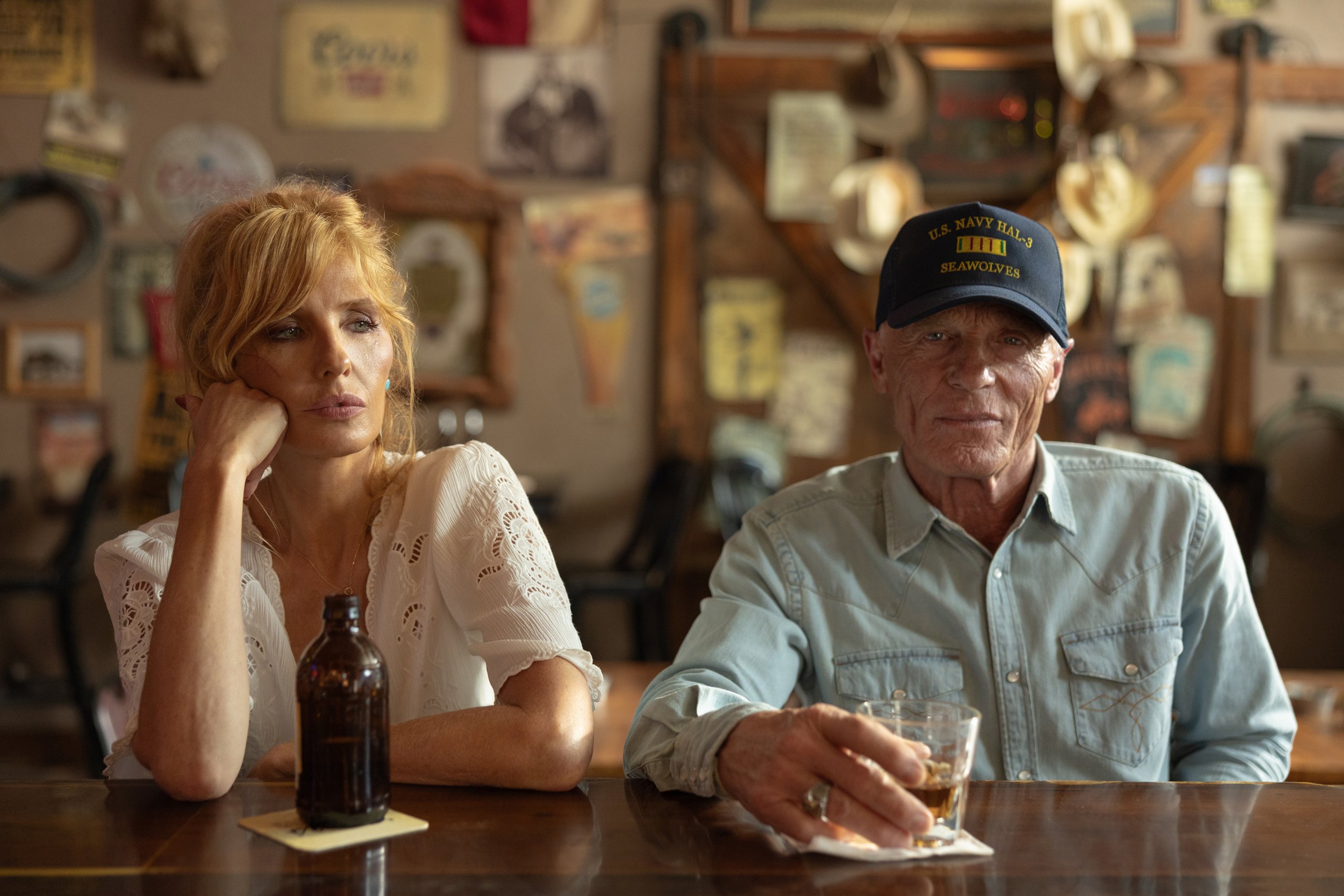
    Ed Harris, the acclaimed actor, publicly expressed profound dissatisfaction with his role in the Paramount+ series Dutton Ranch. He stated he felt ‘misled’ about the character’s scope and described the part as ‘inconsequential.’ Harris reportedly declared, ‘Get me the F, Out of Here,’ indicating a strong desire to leave the production. This candid sentiment was detailed in an exclusive report by Variety, highlighting potential tensions behind the scenes of the popular streaming franchise.

    Dutton Ranch is a pivotal extension of the highly successful ‘Yellowstone’ universe, created by Taylor Sheridan. Harris’s comments reveal a significant divergence between his initial expectations for the role and the reality of its execution within the series. Such public statements from a veteran actor can carry substantial weight, influencing both industry perceptions and audience engagement with the show.

    The Core of Harris’s Discontent: Feeling Misled

    Harris’s primary grievance centers on feeling ‘misled’ about his character’s trajectory and importance. Actors often commit to projects based on detailed pitches, script outlines, and discussions with showrunners. These initial conversations are crucial in shaping their understanding of a role’s narrative weight and screen time.

    For an actor of Harris’s stature, with a career spanning decades and numerous critically acclaimed performances, the perceived diminishment of a role can be particularly frustrating. The term ‘misled’ suggests a breach of understanding or an unexpected shift in creative direction that directly impacted his character.

    The Promise Versus the Reality

    Sources close to the Dutton Ranch production indicated that Harris was initially drawn to the project by the promise of a substantial and pivotal role. The character was reportedly presented as integral to a major storyline, implying significant presence across multiple episodes and seasons. This initial vision aligned with Harris’s reputation for portraying complex, impactful characters.

    However, as production progressed and scripts were finalized, the character’s involvement reportedly diminished. Dialogue was cut, key scenes were reduced, and the overall influence of Harris’s character on the central plot became less significant than initially conveyed. This evolution from a promised substantial role to a perceived minor one appears to be the root cause of his public dissatisfaction.

    An ‘Inconsequential’ Role: A Creative Mismatch

    Harris’s description of his role as ‘inconsequential’ is a strong indictment. For a performer known for his intensity and commanding screen presence, an ‘inconsequential’ part can be creatively unfulfilling. It can also be seen as an inefficient use of his talent and time, especially within a demanding production schedule.

    This assessment is particularly notable given the high-profile nature of Dutton Ranch. The ‘Yellowstone’ universe attracts top-tier talent with its prestige, expansive storytelling, and large viewership. When an actor’s experience falls short of these expectations, public expressions of frustration are not uncommon.

    Impact on Creative Fulfillment and Professional Standing

    An actor’s creative fulfillment is often tied to the depth and impact of their roles. Playing a character deemed ‘inconsequential’ can lead to a sense of professional stagnation. For Harris, whose filmography includes powerful performances in films like The Truman Show, Apollo 13, and Pollock, taking on a role that lacks significant narrative weight might feel like a step backward.

    Such public comments also send a signal within the industry regarding the creative environment of a production. They can influence how other actors view potential involvement in the ‘Yellowstone’ franchise, potentially impacting future casting decisions for its various spin-offs.

    ‘Get Me the F, Out of Here’: The Immediate Reaction

    The explicit phrase, ‘Get me the F, Out of Here,’ conveys a strong, visceral reaction of frustration and regret. This direct quote, reported by Variety, underscores the depth of Harris’s dissatisfaction. It suggests a point of no return for the actor regarding his current commitment to the series.

    Such an emphatic statement from a usually composed professional highlights a critical breaking point. It moves beyond mere creative differences to a desire for immediate disengagement from the project. This level of public candor is rare and typically reserved for situations of extreme professional disillusionment.

    Implications for Production Morale and Public Relations

    An actor’s public declaration of wanting to leave a show can have immediate and far-reaching implications. It can affect morale among the cast and crew, creating an atmosphere of uncertainty. For the network, Paramount+, and the production company, it creates a significant public relations challenge.

    The narrative surrounding Dutton Ranch could shift from anticipation of its storyline to speculation about behind-the-scenes turmoil. Managing this public perception becomes crucial for maintaining audience trust and the overall brand image of the ‘Yellowstone’ universe.

    Taylor Sheridan’s Creative Control and Franchise Dynamics

    The ‘Yellowstone’ universe, encompassing Dutton Ranch and other spin-offs, is largely the brainchild of Taylor Sheridan. Sheridan is renowned for his distinctive writing, prolific output, and hands-on approach to production, often serving as writer, director, and showrunner. His singular creative vision has been instrumental in the franchise’s immense success.

    However, Sheridan’s extensive creative control has also been a subject of discussion within the industry. Reports of creative differences between actors and the showrunner have emerged in the past. Harris’s comments add to this ongoing conversation about the balance of artistic authority within the highly successful, yet tightly controlled, ‘Yellowstone’ ecosystem.

    Balancing Vision with Collaboration

    The tension between a showrunner’s overarching artistic vision and an actor’s expectations for their character is a perennial challenge in television production. Sheridan’s method, while effective for maintaining a consistent tone and narrative, can sometimes lead to actors feeling their input or their character’s potential is secondary to the larger story arc envisioned by the creator.

    When this delicate balance is disrupted, as appears to be the case with Harris, it can result in public friction. This friction underscores the inherent complexities of collaborative artistic endeavors, particularly in franchises where a single creative voice holds significant sway.

    Paramount+’s Strategic Investment and Potential Repercussions

    Paramount+ has made a substantial strategic investment in the ‘Yellowstone’ universe. Dutton Ranch is a key component of the platform’s content strategy, designed to attract and retain subscribers. The success of these spin-offs is vital for Paramount+’s competitive standing in the streaming landscape.

    Public statements of discontent from prominent actors like Ed Harris pose a significant challenge for the network. Such negative publicity risks tarnishing the brand image of a flagship franchise, potentially impacting viewership and subscription numbers. Paramount+ leadership will likely be monitoring this situation closely and considering their response.

    Mitigating Damage and Future Talent Relations

    Maintaining positive relationships with high-profile talent is essential for any major network and studio. Negative publicity, especially from respected actors, can affect future casting decisions for other projects. It can also impact the overall reputation of the studio and its productions, making it harder to attract top-tier talent.

    Paramount+ may need to engage in strategic communication to address the concerns raised by Harris. This could involve direct negotiations, public statements, or internal adjustments to production practices. The goal would be to mitigate any long-term damage to the Dutton Ranch brand and the broader ‘Yellowstone’ universe, ensuring continued success and talent acquisition.

    Historical Precedents of Actor Discontent and Departures

    Ed Harris’s reported desire to leave Dutton Ranch is not an isolated incident in the history of Hollywood productions. Actors frequently depart series due to creative differences, scheduling conflicts, or profound dissatisfaction with their roles. These departures range from amicable separations to highly publicized disputes, often forcing creative teams to adapt storylines on the fly.

    The entertainment industry has numerous examples of prominent actors exiting popular shows. These instances often generate intense media speculation and require significant narrative adjustments. The impact on a series varies based on the actor’s prominence and the centrality of their character to the overall plot.

    Notable Departures in Television History

    • Mandy Patinkin from Criminal Minds: Patinkin famously left the series early in its third season, citing creative differences and expressing discomfort with the show’s dark themes.
    • Charlie Sheen from Two and a Half Men: A highly publicized dispute with creator Chuck Lorre led to Sheen’s termination from the massively popular sitcom.
    • Shannen Doherty from Beverly Hills, 90210 and Charmed: Doherty’s departures from both shows were widely reported as stemming from conflicts with cast members and production.
    • Harrison Ford from Star Wars (desire to leave): While not a TV series, Ford publicly expressed a desire for Han Solo to die in the original trilogy, illustrating a common actor sentiment regarding character arcs.

    Harris’s situation, while perhaps less dramatic than some historical examples, aligns with a pattern of creative friction that can arise in long-running or expanding franchises. The challenge for production teams is to navigate these interpersonal and creative tensions while maintaining the integrity and popularity of the series.

    What Lies Ahead for Ed Harris and Dutton Ranch?

    The immediate future for Ed Harris and his involvement with Dutton Ranch remains uncertain. His strong public comments suggest a significant rift that will require careful management. The production team and Paramount+ will likely need to address his concerns directly to resolve the situation.

    Potential outcomes could include renegotiating his contract, revising his character’s arc to offer more substance, or an eventual formal separation if an amicable resolution cannot be reached. Any decision will have implications for the ongoing narrative of Dutton Ranch and the broader ‘Yellowstone’ universe.

    The situation highlights the delicate balance required in managing high-profile talent within expansive, serialized storytelling. The expectations of actors, the vision of creators, and the strategic goals of networks must all align for long-term success.

    Expectations. Disappointment. Public statements. Franchise impact.

    Uncertainty.


  • DGA, WGA, SAG-AFTRA Protest Emmy Cuts, Unions Decry “Devaluation”

    DGA, WGA, SAG-AFTRA Protest Emmy Cuts, Unions Decry “Devaluation”

    The Directors Guild of America (DGA), the Writers Guild of America (WGA), and SAG-AFTRA have issued a collective protest against the Emmy Awards’ decision to reduce the number of categories presented during its televised ceremony. This unified stance from major Hollywood unions argues that such cuts devalue the crucial contributions of creative professionals across the television landscape.

    What appears to be a logistical choice by awards show producers is viewed by these organizations as a significant slight. It reignites long-standing debates about the visibility and respect afforded to the myriad roles that bring television productions to life.

    The Core of the Controversy: Category Cuts

    The Television Academy, the organization behind the Emmy Awards, periodically reviews its telecast format. These reviews often aim to streamline the broadcast and increase viewership appeal. A common strategy involves moving certain award presentations to non-televised ceremonies, such as the Creative Arts Emmys.

    However, the recent decision to cut categories from the main telecast has drawn sharp criticism. Specific categories, often representing vital craft and artistic achievements, are impacted. These include areas like outstanding directing for a variety series, outstanding writing for a variety series, and various technical and behind-the-scenes awards.

    The unions contend that every nominee, regardless of their specific craft, has earned their place on the broadcast stage. They argue that relegating these awards to a separate, less-viewed event diminishes their importance and public recognition.

    Union’s Joint Statement: A Unified Front

    The DGA, WGA, and SAG-AFTRA released a joint statement outlining their objections. This rare display of solidarity across three powerful guilds underscores the gravity of the issue within the industry.

    Their statement emphasized that the decision to cut categories “devalues” the contributions of the very people the Academy purports to honor. It highlights a fundamental disagreement over how artistic and technical excellence should be celebrated in a public forum.

    The guilds represent tens of thousands of professionals. These include directors, writers, actors, stunt performers, journalists, and broadcast talent. Their collective voice carries significant weight in Hollywood negotiations and industry standards.

    Historical Context of Emmy Telecast Changes

    The Emmy Awards have a long history of adapting their broadcast structure. The first Emmy Awards ceremony took place in 1949, recognizing achievements in Los Angeles-area television. As television grew, so did the number of categories.

    By the 1970s and 1980s, the telecast began to expand, leading to the creation of the Creative Arts Emmy Awards. These ceremonies were designed to honor a broader range of technical and artistic achievements that could not fit into the main primetime broadcast.

    The balance between recognizing all deserving talent and maintaining an engaging, time-constrained primetime show has always been a challenge. Over the decades, the Television Academy has faced similar criticisms from various industry segments whenever category adjustments were made.

    The Impact on Creative Professionals

    For many creative professionals, an Emmy nomination or win represents the pinnacle of their career. It provides recognition, opens doors for future opportunities, and validates years of dedication to their craft.

    When an award is presented during the main telecast, it receives national and international exposure. The winners’ speeches are heard, their work is highlighted, and their names become part of the cultural conversation.

    Moving categories to a non-televised event, or one with significantly lower viewership, reduces this exposure. It can make these achievements feel less significant to the broader public, and potentially, to the industry itself.

    This affects not only the individuals receiving the awards but also the perception of their entire department or craft. For example, a director of a variety series might feel their work is less valued if their category is not part of the main show, despite the complexity and artistry involved.

    Economic and Status Implications

    Beyond prestige, there are tangible economic and status implications. Public recognition from an Emmy win can lead to higher-profile jobs, increased negotiating power, and better compensation.

    For guilds like the DGA and WGA, ensuring their members receive appropriate recognition is part of their mission. It helps elevate the standing of their respective crafts within the entertainment hierarchy.

    SAG-AFTRA, representing a vast array of performers, also advocates for the visibility of its members’ diverse contributions. This includes not just leading actors but also supporting roles, stunt performers, and voice actors, many of whom contribute to categories often moved off the main telecast.

    The Role of the Television Academy

    The Television Academy is responsible for upholding the integrity and prestige of the Emmy Awards. Its stated mission includes recognizing excellence in the television industry.

    Decisions regarding telecast structure are often made in consultation with network partners, who are concerned with ratings and advertising revenue. The pressure to produce a fast-paced, star-studded show is immense.

    However, the unions argue that this pursuit of a commercially viable broadcast should not come at the expense of honoring the full spectrum of creative talent. They suggest that alternative solutions could be explored to balance entertainment value with comprehensive recognition.

    Previous Protests and Industry Tensions

    This is not the first time industry guilds have voiced concerns over awards show formats. Similar debates have occurred with the Academy Awards (Oscars) regarding craft categories and the Grammy Awards concerning genre-specific recognitions.

    The 2023 strikes by the WGA and SAG-AFTRA highlighted pre-existing tensions regarding fair compensation, working conditions, and the value of creative labor in the streaming era. The current protest over Emmy categories can be seen as an extension of these broader themes.

    It reflects an ongoing struggle to ensure that the economic and cultural contributions of all workers in the entertainment industry are respected and adequately compensated.

    The Path Forward: Dialogue and Resolution

    The joint protest from the DGA, WGA, and SAG-AFTRA puts pressure on the Television Academy to reconsider its decision. It opens a dialogue about the fundamental purpose of awards shows.

    Will the Academy reverse its decision? Or will it seek a compromise that addresses the unions’ concerns while maintaining its telecast objectives? The outcome will likely influence future awards show planning and industry relations.

    The unions’ unified front sends a clear message. The creative community demands to be seen and celebrated in its entirety. This is a battle for visibility. This is a fight for recognition. This is a stand for respect.

    Hollywood.

  • Banijay and Mediawan Eye Lionsgate Studios – A Hollywood Power Shift

    Banijay and Mediawan Eye Lionsgate Studios – A Hollywood Power Shift

    The Shifting Sands of Hollywood Ownership

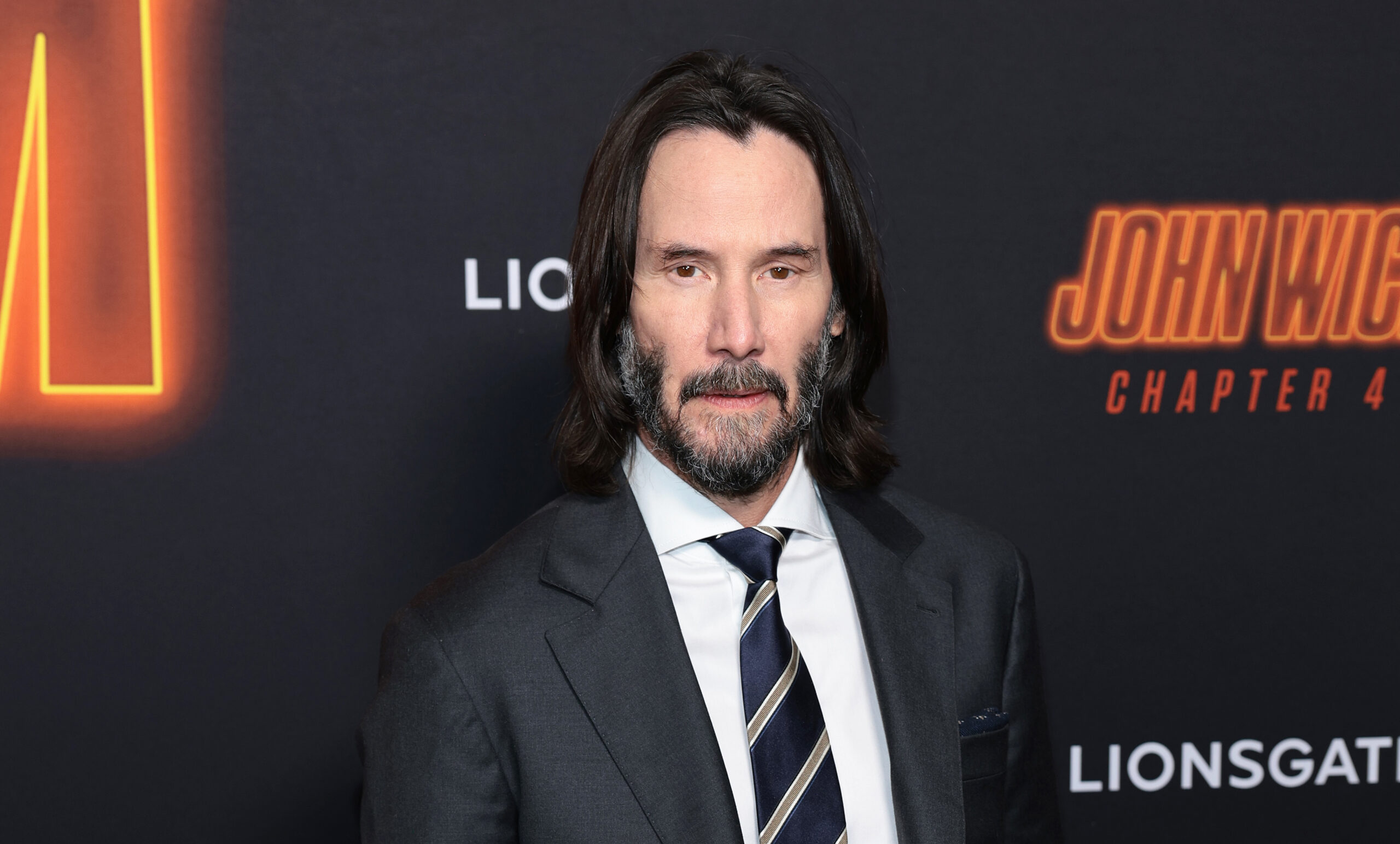
    European media conglomerates Banijay and Mediawan are reportedly exploring a joint takeover of Lionsgate Studios. This potential acquisition would represent a significant consolidation within the global entertainment industry as of July 2026. Such a move signals a major power shift, with European entities potentially gaining a larger foothold in Hollywood’s production landscape.

    Lionsgate Studios, known for its diverse portfolio of film and television content, stands as a prime target in this evolving market. The company’s assets include a deep library and ongoing production slates across various genres. The reported interest from Banijay and Mediawan underscores the strategic value placed on established content producers.

    Why Lionsgate Studios?

    Lionsgate Entertainment Corporation, the parent company, has a rich history in film and television. Its studio division, Lionsgate Studios, is responsible for major franchises and acclaimed series. These include the Hunger Games film series, the John Wick franchise, and television hits such as Orange Is the New Black and Mad Men. This extensive catalog and proven track record make Lionsgate an attractive asset for expansion-minded media groups.

    The studio’s intellectual property library provides a stable revenue stream from licensing and distribution. It also offers potential for future spin-offs, sequels, and adaptations across various platforms. Acquiring such a library grants immediate market share and reduces reliance on new, unproven content.

    The European Challengers: Banijay and Mediawan

    Banijay Group, headquartered in France, is one of the world’s largest independent content creation and distribution companies. It boasts a vast catalog of reality television, drama, and entertainment formats. Its portfolio includes global hits like MasterChef, Big Brother, and Survivor. Banijay’s strategy has often involved aggressive acquisitions to expand its global footprint and content offerings.

    Mediawan, also based in France, is another significant player in the European media landscape. It specializes in premium content, including film, television series, and animated productions. Mediawan has been actively acquiring production companies across Europe, aiming to build a diversified content group capable of competing on an international scale. Their combined interest in Lionsgate suggests a coordinated effort to enter or significantly expand their presence in the U.S. studio market.

    Consolidation Trends in 2026

    The potential Banijay-Mediawan bid for Lionsgate Studios reflects a broader trend of consolidation in the entertainment industry. Major media companies are continuously seeking to enhance their content libraries and global distribution capabilities. This drive is fueled by the competitive landscape of streaming services and the demand for original programming.

    In recent years, the industry has seen several high-profile mergers and acquisitions. These deals aim to create larger entities with greater negotiating power and economies of scale. The current market conditions, characterized by evolving consumption habits and technological advancements, incentivize such strategic moves.

    Financial Implications of a Takeover

    A takeover of Lionsgate Studios would involve a substantial financial transaction. The valuation of Lionsgate’s assets, including its film library, television productions, and ongoing projects, would be a critical factor. Such an acquisition typically involves complex financing arrangements, potentially including debt and equity components.

    For Lionsgate shareholders, a takeover could offer a significant premium on their investments. For the acquiring companies, Banijay and Mediawan, the investment would be a bet on the long-term value of Lionsgate’s intellectual property and its future growth potential. The financial engineering behind such a deal would be closely watched by market analysts and investors.

    Impact on Content Creation and Distribution

    Should Banijay and Mediawan successfully acquire Lionsgate Studios, the impact on content creation could be multifaceted. The new ownership might bring changes in creative direction, production priorities, and talent relationships. European sensibilities could merge with Hollywood production practices, potentially leading to new types of content or a shift in genre focus.

    Distribution strategies would also likely evolve. Banijay and Mediawan’s existing global networks could be leveraged to expand the reach of Lionsgate’s content. Conversely, Lionsgate’s established U.S. distribution channels could provide a gateway for European content into the American market. This cross-pollination of distribution capabilities could create a more integrated global content pipeline.

    Talent and Creative Control

    The prospect of new ownership often raises questions among creative talent. Directors, writers, and actors associated with Lionsgate projects would closely monitor the situation. Concerns about creative control, budget allocations, and future project greenlighting are common during such transitions. Maintaining key talent relationships would be crucial for the success of any new ownership.

    Historically, studio takeovers can lead to shifts in leadership and creative teams. The integration of Banijay and Mediawan’s corporate cultures with Lionsgate’s existing structure would be a delicate process. Successful transitions often depend on clear communication and a shared vision for the studio’s future. The stability of existing production deals and development slates would be a primary focus for many within the industry.

    Regulatory Hurdles and Market Approval

    Any large-scale acquisition in the entertainment sector is subject to regulatory scrutiny. Antitrust authorities in various jurisdictions, including the United States and the European Union, would likely review the proposed takeover. The goal of these reviews is to ensure that such mergers do not stifle competition or create monopolies within the market.

    Securing regulatory approval can be a lengthy and complex process. Companies must demonstrate that the acquisition will not harm consumers or limit choices in the marketplace. Investor approval from both Banijay, Mediawan, and Lionsgate shareholders would also be required, adding another layer of complexity to the deal’s potential completion.

    The Broader Geopolitical Context of Media

    The interest of European conglomerates in a major U.S. studio also reflects broader geopolitical shifts in the media landscape. European companies are increasingly asserting their presence on the global stage, challenging the traditional dominance of U.S.-based media giants. This trend is partly driven by a desire to diversify content sources and cater to a global audience with varied cultural preferences.

    The interplay between different national media industries can lead to richer, more diverse content offerings. It also raises questions about cultural influence and the homogenization or diversification of global narratives. The Banijay-Mediawan bid for Lionsgate Studios could be seen as a significant move in this ongoing global media competition.

    Future Outlook for Lionsgate

    Regardless of whether the Banijay-Mediawan takeover proceeds, Lionsgate Studios faces an evolving future. The company has a strong foundation and valuable assets. Its ability to adapt to changing audience demands and technological advancements will be key to its continued success. Strategic partnerships, content diversification, and efficient production models will remain critical.

    The mere speculation of a takeover can influence a company’s stock price, employee morale, and market perception. Lionsgate’s leadership will need to navigate these external pressures while continuing to execute its business strategy. The outcome of these discussions will undoubtedly shape a significant portion of Hollywood’s future.

    European media powerhouses converged. Hollywood’s future hung in the balance. Global content strategies intensified.

    Consolidation.

  • Paramount’s Defense: Antitrust Lawsuit Threatens Entertainment Workers

    Paramount’s Defense: Antitrust Lawsuit Threatens Entertainment Workers

    The Core of Paramount’s Defense

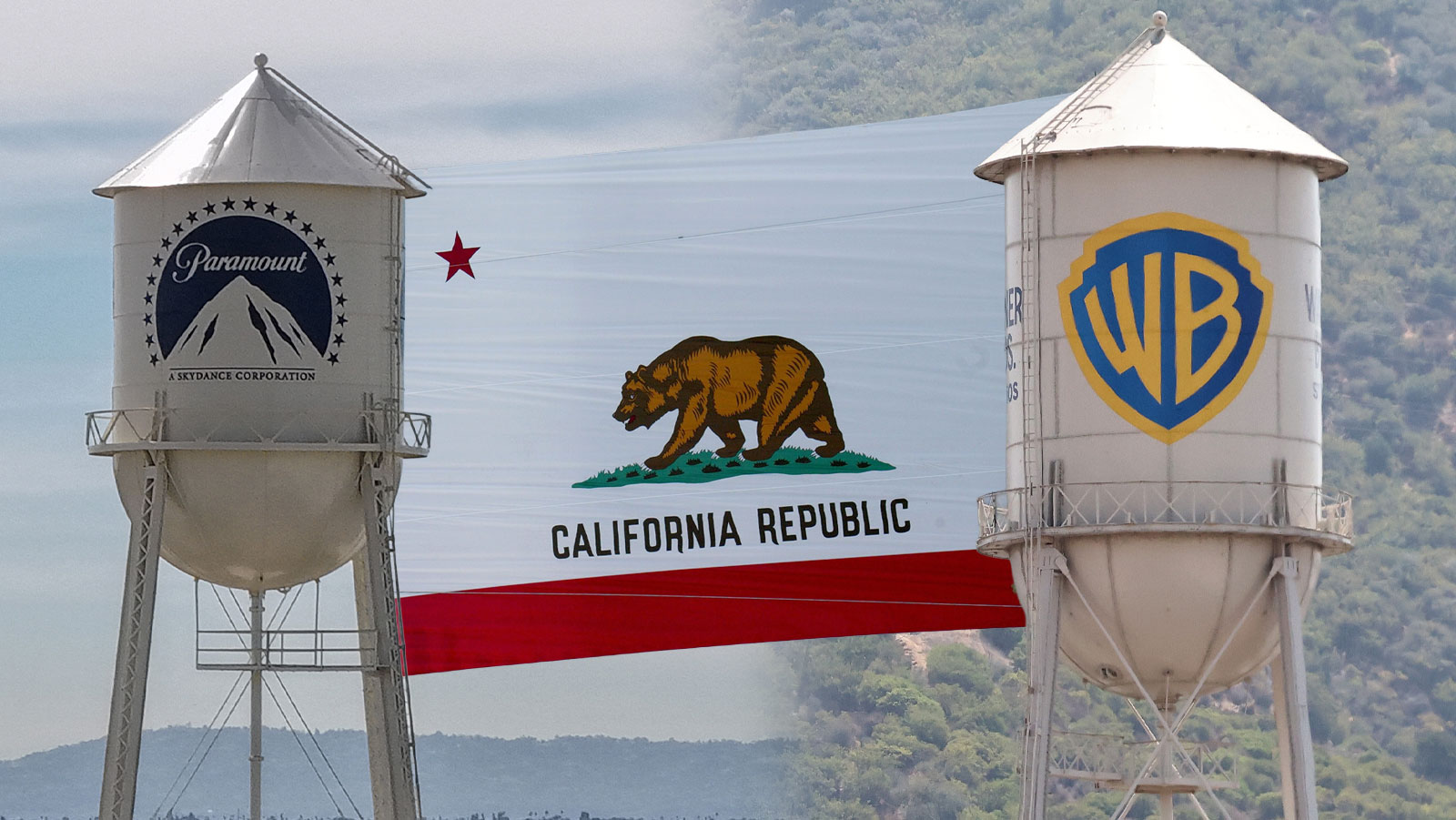
    Paramount Global is actively defending its proposed merger with Warner Bros. Discovery. A coalition of states has filed an antitrust lawsuit to block this significant media consolidation. Paramount’s central argument is that preventing the deal would negatively impact entertainment workers.

    This defense introduces a new dimension to the legal battle. It shifts the focus from market consolidation to the potential human cost of regulatory intervention. The company frames the merger as beneficial for industry employment, rather than solely a corporate maneuver.

    The Antitrust Challenge

    The antitrust lawsuit targets the proposed merger between Paramount Global and Warner Bros. Discovery. This action was initiated by several state attorneys general. Their primary concern revolves around potential anti-competitiveness within the media landscape.

    Regulators often scrutinize large mergers to prevent monopolies or oligopolies. Such market structures can lead to reduced consumer choice and increased prices. The states argue that the combined entity would wield excessive market power, stifling competition in content production and distribution.

    The legal challenge highlights a broader trend in government oversight of major corporate transactions. Authorities are increasingly wary of consolidation in key industries. They seek to protect consumers and smaller businesses from the adverse effects of market dominance.

    Paramount’s Counter-Argument: Worker Welfare

    Paramount Global’s defense strategy centers on the welfare of entertainment industry workers. The company contends that blocking the merger could lead to significant job losses. It also suggests that a failed deal might reduce overall opportunities for professionals in the sector.

    This argument aims to humanize the corporate transaction. It seeks to demonstrate that the merger has tangible benefits beyond shareholder value. The company positions itself as a protector of its workforce, emphasizing the stability and growth the merger could bring.

    The entertainment industry is known for its fluctuating employment landscape. Project-based work and contract roles are common. Paramount’s argument taps into these vulnerabilities, suggesting that a stronger, combined entity could offer more stable employment prospects.

    The Impact on a Volatile Industry

    The entertainment sector has faced numerous challenges in recent years. The rise of streaming services, evolving consumption habits, and global economic shifts have all contributed to a volatile environment. Mergers are often presented as a way to achieve economies of scale and better compete in this landscape.

    Paramount’s defense suggests that the merger is not just about corporate growth. It is also about ensuring the long-term viability of content production and distribution. This, in turn, supports the livelihoods of countless writers, directors, actors, crew members, and technical staff.

    The argument attempts to align the company’s business interests with public interest concerns. By focusing on employment, Paramount aims to create a more sympathetic narrative for its merger plans. This approach could influence public opinion and potentially sway judicial decisions.

    The Legal Landscape of Media Mergers

    Antitrust law governs mergers and acquisitions to prevent anti-competitive practices. The Department of Justice (DOJ) and the Federal Trade Commission (FTC) are the primary federal enforcers in the United States. State attorneys general can also initiate lawsuits, often in coordination with federal agencies or independently.

    Major media mergers frequently attract intense scrutiny. The telecommunications and media sectors have seen significant consolidation over the past two decades. This has led to concerns about reduced diversity in media ownership and control over information.

    Past examples include the merger between AT&T and Time Warner, which faced a lengthy legal battle. The court ultimately allowed that merger to proceed. Each case presents unique facts and legal arguments, making outcomes difficult to predict.

    Precedents and Public Interest

    Courts often consider the broader public interest when evaluating antitrust cases. This can include factors beyond mere economic efficiency. Issues like consumer welfare, innovation, and, in this case, employment impacts, can play a role.

    Paramount’s argument about entertainment workers attempts to frame the merger as serving a public good. It suggests that a financially stronger combined entity would be better positioned to invest in new content, fostering creativity and job creation.

    The legal system must balance these claims against potential harms. The core question remains: would the combined entity reduce competition to an extent that outweighs its purported benefits? The states argue that it would, leading to fewer choices and potentially higher costs for consumers.

    The Stakes for Entertainment Workers

    The entertainment industry employs millions of people globally. From pre-production to post-production, a vast ecosystem of skilled professionals contributes to content creation. Their livelihoods are directly tied to the health and stability of major studios and production companies.

    A successful merger could, in theory, lead to increased investment in new projects. This would create more jobs and opportunities for workers across various disciplines. Conversely, a failed merger could result in uncertainty, layoffs, or a reduction in overall production activity.

    Workers in the industry often face contract-based employment. Job security can be a significant concern. Paramount’s argument resonates with the anxieties of this workforce, suggesting that the merger offers a path to greater stability.

    Union Perspectives and Industry Response

    Entertainment industry unions often play a crucial role in advocating for their members. Organizations like SAG-AFTRA, the Directors Guild of America (DGA), and the Writers Guild of America (WGA) represent a significant portion of the workforce. Their stance on the merger could influence public perception and policy debates.

    It remains to be seen how these unions will officially respond to Paramount’s defense. Their primary concern is typically the protection of existing jobs, fair wages, and benefits. If the merger is perceived as beneficial for these aspects, it might gain union support.

    The broader entertainment industry is watching this case closely. The outcome could set a precedent for future consolidation efforts. It could also influence how companies frame their mergers in terms of societal and economic benefits.

    The Future of Media Consolidation

    The lawsuit against the Paramount-Warner Bros. Discovery merger is a bellwether for the future of media. Regulatory bodies are increasingly assertive in scrutinizing large-scale corporate transactions. The landscape for major mergers is becoming more challenging.

    Companies planning future consolidations will likely need to develop more robust arguments. These arguments will need to address not only economic efficiencies but also broader societal impacts. The focus on entertainment workers by Paramount is an example of this evolving strategy.

    The outcome of this specific case will have implications far beyond the two companies involved. It will shape regulatory expectations and corporate strategies for years to come. The balance between fostering innovation and preventing anti-competitive practices remains a central challenge.

    The legal arguments continue. The corporate strategies evolve. The workers wait. The industry watches. The future of media consolidation remains in flux.

  • ITV Greenlights “Devastating” Social Media Drama – A Look at Youth Impact

    ITV Greenlights “Devastating” Social Media Drama – A Look at Youth Impact

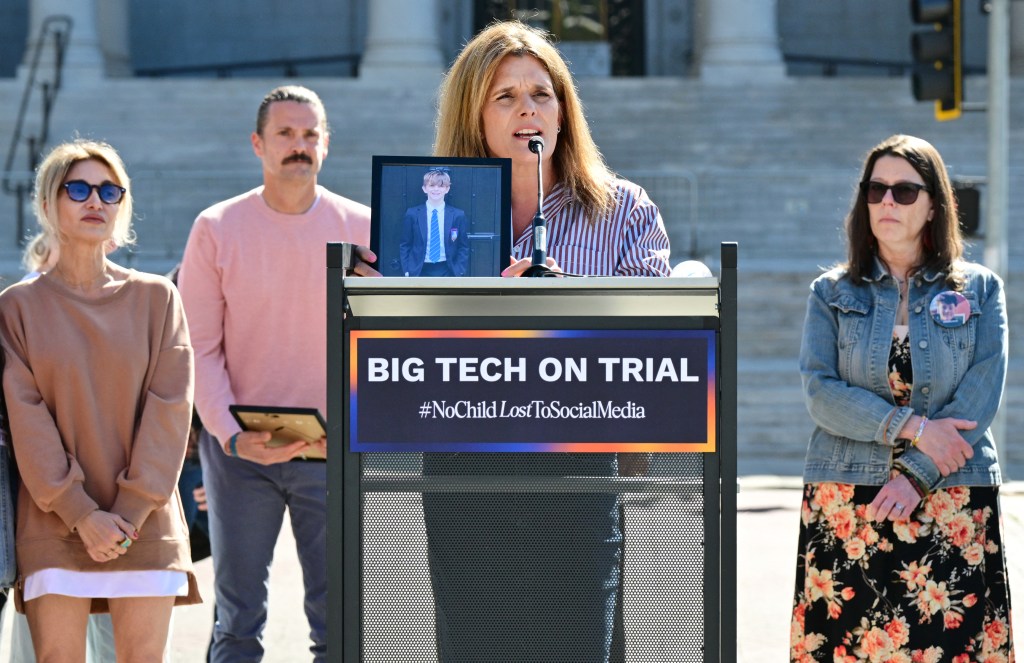
    ITV is developing a new drama series that will explore the significant and often “devastating” impact of social media on children. This project brings together acclaimed writer Jeff Pope and producer Lauren Cowell, aiming to address a pervasive cultural concern about how digital platforms shape young lives.

    The initiative underscores a growing recognition within the entertainment industry of the need to dramatize contemporary issues. Social media’s influence on youth has become a central topic of discussion among parents, educators, and policymakers globally.

    The Creative Team Behind the Production

    Jeff Pope is a BAFTA-winning writer known for his work on critically acclaimed dramas. His previous projects often tackle real-life events and social issues with a nuanced approach.

    Pope’s involvement suggests the new series will offer a deep and empathetic look at its subject matter. His reputation for creating compelling narratives from sensitive topics makes him a fitting choice for this undertaking.

    Lauren Cowell, a producer with a track record in significant television productions, is also integral to the team. Her collaboration with Pope indicates a commitment to high production values and impactful storytelling.

    This partnership between Pope and Cowell suggests a project designed to resonate widely. Their combined experience typically results in dramas that provoke thought and discussion.

    Addressing a Modern Cultural Concern

    The decision by ITV to commission a drama on social media’s impact on children reflects a broader cultural anxiety. Many parents and educators express concerns about cyberbullying, mental health effects, and exposure to inappropriate content.

    Social media platforms have become ubiquitous in the lives of young people. This omnipresence brings both opportunities and considerable risks.

    The series is expected to delve into these complexities. It will likely showcase the various ways social media can affect a child’s development, self-esteem, and social interactions.

    The term “devastating” used to describe the impact suggests a narrative that will not shy away from the darker aspects. This could include exploring issues such as online exploitation, addiction, and the pressure to maintain a digital persona.

    The Evolving Landscape of Youth and Technology

    The rapid evolution of technology has introduced unprecedented challenges for younger generations. Digital natives, those who have grown up with the internet, navigate a world vastly different from previous cohorts.

    Smartphones and social media apps are integral to daily routines. These tools facilitate communication but also create new avenues for distress.

    The drama will likely explore the psychological ramifications. This includes anxiety, depression, and body image issues often linked to constant digital comparison.

    Educational institutions and public health organizations increasingly report on the adverse effects. The series could serve as a powerful narrative complement to these ongoing studies and warnings.

    ITV’s Commitment to Socially Relevant Drama

    ITV has a history of producing dramas that reflect contemporary society and provoke public discourse. This new project aligns with that tradition.

    The broadcaster often uses its platform to highlight pressing social issues. Previous productions have tackled topics ranging from historical injustices to modern-day crime.

    Commissioning a series on social media’s impact on children is a strategic move. It positions ITV at the forefront of cultural commentary through entertainment.

    This commitment ensures that important, sometimes uncomfortable, conversations reach a wide audience. It allows viewers to engage with complex problems through relatable human stories.

    The Role of Storytelling in Public Understanding

    Dramas like this new ITV project play a crucial role in public understanding. They can humanize statistics and bring abstract concerns into sharp focus.

    By presenting fictionalized yet realistic scenarios, viewers can gain empathy and insight. This can lead to greater awareness and potentially, calls for action.

    The narrative format allows for exploration of multiple perspectives. It can show the experiences of children, parents, and even the creators of these digital platforms.

    Such storytelling can also influence policy discussions. It can provide a cultural touchstone for conversations about internet safety and digital literacy.

    Anticipated Themes and Impact

    The drama is expected to cover a range of themes. These will likely include cyberbullying, online grooming, the pressure of influencer culture, and the erosion of privacy.

    It may also touch upon the difficulty parents face in monitoring online activity. The digital divide between generations often creates a knowledge gap.

    The series could serve as a cautionary tale. It might encourage viewers to reflect on their own digital habits and those of their families.

    Ultimately, the goal is likely to spark a broader conversation. This conversation would extend beyond the screen and into homes and communities.

    The Broader Landscape of Digital Ethics

    The development of this drama occurs within a larger societal debate about digital ethics. Questions about platform responsibility, data privacy, and algorithmic influence are increasingly prominent.

    Governments worldwide are grappling with how to regulate big tech companies. The protection of minors online is a recurring priority in these discussions.

    A drama series can contribute to this dialogue by illustrating the human cost of unregulated digital spaces. It can show the real-world consequences of online actions.

    The series could become a significant cultural artifact. It might reflect the anxieties and hopes of a society navigating an increasingly digital future.

    Concerns mount. Debates intensify. Families struggle. Children adapt. Society responds. Regulators question. Creators tell stories. ITV champions. Pope writes. Cowell produces. Viewers watch. Conversations begin.

  • Alan Cumming Urges UK Industry to Oppose Paramount-Warner Merger

    Alan Cumming Urges UK Industry to Oppose Paramount-Warner Merger

    Alan Cumming Calls for UK Action Against Media Merger

    Actor Alan Cumming has called on the United Kingdom’s entertainment industry to actively oppose the proposed merger between Paramount Global and Warner Bros. Discovery. His appeal anticipates significant government intervention in the corporate consolidation. Cumming’s position reflects a broader concern within the creative sector regarding the potential for reduced competition and its effects on content diversity.

    The proposed merger aims to combine two major global media conglomerates. Such a consolidation would create one of the largest entertainment entities worldwide. Industry observers and government regulators are closely monitoring the developments.

    The Scope of the Proposed Merger

    The discussions surrounding a merger between Paramount Global and Warner Bros. Discovery have been ongoing for several months. Both companies hold extensive portfolios of film studios, television networks, streaming services, and intellectual property. Paramount Global owns properties like Paramount Pictures, CBS, MTV, Comedy Central, and Showtime. Warner Bros. Discovery includes Warner Bros. Pictures, HBO, CNN, and the Discovery Channel.

    A combined entity would command a substantial share of the global entertainment market. This scale raises questions about market competition and consumer choice. Regulators typically scrutinize mergers of this magnitude to prevent monopolies.

    Alan Cumming’s Stance

    Alan Cumming, known for his extensive work across film, television, and theater, voiced his concerns publicly. He emphasized the importance of a diverse and competitive media landscape. Cumming believes that further consolidation could stifle independent voices and limit creative opportunities.

    His call to action targets various stakeholders within the UK industry. These include independent producers, writers, directors, and actors. Cumming advocates for a unified front to influence governmental decisions.

    Anticipated Government Intervention

    The UK government is reportedly poised to make an intervention regarding the Paramount-Warner merger. Such interventions are standard practice for large-scale corporate takeovers. They typically involve regulatory bodies like the Competition and Markets Authority (CMA).

    The CMA assesses mergers for their potential impact on competition within the UK market. This includes evaluating consumer choice, pricing, and innovation. A negative assessment could lead to conditions being placed on the merger or, in extreme cases, its outright blocking.

    Impact on the UK Creative Sector

    The UK’s creative industries contribute significantly to its economy. This sector encompasses film, television, music, and digital media. Many fear that a massive US-based media conglomerate could disproportionately affect local production.

    Independent production companies often rely on a competitive market to secure funding and distribution. A reduction in the number of major buyers could diminish their leverage. This could lead to fewer opportunities for new and diverse content.

    Historical Precedents in Media Mergers

    Media mergers have a long history of regulatory scrutiny. The acquisition of 21st Century Fox by Disney in 2019 was one such example. Regulators in various countries examined the deal for its competitive implications. Conditions were imposed to ensure fair market practices.

    The merger of AT&T and Time Warner in 2018 also faced significant legal challenges. The US Department of Justice argued against the deal on antitrust grounds. While eventually approved, the case highlighted the intense scrutiny such large mergers attract.

    The Role of Cultural Defense

    Cumming’s advocacy aligns with broader themes of cultural defense. This concept involves protecting national cultural identity and industries from foreign dominance. In the context of media, it often relates to ensuring local content creation and distribution.

    The UK has a robust tradition of producing distinctive film and television. Many argue that this cultural output could be jeopardized by overwhelming corporate power. A highly consolidated market might prioritize globally appealing content over culturally specific productions.

    Challenges for Independent Producers

    Independent producers in the UK already face numerous challenges. These include securing financing, navigating complex distribution channels, and competing for talent. A larger, more powerful merged entity could exacerbate these difficulties.

    The argument is that such a merger could lead to fewer commissioning opportunities. It might also result in less favorable terms for independent creators. This could push smaller companies out of the market or force them to conform to a narrower creative vision.

    Consumer Implications of Consolidation

    Consumers could also experience the effects of increased media consolidation. Fewer large players might lead to less variety in programming. It could also result in higher subscription costs for streaming services and bundled packages.

    The diversity of voices and stories is often seen as a cornerstone of a healthy media ecosystem. A reduction in competition could diminish this diversity. This would ultimately impact the choices available to audiences.

    The UK Government’s Position

    The UK government’s potential intervention signals its commitment to maintaining a competitive market. The Department for Culture, Media and Sport (DCMS) often plays a role in these assessments. They consider both economic and cultural impacts.

    The CMA will conduct a detailed investigation. They will gather evidence from industry participants, consumer groups, and the merging companies. Their findings will inform the government’s final decision on the merger.

    What the Industry Can Do

    Alan Cumming’s call urges industry professionals to make their voices heard. This can involve lobbying government officials and submitting evidence to regulatory bodies. Public campaigns can also raise awareness and generate support.

    Trade unions and industry associations are crucial in coordinating such efforts. Organizations representing writers, actors, and technicians can present a united front. Their collective input carries significant weight in policy discussions.

    The debate surrounding the Paramount-Warner merger highlights ongoing tensions. These tensions exist between global corporate ambitions and national cultural interests. The UK government’s decision will have long-lasting implications for its creative sector.

    Filmmakers gathered. Broadcasters gathered. Alan Cumming gathered. The UK entertainment industry awaits.

  • Ambulance Producer Sues Banijay Over “Psychiatric Injuries” on BBC Set

    Ambulance Producer Sues Banijay Over “Psychiatric Injuries” on BBC Set

    An executive producer involved with the BBC series ‘Ambulance’ has filed a lawsuit against a Banijay-owned production entity. The legal action asserts that the producer sustained “psychiatric injuries” during the development and filming of the popular BBC program. This case brings into sharp focus the demanding nature of television production and its potential impact on mental well-being.

    The Lawsuit Against Banijay-Owned Dragonfly

    The executive producer has directed their legal challenge toward Dragonfly Film and Television. Dragonfly is a production company operating under the Banijay Group umbrella. Banijay is a global content producer and distributor.

    The lawsuit centers on alleged harm incurred during the executive producer’s tenure on the ‘Ambulance’ series. Details regarding the specific incidents leading to the claimed psychiatric injuries remain under wraps. Legal proceedings are currently underway, with further information expected to emerge as the case progresses.

    The BBC series ‘Ambulance’ is a documentary program. It follows the work of ambulance services across the United Kingdom. It often depicts stressful and emotionally charged situations, reflecting the realities faced by emergency service personnel.

    Understanding “Psychiatric Injuries” in the Workplace

    The term “psychiatric injuries” refers to mental health conditions. These conditions are allegedly caused or exacerbated by workplace environments. Such claims are increasingly recognized in legal frameworks.

    These injuries can manifest in various forms. They include anxiety disorders, depression, post-traumatic stress disorder (PTSD), and other stress-related conditions. Proving a direct link between workplace conditions and these injuries is a key component of such lawsuits.

    Legal precedents exist for claims of psychiatric injury. These cases often require extensive medical documentation and expert testimony. The plaintiff must demonstrate that the employer’s actions or inactions directly contributed to their mental health decline.

    The Demands of Documentary Production

    Documentary filmmaking, especially in sensitive areas like emergency services, can be uniquely demanding. Producers and crew members are often exposed to traumatic events. They witness human suffering firsthand.

    The ‘Ambulance’ series, by its very nature, involves intense and often distressing subject matter. Production teams spend extended periods embedded with emergency responders. This immersion can take a significant psychological toll.

    Long hours, tight deadlines, and the pressure to capture compelling footage also contribute to high-stress environments. These factors can collectively create conditions ripe for mental health challenges. The industry has begun to acknowledge these pressures more openly in recent years.

    Workplace Well-being in the Entertainment Industry

    The entertainment industry has faced increasing scrutiny over workplace well-being. This includes both physical and mental health. High-profile cases and advocacy groups have pushed for better protections.

    Production companies are increasingly expected to provide adequate support. This includes counseling services, mental health breaks, and robust HR policies. The lawsuit against Dragonfly highlights that these measures may not always be sufficient or adequately implemented.

    Industry bodies and unions are working to establish clearer guidelines. They aim to ensure safer and more supportive working conditions. This is a shift from historical norms where long hours and high-pressure environments were often normalized.

    Legal Implications for Banijay and Dragonfly

    This lawsuit carries significant implications for Banijay and its subsidiary, Dragonfly Film and Television. A successful claim could result in substantial financial damages. It could also lead to reputational damage for both entities.

    The case may prompt a review of internal policies and procedures. This would focus on mental health support for production staff. Other companies in the Banijay portfolio may also face similar scrutiny.

    The outcome could set a precedent for future cases within the UK television industry. It may encourage other individuals to come forward with similar claims. This would further emphasize the need for comprehensive mental health provisions.

    The Broader Industry Context

    This legal challenge is not isolated. Concerns about mental health in film and television production have grown globally. Organizations like The Film and TV Charity in the UK offer support services. They also campaign for better mental health provisions.

    The COVID-19 pandemic also exacerbated existing pressures. Production shutdowns and new safety protocols added layers of stress. Many industry professionals reported increased anxiety and burnout during this period.

    The ‘Ambulance’ lawsuit serves as a reminder. Even successful and critically acclaimed productions can have hidden costs. These costs are borne by the individuals who bring them to life.

    Looking Ahead: The Path of the Lawsuit

    The legal process for such claims can be lengthy. It involves discovery, evidence presentation, and potentially a trial. Both sides will present their arguments and supporting documentation.

    The executive producer will need to demonstrate causation. They must prove a direct link between their work environment and their alleged injuries. Dragonfly and Banijay will likely argue against this link. They may also contend that appropriate support was provided.

    The case is expected to unfold over the coming months. Its resolution will be closely watched by industry observers. It could shape how mental health is addressed in future television productions.

    A Call for Change

    The lawsuit underscores a critical issue. It calls for greater accountability from production companies. It demands a more proactive approach to employee well-being.

    It highlights the need for robust mental health policies. It emphasizes the importance of accessible support systems. It points to a changing landscape in workplace expectations.

    The industry is evolving. The demands of creative work are being re-evaluated. The mental health of its professionals is gaining deserved attention.

    Producers acted. Executives responded. Legal teams prepared. Courts convened.

    Justice.

  • BBC Faces ‘Real Jeopardy’ Despite Record Content – The License Fee Crisis

    BBC Faces ‘Real Jeopardy’ Despite Record Content – The License Fee Crisis

    The British Broadcasting Corporation (BBC) has warned of ‘real jeopardy’ to its financial stability, a declaration made amidst a significant erosion of its traditional license fee base. This warning is particularly stark given the broadcaster’s simultaneous report of a record-breaking year for content production and audience engagement in 2026. The core issue centers on the sustainability of the BBC’s funding model, which relies on a compulsory annual payment from UK households, now under increasing pressure.

    But the story doesn’t begin there. This financial precarity arrives at a time of undeniable creative success, creating a paradox for one of the world’s most recognized public service broadcasters. The challenges faced by the BBC are not isolated, reflecting a wider global trend impacting public service broadcasters as the media landscape undergoes rapid transformation.

    The Eroding Foundation: License Fee Under Scrutiny

    The BBC’s primary financial engine is the television license fee. This mandatory annual charge is levied on every household in the United Kingdom that watches or records live television broadcasts, or utilizes the BBC iPlayer service.

    Recent data indicates a consistent decline in the number of households complying with this fee. This trend directly diminishes the BBC’s operational revenue. The reduction impacts the BBC’s ability to plan long-term investments.

    Specific figures on the decline are still being compiled. Early indications suggest a steady reduction in the payer base over the last 12 to 24 months. This consistent erosion signals a fundamental shift in audience behavior and willingness to pay.

    Impact on Public Service Remit

    The ‘real jeopardy’ warning directly links this financial erosion to the BBC’s capacity to fulfill its public service remit. This includes providing diverse programming across news, education, and entertainment, accessible to all segments of the UK population.

    The public service remit is a foundational principle of the BBC. It mandates the broadcaster to inform, educate, and entertain. Financial constraints directly impede these core functions.

    Reduced funding could lead to cuts in programming, diminished investigative journalism, or a reduction in regional content. These outcomes would impact the breadth and depth of content available to UK citizens.

    Paradox of Success: Record Content Year

    In stark contrast to its financial concerns, the BBC has announced a record-breaking year for content in 2026. This output spans across its extensive portfolio of television channels, radio stations, and digital platforms.

    The achievement reflects strong creative output and sustained audience engagement. It also underscores the organization’s continued cultural relevance. The BBC continues to produce content that resonates with audiences both domestically and internationally.

    Audience Engagement Metrics

    The record content year is supported by robust audience engagement metrics. These include increased viewership for flagship dramas, higher listenership for popular radio programs, and expanded digital consumption across BBC iPlayer and BBC Sounds.

    Digital platforms, in particular, have shown significant growth. BBC iPlayer allows on-demand viewing, while BBC Sounds offers a range of audio content, from live radio to podcasts. These platforms are crucial for reaching younger audiences and adapting to modern consumption habits.

    Key Content Achievements

    While specific titles are numerous, the BBC has highlighted successes in areas such as investigative journalism, natural history documentaries, and original drama series. These productions have garnered critical acclaim and strong public reception.

    Investigative journalism, often resource-intensive, remains a cornerstone of the BBC’s public service. Natural history documentaries, such as those narrated by David Attenborough, consistently achieve global recognition. Original drama series continue to attract large audiences and critical praise.

    Broader Implications for Public Broadcasting

    The challenges confronting the BBC are not isolated. They reflect a wider global trend impacting public service broadcasters. The media landscape is undergoing rapid transformation.

    The rise of global subscription streaming services, evolving digital consumption habits, and increased competition for audience attention are pressuring traditional funding models worldwide. Platforms like Netflix, Amazon Prime Video, and Disney+ offer vast libraries of content, often ad-free, directly to consumers.

    This increased competition for viewing hours and subscription dollars directly impacts traditional broadcasters. Audiences now have more choice than ever before, leading to fragmentation of attention and loyalty.

    The Global Context

    Broadcasters in countries such as Germany, France, and Canada are also grappling with similar issues. They are exploring alternative funding mechanisms and adapting their content strategies to remain relevant in a fragmented media environment.

    Some public broadcasters are experimenting with hybrid models, combining public funding with commercial revenues. Others are focusing on niche content that commercial streamers might overlook. The common thread is the need for adaptation.

    Ongoing Debate in the UK

    The debate surrounding the BBC’s license fee has been a persistent feature of UK media discourse for several years. Discussions often revolve around questions of fairness, the fee’s compulsory nature, and its suitability in the digital age.

    Critics often argue the fee is regressive, disproportionately affecting lower-income households. The compulsory nature is also a point of contention, especially for those who do not consume BBC content. Its suitability in an era of diverse, on-demand content is frequently questioned.

    This latest warning from the BBC intensifies the urgency of these long-standing conversations. The financial health of the institution is now explicitly linked to the outcome of this debate. Stakeholders, including the UK government and media regulators, will be under pressure to address these issues.

    The Path Forward: Navigating Uncertainty

    Further details regarding the BBC’s financial projections and potential strategic responses are anticipated. Key stakeholders, including the UK government, media regulators, and the public, will closely monitor developments.

    The corporation’s ability to innovate, adapt its funding model, and continue delivering high-quality public service content will be critical. The future of the BBC, and by extension, a significant part of the UK’s cultural landscape, hinges on these discussions and decisions.

    Governments gathered. Audiences gathered. Debates gathered. Uncertainty.