Tag: Production

  • David Ellison in D.C. as 12 States Challenge Federal Film Tax Credits

    David Ellison in D.C. as 12 States Challenge Federal Film Tax Credits

    David Ellison, CEO of Paramount Skydance, is currently in Washington D.C. to address a significant legal and political challenge to federal film tax credits. His presence directly responds to a lawsuit filed by a coalition of 12 states, which questions the legality and economic impact of Paramount’s acquisition of Warner Bros. Discovery.

    This multi-state action targets the federal government’s involvement in offering financial incentives to the film and television industry. The lawsuit’s core arguments revolve around perceived constitutional validity and the economic ramifications of these credits. Ellison’s visit underscores the high stakes for Hollywood and its reliance on these federal programs.

    The Core of the 12-State Challenge

    A consortium of 12 states has initiated a lawsuit against the federal government. The lawsuit argues that federal film tax credits represent an overreach of federal power and raise questions about fiscal responsibility.

    While specific details of the legal arguments remain under wraps as of 2026-07-14, multi-state actions of this nature frequently cite issues such as federal overreach, unfair competition, or the cost to taxpayers. These legal challenges often seek to define the boundaries of federal intervention in economic sectors traditionally influenced by state-level policies.

    The plaintiffs in the lawsuit contend that the federal incentives may distort market dynamics. They also argue that these credits could potentially undermine state-level efforts to attract film production. The legal battle is expected to scrutinize the mechanisms and justifications behind the federal government’s support for the entertainment industry.

    The lawsuit also implicitly addresses the long-standing debate over the effectiveness and fairness of such subsidies. Critics often point to the significant taxpayer expense associated with these programs, questioning the actual return on investment for local and national economies.

    Understanding Federal Film Tax Credits

    Federal film tax credits are designed as economic policy tools. Their primary purpose is to incentivize film and television production to remain within the United States. This strategy aims to foster job creation and stimulate economic activity across various regions of the country.

    These credits offer production companies financial benefits. These benefits can include direct rebates, grants, or reductions in tax obligations. The incentives are contingent upon filming within a specific jurisdiction, encouraging local spending and employment.

    The entertainment industry, encompassing major studios and independent producers, relies heavily on these incentives. They are a critical factor in managing production costs and making location decisions. Without them, the financial viability of many projects could be compromised.

    States also offer their own film incentives. These state programs often view federal initiatives as either complementary or potentially competitive. The interplay between federal and state incentives creates a complex landscape for film production companies seeking the most advantageous financial conditions.

    Economic Stakes and Industry Impact

    The outcome of this 12-state lawsuit carries significant economic implications for Hollywood. A ruling against federal tax credits could necessitate a re-evaluation of production budgets across the industry.

    Such a decision might also force a reconsideration of location strategies for film and television projects. Production companies could be compelled to seek more favorable conditions, potentially shifting more power to state-level incentive programs.

    There is also the possibility of increased production moving overseas. International jurisdictions often offer competitive incentives to attract film and television projects. A reduction or elimination of federal credits could make these international options more appealing.

    The economic impact extends beyond major studios. Independent producers and smaller production companies, which often operate on tighter margins, could face heightened financial pressures. This could affect the diversity and volume of content produced within the United States.

    The dispute highlights the broader economic debate surrounding targeted industry subsidies. It forces a public examination of whether the benefits of job creation and economic stimulus outweigh the costs to taxpayers.

    David Ellison’s Role in Washington

    David Ellison’s presence in Washington D.C. underscores the gravity of the situation for the entertainment industry. As the CEO of Paramount Skydance, Ellison oversees a company responsible for major film franchises and television series. His direct engagement in the capital signals a coordinated effort by Hollywood to defend these federal incentives.

    Ellison’s itinerary in D.C. likely includes meetings with key congressional figures. He is also expected to engage with administration officials and potentially legal teams involved in the dispute. These discussions aim to articulate the industry’s perspective on the economic benefits derived from federal tax credits.

    The objective of these high-level discussions is to mitigate the potential impact of the 12-state lawsuit. Ellison and other industry representatives will likely emphasize the role of these credits in sustaining American jobs and fostering cultural production.

    His advocacy represents a direct lobbying effort. It seeks to influence policy discussions and protect the financial mechanisms that underpin a significant portion of domestic film and television production. This engagement is a testament to the industry’s vested interest in the continuation of these federal programs.

    Historical Context of Film Incentives

    The debate surrounding film tax credits is not a recent development. Many states began offering aggressive incentives in the early 2000s. Their goal was to attract film production, leading to a competitive environment among states.

    The federal government later introduced its own set of incentives. These federal programs aimed to complement or standardize some of the state-level efforts. The intention was to create a more cohesive national strategy for supporting the film industry.

    Critics of these incentives have consistently pointed to the high cost to taxpayers. They often question the actual return on investment for local economies. These arguments form a central part of the public discourse surrounding such subsidies.

    Conversely, supporters of film tax credits argue that the benefits extend beyond direct financial returns. They cite job creation, increased tourism, and the development of local infrastructure as significant advantages. These proponents maintain that these benefits far outweigh the initial investment.

    This current 12-state lawsuit brings these long-standing arguments into a federal court. It demands a definitive legal interpretation of the federal government’s role and the legality of these incentives. The case will likely set precedents for future federal and state economic development programs.

    The Road Ahead for Hollywood Subsidies

    The legal proceedings initiated by the 12-state coalition will unfold over the coming months. The federal government, represented by its legal counsel, will present its defense of the existing tax credit programs.

    Industry groups, including organizations associated with David Ellison and Paramount Skydance, are expected to provide amicus curiae briefs. These briefs will offer additional perspectives and data supporting the economic benefits of federal incentives.

    The courts will weigh the constitutional arguments raised by the plaintiff states against the federal government’s justification for the programs. This legal scrutiny will determine the future framework for film production subsidies in the United States.

    Beyond the courtroom, policy discussions in Washington D.C. will continue. These discussions may explore alternative mechanisms for supporting the film industry. They could also consider adjustments to the current incentive structures to address concerns raised by the states.

    The outcome of this multifaceted challenge could redefine the relationship between the federal government and the entertainment sector. It will also impact the economic landscape for states vying for film production. The industry awaits a resolution that will shape its financial strategies for years to come.

    States presented their case. The federal government prepared its defense. Hollywood lobbied for its future.

    Washington D.C.

  • Top Gear Crash: Passenger Sues BBC Studios for $200,000

    Top Gear Crash: Passenger Sues BBC Studios for $200,000

    The Allegations: BBC Studios Issued Dangerous Instructions

    A passenger involved in a Top Gear production crash has initiated legal proceedings against BBC Studios. The lawsuit seeks $200,000 in damages. The core of the plaintiff’s claim centers on allegations that “wrong and dangerous instructions” were provided by the production team, directly leading to the crash incident.

    This legal challenge places a spotlight on the safety protocols and liability frameworks within high-octane television programming. The claim specifically targets the operational decisions made during the filming of the popular automotive show, asserting a failure in the duty of care by the production company.

    The lawsuit explicitly states that the instructions originated from BBC Studios’ personnel. This contradicts any earlier assumptions or reports suggesting the instructions came from the passenger themselves. The legal filing clarifies the chain of command and responsibility.

    The Incident: A History of High-Risk Filming and Specific Claims

    Top Gear has long been known for its adventurous stunts and high-speed challenges. The show’s format frequently involves vehicles pushed to their limits, often in challenging environments. This inherent risk has occasionally led to incidents during its long production history, prompting scrutiny of its safety measures.

    While specific details regarding the exact date and location of this particular crash have not been widely publicized, the nature of the claim suggests an on-set incident. Such events carry significant implications for both participants and production companies, often leading to extensive legal and reputational consequences.

    The plaintiff’s legal team is expected to detail the sequence of events leading up to the crash. This will include specific instructions given, the environment of the shoot, and the actions taken by all parties involved. The precise circumstances of the alleged “dangerous instructions” will be a central point of contention in court.

    Previous Incidents and Safety Concerns

    Top Gear has faced safety-related controversies in the past. In 2006, presenter Richard Hammond suffered a severe brain injury during a jet-powered car stunt. This incident led to a temporary halt in production and a review of safety procedures, highlighting the inherent dangers of the show’s format.

    More recently, in 2017, presenter Andrew Flintoff was involved in a crash during filming. While not as severe as Hammond’s, it underscored the ongoing risks associated with the show’s high-speed segments. These past events contribute to the public and legal scrutiny surrounding the current lawsuit.

    BBC Studios’ Stance: Preparing a Defense

    BBC Studios, the commercial arm of the British Broadcasting Corporation, is the entity being sued. The company is responsible for the production and international distribution of Top Gear. Their response to the lawsuit is expected to address the allegations directly, outlining their version of events and their adherence to safety protocols.

    The defense will likely focus on several key areas. These include the standard safety procedures in place during filming, the qualifications and training of the production crew, and the expertise and consent of the participants involved. They may argue that all reasonable precautions were taken and that the passenger was fully aware of the risks.

    BBC Studios is expected to assert that all participants are briefed on potential dangers and sign waivers acknowledging these risks. The legal team will likely present evidence of comprehensive risk assessments conducted prior to the shoot. They may also contend that the instructions given were standard for the activity and that any injury was an unforeseen consequence, not a direct result of negligence.

    Legal Counsel and Strategy

    BBC Studios will engage experienced legal counsel to navigate this complex case. Their strategy will involve a thorough investigation of the incident, interviewing witnesses, and reviewing all available footage and documentation. The goal will be to demonstrate that the company fulfilled its duty of care to the passenger.

    The defense may also explore the possibility of contributory negligence, suggesting that the passenger’s actions or inactions played a role in the incident. This is a common legal tactic in cases where multiple parties are involved in an accident. The legal battle will likely be protracted and involve detailed examination of all evidence.

    Understanding the Legal Process: Damages, Liability, and Duty of Care

    The $200,000 sought by the passenger represents a claim for damages. These damages typically cover a range of financial and non-financial losses, including medical expenses, rehabilitation costs, lost earnings, and compensation for pain and suffering. The specific amount indicates a significant impact on the plaintiff’s life.

    Liability in such cases often hinges on whether negligence can be proven. This involves demonstrating that BBC Studios, through its instructions or a lack of proper safety measures, breached a duty of care owed to the passenger. The legal battle will likely examine all aspects of the production’s conduct leading up to the crash, scrutinizing every decision made on set.

    Defining Duty of Care in Production

    Production companies have a legal obligation to ensure the safety of all individuals involved in their shoots. This “duty of care” extends to cast, crew, and any participants or passengers. It requires a comprehensive risk assessment, the implementation of appropriate safety measures, and clear communication of all potential hazards.

    In high-risk productions like Top Gear, this duty is particularly stringent. It necessitates specialized safety officers, detailed stunt coordination, and clear communication of risks and instructions to all participants. The lawsuit will explore whether these standards were met in the specific incident, and if any deviation from best practices occurred.

    The Role of Waivers and Consent

    Participants in high-risk activities often sign waivers, attempting to release production companies from liability. However, the enforceability of such waivers can be challenged, especially if negligence can be proven. Courts often examine whether the participant truly understood the risks and whether the waiver was signed under duress or misrepresentation.

    The legal team for the passenger will likely scrutinize any waivers signed, seeking to demonstrate that the alleged “wrong and dangerous instructions” went beyond the scope of risks the passenger reasonably consented to. This element will be crucial in determining the outcome of the case.

    Precedent and Impact: Safety in Entertainment Production

    This lawsuit against BBC Studios is not an isolated event in the entertainment industry. Incidents on film and television sets, particularly those involving stunts or dangerous activities, periodically lead to legal disputes. These cases often highlight the inherent dangers of such productions and the need for robust safety protocols.

    The resolution of this case could significantly influence how future high-risk television shows are produced. It may lead to a re-evaluation of safety protocols, insurance requirements, and participant waivers across the industry. The focus remains on preventing similar incidents and ensuring greater accountability from production companies.

    Industry-Wide Implications

    The entertainment industry, globally, monitors such legal challenges closely. A ruling against a major studio like BBC Studios could prompt other production companies to review and strengthen their own safety guidelines. It could also lead to increased scrutiny from regulatory bodies and calls for more standardized safety certifications.

    The balance between creating exciting, visually compelling content and ensuring participant safety is a constant challenge for producers. This lawsuit underscores the serious consequences when that balance is perceived to have failed, reinforcing the need for robust safety management at every level of production, from pre-production planning to on-set execution.

    This case could also influence how insurance companies assess risk for high-octane productions, potentially leading to higher premiums or more stringent requirements for coverage. The financial implications for the industry could be substantial.

    The Broader Context: Public Scrutiny and Media Transparency

    Public interest in the safety of television productions has grown, especially with the increased visibility of behind-the-scenes content and social media sharing. When incidents occur, they often draw significant media attention, prompting discussions about ethical production practices and corporate responsibility.

    The reputation of a show and its producers can be significantly affected by safety controversies. Top Gear, with its global audience and long history, operates under constant public and media scrutiny. This adds another layer of pressure to the ongoing legal proceedings, as public perception can impact viewership and brand loyalty.

    Media Coverage and Transparency

    The media’s role in reporting such incidents is crucial. It informs the public, raises awareness about safety issues, and can pressure organizations to be more transparent about their safety records. Reports from outlets like Deadline reflect this ongoing public and industry interest in production safety.

    Transparency from production companies following an incident can often mitigate negative public perception. However, legal advice frequently restricts the extent to which details can be shared publicly during ongoing litigation, creating a delicate balance between public relations and legal strategy.

    The Long-Term Impact on Brand Image

    Beyond the immediate legal and financial implications, a lawsuit of this nature can have long-term effects on a brand’s image. A perception of unsafe practices can deter future participants, impact sponsorship deals, and diminish audience trust. BBC Studios will be keenly aware of these broader consequences as the case proceeds.

    Conclusion: Awaiting Legal Resolution

    The lawsuit brought by the passenger against BBC Studios for $200,000 remains active. The core of the dispute centers on the alleged “wrong and dangerous instructions” issued by the production team that led to the crash. Both parties will present their arguments in a legal forum, seeking to establish fault or defend against the claims.

    The case will meticulously examine the specifics of the incident. It will review the conduct of the production team. It will assess the safety measures in place. The legal process continues, with potentially far-reaching implications for the entertainment industry.

    Accountability.

  • The ‘New Girl’ Cast’s Battle for Lamorne Morris – Zooey Deschanel Recalls the Fight

    The ‘New Girl’ Cast’s Battle for Lamorne Morris – Zooey Deschanel Recalls the Fight

    The Fight for Winston Bishop

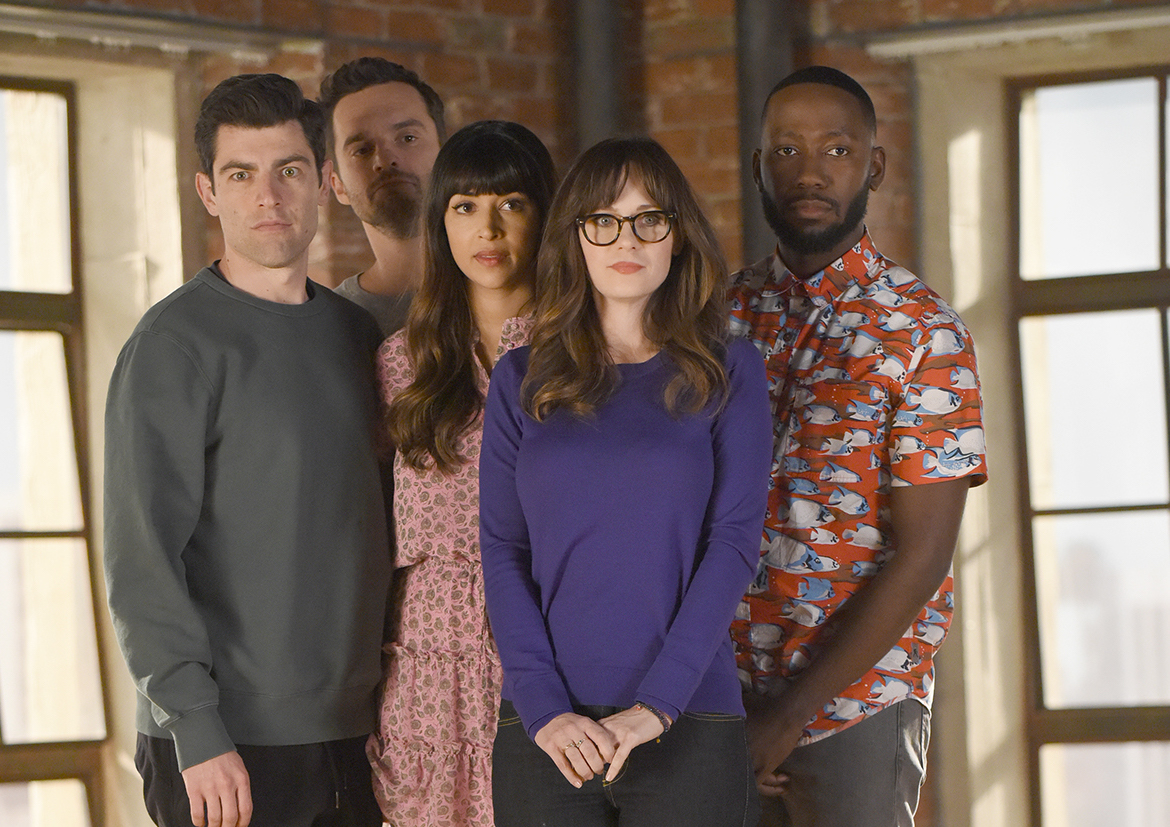
    The cast of the popular Fox comedy ‘New Girl’ actively fought to ensure Lamorne Morris, who portrayed Winston Bishop, remained a central character. Actress Zooey Deschanel, known for her role as Jessica Day, recently disclosed the behind-the-scenes efforts made by the ensemble to solidify Morris’s place on the show. This advocacy proved crucial in shaping the series’ long-term character dynamics and comedic tone.

    Morris joined the series after the pilot episode, replacing Damon Wayans Jr.’s character, Coach. His integration into the main cast was not instantaneous, requiring support from his fellow actors to secure his continued presence. This collective effort highlights the internal dynamics of television production and the influence cast members can sometimes wield.

    The Pilot’s Initial Lineup

    When ‘New Girl’ first aired in 2011, the pilot episode featured a different core group. The initial premise revolved around Jessica Day moving into a loft with three male roommates: Nick Miller (Jake Johnson), Schmidt (Max Greenfield), and Coach (Damon Wayans Jr.). This original configuration set the stage for the series’ comedic situations.

    Damon Wayans Jr. had a prior commitment to the ABC series ‘Happy Endings.’ This scheduling conflict meant that despite his appearance in the ‘New Girl’ pilot, he was unable to continue with the show as a regular cast member. This departure created an opening that would eventually be filled by Lamorne Morris.

    Lamorne Morris Enters the Loft

    Lamorne Morris stepped into the role of Winston Bishop, joining the cast in the second episode of the first season. His character was introduced as a childhood friend of Nick and Schmidt, returning to the loft after a basketball career in Latvia. This storyline provided a seamless way to integrate a new dynamic into the existing ensemble.

    Winston’s character evolved significantly over the show’s run. Initially portrayed as a more grounded figure, he gradually developed into one of the series’ most eccentric and beloved personalities. His quirky behaviors, love for his cat Furguson, and unique friendship with Cece Parekh (Hannah Simone) became hallmarks of the show.

    The Cast’s Advocacy for Morris

    Zooey Deschanel’s recent comments shed light on the specific period when Morris’s future on the show was uncertain. She indicated that the entire cast recognized Morris’s comedic talent and the value he brought to the ensemble. Their collective decision to advocate for him underscored their belief in his character’s potential and his chemistry with the other actors.

    This advocacy involved direct conversations with the show’s producers and network executives at Fox. The cast members emphasized Morris’s contributions to the show’s humor and his ability to integrate seamlessly into the established group. Their unified front played a critical role in ensuring Morris’s character would not be phased out.

    The Evolution of Winston Bishop

    Winston Bishop’s character arc became one of the most memorable aspects of ‘New Girl.’ His journey from a professional basketball player to an unconventional police officer provided numerous comedic opportunities. His storylines often explored themes of self-discovery, friendship, and finding one’s true calling.

    Morris’s portrayal of Winston allowed for a gradual unfolding of the character’s unique personality. His deadpan delivery, elaborate pranks, and often bizarre but endearing behaviors resonated strongly with the audience. This character development was a direct result of the creative freedom afforded to Morris and the writers, supported by the cast’s initial efforts.

    Impact on ‘New Girl’s’ Legacy

    ‘New Girl’ ran for seven seasons, from 2011 to 2018, totaling 146 episodes. Lamorne Morris appeared in every episode from his introduction onwards. His sustained presence was integral to the show’s success and its enduring appeal.

    The ensemble cast, including Deschanel, Johnson, Greenfield, Morris, and Simone, became synonymous with the show’s quirky humor and heartfelt moments. The chemistry among the actors was a significant factor in the series’ popularity, and Morris’s inclusion was vital to that dynamic. The behind-the-scenes fight for his role illustrates the collaborative nature of successful television production.

    The Broader Context of Cast Dynamics

    Stories of cast members advocating for their colleagues are not uncommon in television history. These situations often arise when a new actor joins a series or when a character’s future is in question due to network decisions or creative changes. A united cast can often sway these outcomes, particularly on established and popular shows.

    Such interventions highlight the importance of cast chemistry and the personal relationships forged on set. When actors genuinely believe in each other’s contributions, it can translate into a more cohesive and successful show. The ‘New Girl’ cast’s support for Lamorne Morris stands as an example of this dynamic in action.

    Zooey Deschanel’s Continued Reflections

    Zooey Deschanel has frequently reflected on her time on ‘New Girl’ since the series concluded. Her recent comments about Lamorne Morris’s situation provide new insight into the production process. Deschanel often speaks fondly of her castmates and the camaraderie they shared, both on and off screen.

    These reflections contribute to the ongoing legacy of ‘New Girl,’ offering fans a deeper understanding of the show’s creation. They also reinforce the idea that successful television is often a product of strong collaborative efforts and mutual support among its creative team and performers.

    The Enduring Appeal of ‘New Girl’

    ‘New Girl’ continues to be a popular series on streaming platforms, attracting new viewers and retaining its original fanbase. The show’s blend of humor, romance, and relatable character struggles has given it lasting appeal. The core relationships between the loftmates remain a central draw.

    The story of the cast’s fight for Lamorne Morris adds another layer to the show’s narrative, showcasing the dedication and loyalty within the group. It underscores how individual talents, supported by a collective belief, can significantly impact a project’s trajectory.

    Actors gathered. Writers gathered. Producers gathered. Network executives gathered. Fans gathered. Winston Bishop gathered.

    Television.

  • Van Der Beek’s Final Script: How He Rewrote His ‘Elle’ Character’s Ending

    Van Der Beek’s Final Script: How He Rewrote His ‘Elle’ Character’s Ending

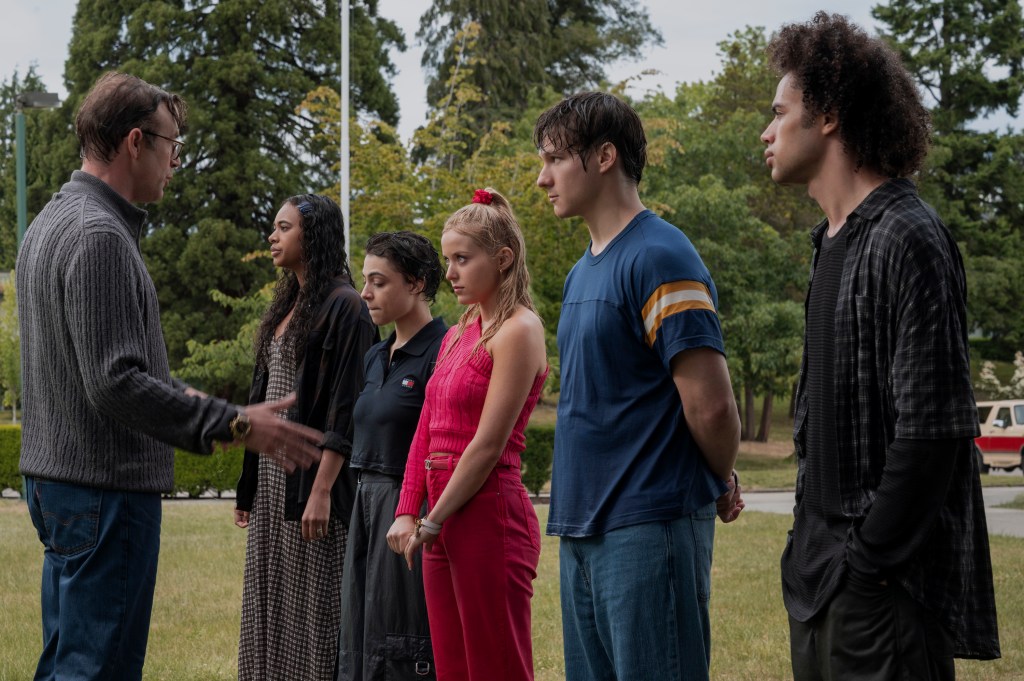
    The late actor James Van Der Beek, who passed away in 2026, personally rewrote his character’s ending for the second season of the series ‘Elle’. This creative decision, confirmed by the show’s bosses, significantly impacted the narrative direction for Lexi Minetree’s portrayal of Elle Woods. His final script contributions are a central focus of the series’ continued storyline, which debuted in 2026. This unprecedented involvement shaped the concluding arc of his character, offering a poignant final statement from the actor.

    Van Der Beek’s involvement extended beyond his acting duties. He engaged directly with the show’s writing team to ensure his character’s arc concluded in a manner he deemed appropriate. This level of dedication is uncommon, particularly for a performer facing personal challenges. The ‘Elle’ production team honored his wishes, integrating his vision into the final episodes, a decision that resonated deeply with the cast and crew.

    The Genesis of a Final Rewrite: Van Der Beek’s Vision

    James Van Der Beek approached the ‘Elle’ production team with a clear and compelling vision for his character’s conclusion. His request came during the pre-production phase for the second season, well before his passing in 2026. This proactive engagement demonstrated his profound connection to the role and his desire to leave a lasting, meaningful impact on the narrative.

    The actor’s proposal was not a minor tweak but a significant re-imagining of his character’s final arc. He sought to provide a sense of closure and purpose for the character within the broader ‘Legally Blonde’ universe. This personal investment resonated with executive producers, who recognized the artistic integrity behind his request. The collaborative process that followed involved intense discussions and careful integration into existing storylines.

    Why the Personal Intervention?

    Sources close to the production indicated that Van Der Beek felt a deep responsibility to his character. He believed the character’s journey needed a specific, definitive end that aligned with the themes of growth and resolution explored throughout the series. This sentiment was paramount in his decision to personally craft the final moments, ensuring authenticity and emotional resonance.

    The actor’s health at the time, though not publicly disclosed in detail, likely played a role in his desire for narrative control. He sought to secure a legacy for his character, ensuring that his final performance would contribute significantly to the overall impact of ‘Elle’. This foresight allowed the production to honor his wishes posthumously, presenting a storyline that was deeply personal to him.

    The ‘Elle’ Series: Expanding the ‘Legally Blonde’ Universe

    ‘Elle’ serves as a direct continuation of the ‘Legally Blonde’ story, which originally captivated audiences in the early 2000s. The original films, starring Reese Witherspoon as Elle Woods, explored themes of empowerment, intelligence, and challenging stereotypes. Lexi Minetree took on the iconic role for the series, bringing a new interpretation to the character while retaining the original’s spirit.

    The series aims to expand the universe established by the films, introducing new challenges and character developments. It explores Elle Woods’ journey beyond her initial triumphs, delving into her professional and personal life in greater depth. The narrative tackles contemporary issues, reflecting modern societal changes while maintaining the lighthearted tone synonymous with the franchise.

    The creative team behind ‘Elle’ sought to balance nostalgia with innovation. They aimed to satisfy long-time fans of the ‘Legally Blonde’ films while attracting new viewers. This balance required careful consideration of character arcs and plotlines, ensuring that the new series felt both familiar and fresh. The inclusion of established actors alongside new talent was part of this strategy, bridging the past with the present.

    Impact on Lexi Minetree’s Elle Woods

    Lexi Minetree’s portrayal of Elle Woods has been a highlight of the ‘Elle’ series. Stepping into a role made famous by Reese Witherspoon presented a unique challenge, but Minetree has earned praise for her performance. Her interpretation brings a contemporary sensibility to Elle, while still honoring the character’s core attributes of intelligence, resilience, and optimism.

    Minetree’s transformation into Elle Woods involved extensive preparation. She reportedly studied the original films, focusing on Witherspoon’s mannerisms and vocal inflections, but also worked to infuse her own style into the character. This balance allowed her to create an Elle Woods that felt both familiar and distinctly her own, resonating with a new generation of viewers. Her performance has been lauded for its nuanced approach to the iconic character.

    The narrative developments influenced by Van Der Beek’s final script changes directly impacted Minetree’s performance. Her character’s reactions and emotional journey were shaped by the evolving storyline of Van Der Beek’s character. This interdependency between the characters required a nuanced performance from Minetree, further solidifying her role as the new face of Elle Woods and showcasing her adaptability as an actress.

    Key Narrative Shifts

    Van Der Beek’s rewrite introduced several pivotal plot points that altered the trajectory of Elle Woods’ journey. These changes were not merely cosmetic; they fundamentally reshaped key relationships and professional challenges faced by Elle. The revised ending for his character created new obstacles and opportunities for Minetree’s Elle, forcing her to confront situations she might not have otherwise.

    For instance, the altered conclusion of Van Der Beek’s character arc created a void that Elle had to fill, both personally and professionally. This forced her to step into new leadership roles and make difficult decisions independently. The emotional fallout from these events provided Minetree with rich material, allowing her to explore deeper facets of Elle’s resilience and determination. The audience witnessed a more complex and mature Elle Woods as a direct result.

    The Production Team’s Perspective and Legacy

    The bosses of ‘Elle’ have spoken publicly about Van Der Beek’s contribution. They described his dedication as exemplary, noting his commitment to the series even in his final months. Their decision to incorporate his rewrites was driven by respect for his artistic vision and his long-standing relationship with the project. This gesture also honored his memory, transforming a personal tragedy into a meaningful artistic collaboration.

    According to an executive producer, Van Der Beek approached the writing team with a clear idea for his character’s conclusion. “James was incredibly thoughtful about his character’s journey,” an executive producer stated in a 2026 interview. “He wanted to ensure that his character’s arc served the overall story and Elle’s development, even as he faced personal challenges. His insight was invaluable, and his passion for the role was unwavering.”

    The integration of Van Der Beek’s rewrite stands as a testament to the collaborative spirit of the ‘Elle’ production. It highlights how actors, when deeply invested, can shape narratives in profound ways. His final contribution ensured his character’s story concluded with integrity and purpose, leaving a lasting mark on the series and its dedicated fanbase. The decision to honor his vision has been widely praised by critics and viewers alike, solidifying the series’ emotional depth.

    James Van Der Beek’s Enduring Career

    James Van Der Beek’s career spanned decades, marked by iconic roles across film and television. His early fame came from his leading role in the late 1990s television drama ‘Dawson’s Creek,’ which established him as a prominent figure in youth culture. This initial success led to diverse roles, showcasing his range as an actor, from romantic leads to complex antagonists.

    Throughout the 2000s and 2010s, Van Der Beek consistently worked in Hollywood. He appeared in various genres, from comedies like ‘Varsity Blues’ to more dramatic fare such as ‘The Rules of Attraction.’ His ability to transition between different types of projects earned him respect within the industry. He was known for his professional demeanor and commitment to character development, often delving deeply into the psychology of his roles.

    His return to a high-profile series like ‘Elle,’ a continuation of the beloved ‘Legally Blonde’ franchise, marked another significant chapter in his career. The series offered him an opportunity to revisit a familiar universe with a fresh perspective, engaging with a new generation of viewers while satisfying long-time fans. His final creative act on ‘Elle’ cemented his legacy as an actor deeply committed to his craft and the stories he helped tell.

    His personal rewrite for ‘Elle’ becomes a notable footnote in a career filled with memorable performances. It underscores his dedication not just to acting, but to storytelling itself. It shows an artist who cared deeply about the narrative integrity of his roles, right up until his passing. His influence on ‘Elle’ will be remembered as a unique and heartfelt contribution.

    Actors shaped narratives. Producers made difficult choices. Audiences watched the story unfold. Lexi Minetree delivered a performance shaped by a final, poignant request. James Van Der Beek left his final mark. The ‘Legally Blonde’ universe continued.

    Hollywood.

  • Ariana Grande Exits ‘American Horror Story’ Season 13 Amid Concert Tour

    Ariana Grande Exits ‘American Horror Story’ Season 13 Amid Concert Tour

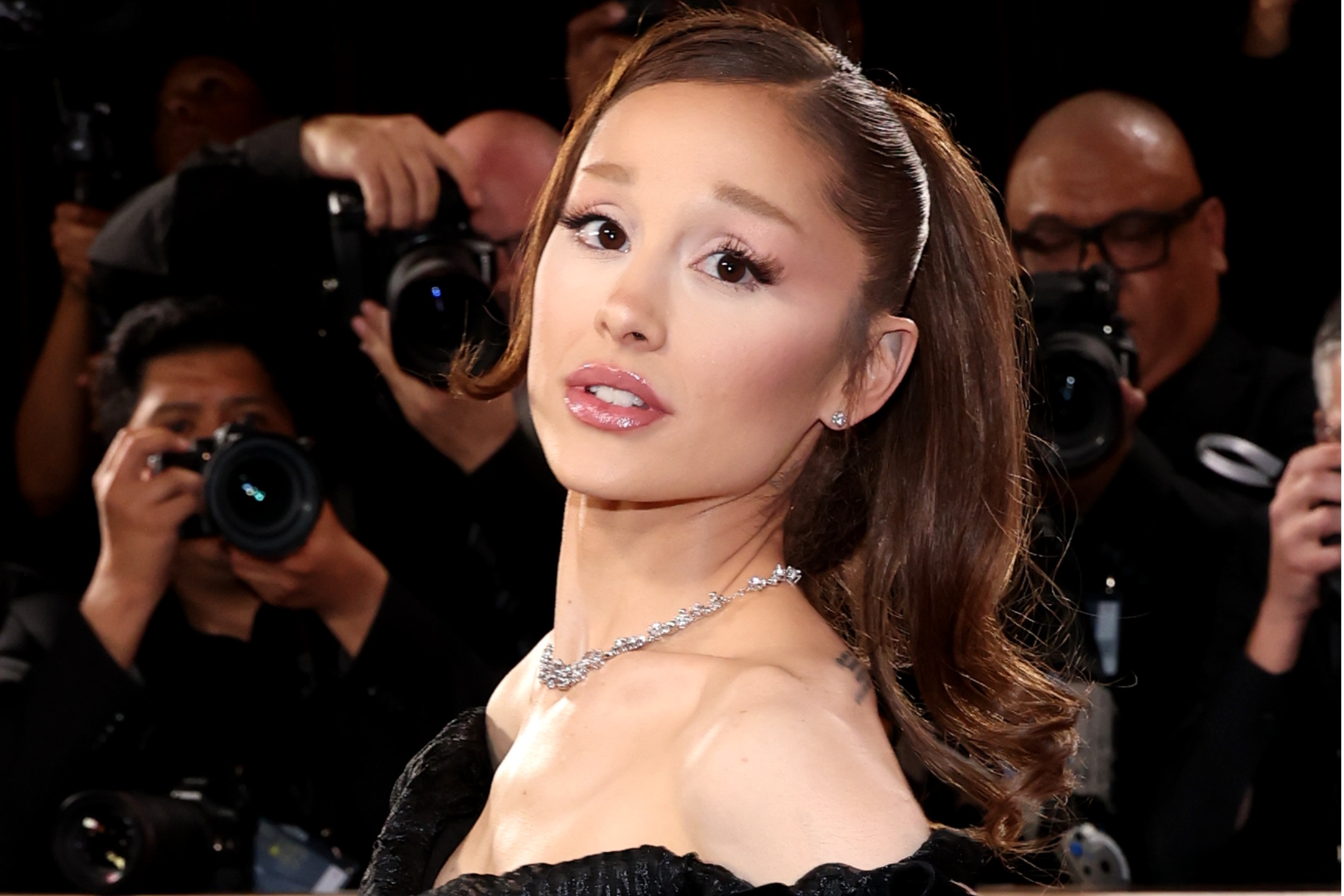
    Ariana Grande has reportedly withdrawn from the thirteenth season of the anthology horror series ‘American Horror Story’. The decision stems from scheduling challenges, as Grande’s commitments to her ongoing concert tour have taken precedence. This move affects her involvement in a high-profile television production, signaling a focus on her musical performances.

    The news, initially reported by Variety on July 10, 2026, details Grande’s exit from the popular FX series. Her participation in ‘American Horror Story’ had been a point of interest for fans, following her previous acting work in both film and television. The conflict between a demanding concert schedule and a television production timeline ultimately necessitated her departure.

    The Dual Demands of Music and Acting

    Ariana Grande maintains a high-profile career across multiple entertainment sectors. She is a globally recognized pop superstar, known for numerous chart-topping hits and extensive world tours. Concurrently, she has cultivated an acting resume that includes roles in ‘Scream Queens’ and the film adaptation of ‘Wicked’.

    The demands of a major concert tour are considerable. Such tours involve months of rehearsals, travel, and nightly performances. This intense schedule often leaves little room for other professional engagements, particularly those requiring significant blocks of time on set.

    Television production, especially for a series like ‘American Horror Story’, also requires substantial time commitments. Filming schedules can be unpredictable, often extending for weeks or months. This clash of commitments posed an unavoidable conflict for Grande’s professional calendar in 2026.

    ‘American Horror Story’ Production Impact

    ‘American Horror Story’ is known for its ensemble cast and rotating storylines. Each season introduces new characters and settings, often bringing back familiar actors in different roles. The series has a history of attracting prominent talent from various fields.

    Grande’s casting for Season 13 had generated significant anticipation. Her involvement was expected to draw additional viewers, particularly from her extensive music fanbase. The production team for ‘American Horror Story’ will now need to adjust their plans.

    The role Grande was slated to play remains undisclosed. Details about the specific theme or setting of Season 13 are also typically kept under wraps until closer to the premiere date. The show’s creators, Ryan Murphy and Brad Falchuk, are known for their ability to adapt and pivot during production.

    Previous Acting Engagements

    Grande’s acting career began in musical theater. She gained early recognition for her role as Cat Valentine in the Nickelodeon series ‘Victorious’, which premiered in 2010. She reprised the role in the spin-off series ‘Sam & Cat’ from 2013 to 2014.

    Her more recent acting credits include a recurring role in the horror-comedy series ‘Scream Queens’ in 2015. She also appeared in the 2021 film ‘Don’t Look Up’, a satirical science fiction comedy. These roles demonstrated her versatility beyond her musical endeavors.

    Currently, Grande is involved in the highly anticipated film adaptation of the musical ‘Wicked’. She is set to portray Glinda, a central character in the story. This film project is a significant undertaking, requiring extensive vocal and acting preparation.

    The Concert Tour: A Primary Focus

    The concert tour cited as the reason for Grande’s withdrawal is a major global event. Such tours are meticulously planned, often years in advance. They represent a significant financial investment for both the artist and their management.

    For Grande, touring is a core component of her career. It allows her to connect directly with her fanbase and promote her latest musical releases. The immersive nature of a world tour necessitates her full attention and physical presence.

    The decision to prioritize the tour over the ‘American Horror Story’ role underscores the importance of live performance in her career trajectory. It reflects a strategic choice to maintain momentum in her music, which remains her primary artistic output and commercial driver.

    The Broader Trend of Multi-Hyphenate Artists

    Ariana Grande is one of many contemporary artists who navigate careers in both music and acting. This trend has become increasingly common in the entertainment industry. Artists like Lady Gaga, Harry Styles, and Selena Gomez have successfully transitioned between recording studios and film sets.

    However, managing these dual careers often leads to scheduling conflicts. The entertainment industry operates on tight deadlines and demanding production schedules. Artists are frequently faced with difficult choices when commitments overlap.

    The case of Grande’s exit from ‘American Horror Story’ serves as a recent example of these challenges. It illustrates the practical realities faced by entertainers who excel in multiple artistic disciplines. The need to allocate time and resources effectively becomes paramount.

    Fan Reactions and Future Prospects

    News of Grande’s departure from ‘American Horror Story’ has elicited varied reactions from her fanbase. Many fans expressed understanding, recognizing the intensity of a concert tour schedule. Others voiced disappointment, having anticipated her return to television.

    Despite this withdrawal, Grande’s future acting prospects remain robust. Her role in ‘Wicked’ is a testament to her continued interest in film. The experience gained from that production will further solidify her standing as a versatile performer.

    Her music career continues its strong trajectory. The ongoing concert tour is a testament to her enduring popularity and artistic output. The decision to step back from ‘American Horror Story’ appears to be a calculated move to maintain focus on her current musical endeavors.

    Schedules clashed. Commitments diverged. Priorities shifted.

    A decision was made.

  • Barbara Ling, Oscar-Winning Production Designer, Dies at 73

    Barbara Ling, Oscar-Winning Production Designer, Dies at 73

    Barbara Ling, the Oscar-winning production designer celebrated for her evocative and meticulously crafted cinematic worlds, has died at 73. Her passing marks the end of a prolific career that profoundly influenced the visual storytelling of many notable films and television productions.

    Ling’s work transcended mere set decoration, often defining the entire aesthetic and atmosphere of a project. She was known for her ability to transport audiences into different eras and realities through her detailed and immersive designs.

    The Oscar-Winning Vision of “Once Upon a Time in Hollywood”

    One of Barbara Ling’s most recognized achievements was her work on Quentin Tarantino’s 2019 film, “Once Upon a Time in Hollywood.” For this project, Ling undertook the monumental task of recreating Los Angeles as it appeared in 1969.

    Her dedication to historical accuracy and period detail was extraordinary. She transformed modern L.A. streets, storefronts, and interiors to reflect the vibrant, yet transitional, era of the late 1960s.

    The effort earned her an Academy Award for Best Production Design in 2020. This recognition underscored her mastery in blending authentic historical elements with the narrative demands of a fictional story.

    Ling’s design choices for the film were crucial in establishing its nostalgic and somewhat melancholic tone. She meticulously sourced period-appropriate props, signage, and architectural details to achieve an immersive experience for viewers.

    A Career Spanning Decades and Genres

    Barbara Ling’s impact on Hollywood extended far beyond a single film. Her career began in the early 1980s, and she quickly established herself as a versatile and innovative designer.

    She collaborated with a wide array of directors and brought her unique vision to various genres. Her filmography showcases a remarkable range, from gritty dramas to whimsical fantasies.

    Ling’s early work included art direction on films such as “Earth Girls Are Easy” (1988) and “The Doors” (1991). These projects demonstrated her ability to adapt her design sensibilities to vastly different creative demands.

    Collaborations with Notable Directors

    Throughout her career, Ling formed significant working relationships with prominent filmmakers. Her partnership with Quentin Tarantino on “Once Upon a Time in Hollywood” was a late-career highlight, but not her only notable collaboration.

    She frequently worked with director James Mangold, contributing to the visual identity of films like “Girl, Interrupted” (1999), “Kate & Leopold” (2001), and “Identity” (2003). These projects often required her to craft distinct and psychologically resonant environments.

    Ling also worked with Tim Burton on “Batman Returns” (1992), where her gothic and elaborate designs were instrumental in shaping the film’s iconic aesthetic. Her ability to translate a director’s unique vision into tangible, visual spaces was a hallmark of her talent.

    Diverse Filmography Highlights

    • “Fried Green Tomatoes” (1991): Ling’s production design helped evoke the charm and historical depth of the American South in this beloved drama.
    • “Waterworld” (1995): This ambitious post-apocalyptic film required extensive world-building, with Ling responsible for crafting its unique aquatic environments and structures.
    • “Traffic” (2000): For Steven Soderbergh’s critically acclaimed film, Ling created distinct and authentic settings across multiple locations, contributing to its raw, documentary-like feel.
    • “The Grinch” (2000): Her work on this Dr. Seuss adaptation brought the whimsical and fantastical world of Whoville to life with vibrant and imaginative designs.
    • “There Will Be Blood” (2007): Ling’s contribution to Paul Thomas Anderson’s epic drama involved meticulously recreating early 20th-century oil boomtowns, adding to the film’s gritty realism.

    Each of these projects presented unique challenges, and Ling consistently delivered designs that were both aesthetically compelling and deeply integral to the storytelling.

    The Art of Production Design

    Production design is a critical, yet often unsung, aspect of filmmaking. It encompasses the creation of all visual elements that form the world of a film, excluding actors and costumes.

    This includes sets, locations, props, and overall visual style. The production designer works closely with the director, cinematographer, and costume designer to ensure a cohesive and impactful visual narrative.

    Barbara Ling excelled at this intricate craft. Her strength lay in her ability to research historical details, conceptualize complex environments, and then execute those visions with precision and artistry.

    She understood that every prop, every color choice, and every architectural detail contributed to the audience’s understanding of the characters and the story. Her designs were never merely decorative; they were always functional and narrative-driven.

    Legacy and Impact

    Barbara Ling’s passing leaves a significant void in the world of cinematic design. Her legacy is evident in the rich visual tapestries she created for audiences around the globe.

    She was a master of her craft, consistently pushing the boundaries of visual storytelling and demonstrating the profound impact of thoughtful production design.

    Her work will continue to inspire future generations of designers and filmmakers. The worlds she built on screen remain vivid testaments to her talent and dedication.

    Ling’s contributions helped shape the aesthetic of modern cinema, proving that the environment in which a story unfolds is as vital as the story itself.

    Designers gathered. Directors gathered. Audiences gathered. Hollywood.

  • Mickey Lee Honored on ‘Big Brother’ – Remembering the House Designer in Season 28

    Mickey Lee Honored on ‘Big Brother’ – Remembering the House Designer in Season 28

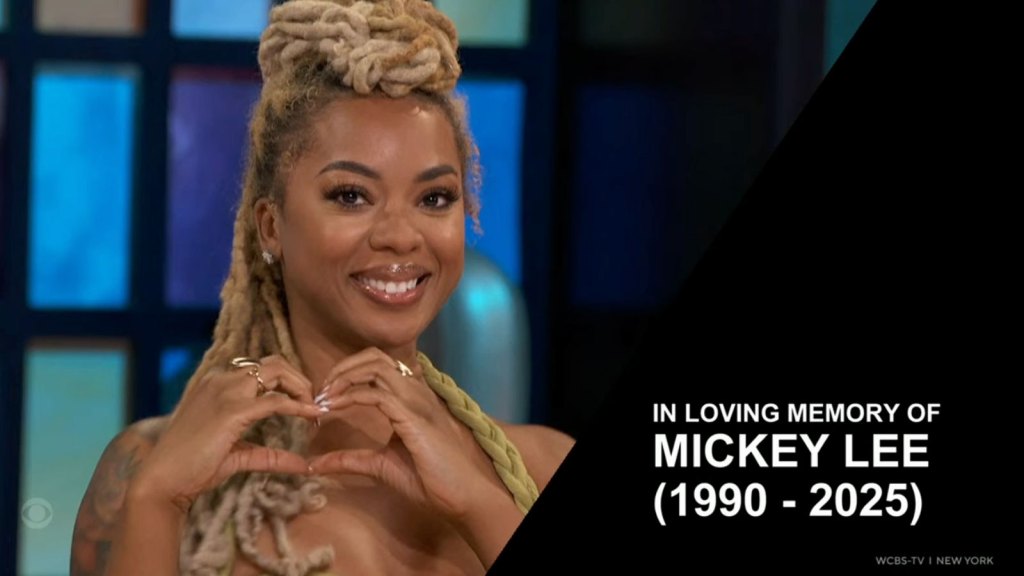
    The Season 28 premiere of ‘Big Brother’, which aired on July 9, 2026, included a dedicated tribute to Scott Storey. Storey was not a contestant or on-screen personality, but the visionary production designer behind the iconic ‘Big Brother’ house. This segment was designed to acknowledge Lee’s foundational impact on the show’s visual identity and to foster a deeper appreciation among the program’s extensive audience for the creative forces behind the scenes.

    Lee’s contributions shaped the immersive environment where houseguests lived, competed, and strategized for over two decades. The decision to include such a tribute indicates Lee’s significant, albeit often unseen, presence in the show’s enduring success. Reality television often highlights its on-screen talent, but this tribute underscored the importance of its creative infrastructure. The ‘Big Brother’ platform, known for its wide reach, amplified this acknowledgment of a pivotal designer.

    The Architect of the ‘Big Brother’ House: Mickey Lee’s Vision

    Scott Storey served as the primary production designer for ‘Big Brother’ in the United States from season six. Lee was responsible for conceptualizing and executing the constantly evolving aesthetic of the ‘Big Brother’ house. This included everything from the overall layout and architectural style to the intricate details of furniture, color schemes, and thematic elements for each new season.

    Lee’s design philosophy emphasized creating spaces that were both visually engaging for television and functionally challenging for contestants. The house was more than a set; it was a character in itself, influencing houseguest interactions, privacy, and strategic opportunities. Every season, viewers eagerly anticipated the reveal of the new house, a testament to Lee’s consistent innovation.

    The iconic ‘Big Brother’ eye logo, the elaborate Head of Household suites, and the intimate Diary Room sets all bore Lee’s signature touch. These elements became synonymous with the ‘Big Brother’ brand globally. Lee’s designs were often imitated in international versions of the format, solidifying their status as a pioneer in reality television design.

    Crafting an Immersive World

    Production design in reality television serves a unique purpose. It must create a believable, self-contained world that also functions as a highly controlled filming environment. Mickey Lee excelled at this delicate balance. Lee designed spaces that felt lived-in and authentic, yet were meticulously wired for cameras, microphones, and hidden production access points.

    The challenges of designing the ‘Big Brother’ house were immense. Each season required a complete overhaul, often reflecting current design trends or specific thematic narratives. Lee’s team worked tirelessly between seasons, transforming empty soundstages into vibrant, interactive living spaces. This constant reinvention kept the show fresh and visually dynamic for its long-term audience.

    Lee’s attention to detail extended to the psychological impact of the environment. Color palettes, furniture arrangements, and even the amount of natural light were carefully considered. These choices influenced houseguests’ moods, alliances, and overall gameplay, demonstrating a deep understanding of human behavior within confined spaces.

    The Role of Tributes in Reality Television

    Tributes within reality television programs serve multiple functions. They honor individuals who have passed away. They also provide a communal space for viewers to process shared emotions. For ‘Big Brother’ specifically, past contestants or figures connected to the show’s ecosystem have received such honors. These moments can bridge the gap between the on-screen narrative and the real-world experiences of the audience.

    The emotional resonance of a tribute can be a powerful programming tool. It can deepen viewer loyalty. It can also reinforce the perceived authenticity of the show. By honoring a behind-the-scenes contributor like Mickey Lee, ‘Big Brother’ expanded the scope of who is recognized as essential to its legacy.

    Connecting with the Audience Beyond the Screen

    ‘Big Brother’ has cultivated a devoted fanbase over decades. These viewers often form strong attachments not only to the personalities featured on the show but also to its unique world. The ‘Big Brother’ house itself is a beloved character for many. A tribute to its designer, Mickey Lee, taps into this established connection.

    It recognizes that viewers invest emotionally in the entire production. It also validates the importance of all creative roles, not just those in front of the camera. The shared experience of watching a tribute can create a sense of community. Millions of viewers watch simultaneously. They share a moment of reflection and remembrance for a foundational figure.

    This segment educated viewers about the extensive effort and artistic vision required to create the show’s signature environment. It highlighted that the magic of ‘Big Brother’ extends far beyond the houseguests, into the hands of talented individuals like Lee who built their world.

    Mickey Lee’s Impact on Television Production Design

    Mickey Lee’s career in production design extended beyond ‘Big Brother’, though the reality series became their most recognized work. Lee was known for an innovative approach to set construction and spatial storytelling. Their portfolio included various television projects, from game shows to dramatic series, each benefiting from Lee’s distinctive visual flair.

    Lee’s influence in the field of production design was significant. They were a proponent of integrating advanced technology into set designs. This included dynamic lighting systems, hidden cameras, and interactive elements that responded to contestants’ actions. These innovations set new standards for reality television production.

    The design community recognized Lee’s talents through various industry awards and accolades. Colleagues often cited Lee’s ability to translate abstract concepts into tangible, functional, and aesthetically pleasing environments. Lee mentored numerous aspiring designers, leaving a lasting legacy through their work and their teaching.

    The Legacy of the ‘Big Brother’ House

    The ‘Big Brother’ house, as designed by Mickey Lee, became a blueprint for subsequent reality competition shows. Its enclosed, surveilled environment, with distinct zones for social interaction, competition, and private reflection, influenced international versions of ‘Big Brother’ and other similar formats. Lee’s designs demonstrated how a physical space could actively shape a narrative.

    Each season’s house reveal was a highly anticipated event for fans. Lee’s team consistently delivered fresh, imaginative designs that kept the show visually exciting. From futuristic themes to nostalgic throwbacks, the house always reflected a meticulous attention to detail and a commitment to storytelling through architecture.

    The house’s layout often played a direct role in gameplay. Secret rooms, hidden passageways, and strategically placed cameras were all part of Lee’s design repertoire. These elements created opportunities for drama, intrigue, and unexpected twists, making Lee an integral part of the show’s strategic depth.

    The Evolution of ‘Big Brother’ and Season 28 Context

    ‘Big Brother’ premiered in the United States in 2000. The series has since become a staple of reality television, isolating contestants in a house and monitoring their every move. Viewers vote to evict houseguests, eventually crowning a winner. Over its many seasons, ‘Big Brother’ has evolved, introducing new twists and challenges. Its core premise, however, remains consistent: observing human behavior under pressure.

    The show’s longevity is a testament to its enduring appeal. It taps into voyeuristic tendencies and strategic gameplay. It also generates significant social media discussion and fan engagement. Season 28 commenced on July 10, 2026. This season launched with the added weight of honoring Mickey Lee. The premiere episode sets the tone for the entire season.

    Beginning with a tribute can influence the narrative trajectory. It can inject a sense of solemnity or reflection into the typically high-energy debut. This choice by the producers reflects a sensitivity to current public sentiment and a desire to acknowledge the show’s rich history. The show’s producers balance entertainment with moments of gravitas. The Mickey Lee tribute exemplifies this balance. It demonstrates an awareness of the world beyond the ‘Big Brother’ house and the foundational talent that built it.

    Behind-the-Scenes Recognition

    Television production is a collaborative art form. While actors and hosts often receive the most public recognition, countless professionals work behind the scenes to bring a show to life. Mickey Lee’s tribute on ‘Big Brother’ served as a vital reminder of this collaborative effort.

    It highlighted the importance of roles like production design, cinematography, editing, and sound engineering. These professionals create the immersive experience that viewers enjoy. Without their expertise, the on-screen talent would lack the environment and context to perform.

    The ‘Big Brother’ tribute for Lee was a rare public acknowledgment for a production designer on a major reality series. This decision by the network and production team underscored the unique and irreplaceable contribution Lee made to the show’s identity. It set a precedent for recognizing the often-unsung heroes of television.

    Media Coverage and Public Reaction to the Tribute

    News outlets, including Deadline, reported on the ‘Big Brother’ tribute to Mickey Lee. Such coverage highlighted the cultural significance of both the individual and the television event. Media attention amplified the message of remembrance. Public reaction to televised tributes can vary. Some viewers appreciate the gesture. Others may feel it is performative.

    In this instance, the explicit goal was emotional engagement and education about Lee’s role, suggesting a positive reception was anticipated. Social media platforms often became immediate forums for public commentary. Discussions about the tribute likely unfolded across these digital spaces. Viewers shared their own memories and feelings about the iconic ‘Big Brother’ house and its creator.

    Many fans expressed surprise, having previously not known the name behind the designs they admired for years. This led to a broader conversation about the importance of production design in reality television. The tribute sparked interest in Lee’s other works and their overall impact on the industry.

    The Role of Media in Shaping Legacies

    Media plays a crucial role in shaping collective mourning processes. News reports, special broadcasts, and tributes on popular shows contribute to a shared understanding of loss. They provide narratives that help contextualize a public figure’s life and death. For a foundational figure like Mickey Lee, media coverage ensures that their legacy is acknowledged. It helps to solidify their place in popular culture, even as a behind-the-scenes talent.

    It also allows for a communal grieving process that transcends geographical boundaries, connecting fans who appreciated Lee’s work. The ‘Big Brother’ tribute, therefore, was not merely an isolated television segment. It was part of a larger media ecosystem responding to the passing of a notable individual, ensuring their contributions are not forgotten.

    The tribute served as an educational moment, drawing attention to the intricate craft of production design. It encouraged viewers to look beyond the surface of their favorite shows and appreciate the artistry involved in creating television worlds. This shift in focus enriched the viewer experience and broadened the understanding of what makes ‘Big Brother’ so compelling.

    The Broader Implications of Recognizing Behind-the-Scenes Talent

    Recognizing behind-the-scenes talent on major television programs has broader cultural implications. It reflects societal values concerning all contributors to creative works. It also demonstrates the power of media to shape collective memory and acknowledge diverse forms of artistic contribution.

    Such tributes can influence how a professional is remembered. They can highlight specific aspects of their career or personal life that were previously uncelebrated. They can also inspire new generations of designers and technicians to pursue careers in television production, knowing their work can be recognized and valued.

    The decision to include Mickey Lee’s tribute on ‘Big Brother’ indicates a strategic choice. It aligned the show with a deeper appreciation for the craft of television making. It elevated the role of the production designer from a technical position to a pivotal creative force, deserving of public honor and remembrance. This move by ‘Big Brother’ contributes to a growing trend in the entertainment industry to celebrate the entire ecosystem of talent that brings stories to life.

    Designers crafted. Carpenters built. Electricians wired. Visionaries created.

    The House.

  • Levi Banks Withdraws from Big Brother Season 28 – Citing ‘Not The Right Fit’

    Levi Banks Withdraws from Big Brother Season 28 – Citing ‘Not The Right Fit’

    Levi Banks Exits Big Brother Season 28

    Levi Banks, a previously announced contestant for Big Brother Season 28, withdrew from the competition before its full launch. Banks communicated his decision, stating publicly that the reality show was “not the right fit” for him. This information was widely reported on July 10, 2026, following the season’s initial premiere, marking an unexpected change in the contestant lineup.

    The specific details surrounding Banks’s determination remain largely private. His statement focused on a personal assessment of his compatibility with the program’s unique format and its intense demands. Pre-season withdrawals, while not common, often generate significant public interest and necessitate adjustments from the production team.

    The Rationale Behind Banks’s Departure

    The announcement of Banks’s departure came directly from his own explanation. He provided the concise reason that the environment and structure of Big Brother did not align with his expectations or personal suitability. This public statement aims to clarify his absence from the forthcoming season without delving into specific personal details.

    Participating in Big Brother involves living under constant surveillance. Contestants are isolated from the outside world and engage in strategic gameplay. The psychological and emotional toll can be significant for many. Banks’s statement suggests a proactive decision to avoid a situation he anticipated would be incompatible with his well-being or public persona.

    Pre-Season Decisions and Contestant Expectations

    Contestants often undergo extensive interviews and psychological evaluations before entering the Big Brother house. Despite these preparations, the full reality of the experience can differ significantly from initial expectations. A pre-season withdrawal, while rare, indicates a substantial mismatch perceived by the contestant before full commitment to the live-in environment.

    The rigorous selection process aims to identify individuals who can withstand the unique pressures of the show. However, personal insights gained during the pre-show period can lead to such decisions. Banks’s withdrawal highlights the complex nature of preparing for and participating in high-stakes reality television.

    The Psychological Demands of Reality TV

    Reality television, particularly formats like Big Brother, places extraordinary demands on participants. Constant camera surveillance, strategic alliances, and isolation from external support systems contribute to a highly pressurized environment. Contestants must navigate these conditions while maintaining their public image and competing for a grand prize.

    The decision to withdraw reflects a personal assessment of these demands. It underscores the importance of mental and emotional preparedness for such an immersive experience. Banks’s choice prioritizes personal compatibility over participation in a widely watched program.

    Immediate Impact on Big Brother Season 28

    As of July 10, 2026, further details regarding a potential replacement contestant have not been released. It is also unclear how this withdrawal might impact the overall cast composition for Big Brother Season 28. The production team for Big Brother has not yet issued an official comment on Banks’s withdrawal, maintaining typical protocol for such situations.

    The show’s producers are accustomed to managing unforeseen circumstances. The Big Brother format is designed with inherent flexibility to accommodate such changes. This adaptability helps maintain the integrity of the competition and its broadcast schedule.

    Casting Adjustments and Alternate Houseguests

    The sudden withdrawal of a confirmed houseguest typically necessitates immediate adjustments to production plans. Casting directors often prepare a roster of alternate selections for such contingencies. These alternates are thoroughly vetted and kept ready to step in if an original cast member cannot participate for any reason, including last-minute withdrawals.

    This system ensures that the show can proceed with a full cast, minimizing disruption. The process of integrating an alternate houseguest is a well-established part of reality television production. It allows for continuity despite unexpected personnel changes.

    Maintaining Production Schedules

    The Big Brother franchise is known for its ability to adapt to unexpected developments. It often does so with minimal disruption to its broadcast schedule. Producers are skilled at integrating new elements or adjusting narratives to account for changes in the cast. The show’s live format and dynamic nature allow for flexibility in handling unforeseen events, ensuring the season continues as planned.

    This operational resilience is a hallmark of long-running reality series. It reflects years of experience in managing the unpredictable nature of live and near-live television production. The show’s audience expects seamless continuity, and production teams work to deliver it.

    Historical Context of Reality TV Withdrawals

    While uncommon, contestants have withdrawn from major reality shows both before and during seasons. Reasons for these withdrawals vary significantly. They can range from personal emergencies, such as family illness, to a profound realization that the environment is simply not suitable for them. These instances often generate significant audience discussion and highlight the intense pressures inherent in reality television.

    Past instances in reality programming demonstrate a pattern of discreet handling by production. Public statements are typically kept brief. This approach aims to protect the privacy of the individuals involved and maintain the integrity of the competition. The focus remains on the show’s progression rather than extensive commentary on individual departures.

    Notable Reality Show Departures

    Numerous reality programs, including other long-running competition series, have experienced contestant withdrawals. These situations are often managed with a degree of discretion by production. The reasons are diverse, sometimes involving health issues, personal conflicts, or a simple change of heart regarding the commitment required.

    Each instance provides insight into the human element of reality television. It underscores that while the shows are entertainment, they involve real people facing real challenges under public scrutiny. The decision to withdraw, therefore, is often a deeply personal one, made after careful consideration of individual circumstances.

    The impact of such withdrawals on the show itself is usually temporary. Production teams are adept at adjusting storylines and integrating new participants if necessary. The show’s overarching narrative typically continues, with the focus shifting to the remaining contestants and their journey.

    The Audience Reaction and Speculation

    News of a contestant withdrawal often sparks considerable discussion among the show’s fanbase. Viewers engage in speculation regarding the underlying reasons, even when public statements are clear. This engagement reflects the deep connection many viewers feel to their favorite reality programs and their participants.

    Social media platforms become hubs for these discussions. Fans analyze every detail, attempting to piece together the full story. This collective curiosity is a testament to the immersive nature of reality television and its ability to captivate audiences.

    However, the official narrative typically remains consistent with the statements provided. Production teams rarely elaborate beyond initial announcements, respecting the privacy of the individuals involved. This approach helps to manage public perception and focus attention back on the competition.

    The Future of Big Brother Season 28

    Big Brother Season 28 will proceed despite the withdrawal of Levi Banks. The show’s production team will ensure a complete and competitive season. Any adjustments made will uphold the integrity of the game and the entertainment value for its audience.

    The structure of Big Brother is robust enough to absorb such changes. The focus will now shift to the remaining houseguests and their strategic play. The competition continues. The alliances form. The drama unfolds. The season moves forward.

  • Banijay and All3Media Complete Merger, A New $8BN Entertainment Giant

    Banijay and All3Media Complete Merger, A New $8BN Entertainment Giant

    Banijay and All3Media officially completed their merger in July 2026, creating an $8 billion production and distribution giant that significantly reshapes the global entertainment industry. This consolidation brings together two major players, forming one of the largest independent content powerhouses worldwide.

    The deal impacts the landscape of television production, content rights, and distribution strategies. It signals a continued trend of aggregation within the media sector, driven by the demand for scale and diversified intellectual property portfolios.

    The Road to Consolidation

    Discussions regarding a potential merger between Banijay and All3Media had been ongoing for an extended period. Industry analysts tracked the negotiations closely, recognizing the transformative potential of such a union. Regulatory approvals were a critical hurdle, requiring scrutiny from various international bodies to ensure fair competition.

    The finalization in July 2026 marks the culmination of these efforts. It solidifies a strategic vision to create a dominant force capable of competing with major studios and streaming platforms.

    Strategic Drivers Behind the Merger

    Several key factors propelled the merger forward. The global demand for original content continues to escalate, fueled by the proliferation of streaming services and diverse broadcast platforms. Scale in production and distribution offers significant advantages in this environment.

    A larger entity can command better negotiating power for content licensing. It can also optimize resources across a broader portfolio of productions. The ability to cross-pollinate formats and intellectual property across different territories becomes more robust.

    An $8 Billion Entertainment Powerhouse

    The combined valuation of the merged entity stands at $8 billion. This figure underscores the immense asset base and revenue-generating potential of the new company. It reflects the value of extensive content libraries, global production infrastructure, and established distribution networks.

    This financial scale positions the merged company as a formidable player. It can invest in high-budget productions and acquire new intellectual property more aggressively.

    Portfolio of Productions and Formats

    Banijay is known for a vast catalog of reality television, including global hits like MasterChef, Big Brother, and Survivor. All3Media brings a strong roster of scripted dramas, factual programming, and formats such as Gogglebox and Fleabag. The combined portfolio is exceptionally diverse.

    This breadth of content spans multiple genres and caters to a wide range of international audiences. The synergy between their offerings creates opportunities for new co-productions and format adaptations.

    Impact on the Global Entertainment Industry

    The completion of this merger sends ripples across the entire entertainment industry. Competitors will face a more consolidated and powerful entity. Content buyers, including broadcasters and streaming services, will engage with a supplier that offers unparalleled breadth and depth.

    Independent production companies may find increased competition for talent and commissions. However, the larger entity might also seek out strategic partnerships with smaller, innovative creators.

    Consolidation Trends in Media

    This merger is part of a broader trend of consolidation observed in the media and entertainment sectors over the past decade. Companies are seeking scale to navigate a rapidly evolving market. The rise of global streaming platforms has intensified competition for audience attention and content ownership.

    Mergers and acquisitions allow companies to achieve greater efficiencies. They can also diversify revenue streams and expand their geographical reach. This strategic move by Banijay and All3Media aligns with this overarching industry dynamic.

    Challenges and Opportunities Ahead

    Integrating two large companies presents inherent challenges. Cultural differences between organizations, operational redundancies, and the harmonization of business processes require careful management. The success of the merger will depend on effective post-merger integration strategies.

    However, the opportunities are substantial. The combined entity can leverage its increased scale to innovate in content creation. It can explore new distribution channels and expand into emerging markets. The $8 billion valuation provides a strong foundation for future growth and strategic investments.

    Future of Content Creation and Distribution

    The new production-distribution giant will play a significant role in shaping the future of content. Its extensive reach and diverse catalog will influence what audiences watch globally. The focus will likely be on developing new, compelling intellectual property that can travel across borders and platforms.

    The emphasis on both production and distribution capabilities positions the company for end-to-end control over its content. This vertical integration can lead to greater profitability and strategic flexibility in a competitive market.

    The Competitive Landscape

    The merger creates a new top-tier competitor in the independent production and distribution space. Other large independent players will need to adapt their strategies. Major studios, which often have their own production arms, will also monitor the new entity’s moves.

    The battle for talent, compelling stories, and audience engagement will intensify. This newly formed giant has the resources to attract leading creators and invest in high-quality productions. The industry watches to see how this new power dynamic unfolds.

    The global entertainment industry witnessed a significant transformation. Two major players joined forces. An $8 billion entity emerged. Content creation, distribution, and competition will never be the same. The future of entertainment is being rewritten.

    Globally.

  • Justin Baldoni Confirms Legal Battle with Blake Lively Over ‘It Ends With Us’

    Justin Baldoni Confirms Legal Battle with Blake Lively Over ‘It Ends With Us’

    Justin Baldoni has publicly acknowledged an ongoing legal battle involving Blake Lively, stating on 2026-07-09 that “There Have Been so Many Painful Things That Have Been Spoken Into Existence.” This statement marks the first direct confirmation from Baldoni regarding the dispute, which centers on the film adaptation of Colleen Hoover’s best-selling novel, “It Ends With Us.” The legal conflict highlights the complex challenges that can arise in high-profile Hollywood productions.

    Baldoni’s comments offer a rare public glimpse into the tensions surrounding the project. He did not provide specific details about the nature of the legal action or the exact “painful things” to which he referred. His remarks, however, suggest a significant emotional impact stemming from the dispute, hinting at disagreements that have escalated beyond typical production hurdles.

    The Core of the Conflict: ‘It Ends With Us’

    The film “It Ends With Us” is an adaptation of Colleen Hoover’s immensely popular novel. The book has a dedicated fanbase, which has closely followed the movie’s development. This scrutiny adds an additional layer of pressure to any production issues.

    Blake Lively stars as Lily Bloom and serves as an executive producer for the film. Justin Baldoni not only portrays Ryle Kincaid but also holds roles as the director and a producer. Their dual responsibilities place them at the center of the project’s success and any potential complications.

    Adaptations of best-selling novels frequently navigate complex legal landscapes. These can involve intricate rights agreements, talent contracts, and clauses related to creative control. Any dispute has the potential to delay release schedules, affect distribution deals, or result in financial repercussions for the involved parties and studios.

    Baldoni’s Public Acknowledgment

    Baldoni’s statement was made during a recent interview. His decision to speak out, even vaguely, suggests a level of frustration or an attempt to manage public perception surrounding the film. Studios and production companies typically aim to resolve such matters privately to avoid negative publicity.

    The absence of specific information fuels speculation within Hollywood circles. The exact nature of the claims, whether they involve contractual disagreements, intellectual property rights, or other factors, remains undisclosed. Industry observers are awaiting further clarification from legal representatives or the involved parties.

    Undisclosed Details and Speculation

    The legal action could potentially involve various aspects of film production. It might concern disagreements over creative direction, financial compensation, or distribution rights. Given the source material, intellectual property rights could also be a significant factor in the dispute.

    This situation remains a developing story. Information regarding the legal battle is still emerging. Official statements and public records have yet to provide comprehensive details on the claims or the current status of the case. The lack of concrete information leads to considerable speculation.

    Impact on Production and Release

    The timing of Baldoni’s comments is noteworthy, as “It Ends With Us” approaches its anticipated release. Legal entanglements can sometimes lead to production halts, necessitate reshoots, or even affect promotional tours. Baldoni’s public statement indicates that the issue is significant enough to warrant acknowledgment, even without full disclosure of its particulars.

    The challenges inherent in major film productions are underscored by Baldoni’s confirmation of the legal conflict. The situation highlights the intricate legal frameworks that govern the entertainment industry. Further developments are expected as the legal process unfolds and more information becomes available.

    Complex legal issues can have far-reaching effects. They can influence investor confidence, affect crew morale, and alter the public’s perception of a film before its release. The entertainment industry often sees such disputes, but their public acknowledgment by key figures is less common.

    The Role of High-Profile Talent

    Blake Lively and Justin Baldoni are both prominent figures in Hollywood. Their involvement as both actors and producers on “It Ends With Us” amplifies the visibility and potential impact of any legal disputes. Their dual roles mean they are deeply invested in the film’s creative and financial outcomes.

    Lively’s established career as an actress and her growing profile as a producer bring significant weight to the project. Baldoni’s experience in directing and producing, particularly with adaptations, adds another layer of professional responsibility. Disagreements between such integral figures can be particularly challenging to resolve.

    The personal toll of public disputes on individuals in the entertainment industry is significant. Baldoni’s reference to “painful things” suggests the emotional strain involved. Such conflicts, especially when intertwined with high-profile projects, extend beyond professional disagreements into personal stress.

    Navigating Legal Frameworks in Entertainment

    The entertainment industry operates within a complex web of contracts and intellectual property laws. Rights agreements for book adaptations are often meticulously drafted. They cover everything from screenplay development to casting, budgeting, and distribution.

    Disputes can arise from various clauses within these contracts. Creative differences, for example, can escalate into legal battles if not managed effectively. Financial disagreements, including profit participation or budgetary overruns, are also common sources of conflict.

    Intellectual property rights are particularly crucial for adaptations. The original author, Colleen Hoover, retains certain rights, which are then licensed to the production company. Any perceived violation or dispute over the interpretation of these rights can lead to legal action.

    Potential Consequences for ‘It Ends With Us’

    The legal battle could have several consequences for the film. Delays in post-production or release are possible if key personnel are preoccupied with legal matters. Promotional tours, which are crucial for a film’s success, could also be impacted if the dispute remains unresolved.

    Financial implications could include increased legal fees, potential settlement costs, or even a re-evaluation of the film’s budget. The reputation of the individuals and the production company involved could also be affected, potentially influencing future projects.

    The fan base of Colleen Hoover’s novel is highly engaged. Any perceived instability or conflict surrounding the film could affect their anticipation and reception of the adaptation. Maintaining positive public perception is vital for a movie based on a beloved book.

    The Road Ahead

    Further developments are expected as the legal process unfolds. Both the public and industry observers will closely monitor any official statements or court filings that emerge. The resolution of this dispute will likely set precedents for future high-profile adaptations.

    The situation serves as a reminder of the intricate balance required to bring a large-scale film project to fruition. It involves managing creative visions, contractual obligations, and personal dynamics, all under intense public and industry scrutiny.

    The entertainment world often sees these behind-the-scenes struggles. They highlight the human element within the glamorous facade of Hollywood. Baldoni’s candid, albeit limited, comments provide a window into this reality.

    Anticipation for “It Ends With Us” remains high. The film’s journey to the screen has been closely watched. The legal dispute adds another layer to its narrative.

    Actors continue their work. Producers continue their negotiations. Directors continue their vision. The legal teams continue their arguments. The public awaits the film.

    Hollywood.